How Much Is Dog Teeth Cleaning at Petsmart

Key Takeaways
- When considering the health of our beloved pets, it's natural to extend that same concern to our own well-being. Many pet owners actively seek information on procedures like "how much is dog teeth cleaning at Petsmart," demonstrating a commendable commitment to comprehensive health for all family me
When considering the health of our beloved pets, it's natural to extend that same concern to our own well-being. Many pet owners actively seek information on procedures like "how much is dog teeth cleaning at Petsmart," demonstrating a commendable commitment to comprehensive health for all family members. While SmilePedia.net is dedicated to providing authoritative information on human dental health, the underlying principle – the vital importance of oral hygiene and the associated costs – applies universally. Just as you wouldn't want your furry friend to suffer from dental pain, neglecting your own oral health can lead to significant discomfort, costly treatments, and even systemic health issues. This article will first briefly address the initial query regarding pet dental care for context, then pivot to a comprehensive exploration of human dental costs, care, and the critical importance of maintaining your oral health, including how much does it cost to extract a tooth, ensuring your smile remains healthy and vibrant for life. We’ll delve into various dental procedures, their costs, insurance considerations, and preventative measures, helping you understand the true value of a healthy human smile.
Key Takeaways:
- Petsmart offers non-anesthetic dog dental services through third parties; comprehensive, anesthetized veterinary dental cleanings typically cost $300-$800+ and are crucial for pet health.
- For humans, a routine professional dental cleaning (prophylaxis) in the US averages $75-$200, often fully covered by insurance.
- Deep cleaning (scaling and root planing) for humans, necessary for gum disease, can range from $200-$600 per quadrant, totaling $800-$2,400 for a full mouth.
- Tooth extraction costs for humans vary from $75-$300 for a simple extraction to $200-$800 for a surgical extraction, or even $150-$600 for wisdom teeth (per tooth).
- Dental insurance typically covers 80-100% of preventive care, 50-80% of basic procedures, and 0-50% of major procedures, but often has annual maximums ($1,000-$2,000).
- Regular preventive care, including brushing twice daily, flossing once daily, and biannual dental check-ups, is the most effective way to prevent costly and painful dental issues.
- Ignoring dental issues can lead to severe gum disease, tooth loss, and impact overall systemic health, making early intervention and consistent care vital.
The Canine Dental Question: Understanding Pet Dental Care and Its Human Parallels
Many pet owners are diligent about their animal companions' health, often searching for services like "how much is dog teeth cleaning at Petsmart." It's an important question because just like humans, dogs can suffer from plaque buildup, tartar, gingivitis, and periodontal disease.

What Petsmart Offers (and What It Doesn't)
Petsmart, a prominent pet supply retailer, sometimes partners with third-party providers or offers certain wellness services that include non-anesthetic dental cleanings. These services, often performed by trained technicians rather than veterinarians, typically involve scaling visible plaque and tartar from the tooth surface above the gumline.
- Non-Anesthetic Dental Cleaning: These services, when offered, can range from $100 to $300. They involve manually scraping off visible tartar without sedation. While seemingly convenient and less costly, they have significant limitations.
- Pros: Lower immediate cost, no anesthesia risk.
- Cons: Only addresses visible plaque, cannot clean below the gumline where periodontal disease originates, may be stressful for the pet, and can miss serious underlying issues like decaying teeth, abscesses, or bone loss. It's often considered a cosmetic procedure rather than comprehensive medical care.
Veterinary Dental Cleaning: The Gold Standard for Pets
A comprehensive dental cleaning for a dog, performed by a licensed veterinarian, is a medical procedure requiring general anesthesia. This allows the vet to:
- Perform a thorough oral examination, including probing gums and checking for abnormalities.
- Take dental X-rays to assess the health of teeth below the gumline and identify bone loss, abscesses, or unerupted teeth.
- Scale and polish teeth both above and below the gumline.
- Perform extractions of diseased or damaged teeth, if necessary.
- Apply fluoride treatments.
The cost for a comprehensive veterinary dental cleaning with anesthesia typically ranges from $300 to $800, but can easily exceed $1,000-$1,500 if extractions, extensive X-rays, or specialized care are needed. Factors influencing cost include the dog's size, age, overall health, the severity of dental disease, and the geographic location of the vet clinic.
The Crucial Link to Human Dental Health
The concern for pet dental health highlights a broader understanding: dental hygiene is not just about fresh breath; it's fundamental to overall health. Just as neglecting a dog's teeth can lead to pain, infections, and systemic issues, the same holds true for humans. This recognition should naturally extend to prioritizing your own oral health. While you might seek information on "how much is dog teeth cleaning at Petsmart," the more vital question for your own well-being is, "Am I taking care of my teeth, and what does my dental care cost?"
Let's now transition to the world of human dental health, where proactive care, precise procedures, and clear cost understanding are paramount.
Understanding Comprehensive Human Dental Cleanings
A professional dental cleaning, known medically as prophylaxis, is a cornerstone of maintaining good oral hygiene for humans. It's not merely a cosmetic procedure but a vital component of preventive healthcare.
What It Is / Overview
A routine dental cleaning is a procedure performed by a registered dental hygienist under the supervision of a dentist. Its primary purpose is to remove plaque and tartar (hardened plaque) from the tooth surfaces and below the gumline, preventing cavities, gum disease (gingivitis), and other oral health issues.
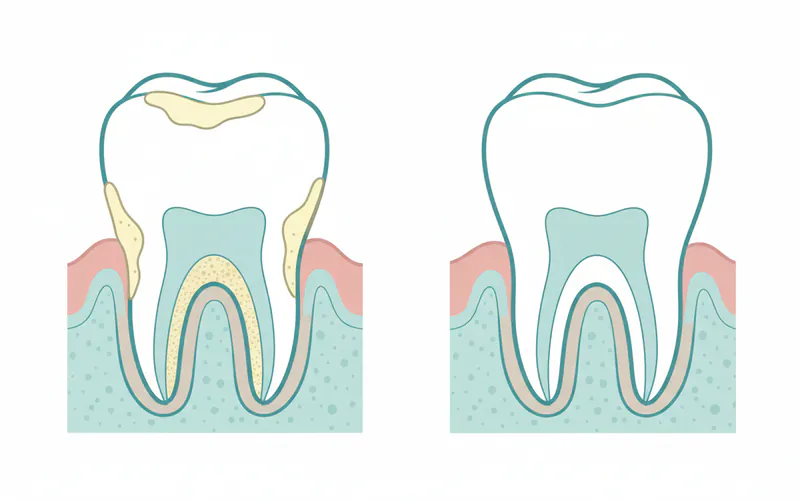
Plaque is a sticky, colorless film of bacteria that constantly forms on your teeth. If not removed regularly through brushing and flossing, it can harden into tartar (calculus). Tartar is porous and creates a rough surface that attracts more plaque, leading to a vicious cycle of bacterial buildup. Only a dental professional can remove tartar.
Why It Matters to Your Health:
- Prevents Cavities: By removing plaque and tartar, you eliminate the bacteria that produce acids, which erode tooth enamel and cause cavities.
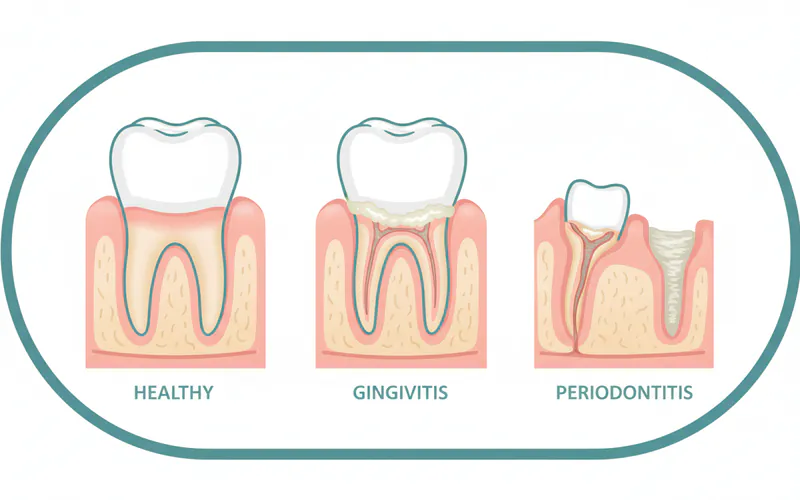
- Fights Gum Disease: Cleanings remove bacteria that irritate gums, preventing gingivitis (inflammation of the gums) and its progression to more severe periodontal disease.
- Freshens Breath: A major cause of bad breath (halitosis) is bacteria and decaying food particles in the mouth, which are removed during a cleaning.
- Early Detection: Routine visits allow your dentist to spot potential problems like cavities, gum disease, or oral cancer early, before they become serious and costly.
- Overall Health: Research shows strong links between oral health and systemic conditions such as heart disease, diabetes, respiratory infections, and even adverse pregnancy outcomes. Keeping your mouth healthy contributes to your overall well-being.
Pro Tip: Most dental insurance plans cover two routine cleanings per year at 100%, emphasizing their critical role in preventive care. Don't skip these appointments!
Types of Human Dental Cleanings and Treatments
Not all dental cleanings are the same. The type of cleaning you receive depends on the health of your gums and the presence of any periodontal disease.
Routine Prophylaxis (Regular Cleaning)
- What it is: This is the standard cleaning for individuals with healthy gums or mild gingivitis (inflammation without bone loss). It involves removing plaque and tartar above and slightly below the gumline, followed by polishing.
- Why It's Done: To prevent the onset of gum disease, maintain oral hygiene, and detect any new issues.
- Frequency: Typically recommended every six months, or bi-annually.
- Cost Range (US, out-of-pocket): $75 - $200
Scaling and Root Planing (Deep Cleaning)
- What it is: This is a non-surgical procedure for treating moderate to severe chronic periodontitis (gum disease with bone loss). It's more extensive than a regular cleaning. Scaling involves removing plaque and tartar from above and below the gumline, down to the bottom of the periodontal pocket. Root planing smooths the root surfaces of the teeth to prevent bacteria from re-adhering and to allow the gums to reattach to the teeth.
- Why It's Done: To halt the progression of gum disease, reduce inflammation, shrink periodontal pockets, and prevent tooth loss. It's often done under local anesthesia.
- Frequency: Typically performed as an initial treatment, sometimes followed by more frequent periodontal maintenance cleanings.
- Cost Range (US, out-of-pocket): $200 - $600 per quadrant. Since the mouth has four quadrants, a full mouth deep cleaning can cost $800 - $2,400.
- A quadrant refers to one-fourth of the mouth (e.g., upper right, upper left, lower right, lower left).
Periodontal Maintenance Cleaning
- What it is: After completing scaling and root planing, patients often require more frequent and specialized cleanings to maintain their gum health. These maintenance cleanings are more thorough than a routine prophylaxis and focus on keeping periodontal pockets clean.
- Why It's Done: To prevent the recurrence or progression of gum disease after initial deep cleaning.
- Frequency: Usually recommended every 3-4 months.
- Cost Range (US, out-of-pocket): $100 - $300 per visit.
Causes / Why It Happens (Human Dental Issues)
The primary cause of most dental issues, from cavities to gum disease, is the accumulation of bacterial plaque and tartar. Several factors contribute to this:
- Poor Oral Hygiene: Inadequate brushing and flossing allow plaque to build up and harden into tartar. The American Dental Association (ADA) recommends brushing twice a day for two minutes with fluoride toothpaste and flossing once a day.
- Diet: Frequent consumption of sugary and acidic foods and drinks fuels the bacteria that produce enamel-eroding acids.
- Smoking/Tobacco Use: Tobacco products significantly increase the risk of gum disease, oral cancer, and other oral health problems.
- Dry Mouth (Xerostomia): Saliva helps wash away food particles and neutralize acids. Reduced saliva flow (due to medications, medical conditions, or aging) increases the risk of cavities and gum disease.
- Genetics: Some individuals are genetically predisposed to certain dental conditions, including gum disease.
- Systemic Diseases: Conditions like diabetes, autoimmune disorders, and HIV can weaken the body's immune response, making individuals more susceptible to oral infections.
- Medications: Certain medications can cause dry mouth or gum overgrowth, impacting oral health.
Signs and Symptoms You Need a Dental Cleaning or Further Treatment
While routine check-ups are essential even without symptoms, certain signs indicate it's time to see your dentist, potentially for more than just a regular cleaning:
- Persistent Bad Breath (Halitosis): Often a sign of bacterial buildup, gum disease, or decaying teeth.
- Bleeding Gums: Gums that bleed during brushing or flossing are a classic sign of gingivitis. Healthy gums should not bleed.
- Red, Swollen, or Tender Gums: Another indicator of gum inflammation.
- Receding Gums: Gums pulling away from the teeth, making teeth appear longer, can be a sign of advanced gum disease and can expose sensitive root surfaces.
- Loose or Shifting Teeth: A critical symptom of advanced periodontal disease, where bone loss has occurred.
- Pus Between Teeth and Gums: A clear sign of infection and abscess.
- Changes in Bite: If your teeth don't fit together as they used to, it could indicate bone loss or shifting teeth.
- Visible Tartar Buildup: Yellow or brown deposits on your teeth, especially near the gumline.
- Tooth Sensitivity: While often due to other factors, exposed roots from gum recession can cause sensitivity.
- Pain or Discomfort: Any persistent pain in your teeth or gums warrants a dental visit.
The Human Dental Cleaning Process: What to Expect
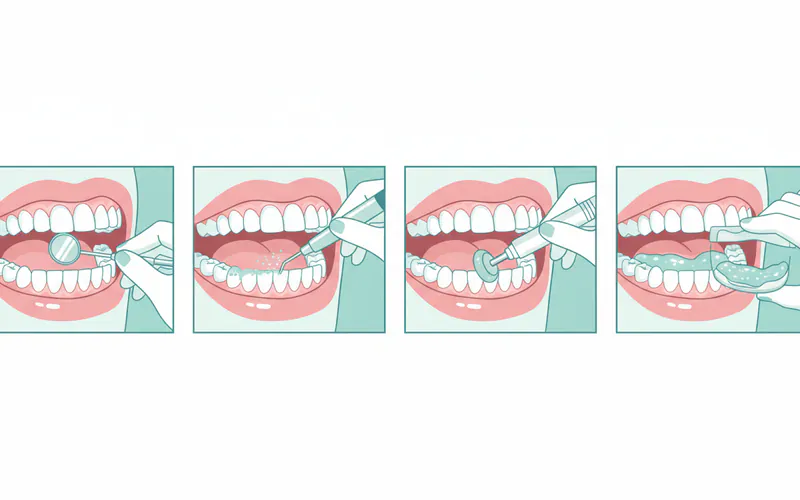
Knowing what happens during a dental visit can help alleviate any anxiety. A typical routine dental cleaning and check-up involves several steps:
-
Comprehensive Examination (Dental Check-up):
- Medical History Review: The dental team will update your medical history, as certain conditions and medications can affect your oral health.
- Visual Exam: The dentist will thoroughly examine your teeth, gums, tongue, and other soft tissues for any signs of decay, gum disease, oral cancer, or other abnormalities.
- Periodontal Charting: The hygienist or dentist will measure the depth of the pockets around your teeth using a probe. Healthy pockets are typically 1-3mm. Deeper pockets indicate gum disease.
- X-rays (Radiographs): Dental X-rays (taken periodically, often every 1-5 years depending on individual risk factors) allow the dentist to see between teeth, under fillings, and check the health of the bone supporting your teeth, detecting cavities, infections, and bone loss not visible during a visual exam.
-
Plaque and Tartar Removal (Scaling):
- The dental hygienist uses specialized tools, including an ultrasonic scaler (a vibrating instrument that sprays water to loosen and wash away plaque and tartar) and hand scalers (curettes and sickles), to meticulously remove deposits from all tooth surfaces, both above and below the gumline. This is often the longest part of the cleaning.
-
Tooth Polishing:
- After scaling, a high-powered electric brush with a gritty toothpaste-like paste (prophy paste) is used to polish the teeth. This removes any remaining surface stains and smooths the tooth surface, making it harder for plaque to adhere.
-
Flossing:
- The hygienist will thoroughly floss your teeth to remove any remaining plaque or debris between them and verify the cleanliness of interdental spaces.
-
Fluoride Treatment:
- A fluoride application, typically a gel, foam, or varnish, may be offered, especially for children or adults prone to cavities. Fluoride helps strengthen tooth enamel and make it more resistant to acid attacks.
-
Oral Hygiene Instructions and Recommendations:
- The hygienist will provide personalized advice on improving your brushing and flossing techniques, dietary habits, and any other specific oral care needs.
-
Final Check by Dentist:
- The dentist will perform a final check of your mouth, review any X-rays, discuss findings, and recommend any necessary future treatments (e.g., fillings, crowns, further periodontal therapy).
Cost and Insurance: US Price Ranges and Coverage Details for Human Dental Care
Understanding the costs associated with dental care in the US can be complex, as prices vary significantly based on location, the dentist's fees, and whether you have dental insurance. Here, we'll break down common costs for human dental procedures, including the critical question: "how much does it cost to extract a tooth."
Routine Preventive Care (Prophylaxis, Exam, X-rays)
- Dental Exam (Code D0120/D0150):
- Average US Cost: $50 - $150
- With Insurance: Often covered at 100% (part of preventive benefits).
- Dental X-rays (Code D0210/D0274):
- Full Mouth Series (D0210): $100 - $250 (taken every 3-5 years)
- Bite-wing X-rays (D0274): $30 - $80 (taken annually)
- With Insurance: Often covered at 100% or 80-90%.
- Routine Cleaning (Prophylaxis, Code D1110):
- Average US Cost: $75 - $200
- With Insurance: Often covered at 100% (most plans allow two cleanings per year).
Deep Cleaning (Scaling and Root Planing)
- Scaling and Root Planing (Code D4341 for 4+ teeth/quadrant; D4342 for 1-3 teeth/quadrant):
- Average US Cost: $200 - $600 per quadrant.
- For a full mouth (4 quadrants): $800 - $2,400.
- With Insurance: Typically covered at 50-80% after deductible, subject to annual maximums. Many plans require a full mouth series of X-rays and periodontal charting to approve deep cleaning, as it's considered a treatment for existing disease.
- Average US Cost: $200 - $600 per quadrant.
Periodontal Maintenance
- Periodontal Maintenance (Code D4910):
- Average US Cost: $100 - $300 per visit.
- With Insurance: Often covered at 50-80% after deductible, typically allowed 3-4 times per year for patients with a history of periodontal disease.
Tooth Extraction Costs (Human)
The cost of a human tooth extraction depends on several factors, including the type of tooth, its location, whether it's impacted, and the complexity of the procedure.
- Simple Extraction (Code D7140):
- What it is: Removal of a visible, loose, or easily accessible tooth using forceps. This is performed by a general dentist.
- Average US Cost: $75 - $300 (without insurance).
- With Insurance: Typically covered at 50-80% after deductible.
- Surgical Extraction (Code D7210):
- What it is: Removal of a tooth that is not easily accessible, such as one that has broken off at the gumline, is impacted (stuck under the gum or bone), or requires removal of bone or gum tissue to extract. This may be performed by a general dentist or an oral surgeon.
- Average US Cost: $200 - $800 (without insurance), can be higher for very complex cases.
- With Insurance: Typically covered at 50-80% after deductible.
- Wisdom Tooth Extraction (Impacted, Code D7230/D7240/D7250):
- What it is: Extraction of third molars (wisdom teeth), which are often impacted (partially or fully embedded in the jawbone). This frequently requires surgical extraction by an oral surgeon.
- Average US Cost: $150 - $600 per tooth for non-impacted; $250 - $800 per tooth for partially impacted; $350 - $1,100 per tooth for fully impacted (without insurance).
- With Insurance: Coverage varies greatly. Some medical insurance plans might cover impacted wisdom teeth if they are considered a medical necessity, but most dental plans will cover 50-80% of surgical extractions after deductible, up to their annual maximum.
Pro Tip: Always get a detailed treatment plan and cost estimate from your dentist before any major procedure. This estimate should clearly outline the procedure codes, fees, and your estimated out-of-pocket expense after insurance.
Dental Insurance Coverage Details
Dental insurance typically categorizes procedures into three tiers:
- Preventive Care: (Exams, cleanings, X-rays) – Usually covered at 80-100%.
- Basic Procedures: (Fillings, simple extractions, root canals) – Typically covered at 50-80%.
- Major Procedures: (Crowns, bridges, dentures, surgical extractions, implants) – Usually covered at 0-50%.
Key Considerations for Dental Insurance:
- Annual Maximum: Most plans have an annual maximum benefit, typically $1,000 - $2,000. Once you reach this limit, you pay 100% of costs for the rest of the year.
- Deductible: An amount you must pay out-of-pocket before your insurance begins to cover costs (often $50 - $100 per year). Preventive care is often exempt from the deductible.
- Waiting Periods: Many plans have waiting periods (e.g., 3-6 months for basic care, 6-12 months for major care) before they will cover certain procedures.
- PPO vs. HMO: PPO plans offer more flexibility in choosing dentists, while HMO plans require you to select a dentist from a specific network.
- Employer vs. Individual Plans: Employer-sponsored plans generally offer better benefits at lower premiums than individual plans.
Comparison Table: Common Human Dental Procedure Costs (without insurance)
| Procedure | ADA Code | Average US Cost Range (Out-of-Pocket) | Insurance Coverage (Typical) |
|---|---|---|---|
| Dental Exam (New/Established Patient) | D0150/D0120 | $50 - $150 | 80-100% |
| Bitewing X-rays (4 films) | D0274 | $30 - $80 | 80-100% |
| Full Mouth X-rays | D0210 | $100 - $250 | 80-100% (less frequent) |
| Routine Cleaning (Prophylaxis) | D1110 | $75 - $200 | 80-100% |
| Scaling & Root Planing (per quadrant) | D4341 | $200 - $600 | 50-80% |
| Periodontal Maintenance | D4910 | $100 - $300 | 50-80% |
| Simple Extraction (non-surgical) | D7140 | $75 - $300 | 50-80% |
| Surgical Extraction | D7210 | $200 - $800 | 50-80% |
| Wisdom Tooth Extraction (Impacted) | D7230/D7240 | $250 - $1,100 per tooth | 50-80% (variable) |
| Composite Filling (1 surface) | D2391 | $100 - $250 | 50-80% |
| Crown (Porcelain Fused to Metal) | D2750 | $800 - $2,000 | 0-50% |
The Value of Your Smile vs. a Megalodon Tooth
While the question "how much is a megalodon tooth worth" might cross your mind, comparing the value of an ancient fossil to your own living teeth is a stark reminder of what truly matters. A Megalodon tooth, a relic of a prehistoric shark, can fetch anywhere from $10 to over $1,000 for exceptional specimens, primarily due to its rarity, size, and historical significance as a collector's item. It holds aesthetic and scientific value.
Your own teeth, however, possess immeasurable functional and health value. They enable you to eat, speak clearly, and smile confidently. They are integral to your digestive system and overall systemic health. While a fossil tooth's value is purely transactional and historical, the value of your healthy, functional human teeth is deeply personal, impacting your quality of life, self-esteem, and longevity. Investing in your oral health is an investment in your entire well-being, far surpassing the collectible worth of any ancient artifact.
Recovery and Aftercare for Human Dental Procedures
After a routine cleaning, recovery is minimal. You can typically resume normal activities immediately. Your gums might feel a little sensitive, especially if you had significant tartar buildup, but this should subside quickly.
For more involved procedures like deep cleanings (scaling and root planing) or extractions, aftercare is crucial for proper healing and to prevent complications.
After Deep Cleaning (Scaling and Root Planing):
- Sensitivity: Your teeth and gums may be sensitive to hot and cold for a few days to a few weeks. Your dentist might recommend a desensitizing toothpaste.
- Soreness: Gums may be sore and slightly swollen. Over-the-counter pain relievers like ibuprofen can help.
- Bleeding: Minor bleeding is normal for a day or two.
- Oral Hygiene: Continue gentle brushing and flossing. Your hygienist may recommend a special antimicrobial mouthrinse.
- Diet: Avoid very hot, cold, spicy, or hard foods for a day or two.
After Tooth Extraction:
- Bleeding: Keep gauze on the extraction site, applying gentle pressure, and change it as needed. Bleeding should slow down within a few hours.
- Pain Management: Take prescribed pain medication or over-the-counter pain relievers as directed.
- Swelling: Apply an ice pack to the outside of your cheek intermittently for the first 24 hours to reduce swelling.
- Rest: Avoid strenuous activity for at least 24-48 hours.
- Diet: Stick to soft foods (e.g., yogurt, soup, mashed potatoes) for the first few days. Gradually reintroduce other foods as comfortable.
- Oral Hygiene: Avoid rinsing vigorously, spitting, or using straws for at least 24-48 hours to prevent dislodging the blood clot (dry socket). Gently brush other teeth, but avoid the extraction site initially. Your dentist may recommend a saline rinse after 24 hours.
- Smoking/Alcohol: Avoid smoking and alcohol, as they can significantly impede healing.
- Follow-up: Attend any follow-up appointments as scheduled.
Prevention: How to Prevent Dental Issues in Humans
The best approach to dental care is always prevention. By adopting consistent habits, you can significantly reduce your risk of developing costly and painful dental problems.
- Brush Twice Daily: Use a soft-bristled toothbrush and fluoride toothpaste. Brush for at least two minutes, covering all tooth surfaces and the gumline. Electric toothbrushes are often more effective.
- Floss Daily: Flossing removes plaque and food particles from between teeth and under the gumline where your toothbrush can't reach. This is crucial for preventing gum disease and cavities between teeth.
- Use Mouthwash (Optional): An antiseptic or fluoride mouthwash can complement brushing and flossing but should not replace them.
- Limit Sugary and Acidic Foods/Drinks: Reduce consumption of sodas, fruit juices, candies, and highly processed carbohydrates, which feed bacteria and erode enamel.
- Eat a Balanced Diet: A diet rich in fruits, vegetables, lean proteins, and dairy (for calcium) supports overall health, including oral health.
- Regular Dental Check-ups and Cleanings: Visit your dentist every six months (or as recommended) for professional cleanings and examinations. These visits allow for early detection and intervention.
- Avoid Tobacco Products: Smoking and chewing tobacco are major risk factors for gum disease, oral cancer, and tooth loss. Quitting is one of the best things you can do for your oral and overall health.
- Wear a Mouthguard: If you play contact sports, wear a custom-fitted mouthguard to protect your teeth from injury. If you grind or clench your teeth (bruxism), a nightguard can prevent excessive wear and tear.
- Consider Dental Sealants: For children and some adults, dental sealants can be applied to the chewing surfaces of back teeth to prevent cavities in the grooves and pits.
- Drink Tap Water (Fluoridated): If your community's tap water is fluoridated, drinking it regularly can help strengthen enamel.
Risks and Complications of Neglecting Human Dental Care
Ignoring early signs of dental problems or skipping regular preventive care can lead to serious and potentially irreversible complications, affecting not only your mouth but your entire body.
- Progression of Gum Disease: Untreated gingivitis can advance to periodontitis, a severe infection that destroys the bone and tissues supporting your teeth. This is the leading cause of tooth loss in adults.
- Tooth Decay and Cavities: Small cavities left untreated will grow larger, potentially leading to deep infections (abscesses), excruciating pain, and necessitating root canal treatment or extraction.
- Tooth Loss: Advanced gum disease and severe decay ultimately lead to tooth loss. Missing teeth can impact your ability to chew, speak, and can lead to shifting of remaining teeth, further bone loss, and changes in facial structure.
- Dental Abscesses and Infections: Untreated infections in the teeth or gums can form painful pus-filled pockets (abscesses). These infections can spread to other parts of the face, neck, or even the bloodstream, leading to life-threatening conditions like sepsis.
- Systemic Health Complications: The link between oral health and general health is well-established. Poor oral hygiene and untreated gum disease are associated with:
- Cardiovascular Disease: Increased risk of heart attack and stroke.
- Diabetes: Worsening blood sugar control and increased risk of complications.
- Respiratory Infections: Bacteria from the mouth can be aspirated into the lungs.
- Pregnancy Complications: Increased risk of premature birth and low birth weight.
- Dementia: Emerging research suggests a potential link.
- Chronic Pain: Persistent toothaches, gum pain, and sensitivity can significantly diminish your quality of life.
- Increased Treatment Costs: Procrastinating dental care invariably leads to more extensive, complex, and expensive treatments down the road. A small filling is much cheaper than a root canal, crown, or implant.
- Reduced Quality of Life: Difficulty eating, speaking, and smiling due to dental problems can impact self-esteem, social interactions, and overall well-being.
Children / Pediatric Considerations for Dental Health
Pediatric dental care is critical from infancy through adolescence, establishing lifelong healthy habits and preventing early issues.
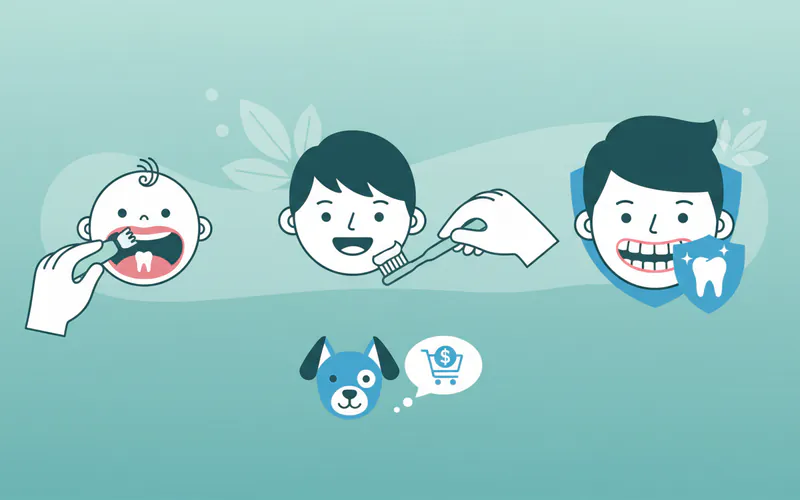
- First Dental Visit: The ADA recommends a child's first dental visit by their first birthday or within six months of the first tooth erupting. These initial visits are primarily for parents to receive guidance on oral hygiene, diet, and fluoride.
- Baby Teeth Matter: Even though primary (baby) teeth eventually fall out, they are crucial for proper chewing, speech development, and maintaining space for permanent teeth. Early cavities in baby teeth can lead to pain, infection, and impact the development of permanent teeth.
- Fluoride: Fluoride is essential for strengthening enamel and preventing cavities in children. Dentists may recommend professional fluoride applications during check-ups, especially if a child lives in an area without fluoridated water or has a high risk of cavities.
- Dental Sealants: Sealants are thin, protective coatings applied to the chewing surfaces of permanent molars (and sometimes premolars) to prevent decay. They fill in the natural pits and grooves where food and bacteria can get trapped.
- Cost of Sealants: $30 - $60 per tooth (without insurance). Often covered 50-80% by dental insurance for children.
- Pediatric Cleaning Costs: Similar to adults, routine cleanings for children (D1120) typically cost $75 - $150 without insurance and are usually 100% covered by insurance.
- Orthodontic Evaluation: Children should have an orthodontic evaluation by age 7 to assess bite and jaw development. Early intervention can sometimes simplify later orthodontic treatment.
- Traumatic Injuries: Children are prone to dental injuries from falls or sports. Immediate dental attention is necessary for any knocked-out, chipped, or loosened teeth.
Pro Tip: Make dental visits a positive experience for children. Start early, read books about going to the dentist, and emphasize the fun of a healthy smile.
Cost Breakdown: Average US Human Dental Costs, Payment Plans, and Cost-Saving Tips
To further clarify the financial landscape of human dental care, let's consolidate the average costs and explore options for managing expenses.
Average US Costs (Low, Mid, High Range for Common Procedures without Insurance)
| Procedure | Low Range | Mid Range | High Range |
|---|---|---|---|
| Routine Cleaning | $75 | $120 | $200 |
| Dental Exam | $50 | $100 | $150 |
| 4 Bitewing X-rays | $30 | $55 | $80 |
| Composite Filling (1 surface) | $100 | $175 | $250 |
| Simple Extraction | $75 | $180 | $300 |
| Surgical Extraction | $200 | $500 | $800 |
| Deep Cleaning (per quadrant) | $200 | $350 | $600 |
| Crown (PFM) | $800 | $1,400 | $2,000 |
| Root Canal (Molar) | $700 | $1,100 | $1,500 |
With vs. Without Insurance
- With Insurance: As outlined earlier, dental insurance significantly reduces out-of-pocket costs, especially for preventive and basic care. For example, a $120 routine cleaning might be 100% covered. A $500 surgical extraction might cost you $100-$250 after insurance. However, insurance plans have annual maximums (typically $1,000-$2,000), beyond which you pay 100% of costs.
- Without Insurance: You are responsible for the full fee for services. This is why many people defer necessary treatment, leading to more severe problems and higher costs in the long run.
Payment Plans and Financing Options
For those without adequate insurance or facing significant treatment costs, several options can help manage payments:
- In-Office Payment Plans: Many dental offices offer interest-free payment plans, allowing you to pay for treatment over several months.
- Dental Credit Cards (e.g., CareCredit): These specialized healthcare credit cards offer promotional financing options, often with 0% interest for a set period (e.g., 6, 12, or 18 months), if the balance is paid in full by the end of the term.
- Personal Loans: Banks or credit unions offer personal loans that can cover dental expenses, though these usually come with interest rates.
- Flexible Spending Accounts (FSAs) or Health Savings Accounts (HSAs): If you have access to an FSA or HSA through your employer, you can use pre-tax dollars to pay for qualified dental expenses, effectively saving you money.
- Dental Schools: Dental schools often provide services at a reduced cost, as treatments are performed by students under the supervision of experienced faculty. Quality of care is generally high, but appointments may take longer.
Cost-Saving Tips for Human Dental Care
- Prioritize Prevention: The most effective way to save money is to avoid problems in the first place. Consistent daily oral hygiene and biannual preventive cleanings and exams are non-negotiable.
- Utilize Your Insurance: Understand your benefits, deductibles, and annual maximums. Schedule treatments strategically to maximize your coverage within the year.
- Don't Delay Treatment: A small cavity is a simple filling. A neglected cavity becomes a root canal, then a crown, then potentially an extraction and an implant. Addressing issues early saves money and preserves your natural teeth.
- Shop Around: Get multiple opinions and cost estimates for major procedures. Fees can vary between dental practices.
- Ask About Cash Discounts: Many dental offices offer a discount (e.g., 5-10%) for patients who pay in full at the time of service, especially if they don't have insurance.
- Consider Dental Discount Plans: These are not insurance but membership plans where you pay an annual fee (e.g., $100-$200) and receive discounted rates (e.g., 10-50%) on a range of dental services from participating dentists.
- Community Dental Clinics: Some non-profit organizations or government-funded clinics offer reduced-cost dental care based on a sliding scale according to income.
Frequently Asked Questions
What's the difference between a regular cleaning and a deep cleaning for humans?
A regular cleaning (prophylaxis) is for healthy mouths or mild gingivitis, removing plaque and tartar above and slightly below the gumline. A deep cleaning (scaling and root planing) is for gum disease (periodontitis), involving thorough cleaning deep into periodontal pockets and smoothing root surfaces to allow gums to reattach, often requiring local anesthesia.
How often should I get my teeth cleaned?
The American Dental Association generally recommends professional dental cleanings every six months for most individuals. However, if you have a history of gum disease or other risk factors, your dentist may recommend more frequent cleanings, such as every three or four months.
Is dental cleaning painful?
Routine dental cleanings are typically not painful, though you might experience some mild sensitivity, especially if you have significant tartar buildup or sensitive gums. Deep cleanings, which go below the gumline, are usually performed with local anesthesia to ensure your comfort.
Can dental insurance cover extractions and deep cleanings?
Yes, most dental insurance plans cover a portion of extractions and deep cleanings. Simple extractions are often covered at 50-80%, while surgical extractions might have similar or slightly lower coverage. Deep cleanings (scaling and root planing) are usually covered at 50-80%, but typically require a deductible and are subject to annual maximums.
What are the risks of a tooth extraction?
Risks of human tooth extraction include pain, swelling, infection at the extraction site, bleeding, and dry socket (when the blood clot dislodges from the socket). More rarely, nerve damage or damage to adjacent teeth can occur. Your dentist will discuss specific risks based on your individual case.
How can I make dental care more affordable without insurance?
Without insurance, you can ask your dentist about cash discounts, inquire about in-office payment plans, explore dental credit cards like CareCredit, or look into dental discount plans. Community dental clinics and dental schools often offer reduced-cost care as well.
How long does a human dental cleaning take?
A routine dental cleaning (prophylaxis) typically takes between 45 minutes to an hour, including the examination by the dentist. A deep cleaning appointment (scaling and root planing) usually takes longer, often 1-1.5 hours per quadrant, and is frequently split into two or more appointments.
Does my medical insurance cover any dental procedures?
Generally, no. Medical insurance typically does not cover routine dental care. However, in some specific cases, major medical insurance might cover dental procedures that are considered medically necessary, such as jaw surgery due to trauma or certain procedures related to a medical condition (e.g., extractions before radiation therapy).
What's a dry socket and how can I prevent it after extraction?
A dry socket (alveolar osteitis) occurs when the blood clot that forms in the empty tooth socket after an extraction either dissolves or gets dislodged prematurely, exposing the bone and nerves. To prevent it, avoid smoking, spitting, vigorous rinsing, or using straws for at least 24-48 hours post-extraction. Follow your dentist's post-operative instructions carefully.
Are there alternatives to deep cleaning for gum disease?
For early-stage gum disease (gingivitis), improved oral hygiene alone may be sufficient. However, once periodontitis (bone loss) has set in, deep cleaning (scaling and root planing) is the gold standard non-surgical treatment. In severe cases, surgical interventions like flap surgery or bone/gum grafting may be necessary if deep cleaning isn't enough.
When to See a Dentist
Knowing when to seek dental care is crucial for maintaining your oral health and preventing small problems from becoming emergencies.
Immediate Emergency (See a Dentist NOW):
- Severe Toothache: Excruciating, throbbing pain that doesn't subside with over-the-counter pain relievers. This could indicate a severe infection or abscess.
- Knocked-Out Tooth: If a permanent tooth is completely dislodged, immediate action (within an hour) might save it.
- Chipped or Broken Tooth with Severe Pain: Especially if the pulp is exposed.
- Abscess (Pus-Filled Swelling): A painful, pus-filled bump on your gums or jaw, accompanied by fever or facial swelling. This is a serious infection that needs immediate attention.
- Trauma to Jaw or Face: Any injury that might have affected your teeth, jaw, or soft tissues.
Urgent Care (Schedule an Appointment Soon):
- Persistent Tooth Sensitivity: Sensitivity to hot, cold, or sweets that lasts longer than a few seconds, which could indicate a cavity or exposed root.
- Swollen or Bleeding Gums: Gums that bleed during brushing, are red, swollen, or tender, are signs of gingivitis or early gum disease.
- Constant Bad Breath: Persistent halitosis that doesn't improve with brushing and flossing can signal underlying issues.
- Loose or Shifting Teeth: A sign of advanced gum disease.
- Lost Filling or Crown: While not always painful, it exposes the tooth to further decay or damage.
Routine Care (Schedule a Regular Appointment):
- Biannual Check-up and Cleaning: Even if you have no symptoms, regular preventive visits are essential for early detection and maintaining optimal oral health.
- Concern about Aesthetic Issues: If you're interested in whitening, veneers, or orthodontics, schedule a consultation.
Don't wait for pain to be your motivator for a dental visit. Proactive and consistent dental care is your best defense against oral health problems and ensures your smile remains healthy and functional for years to come.
Frequently Asked Questions
Medically Reviewed Content
This article was written by our dental health editorial team and reviewed for medical accuracy. Our content follows strict editorial guidelines for reliability and trustworthiness.
Medical Disclaimer
This article is for informational purposes only and does not constitute medical advice. Always consult with a qualified dental professional for diagnosis and treatment. Do not delay seeking professional advice because of something you read on this website.
Related Articles
How Much Does Tooth Bonding Cost
Imagine looking in the mirror and seeing a smile that doesn't quite reflect your inner confidence – maybe a small chip from an unexpected accident, an annoying gap between your front teeth, or a stain that just won't budge. For many Americans, these minor imperfections can significantly impact self-
February 22, 2026
How Much Are Gold Grillz for Teeth
When considering a unique blend of personal style and dental aesthetics, many individuals find themselves drawn to the allure of gold grillz. But beyond the flashy appearance and cultural significance, a practical question often arises: how much are gold grillz for teeth? This isn't just a simpl
February 22, 2026
How Much Are Tooth Gems
In an age where personal expression extends to every facet of our lives, it's no surprise that cosmetic dentistry has evolved beyond mere functionality to embrace aesthetic adornment. From subtle enhancements to bold statements, teeth have become a new canvas for individuality. One increasingly popu
February 22, 2026

How Much Does a Dog Xray Cost
As a premier dental health portal, SmilePedia.net is dedicated to illuminating all facets of oral health and related medical costs for our valued readers across the US. While our primary focus remains squarely on human dentistry – from routine cleanings to complex restorative procedures – we underst
February 22, 2026