How Much Is a Gold Tooth Worth
Key Takeaways
- In an era where dental aesthetics often lean towards seamless, tooth-colored restorations, the enduring allure and practical benefits of a gold tooth might seem like a relic of the past to some. Yet, for many patients and dental professionals, gold remains a premium choice for certain dental restora
In an era where dental aesthetics often lean towards seamless, tooth-colored restorations, the enduring allure and practical benefits of a gold tooth might seem like a relic of the past to some. Yet, for many patients and dental professionals, gold remains a premium choice for certain dental restorations, offering unparalleled durability, biocompatibility, and a track record of success spanning centuries. But beyond its historical significance and clinical advantages, a common question arises for those considering this option: how much is a gold tooth worth? This isn't just a simple query about the market price of the precious metal; it encompasses the sophisticated dental artistry, material science, and personalized care that contribute to its overall value as a long-term solution for your oral health.
Understanding the true "worth" of a gold tooth involves dissecting various factors, from the current price of gold to the complexity of the dental procedure, the expertise of your dental team, and the specific type of restoration. This comprehensive guide from SmilePedia.net will demystify the costs associated with gold dental restorations, explore the types available, walk you through the treatment process, and discuss why gold might still be the best choice for certain situations. We'll delve into insurance considerations, recovery, and prevention, ensuring you have all the information needed to make an informed decision about this classic dental option for maintaining optimal oral health.
Key Takeaways:
- Gold dental restorations like crowns, inlays, and onlays offer exceptional durability and biocompatibility, often outlasting other materials.
- The cost of a gold tooth (typically a crown) in the U.S. generally ranges from $800 to $3,500 or more, influenced by gold market prices, the amount of gold used, clinic location, and procedure complexity.
- Insurance coverage for major restorative procedures like gold crowns typically falls between 50% and 80%, after deductibles are met and up to annual maximums.
- Factors impacting price include the type of restoration (full gold vs. PFM), the karat of the gold alloy, the specific tooth involved, and the dental lab fees.
- Gold restorations last exceptionally long, often 15-20 years or more with proper care, providing significant long-term value despite a higher initial cost.
- Alternatives to gold include porcelain, zirconia, and ceramic-metal crowns, each with different aesthetic and functional properties and varying price points.
- Regular oral hygiene, avoiding hard foods, and routine dental check-ups are crucial for maximizing the longevity and value of your gold dental work.
What It Is: The Enduring Legacy of Gold in Dentistry
A "gold tooth" typically refers to a dental restoration made, either entirely or partially, from a gold alloy. While it might conjure images of solid gold caps from historical periods, modern dental gold is highly refined, durable, and precisely engineered for specific dental applications. Gold has been used in dentistry for thousands of years, revered for its inertness, biocompatibility, malleability, and resistance to corrosion and tarnish. Unlike many other metals, gold does not react with body fluids, making it an excellent material for long-term placement in the mouth.
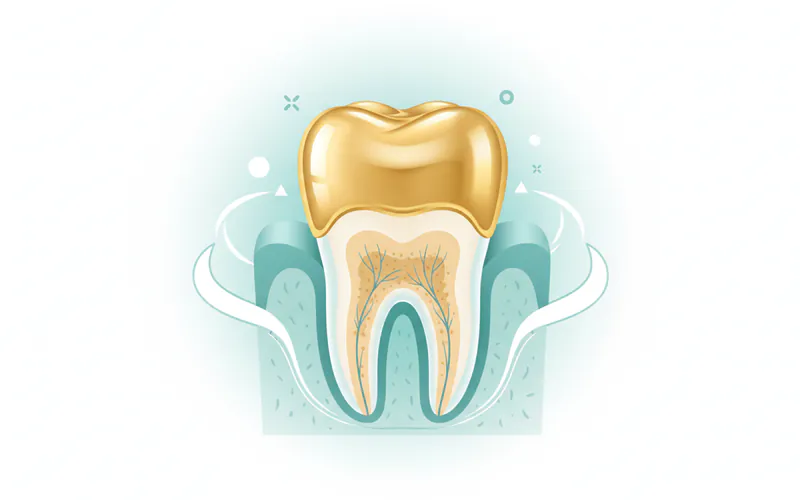
Today, gold dental restorations are not just about aesthetics for a distinct look; they are primarily chosen for their superior functional benefits, especially for posterior (back) teeth where biting forces are significant. These restorations are custom-fabricated in a dental laboratory to precisely fit the prepared tooth, restoring its strength, shape, and function.
The Science Behind Dental Gold
Modern dental gold is rarely pure 24-karat gold, which is too soft for dental applications. Instead, it's an alloy—a mixture of gold with other metals like platinum, palladium, silver, and copper. These additions enhance the gold's strength, hardness, and casting properties, making it suitable for withstanding the pressures of chewing. The gold content in these alloys can vary significantly, often ranging from 30% (low noble) to over 60% (high noble). The higher the gold content, the more "noble" the alloy is considered, indicating greater resistance to corrosion and improved biocompatibility.
Types of Gold Dental Restorations
When considering a gold tooth, it's important to understand the different types of restorations available, as each has distinct characteristics and implications for cost and aesthetics.
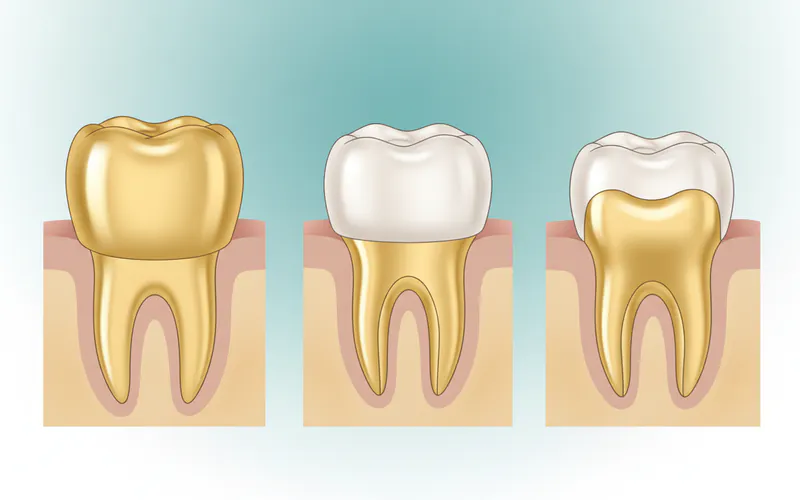
1. Full Gold Crowns (FGCs)
A full gold crown is a complete cap that covers the entire visible portion of a tooth above the gum line.
- Characteristics: Made entirely from a gold alloy, these crowns are renowned for their exceptional strength, longevity, and gentle wear on opposing teeth. They require less tooth reduction compared to ceramic crowns.
- Pros: Highly durable, biocompatible, excellent fit, minimal wear on opposing teeth, very long lifespan (often 20+ years).
- Cons: Metallic color is a significant aesthetic drawback for many, especially on front teeth.
- Best Use: Most commonly used for molars (back teeth) where chewing forces are greatest and aesthetics are less of a primary concern.
2. Porcelain-Fused-to-Metal (PFM) Crowns with Gold Alloy
PFM crowns combine the strength of a metal substructure with the aesthetics of porcelain. In this case, the metal base is a gold alloy.
- Characteristics: A thin layer of gold alloy forms the internal coping, providing strength and a precise fit. This coping is then covered with layers of tooth-colored porcelain, which are fused to the metal in a high-heat oven.
- Pros: Good balance of strength and aesthetics, strong and durable due to the metal substructure, and the porcelain can be matched to surrounding teeth. Gold alloy substructures offer better biocompatibility and less gingival irritation compared to base metal alloys.
- Cons: Can sometimes show a dark line at the gum margin if the gum recedes, porcelain can chip or fracture, and more tooth reduction is required compared to full gold crowns.
- Best Use: Suitable for both front and back teeth, providing a more natural appearance than full gold while retaining much of gold's strength.
3. Gold Inlays and Onlays
These are partial restorations used to repair teeth with moderate decay or damage that isn't extensive enough to require a full crown, but too large for a simple filling.
- Characteristics:
- Inlays: Fit within the cusps (bumps) of the chewing surface of the tooth.
- Onlays: Cover one or more cusps and the chewing surface.
- Both are custom-made from a gold alloy in a lab and then bonded to the tooth.
- Pros: Conserve more natural tooth structure than crowns, very durable, excellent fit, long-lasting.
- Cons: Like full gold crowns, their metallic color is an aesthetic consideration.
- Best Use: Ideal for restoring larger cavities in back teeth or repairing cracked teeth where cusps need protection without fully crowning the tooth.
4. Gold Bridges
A dental bridge replaces one or more missing teeth by spanning the gap between existing teeth or implants. If the bridge is supported by gold crowns, or if the pontic (false tooth) itself is made of gold alloy, it falls into this category.
- Characteristics: Similar to crowns, gold bridges can be full gold or PFM with a gold alloy framework.
- Pros: Offers the same durability and longevity benefits as single gold crowns.
- Cons: Aesthetic concerns for visible areas, higher cost due to multiple units.
- Best Use: Replacing missing teeth, especially in the posterior region, for patients prioritizing strength and longevity.
When a Gold Tooth Is Recommended
While modern dentistry offers a plethora of materials, gold remains a top choice for specific clinical situations and patient preferences. Your dentist might recommend a gold restoration for reasons including:
- Exceptional Durability and Longevity: Gold alloys are incredibly resistant to wear and fracture, making them ideal for teeth that endure significant chewing forces, such as molars. They often last significantly longer than other materials, sometimes 15-20 years or more.
- Biocompatibility: Gold is highly inert, meaning it rarely causes allergic reactions or irritation to the surrounding gum tissue. This makes it an excellent choice for patients with sensitivities to other metals.
- Gentle on Opposing Teeth: Gold wears down at a rate similar to natural tooth enamel, preventing excessive wear on the opposing teeth during chewing. This is a significant advantage over harder materials like zirconia, which can sometimes accelerate wear on natural teeth.
- Precise Fit: Gold alloys can be cast with extreme precision, leading to an excellent marginal fit against the tooth structure. A tight seal minimizes the risk of bacteria seeping under the crown and causing secondary decay.
- Minimal Tooth Reduction: For full gold crowns, less natural tooth structure needs to be removed compared to all-ceramic crowns, which require more space for material thickness.
- Patient Preference: Some patients simply prefer the traditional look or the perceived value of gold.
Treatment Options: Gold vs. Alternatives
Choosing a dental restoration involves weighing several factors, including strength, aesthetics, cost, and longevity. Here's how gold stacks up against its common alternatives:
Table 1: Comparison of Dental Crown Materials
| Feature | Full Gold Crown | Porcelain-Fused-to-Metal (PFM) | All-Ceramic/Porcelain | Zirconia Crown |
|---|---|---|---|---|
| Aesthetics | Metallic/Gold | Tooth-colored, but can show dark gum line | Highly aesthetic, natural translucency | Very strong, good aesthetics, opaque |
| Durability | Excellent, very long-lasting | Good, strong metal base | Good, but can be brittle under high force | Excellent, very strong and fracture-resistant |
| Biocompatibility | Excellent, inert | Good (especially with noble metal alloys) | Excellent | Excellent |
| Tooth Reduction | Minimal | Moderate | Moderate to Significant | Moderate |
| Wear on Opposing Teeth | Gentle, similar to natural enamel | Moderate | Can be abrasive if not highly polished | Can be abrasive if not highly polished, very hard |
| Cost Range (U.S.) | $800 - $3,500+ | $800 - $2,500 | $1,000 - $3,000 | $1,200 - $3,500 |
| Lifespan | 15-20+ years | 10-15 years | 10-15 years | 15-20+ years |
| Ideal For | Back molars, patients prioritizing durability | Front & back teeth, balance of strength/aesthetics | Front teeth, high aesthetic demand | Back teeth, high strength demand, bruxism |
Pro Tip: Discuss your priorities—whether it's longevity, aesthetics, or budget—with your dentist. They can help you determine the best material for your specific tooth and oral health needs.
Step-by-Step Process for Getting a Gold Tooth (Crown)
The process of getting a gold crown typically involves two to three appointments, spanning a few weeks.
Appointment 1: Preparation and Impression
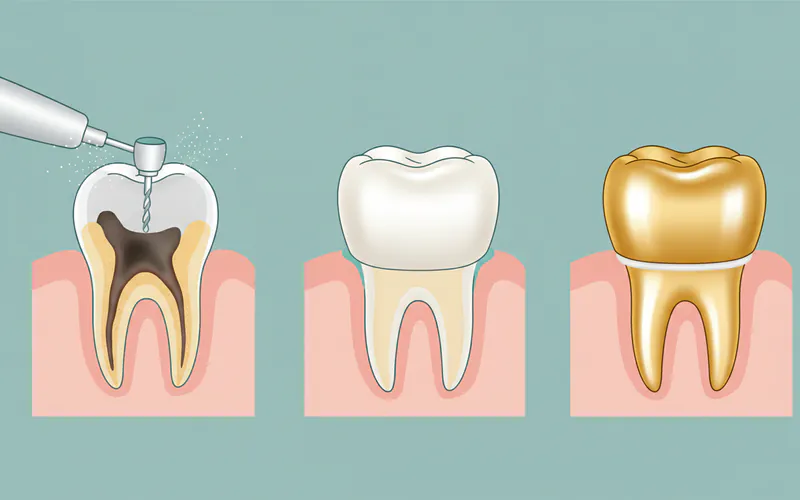
- Comprehensive Examination and Diagnosis: Your dentist will conduct a thorough examination of your tooth, including X-rays, to assess the extent of damage and ensure the tooth is healthy enough for a crown. Any existing decay or infection will be addressed first.
- Anesthesia: Local anesthetic will be administered to numb the tooth and surrounding gum tissue, ensuring a comfortable experience.
- Tooth Preparation: The dentist will carefully reshape the tooth. This involves removing any decayed or damaged portions and reducing the tooth's size to create enough space for the crown to fit over it without appearing bulky. For a gold crown, less tooth structure often needs to be removed compared to ceramic options.
- Impressions: Accurate impressions of the prepared tooth and the surrounding teeth are taken. These can be traditional putty impressions or digital scans, which are then sent to a dental laboratory. The lab uses these impressions to custom-fabricate your gold crown, ensuring it fits perfectly and aligns with your bite.
- Temporary Crown Placement: While your permanent gold crown is being made (which can take 2-3 weeks), a temporary crown made of acrylic or composite material is placed over the prepared tooth. This protects the tooth, prevents sensitivity, and maintains your bite and aesthetics.
Appointment 2: Permanent Crown Cementation
- Temporary Crown Removal: The temporary crown is gently removed, and the prepared tooth is thoroughly cleaned.
- Try-In and Adjustment: Your dentist will carefully place the custom-made gold crown onto your tooth to check its fit, bite, and aesthetics. Minor adjustments may be made to ensure perfect alignment with your opposing teeth and comfortable chewing.
- Permanent Cementation: Once you and your dentist are satisfied with the fit and appearance, the gold crown is permanently bonded to your tooth using a strong dental cement.
- Final Checks: The dentist will remove any excess cement and perform a final check of your bite to ensure optimal function.
Cost and Insurance: Understanding the Financial Investment
The question of how much is a gold tooth worth is complex, as the "worth" extends beyond the material cost to include the specialized dental care. In terms of monetary value, the cost of a gold dental restoration in the United States can vary significantly based on multiple factors.
Factors Influencing the Cost of a Gold Tooth
- Type of Restoration: A full gold crown will typically be more expensive than an inlay or onlay due to the amount of gold alloy required. Porcelain-fused-to-metal (PFM) crowns with a gold alloy substructure often fall in a similar range to full gold, sometimes slightly less or more depending on the porcelain artistry involved.
- Gold Market Price: The price of gold fluctuates daily on the global market. Since dental gold alloys contain a significant percentage of gold, these market fluctuations directly impact the material cost for dental labs and, consequently, the patient.
- Percentage of Gold/Noble Metals in the Alloy: High noble gold alloys (containing 60% or more noble metals, often 40%+ gold) are more expensive than noble alloys (25% noble metals) or base metal alloys.
- Geographic Location: Dental costs vary widely by region, city, and even neighborhood within the U.S. Major metropolitan areas like New York City or Los Angeles typically have higher dental fees than rural areas.
- Dentist's Fees and Expertise: The experience, reputation, and specialization of the dentist can influence the overall cost. Clinics with state-of-the-art equipment and highly trained staff may have higher fees.
- Dental Lab Fees: Custom gold restorations are fabricated in specialized dental laboratories. The quality, precision, and artistry of the lab technicians contribute to the overall cost. Some labs use advanced digital technologies, which can also affect pricing.
- Additional Procedures: If you require preliminary treatments like a root canal, deep cleaning, or gum therapy before the crown can be placed, these will add to the total cost.
- Number of Surfaces/Complexity: The specific tooth (e.g., a simple single-rooted front tooth versus a complex molar) and the extent of damage can affect preparation time and material used.
Average US Price Ranges for Gold Dental Restorations
Based on the factors above, here are general price ranges for gold dental restorations in the U.S.:
- Full Gold Crown: $800 - $3,500+ per tooth
- Porcelain-Fused-to-Metal (PFM) Crown with Gold Alloy: $800 - $2,500 per tooth
- Gold Inlay/Onlay: $600 - $2,000 per tooth
- Gold Bridge (per unit): This will be significantly higher, as a bridge typically involves 3 or more units (e.g., two crowns and one pontic). A 3-unit gold bridge might range from $2,400 to $10,500+.
These are averages, and it's essential to get a detailed quote from your specific dental provider.
Table 2: Estimated Cost Breakdown for a Gold Crown (U.S.)
| Cost Component | Without Insurance (Avg. Range) | With Insurance (Est. Patient Portion, 50% coverage) |
|---|---|---|
| Consultation & X-rays | $50 - $250 | $0 - $100 (after deductible) |
| Tooth Preparation & Temporary Crown | Included in Crown Cost or $100 - $300 | Included or $50 - $150 |
| Lab Fees (Gold Alloy & Fabrication) | $400 - $1,500 | $200 - $750 |
| Dentist Fees (Procedure & Cementation) | $300 - $1,700 | $150 - $850 |
| Total Estimated Cost | $800 - $3,500+ | $400 - $1,750+ (before annual max) |
Insurance Coverage for Gold Teeth
Most dental insurance plans classify crowns (including gold crowns) as "major restorative" procedures.
- Coverage Percentage: Typically, dental insurance plans cover 50% to 80% of the cost of major restorative procedures after your annual deductible has been met.
- Deductibles: You will usually need to pay your annual deductible (often $50-$200) out-of-pocket before insurance begins to pay.
- Annual Maximums: Most dental plans have an annual maximum benefit, often ranging from $1,000 to $2,000. If your gold crown costs $1,500 and your plan covers 50%, you'd pay $750, and $750 would count towards your annual maximum. If you have other dental work, you could quickly reach your maximum.
- Pre-Authorization: It's highly recommended to get a pre-treatment estimate or pre-authorization from your insurance company. This will clarify exactly what your plan will cover for a gold crown, including any material limitations (some plans might only cover a "base metal" crown and require you to pay the difference for gold).
- Waiting Periods: Some plans have waiting periods (e.g., 6-12 months) for major restorative procedures before you can receive coverage.
Pro Tip: Always call your insurance provider directly or have your dental office submit a pre-treatment estimate to understand your specific coverage for a gold crown.
Recovery and Aftercare for a Gold Tooth
Once your permanent gold crown is cemented, recovery is generally straightforward, and proper aftercare is crucial for its longevity.
Immediate Aftercare (First Few Days)
- Sensitivity: You might experience some mild sensitivity to hot or cold temperatures immediately after the anesthetic wears off. This is normal and usually subsides within a few days. Over-the-counter pain relievers like ibuprofen can help manage discomfort.
- Chewing: Avoid chewing hard or sticky foods on the crowned tooth for the first 24 hours to allow the cement to fully set. Your bite may feel slightly different initially; it should normalize quickly. If your bite feels "off" or uncomfortable after a few days, contact your dentist for an adjustment.
- Gum Soreness: Your gums around the crowned tooth might be tender or slightly swollen for a day or two. Gentle brushing and rinsing with warm salt water can help soothe them.
Long-Term Aftercare
A gold crown can last for many years, even decades, with proper care:
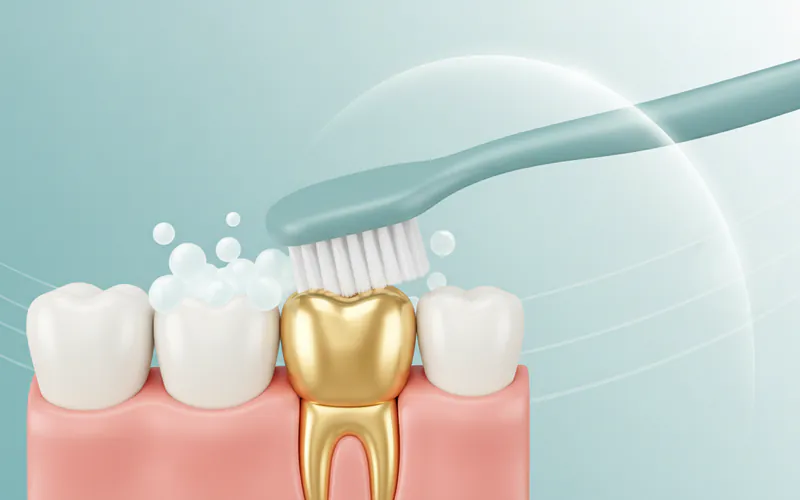
- Maintain Excellent Oral Hygiene: Brush twice a day with fluoride toothpaste and floss daily, paying special attention to the area around your crown. The tooth underneath the crown is still susceptible to decay, especially at the margin where the crown meets the tooth.
- Regular Dental Check-ups and Cleanings: Continue to see your dentist and hygienist for routine check-ups and professional cleanings, typically every six months. Your dentist will monitor the crown's integrity, ensure its fit is secure, and check for any signs of decay or gum disease.
- Avoid Damaging Habits: Refrain from chewing on ice, hard candies, popcorn kernels, or non-food items like pen caps. These can chip or dislodge any type of crown, including gold.
- Address Bruxism (Teeth Grinding): If you grind or clench your teeth (bruxism), your dentist might recommend a nightguard. While gold is very durable, excessive grinding can still put undue stress on the crown and your natural teeth.
Prevention: Protecting Your Investment
While a gold crown is a restoration for an already damaged tooth, preventing further damage to other teeth and maximizing the lifespan of your crown is crucial.
- Consistent Oral Hygiene: This is the cornerstone of dental health. Brushing and flossing effectively remove plaque and food debris, preventing cavities and gum disease that can compromise your natural teeth and the margins of your crowns.
- Healthy Diet: Limit sugary drinks and foods, which contribute to tooth decay. Opt for a balanced diet rich in fruits, vegetables, and lean proteins.
- Regular Dental Visits: Professional cleanings remove tartar buildup that daily brushing cannot, and routine check-ups allow your dentist to catch potential problems early, before they become major issues requiring more extensive (and expensive) treatments.
- Wear a Mouthguard: If you participate in contact sports, a custom-fitted mouthguard can protect your teeth from trauma that could lead to fractures or the need for crowns.
- Avoid Oral Piercings: Oral piercings can chip or crack teeth, including crowns, and introduce bacteria into the mouth.
- Address Dry Mouth: Saliva helps neutralize acids and wash away food particles. If you suffer from dry mouth, discuss solutions with your dentist, such as artificial saliva or medications.
Risks and Complications Associated with Gold Crowns
While gold crowns are generally safe and highly successful, like any medical procedure, there are potential risks and complications to be aware of:
- Sensitivity: After the tooth preparation, you might experience temporary sensitivity to hot, cold, or pressure. This usually subsides. If sensitivity is severe or persistent, contact your dentist.
- Allergic Reaction: While rare with high noble gold alloys due to their inertness, some individuals can have allergic reactions to other metals within the alloy (e.g., nickel, copper). If you have known metal allergies, inform your dentist.
- Loose Crown: The cement holding the crown can sometimes wash out or fail, causing the crown to become loose. This can allow bacteria to seep underneath, leading to decay. If your crown feels loose, see your dentist immediately.
- Chipped Crown (PFM): For porcelain-fused-to-metal crowns, the porcelain layer can chip or fracture, especially if subjected to strong biting forces or trauma. Small chips can sometimes be polished or repaired, but larger chips may require crown replacement.
- Decay Under the Crown (Secondary Caries): Even with a crown, the underlying tooth can still decay at the margin where the crown meets the tooth. Poor oral hygiene is the primary cause. This can necessitate removal of the crown and further treatment.
- Fractured Tooth: In rare cases, the underlying tooth structure supporting the crown can fracture, especially if the original tooth was severely compromised.
- Aesthetic Concerns: For many, the metallic appearance of a full gold crown is a primary aesthetic concern, especially for visible teeth.
- Impact on Opposing Teeth (Rare with Gold): While gold is known to be gentle, if a gold crown's surface is not perfectly polished or if the bite is off, it could theoretically cause wear on opposing natural teeth or restorations.
Children / Pediatric Considerations
Gold crowns are very rarely used for children's primary (baby) teeth or for permanent teeth. For primary teeth requiring full coverage, stainless steel crowns (SSCs) are the standard of care in pediatric dentistry. SSCs are durable, cost-effective, and provide full coverage protection until the primary tooth naturally falls out. The aesthetic and cost implications of gold, combined with the temporary nature of primary teeth, make gold an impractical choice for pediatric patients. For permanent teeth in adolescents, tooth-colored materials like composite, ceramic, or zirconia are generally preferred due to aesthetic considerations.
Cost Breakdown Reinforcement & Payment Options
To reiterate, the cost of a gold tooth is a significant investment in your oral health. Let's further break down payment options and cost-saving tips.
Average US Costs (Recap)
- Low End: ~$800 (often for gold inlays/onlays, or in regions with lower dental costs; may involve lower gold content alloys)
- Mid-Range: ~$1,500 - $2,500 (typical for full gold or PFM gold crowns in most U.S. markets)
- High End: ~$3,000 - $3,500+ (complex cases, premium gold alloys, high-cost metropolitan areas, highly specialized dentists)
Payment Plans and Financing Options
If the upfront cost of a gold tooth is a concern, several options can help manage the financial burden:
- Dental Insurance: As discussed, this can significantly reduce your out-of-pocket expenses. Ensure you understand your benefits.
- Payment Plans: Many dental offices offer in-house payment plans, allowing you to pay for your treatment in interest-free installments over a few months.
- Third-Party Financing: Services like CareCredit or LendingClub offer specialized healthcare financing. These typically function like credit cards with specific terms, often including interest-free periods if the balance is paid within a certain timeframe.
- Health Savings Accounts (HSAs) and Flexible Spending Accounts (FSAs): If you have an HSA or FSA through your employer, you can use these tax-advantaged accounts to pay for dental treatments, including gold crowns.
- Dental Schools: University dental schools often provide services at a reduced cost. Treatments are performed by supervised students, which might mean longer appointment times, but it can be a significant cost-saving measure.
Cost-Saving Tips
- Shop Around (Carefully): While you shouldn't choose a dentist based solely on price, it's acceptable to get quotes from a few reputable dental practices in your area. Compare treatment plans and material recommendations.
- Discuss Options: Talk to your dentist about different material options. While gold might be ideal, a strong PFM or zirconia might be a suitable alternative for your budget and clinical needs.
- Preventative Care: The best way to save money on crowns is to prevent the need for them! Regular check-ups, cleanings, and excellent home care can prevent cavities and damage that necessitate crowns.
- Negotiate: Sometimes, especially for self-pay patients, there may be a small discount available if you pay in full upfront. It never hurts to ask.
Frequently Asked Questions
Is a gold tooth worth the investment?
Many patients and dentists consider gold teeth, particularly full gold crowns, an excellent long-term investment. Their exceptional durability, longevity (often lasting 15-20+ years), superior fit, and biocompatibility can outweigh the higher initial cost, leading to fewer replacements and better oral health outcomes over time compared to some alternatives.
How long does a gold tooth last?
With proper care and oral hygiene, a gold crown can last an exceptionally long time, often 15 to 20 years or even longer. Many patients have gold crowns that have been functional for 30 years or more, making them one of the longest-lasting dental restorations available.
Is getting a gold tooth painful?
No, the procedure for getting a gold tooth (crown) is performed under local anesthesia, so you should not feel any pain during the tooth preparation or cementation. You might experience some mild sensitivity or soreness in the days following the procedure, but this is usually manageable with over-the-counter pain relievers.
Can you still get gold teeth today?
Yes, absolutely. While less common for front teeth due to aesthetic preferences for tooth-colored materials, gold remains a preferred and highly recommended material by many dentists for posterior (back) teeth due to its superior strength, longevity, and biocompatibility.
Are gold teeth safe?
Yes, dental gold alloys are considered very safe and highly biocompatible. They are inert, meaning they do not corrode or react with body tissues, minimizing the risk of allergic reactions or irritation, making them an excellent choice for individuals with metal sensitivities.
Do gold teeth look natural?
Full gold teeth do not look natural as they retain their metallic, gold color. For patients desiring a more natural appearance, porcelain-fused-to-metal (PFM) crowns with a gold alloy substructure are an option, offering a tooth-colored exterior, though a dark line at the gum line can sometimes be visible.
What are the main alternatives to gold teeth?
The primary alternatives to gold dental restorations include all-ceramic/porcelain crowns, zirconia crowns, and porcelain-fused-to-metal crowns (with non-gold metal alloys). Each offers different benefits regarding aesthetics, strength, and cost.
Does insurance cover gold crowns?
Most dental insurance plans provide coverage for gold crowns under "major restorative" procedures, typically covering 50% to 80% of the cost after your deductible, up to your annual maximum benefit. It is essential to verify your specific plan's details and get a pre-authorization.
How is the cost of a gold tooth determined?
The cost is determined by several factors: the current market price of gold, the amount and type of gold alloy used (e.g., high noble), the complexity of the procedure, the specific dental lab's fees, the dentist's fees, and the geographic location of the dental practice.
How much is dog teeth cleaning?
While outside the scope of human dental gold restorations, professional dog teeth cleaning typically ranges from $300 to $800+ in the U.S. This includes anesthesia, scaling, polishing, and sometimes extractions. This procedure is crucial for pet health but is a distinct veterinary service.
When to See a Dentist
While a gold crown is designed for longevity, there are specific signs that indicate you should see your dentist to ensure your oral health remains optimal:
- Persistent or Severe Sensitivity: If you experience ongoing sensitivity to hot, cold, or pressure long after your crown was placed, or if it suddenly develops.
- Pain When Biting or Chewing: New or worsening pain when biting down could indicate an issue with the crown, the underlying tooth, or your bite.
- Loose or Dislodged Crown: If your crown feels wobbly or comes off entirely, contact your dentist immediately. Do not attempt to re-cement it yourself without professional guidance.
- Visible Crack or Chip (PFM): For porcelain-fused-to-metal crowns, any visible damage to the porcelain layer should be evaluated.
- Dark Line at the Gum Line (PFM): If a dark metallic line appears at the gum margin of a PFM crown, it might be due to gum recession or the crown's aging.
- Changes in Your Bite: If your bite feels "off," uneven, or uncomfortable after the initial adjustment period, it could put undue stress on your teeth and jaw.
- Signs of Decay Around the Crown: Any dark spots or tenderness around the gum line of your crowned tooth could indicate secondary decay.
Regular dental check-ups are key to catching potential issues early, often before they become painful or require extensive intervention. Do not wait for pain to become severe; prompt action can save your tooth and your investment.
Frequently Asked Questions
Medically Reviewed Content
This article was written by our dental health editorial team and reviewed for medical accuracy. Our content follows strict editorial guidelines for reliability and trustworthiness.
Medical Disclaimer
This article is for informational purposes only and does not constitute medical advice. Always consult with a qualified dental professional for diagnosis and treatment. Do not delay seeking professional advice because of something you read on this website.
Related Articles
How Much Does Tooth Bonding Cost
Imagine looking in the mirror and seeing a smile that doesn't quite reflect your inner confidence – maybe a small chip from an unexpected accident, an annoying gap between your front teeth, or a stain that just won't budge. For many Americans, these minor imperfections can significantly impact self-
February 22, 2026
How Much Are Gold Grillz for Teeth
When considering a unique blend of personal style and dental aesthetics, many individuals find themselves drawn to the allure of gold grillz. But beyond the flashy appearance and cultural significance, a practical question often arises: how much are gold grillz for teeth? This isn't just a simpl
February 22, 2026
How Much Are Tooth Gems
In an age where personal expression extends to every facet of our lives, it's no surprise that cosmetic dentistry has evolved beyond mere functionality to embrace aesthetic adornment. From subtle enhancements to bold statements, teeth have become a new canvas for individuality. One increasingly popu
February 22, 2026

How Much Does a Dog Xray Cost
As a premier dental health portal, SmilePedia.net is dedicated to illuminating all facets of oral health and related medical costs for our valued readers across the US. While our primary focus remains squarely on human dentistry – from routine cleanings to complex restorative procedures – we underst
February 22, 2026