How Much Is It to Get Your Teeth Whitened
Key Takeaways
- A bright, confident smile is often considered a hallmark of good health and attractiveness. In fact, studies show that nearly 90% of patients have requested teeth whitening from their dentist, highlighting its widespread appeal. If you're considering enhancing your smile, one of the first questions
How Much Is It to Get Your Teeth Whitened?
A bright, confident smile is often considered a hallmark of good health and attractiveness. In fact, studies show that nearly 90% of patients have requested teeth whitening from their dentist, highlighting its widespread appeal. If you're considering enhancing your smile, one of the first questions that likely comes to mind is: how much is it to get your teeth whitened? The cost of teeth whitening can vary significantly depending on the method chosen, from professional in-office treatments to over-the-counter solutions, and understanding these differences is key to making an informed decision that suits your budget and your dental health needs.
This comprehensive guide from SmilePedia.net will demystify the various teeth whitening options available, delve into the factors that influence their cost, discuss what to expect during treatment, and provide practical advice for maintaining your dazzling results. We'll explore everything from the science behind a whiter smile to recovery tips and even touch upon related dental aesthetic considerations, ensuring you have all the information necessary to achieve an affordable, radiant smile safely and effectively.
Key Takeaways:
- Cost Varies Widely: Professional in-office whitening costs $400 to $1,500+ per session, while professional take-home kits range from $200 to $600. Over-the-counter options are generally $20 to $100.
- Insurance Rarely Covers: Dental insurance typically views teeth whitening as a cosmetic procedure and does not provide coverage.
- Factors Affecting Cost: Geographic location, the specific dental practice, the type of whitening system, and the initial severity of staining all influence the final price.
- Professional Offers Best Results: Dentist-supervised treatments provide the safest, most effective, and longest-lasting whitening results due to higher-concentration bleaching agents and customized applications.
- Sensitivity is Common: Temporary tooth sensitivity and gum irritation are common side effects, especially with professional treatments, but are usually manageable and subside quickly.
- Maintenance is Key: Avoiding staining foods and drinks, practicing excellent oral hygiene, and occasional touch-ups are crucial for prolonging whitening results.
- Not for Everyone: Children, pregnant women, and individuals with certain dental conditions (e.g., gum disease, extensive dental work) may not be suitable candidates for teeth whitening. Always consult a dentist first.
What It Is: Understanding Teeth Whitening
Teeth whitening, also known as dental bleaching, is a popular cosmetic dental procedure designed to lighten the natural color of your teeth without removing any tooth surface. It's a non-invasive treatment that uses bleaching agents, primarily hydrogen peroxide or carbamide peroxide, to break down stains on and within the tooth enamel, resulting in a brighter smile.
The process works by allowing the peroxide to penetrate the porous enamel layer of your teeth. Once inside, the oxygen molecules from the bleaching agent react with the discolored molecules, breaking the chemical bonds that hold them together. This effectively disperses the stains, making them less concentrated and resulting in a lighter, whiter appearance. It's important to understand that teeth whitening is most effective on natural tooth enamel and will not change the color of existing crowns, veneers, fillings, or other dental restorations.
Why Teeth Stain: Causes of Discoloration
Tooth discoloration can be broadly categorized into two main types: extrinsic and intrinsic. Understanding the cause of your stains is crucial for determining the most effective whitening treatment.
Extrinsic Stains
These stains appear on the outer surface of the tooth enamel. They are typically caused by:
- Foods and Beverages: Coffee, tea, red wine, dark sodas, berries, soy sauce, and acidic foods (which erode enamel, making it more susceptible to staining) are common culprits.
- Tobacco Use: Smoking or chewing tobacco can lead to stubborn yellow or brown stains due to nicotine and tar.
- Poor Oral Hygiene: Inadequate brushing and flossing allow plaque and stain-causing pigments to accumulate on the tooth surface.
- Certain Medications: Some antiseptic rinses (like chlorhexidine) can cause temporary extrinsic staining.
Intrinsic Stains
These stains are deeper, occurring within the tooth structure (dentin) or enamel itself. They are often more challenging to treat with traditional whitening methods and may require more intensive or alternative cosmetic solutions. Causes include:
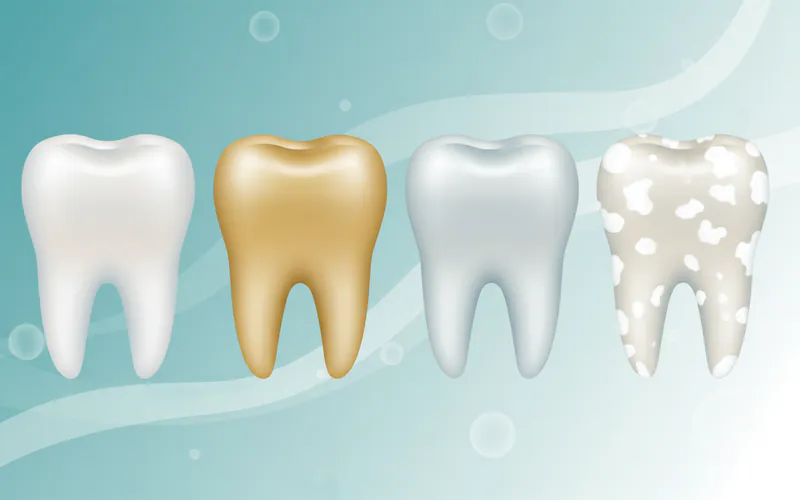
- Aging: As we age, the outer layer of enamel thins, revealing more of the naturally yellow dentin underneath.
- Trauma: Injuries to a tooth can cause internal bleeding, leading to a gray or dark discoloration.
- Medications:
- Tetracycline Antibiotics: If taken during tooth development (childhood), these can cause dark gray or brown bands on the teeth.
- Minocycline: A tetracycline derivative used to treat acne and other conditions, can cause bluish-gray intrinsic staining in adults.
- Excessive Fluoride (Fluorosis): Overexposure to fluoride during tooth development can lead to white spots or brown pitting on the enamel.
- Dental Restorations: Old amalgam (silver) fillings can cast a gray hue on the tooth over time.
- Genetics: Some individuals naturally have brighter or yellower enamel than others.
Types of Teeth Whitening: Options for a Brighter Smile
When considering how much it is to get your teeth whitened, the method you choose will be the biggest determinant of cost and outcome. There are several approaches, ranging from professional dental treatments to convenient over-the-counter products.
Professional In-Office Whitening (Chairside Whitening)
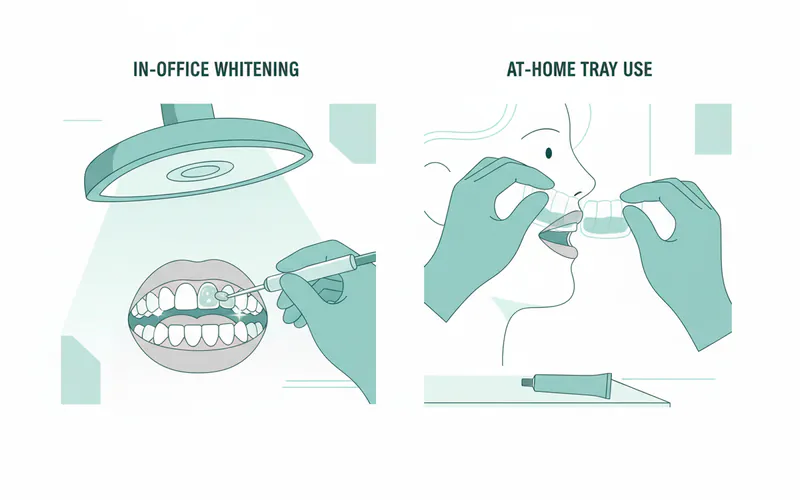
This is the fastest and most effective way to whiten your teeth. Performed by a dentist or dental hygienist, it involves applying a high concentration of hydrogen peroxide gel (typically 15-43%) to the teeth, often activated by a special light or laser to accelerate the bleaching process.
- Pros:
- Dramatic Results: Can lighten teeth by several shades in a single appointment.
- Speed: Usually completed in about 60-90 minutes.
- Safety: Performed under professional supervision, minimizing risks to gums and soft tissues.
- Customization: Dentist can address specific staining patterns.
- Cons:
- Higher Cost: Most expensive option.
- Increased Sensitivity: Higher concentration of peroxide can lead to more significant temporary sensitivity.
- Clinic Visit Required: Requires an appointment at the dental office.
Professional Take-Home Whitening Kits
Provided by your dentist, these kits consist of custom-fitted bleaching trays and a professional-grade whitening gel (typically 10-22% carbamide peroxide). You wear the trays for a specified period each day (e.g., 30 minutes to a few hours) or overnight, usually for 1-2 weeks.
- Pros:
- Custom Fit: Trays are molded to your teeth, ensuring even gel distribution and less gum irritation.
- Effective: Professional-grade gel is more potent than OTC options, yielding noticeable results.
- Convenience: Can be used at home on your schedule.
- Cost-Effective: Less expensive than in-office whitening, but more effective than OTC.
- Cons:
- Slower Results: Takes several days to weeks to achieve desired results.
- Compliance Required: Consistent daily use is necessary for optimal outcomes.
- Potential Sensitivity: Can still cause temporary sensitivity, though generally less severe than in-office.
Over-the-Counter (OTC) Whitening Products
These products are readily available at pharmacies and supermarkets and include a variety of formats.
- Whitening Strips: Thin, flexible plastic strips coated with a lower concentration of peroxide gel. They are applied directly to the teeth for a specified time daily.
- Pros: Inexpensive, convenient, easy to use.
- Cons: Less effective on severe stains, results can be uneven due to non-custom fit, potential for gum irritation.
- Whitening Trays/Kits: Pre-filled trays or generic trays with whitening gel.
- Pros: Slightly more effective than strips for some, still relatively inexpensive.
- Cons: Trays are not custom-fitted, leading to potential gum irritation and uneven whitening.
- Whitening Toothpaste: Contains mild abrasives or chemical agents to help remove surface stains.
- Pros: Easiest and cheapest, helps maintain results.
- Cons: Only removes extrinsic stains, no actual bleaching effect on intrinsic discoloration, minimal impact on tooth shade.
- Whitening Rinses: Mouthwashes containing hydrogen peroxide.
- Pros: Very easy to use.
- Cons: Minimal and temporary effect due to short contact time with teeth.
Natural Whitening Methods (and why caution is advised)
Many "natural" methods are touted for teeth whitening, such as baking soda, activated charcoal, oil pulling, and fruit acids (e.g., lemon juice).
- Baking Soda: A mild abrasive that can help remove surface stains.
- Activated Charcoal: Purported to absorb toxins and stains.
- Oil Pulling: Swishing oil (e.g., coconut oil) in the mouth to draw out toxins and improve oral health.
- Fruit Acids: Believed to whiten due to their acidic nature.
Caution: The American Dental Association (ADA) does not endorse these methods for whitening. While some may offer mild abrasive stain removal (like baking soda), most lack scientific evidence for true bleaching. Furthermore, acidic substances (like lemon juice) can erode tooth enamel, and abrasive materials (like charcoal) can damage enamel and gums, leading to increased sensitivity and irreversible harm over time. Always consult your dentist before trying any natural whitening remedy.
The Teeth Whitening Process: What to Expect
Regardless of the method, the journey to a brighter smile usually begins with a professional assessment.
Initial Consultation
Before any whitening treatment, a thorough dental examination is essential. Your dentist will:
- Assess Your Oral Health: Check for cavities, gum disease, or other issues that need to be addressed before whitening. Whitening on compromised teeth can lead to severe sensitivity or complications.
- Determine Suitability: Not everyone is a good candidate for whitening. Factors like existing dental restorations (which won't whiten), severe intrinsic stains, or extreme sensitivity will influence the recommendation.
- Discuss Your Goals: Understand your expectations for shade improvement.
- Identify Stain Type: Determine if stains are extrinsic or intrinsic to recommend the most appropriate and effective treatment.
- Take Shade Photos: Document your current tooth shade to track progress.
Professional In-Office Whitening Step-by-Step
This is a single-visit procedure designed for rapid, significant results.
- Preparation: Your dentist or hygienist will clean your teeth to remove plaque and debris. A retractor is placed to keep your lips and cheeks away from your teeth, and a protective barrier (like liquid dam or rubber dam) is applied to your gums to prevent irritation from the high-concentration bleaching gel.
- Gel Application: The whitening gel, typically hydrogen peroxide, is carefully applied to the front surfaces of your teeth.
- Activation (Optional): Many systems use a special light, laser, or heat source to activate the gel and accelerate the chemical reaction. While some studies suggest this light doesn't significantly enhance results beyond the gel itself, it's a common part of many in-office procedures.
- Cycles: The gel is usually left on for 15-20 minutes, then suctioned off, and fresh gel is applied. This process is repeated 2-4 times during a single session.
- Rinsing and Fluoride: After the final cycle, the gel is thoroughly rinsed off, and the protective barriers are removed. A fluoride treatment may be applied to help reduce sensitivity.
- Results Assessment: Your dentist will show you your new, brighter shade.
Professional Take-Home Whitening Step-by-Step
This process involves a custom approach tailored for home use.
- Impressions: During an initial visit, your dentist will take impressions of your upper and lower teeth. These are used by a dental lab to create perfectly fitting, clear plastic whitening trays. This custom fit is crucial for even whitening and protecting your gums.
- Tray Fabrication: It usually takes a few days for the custom trays to be fabricated.
- Dispensing and Instructions: You'll return to the office to pick up your trays and professional-grade whitening gel (carbamide peroxide). Your dentist will provide detailed instructions on how to load the trays with the correct amount of gel, how long to wear them (e.g., 30 minutes twice a day, or overnight), and how to care for your trays and manage sensitivity.
- At-Home Application: You'll follow your dentist's instructions diligently, typically for 1-2 weeks, until you achieve your desired shade.
- Follow-up: A follow-up appointment may be scheduled to assess your results and oral health.
How Much Is It to Get Your Teeth Whitened? A Comprehensive Cost Breakdown
Understanding the financial aspect is paramount when considering teeth whitening. How much is it to get your teeth whitened? The answer is not a single figure, but rather a range influenced by several factors.
Factors Influencing Whitening Costs
- Type of Treatment: This is the most significant factor. Professional treatments are more expensive than OTC options due to higher potency, professional supervision, and customized materials.
- Geographic Location: Costs can vary significantly between different cities, states, and even neighborhoods. Urban areas or regions with a higher cost of living generally have higher dental fees.
- Dentist's Expertise and Practice Overhead: Highly experienced cosmetic dentists or practices in prime locations with state-of-the-art equipment may charge more.
- Initial Severity of Staining: More severe or intrinsic stains might require more intensive or multiple treatments, increasing the overall cost.
- Need for Pre-Treatment Dental Work: If you have cavities, gum disease, or other oral health issues, these must be addressed before whitening, adding to the total expense.
- Brand and Technology: Different whitening systems (e.g., Zoom!, Philips NiteWhite, Opalescence) have varying costs for the dental practice, which are reflected in the patient's fee.
Average US Cost Ranges for Different Methods
Here's a breakdown of average costs you can expect in the United States:
- Professional In-Office Whitening:
- Cost: $400 to $1,500+ per session. Some practices may offer packages for multiple sessions if needed for very stubborn stains.
- Average: Most patients pay in the $500-$800 range for a single, comprehensive session.
- Professional Take-Home Whitening Kits:
- Cost: $200 to $600. This typically includes the custom trays and enough gel for a full treatment cycle. Refill gels are usually much less expensive, around $30-$70.
- Average: Often around $300-$400.
- Over-the-Counter (OTC) Whitening Products:
- Whitening Strips/Generic Trays: $20 to $100 per kit.
- Whitening Toothpaste/Rinses: $5 to $20 per product. These are primarily for maintenance and very minor surface stain removal.
Insurance Coverage and Financing Options
- Dental Insurance: In nearly all cases, dental insurance does not cover teeth whitening. This is because whitening is classified as a cosmetic procedure, not a medically necessary one for oral health. You should always confirm with your specific insurance provider, but be prepared to pay out-of-pocket.
- Payment Plans and Financing: Many dental practices understand the financial investment in cosmetic procedures and offer various options:
- In-house Payment Plans: Some offices offer interest-free payment plans, allowing you to pay for treatment over several months.
- Third-Party Financing: Companies like CareCredit or LendingClub provide healthcare credit cards or loans with different interest rates and repayment terms.
- Dental Savings Plans: These are not insurance but membership programs where you pay an annual fee and receive discounts (typically 10-60%) on dental services from participating dentists. This can be beneficial if you plan to have multiple procedures.
Cost of a Gold Tooth (A Specialized Aesthetic/Restorative Procedure)
While distinct from teeth whitening, the keyword "how much is a gold tooth" was requested. It's important to understand that a gold tooth falls under the category of restorative or specialized cosmetic dentistry, typically involving a crown, inlay, or onlay made from gold alloy. This is a significantly different and more invasive procedure than whitening.
- Cost: The cost of a gold tooth (as a crown or similar restoration) can range from $800 to $2,500+ per tooth, depending on:
- Gold Content: The percentage of gold in the alloy.
- Size of the Restoration: A full crown will cost more than an inlay.
- Lab Fees: The cost charged by the dental laboratory to fabricate the restoration.
- Dentist's Fees: Similar to other dental procedures, varying by location and practice.
- Insurance: Unlike whitening, if a gold crown is deemed medically necessary (e.g., to restore a severely damaged tooth), dental insurance may cover a portion of the cost. However, if chosen purely for aesthetic reasons when other viable, less expensive materials (like porcelain) are available, insurance coverage might be limited.
| Whitening Method | Average US Cost Range | Pros | Cons |
|---|---|---|---|
| Professional In-Office | $400 - $1,500+ per session | Fastest, most dramatic results, professionally supervised, safest | Most expensive, temporary sensitivity likely, requires clinic visit |
| Professional Take-Home | $200 - $600 (initial kit) | Custom fit, effective, convenient home use, good balance of cost/results | Slower results (1-2 weeks), requires compliance, can cause sensitivity |
| OTC Strips/Trays | $20 - $100 per kit | Inexpensive, readily available, easy to use | Less effective, uneven results possible, potential gum irritation |
| OTC Toothpaste/Rinses | $5 - $20 per product | Very inexpensive, maintains minor surface stains | Minimal to no true whitening effect, mostly abrasive, short contact time |
Recovery, Aftercare, and Maintaining Your Whitened Smile
Achieving a brighter smile is just the first step. Proper aftercare and long-term maintenance are crucial for maximizing the longevity of your whitening results and minimizing potential side effects.
Immediate Post-Treatment Care
- Sensitivity Management: It's common to experience temporary tooth sensitivity for 24-48 hours after professional whitening.
- Avoid very hot or cold foods and drinks.
- Use a desensitizing toothpaste (e.g., one containing potassium nitrate or strontium chloride).
- Your dentist may provide a fluoride gel or desensitizing agent to apply at home.
- Over-the-counter pain relievers (like ibuprofen) can help manage discomfort.
- "White Diet": For the first 24-48 hours after treatment, your teeth are more porous and susceptible to re-staining. It's highly recommended to stick to a "white diet," avoiding any foods or drinks that could stain a white shirt.
- Avoid: Coffee, tea, red wine, dark sodas, berries, chocolate, curry, tomato sauce, soy sauce, colored juices.
- Opt for: Water, milk, plain yogurt, chicken, fish, white bread, rice, pasta with white sauce, bananas, cauliflower.
- Avoid Tobacco: Refrain from smoking or using any tobacco products for at least 24-48 hours, as they are significant stain contributors.
Long-Term Maintenance
- Excellent Oral Hygiene: Brush twice a day with a fluoride toothpaste and floss daily to remove plaque and stain-causing particles.
- Mindful Eating and Drinking:
- Limit consumption of highly pigmented foods and beverages.
- Pro Tip: Use a straw when drinking coffee, tea, or soda to minimize contact with your front teeth.
- Rinse your mouth with water immediately after consuming staining items.
- Regular Dental Check-ups and Cleanings: Professional cleanings every six months help remove extrinsic stains before they accumulate.
- Touch-Up Treatments: Whitening results are not permanent. The longevity varies, but typically lasts from 6 months to 2 years, depending on your habits. Many dentists provide or recommend touch-up kits (often the same professional take-home trays and gel) for occasional use (e.g., once every 3-6 months for a few days) to maintain your desired shade.
Potential Risks and Complications
While teeth whitening is generally safe when performed under professional guidance or with careful adherence to product instructions, there are potential risks and complications to be aware of:
- Tooth Sensitivity: This is the most common side effect, ranging from mild to moderate discomfort. It occurs when the bleaching agent temporarily increases the permeability of the enamel, allowing stimuli to reach the nerves inside the tooth. It typically subsides within 24-48 hours after treatment.
- Gum Irritation (Gingival Blanching): If the whitening gel comes into contact with the gums, it can cause temporary irritation, redness, or a white/blanched appearance. This is more common with ill-fitting over-the-counter trays or careless application. It usually resolves within hours.
- Uneven Whitening: Existing dental restorations like fillings, crowns, veneers, or bonding do not whiten. This can lead to a noticeable color mismatch between your natural teeth and your restorations. Whitening only affects natural tooth enamel. Similarly, severe intrinsic stains (e.g., tetracycline stains) may not whiten uniformly, resulting in a striped or blotchy appearance.
- Enamel Damage: While professional whitening is safe for enamel, excessive or improper use of high-concentration bleaching agents, particularly with unregulated or abrasive OTC products, can potentially damage enamel or lead to demineralization over time.
- Rebound Staining: After an intense whitening session, some initial whiteness may be due to temporary dehydration of the teeth. As the teeth rehydrate, they may appear slightly less white than immediately after treatment. Over time, teeth will naturally darken again, necessitating touch-ups.
- Ineffectiveness on Certain Stains: Whitening is most effective on yellow and brown extrinsic stains. Gray or bluish intrinsic stains (e.g., from tetracycline or trauma) are often resistant to traditional whitening and may require alternative cosmetic treatments like veneers or bonding.
Prevention: Keeping Your Teeth Bright
The best approach to maintaining a bright smile is often preventing stains in the first place.
- Consistent Oral Hygiene: Brush twice daily with a fluoride toothpaste and floss once daily. This removes plaque, food debris, and surface stains.
- Dietary Awareness: Limit consumption of highly staining foods and drinks. If you do indulge, rinse your mouth with water immediately afterward.
- Quit Smoking: Tobacco products are a leading cause of severe tooth discoloration and numerous oral health problems.
- Regular Dental Check-ups and Cleanings: Professional cleanings every six months are essential for removing accumulated plaque and extrinsic stains that regular brushing can't handle.
- Consider Whitening Toothpaste/Rinses: While not true bleachers, these products can help polish away new surface stains and maintain existing whitening results.
Comparison of Whitening Methods
To help you decide which option is best, here's a table comparing professional and over-the-counter whitening methods across key factors:
| Feature | Professional In-Office Whitening | Professional Take-Home Kits | Over-the-Counter Products (Strips/Trays) |
|---|---|---|---|
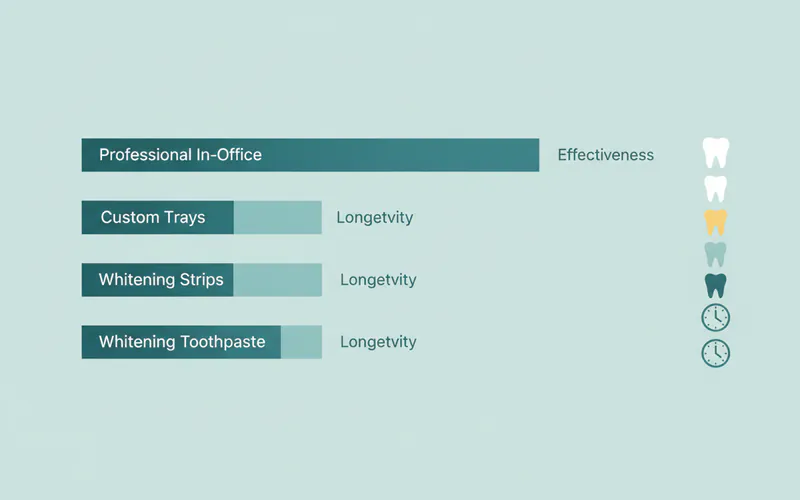
| Effectiveness | Most dramatic results, can lighten several shades in one session | Highly effective, noticeable results over 1-2 weeks | Moderate effectiveness, best for mild stains, results vary |
| Speed of Results | Immediate, typically 1 hour | Gradual, typically 1-2 weeks | Gradual, typically 1-3 weeks or more |
| Cost Range | $400 - $1,500+ per session | $200 - $600 (initial kit) | $20 - $100 per kit |
| Safety/Supervision | Highest safety, fully supervised by dental professional | Good safety with dentist instruction and custom trays | Lower safety, no professional oversight, potential for misuse/irritation |
| Concentration of Agent | High (15-43% hydrogen peroxide) | Moderate (10-22% carbamide peroxide) | Low (3-10% hydrogen peroxide or equivalent) |
| Customization | High, tailored to patient's needs, gum protection used | High, custom-fitted trays | Low, generic fit, one-size-fits-all |
| Longevity of Results | 6 months to 2 years (with maintenance) | 6 months to 2 years (with maintenance) | 3 months to 1 year (with maintenance) |
| Risk of Sensitivity | Moderate to high (temporary) | Low to moderate (temporary) | Low to moderate (temporary) |
Children and Teeth Whitening: Pediatric Considerations
In general, teeth whitening is not recommended for children or adolescents. There are several reasons for this:
- Developing Enamel: A child's tooth enamel is thinner and more porous than adult enamel, making it more susceptible to sensitivity and potential damage from bleaching agents.
- Larger Pulp Chambers: Children's teeth have larger pulp chambers (the soft tissue inside the tooth containing nerves and blood vessels), increasing the risk of pulp irritation and sensitivity.
- Mixed Dentition: Children and adolescents often have a mix of primary (baby) and permanent teeth. Whitening only affects permanent teeth, leading to uneven results. Waiting until all permanent teeth have erupted and matured is usually advised.
- Unrealistic Expectations: Younger patients may not fully understand the process, potential side effects, or the need for maintenance, leading to dissatisfaction.
- Underlying Issues: Staining in children can sometimes indicate an underlying dental issue (e.g., trauma, decay, medication effects, fluorosis) that needs professional diagnosis and treatment, rather than just whitening.
If a child or teenager has concerns about tooth discoloration, it is crucial to consult a pediatric dentist. The dentist can diagnose the cause of the staining and recommend appropriate, safe solutions, which may include thorough professional cleaning, dietary changes, or, in rare cases of severe intrinsic staining, non-bleaching cosmetic treatments once the teeth are fully developed.
Affordable Smiles: Strategies for Managing Dental Costs
Achieving a brighter, healthier smile shouldn't be out of reach due to cost. Beyond just teeth whitening, there are strategies to make overall dental care more affordable:
- Prioritize Preventive Care: The most cost-effective dental care is preventive. Regular check-ups and cleanings (usually covered by insurance or offered at a reasonable rate) prevent expensive problems like cavities, gum disease, and tooth loss.
- Dental Schools: Dental schools often offer treatments at a reduced cost. Students perform the work under the close supervision of experienced faculty. This can be an excellent option for high-quality care at a lower price, though appointments may take longer.
- Community Dental Clinics: Many communities have non-profit or government-funded dental clinics that provide services on a sliding scale based on income, or at significantly reduced fixed rates.
- Payment Plans and Financing: As mentioned earlier, explore in-house payment options or third-party financing like CareCredit to spread out the cost of more expensive procedures over time.
- Dental Savings Plans: These membership programs offer discounts on a wide range of dental services from participating dentists for an annual fee. They are a good alternative if you don't have traditional dental insurance.
- Shop Around: Don't hesitate to call different dental offices in your area to inquire about their pricing for specific procedures, including teeth whitening. Some offices may offer promotions or introductory rates.
- Ask About Package Deals: For cosmetic procedures like teeth whitening, some practices might offer discounts if you combine it with other treatments (e.g., a cleaning).
Frequently Asked Questions
Is teeth whitening safe?
Yes, when performed under the supervision of a dental professional, teeth whitening is generally considered safe. Dentists use appropriate concentrations of bleaching agents and protective measures to minimize risks. Over-the-counter products are also safe when used as directed, but misuse or overuse can lead to sensitivity or gum irritation.
How long does teeth whitening last?
The effects of professional teeth whitening typically last from 6 months to 2 years, depending on your diet, oral hygiene habits, and whether you use touch-up treatments. Staining foods and drinks, as well as tobacco use, will cause your teeth to darken more quickly.
Does teeth whitening hurt?
Most people experience some temporary tooth sensitivity during or after teeth whitening, which can range from mild to moderate discomfort. This sensitivity typically subsides within 24-48 hours. Gum irritation can also occur if the bleaching agent touches the soft tissues, but this is usually temporary.
Can all teeth be whitened?
No, only natural tooth enamel can be whitened. Dental restorations such as crowns, veneers, bonding, and fillings will not change color with whitening agents. If you have these, your dentist will discuss how to achieve a uniform smile, which might involve replacing old restorations after whitening.
What's the difference between professional and over-the-counter (OTC) whitening?
Professional whitening, whether in-office or take-home kits from a dentist, uses higher concentrations of bleaching agents and offers customized application (e.g., custom trays) for more effective, faster, and safer results with less risk of gum irritation. OTC products use lower concentrations and generic application methods, making them less potent and potentially less uniform in results.
How often can I whiten my teeth?
The frequency of whitening depends on the method and individual needs. Professional in-office whitening is typically done once or twice a year for maintenance. Professional take-home kits allow for more frequent touch-ups as recommended by your dentist. Overuse of any whitening product, especially high-concentration gels, is not advised as it can lead to increased sensitivity and potential enamel damage.
Does insurance cover teeth whitening?
Generally, no. Dental insurance considers teeth whitening a cosmetic procedure and typically does not provide coverage. It's best to contact your insurance provider directly to confirm, but be prepared for out-of-pocket expenses.
Are there alternatives to teeth whitening for a brighter smile?
Yes, for certain types of discoloration or for individuals who aren't good candidates for whitening, alternatives include:
- Dental Veneers: Thin, custom-made shells that cover the front surface of teeth, ideal for severe intrinsic stains or aesthetic reshaping.
- Dental Bonding: A tooth-colored resin material applied and hardened with a light, used to repair chipped teeth, fill gaps, or improve tooth color.
- Crowns: Full coverage caps for severely damaged or discolored teeth.
- Professional Cleaning: Sometimes, just removing extrinsic stains through a thorough cleaning can significantly brighten your smile.
When to See a Dentist
While many over-the-counter whitening options are available, consulting a dentist is always the safest and most effective first step for anyone considering teeth whitening. Here's when to definitely see a dentist:
- Before Starting Any Whitening Treatment: A dentist can assess your oral health, diagnose the cause of discoloration, and determine if you are a suitable candidate for whitening. This prevents complications and ensures you choose the most effective method.
- If You Experience Persistent Sensitivity: While some temporary sensitivity is normal, persistent or severe pain during or after whitening indicates a need to see your dentist immediately.
- If You Have Gum Irritation or Blanching: If the whitening gel causes your gums to become red, inflamed, or turn white, discontinue use and contact your dentist.
- If You Have Existing Dental Work: If you have fillings, crowns, veneers, or bonding, a dentist can explain how whitening will affect their appearance relative to your natural teeth.
- If OTC Products Aren't Working or Cause Problems: If you're not seeing the results you desire from over-the-counter products, or if they are causing discomfort or uneven whitening, a professional evaluation is necessary.
- For Significant or Intrinsic Stains: If your teeth have deep, dark, or intrinsic stains (like those from tetracycline or trauma), professional assessment is crucial, as these often require more specialized treatments than standard whitening.
- To Discuss "Affordable Smiles" Solutions: If cost is a major concern, your dentist can discuss various treatment options, payment plans, and resources to help you achieve your smile goals within your budget.
Your dentist is your partner in achieving and maintaining optimal oral health and a beautiful smile. Their expertise ensures that any whitening treatment is safe, effective, and tailored to your individual needs.
Frequently Asked Questions
Medically Reviewed Content
This article was written by our dental health editorial team and reviewed for medical accuracy. Our content follows strict editorial guidelines for reliability and trustworthiness.
Medical Disclaimer
This article is for informational purposes only and does not constitute medical advice. Always consult with a qualified dental professional for diagnosis and treatment. Do not delay seeking professional advice because of something you read on this website.
Related Articles
How Much Does Tooth Bonding Cost
Imagine looking in the mirror and seeing a smile that doesn't quite reflect your inner confidence – maybe a small chip from an unexpected accident, an annoying gap between your front teeth, or a stain that just won't budge. For many Americans, these minor imperfections can significantly impact self-
February 22, 2026
How Much Are Gold Grillz for Teeth
When considering a unique blend of personal style and dental aesthetics, many individuals find themselves drawn to the allure of gold grillz. But beyond the flashy appearance and cultural significance, a practical question often arises: how much are gold grillz for teeth? This isn't just a simpl
February 22, 2026
How Much Are Tooth Gems
In an age where personal expression extends to every facet of our lives, it's no surprise that cosmetic dentistry has evolved beyond mere functionality to embrace aesthetic adornment. From subtle enhancements to bold statements, teeth have become a new canvas for individuality. One increasingly popu
February 22, 2026

How Much Does a Dog Xray Cost
As a premier dental health portal, SmilePedia.net is dedicated to illuminating all facets of oral health and related medical costs for our valued readers across the US. While our primary focus remains squarely on human dentistry – from routine cleanings to complex restorative procedures – we underst
February 22, 2026