Cost of Implant Dentures: Complete Price Guide 2026
Key Takeaways
- Are you one of the millions of Americans living with significant tooth loss, or facing the prospect of traditional dentures that shift and cause discomfort? If so, you're likely exploring advanced solutions for a stable, functional, and aesthetically pleasing smile. Dental implant dentures represent
Cost of Implant Dentures: Complete Price Guide 2026
Are you one of the millions of Americans living with significant tooth loss, or facing the prospect of traditional dentures that shift and cause discomfort? If so, you're likely exploring advanced solutions for a stable, functional, and aesthetically pleasing smile. Dental implant dentures represent a revolutionary leap in restorative dentistry, offering a robust alternative to conventional removable dentures. But as with any premium medical solution, a primary concern for many is the cost of implant dentures. Understanding the investment required is crucial for making informed decisions about your oral health and quality of life.
This comprehensive guide from SmilePedia.net aims to demystify the teeth implants price landscape for 2026. We'll break down the various factors influencing costs, explore different types of implant dentures, delve into insurance coverage, and provide practical tips to navigate financing. Our goal is to equip you with all the information you need to confidently budget for your new smile, ensuring you know exactly what to expect from this life-changing procedure.
Key Takeaways:
- Implant dentures typically range from $12,000 to $50,000+ per arch (upper or lower), depending on the type, number of implants, and additional procedures needed.
- All-on-4 implant dentures often fall between $20,000 and $35,000 per arch.
- The total cost includes implant surgery, abutments, prosthetic teeth, and often preparatory work like extractions or bone grafting.
- Most dental insurance plans offer limited coverage for implant dentures, often treating them similarly to traditional dentures.
- Financing options such as payment plans, dental loans, and healthcare credit cards are widely available to help manage the investment.
- A single tooth implant cost is distinct from implant dentures, typically ranging from $3,000 to $6,500 per tooth.
- The entire process, from initial consultation to final restoration, can take 4 to 12 months, or sometimes longer with extensive bone grafting.
What Are Implant Dentures? An Overview
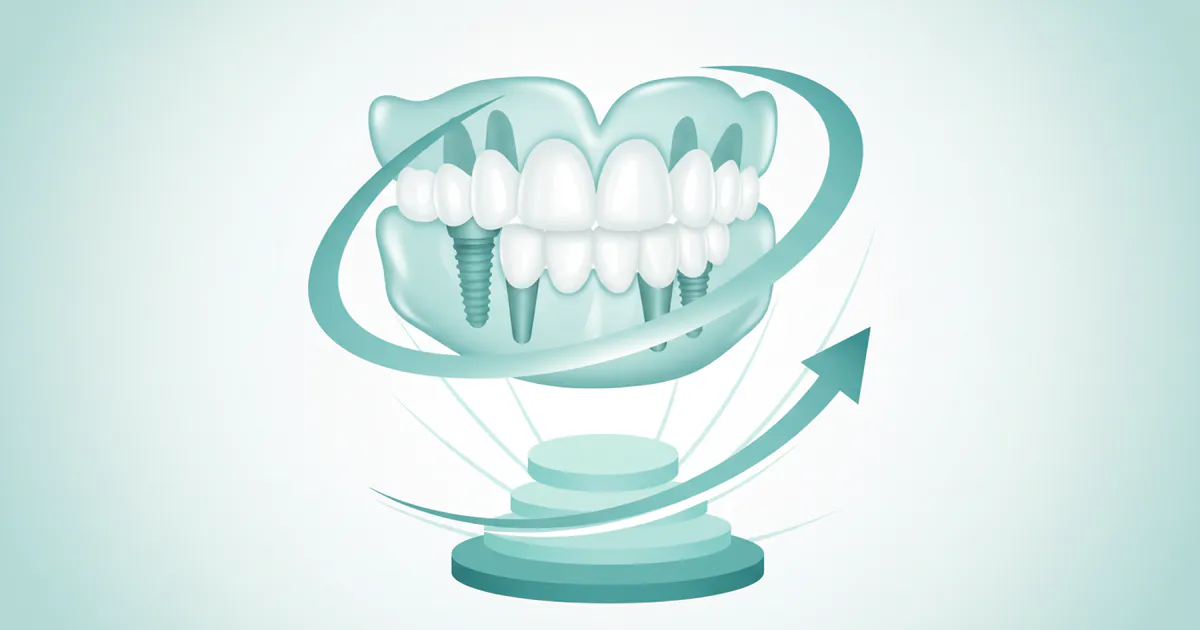
Implant dentures, also known as implant-supported dentures or overdentures, are a modern dental prosthetic designed to replace multiple missing teeth, or an entire arch of teeth (upper, lower, or both). Unlike traditional dentures that rest on the gums and are held in place by suction or adhesive, implant dentures are securely anchored to dental implants surgically placed into your jawbone. These implants, typically made of titanium, fuse with the bone over several months in a process called osseointegration, creating a stable and durable foundation for your new teeth.
This stability is the key differentiator, significantly improving chewing efficiency, speech clarity, and overall comfort compared to conventional dentures. For individuals who have experienced jawbone recession due to long-term tooth loss, implant dentures can also help stimulate the bone, preserving its structure and preventing further deterioration.
Why Implant Dentures Matter for Your Health
Beyond aesthetics, implant dentures play a vital role in your overall health. Missing teeth can lead to a cascade of problems:
- Nutritional Deficiencies: Difficulty chewing a variety of foods, especially harder fruits, vegetables, and meats, can compromise your diet.
- Speech Impairment: Gaps in your smile or loose dentures can affect pronunciation, leading to embarrassment and reduced social interaction.
- Bone Loss: Without the stimulation of tooth roots, the jawbone naturally shrinks over time, affecting facial structure and potentially limiting future restorative options.
- Self-Confidence: A compromised smile can significantly impact self-esteem and mental well-being. Implant dentures address these issues directly, restoring not just your smile but your ability to eat, speak, and live with confidence.
Types of Implant Dentures: Understanding Your Options
When considering implant dentures, it's important to understand that there isn't a single "one-size-fits-all" solution. The type of implant denture recommended for you will depend on your specific oral health needs, bone density, aesthetic preferences, and budget. These variations directly impact the cost of implant dentures.
1. Removable Implant-Supported Overdentures (Snap-In Dentures)
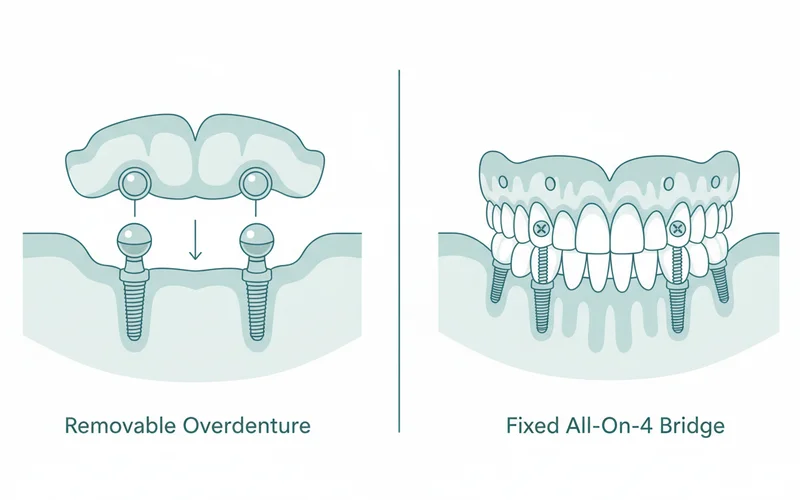
These are dentures that "snap" onto a few strategically placed dental implants (typically 2 to 4 per arch). They offer significantly more stability than traditional dentures but are still removable for cleaning.
- Mechanism: Two to four implants are placed in the jawbone. Once integrated, a bar or ball-and-socket attachment system is connected to the implants. The denture has corresponding attachments that snap onto these fixtures.
- Pros:
- More affordable than fixed options.
- Better stability than traditional dentures, reducing slippage and improving chewing.
- Easy to clean by removing the denture.
- Less invasive surgery compared to options requiring more implants.
- Cons:
- Still removable, which some patients dislike.
- May still have some minor movement compared to fixed options.
- Chewing efficiency is improved but not always comparable to natural teeth or fixed implant bridges.
- Cost Range (per arch): Typically $8,000 to $25,000. This makes them a more accessible entry point for those concerned about the teeth implants price.
2. Fixed Implant-Supported Dentures (All-on-4, All-on-6, Full-Arch Fixed Bridges)
These are permanent, non-removable prosthetics that are screwed or cemented directly onto a greater number of dental implants (typically 4 to 8 per arch). They offer the highest level of stability, chewing function, and aesthetics.
- Mechanism: Four to eight implants are strategically placed in the jawbone. After osseointegration, a full arch of prosthetic teeth (made of acrylic, porcelain, or zirconia) is permanently attached to these implants.
- Pros:
- Superior stability and chewing power, often comparable to natural teeth.
- Non-removable, feeling and functioning like natural teeth.
- Excellent aesthetics and comfort.
- Preserves jawbone and facial structure.
- Often eliminates the need for a palate covering on the upper arch, improving taste sensation.
- Cons:
- Higher initial cost due to more implants and complex fabrication.
- More extensive surgical procedure.
- Requires diligent oral hygiene, as they are not removable for cleaning.
- Cost Range (per arch): Typically $20,000 to $50,000+. This is a significant factor when considering how much 1 tooth implant cost versus a full arch solution.
Sub-types of Fixed Implant Dentures:
- All-on-4® Dental Implants: A popular technique where an entire arch of teeth is supported by just four strategically placed implants, often utilizing tilted posterior implants to maximize bone contact and avoid bone grafting. This method is renowned for its efficiency and potential for "teeth in a day" protocols (though the final restoration comes later).
- Cost Range (per arch): Often $20,000 to $35,000.
- All-on-6/All-on-8 Systems: These systems use six or eight implants per arch, providing even greater stability and support, especially for patients with denser bone or specific chewing force requirements.
- Cost Range (per arch): Can range from $25,000 to $45,000+.
- Zirconia Bridges: A premium option for fixed implant dentures, using incredibly strong and aesthetic zirconia material for the prosthetic bridge. While more expensive, they offer superior durability and natural appearance.
- Cost Range (per arch): Can easily exceed $30,000 to $50,000+.
The Step-by-Step Process of Getting Implant Dentures
Understanding the journey involved can help manage expectations regarding timeline and the overall cost of implant dentures. The process is typically multi-stage and spans several months.
1. Initial Consultation and Planning (1-2 appointments)
- Comprehensive Oral Examination: Your dentist will evaluate your overall oral health, review your medical history, and discuss your goals.
- Diagnostic Imaging: This is crucial. X-rays, CBCT (Cone Beam Computed Tomography) scans, and possibly dental impressions are taken to assess jawbone density, nerve locations, and sinus positions. This data helps create a precise 3D model of your mouth.
- Treatment Plan Development: Based on the diagnostics, your dentist or oral surgeon will design a personalized treatment plan, detailing the number of implants, type of prosthesis, and any necessary preparatory procedures. This is when you'll receive a detailed estimate of the teeth implants price.
2. Preparatory Procedures (Optional, 0-6+ months)
- Tooth Extractions: If you have remaining unhealthy teeth that need to be removed, this is the first step. The cost of extractions can range from $75 to $400 per tooth for simple extractions, and $150 to $650 per tooth for surgical extractions.
- Bone Grafting: If your jawbone lacks sufficient density or volume to support implants (often due to long-term tooth loss), a bone graft may be necessary. This procedure augments the jawbone, providing a solid foundation.
- Types: Sinus lifts, ridge augmentation, socket preservation.
- Cost: Bone grafting can add $200 to $3,000 per site, depending on complexity and material.
- Healing Time: Bone grafts require 3 to 9 months to heal and integrate before implants can be placed.
3. Dental Implant Placement (1-2 appointments)
- Surgical Procedure: Under local anesthesia, sedation, or general anesthesia, the dental implants (small, titanium posts) are surgically placed into your jawbone. The number of implants will vary based on the type of denture (e.g., 2-4 for removable, 4-8 for fixed).
- Temporary Restoration (Optional): In some cases, especially with All-on-4, a temporary, non-functional denture can be immediately attached to the implants on the same day, allowing you to have teeth while the implants heal. This is often referred to as "teeth in a day."
- Healing Period (Osseointegration): This critical phase typically takes 3 to 6 months. During this time, the implants fuse with your jawbone. A temporary removable denture might be worn, or you might have a temporary fixed bridge.
- Pro Tip: Strict adherence to post-operative instructions during the healing period is crucial for successful osseointegration and long-term implant success.
4. Abutment Placement and Final Restoration (2-4 appointments)
- Abutment Attachment: Once the implants have fully integrated, a small connector piece called an abutment is attached to each implant. This will protrude from the gum line and serve as the attachment point for your denture.
- Impressions: New impressions of your mouth are taken to create your custom-designed permanent denture.
- Denture Fabrication: A dental laboratory fabricates your final denture, carefully matching the shape, size, and shade to achieve a natural-looking smile. This process can take several weeks.
- Final Placement: Your custom denture is then securely attached to the abutments. For fixed dentures, they are screwed into place; for removable overdentures, they snap on. Adjustments are made to ensure comfort and proper bite.
The entire process, from initial consultation to the final set of implant dentures, can take anywhere from 4 months to over a year, depending on the need for preparatory procedures and individual healing rates.
Cost and Insurance: Breaking Down the Price Tag
The cost of implant dentures is a significant investment, but understanding what contributes to the teeth implants price helps clarify its value. Remember that you're paying not just for materials, but for highly specialized surgical skill, advanced technology, and a life-changing improvement in quality of life.
What Influences the Cost?
Several factors contribute to the overall price:
- Type of Implant Denture: As discussed, removable overdentures are generally less expensive than fixed options like All-on-4 or full-arch zirconia bridges.
- Number of Implants: More implants mean higher costs for both the implants themselves and the surgical procedure.
- Materials Used:
- Implant Material: High-quality titanium (or sometimes zirconia) implants are standard.
- Prosthetic Material: Acrylic is typically the most affordable for the denture itself. Porcelain and Zirconia are premium options, offering superior aesthetics, durability, and a more natural feel, but at a higher cost.
- Additional Procedures: Extractions, bone grafting, sinus lifts, or gum contouring add to the total cost.
- Anesthesia and Sedation: Local anesthesia is usually included, but IV sedation or general anesthesia will incur additional fees, often ranging from $500 to $2,500+ per session.
- Geographic Location: Dental costs vary significantly by region. Major metropolitan areas and coastal cities (e.g., New York, Los Angeles) typically have higher prices than rural areas or states with a lower cost of living.
- Dentist's Experience and Specialization: Highly experienced oral surgeons, periodontists, or prosthodontists specializing in implantology may charge more for their expertise.
- Digital Dentistry & Technology: Clinics using advanced 3D scanning, computer-guided surgery, and in-house labs may offer precision and efficiency, but this technology also contributes to overhead.
Average US Costs (2026 Estimates)
Here's a breakdown of average cost of implant dentures in the US, per arch (upper or lower):
| Procedure/Type of Denture | Low End (per arch) | Mid-Range (per arch) | High End (per arch) |
|---|---|---|---|
| Single Tooth Implant | $3,000 | $4,500 | $6,500 |
| Removable Overdenture (2-4 Implants) | $8,000 | $15,000 | $25,000 |
| All-on-4 Fixed Denture | $20,000 | $28,000 | $35,000 |
| All-on-6/8 Fixed Denture | $25,000 | $35,000 | $45,000+ |
| Full Arch Zirconia Bridge (Fixed) | $30,000 | $40,000 | $50,000+ |
| Additional Procedures (Estimated) | |||
| Tooth Extraction (simple) | $75 | $150 | $400 |
| Tooth Extraction (surgical) | $150 | $300 | $650 |
| Bone Grafting (per site) | $200 | $1,000 | $3,000 |
| Sinus Lift (per side) | $1,500 | $2,500 | $4,000 |
| Sedation (IV, per session) | $500 | $1,200 | $2,500 |
Note on "how much 1 tooth implant cost": While this article focuses on full-arch solutions, it's important to differentiate. A single tooth implant cost typically includes the implant post, abutment, and crown. As shown above, it usually ranges from $3,000 to $6,500 per tooth. This can serve as a baseline for understanding that replacing an entire arch involves multiple implants plus a more extensive prosthetic, thus the higher total investment.
Insurance Coverage for Implant Dentures
Dental insurance coverage for implant dentures is often limited and can be complex.
- Medical vs. Dental: Dental implants are sometimes considered a "medical" procedure if significant reconstructive work is involved due to injury or illness. In such rare cases, a portion might be covered by your medical insurance, but this is uncommon for routine tooth replacement.
- Dental Insurance: Most standard dental insurance plans offer some coverage for the prosthetic portion of the denture (the teeth part) or for preparatory procedures like extractions, treating them similarly to traditional dentures.
- Limited Implant Coverage: An increasing number of plans are beginning to offer limited coverage for the implant itself, often capped at a certain percentage or a specific dollar amount per implant. For example, a plan might cover 50% of the implant fee up to $1,500 per implant, with a total annual maximum benefit typically ranging from $1,000 to $2,500.
- Annual Maximums: The biggest hurdle is usually the annual maximum benefit, which is often far less than the total cost of implant dentures. You will likely reach your maximum very quickly, leaving a substantial out-of-pocket expense.
- Waiting Periods: Many plans have waiting periods (e.g., 6-12 months) for major procedures like implants.
- HMO/PPO Plans: PPO plans typically offer more flexibility in choosing providers, while HMO plans often require you to stay within a network.
- Review Your Policy: It's absolutely critical to contact your insurance provider directly and have your dental office submit a pre-treatment estimate to understand your specific benefits and out-of-pocket expenses.
Pro Tip: Don't assume your insurance will cover a large portion of the cost. Get a detailed breakdown from your dental office and your insurance company before starting treatment.
Payment Plans and Financing Options
Because of the high cost of implant dentures, most patients utilize financing options:
- In-House Payment Plans: Many dental offices offer flexible payment plans, allowing you to pay for your treatment over several months or even a year, often interest-free if paid within a certain timeframe.
- Third-Party Healthcare Financing:
- CareCredit, LendingClub, Alphaeon Credit: These are popular options specifically designed for healthcare expenses. They offer various plans, including interest-free periods (if paid in full within 6, 12, 18, or 24 months) or low-interest extended payment plans.
- Personal Loans: Banks and credit unions offer personal loans that can be used for any purpose, including dental work. Interest rates vary based on credit history.
- Health Savings Accounts (HSAs) & Flexible Spending Accounts (FSAs): If you have an HSA or FSA, you can use pre-tax dollars to pay for eligible medical and dental expenses, including implant dentures. This is a great way to save money on your taxes while funding your treatment.
- Credit Cards: While an option, interest rates on standard credit cards can be high, so this should be considered carefully.
Pro Tip: Discuss all financing options with your dental office's financial coordinator. They often have established relationships with lenders and can help you find the best solution for your budget.
Cost-Saving Tips
While implant dentures are an investment, there are ways to manage the teeth implants price:
- Compare Quotes: Get detailed treatment plans and cost estimates from 2-3 different highly qualified dentists or specialists in your area. Ensure they are comparing "apples to apples" – same number of implants, same materials, same additional procedures.
- Consider Removable Overdentures: If fixed dentures are out of your budget, removable implant-supported overdentures offer excellent stability at a lower price point.
- Ask About Promotional Offers: Some dental practices may offer promotions, discounts for cash payments, or package deals for full-arch restorations.
- Travel for Treatment (Dental Tourism): While tempting for significant savings, especially in countries like Mexico or Costa Rica, this comes with risks (follow-up care, quality control, language barriers, legal recourse). Research thoroughly and understand the potential downsides before considering this.
- Utilize HSAs/FSAs: Maximize your contributions to these accounts to pay for treatment with pre-tax dollars.
- Stagger Treatment: If clinically appropriate and your dental provider allows, you might be able to spread out certain phases of treatment over multiple years, potentially utilizing annual insurance maximums across two benefit periods.
Recovery and Aftercare for Implant Dentures
Proper recovery and diligent aftercare are essential for the long-term success and longevity of your implant dentures, protecting your investment in the cost of implant dentures.
Immediate Post-Operative Care (First Few Days)
- Pain Management: Expect some discomfort, swelling, and bruising. Your dentist will prescribe pain medication or recommend over-the-counter options.
- Diet: Stick to soft foods for the first few days to weeks. Avoid anything hard, crunchy, sticky, or very hot/cold. Gradually reintroduce normal foods as comfort allows.
- Oral Hygiene: Gentle rinsing with salt water or a prescribed mouthwash is usually recommended. Avoid brushing the surgical sites directly initially, but keep the rest of your mouth clean.
- Activity: Rest is crucial. Avoid strenuous activity for at least 48-72 hours.
- Swelling/Bruising: Apply ice packs to the outside of your face for the first 24-48 hours.
Long-Term Care (After Healing and Final Placement)
- Oral Hygiene: This is paramount.
- Fixed Dentures: Brush and floss around your fixed implant dentures just like natural teeth, using special brushes (interdental brushes, water flossers) to clean under the prosthetic. Regular dental cleanings are a must.
- Removable Overdentures: Remove your dentures daily for thorough cleaning with a denture brush and specialized cleaner. Clean around your implant abutments with a soft toothbrush.
- Regular Dental Check-ups: Schedule biannual check-ups and professional cleanings with your dentist or hygienist. They will monitor your implants, surrounding gum tissue, and the condition of your dentures.
- Avoid Harmful Habits: Refrain from biting on hard objects, chewing ice, or using your teeth as tools.
- Smoking Cessation: Smoking significantly increases the risk of implant failure. If you smoke, this is a critical time to quit or reduce.
- Protect Your Investment: If you clench or grind your teeth (bruxism), your dentist may recommend a night guard to protect your implants and prosthetic from excessive forces.
Pro Tip: The lifespan of implant dentures can be 10-20 years or even more with proper care. Your commitment to oral hygiene and regular dental visits directly impacts this longevity.
Risks and Complications of Implant Dentures
While implant dentures have a high success rate (over 95%), it's important to be aware of potential risks and complications, similar to any surgical procedure.
During or Immediately After Surgery:
- Infection: Though rare, infection at the implant site can occur. This is usually managed with antibiotics.
- Nerve Damage: In very rare cases, implants placed near nerves can cause numbness, tingling, or pain. Careful planning with CBCT scans minimizes this risk.
- Sinus Perforation: For upper jaw implants, there's a small risk of perforating the sinus cavity. A sinus lift procedure helps prevent this.
- Excessive Bleeding: Some bleeding is normal, but prolonged or excessive bleeding requires immediate attention.
Long-Term Complications:
- Osseointegration Failure: The implant may not properly fuse with the jawbone. This is more common in smokers, diabetics, or those with poor bone quality. The implant may need to be removed and replaced after a healing period.
- Peri-implantitis: This is an inflammatory condition similar to gum disease that affects the tissues around the implant. If left untreated, it can lead to bone loss and implant failure. Good oral hygiene and regular check-ups are key to prevention.
- Mechanical Complications:
- Screw Loosening/Fracture: Screws connecting the denture to the abutment or abutment to the implant can loosen or, rarely, fracture.
- Denture Fracture/Chipping: Like any prosthetic, the denture material can chip or fracture, especially with acrylic. Zirconia is highly resistant to this.
- Implant Fracture: Extremely rare, but an implant itself can fracture under immense stress.
- Aesthetic Concerns: Though modern prosthetics are highly aesthetic, sometimes the gum line contour or tooth shade may not be perfect, requiring adjustments.
- Implant Exposure: Over time, gum recession can expose the implant or abutment collar, which can be an aesthetic concern and potentially lead to hygiene issues.
ADA Guidelines: The American Dental Association emphasizes the importance of a thorough patient evaluation, meticulous surgical technique, and comprehensive post-operative care to minimize risks and maximize the long-term success of dental implants. Choosing a qualified and experienced dental professional is your best defense against complications.
Frequently Asked Questions
How much do implant dentures cost for a full mouth?
For a full mouth (both upper and lower arches), the cost of implant dentures can range from $30,000 to $100,000+. This wide range depends heavily on whether you choose removable overdentures for both arches, fixed All-on-4/6 solutions, or premium zirconia bridges, as well as the need for any preparatory procedures like bone grafting.
Is the cost of implant dentures worth it compared to traditional dentures?
Many patients find the investment entirely worthwhile. Implant dentures offer superior stability, chewing efficiency, speech clarity, and comfort compared to traditional dentures, significantly improving quality of life. They also help preserve jawbone structure, which traditional dentures do not. While the upfront teeth implants price is higher, the long-term benefits and avoidance of problems associated with conventional dentures often justify the expense.
How painful is getting implant dentures?
The implant placement procedure is performed under local anesthesia, so you should not feel pain during the surgery itself. Many patients opt for additional sedation (oral, IV, or general anesthesia) for comfort and anxiety relief. Post-operative discomfort is manageable with prescribed pain medication and typically subsides within a few days to a week.
How long do implant dentures last?
With proper care, dental implants themselves can last a lifetime. The prosthetic teeth (the denture portion) typically need to be replaced or re-lined every 5 to 15 years, depending on the material (acrylic wears faster than porcelain or zirconia) and individual chewing habits. Regular maintenance is key to maximizing their longevity.
Can I get "teeth in a day" for my implant dentures?
"Teeth in a day" is a concept where a temporary, non-functional set of teeth can be attached to implants immediately after placement, often with the All-on-4 technique. This provides immediate aesthetics and function. However, these are temporary, and a permanent, custom-fabricated denture is placed several months later after the implants have fully integrated with the jawbone.
Are there alternatives to implant dentures?
Yes, alternatives include traditional removable dentures (full or partial), and dental bridges (for smaller gaps). However, these options do not offer the same level of stability, bone preservation, or long-term benefits as implant dentures. Traditional dentures can slip, affect speech, and accelerate bone loss.
Will my dental insurance cover the full cost of implant dentures?
It is highly unlikely that your dental insurance will cover the full cost of implant dentures. Most plans offer limited coverage for dental implants, often treating them as a major restorative procedure with annual maximums that are far below the total treatment cost. Some plans may cover a portion of the denture itself or preparatory work. It's crucial to verify your specific policy benefits.
What happens if an implant fails?
While implant success rates are high, failure can occur due to insufficient osseointegration, infection, or other factors. If an implant fails, it typically needs to be removed. After a healing period, and if the underlying cause is addressed (e.g., bone grafting), another implant can often be placed. This can add to the timeline and potentially the overall teeth implants price.
Is there a specific age limit for implant dentures?
There is no upper age limit for implant dentures, provided you are in good general health and have sufficient jawbone. The lower age limit is typically when jaw growth is complete, usually around 18-20 years old, to ensure the implants are placed in a stable, fully developed bone structure.
What is the difference between a single tooth implant cost and implant dentures?
A single tooth implant cost covers one implant, one abutment, and one crown, designed to replace a single missing tooth. Implant dentures, on the other hand, replace an entire arch of teeth (or multiple teeth) using several implants to support a full bridge or removable denture. The complexity and materials for multiple teeth naturally lead to a much higher overall cost of implant dentures compared to a single implant.
When to See a Dentist
If you are experiencing significant tooth loss, struggling with ill-fitting traditional dentures, or considering options for a more permanent and stable solution, it's time to see a dentist specializing in restorative dentistry or implantology.
Schedule a Consultation If You Experience:
- Multiple missing teeth or an entire arch of missing teeth.
- Loose, shifting, or uncomfortable traditional dentures.
- Difficulty chewing food or speaking clearly due to missing teeth or unstable dentures.
- Receding jawbone or a "sunken" facial appearance due to long-term tooth loss.
- Chronic sore spots or gum irritation from ill-fitting prosthetics.
A consultation is your first step to understanding if implant dentures are right for you, what the process involves, and to receive a personalized estimate for the cost of implant dentures. Don't wait for your oral health to deteriorate further; proactive care can prevent more complex and costly issues down the line.
Frequently Asked Questions
Medically Reviewed Content
This article was written by our dental health editorial team and reviewed for medical accuracy. Our content follows strict editorial guidelines for reliability and trustworthiness.
Medical Disclaimer
This article is for informational purposes only and does not constitute medical advice. Always consult with a qualified dental professional for diagnosis and treatment. Do not delay seeking professional advice because of something you read on this website.
Related Articles
Implantologist: Complete Guide
Losing a tooth can be a significant setback, impacting not only your smile but also your ability to speak, chew, and maintain overall oral health. In fact, over 3 million Americans currently have dental implants, and that number is projected to grow significantly as more people seek a durable, n
March 8, 2026
Dentures Over Implants: Complete Guide
Missing multiple teeth or even an entire arch can profoundly impact your life, affecting everything from your ability to chew and speak to your self-confidence. For millions of Americans, traditional removable dentures have long been a solution, but they often come with compromises: slipping, discom
March 8, 2026
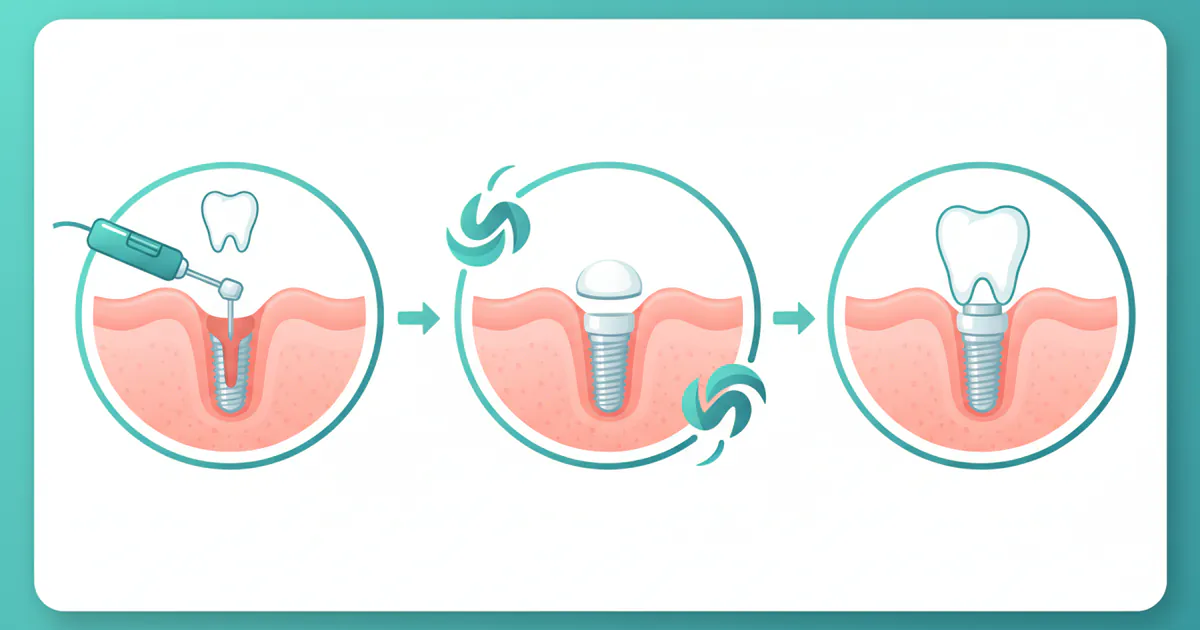
Implants Process: Complete Guide
Missing teeth can impact more than just your smile; they can affect your ability to eat, speak, and even your overall confidence. In fact, over 178 million Americans are missing at least one tooth, and about 40 million are missing all of their teeth. When faced with tooth loss, understanding the
March 8, 2026
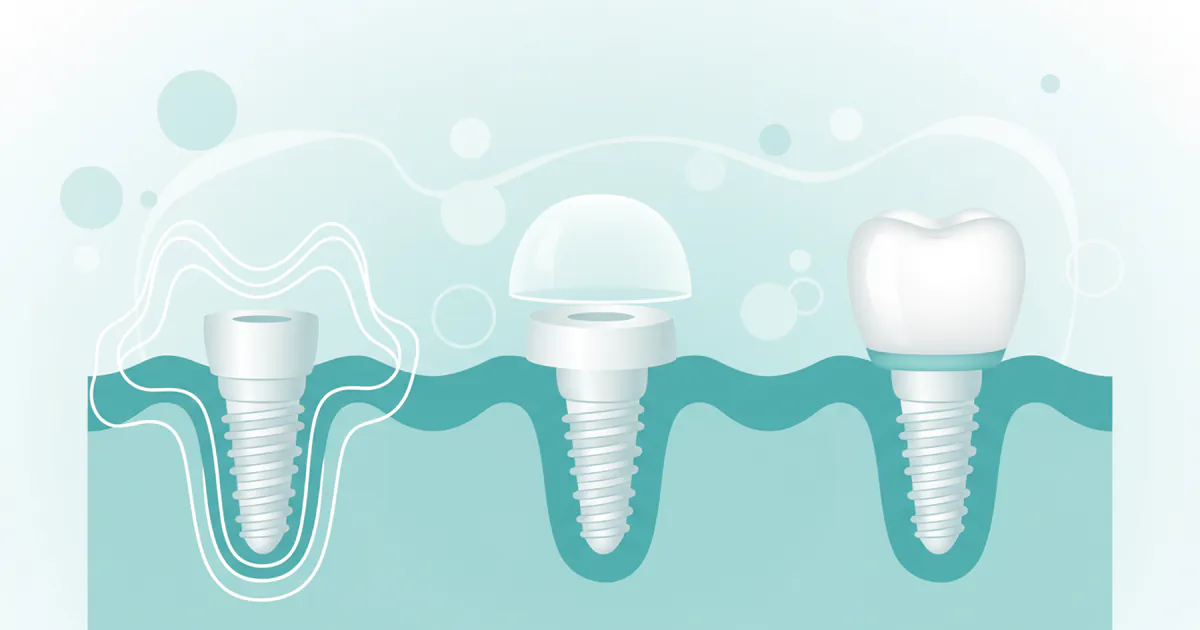
Implants Dentaires: Complete Guide
Missing teeth can dramatically impact not just your smile, but your overall health, confidence, and quality of life. In the United States, an estimated 178 million adults are missing at least one tooth, while approximately 40 million are missing all their teeth. These statistics underscore a
March 8, 2026