How Much Are Implant Dentures
Key Takeaways
- For millions of Americans facing significant tooth loss, the prospect of restoring a healthy, confident smile can feel daunting. Studies by the Centers for Disease Control and Prevention (CDC) reveal that 13% of adults aged 65 and older have lost all their natural teeth, and many more suffer fro
How Much Are Implant Dentures: A Comprehensive Guide to Cost, Care, and Choices
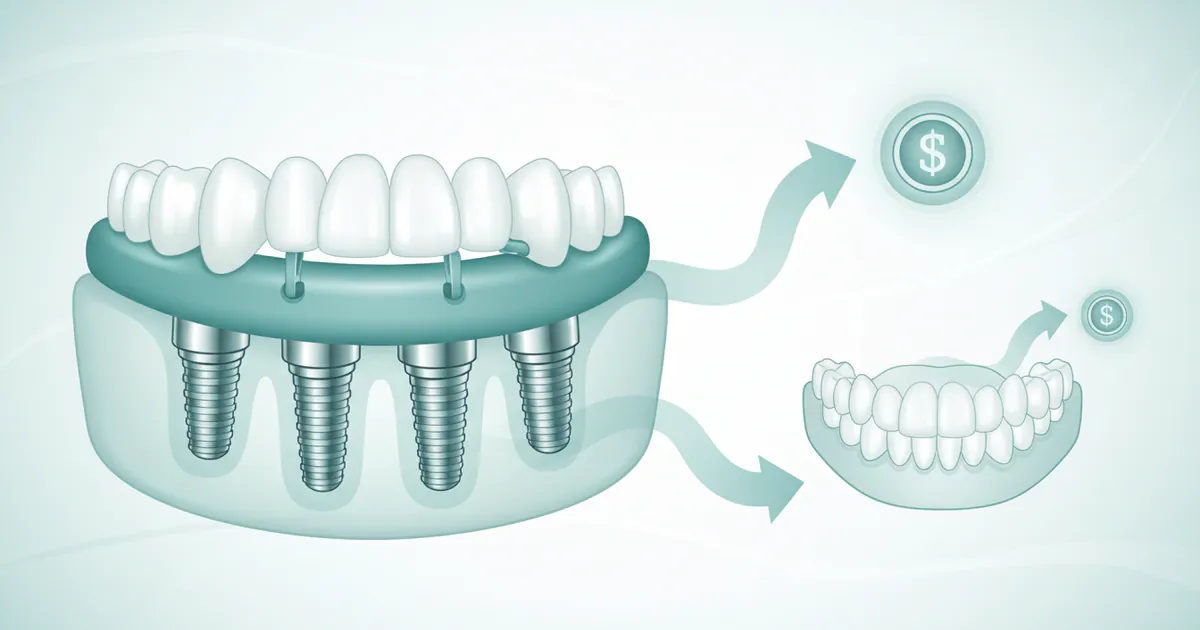
For millions of Americans facing significant tooth loss, the prospect of restoring a healthy, confident smile can feel daunting. Studies by the Centers for Disease Control and Prevention (CDC) reveal that 13% of adults aged 65 and older have lost all their natural teeth, and many more suffer from partial tooth loss that severely impacts their quality of life. While traditional dentures have long been a solution, their limitations in stability, comfort, and chewing efficiency often leave individuals searching for a more permanent and satisfying alternative. This is where implant dentures come into play, offering a revolutionary way to anchor prosthetic teeth securely. But for many, the immediate question that arises is: how much are implant dentures, and what exactly does that investment entail?
Understanding the cost of implant dentures is crucial, as it's a significant financial commitment, but one that promises unparalleled benefits for oral health, function, and aesthetics. This comprehensive guide from SmilePedia.net will demystify the various factors influencing the price of these life-changing prosthetics. We'll explore the different types of implant dentures available, delve into the step-by-step process of their placement, break down the typical costs you can expect across the U.S., discuss insurance and financing options, and provide essential insights into recovery and long-term care. Our goal is to equip you with all the knowledge you need to make an informed decision about restoring your smile with implant dentures.
Key Takeaways:
- Implant dentures offer superior stability and chewing function compared to traditional dentures, improving quality of life and preventing bone loss.
- Costs vary significantly, typically ranging from $12,000 to $50,000 per arch (upper or lower), depending on the type, materials, number of implants, and geographic location.
- Removable (overdenture) options are generally less expensive than fixed (non-removable) full-arch solutions like All-on-4 or All-on-6.
- Ancillary procedures such as extractions, bone grafting, or sinus lifts can add $500 to $4,000+ per site to the overall cost.
- Dental insurance often provides limited coverage for the surgical components (implants) but may cover diagnostic procedures or the prosthetic denture itself.
- Financing options including payment plans, dental loans, and third-party credit are commonly available to help manage the investment.
- Recovery involves a healing period of 3-6 months for osseointegration, with proper aftercare crucial for long-term success.
What Are Implant Dentures? A Comprehensive Overview
Implant dentures represent a significant advancement in prosthetic dentistry, combining the stability and bone-preserving benefits of dental implants with the convenience of a full arch of replacement teeth. Unlike traditional dentures that rest on the gums and rely on suction or adhesives, implant dentures are securely anchored to dental implants surgically placed in the jawbone. This creates a much more stable, functional, and comfortable solution for individuals missing multiple or all of their teeth in one or both arches.
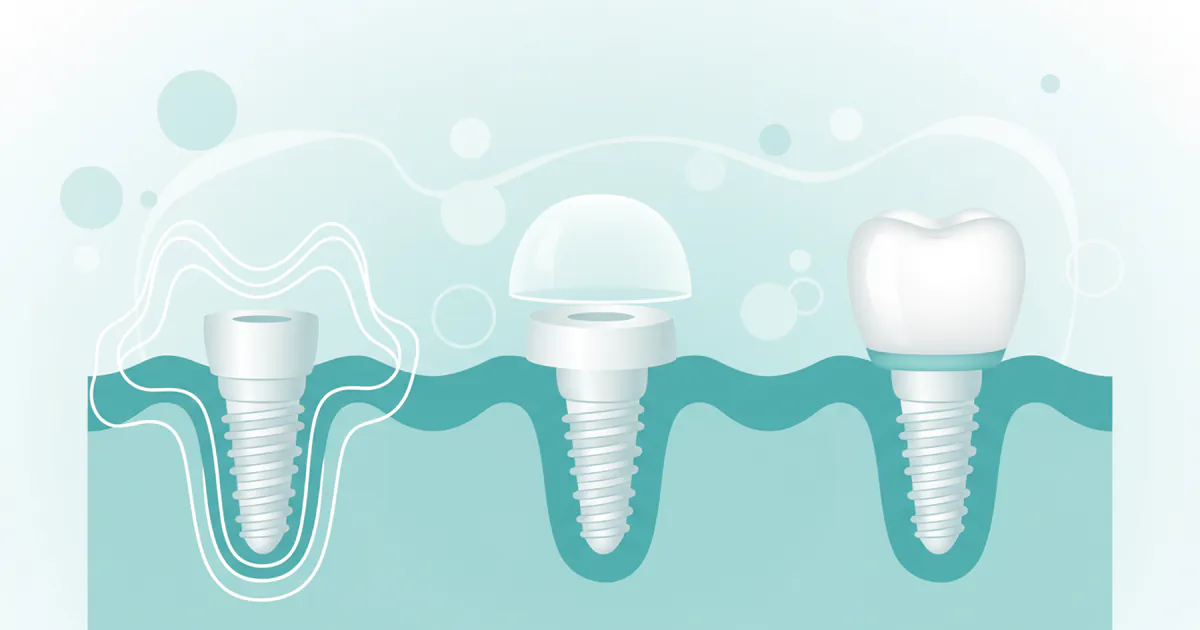
A dental implant is a small, screw-shaped post, typically made of biocompatible titanium, that is surgically placed into the jawbone. Over several months, the implant fuses with the surrounding bone in a process called osseointegration. Once integrated, these implants act as artificial tooth roots, providing a strong foundation for various dental prosthetics. When used for dentures, several implants (typically 2 to 8 per arch) are strategically placed to support a full set of prosthetic teeth.
The primary benefits of implant dentures over conventional dentures include:
- Enhanced Stability: No slipping, shifting, or falling out, allowing for confident speaking and eating.
- Improved Chewing Efficiency: Patients can bite and chew a wider variety of foods, contributing to better nutrition and enjoyment of meals.
- Preservation of Jawbone: Dental implants stimulate the jawbone, preventing the bone loss (resorption) that typically occurs after tooth loss. This helps maintain facial structure and prevents the "sunken" appearance often associated with long-term traditional denture wear.
- Increased Comfort: Eliminates the gum irritation and sores often caused by ill-fitting traditional dentures.
- Better Speech: With stable dentures, speech impediments caused by shifting prosthetics are significantly reduced.
- No Adhesives Required: Frees patients from the need for messy denture adhesives.
Types of Implant Dentures: Finding Your Ideal Solution
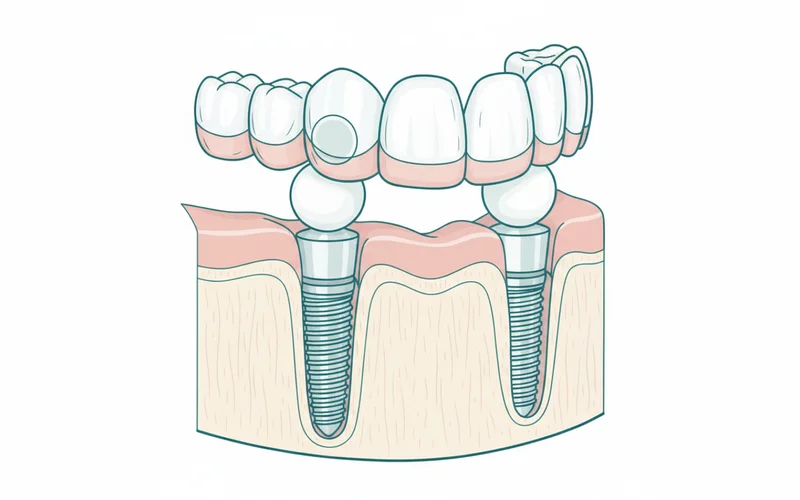
Implant dentures come in several variations, each offering different levels of stability, aesthetics, and cost. Understanding these types is essential for determining which solution best fits your needs and budget.
Implant-Supported Overdentures (Removable)
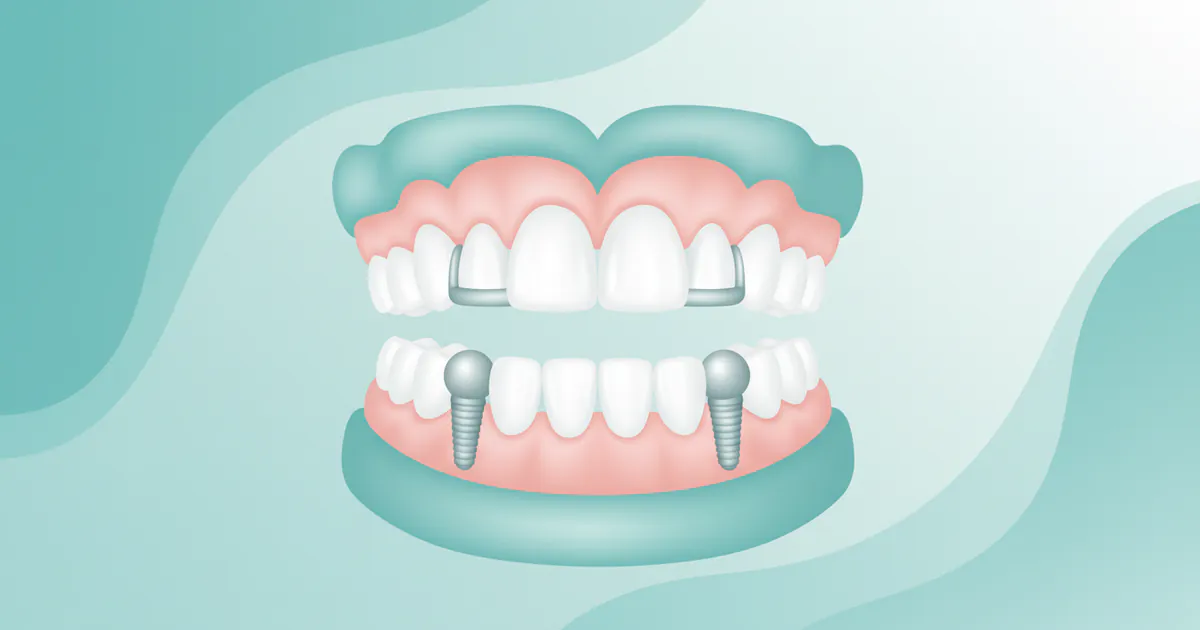
Also known as snap-on dentures, these are a popular and often more affordable option. Implant-supported overdentures are removable, meaning you can take them out for cleaning, but they attach securely to a few strategically placed dental implants.
- Description: The denture base typically has special attachments (like a ball, bar, or locator system) that snap onto corresponding attachments on the dental implants. This connection provides significantly more stability than traditional dentures while still allowing for easy removal.
- Number of Implants: Typically requires 2 to 4 implants per arch (upper or lower). For the lower jaw, two implants are often sufficient due to denser bone. The upper jaw, with its softer bone and presence of the palate, often benefits from four implants for better stability and to allow for a palate-free design.
- Pros:
- More Affordable: Generally less expensive than fixed implant dentures.
- Improved Stability: Eliminates much of the slipping and discomfort of traditional dentures.
- Easy to Clean: Can be removed for thorough cleaning of both the denture and the implant attachments.
- Bone Preservation: Still helps prevent bone loss in the areas where implants are placed.
- Cons:
- Still Removable: Some patients prefer a completely fixed solution.
- May require occasional relining and replacement of attachment components (e.g., O-rings) over time.
- While stable, they may have a slight amount of movement compared to fixed dentures.
Implant-Retained Fixed Dentures (Non-Removable)
These are designed to be a permanent, non-removable solution, providing the closest experience to natural teeth. Fixed implant dentures are screwed or cemented directly onto the dental implants and can only be removed by a dentist.
- Description: This category often includes full-arch restorations like All-on-4, All-on-5, All-on-6, or full arch dental bridges. The prosthetic teeth are permanently secured to multiple implants.
- Number of Implants: Requires a higher number of implants, typically 4 to 8 implants per arch, depending on the specific technique and bone density.
- All-on-4® / All-on-X: This popular technique uses four (or sometimes five or six) implants strategically placed to support a full arch of prosthetic teeth. The posterior implants are often tilted to maximize bone-to-implant contact and avoid anatomical structures like the sinus cavities, often eliminating the need for extensive bone grafting. This method is often associated with "same day teeth implants" when conditions are ideal for immediate loading.
- Pros:
- Maximum Stability and Comfort: Functions most like natural teeth, with no movement whatsoever.
- Superior Aesthetics: Often crafted from high-quality materials like zirconia, offering excellent aesthetics.
- Enhanced Chewing Power: Allows for a completely unrestricted diet.
- Non-Removable: Eliminates the need for daily removal and cleaning, providing a natural feel.
- Full Bone Preservation: Maximize bone stimulation across the arch.
- Cons:
- Higher Cost: Significantly more expensive than removable implant dentures.
- More Complex Cleaning: Requires diligent oral hygiene similar to natural teeth, including specialized brushes or water flossers, as they cannot be removed for cleaning.
- Irreversible: A permanent commitment.
Material Considerations
The materials used for your implant denture prosthetic also play a significant role in aesthetics, durability, and cost.
- Acrylic with a Titanium Framework: A common choice, especially for the initial provisional (temporary) dentures used in immediate loading cases, and often for final removable overdentures. It's durable, repairable, and relatively cost-effective.
- Zirconia: A highly durable, biocompatible ceramic material known for its strength, aesthetics, and resistance to chipping and staining. It's often the material of choice for fixed full-arch prosthetics due to its natural appearance and longevity. Zirconia prosthetics are at the higher end of the cost spectrum.
- Porcelain (or Porcelain Fused to Metal): Can also be used for implant-supported prosthetics, offering good aesthetics, but generally less durable than zirconia for full-arch solutions.
The Transformative Process of Getting Implant Dentures
Getting implant dentures is a multi-stage process that requires careful planning, skilled surgical execution, and a dedicated healing period. While the overall timeline can vary, understanding each step helps manage expectations.
Initial Consultation and Planning
This foundational stage is critical for the success of your implant denture treatment.
- Comprehensive Examination: Your dentist or oral surgeon will perform a thorough oral exam, review your medical history, and discuss your goals and expectations.
- Diagnostic Imaging: This typically includes traditional X-rays, panoramic X-rays, and often a 3D Cone Beam Computed Tomography (CBCT) scan. The CBCT scan provides detailed, cross-sectional images of your jawbone, allowing the dentist to assess bone density and volume, identify the precise location of nerves and sinus cavities, and virtually plan the optimal placement of each implant.
- Treatment Plan Development: Based on the diagnostic information, a personalized treatment plan is developed. This plan outlines the number and type of implants, the type of denture prosthetic, the surgical approach, and a detailed cost estimate. You'll have the opportunity to ask questions and understand every aspect of your proposed treatment.
Implant Placement Surgery
This is the surgical phase where the dental implants are placed into your jawbone.
- Anesthesia: The procedure is typically performed under local anesthesia, often combined with sedation (oral, IV, or nitrous oxide) to ensure your comfort. For more extensive cases or patient anxiety, general anesthesia may be an option.
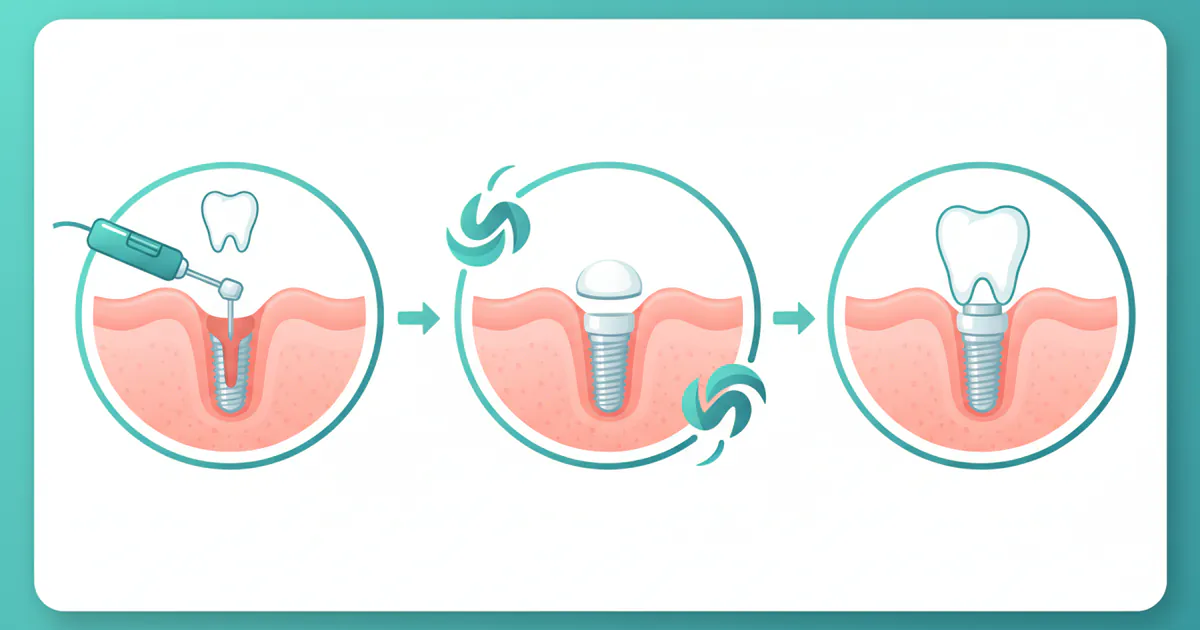
- Surgical Procedure: The surgeon will make small incisions in your gum tissue to expose the jawbone. Using precise surgical guides (often computer-generated from your CBCT scan), small holes (osteotomies) are carefully drilled into the bone at the planned locations. The titanium dental implants are then gently screwed into these prepared sites.
- Closure: The gum tissue is then sutured closed over the implants. In some cases, a healing abutment may be placed immediately.
- Osseointegration (Healing Period): This is the most crucial part of the healing process, where the implants fuse with the jawbone. This typically takes 3 to 6 months, though it can be longer in cases requiring bone grafting or in individuals with slower healing. During this time, you may wear a temporary traditional denture (adjusted to avoid pressure on the surgical sites).
Abutment Placement and Denture Fabrication
Once osseointegration is complete, the implants are ready to support your new dentures.
- Implant Exposure and Abutment Placement: If the implants were covered by gum tissue, a minor surgical procedure is performed to expose them. Abutments, which are connectors that extend from the implants through the gum line, are then attached. These abutments will serve as the anchors for your denture.
- Impressions: Detailed impressions (molds) of your mouth, including the newly placed abutments, are taken. These impressions are sent to a dental laboratory, which will custom-fabricate your implant denture.
- Try-Ins: You will typically have several "try-in" appointments where a wax model or prototype of your denture is placed in your mouth. This allows your dentist and you to evaluate the fit, bite, aesthetics (tooth shape, color), and make any necessary adjustments before the final denture is fabricated.
- Final Denture Placement: Once you and your dentist are satisfied, the final, custom-made implant denture is delivered and securely attached to your abutments. For removable overdentures, you'll be instructed on how to properly insert and remove them. For fixed dentures, they are permanently screwed or cemented into place.
Same-Day Teeth Implants: A Rapid Transformation
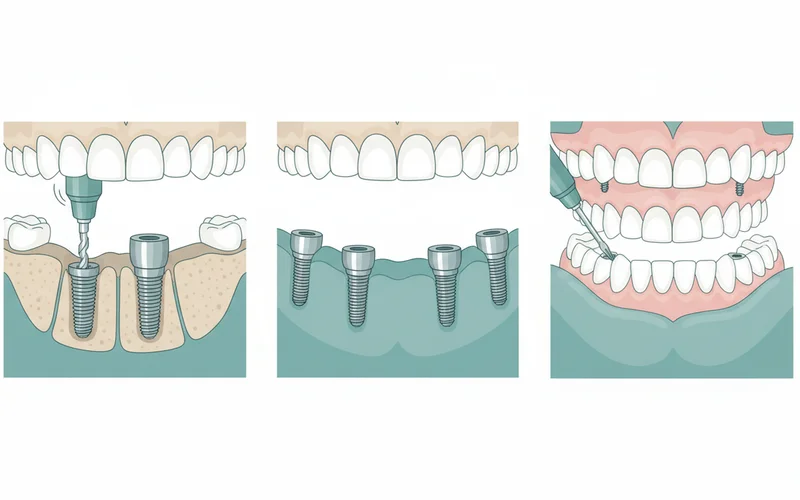
The concept of "same day teeth implants," often referred to as "immediate loading" or "Teeth-in-a-Day," is a revolutionary approach that allows patients to receive dental implants and a functional, temporary set of teeth on the same day. This is most commonly associated with All-on-4® or All-on-X procedures.
- Description: Instead of waiting months for osseointegration before attaching a prosthetic, with immediate loading, a temporary, lighter-weight denture (or full arch bridge) is fabricated prior to surgery. On the day of the implant surgery, any remaining failing teeth are extracted, the implants are placed, and the temporary denture is immediately secured to the implants.
- Eligibility: Not everyone is a candidate for same-day teeth implants. Key factors include:
- Good Bone Quality and Density: Sufficient healthy bone is essential for the immediate stability of the implants.
- Absence of Active Infection: No significant infections at the implant sites.
- Good General Health: Systemic health conditions (e.g., uncontrolled diabetes) can affect healing.
- Patient Compliance: Strict adherence to post-operative instructions and a modified soft diet during the healing phase is crucial.
- Pros:
- Immediate Function and Aesthetics: You leave the office with a functional smile, avoiding the period of being toothless or wearing a loose traditional denture.
- Improved Confidence: Eliminates the social discomfort associated with significant tooth loss.
- Faster Overall Process: While a healing period is still needed for the implants, you have teeth throughout.
- Cons:
- Higher Cost: Often involves a premium for the expedited process and provisional restoration.
- Increased Risk of Early Implant Failure: If not meticulously planned and executed, and if the patient doesn't follow post-operative instructions, the risk of initial implant failure can be slightly higher.
- Temporary Prosthetic: The immediate denture is provisional and will be replaced with a stronger, permanent restoration after osseointegration is complete. This permanent restoration is a separate cost component.
Pro Tip: If considering same-day teeth implants, ensure your dental professional has extensive experience with immediate loading protocols and advanced imaging technology for precise planning.
How Much Are Implant Dentures? Understanding the Investment
The question of "how much are implant dentures" is complex, as the cost is highly variable. Implant dentures are a significant investment in your long-term oral health and quality of life, reflecting the advanced technology, specialized materials, and skilled dental expertise involved.
Factors Influencing Cost
Several key factors contribute to the overall price tag of implant dentures:
- Number of Implants: More implants mean higher costs due to additional surgical time, materials, and lab fees. A removable overdenture with 2 implants will be significantly less expensive than a fixed full-arch restoration with 6-8 implants.
- Type of Implant Denture:
- Removable (Snap-On) Overdentures: Generally the most affordable implant denture option.
- Fixed Full-Arch Restorations (e.g., All-on-4/6): These are at the higher end of the cost spectrum due to the complexity, number of implants, and often superior prosthetic materials.
- Materials Used for the Prosthetic:
- Acrylic: Less expensive, but may require more maintenance over time.
- Zirconia: More durable, aesthetically superior, and more expensive.
- Ancillary Procedures: Many patients require additional preparatory procedures before implant placement can occur. These can significantly add to the total cost:
- Tooth Extractions: If failing teeth need to be removed, costs typically range from $75 to $600 per tooth, depending on complexity.
- Bone Grafting: Necessary if there isn't sufficient jawbone density to support the implants. Costs can range from $200 to $3,000+ per site, depending on the type and extent of the graft.
- Sinus Lift: A specific type of bone graft for the upper jaw when there isn't enough bone height in the posterior maxilla due to sinus proximity. This can cost $1,500 to $3,500 per side.
- Gum Grafting: If gum tissue is insufficient, costs can range from $400 to $1,500 per site.
- Geographic Location: Dental costs vary by region, city, and even neighborhood within the U.S. Major metropolitan areas and coastal regions generally have higher prices than rural areas.
- Dentist's Experience and Specialization: Highly experienced oral surgeons or prosthodontists specializing in implant dentistry may charge more for their expertise.
- Sedation Options: The type of anesthesia chosen (local, nitrous oxide, oral sedation, IV sedation, general anesthesia) will impact the overall cost.
- Lab Fees: The quality and complexity of the dental lab creating your prosthetic also contribute to the price.
Average Cost Ranges in the US
To provide a clear picture, here are general cost ranges for implant dentures per arch (upper or lower) in the United States. These are estimates and can vary widely. Remember that these figures usually encompass the surgical placement of implants, the abutments, and the final prosthetic.
| Implant Denture Type | Number of Implants | Average US Cost (Per Arch) | Key Features |
|---|---|---|---|
| Removable Overdenture | 2-4 implants | $12,000 - $25,000 | Snaps onto implants, removable for cleaning, acrylic prosthetic. |
| Fixed Hybrid Denture (e.g., All-on-4) | 4-6 implants | $20,000 - $35,000 | Screwed into place, non-removable, often acrylic over titanium frame. |
| Fixed Zirconia Bridge (e.g., All-on-6) | 6-8 implants | $30,000 - $50,000+ | Screwed into place, non-removable, high-strength zirconia, premium aesthetics. |
- Cost Breakdown Example (Fixed Hybrid All-on-4, One Arch):
- Consultation & Diagnostics (X-rays, CBCT): $200 - $800
- Tooth Extractions (if needed, 4-6 teeth): $600 - $3,000
- Bone Grafting/Sinus Lift (if needed): $1,500 - $5,000+
- 4 Dental Implants (including surgical placement): $6,000 - $12,000 ($1,500-$3,000 per implant)
- Abutments (4 units): $1,200 - $2,400 ($300-$600 per abutment)
- Provisional (Temporary) Denture: $2,000 - $5,000 (often included in All-on-4 package price)
- Final Fixed Hybrid Denture (Acrylic over Titanium): $8,000 - $15,000
- Total Estimated Range: $20,000 - $35,000+ (excluding extensive grafting)
Insurance Coverage and Financing Options
The financial aspect of implant dentures can be a major hurdle, but understanding coverage and payment plans can make it more manageable.
-
Dental Insurance: Most standard dental insurance plans offer limited coverage for dental implants.
- Diagnostic Procedures: X-rays and exams are often covered at a high percentage (e.g., 80-100%).
- Extractions and Bone Grafting: These ancillary procedures may be covered under oral surgery benefits, depending on medical necessity.
- Implants (Surgical Component): Many plans categorize implants as a "major procedure" and may cover only a small percentage (e.g., 10-50%) up to an annual maximum, or exclude them entirely. Some plans may only cover the "least expensive alternative treatment" (e.g., a traditional denture).
- The Denture (Prosthetic Component): The actual prosthetic teeth part of the implant denture may be covered similarly to traditional dentures or bridges, often at 50% coverage after a deductible, up to your annual maximum.
- Medical Insurance: In rare cases, if tooth loss is due to a traumatic injury, tumor removal, or other medical condition, some medical insurance plans might offer partial coverage for the surgical component of dental implants.
- Pro Tip: Always submit a pre-determination of benefits to your insurance company before starting treatment. This will give you a clear understanding of what your plan will and won't cover.
-
Payment Plans and Financing: Given the high cost, most dental practices offer or partner with third-party financing options.
- In-Office Payment Plans: Some practices allow you to pay in installments directly to them, often requiring a down payment.
- Dental Loans: Specialized lenders offer loans specifically for dental treatments, often with fixed interest rates and terms.
- Healthcare Credit Cards (e.g., CareCredit, LendingClub): These are popular options that offer special financing options, including interest-free periods if the balance is paid within a promotional timeframe.
- Flexible Spending Accounts (FSAs) and Health Savings Accounts (HSAs): If you have an FSA or HSA through your employer, you can use these tax-advantaged accounts to pay for dental implant treatment.
Pro Tip: Don't let upfront costs deter you. Discuss all financing options with your dental office's financial coordinator. They are usually well-versed in helping patients navigate these investments.
Recovery and Aftercare: Ensuring Lasting Success
Proper recovery and diligent aftercare are paramount for the long-term success and longevity of your implant dentures.
Immediate Post-Surgical Care
The first few days to weeks after implant placement surgery require careful attention.
- Pain Management: Your dentist will prescribe pain medication or recommend over-the-counter options (like ibuprofen).
- Swelling and Bruising: Expect some swelling and bruising, which can be managed with cold compresses applied to the face.
- Bleeding: Minor bleeding is normal for the first 24-48 hours.
- Diet: Stick to soft foods for several days or weeks, gradually reintroducing harder foods as healing progresses. Avoid chewing directly on the implant sites. For immediate load cases ("same day teeth implants"), a very soft diet is crucial for 3-6 months to prevent stress on the healing implants.
- Oral Hygiene: Gently rinse with a prescribed antiseptic mouthwash (e.g., chlorhexidine) as directed. Avoid vigorous rinsing, spitting, or using straws, as these can dislodge blood clots. Brush carefully around the surgical sites, following your dentist's instructions.
- Activity Restrictions: Avoid strenuous physical activity for a few days to a week after surgery.
Long-Term Maintenance
Once your final implant dentures are placed, maintaining excellent oral hygiene and regular dental visits are critical.
- For Removable Overdentures:
- Daily Removal and Cleaning: Remove your overdentures daily to thoroughly clean both the denture and the attachments on the implants. Use a soft-bristled brush and non-abrasive denture cleaner.
- Clean Implant Sites: Gently brush around the implant abutments with a soft toothbrush.
- Soaking: Soak your dentures in a recommended denture cleaning solution overnight as advised by your dentist.
- Regular Check-ups: Schedule annual or bi-annual check-ups to assess the health of your implants, gums, and for professional cleaning of the implants and prosthetic. Attachment components (like O-rings) may need replacement every 6-12 months.
- For Fixed Implant Dentures:
- Daily Brushing and Flossing: Treat them like natural teeth. Use a soft-bristled toothbrush, and your dentist may recommend special interdental brushes, floss threaders, or a water flosser (like a Waterpik) to clean beneath the prosthetic and around the implants.
- Professional Cleanings: Regular professional cleanings (typically every 3-6 months) are vital. Your hygienist will use specialized tools designed for cleaning around implants to remove plaque and calculus effectively without damaging the implant surfaces.
- Avoid Hard/Sticky Foods: While fixed implant dentures are very strong, avoiding excessively hard foods (e.g., ice, hard candies, nuts in shells) or sticky candies can help prevent damage and premature wear.
- Nightguard: If you grind or clench your teeth (bruxism), your dentist may recommend a nightguard to protect your implants and prosthetic from excessive forces.
Timeline for Healing and Adjustment
- Initial Healing (Post-Surgery): 1-2 weeks for soft tissue healing.
- Osseointegration: 3-6 months for the implants to fuse with the jawbone. This is a critical period for stability.
- Adjustment to New Dentures: A few days to a few weeks to fully adjust to speaking and eating with your new implant dentures, even if they are fixed. Initial minor speech alterations or sensations are normal and quickly resolve.
Risks, Complications, and How to Prevent Them
While dental implant procedures have a very high success rate (over 95%), as with any surgical procedure, there are potential risks and complications.
Surgical Risks
- Infection: Though rare, infection at the implant site can occur. This is often prevented with antibiotics and strict aseptic techniques during surgery.
- Nerve Damage: In the lower jaw, there's a small risk of damage to the inferior alveolar nerve, which can lead to numbness, tingling, or pain in the lip, chin, or tongue. Careful planning with 3D imaging significantly mitigates this risk.
- Sinus Perforation: In the upper jaw, if implants are placed too close to the maxillary sinus, perforation can occur. This is typically managed during surgery, sometimes requiring a sinus lift.
- Excessive Bleeding: Managed with proper surgical techniques and patient health assessment.
Implant Failure
- Failure of Osseointegration: The most significant risk, where the implant does not properly fuse with the bone. This can be caused by infection, poor bone quality, excessive early loading, or certain systemic health conditions (e.g., uncontrolled diabetes, smoking).
- Peri-implantitis: An inflammatory condition similar to gum disease that affects the tissues around a dental implant. If left untreated, it can lead to bone loss around the implant and eventual implant failure. This is often caused by poor oral hygiene or can be influenced by certain medical conditions.
Denture-Related Issues
- Denture Breakage or Chipping: While durable, the prosthetic teeth can still chip or break, especially with acrylic materials or if excessive force is applied.
- Attachment Wear: For removable overdentures, the attachment components (e.g., O-rings, clips) will wear out over time and need replacement.
- Improper Fit: While rare with implant dentures, changes in your jawbone over many years could potentially affect the fit, though implants help prevent bone loss.
Prevention Strategies
- Choose a Qualified Professional: Select an experienced oral surgeon, periodontist, or prosthodontist with a proven track record in implant dentistry. Look for professionals who utilize 3D imaging and computer-guided surgery.
- Provide Full Medical History: Be honest and thorough about your medical history and medications, as certain conditions (e.g., diabetes, osteoporosis) and medications (e.g., bisphosphonates) can affect treatment outcomes.
- Strict Oral Hygiene: Adhere meticulously to your dentist's instructions for daily cleaning of your implant dentures and surrounding tissues. This is the best defense against peri-implantitis.
- Regular Dental Check-ups: Do not skip your routine dental exams and professional cleanings. These appointments allow your dental team to monitor the health of your implants and prosthetic, catch potential issues early, and replace worn components.
- Quit Smoking: Smoking significantly increases the risk of implant failure and peri-implantitis.
- Follow Post-Surgical Instructions: Especially regarding diet restrictions during the healing phase, particularly for same-day teeth implants, to ensure proper osseointegration.
Comparison of Implant Dentures vs. Traditional Dentures vs. Dental Implants
Understanding how implant dentures compare to other tooth replacement options can help you make an informed decision.
| Feature | Traditional Dentures | Implant-Supported Overdentures | Fixed Implant Dentures (e.g., All-on-4) | Individual Dental Implants & Crowns |
|---|---|---|---|---|
| Cost (Per Arch) | $1,500 - $4,000 | $12,000 - $25,000 | $20,000 - $50,000+ | $3,000 - $6,000 per tooth |
| Stability | Poor; relies on suction/adhesives; slips/shifts | Good; snaps onto implants; removable | Excellent; permanently fixed; no movement | Excellent; functions like natural tooth |
| Bone Preservation | None; jawbone continues to resorb | Partial; only at implant sites | Excellent; throughout the arch | Excellent; at each implant site |
| Chewing Efficiency | Limited; can be difficult with certain foods | Improved; wider food choices | Excellent; unrestricted diet | Excellent; unrestricted diet |
| Aesthetics | Can look unnatural; may affect facial contours | Good; more natural appearance | Excellent; highly natural look | Excellent; indistinguishable from natural teeth |
| Comfort | Often causes sore spots, rubs on gums | Much better; less gum irritation | Excellent; feels like natural teeth | Excellent; feels like natural teeth |
| Maintenance | Daily removal, cleaning, adhesives, relines | Daily removal, cleaning implants & denture | Brushing, flossing, professional cleanings | Brushing, flossing, professional cleanings |
| Longevity | 5-10 years (denture), lifelong (bone loss) | 10-20 years (implants), 5-10 years (denture) | 15-25+ years (implants), 10-15 years (prosthetic) | 15-25+ years (implants & crowns) |
Children and Pediatric Considerations
Implant dentures are not a treatment option for children or adolescents. Dental implants require a fully developed jawbone to ensure successful osseointegration and long-term stability. The jawbones typically continue to grow and mature until the late teens or early twenties. Placing implants before this growth is complete could lead to the implant shifting out of position as the surrounding bone continues to develop, potentially causing complications and requiring future corrective procedures.
For children who have lost permanent teeth due to trauma, decay, or congenital conditions, temporary solutions such as space maintainers, removable partial dentures (flipper), or dental bridges are typically used until their jaw development is complete and they are deemed suitable candidates for dental implants or other permanent prosthetics in adulthood.
Frequently Asked Questions
Are implant dentures painful?
The implant placement surgery is performed under local anesthesia, so you won't feel pain during the procedure. Post-operative discomfort is manageable with prescribed pain medication and over-the-counter pain relievers. Most patients report only mild to moderate soreness for a few days, similar to a tooth extraction. Once the implants have healed and the dentures are in place, they should feel comfortable and pain-free.
How long do implant dentures last?
The dental implants themselves can last 15-25 years, often a lifetime, with proper care and maintenance. The prosthetic denture portion, whether removable or fixed, typically needs replacement or significant refurbishment every 5-15 years, depending on the material (e.g., acrylic vs. zirconia), wear, and hygiene. Regular check-ups help monitor their condition.
Can I get implant dentures if I have bone loss?
Yes, often. While significant bone loss can complicate implant placement, it doesn't necessarily disqualify you. Procedures like bone grafting or sinus lifts can regenerate sufficient bone volume to support implants. Techniques like All-on-4 are also designed to maximize available bone, even in cases of moderate bone loss. Your dentist will evaluate your bone density with 3D imaging to determine your eligibility and discuss any necessary preparatory procedures.
How do I clean fixed implant dentures?
Fixed implant dentures cannot be removed, so you clean them like natural teeth. This involves daily brushing with a soft toothbrush, flossing, and often using specialized tools like interdental brushes, floss threaders, or a water flosser to clean thoroughly under the prosthetic and around the implants. Regular professional cleanings by a hygienist specialized in implant care are also crucial.
Are implant dentures worth the cost?
For many patients, the investment in implant dentures is absolutely worth it. The benefits include significantly improved chewing ability, enhanced speech, restored confidence, prevention of further bone loss, and a natural-looking, stable smile. While the initial cost is higher than traditional dentures, the long-term comfort, function, and health benefits often outweigh the price for those seeking a more permanent and satisfying solution.
What are the alternatives to implant dentures?
The primary alternatives for full arch tooth replacement are traditional full dentures (removable, relying on suction) or dental bridges (if only a few teeth are missing and there are strong anchor teeth). However, these alternatives do not offer the same level of stability, comfort, or bone preservation as implant dentures.
How long does the entire implant denture process take?
The full process, from initial consultation to final denture placement, typically takes 4 to 9 months. This timeline includes initial planning, implant surgery, a critical 3-6 month healing period for osseointegration, and then the fabrication and fitting of the final denture. "Same day teeth implants" can provide a temporary fixed prosthetic immediately, but the total healing time for implants remains the same.
Will my diet be restricted with implant dentures?
With fixed implant dentures, your diet will be largely unrestricted, allowing you to enjoy most foods with confidence, similar to natural teeth. With removable implant-supported overdentures, you will have significantly improved chewing ability compared to traditional dentures, but some very hard or sticky foods might still be approached with caution. During the healing phase, especially for immediate loaded implants, a soft diet is crucial.
Can I get both upper and lower implant dentures at the same time?
Yes, it is common and often recommended to get both upper and lower implant dentures placed simultaneously if you require full arch restoration for both jaws. This allows for a more comprehensive treatment plan, potentially fewer surgical appointments, and a more streamlined recovery process. Your dentist will coordinate the procedures to ensure optimal results for both arches.
How often do the attachments on removable implant dentures need replacement?
For removable implant-supported overdentures, the small attachment components (such as O-rings, clips, or nylon inserts) that connect the denture to the implants are subject to wear and tear. They typically need to be replaced every 6 to 12 months to maintain optimal retention and stability. This is a quick and simple in-office procedure.
When to See a Dentist
While minor discomfort or swelling is normal after implant surgery, certain signs warrant immediate attention from your dental professional:
- Severe or Worsening Pain: If pain is intense, persistent, or worsens significantly several days after surgery, it could indicate an infection or complication.
- Excessive Bleeding: While some oozing is normal, profuse or uncontrolled bleeding that doesn't subside with pressure indicates a problem.
- Persistent Swelling or Pus: Swelling that increases after 2-3 days, or the presence of pus around the implant site, are clear signs of infection.
- Fever or Chills: These are systemic signs of infection and require immediate medical or dental evaluation.
- Numbness or Tingling that Doesn't Resolve: If you experience prolonged numbness or tingling in your lip, chin, or tongue, it could indicate nerve involvement.
- Loose Implant or Denture: If an implant feels loose after placement, or if your fixed denture becomes unstable, contact your dentist immediately.
- Difficulty Breathing or Swallowing: Though extremely rare, this is a medical emergency.
For routine care, schedule regular check-ups with your dentist at least once a year, and professional cleanings every 3-6 months as recommended by your dental team for implant dentures. These routine visits are crucial for monitoring the health of your implants, gums, and prosthetic, and for addressing any minor issues before they become major problems. Your implant dentures are a significant investment in your health, and proactive care is key to their long-term success.
Frequently Asked Questions
Medically Reviewed Content
This article was written by our dental health editorial team and reviewed for medical accuracy. Our content follows strict editorial guidelines for reliability and trustworthiness.
Medical Disclaimer
This article is for informational purposes only and does not constitute medical advice. Always consult with a qualified dental professional for diagnosis and treatment. Do not delay seeking professional advice because of something you read on this website.
Related Articles
Implantologist: Complete Guide
Losing a tooth can be a significant setback, impacting not only your smile but also your ability to speak, chew, and maintain overall oral health. In fact, over 3 million Americans currently have dental implants, and that number is projected to grow significantly as more people seek a durable, n
March 8, 2026
Dentures Over Implants: Complete Guide
Missing multiple teeth or even an entire arch can profoundly impact your life, affecting everything from your ability to chew and speak to your self-confidence. For millions of Americans, traditional removable dentures have long been a solution, but they often come with compromises: slipping, discom
March 8, 2026
Implants Process: Complete Guide
Missing teeth can impact more than just your smile; they can affect your ability to eat, speak, and even your overall confidence. In fact, over 178 million Americans are missing at least one tooth, and about 40 million are missing all of their teeth. When faced with tooth loss, understanding the
March 8, 2026
Implants Dentaires: Complete Guide
Missing teeth can dramatically impact not just your smile, but your overall health, confidence, and quality of life. In the United States, an estimated 178 million adults are missing at least one tooth, while approximately 40 million are missing all their teeth. These statistics underscore a
March 8, 2026