Implant Process: Complete Guide
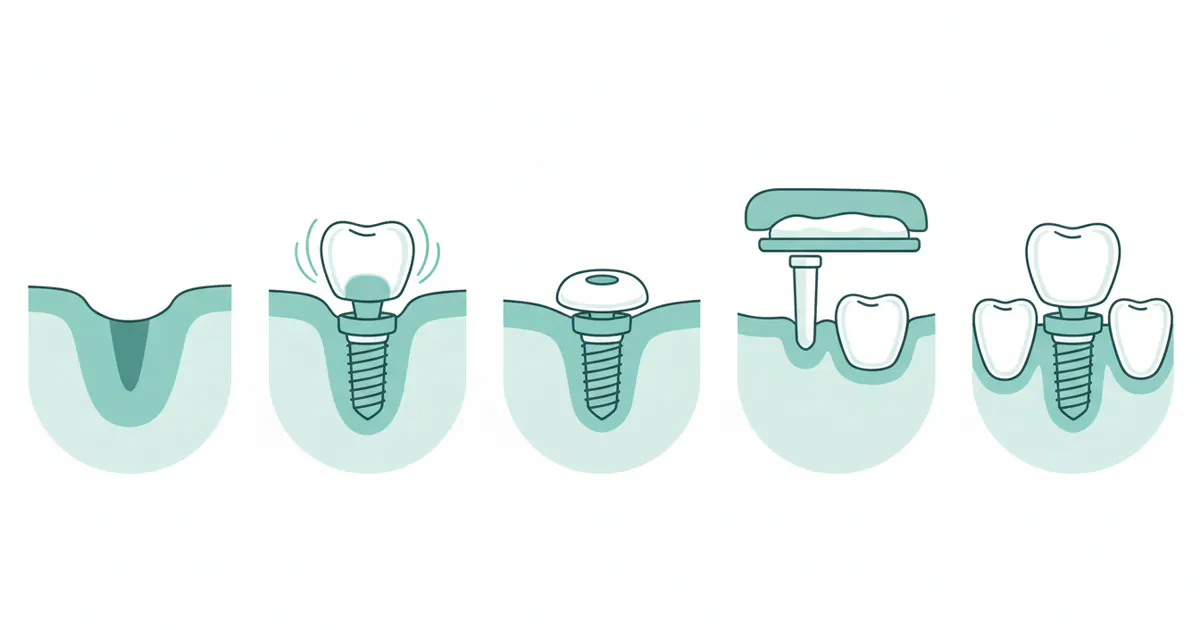
Key Takeaways
- Approximately 178 million Americans are missing at least one tooth, and roughly 40 million are missing all their teeth. While traditional options like bridges and dentures have long been available, a revolutionary advancement in restorative dentistry has transformed how we replace missing te
Approximately 178 million Americans are missing at least one tooth, and roughly 40 million are missing all their teeth. While traditional options like bridges and dentures have long been available, a revolutionary advancement in restorative dentistry has transformed how we replace missing teeth: the dental implant. If you're considering this highly effective and durable solution, understanding the comprehensive implant process is crucial. This complete guide from SmilePedia.net will demystify every stage, from initial consultation to final restoration, ensuring you know exactly what to expect. We'll explore the various types of implants, the detailed step-by-step procedure, associated costs, recovery expectations, and how to maintain your new implants tooth for a lifetime. Whether you're looking to replace a single missing tooth or multiple molar implants, this resource will equip you with the knowledge to make informed decisions about your oral health journey.
Key Takeaways:
- Dental implants are a permanent, titanium-based solution for missing teeth, offering superior stability and aesthetics compared to traditional options.
- The complete implant process typically spans 3 to 9 months, heavily dependent on individual healing and whether bone grafting is required.
- Average costs for a single dental implant in the US range from $3,000 to $6,000, with full mouth restorations potentially exceeding $50,000.
- While most dental insurance plans do not cover the implant post itself, they may cover portions of the diagnostic, surgical, and restorative phases (e.g., bone grafts, crowns).
- Success rates are incredibly high, often above 95%, but depend on proper oral hygiene, patient health, and avoiding risk factors like smoking.
- Long-term care involves diligent brushing, flossing, and regular dental check-ups, similar to natural teeth, to prevent complications like peri-implantitis.
What It Is: An Overview of Dental Implants
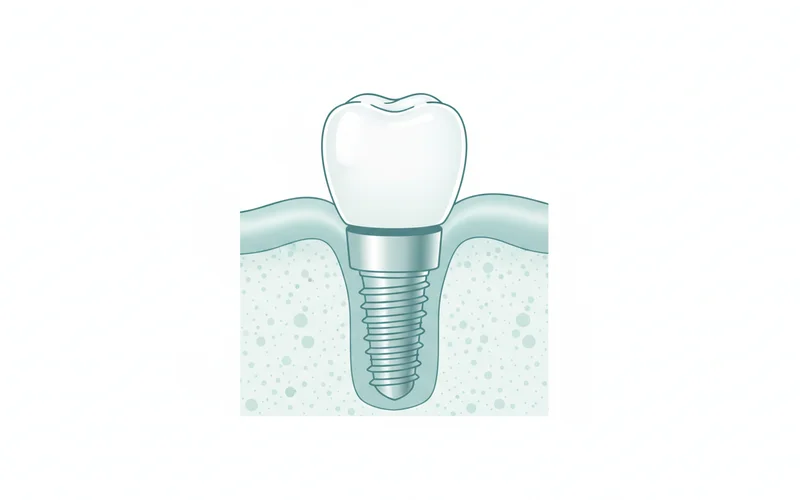
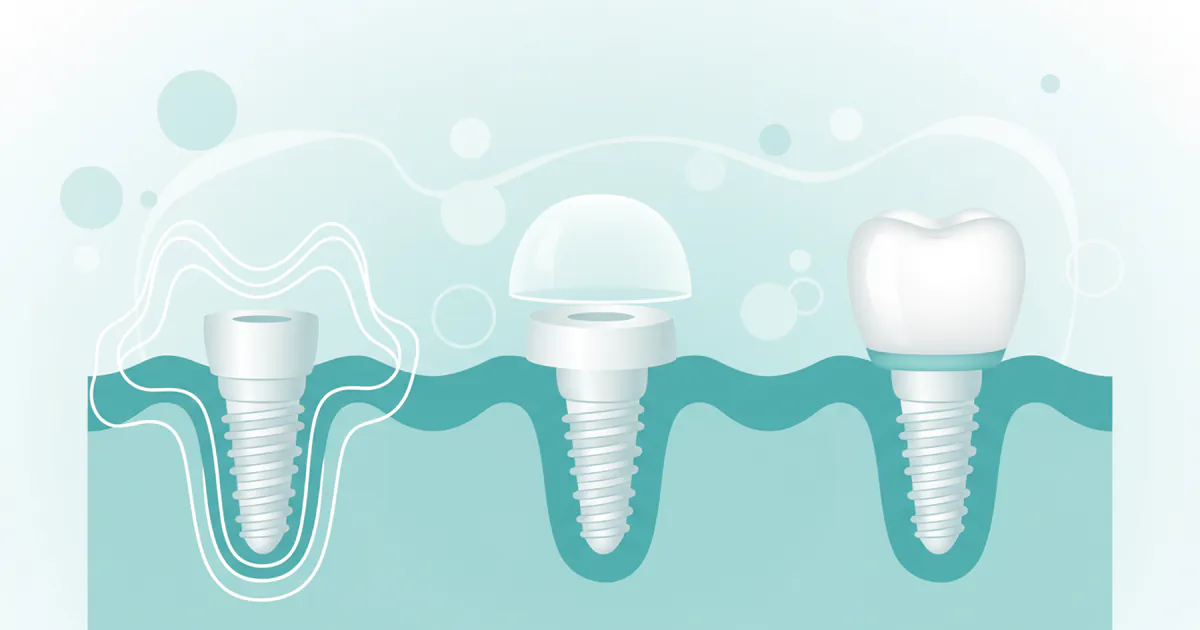
A dental implant is a sophisticated medical device designed to replace the root of a missing tooth. Essentially, it's a small, screw-shaped post, typically made from biocompatible titanium, which is surgically placed into the jawbone beneath the gum line. This titanium post then fuses with the jawbone over several months through a natural biological process called osseointegration. Once integrated, the implant serves as a stable, artificial tooth root, providing a strong foundation for a custom-made prosthetic tooth (crown), a bridge, or even a full denture.
The primary goal of a dental implant is to restore both the function and aesthetics of your smile. Unlike dentures, which can slip, or bridges, which require altering adjacent healthy teeth, implants offer a standalone, permanent solution that mimics the feel and appearance of natural teeth. They stimulate the jawbone, preventing the bone loss that commonly occurs after tooth extraction, thus preserving facial structure and long-term oral health. The implant process is a testament to modern dentistry's ability to provide durable, predictable, and highly successful tooth replacement options.
Types and Variations of Dental Implants
The world of dental implants offers several variations, each tailored to specific patient needs, bone structures, and desired outcomes. Understanding these types is a key part of the comprehensive implant process.
By Placement Method
- Endosteal Implants: These are the most common type of dental implant. "Endosteal" means "in the bone." They are typically screw-shaped (like a small screw or cylinder) and are surgically placed directly into the jawbone. Once the healing period (osseointegration) is complete, an abutment is attached, and then the custom-made crown, bridge, or denture is secured. These implants require sufficient bone density and volume for successful placement.
- Subperiosteal Implants: "Subperiosteal" means "on the bone." These implants consist of a metal framework that fits on top of the jawbone, just under the gum tissue. Posts, which protrude through the gums, are attached to this framework to hold the prosthetic teeth. This type was primarily used for patients who couldn't wear conventional dentures and had insufficient bone height for endosteal implants. However, with advancements in bone grafting, endosteal implants are now almost universally preferred. Subperiosteal implants are rarely used today.
- Zygomatic Implants: A specialized type of implant, zygomatic implants are much longer than traditional implants and are anchored into the zygoma (cheekbone) rather than the jawbone. They are reserved for patients with severe upper jawbone loss who cannot undergo traditional implant placement or extensive bone grafting. This is a complex procedure performed by highly skilled oral surgeons.
By Number of Teeth Replaced
- Single Tooth Implant: This is the most common application, where one implant replaces one missing tooth. It consists of a single implant post, an abutment, and a custom crown. This is an excellent option for replacing individual missing teeth, including molar implants, without affecting adjacent healthy teeth.
- Multiple Teeth Implants (Implant-Supported Bridge): If you are missing several adjacent teeth, an implant-supported bridge can be used. Instead of replacing each missing tooth with a separate implant, two or more implants are strategically placed to support a bridge that spans the gap. This offers a highly stable and aesthetic solution for larger gaps.
- Full Arch Implants (Implant-Supported Dentures / All-on-4®): For patients missing all teeth in an upper or lower arch, or both, full arch implant solutions provide significant advantages over traditional removable dentures.
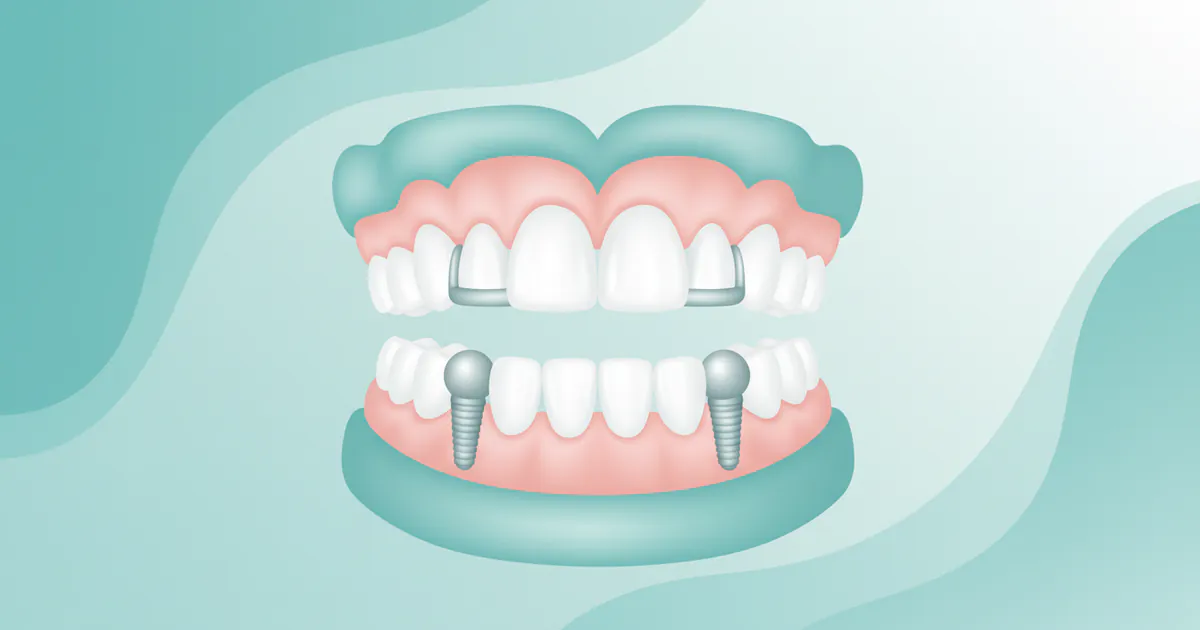
- Implant-Supported Overdentures: These dentures clip onto a few (typically 2-4) implants, offering much greater stability and retention than conventional dentures. They are still removable for cleaning but provide a dramatic improvement in chewing ability and comfort.
- All-on-4® Dental Implants (or similar concepts like All-on-6, All-on-X): This revolutionary technique uses four (sometimes more) strategically placed implants to support a full arch of fixed prosthetic teeth. Two implants are typically placed vertically in the front, and two are angled in the back to maximize bone contact, even in areas with some bone loss. This often allows for a "teeth-in-a-day" or "same-day smile" approach, where a temporary set of teeth can be attached on the day of surgery. This system provides a permanent, non-removable solution that feels and functions much like natural teeth.
- Full Arch Fixed Bridges: Similar to All-on-4, but typically uses 6-8 implants per arch to support a fixed bridge that cannot be removed by the patient. This provides maximum stability and distribution of chewing forces.
Other Variations
- Mini Dental Implants (MDIs): These are smaller in diameter than traditional implants and are often used for stabilizing lower dentures or in cases where bone volume is very limited and traditional implants are not feasible without extensive grafting. They are generally less stable than traditional implants and are considered a less permanent solution, primarily for denture stabilization rather than single tooth replacement.
Choosing the right type of implant is a critical decision made in consultation with your dental implant specialist, taking into account your oral health, bone density, and aesthetic goals.
Why Dental Implants Are Needed (Causes of Tooth Loss)
Understanding why individuals often pursue the implant process involves looking at the common causes of tooth loss. Dental implants offer a superior long-term solution to problems that can arise from:
- Severe Tooth Decay: When cavities are left untreated, decay can progress to the pulp of the tooth, leading to infection, severe pain, and structural compromise beyond repair, necessitating extraction.
- Gum Disease (Periodontal Disease): This is a leading cause of tooth loss in adults. Untreated gum disease leads to inflammation, bone loss around the teeth, and eventually loosening and loss of teeth.
- Trauma or Injury: Accidents, falls, sports injuries, or blows to the face can cause teeth to fracture, chip severely, or be knocked out entirely.
- Failed Root Canal Treatment: While root canals save millions of teeth, sometimes a treated tooth can become reinfected or fracture, making extraction the only viable option.
- Congenitally Missing Teeth: Some individuals are born without certain permanent teeth (a condition called anodontia or hypodontia), making implants an ideal solution once jaw development is complete.
- Excessive Wear and Tear: Over time, teeth can wear down due to grinding (bruxism), acidic diets, or other factors, sometimes to the point where they can no longer function properly or be restored.
- Aging: While not a direct cause, the cumulative effect of wear, disease, and sometimes neglect over a lifetime can contribute to tooth loss in older adults.
- Systemic Health Conditions: Certain conditions like diabetes or osteoporosis can indirectly impact oral health and increase the risk of tooth loss.
When teeth are lost, it doesn't just affect your smile. Missing teeth can lead to:
- Jawbone Deterioration: Without the stimulation of a tooth root, the jawbone in that area begins to resorb (shrink), leading to facial changes and potential problems for adjacent teeth.
- Shifting of Adjacent Teeth: Neighboring teeth can drift into the empty space, causing bite problems and making oral hygiene more difficult.
- Difficulty Chewing and Speaking: This can impact nutrition and social interaction.
- Impact on Self-Confidence: Aesthetically, missing teeth can significantly affect an individual's self-esteem.
Dental implants address these issues by providing a stable, functional replacement that prevents bone loss and preserves the integrity of your remaining oral structures.
Treatment Options: Why Choose Implants?
When faced with a missing tooth or teeth, patients often consider several restorative options. Understanding the pros and cons of each is vital before embarking on the implant process.
1. Dental Implants
As discussed, these are titanium posts surgically placed into the jawbone, acting as artificial tooth roots.
- Pros:
- Long-lasting/Permanent: With proper care, implants can last a lifetime.
- Preserves Jawbone: Prevents bone loss and maintains facial structure.
- Natural Feel and Function: Mimics natural teeth, allowing for normal chewing and speaking.
- No Impact on Adjacent Teeth: Does not require altering healthy teeth.
- High Success Rate: Generally above 95%.
- Improved Aesthetics: Look and feel like natural teeth.
- Cons:
- Higher Initial Cost: More expensive upfront than bridges or dentures.
- Surgical Procedure Required: Involves minor oral surgery.
- Longer Treatment Time: The entire implant process can take several months due to osseointegration.
- Not Suitable for Everyone: Requires sufficient bone density and good general health.
2. Fixed Dental Bridges
A traditional dental bridge consists of one or more artificial teeth (pontics) held in place by dental crowns cemented onto the natural teeth on either side of the gap (abutment teeth).
- Pros:
- Faster Treatment Time: Can be completed in a few weeks.
- Less Invasive: No surgery required.
- Aesthetically Pleasing: Can blend well with natural teeth.
- Generally Less Expensive than implants initially.
- Cons:
- Requires Altering Healthy Teeth: The adjacent teeth must be re-shaped (filed down) to support the crowns, potentially weakening them.
- Does Not Prevent Bone Loss: The jawbone beneath the missing tooth will still resorb over time.
- Shorter Lifespan: Typically lasts 5-15 years before needing replacement.
- More Difficult to Clean: Requires special flossing tools to clean under the bridge, making it prone to decay on abutment teeth.
- Can Put Stress on Adjacent Teeth: May lead to future issues for the supporting teeth.
3. Removable Partial or Complete Dentures
Dentures are removable appliances that replace missing teeth and surrounding tissues. Partial dentures replace a few missing teeth, while complete dentures replace all teeth in an arch.
- Pros:
- Most Affordable initial cost.
- Non-Invasive: No surgery required.
- Can Replace Many Teeth at Once.
- Relatively Quick to fabricate.
- Cons:
- Less Stable and Secure: Can slip, shift, or fall out, especially complete dentures.
- May Affect Speech and Eating: Requires an adjustment period and can limit food choices.
- Does Not Prevent Bone Loss: Accelerates jawbone resorption, leading to poorly fitting dentures over time.
- Can Cause Discomfort or Sores: Due to rubbing against gums.
- Requires Daily Removal and Cleaning: For hygiene.
- Shorter Lifespan: Typically 5-10 years, often requiring relining or replacement.
Comparison Table: Dental Implants vs. Alternatives
| Feature | Dental Implants | Fixed Dental Bridge | Removable Denture (Partial/Complete) |
|---|---|---|---|
| Durability/Lifespan | 25+ years, often lifetime | 5-15 years | 5-10 years |
| Jawbone Health | Preserves bone, prevents resorption | Does not prevent bone loss | Accelerates bone loss |
| Impact on Adjacent Teeth | None, stand-alone | Requires altering healthy teeth | Clasps can put stress on adjacent teeth |
| Stability/Comfort | Excellent, feels like natural teeth | Good | Fair to poor, can slip, cause discomfort |
| Maintenance | Regular brushing, flossing, dental check-ups | Special cleaning required under bridge | Daily removal for cleaning, adhesives often needed |
| Initial Cost (Single Tooth) | $3,000 - $6,000 | $2,000 - $5,000 | $600 - $2,500 (partial); $1,500 - $4,000 (complete) |
| Treatment Time | 3-9 months (sometimes longer with bone graft) | 2-4 weeks | 3-6 weeks |
| Aesthetics | Excellent, highly natural | Very good | Good, but sometimes noticeable |
| Functionality | Excellent, full chewing power | Good, but some limitations | Fair, significant chewing limitations |
Step-by-Step Implant Process: What to Expect
The journey to a restored smile with dental implants is a multi-stage implant process that requires precision, patience, and collaboration between you and your dental team. While timelines can vary, the following outlines the typical steps involved.
Step 1: Initial Consultation and Comprehensive Examination
This is the foundational step. Your dental implant specialist (often an oral surgeon, periodontist, or prosthodontist) will perform a thorough examination, which includes:
- Reviewing Your Medical History: To assess your general health and identify any conditions (e.g., uncontrolled diabetes, certain medications) that might affect healing or implant success.
- Oral Examination: Evaluating your existing teeth, gums, and the space where the implant will be placed.
- Diagnostic Imaging:
- X-rays: Traditional 2D X-rays provide a basic view of bone structure.
- 3D Cone Beam Computed Tomography (CBCT) Scan: This is critical. A CBCT scan provides highly detailed 3D images of your jawbone, nerve pathways, sinus cavities, and adjacent teeth. This allows the surgeon to precisely measure bone volume and density, identify anatomical landmarks, and plan the exact placement of the implant to avoid vital structures.
- Dental Impressions/Digital Scans: To create models of your mouth for treatment planning and prosthetic design.
- Discussion of Treatment Goals: Your dentist will discuss your aesthetic and functional expectations, explain the entire implant process, review available implant types, and answer all your questions. A customized treatment plan will be developed, outlining costs and timelines.
Step 2: Pre-Surgical Procedures (If Needed)
Some patients may require preparatory procedures before implant placement to ensure the best possible outcome.
- Bone Grafting: This is often the most common pre-surgical procedure. If your jawbone lacks sufficient height or density due to prolonged tooth loss, gum disease, or trauma, a bone graft may be necessary.
- Types of Bone Grafts:
- Autogenous: Bone taken from another part of your own body (e.g., hip, tibia, jaw).
- Allograft: Bone from a human donor.
- Xenograft: Bone from an animal source (e.g., cow).
- Alloplast: Synthetic bone material.
- Procedure: A small amount of bone material is placed into the area where the implant will eventually go. This graft then integrates with your existing bone.
- Healing Time: Bone grafting can add 3 to 9 months (sometimes longer) to the overall treatment timeline, as the graft needs to heal and integrate before implant placement can occur.
- Types of Bone Grafts:
- Sinus Lift (Sinus Augmentation): If molar implants are needed in the upper jaw and the sinus cavity is too close to the implant site (due to bone loss), a sinus lift may be performed. This involves gently lifting the sinus membrane and packing bone graft material into the space created beneath it, allowing new bone to form.
- Tooth Extraction: If the tooth to be replaced is still present but non-restorable, it will need to be extracted. In some cases, immediate implant placement can occur after extraction, but often a healing period of several weeks to months is recommended.
- Gum Grafting: In cases of receding gums, a gum graft may be performed to ensure adequate soft tissue coverage around the future implant site.
Step 3: Dental Implant Placement Surgery
This is the surgical phase of the implant process. The procedure is typically performed under local anesthesia, with options for conscious sedation (e.g., oral sedatives, nitrous oxide) or intravenous (IV) sedation for patient comfort.
- Anesthesia: The area will be numbed. If sedation is chosen, it will be administered.
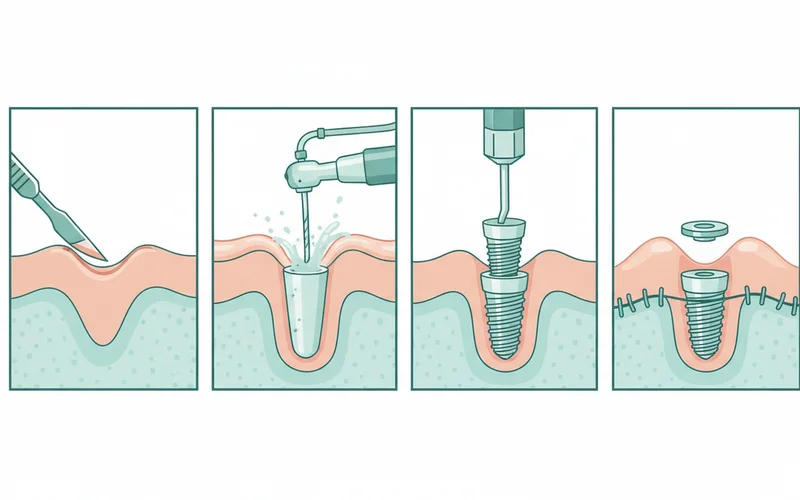
- Incision: The surgeon makes a small incision in the gum tissue to expose the underlying jawbone.
- Pilot Hole Drilling: Using specialized drills and precise measurements from the 3D scans, a small pilot hole is carefully drilled into the jawbone at the exact planned location.
- Gradual Widening: The pilot hole is gradually widened to the precise diameter and depth required for the implant.
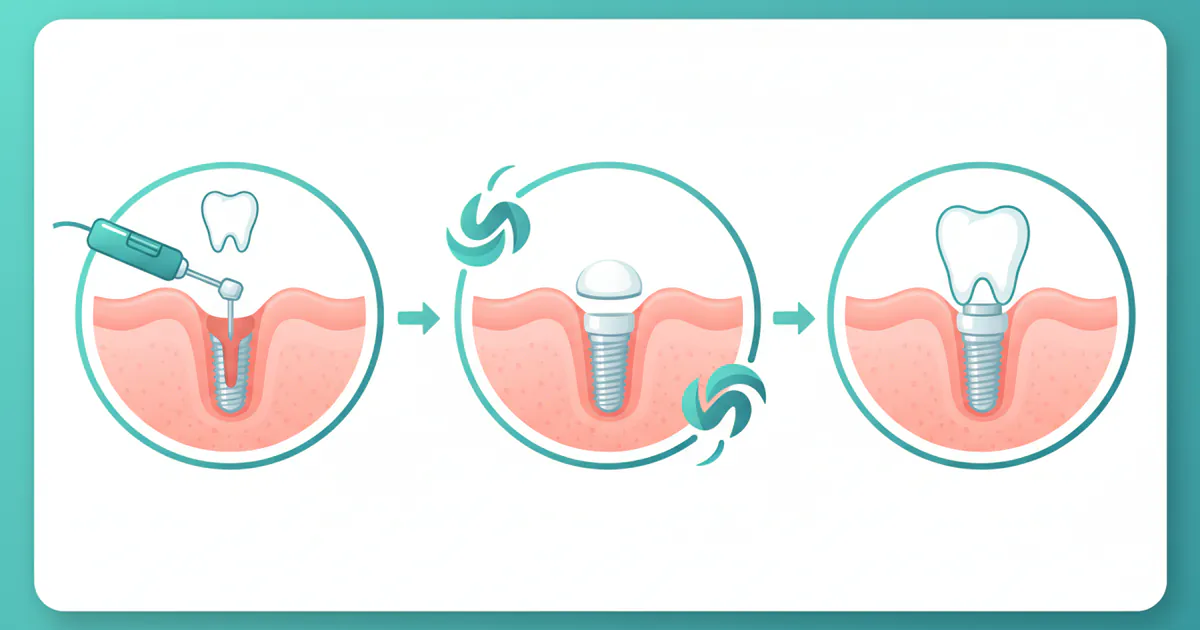
- Implant Insertion: The titanium implant post is carefully threaded or tapped into the prepared bone socket.
- Cover Screw Placement (or Healing Abutment): A small cover screw is placed on top of the implant, flush with the bone, and the gum tissue is sutured closed over it. This allows the implant to heal undisturbed beneath the gum. Alternatively, a healing abutment (a small collar that extends through the gum) might be placed directly, meaning a second surgery to expose the implant is avoided.
The surgery itself usually takes 30-90 minutes per implant, depending on complexity and location.
Step 4: Osseointegration (Healing Period)
This is the most critical and often the longest phase of the implant process. Osseointegration is the biological process where the titanium implant post fuses directly with the surrounding jawbone.
- Duration: This healing period typically lasts 3 to 6 months, but can sometimes be longer, especially in areas with poor bone quality or after extensive bone grafting.
- What Happens: During this time, bone cells grow onto and around the implant surface, locking it firmly into the jaw. The implant becomes an integral part of your anatomy, providing a stable foundation for your new tooth.
- Temporary Restorations: Depending on the situation (e.g., if the implant has good initial stability and is not in a highly visible area), you may receive a temporary crown, bridge, or denture to wear during this healing phase. This allows you to maintain aesthetics and some function while waiting for osseointegration.
Step 5: Abutment Placement (Second Stage Surgery, if needed)
If a cover screw was used in Step 3, a minor second surgical procedure is required after osseointegration is complete.
- Procedure: A small incision is made in the gum to expose the top of the integrated implant. The cover screw is removed, and a small metal connector called an abutment is attached to the implant. The abutment extends through the gum tissue and serves as the attachment point for the final prosthetic tooth.
- Healing Time: The gum tissue around the abutment needs to heal for about 1-2 weeks before the final restoration can be placed. If a healing abutment was placed during the initial surgery, this step is largely bypassed.
Step 6: Final Restoration (Crown, Bridge, or Denture Placement)
Once the implant is fully integrated and the abutment is securely in place, your custom-made prosthetic tooth can be attached.
- Impressions/Scans: New impressions or digital scans of your mouth and the abutment are taken.
- Fabrication: These impressions are sent to a dental lab, where a skilled technician custom-fabricates your crown, bridge, or denture to precisely match the color, shape, and size of your natural teeth. This can take several weeks.
- Placement: At your final appointment, your dentist will attach the custom restoration to the abutment. This is typically done either by cementing it permanently or screwing it into place. The dentist will check your bite and make any necessary adjustments to ensure comfort and proper function.
Congratulations! The implant process is complete, and you now have a fully restored, functional, and aesthetically pleasing new tooth (or teeth).
Pro Tip: While the entire process can seem lengthy, each stage is crucial for the long-term success and durability of your dental implant. Patience during the healing phases will pay off with a stable and lasting solution.
Cost and Insurance Considerations for Dental Implants
Understanding the financial aspects of the implant process is a major concern for many patients. Dental implants represent a significant investment in your oral health, but their long-term benefits often outweigh the initial cost.
Average US Cost Ranges for Dental Implants
The cost of dental implants can vary widely based on several factors, including:
- Number of Implants: Single tooth vs. multiple teeth vs. full arch.
- Type of Implant and Restoration: Standard implant with a single crown vs. All-on-4 with a full arch prosthesis.
- Geographic Location: Costs tend to be higher in major metropolitan areas and on the coasts.
- Complexity of the Case: The need for pre-surgical procedures like bone grafts or sinus lifts significantly increases the overall cost.
- Experience of the Clinician: Highly specialized implantologists or oral surgeons may charge more for their expertise.
- Materials Used: Quality of implant material, abutment, and crown can vary.
General US Price Ranges:
- Single Dental Implant (Post only): $1,600 - $3,500
- Single Dental Implant with Abutment and Crown: $3,000 - $6,000 (This is the most common quote for replacing one tooth, encompassing the entire restorative process for that tooth.)
- Molar Implants (often similar to single implant cost, but sometimes slightly higher due to specific challenges in the posterior): $3,500 - $6,500 per molar.
- Implant-Supported Bridge (2 implants, 3-4 units): $6,000 - $15,000+
- All-on-4 Dental Implants (per arch, including surgery, implants, and prosthesis): $15,000 - $30,000+ (Can go up to $50,000+ for complex cases or premium materials).
- Bone Grafting: $200 - $3,000+ (depending on size and material).
- Sinus Lift: $1,500 - $5,000+ (depending on complexity).
- Extractions: $100 - $500 (simple), $200 - $800 (surgical).
Cost Breakdown by Region (Example Averages, per single implant with crown):
| Region | Low End | Mid Range | High End |
|---|---|---|---|
| Midwest (e.g., Kansas) | $2,800 | $4,000 | $5,500 |
| Southeast (e.g., Florida) | $3,000 | $4,500 | $6,000 |
| Southwest (e.g., Arizona) | $3,200 | $4,800 | $6,200 |
| Northeast (e.g., New York) | $3,800 | $5,500 | $7,000+ |
| West Coast (e.g., California) | $3,800 | $5,800 | $7,500+ |
Dental Insurance Coverage
This is often the most confusing aspect for patients. Most traditional dental insurance plans do not cover the cost of the implant post itself, as it's often classified as a "cosmetic" procedure or "major dental work" that exceeds typical annual maximums. However, this is changing, and some newer or premium plans offer limited coverage.
What insurance may cover:
- Diagnostic Procedures: X-rays, CT scans, consultations.
- Related Procedures: Tooth extractions, bone grafting, sinus lifts.
- Restorative Component: The crown, bridge, or denture that attaches to the implant (this is often covered at the same percentage as a traditional crown or bridge, e.g., 50%).
- Sedation: Some plans may cover a portion of anesthesia or sedation costs.
It is crucial to contact your insurance provider directly and clarify your specific policy's coverage for dental implants. Your dental office will also assist you in filing pre-authorization requests to understand your benefits before treatment begins.
Payment Plans and Financing Options
Because of the significant investment, many dental practices offer or work with third-party financing options:
- In-house Payment Plans: Some offices offer monthly payment plans directly.
- Third-Party Financing (e.g., CareCredit, LendingClub): These companies specialize in healthcare financing and offer various plans, including interest-free options for a specific period.
- Health Savings Accounts (HSAs) or Flexible Spending Accounts (FSAs): These tax-advantaged accounts can be used to pay for qualified medical and dental expenses, including dental implants.
- Dental Schools: University dental schools often provide services at a reduced cost, as procedures are performed by students under the supervision of experienced faculty. This can be a significant cost-saving option, though treatment might take longer.
Pro Tip: Always get a detailed, written treatment plan with a full breakdown of costs before committing to the implant process. This should include all phases, from initial diagnostics to the final restoration.
Recovery and Aftercare for Dental Implants
Proper recovery and diligent aftercare are essential for the long-term success and longevity of your dental implant. The implant process doesn't end when the crown is placed; ongoing maintenance is key.
Immediate Post-Surgery Recovery (First 24-72 Hours)
- Bleeding: Some light bleeding or oozing from the surgical site is normal for the first 24-48 hours. Bite down gently on gauze pads and change them as needed. Avoid vigorous rinsing.
- Swelling: Swelling is common and can peak 2-3 days after surgery. Apply ice packs to the outside of your face for 15-20 minutes on, 15-20 minutes off, during the first 24-48 hours.
- Pain Management: Your dentist will prescribe pain medication or recommend over-the-counter pain relievers (e.g., ibuprofen). Take them as directed before the anesthesia wears off.
- Diet: Stick to soft foods and liquids immediately after surgery. Avoid hot liquids, crunchy, spicy, or acidic foods for several days. Do not chew directly on the implant site. Gradually reintroduce more solid foods as comfort allows.
- Oral Hygiene: Do not rinse vigorously for the first 24 hours. After that, gentle rinsing with warm salt water (1/2 teaspoon salt in 8 ounces of warm water) 2-3 times a day can help keep the area clean and reduce swelling. Avoid brushing the surgical site directly for a few days, but continue to brush other teeth gently. Your dentist may prescribe an antimicrobial mouthrinse.
- Activity: Rest and avoid strenuous activity for 24-48 hours. Elevate your head with pillows while sleeping to help reduce swelling.
- Smoking/Alcohol: Absolutely avoid smoking and alcohol during the healing phase, as they can significantly impair healing and increase the risk of implant failure.
During Osseointegration (3-6 Months)
- Diet: Continue to eat a soft to moderately soft diet. Avoid chewing hard or sticky foods on the side of the implant, especially if a temporary restoration is in place.
- Oral Hygiene: Maintain excellent oral hygiene. Gently brush and floss around any temporary restorations or healing abutments.
- Regular Check-ups: Attend all scheduled follow-up appointments with your dentist to monitor healing and ensure successful osseointegration.
Long-Term Aftercare (After Final Restoration)
Once your implant is fully restored with a crown, bridge, or denture, treat it almost like a natural tooth.
- Diligent Oral Hygiene:
- Brushing: Brush at least twice a day with a soft-bristled toothbrush, paying special attention to the areas around your implant. Electric toothbrushes are highly effective.
- Flossing: Floss daily. Special floss designed for implants, interdental brushes, or water flossers (like Waterpik) can be very effective in cleaning around the implant and under the crown/bridge.
- Mouthrinse: An antimicrobial mouthrinse, as recommended by your dentist, can help control plaque and bacteria.
- Regular Dental Check-ups: Schedule professional cleanings and examinations every 6 months (or more frequently if advised). Your dental hygienist will use specialized tools designed for implants to avoid scratching the implant surface.
- Avoid Damaging Habits:
- Smoking: Continues to be a major risk factor for peri-implantitis (gum disease around implants) and implant failure. Quitting smoking is paramount for implant longevity.
- Hard Foods/Ice: Avoid chewing on extremely hard foods, ice, or non-food items, which can damage the prosthetic tooth or, rarely, the implant itself.
- Teeth Grinding (Bruxism): If you grind or clench your teeth, your dentist may recommend a nightguard to protect your implant and other teeth from excessive forces.
- Address Issues Promptly: If you notice any discomfort, swelling, redness, bleeding, or looseness around your implant, contact your dentist immediately. Early detection of problems can prevent more serious complications.
Adhering to these recovery and aftercare guidelines is crucial for ensuring your dental implant provides a lifetime of healthy smiles.
Prevention: Maintaining Oral Health to Avoid Tooth Loss
While the implant process offers a fantastic solution for missing teeth, the best outcome is always to preserve your natural teeth. Preventing tooth loss in the first place is paramount for long-term oral health. The American Dental Association (ADA) and other dental organizations advocate for consistent preventive care.
Here's how to maintain your natural teeth and reduce the need for future implants:
- Brush Twice Daily: Use a soft-bristled toothbrush and fluoride toothpaste. Brush for at least two minutes, covering all surfaces of your teeth and gums.
- Floss Daily: Flossing removes plaque and food particles from between your teeth and under the gum line, areas your toothbrush can't reach effectively. This is crucial for preventing gum disease and interproximal cavities.
- Regular Dental Check-ups and Cleanings: Visit your dentist every six months for professional cleanings and comprehensive examinations. These appointments allow your dentist to detect and address issues like cavities or gum disease early, before they escalate to tooth loss.
- Balanced Diet: Limit sugary and acidic foods and drinks, which contribute to tooth decay. Emphasize a diet rich in fruits, vegetables, whole grains, and lean proteins for overall health, including strong teeth and bones.
- Protect Your Teeth:
- Wear a Mouthguard: If you play contact sports, always wear a custom-fitted mouthguard to protect against trauma that could lead to tooth loss.
- Nightguard for Bruxism: If you clench or grind your teeth (bruxism), your dentist can provide a custom nightguard to protect your teeth from excessive wear and potential fractures.
- Avoid Tobacco Products: Smoking and smokeless tobacco significantly increase the risk of gum disease, tooth decay, and oral cancer, all of which can lead to tooth loss. Quitting tobacco is one of the most impactful steps you can take for your oral and overall health.
- Manage Systemic Diseases: Conditions like diabetes can impact oral health. Work with your physician to manage any chronic health conditions, as good systemic health supports good oral health.
- Address Dental Problems Promptly: Don't ignore toothaches, sensitive teeth, or bleeding gums. These are signs that something is wrong and require professional attention to prevent further damage and potential tooth loss.
By following these preventive measures, you can significantly reduce your risk of tooth loss and the subsequent need for procedures like the dental implant process.
Risks and Complications Associated with Dental Implants
While the implant process boasts a high success rate (often exceeding 95%), like any surgical procedure, there are potential risks and complications. Being aware of these helps you make informed decisions and recognize when to seek professional attention.
Common Risks and Minor Complications (Usually Treatable)
- Infection at the Implant Site: This is the most common complication. Symptoms include pain, swelling, redness, pus, and sometimes fever. It can usually be treated with antibiotics or, in more severe cases, surgical cleaning.
- Nerve Damage: Though rare, especially with meticulous pre-surgical planning (CBCT scans), the implant can be placed too close to a nerve, leading to numbness, tingling, or pain in the lips, chin, tongue, or gums. This can be temporary or, in very rare cases, permanent.
- Sinus Problems: If an implant is placed in the upper jaw, it can, in rare instances, penetrate the sinus cavity, leading to sinusitis or other sinus issues. A sinus lift procedure aims to prevent this.
- Implant Loosening: The implant may not fully integrate with the bone (osseointegration failure), or it may loosen over time due to excessive force, poor bone quality, or infection. A loose implant typically needs to be removed.
- Damage to Adjacent Structures: Damage to adjacent teeth, blood vessels, or surrounding bone during placement is a rare risk, mitigated by detailed planning.
More Serious (But Less Common) Complications
- Peri-implantitis: This is a chronic inflammatory disease affecting the soft tissues and bone surrounding an integrated dental implant, similar to periodontitis (gum disease) affecting natural teeth. It's often caused by poor oral hygiene, smoking, or certain medical conditions. If left untreated, it can lead to bone loss around the implant and eventually implant failure.
- Implant Fracture: Extremely rare, but the implant post itself can fracture due to excessive forces or material fatigue. This typically requires removal and replacement.
- Abutment or Crown Problems: The abutment (connector) can loosen or fracture, or the crown can chip, crack, or become uncemented. These are generally repairable or replaceable without affecting the implant itself.
- Allergic Reaction: While titanium allergies are exceedingly rare, they can occur. Symptoms might include rash, swelling, or discomfort around the implant site.
- Overheating of Bone During Drilling: If the bone is overheated during implant placement, it can damage bone cells, preventing successful osseointegration. Modern surgical techniques and irrigation minimize this risk.
Factors Increasing Risk of Complications
- Smoking: Significantly impairs healing and increases the risk of infection and peri-implantitis.
- Poor Oral Hygiene: Leads to plaque and bacterial buildup, increasing infection risk.
- Uncontrolled Diabetes: Compromises healing and immune function.
- Osteoporosis (Severe): Can affect bone density and healing.
- Certain Medications: Bisphosphonates (used for osteoporosis) can increase the risk of osteonecrosis of the jaw, though this is rare with oral implants. Always disclose all medications to your dentist.
- Radiation Therapy to the Head/Neck: Can impair healing and blood supply to the bone.
- Autoimmune Diseases: Can affect the body's ability to heal and fight infection.
- Bruxism (Teeth Grinding/Clenching): Can place excessive force on implants, leading to complications.
Despite these potential risks, the overall success rate for dental implants is remarkably high, often exceeding 95%. Your dental implant specialist will thoroughly evaluate your health, discuss all potential risks, and take every precaution to ensure a successful implant process. Following all pre- and post-operative instructions is the best way to minimize risks.
Children / Pediatric Considerations
Dental implants are generally not recommended for children or adolescents. The primary reason is that a child's jawbone is still growing and developing. Placing an implant into a jaw that is still growing can interfere with natural bone development, leading to the implant becoming submerged or appearing "short" compared to adjacent natural teeth as the jaw continues to mature.
Most dental professionals recommend waiting until jaw growth is complete, which typically occurs:
- Around 16-18 years old for females.
- Around 18-20 years old for males.
In cases where a child loses a permanent tooth due to trauma or is congenitally missing a permanent tooth, temporary solutions are used until they reach an appropriate age for implants. These solutions might include:
- Space Maintainers: To prevent adjacent teeth from drifting into the empty space.
- Removable Partial Dentures ("Flippers"): For aesthetic and functional replacement.
- Bonded Bridges (Maryland Bridges): A less invasive temporary bridge that doesn't require significant alteration of adjacent teeth.
Your pediatric dentist or orthodontist will monitor your child's jaw development and provide guidance on the most suitable temporary and long-term tooth replacement options. While the implant process is not for children, it becomes an excellent option once they reach skeletal maturity.
Cost Breakdown: A Detailed Look
The investment in dental implants reflects the advanced technology, specialized skill, and long-term benefits they provide. This detailed cost breakdown elaborates on what contributes to the overall price.
Average US Costs (Low, Mid, High) by Component
A single dental implant procedure is typically broken down into three main components, each with its own associated cost:
-
Surgical Placement of the Implant Post:
- This includes the cost of the titanium implant screw itself, the surgeon's fee, and the surgical procedure.
- Low: $1,600 - $2,500
- Mid: $2,500 - $3,500
- High: $3,500 - $5,000+
- Factors: Surgeon's experience, location, implant brand.
-
Abutment:
- This is the connector piece that screws into the implant and protrudes through the gum, to which the crown attaches.
- Low: $300 - $500
- Mid: $500 - $800
- High: $800 - $1,200+
- Factors: Material (titanium, zirconia), custom vs. stock abutment.
-
Crown (Prosthetic Tooth):
- This is the visible, custom-made tooth that sits on top of the abutment.
- Low: $800 - $1,500
- Mid: $1,500 - $2,500
- High: $2,500 - $3,500+
- Factors: Material (porcelain-fused-to-metal, all-ceramic/zirconia), lab fees, dentist's fee.
Total for a Single Implant (Post + Abutment + Crown):
- Low End: $2,700 - $4,500
- Mid Range: $4,500 - $6,800
- High End: $6,800 - $9,700+
Remember, these figures are for a single implant. Multiple implants or full-arch solutions (like All-on-4) will multiply these costs, with potential savings on the prosthetic component as it spans multiple implants.
With vs. Without Insurance
As previously discussed, insurance coverage for dental implants is complex.
- Without Insurance (Out-of-Pocket): You will be responsible for the full cost as outlined above. This is where financing options, HSAs, and FSAs become critical.
- With Insurance:
- Diagnostic Phase (X-rays, Consultations): Often covered at 80-100%.
- Pre-Surgical Procedures (Bone Graft, Extraction): May be covered at 50-80%, depending on medical necessity.
- Surgical Placement of Implant: Rarely covered for the implant itself. Some plans might cover a small percentage (e.g., 10-20%) or classify it as a "major procedure" counting towards your annual maximum.
- Abutment and Crown: Often covered at 50-80% as it's similar to a traditional crown or bridge.
- Annual Maximums: Most dental insurance plans have an annual maximum benefit (e.g., $1,000 - $2,000 per year). The cost of implants often far exceeds this, meaning you will pay a significant portion out of pocket even with coverage.
Example Scenario: Single Implant Costing $5,000 with Insurance
- Consultation/X-rays: $200 (100% covered)
- Bone Graft: $800 (50% covered = $400 out-of-pocket)
- Implant Placement: $2,500 (0% covered = $2,500 out-of-pocket)
- Abutment & Crown: $1,500 (50% covered = $750 out-of-pocket, assuming annual max isn't hit yet)
- Total Out-of-Pocket: $3,650 (before hitting annual max)
Payment Plans and Financing Options (Reiteration)
- CareCredit / LendingClub: Popular options for medical and dental financing. They often offer promotional periods with 0% interest if the balance is paid within a specified timeframe (e.g., 6, 12, 18 months).
- In-house Financing: Many dental offices offer flexible payment schedules directly, especially for comprehensive treatment plans.
- HSAs / FSAs: These are excellent pre-tax savings options for healthcare expenses. Maximize contributions if you anticipate implant work.
- Personal Loans: Banks or credit unions may offer personal loans for larger expenses.
Cost-Saving Tips
- Compare Quotes: Get detailed treatment plans and cost estimates from a few different qualified implant specialists.
- Dental Schools: As mentioned, dental schools often provide high-quality care at a reduced cost.
- Phased Treatment: If possible, ask if your treatment can be phased over multiple calendar years to potentially maximize annual insurance benefits.
- Ask About Package Deals: For multiple implants or full-arch solutions, some practices may offer a slightly reduced rate compared to individual components.
- Negotiate: Don't be afraid to discuss payment options and potential adjustments with the office financial coordinator.
- Travel for Care (Caution): While some individuals explore dental tourism for lower costs, be extremely cautious. Ensure the quality of care, materials, and follow-up are not compromised, as complications can be costly to fix back home.
Pro Tip: Don't let cost deter you from exploring dental implants. Focus on the long-term benefits to your health and quality of life, and work with your dental team to find a financial plan that fits your budget.
Frequently Asked Questions
Is the implant process painful?
The implant placement surgery is typically performed under local anesthesia, so you should not feel any pain during the procedure itself. Many patients also opt for sedation (oral, nitrous oxide, or IV) to enhance comfort and reduce anxiety. After the anesthesia wears off, you can expect some discomfort, swelling, and bruising, similar to a tooth extraction. This can usually be managed effectively with prescribed pain medication and over-the-counter pain relievers.
How long does the entire dental implant process take?
The full implant process, from initial consultation to the placement of the final crown, typically takes 3 to 9 months. This timeline can be extended significantly (up to a year or more) if preparatory procedures like extensive bone grafting or multiple sinus lifts are required. The longest phase is usually the osseointegration period, where the implant fuses with the jawbone, which takes 3-6 months.
How long do dental implants last?
With proper care and oral hygiene, dental implants are designed to be a permanent solution and can last 25 years to a lifetime. The crown, bridge, or denture attached to the implant may need replacement every 10-15 years due to wear and tear, but the implant post itself is extremely durable once integrated.
What are the alternatives to dental implants?
The primary alternatives to dental implants for replacing missing teeth are fixed dental bridges and removable partial or complete dentures. Bridges require grinding down adjacent healthy teeth, and dentures are removable and can lead to bone loss. Implants are generally considered the superior long-term solution due to their permanence, preservation of jawbone, and natural feel.
Am I a good candidate for dental implants?
Most healthy individuals are good candidates for dental implants. Key factors include good general health, sufficient jawbone density, and healthy gum tissue. Conditions like uncontrolled diabetes, active gum disease, heavy smoking, or certain medical treatments may affect candidacy. A comprehensive evaluation by a dental implant specialist, including X-rays and 3D scans, will determine if implants are right for you.
What are molar implants, and are they different to other implants?
Molar implants refer to dental implants placed in the posterior (back) regions of the mouth to replace missing molars. The implant process is fundamentally the same as for other teeth. However, molar implants often bear more chewing force and may require specific consideration for bone density and proximity to the maxillary sinuses (upper jaw) or mandibular nerve (lower jaw). They are a highly effective way to restore chewing function and prevent adjacent teeth from shifting.
How do I care for my dental implants?
Caring for your dental implants is very similar to caring for your natural teeth. You should brush twice a day, floss daily (using special floss, interdental brushes, or a water flosser for implants), and maintain regular dental check-ups and professional cleanings every six months. Avoiding smoking and excessive forces on the implants is also crucial for long-term success.
Can an implant fail?
Yes, while rare, dental implants can fail. The most common reasons for implant failure include infection (peri-implantitis), poor osseointegration (the implant failing to fuse with the bone), or excessive pressure on the implant. Risk factors like smoking, uncontrolled diabetes, and poor oral hygiene increase the chances of failure. Most failures occur within the first year, but some can happen years later.
Will my dental insurance cover the cost of the implant process?
Most traditional dental insurance plans offer limited coverage for dental implants. They may cover diagnostic procedures, extractions, bone grafts, and the crown/bridge that attaches to the implant, but often exclude the implant post itself. Coverage varies greatly by plan, and it's essential to contact your provider directly and get a pre-authorization before starting treatment.
Is the implant process worth the cost?
For many patients, the investment in the implant process is absolutely worth it. Implants offer a permanent, highly stable, and aesthetically pleasing solution that feels and functions like natural teeth. They prevent jawbone loss, do not affect adjacent healthy teeth, and significantly improve quality of life, chewing ability, and self-confidence, making them a valuable long-term investment in your oral health.
When to See a Dentist
Knowing when to consult a dental professional is critical for maintaining oral health and addressing potential issues early, especially concerning dental implants.
Routine Care Guidance:
- Regular Check-ups (Every 6 Months): This is the golden rule for everyone, whether you have implants or not. Routine visits allow your dentist to monitor your overall oral health, clean your teeth professionally, and check the health and stability of your implants. Early detection of any issues, such as peri-implantitis or changes in surrounding tissues, is crucial.
- Professional Cleanings: Your hygienist will use specialized tools designed for implants to ensure thorough cleaning without damaging the implant surface.
Warning Signs That Need Prompt Attention (Scheduled Appointment):
- Persistent Discomfort or Pain: While some initial discomfort is normal after surgery, persistent or worsening pain around an implant site (beyond the initial healing period) is a red flag.
- Swelling or Redness Around the Implant: Mild swelling after surgery is normal, but new or persistent swelling and redness in the gum tissue around an implant could indicate infection or inflammation (peri-implantitis).
- Bleeding Gums Around the Implant: Healthy gums typically don't bleed. Bleeding when brushing or flossing around an implant can signal gum inflammation.
- Loose Abutment or Crown: If your prosthetic tooth feels wobbly or the abutment (connector) feels loose, contact your dentist. This usually isn't an emergency but needs to be fixed to prevent damage.
- Difficulty Chewing or Biting: Any changes in your bite or discomfort when chewing with your implant should be investigated.
- Food Trapping: If food consistently gets caught around your implant, it could indicate an issue with the crown fit or gum tissue.
Red Flags That Need Immediate Attention (Emergency Appointment):
- Severe, Uncontrolled Pain: If pain around your implant is severe, rapidly worsening, and not manageable with medication, seek immediate dental attention.
- Significant Swelling or Abscess Formation: Rapidly increasing swelling, especially if accompanied by pus or a fever, indicates a serious infection that requires urgent care.
- A "Loose" Implant Post: If you feel the actual titanium implant post itself is moving or wobbly (not just the crown), this is a serious sign of implant failure and requires immediate evaluation.
- Numbness or Persistent Tingling: If you experience new or worsening numbness or tingling in your lips, chin, or tongue after implant surgery, contact your dentist or oral surgeon immediately, as this could indicate nerve involvement.
Never hesitate to contact your dental professional if you have any concerns about your dental implants or oral health. Early intervention can prevent minor issues from becoming major complications and ensures the long-term success of your implant process.
Frequently Asked Questions
Medically Reviewed Content
This article was written by our dental health editorial team and reviewed for medical accuracy. Our content follows strict editorial guidelines for reliability and trustworthiness.
Medical Disclaimer
This article is for informational purposes only and does not constitute medical advice. Always consult with a qualified dental professional for diagnosis and treatment. Do not delay seeking professional advice because of something you read on this website.
Related Articles
Implantologist: Complete Guide
Losing a tooth can be a significant setback, impacting not only your smile but also your ability to speak, chew, and maintain overall oral health. In fact, over 3 million Americans currently have dental implants, and that number is projected to grow significantly as more people seek a durable, n
March 8, 2026
Dentures Over Implants: Complete Guide
Missing multiple teeth or even an entire arch can profoundly impact your life, affecting everything from your ability to chew and speak to your self-confidence. For millions of Americans, traditional removable dentures have long been a solution, but they often come with compromises: slipping, discom
March 8, 2026
Implants Process: Complete Guide
Missing teeth can impact more than just your smile; they can affect your ability to eat, speak, and even your overall confidence. In fact, over 178 million Americans are missing at least one tooth, and about 40 million are missing all of their teeth. When faced with tooth loss, understanding the
March 8, 2026
Implants Dentaires: Complete Guide
Missing teeth can dramatically impact not just your smile, but your overall health, confidence, and quality of life. In the United States, an estimated 178 million adults are missing at least one tooth, while approximately 40 million are missing all their teeth. These statistics underscore a
March 8, 2026