Implant Supported Dentures Alpharetta: Complete Guide
Key Takeaways
- Approximately 35 million Americans are missing all of their teeth in one or both arches, and that number is projected to grow significantly. For decades, the primary solution for extensive tooth loss was conventional dentures, but these often come with compromises in comfort, stability, and chew
Approximately 35 million Americans are missing all of their teeth in one or both arches, and that number is projected to grow significantly. For decades, the primary solution for extensive tooth loss was conventional dentures, but these often come with compromises in comfort, stability, and chewing efficiency. If you're living in Alpharetta and experiencing the challenges of missing teeth or ill-fitting traditional dentures, you're likely searching for a more stable, natural-feeling solution. This comprehensive guide will explore implant supported dentures Alpharetta, a revolutionary dental treatment that combines the benefits of dental implants with the convenience of dentures, offering unparalleled stability and restoring your smile, chewing function, and quality of life. We'll delve into the different types, the step-by-step process, costs, recovery, and much more, providing you with all the information you need to make an informed decision about this life-changing procedure.
Key Takeaways:
- What they are: Implant-supported dentures are removable prosthetics securely anchored by dental implants, offering significantly greater stability and chewing power than traditional dentures.
- Types: Options include bar-retained (clipless) and ball-retained (snap-in) systems, as well as fixed (All-on-4/6) implant dentures that are only removable by a dentist.
- Benefits: Improved chewing efficiency (up to 90% of natural teeth), enhanced speech, preserved jawbone, elimination of denture adhesives, and a boost in confidence.
- Cost (US Average): A single arch of implant-supported dentures typically ranges from $12,000 to $30,000. Fixed options like All-on-4 can range from $20,000 to $45,000 per arch. Costs vary based on the number of implants, materials, and complexity.
- Timeline: The entire process can take 4 to 12 months, including healing time for the implants.
- Recovery: Initial recovery from implant surgery is typically 1-2 weeks, with careful adherence to diet and hygiene instructions. Full osseointegration takes several months.
- Maintenance: Requires diligent oral hygiene, regular dental check-ups, and occasional replacement of clips/fixtures for removable systems.
What Are Implant-Supported Dentures?
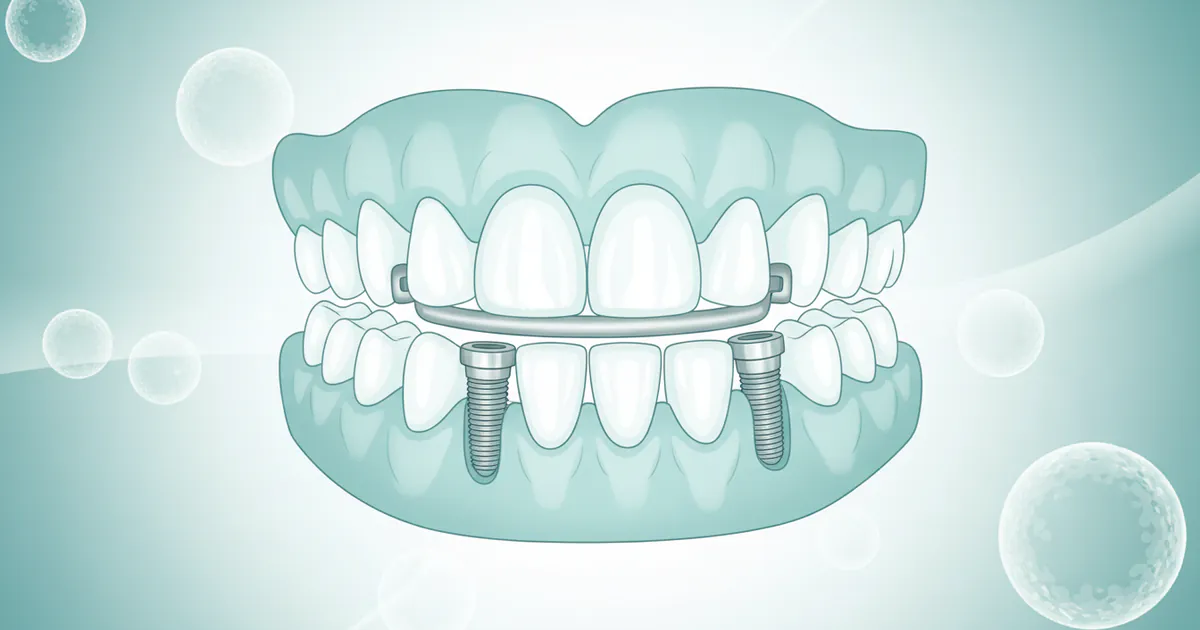
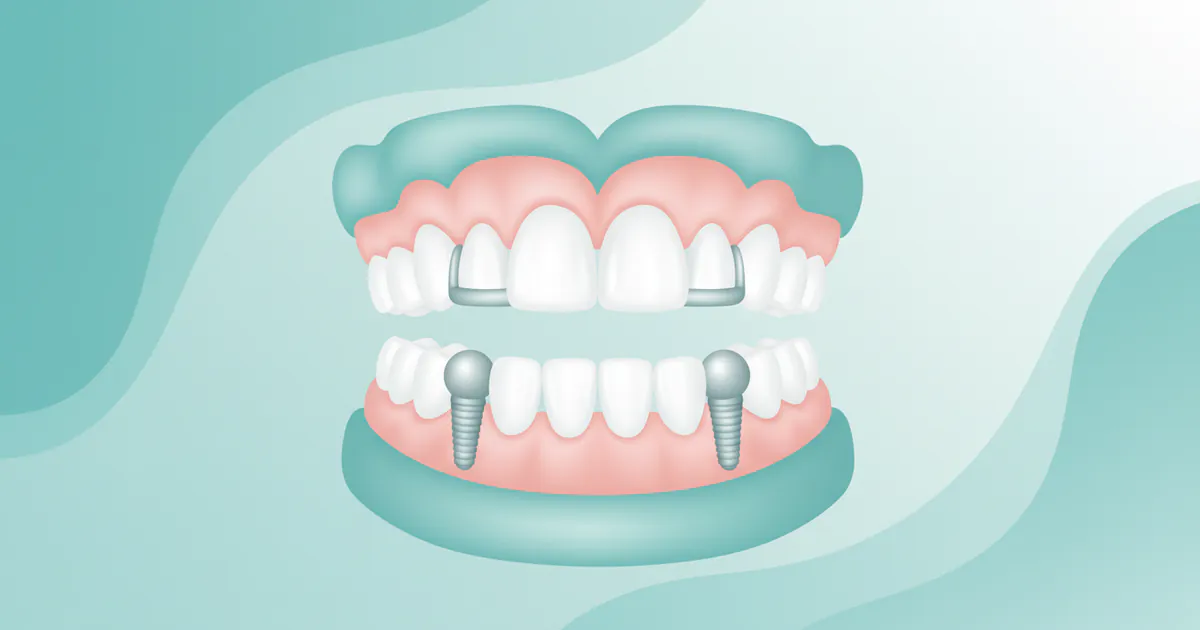
Implant-supported dentures are a type of overdenture that gain support and retention from dental implants placed in the jawbone. Unlike conventional dentures, which rest solely on the gums and can shift or become loose, implant-supported dentures "snap" or securely attach to a small number of dental implants, usually between two to six per arch. This connection provides a vastly superior level of stability, comfort, and functionality.
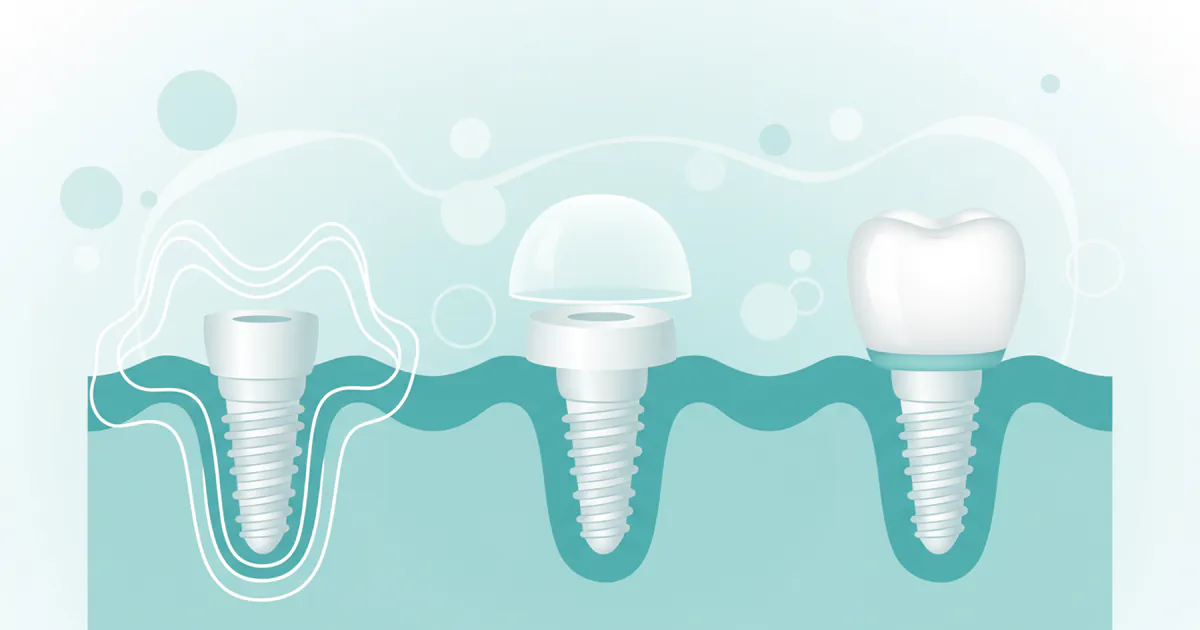
The fundamental concept behind this innovation lies in osseointegration, a biological process where the titanium implants fuse directly with the jawbone. This creates a strong, stable foundation, much like the roots of natural teeth, to which the denture can be attached. This not only prevents the denture from slipping but also stimulates the jawbone, helping to prevent the bone loss that is common with traditional dentures. Patients often report feeling more confident, eating a wider variety of foods, and speaking more clearly with implant-supported dentures compared to their conventional counterparts.
Types and Variations of Implant-Supported Dentures
Implant-supported dentures come in several variations, primarily categorized by how they attach to the implants and whether they are designed to be removable by the patient or permanently fixed. Understanding these differences is crucial for determining the best solution for your specific needs and lifestyle.
Removable Implant-Supported Dentures (Overdentures)
These are the most common type of implant-supported dentures. They are designed to be removed by the patient for cleaning and at night. They rely on two to four implants per arch to secure the denture.
A. Ball-Retained Overdentures (Snap-in Dentures)
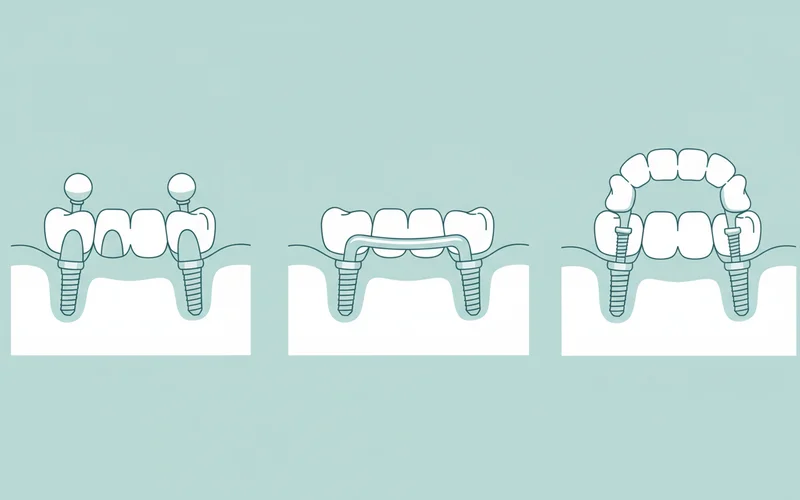
- Description: This system uses a "ball" shaped attachment on top of the implant and a corresponding "socket" or O-ring attachment embedded within the denture. The denture simply snaps onto these ball attachments.
- Number of Implants: Typically uses 2-4 implants per arch.
- Pros:
- Cost-effective: Generally the least expensive implant-supported option.
- Easy to clean: Can be easily removed by the patient for thorough cleaning of both the denture and the implant sites.
- Improved stability: Far superior to traditional dentures, eliminating much of the movement and reliance on adhesives.
- Cons:
- Still removable: Some patients prefer a completely fixed solution.
- Requires O-ring replacement: The O-rings inside the denture sockets can wear out over time and need periodic replacement (typically every 6-12 months).
- Less chewing power than fixed options: While improved, still not quite as strong as fixed implant solutions.
B. Bar-Retained Overdentures
- Description: A thin metal bar is custom-milled to follow the curve of your jaw and is attached to two to five implants. The denture then has clips or other attachments that snap or clip onto this bar, providing excellent stability.
- Number of Implants: Usually 2-5 implants per arch.
- Pros:
- Superior stability: Offers even greater stability than ball-retained systems due to the continuous support provided by the bar.
- Distributes force: The bar helps to distribute chewing forces more evenly across the implants.
- Reduced soft tissue irritation: The denture lifts slightly off the gum tissue, allowing for better blood circulation and less irritation.
- Cons:
- Higher cost: More complex fabrication due to the custom bar, leading to higher costs.
- Can be more challenging to clean: The bar itself requires meticulous cleaning underneath to prevent plaque buildup.
- Still removable: Similar to ball-retained, it's designed for patient removal.
Fixed Implant-Supported Dentures (Hybrid Dentures / All-on-4/6)
These are often referred to as hybrid dentures or full-arch dental implants and are designed to be permanent, meaning only a dentist can remove them. They provide the highest level of stability, chewing efficiency, and feel closest to natural teeth.
C. All-on-4 or All-on-6 Dental Implants
- Description: This technique involves strategically placing four (All-on-4) or six (All-on-6) dental implants in the jawbone, often utilizing tilted posterior implants to maximize bone support and avoid anatomical structures like the sinuses. A full arch of prosthetic teeth is then permanently screwed onto these implants.
- Number of Implants: 4 or 6 implants per arch.
- Pros:
- Maximum stability and chewing power: Can restore up to 90% of natural chewing function.
- Non-removable: Provides the closest experience to having natural teeth.
- No adhesives: Eliminates the need for messy denture adhesives entirely.
- Preserves jawbone: Prevents further bone loss by stimulating the jawbone.
- May avoid bone grafting: The angled placement of implants in the All-on-4 technique can often bypass the need for extensive bone grafting, even in cases of moderate bone loss.
- Cons:
- Highest cost: This is the most significant investment among denture options.
- More invasive surgery: Involves placing more implants.
- Cleaning requires diligence: While not removed, cleaning around and under the fixed prosthetic still requires special tools and techniques.
- Requires sufficient bone density: Although less restrictive than individual implants, some bone density is still required.
Choosing the Right Type
The choice between these types depends on several factors: your oral health, jawbone density, budget, and personal preferences regarding removability and stability. A thorough consultation with a qualified dentist in Alpharetta, including 3D imaging, is essential to determine the most suitable option for your unique situation.
Why You Might Need Implant-Supported Dentures (Causes of Tooth Loss)
The need for implant-supported dentures typically arises from significant tooth loss or the failure of existing traditional dentures. Understanding the underlying causes of tooth loss is important for prevention and for appreciating the long-term benefits of implant solutions.
1. Advanced Periodontal (Gum) Disease
- Explanation: This is the leading cause of tooth loss in adults. Periodontal disease is a chronic bacterial infection that affects the gums and the bone supporting the teeth. If left untreated, it leads to the destruction of the periodontal ligament and alveolar bone, ultimately causing teeth to loosen and fall out.
- Impact: Extensive bone loss due to gum disease often necessitates full arch restoration, making implant-supported dentures an ideal solution as they can help halt further bone resorption.
2. Severe Tooth Decay (Cavities)
- Explanation: Untreated cavities can progress deeply into the tooth, infecting the pulp (nerve and blood vessels) and eventually destroying enough tooth structure that the tooth cannot be saved or restored.
- Impact: Multiple teeth lost to decay can lead to the need for a full arch replacement.
3. Trauma or Injury
- Explanation: Accidents, sports injuries, or falls can result in teeth being knocked out (avulsed) or severely fractured beyond repair.
- Impact: Depending on the extent of injury and number of teeth lost, implant-supported dentures may be required for full mouth rehabilitation.
4. Congenital Conditions or Genetic Factors
- Explanation: Some individuals are born with genetic predispositions to tooth abnormalities, such as hypodontia (missing teeth) or conditions that make teeth more susceptible to decay or structural failure.
- Impact: These conditions can lead to early and widespread tooth loss.
5. Failed Previous Dental Work
- Explanation: Old, failing fillings, crowns, bridges, or even previous root canal treatments can sometimes lead to tooth fractures, recurrent decay, or infections that necessitate tooth extraction.
- Impact: If previous extensive dental work has failed across multiple teeth, a comprehensive solution like implant-supported dentures might be recommended.
6. Extensive Wear and Tear
- Explanation: Severe teeth grinding (bruxism) over many years can wear down tooth enamel, expose underlying dentin, and lead to tooth fractures, eventually requiring extraction.
- Impact: While prevention of bruxism is key, once teeth are compromised, implant solutions offer a durable replacement.
7. Aging and Natural Deterioration
- Explanation: As we age, our teeth are subject to decades of use, and the cumulative effects of minor injuries, dental work, and normal wear can eventually compromise their integrity. While not a direct cause, it increases susceptibility to other issues.
- Impact: Many older adults face extensive tooth loss and find implant-supported dentures provide a superior alternative to traditional removable dentures.
Signs and Symptoms Indicating a Need for Implant-Supported Dentures
Recognizing the signs that you might benefit from implant-supported dentures often relates to the challenges associated with missing teeth or the limitations of conventional dentures.
1. Multiple Missing Teeth or Complete Edentulism
- Sign: You have lost several teeth in an arch, or all your teeth in an upper or lower arch are missing.
- Why it matters: Gaps from missing teeth lead to difficulty chewing, speech impediments, and can cause remaining teeth to shift. Complete edentulism (no teeth) severely impacts quality of life.
2. Difficulty Chewing and Eating
- Sign: You struggle to chew certain foods, especially tough or crunchy items, leading to dietary restrictions and potential nutritional deficiencies.
- Why it matters: Traditional dentures typically only restore about 10-20% of natural chewing efficiency. Implant-supported dentures can restore up to 90%, allowing for a much broader and healthier diet.
3. Loose or Ill-Fitting Traditional Dentures
- Sign: Your existing dentures move, slip, or pop out when you speak, laugh, or eat. You constantly rely on denture adhesives.
- Why it matters: Loose dentures are uncomfortable, embarrassing, and can cause sore spots, gum irritation, and further bone loss. Implant support eliminates these issues.
4. Jawbone Deterioration and Facial Changes
- Sign: You notice your jawline receding, your face appears "sunken-in," or wrinkles around your mouth are more pronounced.
- Why it matters: When teeth are missing, the jawbone no longer receives stimulation and begins to resorb (shrink). Dental implants are the only prosthetic option that actively prevents this bone loss.
5. Speech Difficulties
- Sign: You lisp, slur, or have trouble pronouncing certain words due to your dentures shifting or inadequate tooth support.
- Why it matters: Stable implant-supported dentures provide a predictable foundation for speech, allowing for clear articulation.
6. Sore Spots and Gum Irritation
- Sign: Frequent pain, redness, or ulcers on your gums due to the friction and pressure from ill-fitting conventional dentures.
- Why it matters: Implant-supported dentures distribute pressure more evenly and move minimally, reducing irritation.
7. A Desire for Improved Confidence and Quality of Life
- Sign: You feel self-conscious about your smile, avoid social situations, or limit your activities due to concerns about your teeth or dentures.
- Why it matters: Restoring a stable, beautiful smile with implant-supported dentures can significantly boost self-esteem and allow you to live life without reservation.
If you recognize one or more of these signs, it's an opportune time to consult with a dental professional in Alpharetta to discuss whether implant-supported dentures are the right solution for you.
Treatment Options for Missing Teeth (Comparison)
When considering solutions for extensive tooth loss, it's helpful to understand the range of available options and how they compare to implant-supported dentures.
1. Traditional Removable Dentures
- Description: These prosthetics consist of acrylic teeth and a gum-colored base that rests directly on your gum tissue. They are held in place by suction and sometimes adhesives.
- Pros:
- Least expensive initial cost.
- Non-invasive: No surgery required.
- Quick solution: Can often be fabricated relatively quickly.
- Cons:
- Poor stability: Prone to slipping, clicking, and discomfort.
- Limited chewing efficiency: Typically only 10-20% of natural biting force.
- Bone loss: Does not stimulate the jawbone, leading to accelerated bone resorption and changes in facial structure.
- Requires adhesives: Often needs messy creams or pastes to stay in place.
- Speech difficulties and sore spots: Common complaints.
2. Dental Bridges
- Description: A traditional bridge consists of one or more artificial teeth (pontics) held in place by dental crowns on the natural teeth on either side of the gap.
- Pros:
- Fixed solution: Non-removable by the patient.
- Good chewing ability: Offers better stability than traditional dentures.
- Relatively quick process: Can be completed in a few appointments.
- Cons:
- Requires healthy adjacent teeth: The supporting teeth must be strong and healthy to bear the load.
- Irreversible alteration of healthy teeth: Natural teeth must be ground down to accommodate crowns.
- Does not prevent bone loss: The area under the pontic still experiences bone resorption.
- Limited to a few missing teeth: Not suitable for full arch replacement.
3. Individual Dental Implants with Crowns
- Description: Each missing tooth is replaced with a single dental implant and a custom crown.
- Pros:
- Closest to natural teeth: Provides individual tooth replacement.
- Preserves bone: Each implant stimulates the jawbone.
- Long-lasting: Can last a lifetime with proper care.
- No impact on adjacent teeth.
- Cons:
- Highest cost per tooth: Can become extremely expensive for multiple missing teeth.
- More implants needed: Requires an implant for every missing tooth.
- Longer treatment time: Each implant needs to integrate individually.
4. Implant-Supported Dentures (Overdentures or Fixed Full-Arch)
- Description: As discussed, these use a limited number of implants (2-6 per arch) to provide a stable foundation for a full arch of prosthetic teeth.
- Pros:
- Excellent stability and chewing power: Far superior to traditional dentures.
- Preserves jawbone: Implants stimulate the bone, preventing resorption.
- Improved comfort and confidence: Eliminates slipping, sore spots, and adhesives.
- Cost-effective for full arch replacement: More affordable than replacing every tooth with an individual implant.
- Variety of options: Removable for ease of cleaning or fixed for maximum natural feel.
- Cons:
- Surgical procedure required.
- Higher initial cost than traditional dentures/bridges.
- Healing time necessary for implant integration.
- Maintenance: Removable types require O-ring/clip replacement; fixed types require diligent cleaning.
Comparison Table: Tooth Replacement Options
| Feature | Traditional Dentures | Dental Bridge | Individual Dental Implants | Implant-Supported Dentures (Removable) | Implant-Supported Dentures (Fixed - All-on-4/6) |
|---|---|---|---|---|---|
| Stability | Poor (relies on suction) | Good (fixed to natural teeth) | Excellent (fixed to bone) | Very Good (snaps onto implants) | Excellent (screwed to implants) |
| Chewing Efficiency | 10-20% of natural | 60-70% of natural | 80-90% of natural | 50-70% of natural | 80-90% of natural |
| Bone Preservation | No (accelerates bone loss) | No (under pontic) | Yes (at each implant site) | Yes (at each implant site) | Yes (at each implant site) |
| Cost (per arch/multiple teeth) | Low ($1,500-$5,000) | Moderate ($2,000-$5,000 per bridge) | Very High ($3,000-$6,000 per tooth) | Moderate-High ($12,000-$30,000) | High ($20,000-$45,000) |
| Maintenance | Adhesives, daily cleaning | Routine hygiene | Routine hygiene | Daily cleaning, O-ring replacement | Daily cleaning, professional removal for hygiene |
| Removability | Yes, by patient | No | No | Yes, by patient | No, by dentist only |
| Impact on Adjacent Teeth | None | Requires altering adjacent teeth | None | None | None |
| Treatment Time | Weeks | Weeks | Months (per tooth) | 4-9 Months | 6-12 Months (including healing) |
Pro Tip: For patients with significant bone loss, implant-supported dentures (especially All-on-4/6) are often the only way to restore stable chewing function without extensive bone grafting, which would be necessary for individual implants.
Step-by-Step Process for Implant-Supported Dentures
The process of receiving implant-supported dentures is a carefully planned and executed journey, typically involving several stages over several months. While specific timelines can vary, here's a general overview of what you can expect:
1. Initial Consultation and Treatment Planning
- What happens: Your journey begins with a thorough examination by your dentist in Alpharetta. This includes a review of your medical history, a comprehensive oral exam, X-rays, and often a 3D Cone Beam Computed Tomography (CBCT) scan. The CBCT scan provides detailed images of your jawbone, nerve pathways, and sinus cavities, which are crucial for precise implant placement.
- Purpose: To assess your overall oral health, determine if you are a suitable candidate for implants, evaluate bone density, and plan the exact number and position of implants. Your dentist will discuss your aesthetic goals and help you choose the best type of implant-supported denture.
- Duration: 1-2 appointments.
2. Tooth Extractions (If Necessary)
- What happens: If you have remaining teeth that are unhealthy or failing, they will be extracted. Sometimes, these extractions can be done on the same day as implant placement, a procedure known as "immediate implants."
- Purpose: To create a clean, healthy foundation for the implants.
- Duration: 1 appointment.
3. Bone Grafting (If Necessary)
- What happens: If the CBCT scan reveals insufficient jawbone density or volume, a bone grafting procedure may be required. This involves adding bone material (from your own body, a donor, or synthetic sources) to augment the jawbone.
- Purpose: To create enough strong bone to securely anchor the dental implants.
- Duration: Bone grafting typically requires 4-9 months of healing before implants can be placed. In some cases, minor grafting can be done simultaneously with implant placement.
4. Dental Implant Placement (Surgical Phase)
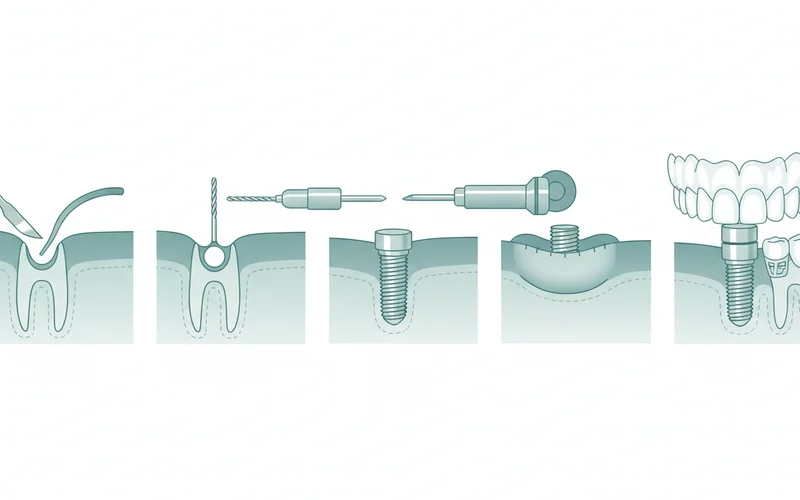
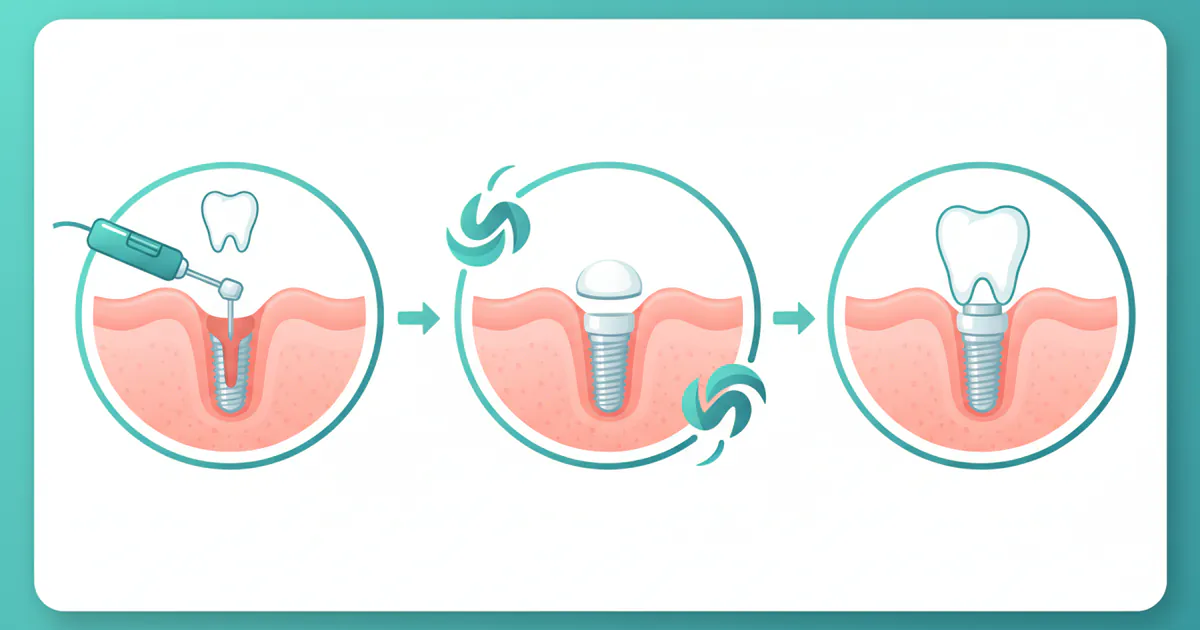
- What happens: Under local anesthesia (and often sedation), the oral surgeon or periodontist makes a small incision in the gum tissue, drills tiny pilot holes into the jawbone, and carefully inserts the titanium implants. The gums are then sutured closed.
- Purpose: To embed the dental implants, which will serve as artificial tooth roots, into the jawbone.
- Duration: 1-3 hours per arch.
5. Osseointegration (Healing Phase)
- What happens: This is the most critical phase where the implants fuse with the surrounding jawbone. During this time, you may wear a temporary conventional denture that is carefully designed not to put pressure on the healing implant sites.
- Purpose: To create a strong, stable, and permanent bond between the titanium implants and your jawbone.
- Duration: Typically 3 to 6 months, depending on individual healing capabilities and bone density.
6. Abutment Placement (For Two-Stage Surgery)
- What happens: If the implants were fully covered by gum tissue during the initial placement (a two-stage procedure), a minor follow-up surgery is performed to expose the implant and attach an abutment. The abutment is a connector piece that protrudes above the gum line and will eventually connect to the denture. For one-stage procedures, the abutment may be attached immediately after implant placement or the implant itself might have a healing cap visible.
- Purpose: To create the connection point for the future denture.
- Duration: A short appointment, usually under local anesthesia.
7. Denture Fabrication and Attachment
- What happens: Once osseointegration is complete and abutments are in place, impressions of your mouth are taken. These impressions are used by a dental lab to custom-fabricate your permanent implant-supported denture. This involves multiple try-in appointments to ensure proper fit, aesthetics, and bite. Once complete, the denture is securely attached to the abutments.
- Purpose: To create your final, custom-fitted, functional, and aesthetically pleasing implant-supported denture.
- Duration: Several appointments over 3-6 weeks, after the healing period.
Pro Tip: During the osseointegration phase, follow your dentist's dietary recommendations strictly. Avoid chewing hard foods directly on the implant sites to prevent disruption of the healing process.
Cost and Insurance for Implant-Supported Dentures in Alpharetta
Understanding the financial aspect of implant-supported dentures is a significant consideration. Costs can vary widely based on the type of denture, the number of implants, materials used, any preliminary procedures (like extractions or bone grafting), and the specific dental practice's fees. While specific prices for Alpharetta will align with the higher end of national averages due to the regional economy, here are general US price ranges:
Factors Influencing Cost
- Type of Implant-Supported Denture:
- Removable (Ball-retained or Bar-retained): Generally less expensive, requiring fewer implants.
- Fixed (All-on-4/6 Hybrid): More complex and expensive due to more extensive surgery, higher-quality prosthetics, and the fixed nature.
- Number of Implants: More implants mean higher costs. A typical lower arch might use 2-4 implants, while a full fixed arch might use 4-6.
- Materials: The quality of the denture teeth (e.g., acrylic vs. zirconia), the type of framework (e.g., metal, titanium, acrylic), and the implants themselves (e.g., premium brands of titanium implants) all affect the price.
- Preliminary Procedures:
- Extractions: If teeth need to be removed, this adds to the cost ($75-$600 per tooth).
- Bone Grafting: Can range from $200 to $3,000+ per site, depending on the complexity and material.
- Sinus Lift: A specific type of bone graft for the upper jaw, can cost $1,500 to $2,500 per side.
- Diagnostic Imaging: X-rays and 3D CBCT scans are necessary and typically cost $150-$600.
- Anesthesia/Sedation: Costs vary based on the type (local, oral, IV sedation) and duration.
- Geographic Location: Dental costs, including the average cost of a tooth implant, are often higher in urban areas like Alpharetta compared to rural regions. The overall average how much is tooth implant in the US is $3,000-$6,000 per implant.
Average US Cost Ranges (Per Arch)
| Type of Implant-Supported Denture | Average Cost Range (Per Arch) | Breakdown |
|---|---|---|
| Removable (2-4 Implants) | $12,000 - $30,000 | 2-4 implants, abutments, denture fabrication |
| Fixed (All-on-4/6 Hybrid) | $20,000 - $45,000+ | 4-6 implants, abutments, fixed full-arch prosthesis (often includes temporary prosthesis) |
Please note: These are general ranges. Your dentist in Alpharetta will provide a precise treatment plan and cost estimate.
Insurance Coverage Details
Dental insurance often views dental implants as a major procedure.
- Dental Insurance: Most standard dental insurance plans offer some coverage for major restorative procedures, but it's typically limited to 50% of the cost up to an annual maximum, which might be $1,000-$2,000. This means your out-of-pocket expenses for implant-supported dentures will still be substantial. Some plans may cover parts of the procedure, like extractions or the denture itself, but not the implants.
- Medical Insurance: In some cases, if tooth loss is due to a medical condition (e.g., cancer, trauma), portions of the implant procedure might be covered by your medical insurance. This is rare and requires specific documentation and pre-authorization.
- Flex Spending Accounts (FSA) / Health Savings Accounts (HSA): These are excellent ways to pay for implant-supported dentures with pre-tax dollars, significantly reducing your overall cost.
Pro Tip: Always contact your insurance provider directly and request a pre-determination of benefits before starting treatment. Your dental office in Alpharetta can often assist with this process.
Payment Plans and Financing Options
Recognizing the significant investment, many dental practices offer flexible payment solutions:
- In-house Payment Plans: Many offices offer interest-free installment plans over a few months.
- Third-Party Financing: Companies like CareCredit or LendingClub provide healthcare-specific credit options, often with low or 0% interest for an introductory period.
- Dental Schools: While less convenient for Alpharetta residents, dental schools can sometimes offer reduced costs for treatment performed by supervised students.
Cost-Saving Tips
- Comprehensive Consultation: Get a detailed treatment plan and cost breakdown from your Alpharetta dentist, ensuring all potential fees (extractions, grafting, temporary dentures) are included.
- Maximize Insurance: Understand your policy's annual maximums and consider splitting treatment across two calendar years if your plan resets annually.
- Utilize HSA/FSA: Pay with pre-tax dollars.
- Preventive Care: The best cost-saving tip is to prevent tooth loss in the first place through excellent oral hygiene and regular dental check-ups.
Recovery and Aftercare for Implant-Supported Dentures
Proper recovery and diligent aftercare are crucial for the long-term success of your implant-supported dentures. The recovery process involves healing from the surgical implant placement and then adapting to your new prosthetic teeth.
Immediate Post-Operative Care (First 24-72 Hours)
- Bleeding: Some light bleeding or oozing is normal. Bite gently on gauze pads and change them as needed. Avoid rinsing vigorously.
- Swelling: Expect swelling around the surgical sites. Apply ice packs to the outside of your face for 20 minutes on, 20 minutes off, for the first 24-48 hours.
- Pain Management: Take prescribed pain medication as directed. Over-the-counter pain relievers (like ibuprofen or acetaminophen) can help with mild discomfort.
- Diet: Stick to a soft, liquid diet for the first few days. Avoid hot liquids, alcohol, and using straws (suction can dislodge blood clots).
- Rest: Get plenty of rest and avoid strenuous activities that could increase blood pressure and cause bleeding.
- Oral Hygiene: Do NOT rinse, spit, or brush near the surgical sites for the first 24 hours. After 24 hours, gentle rinsing with a prescribed antimicrobial mouthwash or warm salt water (1/2 teaspoon salt in 8 oz warm water) can begin, avoiding direct contact with the wound. Gently brush remaining teeth, avoiding the surgical area.
- Smoking: Absolutely avoid smoking, as it severely hinders healing and increases the risk of implant failure.
The Osseointegration Period (3-6 Months)
This is the critical healing phase where the implants integrate with your jawbone.
- Diet: Continue to eat a soft to moderately soft diet to avoid putting excessive pressure on the healing implants. Your dentist will provide specific guidance.
- Temporary Dentures: If you have temporary dentures, ensure they fit well and do not put pressure on the implant sites. Your dentist may need to adjust them.
- Oral Hygiene: Maintain excellent oral hygiene, but be gentle around the implant sites. Your dentist may recommend specific cleaning aids.
- Follow-Up Appointments: Attend all scheduled follow-up appointments so your Alpharetta dentist can monitor the healing process and ensure proper osseointegration.
Long-Term Aftercare and Maintenance
Once your permanent implant-supported dentures are placed, lifelong maintenance is key:
- Daily Cleaning:
- Removable Overdentures: Remove them daily for thorough cleaning. Use a soft-bristled denture brush and non-abrasive denture cleanser. Clean the denture, the implant abutments, and your gum tissue meticulously.
- Fixed Hybrid Dentures (All-on-4/6): While not removable by you, they still require diligent cleaning. Use a soft-bristled toothbrush, special interdental brushes, water flossers (like a Waterpik), and floss threaders to clean underneath and around the fixed prosthesis. Your dentist will demonstrate proper techniques.
- Regular Dental Check-ups: Visit your dentist in Alpharetta every 6 months for professional cleanings and examinations. They will check the health of your implants, gums, and the integrity of your dentures.
- Professional Maintenance: For removable overdentures, the O-rings or clips that connect the denture to the implants will wear out and typically need to be replaced every 6-12 months by your dentist.
- Avoid Hard/Sticky Foods (Fixed): While fixed implant dentures provide excellent chewing power, exercising caution with extremely hard or sticky foods can extend their lifespan.
- Nightguard: If you grind or clench your teeth (bruxism), your dentist may recommend wearing a nightguard to protect your dentures and implants from excessive forces.
Pro Tip: Adhering strictly to your dentist's post-operative instructions and committing to long-term hygiene is paramount for the success and longevity of your implant-supported dentures. Failure to do so can lead to complications like peri-implantitis.
Prevention of Tooth Loss
While implant-supported dentures offer an excellent solution for missing teeth, the best approach is always prevention. Maintaining your natural teeth through consistent and proper oral care can significantly reduce your risk of tooth loss.
1. Excellent Oral Hygiene Practices
- Brushing: Brush your teeth for at least two minutes, twice a day, using a soft-bristled toothbrush and fluoride toothpaste. Angle the brush at 45 degrees towards the gum line and use gentle, circular motions.
- Flossing: Floss daily to remove plaque and food particles from between your teeth and under the gum line, where a toothbrush can't reach.
- Mouthwash: Consider using an antimicrobial or fluoride mouthwash to further reduce bacteria and strengthen enamel, as recommended by your dentist.
2. Regular Dental Check-ups and Professional Cleanings
- Frequency: Visit your Alpharetta dentist for a comprehensive exam and professional cleaning at least twice a year, or more frequently if you have specific risk factors (e.g., gum disease, diabetes).
- Importance: These visits allow your dentist to detect and address issues like cavities, gum disease, and other oral health problems early, before they become severe enough to cause tooth loss. They also provide deep cleaning to remove plaque and tartar buildup.
3. Balanced Diet and Limiting Sugary Foods/Drinks
- Nutrition: Eat a diet rich in fruits, vegetables, lean proteins, and dairy products. Calcium and vitamin D are essential for strong teeth and bones.
- Sugar Intake: Limit consumption of sugary snacks, sodas, and acidic beverages, which contribute to tooth decay and erosion. If you do consume them, rinse your mouth with water afterward.
4. Protect Your Teeth
- Mouthguards: If you play contact sports, always wear a custom-fitted athletic mouthguard to protect your teeth from trauma and potential avulsion.
- Nightguards: If you clench or grind your teeth (bruxism), wear a nightguard prescribed by your dentist to prevent excessive wear, fractures, and loosening of teeth.
- Avoid Chewing Hard Objects: Don't chew on ice, pens, or other non-food items, as this can crack or chip teeth.
5. Address Dental Problems Promptly
- Cavities: Don't ignore cavities. Get them filled as soon as they are detected to prevent them from progressing and potentially leading to root canal treatment or extraction.
- Gum Disease: If you notice signs of gum disease (bleeding gums, redness, swelling), seek treatment immediately. Early intervention can prevent it from advancing to periodontitis and tooth loss.
By taking these proactive steps, you can significantly prolong the life of your natural teeth and reduce the likelihood of needing extensive restorative procedures like implant-supported dentures.
Risks and Complications Associated with Implant-Supported Dentures
While implant-supported dentures boast a high success rate (over 95% for dental implants), like any surgical procedure, there are potential risks and complications. Being aware of these can help you monitor your recovery and know when to contact your Alpharetta dentist.
1. Implant Failure
- Description: The implant fails to properly integrate with the jawbone (osseointegration failure) or becomes loose after integration. This can happen due to infection, insufficient bone density, poor surgical technique, or premature loading of the implant.
- Symptoms: Persistent pain, mobility of the implant, swelling, or infection around the implant.
- Resolution: The failed implant typically needs to be removed. After the site heals, a new implant can often be placed, sometimes with additional bone grafting.
2. Infection (Peri-Implantitis)
- Description: A bacterial infection around the implant site, similar to gum disease around natural teeth. It can lead to inflammation of the gum tissue and bone loss around the implant.
- Symptoms: Redness, swelling, tenderness, pus discharge, bleeding, and loosening of the implant.
- Resolution: Treatment involves professional cleaning, antibiotics, and sometimes surgical intervention to remove infected tissue and regenerate bone. Untreated peri-implantitis can lead to implant failure.
3. Nerve Damage
- Description: Though rare, implant placement, especially in the lower jaw, can injure nerves running through the jawbone (e.g., the inferior alveolar nerve).
- Symptoms: Numbness, tingling, or pain in the lips, chin, tongue, or gums. This can be temporary or, in very rare cases, permanent.
- Resolution: Minor nerve compression often resolves on its own. More severe cases may require medication, nerve repair surgery, or removal of the implant. Advanced 3D imaging and careful planning significantly reduce this risk.
4. Sinus Perforation (Upper Jaw)
- Description: If implants are placed in the upper jaw, there's a slight risk of perforating the sinus cavity above.
- Symptoms: Sinus pain, congestion, nosebleeds, or difficulty breathing through the nose.
- Resolution: Minor perforations may heal spontaneously. Larger ones may require a sinus lift procedure or implant removal and repositioning.
5. Damage to Adjacent Structures
- Description: During drilling, there's a small risk of damaging adjacent teeth or blood vessels.
- Symptoms: Pain in adjacent teeth, bleeding, or bruising.
- Resolution: Depends on the extent of the damage, may require root canal treatment, restoration of the adjacent tooth, or other interventions.
6. Mechanical Complications
- Description: Issues with the components of the denture or implants themselves.
- Examples:
- Loose abutment screws: Can be tightened by your dentist.
- Fractured denture base or teeth: Can often be repaired or replaced.
- Worn-out O-rings/clips (removable dentures): Common and require periodic replacement as part of routine maintenance.
- Symptoms: Wobbly denture, difficulty chewing, discomfort.
- Resolution: Usually easily fixable during a dental visit.
7. Allergic Reaction
- Description: Extremely rare, but some individuals may have an allergy to titanium or other materials used in the implant or prosthetic.
- Symptoms: Persistent inflammation, itching, or rash.
- Resolution: Requires removal of the implant and alternative treatment options.
Pro Tip: Choose an experienced and reputable Alpharetta dentist or oral surgeon who utilizes 3D imaging and meticulous planning for implant placement to minimize these risks. Follow all post-operative instructions carefully to promote optimal healing and reduce the chance of complications.
Children / Pediatric Considerations
Implant-supported dentures are generally not a treatment option for children or adolescents. This is because a child's jawbone is still growing and developing. Placing dental implants before jaw growth is complete can lead to the implants becoming misaligned with the surrounding teeth and facial structures as the child matures.
Typically, dental implants are only considered for individuals once their jawbone development has fully matured, which is usually around 18 years of age for girls and early 20s for boys. In rare cases where a child has congenitally missing teeth or experiences traumatic tooth loss, temporary solutions like removable partial dentures or space maintainers may be used until they reach an age suitable for implant placement.
For children with missing teeth, the focus is on maintaining space, guiding eruption of permanent teeth, and providing temporary aesthetic solutions that can be adjusted as they grow. Your pediatric dentist will discuss appropriate age-specific treatment plans.
Frequently Asked Questions
How long do implant-supported dentures last?
With proper care, dental implants can last a lifetime. The dentures themselves, whether removable or fixed, may need replacement every 5 to 15 years due to wear and tear, similar to conventional dentures. Components like O-rings in snap-in dentures require replacement annually.
Is the procedure painful?
During the implant placement surgery, you will be under local anesthesia, so you won't feel pain. Many patients also opt for sedation to enhance comfort. Afterward, some discomfort, swelling, and bruising are normal for a few days, but this can be managed with prescribed pain medication and over-the-counter pain relievers.
Can I eat normally with implant-supported dentures?
Yes, this is one of the biggest advantages! Removable implant-supported dentures restore significantly more chewing power than traditional dentures (50-70% of natural teeth). Fixed options like All-on-4/6 can restore up to 90% of your natural chewing efficiency, allowing you to enjoy a wide variety of foods, including many that were off-limits with conventional dentures.
How do I clean my implant-supported dentures?
For removable dentures, you'll take them out daily to clean them and the implant abutments with a soft brush and non-abrasive cleanser. For fixed dentures, you'll use a soft toothbrush, special interdental brushes, and a water flosser to clean thoroughly around and under the prosthesis, as directed by your dentist.
What are the alternatives to implant-supported dentures?
Alternatives include traditional removable dentures (least stable), dental bridges (for fewer missing teeth, but requires grinding down adjacent teeth), and individual dental implants with crowns (most expensive for full arch, but closest to natural teeth). Implant-supported dentures offer a middle ground, providing excellent stability at a more accessible price point for full arch replacement.
Can I get implant-supported dentures if I have bone loss?
Often, yes. While severe bone loss may require preliminary bone grafting, techniques like All-on-4 are specifically designed to maximize existing bone, often allowing for implant placement even in cases of moderate bone atrophy without extensive grafting. A 3D scan will determine if you have sufficient bone.
How much do implant-supported dentures cost in Alpharetta?
The cost of implant-supported dentures in Alpharetta can range from approximately $12,000 to $30,000 per arch for removable options and $20,000 to $45,000+ per arch for fixed All-on-4/6 systems. This typically includes the implants, abutments, and the custom denture, but may not include additional procedures like extractions or bone grafts.
How long does the entire process take?
The entire process, from initial consultation to final denture placement, can take anywhere from 4 to 12 months. This includes several months for the dental implants to fully integrate with your jawbone (osseointegration) and time for denture fabrication and adjustments.
Will my implant-supported dentures look natural?
Yes. Your implant-supported dentures will be custom-designed to match your facial features, skin tone, and desired tooth shade, providing a highly aesthetic and natural-looking smile that enhances your overall appearance. Modern dental materials and techniques ensure a very lifelike result.
What is the difference between titanium implants and other materials?
Titanium implants are the industry standard and have been used successfully for decades due to their excellent biocompatibility (the body accepts them well) and strength. They are lightweight, durable, and readily integrate with bone. Zirconia implants are an alternative that is metal-free and tooth-colored, sometimes chosen for aesthetic reasons or rare titanium allergies, but titanium remains the most proven material.
When to See a Dentist
It's crucial to know when to seek professional dental attention, especially when you have implant-supported dentures or are considering them.
Immediate Attention (Emergency)
- Severe or persistent pain: If you experience sharp, throbbing, or unbearable pain around your implants or under your dentures that doesn't subside with medication.
- Signs of infection: Redness, swelling, pus, fever, or a bad taste in your mouth around an implant site.
- Loose implant: If an implant itself feels wobbly or loose, not just the denture attached to it.
- Fractured implant or bone: Any suspicion of damage to the implant or surrounding bone.
- Significant bleeding: Heavy or prolonged bleeding from the surgical site after implant placement.
- Numbness or tingling: New or worsening numbness, tingling, or altered sensation in your lips, tongue, or chin after implant surgery.
Scheduled Appointment (Routine or Non-Emergency)
- Loose or damaged denture: If your implant-supported denture feels loose, broken, or has a cracked tooth. While not an emergency, it needs to be addressed promptly to prevent further damage or discomfort.
- Worn-out clips/O-rings: For removable snap-in dentures, if they are no longer holding securely, it's time for routine maintenance (usually every 6-12 months).
- Difficulty cleaning: If you find it challenging to clean around your fixed implant-supported dentures, your dentist can provide guidance and special tools.
- Changes in bite or discomfort: If your bite feels off, or you develop sore spots or discomfort under your denture.
- Routine check-ups: Regular dental check-ups every six months are essential for monitoring the health of your implants, gums, and overall oral health, even if you feel no issues.
- Considering implant-supported dentures: If you have missing teeth, wear traditional dentures, and are exploring options for a more stable and comfortable solution.
Your Alpharetta dentist is your primary resource for any concerns regarding your dental health and implant-supported dentures. Don't hesitate to reach out if you have questions or experience any issues, big or small. Early intervention can prevent minor problems from escalating into major complications.
Frequently Asked Questions
Medically Reviewed Content
This article was written by our dental health editorial team and reviewed for medical accuracy. Our content follows strict editorial guidelines for reliability and trustworthiness.
Medical Disclaimer
This article is for informational purposes only and does not constitute medical advice. Always consult with a qualified dental professional for diagnosis and treatment. Do not delay seeking professional advice because of something you read on this website.
Related Articles
Implantologist: Complete Guide
Losing a tooth can be a significant setback, impacting not only your smile but also your ability to speak, chew, and maintain overall oral health. In fact, over 3 million Americans currently have dental implants, and that number is projected to grow significantly as more people seek a durable, n
March 8, 2026
Dentures Over Implants: Complete Guide
Missing multiple teeth or even an entire arch can profoundly impact your life, affecting everything from your ability to chew and speak to your self-confidence. For millions of Americans, traditional removable dentures have long been a solution, but they often come with compromises: slipping, discom
March 8, 2026
Implants Process: Complete Guide
Missing teeth can impact more than just your smile; they can affect your ability to eat, speak, and even your overall confidence. In fact, over 178 million Americans are missing at least one tooth, and about 40 million are missing all of their teeth. When faced with tooth loss, understanding the
March 8, 2026
Implants Dentaires: Complete Guide
Missing teeth can dramatically impact not just your smile, but your overall health, confidence, and quality of life. In the United States, an estimated 178 million adults are missing at least one tooth, while approximately 40 million are missing all their teeth. These statistics underscore a
March 8, 2026