Implant Supported Dentures in Little Rock: Complete Guide
Key Takeaways
- Missing teeth can significantly impact not just your smile, but your overall quality of life, affecting everything from how you eat and speak to your confidence in social situations. If you're among the millions of Americans dealing with significant tooth loss, you've likely explored various tooth r
Missing teeth can significantly impact not just your smile, but your overall quality of life, affecting everything from how you eat and speak to your confidence in social situations. If you're among the millions of Americans dealing with significant tooth loss, you've likely explored various tooth replacement options. While traditional dentures have long been a solution, advancements in dental technology have introduced a superior, more stable alternative: implant supported dentures in Little Rock. This innovative treatment combines the stability of dental implants with the aesthetic appeal and coverage of dentures, offering a dramatically improved experience for patients. This comprehensive guide from SmilePedia.net will delve deep into what implant-supported dentures are, their benefits, the process, costs, and what you can expect, empowering you to make an informed decision about restoring your smile and oral health. We'll cover everything from the types available to specific cost considerations in the Little Rock area, helping you understand how this life-changing treatment can benefit you.
Key Takeaways:
- Implant-supported dentures offer a stable, comfortable, and functional alternative to traditional dentures, significantly improving chewing ability and speech.
- Two main types are removable (snap-in, typically 2-4 implants) and fixed (permanent, often 4-6+ implants like All-on-4®).
- The process typically involves multiple stages over 4-9 months, including implant placement, healing, and denture attachment.
- Costs in Little Rock generally range from $6,000 to $18,000 per arch for removable implant-supported dentures and $12,000 to $30,000+ per arch for fixed options (All-on-4®). This includes implants, abutments, and the denture.
- Insurance coverage is often partial for the denture component, with dental implant coverage being less common but slowly increasing. Financing plans are widely available.
- Recovery involves managing discomfort and following dietary restrictions initially, with long-term care focused on hygiene and regular dental check-ups.
- Life expectancy for implant-supported dentures can exceed 10-15 years, with implants themselves often lasting a lifetime with proper care.
What Are Implant-Supported Dentures?
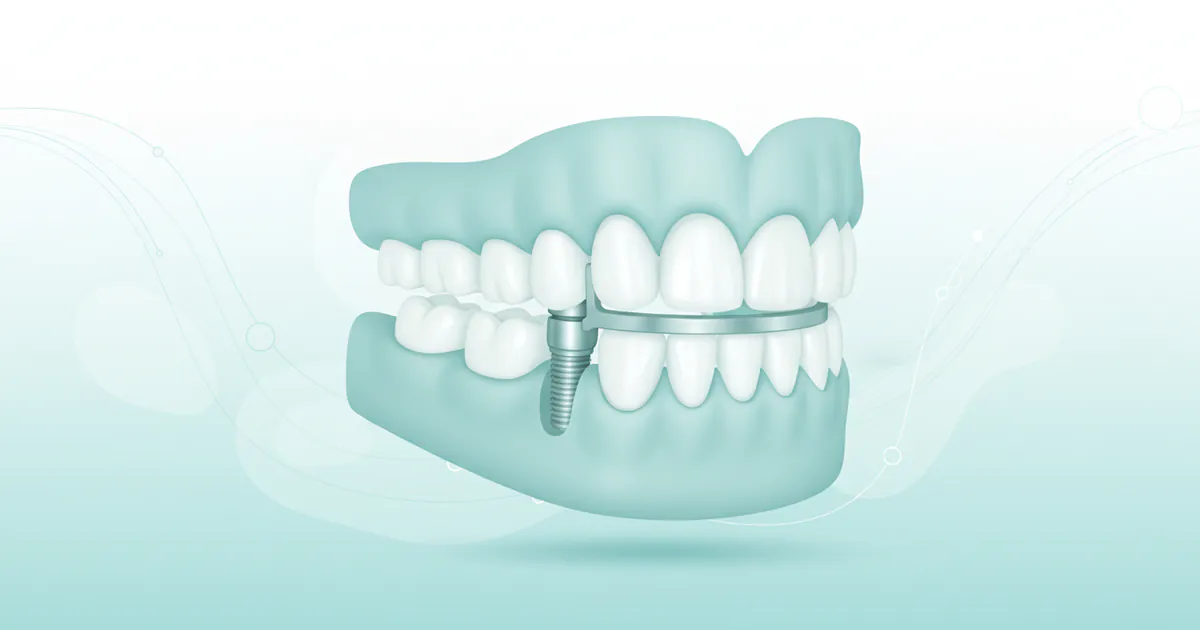
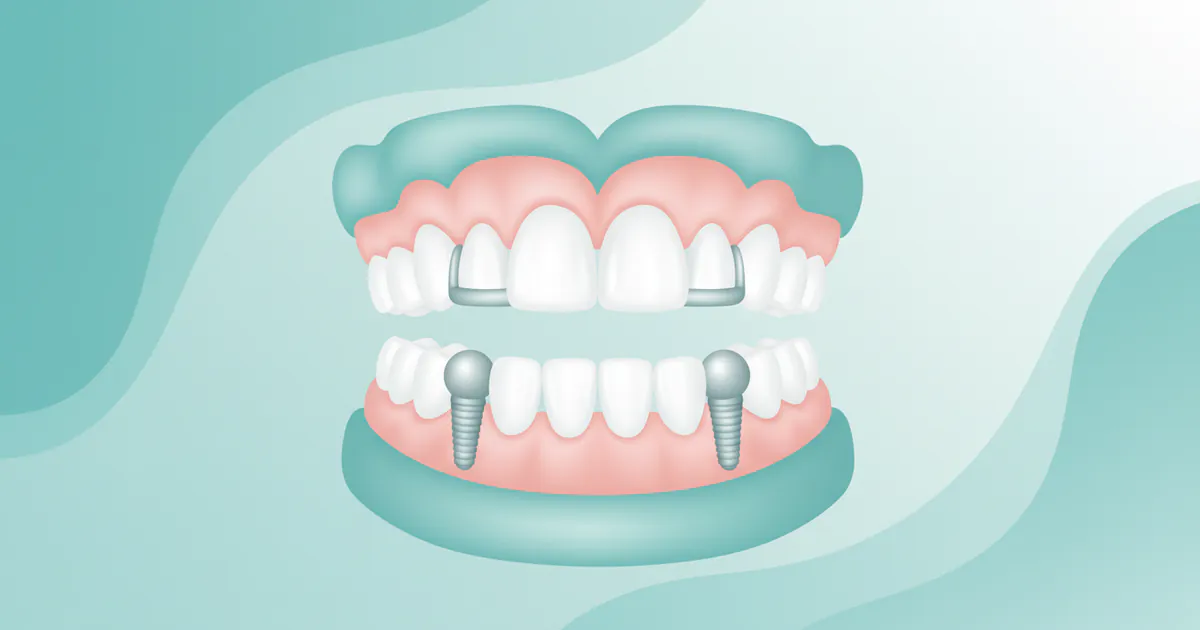
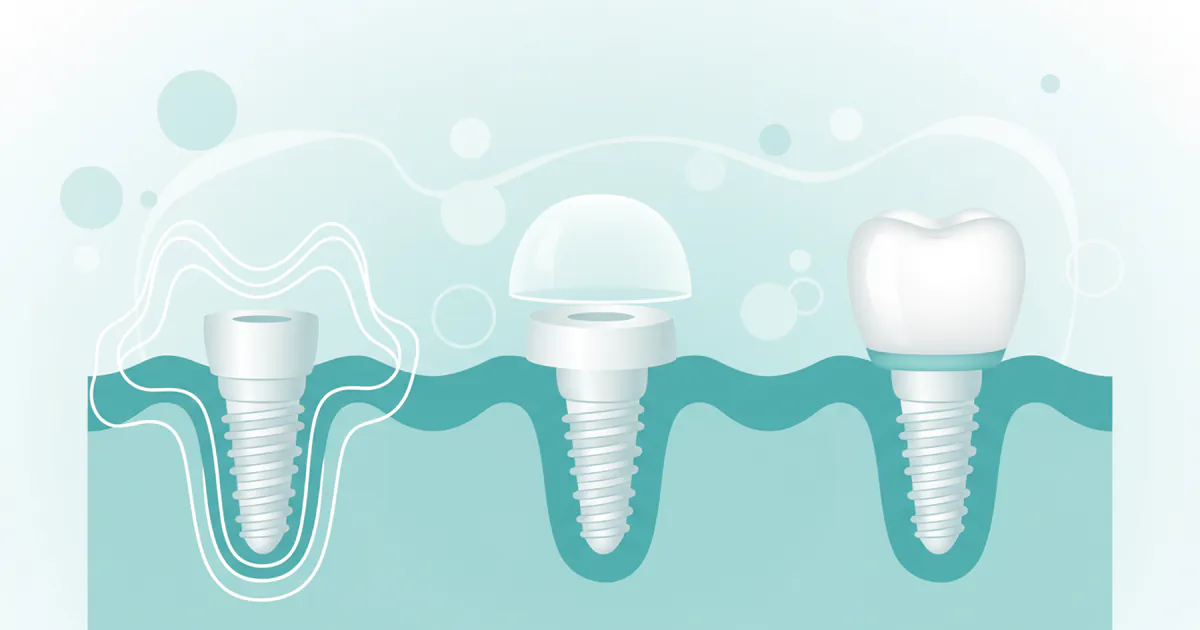
Implant-supported dentures, sometimes called "overdentures," represent a significant leap forward in tooth replacement technology. Unlike traditional dentures that rest on your gums and rely on suction or adhesives for stability, implant-supported dentures are securely anchored to dental implants surgically placed in your jawbone. These dental implants are small, screw-shaped posts, typically made of biocompatible titanium, which fuse with your bone over time through a process called osseointegration. This creates an incredibly strong and stable foundation, preventing the slipping, discomfort, and instability often associated with conventional dentures.
The result is a denture that feels much more like natural teeth. It provides enhanced chewing power, improved speech clarity, and a significant boost in confidence. Because the implants stimulate the jawbone, they also help to prevent the bone loss that is a common consequence of missing teeth and traditional denture wear, preserving your facial structure and a more youthful appearance. This makes implant-supported dentures a comprehensive solution for individuals who have lost most or all of their teeth in one or both arches.
Why Choose Implant-Supported Dentures?
The decision to choose implant-supported dentures often comes down to addressing the common frustrations associated with traditional dentures and seeking a higher quality of life. Here's why many patients, including those seeking implant supported dentures in Little Rock, opt for this advanced solution:
- Superior Stability and Comfort: The most significant advantage is stability. Because they are anchored to implants, these dentures do not slip, shift, or fall out while you eat, speak, or laugh. This eliminates the discomfort and irritation that can arise from rubbing on gums.
- Enhanced Chewing Efficiency: Traditional dentures can reduce chewing efficiency by up to 75%. Implant-supported dentures, however, significantly restore your ability to chew a wider variety of foods, including crunchy fruits, vegetables, and meats, leading to better nutrition and enjoyment of meals.
- Improved Speech: The movement of traditional dentures can sometimes interfere with speech, causing slurring or clicking sounds. With fixed implant-supported dentures, this issue is virtually eliminated, allowing for clearer and more natural communication. Even removable options offer far greater speech clarity than conventional dentures.
- Prevention of Bone Loss: When teeth are lost, the jawbone no longer receives the necessary stimulation, leading to a gradual resorption (shrinking) of the bone. Dental implants act as artificial tooth roots, providing the stimulation needed to preserve bone density and maintain facial structure.
- Increased Confidence and Quality of Life: Knowing your dentures are secure allows for greater spontaneity and confidence in social situations. You can smile, laugh, and eat without worrying about your dentures, leading to a significant improvement in self-esteem and overall quality of life.
- Durability and Longevity: While the dentures themselves may need relining or replacement after several years, the dental implants are designed to last for many decades, often a lifetime, with proper care, making them a long-term investment in your oral health.
Types of Implant-Supported Dentures
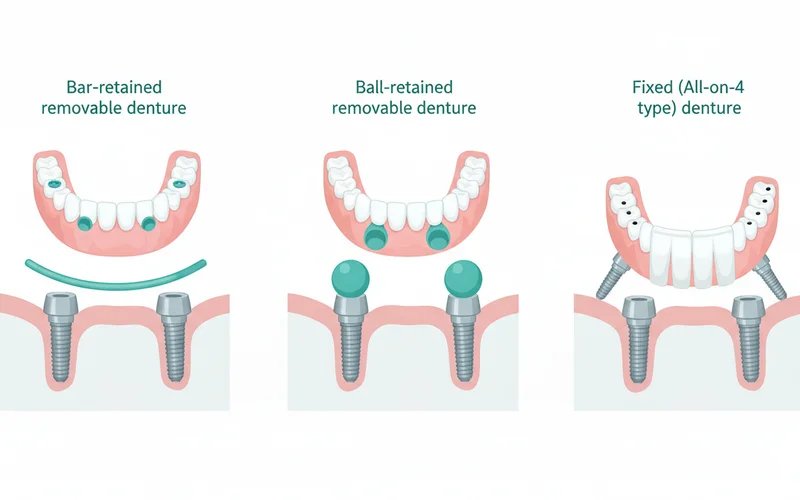
There are primarily two main types of implant-supported dentures, each offering distinct advantages based on a patient's needs, bone structure, and budget. Understanding these variations is crucial when considering implant supported dentures in Little Rock.
1. Bar-Retained, Removable Implant-Supported Dentures
This type involves a thin metal bar that follows the curve of your jaw. Two to five dental implants are placed in the jawbone, and the bar is attached to these implants. The denture itself then clips or "snaps" onto the bar via special attachments (e.g., clips, balls, or locators) on the underside of the denture.
- How it works: The bar provides a precise fit, and the attachments ensure the denture is held firmly in place.
- Number of implants: Typically requires 2 to 5 implants per arch.
- Pros:
- Removable for cleaning: You can easily remove the denture for thorough cleaning, which simplifies hygiene.
- Good stability: Offers significantly better stability than traditional dentures, preventing slippage and improving chewing.
- Often more affordable: Generally less expensive than fixed options due to fewer implants and a simpler prosthetic design.
- Better retention: Superior retention compared to traditional dentures, eliminating the need for adhesives.
- Cons:
- Still removable: Some patients prefer a completely fixed solution.
- May still cover some of the palate (upper arch), which can slightly reduce taste sensation.
- Requires daily removal and cleaning.
2. Ball-Retained, Removable Implant-Supported Dentures (Locator/Snap-In Overdentures)
Similar to bar-retained, but instead of a bar, the implants are topped with ball-shaped (or locator-style) abutments. The denture has corresponding sockets that snap onto these balls.
- How it works: The ball-and-socket mechanism provides a secure snap-in fit.
- Number of implants: Often uses 2 to 4 implants per arch.
- Pros:
- Removable for cleaning: Easy to remove for cleaning.
- Improved stability: Provides much greater stability than traditional dentures.
- More economical: Often the most cost-effective implant-supported denture option due to fewer implants.
- Cons:
- Can experience more wear on the O-rings/attachments over time compared to bar-retained, requiring periodic replacement (a simple in-office procedure).
- Still removable.
3. Fixed Implant-Supported Dentures (All-on-4® or All-on-X)
This advanced option provides a permanent, non-removable solution. A full arch of prosthetic teeth is securely screwed onto a minimum of four (All-on-4®) or more (All-on-X) dental implants. The implants are strategically angled to maximize contact with existing bone, often eliminating the need for bone grafting even in cases of moderate bone loss.
- How it works: The denture is custom-fabricated and then permanently attached to the implants, functioning much like natural teeth. It can only be removed by a dentist.
- Number of implants: Typically 4 to 6+ implants per arch. The "All-on-4®" technique is a registered trademark of Nobel Biocare, but similar "All-on-X" concepts are offered by other implant systems.
- Pros:
- Maximum stability and chewing power: Functions almost identically to natural teeth.
- Non-removable: No need to remove for cleaning, offering a feel closest to natural teeth.
- Preserves taste: Upper fixed dentures often leave the palate exposed, enhancing taste sensation.
- Bone preservation: Prevents jawbone deterioration.
- Often immediate function: In many cases, a temporary fixed bridge can be placed on the same day as implant surgery, allowing you to leave with teeth.
- Cons:
- Higher cost: Generally the most expensive option due to more implants and complex prosthetic design.
- Requires diligent hygiene: While not removable by the patient, meticulous cleaning around and under the fixed bridge is critical to prevent peri-implantitis (gum disease around implants).
- More complex surgery: While often avoiding bone grafts, the placement requires precise planning and surgical skill.
The Implant-Supported Denture Process: A Step-by-Step Guide
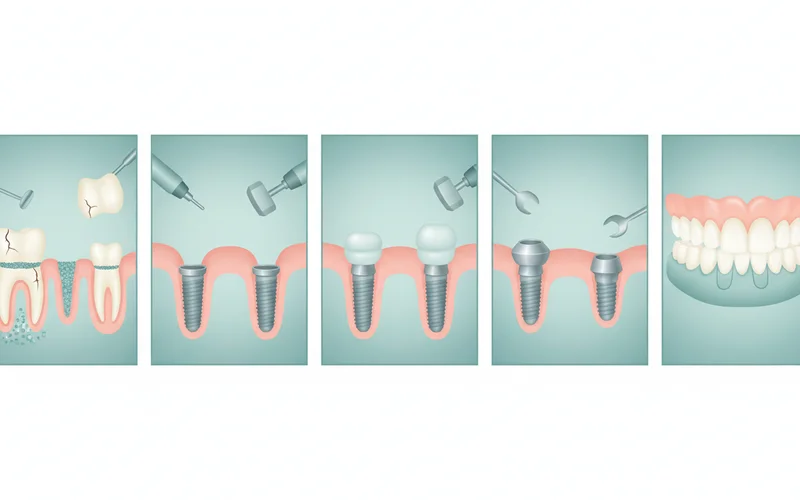
Undergoing treatment for implant supported dentures in Little Rock is a multi-stage process that typically spans several months. While the exact timeline can vary based on individual healing capabilities and the complexity of the case, here's a general overview of what you can expect:
Step 1: Initial Consultation and Treatment Planning
- Comprehensive Examination: Your journey begins with a thorough dental examination. This includes reviewing your medical and dental history, taking detailed X-rays, 3D Cone Beam Computed Tomography (CBCT) scans, and digital impressions of your mouth.
- Bone Density Assessment: The dentist will evaluate your jawbone density and volume to determine if you have sufficient bone to support implants. If bone loss is significant, bone grafting may be necessary.
- Discussion of Options: Your dentist will discuss which type of implant-supported denture is best suited for your needs, explaining the pros and cons of each. They will also outline the treatment timeline and estimated costs.
- Custom Treatment Plan: A personalized treatment plan will be developed, detailing the number of implants, surgical procedures, and the design of your final denture.
Step 2: Pre-Surgical Procedures (If Needed)
- Tooth Extractions: Any remaining compromised teeth may need to be extracted before implant placement.
- Bone Grafting/Sinus Lift: If your jawbone isn't dense enough or if the sinuses are too close to the upper jaw where implants are needed, a bone graft or sinus lift procedure may be performed. This adds bone material to create a stronger foundation for the implants. These procedures require several months of healing before implants can be placed.
Step 3: Dental Implant Placement Surgery
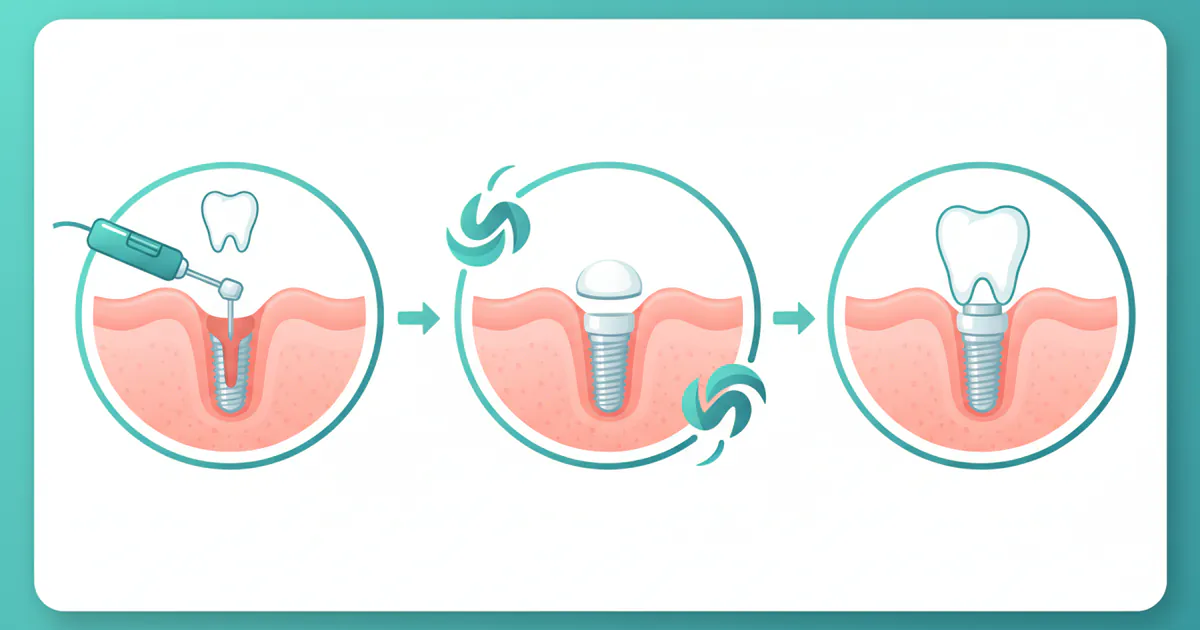
- Implant Insertion: This outpatient surgical procedure is typically performed under local anesthesia, often with sedation options (oral, IV, or nitrous oxide) to ensure your comfort. The dentist or oral surgeon makes small incisions in your gums to expose the jawbone. Pilot holes are then carefully drilled into the bone, and the titanium dental implants are precisely placed into these sites.
- Gum Closure: The gums are then sutured closed over the implants.
- Temporary Denture (Optional): In some cases, especially with the All-on-4® technique, a temporary, lighter-weight denture can be attached to the newly placed implants on the same day. This allows you to have teeth while your implants heal, though you'll need to follow a soft-food diet. If immediate loading isn't possible, you'll wear a traditional temporary denture.
Step 4: Osseointegration (Healing Period)
- Bone Fusion: This is a critical stage where the dental implants fuse with your jawbone. This process, known as osseointegration, typically takes 3 to 6 months (or longer if bone grafting was performed). During this time, the implants become a permanent part of your anatomy.
- Monitoring: Your dentist will monitor your healing progress through periodic check-ups. It is crucial to follow all post-operative instructions to ensure successful integration.
Step 5: Abutment Placement (If Not Already Placed)
- Exposure: Once osseointegration is complete, a minor surgical procedure may be performed to expose the top of the implants if they were fully covered by gum tissue.
- Abutment Attachment: Abutments, which are connectors that extend through the gum line, are then attached to the implants. These will be the anchors for your new denture. Sometimes, the abutments are placed during the initial implant surgery.
- Soft Tissue Healing: The gums around the abutments will need a couple of weeks to heal.
Step 6: Denture Fabrication and Attachment
- Impressions: Detailed impressions of your mouth and the abutments are taken. These impressions are sent to a dental lab where your custom implant-supported denture is meticulously crafted.
- Try-Ins: You'll typically have several "try-in" appointments where your dentist will test the fit, bite, and aesthetics of the denture. Adjustments are made to ensure optimal comfort, function, and appearance.
- Final Placement: Once the denture is perfect, it is either permanently screwed into place (for fixed dentures) or fitted to snap securely onto the abutments/bar (for removable dentures).
- Final Adjustments: Minor adjustments may be needed after you've worn the new denture for a short period to ensure maximum comfort and function.
Cost of Implant-Supported Dentures in Little Rock
Understanding the cost of implant supported dentures in Little Rock is a primary concern for many patients. It's important to remember that these are complex procedures, and the cost reflects the materials, surgical expertise, and customization involved. Prices can vary significantly based on the type of denture, the number of implants, the need for ancillary procedures (like extractions or bone grafts), and the specific dental practice.
Factors Influencing Cost:
- Type of Implant-Supported Denture:
- Removable (Snap-In): Generally less expensive, as they typically require fewer implants (2-4 per arch).
- Fixed (All-on-4®/All-on-X): More expensive due to more implants (4-6+ per arch), more complex prosthetic design, and often immediate temporary prosthetics.
- Number of Implants: Each implant adds to the overall cost.
- Ancillary Procedures:
- Tooth extractions (if needed): $75 - $400 per tooth (simple) to $250 - $600 per tooth (surgical).
- Bone grafting: $300 - $3,000 per site (depending on material and complexity).
- Sinus lift: $1,500 - $3,000 per side.
- Materials Used: The quality of the implant materials (e.g., specific titanium alloy, zirconia) and the denture materials (e.g., acrylic, porcelain, Zirconia bridge for fixed options) can impact price.
- Location and Dental Practice: Costs can vary slightly by region and the experience/specialization of the dental professional (general dentist, oral surgeon, periodontist). Little Rock prices are generally comparable to national averages but can be slightly lower than major metropolitan areas.
- Sedation: Anesthesia costs (oral, IV, general) will be an additional charge.
Estimated Cost Ranges in Little Rock (Per Arch):
These are broad estimates, and a personalized quote from a local dentist is essential.
| Procedure | Low Estimate (per arch) | Mid-Range Estimate (per arch) | High Estimate (per arch) | Includes |
|---|---|---|---|---|
| Removable (2-4 Implants) | $6,000 | $12,000 | $18,000 | 2-4 dental implants, surgical placement, abutments, removable denture with attachments. Does NOT include extractions or bone grafting. |
| Fixed (All-on-4® / 4-6 Implants) | $12,000 | $20,000 | $30,000+ | 4-6 dental implants, surgical placement, abutments, temporary fixed bridge (often same-day), final fixed denture (acrylic over titanium bar or Zirconia). Does NOT include extensive extractions or bone grafting beyond minor contouring. |
| Full Mouth (Upper & Lower, Fixed) | $24,000 | $40,000 | $60,000+ | 8-12+ implants, surgical placement, abutments, temporary and final fixed dentures for both arches. Does NOT include extensive extractions or bone grafting. |
| Traditional Denture (for comparison) | $1,000 | $2,500 | $4,000 | Full traditional denture (upper or lower), no implants. |
Pro Tip: When comparing costs, ensure you understand what is included in the quote. Some practices might quote only the implants, while others include the full prosthetic. Always ask for an "all-inclusive" price for the entire treatment.
Dentures vs. Implants Cost Comparison:
When considering dentures vs implants cost, it's important to look beyond the initial price tag and consider the long-term value, comfort, and health benefits.
| Feature | Traditional Dentures | Removable Implant-Supported Dentures | Fixed Implant-Supported Dentures (All-on-4®) |
|---|---|---|---|
| Initial Cost | $1,000 - $4,000 per arch | $6,000 - $18,000 per arch | $12,000 - $30,000+ per arch |
| Longevity | 5-7 years (denture), regular relines/replacements | 10-15+ years (denture), implants often lifetime | 15+ years (prosthetic), implants often lifetime |
| Maintenance Cost | Relines ($200-$500), adhesives ($10-$20/month), replacements | Attachment replacements ($100-$300 every 1-3 years), relines | Professional cleaning (biannual), repairs (rare) |
| Chewing Power | ~25% of natural teeth | ~60-80% of natural teeth | ~90%+ of natural teeth |
| Bone Loss | Accelerates jawbone loss | Significantly reduces/prevents bone loss | Prevents jawbone loss |
| Comfort/Stability | Can slip, cause sores, requires adhesive | Very stable, no slipping, minimal irritation, no adhesive | Extremely stable, feels like natural teeth, no irritation |
| Speech Impact | Can affect speech, clicking sounds | Improved speech, very few issues | Most natural speech |
| Palate Coverage | Upper denture covers palate (affects taste) | Upper denture may or may not cover palate depending on design | Upper denture typically open (preserves taste) |
| Overall Value | Low initial cost, but ongoing issues and long-term health detriments | Excellent balance of cost, function, and comfort, good long-term value | Highest upfront cost, but superior long-term health, function, and quality of life |
Insurance and Financing Options
Navigating the financial aspect of dental implants can be complex. While the question of "how much does implants cost" is often the first, understanding insurance and financing options is key to making treatment affordable.
Dental Insurance Coverage:
- Implants: Historically, most dental insurance plans in the U.S. have considered dental implants a cosmetic procedure and have offered little to no coverage. However, this trend is slowly changing. Some premium plans or plans from larger providers now offer partial coverage (e.g., 10-50%) for the surgical placement of the implants, especially if deemed medically necessary to support a denture.
- Denture Component: The prosthetic part (the denture itself) is often covered to a greater extent (e.g., 50% or more) under major restorative benefits, similar to traditional dentures.
- Ancillary Procedures: Procedures like extractions, bone grafting, and X-rays may be covered under basic or major services, depending on your plan.
- Medical Insurance: In rare cases, if severe bone loss or a medical condition necessitates the implants, a portion of the surgical costs might be covered by your medical insurance. This typically requires significant documentation and pre-authorization.
Pro Tip: Always submit a pre-treatment estimate to your insurance company. This will give you a clear understanding of what your plan will cover before you commit to treatment. Many dental offices in Little Rock have dedicated staff who can assist with this process.
Financing and Payment Plans:
Most dental practices understand the investment involved and offer various payment solutions:
- In-Office Payment Plans: Many clinics provide flexible payment schedules, allowing you to pay for your treatment over several months without interest.
- Third-Party Medical Financing: Companies like CareCredit®, LendingClub®, and Alphaeon Credit specialize in healthcare financing. They offer various plans, including interest-free options for a specific period (e.g., 6, 12, 18, or 24 months), followed by standard interest rates.
- Health Savings Accounts (HSAs) and Flexible Spending Accounts (FSAs): If you have an HSA or FSA through your employer, you can use these tax-advantaged accounts to pay for dental implant treatment.
- Personal Loans: Banks and credit unions offer personal loans that can be used for dental expenses.
Pro Tip: Don't let upfront cost deter you from exploring implant-supported dentures. Discuss all financing options with your chosen dental practice in Little Rock; they often have solutions to make treatment manageable for your budget.
Recovery and Aftercare
Successful recovery and long-term aftercare are crucial for the longevity and health of your implant-supported dentures.
Immediate Post-Operative Care (First 1-2 Weeks):
- Pain Management: Expect some discomfort, swelling, and bruising after implant surgery. Your dentist will prescribe pain medication or recommend over-the-counter options (like ibuprofen). Apply ice packs to your face for the first 24-48 hours to reduce swelling.
- Bleeding: Minor bleeding is normal for the first day. Use gauze pads as instructed.
- Diet: Stick to a soft-food diet for the first few days, gradually reintroducing firmer foods as comfortable. Avoid crunchy, chewy, or hot foods. If you have immediate temporary dentures, adhere to a strict soft-food diet for several weeks to avoid stressing the healing implants.
- Oral Hygiene: Gently rinse your mouth with a prescribed antimicrobial mouthwash (like chlorhexidine) or warm salt water, starting 24 hours after surgery. Avoid aggressive rinsing, spitting, or using straws, as this can dislodge blood clots and cause dry socket. Brush other teeth gently, avoiding the surgical sites.
- Activity: Avoid strenuous activity for several days to a week. Get plenty of rest.
- Smoking: Absolutely avoid smoking and tobacco products, as they severely compromise healing and increase the risk of implant failure.
Long-Term Aftercare:
- Oral Hygiene: This is paramount for the success of your implants and dentures.
- Removable Overdentures: Remove them daily for thorough cleaning. Brush the denture thoroughly with a soft-bristled brush and non-abrasive denture cleaner. Clean around the implant abutments in your mouth using a soft toothbrush, floss, or interdental brushes. Pay close attention to the gum line around the implants.
- Fixed Dentures (All-on-4®): While you can't remove them, meticulous cleaning is essential. Use a soft-bristled toothbrush, specialized dental floss (like Superfloss or water flosser), and interdental brushes to clean under and around the fixed bridge. Your dentist or hygienist will demonstrate proper techniques.
- Regular Dental Check-ups: Schedule routine appointments with your Little Rock dentist (typically every 6 months). These visits allow the dentist to check the health of your implants, gums, and remaining teeth, clean around the implants, and assess the condition of your denture.
- Denture Maintenance:
- Removable Overdentures: The attachments (O-rings, clips) will wear down over time and typically need replacement every 1-3 years to maintain optimal retention. Your dentist will replace these during a routine visit. The denture itself may also need relining every few years or eventual replacement (typically 10-15 years).
- Fixed Dentures: While highly durable, they may require occasional professional removal by your dentist for thorough cleaning and inspection underneath.
- Avoid Damaging Habits: Refrain from biting on hard objects (ice, hard candy), using your teeth as tools, or grinding/clenching your teeth (if you do, discuss a nightguard with your dentist).
Pro Tip: Think of your implant-supported dentures as extensions of your natural teeth. Treat them with the same care and commitment to oral hygiene to ensure their longevity and prevent complications.
Potential Risks and Complications
While implant-supported dentures have a very high success rate (over 95% for dental implants), it's important to be aware of potential risks and complications, as with any surgical procedure:
- Implant Failure: This is the most significant risk, occurring when an implant fails to osseointegrate with the bone or becomes infected. Causes can include poor oral hygiene, smoking, certain medical conditions (e.g., uncontrolled diabetes), or excessive pressure on the implant during healing.
- Infection (Peri-Implantitis): Similar to gum disease, peri-implantitis is an infection around the implant site that can lead to bone loss and eventual implant failure. It's often caused by inadequate oral hygiene.
- Nerve Damage: Though rare, implant placement can, in some cases, affect nerves, leading to numbness, tingling, or pain in the lips, gums, tongue, or chin. This risk is minimized with thorough pre-surgical planning using 3D imaging.
- Sinus Perforation: During upper jaw implant placement, there's a small risk of penetrating the sinus cavity. This is usually managed by a sinus lift procedure.
- Damage to Adjacent Structures: Accidental damage to nearby teeth or blood vessels can occur, though it's rare with experienced practitioners and precise planning.
- Prosthetic Complications: Issues with the denture itself can arise, such as:
- Fracture or chipping: Especially if made from acrylic.
- Wear of attachments: For removable dentures, O-rings or clips need periodic replacement.
- Loose screws: For fixed dentures, the screws holding the prosthetic can occasionally loosen and need tightening by a dentist.
- Discomfort or Pain: While implants generally reduce denture discomfort, some patients may experience ongoing localized soreness, though this is usually minor and manageable.
- Allergic Reaction: Extremely rare, but some individuals might have an allergic reaction to titanium, although it's highly biocompatible.
Pro Tip: Choose an experienced and reputable dental professional in Little Rock for your implant surgery. Their expertise in diagnosis, planning, and execution is the best defense against complications. Discuss all your medical conditions and medications thoroughly with your dentist.
Maintaining Your Implant-Supported Dentures
Proper maintenance is key to the long-term success and health of your implant-supported dentures. This goes beyond just cleaning the dentures themselves.
Daily Oral Hygiene:
- For Removable Overdentures:
- Remove and Rinse: Take out your dentures after every meal and rinse them thoroughly to remove food debris.
- Brush Denture: Brush the entire denture, including the underside, with a soft-bristled denture brush and a non-abrasive denture cleaner (not regular toothpaste, which can be too abrasive).
- Clean Abutments: Use a soft toothbrush, interdental brush, or Superfloss to gently clean around the implant abutments in your mouth. Focus on the gum line where bacteria can accumulate.
- Soak: At night, soak your dentures in a recommended denture cleaning solution.
- For Fixed Implant-Supported Dentures (All-on-4®/All-on-X):
- Brush Twice Daily: Brush your fixed denture just like natural teeth, using a soft-bristled toothbrush and non-abrasive toothpaste. Pay special attention to the areas where the denture meets your gums.
- Floss or Water Flosser: Use a water flosser (e.g., Waterpik) or specialized floss (like Superfloss or implant-specific floss) to clean under the bridge and around each implant. This is crucial for removing plaque and food particles that can get trapped.
- Interdental Brushes: These can be very effective for cleaning tight spaces around the implants and under the bridge.
Regular Professional Care:
- Routine Check-ups: Visit your Little Rock dentist or dental hygienist every six months for professional cleaning and examination. They will:
- Thoroughly clean around your implants and denture.
- Inspect the health of your gums and bone around the implants.
- Check the fit and integrity of your denture.
- For removable overdentures, they will check and replace worn attachments (e.g., O-rings) as needed.
- For fixed dentures, they may periodically remove the prosthetic for a deep cleaning underneath and to inspect the implants.
- Address Issues Promptly: If you notice any redness, swelling, bleeding around the implants, discomfort, or changes in the fit of your denture, contact your dentist immediately. Early detection of problems can prevent more serious complications.
Lifestyle Factors:
- Avoid Tobacco: Smoking significantly increases the risk of implant failure and peri-implantitis. Quitting is one of the best things you can do for your oral health.
- Manage Systemic Health: Conditions like diabetes can affect implant success. Keep any chronic health conditions well-managed and inform your dentist about all medical changes and medications.
- Healthy Diet: A balanced diet supports overall health, including oral health.
- Wear a Nightguard (if recommended): If you clench or grind your teeth (bruxism), a custom nightguard can protect your implants and denture from excessive forces.
Pro Tip: Your commitment to a diligent home care routine, combined with regular professional cleanings and check-ups, is the most powerful tool for ensuring your implant-supported dentures last for many years.
Implant-Supported Dentures vs. Traditional Dentures
For individuals facing widespread tooth loss, the choice often comes down to traditional dentures or exploring the benefits of implant-supported options. Here's a comparative look to help you decide which is best for you:
| Feature | Traditional Dentures | Implant-Supported Dentures |
|---|---|---|
| Stability & Retention | Rests on gums, relies on suction/adhesives, prone to slipping/rocking. | Anchored to dental implants, extremely stable, no slipping, no adhesive needed. |
| Chewing Efficiency | Significantly reduced (approx. 25% of natural teeth). Restricted diet. | Greatly improved (approx. 60-90%+ of natural teeth). Wider food choices. |
| Comfort | Can cause sore spots, irritation, and rubbing due to movement. | Stable and comfortable, no rubbing or movement, feels more natural. |
| Jawbone Preservation | Does not stimulate bone, leading to accelerated bone loss and facial collapse over time. | Implants stimulate bone, significantly reducing or preventing bone loss, preserving facial structure. |
| Speech | Can affect speech clarity, cause lisping or clicking sounds. | Improved speech, sounds more natural without denture movement. |
| Taste Sensation | Upper denture covers the palate, which can diminish taste. | Upper dentures often designed to leave palate exposed (especially fixed), improving taste. |
| Longevity | Typically 5-7 years, requiring frequent relines and eventual replacement. | Dentures can last 10-15+ years; implants are designed to last a lifetime with proper care. |
| Maintenance | Daily cleaning, adhesives, professional relines. | Daily cleaning (removable for snap-ins, meticulous for fixed), periodic attachment replacement for removable, professional cleanings. |
| Cost | Lower initial cost. | Higher initial investment, but superior long-term value and health benefits. |
| Impact on Confidence | May cause self-consciousness about slipping, restricting social activities. | Boosts confidence, allowing natural eating, speaking, and smiling without worry. |
| Adaptation Time | Can take weeks or months to get used to, often a continuous adjustment. | Initial adjustment period, but feels more natural and adapts quicker due to stability. |
Implant-Supported Dentures vs. Dental Implants (Single/Bridge)
It's important to distinguish between full arch implant-supported dentures and solutions for replacing individual teeth or small gaps.
| Feature | Single Dental Implant / Implant-Supported Bridge | Implant-Supported Dentures (Full Arch) |
|---|---|---|
| Purpose | Replaces one or a few missing teeth. | Replaces an entire arch (all) of missing teeth. |
| Number of Missing Teeth | 1 to 3-4 adjacent teeth. | All teeth in the upper jaw, lower jaw, or both. |
| Number of Implants | 1 implant per missing tooth (single) or 2 implants for a 3-4 tooth bridge. | 2-6+ implants per arch. |
| Prosthetic Type | Individual crown, or small bridge (3-4 teeth). | Full arch denture or bridge (10-14 teeth). |
| Bone Loss (Severity) | Minor to moderate localized bone loss. | Often chosen for significant to severe widespread bone loss. |
| Cost (General Estimate) | $3,000 - $6,000 per single implant/crown (Little Rock) | $6,000 - $30,000+ per arch (Little Rock) |
| Recovery | Faster, less extensive. | More extensive, involves broader surgical sites and longer healing for full arch. |
| Feels Like Natural Teeth | Most closely mimics natural teeth, individual replacement. | Very close to natural teeth, but still a full arch prosthetic. |
| Best For | Patients with mostly healthy natural teeth and isolated missing teeth. | Patients with widespread tooth loss, failing teeth, or existing traditional dentures. |
Frequently Asked Questions
Are implant-supported dentures painful?
The implant placement surgery itself is performed under local anesthesia, so you shouldn't feel pain during the procedure. Post-operative discomfort, swelling, and bruising are normal and can be managed with prescribed or over-the-counter pain medication. Most patients report that the discomfort is less than anticipated.
How long does the entire process take for implant-supported dentures?
The full process, from initial consultation to receiving your final implant-supported dentures, typically takes 4 to 9 months. This includes several months for the implants to fuse with your jawbone (osseointegration), which is a critical healing phase. More complex cases requiring bone grafting can extend this timeline.
How often do implant-supported dentures need to be replaced?
The dental implants themselves are designed to last for many decades, often a lifetime, with proper care. The denture portion, however, may need replacement every 10-15 years due to wear and tear. Attachments for removable snap-in dentures usually need replacement every 1-3 years.
Can I get implant-supported dentures if I have bone loss?
Yes, often. Many patients seeking implant-supported dentures have experienced some degree of bone loss. If the bone loss is significant, your dentist may recommend a bone grafting procedure or a sinus lift to augment the bone sufficiently to support the implants. Techniques like All-on-4® are also specifically designed to maximize existing bone.
Can I eat normally with implant-supported dentures?
Absolutely! One of the biggest benefits is the significant improvement in chewing ability. While you'll have dietary restrictions during the initial healing phase, once your final dentures are in place, you'll be able to eat a much wider variety of foods, including many that were challenging or impossible with traditional dentures.
How do I clean fixed implant-supported dentures?
Fixed implant-supported dentures require meticulous daily hygiene, similar to natural teeth. You'll need to brush them thoroughly twice a day with a soft-bristled brush and use a water flosser or specialized dental floss (like Superfloss or implant floss) to clean under the bridge and around each implant. Regular professional cleanings by your dentist are also crucial.
What is the success rate of dental implants?
Dental implants have a very high success rate, generally exceeding 95% over 10 years when placed by experienced professionals and properly maintained by the patient. Factors like good oral hygiene, avoiding smoking, and overall health contribute to this success.
Are there any age restrictions for implant-supported dentures?
There isn't an upper age limit for dental implants, as long as you are in good general health and have sufficient bone density. However, they are typically not recommended for individuals under 18-20 years old, as their jawbones are still developing.
What are the alternatives to implant-supported dentures?
The primary alternative is traditional full dentures, which are less stable, can cause bone loss, and have lower chewing efficiency. Another alternative, if some healthy teeth remain, might be partial dentures or individual dental implants/bridges for specific missing teeth.
Can I get a temporary denture immediately after implant surgery?
In many cases, yes. For certain techniques like All-on-4®, a temporary, lighter-weight fixed bridge can be placed on the same day as implant surgery, allowing you to leave the office with a functional set of teeth. For removable implant-supported dentures, a traditional temporary denture can often be worn during the healing period.
When to See a Dentist
If you are experiencing widespread tooth loss or are unhappy with your current traditional dentures, it's definitely time to schedule a consultation with a qualified dental professional in Little Rock.
You should see a dentist if you:
- Are missing most or all of your teeth in an arch.
- Have traditional dentures that slip, click, or cause discomfort.
- Struggle to eat certain foods because of unstable dentures or missing teeth.
- Are experiencing jawbone loss or changes in your facial appearance due to missing teeth.
- Feel self-conscious about your smile or the stability of your current dentures.
- Notice any signs of infection around existing dental implants (redness, swelling, pain, pus).
- Have an older set of dentures that no longer fit well or are worn out.
While implant-supported dentures are not typically considered an emergency, early consultation allows for comprehensive planning, potentially reducing the need for more complex procedures like extensive bone grafting down the line. Don't wait until discomfort or instability becomes unbearable; proactive consultation can lead to a more comfortable and predictable treatment journey.
Frequently Asked Questions
Medically Reviewed Content
This article was written by our dental health editorial team and reviewed for medical accuracy. Our content follows strict editorial guidelines for reliability and trustworthiness.
Medical Disclaimer
This article is for informational purposes only and does not constitute medical advice. Always consult with a qualified dental professional for diagnosis and treatment. Do not delay seeking professional advice because of something you read on this website.
Related Articles
Implantologist: Complete Guide
Losing a tooth can be a significant setback, impacting not only your smile but also your ability to speak, chew, and maintain overall oral health. In fact, over 3 million Americans currently have dental implants, and that number is projected to grow significantly as more people seek a durable, n
March 8, 2026
Dentures Over Implants: Complete Guide
Missing multiple teeth or even an entire arch can profoundly impact your life, affecting everything from your ability to chew and speak to your self-confidence. For millions of Americans, traditional removable dentures have long been a solution, but they often come with compromises: slipping, discom
March 8, 2026
Implants Process: Complete Guide
Missing teeth can impact more than just your smile; they can affect your ability to eat, speak, and even your overall confidence. In fact, over 178 million Americans are missing at least one tooth, and about 40 million are missing all of their teeth. When faced with tooth loss, understanding the
March 8, 2026
Implants Dentaires: Complete Guide
Missing teeth can dramatically impact not just your smile, but your overall health, confidence, and quality of life. In the United States, an estimated 178 million adults are missing at least one tooth, while approximately 40 million are missing all their teeth. These statistics underscore a
March 8, 2026