Implants for Dentures: Complete Guide
Key Takeaways
- For millions of Americans, the journey through tooth loss can significantly impact daily life, affecting everything from how they eat and speak to their self-confidence. Traditional dentures have long offered a solution, but often come with frustrations: slipping, discomfort, and the need for messy
Implants for Dentures: Complete Guide
For millions of Americans, the journey through tooth loss can significantly impact daily life, affecting everything from how they eat and speak to their self-confidence. Traditional dentures have long offered a solution, but often come with frustrations: slipping, discomfort, and the need for messy adhesives. Imagine a life where your dentures feel as stable and secure as natural teeth, allowing you to eat your favorite foods, speak clearly, and smile without hesitation. This is precisely the promise of implants for dentures, a revolutionary dental solution that marries the affordability and aesthetic appeal of dentures with the unparalleled stability and bone-preserving benefits of dental implants.
In the United States, an estimated 120 million people are missing at least one tooth, and more than 36 million Americans are missing all of their teeth in one or both arches. While conventional dentures restore function and appearance, their inherent instability can lead to bone loss, chewing difficulties, and a diminished quality of life. Implant-supported dentures, often referred to as overdentures or fixed-removable dentures, represent a significant advancement, offering a far more secure, comfortable, and long-lasting alternative. This comprehensive guide from SmilePedia.net will explore every facet of implants for dentures, helping you understand this transformative treatment option, from the types available and the procedural steps to the costs involved and the recovery process, empowering you to make an informed decision about your oral health.
Key Takeaways:
- Definition: Implants for dentures (overdentures) are prosthetic teeth supported by surgically placed dental implants, offering superior stability and comfort compared to traditional dentures.
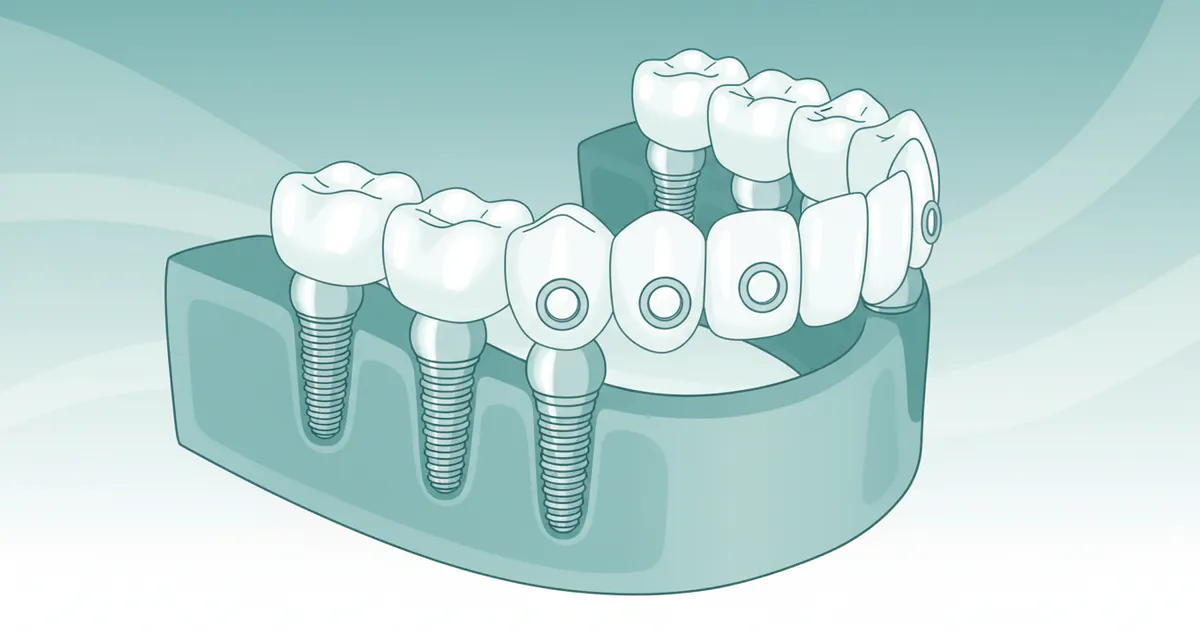
- Types: Options range from removable, implant-retained dentures (supported by 2-4 implants) to fixed, implant-supported hybrid dentures (often 4-6 implants, like All-on-4/6).
- Cost: Average costs for a full arch of implant-supported dentures typically range from $12,000 to $50,000 per arch in the US, varying significantly based on implant count, materials, and complexity. Removable options are generally less expensive than fixed.
- Timeline: The entire process, from initial consultation to final denture placement, can take 4 to 12 months, including healing periods (osseointegration) of 3-6 months. Immediate load options can shorten this.
- Benefits: Significantly improved chewing efficiency (up to 90% of natural teeth), enhanced speech, preserved jawbone density, no adhesives, increased confidence, and greater comfort.
- Success Rate: Dental implants boast a high success rate, often above 95% when performed by experienced professionals and maintained properly.
- Maintenance: Requires diligent oral hygiene, regular dental check-ups, and potential periodic replacement of denture components (e.g., clips, acrylic).
What Implants for Dentures Are: An Overview
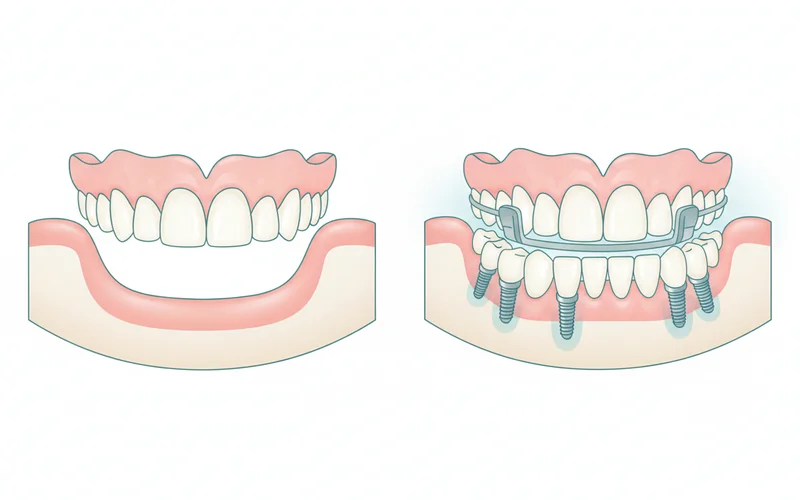
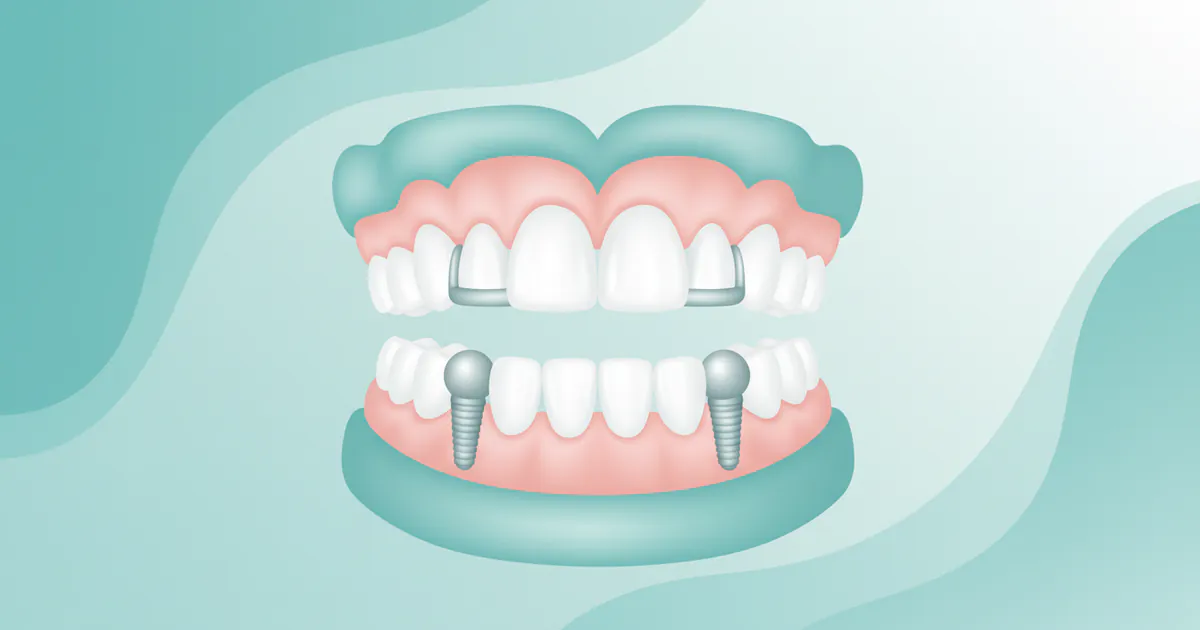
Implants for dentures represent a hybrid solution combining the best aspects of dental implants and prosthetic dentures. At its core, this treatment involves placing a series of dental implants into the jawbone, which then serve as stable anchors for a custom-fabricated denture. Unlike traditional dentures that rest solely on the gums, leading to pressure sores, instability, and accelerated bone loss, implant-supported dentures "snap" onto or are permanently affixed to these implants.
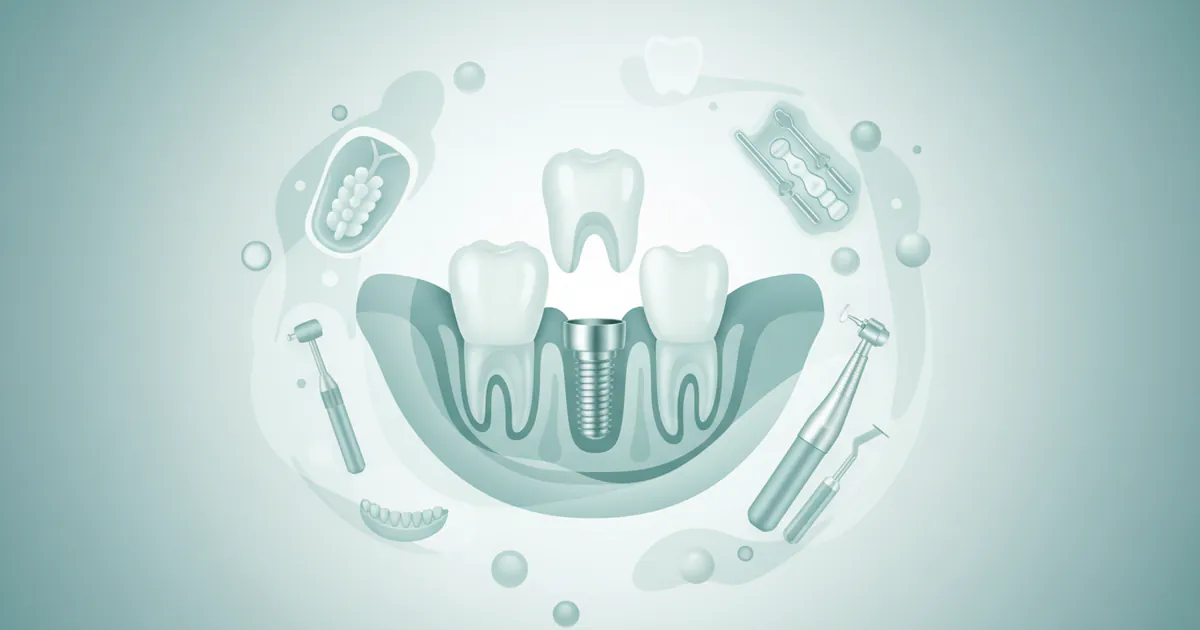
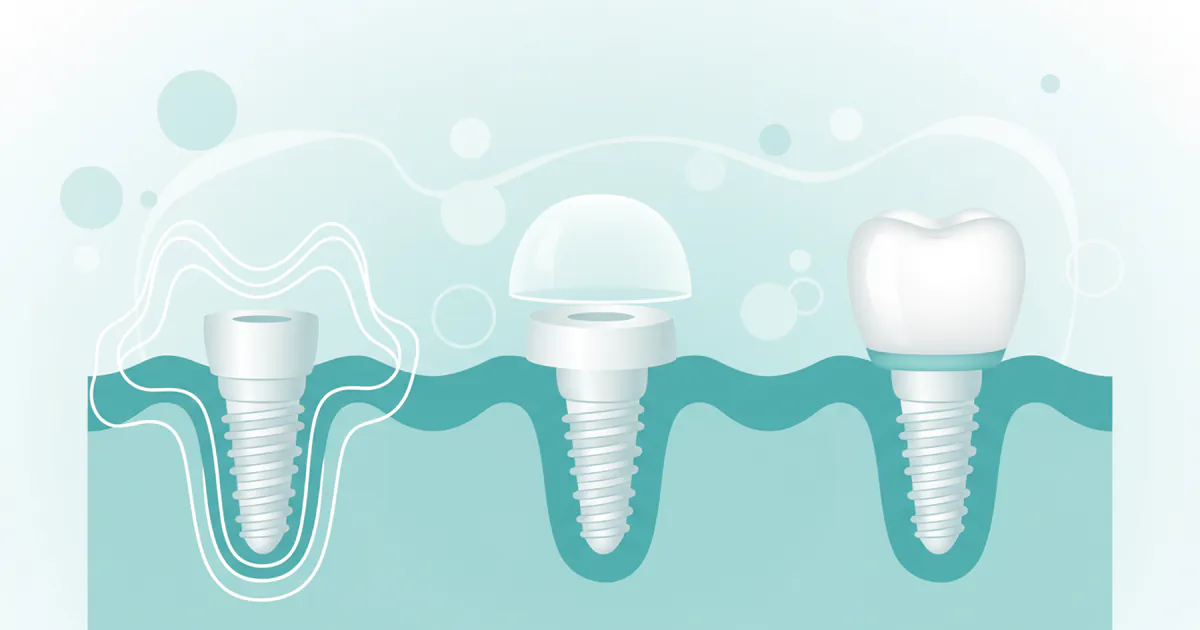
A dental implant itself is a small, screw-shaped post, typically made of biocompatible titanium (though zirconia options also exist), surgically placed into the jawbone where tooth roots once were. Over time, the jawbone integrates with the implant surface in a process called osseointegration, forming a strong and durable foundation. For denture support, multiple implants are strategically placed along the arch. These implants are then fitted with abutments, which are connectors that protrude from the gum line. The denture then attaches to these abutments.
This innovative approach offers a dramatically improved quality of life for individuals with significant tooth loss, often described as a "whole mouth implant" solution because it replaces an entire arch of teeth with a highly functional and aesthetic restoration. It's a game-changer for those who find traditional dentures cumbersome, uncomfortable, or unreliable.
Why Choose Implants for Dentures? Benefits Over Traditional Dentures
Traditional dentures, while accessible, come with a host of common complaints. Many patients report that their dentures slip, click, or fall out during eating, speaking, or laughing, leading to embarrassment and social anxiety. The constant movement can also cause painful sores on the gums, and the need for adhesives is an ongoing hassle. Furthermore, traditional dentures do nothing to halt the progressive bone loss that occurs after tooth extraction. Without the stimulation of tooth roots, the jawbone naturally resorbs or shrinks over time, leading to a sunken facial appearance and the need for frequent denture relines or replacements.
Implants for dentures address these significant drawbacks by offering:
- Superior Stability and Retention: No more embarrassing slips or clicks. Implant-supported dentures are firmly anchored, allowing you to chew, speak, and smile with confidence.
- Enhanced Chewing Efficiency: Studies show that traditional dentures provide only 10-20% of the chewing efficiency of natural teeth. Implant-supported dentures can restore up to 90% of natural chewing power, enabling you to enjoy a wider variety of foods, including crunchy fruits and vegetables.
- Preservation of Jawbone: Dental implants stimulate the jawbone, similar to natural tooth roots. This stimulation helps prevent further bone loss (resorption), maintaining facial structure and preventing the "caved-in" look often associated with long-term denture use.
- Improved Speech: With stable dentures, you can articulate words more clearly, free from the slurring or clicking that can occur with loose traditional dentures.
- Increased Comfort: By distributing chewing forces to the jawbone through the implants, pressure is relieved from the gum tissues, significantly reducing soreness and irritation.
- No More Adhesives: Eliminate the need for messy, ineffective denture glues.
- Durability and Longevity: While the prosthetic denture itself may need periodic maintenance or replacement, the dental implants themselves are designed to last for decades, often a lifetime, with proper care.
- Better Taste Sensation: For upper dentures, the palate-covering acrylic can be significantly reduced or even eliminated in some implant-supported designs, allowing you to taste food more fully.
Who is a Candidate for Implants for Dentures?
While implants for dentures offer tremendous benefits, they are not suitable for everyone. A thorough evaluation by a qualified dental professional is essential to determine candidacy. Key factors typically include:
- Adequate Jawbone Density: Sufficient bone volume and density are crucial for successful implant placement. If bone loss is extensive, a bone grafting procedure may be necessary before implants can be placed.
- Good General Health: Patients should be in good overall health, free from uncontrolled chronic diseases that could impair healing, such as severe diabetes, uncontrolled heart disease, or certain autoimmune disorders.
- Healthy Gums: Active periodontal disease must be treated and controlled before implant surgery.
- Commitment to Oral Hygiene: A willingness to maintain meticulous oral hygiene and attend regular dental check-ups is vital for the long-term success of implants.
- Non-Smoker or Willingness to Quit: Smoking significantly impairs healing and increases the risk of implant failure. Many dentists strongly advise quitting before and after implant surgery.
- Realistic Expectations: Understanding the process, potential costs, and maintenance requirements is important.
Pro Tip: Even if initially deemed not a candidate due to bone loss, advanced techniques like bone grafting, sinus lifts, or ridge augmentation can often make implant treatment possible. Discuss these options with your dentist.
Types of Implants for Dentures: Variations and Approaches
The term "implants for dentures" encompasses several distinct approaches, each offering different levels of stability, cost, and patient experience. These can broadly be categorized into removable (implant-retained) and fixed (implant-supported) options.
Removable Implant-Retained Overdentures
These dentures snap onto attachments connected to dental implants but can be removed by the patient for cleaning. They offer significantly more stability than traditional dentures while remaining more affordable than fixed options.
-
Locator-Retained Overdentures (2-4 implants):
- Description: This is the most common and often the most affordable type of implant-retained overdenture. Typically, two to four implants are placed in the front of the jaw (mandible or maxilla). These implants are fitted with "locator" abutments, which are small ball or bar-shaped attachments. The underside of the denture has corresponding nylon caps or clips that snap onto these attachments.
- Pros:
- Much more stable than traditional dentures.
- Relatively less expensive than fixed options.
- Easy for patients to remove for cleaning.
- Still allows some gum tissue stimulation, which can be beneficial.
- Fewer implants required, reducing surgical complexity.
- Cons:
- Still removable, so not as secure as fixed options.
- Nylon clips may wear down over time and need periodic replacement (typically every 6-12 months), adding to long-term maintenance costs.
- Some minor movement or rocking can still occur compared to fixed solutions.
- Cost Range: Approximately $6,000 - $18,000 per arch (including implants and denture).
-
Bar-Retained Overdentures (3-5 implants):
- Description: A custom-milled metal bar (often titanium or gold alloy) is securely attached to three to five implants that are surgically placed in the jaw. The denture then clips onto this bar using a series of specialized attachments (e.g., clips or Hader bars). The bar provides a very stable framework.
- Pros:
- Excellent stability and retention, superior to locator attachments.
- More even distribution of chewing forces.
- Can be a good option for jaws with moderate bone loss.
- Cons:
- More complex to fabricate and potentially more expensive than locator-retained.
- Still removable for cleaning, similar to locator-retained.
- Can be slightly bulkier than locator-retained options.
- Cost Range: Approximately $10,000 - $25,000 per arch (including implants and denture).
Fixed Implant-Supported Dentures (Hybrid Dentures / All-on-4® / All-on-6™)
These dentures are permanently attached to the dental implants and can only be removed by a dentist. They are designed to function and feel most like natural teeth, offering maximum stability and chewing power. This is often referred to as a "whole mouth implant" solution because it offers a full arch of non-removable teeth.
- All-on-4® / All-on-6™ Dental Implants:
- Description: These proprietary techniques involve strategically placing four (All-on-4®) or six (All-on-6™) dental implants in an arch. The posterior implants are often placed at an angle to maximize contact with existing bone and avoid anatomical structures like the sinus cavity. A full arch bridge or "hybrid denture" is then permanently screwed onto these implants.
- Materials: The prosthetic bridge can be made from various materials:
- Acrylic with Titanium Framework: Most common, durable, and repairable. It's often lighter than zirconia.
- Zirconia: Extremely strong, highly aesthetic, and highly resistant to staining and wear. Can be heavier.
- Porcelain Fused to Metal (PFM): Offers good aesthetics and strength.
- Pros:
- Maximum stability, function, and aesthetics – closest feel to natural teeth.
- Non-removable by the patient.
- Often allows for immediate loading (provisional denture placed on the same day as implant surgery).
- Prevents further bone loss effectively.
- Eliminates the need for a bulky palate covering in the upper jaw.
- Can be a viable option even for patients with moderate bone loss, sometimes avoiding the need for extensive bone grafting.
- Cons:
- Highest cost among implant denture options.
- Requires surgical expertise for angled implant placement.
- The prosthetic bridge requires professional cleaning and maintenance by a dentist.
- Repairing a fixed denture might be more complex than for a removable one.
- Cost Range: Approximately $20,000 - $50,000+ per arch (including implants and final restoration).
Regarding "Gold Teeth Implants": It's important to clarify that the dental implants themselves are almost exclusively made of titanium or zirconia due to their biocompatibility and strength. Gold is not typically used for the implant post itself. However, gold alloys can be used in the fabrication of the prosthetic teeth (crowns or portions of the denture framework) for aesthetic reasons, especially in cultures where gold teeth are desirable, or for specific strength properties in certain dental restorations. When referring to "gold teeth implants," it generally means a fixed or removable implant-supported denture where the visible prosthetic teeth are made of, or feature, gold. This is a customization chosen by the patient and fabricated by the dental lab, not a standard implant material.
Step-by-Step Process of Getting Implants for Dentures
The journey to stable, implant-supported dentures typically involves several stages, spanning several months. Here’s what you can expect:
-
Initial Consultation and Planning (1-2 appointments):
- Comprehensive Examination: The dentist (often an oral surgeon or periodontist, in collaboration with a restorative dentist) will conduct a thorough oral exam, review your medical history, and discuss your goals.
- Diagnostic Imaging: This is crucial. It typically involves digital X-rays, panoramic X-rays, and often a 3D Cone Beam Computed Tomography (CBCT) scan. The CBCT scan provides detailed images of your jawbone, nerve pathways, and sinus cavities, allowing for precise implant planning and identification of adequate bone volume.
- Treatment Plan Development: Based on the assessment, a customized treatment plan will be created, outlining the number and type of implants, the type of denture, timeline, and estimated costs.
- Bone Grafting/Extractions (if needed): If you have insufficient bone density, a bone grafting procedure may be necessary to build up the jawbone. This typically requires several months of healing before implants can be placed. Any remaining unhealthy teeth will also be extracted at this stage, or prior to it.
-
Implant Placement Surgery (1 appointment):
- Anesthesia: Local anesthesia is typically used, often supplemented with oral sedation, IV sedation, or even general anesthesia depending on the patient's anxiety level and the complexity of the procedure.
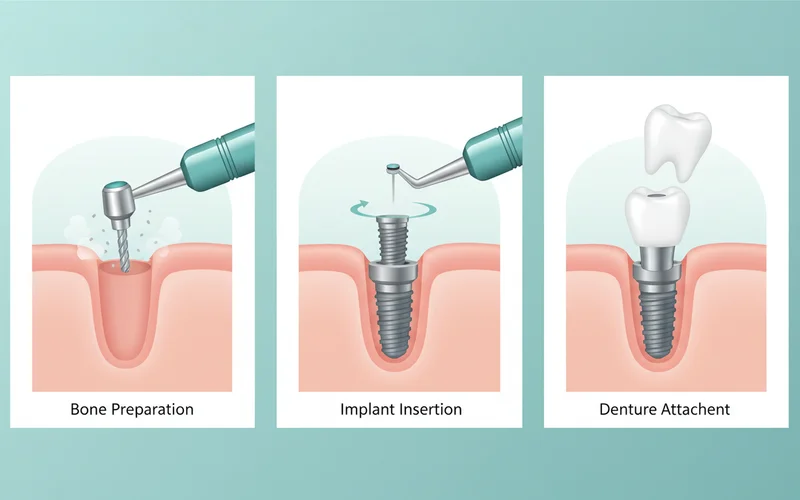
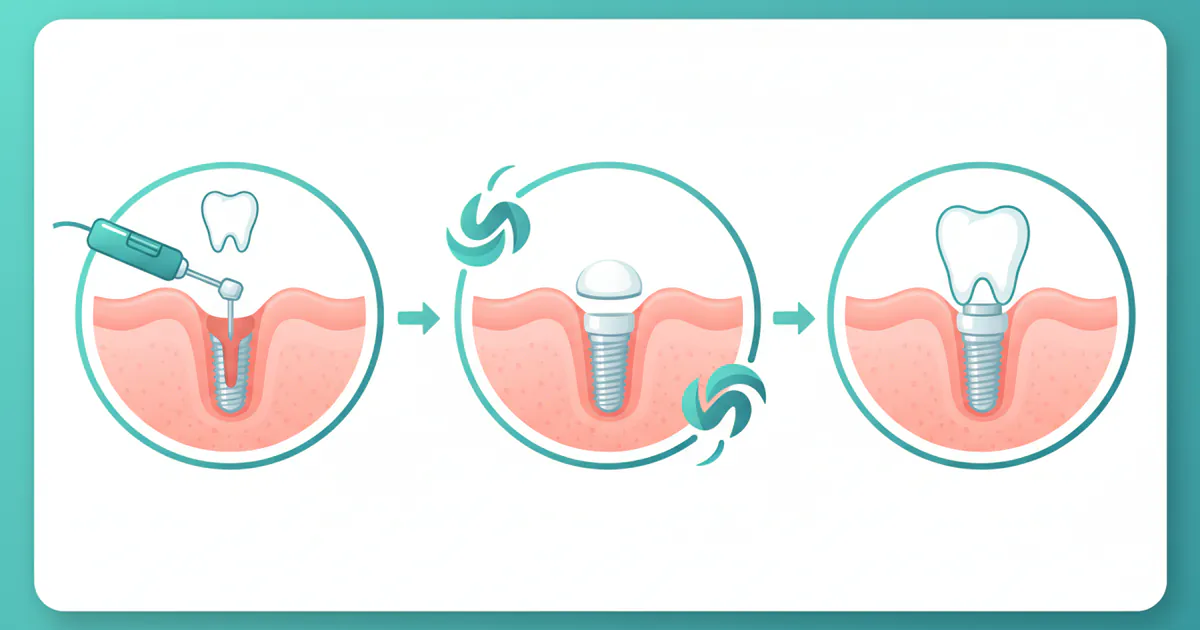
- Surgical Placement: The dentist or surgeon will make a small incision in the gum tissue to expose the jawbone. A specialized drill creates a precise pilot hole, into which the dental implant (titanium post) is gently screwed. The gum tissue is then closed over the implant (submerged technique) or around a healing abutment (one-stage technique).
- Immediate Load (if applicable): In some cases, particularly with All-on-4/6 procedures, a provisional (temporary) denture can be immediately attached to the implants on the same day as surgery. This allows you to leave with a functional set of teeth, though you must adhere to a soft-food diet during the healing period.
-
Healing Period (Osseointegration) (3-6 months):
- This is a critical phase where the jawbone naturally fuses with the implant surface. It typically takes 3 to 6 months, but can vary. During this time, you may wear a temporary denture (if not immediately loaded), ensuring it doesn't put pressure on the healing implants.
- Pro Tip: Following post-operative instructions meticulously, including diet restrictions and oral hygiene, is paramount for successful osseointegration.
-
Abutment Placement (if two-stage, 1 appointment):
- If the implants were initially covered by gum tissue, a minor surgical procedure will be performed to uncover them and attach the abutments – the connector pieces that protrude above the gum line and to which the denture will eventually attach. If healing abutments were placed during the initial surgery, this step is unnecessary.
-
Denture Fabrication and Final Placement (2-4 appointments):
- Impressions: Once the implants are fully integrated, detailed impressions (molds) of your mouth and the implant abutments are taken.
- Denture Design and Try-in: These impressions are sent to a dental laboratory, where a skilled technician custom-fabricates your new implant-supported denture. You will typically have several try-in appointments to ensure proper fit, bite, aesthetics, and comfort before the final denture is made.
- Final Placement: Your custom denture is then securely attached to the abutments on your dental implants. For removable overdentures, you'll be shown how to snap it in and out for cleaning. For fixed dentures, it will be permanently screwed into place.
Cost of Implants for Dentures and Insurance Coverage
Understanding the cost of implants for dentures is crucial, as it represents a significant investment in your oral health and quality of life. Prices can vary widely based on several factors: the number of implants, the type of denture (removable vs. fixed), materials used, the complexity of the case (e.g., need for bone grafting), geographic location, and the experience of the dental team.
Average US Costs (per arch):
| Treatment Type | Low Range (US$) | Mid Range (US$) | High Range (US$) |
|---|---|---|---|
| Removable Overdenture (2 implants) | $6,000 | $9,000 | $12,000 |
| Removable Overdenture (4 implants) | $10,000 | $15,000 | $18,000 |
| Bar-Retained Overdenture (3-5 implants) | $10,000 | $17,500 | $25,000 |
| Fixed Hybrid Denture (All-on-4) | $20,000 | $30,000 | $40,000 |
| Fixed Hybrid Denture (All-on-6) | $25,000 | $37,500 | $50,000+ |
| Additional Procedures (e.g., Bone Grafting, Sinus Lift) | $500 | $1,500 | $4,000+ (per site) |
| Extractions (per tooth) | $75 | $250 | $600 |
- Regional Variation: Costs can be significantly higher in major metropolitan areas (e.g., New York City, Los Angeles) compared to rural or less populated regions.
- Material Choice: Zirconia or porcelain fixed dentures will be more expensive than acrylic with a titanium framework.
- Provider Experience: Highly specialized oral surgeons or periodontists with extensive experience in implantology may charge more than general dentists.
Insurance Coverage Details
Dental insurance coverage for implants for dentures is often limited and complex.
- Medical vs. Dental: While dental implants are a dental procedure, some portions, especially if medically necessary due to injury or a severe underlying condition, might be covered by medical insurance. This is rare but worth investigating.
- Typical Dental Insurance: Most standard dental insurance plans will cover a small percentage (e.g., 10-50%) of the restorative portion of the treatment (the denture itself), but rarely cover the implant placement surgery or the implant fixtures themselves. Many plans consider implants an "elective" or "cosmetic" procedure.
- Annual Maximums: Even if some coverage exists, dental insurance typically has low annual maximums (e.g., $1,000 - $2,000), which are quickly exhausted by the high cost of implant procedures.
- Waiting Periods: Many plans have waiting periods (e.g., 6-12 months) for major procedures like implants.
- PPO vs. HMO: PPO plans offer more flexibility in choosing providers, while HMO plans often require you to see an in-network dentist, which might limit your options for implant specialists.
Payment Plans and Financing Options
Because of the high out-of-pocket costs, many dental offices offer various financing solutions:
- In-house Payment Plans: Some practices allow patients to pay in installments over several months, often without interest.
- Third-Party Medical Financing: Companies like CareCredit or LendingClub offer specialized healthcare credit cards or loans with flexible payment terms, including interest-free periods for qualified applicants.
- Flexible Spending Accounts (FSAs) and Health Savings Accounts (HSAs): If you have an FSA or HSA through your employer, you can use pre-tax dollars to pay for dental implant procedures, effectively reducing your overall cost.
- Dental Schools: University dental schools often provide services at a reduced cost because procedures are performed by students under the close supervision of experienced faculty. This can be a more affordable option but may involve longer treatment times.
- Dental Tourism: Traveling to other countries for dental work can significantly reduce costs, but comes with potential risks regarding quality of care, follow-up, and language barriers. SmilePedia.net generally recommends seeking treatment from qualified and reputable providers within the US, adhering to ADA guidelines.
Pro Tip: Always request a detailed written estimate from your dental provider that itemizes all costs, including implant surgery, abutments, laboratory fees for the denture, and any necessary pre-procedures like extractions or bone grafting. This clarity will help you understand what exactly you are paying for and make informed financial decisions.
Recovery and Aftercare for Implants for Dentures
Proper recovery and diligent aftercare are essential for the long-term success and longevity of your implant-supported dentures.
Immediate Post-Operative Care (First 24-72 hours)
- Pain Management: Expect some discomfort. Your dentist will prescribe pain medication or recommend over-the-counter options like ibuprofen.
- Swelling and Bruising: Apply ice packs to the outside of your face for 15-20 minutes on, 15-20 minutes off, during the first 24-48 hours to minimize swelling.
- Bleeding: Minor bleeding or oozing is normal. Bite gently on gauze pads and change them as needed. Avoid vigorous rinsing, spitting, or sucking through a straw, as this can dislodge blood clots.
- Diet: Stick to a soft or liquid diet for the first few days. Avoid hot foods and liquids. Gradually reintroduce soft, non-chewy foods as comfort allows.
- Oral Hygiene: Avoid brushing the surgical site directly. You may be prescribed an antimicrobial mouth rinse (like chlorhexidine) to keep the area clean. Gently brush other teeth.
- Activity: Rest and avoid strenuous physical activity for at least 48-72 hours.
- Smoking/Alcohol: Absolutely avoid smoking and alcohol, as they significantly impede healing.
Long-Term Aftercare and Maintenance
Once your permanent implant-supported dentures are in place, ongoing care is vital.
- Oral Hygiene:
- Removable Overdentures: You must remove your dentures daily (ideally after every meal and before bed) to clean them thoroughly. Use a soft-bristled denture brush and non-abrasive denture cleanser. Clean the abutments in your mouth with a soft toothbrush or specialized interdental brush, ensuring you remove all plaque and food debris around the implant sites.
- Fixed Hybrid Dentures: While you cannot remove these, meticulous cleaning is still required. Use a soft-bristled toothbrush, dental floss (specialized implant floss or water flossers are highly recommended), and interdental brushes to clean thoroughly around and under the fixed bridge, especially where it meets the gums. The ADA recommends brushing twice daily and flossing once daily.
- Regular Dental Check-ups: Attend all scheduled follow-up appointments with your dentist, typically every 6 months or as advised. These visits allow the dental team to:
- Assess the health of your implants and surrounding tissues.
- Check for signs of peri-implantitis (gum disease around implants).
- Clean your implants professionally.
- Inspect your denture for wear, chips, or looseness.
- Replace worn components like locator clips in removable overdentures.
- Diet: While implant-supported dentures allow you to eat most foods, it's wise to avoid excessively hard, sticky, or chewy items that could damage the prosthetic teeth. Never chew on ice or use your teeth as tools.
- Protect Against Bruxism: If you grind or clench your teeth (bruxism), your dentist may recommend a nightguard to protect your implants and denture from excessive forces.
Preventing Complications and Maintaining Your Investment
The success of implants for dentures hinges on two key factors: quality placement by a skilled professional and diligent home care.
- Choose an Experienced Provider: Seek out a dentist with extensive training and experience in implant dentistry. Look for board-certified oral surgeons, periodontists, or prosthodontists. Ask about their success rates and see before-and-after photos.
- Strict Oral Hygiene: This cannot be overstressed. Plaque buildup around implants can lead to peri-implantitis, an inflammatory condition similar to gum disease, which can result in bone loss around the implant and potentially implant failure.
- Regular Professional Maintenance: Adhering to your recall schedule is critical for early detection and prevention of issues.
- Avoid Tobacco Products: Smoking is a leading cause of implant failure due to its negative impact on blood flow and healing.
- Manage Systemic Health Conditions: If you have diabetes or other systemic diseases, work with your medical doctor to keep them well-controlled, as they can affect healing and implant longevity.
Risks and Complications Associated with Implants for Dentures
While dental implants boast an impressive success rate, typically over 95%, like any surgical procedure, there are potential risks and complications:
- Infection: Infection at the implant site during or after surgery. This can usually be managed with antibiotics.
- Implant Failure (Lack of Osseointegration): The implant may fail to fuse with the jawbone. This can be due to poor bone quality, infection, excessive force during healing, or patient health factors. A failed implant usually needs to be removed, and after a healing period, another implant can often be placed.
- Nerve Damage: Though rare with proper planning (CBCT scans help avoid this), implants can be placed too close to a nerve, leading to numbness, tingling, or pain in the lips, chin, or tongue.
- Sinus Perforation: For upper jaw implants, if placed too far, they can perforate the sinus cavity. A sinus lift procedure is often done to prevent this.
- Peri-implantitis: This is a chronic inflammatory condition affecting the gum tissue and bone around a dental implant, similar to periodontitis around natural teeth. It's often caused by poor oral hygiene and can lead to bone loss and implant failure if untreated.
- Denture-Related Complications:
- Fracture/Chipping: The acrylic or zirconia prosthetic teeth can chip or break, especially if not careful with hard foods.
- Wear and Tear: Denture components (e.g., acrylic teeth, nylon clips for locator attachments) will wear down over time and require replacement.
- Loosening of Screws: Screws holding fixed dentures can occasionally loosen and need to be tightened by a dentist.
- Bone Grafting Complications: If a bone graft is needed, risks include infection, graft failure, or pain at the donor site (if autogenous graft).
Comparison Tables
Here are two comparison tables to help illustrate the differences between various options:
Table 1: Traditional Dentures vs. Implant-Supported Dentures
| Feature | Traditional Dentures | Removable Implant Overdenture | Fixed Implant Denture (Hybrid) |
|---|---|---|---|
| Stability | Poor (relies on suction/adhesives) | Excellent (snaps onto implants) | Superior (screwed into implants) |
| Chewing Efficiency | 10-20% of natural teeth | 50-70% of natural teeth | Up to 90% of natural teeth |
| Bone Preservation | No (accelerates bone loss) | Yes (stimulates jawbone) | Yes (stimulates jawbone) |
| Comfort | Variable, can cause sores | Very good, less pressure on gums | Excellent, feels most like natural |
| Adhesives Required? | Often necessary | No | No |
| Removable by Patient? | Yes, daily | Yes, daily | No, only by dentist |
| Palate Coverage (Upper) | Full | Often reduced or eliminated | Eliminated |
| Maintenance | Daily cleaning, relines every 3-5 yrs | Daily cleaning, clip replacement | Daily cleaning (floss, brush), professional cleaning |
| Average Cost (per arch) | $1,500 - $3,500 | $6,000 - $18,000 | $20,000 - $50,000+ |
| Treatment Timeline | Weeks | 4-9 months (incl. healing) | 6-12 months (incl. healing) |
Table 2: Types of Implant-Supported Dentures (Per Arch)
| Feature | Locator-Retained Overdenture | Bar-Retained Overdenture | Fixed Hybrid Denture (All-on-4/6) |
|---|---|---|---|
| Number of Implants | 2-4 | 3-5 | 4-6 |
| Retention Mechanism | Nylon clips/sockets | Metal clips on custom bar | Screwed directly to implants |
| Removable by Patient? | Yes | Yes | No |
| Cost Range (US$) | $6,000 - $18,000 | $10,000 - $25,000 | $20,000 - $50,000+ |
| Stability | Very good | Excellent | Superior |
| Complexity | Moderate | Moderate to high | High |
| Cleaning | Easier (denture removed) | Easier (denture removed) | Requires special tools (fixed) |
| Ideal For | Budget-conscious, moderate bone loss | Higher stability desired, more implants than Locator | Max stability, minimal bulk, natural feel |
Cost Breakdown (Further Detail)
While the table above provides general ranges, let's delve deeper into what factors contribute to the total cost.
Cost Components:
- Dental Implants: This includes the cost of each individual implant post (titanium screw) and the surgical placement. The more implants, the higher this cost. A single implant can range from $1,500 to $3,000.
- Abutments: These are the connector pieces that attach to the implants and extend above the gum line. Each abutment can cost between $300 and $800.
- Prosthetic Denture: This is the actual set of teeth.
- Removable Overdenture: Cost for the denture itself is typically $2,000 to $5,000.
- Fixed Hybrid Denture: Cost for the full arch bridge is much higher, ranging from $8,000 to $20,000+, depending on materials (acrylic/titanium vs. zirconia) and lab fees.
- Auxiliary Procedures:
- Extractions: If remaining teeth need to be removed, costs range from $75 - $600 per tooth, depending on complexity (simple vs. surgical).
- Bone Grafting: If you have insufficient bone, procedures like minor bone grafts ($500-$1,500 per site) or more extensive sinus lifts/ridge augmentation ($2,000-$4,000+ per site) will add significantly to the total.
- Anesthesia: Local anesthesia is usually included, but IV sedation ($400-$800 per hour) or general anesthesia ($500-$1,000+ per hour) will add to the bill.
- Diagnostic Fees: X-rays, CBCT scans, and diagnostic models (typically $150-$500).
- Temporary Restorations: If a temporary denture is provided during the healing phase, this can be an additional $500-$2,500.
Cost-Saving Tips:
- Consult Multiple Dentists: Obtain quotes from at least two or three reputable implant dentists or specialists.
- Negotiate: Don't be afraid to discuss payment options or inquire about potential discounts for paying upfront.
- Dental Schools: As mentioned, university dental schools can offer lower costs.
- Preventive Care: If you haven't lost all your teeth yet, investing in preventive care now can help you avoid more costly treatments later.
- Max out Insurance: If your insurance covers any portion, coordinate with your dentist to maximize benefits, potentially spreading treatment over two calendar years to utilize two annual maximums.
Frequently Asked Questions
Is getting implants for dentures painful?
The implant placement surgery itself is performed under local anesthesia, so you should not feel any pain during the procedure. Many patients also opt for sedation dentistry to enhance comfort and reduce anxiety. After the anesthesia wears off, you can expect some discomfort, swelling, and bruising, which is typically managed with prescribed pain medication and over-the-counter anti-inflammatories.
How long does the entire process take?
The full process, from initial consultation to the final placement of your permanent implant-supported dentures, generally takes 4 to 12 months. This timeline includes the crucial healing period for osseointegration (3-6 months) after implant placement. If bone grafting is needed, it can extend the timeline by several additional months.
What are the alternatives to implants for dentures?
The primary alternative is traditional full dentures, which rest directly on the gums and are removable. While significantly less expensive, they offer less stability, chewing power, and can accelerate jawbone loss. Partial dentures are an option for those missing some, but not all, teeth in an arch. Dental bridges are another fixed alternative for replacing a few missing teeth, but they require preparation of adjacent natural teeth.
How do I clean implant-supported dentures?
For removable implant overdentures, you must remove them daily to clean both the denture and the implant abutments in your mouth using a soft brush. For fixed implant-supported dentures, you clean them in your mouth like natural teeth, using a soft toothbrush, floss (or specialized implant floss/water flosser), and interdental brushes to meticulously clean around the implants and under the prosthetic bridge.
How long do implants for dentures last?
The dental implants themselves (the titanium posts) are designed to be a permanent solution and can last 20-30 years, often a lifetime, with proper care and maintenance. The prosthetic denture portion (the teeth) may need replacement or repair every 10-15 years due to wear and tear, or if your jawbone changes slightly over time.
Can I get a temporary denture while my implants heal?
Yes, in most cases, especially for full-arch restorations, a temporary or provisional denture can be worn during the healing phase. In some advanced procedures like All-on-4/6, a temporary denture can even be placed on the same day as implant surgery (immediate loading), allowing you to leave with functional teeth.
Are implants for dentures covered by insurance?
Dental insurance coverage for implants for dentures is often limited. Most plans may cover a small percentage of the prosthetic (denture) portion but rarely cover the implant surgery or the implants themselves. It's crucial to check with your specific insurance provider and get a pre-determination of benefits from your dental office. Medical insurance rarely covers routine dental implants.
What foods can I eat with implant-supported dentures?
Once fully healed and with your permanent dentures in place, you can enjoy a much wider variety of foods than with traditional dentures. You can typically eat most meats, fruits, and vegetables. However, it's still advisable to avoid extremely hard foods (like unpopped popcorn kernels, ice), sticky candies, and chewing on non-food items to prevent damage to your prosthetic teeth.
What is "whole mouth implants"?
"Whole mouth implants" generally refers to a comprehensive dental solution that replaces all missing teeth in an entire arch (or both arches) using dental implants. This typically involves fixed implant-supported dentures like All-on-4 or All-on-6, offering a complete and non-removable restoration of your dentition.
Will implants for dentures affect my speech?
Initially, there might be a brief adjustment period as your mouth adapts to the new restoration, which can slightly affect speech. However, because implant-supported dentures are stable and do not move, most patients find that their speech significantly improves compared to traditional dentures, eliminating common issues like lisping or clicking sounds.
When to See a Dentist
While implants for dentures offer a highly stable and reliable solution, it's crucial to know when to seek professional dental attention. Prompt action can prevent minor issues from becoming major complications.
Schedule a routine appointment if you experience:
- Mild Discomfort or Sensitivity: A fleeting sensitivity to hot or cold or very mild, intermittent pain that resolves quickly.
- Minor Chips or Wear: Small chips in your prosthetic teeth or noticeable wear that doesn't cause functional issues. These can often be repaired during a routine visit.
- Loose-Feeling Removable Denture: If your removable overdenture feels slightly less secure than usual; the locator clips or bar attachments may need adjustment or replacement, which is routine maintenance.
- Difficulty Cleaning: If you're struggling to effectively clean certain areas around your fixed denture, your hygienist can provide guidance and demonstrate proper techniques.
See your dentist promptly (within a few days) if you notice:
- Persistent Pain or Swelling: Localized pain or swelling around an implant that lasts more than a day or two and doesn't respond to over-the-counter pain relievers.
- Bleeding Gums: Gums around an implant that bleed easily during brushing or flossing, or spontaneously. This can be a sign of inflammation or peri-implantitis.
- Denture Looseness (Fixed): If your fixed implant-supported denture feels loose, wobbly, or unstable. This could indicate a loose screw or a problem with an implant. Do not try to fix it yourself.
- Cracked or Broken Denture: A significant crack or fracture in your prosthetic denture, especially if it affects your ability to chew or causes sharp edges.
- Pus or Discharge: Any pus or foul discharge from the gum tissue around an implant.
- Numbness or Tingling: Persistent numbness or tingling in the lips, chin, or tongue, which could indicate nerve irritation.
Seek immediate emergency dental care if you experience:
- Sudden, Severe Pain: Intense, sharp pain around an implant or jaw that comes on suddenly.
- Significant Bleeding: Uncontrolled bleeding from the surgical site or around an implant.
- Visible Implant Movement: If an implant itself feels loose or appears to have shifted. This is a critical sign of potential implant failure.
- Infection Symptoms: Fever, chills, or widespread swelling that accompanies oral pain, indicating a spreading infection.
Regular dental check-ups, typically every six months, are paramount for maintaining the health of your implants and the longevity of your implant-supported dentures. Your dental team is your partner in ensuring your continued oral health and the success of your investment.
Frequently Asked Questions
Medically Reviewed Content
This article was written by our dental health editorial team and reviewed for medical accuracy. Our content follows strict editorial guidelines for reliability and trustworthiness.
Medical Disclaimer
This article is for informational purposes only and does not constitute medical advice. Always consult with a qualified dental professional for diagnosis and treatment. Do not delay seeking professional advice because of something you read on this website.
Related Articles
Implantologist: Complete Guide
Losing a tooth can be a significant setback, impacting not only your smile but also your ability to speak, chew, and maintain overall oral health. In fact, over 3 million Americans currently have dental implants, and that number is projected to grow significantly as more people seek a durable, n
March 8, 2026
Dentures Over Implants: Complete Guide
Missing multiple teeth or even an entire arch can profoundly impact your life, affecting everything from your ability to chew and speak to your self-confidence. For millions of Americans, traditional removable dentures have long been a solution, but they often come with compromises: slipping, discom
March 8, 2026
Implants Process: Complete Guide
Missing teeth can impact more than just your smile; they can affect your ability to eat, speak, and even your overall confidence. In fact, over 178 million Americans are missing at least one tooth, and about 40 million are missing all of their teeth. When faced with tooth loss, understanding the
March 8, 2026
Implants Dentaires: Complete Guide
Missing teeth can dramatically impact not just your smile, but your overall health, confidence, and quality of life. In the United States, an estimated 178 million adults are missing at least one tooth, while approximately 40 million are missing all their teeth. These statistics underscore a
March 8, 2026