Triangle Implant Center: Complete Guide

Key Takeaways
- Did you know that over 178 million Americans are missing at least one tooth, and roughly 40 million are edentulous, meaning they've lost all of their natural teeth? Tooth loss can dramatically impact not just your smile, but your ability to chew, speak clearly, and even your overall health. It's
Did you know that over 178 million Americans are missing at least one tooth, and roughly 40 million are edentulous, meaning they've lost all of their natural teeth? Tooth loss can dramatically impact not just your smile, but your ability to chew, speak clearly, and even your overall health. It's a widespread issue that can chip away at your confidence and lead to further oral health complications, including bone loss in the jaw. Fortunately, modern dental technology offers remarkable solutions, with dental implants leading the way as the most durable and natural-feeling tooth replacement option.
For many seeking advanced restorative dentistry, a specialized facility known for its expertise and comprehensive care is essential. This article serves as your complete guide to what you should expect from a premier dental implant center, often exemplified by a "Triangle Implant Center" known for its commitment to excellence in areas like the Research Triangle. We'll delve deep into the world of dental implants, exploring everything from the fundamental principles behind them to the intricate surgical process, the financial considerations including the cost of implants teeth, crucial recovery steps, and perhaps most importantly, how long does a tooth implant last. Whether you're considering a single tooth replacement or a full-mouth restoration, understanding these aspects is the first step toward regaining a healthy, vibrant smile.
Key Takeaways:
- Dental Implants are the Gold Standard: They replace the tooth root, providing unparalleled stability, preserving jaw bone, and lasting significantly longer than traditional bridges or dentures.
- Comprehensive Care at a Dedicated Center: A specialized implant center offers advanced diagnostics (3D imaging), experienced oral surgeons/periodontists/prosthodontists, and a full range of implant solutions.
- Cost Varies Widely: A single dental implant typically ranges from $3,000 to $6,000, with full arch solutions like All-on-4 costing $20,000 to $40,000 per arch. This cost often includes the implant post, abutment, and crown.
- Long-Term Investment: With proper care, dental implants can last 25 years to a lifetime, making them a highly durable and cost-effective solution in the long run.
- The Process Involves Several Stages: From initial consultation and potential bone grafting to implant placement, osseointegration (healing), and final restoration, the entire process can take 3 to 9 months, sometimes longer if extensive preparatory work is needed.
- Insurance Coverage is Limited: Most dental insurance plans cover only a portion of the cost, usually components like the crown or related procedures, but rarely the implant post itself. Financing options are often available.
- Success Rates Are High: Dental implant success rates typically exceed 95%, especially when performed by experienced professionals and maintained with diligent oral hygiene.
What Are Dental Implants? An Overview
At its core, a dental implant is a sophisticated medical device designed to replace the root of a missing tooth. Think of it as a small, screw-shaped post, typically made of biocompatible titanium, which is surgically placed into the jawbone beneath the gum line. Once integrated with the bone, this post provides a sturdy foundation for a custom-made crown, bridge, or denture, restoring both function and aesthetics.
The concept behind dental implants is rooted in a biological process called osseointegration. This remarkable phenomenon, discovered in the 1960s, refers to the direct structural and functional connection between living bone and the surface of a load-bearing implant. Over a period of several months, the titanium implant fuses directly with your jawbone, creating a bond strong enough to withstand the forces of chewing and speaking, just like a natural tooth root.
A leading "Triangle Implant Center" distinguishes itself by offering not just the surgical placement of implants, but a holistic approach to tooth replacement. This includes advanced diagnostic tools, collaboration among specialists (oral surgeons, periodontists, prosthodontists), and a patient-centered philosophy aimed at delivering predictable and long-lasting results. They understand that a dental implant is more than just a tooth; it's an investment in your health, comfort, and quality of life.
Types and Variations of Dental Implants
The field of implant dentistry has evolved dramatically, offering a variety of solutions tailored to individual needs and bone structures. Understanding these types is crucial for determining the best course of treatment.
Endosteal Implants
These are by far the most common type of dental implant. "Endosteal" means "in the bone." They are typically screw-shaped (like a small screw or cylinder) and placed directly into the jawbone. Once osseointegration occurs, an abutment (a connector post) is attached, and then the final crown, bridge, or denture is secured.
- Pros: High success rate, mimics natural tooth root, excellent stability, bone preservation.
- Cons: Requires sufficient bone density, multi-stage process, can be time-consuming.
Subperiosteal Implants
Historically, these were used for patients who couldn't wear conventional dentures and had insufficient bone height for endosteal implants. A metal frame is fitted onto the jawbone, just below the gum tissue, with posts protruding through the gums to hold the prosthesis. Today, with advancements in bone grafting, zygomatic implants, and other techniques, subperiosteal implants are rarely used.
- Pros: Avoids extensive bone grafting (historically).
- Cons: Lower success rates compared to endosteal, potential for complications, less natural feel.
Zygomatic Implants
Considered a specialized solution, zygomatic implants are much longer than traditional implants and are anchored into the zygoma (cheekbone) rather than the jawbone. They are reserved for cases of severe maxillary (upper jaw) bone loss where conventional implants and bone grafting are not feasible. This procedure requires a highly skilled oral surgeon.
- Pros: Solution for severe bone atrophy, avoids extensive bone grafting in the maxilla, often allows for immediate loading.
- Cons: Highly complex surgery, requires specialized expertise, higher cost.
Mini Dental Implants (MDIs)
As the name suggests, MDIs are smaller in diameter than traditional implants (typically less than 3mm). They are primarily used to stabilize lower dentures, preventing them from shifting or becoming dislodged. They can sometimes be used for small single tooth replacements in areas of limited space, but they are not generally recommended for high-force biting areas.
- Pros: Less invasive placement, lower cost, often immediate loading, good for denture stabilization.
- Cons: Less stable than traditional implants, not suitable for all situations, generally not for full chewing forces.
Full Arch Solutions (All-on-4, All-on-6, All-on-X)
These innovative techniques allow for the replacement of an entire arch of teeth (upper or lower) using a minimal number of implants.
-
All-on-4: Four strategically placed dental implants support a full arch of prosthetic teeth. The posterior implants are typically angled to maximize contact with available bone, often circumventing the need for bone grafting in the sinus area.
-
All-on-6 / All-on-X: Similar to All-on-4, but utilizing six or more implants for increased stability and load distribution, especially in cases where bone density allows or for heavier prostheses.
-
Pros: Full arch restoration, often immediate function (temporary bridge placed on the same day as surgery), avoids removable dentures, preserves bone.
-
Cons: Significant upfront cost, complex surgical procedure, requires specialized surgical and restorative skills.
Immediate Load Dental Implants
In certain ideal circumstances, it's possible to place a temporary crown or prosthesis onto an implant immediately after its surgical placement. This is often an option with All-on-4 procedures or when replacing a single tooth in a highly aesthetic area, provided there is excellent initial implant stability.
- Pros: Faster aesthetic and functional results, fewer appointments.
- Cons: Not suitable for all patients (requires excellent bone quality and primary stability), higher risk of failure if specific criteria aren't met.
A leading "Triangle Implant Center" will assess your unique anatomy, bone density, and overall health to recommend the most appropriate implant type and treatment plan for you.
Causes: Why Are Dental Implants Needed?
The primary reason for needing dental implants is, of course, tooth loss. But what causes tooth loss in the first place? Understanding the underlying issues can help you appreciate the restorative power of implants and guide prevention strategies.
1. Severe Tooth Decay (Cavities)
When cavities are left untreated, bacteria can penetrate deep into the tooth, destroying the enamel and dentin, and eventually infecting the pulp. If the damage is too extensive to be repaired with a filling, crown, or root canal, extraction becomes necessary.
2. Periodontal Disease (Gum Disease)
This is the leading cause of tooth loss in adults. Periodontal disease is a chronic bacterial infection that attacks the gums and the bone supporting the teeth. As the disease progresses (from gingivitis to periodontitis), the bone around the teeth can erode, leading to loose teeth that eventually fall out or require extraction.
3. Trauma or Injury
Accidents, sports injuries, or even biting down on something hard can result in a chipped, fractured, or avulsed (knocked out) tooth. If the tooth cannot be saved or re-implanted, an implant is often the best replacement.
4. Congenital Conditions
Some individuals are born with conditions like anodontia (absence of all teeth) or hypodontia (absence of one or more teeth). Dental implants can be a life-changing solution for these patients once their jawbones are fully developed.
5. Failed Root Canal or Previous Restorations
Sometimes, a tooth that has undergone a root canal or has a large filling or crown may fail over time due to new decay, fracture, or persistent infection, necessitating extraction and replacement.
6. Natural Wear and Tear / Aging
While teeth are designed to last a lifetime, years of grinding, clenching, or simply general wear can take their toll, leading to fractures or weakening that may eventually necessitate extraction.
Regardless of the cause, a missing tooth creates a cascade of problems. The adjacent teeth can shift, affecting your bite. The opposing tooth can super-erupt (grow longer) into the empty space. Most critically, the jawbone underneath the missing tooth no longer receives the stimulation it needs from chewing, leading to bone resorption (shrinkage). Dental implants are unique in their ability to address most of these issues, particularly bone preservation.
Signs and Symptoms: When to Consider Dental Implants
While the most obvious sign is a missing tooth, there are other indicators that you might be a candidate for dental implants or that a missing tooth is causing problems that implants could solve.
- Visible Gaps in Your Smile: This is the most straightforward sign. Whether it's a single missing tooth or multiple, implants can restore aesthetics.
- Difficulty Chewing or Speaking: Missing teeth can make it hard to bite and chew certain foods, impacting nutrition. Gaps can also affect your ability to form certain sounds, leading to speech impediments.
- Shifting or Tilting of Adjacent Teeth: When a tooth is lost, the neighboring teeth lose their support and can begin to drift into the empty space. This can create new gaps, alter your bite, and increase the risk of decay and gum disease.
- Changes in Facial Structure (Sunk-in Appearance): When multiple teeth are missing, especially in the back of the mouth, the jawbone can resorb significantly. This loss of bone support can lead to a "sunk-in" or aged facial appearance, particularly around the mouth and cheeks.
- Discomfort or Instability with Dentures/Bridges: If you currently wear a removable partial or full denture that slips, clicks, or causes sore spots, or if your dental bridge feels loose or is causing issues with the anchor teeth, implants can provide a fixed, stable alternative.
- Jawbone Deterioration (Resorption): This is a silent symptom, often only detectable through dental X-rays or 3D scans. If a tooth has been missing for a while, bone loss is likely occurring. Implants can halt and even reverse some of this bone loss through osseointegration.
- Chronic Pain or Infection in a Compromised Tooth: If you have a tooth that is consistently painful, has a persistent infection, or is extensively damaged beyond repair, extraction and implant placement might be the most predictable long-term solution.
If you experience any of these signs, it's essential to consult with a dental professional, ideally one experienced in implant dentistry, such as the specialists found at a reputable "Triangle Implant Center." Early intervention can simplify treatment and yield better outcomes.
Treatment Options for Missing Teeth: A Comparison
While dental implants are often considered the premier solution, it's important to understand the alternatives and their respective pros and cons.
1. Dental Implants
What it is: A titanium post surgically placed into the jawbone, acting as an artificial tooth root, topped with an abutment and a custom-made crown, bridge, or denture.
- Pros:
- Longevity: Can last 25 years to a lifetime with proper care.
- Bone Preservation: Prevents jawbone loss by stimulating the bone.
- Natural Feel and Function: Closest replacement to a natural tooth in terms of stability, chewing efficiency, and aesthetics.
- Protects Adjacent Teeth: Does not require altering neighboring teeth (unlike bridges).
- Durability: Made from strong, biocompatible materials.
- Improved Speech and Comfort: No slipping or clicking like dentures.
- Cons:
- Higher Initial Cost: Most expensive upfront option.
- Surgical Procedure: Requires surgery and a healing period.
- Time-Consuming: Can take several months for the complete process due to osseointegration.
- Not for Everyone: Requires sufficient bone density and good general health.
2. Dental Bridges (Fixed Partial Dentures)
What it is: One or more prosthetic teeth (pontics) held in place by dental crowns cemented onto the natural teeth adjacent to the gap.
- Pros:
- Fixed Solution: Does not move.
- Faster Treatment: Can be completed in a few weeks.
- Lower Initial Cost: Less expensive than implants.
- Non-Surgical: No surgery required.
- Cons:
- Damages Adjacent Teeth: Requires grinding down healthy adjacent teeth to serve as anchors for crowns.
- Bone Loss: Does not stimulate the jawbone beneath the missing tooth, leading to bone resorption.
- Shorter Lifespan: Typically lasts 5-15 years.
- Maintenance: More difficult to clean under the pontic, increasing risk of decay for anchor teeth.
- Potential for Failure: If an anchor tooth fails, the entire bridge fails.
3. Removable Partial or Full Dentures
What it is: A removable appliance with prosthetic teeth that rests on the gums. Partial dentures clasp onto remaining natural teeth, while full dentures rely on suction and adhesives.
- Pros:
- Least Expensive: Lowest initial cost.
- Non-Invasive: No surgery.
- Quick Solution: Can be fabricated relatively quickly.
- Good for Multiple Missing Teeth: Can replace many or all teeth.
- Cons:
- Instability: Can slip, click, or fall out, affecting speech and chewing.
- Bone Loss: Does not stimulate the jawbone, leading to accelerated bone resorption over time.
- Discomfort: Can cause sore spots and irritation.
- Dietary Restrictions: May limit ability to eat certain foods.
- Maintenance: Requires daily removal for cleaning.
- Regular Adjustments/Replacements: Need to be relined or replaced every 5-10 years due to changes in jawbone structure.
Comparison Table: Tooth Replacement Options
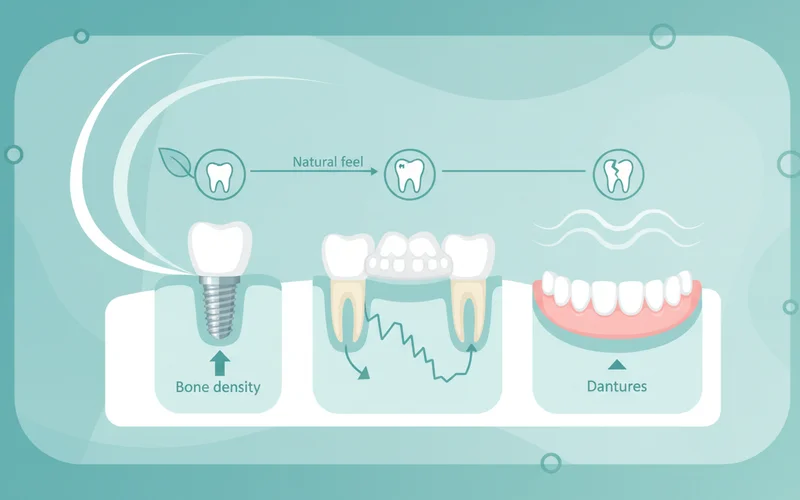
| Feature | Dental Implants | Dental Bridge | Removable Denture |
|---|---|---|---|
| Replaces Root | Yes | No | No |
| Bone Preservation | Yes (stimulates bone) | No (bone loss continues) | No (bone loss accelerates) |
| Adjacent Teeth | Preserves (no alteration needed) | Requires grinding down adjacent teeth | No alteration (partial denture clasps) |
| Stability | Excellent (fixed) | Good (fixed) | Poor to Fair (removable, can slip) |
| Chewing Power | Near natural | Good | Reduced |
| Aesthetics | Excellent, very natural | Good | Fair to Good |
| Longevity | 25 years - Lifetime | 5 - 15 years | 5 - 10 years |
| Maintenance | Like natural teeth (brush, floss) | Requires special cleaning under bridge | Daily removal, soaking, cleaning |
| Initial Cost | High (typically $3,000-$6,000/tooth) | Medium (typically $2,000-$5,000) | Low (typically $1,500-$3,000) |
| Invasiveness | Surgical | Non-surgical | Non-surgical |
Choosing the right option depends on your individual needs, oral health, budget, and long-term goals. A thorough consultation at a reputable "Triangle Implant Center" will help you weigh these factors.
The Step-by-Step Dental Implant Process
Undergoing dental implant treatment is a journey that typically spans several months, but the meticulous approach ensures predictable, long-lasting results. Here’s a general outline of what you can expect:
Step 1: Initial Consultation and Comprehensive Evaluation
This is the foundational step. Your journey begins with a detailed examination at a "Triangle Implant Center." The dental implant specialist (oral surgeon, periodontist, or prosthodontist) will:
- Review your medical and dental history: To ensure you're a good candidate and identify any potential contraindications.
- Perform a thorough oral examination: Assess your gums, remaining teeth, and the site for implant placement.
- Utilize advanced imaging: This typically includes digital X-rays and a 3D Cone Beam Computed Tomography (CBCT) scan. The CBCT provides highly detailed 3D images of your jawbone, nerve pathways, and sinus cavities, allowing for precise planning and identification of adequate bone volume.
- Discuss your goals and expectations: To tailor a treatment plan specific to your needs.
- Create a personalized treatment plan: This plan will outline the number of implants, type of restoration, estimated timeline, and detailed cost breakdown.
Step 2: Pre-Surgical Procedures (If Needed)
Some patients may require preparatory procedures before implant placement to ensure optimal success.
- Tooth Extractions: If a damaged tooth needs to be removed at the implant site.
- Bone Grafting: If the 3D scan reveals insufficient jawbone volume or density. This is a common procedure, especially if a tooth has been missing for some time. Bone graft material (synthetic, animal, or your own bone) is placed to stimulate new bone growth. Healing can take several months (3-9 months).
- Pro Tip: If you know you're losing a tooth, discuss socket preservation with your dentist. This involves placing a bone graft immediately after extraction to minimize bone loss and improve future implant success.
- Sinus Lift (Sinus Augmentation): If placing implants in the upper jaw (maxilla) and the sinus cavity is too close to the jawbone, this procedure lifts the sinus membrane and places bone graft material to create more bone height.
Step 3: Dental Implant Placement Surgery
Once your jawbone is ready, the implant placement surgery is scheduled. This procedure is typically performed under local anesthesia, often with oral sedation or IV sedation to ensure your comfort.
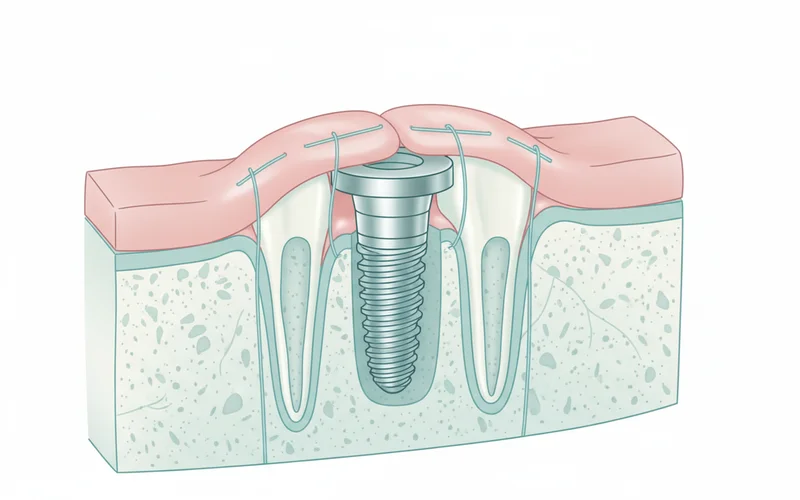
- The implant site is numbed, and a small incision is made in the gum tissue to expose the jawbone.
- A precise pilot hole is drilled into the bone at the planned location, carefully avoiding nerves and sinuses.
- The titanium dental implant post is gently threaded or screwed into this prepared site.
- The gum tissue is then closed over the implant with stitches, or a healing abutment may be placed to protrude through the gum line.
Step 4: Osseointegration (Healing Period)
This is the critical phase where the magic happens. Over the next 3 to 6 months (or sometimes longer, up to 9 months), the titanium implant post biologically fuses with your jawbone through osseointegration. During this time:
- You'll likely wear a temporary restoration (such as a temporary denture or bridge) if the implant is in a visible area.
- You'll need to follow specific post-operative care instructions regarding diet, oral hygiene, and activity to ensure successful healing.
- Regular check-ups will monitor the healing process.
Step 5: Abutment Placement (If Not Done During Surgery)
Once osseointegration is complete, a minor surgical procedure might be needed to expose the top of the implant (if it was covered by gum tissue). An abutment (a small connector post) is then attached to the implant. This abutment will protrude through the gum line and serve as the anchor for your final restoration. In many modern procedures, the abutment is placed simultaneously with the implant, or a temporary healing abutment is used, eliminating a second surgery.
Step 6: Final Restoration (Crown, Bridge, or Denture)
After the gum tissue around the abutment has healed (typically 1-2 weeks), impressions or digital scans are taken of your mouth. These are sent to a dental lab where your custom-made:
- Crown: For a single missing tooth.
- Bridge: For multiple missing teeth.
- Denture: For a full arch of missing teeth (e.g., All-on-4).
The restoration is meticulously crafted to match the color, shape, and size of your natural teeth, ensuring a seamless and aesthetic result. Once it arrives from the lab, your dentist will attach it securely to the abutment, making any final adjustments to ensure a perfect fit and comfortable bite.
Cost and Insurance: Understanding the Financial Investment
The cost of implants teeth is a significant consideration for most patients. While the initial investment might seem higher than other tooth replacement options, it's crucial to view dental implants as a long-term investment in your oral health and quality of life. The superior longevity, functionality, and bone preservation benefits often make them more cost-effective over a lifetime compared to repeated replacements and maintenance of bridges or dentures.
Factors Influencing the Cost of Dental Implants
The price for dental implants can vary widely based on several key factors:
- Number of Implants: A single implant will cost less than multiple implants or a full arch restoration like All-on-4.
- Type of Implant: Standard endosteal implants are common, but specialized options like zygomatic implants or mini-implants can have different price points.
- Location in the Mouth: Implants in the anterior (front) aesthetic zone might involve more detailed cosmetic work.
- Additional Procedures:
- Tooth Extractions: If a tooth needs removal prior to implant placement.
- Bone Grafting: This can add anywhere from $200 to $3,000 per site, depending on the extent and type of graft material.
- Sinus Lift: Can range from $1,500 to $3,500 per sinus.
- Soft Tissue Grafting: Sometimes needed to improve gum aesthetics or health around the implant.
- Type of Restoration:
- Crown: For a single implant.
- Bridge: For multiple implants.
- Denture: For full arch (e.g., acrylic vs. zirconia).
- Materials Used: Zirconia crowns are typically more expensive than porcelain-fused-to-metal (PFM) crowns.
- Geographic Location: Costs vary by region. Major metropolitan areas and highly specialized "Triangle Implant Centers" might have slightly higher fees due to overhead, advanced technology, and specialized expertise. Generally, costs in the Research Triangle area (Raleigh, Durham, Chapel Hill) reflect national averages to slightly above, aligning with other major US cities.
- Experience and Expertise of the Practitioner: Highly experienced oral surgeons, periodontists, or prosthodontists who use advanced technology often command higher fees, but this expertise contributes to higher success rates.
Average US Costs for Dental Implants (2023-2024 Estimates)
These are general ranges, and actual costs can vary:
- Single Dental Implant (Implant Post Only): $1,500 - $3,000
- Abutment: $500 - $1,000
- Dental Crown (Porcelain or Zirconia): $1,000 - $3,000
- Total for a Single Tooth Implant (Post, Abutment, Crown): $3,000 - $6,000
- Multiple Implants (e.g., 2-3 implants supporting a bridge): $6,000 - $15,000+ (depending on number of implants and teeth replaced)
- Full Arch Restoration (e.g., All-on-4 or All-on-6, per arch): $20,000 - $40,000+ (includes implants, abutments, and a full arch fixed prosthesis). This can sometimes reach $50,000 - $60,000 for more complex cases or premium materials like milled zirconia.
Pro Tip: Always ask for a detailed, all-inclusive cost breakdown that covers all phases of treatment from your initial consultation to the final restoration.
Dental Insurance Coverage
Unfortunately, dental insurance coverage for implants is often limited.
- Historically, implants were considered cosmetic and not covered. However, more insurance providers are starting to recognize the long-term health benefits of implants.
- Partial Coverage: Most plans that do offer coverage will typically cover parts of the procedure, but rarely the implant post itself. For example, they might cover:
- Initial consultation and diagnostics (X-rays, CBCT).
- Tooth extractions.
- Bone grafting procedures.
- The dental crown or bridge that goes on top of the implant (which is similar to what they'd cover for a conventional crown or bridge).
- Annual Maximums: Most dental insurance plans have an annual maximum benefit, typically ranging from $1,000 to $2,500. A single dental implant can easily exceed this limit, leaving you responsible for the remainder.
- Medical Insurance: In rare cases, if tooth loss is due to a severe accident or medical condition (e.g., cancer treatment), your medical insurance might cover a portion of the implant cost. This is highly case-specific and requires pre-authorization.
It is crucial to contact your insurance provider directly to understand your specific benefits for dental implant procedures. Your implant center can also assist with submitting claims and navigating insurance complexities.
Payment Plans and Financing Options
Recognizing the significant investment, most "Triangle Implant Centers" offer various financial solutions to make treatment more accessible:
- In-house Payment Plans: Many clinics offer flexible payment schedules directly with the office.
- Third-Party Financing: Options like CareCredit, LendingClub, or Alphaeon Credit offer specialized healthcare financing with various interest rates and repayment terms, including interest-free periods for qualified patients.
- Health Savings Accounts (HSAs) and Flexible Spending Accounts (FSAs): These tax-advantaged accounts allow you to save and pay for qualified medical and dental expenses with pre-tax dollars.
Cost-Saving Tips
- Act Early: Addressing missing teeth sooner can prevent further bone loss, potentially avoiding the need for costly bone grafting.
- Compare Consultations: While a reputable "Triangle Implant Center" will offer comprehensive care, getting a second opinion might provide different perspectives on treatment plans and costs.
- Utilize HSAs/FSAs: Plan your expenses to maximize these tax-advantaged accounts.
- Ask About Package Deals: For multiple implants or full arch restorations, some centers might offer a slightly reduced rate compared to individual procedures.
- Dental Schools: University dental schools often provide services at a reduced cost, as procedures are performed by students under the supervision of experienced faculty. However, this may involve longer appointment times.
Recovery and Aftercare: Ensuring Implant Success
The journey doesn't end after your implant is placed. Proper recovery and diligent long-term aftercare are crucial for ensuring successful osseointegration and the longevity of your dental implant.
Immediate Post-Operative Care (First 24-72 Hours)
Your implant center will provide detailed instructions, but generally, expect the following:
- Pain Management: Mild to moderate pain is normal. Over-the-counter pain relievers (ibuprofen, acetaminophen) are usually sufficient. Your surgeon may prescribe stronger medication if needed.
- Swelling and Bruising: Expect some swelling, especially during the first 24-48 hours. Apply ice packs to the outside of your face for 15-20 minutes on, 15-20 minutes off, for the first day.
- Bleeding: Slight oozing or bleeding is normal. Bite gently on a gauze pad for 30-60 minutes, replacing it as needed. Avoid spitting forcefully.
- Diet: Stick to soft foods and liquids for the first few days (e.g., soups, yogurt, mashed potatoes, smoothies). Avoid hot foods/liquids and anything crunchy, chewy, or spicy. Gradually reintroduce normal foods as comfort allows.
- Oral Hygiene:
- Avoid rinsing or disturbing the surgical site for the first 24 hours.
- After 24 hours, gently rinse with a warm salt water solution (1/2 teaspoon salt in 8 ounces warm water) 2-3 times a day, especially after meals.
- Brush other teeth normally, but be very gentle around the surgical site. Your dentist may prescribe an antimicrobial mouthwash (like chlorhexidine) for a short period.
- Activity: Avoid strenuous physical activity for at least 48-72 hours, as it can increase bleeding and swelling. Rest is key.
- Smoking: Absolutely avoid smoking throughout the healing process, as it significantly increases the risk of implant failure.
- Alcohol: Avoid alcohol for at least 24-48 hours, as it can interfere with healing and medication.
During Osseointegration (3-9 Months)
- Maintain Excellent Oral Hygiene: This cannot be stressed enough. Brush at least twice a day and floss daily, paying close attention to the implant site once your dentist clears you to do so. Good hygiene prevents peri-implantitis (inflammation around the implant).
- Follow Dietary Guidelines: Continue to avoid extremely hard or sticky foods directly on the implant site until the final restoration is placed and cleared by your dentist.
- Regular Dental Check-ups: Adhere to your scheduled follow-up appointments so your dentist can monitor the healing process and ensure osseointegration is progressing well.
- Wear Temporary Restorations Carefully: If you have a temporary bridge or denture, use it gently and avoid putting excessive pressure on the implant site.
Long-Term Aftercare: Ensuring Longevity (How Long Does a Tooth Implant Last?)
With proper care, dental implants are incredibly durable. How long does a tooth implant last? The implant post itself, being made of titanium and integrated into the bone, can last 25 years to a lifetime for most patients. The crown, bridge, or denture attached to the implant typically lasts 10-15 years, similar to traditional crowns and bridges, and may need replacement due to wear and tear.
- Consistent Oral Hygiene: This is paramount. Treat your implant like a natural tooth:
- Brush twice daily with a soft-bristled toothbrush.
- Floss daily (using special implant-friendly floss, water flosser, or interdental brushes recommended by your hygienist).
- Regular Dental Check-ups and Professional Cleanings: Visit your dentist and hygienist every 6 months for professional cleanings and examinations. They will use specialized tools to clean around your implants without scratching them.
- Avoid Hard or Sticky Foods: While implants are strong, consistent chewing on excessively hard items (e.g., ice, hard candy, nuts in shells) can damage the crown or the implant itself.
- Address Bruxism (Teeth Grinding): If you grind or clench your teeth, your dentist may recommend a nightguard to protect your implants and natural teeth from excessive force.
- Quit Smoking: Smoking dramatically increases the risk of peri-implantitis and implant failure.
Pro Tip: Your hygienist is your best friend in implant aftercare. Ask them to demonstrate proper cleaning techniques specific to your implant restoration.
Prevention: Maintaining Your Natural Teeth and Preventing the Need for Implants
While dental implants are an excellent solution for missing teeth, the best outcome is always to preserve your natural dentition. Prevention plays a critical role in minimizing the need for extensive restorative work.
1. Excellent Oral Hygiene Practices
- Brush Twice Daily: Use a soft-bristled toothbrush and fluoride toothpaste. Brush for at least two minutes, covering all surfaces of your teeth and gently brushing your gums.
- Floss Daily: Flossing removes plaque and food particles from between your teeth and under the gum line, areas your toothbrush can't reach. This is crucial for preventing gum disease and interproximal cavities.
- Use Mouthwash: An antimicrobial or fluoride mouthwash can provide an extra layer of protection, but it's not a substitute for brushing and flossing.
2. Regular Dental Check-ups and Cleanings
- Visit Your Dentist Every Six Months: These routine visits allow your dentist to detect and address problems like cavities or gum disease in their early stages, often before they become severe enough to require extraction.
- Professional Cleanings: Dental hygienists remove stubborn plaque and calculus (hardened plaque) that cannot be removed by brushing alone, significantly reducing your risk of gum disease.
3. Healthy Diet
- Limit Sugary Foods and Drinks: Sugar feeds the bacteria in your mouth that produce acids, leading to tooth decay.
- Choose Nutrient-Rich Foods: A balanced diet rich in fruits, vegetables, lean proteins, and dairy (for calcium) supports strong teeth and healthy gums.
- Drink Plenty of Water: Water helps rinse away food particles and neutralize acids. Fluoridated tap water can also strengthen enamel.
4. Protect Your Teeth
- Wear a Mouthguard for Sports: If you participate in contact sports, a custom-fitted mouthguard can prevent traumatic tooth injuries.
- Use a Nightguard for Bruxism: If you clench or grind your teeth (bruxism), a custom nightguard protects your teeth from excessive wear, cracks, and fractures.
- Avoid Chewing Hard Items: Don't chew on ice, popcorn kernels, hard candy, or use your teeth to open packages, as this can lead to chipped or fractured teeth.
5. Address Dental Issues Promptly
- Don't Ignore Pain or Sensitivity: Any persistent pain, sensitivity, or bleeding gums should be evaluated by a dentist as soon as possible.
- Treat Gum Disease Early: If diagnosed with gingivitis, follow your dentist's recommendations for treatment diligently to prevent it from progressing to periodontitis.
By diligently following these preventive measures, you can significantly reduce your risk of tooth loss and the eventual need for dental implants, allowing you to maintain your natural, healthy smile for years to come.
Risks and Complications of Dental Implants
While dental implant surgery boasts an impressive success rate of over 95%, like any surgical procedure, there are potential risks and complications. Being aware of these helps you make informed decisions and understand what to watch for.
1. Infection at the Implant Site
- Description: Bacterial infection can occur during or after surgery, potentially compromising osseointegration.
- Mitigation: Strict sterile protocols during surgery, post-operative antibiotics, and excellent oral hygiene.
- Signs: Persistent pain, swelling, redness, pus, fever.
2. Nerve Damage
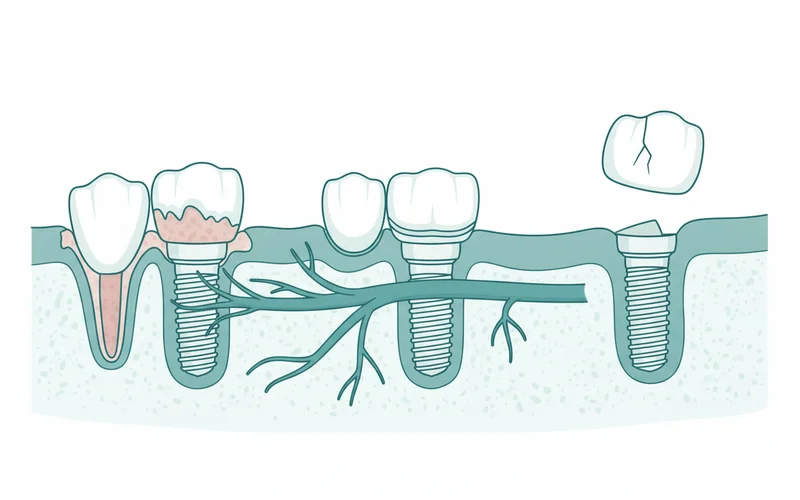
- Description: Though rare, improper implant placement can injure nerves in the jaw, leading to numbness, tingling, or pain in the lips, gums, tongue, or chin. This is often temporary but can be permanent in severe cases.
- Mitigation: Highly precise planning using 3D CBCT scans to map nerve pathways, performed by experienced surgeons.
- Signs: Persistent numbness, tingling, or unusual pain.
3. Sinus Problems (for Upper Jaw Implants)
- Description: If an implant in the upper jaw (maxilla) extends into the sinus cavity, it can cause sinusitis (inflammation or infection of the sinus) or perforation of the sinus membrane.
- Mitigation: Careful planning, bone grafting (sinus lift), and experienced surgical technique.
- Signs: Sinus pain, congestion, discharge.
4. Implant Failure (Failure of Osseointegration)
- Description: The implant fails to fuse with the jawbone, remaining loose or becoming loose over time. This can occur due to infection, insufficient bone, excessive early loading, or systemic health issues.
- Mitigation: Patient selection, proper surgical technique, adherence to healing protocols, avoidance of smoking.
- Signs: Persistent pain, implant mobility, inflammation. If an implant fails, it can often be removed, the site allowed to heal, and a new implant placed.
5. Peri-Implantitis
- Description: This is a chronic inflammatory condition affecting the gum and bone tissues surrounding a dental implant, similar to periodontal disease around natural teeth. If left untreated, it can lead to bone loss around the implant and eventual implant failure.
- Mitigation: Excellent lifelong oral hygiene, regular professional cleanings, avoidance of smoking.
- Signs: Red, swollen, bleeding gums around the implant, pus, implant mobility.
6. Mechanical Complications
- Description: Issues with the implant components, such as a fractured implant, a loose or fractured abutment, or a fractured prosthetic crown.
- Mitigation: High-quality materials, proper torque during placement, patient avoiding extremely hard foods, managing bruxism.
- Signs: Pain, implant mobility, visible damage to the crown or abutment.
7. Allergic Reaction
- Description: While titanium is highly biocompatible, very rarely, an individual might have an allergic reaction to titanium or other components.
- Mitigation: Pre-screening for known allergies.
- Signs: Swelling, rash, or other systemic symptoms.
A thorough consultation with an experienced team, like those at a "Triangle Implant Center," will involve a comprehensive health assessment to identify any individual risk factors and discuss how they will be managed to ensure the safest and most successful outcome possible.
Children / Pediatric Considerations
Dental implants are generally not recommended for children or adolescents. The primary reason is that a child's jawbone is still growing and developing. Placing an implant into a growing jaw can interfere with natural bone growth and tooth development. If an implant is placed too early, it can become submerged or appear out of alignment as the rest of the jaw continues to mature.
Typically, dental implants are only considered once the jawbones have reached full adult development, which usually occurs:
- Around 16-18 years old for females.
- Around 18-20 years old for males.
In cases where a permanent tooth is lost prematurely due to trauma or a congenital condition (like hypodontia) in a child, other temporary solutions are explored:
- Space Maintainers: To prevent adjacent teeth from shifting into the gap.
- Removable Partial Dentures: A temporary aesthetic and functional solution until the child is old enough for an implant.
- Orthodontic Treatment: To strategically position teeth and maintain space for a future implant.
A pediatric dentist or orthodontist will work with the child and parents to manage the missing tooth situation until the jaw is mature enough for dental implant placement, ensuring proper development and long-term oral health.
Frequently Asked Questions
### Is dental implant surgery painful?
Most patients report that dental implant surgery itself is not painful, thanks to local anesthesia and often sedation. You might feel some pressure or movement, but no sharp pain. Post-operative discomfort is manageable with over-the-counter pain relievers, and any significant pain is usually a sign to contact your dentist.
### How long does the entire dental implant process take?
The complete dental implant process, from initial consultation to final crown placement, typically takes 3 to 9 months. This timeline can vary significantly. If bone grafting is needed, it can add several months to the overall duration. Immediate load implants can shorten the initial phase, but osseointegration still requires time.
### What is the success rate of dental implants?
Dental implants have an impressive success rate, generally ranging from 95% to 98%, especially when performed by experienced professionals and maintained with diligent oral hygiene. Factors like smoking, uncontrolled diabetes, and poor oral hygiene can slightly lower these rates.
### Can I get dental implants if I have bone loss?
Yes, many patients with bone loss can still get dental implants. The solution often involves bone grafting procedures (such as a sinus lift or ridge augmentation) to rebuild the necessary bone volume and density before or during implant placement. Your 3D imaging will determine if you require these preparatory steps.
### Will my dental implant look and feel natural?
One of the biggest advantages of dental implants is their natural appearance and feel. Once the custom-made crown, bridge, or denture is attached, it's designed to match your existing teeth in color, shape, and size. Because the implant fuses with your jawbone, it provides stability and chewing power very similar to a natural tooth.
### What are the alternatives to dental implants?
The main alternatives to dental implants are dental bridges and removable partial or full dentures. While these options are generally less expensive upfront and non-surgical, they do not prevent bone loss, often have a shorter lifespan, and may not offer the same level of comfort, stability, or natural feel as implants.
### How should I clean my dental implants?
Cleaning dental implants is similar to cleaning natural teeth. You should brush twice a day with a soft-bristled toothbrush and a non-abrasive toothpaste. It's also critical to floss daily, using techniques or specialized tools (like water flossers, interdental brushes, or implant-specific floss) recommended by your dental hygienist, to clean around the implant and prevent peri-implantitis. Regular professional cleanings are also essential.
### Can dental implants get cavities?
No, the prosthetic crown or bridge placed on top of a dental implant cannot get a cavity because it is made of artificial materials (porcelain, zirconia, etc.), not natural tooth structure. However, the implant and surrounding gums are still susceptible to peri-implantitis, an infection similar to gum disease that can lead to implant failure if not properly maintained.
### How do I choose the right "Triangle Implant Center" or implant specialist?
Look for a center that emphasizes comprehensive care, utilizes advanced 3D imaging technology, and has a team of specialists (oral surgeons, periodontists, prosthodontists). Check for their experience, patient testimonials, and ask about their success rates. A thorough consultation should involve a detailed treatment plan and transparent cost breakdown.
### Are dental implants covered by insurance?
Most dental insurance plans offer limited coverage for dental implants. They may cover related procedures like extractions, bone grafting, or the final crown, but rarely the implant post itself. It's crucial to contact your specific insurance provider for detailed information on your benefits. Many centers offer financing options to help manage costs.
When to See a Dentist
Regular dental check-ups are essential for maintaining overall oral health and detecting issues early. However, certain signs indicate you should seek prompt attention from your dentist or an implant specialist at a "Triangle Implant Center."
Immediate Attention (Emergency or Urgent Care)
- Severe or Worsening Pain: If you experience sharp, throbbing, or persistent pain around an implant site (whether new or old), or a missing tooth area, it warrants immediate investigation.
- Significant Swelling: Swelling in your gums, cheek, or jaw that is rapidly increasing, especially if accompanied by difficulty swallowing or breathing, could indicate a serious infection.
- Visible Pus or Discharge: Any signs of pus or foul-tasting discharge from around an implant or gum tissue are strong indicators of infection.
- Loose Implant or Crown: If an implant itself feels loose, or if a crown/abutment attached to an implant becomes wobbly or falls off, contact your dentist right away. This could indicate implant failure or a component issue.
- Trauma: If you experience an injury to your mouth that affects a dental implant or causes new tooth loss.
- Unexplained Bleeding: Persistent or heavy bleeding from your gums, particularly around an implant, that doesn't stop with gentle pressure.
Scheduled Appointment (Non-Emergency, but Important)
- A Missing Tooth: If you have lost a tooth, even if it's not causing pain, schedule a consultation soon. The longer a tooth is missing, the more bone loss can occur, potentially complicating future implant placement.
- Difficulty Chewing or Speaking: If you notice changes in your ability to eat certain foods or speak clearly due to missing teeth or an ill-fitting prosthesis.
- Shifting Teeth: If your existing teeth are starting to drift or tilt into a gap left by a missing tooth.
- Changes in Denture or Bridge Fit: If your current denture or bridge feels loose, uncomfortable, or requires frequent repairs, discuss implant-supported options.
- Chronic Bad Breath or Unpleasant Taste: These can be signs of underlying oral infections, including peri-implantitis.
- Regular Check-ups: Even without specific symptoms, maintaining your recommended schedule of dental check-ups (typically every six months) is vital for preventive care and early detection of potential problems with both natural teeth and implants.
Don't delay seeking professional advice for any concerning symptoms. Early diagnosis and treatment can prevent minor issues from becoming major complications, ensuring the long-term success of your oral health and any dental implant restorations.
Frequently Asked Questions
Medically Reviewed Content
This article was written by our dental health editorial team and reviewed for medical accuracy. Our content follows strict editorial guidelines for reliability and trustworthiness.
Medical Disclaimer
This article is for informational purposes only and does not constitute medical advice. Always consult with a qualified dental professional for diagnosis and treatment. Do not delay seeking professional advice because of something you read on this website.
Related Articles
Implantologist: Complete Guide
Losing a tooth can be a significant setback, impacting not only your smile but also your ability to speak, chew, and maintain overall oral health. In fact, over 3 million Americans currently have dental implants, and that number is projected to grow significantly as more people seek a durable, n
March 8, 2026
Dentures Over Implants: Complete Guide
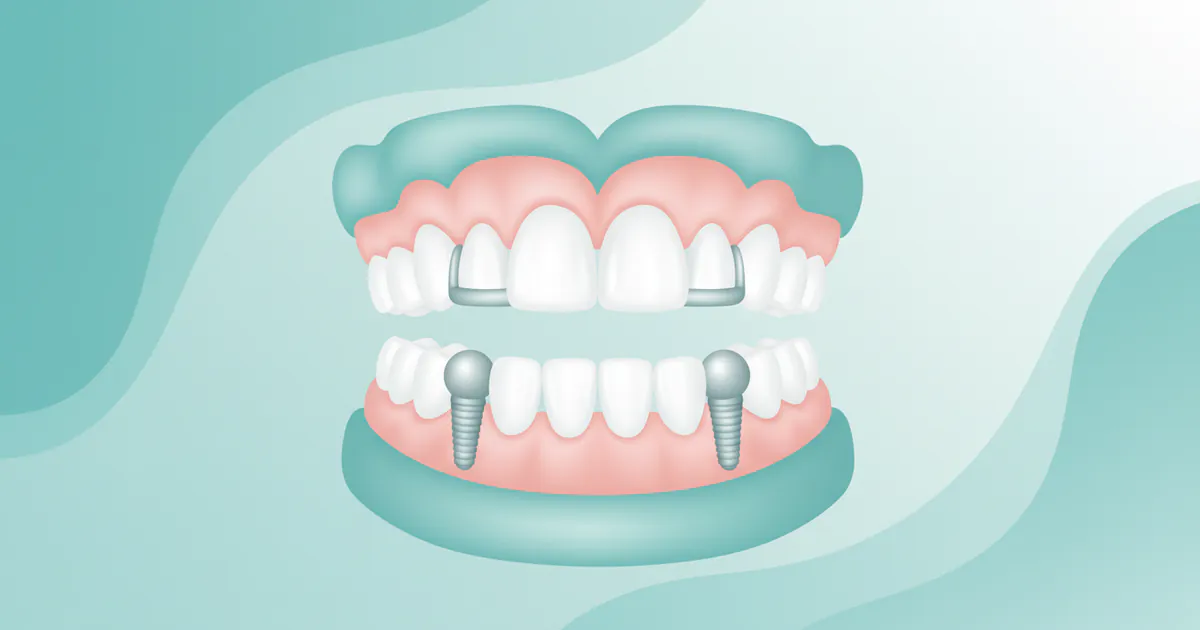
Missing multiple teeth or even an entire arch can profoundly impact your life, affecting everything from your ability to chew and speak to your self-confidence. For millions of Americans, traditional removable dentures have long been a solution, but they often come with compromises: slipping, discom
March 8, 2026
Implants Process: Complete Guide
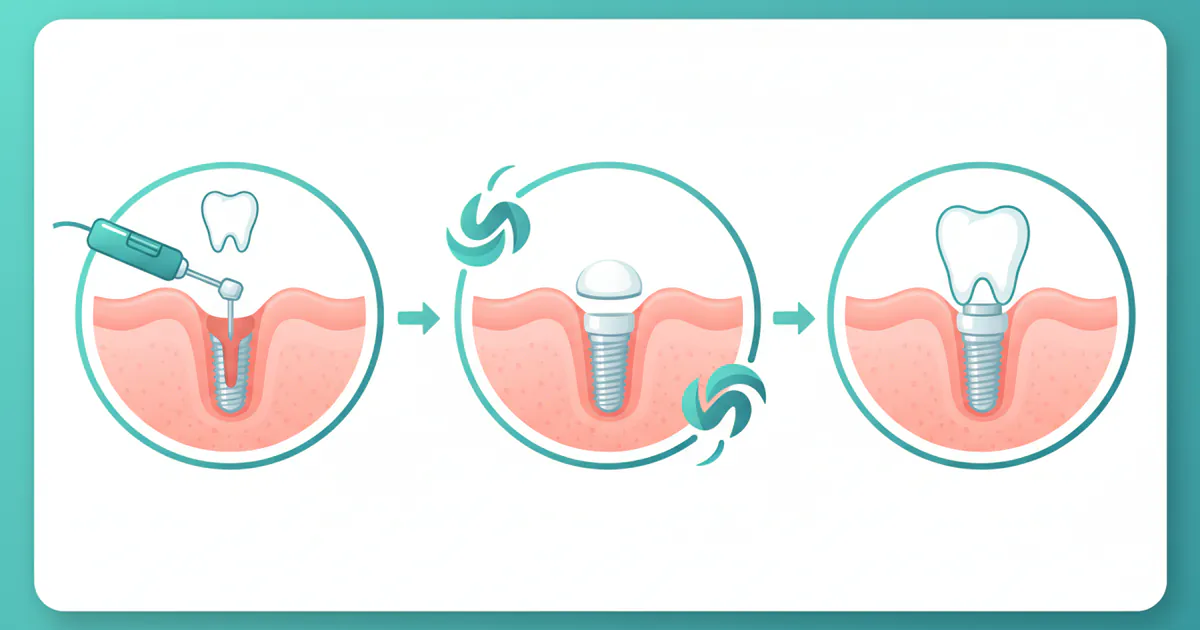
Missing teeth can impact more than just your smile; they can affect your ability to eat, speak, and even your overall confidence. In fact, over 178 million Americans are missing at least one tooth, and about 40 million are missing all of their teeth. When faced with tooth loss, understanding the
March 8, 2026
Implants Dentaires: Complete Guide
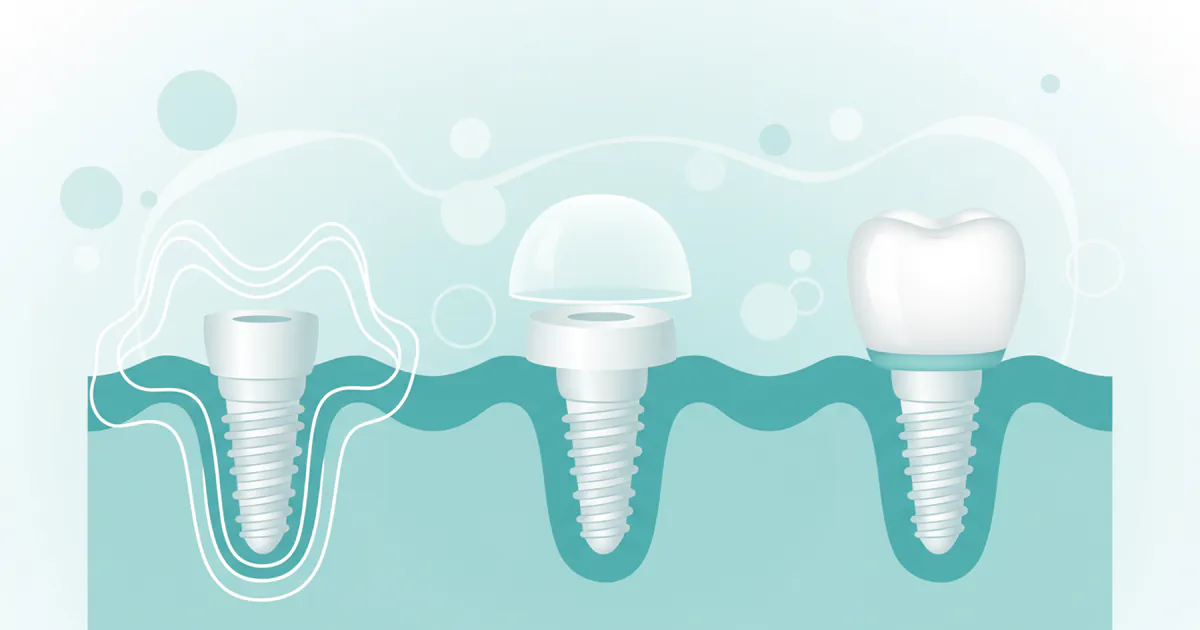
Missing teeth can dramatically impact not just your smile, but your overall health, confidence, and quality of life. In the United States, an estimated 178 million adults are missing at least one tooth, while approximately 40 million are missing all their teeth. These statistics underscore a
March 8, 2026