Complete Guide to Dental Nutrition & Diet: Everything You Need to Know
Key Takeaways
- Did you know that your diet directly impacts not just your overall health, but the health and longevity of your teeth and gums? Far beyond simply avoiding sugary sweets, a truly healthy mouth relies on a steady supply of essential nutrients. In fact, **studies show that a significant percentage of a
Introduction
Did you know that your diet directly impacts not just your overall health, but the health and longevity of your teeth and gums? Far beyond simply avoiding sugary sweets, a truly healthy mouth relies on a steady supply of essential nutrients. In fact, studies show that a significant percentage of adults in the US suffer from preventable dental issues directly linked to dietary choices, from cavities and gum disease to more complex conditions. Understanding dental nutrition and diet is fundamental to maintaining a bright, healthy smile for life.
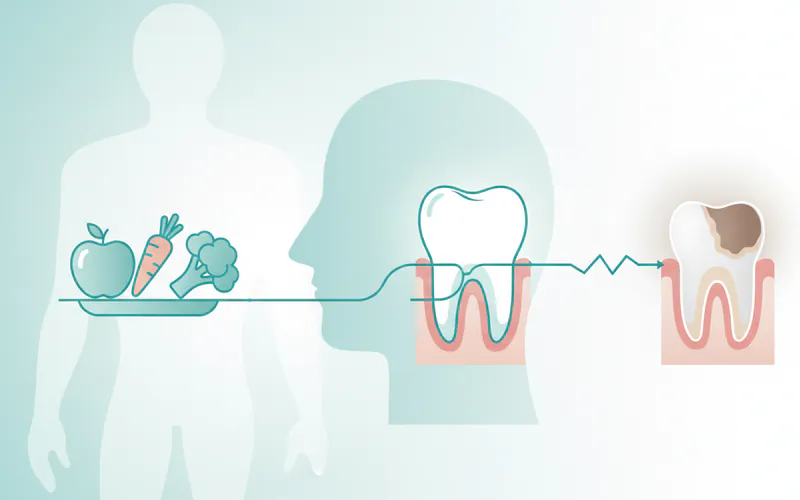
Many people focus on brushing and flossing, which are undoubtedly crucial, but often overlook the foundational role that what they eat and drink plays. Poor dietary habits can lead to problems like acid erosion teeth, where the enamel wears away, or contribute to conditions that manifest as white calcium spots on teeth, indicating demineralization or fluorosis. This comprehensive guide will illuminate the intricate connection between your plate and your oral health, debunk common myths, and provide actionable strategies to nourish your smile from the inside out. We'll explore the key nutrients your teeth crave, identify dietary villains, discuss the impact of conditions like bulimia on teeth, and offer practical advice for preventing common issues like calcium buildup on teeth (tartar) and teeth erosion.
Key Takeaways:
- Nutrient-Dense Diet is Crucial: A diet rich in vitamins A, C, D, K2, and minerals like calcium, phosphorus, and magnesium is essential for strong teeth and healthy gums.
- Sugar and Acid are Primary Enemies: Frequent consumption of sugary foods and acidic beverages (sodas, fruit juices, energy drinks) is the leading cause of dental caries (cavities) and acid erosion teeth.
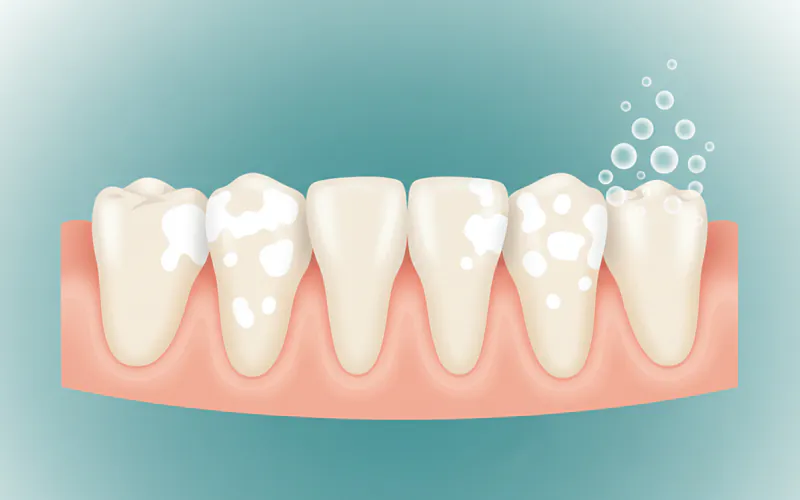
- Beware of "Calcium Spots": White calcium spots on teeth often indicate early demineralization (a precursor to cavities) or dental fluorosis, not excess calcium intake. Consult a dentist for diagnosis.
- Understanding "Calcium Buildup": Calcium buildup on teeth refers to calculus or tartar, hardened plaque. While diet influences plaque formation, tartar removal requires professional dental cleaning, typically costing $75-$200 for a routine cleaning or $200-$500 per quadrant for deep cleaning (scaling and root planing), usually covered partially by insurance.
- Bulimia's Severe Impact: Eating disorders like bulimia can cause rapid and severe teeth erosion due to repeated exposure to stomach acid, often requiring extensive restorative dental work that can range from $500 to $10,000+ depending on the damage.
- Prevention is Key: Adopting a balanced diet, limiting snacking, staying hydrated, and maintaining excellent oral hygiene are your best defenses against most diet-related dental problems. Regular dental check-ups (every 6 months, typically $100-$300 without insurance) are vital for early detection and intervention.
The Foundation of Oral Health: What is Dental Nutrition & Diet?
Dental nutrition and diet refer to the specific dietary habits and nutritional intake that directly influence the health, strength, and integrity of your teeth, gums, and oral tissues. It encompasses not just what you eat, but how often you eat, the texture of your food, and the overall balance of nutrients. A healthy diet provides the building blocks for strong enamel and dentin, supports healthy gum tissue, helps prevent inflammation, and contributes to a robust immune system capable of fighting off oral infections. Conversely, a poor diet, characterized by excessive sugar, refined carbohydrates, and acidic foods, actively undermines oral health, creating an environment ripe for decay, erosion, and gum disease.
The Interplay of Diet and Oral Microbiome
Your mouth is home to a complex ecosystem of bacteria, known as the oral microbiome. While some bacteria are beneficial, others, like Streptococcus mutans, thrive on sugars. When you consume sugary foods and drinks, these harmful bacteria metabolize the sugars, producing acids as a byproduct. These acids then attack your tooth enamel, initiating the process of demineralization that leads to cavities. The frequency of sugar intake is often more detrimental than the quantity, as it prolongs the acidic attacks on your teeth. A diet rich in whole, unprocessed foods, ample fiber, and probiotics can help maintain a balanced oral microbiome, fostering beneficial bacteria and inhibiting the growth of harmful ones.
Key Nutrients for a Healthy Smile
Just as your body needs specific nutrients to function, your teeth and gums rely on a consistent supply of vitamins and minerals. Understanding these key players is the first step towards a dental-friendly diet.
Vitamins Essential for Oral Health
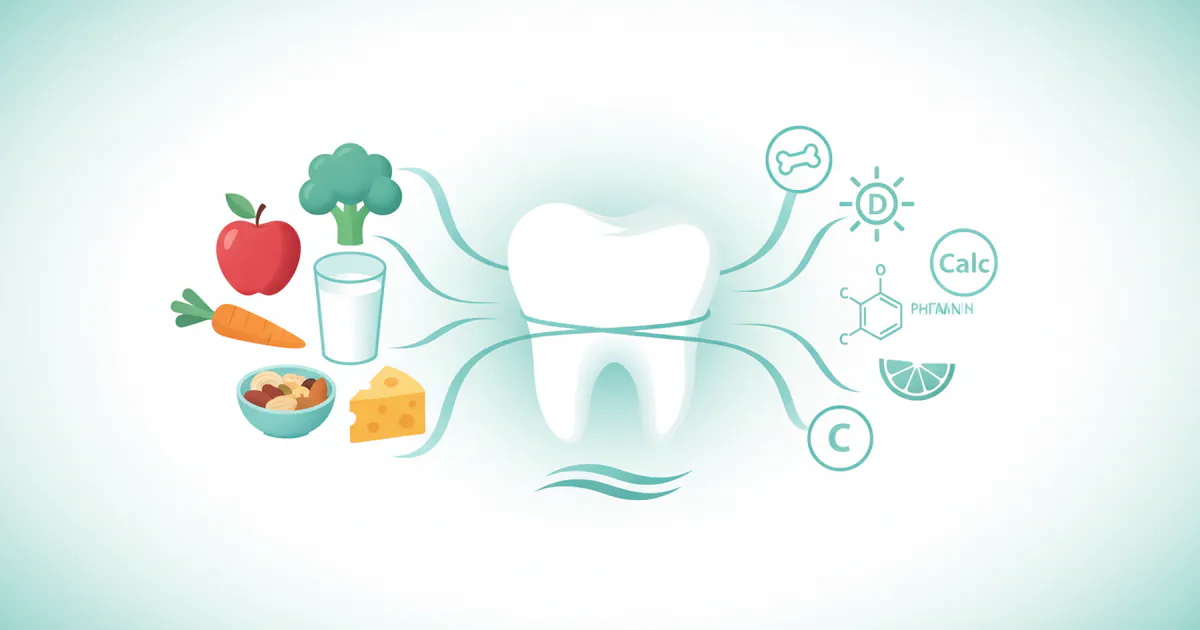
- Vitamin A: Crucial for the formation of dentin, the layer beneath your enamel, and for maintaining healthy salivary glands. Saliva is vital for washing away food particles and neutralizing acids.
- B Vitamins (especially B2, B3, B6, B9, B12): Support overall cell health, including those in your mouth. Deficiencies can lead to inflammation of the tongue, canker sores, and angular cheilitis (cracks at the corners of the mouth).
- Vitamin C: An antioxidant essential for collagen production, which is a major component of gum tissue and bone. A deficiency can lead to scurvy-like symptoms, including bleeding gums, loose teeth, and impaired wound healing.
- Vitamin D: Vital for the absorption of calcium and phosphorus, the primary minerals that make up tooth enamel and bone. Without adequate Vitamin D, even sufficient calcium intake won't benefit your teeth.
- Vitamin K2: Works in conjunction with Vitamin D to guide calcium into bones and teeth, preventing its deposition in soft tissues. It's also involved in the formation of osteocalcin, a protein that strengthens teeth.
Minerals Building Strong Teeth
- Calcium: The most abundant mineral in your teeth and bones. It forms hydroxyapatite crystals, the main component of enamel and dentin.
- Phosphorus: The second most abundant mineral, working synergistically with calcium to build strong teeth and bones.
- Magnesium: Involved in over 300 enzymatic reactions, including those crucial for bone and tooth formation. It helps regulate calcium and phosphorus levels.
- Fluoride: While not a dietary nutrient in the same sense, topical and systemic fluoride strengthens enamel, making it more resistant to acid attacks and promoting remineralization of early lesions. However, excessive fluoride intake during tooth development can lead to dental fluorosis, characterized by white calcium spots on teeth or, in severe cases, brown staining and pitting.
- Zinc: An immune-boosting mineral found in saliva, where it helps inhibit bacterial growth and plaque formation.
Pro Tip: Incorporate a variety of whole foods to ensure a broad spectrum of nutrients. Think colorful fruits and vegetables, lean proteins, healthy fats, and whole grains.
Dietary Villains: What to Avoid or Limit
While a balanced diet nourishes your teeth, certain foods and habits actively harm them.
Sugary Foods and Drinks
Sugars (sucrose, glucose, fructose) are the primary fuel for harmful oral bacteria.
- Candy & Sweets: Particularly sticky candies that adhere to teeth prolong sugar exposure.
- Soft Drinks & Sodas: High in sugar and often highly acidic. Diet sodas are also acidic, contributing to acid erosion teeth.
- Sweetened Juices: Even 100% fruit juice is high in natural sugars and often acidic. It's better to eat whole fruit for the fiber content.
- Refined Carbohydrates: Foods like white bread, crackers, and potato chips break down into simple sugars in the mouth, feeding bacteria.
Acidic Foods and Beverages
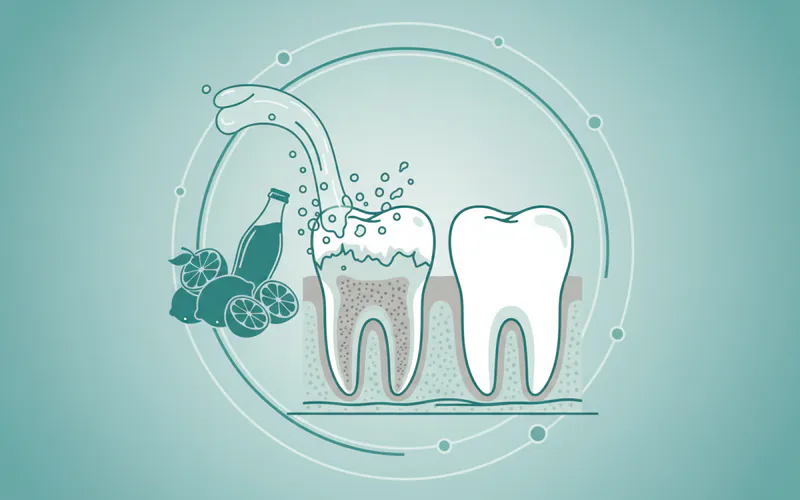
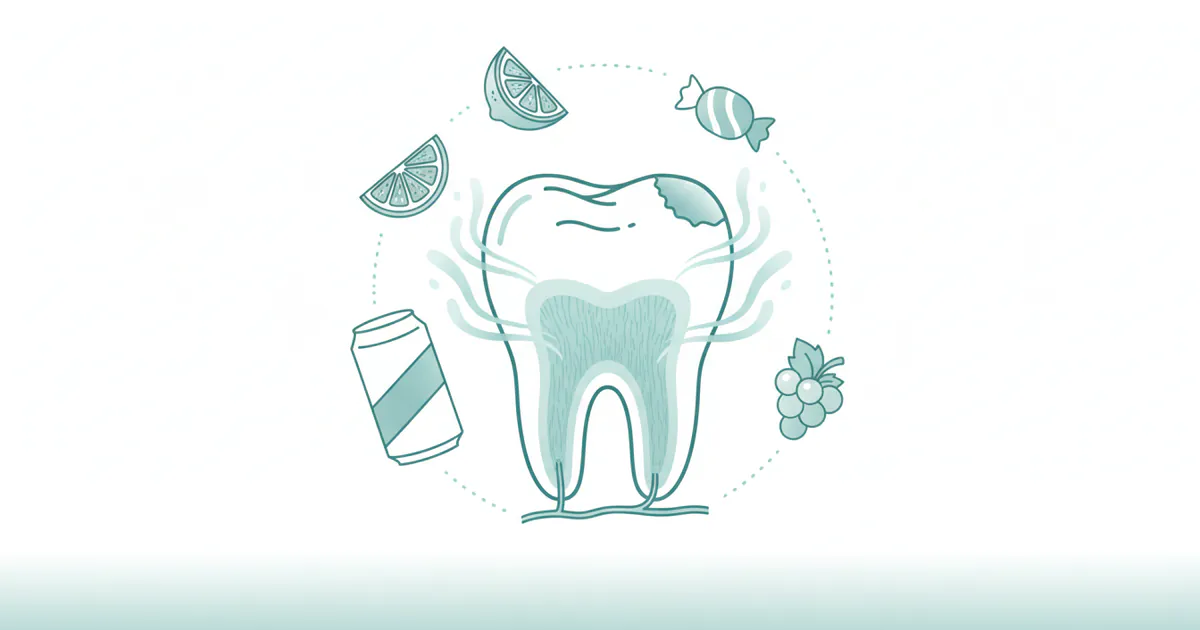
Acids directly demineralize enamel, regardless of sugar content. This process is known as teeth erosion or acid erosion teeth.
- Citrus Fruits and Juices: Lemons, limes, oranges, grapefruits are highly acidic. While healthy, moderation is key, especially their juice form.
- Vinegar: Found in salad dressings and pickles.
- Sports Drinks & Energy Drinks: Often highly acidic and sugary, a double whammy for enamel.
- Wine: Both red and white wine are acidic.
- Carbonated Water (Seltzer): While better than sugary sodas, carbonation creates carbonic acid, which can contribute to erosion over time, especially with frequent consumption.
Hard and Sticky Foods
These can cause physical damage to teeth.
- Hard Candies: Can chip or crack teeth, especially if you bite down on them.
- Ice: Chewing on ice is a common cause of cracked teeth.
- Gummy/Sticky Candies: Cling to teeth, prolonging sugar exposure and making them difficult to remove, increasing cavity risk.
Conditions Linked to Diet and Nutrition
Understanding how specific dietary factors contribute to dental problems helps in prevention and treatment.
Dental Caries (Cavities)
Causes: Primarily caused by frequent consumption of fermentable carbohydrates (sugars and refined starches). Oral bacteria metabolize these, producing acids that demineralize enamel. Signs and Symptoms:
- White calcium spots on teeth: Early demineralization appears as dull white or chalky spots, indicating enamel has lost minerals but not yet formed a cavity.
- Sensitivity to hot, cold, or sweet.
- Visible pits or holes in teeth.
- Toothache. Prevention: Limit sugar intake, brush twice daily, floss daily, use fluoride toothpaste, regular dental check-ups.
Acid Erosion Teeth / Teeth Erosion
Causes: Direct contact with acids, leading to irreversible loss of tooth enamel.
- Dietary Acids: Frequent consumption of acidic foods and drinks (sodas, citrus, sports drinks).
- Gastric Acids: Conditions like GERD (gastroesophageal reflux disease) or eating disorders like bulimia nervosa. Signs and Symptoms:
- Shiny, smooth areas on teeth (loss of natural texture).
- Discoloration (dentine, which is yellower, becomes more exposed).
- Sensitivity to hot, cold, or sweet.
- Rounded edges on teeth or fillings standing proud of the tooth surface.
- Cupping on the biting surfaces of teeth. Pro Tip: If you consume acidic foods or drinks, rinse your mouth with water immediately afterwards. Wait at least 30 minutes before brushing, as brushing immediately can abrade softened enamel.
Bulimia Teeth: A Serious Concern
Bulimia nervosa, an eating disorder characterized by cycles of binging and purging (often through self-induced vomiting), has profound and devastating effects on oral health, leading to severe teeth erosion. Causes: Frequent exposure of teeth to highly acidic stomach contents during vomiting. Signs and Symptoms:
- Severe acid erosion: Particularly on the lingual (tongue-side) surfaces of the upper front teeth, but can affect all teeth.
- Increased tooth sensitivity.
- Dry mouth (xerostomia) due to dehydration and salivary gland dysfunction.
- Enlarged parotid glands (cheeks may appear swollen).
- Soft tissue trauma (lesions on the palate or back of the throat from fingers/objects used to induce vomiting).
- Increased risk of cavities due to dry mouth and erosion.
- Changes in bite or occlusion due to tooth structure loss. Treatment: Requires a multidisciplinary approach involving medical, psychological, and dental professionals. Dental treatments focus on protecting remaining tooth structure and restoring damaged areas with fillings, crowns, or veneers. Cost: The cost of treating bulimia teeth can be extensive, ranging from $500 to $2,000 for a few fillings to $5,000 to $10,000+ for multiple crowns or veneers, depending on the severity of erosion and the number of teeth involved.
Calcium Buildup on Teeth (Calculus/Tartar)
This term is often misunderstood. While calcium is a mineral, "calcium buildup on teeth" usually refers to calculus or tartar, which is hardened dental plaque. It's not about excess dietary calcium. Causes: Plaque, a sticky film of bacteria, food particles, and saliva, forms constantly on teeth. If not removed through diligent brushing and flossing, plaque absorbs minerals from saliva (including calcium) and hardens into tartar. Signs and Symptoms:
- Rough, hard deposits on teeth, often near the gum line or between teeth.
- Yellow or brown discoloration (though it can be white).
- Bad breath (halitosis).
- Gum inflammation (gingivitis) due to bacteria thriving on the tartar. Prevention: Excellent oral hygiene (brushing twice daily, flossing daily), regular professional cleanings. Treatment: Professional scaling by a dentist or dental hygienist. It cannot be removed by brushing or flossing alone.
Treatment Options for Diet-Related Dental Issues
Treatments for diet-related dental problems vary widely depending on the specific issue and its severity.
For Cavities (Dental Caries)
- Fluoride Treatments: For early white calcium spots on teeth (demineralization), professional fluoride varnishes or prescription fluoride toothpaste can help remineralize enamel and reverse early decay. Cost: $30-$75.
- Fillings: If a cavity has formed, the decayed part of the tooth is removed, and the tooth is restored with a filling material (composite resin, amalgam, ceramic).
- Pros: Restores tooth function and aesthetics.
- Cons: Requires removal of tooth structure.
- Cost: $75-$200 for amalgam, $100-$400 for composite, $250-$1,000+ for ceramic (inlay/onlay).
- Crowns: For extensive decay where insufficient tooth structure remains for a filling, a crown (cap) covers the entire tooth.
- Pros: Restores strength and aesthetics, protects remaining tooth.
- Cons: More invasive, higher cost.
- Cost: $800-$2,500+ per tooth.
- Root Canal Therapy: If decay reaches the pulp (nerve), a root canal is needed to remove infected tissue, followed by a crown.
- Pros: Saves the natural tooth.
- Cons: Invasive, multiple appointments.
- Cost: $700-$2,000+ (excluding crown).
For Acid Erosion Teeth
- Dietary Counseling: Essential to identify and reduce exposure to acidic foods and drinks.
- Fluoride Treatments: To strengthen enamel and reduce sensitivity.
- Bonding: Composite resin can be bonded to eroded surfaces to restore shape and protect the tooth.
- Pros: Minimally invasive, relatively affordable.
- Cons: Less durable than crowns, can stain.
- Cost: $150-$500 per tooth.
- Veneers or Crowns: For significant erosion, porcelain veneers or crowns may be necessary to restore function and aesthetics.
- Pros: Highly aesthetic, durable.
- Cons: More expensive, irreversible tooth preparation.
- Cost: Veneers $900-$2,500+ per tooth; Crowns $800-$2,500+ per tooth.
For Calcium Buildup on Teeth (Tartar/Calculus)
- Professional Dental Cleaning (Prophylaxis): Routine cleaning to remove plaque and tartar above the gum line.
- Pros: Prevents gum disease, freshens breath.
- Cons: Requires regular appointments.
- Cost: $75-$200.
- Scaling and Root Planing (Deep Cleaning): For significant tartar below the gum line and early gum disease.
- Pros: Removes deep bacteria and tartar, halts gum disease progression.
- Cons: More involved, may require local anesthetic.
- Cost: $200-$500 per quadrant.
Comparison of Common Dental Treatments for Diet-Related Issues
| Treatment Type | Purpose | Average US Cost (without insurance) | Typical Duration | Pros | Cons |
|---|---|---|---|---|---|
| Fluoride Varnish | Remineralize early lesions, reduce sensitivity | $30 - $75 | 5-10 minutes | Non-invasive, quick, preventative | Temporary, not for established cavities |
| Composite Filling | Restore small to medium cavities | $100 - $400 | 30-60 minutes | Tooth-colored, conservative | Less durable than amalgam for large fillings |
| Porcelain Crown | Restore extensively damaged teeth | $800 - $2,500+ | 2 visits, 1-2 weeks | Strong, aesthetic, full coverage | Invasive, costly, irreversible |
| Dental Bonding | Cover minor erosion, chips | $150 - $500 | 30-60 minutes | Quick, aesthetic, conservative | Can stain, less durable than porcelain |
| Routine Cleaning | Remove plaque/tartar, polish teeth | $75 - $200 | 30-60 minutes | Prevents gum disease, fresh breath | Needs regular repetition |
| Scaling & Root Planing | Deep cleaning for tartar below gum line | $200 - $500 per quadrant | 1-4 visits | Stops gum disease progression, removes deep bacteria | Can be uncomfortable, may require anesthetic |
Step-by-Step Process for Adopting a Dental-Friendly Diet
Making dietary changes can seem daunting, but a step-by-step approach makes it manageable.
- Assess Your Current Diet: Keep a food diary for a week. Note all foods and drinks, paying attention to sugary snacks, acidic beverages, and meal frequency. This helps identify your specific "problem areas."
- Identify Key Nutritional Deficiencies: If you're experiencing specific oral issues (e.g., bleeding gums, persistent canker sores), research potential vitamin or mineral deficiencies. Discuss with your dentist or doctor.
- Gradually Reduce Sugar Intake: Start by cutting out one sugary drink a day, or swapping a sugary snack for a healthier alternative. Gradually reduce added sugars in coffee, tea, and cereals.
- Limit Acidic Foods & Drinks:
- Drink water after consuming acidic items to rinse your mouth.
- Use a straw when drinking sodas or acidic juices to minimize contact with teeth.
- Avoid sipping acidic drinks over long periods.
- Consider unsweetened varieties or diluting juices.
- Increase Whole, Nutrient-Dense Foods: Prioritize fruits, vegetables, lean proteins, whole grains, and healthy fats.
- Fiber-rich foods: Apples, carrots, celery act as natural toothbrushes, stimulating saliva flow.
- Dairy products (unsweetened): Milk, cheese, plain yogurt provide calcium, phosphorus, and vitamin D (if fortified). Cheese can also help neutralize mouth acids.
- Leafy greens: Spinach, kale are packed with vitamins and minerals.
- Water: The ultimate dental beverage, flushing food particles and neutralizing acids.
- Focus on Meal Times, Limit Snacking: Every time you eat or drink (except plain water), your mouth's pH drops, leading to an acid attack. Limiting snacks reduces these attacks. If you must snack, choose tooth-friendly options like cheese, nuts, or raw vegetables.
- Stay Hydrated with Water: Water not only cleanses your mouth but also encourages saliva production, which is essential for remineralization and combating dry mouth.
- Regular Dental Check-ups: Your dentist can monitor your oral health, offer personalized dietary advice, and provide professional cleanings.
Recovery and Aftercare for Dental Treatments
After undergoing treatment for diet-related dental issues, proper aftercare and continued dietary vigilance are crucial for long-term success.
Post-Treatment Care
- Fillings, Crowns, Veneers: Follow your dentist's specific instructions regarding eating, sensitivity, and pain management. Avoid sticky or hard foods immediately after placement.
- Scaling and Root Planing: You may experience sensitivity or gum tenderness. Use a desensitizing toothpaste and follow up with excellent oral hygiene.
- Fluoride Treatments: Avoid eating or drinking for 30 minutes to allow the fluoride to penetrate.
Long-Term Dental Nutrition Maintenance
The most important "aftercare" is to sustain a dental-friendly diet.
- Consistent Oral Hygiene: Brush twice daily with fluoride toothpaste, floss daily.
- Regular Dental Visits: Adhere to your dentist's recommended schedule for check-ups and cleanings (typically every six months).
- Monitor Dietary Habits: Be mindful of "hidden" sugars and acids in processed foods.
- Stay Hydrated: Drink plenty of plain water throughout the day.
Prevention: Your Best Defense Against Dental Problems
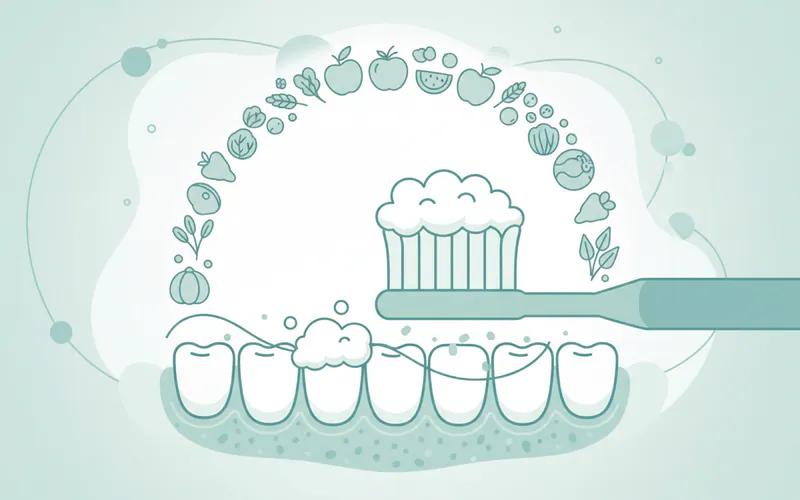
Prevention is the cornerstone of dental health, and diet plays a starring role.
Dietary Strategies for Prevention
- Eat a Balanced, Nutrient-Rich Diet: Focus on whole foods as outlined earlier.
- Limit Sugary and Acidic Foods/Drinks: Reduce frequency and quantity.
- Rinse with Water: After consuming acidic or sugary items.
- Chew Sugar-Free Gum: Stimulates saliva flow, which helps neutralize acids and wash away food particles. Look for gum with xylitol, which has anti-cavity properties.
- Ensure Adequate Water Intake: Crucial for saliva production.
Oral Hygiene Practices for Prevention
- Brush Twice Daily: Use a fluoride toothpaste. The ADA recommends brushing for two minutes, twice a day.
- Floss Daily: Removes plaque and food particles from between teeth and under the gum line where your toothbrush can't reach.
- Use Mouthwash (Optional): Antiseptic or fluoride mouthwashes can offer additional protection, but shouldn't replace brushing and flossing.
- Regular Dental Check-ups and Cleanings: Professional cleanings remove plaque and tartar that you can't remove at home. Your dentist can also identify and address issues early, before they become serious.
Risks and Complications of Poor Dental Nutrition
Ignoring the link between diet and oral health can lead to a cascade of problems.
- Increased Risk of Cavities: Persistent demineralization and unchecked bacterial growth.
- Accelerated Teeth Erosion: Irreversible loss of enamel, leading to sensitivity, discoloration, and structural weakness.
- Gum Disease (Gingivitis and Periodontitis): Poor nutrition can weaken the immune system, making gums more susceptible to bacterial infections. Inflamed gums can lead to bone loss, eventually causing tooth loss.
- Tooth Loss: The ultimate complication of severe decay, gum disease, or trauma to weakened teeth.
- Impact on Overall Health: Oral infections can spread to other parts of the body, contributing to systemic conditions like heart disease, stroke, diabetes complications, and respiratory issues.
- Pain and Discomfort: From sensitivity to toothaches, poor oral health can significantly reduce quality of life.
- Aesthetic Concerns: Discolored, damaged, or missing teeth can affect self-esteem and social interactions.
Children / Pediatric Considerations
A child's diet is paramount for the development of strong, healthy primary (baby) and permanent teeth.
- Early Nutrition: Even before teeth erupt, a pregnant mother's nutrition impacts fetal tooth development.
- Breastfeeding vs. Formula: Both can be fine, but proper cleaning of gums and new teeth is crucial. Avoid putting babies to bed with bottles containing anything other than water (known as "baby bottle tooth decay").
- First Teeth: As soon as the first tooth appears, begin brushing with a tiny smear of fluoride toothpaste (rice-grain size) twice a day.
- Limiting Sugary Drinks: Avoid sodas, fruit juices, and sugary drinks for toddlers. Water and milk are the best options.
- Snack Habits: Frequent snacking, especially on sugary or starchy foods, is a major contributor to childhood cavities. Limit snacking between meals.
- Fluoride: Discuss appropriate fluoride intake with your pediatrician and pediatric dentist to prevent cavities and avoid dental fluorosis (which causes white calcium spots on teeth).
- Dental Visits: The ADA recommends a child's first dental visit by age one or when the first tooth erupts.
Pro Tip: Make healthy eating fun! Involve children in preparing meals and choosing colorful, tooth-friendly snacks. Model good dietary habits yourself.
Cost Breakdown: Dental Treatments Related to Diet
The financial aspect of dental care can be a concern. Understanding costs and insurance coverage is vital for planning.
Average US Dental Costs (without insurance)
- Routine Exam & Cleaning: $100 - $300
- Fluoride Treatment: $30 - $75
- Dental X-rays (full set): $100 - $250
- Amalgam Filling (silver): $75 - $200
- Composite Filling (tooth-colored): $100 - $400
- Dental Bonding: $150 - $500 per tooth
- Porcelain Inlay/Onlay: $250 - $1,000 per tooth
- Dental Crown: $800 - $2,500+ per tooth
- Scaling and Root Planing (Deep Cleaning): $200 - $500 per quadrant (4 quadrants total for entire mouth)
- Root Canal Therapy (Front Tooth): $700 - $1,200
- Root Canal Therapy (Molar): $1,000 - $2,000+
- Tooth Extraction: $75 - $450 (simple), $200 - $600 (surgical)
With vs. Without Insurance
- Dental Insurance: Most dental insurance plans cover 80-100% of preventive care (exams, cleanings, X-rays). Basic restorative procedures (fillings) are often covered at 50-80%. Major procedures (crowns, root canals) typically have 50% coverage, often after a deductible is met and up to an annual maximum (e.g., $1,000-$2,000).
- Without Insurance: You pay the full fee directly. Many dentists offer discounts for cash payments or in-house dental plans.
Payment Plans and Financing Options
- In-Office Payment Plans: Some dental offices offer payment schedules for larger treatments.
- Third-Party Financing: Services like CareCredit allow you to finance dental treatment with interest-free periods or low-interest payment plans.
- Dental Schools: May offer reduced costs for treatment performed by supervised students.
- Community Dental Clinics: Provide affordable care, often based on a sliding scale.
Cost-Saving Tips
- Prioritize Prevention: The single best way to save money on dental care is to prevent problems in the first place through good nutrition and oral hygiene.
- Regular Check-ups: Catching problems early (e.g., white calcium spots on teeth before they become full cavities) can save you from more expensive treatments down the line.
- Ask About Discounts: Many dentists offer discounts for new patients, cash payments, or for seniors.
- Utilize HSAs/FSAs: Health Savings Accounts (HSAs) and Flexible Spending Accounts (FSAs) allow you to use pre-tax dollars for dental expenses.
Frequently Asked Questions
What are white calcium spots on teeth, and are they dangerous?
White calcium spots on teeth often indicate early demineralization, a stage where enamel has lost minerals and is weakened, often a precursor to a cavity. They can also signify dental fluorosis, caused by excessive fluoride intake during tooth development. While not immediately dangerous, they signal a need for professional evaluation and potential intervention to prevent further decay or address the cosmetic aspect of fluorosis.
Can diet alone reverse cavities or acid erosion?
Diet alone cannot reverse established cavities, which require professional dental restoration (fillings). However, a nutrient-rich diet can help remineralize very early demineralized areas (white calcium spots on teeth) and halt the progression of acid erosion teeth by reducing exposure to harmful acids and strengthening enamel.
How does bulimia specifically affect teeth?
Bulimia causes severe teeth erosion primarily due to repeated exposure to highly acidic stomach contents during self-induced vomiting. This strips away enamel, leading to sensitivity, changes in tooth shape, increased cavity risk, and potential tooth loss. It also often causes dry mouth and enlarged salivary glands.
Is calcium buildup on teeth (tartar) related to how much calcium I eat?
No, calcium buildup on teeth, commonly known as calculus or tartar, is not directly related to your dietary calcium intake. It forms when dental plaque (a sticky film of bacteria) hardens by absorbing minerals, including calcium, from saliva. It's a result of inadequate oral hygiene, not excess dietary calcium.
What are the best foods for strong teeth?
Foods rich in calcium (dairy, leafy greens), phosphorus (meat, fish, eggs), Vitamin D (fortified milk, fatty fish, sun exposure), Vitamin C (citrus, berries, bell peppers), and fiber (fruits, vegetables) are excellent for dental health. Whole, unprocessed foods generally support a healthy oral environment.
How quickly can dietary changes improve oral health?
You can start seeing improvements in gum health (less bleeding/inflammation) within a few weeks of adopting a healthier diet. Enamel remineralization for white calcium spots on teeth takes longer and requires consistent effort and often professional fluoride application. Preventing new decay or erosion is an immediate benefit.
How much do treatments for severe teeth erosion typically cost?
Treatments for severe teeth erosion, especially from conditions like bulimia, can be extensive. Costs can range from $150-$500 per tooth for bonding to $900-$2,500+ per tooth for veneers or crowns, depending on the number of teeth affected and the chosen restorative materials. Comprehensive rehabilitation can easily exceed $10,000.
Can my insurance cover treatments for dental issues caused by poor diet?
Most dental insurance plans cover preventive care (cleanings, exams) and a portion of restorative treatments (fillings, crowns). However, coverage levels vary. Extensive treatments for severe teeth erosion or multiple cavities may exhaust annual maximums, leaving you with significant out-of-pocket expenses. Review your specific policy details.
Are there any natural remedies for white calcium spots on teeth?
While some home remedies claim to help, for white calcium spots on teeth indicating demineralization, natural remedies are generally not sufficient. Professional fluoride treatments and consistent oral hygiene are medically proven to promote remineralization. For fluorosis, cosmetic treatments may be considered. Always consult a dentist.
What's the biggest misconception about dental nutrition?
One of the biggest misconceptions is that as long as you brush, your diet doesn't matter. The truth is, nutrition provides the internal building blocks for strong teeth and gums, influences saliva quality, and impacts the oral microbiome, all of which are fundamental to oral health, even with perfect brushing.
When to See a Dentist
It's essential to recognize when a dental issue warrants professional attention.
- Persistent Tooth Pain: Any ongoing toothache, especially if it's sharp, throbbing, or interferes with eating or sleeping, requires immediate dental evaluation. This could indicate a cavity, infection, or cracked tooth.
- Increased Tooth Sensitivity: If you experience new or worsening sensitivity to hot, cold, or sweets, it could be a sign of teeth erosion, gum recession, or a developing cavity (white calcium spots on teeth).
- Visible Spots or Discoloration: Any new white calcium spots on teeth, brown spots, or visible holes/pits should be checked by a dentist.
- Bleeding or Swollen Gums: These are classic signs of gingivitis (early gum disease) or periodontitis. Untreated gum disease can lead to bone loss and tooth loss.
- Bad Breath (Halitosis) that Won't Go Away: Persistent bad breath can be a symptom of gum disease, large cavities, or excessive calcium buildup on teeth (tartar).
- Signs of Erosion: If your teeth appear shinier, yellower, or have rounded edges, you may be experiencing acid erosion teeth.
- Concern about Eating Disorders: If you suspect you or someone you know might have an eating disorder like bulimia, seeking medical and dental help is crucial due to the severe impact on bulimia teeth and overall health.
- Rough Spots on Teeth: If you feel rough, hard deposits on your teeth, it's likely tartar and needs professional removal during a dental cleaning.
Red Flags vs. Routine Care:
- Red Flag (Seek prompt attention): Acute pain, swelling, difficulty chewing, signs of infection, trauma to a tooth.
- Routine Care (Scheduled appointment): Annual check-ups, cleanings, cosmetic concerns, mild sensitivity that comes and goes.
Regular dental check-ups, ideally every six months, are your best defense. They allow your dentist to catch and address potential problems early, often before they become painful or require extensive, costly treatments. Your dentist can also provide personalized advice on how to optimize your dental nutrition and diet for a lifetime of oral health.
Frequently Asked Questions
Medically Reviewed Content
This article was written by our dental health editorial team and reviewed for medical accuracy. Our content follows strict editorial guidelines for reliability and trustworthiness.
Medical Disclaimer
This article is for informational purposes only and does not constitute medical advice. Always consult with a qualified dental professional for diagnosis and treatment. Do not delay seeking professional advice because of something you read on this website.
Related Articles
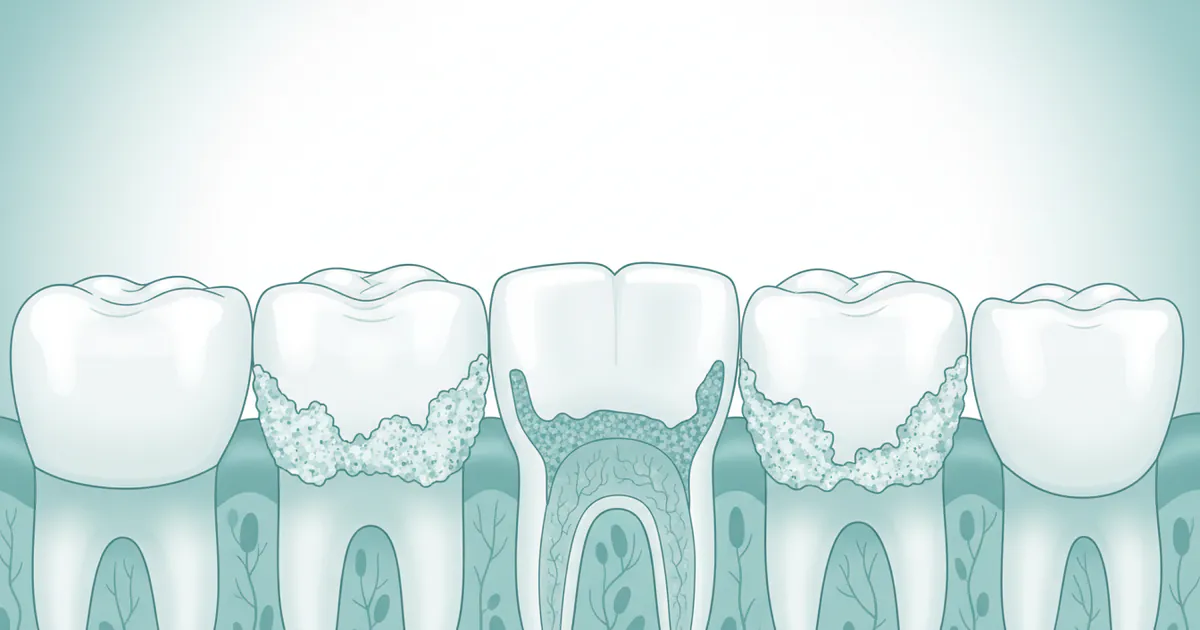
What Are Calcium Deposits on Teeth
Are you one of the millions of Americans who notices a stubborn, yellowish buildup on your teeth despite regular brushing? You're likely experiencing what many refer to as "calcium deposits on teeth." This common dental concern, medically known as dental calculus or tartar, affects a vast ma
February 23, 2026
Calcium Good for Teeth: Complete Guide
More than 99% of your body's calcium resides in your bones and teeth, making it an undeniable cornerstone of skeletal and oral health. But did you know that an estimated 42% of American adults don't get enough calcium from their diet? This staggering statistic underscores a critical question
February 23, 2026
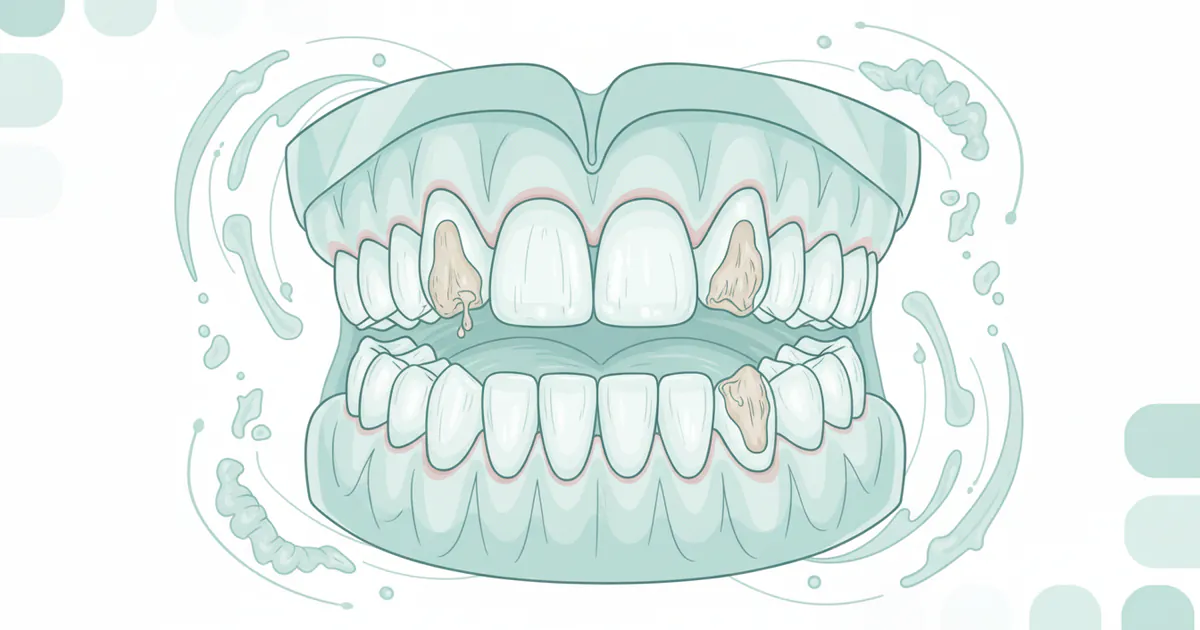
What Do Bulimia Teeth Look Like
"Bulimia teeth" refers to the specific and often severe damage that the self-induced vomiting characteristic of bulimia nervosa inflicts on a person's oral health. It's a critical issue, affecting approximately 1.5% of women and 0.5% of men in the US at some point in their lives, with many more
February 23, 2026
Erosion in Teeth: Complete Guide
Erosion in Teeth: Complete Guide
February 23, 2026