Erosion in Teeth: Complete Guide
Key Takeaways
- Erosion in Teeth: Complete Guide
Erosion in Teeth: Complete Guide
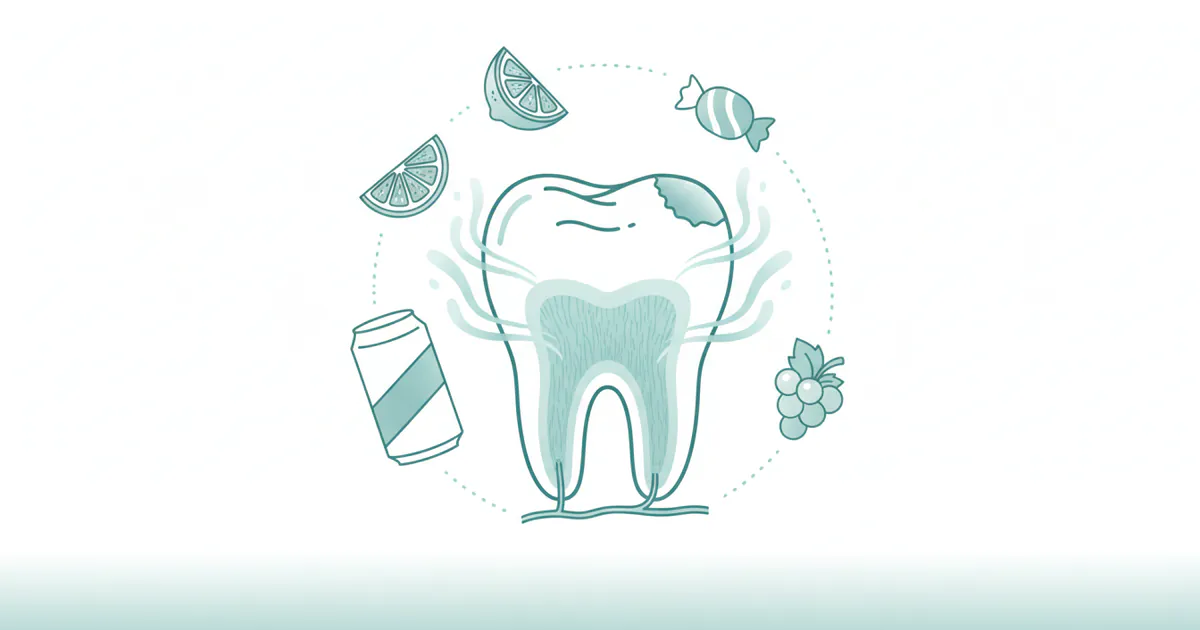
Imagine biting into your favorite crisp apple, only to feel a sudden, sharp pain. Or perhaps you've noticed your teeth appear a little shorter, more translucent, or duller than they used to be. These subtle changes could be early signs of erosion in teeth, a growing concern affecting an estimated 20-45% of adults and 20-30% of children and adolescents in the US, according to various dental studies. This condition, distinct from traditional cavities, occurs when acids wear away the protective outer layer of your teeth, known as enamel. Over time, this irreversible damage can lead to increased sensitivity, aesthetic concerns, and even severe structural weakening, potentially compromising your overall oral health and quality of life. Understanding the causes, recognizing the symptoms, and knowing the prevention and treatment options for dental erosion is crucial for maintaining a strong, healthy smile. This comprehensive guide will walk you through everything you need to know, from the science behind enamel erosion to practical steps you can take to protect your teeth.
Key Takeaways:
- Definition: Dental erosion is the irreversible loss of tooth hard tissue dueemical processes not involving bacteria, primarily caused by acids.
- Main Causes: The most common culprits are dietary acids (citrus, sodas, sports drinks) and intrinsic acids (acid reflux, GERD, vomiting).
- Early Signs: Increased tooth sensitivity, dullness, transparency at the biting edges, and discolored fillings (appearing raised).
- Treatment Options: Range from fluoride applications and bonding for minor cases (costing $100-$600 per tooth) to veneers or crowns for advanced erosion (costing $800-$3,000+ per tooth), with treatment timelines varying from 1-2 visits to several weeks.
- Prevention is Key: Modifying diet, improving oral hygiene habits (e.g., waiting 30-60 minutes after acid exposure to brush), and managing underlying health conditions like GERD can significantly halt or prevent progression.
- Insurance Coverage: Many treatments are partially covered by dental insurance, especially for restorative work, though cosmetic procedures like veneers may have limited coverage.
- Consult a Dentist: Regular dental check-ups (every 6 months) are vital for early detection and intervention, which can save your teeth and wallet in the long run.
What It Is: Understanding Dental Erosion
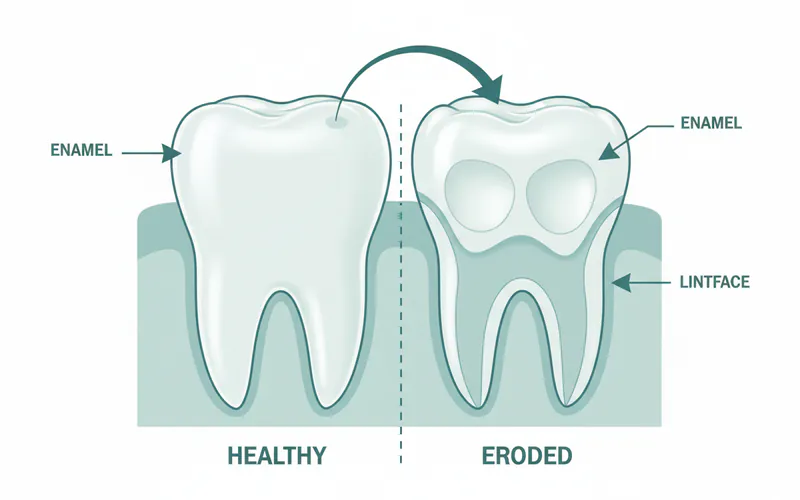
Dental erosion is the progressive, irreversible loss of tooth hard tissue due to chemical processes not involving bacterial action. Unlike tooth decay (cavities), which is caused by acids produced by bacteria metabolizing sugars, erosion stems from direct acid exposure to the tooth surface. These acids dissolve the minerals in your enamel, softening and gradually wearing it away. Once enamel is lost, it cannot regenerate, making prevention and early intervention paramount.

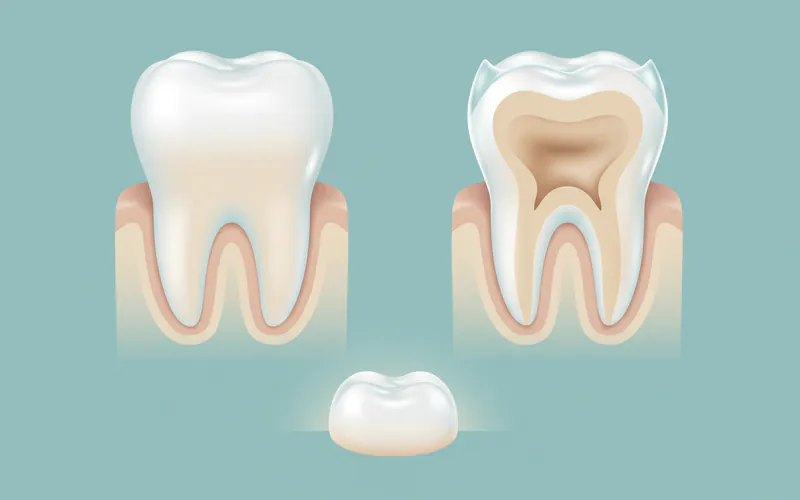
Enamel, the hardest substance in the human body, provides a robust shield against chewing forces, temperature changes, and chemical attacks. When this shield erodes, the underlying dentin, a softer, yellowish tissue, becomes exposed. Dentin contains thousands of microscopic tubules leading to the tooth's nerve center, explaining why eroded teeth often become highly sensitive to hot, cold, and sweet stimuli. In severe cases, extensive enamel and dentin loss can alter the shape of the teeth, lead to fractures, or even expose the tooth's pulp, necessitating complex restorative procedures.
Types and Variations of Dental Erosion
Dental erosion is broadly categorized based on the source of the acid:
Extrinsic Erosion
Extrinsic erosion is caused by acids originating from outside the body, primarily from dietary sources.
-
Dietary Acid Erosion: This is the most common form of extrinsic erosion.
- Acidic Foods and Drinks: Frequent consumption of highly acidic beverages like sodas (regular and diet), sports drinks, energy drinks, fruit juices (especially citrus juices like orange, lemon, grapefruit), and acidic foods such as citrus fruits, vinegars, and some candies can significantly contribute to enamel loss. The pH level of these items is critical; anything below 5.5 is considered erosive.
- Frequency and Duration: The more frequently and for longer periods your teeth are exposed to acids, the greater the risk of erosion. Sipping soda throughout the day, for example, is far more damaging than drinking it quickly during a meal.
- How it Works: Acids demineralize the enamel surface, making it softer and more susceptible to wear from brushing or chewing.
-
Environmental/Occupational Erosion: Less common, but relevant for specific groups.
- Industrial Exposure: Individuals working in industries with high exposure to acid fumes (e.g., battery manufacturing, electroplating, certain chemical plants) can experience erosion due to inhaled or airborne acids.
- Chlorinated Pools: Prolonged and frequent swimming in improperly chlorinated pools can expose teeth to acidic water, leading to erosion, particularly in competitive swimmers.
Intrinsic Erosion
Intrinsic erosion is caused by acids originating from within the body, primarily from the stomach.
-
Gastroesophageal Reflux Disease (GERD) and Acid Reflux Teeth Erosion: This is a major cause of intrinsic erosion. GERD is a chronic condition where stomach acid frequently flows back into the esophagus and can reach the mouth.
- Mechanism: Stomach acid (hydrochloric acid) is highly acidic (pH 1.5-3.5), far more erosive than most dietary acids. When this acid regurgitates into the mouth, it bathes the teeth, dissolving enamel, particularly on the chewing surfaces and the inside surfaces of the upper back teeth.
- Silent Reflux: Some individuals may not experience classic heartburn symptoms but still have reflux that causes dental erosion, making diagnosis challenging. This is often referred to as Laryngopharyngeal Reflux (LPR).
- Symptoms: Beyond dental signs, individuals with GERD may experience chronic sore throat, hoarseness, difficulty swallowing, or a persistent cough.
-
Bulimia Nervosa and Other Eating Disorders: Repeated self-induced vomiting exposes teeth to highly erosive stomach acid.
- Pattern of Erosion: The erosion pattern is often distinctive, primarily affecting the lingual (tongue-side) surfaces of the upper front teeth, but can be widespread.
- Psychological Impact: This condition carries significant psychological and physical health risks beyond dental erosion.
-
Chronic Alcoholism: Chronic heavy alcohol consumption can induce frequent vomiting, leading to erosion similar to bulimia. Some alcoholic beverages themselves can also be highly acidic.
-
Medication-Induced Dry Mouth (Xerostomia): Many medications (antihistamines, antidepressants, diuretics, etc.) reduce saliva flow. Saliva plays a crucial role in buffering acids and remineralizing enamel. Reduced saliva means acids stay on the teeth longer, increasing erosion risk.
-
Certain Medical Conditions:
- Hiatal Hernia: A condition where part of the stomach pushes up through the diaphragm, often linked to GERD.
- Gastric Ulcers: Can contribute to reflux.
- Anorexia: While often associated with bulimia, severe dietary restrictions can also lead to nutrient deficiencies that impact oral health.
- Allergies and Asthma: Some individuals with severe allergies or asthma may experience reflux, and certain asthma medications can have an acidic pH.
Causes: Why Erosion in Teeth Happens
Understanding the root causes of erosion in teeth is the first step toward effective prevention and management. As discussed, the primary culprits are acids, whether from external sources (extrinsic) or internal bodily processes (intrinsic).
Extrinsic Causes: What You Consume
-
Acidic Foods and Beverages:
- Soft Drinks (Sodas): Both regular and diet sodas are notoriously acidic, with pH levels often between 2.5 and 3.5. Phosphoric acid, citric acid, and carbonic acid are common ingredients. The sugar in regular sodas also contributes to bacterial decay, creating a dual threat.
- Fruit Juices: While seemingly healthy, many fruit juices, especially citrus ones like orange, lemon, lime, and grapefruit, are highly acidic (pH 2.5-4.0). Their frequent consumption, particularly by children, is a significant factor in pediatric dental erosion.
- Sports and Energy Drinks: Marketed for hydration and performance, these beverages are often very acidic (pH 2.5-4.0) and contain high sugar content, posing a substantial risk for athletes who consume them regularly.
- Wine: Both red and white wines are acidic (pH 2.5-4.0), and frequent sipping can expose teeth to acids for extended periods.
- Vinegar: Found in salad dressings, pickles, and some condiments, vinegar (acetic acid) can be highly erosive.
- Sour Candies: These treats often contain high concentrations of citric acid, malic acid, tartaric acid, and fumaric acid, which can rapidly demineralize enamel.
- Citrus Fruits: While nutritious, direct and frequent consumption of lemons, limes, or grapefruits can be erosive.
- Frequency vs. Quantity: It's not just how much you consume, but how often. Sipping an acidic drink over an hour is more damaging than drinking it quickly.
-
Poor Oral Hygiene Practices (Exacerbating Erosion):
- Brushing Immediately After Acid Exposure: When enamel is softened by acid, brushing immediately afterward can physically abrade the weakened surface, accelerating erosion. It's recommended to wait at least 30-60 minutes.
- Aggressive Brushing: Using a hard-bristled toothbrush or excessive force can wear down enamel, especially if it's already compromised by acid.
- Inadequate Fluoride Exposure: Fluoride helps remineralize and strengthen enamel, making it more resistant to acid attacks. Lack of fluoride in toothpaste, mouthwash, or fluoridated water can increase susceptibility.
Intrinsic Causes: Inside Your Body
-
Acid Reflux Disease (GERD) and Gerd Teeth Erosion:
- Chronic Condition: GERD is a chronic digestive disease where stomach acid or bile irritates the food pipe lining. This reflux can bring highly acidic gastric contents into the mouth.
- Impact on Teeth: The low pH of stomach acid (typically 1.5 to 3.5) is extremely corrosive. Prolonged or frequent exposure leads to significant enamel loss, often presenting as a smooth, rounded loss of tooth structure on the lingual (tongue-side) and occlusal (chewing) surfaces, particularly of the upper molars and premolars.
- Misdiagnosis Risk: Patients may not always report classic heartburn, especially in cases of "silent reflux" or LPR, making the dental professional often the first to suspect an underlying medical condition based on dental findings.
-
Eating Disorders (Bulimia Nervosa, Anorexia with Purging):
- Repeated Vomiting: Frequent self-induced vomiting exposes teeth to stomach acid, causing severe and rapid erosion.
- Characteristic Pattern: The palatal surfaces of the maxillary (upper) anterior teeth are most commonly and severely affected due to direct contact with vomit as it passes through the mouth. The lower teeth are often less affected because the tongue can offer some protection.
-
Medication Side Effects:
- Xerostomia (Dry Mouth): Many medications, including antihistamines, decongestants, antidepressants, anti-hypertensives, and sedatives, can reduce salivary flow. Saliva is vital for neutralizing acids, washing away food particles, and providing minerals for remineralization. Reduced saliva leaves teeth vulnerable to acid attacks.
- Acidic Medications: Some chewable vitamin C tablets, aspirin, or iron supplements can be acidic and contribute to localized erosion if dissolved slowly in the mouth.
-
Other Medical Conditions:
- Hiatal Hernia: Often exacerbates GERD.
- Chronic Vomiting (Non-Bulimic): Conditions like cyclic vomiting syndrome, gastroparesis, or severe morning sickness during pregnancy can also cause significant erosion.
- Sjögren's Syndrome: An autoimmune disorder that causes dry mouth and dry eyes, drastically reducing salivary protection.
Pro Tip: If you consume acidic foods or drinks, rinse your mouth with water or chew sugar-free gum immediately afterward. This helps neutralize acids and stimulate saliva production without physically abrading softened enamel.
Signs and Symptoms of Erosion in Teeth
Recognizing the signs of dental erosion early is crucial for timely intervention. Unfortunately, early erosion can be subtle, often painless, and easily overlooked. Regular dental check-ups are essential for professional diagnosis.
Early Warning Signs:
- Increased Sensitivity: This is often the first noticeable symptom. As enamel thins, the underlying dentin, with its microscopic tubules leading to the tooth's nerve, becomes exposed. This causes sharp, fleeting pain when consuming hot, cold, sweet, or acidic foods and drinks, or even when exposed to cold air.
- Dullness or Lack of Luster: Healthy enamel is shiny and reflects light. Eroded enamel can appear dull, less reflective, and sometimes chalky, especially on the chewing surfaces.
- Transparency: The incisal (biting) edges of the front teeth may appear more translucent or glassy. This is due to the complete loss of enamel in these areas, allowing light to pass through the thin remaining dentin.
- Discoloration: As enamel wears away, the yellowish dentin underneath becomes more visible, making the teeth appear darker or more yellow. Existing fillings may also start to look discolored or appear "raised" because the surrounding tooth structure has eroded.
- Rounded Teeth: The sharp edges and contours of teeth can become rounded or smoothed, particularly on the biting surfaces of molars and premolars.
- "Cupping" on Chewing Surfaces: Small, shallow indentations or "cups" may appear on the cusps of back teeth, often with a darker, more yellow center where the dentin is exposed. Existing amalgam (silver) fillings may protrude above the eroded tooth surface.
- Grooves Along the Gumline: In advanced cases, wedge-shaped defects can appear at the gumline, especially on the cheek-side of teeth, known as abfraction or erosion/abrasion lesions.
Advanced Symptoms:
- Cracks and Chips: Severely weakened enamel and dentin can make teeth more prone to chipping, cracking, or breaking, even with normal chewing forces.
- Severe Pain: If erosion progresses significantly and the pulp (nerve) becomes affected, severe and persistent pain can occur, potentially requiring root canal treatment.
- Changes in Bite: Extensive loss of tooth structure can alter your bite, leading to discomfort, jaw pain, or issues with chewing.
- Soft Tissue Irritation: In some cases, eroded tooth surfaces can become rough and irritate the tongue or cheek lining.
- Tooth Loss: In the most extreme and untreated cases, severe erosion can lead to tooth loss or the need for extraction.
Pro Tip: If you notice any of these signs, particularly increased sensitivity or changes in the appearance of your teeth, schedule an appointment with your dentist promptly. Early detection can prevent more extensive and costly treatments.
Treatment Options for Erosion in Teeth
The treatment for dental erosion depends on its severity, extent, and underlying cause. The primary goals are to prevent further loss of tooth structure, alleviate sensitivity, and restore tooth aesthetics and function.
1. Preventive and Minimally Invasive Treatments (Early Erosion)
-
Fluoride Application:
- Pros: Strengthens enamel, makes it more resistant to acid, and can help remineralize areas of early demineralization. Can be applied professionally (high-concentration varnishes or gels) or used at home (prescription-strength toothpaste or mouthwash).
- Cons: Not a restorative treatment; it can't bring back lost enamel, only slow down further erosion and alleviate sensitivity.
- Cost: Professional fluoride treatment: $30-$70 per application. Prescription fluoride toothpaste/mouthwash: $15-$30 per tube/bottle.
- Timeline: Often done during routine check-ups (10-15 minutes). Home use is ongoing.
-
Desensitizing Toothpastes/Agents:
- Pros: Contain ingredients like potassium nitrate or stannous fluoride that block nerve signals or occlude dentinal tubules, reducing sensitivity.
- Cons: Temporary relief, doesn't address the underlying enamel loss.
- Cost: Over-the-counter: $5-$15. Professional application: $50-$100.
- Timeline: Daily use for OTC products; professional application is quick.
-
Dental Bonding (Composite Resin):
- Pros: Tooth-colored resin is applied directly to the tooth, sculpted, and hardened with a light. Excellent for repairing small chips, filling "cupping," or covering exposed dentin to reduce sensitivity and improve appearance. Minimally invasive, often requires little to no enamel removal.
- Cons: Less durable than porcelain, can stain over time, may require touch-ups or replacement after 5-10 years.
- Cost: $200-$600 per tooth, depending on complexity and tooth location.
- Timeline: Typically one visit (30-60 minutes per tooth).
2. Restorative Treatments (Moderate to Advanced Erosion)
-
Dental Fillings (Composite or Amalgam):
- Pros: Used to restore areas where erosion has created significant defects or cavities. Composite fillings are tooth-colored and aesthetically pleasing.
- Cons: Amalgam is less aesthetic; both require removal of some healthy tooth structure to create a stable restoration.
- Cost: Composite: $150-$450 per tooth. Amalgam: $100-$300 per tooth.
- Timeline: One visit (30-90 minutes).
-
Dental Veneers (Porcelain or Composite):
- Pros: Thin shells custom-made to cover the front surface of teeth, ideal for restoring aesthetics, shape, and protecting severely eroded front teeth. Porcelain veneers are highly durable and stain-resistant.
- Cons: Irreversible (requires removal of a small amount of enamel), more expensive than bonding.
- Cost: Composite veneers: $250-$1,500 per tooth. Porcelain veneers: $800-$3,000+ per tooth.
- Timeline: 2-3 visits over 1-3 weeks.
-
Dental Crowns:
- Pros: A cap that completely covers the entire visible portion of a severely eroded or damaged tooth. Provides significant strength, protection, and restores full function and aesthetics. Available in various materials (porcelain, ceramic, metal, zirconia).
- Cons: Requires significant removal of tooth structure, more expensive than fillings or veneers.
- Cost: $800-$3,000+ per tooth, depending on material and complexity.
- Timeline: 2 visits over 1-3 weeks (temporary crown worn in between).
-
Inlays/Onlays:
- Pros: Indirect restorations (made in a lab) used for larger areas of erosion on back teeth that are too extensive for a filling but don't require a full crown. Preserve more healthy tooth structure than crowns.
- Cons: Requires two visits, more expensive than fillings.
- Cost: $600-$1,500 per tooth.
- Timeline: 2 visits over 1-2 weeks.
Treatment Comparison Table
| Treatment Option | Best For | Durability | Esthetics | Typical US Cost (Per Tooth) | Insurance Coverage |
|---|---|---|---|---|---|
| Fluoride Application | Early sensitivity, prevention | Not restorative | N/A | $30 - $70 | Often covered |
| Desensitizing Products | Temporary sensitivity relief | N/A | N/A | $5 - $100 | Limited/OTC |
| Dental Bonding | Small chips, minor cupping, exposed dentin | 5-10 years | Good | $200 - $600 | Partial coverage |
| Composite Fillings | Moderate erosion defects/cavities | 7-10 years | Excellent | $150 - $450 | Partial coverage |
| Inlays/Onlays | Large posterior erosion, preserving structure | 10-15 years | Very Good | $600 - $1,500 | Partial coverage |
| Dental Veneers (Porcelain) | Severely eroded front teeth, aesthetics | 10-15+ years | Excellent | $800 - $3,000+ | Limited/Cosmetic |
| Dental Crowns | Extensive erosion, weakened teeth | 10-15+ years | Excellent | $800 - $3,000+ | Often covered |
Step-by-Step Process: What to Expect During Treatment
The "step-by-step process" will vary significantly depending on the chosen treatment. Let's outline a common scenario for a moderately eroded tooth requiring a composite filling or bonding, and then for a severely eroded tooth needing a crown.
Scenario 1: Moderate Erosion (e.g., Dental Bonding or Composite Filling)
- Initial Consultation & Diagnosis:
- Examination: Your dentist will visually inspect your teeth, often using a dental mirror and explorer. They'll ask about your diet, lifestyle, and any symptoms (like sensitivity).
- Imaging: X-rays may be taken to assess the extent of erosion and check for any underlying issues or cavities.
- Treatment Planning: Based on the diagnosis, your dentist will discuss suitable options like bonding or a filling.
- Preparation (if needed):
- For minor bonding, often no preparation is needed. For larger fillings, the dentist may gently remove any severely damaged or weakened enamel/dentin to create a clean surface for the material.
- A local anesthetic may be administered to numb the area, ensuring your comfort, though it's often not needed for small bonding procedures.
- Tooth Isolation:
- A rubber dam or cotton rolls are placed around the tooth to keep it dry and free from saliva, which is crucial for successful bonding.
- Application of Bonding Agent:
- The tooth surface is gently etched with a mild acid gel for a few seconds to create microscopic pores, improving the bond. This is then rinsed off, and the tooth is dried.
- A liquid adhesive (bonding agent) is applied to the etched surface and cured with a special blue light, creating a strong link between your tooth and the composite material.
- Composite Application and Sculpting:
- The tooth-colored composite resin is applied in thin layers.
- The dentist meticulously sculpts the material to match the natural contours and shape of your tooth, restoring lost structure and aesthetics.
- Curing:
- Each layer of composite is hardened with the blue curing light.
- Finishing and Polishing:
- Once all layers are applied and cured, the dentist will trim any excess material, check your bite, and then thoroughly polish the restoration to a smooth, natural-looking finish.
- Duration: This single visit typically takes 30-90 minutes per tooth.
Scenario 2: Severe Erosion (e.g., Dental Crown)
- Initial Consultation & Diagnosis: (Same as above)
- Diagnosis will reveal significant enamel and dentin loss, severe "cupping," or a fractured tooth, indicating a crown is necessary.
- Discuss material options (porcelain, ceramic, zirconia, etc.).
- First Appointment: Tooth Preparation & Impression:
- Anesthesia: The tooth and surrounding gum are thoroughly numbed with local anesthetic.
- Reshaping: The dentist carefully reshapes the tooth, removing enough enamel and dentin to create space for the crown while preserving as much healthy tooth structure as possible. The amount removed depends on the chosen crown material.
- Impression: A highly accurate impression (mold) of the prepared tooth and surrounding teeth is taken. This mold is sent to a dental laboratory, where your custom-made crown will be fabricated. Digital impressions using an intraoral scanner are also common.
- Temporary Crown: A temporary crown, usually made of acrylic, is placed over the prepared tooth to protect it and maintain its position while the permanent crown is being made.
- Duration: This appointment typically takes 60-120 minutes.
- Second Appointment: Permanent Crown Placement:
- Removal of Temporary: The temporary crown is gently removed.
- Cleaning: The prepared tooth is thoroughly cleaned.
- Trial Fit: The permanent crown is carefully placed on the tooth to check its fit, bite, and color match. Adjustments are made as needed.
- Cementation: Once you and the dentist are satisfied, the crown is permanently bonded to your tooth using a strong dental cement.
- Final Check & Polish: The bite is checked one last time, and the crown is polished.
- Duration: This appointment typically takes 30-60 minutes.
- Timeline: The entire process usually takes 1-3 weeks, depending on the lab's turnaround time. Some offices offer same-day crowns using CEREC technology.

Pro Tip: Always follow your dentist's post-treatment instructions carefully to ensure the longevity of your restorations and prevent further erosion.
Cost and Insurance for Erosion in Teeth Treatments
The cost of treating erosion in teeth in the US can vary significantly based on the severity of the erosion, the type of treatment chosen, the number of teeth affected, the dentist's fees, and your geographic location (urban vs. rural, high cost-of-living areas).
Average US Cost Ranges (Per Tooth, Without Insurance):
- Fluoride Varnish/Application: $30 - $70
- Desensitizing Treatment (Professional): $50 - $100
- Dental Bonding (Composite Resin): $200 - $600
- Composite Fillings: $150 - $450
- Amalgam Fillings: $100 - $300
- Inlays/Onlays: $600 - $1,500
- Porcelain Veneers: $800 - $3,000+
- Dental Crowns (Porcelain/Zirconia): $800 - $3,000+ (can exceed $3,000 for complex cases or specialized materials)
Regional Cost Variations:
- High-Cost Areas (e.g., NYC, San Francisco, Los Angeles): Expect prices at the higher end of these ranges, or even exceeding them.
- Mid-Cost Areas (e.g., Dallas, Atlanta, Chicago): Prices will generally fall within the middle of the ranges.
- Low-Cost Areas (e.g., rural Midwest, parts of the South): You might find prices at the lower end of the spectrum.
Insurance Coverage Details:
Most dental insurance plans in the US categorize treatments into different tiers with varying levels of coverage.
- Preventive Care (e.g., Fluoride): Often covered at 80-100%, especially for children. Many adult plans cover one or two fluoride treatments per year.
- Basic Restorative Care (e.g., Fillings, Bonding for function): Typically covered at 50-80%. Many plans will cover composite fillings on front teeth and may cover them on back teeth, sometimes at the rate of an amalgam filling. Bonding, if deemed medically necessary to restore tooth function or prevent further damage (not purely cosmetic), often falls into this category.
- Major Restorative Care (e.g., Crowns, Inlays, Onlays): Usually covered at 20-50%. These procedures often have annual maximums, meaning your insurance will only pay up to a certain dollar amount per year (e.g., $1,000-$2,000).
- Cosmetic Procedures (e.g., Veneers for aesthetic reasons): Generally not covered by most dental insurance plans. If veneers are necessary to restore function due to severe erosion and the tooth cannot be saved with a filling or crown, some plans might offer limited coverage, but this is rare and requires strong documentation of medical necessity.
Pro Tip: Always contact your dental insurance provider directly before starting any major treatment. Ask for a pre-treatment estimate or pre-authorization for procedures like crowns or veneers to understand your exact out-of-pocket costs and coverage limits.
Recovery and Aftercare for Erosion Treatments
Recovery and aftercare are crucial for the longevity of your dental restorations and for preventing further erosion.
Immediate Aftercare (Post-Treatment):
- Anesthesia Effects: If local anesthetic was used, your mouth will be numb for a few hours. Be cautious not to bite your tongue, cheek, or lip. Avoid hot foods or drinks until the numbness wears off to prevent accidental burns.
- Sensitivity: It's normal to experience some temporary sensitivity to hot, cold, or pressure after dental work, especially fillings or crowns. This usually subsides within a few days to a couple of weeks. If sensitivity persists or worsens, contact your dentist.
- Bite Adjustment: Your bite might feel slightly off initially. If after a few days it still feels high or causes discomfort when chewing, call your dentist for an adjustment. A high spot can lead to pain or even crack a new restoration.
- Temporary Crowns: If you received a temporary crown, be gentle. Avoid sticky or very hard foods, and chew on the opposite side of your mouth if possible. Floss carefully by sliding the floss out rather than lifting it up, which could dislodge the temporary crown. If it comes off, contact your dentist immediately.
Long-Term Aftercare (Prevention of Further Erosion):
-
Dietary Modifications:
- Limit Acidic Foods & Drinks: Reduce consumption of sodas, fruit juices, sports drinks, energy drinks, sour candies, and excessive citrus fruits.
- Timing: If you do consume acidic items, do so quickly and ideally with meals, rather than sipping throughout the day.
- Rinse with Water: Immediately after consuming acidic items, rinse your mouth thoroughly with plain water to help neutralize acids.
- Chew Sugar-Free Gum: This stimulates saliva flow, which helps buffer acids and remineralize enamel.
- Use a Straw: When drinking acidic beverages, a straw can help bypass direct contact with your teeth, especially the front ones.
-
Improved Oral Hygiene Practices:
- Wait to Brush: Do NOT brush your teeth immediately after consuming acidic foods or drinks, or after acid reflux/vomiting. Wait at least 30-60 minutes to allow saliva to remineralize and harden the softened enamel.
- Soft-Bristled Toothbrush: Use a soft-bristled toothbrush and brush gently but thoroughly twice a day for two minutes, using a fluoride toothpaste. The ADA recommends soft-bristled brushes for most patients.
- Fluoride Toothpaste/Mouthwash: Use toothpaste containing fluoride. Your dentist might recommend a prescription-strength fluoride toothpaste or mouthwash for added protection.
- Floss Daily: Floss at least once a day to remove plaque and food particles from between teeth.
-
Manage Underlying Medical Conditions:
- GERD/Acid Reflux: Work with your physician to manage GERD or acid reflux. This might involve lifestyle changes (diet, elevating head during sleep), medication (antacids, proton pump inhibitors), or in some cases, surgery. Effective management of GERD is critical to halting acid reflux teeth erosion.
- Eating Disorders: Seek professional help for eating disorders. A multi-disciplinary approach involving medical doctors, therapists, and dietitians is essential.
- Dry Mouth: If you experience dry mouth, discuss it with your dentist or physician. They may recommend saliva substitutes, medications that stimulate saliva, or changes to existing medications.
-
Regular Dental Check-ups:
- Semiannual Visits: Continue with regular dental check-ups and cleanings every six months. Your dentist can monitor the condition of your teeth and restorations, identify new areas of erosion, and provide preventive treatments like fluoride varnish.
- Mouthguards: If you grind or clench your teeth (bruxism), a nightguard can protect your teeth and restorations from excessive wear.
Pro Tip: Consider drinking milk or eating cheese after an acidic meal. Dairy products can help neutralize acids and provide calcium, which aids in remineralization.
Prevention of Erosion in Teeth
Preventing erosion is paramount, as lost enamel cannot be naturally restored. Many preventive strategies involve simple lifestyle adjustments and diligent oral hygiene.
1. Dietary Habits:
- Reduce Consumption of Acidic Foods and Drinks: This is the most critical step. Minimize your intake of:
- Sodas (regular and diet), sports drinks, energy drinks.
- Fruit juices, especially citrus ones (lemon, orange, grapefruit).
- Sour candies, pickles, and excessive vinegar.
- Limit frequent snacking, as each exposure to food or drink provides an opportunity for acid attack.
- Modify Consumption Methods:
- Use a Straw: When drinking acidic beverages, use a straw to minimize direct contact with your teeth.
- Drink Quickly: Don't sip acidic drinks over extended periods. Finish them relatively quickly.
- Combine with Meals: Consume acidic foods and drinks as part of a meal, rather than between meals. Food helps to dilute acids, and chewing stimulates saliva.
- Rinse with Water: Swish water around your mouth immediately after consuming acidic items to wash away acids and help neutralize pH.
- Chew Sugar-Free Gum: Chewing sugar-free gum after meals or acidic drinks stimulates saliva flow, which is a natural acid buffer and helps remineralize enamel. The ADA recommends sugar-free gum for its benefits.
- Incorporate Enamel-Strengthening Foods:
- Dairy Products: Milk, cheese, and yogurt are rich in calcium and phosphates, which help remineralize enamel and neutralize acids.
- High-Fiber Fruits and Vegetables: These stimulate saliva flow and physically scrub teeth clean.
- Water: Stay well-hydrated with plain water, which helps maintain saliva flow.
2. Oral Hygiene Practices:
- Wait to Brush After Acid Exposure: As mentioned, if your teeth have been exposed to acids (from food, drinks, or reflux/vomiting), wait at least 30-60 minutes before brushing. This allows your saliva to naturally remineralize and harden the enamel, preventing abrasive damage.
- Use a Soft-Bristled Toothbrush: Brush gently but thoroughly twice a day with a soft-bristled toothbrush. Aggressive brushing can contribute to erosion, especially if enamel is already softened.
- Fluoride Toothpaste: Always use a fluoride-containing toothpaste. Fluoride strengthens enamel, making it more resistant to acid attacks.
- Fluoride Mouthwash (Optional but Recommended): A fluoride mouthwash can provide an additional layer of protection, especially for those at higher risk of erosion.
- Regular Flossing: Floss daily to remove plaque and food debris from between teeth.
3. Medical and Lifestyle Management:
- Manage GERD and Acid Reflux:
- Work with your physician to identify and manage the triggers for acid reflux. This might include dietary changes (avoiding spicy foods, caffeine, alcohol), avoiding large meals before bedtime, elevating the head of your bed, and prescribed medications.
- Proper management of gerd teeth erosion often starts with medical control of the underlying reflux condition.
- Seek Treatment for Eating Disorders: If you or someone you know struggles with bulimia or anorexia, seeking professional help is crucial. This not only protects dental health but overall well-being.
- Address Dry Mouth (Xerostomia): Consult your dentist or physician if you experience chronic dry mouth. Solutions can include identifying and altering medications causing dry mouth, using over-the-counter saliva substitutes, or prescription medications.
- Avoid Bruxism (Teeth Grinding): If you grind or clench your teeth, especially at night, talk to your dentist. A custom-fitted nightguard can protect your teeth from abrasive wear, particularly if enamel is already weakened by erosion.
- Regular Dental Check-ups: Schedule dental check-ups and cleanings every six months. Your dentist can detect early signs of erosion, provide professional fluoride treatments, and offer personalized preventive advice.
- Mouthguards for Sports: If you participate in contact sports, wear a custom-fitted mouthguard to protect your teeth from physical trauma, which could be more damaging to already eroded teeth.
By adopting these preventive measures, you can significantly reduce your risk of developing or worsening erosion in teeth and help maintain a healthy, strong smile for years to come.
Risks and Complications of Untreated Dental Erosion
Ignoring dental erosion can lead to a cascade of worsening problems, impacting not only your oral health but also your overall quality of life. Since enamel loss is irreversible, the complications tend to be progressive and can become significantly more expensive and complex to treat.
- Increased Tooth Sensitivity: This is often the first and most persistent complaint. As enamel wears away, the underlying dentin, which contains microscopic tubules leading to the tooth's nerve, becomes exposed. This leads to sharp, often painful reactions to hot, cold, sweet, or acidic foods and drinks, and even cold air. This chronic discomfort can significantly impact daily eating and drinking habits.
- Aesthetic Concerns: Eroded teeth can appear yellow (due to exposed dentin), dull, or translucent at the edges. They may also look shorter or have irregular shapes. This can lead to self-consciousness and reluctance to smile, impacting social interactions and self-esteem.
- Tooth Discoloration: The yellow hue of exposed dentin becomes more prominent as enamel thins.
- Changes in Bite and Jaw Pain: Significant loss of tooth structure can alter the way your upper and lower teeth meet, leading to an unbalanced bite (occlusion). This can cause discomfort, jaw pain (TMJ issues), headaches, and difficulty chewing efficiently.
- Increased Risk of Cavities (Tooth Decay): While erosion is distinct from cavities, eroded teeth are more susceptible to decay. Once the protective enamel is gone, the softer dentin is more vulnerable to bacterial acids, making cavities form more easily and progress more rapidly.
- Cracks, Chips, and Fractures: Enamel provides strength. As it erodes, teeth become weaker and more brittle, making them highly prone to chipping, cracking, or breaking under normal chewing forces. This can expose the tooth's pulp.
- Pulp Exposure and Infection: In severe cases, extensive erosion can expose the tooth's pulp (the innermost part of the tooth containing nerves and blood vessels). This can lead to severe pain, pulp inflammation (pulpitis), infection, and potentially a dental abscess, which requires urgent treatment like a root canal or extraction.
- Tooth Loss: If erosion is left untreated and progresses to the point of severe structural compromise, fracture, or irreversible infection, the tooth may become non-restorable and require extraction. This can then necessitate further treatments like dental implants, bridges, or partial dentures, adding significant cost and complexity.
- Periodontal Issues: While not a direct cause, severe erosion can sometimes contribute to gum recession or make teeth more susceptible to gum disease if the exposed root surfaces are difficult to clean.
- Compromised Existing Restorations: Fillings, crowns, or veneers placed on teeth that continue to erode can become compromised, leading to leakage, sensitivity, or the need for premature replacement of the restoration.
Pro Tip: Early detection and intervention are crucial. If you suspect dental erosion, consult your dentist immediately to prevent these potentially severe and costly complications.
Children / Pediatric Considerations
Dental erosion is a growing concern in children and adolescents, with studies suggesting that 20-30% of this age group are affected. Their developing teeth are particularly vulnerable, making early detection and intervention critical.
Why Children Are Susceptible:
- Thinner Enamel: Primary (baby) teeth have thinner enamel than permanent teeth, making them more susceptible to acid attacks. Permanent teeth, upon eruption, are also still maturing and more vulnerable.
- Dietary Habits: Children often consume a higher frequency of acidic beverages (fruit juices, sodas, sports drinks) and sour candies, which are significant contributors to extrinsic erosion. Many parents are unaware that "healthy" fruit juices can be highly erosive.
- Developing Oral Hygiene Habits: Children may not have fully developed effective brushing and flossing techniques, or they might brush too aggressively immediately after consuming acidic items.
- Medical Conditions: Childhood GERD, cyclic vomiting, or certain medications can also cause intrinsic erosion.
- Lack of Awareness: Parents and children may not recognize the early signs of erosion, mistaking it for normal tooth wear or minor sensitivity.
Specific Considerations for Parents:
-
Dietary Guidance:
- Limit Acidic Drinks: Restrict fruit juices, sodas, and sports drinks. Offer water or milk as primary beverages.
- Dilute Juices: If giving juice, dilute it with water.
- Avoid Sipping: Encourage children to drink acidic beverages quickly, not to sip them over long periods.
- Straws: Teach children to use a straw for acidic drinks.
- Rinse with Water: Encourage rinsing with water after consuming acidic foods or drinks.
- Check Ingredients: Be mindful of ingredients in snacks and candies, especially for hidden acids.
-
Oral Hygiene Education:
- Supervised Brushing: Supervise brushing to ensure proper technique and gentle pressure. Use a soft-bristled, age-appropriate toothbrush.
- Fluoride Toothpaste: Use a pea-sized amount of fluoride toothpaste for children aged 3 and older; a rice-grain amount for younger children who can spit.
- Wait to Brush: Educate children to wait 30-60 minutes after acidic foods/drinks or vomiting before brushing.
- Flossing: Start flossing as soon as teeth touch.
-
Regular Pediatric Dental Visits:
- First Visit: The ADA recommends a child's first dental visit by their first birthday.
- Routine Check-ups: Regular check-ups (every 6 months) are vital for early detection of erosion. Pediatric dentists are trained to spot subtle signs.
- Professional Fluoride Treatments: Dentists can apply fluoride varnishes to strengthen young enamel.
- Dental Sealants: Sealants can be applied to the chewing surfaces of molars and premolars to protect them from both erosion and cavities.
-
Address Underlying Health Issues:
- GERD: If a child has symptoms of GERD (frequent spit-up, poor weight gain, chronic cough, recurrent ear infections, or dental erosion), consult a pediatrician.
- Eating Disorders: Seek professional help immediately if an eating disorder is suspected.
Pro Tip for Parents: Make water your child's primary drink and lead by example. Healthy habits established early can protect their teeth for a lifetime.
Cost Breakdown: Understanding US Dental Erosion Treatment Expenses
A detailed look into the costs associated with treating dental erosion is essential for planning. Prices will vary, but understanding the typical range can help you prepare.
Average US Costs (Without Insurance) by Severity and Type:
| Treatment Type | Low-End Cost (Per Tooth) | Mid-Range Cost (Per Tooth) | High-End Cost (Per Tooth) |
|---|---|---|---|
| Preventive/Minor: | |||
| Fluoride Application | $30 | $50 | $70 |
| Desensitizing Agent | $50 | $75 | $100 |
| Dental Bonding | $200 | $400 | $600 |
| Composite Filling | $150 | $300 | $450 |
| Moderate/Major: | |||
| Inlays/Onlays | $600 | $900 | $1,500 |
| Porcelain Veneer | $800 | $1,500 | $3,000+ |
| Dental Crown | $800 | $1,500 | $3,000+ |
| Root Canal (if needed) | $700 | $1,100 | $1,500+ |
| Extraction (if needed) | $75 | $200 | $500+ |

With vs. Without Insurance:
-
With Insurance: As previously discussed, coverage varies significantly.
- Preventive: Often 80-100% covered.
- Basic Restorative (Fillings, Bonding): Typically 50-80% covered. A $300 composite filling might cost you $60-$150 out-of-pocket after insurance.
- Major Restorative (Crowns, Inlays, Onlays): Usually 20-50% covered. A $1,500 crown could still leave you with $750-$1,200 out-of-pocket, potentially hitting your annual maximum.
- Deductibles: Most plans have an annual deductible (e.g., $50-$100) you must pay before coverage begins.
- Annual Maximums: Most plans have an annual maximum benefit (e.g., $1,000-$2,000). Once this is reached, you pay 100% of subsequent costs.
-
Without Insurance: You will be responsible for 100% of the listed costs. This can quickly add up, especially for multiple teeth requiring major restorations.
Payment Plans and Financing Options:
- In-Office Payment Plans: Many dental offices offer interest-free payment plans for larger treatment costs, allowing you to pay in installments over several months.
- Third-Party Medical Financing: Services like CareCredit or LendingClub partner with dental providers to offer low-interest or interest-free (for a promotional period) financing options, breaking down large bills into manageable monthly payments.
- Dental Savings Plans: These are not insurance but membership plans where you pay an annual fee and receive discounted rates on various dental procedures (typically 10-60% off). This can be a good option for those without traditional dental insurance.
- Health Savings Accounts (HSAs) and Flexible Spending Accounts (FSAs): If you have an HSA or FSA through your employer, you can use pre-tax dollars to pay for qualified dental expenses, including treatments for erosion.
Cost-Saving Tips:
- Early Detection and Prevention: The absolute best way to save money is to prevent erosion in the first place or catch it early. Preventive treatments (fluoride) are far cheaper than restorative ones (crowns).
- Regular Dental Check-ups: Semiannual visits allow your dentist to spot erosion at its earliest stages, when less expensive and less invasive treatments are effective.
- Compare Dentists: Get a second opinion and compare treatment plans and costs from different providers.
- Choose Simpler Materials (if appropriate): While porcelain crowns are durable and aesthetic, composite fillings or bonding can be a more affordable initial option for minor to moderate erosion if clinically appropriate.
- Maximize Insurance Benefits: Understand your plan's annual maximums and deductibles. If you have extensive work, your dentist may be able to split treatments across two calendar years to maximize your benefits.
- Dental School Clinics: Dental schools often offer treatments at a reduced cost, as procedures are performed by students under the supervision of experienced faculty.
Pro Tip: Don't delay treatment due to cost. Untreated erosion will almost always lead to more severe damage and significantly higher expenses down the line. Discuss your financial concerns openly with your dental office; they often have solutions or can help you navigate payment options.
Frequently Asked Questions
What is the main difference between dental erosion and a cavity?
Dental erosion is the loss of tooth enamel due to direct acid contact, without bacterial involvement, resulting in a smooth, generalized wear. Cavities (dental caries) are caused by acids produced by bacteria metabolizing sugars, creating localized holes or defects in the tooth structure.
Can eroded enamel grow back or repair itself?
No, once enamel is lost due to erosion, it cannot naturally grow back or repair itself. The body can remineralize softened enamel with minerals like calcium, phosphate, and fluoride, which helps strengthen it and make it more acid-resistant, but lost physical structure is gone forever.
How can I tell if my tooth sensitivity is due to erosion or something else?
While only a dentist can definitively diagnose the cause, erosion-related sensitivity is often widespread across multiple teeth and triggered by hot, cold, sweet, or acidic stimuli. Sensitivity from a cavity is usually localized to one tooth, while gum recession can expose roots causing sensitivity. Your dentist will examine the wear patterns and symptoms.
Does acid reflux always cause teeth erosion?
Not always, but acid reflux (GERD) is a very common cause of intrinsic dental erosion. The frequency and acidity of the reflux, as well as individual salivary buffering capacity, play a role. Some individuals with GERD may not show dental erosion, while others with "silent reflux" might.
How long does it take for dental erosion to become severe?
The timeline varies greatly depending on the cause, frequency, and intensity of acid exposure, as well as individual factors like diet and saliva flow. It can take years for noticeable erosion to develop, but severe cases, especially related to frequent vomiting (e.g., bulimia), can progress rapidly within months or a few years.
Are there any natural remedies for dental erosion?
There are no "natural remedies" that can restore lost enamel. However, natural approaches focus on prevention: increasing water intake, chewing sugar-free gum to stimulate saliva, rinsing with baking soda solution (bicarbonate) to neutralize acids, and consuming calcium-rich foods like milk and cheese to aid remineralization. These are complementary to professional dental care.
Will my dental insurance cover the cost of erosion treatments?
Coverage varies by plan. Preventive treatments like fluoride are often well-covered. Basic restorative work like fillings and bonding for functional repair usually has partial coverage (50-80%). Major restorative treatments like crowns and inlays/onlays have less coverage (20-50%) and are subject to annual maximums. Purely cosmetic treatments like veneers are typically not covered.
Is dental erosion painful?
In its early stages, dental erosion may be painless or cause only mild, intermittent sensitivity. As it progresses and more dentin is exposed, sensitivity typically increases significantly and can become quite painful, especially with temperature changes or acidic foods. In very advanced stages, if the pulp is affected, severe, persistent pain can occur.
Can mouthwash help prevent dental erosion?
Yes, using a fluoride-containing mouthwash can help. Fluoride strengthens enamel and makes it more resistant to acid attacks. However, alcohol-based mouthwashes can sometimes contribute to dry mouth, which can increase erosion risk, so alcohol-free fluoride mouthwashes are generally recommended.
How can I protect my child's teeth from erosion?
Focus on dietary modifications (limit acidic drinks, offer water/milk, use straws), teaching good oral hygiene (gentle brushing with fluoride toothpaste after waiting 30-60 mins post-acid), ensuring regular pediatric dental check-ups, and addressing any underlying medical conditions like reflux.
When to See a Dentist
Recognizing when to seek professional dental care for erosion is crucial for preventing long-term damage and more complex treatments.
Immediate Attention (Red Flags):
- Sudden, Severe Tooth Sensitivity: If you experience intense, persistent sensitivity to hot, cold, or sweets, especially if it affects multiple teeth or wakes you up at night, it could indicate significant enamel loss or even pulp involvement.
- Visible Chips, Cracks, or Fractures: If you notice your teeth chipping, cracking, or breaking, particularly with normal chewing, your enamel and dentin may be severely weakened by erosion, requiring urgent repair.
- Sharp, Lingering Pain: Pain that lasts for minutes after exposure to a stimulus, or spontaneous tooth pain, may signal deep erosion that has reached the tooth's pulp, potentially indicating an infection.
- Pain or Difficulty Chewing: If erosion has altered your bite or caused significant tooth weakness, chewing can become painful or difficult, requiring immediate assessment.
- Visible Pulp Exposure: If you can see a tiny red dot (the pulp) on your tooth surface, this is an emergency and requires immediate dental attention to prevent infection and save the tooth.
Scheduled Appointment (Routine Care & Suspected Erosion):
- Increased Tooth Sensitivity (Mild to Moderate): If you've noticed your teeth becoming generally more sensitive to hot, cold, or sweets, even if it's not severe, it's a key indicator of early erosion.
- Changes in Tooth Appearance: If your teeth appear duller, more yellow, or show increased translucency at the edges, or if existing fillings seem "raised" above the tooth surface, these are signs of erosion.
- Concern About Acidic Diet or Reflux: If you consume a lot of acidic foods/drinks, or if you suspect you have acid reflux (GERD) or an eating disorder, even without clear dental symptoms, discuss this with your dentist. They can monitor your teeth and offer preventive strategies.
- Regular Dental Check-ups: The most important recommendation is to maintain your regular dental check-ups every six months. Your dentist is trained to identify the subtle, early signs of erosion that you might miss, allowing for prompt intervention before significant damage occurs.
Pro Tip: Don't wait for pain to become severe. Early detection of erosion can prevent the need for extensive, costly, and time-consuming treatments like crowns or root canals. Your dentist is your best partner in managing and preventing this condition.
Frequently Asked Questions
Medically Reviewed Content
This article was written by our dental health editorial team and reviewed for medical accuracy. Our content follows strict editorial guidelines for reliability and trustworthiness.
Medical Disclaimer
This article is for informational purposes only and does not constitute medical advice. Always consult with a qualified dental professional for diagnosis and treatment. Do not delay seeking professional advice because of something you read on this website.
Related Articles
What Are Calcium Deposits on Teeth
Are you one of the millions of Americans who notices a stubborn, yellowish buildup on your teeth despite regular brushing? You're likely experiencing what many refer to as "calcium deposits on teeth." This common dental concern, medically known as dental calculus or tartar, affects a vast ma
February 23, 2026
Calcium Good for Teeth: Complete Guide
More than 99% of your body's calcium resides in your bones and teeth, making it an undeniable cornerstone of skeletal and oral health. But did you know that an estimated 42% of American adults don't get enough calcium from their diet? This staggering statistic underscores a critical question
February 23, 2026
What Do Bulimia Teeth Look Like
"Bulimia teeth" refers to the specific and often severe damage that the self-induced vomiting characteristic of bulimia nervosa inflicts on a person's oral health. It's a critical issue, affecting approximately 1.5% of women and 0.5% of men in the US at some point in their lives, with many more
February 23, 2026
Do Teeth Have Calcium
When you flash a confident smile, what are you truly showing? Many people might assume their teeth are solid, unchanging structures made primarily of bone, or even pure calcium. But do teeth have calcium? The answer is a resounding yes, though not in the simplistic way some might imagine. Calciu
February 23, 2026