Calcium Good for Teeth: Complete Guide
Key Takeaways
- More than 99% of your body's calcium resides in your bones and teeth, making it an undeniable cornerstone of skeletal and oral health. But did you know that an estimated 42% of American adults don't get enough calcium from their diet? This staggering statistic underscores a critical question
More than 99% of your body's calcium resides in your bones and teeth, making it an undeniable cornerstone of skeletal and oral health. But did you know that an estimated 42% of American adults don't get enough calcium from their diet? This staggering statistic underscores a critical question: is calcium good for teeth, and how does your intake directly impact your smile's strength and longevity? The answer is a resounding yes, and understanding its profound role can empower you to safeguard your dental health proactively.
Calcium is not just a building block; it's a dynamic nutrient essential for maintaining the integrity of your tooth enamel, the hardest substance in your body, which protects against decay and erosion. Throughout your life, from childhood development to adult maintenance and even aging, adequate calcium intake is crucial. This comprehensive guide will delve deep into the multifaceted relationship between calcium and your oral health, exploring how it supports strong teeth, the consequences of deficiency, effective ways to ensure optimal intake, and what to expect regarding costs and preventative strategies. By the end, you'll have a clear understanding of why prioritizing calcium is a fundamental step towards a lifelong healthy smile.
Key Takeaways:
- Calcium is Crucial: 99% of the body's calcium is in bones and teeth, forming the primary structure of enamel and dentin.
- Daily Intake Targets: Adults aged 19-50 need 1,000 mg of calcium daily; women over 50 and men over 70 require 1,200 mg. Children's needs vary by age.
- Dietary First: Prioritize calcium-rich foods like dairy, fortified plant milks, leafy greens, and certain fish. Dietary calcium is generally absorbed better than supplements.
- Supplements as Backup: If diet is insufficient, calcium supplements can help, but consult your dentist or physician. Expect supplement costs to range from $10-$30 per month.
- Beyond Calcium: Vitamin D is essential for calcium absorption, and phosphorus also plays a vital role in tooth mineralization.
- Deficiency Risks: Inadequate calcium can lead to weaker enamel, increased cavity risk, gum disease, and in severe cases, tooth loss. Reversing significant enamel damage often requires professional dental intervention, which can range from $100-$500 for fillings to $800-$2,500 for crowns.
- Prevention is Key: Regular dental check-ups (every 6 months, typically $75-$200 without insurance) combined with a calcium-rich diet and proper oral hygiene are your best defense against calcium-related dental issues.
The Indispensable Role of Calcium in Dental Health
What Calcium Is and Its Overview in Oral Health
Calcium is a vital mineral, an electrolyte, and the most abundant mineral in the human body. While its fame often stems from its role in bone strength, its importance for dental health is equally profound. Your teeth are primarily composed of a hard, mineralized tissue called dentin, which is covered by an even harder outer layer known as enamel. Both dentin and enamel are heavily reliant on calcium and phosphorus for their structural integrity and strength.

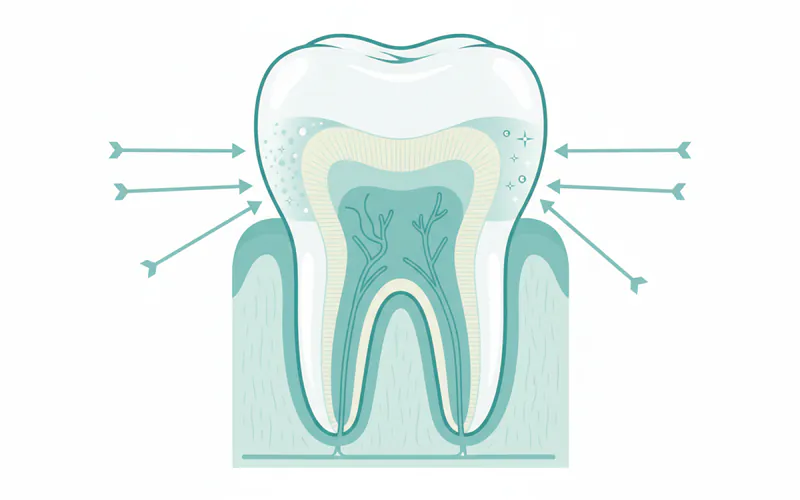
From the moment teeth begin to form in the womb, calcium is essential. It contributes to the mineralization process, where minerals are deposited into the tooth structure, making it hard and resilient. This process continues throughout childhood and adolescence as permanent teeth develop. In adulthood, even though teeth are fully formed, calcium remains critical. It doesn't just build teeth; it helps maintain them. The saliva in your mouth is rich in calcium and other minerals, which constantly bathe your teeth. This natural process, known as remineralization, helps to repair minor damage to the enamel caused by acids from food and bacteria. When you consume foods and drinks, especially those high in sugar or acid, your tooth enamel can lose minerals – a process called demineralization. Calcium present in saliva helps reverse this, effectively rebuilding the enamel and protecting against cavities. This is why when people ask, "is calcium good for teeth?" the answer involves both structural development and ongoing repair.
Types of Calcium for Teeth: Dietary vs. Supplemental
When we talk about getting enough calcium for your teeth, we're primarily referring to two main sources: dietary calcium and calcium supplements. Both play a role, but their impact and absorption can differ.
Dietary Calcium: The Preferred Source
The best way to obtain calcium is through your diet. Calcium from food sources is often absorbed more efficiently by the body and comes packaged with other beneficial nutrients.
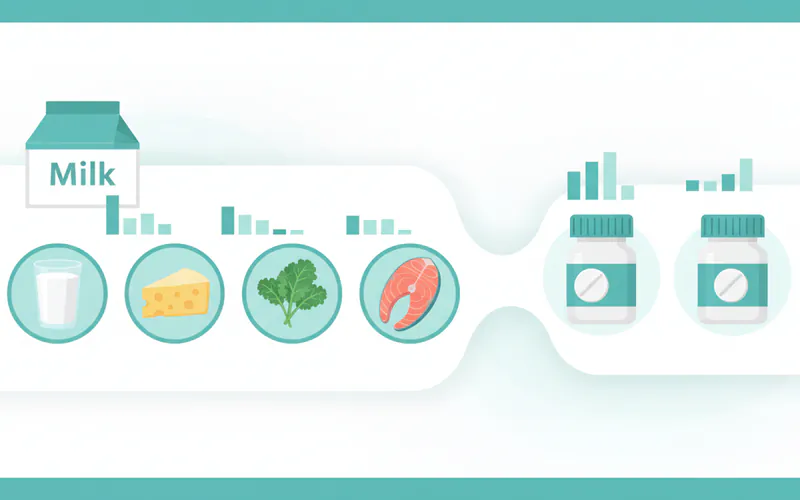
- Dairy Products: Milk, yogurt, and cheese are famously rich in calcium. For example, an 8-ounce glass of milk typically provides about 300 mg of calcium. Yogurt can offer even more, with some varieties exceeding 400 mg per serving.
- Fortified Foods: Many plant-based milks (almond, soy, oat), orange juice, and cereals are fortified with calcium to help individuals meet their daily requirements. Always check the nutrition label for calcium content.
- Leafy Green Vegetables: Kale, collard greens, turnip greens, and spinach are good sources, though the bioavailability (how well the body can absorb it) can vary due to compounds like oxalates.
- Fish: Canned sardines and salmon (with bones) are excellent sources of calcium.
- Legumes and Nuts: Tofu (calcium-set), white beans, and almonds also contribute to calcium intake.
Pro Tip: Pair calcium-rich foods with sources of Vitamin D (like fortified milk, fatty fish, or sunlight exposure). Vitamin D is crucial for the absorption of calcium in the gut. Without adequate Vitamin D, even a high calcium intake may not be fully utilized by your body.
Calcium Supplements: When Diet Isn't Enough
For some individuals, meeting daily calcium needs through diet alone can be challenging due to dietary restrictions, allergies, or certain medical conditions. In these cases, your dentist or physician might recommend calcium supplements. The most common forms are:
- Calcium Carbonate: This is the most common and inexpensive form, containing about 40% elemental calcium. It's best absorbed when taken with food due to its reliance on stomach acid.
- Calcium Citrate: Contains about 21% elemental calcium, but it's absorbed well on an empty or full stomach. It's often recommended for individuals with low stomach acid or those taking acid blockers.
- Calcium Gluconate and Calcium Lactate: These forms contain less elemental calcium (about 9% and 13% respectively) and are generally less common for supplementation but are sometimes used in specific medical contexts.
When considering, "does taking calcium help teeth?" especially through supplements, it's important to understand that supplements are meant to complement, not replace, a healthy diet. They can certainly help ensure your body has the raw materials needed for strong teeth and bones. However, moderation is key, as excessive supplementation can lead to other health issues.
Causes and Contributing Factors to Calcium Deficiency Affecting Teeth
Calcium deficiency, clinically known as hypocalcemia, can have various root causes, and its impact on teeth can range from subtle weakening to significant structural issues.
Inadequate Dietary Intake
The most straightforward cause is simply not consuming enough calcium-rich foods. This can stem from:
- Dietary Restrictions: Vegans or individuals with severe dairy allergies may struggle to meet calcium needs without careful planning and fortified foods.
- Picky Eating Habits: Especially common in children, a limited diet can lead to insufficient calcium.
- Low Awareness: Many people are unaware of their daily calcium requirements or which foods are good sources.
Impaired Absorption
Even if you consume enough calcium, your body might not be absorbing it effectively. Key factors include:
- Vitamin D Deficiency: As mentioned, Vitamin D is essential for calcium absorption in the intestines. Many Americans are Vitamin D deficient.
- Medical Conditions: Certain gastrointestinal disorders, such as Crohn's disease, celiac disease, or inflammatory bowel disease, can impair nutrient absorption, including calcium.
- Medications: Some medications, including corticosteroids, certain diuretics, and proton pump inhibitors (PPIs) used for acid reflux, can interfere with calcium absorption or increase its excretion.
- High Oxalate/Phytate Foods: While some leafy greens are calcium-rich, they also contain oxalates (e.g., spinach) or phytates (e.g., whole grains, legumes) which can bind to calcium and reduce its bioavailability.
- Excessive Caffeine or Sodium: High intake of caffeine and sodium can increase calcium excretion through urine, although the effect is generally minor in individuals with adequate intake.
Hormonal Imbalances
Hormones play a crucial role in regulating calcium levels:
- Parathyroid Hormone (PTH): The parathyroid glands produce PTH, which regulates calcium and phosphorus levels. Hyperparathyroidism (overactive glands) can lead to high blood calcium, while hypoparathyroidism (underactive glands) can cause low blood calcium.
- Estrogen: Estrogen helps maintain bone density. After menopause, declining estrogen levels in women can accelerate bone loss and potentially affect tooth support.
Lifestyle Factors
- Smoking and Alcohol: Both can negatively impact bone density and overall nutrient absorption, indirectly affecting calcium's role in oral health.
- Lack of Physical Activity: Weight-bearing exercises help maintain bone density, which is intrinsically linked to calcium metabolism.
Understanding these contributing factors is crucial because addressing them often involves more than just consuming more calcium; it requires a holistic approach to diet, lifestyle, and medical management.
Signs and Symptoms of Calcium Deficiency Affecting Teeth
While severe systemic calcium deficiency (hypocalcemia) can manifest with neurological or muscular symptoms like muscle cramps, numbness, and tingling, the dental signs of inadequate calcium are often more subtle and insidious, developing over time.
Dental-Specific Signs:
- Weakened Enamel: This is often the first and most direct impact. Enamel may appear dull, thin, or translucent. It becomes less resistant to acids and wear.
- Increased Cavity Rate: With weakened enamel, your teeth are much more susceptible to decay. Even with good oral hygiene, you might notice an unusual increase in cavities. This is a primary concern for those wondering, "do calcium supplements help teeth prevent cavities?" The answer is yes, indirectly, by strengthening enamel.
- Tooth Sensitivity: Thinner enamel can expose the underlying dentin, leading to increased sensitivity to hot, cold, or sweet foods and drinks.
- Gum Disease Progression: While not a direct cause, calcium deficiency can weaken the alveolar bone (the bone that supports your teeth), making it more vulnerable to the effects of periodontal disease. This can lead to increased gum recession, loosening of teeth, and even tooth loss.
- Delayed Tooth Eruption (in children): In pediatric cases, severe calcium deficiency can delay the eruption of primary or permanent teeth.
- Poor Tooth Development (in children): Developing teeth may have hypomineralized enamel, appearing discolored, pitted, or abnormally shaped.
Systemic Signs (which can indirectly affect dental health):
- Brittle Nails and Hair: General signs of mineral deficiency.
- Muscle Cramps and Spasms: Especially in legs and feet.
- Numbness and Tingling: Often in fingers, toes, and around the mouth.
- Fatigue and Lethargy: A general feeling of weakness.
- Osteoporosis: Long-term calcium deficiency significantly increases the risk of osteoporosis, a condition where bones become brittle and prone to fractures. This weakening of bone throughout the body extends to the jawbone, potentially impacting tooth stability.
If you notice several of these symptoms, particularly an increase in dental problems despite good hygiene, it's a strong indicator that you should discuss your calcium intake with your dentist or doctor.
Addressing Calcium Needs for Optimal Oral Health
Treatment Options for Calcium Deficiency (Dietary & Supplemental)
Addressing calcium deficiency impacting your teeth primarily involves restoring adequate calcium levels to support remineralization and prevent further damage. The "treatment" is largely preventative and dietary, sometimes supplemented with specific dental interventions.
1. Dietary Modification: The First Line of Defense
This is the most natural and often most effective approach. Your dentist or a nutritionist can help you devise a plan.
- Increase Dairy Intake: Incorporate milk, yogurt, cheese, and fortified dairy alternatives into your daily diet.
- Embrace Leafy Greens: Kale, collard greens, and broccoli are excellent choices.
- Include Calcium-Fortified Foods: Look for cereals, bread, and plant-based milks fortified with calcium.
- Consider Fish with Bones: Canned salmon and sardines offer significant calcium.
Pros: Natural, comes with other nutrients, generally well-absorbed. Cons: May require significant dietary changes, not always sufficient for severe deficiencies or certain dietary restrictions.
2. Calcium Supplementation: When Diet Isn't Enough
If dietary changes aren't sufficient, your doctor or dentist may recommend calcium supplements.
- Dosage and Type: The recommended dosage depends on your existing intake and needs. Calcium carbonate is common, taken with food. Calcium citrate can be taken without food. Doses are typically split throughout the day for better absorption (e.g., 500 mg twice a day).
- Vitamin D Co-administration: Most calcium supplements are combined with Vitamin D, as it's critical for absorption. If not, a separate Vitamin D supplement may be needed.
Pros: Effective for bridging dietary gaps, precise dosing. Cons: Potential for side effects (constipation, bloating), risk of excessive intake, can interact with medications, bioavailability can vary. Always consult a healthcare professional before starting supplements.
3. Fluoride Applications: External Strengthening
While not a calcium treatment, fluoride works synergistically with calcium to strengthen enamel.
- Topical Fluoride: Your dentist can apply professional-strength fluoride varnishes or gels. These directly expose the enamel to high concentrations of fluoride, which integrates into the tooth structure to form fluorapatite – a stronger, more acid-resistant form of enamel.
- Fluoride Toothpaste/Mouthwash: Daily use of over-the-counter fluoride products helps to remineralize weak spots and protect against demineralization.
- Prescription Fluoride: For individuals at very high risk of decay, dentists might prescribe higher-strength fluoride toothpastes or rinses.
Pros: Direct strengthening of enamel, highly effective in preventing cavities. Cons: Does not address systemic calcium deficiency, excessive intake (especially in children) can lead to fluorosis (cosmetic tooth staining).
4. Dental Restorations: Repairing Damage
For teeth already compromised by calcium deficiency and subsequent decay, dental interventions are necessary.
- Fillings: For small to moderate cavities, composite or amalgam fillings restore the tooth structure.
- Crowns: If a tooth is extensively damaged or weakened, a crown (cap) may be needed to protect it and restore its function.
- Root Canal Therapy: In cases where decay has reached the pulp (nerve) of the tooth, a root canal may be required to save the tooth.
- Bone Grafts: In severe cases of periodontal disease exacerbated by weakened bone due to calcium deficiency, bone grafts may be needed to rebuild jawbone support for teeth or dental implants.
Pros: Restores tooth function and aesthetics, prevents further decay/loss. Cons: Invasive, can be costly, doesn't address the underlying calcium deficiency directly (only treats the symptom).
Step-by-Step Process for Improving Calcium Intake and Oral Health
Implementing a plan to boost your calcium intake and improve oral health involves a series of practical steps.
-
Assess Your Current Intake:
- Consult Your Dentist/Doctor: Start by discussing your concerns. They can assess your dental health, review your diet, and consider if blood tests for calcium and Vitamin D levels are warranted.
- Dietary Journal: Keep a food diary for a few days to track your typical calcium consumption. Many online tools or apps can help estimate your intake.
- Understand Recommended Daily Allowances (RDAs):
- Adults (19-50 years): 1,000 mg/day
- Women (51+ years) & Men (71+ years): 1,200 mg/day
- Children: Varies by age (e.g., 700 mg for 1-3 years, 1,000 mg for 4-8 years, 1,300 mg for 9-18 years).
-
Optimize Dietary Calcium:
- Incorporate Calcium-Rich Foods Daily: Aim for 3-4 servings of dairy or fortified alternatives. For example, a glass of milk, a cup of yogurt, and a serving of cheese can get you close to 1,000 mg.
- Vary Your Sources: Don't rely on just one type of food. Mix dairy, leafy greens, fortified products, and fish.
- Meal Planning: Plan meals and snacks around calcium-rich ingredients. Think yogurt parfaits for breakfast, salads with dark leafy greens for lunch, and fortified pasta or fish for dinner.
-
Address Vitamin D:
- Sunlight Exposure: Aim for 10-30 minutes of midday sun exposure several times a week (without sunscreen) if safe and appropriate for your skin type.
- Dietary Vitamin D: Include fatty fish (salmon, mackerel), fortified milk/cereals, and egg yolks.
- Supplementation: If blood tests show deficiency or dietary intake is low, your doctor may recommend a Vitamin D supplement.
-
Consider Supplements (If Necessary):
- Consult a Professional: Always discuss with your dentist or physician before starting any calcium or Vitamin D supplements. They will determine the appropriate type and dosage.
- Choose Wisely: Opt for supplements with Vitamin D. Calcium carbonate is common, taken with food. Calcium citrate can be taken anytime.
- Split Doses: For optimal absorption, take calcium supplements in smaller doses (e.g., 500 mg) throughout the day, rather than one large dose.
-
Maintain Excellent Oral Hygiene:
- Brush Twice Daily: Use a fluoride toothpaste.
- Floss Daily: Remove plaque and food particles between teeth.
- Use Fluoride Mouthwash: If recommended by your dentist, this can provide an extra layer of protection.
-
Regular Dental Check-ups:
- Bi-annual Visits: Schedule routine check-ups and cleanings every six months. Your dentist can monitor your enamel health, identify early signs of demineralization, and provide professional fluoride treatments if needed. They can also offer personalized advice on diet and supplementation.
Cost and Insurance Considerations for Calcium-Related Dental Health
Understanding the financial aspects of maintaining good calcium-related dental health involves looking at the cost of supplements, calcium-rich foods, and potential dental treatments if problems arise.
Cost of Calcium and Vitamin D Supplements
- Over-the-Counter Supplements: These are generally affordable.
- Calcium Carbonate (e.g., Tums, store brands): $5-$15 for a month's supply (60-120 tablets).
- Calcium Citrate: $10-$30 for a month's supply.
- Calcium + Vitamin D Combinations: Typically $10-$35 for a month's supply, depending on brand and dosage.
- Prescription-Strength Vitamin D: If you have a severe deficiency requiring high-dose Vitamin D, a prescription might cost $10-$50 for a multi-month supply, often covered by insurance.
Cost of Calcium-Rich Foods
- Dairy: Milk ($3-$5/gallon), yogurt ($0.50-$1.50/serving), cheese ($4-$10/block).
- Fortified Plant Milks: $3-$6/half-gallon.
- Leafy Greens: Kale ($2-$4/bunch), spinach ($3-$5/bag).
- Canned Fish: Sardines ($2-$4/can), salmon ($3-$7/can).
While these are everyday grocery costs, incorporating specific items might slightly increase your food budget, but the long-term dental health benefits far outweigh the costs of potential treatments for decay or gum disease.
Dental Treatment Costs Related to Calcium Deficiency
If calcium deficiency has led to weakened enamel and subsequent dental problems, the costs can escalate. These are average US price ranges without insurance:
| Dental Procedure | Average Cost Range (Without Insurance) | Insurance Coverage | Notes |
|---|---|---|---|
| Dental Exam & Cleaning | $75 - $200 | Usually 80-100% | Essential for early detection of demineralization. |
| Fluoride Treatment | $25 - $75 | Often 80-100% | Professional application to strengthen enamel. |
| Dental Filling | $100 - $500 (per tooth) | Typically 50-80% | For treating cavities (amalgam on lower end, composite on higher end). Cost varies by material and tooth location. |
| Dental Crown | $800 - $2,500 (per tooth) | Typically 50% | For severely damaged or fractured teeth where fillings are insufficient. Material (porcelain, ceramic, metal) impacts cost. |
| Root Canal Therapy | $700 - $1,500 (front tooth) | Typically 50% | For infection or severe decay reaching the tooth pulp. Cost increases for molars ($900-$2,000). |
| Periodontal Treatment | $200 - $1,000+ | Varies by procedure | Deep cleaning (scaling and root planing) to gum surgery if calcium deficiency has exacerbated gum disease due to weakened bone. |
| Tooth Extraction | $75 - $400 (simple) / $200 - $600 (surgical) | Typically 50-80% | If a tooth is too compromised to save. Wisdom teeth extractions are often higher. |
| Bone Graft (dental) | $400 - $1,200 (per site) | Highly variable | If jawbone density is significantly reduced, often a precursor to dental implants. |
Insurance Coverage: Most dental insurance plans prioritize preventative care (exams, cleanings, fluoride) with high coverage (80-100%). Basic restorative care (fillings, simple extractions) is often covered at 50-80%. Major restorative work (crowns, root canals) typically has 50% coverage, sometimes with waiting periods. Orthodontic and cosmetic procedures are rarely covered. Maximize your benefits by understanding your plan's annual maximums and deductibles.
Payment Plans and Financing Options: Many dental offices offer in-house payment plans or partner with third-party financing companies like CareCredit. These plans can break down large treatment costs into manageable monthly payments, often with low or 0% interest for a promotional period. Always ask your dental office about available options.
Recovery and Aftercare for Calcium-Related Dental Health
The "recovery" and "aftercare" in the context of calcium and teeth primarily refer to maintaining optimal calcium levels and addressing any existing dental issues that may have stemmed from deficiency. It's an ongoing commitment to preventative health.
Sustaining Optimal Calcium Levels
- Consistent Dietary Habits: The most critical aspect is to maintain a diet rich in calcium and Vitamin D daily. This isn't a temporary fix but a permanent lifestyle adjustment.
- Regular Supplement Review: If you're taking supplements, periodically review their necessity and dosage with your healthcare provider. Your needs can change with age, medical conditions, or dietary adjustments.
- Monitor Symptoms: Pay attention to any recurring dental sensitivity, increased cavities, or systemic signs of calcium deficiency. These could indicate a need to re-evaluate your intake.
Dental Aftercare Post-Treatment
If calcium deficiency has led to decay or gum issues requiring dental procedures (fillings, crowns, periodontal treatment):
- Follow Post-Procedure Instructions: Adhere strictly to your dentist's specific care instructions for any recent dental work. This may include dietary restrictions, pain management, or special cleaning techniques.
- Enhanced Oral Hygiene: Continue (or start) a rigorous oral hygiene routine of brushing twice daily with fluoride toothpaste, flossing once daily, and using an antimicrobial or fluoride mouthwash if recommended. This helps protect restored teeth and prevents new issues.
- Protective Measures: If you grind your teeth (bruxism) or have clenching habits, discuss with your dentist. Calcium deficiency can sometimes make teeth more brittle, and grinding can exacerbate this. A nightguard might be recommended.
- Regular Dental Visits: Continue with your bi-annual check-ups and cleanings. Your dentist will monitor the health of your restored teeth, assess your overall oral health, and identify any new areas of concern, ensuring the benefits of your increased calcium intake are maximized.
Prevention: Ensuring a Lifetime of Strong Teeth
Preventing calcium deficiency and its negative impact on teeth is far more effective and less costly than treating the resulting problems. A proactive approach is key.
1. Prioritize a Calcium-Rich Diet from a Young Age
- Educate Yourself and Your Family: Learn about calcium-rich foods and incorporate them into daily meals and snacks.
- Balanced Meals: Aim for a varied diet that naturally provides adequate calcium, phosphorus, and Vitamin D.
- For Children: Ensure children receive sufficient calcium during critical periods of tooth and bone development. Encourage milk, yogurt, and cheese.
- For Adults: Continue this habit, recognizing that calcium needs increase for older adults, particularly post-menopausal women.
| Food Category | Examples | Estimated Calcium per Serving (mg) | Notes |
|---|---|---|---|
| Dairy Products | Milk (1 cup) | 300 | Whole, skim, or low-fat |
| Yogurt (1 cup plain) | 300-450 | Some varieties higher, choose low-sugar options | |
| Cheese (1.5 oz cheddar/mozzarella) | 300-400 | Hard cheeses generally higher | |
| Fortified Foods | Fortified Plant Milk (1 cup almond, soy, oat) | 250-450 | Check labels, usually fortified with Vitamin D too |
| Fortified Orange Juice (1 cup) | 300-350 | A good option for those avoiding dairy | |
| Fortified Cereals (1 cup) | 100-1000 | Varies significantly, always check label | |
| Leafy Greens | Collard Greens (1 cup cooked) | 260 | Good source, but contains oxalates which can reduce absorption |
| Kale (1 cup cooked) | 100 | Good source, lower oxalate than spinach | |
| Spinach (1 cup cooked) | 245 | High in oxalates, so calcium absorption is lower than apparent content | |
| Fish | Sardines (3 oz canned with bones) | 325 | Excellent source, also provides Omega-3s |
| Canned Salmon (3 oz with bones) | 180 | Can be mashed with bones to increase intake | |
| Legumes & Nuts | Tofu (1/2 cup, calcium-set) | 200-400 | Ensure it's calcium-set for high content |
| Almonds (1/4 cup) | 95 | Good snack, also provides healthy fats and protein | |
| White Beans (1 cup cooked) | 160 | Versatile in soups and salads |
2. Ensure Adequate Vitamin D Intake
- Sunlight: Safe, controlled sun exposure is a natural way to produce Vitamin D.
- Diet: Include fatty fish (salmon, tuna), egg yolks, and fortified foods.
- Supplementation: If necessary, use Vitamin D supplements under guidance from a healthcare professional.
3. Maintain Excellent Oral Hygiene
- Regular Brushing and Flossing: Remove plaque and food particles that contribute to demineralization.
- Fluoride Use: Utilize fluoride toothpaste, and consider fluoride mouthwash if recommended. Fluoride works in synergy with calcium to make enamel stronger and more resistant to acid attacks.
4. Regular Dental Check-ups
- Professional Cleaning and Examination: Visit your dentist every six months for cleanings and comprehensive exams. This allows for early detection of demineralization or other issues before they become serious cavities.
- Professional Fluoride Treatments: Your dentist can apply high-concentration fluoride varnishes, especially if you're at high risk for decay.
5. Limit Sugary and Acidic Foods/Drinks
- Reduce Frequency: Minimize consumption of sodas, fruit juices, sports drinks, and sugary snacks that contribute to acid production and demineralization.
- Rinse After Eating: If you do consume such items, rinse your mouth with water afterward to help neutralize acids.
6. Avoid Harmful Habits
- Quit Smoking: Smoking negatively impacts oral health and bone density.
- Moderate Alcohol Intake: Excessive alcohol can interfere with nutrient absorption.
By adopting these preventative strategies, you can significantly reduce your risk of calcium deficiency-related dental problems and support strong, healthy teeth for life.
Risks and Complications of Imbalanced Calcium Intake
While too little calcium poses significant risks, it's also important to understand that excessive calcium intake, particularly from supplements, can lead to its own set of complications.

Risks of Insufficient Calcium (Hypocalcemia)
As discussed earlier, insufficient calcium can lead to:
- Weakened Tooth Enamel: Making teeth prone to decay and sensitivity.
- Increased Cavities: The most common dental consequence.
- Compromised Jawbone Density: Can lead to periodontal disease, tooth mobility, and challenges for future dental implants.
- Delayed Tooth Eruption and Poor Development: In children.
- Increased Risk of Osteoporosis: Systemically, bone mass reduction affecting the entire skeleton.
Risks of Excessive Calcium (Hypercalcemia)
While rare from dietary sources alone, over-supplementation can lead to hypercalcemia, which can have serious health consequences:
- Kidney Stones: The most common complication. High levels of calcium can combine with other minerals to form stones in the kidneys.
- Calcium Deposits in Soft Tissues: This can occur in the heart, lungs, and other organs, impairing their function.
- Constipation: A very common side effect of calcium supplements, especially calcium carbonate.
- Interference with Nutrient Absorption: High calcium levels can interfere with the absorption of other important minerals like iron and zinc.
- Drug Interactions: Calcium supplements can interact with certain medications, including thyroid hormones, some antibiotics (tetracyclines, fluoroquinolones), and blood pressure medications. Always inform your doctor or pharmacist about all supplements you take.
- Cardiovascular Issues: Some research suggests a potential link between very high calcium supplement intake and an increased risk of heart disease, though this area requires more study. Dietary calcium does not appear to carry this risk.
This is why the question, "do calcium supplements help teeth?" should always be followed by the caveat: "when taken appropriately and under professional guidance." It underscores the importance of consulting with a healthcare professional to determine your specific calcium needs and the safest way to meet them. Self-medicating with high doses of supplements without professional advice is not recommended.
Children and Pediatric Considerations for Calcium
Calcium is perhaps even more critical during childhood and adolescence than in adulthood, as these are the crucial periods for tooth formation and skeletal development. Ensuring adequate calcium intake for children is paramount for their immediate and long-term oral health.
Why Calcium is Crucial for Developing Teeth
- Formation of Enamel and Dentin: Calcium is the primary mineral required for the calcification of both primary (baby) and permanent teeth. Inadequate calcium during these developmental stages can lead to hypomineralization, meaning the enamel and dentin don't form as strongly as they should.
- Strong Jawbones: Calcium is vital for the development of strong alveolar bone, which supports the teeth. Weak jawbones can impact tooth alignment and overall oral structure.
- Eruption Schedule: Severe deficiency can delay the eruption of teeth.
- Resistance to Decay: Properly mineralized enamel is naturally more resistant to acid attacks and cavities. Children with hypomineralized teeth are at a significantly higher risk of early childhood caries (ECC).
Age-Specific Guidance for Parents
Calcium needs vary by age, so it's important to be aware of the recommended daily allowances (RDAs):
- Infants (0-6 months): 200 mg/day (primarily from breast milk or formula)
- Infants (7-12 months): 260 mg/day (from breast milk/formula and introduction of solid foods like yogurt)
- Toddlers (1-3 years): 700 mg/day
- Sources: Whole milk (after age 1), yogurt, cheese, fortified cereals, small portions of leafy greens.
- Pro Tip: Avoid giving large amounts of juice, as it's often acidic and displaces nutrient-dense foods. Limit sugary drinks.
- Children (4-8 years): 1,000 mg/day
- Sources: Milk (low-fat or skim after age 2), yogurt, cheese sticks, calcium-fortified orange juice, broccoli, calcium-set tofu.
- Pro Tip: Make calcium fun! Offer cheese cubes, yogurt smoothies, or "ants on a log" with cream cheese.
- Pre-teens & Teens (9-18 years): 1,300 mg/day (Highest requirement due to rapid growth spurts and bone mass accumulation)
- Sources: Encourage consistent intake of dairy, fortified foods, and non-dairy calcium sources. Teenagers are often at risk due to soda consumption and less balanced diets.
- Pro Tip: Offer calcium-rich snacks like trail mix with almonds, fortified whole-grain crackers with cheese, or a glass of milk after school. Be mindful of excessive soda intake, which can interfere with calcium absorption and cause acid erosion.
Common Challenges and Solutions for Parents:
- Picky Eaters: Offer calcium-rich foods in various forms. Blend spinach into smoothies, add cheese to casseroles, or use fortified milk in cooking.
- Lactose Intolerance/Dairy Allergies: Explore fortified plant-based milks (almond, soy, oat, rice), calcium-set tofu, fortified cereals, and specific leafy greens. Consult with a pediatrician or registered dietitian for guidance on safe and adequate alternatives.
- Vitamin D: Ensure children get sufficient Vitamin D through sunlight exposure (with proper sun protection), fortified foods, or supplements if recommended by their pediatrician.
- Fluoride: Ensure children are using fluoride toothpaste (a tiny smear for under 3, pea-sized for 3-6 years) and have access to fluoridated water, which works synergistically with calcium to strengthen enamel.
Regular dental check-ups are also crucial for children, allowing dentists to monitor tooth development, enamel strength, and detect any early signs of demineralization that might indicate a calcium deficiency.
Cost Breakdown for Calcium-Related Dental Care
While the general cost discussion in the main content provided ranges for supplements and dental treatments, this section provides a consolidated view, emphasizing the comparison between preventative investment and reactive treatment costs.
Average US Costs for Calcium-Related Dental Health
The true "cost" of calcium for teeth involves a spectrum: from the daily cost of food and supplements to the much higher costs of dental treatments if a deficiency is ignored.
| Item/Service | Low End (USD) | Mid Range (USD) | High End (USD) | Notes |
|---|---|---|---|---|
| Preventative/Maintenance | ||||
| Calcium-rich diet (per month) | $50 | $100 | $200+ | Estimate based on actively purchasing dairy, fortified foods, leafy greens. |
| Calcium supplements (per month) | $5 | $15 | $30 | Over-the-counter calcium + Vitamin D. |
| Dental Check-up & Cleaning (biannual) | $75 | $120 | $200 | Cost for a single visit without insurance, includes exam and basic cleaning. |
| Fluoride Treatment (per visit) | $25 | $50 | $75 | Professional fluoride varnish/gel. |
| Reactive Treatments | (These costs arise if prevention fails due to calcium deficiency or other factors) | |||
| Dental Filling (per tooth) | $100 | $300 | $500 | Composite fillings are generally higher than amalgam. Back teeth more expensive. |
| Dental Crown (per tooth) | $800 | $1,500 | $2,500 | Cost varies greatly by material (porcelain, ceramic, metal) and lab fees. |
| Root Canal Therapy (per tooth) | $700 | $1,200 | $2,000 | Cost increases for molars due to complexity. Does not include crown. |
| Tooth Extraction (simple) | $75 | $150 | $400 | For easily removable teeth. |
| Bone Graft (per site) | $400 | $800 | $1,200+ | Often a precursor to implants if significant jawbone loss has occurred. |
With vs. Without Insurance
- Dental Insurance: Most basic dental insurance plans prioritize preventative care.
- Check-ups, Cleanings, Fluoride: Often covered at 80-100%, sometimes even 100% with no deductible.
- Fillings: Typically covered at 50-80% after meeting a deductible.
- Crowns, Root Canals, Periodontal Treatment: Usually covered at 50% after a deductible, often with annual maximums ($1,000-$2,000 is common).
- Without Insurance: You will be responsible for 100% of the costs. This is where regular preventative care (diet, supplements, cleanings) can save thousands in the long run.
Payment Plans and Financing Options
For significant dental work, many dental practices offer:
- In-house Payment Plans: These are often interest-free for shorter terms, allowing you to pay off a balance over several months.
- Third-Party Medical Financing: Companies like CareCredit or LendingClub provide specialized healthcare credit cards or loans. They often have promotional periods with 0% APR if the balance is paid within a certain timeframe (e.g., 6, 12, 18 months), or fixed-rate longer-term plans.
- Dental Savings Plans: These are not insurance but membership plans where you pay an annual fee for discounted rates on dental services (typically 10-60% off). They can be a good option if you don't have insurance or your insurance coverage is minimal for a specific procedure.
Cost-Saving Tips
- Prioritize Prevention: The best way to save money is to prevent dental problems in the first place through adequate calcium intake, excellent oral hygiene, and regular check-ups.
- Maximize Insurance Benefits: Understand your dental insurance plan's details, including annual maximums, deductibles, and waiting periods. Schedule treatments strategically to utilize your benefits fully.
- Preventative Care: Don't skip your bi-annual cleanings and exams. Catching issues like demineralization or small cavities early is significantly cheaper than waiting until they become large problems requiring crowns or root canals.
- Shop Around for Supplements: Generic brands of calcium and Vitamin D supplements are often just as effective as name brands and considerably cheaper.
- Utilize Community Resources: Look for dental schools or community dental clinics, which may offer services at reduced rates.
Frequently Asked Questions
How does calcium directly strengthen teeth?
Calcium is the primary mineral that makes up tooth enamel and dentin. It provides the hardness and density needed for teeth to withstand chewing forces and resist acid attacks from bacteria and foods. Saliva also contains calcium, which constantly bathes teeth, helping to repair and remineralize microscopic damage to the enamel.
Can calcium supplements reverse existing tooth decay?
No, calcium supplements cannot reverse existing tooth decay that has progressed beyond the very earliest stages. Once a cavity has formed and penetrated the enamel, professional dental treatment (like a filling) is required. However, adequate calcium intake can strengthen enamel and help prevent new cavities or stop very early demineralization from progressing into full-blown decay.

What is the recommended daily calcium intake for adults?
For most adults aged 19-50, the recommended daily calcium intake is 1,000 mg. For women over 50 and men over 70, the recommendation increases to 1,200 mg per day. These guidelines are set by the National Institutes of Health and the American Dental Association.
Besides calcium, what other nutrients are essential for strong teeth?
Vitamin D is absolutely crucial for calcium absorption. Without enough Vitamin D, your body can't effectively utilize the calcium you consume. Phosphorus also plays a vital role, working with calcium to form hydroxyapatite, the mineral component of enamel and dentin. Vitamin C is important for healthy gums, and Vitamin K helps regulate calcium in bones and teeth.
Are dairy products the only good source of calcium for teeth?
No, while dairy products are excellent sources, many other foods provide significant calcium. These include fortified plant-based milks (almond, soy, oat), calcium-set tofu, leafy green vegetables (kale, collard greens), canned fish with bones (sardines, salmon), and certain fortified cereals and orange juices.
Can too much calcium be harmful to my dental health?
Excessive calcium intake, particularly from supplements, is more likely to cause systemic issues rather than direct dental harm. High calcium levels (hypercalcemia) can lead to kidney stones, constipation, and potentially interfere with the absorption of other minerals. It is rare to get too much calcium from diet alone.
How long does it take to see improvements in teeth from increased calcium intake?
For existing teeth, the benefits are primarily preventative and long-term. You won't see immediate changes, but over time, consistent adequate calcium intake supports remineralization, stronger enamel, and reduced susceptibility to decay. For developing teeth in children, proper calcium intake ensures optimal formation.
Does fluoridated water provide calcium benefits for teeth?
Fluoridated water does not provide calcium. Instead, fluoride works synergistically with calcium by helping integrate minerals into the tooth structure, forming fluorapatite, which is even more resistant to acid erosion than regular enamel. It strengthens the enamel, helping teeth better utilize the calcium they receive.
What are some common signs of calcium deficiency in children's teeth?
In children, signs can include delayed eruption of teeth, poorly formed or hypomineralized enamel (appearing chalky, pitted, or discolored), and an increased susceptibility to early childhood caries (cavities). Early intervention is crucial for proper dental development.
Should I consult my dentist or doctor before taking calcium supplements?
Yes, absolutely. Always consult with your dentist or primary care physician before starting calcium supplements. They can assess your individual needs, check for potential deficiencies (e.g., Vitamin D), identify any medical conditions or medications that might interact, and recommend the appropriate type and dosage to ensure safety and effectiveness.
When to See a Dentist
While dietary adjustments and preventative measures are crucial for calcium-related dental health, there are specific situations when professional dental intervention is necessary. Knowing when to see a dentist can prevent minor issues from becoming major problems.
Clear Warning Signs That Need Immediate Attention:
- Sudden Increase in Cavities: If you notice an unusual or rapid increase in cavities despite maintaining good oral hygiene, it could indicate severe enamel weakening or an underlying issue potentially related to calcium deficiency.
- Significant Tooth Sensitivity: Persistent or worsening sensitivity to hot, cold, or sweet foods and drinks that interferes with daily life. This can be a sign of thinning enamel or exposed dentin.
- Tooth Pain or Discomfort: Any persistent toothache, throbbing, or sharp pain, especially when biting down, suggests a potential cavity that has reached the nerve or a crack in the tooth.
- Visible Demineralization: Chalky white spots or dull, opaque areas on your tooth enamel can be early signs of mineral loss. A dentist can often treat these with professional fluoride applications or remineralizing agents before they turn into cavities.
- Loose Teeth or Gum Recession: While primarily linked to periodontal disease, weakened jawbone due to systemic calcium deficiency can exacerbate these issues. Loose teeth or significant gum recession warrant immediate dental evaluation.
- Changes in Tooth Appearance (especially in children): If your child's newly erupted teeth have discolored spots, pits, or unusual shapes, it could indicate developmental enamel defects due to calcium deficiency during tooth formation.
Red Flags vs. Routine Care Guidance:
- Red Flags (Emergency/Urgent Appointment): Severe, persistent pain; swelling in the gums or face; sudden tooth mobility; signs of infection (pus, fever with dental pain); fractured or chipped teeth. These symptoms suggest a problem that needs to be addressed quickly to prevent further damage or systemic complications.
- Routine Care (Scheduled Appointment): Regular check-ups and cleanings every six months are essential preventative care. If you have concerns about your calcium intake, bring them up during these routine visits. Your dentist can assess your enamel strength, provide fluoride treatments, and offer dietary advice. If you suspect calcium deficiency, your dentist may also recommend a visit to your primary care physician for blood tests.
Ultimately, your dental health is a team effort between you and your dental professional. Don't hesitate to reach out to your dentist if you have any concerns about your teeth, gums, or overall oral well-being, especially if you suspect your calcium intake might be playing a role. Early detection and intervention are always the best strategies for maintaining a healthy, strong smile.
Frequently Asked Questions
Medically Reviewed Content
This article was written by our dental health editorial team and reviewed for medical accuracy. Our content follows strict editorial guidelines for reliability and trustworthiness.
Medical Disclaimer
This article is for informational purposes only and does not constitute medical advice. Always consult with a qualified dental professional for diagnosis and treatment. Do not delay seeking professional advice because of something you read on this website.
Related Articles
What Are Calcium Deposits on Teeth
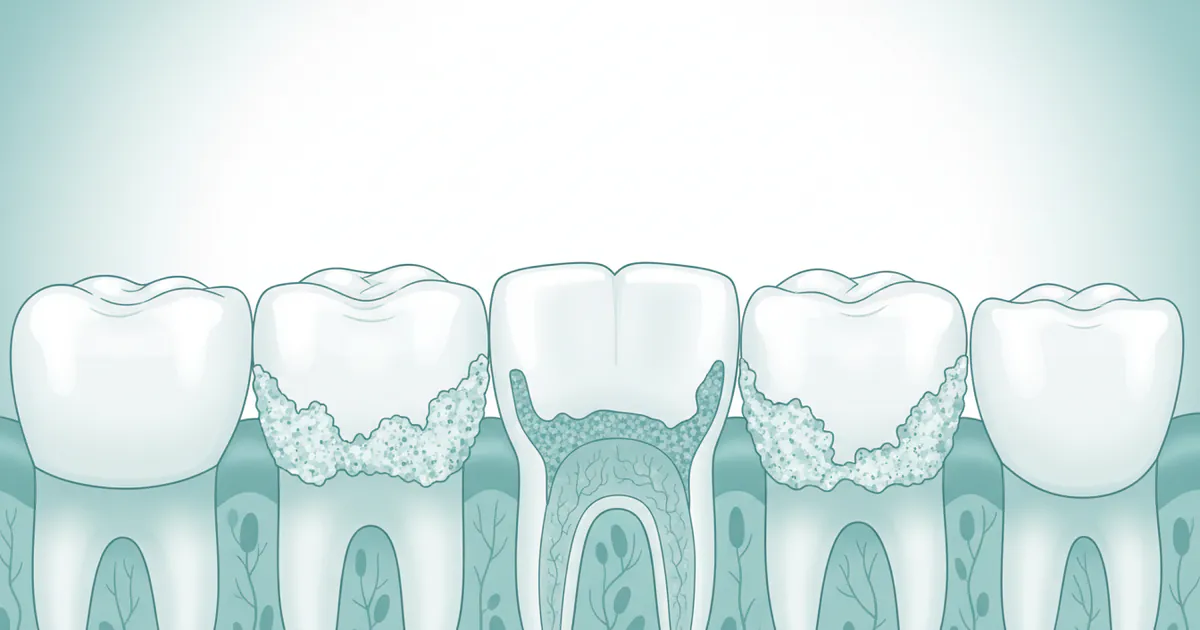
Are you one of the millions of Americans who notices a stubborn, yellowish buildup on your teeth despite regular brushing? You're likely experiencing what many refer to as "calcium deposits on teeth." This common dental concern, medically known as dental calculus or tartar, affects a vast ma
February 23, 2026
What Do Bulimia Teeth Look Like
"Bulimia teeth" refers to the specific and often severe damage that the self-induced vomiting characteristic of bulimia nervosa inflicts on a person's oral health. It's a critical issue, affecting approximately 1.5% of women and 0.5% of men in the US at some point in their lives, with many more
February 23, 2026
Erosion in Teeth: Complete Guide
Erosion in Teeth: Complete Guide
February 23, 2026
Do Teeth Have Calcium
When you flash a confident smile, what are you truly showing? Many people might assume their teeth are solid, unchanging structures made primarily of bone, or even pure calcium. But do teeth have calcium? The answer is a resounding yes, though not in the simplistic way some might imagine. Calciu
February 23, 2026