Are Teeth Made of Calcium
Key Takeaways
- Have you ever wondered what exactly gives your teeth their incredible strength and resilience? Perhaps you've heard that calcium is the secret ingredient, or maybe you're curious if increasing your calcium intake could be the key to a healthier smile. It's a fundamental question that often sparks de
Are Teeth Made of Calcium? Unpacking the Truth for Your Strongest Smile
Have you ever wondered what exactly gives your teeth their incredible strength and resilience? Perhaps you've heard that calcium is the secret ingredient, or maybe you're curious if increasing your calcium intake could be the key to a healthier smile. It's a fundamental question that often sparks debate, and the answer is both straightforward and fascinatingly complex. While it's true that calcium is a primary building block of your teeth, it doesn't work alone. In fact, a staggering 99% of the body's calcium is stored in the bones and teeth, highlighting its critical role in skeletal and dental health. Understanding the intricate composition of your teeth and the various factors that contribute to their strength and integrity is paramount to preventing common dental issues like cavities and enamel erosion. This comprehensive guide from SmilePedia.net will delve deep into the science behind your smile, exploring how calcium, along with other essential minerals and vitamins, forms the formidable structure of your teeth, how "is calcium good for teeth" truly plays out, and practical steps you can take to ensure your teeth remain strong and healthy throughout your life. We'll cover everything from the microscopic composition of enamel to dietary recommendations and advanced dental treatments, providing you with the authoritative information you need to maintain optimal oral health.

Key Takeaways:
- Primary Component: Teeth are primarily made of a calcium-phosphate mineral called hydroxyapatite, not just calcium alone. This crystalline structure makes enamel the hardest substance in the human body.
- Dynamic Process: Your teeth constantly undergo remineralization and demineralization. Salivary calcium and phosphate ions help repair microscopic enamel damage, a process enhanced by fluoride.
- Nutritional Synergy: While calcium is crucial, Vitamin D, phosphorus, and magnesium are equally vital for calcium absorption, utilization, and forming strong teeth. Inadequate intake of these can compromise dental health.
- Developmental Importance: Calcium intake during fetal development and childhood is critical for proper tooth formation. Deficiencies can lead to enamel hypoplasia, causing weakened teeth prone to decay.
- Prevention is Key: A balanced diet, excellent oral hygiene, regular dental check-ups (typically $75-$250 for a cleaning and exam without insurance, potentially covered by PPO plans at 80-100%), and adequate fluoride exposure are your best defenses against tooth demineralization.
- Supplementation: Calcium supplements may be recommended for dietary deficiencies but should be discussed with a healthcare provider. Costs for supplements typically range from $10-$30 per month.
- Treatment for Deficiency-Related Issues: Addressing issues like weakened enamel or cavities often involves fluoride treatments ($25-$75), dental fillings ($90-$450 per tooth), or dental bonding ($300-$600 per tooth), depending on severity.
What It Is / Overview: The Unyielding Structure of Your Smile
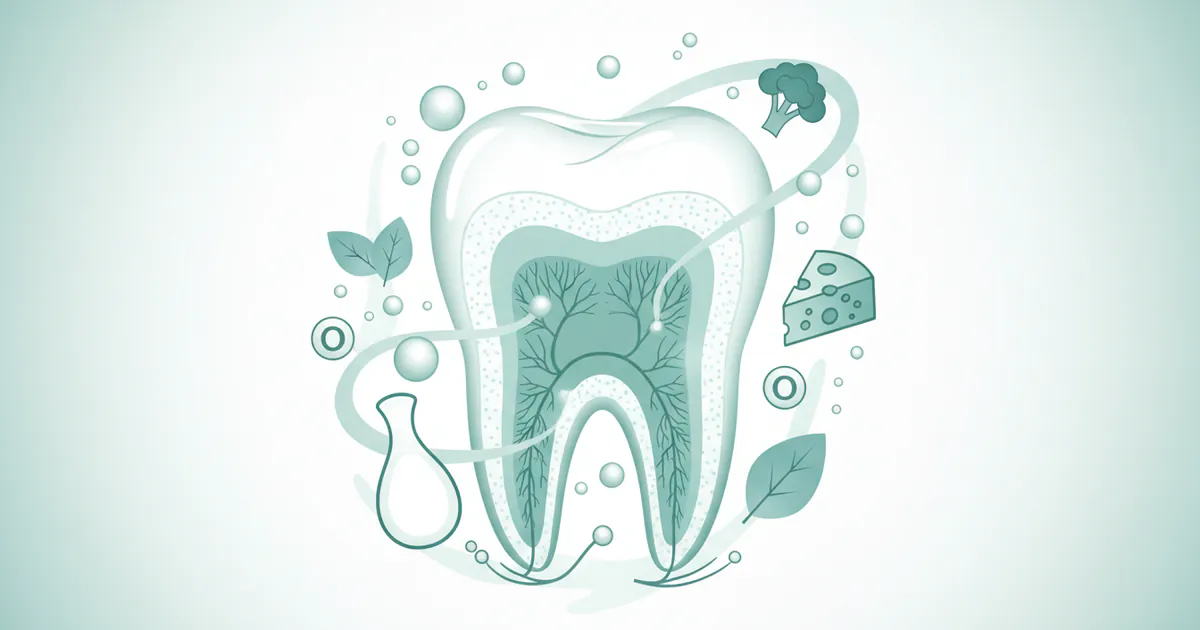
The question, "Are teeth made of calcium?" often conjures images of pure calcium chalk, but the reality is far more intricate and robust. Your teeth are indeed incredibly rich in calcium, but it's not in its elemental form. Instead, calcium is intricately woven into a complex mineral compound known as hydroxyapatite. This crystalline structure, chemically described as Ca₁₀(PO₄)₆(OH)₂, is a calcium phosphate mineral that forms the very foundation of your teeth and bones, providing their characteristic hardness and rigidity.
To truly understand this, let's break down the distinct layers of a tooth:
- Enamel: The outermost layer, enamel, is the hardest substance in the human body, even harder than bone. It acts as a protective shield against physical wear, extreme temperatures, and acidic attacks. Approximately 96% of enamel is composed of hydroxyapatite. The remaining percentage includes water and organic material. This dense mineral composition is what makes enamel so remarkably strong.
- Dentin: Beneath the enamel lies dentin, which constitutes the bulk of the tooth structure. Dentin is less hard than enamel but harder than bone. It's approximately 70% hydroxyapatite by weight, with the rest being organic material (collagen) and water. Dentin contains microscopic tubules that connect to the tooth's pulp, allowing for sensation.
- Cementum: This bone-like tissue covers the tooth root, providing an anchor for the periodontal ligaments that hold the tooth in its socket. Cementum is about 45-50% hydroxyapatite, with a significant organic matrix.
- Pulp: The innermost core of the tooth, the pulp, contains blood vessels, nerves, and connective tissue. It's not mineralized like the other layers, but it's vital for tooth vitality, providing nutrients and sensation.
So, while "calcium" is a shorthand often used, it's more accurate to say that teeth are primarily made of a highly organized, crystalline form of calcium phosphate. The vast majority of the tooth's hard tissues—enamel, dentin, and cementum—rely on this mineral matrix for their strength and function. This high concentration of hydroxyapatite is precisely why is calcium good for teeth is not just a myth but a scientific fact rooted in dental anatomy and physiology.
The Chemical Composition: Hydroxyapatite and Its Mighty Structure
At the heart of a tooth's resilience lies hydroxyapatite. This remarkable biomineral is a naturally occurring form of calcium apatite, a type of calcium phosphate. Its specific chemical formula, Ca₁₀(PO₄)₆(OH)₂, reveals that it is a complex compound where calcium ions (Ca²⁺), phosphate ions (PO₄³⁻), and hydroxyl ions (OH⁻) are arranged in a highly organized hexagonal crystalline lattice.
The strength of enamel, in particular, comes from its incredibly dense packing of these hydroxyapatite crystals. These crystals are oriented in specific directions, forming rod-like structures called enamel rods or prisms, which interlock to create a robust, almost impenetrable surface. The extreme hardness (Knoop hardness of 343 kg/mm² for enamel) makes it capable of withstanding the immense chewing forces exerted daily.
Beyond its primary components, dental hydroxyapatite can also incorporate trace elements such as fluoride, magnesium, strontium, and carbonate. The substitution of fluoride ions for hydroxyl ions within the hydroxyapatite lattice creates fluorapatite [Ca₁₀(PO₄)₆F₂]. Fluorapatite is even more resistant to acid dissolution than pure hydroxyapatite, making fluoride a crucial player in enhancing tooth strength and preventing decay. This is why fluoridated water and fluoride toothpastes are so effective in promoting dental health – they actively help make the enamel more robust against acid attacks.
Calcium's Indispensable Role in Tooth Development
The formation of strong teeth begins long before they erupt into the mouth. Calcium plays a critical and continuous role from prenatal development through childhood and adolescence.
Prenatal Development: Building the Foundation
A mother's calcium intake during pregnancy directly impacts the developing fetus's tooth buds. Tooth development, or odontogenesis, begins around the sixth week of gestation. During this period, the hard tissues of the primary (baby) teeth start to form and mineralize. If a pregnant mother's diet lacks sufficient calcium, her body will draw calcium from her own bones to support fetal development, potentially compromising her skeletal health. Moreover, inadequate calcium availability can lead to enamel hypoplasia in the unborn child, a condition where the enamel doesn't fully form or is defective, resulting in thinner, weaker, and more porous teeth. These teeth are significantly more susceptible to decay from the moment they erupt.
Childhood and Adolescence: Cementing Permanent Strength
Once a child is born, calcium remains vital for the continued mineralization of primary teeth and, subsequently, the formation of permanent teeth. The enamel matrix, which is initially an organic framework, gradually becomes mineralized by the deposition of hydroxyapatite crystals. This process is highly dependent on a steady supply of calcium and phosphate ions.
Throughout childhood and adolescence, as permanent teeth develop and erupt, consistent calcium intake is essential. This period is a critical window for establishing the maximum possible density and strength of dental enamel. Just as with prenatal development, a chronic lack of calcium during these formative years can lead to:
- Enamel Hypoplasia: This condition can also affect permanent teeth, resulting in visible pits, grooves, or thin spots on the enamel surface. Such teeth are not only aesthetically compromised but are also highly vulnerable to bacterial acids and decay.
- Delayed Tooth Eruption: In some severe cases of nutritional deficiencies, including calcium, the eruption of teeth may be delayed.
Ensuring children receive adequate calcium, along with other synergistic nutrients like Vitamin D, is one of the most proactive steps parents can take to safeguard their children's long-term dental health.
Maintaining Oral Health: Calcium, Remineralization, and Demineralization
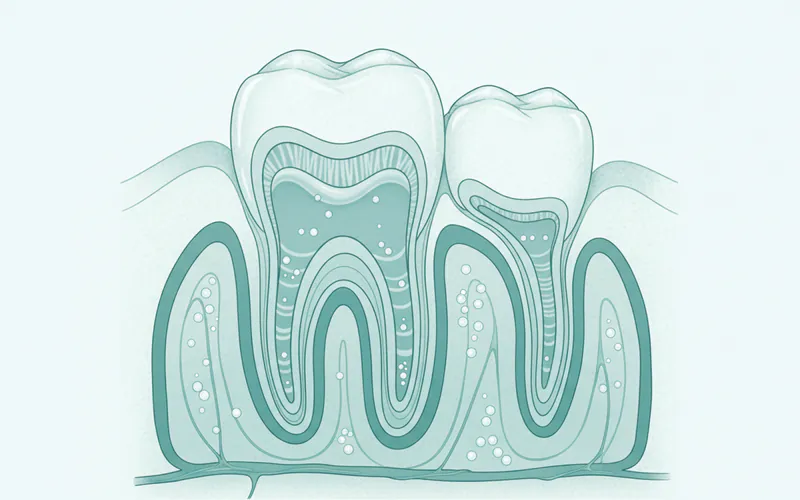
Your teeth are not static structures; they are constantly engaged in a dynamic tug-of-war between two processes: demineralization and remineralization. Understanding this balance is crucial to appreciating how does calcium help teeth maintain their integrity throughout life.
Demineralization: The Threat
Every time you eat or drink, especially sugary or acidic foods and beverages, the bacteria in your mouth metabolize these substances, producing acids. These acids lower the pH in your mouth, causing the hydroxyapatite crystals in your tooth enamel to dissolve and lose minerals – a process called demineralization. This is the first step in the formation of cavities. If demineralization continues unchecked, it eventually leads to a visible hole in the enamel, requiring a dental filling.
Remineralization: The Repair Process
Fortunately, your body has a built-in defense mechanism: remineralization. Your saliva plays a critical role here. It contains a supersaturated solution of calcium and phosphate ions. When the pH in your mouth returns to neutral after an acid attack, these calcium and phosphate ions from your saliva can be re-deposited onto the demineralized areas of your enamel, helping to repair and strengthen the tooth surface. This process is essentially "healing" microscopic enamel lesions before they become full-blown cavities.
The Role of Calcium and Fluoride in Remineralization
- Salivary Calcium: A sufficient concentration of calcium (and phosphate) in your saliva is absolutely essential for effective remineralization. Without these building blocks, your saliva cannot replenish the lost minerals. A diet rich in calcium contributes to a healthy salivary mineral content.
- Fluoride's Amplifying Effect: This is where fluoride becomes a superstar. When fluoride is present in the mouth (from fluoridated water, toothpaste, or professional treatments), it significantly enhances the remineralization process. Fluoride ions integrate into the enamel's crystal structure, forming fluorapatite. As mentioned earlier, fluorapatite is inherently more resistant to acid dissolution than natural hydroxyapatite, making the newly remineralized enamel tougher and more resilient against future acid attacks. Fluoride also attracts calcium and phosphate ions to the tooth surface, speeding up the repair process.
In essence, calcium provides the raw material, and fluoride acts as the catalyst and protective agent, creating a formidable defense system for your teeth. This constant cycle underscores why a steady supply of calcium and consistent fluoride exposure are non-negotiable for maintaining strong, healthy teeth.
Dietary Calcium: Fueling Your Dental Health
Ensuring adequate dietary calcium intake is a cornerstone of robust oral health. While calcium is predominantly stored in bones and teeth, your body needs a continuous supply from your diet for these dynamic structures, as well as for vital functions like nerve transmission, muscle contraction, and blood clotting.

Recommended Daily Allowances (RDAs)
The recommended daily intake of calcium varies by age and specific physiological states, as outlined by health organizations like the National Institutes of Health (NIH) and supported by the American Dental Association (ADA) in the context of overall health.
| Age Group | Recommended Daily Allowance (RDA) |
|---|---|
| Infants (0-6 months) | 200 mg |
| Infants (7-12 months) | 260 mg |
| Children (1-3 years) | 700 mg |
| Children (4-8 years) | 1,000 mg |
| Children (9-18 years) | 1,300 mg |
| Adults (19-50 years) | 1,000 mg |
| Adult Females (51-70 years) | 1,200 mg |
| Adult Males (51-70 years) | 1,000 mg |
| Adults (71+ years) | 1,200 mg |
| Pregnant/Lactating | 1,000 - 1,300 mg (age-dependent) |
Rich Food Sources of Calcium
Incorporating calcium-rich foods into your daily diet is the most natural and effective way to meet your requirements. Here are some excellent sources:
- Dairy Products:
- Milk (8 oz): ~300 mg
- Yogurt (6 oz, plain): ~200-450 mg (varies widely)
- Cheese (1.5 oz, e.g., cheddar): ~300 mg
- Leafy Green Vegetables:
- Kale (1 cup cooked): ~100 mg
- Broccoli (1 cup cooked): ~60 mg
- Collard greens (1 cup cooked): ~260 mg
- Fortified Foods:
- Fortified orange juice (8 oz): ~350 mg
- Fortified plant-based milks (almond, soy, oat - 8 oz): ~300-450 mg
- Fortified cereals (1 serving): ~100-1,000 mg (check labels)
- Fish with Edible Bones:
- Sardines (3 oz canned): ~325 mg
- Canned salmon (3 oz with bones): ~200 mg
- Legumes and Nuts:
- White beans (1 cup cooked): ~160 mg
- Almonds (1 oz): ~75 mg
- Tofu (1/2 cup, firm, calcium-set): ~200-400 mg
- Other:
- Calcium-set cottage cheese (1 cup): ~100-150mg
- Figs (dried, 1/2 cup): ~120 mg
Bioavailability of Calcium
It's not just about how much calcium a food contains, but how much your body can actually absorb (bioavailability). Calcium from dairy products and fortified foods is generally well-absorbed. Certain plant foods, especially those high in oxalates (like spinach, rhubarb, beet greens) or phytates (found in whole grains and beans), can bind to calcium and reduce its absorption. However, the benefits of these foods typically outweigh this slight reduction, and you can mitigate it by consuming a variety of calcium sources.
Pro Tip: For optimal absorption, it's generally recommended to spread calcium intake throughout the day rather than consuming a very large amount in a single sitting. Your body can only absorb about 500-600 mg of elemental calcium at one time.
Beyond Calcium: The Synergy of Essential Nutrients
While calcium is undeniably central to the composition of your teeth, it doesn't operate in isolation. A complex interplay of other vitamins and minerals is crucial for calcium absorption, utilization, and the overall maintenance of dental health. Ignoring these synergistic nutrients would be a critical oversight in understanding how does calcium help teeth truly.
Vitamin D: The Calcium Gatekeeper
Perhaps the most critical partner to calcium, Vitamin D is essential for calcium absorption in the gut. Without adequate Vitamin D, your body cannot effectively absorb calcium from your diet, regardless of how much you consume. Vitamin D regulates calcium and phosphate levels in the blood, ensuring these minerals are available for bone and tooth mineralization.
- Sources: Sunlight exposure, fatty fish (salmon, mackerel, tuna), fortified dairy products, fortified orange juice, and supplements.
- Deficiency Impact: Reduced calcium absorption leading to weaker bones and teeth, increased risk of cavities, and in severe cases, rickets in children and osteomalacia in adults.
Phosphorus: Calcium's Structural Partner
After calcium, phosphorus is the second most abundant mineral in the body and a vital component of hydroxyapatite. Approximately 85% of the body's phosphorus is found in bones and teeth. It works hand-in-hand with calcium to form the strong crystalline structure of enamel and dentin.
- Sources: Meat, poultry, fish, eggs, dairy products, nuts, legumes, and whole grains.
- Deficiency Impact: Weakened tooth structure, impaired bone mineralization.
Magnesium: The Supporting Role
Magnesium plays a multifaceted role in overall health, including dental health. It's involved in over 300 enzymatic reactions, many of which relate to bone and calcium metabolism. Magnesium helps convert Vitamin D into its active form, which in turn aids calcium absorption. It also influences the size and strength of hydroxyapatite crystals.
- Sources: Leafy green vegetables, nuts, seeds, whole grains, legumes, dark chocolate, and avocados.
- Deficiency Impact: Can indirectly impair calcium absorption and utilization, potentially affecting tooth and bone density.
Vitamin K2: Directing Calcium Traffic
Vitamin K2 is gaining recognition for its role in directing calcium to the appropriate tissues – specifically bones and teeth – and away from soft tissues where it could cause harm (e.g., arterial calcification). It activates proteins like osteocalcin, which binds calcium to the bone and tooth matrix.
- Sources: Fermented foods (like natto), grass-fed dairy products, egg yolks, and certain meats.
- Deficiency Impact: Calcium may not be optimally integrated into dental structures, potentially affecting long-term tooth strength.
These nutrients demonstrate that maintaining strong, healthy teeth requires a holistic approach to nutrition. Focusing solely on calcium while neglecting these critical partners can limit calcium's effectiveness.
| Nutrient | Primary Role in Dental Health | Key Dietary Sources | RDA (Adults) |
|---|---|---|---|
| Calcium | Main component of hydroxyapatite, essential for enamel/dentin. | Dairy (milk, yogurt, cheese), fortified plant milks, leafy greens (kale, collards), fortified cereals, sardines, tofu. | 1,000-1,200 mg |
| Vitamin D | Crucial for calcium absorption in the gut. | Sunlight, fatty fish (salmon, mackerel), fortified milk/cereals, egg yolks, supplements. | 600-800 IU |
| Phosphorus | Second main component of hydroxyapatite, works with calcium. | Meat, poultry, fish, eggs, dairy, nuts, legumes, whole grains. | 700 mg |
| Magnesium | Aids Vitamin D activation, influences hydroxyapatite crystal size. | Leafy greens, nuts, seeds, whole grains, legumes, dark chocolate. | 310-420 mg |
| Vitamin K2 | Directs calcium to bones and teeth, away from soft tissues. | Fermented foods (natto), grass-fed dairy, egg yolks, liver. | 90-120 mcg |
Consequences of Inadequate Calcium (and related nutrients)
When the delicate balance of calcium and its synergistic nutrients is disrupted, the consequences for oral health can be significant, impacting both the structural integrity and resilience of your teeth.
Enamel Hypoplasia
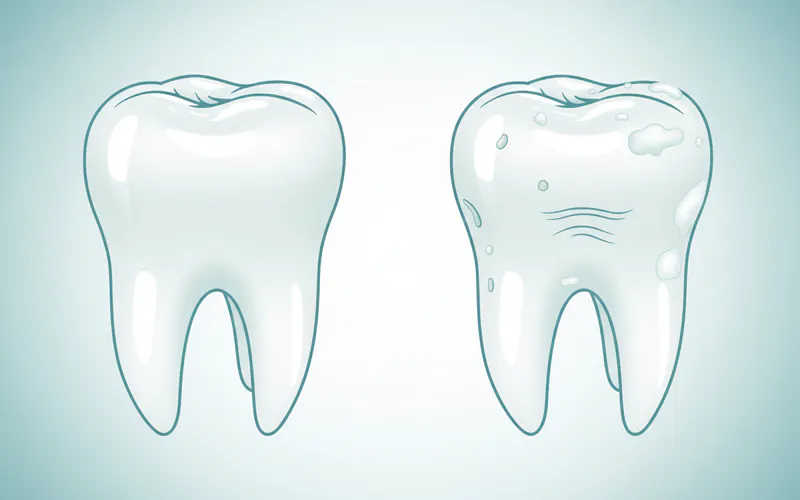
As discussed, inadequate calcium intake during the formative stages of tooth development (prenatal and childhood) can lead to enamel hypoplasia. This is a defect in the quantity or quality of enamel formation. The enamel may be thinner, softer, pitted, grooved, or discolored.
- Impact: Teeth with hypoplastic enamel are inherently weaker, less resistant to acid erosion, and highly susceptible to dental caries (cavities) even from an early age. They also tend to be more sensitive to temperature changes.
Increased Caries Risk (Cavities)
Even in fully developed adult teeth, chronic low calcium levels (or low levels of Vitamin D, phosphorus, etc.) can impair the natural remineralization process.
- Impact: If demineralization outpaces remineralization, the enamel becomes progressively weaker and more porous. This creates ideal entry points for acid-producing bacteria, significantly increasing the risk of cavity formation. The protective capacity of saliva, which relies on a rich supply of calcium and phosphate ions, is also diminished.
Osteoporosis and Its Link to Jawbone Density
While teeth themselves are not bones, they are embedded in the jawbone (alveolar bone), which is bone. Systemic calcium deficiency, particularly when coupled with low Vitamin D, can contribute to osteoporosis, a condition characterized by reduced bone density and increased fracture risk.
- Impact: Severe, long-term osteoporosis can affect the density of the jawbone. A reduction in jawbone density can lead to:
- Tooth Loss: Weakened jawbone may not be able to adequately support teeth, increasing the risk of tooth mobility and eventual loss.
- Periodontal Disease Progression: Osteoporosis can exacerbate periodontal (gum) disease, leading to greater attachment loss and bone destruction around the teeth.
- Challenges with Dental Implants: For individuals considering dental implants, sufficient jawbone density is crucial. Osteoporosis can complicate implant placement and success rates.
It's important to differentiate: while systemic calcium deficiency can weaken the jawbone, it does not directly cause teeth to get "osteoporosis" in the same way bones do. Teeth are composed of highly mineralized structures that are distinct from bone tissue. However, the health of the surrounding bone is undeniably critical for supporting teeth.
Other Potential Issues
- Tooth Sensitivity: Compromised enamel from demineralization or hypoplasia can expose the underlying dentin, leading to increased tooth sensitivity to hot, cold, or sweet stimuli.
- Accelerated Enamel Wear: Weaker enamel is more prone to abrasion from brushing or erosion from acidic foods and drinks.
Pro Tip: If you notice signs of weakened enamel (such as increased sensitivity, transparency, or dullness), consult your dentist promptly. Early intervention can prevent further damage and more extensive treatments.
Calcium Supplementation: When and How?
While a balanced diet should always be your primary source of calcium, sometimes supplementation becomes necessary. This is particularly relevant when dietary intake consistently falls short or specific medical conditions impair absorption. However, calcium supplements are not a substitute for a healthy diet and should always be discussed with a healthcare provider.
When Might Supplementation Be Necessary?
Your dentist or doctor might recommend calcium supplements if you:
- Don't consume enough calcium-rich foods: This can be due to dietary restrictions (e.g., veganism, lactose intolerance), allergies, or personal preferences.
- Have certain medical conditions: Conditions like Crohn's disease, celiac disease, or inflammatory bowel disease can reduce calcium absorption. Kidney disease can also affect calcium balance.
- Are undergoing specific treatments: Long-term corticosteroid use can interfere with calcium metabolism.
- Have osteoporosis or are at high risk: To support overall bone density, which indirectly benefits jawbone health.
- Are pregnant or breastfeeding: To meet increased demands if dietary intake is insufficient, though this is usually managed through prenatal vitamins.
Types of Calcium Supplements
The two most common forms of calcium in supplements are:
- Calcium Carbonate: This is the most common and least expensive form. It contains 40% elemental calcium, meaning a 1000 mg tablet provides 400 mg of elemental calcium. It is best absorbed when taken with food because it requires stomach acid for absorption. Potential side effects include constipation and gas.
- Calcium Citrate: This form contains 21% elemental calcium, so you may need to take more tablets to get the same amount of calcium. It is well-absorbed with or without food and is often better tolerated by individuals with low stomach acid or digestive issues.
- Other Forms: Less common forms include calcium gluconate and calcium lactate, which have even lower percentages of elemental calcium.
Dosage and Considerations
- Divide Doses: As your body can only absorb about 500-600 mg of elemental calcium at a time, it's best to divide your daily dose into two or three smaller doses.
- Take with Vitamin D: Ensure your supplement also contains Vitamin D (or you get adequate Vitamin D from other sources) to maximize absorption.
- Potential Side Effects: The most common side effects are constipation, gas, and bloating. In rare cases, very high doses of calcium (especially without sufficient Vitamin D) can lead to hypercalcemia (too much calcium in the blood), which can cause kidney stones or interfere with heart function.
- Medication Interactions: Calcium supplements can interact with certain medications, including antibiotics (e.g., tetracyclines, fluoroquinolones), thyroid hormones, and bisphosphonates. Always inform your doctor and pharmacist about all supplements you are taking.
Cost of Calcium Supplements
The cost of calcium supplements varies based on brand, form (carbonate vs. citrate), dosage, and quantity.
- Generic Calcium Carbonate: $5 - $15 for a month's supply (e.g., 60-120 tablets).
- Generic Calcium Citrate: $10 - $25 for a month's supply.
- Branded/Specialty Supplements (with Vitamin D, magnesium, etc.): $15 - $40+ for a month's supply.
Always choose supplements from reputable manufacturers that have been third-party tested (e.g., by USP or NSF International) to ensure product quality and accurate labeling.
Prevention: A Lifetime of Stronger Smiles
Preventing calcium deficiency-related dental issues and maintaining strong teeth is a lifelong endeavor that combines excellent nutrition with consistent oral hygiene and regular professional care.
-
Balanced, Nutrient-Rich Diet:
- Prioritize foods rich in calcium, phosphorus, and magnesium, as outlined in the "Beyond Calcium" section.
- Ensure adequate Vitamin D intake through sunlight, fortified foods, or supplements.
- Limit highly processed foods, sugary drinks, and excessive acidic beverages that contribute to demineralization.
- Pro Tip: Chewing sugar-free gum after meals can stimulate saliva flow, which naturally contains calcium and phosphate, aiding remineralization.
-
Excellent Oral Hygiene Practices:
- Brush Twice Daily: Use a fluoride toothpaste and a soft-bristled toothbrush to gently clean all tooth surfaces. Brushing removes plaque bacteria and food debris, reducing acid production.
- Floss Daily: Flossing removes plaque and food particles from between teeth and under the gumline, areas your toothbrush can't reach.
- Use Fluoride: Fluoride is your enamel's best friend. Ensure your toothpaste contains fluoride, and discuss fluoridated water intake with your dentist. Professional fluoride treatments (varnishes or gels) may be recommended, especially for those at high risk of decay.
-
Regular Dental Check-ups and Cleanings:
- Visit your dentist at least twice a year (or more frequently if advised).
- Professional cleanings remove stubborn plaque and tartar that brushing and flossing can't tackle, reducing the bacterial load.
- Your dentist can identify early signs of demineralization or enamel erosion and recommend preventive measures or early interventions.
- They can also assess your overall oral health and provide personalized dietary and hygiene advice.
-
Avoid Harmful Habits:
- Tobacco Use: Smoking and chewing tobacco significantly increase the risk of gum disease and can impair the body's ability to heal.
- Excessive Alcohol: Can lead to dry mouth, which reduces saliva's protective effects.
- Teeth Grinding (Bruxism): Can cause significant wear and tear on enamel. If you grind your teeth, your dentist might recommend a nightguard.
- Using Teeth as Tools: Never use your teeth to open bottles, tear packages, or bite non-food items, as this can lead to fractures or chips.
-
Stay Hydrated: Drinking plenty of water, especially fluoridated water, helps rinse away food particles and acids, and keeps saliva flowing.
Risks and Complications
While the focus is often on the benefits of calcium for teeth, it's also important to be aware of potential risks or complications, primarily related to imbalances or pre-existing conditions.

- Excessive Calcium Intake (Hypercalcemia): While rare from diet alone, over-supplementation can lead to hypercalcemia. Symptoms include nausea, vomiting, constipation, frequent urination, kidney stones, and in severe cases, heart problems. It's crucial not to exceed the tolerable upper intake levels (ULs) for calcium (e.g., 2,500 mg/day for adults 19-50).
- Interaction with Medications: As mentioned, calcium supplements can interfere with the absorption of certain antibiotics, thyroid hormones, and bisphosphonates. Always consult your doctor or pharmacist.
- Fluorosis: This condition results from excessive fluoride intake during tooth development (up to age 8). While not directly a calcium complication, it affects enamel. Mild fluorosis causes faint white streaks; severe fluorosis can lead to brown stains and pitting. It's usually a cosmetic concern and doesn't weaken the tooth significantly, but it underscores the importance of balanced mineral intake.
- Kidney Stones: Individuals prone to kidney stones might be advised by their doctor to monitor calcium intake and hydration levels, as high calcium levels can sometimes contribute to certain types of kidney stones. However, dietary calcium intake typically does not increase kidney stone risk; calcium supplements are more often implicated.
- Constipation: A common side effect of calcium carbonate supplements. Increasing fiber and water intake can help.
Children / Pediatric Considerations
For children, calcium's role in dental health is particularly critical, as their teeth are actively forming and developing. The habits and nutritional foundation established in childhood lay the groundwork for a lifetime of oral health.
- Crucial Developmental Period: From prenatal life through early adolescence, both primary and permanent teeth are mineralizing. Adequate calcium, phosphorus, and Vitamin D are non-negotiable during these stages to ensure strong enamel and dentin formation.
- Infants: Breast milk or formula provides essential calcium. Introducing solid foods should include calcium-rich options like fortified infant cereals.
- Toddlers & Young Children (1-8 years): This is a peak time for permanent tooth development. Focus on dairy (milk, yogurt, cheese), fortified plant milks, and green leafy vegetables. Children in this age group require 700-1,000 mg of calcium daily.
- Adolescents (9-18 years): With rapid growth spurts and the eruption of molars, calcium needs are highest, up to 1,300 mg daily. This is a critical time for achieving peak bone mass and strong permanent teeth.
- Enamel Hypoplasia: Children are particularly vulnerable to enamel hypoplasia if they experience nutritional deficiencies (including calcium, Vitamin D), certain illnesses, or high fevers during tooth development. Such teeth are prone to early decay.
- Fluoride is Key: Pediatric dentists emphasize the synergy between calcium and fluoride. Topical fluoride (toothpaste, professional treatments) helps integrate calcium and phosphate into developing and newly erupted teeth, making them more acid-resistant.
- Dental Sealants: For children, dental sealants are a highly effective preventive measure, especially for molars. These plastic coatings flow into the pits and grooves of chewing surfaces, physically blocking bacteria and food particles, thereby protecting the enamel from decay even if calcium levels fluctuate.
- Dietary Habits: Instilling healthy eating habits early, including limiting sugary snacks and drinks, is vital. Acidic beverages can erode even well-formed enamel, overriding the benefits of sufficient calcium.
- Regular Pediatric Dental Visits: Starting with the first tooth or by age one, regular visits to a pediatric dentist are essential. They monitor tooth development, assess calcium intake, apply fluoride treatments, and educate parents on optimal nutritional and hygiene practices.
Pro Tip for Parents: While milk is a great source of calcium, ensure toddlers don't "graze" on it throughout the day or take bottles to bed, as this can lead to "baby bottle tooth decay" due to milk sugars pooling around teeth. Offer milk at mealtimes and water between meals.
Cost Breakdown: Dental Interventions Related to Enamel Strengthening/Repair
While the direct cost of "teeth being made of calcium" isn't applicable, the financial implications arise when there's insufficient calcium leading to weakened enamel or cavities. These costs can vary significantly based on location, dentist's fees, and insurance coverage.
| Treatment/Procedure | Average US Cost (Without Insurance) | Average US Cost (With Insurance - PPO) | Description |
|---|---|---|---|
| Calcium Supplements (Monthly) | $5 - $40 | N/A (OTC) | Over-the-counter supplements to address dietary calcium deficiencies. |
| Vitamin D Supplements (Monthly) | $5 - $30 | N/A (OTC) | Over-the-counter supplements crucial for calcium absorption. |
| Fluoride Varnish/Treatment | $25 - $75 per application | 80-100% covered | Professional application of highly concentrated fluoride to strengthen enamel and promote remineralization, especially effective for early demineralization or high-risk patients. |
| Dental Sealants (Per tooth) | $40 - $100 | 80-100% covered (often for children) | Thin plastic coatings applied to the chewing surfaces of molars to prevent decay, effectively protecting enamel from bacterial acids. |
| Dental Filling (Amalgam) | $90 - $250 | 50-80% covered | For small to moderate cavities, amalgam (silver) fillings restore the tooth structure after decay removal. Less expensive, very durable. |
| Dental Filling (Composite/Resin) | $150 - $450 | 50-80% covered (may have aesthetic surcharge) | Tooth-colored fillings that bond to the tooth, often preferred for visible areas. More costly than amalgam. |
| Dental Bonding | $300 - $600 per tooth | 50-80% covered (cosmetic limited) | Resin material applied to repair chipped, fractured, or discolored teeth, or to fill small gaps. Can be used for enamel imperfections. |
| Dental Crown (Porcelain) | $800 - $3,000 | 50% covered | Caps that cover the entire tooth, often needed for significantly damaged teeth or teeth with extensive decay where a filling is insufficient. |
Insurance Coverage Details
- Preventive Care: Most dental insurance plans (PPO, HMO) offer excellent coverage for preventive services like fluoride treatments, sealants (especially for children), and routine check-ups/cleanings, often covering 80-100% of the cost.
- Basic Restorative Care: Services like dental fillings are typically covered at 50-80% after your deductible is met. Some plans might have limitations on composite fillings for posterior teeth, covering only the cost of an amalgam filling.
- Major Restorative Care: Procedures like dental crowns are usually covered at 50% after the deductible.
- Cosmetic Procedures: Dental bonding, when purely for aesthetic reasons, may not be covered by insurance. However, if it's to repair a fracture or restore function, it might receive partial coverage.
Payment Plans and Financing Options
- In-Office Payment Plans: Many dental offices offer interest-free payment plans for larger treatments, allowing you to pay in installments.
- Third-Party Financing (e.g., CareCredit, LendingClub): These companies offer credit cards specifically for healthcare expenses, often with promotional periods of 0% interest if paid in full within a certain timeframe.
- Dental Discount Plans: These are not insurance but membership plans where you pay an annual fee and receive discounted rates on dental services from participating dentists.
- Flexible Spending Accounts (FSAs) and Health Savings Accounts (HSAs): If you have these through your employer, you can use pre-tax dollars to pay for qualified dental expenses.
Cost-Saving Tips
- Preventive Care: The best way to save money is to prevent problems. Regular cleanings and fluoride treatments are far less expensive than fillings or crowns.
- Utilize Insurance Benefits: Understand your plan's maximums and covered services. Don't let benefits expire.
- Shop Around: Get quotes from different dentists for more extensive procedures.
- Dental Schools: University dental schools often provide services at a reduced cost, performed by supervised students.
Frequently Asked Questions
1. Is dental enamel purely calcium?
No, dental enamel is not purely calcium. It is primarily composed of a calcium-phosphate mineral called hydroxyapatite, which is a complex crystalline structure containing calcium, phosphate, and hydroxyl ions. Calcium makes up about 37% of hydroxyapatite by weight, but it’s the combination with phosphorus and the specific crystal arrangement that gives enamel its exceptional hardness.
2. Can teeth "absorb" calcium directly from my diet or supplements?
Teeth do not directly "absorb" calcium in the same way your intestines do. Instead, calcium and phosphate ions from your saliva are in constant equilibrium with the tooth surface. When these ions are present in sufficient concentrations, they can be re-deposited onto the enamel, a process called remineralization, which helps repair microscopic damage and strengthen the tooth structure. Dietary calcium supports healthy saliva composition.
3. How much calcium do I need for healthy teeth?
Adults generally need 1,000 to 1,200 milligrams of calcium per day. Children and adolescents require higher amounts, up to 1,300 mg daily, to support the rapid growth and development of their permanent teeth. These recommendations also require adequate Vitamin D for proper absorption.
4. Does drinking milk really strengthen teeth?
Yes, drinking milk can help strengthen teeth. Milk is an excellent source of calcium, phosphorus, and Vitamin D, all crucial for forming and maintaining strong enamel. The minerals in milk can also contribute to the remineralization process, helping to repair early enamel damage. However, it should be consumed as part of a balanced diet and good oral hygiene.
5. What are the best non-dairy sources of calcium for teeth?
Excellent non-dairy sources of calcium include fortified plant-based milks (almond, soy, oat), fortified orange juice, calcium-set tofu, leafy green vegetables (kale, collard greens, broccoli), canned fish with edible bones (sardines, salmon), and certain legumes and nuts (white beans, almonds).
6. Can calcium supplements harm my teeth?
Calcium supplements generally do not directly harm your teeth. However, excessive calcium intake through supplements (not diet) can lead to health issues like kidney stones or hypercalcemia, which can have systemic effects. It's always best to discuss supplementation with a healthcare professional to ensure appropriate dosage and avoid potential interactions with other medications.
7. What happens to my teeth if I don't get enough calcium?
Inadequate calcium intake, especially during tooth development, can lead to enamel hypoplasia, where enamel is weaker and more susceptible to decay. In adults, chronic low calcium can impair the natural remineralization process, making teeth more vulnerable to demineralization and cavities. It can also indirectly impact jawbone density, which supports your teeth.
8. Does fluoride work with calcium to protect teeth?
Absolutely. Fluoride is a powerful ally to calcium. When fluoride ions are present in the mouth, they integrate into the hydroxyapatite crystals of enamel, forming fluorapatite. Fluorapatite is significantly more resistant to acid attacks than regular hydroxyapatite, enhancing the tooth's ability to resist demineralization and promoting more effective remineralization with available calcium and phosphate.
9. How long does it take for calcium to strengthen teeth?
The process of strengthening teeth through calcium intake is ongoing and gradual. During development, it takes years for teeth to fully mineralize. In adults, remineralization is a continuous daily process. Consistently maintaining adequate calcium intake, along with good oral hygiene and fluoride use, helps support this dynamic balance over weeks, months, and years, preventing weakness and promoting repair.
10. Can teeth get osteoporosis?
No, teeth do not get osteoporosis. Osteoporosis is a disease that affects bones, reducing their density and making them brittle. While the jawbone (which supports teeth) can be affected by osteoporosis, teeth themselves are made of different mineralized tissues (enamel, dentin, cementum) and do not undergo the same cellular remodeling process as bone, so they are not susceptible to osteoporosis.
When to See a Dentist
While understanding the role of calcium in your teeth is empowering, knowing when to seek professional dental help is equally crucial. Early detection and intervention can prevent minor issues from becoming major problems, saving you pain, time, and money.
See your dentist for routine care at least once every six months, or as recommended. These regular visits are essential for professional cleanings and examinations to detect problems early.
Schedule an appointment promptly if you experience any of the following red flags:
- Persistent Tooth Sensitivity: If you notice increased sensitivity to hot, cold, or sweet foods/drinks that lasts longer than a few seconds, it could indicate enamel erosion, gum recession, or a developing cavity.
- Visible Pits, Grooves, or White Spots on Enamel: These can be signs of enamel hypoplasia or early demineralization (the first stage of a cavity). Your dentist can assess the severity and recommend fluoride treatments or other preventive measures.
- Toothache or Pain: Any persistent tooth pain, especially when biting down or spontaneous pain, warrants immediate attention. It could signal a deep cavity, cracked tooth, or infection.
- Swelling or Redness in Gums: This can be a sign of gum disease or an abscess, which needs prompt treatment.
- Bleeding Gums While Brushing or Flossing: While occasional bleeding might occur, persistent bleeding is a common sign of gingivitis, an early stage of gum disease.
- Loose Tooth: An adult tooth should never feel loose. This could indicate advanced gum disease, trauma, or a jawbone issue, and requires urgent evaluation.
- Visible Holes or Dark Spots on Teeth: These are clear signs of cavities that need professional treatment to prevent further progression and pain.
- Changes in Bite or Jaw Pain: Could indicate issues with grinding, clenching, or temporomandibular joint (TMJ) disorders.
Seek immediate emergency dental care if you experience:
- Severe, unbearable tooth pain that doesn't subside with over-the-counter pain relievers.
- Facial swelling that spreads to your eye or neck.
- A knocked-out tooth. Time is critical for successful re-implantation.
- A severely fractured or broken tooth that causes sharp pain or exposes the pulp.
- Uncontrolled bleeding from the mouth after an injury.
Your dentist is your primary partner in maintaining optimal oral health. Don't hesitate to reach out with any concerns, especially when you suspect that your dental health might be compromised due to nutritional factors or any other reason.
Frequently Asked Questions
Medically Reviewed Content
This article was written by our dental health editorial team and reviewed for medical accuracy. Our content follows strict editorial guidelines for reliability and trustworthiness.
Medical Disclaimer
This article is for informational purposes only and does not constitute medical advice. Always consult with a qualified dental professional for diagnosis and treatment. Do not delay seeking professional advice because of something you read on this website.
Related Articles
What Are Calcium Deposits on Teeth
Are you one of the millions of Americans who notices a stubborn, yellowish buildup on your teeth despite regular brushing? You're likely experiencing what many refer to as "calcium deposits on teeth." This common dental concern, medically known as dental calculus or tartar, affects a vast ma
February 23, 2026
Calcium Good for Teeth: Complete Guide
More than 99% of your body's calcium resides in your bones and teeth, making it an undeniable cornerstone of skeletal and oral health. But did you know that an estimated 42% of American adults don't get enough calcium from their diet? This staggering statistic underscores a critical question
February 23, 2026
What Do Bulimia Teeth Look Like
"Bulimia teeth" refers to the specific and often severe damage that the self-induced vomiting characteristic of bulimia nervosa inflicts on a person's oral health. It's a critical issue, affecting approximately 1.5% of women and 0.5% of men in the US at some point in their lives, with many more
February 23, 2026
Erosion in Teeth: Complete Guide
Erosion in Teeth: Complete Guide
February 23, 2026