Does Calcium Strengthen Teeth
Key Takeaways
- Imagine a protective shield constantly guarding the most exposed parts of your body. For your teeth, that shield is enamel, the hardest substance in the human body, and its primary building block is calcium. Yet, despite its inherent strength, this shield faces daily assaults from acids, bacteria, a
Does Calcium Strengthen Teeth? Unpacking the Science Behind a Strong Smile
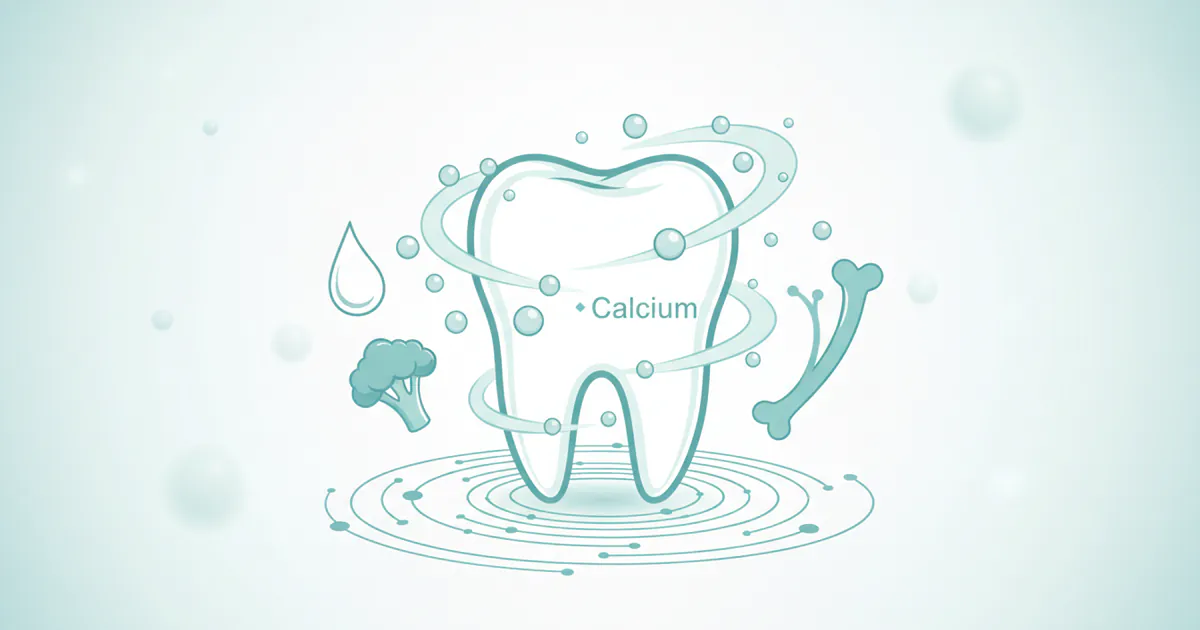
Imagine a protective shield constantly guarding the most exposed parts of your body. For your teeth, that shield is enamel, the hardest substance in the human body, and its primary building block is calcium. Yet, despite its inherent strength, this shield faces daily assaults from acids, bacteria, and wear. This leads many to ask: does calcium strengthen teeth directly, or is its role more nuanced? The answer is a resounding yes, but understanding how calcium contributes to robust dental health is key to maintaining a vibrant, healthy smile.
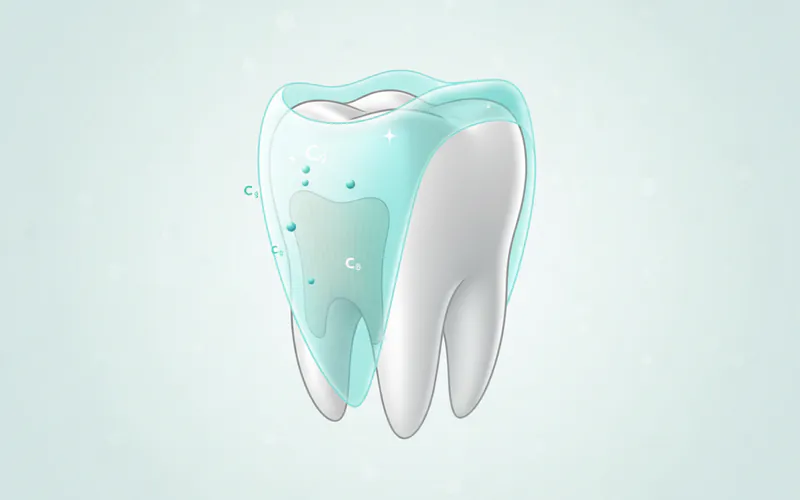
Calcium is not just good for your bones; it's absolutely vital for the formation, development, and ongoing maintenance of your teeth. From the earliest stages of tooth development in childhood to the daily battle against tooth decay and tooth acid erosion throughout adulthood, calcium plays a pivotal, multifaceted role. Without adequate calcium, the very structure of your enamel can be compromised, leaving your teeth vulnerable to sensitivity, cavities, and premature wear. This comprehensive guide from SmilePedia.net will delve deep into the science of calcium and dental health, exploring its mechanisms, optimal sources, the interplay with other nutrients, and practical strategies to ensure your teeth receive the calcium they need to remain strong and resilient against the daily challenges they face.
Key Takeaways:
- Calcium is essential for teeth: It is the primary mineral component of enamel (hydroxyapatite) and supports ongoing remineralization.
- Daily Intake Matters: Adults typically need 1,000-1,200 mg of calcium daily from diet or supplements. Children's needs vary by age (e.g., 700 mg for 1-3 years, 1,300 mg for 9-18 years).
- Vitamin D is Crucial: Adequate Vitamin D is necessary for the body to absorb calcium effectively.
- Remineralization is Key: Calcium, along with phosphate and fluoride, helps repair early enamel damage and combat tooth acid erosion by rebuilding the tooth structure.
- Dental Treatment Costs: Addressing severe enamel damage or calcium-related decay can range from $75 - $200 for fluoride treatments, $100 - $450 per filling, to $800 - $3,000+ per crown, depending on the tooth and location. Many preventive and basic restorative procedures are often covered partly by dental insurance (typically 50-80%).
- Prevention is Best: A calcium-rich diet, good oral hygiene, and regular dental check-ups are the most effective strategies for long-term enamel strength.
- Topical Calcium Boosts: Some toothpastes and rinses contain calcium compounds that can aid in localized remineralization, especially useful for managing sensitivity and early decay.
The Unsung Hero of Your Smile: Calcium and Dental Health
At its core, a healthy tooth is a marvel of biological engineering. The outermost layer, the enamel, is the hardest substance in the human body, designed to withstand the immense pressures of chewing and protect the sensitive inner layers. The primary mineral compound that gives enamel its incredible strength is hydroxyapatite, a crystalline structure predominantly made of calcium and phosphate.
When we ask, "is calcium good for your teeth," we're essentially asking if the fundamental building block of dental resilience is beneficial. The answer is a resounding yes. Calcium performs several critical functions for dental health:
- Enamel Formation: During tooth development, particularly in childhood and adolescence, calcium is indispensable for forming strong, properly mineralized enamel. Insufficient calcium during these formative years can lead to enamel hypoplasia, a condition where enamel is thin, weak, or incomplete, making teeth highly susceptible to decay.
- Structural Integrity: For erupted teeth, calcium contributes to the ongoing maintenance of enamel's structural integrity. It helps keep the hydroxyapatite crystals dense and intact, forming a robust barrier against external threats.
- Remineralization: This is perhaps calcium's most dynamic and critical role for adult dental health. Our mouths are constantly undergoing a natural cycle of demineralization and remineralization.
- Demineralization: Acids produced by oral bacteria (when they metabolize sugars) or acids from food and drink (leading to tooth acid erosion) cause calcium and phosphate ions to dissolve from the enamel surface. This process weakens the enamel and, if unchecked, leads to cavities.
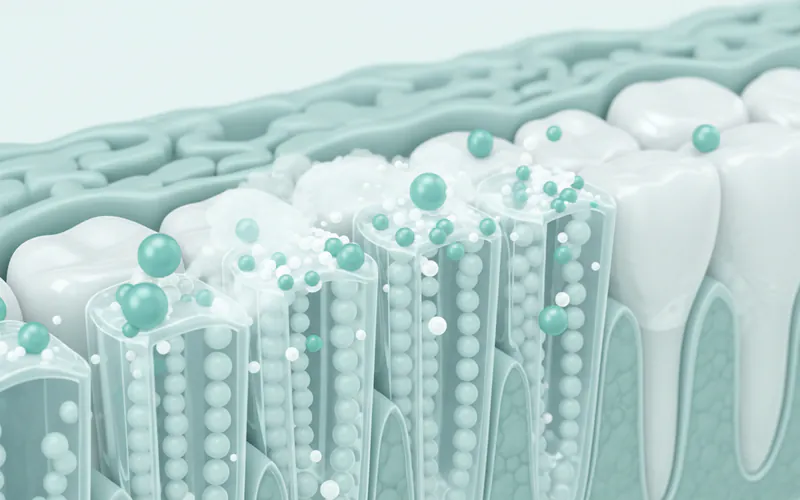
- Remineralization: This is the natural repair process. When calcium and phosphate ions are present in saliva, they can be re-deposited onto the enamel surface, rebuilding and strengthening the weakened areas. Fluoride, often present in toothpaste and water, significantly enhances this process by forming a more acid-resistant fluorapatite. Adequate calcium in your diet and saliva directly fuels this remineralization process, acting as a crucial counter-agent to the constant attacks on your enamel.
Beyond enamel, calcium is also vital for the health of the jawbone that supports your teeth. While not directly part of the tooth itself, a strong alveolar bone is essential for anchoring teeth firmly in place. Chronic calcium deficiency can contribute to reduced bone density, potentially impacting tooth stability over time.
Types of Calcium for Dental Health: Sources and Delivery
Calcium's impact on your teeth stems from where it comes from and how it's delivered to your body and oral cavity. Understanding the different sources can help you optimize your intake for dental benefits.
Dietary Calcium
This is the most natural and generally preferred source of calcium. The American Dental Association (ADA) and other health organizations emphasize a balanced diet rich in calcium.
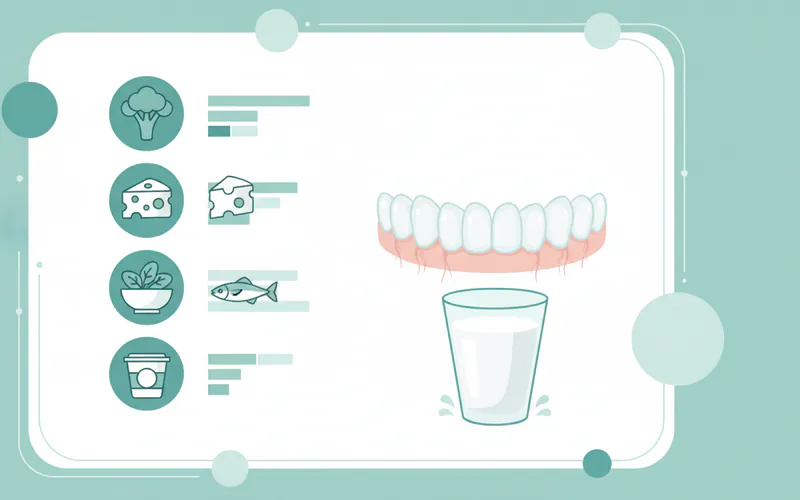
- Dairy Products: Milk, yogurt, and cheese are excellent sources, offering highly bioavailable calcium. A single cup of milk provides approximately 300 mg of calcium.
- Leafy Green Vegetables: Kale, spinach, collard greens, and broccoli contain calcium, though it's often less absorbed due to compounds like oxalates.
- Fortified Foods: Many cereals, plant-based milks (almond, soy, oat), orange juice, and tofu are fortified with calcium to boost intake. Always check nutrition labels for calcium content.
- Fish: Canned salmon and sardines (with bones) are good sources of calcium and often vitamin D.
Calcium Supplements
When dietary intake is insufficient, supplements can help bridge the gap. It's crucial to consult with a healthcare provider before starting any supplement regimen.
- Calcium Carbonate: This is the most common and inexpensive form, found in many antacids. It contains a high percentage of elemental calcium (40%) but requires stomach acid for absorption, so it's best taken with food.
- Calcium Citrate: Contains less elemental calcium (21%) but is more easily absorbed and can be taken with or without food. It's often recommended for individuals with low stomach acid or certain digestive conditions.
- Calcium Phosphate: A lesser-known form that mimics the calcium-phosphate combination found in bones and teeth.
Pro Tip: Your body can only absorb about 500 mg of calcium at a time. If you need more than that daily, split your dosage into two or more doses throughout the day.
Topical Calcium
These products deliver calcium directly to the tooth surface, aiding in localized remineralization. They are particularly useful for managing sensitivity, addressing early decay, and combating tooth acid erosion.
- Toothpastes and Rinses: Many over-the-counter and prescription products contain calcium and phosphate compounds.
- Recaldent (CPP-ACP): Casein phosphopeptide-amorphous calcium phosphate, derived from milk protein, helps stabilize calcium and phosphate ions in the saliva, making them available for remineralization.
- Novamin (Calcium Sodium Phosphosilicate): This bioactive glass releases calcium and phosphate ions when exposed to saliva, forming a hydroxyapatite-like layer that helps occlude dentinal tubules, reducing sensitivity.
- Amorphous Calcium Phosphate (ACP): Found in some products, it releases calcium and phosphate to aid remineralization.
- Professional Treatments: Dentists can apply high-concentration fluoride varnishes, gels, or foams that often contain calcium and phosphate to enhance remineralization after cleanings or for patients at high risk of decay.
Why Calcium Deficiency Impacts Teeth: The Root Causes and Tooth Acid Erosion
A lack of sufficient calcium, whether due to inadequate intake or impaired absorption, can have significant repercussions for dental health.
Root Causes of Calcium Deficiency:
- Insufficient Dietary Intake: The most straightforward cause. Many individuals, particularly adults and adolescents, do not consume the recommended daily allowance of calcium. The ADA recommends 1,000-1,200 mg for most adults.
- Vitamin D Deficiency: Vitamin D is absolutely critical for calcium absorption in the gut. Without adequate vitamin D, even a high-calcium diet won't effectively deliver the mineral to where it's needed. Sources of vitamin D include sunlight exposure, fatty fish, and fortified foods.
- Medical Conditions:
- Digestive Disorders: Conditions like Crohn's disease, celiac disease, or inflammatory bowel disease can impair the absorption of calcium and vitamin D.
- Kidney Disease: Can affect the body's ability to activate vitamin D and regulate calcium levels.
- Parathyroid Gland Issues: The parathyroid hormones regulate calcium levels; dysfunction can lead to imbalances.
- Medications: Certain medications, such as corticosteroids, proton pump inhibitors, and some diuretics, can interfere with calcium absorption or increase its excretion.
- Age: As people age, their ability to absorb calcium can decrease, and hormonal changes (especially in post-menopausal women) can accelerate bone loss.
Direct Impact on Teeth:
When the body doesn't have enough calcium circulating, it can't adequately support the remineralization process. This leaves enamel vulnerable to:
- Increased Cavities (Dental Caries): Demineralization outpaces remineralization, leading to the formation of microscopic porosities in the enamel, which eventually become full-blown cavities.
- Weakened Enamel: The overall density and strength of the enamel decrease, making it more susceptible to chipping, cracks, and wear.
- Tooth Acid Erosion: This is a particularly insidious threat. Acids from sugary drinks, citrus fruits, gastric reflux, or even environmental factors directly dissolve the mineral content of enamel, distinct from bacterial acid attacks. When the calcium-phosphate reservoir in saliva is insufficient, or when acid exposure is prolonged, the natural remineralization process struggles to keep up, leading to progressive enamel loss. This manifests as thinning, shiny, or discolored teeth, often accompanied by increased sensitivity. Calcium's role here is crucial in providing the raw materials for the natural repair mechanism against these erosive attacks.
Signs and Symptoms of Calcium-Related Dental Issues
While a direct "calcium deficiency" diagnosis is complex, several dental symptoms can indicate compromised enamel due to insufficient calcium availability or an imbalance in the demineralization/remineralization cycle.
- Increased Tooth Sensitivity: One of the earliest and most common signs. As enamel thins or demineralizes, the underlying dentin (which contains microscopic tubules leading to the tooth's nerve) becomes exposed. This leads to sharp pain when consuming hot, cold, sweet, or acidic foods and drinks, or even when exposed to cold air.
- Frequent Cavities (Dental Caries): If you find yourself needing fillings more often despite good oral hygiene, it could be a sign that your enamel isn't remineralizing effectively. Weakened enamel is simply easier for decay-causing bacteria to penetrate.
- Brittle or Chipping Teeth: Enamel that lacks optimal mineralization is less resilient and more prone to physical damage from normal chewing forces.
- Visible Enamel Wear or Erosion: This can manifest as teeth appearing shinier, shorter, or with small cupping indentations on the chewing surfaces. The color might also change, as the underlying yellow dentin becomes more visible through thinned enamel. This is a classic sign of tooth acid erosion.
- White Spots on Teeth: These are often early indicators of demineralization, areas where the enamel has lost mineral content but hasn't yet progressed to a cavity. These spots can sometimes be remineralized with targeted therapies.
- Delayed Tooth Eruption (in Children): In very severe childhood calcium deficiencies, the development and eruption of both primary and permanent teeth can be delayed.
- Enamel Hypoplasia: As mentioned, this developmental defect results in thin, pitted, or grooved enamel, making teeth appear discolored and highly vulnerable to decay.
Treatment Options: Rebuilding and Protecting Your Enamel
Addressing calcium-related dental issues requires a multi-pronged approach, combining dietary adjustments, targeted dental treatments, and improved oral hygiene. The specific treatments will depend on the severity of the problem.
-
Dietary Modification and Counseling:
- Pros: Natural, sustainable, benefits overall health.
- Cons: May take time to see results, might not be sufficient for severe deficiencies, requires consistent effort.
- Process: A dentist or dietitian can help assess your current calcium and vitamin D intake and provide personalized recommendations for incorporating calcium-rich foods into your diet.
- Cost: Primarily food costs, typically covered by grocery budgets.
-
Oral Calcium and Vitamin D Supplementation:
- Pros: Directly addresses systemic deficiency, relatively inexpensive.
- Cons: Requires consistent adherence, potential for side effects if overused (hypercalcemia), interactions with some medications.
- Process: After consulting with a doctor, you may be prescribed or recommended specific calcium and vitamin D supplements. Dosage will be tailored to your needs.
- Cost: Over-the-counter calcium supplements range from $10 - $30 per bottle (1-3 month supply). Prescription-strength Vitamin D can vary.
-
Topical Fluoride and Calcium Therapies:
- Pros: Directly targets enamel, highly effective for remineralization and sensitivity reduction, non-invasive.
- Cons: Requires consistent use (for at-home products), professional applications require dental visits.
- Process:
- In-Office Fluoride Varnish/Gels: Applied by a dental professional, these deliver a high concentration of fluoride, often containing calcium and phosphate, directly to the enamel. The ADA supports the use of fluoride varnish as a preventive measure.
- Prescription-Strength Fluoride Toothpastes/Rinses: These contain higher concentrations of fluoride than over-the-counter products, along with compounds like Novamin or CPP-ACP, to enhance remineralization.
- Over-the-Counter Remineralizing Products: Toothpastes with ingredients like Novamin, CPP-ACP, or nano-hydroxyapatite.
- Cost:
- In-office fluoride varnish: $25 - $75 per application (often covered by insurance for children, sometimes for adults).
- Prescription fluoride toothpaste: $15 - $30 per tube.
- Over-the-counter remineralizing toothpastes: $8 - $15 per tube.
-
Dental Fillings:
- Pros: Stops decay progression, restores tooth function and aesthetics.
- Cons: Invasive, doesn't address the underlying cause of demineralization.
- Process: For cavities that have already formed, the decayed part of the tooth is removed, and the area is filled with a material like composite resin (tooth-colored) or amalgam.
- Cost: $100 - $250 for amalgam fillings, $150 - $450 for composite fillings (per tooth), varying by size and location.
-
Dental Bonding, Crowns, or Veneers:
- Pros: Restores severely damaged or eroded teeth, improves aesthetics and function.
- Cons: More invasive and expensive than fillings, generally reserved for more extensive damage.
- Process:
- Bonding: A tooth-colored resin is applied and sculpted to cover and protect eroded or chipped areas.
- Crowns: A cap that covers the entire tooth, restoring its shape, strength, and appearance, used for severely weakened or fractured teeth.
- Veneers: Thin shells bonded to the front surface of teeth, often used for aesthetic improvement and protection of eroded front teeth.
- Cost:
- Bonding: $300 - $600 per tooth.
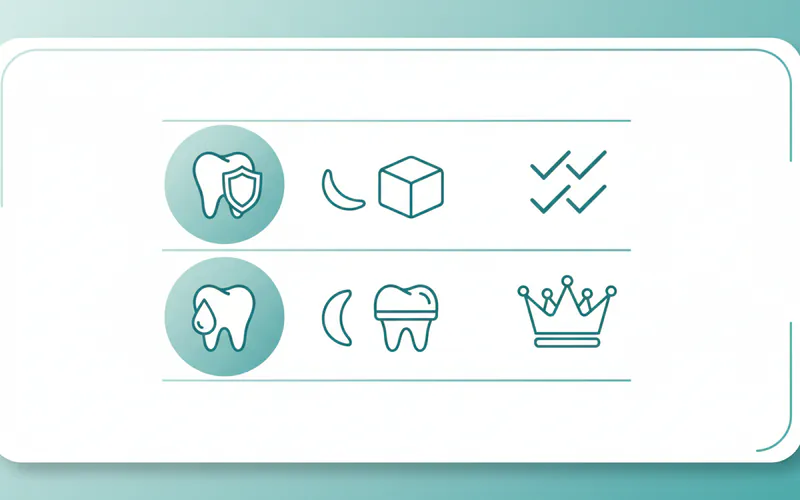
- Crowns: $800 - $3,000+ per tooth (material dependent, e.g., porcelain vs. PFM).
- Veneers: $900 - $2,500 per tooth.
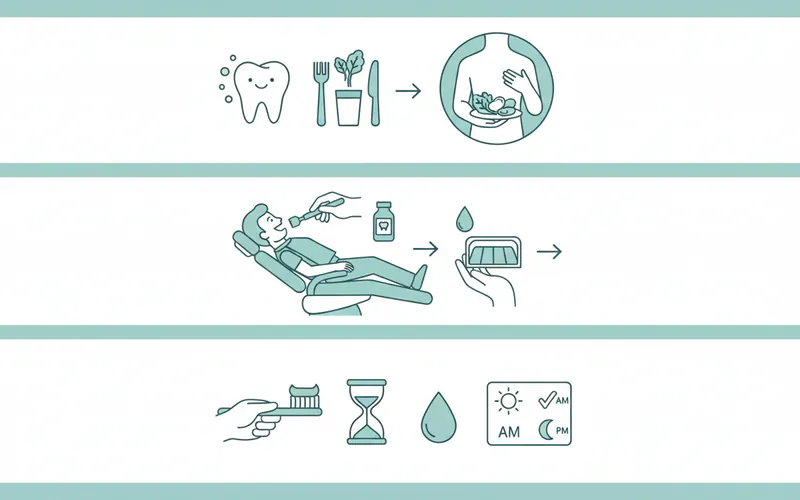
Step-by-Step Process: Boosting Your Dental Calcium Intake and Enamel Health
Taking proactive steps to enhance your enamel health involves a combination of professional guidance and diligent home care. Here’s what you can expect:
-
Initial Dental Consultation & Assessment:
- What to Expect: Your dentist will conduct a thorough oral examination, possibly including X-rays, to assess the current state of your enamel, identify any existing decay or erosion, and evaluate your risk factors for future problems. They will ask about your diet, medical history, and current oral hygiene practices.
- Purpose: To diagnose the extent of enamel damage and determine if calcium deficiency or related issues are contributing factors.
-
Dietary and Nutritional Evaluation:
- What to Expect: Your dentist may recommend a dietary assessment, possibly referring you to a registered dietitian. You'll discuss your daily food intake, particularly your consumption of dairy, fortified foods, and leafy greens.
- Purpose: To identify potential dietary calcium and vitamin D shortfalls. You'll receive personalized advice on increasing your intake of calcium-rich foods.
-
Supplement Recommendation (If Needed):
- What to Expect: If dietary changes alone are insufficient, your dentist or physician may recommend specific calcium and/or vitamin D supplements. They will advise on the correct type, dosage, and timing for optimal absorption and to minimize side effects.
- Purpose: To ensure your body has adequate systemic calcium to support overall health and remineralization.
-
Professional In-Office Treatments:
- What to Expect: Depending on your needs, your dentist may apply fluoride varnish or other remineralizing agents (which often contain calcium and phosphate) directly to your teeth during your check-up. These treatments provide a concentrated dose of minerals to strengthen enamel.
- Purpose: To provide an immediate, powerful boost to enamel remineralization and protection, especially for high-risk areas.
-
At-Home Oral Care Regimen:
- What to Expect: You will receive instructions on an enhanced home care routine. This typically includes:
- Brushing twice daily with a fluoride toothpaste (and potentially a prescription-strength fluoride or remineralizing toothpaste).
- Flossing daily.
- Using a therapeutic mouthrinse (e.g., fluoride or remineralizing rinse) if recommended.
- Adopting habits to reduce acid exposure (e.g., limiting sugary/acidic drinks, not brushing immediately after acidic foods).
- Purpose: To consistently deliver minerals to the tooth surface, neutralize acids, and maintain optimal oral hygiene.
- What to Expect: You will receive instructions on an enhanced home care routine. This typically includes:
-
Regular Follow-Up Appointments:
- What to Expect: You'll schedule regular dental check-ups and cleanings, typically every six months, or more frequently if recommended. Your dentist will monitor your enamel health, address any new concerns, and reapply professional treatments as needed.
- Purpose: Ongoing monitoring and preventive care are essential to maintain progress and prevent recurrence of issues.
Cost and Insurance: Understanding the Financial Aspect of Dental Calcium Support
The costs associated with maintaining calcium-strong teeth and treating related issues can vary significantly based on the treatment's complexity, geographic location, and whether you have dental insurance. Here's a breakdown of average US costs:
Preventive Measures (Often Covered by Insurance)
- Routine Dental Exam & Cleaning: $75 - $200 (often 100% covered by most insurance plans twice a year).
- Fluoride Varnish Application: $25 - $75 per application (often 100% covered for children; coverage varies for adults).
- Sealants: $30 - $60 per tooth (often 80-100% covered for children/adolescents on molars).
- Over-the-Counter Calcium Supplements: $10 - $30 for a 1-3 month supply.
- Prescription Fluoride Toothpaste: $15 - $30 per tube (may be covered partially by some insurance plans, check formulary).
Restorative Procedures (When Enamel Damage Occurs)
- Composite (Tooth-Colored) Fillings:
- Small (1 surface): $150 - $250
- Medium (2 surfaces): $200 - $350
- Large (3+ surfaces): $250 - $450
- Insurance typically covers 50-80% of the cost after deductible.
- Amalgam (Silver) Fillings: (Less common now, but still used)
- Small: $100 - $175
- Medium: $150 - $275
- Large: $200 - $350
- Insurance typically covers 50-80% of the cost after deductible.
- Dental Bonding (for minor chips/erosion): $300 - $600 per tooth (coverage varies, often considered cosmetic, so limited or no coverage).
- Dental Crowns (for severe erosion, fractures):
- Porcelain Fused to Metal (PFM): $800 - $1,500
- All-Ceramic/Porcelain: $1,000 - $2,000
- Zirconia: $1,200 - $2,500+
- Insurance typically covers 50% of the cost after deductible, up to your annual maximum.
- Root Canal (if decay reaches the pulp): $700 - $1,500 for front teeth, $1,000 - $2,000+ for molars (usually 50% covered by insurance).
- Extraction (if tooth is beyond repair): $150 - $450 for simple, $300 - $800+ for surgical (typically 50-80% covered).
Insurance Coverage Details:
Most dental insurance plans in the US follow a "100-80-50" coverage model:
- 100% coverage for preventive services (exams, cleanings, X-rays).
- 80% coverage for basic restorative services (fillings, simple extractions, root canals).
- 50% coverage for major restorative services (crowns, bridges, dentures).
It's crucial to check your specific policy details, as deductibles, annual maximums (typically $1,000 - $2,000), and waiting periods can significantly impact your out-of-pocket costs. Many cosmetic procedures, like veneers or extensive bonding solely for aesthetics, are usually not covered.
Payment Plans and Financing Options:
For extensive or uncovered treatments, many dental offices offer:
- In-house payment plans: Spreading costs over several months.
- Third-party financing: Companies like CareCredit offer low- or no-interest payment plans for healthcare expenses.
- Dental discount plans: Not insurance, but offer reduced fees for members at participating dentists.
Recovery and Aftercare: Maintaining Your Calcium-Strong Smile
Maintaining optimal dental health after addressing calcium-related issues or proactively strengthening your enamel requires consistent effort and adherence to a disciplined aftercare routine.
- Consistent Dietary Intake: Continue prioritizing calcium-rich foods in your daily diet. Remember that dietary calcium is the most natural and sustainable source. Ensure adequate vitamin D intake to maximize calcium absorption.
- Diligent Oral Hygiene:
- Brush Twice Daily: Use a soft-bristled toothbrush and a fluoride toothpaste for two minutes, focusing on all tooth surfaces and the gumline. If prescribed, use a specific high-fluoride or remineralizing toothpaste.
- Floss Daily: Flossing removes plaque and food particles from between teeth and under the gumline, areas brushing can't reach, preventing decay.
- Tongue Cleaning: Helps reduce oral bacteria.
- Regular Dental Check-ups and Cleanings: Schedule and attend these appointments religiously, typically every six months. Your dentist will monitor your enamel, identify any new concerns early, and provide professional cleanings to remove stubborn plaque and tartar. These visits are critical for ongoing remineralization strategies.
- Manage Acid Exposure:
- Limit Acidic Foods & Drinks: Reduce consumption of sodas, sports drinks, fruit juices, citrus fruits, and excessively vinegary foods.
- Rinse After Acids: If you do consume acidic items, rinse your mouth with water immediately afterward.
- Avoid Brushing Immediately: Wait at least 30 minutes after consuming acidic foods or drinks before brushing to avoid abrading softened enamel.
- Address Acid Reflux: If you suffer from GERD or acid reflux, work with your doctor to manage it, as stomach acid can severely erode enamel.
- Consider Topical Remineralizing Products: If advised by your dentist, continue using over-the-counter or prescription rinses or toothpastes specifically designed to aid in remineralization (e.g., those containing CPP-ACP, Novamin, or nano-hydroxyapatite).
- Protect Against Grinding (Bruxism): If you grind or clench your teeth, especially at night, talk to your dentist about a nightguard. Bruxism can cause significant wear and tear on enamel, making it more susceptible to damage.
- Stay Hydrated: Drinking plenty of water helps maintain saliva flow, which is crucial for neutralizing acids and providing calcium and phosphate ions for remineralization.
Prevention: The Best Defense is a Calcium-Rich Offense
Preventing dental issues related to calcium deficiency and tooth acid erosion is far easier and less costly than treating them. A proactive approach is vital.
- Balanced, Calcium-Rich Diet:
- Consume 3-4 servings of dairy products daily (milk, yogurt, cheese).
- Incorporate calcium-fortified foods (plant-based milks, cereals, orange juice).
- Eat dark leafy greens (kale, collard greens) and certain fish (sardines, salmon with bones).
- ADA Recommendation: Ensure you meet the daily recommended dietary allowance (RDA) for calcium, which varies by age but is generally 1,000 mg for adults aged 19-50 and 1,200 mg for women over 50 and men over 70.
- Adequate Vitamin D Intake:
- Sun exposure (10-15 minutes, 3 times a week, avoiding peak sun hours).
- Vitamin D-rich foods (fatty fish like salmon, tuna, mackerel; fortified milk and cereals).
- Supplements: Many adults may require a vitamin D supplement, especially in regions with limited sunlight or for those with dietary restrictions. Consult your doctor for appropriate dosage.
- Excellent Oral Hygiene:
- Brush twice a day with fluoride toothpaste.
- Floss daily.
- Consider an antimicrobial or fluoride mouthwash if recommended by your dentist.
- Limit Sugary and Acidic Foods/Drinks:
- Reduce frequency and quantity of sodas, sports drinks, fruit juices, and candies.
- When consumed, do so with meals to buffer acids, and rinse with water afterward.
- Avoid sipping on acidic drinks throughout the day.
- Regular Dental Check-ups: Visit your dentist every six months for professional cleanings and examinations. They can identify early signs of demineralization or erosion and apply preventive treatments like fluoride varnish.
- Stay Hydrated: Water helps wash away food particles and acids, and keeps saliva flowing, which is crucial for remineralization.
- Avoid Tobacco Products: Smoking and chewing tobacco are detrimental to overall oral health, increasing the risk of gum disease and hindering healing.
Risks and Complications of Calcium Imbalance
While calcium is essential, both too little and, rarely, too much can lead to health complications, including those affecting your dental health.
Risks of Calcium Deficiency (Hypocalcemia):
- Weakened Bones (Osteoporosis): The body will draw calcium from bones to maintain vital functions, leading to reduced bone density, including in the jawbone.
- Increased Dental Decay and Erosion: As extensively discussed, insufficient calcium impairs remineralization, making enamel highly susceptible to demineralization and acid attacks.
- Tooth Sensitivity: Thinner, weaker enamel exposes the dentin, causing discomfort.
- Gum Disease Progression: While not a direct cause, weakened jawbone due to systemic calcium deficiency can exacerbate periodontal disease, leading to tooth loosening and loss.
- Enamel Defects: In children, severe deficiency can result in enamel hypoplasia, leading to lifelong dental fragility.
Risks of Excess Calcium (Hypercalcemia):
While extremely rare from diet alone, excessive supplementation can lead to hypercalcemia, which can have serious systemic health implications.
- Kidney Stones: High calcium levels can lead to the formation of calcium oxalate kidney stones.
- Constipation: A common side effect of calcium supplements.
- Impaired Absorption of Other Minerals: High calcium intake can interfere with the absorption of iron and zinc.
- Calcification of Soft Tissues: In severe, chronic cases, calcium can deposit in soft tissues like arteries (vascular calcification) and kidneys.
- Gastrointestinal Issues: Nausea, vomiting, and stomach upset.
Pro Tip: Always consult your doctor or dentist before starting any calcium or vitamin D supplements. They can assess your individual needs, recommend appropriate dosages, and monitor for any potential side effects or interactions with other medications. Self-medicating with high doses of supplements is not advisable.
Comparison Tables
Table 1: Calcium Sources for Dental Health
| Source Type | Examples | Pros | Cons | Best Use |
|---|---|---|---|---|
| Dietary Calcium | Dairy (milk, yogurt, cheese), Leafy Greens, Fortified Foods | Natural, provides other nutrients, systemic benefits | Absorption can vary, requires consistent effort | Primary source for daily calcium needs, overall health |
| Oral Supplements | Calcium Carbonate, Calcium Citrate | Targeted, convenient, measurable dosage | Potential for side effects (constipation, kidney stones if overused), absorption varies | To bridge dietary gaps, address diagnosed deficiencies (under doctor's guidance) |
| Topical Calcium (Dental Products) | Toothpastes/rinses with CPP-ACP, Novamin, nano-hydroxyapatite | Direct action on enamel, localized remineralization, reduces sensitivity | Does not address systemic deficiency, requires consistent application | For targeted enamel strengthening, managing sensitivity, early decay reversal |
Table 2: Cost Comparison of Treatments for Enamel Damage (US Averages)
| Treatment Type | Purpose | Average US Cost Range (Out-of-Pocket, without insurance) | Typical Insurance Coverage (if applicable) | Pros | Cons |
|---|---|---|---|---|---|
| Fluoride Varnish | Preventative remineralization | $25 - $75 | Often 100% (children), varies (adults) | Non-invasive, quick, effective for early demineralization | Not for existing cavities, temporary |
| Composite Filling | Repair small to medium cavities/erosion | $150 - $450 | 50-80% | Tooth-colored, restores function, prevents further decay | Invasive (removes tooth structure), can chip |
| Dental Bonding | Cover minor chips, erosion, gaps | $300 - $600 per tooth | Limited/None (often cosmetic) | Minimally invasive, cost-effective for minor issues | Less durable than veneers/crowns, can stain over time |
| Dental Crown | Restore severely damaged/eroded tooth | $800 - $3,000+ per tooth | 50% | Highly durable, full tooth protection, aesthetic | Most invasive, highest cost, irreversible |
| Root Canal (plus Crown) | Treat deep decay reaching pulp, prevent extraction | $1,500 - $3,500+ (total) | 50% (often separate coverage for root canal and crown) | Saves natural tooth, eliminates infection | Complex procedure, high cost, multiple appointments |
Children / Pediatric Considerations: Calcium for Growing Smiles
Calcium's role in a child's dental health is arguably even more critical than in adults, as it is fundamental for the very formation and development of both primary (baby) and permanent teeth.
- Tooth Development: During gestation and early childhood, adequate maternal and child calcium intake is paramount for the proper mineralization of tooth enamel and dentin. A deficiency during these critical periods can lead to enamel hypoplasia, where the enamel layer is thin, pitted, or grooved, making teeth significantly more prone to decay from the moment they erupt. This can result in lifelong dental challenges.
- Bone Growth: Children's bones are rapidly growing, and calcium is their primary building block. The jawbone, which supports the teeth, also relies heavily on sufficient calcium intake for its development and strength.
- Remineralization: Just like in adults, children's teeth are constantly subjected to demineralization from sugars and acids. Adequate calcium and phosphate in their saliva, supported by their diet, helps promote remineralization and protect their developing teeth from cavities.
Age-Specific Daily Calcium Recommendations (ADA and National Institutes of Health):
- 0-6 months: 200 mg (from breast milk/formula)
- 7-12 months: 260 mg (from breast milk/formula and early solids)
- 1-3 years: 700 mg
- 4-8 years: 1,000 mg
- 9-18 years: 1,300 mg (crucial period for permanent tooth development and peak bone mass)
Parental Guidance for Children's Calcium Intake:
- Prioritize Dairy: Offer milk, yogurt, and cheese as primary sources.
- Fortified Foods: Utilize calcium-fortified cereals, juices, and plant-based milks if dairy is restricted.
- Vitamin D: Ensure adequate vitamin D through fortified foods, safe sun exposure, or pediatrician-recommended supplements, as it's vital for calcium absorption.
- Limit Sugary Drinks and Snacks: These actively promote demineralization and counteract calcium's benefits.
- Good Oral Hygiene: Start brushing as soon as the first tooth erupts and establish a routine of brushing twice daily with a fluoride toothpaste (a "smear" for under 3, a "pea-size" for over 3).
- Regular Pediatric Dental Visits: Begin dental check-ups by age one or when the first tooth appears. Dentists can assess enamel health, provide fluoride treatments, and offer guidance on diet and hygiene.
Frequently Asked Questions
Does milk strengthen teeth?
Yes, milk is an excellent source of calcium and phosphate, two minerals crucial for strengthening tooth enamel and supporting the natural remineralization process that repairs early enamel damage. It also helps neutralize acids in the mouth.
How quickly does calcium strengthen teeth?
Systemic calcium intake from diet or supplements contributes to overall bone and tooth health over weeks and months, primarily by supporting ongoing remineralization. Topical calcium therapies (toothpastes, rinses) can show effects on sensitivity and early demineralization within days to weeks of consistent use by directly depositing minerals onto the enamel.
Can too much calcium be bad for my teeth?
While adequate calcium is good, excessive calcium intake, usually from supplements, can lead to hypercalcemia. This is generally more harmful to overall systemic health (e.g., kidney stones) than directly to teeth. For dental health, the primary concern is balance; too much doesn't necessarily make teeth "stronger" beyond optimal levels.
Is calcium or fluoride more important for teeth?
Both calcium and fluoride are incredibly important and work synergistically. Calcium is the primary building block of enamel, while fluoride enhances the enamel's resistance to acid and significantly speeds up the remineralization process by forming a more stable fluorapatite. You need both for optimal tooth strength and decay prevention.
What are the best calcium supplements for teeth?
Calcium carbonate and calcium citrate are the most common and effective forms. Calcium carbonate is often more economical and has a higher elemental calcium content but requires stomach acid for absorption (take with food). Calcium citrate is better absorbed regardless of food and is often recommended for those with digestive issues. Always consult a healthcare provider for personalized recommendations.
Can calcium reverse tooth decay?
Calcium, especially when combined with phosphate and fluoride, can help reverse early tooth decay (demineralization) by promoting remineralization of the enamel. However, it cannot repair a cavity that has already broken through the enamel surface and formed a hole; that requires a dental filling.
How does vitamin D affect calcium absorption for teeth?
Vitamin D is absolutely essential for calcium absorption in the gut. Without sufficient vitamin D, your body cannot effectively absorb dietary or supplemental calcium, regardless of how much you consume. This means less calcium is available for bone and tooth health.
Are topical calcium products effective?
Yes, topical calcium products (toothpastes, rinses with ingredients like CPP-ACP, Novamin, or nano-hydroxyapatite) are effective. They deliver calcium and phosphate ions directly to the tooth surface, enhancing localized remineralization, reducing sensitivity, and helping to combat early enamel erosion and demineralization.
What foods are highest in calcium for dental health?
Dairy products (milk, yogurt, cheese) are excellent sources. Other good options include calcium-fortified plant-based milks, fortified cereals, dark leafy greens (kale, collard greens), tofu, and canned fish with bones (sardines, salmon).
Does calcium help with tooth sensitivity?
Yes, calcium plays a significant role in reducing tooth sensitivity. By supporting the remineralization of enamel, it helps rebuild the outer protective layer. Topical calcium products, in particular, can help occlude exposed dentinal tubules, blocking the pathways to the tooth's nerve and significantly reducing sensitivity.
When to See a Dentist
While understanding calcium's role is empowering, knowing when to seek professional dental care is crucial for maintaining optimal oral health. Do not delay seeing a dentist if you experience any of the following:
- Persistent Tooth Sensitivity: If sensitivity to hot, cold, sweet, or acidic foods and drinks lasts for more than a few days, it could indicate enamel erosion, demineralization, or the early stages of a cavity.
- Frequent Cavities: If you find yourself needing multiple fillings within a short period, it's a strong sign that your enamel's defenses are compromised, and your dentist needs to investigate the underlying causes.
- Visible Signs of Enamel Erosion or Wear: Noticing your teeth appearing shiny, smooth, discolored, or showing small "cupping" indentations on the chewing surfaces are clear indicators of tooth acid erosion that require professional assessment.
- Brittle or Chipping Teeth: Teeth that chip or break easily, even with normal chewing, suggest weakened enamel or an underlying structural issue.
- White Spots or Discoloration: These can be early signs of demineralization and can often be treated conservatively if caught early.
- Pain or Swelling: Any persistent toothache, gum swelling, or facial pain warrants immediate dental attention, as it could indicate an infection or a serious underlying problem.
- Concerns About Your Diet or Oral Health: If you have questions about your calcium and vitamin D intake, struggle with maintaining good oral hygiene, or simply want a personalized assessment of your enamel health, a dental check-up is the best starting point.
While routine dental check-ups (typically every six months) are essential for preventive care and early detection, any of the above warning signs should prompt you to schedule an appointment sooner rather than later. Early intervention can often prevent more extensive, costly, and uncomfortable dental procedures down the line.
Frequently Asked Questions
Medically Reviewed Content
This article was written by our dental health editorial team and reviewed for medical accuracy. Our content follows strict editorial guidelines for reliability and trustworthiness.
Medical Disclaimer
This article is for informational purposes only and does not constitute medical advice. Always consult with a qualified dental professional for diagnosis and treatment. Do not delay seeking professional advice because of something you read on this website.
Related Articles
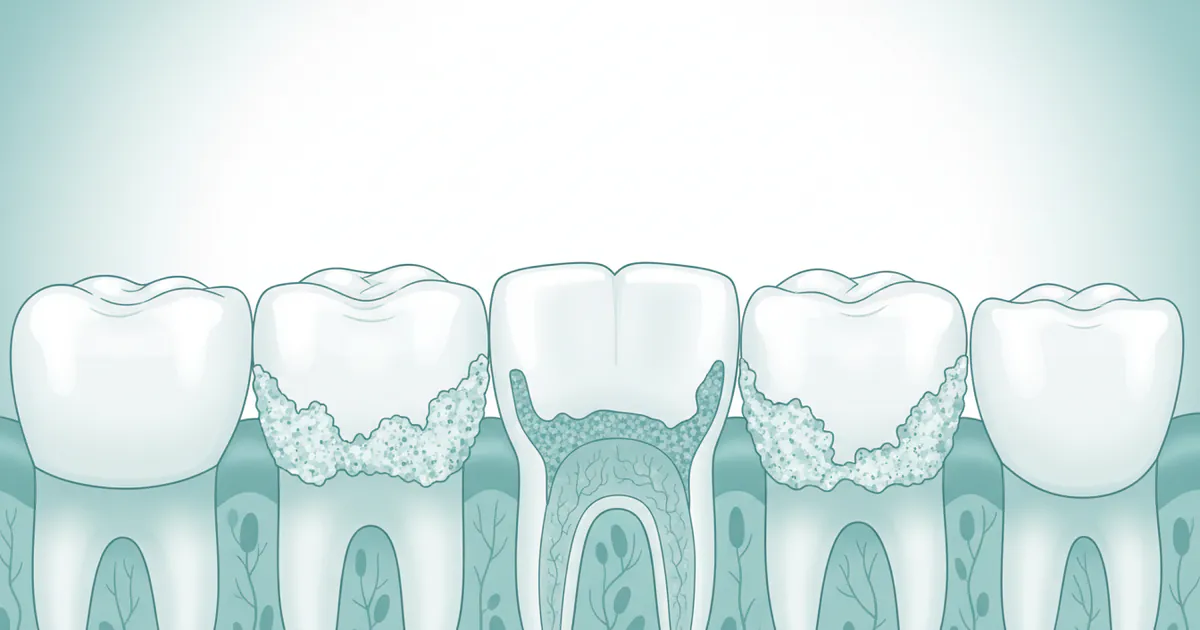
What Are Calcium Deposits on Teeth
Are you one of the millions of Americans who notices a stubborn, yellowish buildup on your teeth despite regular brushing? You're likely experiencing what many refer to as "calcium deposits on teeth." This common dental concern, medically known as dental calculus or tartar, affects a vast ma
February 23, 2026
Calcium Good for Teeth: Complete Guide
More than 99% of your body's calcium resides in your bones and teeth, making it an undeniable cornerstone of skeletal and oral health. But did you know that an estimated 42% of American adults don't get enough calcium from their diet? This staggering statistic underscores a critical question
February 23, 2026
What Do Bulimia Teeth Look Like
"Bulimia teeth" refers to the specific and often severe damage that the self-induced vomiting characteristic of bulimia nervosa inflicts on a person's oral health. It's a critical issue, affecting approximately 1.5% of women and 0.5% of men in the US at some point in their lives, with many more
February 23, 2026
Erosion in Teeth: Complete Guide
Erosion in Teeth: Complete Guide
February 23, 2026