Severe Acid Erosion Teeth: Complete Guide
Key Takeaways
- Imagine biting into your favorite food or sipping a cool drink, only to be met with a sudden, sharp jolt of pain. Or perhaps you’ve noticed your once-pearly whites appear more translucent, discolored, or even shortened. These are often early indicators of a serious dental issue: **severe acid erosio
Severe Acid Erosion Teeth: Complete Guide
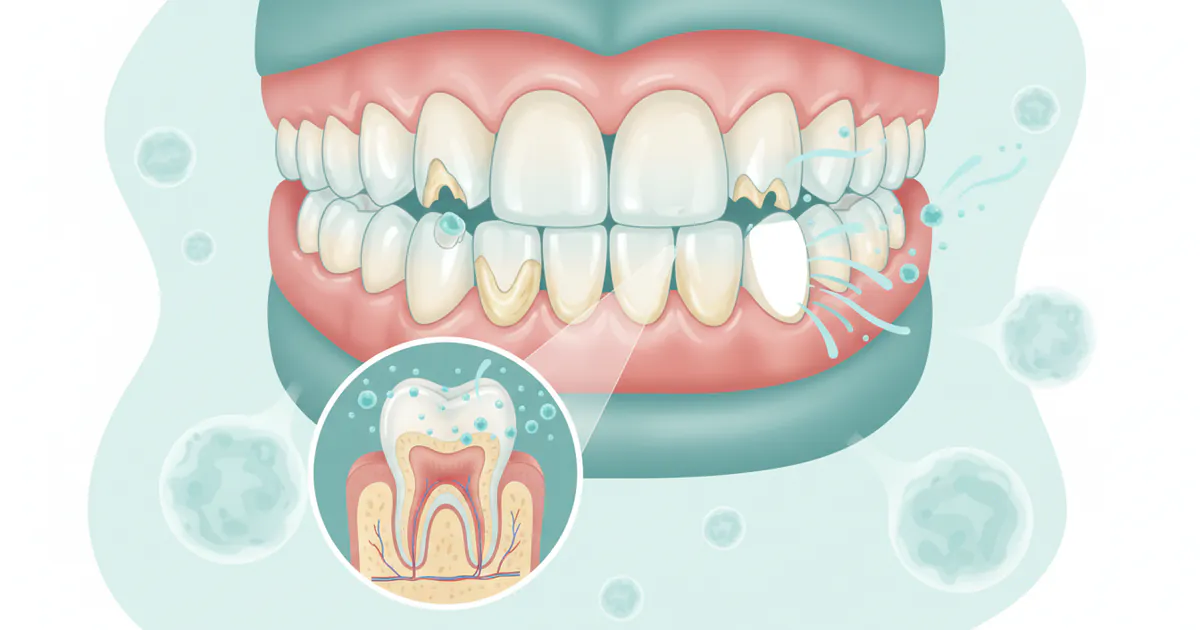
Imagine biting into your favorite food or sipping a cool drink, only to be met with a sudden, sharp jolt of pain. Or perhaps you’ve noticed your once-pearly whites appear more translucent, discolored, or even shortened. These are often early indicators of a serious dental issue: severe acid erosion teeth. A staggering 30-50% of adults in the U.S. show signs of dental erosion, with more advanced cases significantly impacting oral health and quality of life. This condition, characterized by the irreversible loss of tooth structure due due to acid exposure, can weaken teeth, make them highly sensitive, and drastically alter your smile. Ignoring it won't make it disappear; in fact, it will only worsen, leading to more complex and costly treatments down the line.

This comprehensive guide from SmilePedia.net will demystify severe acid erosion teeth, explaining what it is, its diverse causes, how to recognize its signs, and the full spectrum of treatment and prevention strategies available. We’ll delve into the latest restorative techniques, provide clear cost breakdowns, and offer practical advice to protect your teeth. By understanding the intricacies of this condition, you'll be empowered to take proactive steps towards preserving your dental health and maintaining a confident, pain-free smile.
Key Takeaways:
- Definition: Severe acid erosion is the irreversible loss of tooth enamel and dentin due to chemical dissolution by acids, not bacterial decay.
- Primary Causes: Frequent consumption of acidic foods/drinks (soda, fruit juices, citrus), medical conditions like GERD or bulimia, and certain medications.
- Common Symptoms: Increased tooth sensitivity, yellowing (due to exposed dentin), rounded/smooth tooth surfaces, cupping on chewing surfaces, and chipping.
- Treatment Options: Range from fluoride treatments for early stages to dental bonding (costing $150-$600 per tooth), veneers ($900-$2,500 per tooth), and crowns ($800-$3,000 per tooth) for severe damage.
- Prevention is Key: Reduce acidic intake, rinse with water after acidic foods, use fluoride toothpaste, avoid brushing immediately after acid exposure, and manage underlying medical conditions.
- Average Treatment Timeline: Depending on severity, treatment can range from a single visit for minor bonding to several weeks or months for complex full-mouth restorations.
- Insurance Coverage: Many treatments are partially covered by dental insurance (e.g., fillings, crowns), but cosmetic options like veneers may have limited or no coverage.
Understanding Severe Acid Erosion Teeth
Dental erosion, commonly referred to as acid erosion, is the irreversible loss of tooth hard tissue (enamel and dentin) due to chemical processes not involving bacterial action. Unlike tooth decay (cavities), which is caused by acids produced by bacteria consuming sugars, acid erosion results from direct contact with non-bacterial acids. These acids dissolve the mineral structure of the tooth, leading to a gradual wearing away of the protective enamel layer. When this process becomes advanced, it's categorized as severe acid erosion teeth, affecting not just the enamel but often extending into the underlying dentin, and in extreme cases, even exposing the pulp (nerve) of the tooth.
Enamel, the outermost layer of your teeth, is the hardest substance in the human body. Its primary role is to protect the softer, more sensitive inner layers. When acids come into contact with enamel, they cause demineralization – the dissolution of calcium and phosphate minerals that make up the enamel. While saliva naturally helps to remineralize (repair) minor demineralization by buffering acids and providing minerals, frequent or prolonged acid exposure overwhelms this natural defense, leading to net mineral loss and progressive erosion.
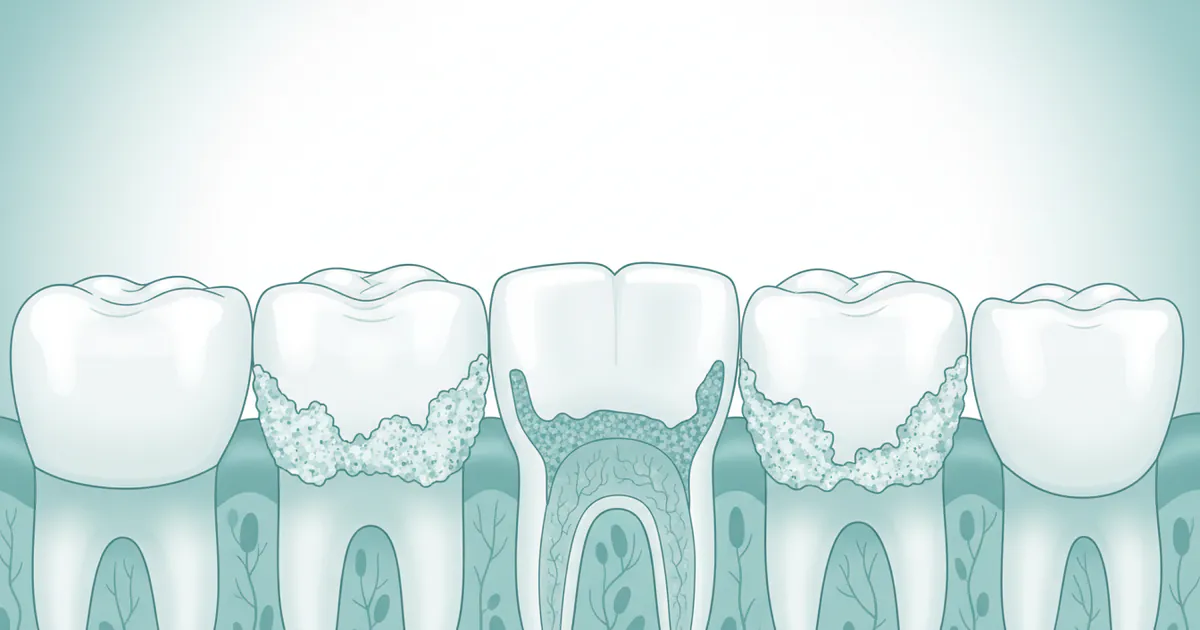
A common point of confusion arises when discussing "calcium deposits on teeth." It's crucial to clarify that acid erosion removes minerals like calcium from your teeth, leading to loss of tooth structure. "Calcium deposits on teeth" typically refers to dental calculus, also known as tartar. Calculus is hardened plaque, formed when plaque (a sticky film of bacteria and food particles) absorbs minerals, primarily calcium, from saliva and hardens. Calculus is a rough, porous deposit that harbors bacteria, contributing to gum disease and cavities, and it cannot be removed by brushing or flossing alone. Instead, professional dental cleaning by a hygienist or dentist is required to scrape it away using specialized instruments. Therefore, while both acid erosion and calculus involve minerals, they are distinct issues: acid erosion takes away tooth minerals, and calculus is an addition of mineralized plaque. This article primarily focuses on the challenges and solutions related to the loss of tooth structure due to acid.
Types of Acid Erosion and Their Progression
Acid erosion can manifest in various ways, depending on the source and frequency of acid exposure, as well as individual oral hygiene habits and salivary flow. Understanding these types and their progression is crucial for accurate diagnosis and effective treatment.
Intrinsic vs. Extrinsic Erosion
The source of the acid determines whether erosion is classified as intrinsic or extrinsic:
- Intrinsic Erosion: This type of erosion originates from within the body. The most common causes are gastroesophageal reflux disease (GERD), chronic vomiting (often associated with conditions like bulimia nervosa or severe morning sickness), and acid regurgitation. The stomach acid (hydrochloric acid) is highly potent and can cause significant damage, often affecting the lingual (tongue-side) surfaces of the upper front teeth and the occlusal (biting) surfaces of the back teeth.
- Extrinsic Erosion: This type is caused by acids from external sources, primarily dietary acids. Frequent consumption of highly acidic foods and beverages like soft drinks, sports drinks, fruit juices (especially citrus), vinegar, and even some sour candies can lead to extrinsic erosion. This form typically affects the facial (cheek-side) surfaces of teeth, particularly the upper front teeth, and the occlusal surfaces of molars, depending on how the acidic substance is consumed. Occupational exposure to acidic fumes (e.g., in industrial settings) can also contribute to extrinsic erosion, though it's less common.
Patterns of Erosion
Dentists observe specific patterns that help identify the cause and severity of erosion:
- Cupping: This is a classic sign of moderate to severe erosion, where shallow, rounded indentations appear on the chewing surfaces of molars and premolars. The outer enamel rim often remains, while the softer dentin underneath is dissolved more rapidly, creating a "cupped" appearance.
- Generalized Erosion: Affects multiple tooth surfaces across the mouth, often indicating widespread acid exposure from diet or systemic conditions.
- Incisal/Occlusal Wear: Thinning or shortening of the biting edges of front teeth (incisal) or chewing surfaces of back teeth (occlusal), leading to a reduction in tooth height.
- Loss of Dental Anatomy: The natural grooves and contours of teeth become flattened or disappear as erosion progresses.
- Increased Translucency: Especially visible on the incisal edges of front teeth, where enamel becomes thin and appears glass-like.
Stages of Erosion Progression
Acid erosion typically progresses through stages, with early detection offering the best prognosis for conservative treatment:
- Early Stage: Characterized by subtle changes in enamel texture or slight dullness of the tooth surface. Sensitivity might be mild or intermittent. Often only visible under magnification by a dental professional.
- Moderate Stage: Enamel loss becomes more apparent, leading to visible surface changes, increased translucency, and potentially the onset of cupping on chewing surfaces. Sensitivity becomes more frequent and pronounced, particularly to hot, cold, or sweet stimuli.
- Severe Stage: Significant loss of enamel and dentin. The teeth may appear yellow (due to exposed dentin), short, chipped, or fractured. Cupping is extensive, and restorations may stand proud of the remaining tooth structure. Sensitivity is severe and persistent, potentially leading to pain even without stimuli. In advanced cases, the pulp can become exposed, leading to infection and requiring root canal treatment or extraction.
Understanding these types and stages is vital for both dentists and patients. Early identification of even subtle signs can prevent the progression to severe acid erosion teeth, safeguarding your oral health and smile.
Root Causes of Severe Acid Erosion
Identifying the root cause of acid erosion is the first and most critical step in managing and treating the condition. Factors can range from everyday dietary choices to underlying medical conditions.
Dietary Factors
Diet plays a significant role in extrinsic acid erosion. The frequency and duration of exposure to acidic substances are often more damaging than the sheer quantity.
- Acidic Beverages:
- Soft Drinks (Sodas): Both regular and diet sodas are highly acidic due to phosphoric acid, citric acid, and carbonic acid. The pH levels can be as low as 2.5-3.5, which is extremely erosive.
- Sports and Energy Drinks: Often contain high levels of citric acid and sugar, making them highly erosive, especially when consumed frequently during physical activity when saliva flow might be reduced.
- Fruit Juices: Citrus juices (orange, grapefruit, lemon) and apple juice are naturally acidic. While nutritious, their frequent consumption without moderation can contribute to erosion. Even "natural" fruit juices can have pH levels between 3.0 and 4.0.
- Flavored Waters: Many contain citric acid as a flavor enhancer, which can be erosive.
- Wine and Beer: Alcoholic beverages, particularly white wine, are acidic and can contribute to erosion.
- Acidic Foods:
- Citrus Fruits: Lemons, limes, oranges, grapefruits – direct consumption or frequent sucking can cause localized erosion.
- Vinegar: Found in salad dressings, pickles, and some condiments, vinegar (acetic acid) can be highly erosive.
- Sour Candies: Often contain high concentrations of various acids (citric, malic, tartaric) that can rapidly demineralize enamel.
- Tomatoes: While generally healthy, their acidity can contribute to erosion with frequent consumption.
Medical Conditions
Several systemic health conditions can lead to intrinsic acid erosion:
- Gastroesophageal Reflux Disease (GERD): Chronic acid reflux allows stomach acid to flow back into the esophagus and mouth. This highly potent acid (pH 1.0-2.0) can cause severe erosion, often affecting the back of the upper front teeth and the chewing surfaces of molars. Individuals with "silent reflux" may not experience heartburn but still suffer from dental erosion.
- Eating Disorders:
- Bulimia Nervosa: Frequent, self-induced vomiting exposes teeth to stomach acid, leading to rapid and severe erosion, particularly on the lingual surfaces of the upper front teeth.
- Anorexia Nervosa: Can also involve vomiting or lead to nutrient deficiencies impacting oral health.
- Xerostomia (Dry Mouth): Saliva is crucial for neutralizing acids and remineralizing enamel. Conditions or medications that reduce salivary flow (e.g., antidepressants, antihistamines, certain medical treatments) diminish this protective effect, making teeth more vulnerable to acid attack.
- Certain Medications: Some medications, particularly chewable vitamin C tablets or aspirin, can be acidic and contribute to localized erosion if dissolved in the mouth. Asthma inhalers, while vital, can sometimes alter oral pH.
- Chronic Alcoholism: Can exacerbate erosion due to frequent vomiting and potentially poor nutritional intake.
Lifestyle Habits and Other Factors
- Aggressive Brushing After Acid Exposure: Brushing immediately after consuming acidic foods or beverages, or after reflux/vomiting, can be highly damaging. The enamel is temporarily softened by acid, and abrasive brushing can physically wear away the demineralized surface.
- Bruxism (Teeth Grinding/Clenching): While not a direct cause of erosion, bruxism can exacerbate the problem by physically wearing down already weakened and thinned enamel, making teeth more susceptible to fracture.
- Occupational Exposure: Workers in environments with airborne acidic chemicals (e.g., battery factories, certain industrial plants) can experience erosion due to repeated inhalation of acidic fumes.
Identifying which of these factors are at play is essential. A detailed dental and medical history, along with an oral examination, helps your dentist pinpoint the cause and develop a tailored prevention and treatment plan.
Recognizing the Signs of Severe Acid Erosion
Early detection of acid erosion can significantly reduce the need for extensive restorative work. However, in its severe stages, the signs become unmistakable and can greatly impact your daily life. It’s important to be vigilant and consult your dentist if you notice any of the following:
- Increased Tooth Sensitivity: This is often one of the earliest and most common symptoms. As enamel wears away, the underlying dentin – which contains microscopic tubules leading to the tooth's nerve – becomes exposed. This exposure makes your teeth highly sensitive to hot, cold, sweet, or acidic foods and drinks. The pain can range from a mild twinge to a sharp, intense ache.
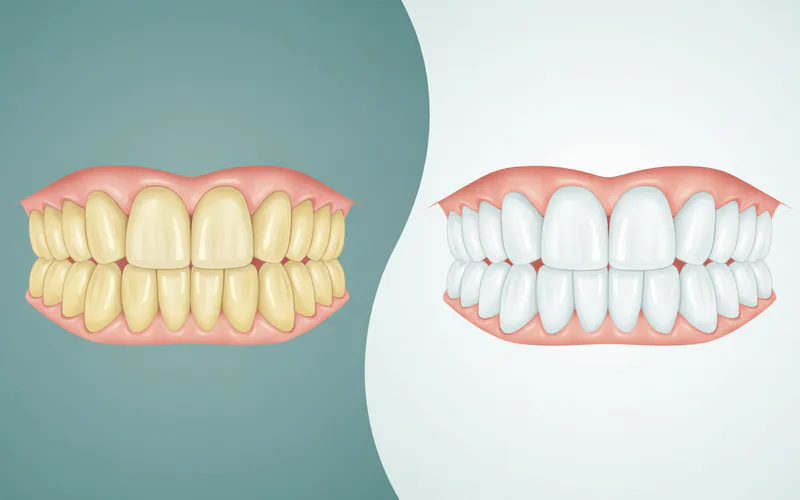
- Discoloration / Yellowing: Enamel is naturally white or slightly translucent. When it erodes, the yellowish dentin underneath becomes more visible. This can give your teeth a dull, yellowish, or darker appearance, affecting the aesthetics of your smile.
- Rounded or Smooth Surfaces: Healthy teeth have distinct anatomical features, including subtle ridges and cusps. Severe acid erosion teeth can lose these natural contours, appearing unnaturally smooth, rounded, and shiny, as if polished.
- Cupping on Chewing Surfaces: A hallmark sign of moderate to severe erosion, especially on molars and premolars. These are distinct, shallow, scoop-like depressions that form on the biting surfaces. Often, existing dental fillings may appear to "stand proud" or higher than the surrounding tooth structure, as the enamel around them has eroded away.
- Thinning or Shortening of Teeth: The biting (incisal) edges of your front teeth may appear thin and translucent, sometimes even chipping easily. Over time, the overall length of your teeth can noticeably shorten, altering your bite and facial aesthetics.
- Chipping and Cracking: Eroded enamel is weaker and more brittle, making teeth prone to chipping, cracking, or fracturing, even from normal chewing forces.
- Receding Gum Line: While not directly caused by erosion, the loss of tooth structure near the gum line can make teeth appear longer or contribute to increased sensitivity as the root surface becomes exposed.
- Roughness or Dullness: The normally smooth, glossy surface of enamel may become rough or dull as minerals are stripped away.
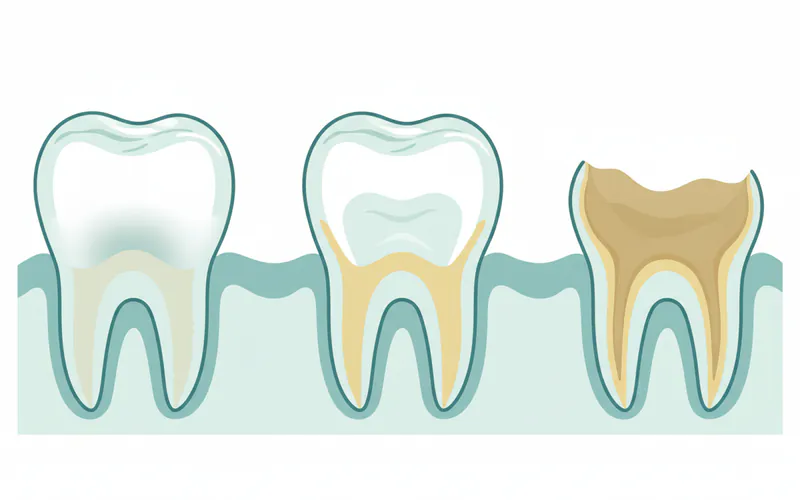
If you observe one or more of these signs, particularly if they are progressing, it’s imperative to schedule an appointment with your dentist. They can accurately diagnose the extent of the erosion and recommend appropriate interventions before the damage becomes irreversible or requires more invasive procedures.
Comprehensive Treatment Options for Severe Acid Erosion
The approach to treating severe acid erosion teeth is highly individualized, depending on the extent of the damage, the patient's symptoms, and the underlying causes. Treatment aims to halt further erosion, alleviate sensitivity, restore tooth structure, and improve aesthetics.
Initial Steps: Diagnosis and Lifestyle Modifications
Before any restorative treatment, your dentist will conduct a thorough examination, often including X-rays and photographs, to assess the severity and identify the patterns of erosion. Discussing your dietary habits, medical history (especially for GERD or eating disorders), and oral hygiene routine is crucial.
- Identify and Address the Cause: This is paramount. If the cause is dietary, guidance on modifying food and drink choices is provided. If a medical condition like GERD is responsible, your dentist will likely refer you to a physician for proper management.
- Oral Hygiene Review: Instructions on proper brushing techniques, including waiting at least 30-60 minutes after acidic intake before brushing, using a soft-bristled toothbrush, and non-abrasive fluoride toothpaste.
- Saliva Management: For dry mouth, recommendations may include sugar-free gum, salivary substitutes, or medications to stimulate saliva flow.
Fluoride Treatments
Fluoride is a natural mineral that strengthens tooth enamel and can help reverse early demineralization. For moderate erosion, professional fluoride applications are often beneficial.
- Fluoride Varnish: A highly concentrated fluoride applied directly to the teeth by a dental professional. It’s sticky and stays on the teeth for several hours, providing prolonged fluoride exposure.
- Fluoride Gels/Foams: Applied in trays for a few minutes during a dental visit.
- Prescription Fluoride Toothpastes/Rinses: Higher concentration fluoride products than over-the-counter options, prescribed for daily home use to enhance remineralization and reduce sensitivity.
Dental Bonding (Composite Resin Restorations)
For mild to moderate erosion, especially where small amounts of enamel are lost or minor cupping is present, dental bonding is a conservative and effective option.
- Process: A tooth-colored composite resin material is directly applied to the eroded areas, sculpted to match the tooth's natural shape, and then hardened with a special light.
- Pros: Minimally invasive, preserves more natural tooth structure, relatively quick (often one visit), good aesthetic match, and more affordable than crowns or veneers.
- Cons: Less durable than porcelain, can stain over time, may need replacement every 5-10 years, and might not be suitable for extensive erosion.
- Cost: $150 - $600 per tooth, depending on size and complexity.
Dental Veneers
Veneers are thin, custom-made shells, typically made of porcelain or composite resin, that are bonded to the front surface of teeth. They are excellent for restoring the aesthetics and protecting the front teeth, particularly when erosion has caused significant discoloration, chipping, or shape alteration.
- Process: A small amount of enamel is usually removed from the front surface of the tooth. Impressions are taken, and the veneers are fabricated in a dental lab. In a subsequent visit, they are bonded to the teeth.
- Pros: Highly aesthetic, durable (porcelain), stain-resistant (porcelain), can correct severe cosmetic issues, and protect remaining tooth structure.
- Cons: Irreversible (enamel removal), more expensive than bonding, and can chip or fracture.
- Cost: $900 - $2,500 per tooth for porcelain veneers; composite veneers are generally less expensive.
Dental Crowns (Caps)
When acid erosion is severe, resulting in extensive loss of tooth structure, fractures, or significant functional impairment, a dental crown may be the best solution. A crown covers the entire visible portion of the tooth.
- Process: The tooth is prepared by reducing its size to accommodate the crown. Impressions are taken, and a custom crown (porcelain, ceramic, metal, or zirconia) is fabricated. A temporary crown is placed, and the permanent crown is cemented in a follow-up visit.
- Pros: Provides comprehensive protection, restores strength and function, highly durable, and excellent aesthetics (especially porcelain/zirconia).
- Cons: More invasive (significant tooth reduction), more expensive, and requires at least two visits.
- Cost: $800 - $3,000 per tooth, depending on material and location.
Onlays
Onlays are a conservative alternative to full crowns when the damage is extensive but does not require covering the entire tooth. They restore one or more cusps of a tooth.
- Process: Similar to crowns, the tooth is prepared, impressions are taken, and the onlay is fabricated and then bonded onto the tooth.
- Pros: Preserves more natural tooth structure than a crown, strong, and durable.
- Cons: Still requires lab fabrication and multiple visits, can be costly.
- Cost: $600 - $1,500 per tooth.
Root Canal Therapy and Extractions
In extreme cases of severe acid erosion, the pulp (nerve) of the tooth may become exposed or infected, leading to severe pain and necessitating root canal therapy to save the tooth. If the tooth structure is too compromised to be saved or restored, extraction may be the only option, followed by replacement with a dental implant or bridge.
Comparison Table: Treatment Options for Severe Acid Erosion
| Treatment Option | Best Suited For | Pros | Cons | Average Cost (US) Per Tooth | Longevity |
|---|---|---|---|---|---|
| Fluoride Treatments | Mild erosion, sensitivity | Non-invasive, strengthens enamel, reduces sensitivity | Not restorative for lost structure, temporary | $25-$75 (per application) | Varies (temporary) |
| Dental Bonding | Mild to moderate erosion, small chips/discoloration | Minimally invasive, quick, good aesthetics, affordable | Less durable than porcelain, can stain, not for severe loss | $150-$600 | 5-10 years |
| Onlays | Moderate to significant cusp erosion | Preserves more tooth than crown, strong, durable | Requires lab work, multiple visits, higher cost | $600-$1,500 | 10-15 years |
| Porcelain Veneers | Moderate-severe aesthetic & front tooth erosion | Highly aesthetic, durable, stain-resistant, protective | Irreversible, higher cost, can chip | $900-$2,500 | 10-15+ years |
| Dental Crowns | Severe erosion, extensive structure loss, fractures | Comprehensive protection, restores function & strength | More invasive, highest cost, multiple visits | $800-$3,000 | 10-15+ years |

The Treatment Journey: What to Expect
Undergoing treatment for severe acid erosion teeth is a structured process designed to achieve the best possible outcomes. While specific steps vary based on the chosen treatment, here's a general overview of what you can expect.
1. Initial Consultation and Diagnosis
Your journey begins with a comprehensive dental examination.
- Detailed History: Your dentist will ask about your diet, medical conditions (especially GERD, eating disorders), medications, and any symptoms you’re experiencing (sensitivity, pain).
- Clinical Examination: The dentist will visually inspect your teeth for signs of erosion, such as cupping, translucency, discoloration, and loss of tooth structure. They may use specialized instruments or magnifying loops.
- Diagnostic Aids:
- Intraoral Camera: Photos can help document the initial condition and track progress.
- X-rays: To assess the health of the underlying tooth structure, roots, and bone, and rule out other issues like decay.
- Study Models: Impressions of your teeth may be taken to create plaster models, allowing the dentist to analyze your bite and erosion patterns more thoroughly.
2. Treatment Planning
Based on the diagnosis, your dentist will present a personalized treatment plan. This plan will outline:
- Recommended Treatments: Which restorative options (bonding, veneers, crowns, etc.) are best suited for your specific case and why.
- Phased Approach: For severe, widespread erosion, treatment might be phased over several appointments to manage complexity and cost.
- Timeline and Costs: An estimate of the number of appointments needed and the associated costs, including insurance coverage details.
- Addressing the Cause: Strategies to prevent further erosion, which might involve referrals to specialists (e.g., gastroenterologist for GERD) or dietary counseling.
3. Preparation and Restorative Procedures
Once you've agreed on the treatment plan, the restorative phase begins. This can range from a single appointment for simple bonding to multiple, longer appointments for crowns or veneers.
- Local Anesthesia: For most restorative procedures, local anesthetic will be administered to numb the treatment area, ensuring you are comfortable and pain-free.
- Tooth Preparation:
- For Bonding: The tooth surface is typically etched with a mild acid gel to create a microscopic rough surface for the composite resin to bond to. Minimal to no tooth reduction is usually needed.
- For Veneers: A small amount of enamel (usually less than 0.5 mm) is gently removed from the front surface of the tooth to allow space for the veneer.
- For Crowns/Onlays: More significant tooth reduction is required to create enough space for the restorative material to encapsulate the tooth.
- Impressions: If custom restorations (veneers, crowns, onlays) are being made in a dental lab, precise impressions (either traditional putty or digital scans) of your prepared teeth are taken. These impressions are sent to the lab where your restorations are fabricated.
- Temporary Restorations: While your permanent custom restorations are being made (which can take 1-3 weeks), temporary veneers or crowns will be placed to protect your prepared teeth and maintain aesthetics.
- Fabrication: Skilled dental technicians in a lab will craft your custom restorations based on the impressions, ensuring they match your natural tooth color, shape, and bite.
- Placement of Permanent Restorations: Once the permanent restorations arrive from the lab, you’ll return for a second appointment. The temporary restorations are removed, and the fit, bite, and color of the permanent restorations are carefully checked. If everything is satisfactory, they are permanently bonded or cemented onto your teeth.
- Finishing and Polishing: The dentist will make any necessary final adjustments to ensure a comfortable bite and smooth contours, then polish the restorations to a natural sheen.
4. Follow-up and Maintenance
After your restorative treatment, follow-up appointments are crucial to monitor healing and the success of the restorations.
- Post-Treatment Check: A follow-up visit might be scheduled a few weeks after treatment to check your bite, address any lingering sensitivity, and review oral hygiene.
- Ongoing Prevention: Continued vigilance in managing the root causes of erosion is essential to protect your newly restored teeth and prevent erosion on other untouched areas.
- Regular Dental Check-ups: Adhering to a schedule of routine dental check-ups and professional cleanings (typically every six months) is vital for long-term success.
The entire process, from initial diagnosis to the placement of final restorations, requires careful planning and execution. Your active participation in understanding the treatment and adhering to preventive measures is key to achieving a healthy, lasting smile.
Recovery and Aftercare for Eroded Teeth
Recovery and consistent aftercare are crucial for ensuring the longevity of your restorations and preventing further damage from severe acid erosion.
Immediate Post-Treatment Care
Depending on the type of treatment, you might experience some temporary sensations:
- Sensitivity: It's common to experience some sensitivity to hot or cold after bonding, veneers, or crowns, especially if deep erosion was present. This usually subsides within a few days to weeks. Your dentist might recommend a desensitizing toothpaste.
- Numbness: If local anesthetic was used, your mouth will be numb for a few hours. Be careful not to bite your cheek or tongue.
- Temporary Bite Changes: After new restorations, your bite might feel slightly "different" initially. Your brain typically adjusts quickly, but if it feels consistently off or uncomfortable after a few days, contact your dentist for an adjustment.
- Eating and Drinking: Avoid extremely hard or sticky foods for the first 24-48 hours after placement of any restoration to allow the bonding agent to fully set. If you had composite bonding, try to avoid highly staining foods and drinks (coffee, tea, red wine) for the first day or two to prevent initial discoloration.
Long-Term Maintenance and Prevention
This phase is critical for the sustained success of your treatment and overall oral health.
- Strict Oral Hygiene Routine:
- Brush Gently: Use a soft-bristled toothbrush and a non-abrasive, fluoride-containing toothpaste. Brush twice a day for two minutes.
- Floss Daily: Flossing removes plaque and food particles from between teeth and under the gum line, crucial for preventing new decay around restorations.
- Rinse After Acids: After consuming acidic foods or drinks, or if you experience reflux/vomiting, rinse your mouth thoroughly with water or a fluoride mouthwash. Wait at least 30-60 minutes before brushing, as enamel is softened by acid and more susceptible to wear.
- Dietary Modifications:
- Reduce Acidic Intake: Limit the frequency and quantity of highly acidic foods and beverages (sodas, fruit juices, sports drinks, citrus fruits, vinegars, sour candies).
- Use a Straw: When consuming acidic drinks, use a straw to minimize contact with your teeth.
- Chew Sugar-Free Gum: Chewing sugar-free gum stimulates saliva flow, which helps neutralize acids and remineralize enamel.
- Drink Water: Make water your primary beverage, especially between meals and after consuming anything acidic.
- Manage Underlying Conditions: Continue to work with your physician to manage any medical conditions contributing to erosion, such as GERD or eating disorders. Consistent management is vital for protecting your teeth.
- Protect Against Bruxism: If you clench or grind your teeth (bruxism), your dentist may recommend a custom-fitted nightguard. This protects your restorations and natural teeth from excessive forces that can cause chipping or fracturing, especially if enamel is already weakened.
- Regular Dental Check-ups: Maintain your schedule of routine dental check-ups and professional cleanings (usually every six months). Your dentist will monitor your restorations, check for signs of new erosion, and perform cleanings that remove plaque and calculus (calcium deposits) that cannot be removed at home. This is the only effective way to remove calcified deposits and maintain gum health.
Pro Tip: For individuals prone to acid erosion, consider rinsing with a baking soda solution (1 teaspoon of baking soda in a glass of water) after acidic intake. Baking soda is alkaline and can help neutralize acids more effectively than water alone. Do not overdo it, as baking soda is slightly abrasive.
By diligently following these recovery and aftercare guidelines, you can significantly extend the life of your dental restorations, protect your remaining natural tooth structure, and maintain optimal oral health.
Preventing Severe Acid Erosion
Prevention is the cornerstone of managing acid erosion. By making informed choices and adopting specific habits, you can significantly reduce your risk of developing severe acid erosion teeth or halt its progression.
Dietary Adjustments
- Reduce Frequency and Duration of Acidic Exposure: It's not just what you eat, but how often and how long your teeth are exposed to acids.
- Limit snacking on acidic foods and sipping acidic drinks throughout the day.
- When consuming acidic beverages, try to drink them relatively quickly rather than sipping over extended periods.
- Use a straw for acidic drinks to minimize direct contact with tooth surfaces.
- Avoid holding or swishing acidic liquids in your mouth.
- Choose Less Acidic Alternatives: Opt for water, milk, or unsweetened tea over sodas, sports drinks, and fruit juices.
- Pair Acidic Foods with Neutralizing Foods: Eating cheese, milk, or yogurt immediately after acidic foods can help neutralize acids and provide calcium for remineralization.
- Rinse with Water: After consuming acidic foods or drinks, rinse your mouth thoroughly with plain water. This helps dilute and wash away acids.
Optimal Oral Hygiene Practices
- Wait Before Brushing: After consuming acidic foods or drinks, or after episodes of reflux/vomiting, wait at least 30-60 minutes before brushing your teeth. Acids temporarily soften enamel, making it more vulnerable to abrasion from brushing. Rinsing with water is recommended during this waiting period.
- Use a Soft-Bristled Toothbrush: Always use a soft-bristled toothbrush to prevent abrasive wear on enamel, especially if it's already weakened.
- Use Fluoride Toothpaste: Opt for a fluoride toothpaste as fluoride strengthens enamel and aids in remineralization. Your dentist might recommend a prescription-strength fluoride toothpaste if you're at high risk.
- Gentle Brushing Technique: Brush gently in circular or short back-and-forth motions, focusing on cleaning rather than scrubbing.
- Consider a Fluoride Mouthwash: Over-the-counter fluoride mouthwashes can provide an extra layer of protection, particularly if you have dry mouth or a history of erosion.
Managing Underlying Medical Conditions
- GERD Management: If you suffer from GERD, work closely with your physician to manage your condition through medication, dietary changes, and lifestyle adjustments (e.g., elevating your head during sleep, avoiding late-night meals).
- Eating Disorder Treatment: Seek professional help for eating disorders like bulimia or anorexia. This is critical for both your overall health and dental well-being.
- Dry Mouth Remedies: If dry mouth is an issue, discuss options with your dentist. This might include using over-the-counter saliva substitutes, chewing sugar-free gum, or prescription medications that stimulate saliva flow.
- Medication Review: If you take medications that contribute to dry mouth or are acidic, discuss alternatives or protective strategies with your doctor and dentist.
Regular Dental Check-ups
- Early Detection: Regular visits allow your dentist to detect early signs of erosion before they become severe, enabling timely intervention and preventive counseling.
- Professional Fluoride Applications: Your dentist may recommend professional fluoride treatments as a preventive measure, especially if you are at high risk.
- Protective Sealants: In some cases, dental sealants may be applied to the chewing surfaces of molars to provide a barrier against acid attack, particularly in children and adolescents.
Pro Tip: Think About pH!
Many common foods and drinks have surprisingly low pH levels (indicating high acidity). Familiarize yourself with acidic culprits. For example:
- Water: pH ~7.0 (neutral)
- Milk: pH ~6.7
- Coffee/Tea: pH ~5.0-6.0
- Beer: pH ~4.0-5.0
- Orange Juice: pH ~3.5
- Soda (Cola): pH ~2.5
- Lemon Juice: pH ~2.0 The lower the pH, the more erosive the substance. Be mindful of continuous exposure to anything below pH 5.5, which is generally considered the "critical pH" for enamel demineralization.
By integrating these preventive strategies into your daily routine, you can significantly safeguard your teeth against the damaging effects of severe acid erosion.
Risks and Complications of Untreated Acid Erosion
Ignoring acid erosion, particularly when it reaches severe stages, can lead to a cascade of painful, debilitating, and costly complications that significantly impact your oral health and overall well-being.
- Increased and Persistent Sensitivity: As enamel continues to wear away, more dentin is exposed, leading to chronic and often severe sensitivity to hot, cold, sweet, and acidic stimuli. This can make eating, drinking, and even breathing cold air uncomfortable or painful.
- Tooth Decay (Cavities): Eroded enamel provides less protection against cavity-causing bacteria. Once erosion reaches the dentin, decay can progress much faster because dentin is softer than enamel. The weakened structure also makes the tooth more susceptible to bacterial invasion.
- Pulpitis and Infection: If the erosion is deep enough, it can expose the dental pulp, the innermost part of the tooth containing nerves and blood vessels. This exposure can lead to inflammation (pulpitis) and bacterial infection, resulting in intense pain, swelling, and potentially an abscess. An infected pulp requires root canal therapy to save the tooth or, in severe cases, extraction.
- Tooth Fractures and Chipping: Severely eroded teeth are structurally compromised. The thinned enamel and underlying dentin are weaker and more brittle, making them highly susceptible to chipping, cracking, or fracturing under normal chewing forces. This can lead to sharp edges, pain, and further tooth loss.
- Alteration of Bite (Occlusion): As teeth shorten due to erosion, your bite can change. This can lead to problems with jaw alignment (TMJ issues), muscle pain, difficulty chewing efficiently, and even headaches.
- Aesthetic Concerns: The yellowing of teeth, shortened appearance, and irregular shapes caused by severe erosion can significantly detract from your smile and impact self-confidence.
- Difficulty Eating and Speaking: Pain and sensitivity can make it challenging to eat a varied diet, leading to nutritional deficiencies. Changes in tooth length and position can also affect speech clarity.
- Increased Costs: Delaying treatment invariably leads to more extensive and expensive procedures. What might have been managed with simple bonding or fluoride treatments in early stages can escalate to needing multiple crowns, veneers, or even extractions and implants if left untreated.
- Impact on Overall Health: Chronic oral infections can have systemic effects, potentially impacting cardiovascular health or worsening conditions like diabetes. Furthermore, the pain and discomfort can diminish quality of life and contribute to stress or anxiety.
The risks associated with untreated severe acid erosion teeth underscore the importance of early intervention and consistent dental care. It's not just about protecting your smile; it's about safeguarding your overall health and well-being.
Acid Erosion in Children and Adolescents
Acid erosion is not exclusively an adult problem; it's a growing concern in children and adolescents, with studies indicating increasing prevalence. The impact on developing permanent teeth can be significant, making early detection and intervention crucial.
Specific Causes in Children
While some causes overlap with adults, certain factors are particularly relevant to younger populations:
- Dietary Habits:
- Frequent Juice Consumption: Many parents offer fruit juice, believing it's healthy. However, even 100% fruit juices are highly acidic and sugary. Sipping on juice boxes or bottles throughout the day prolongs acid exposure.
- Soft Drinks and Sports Drinks: These are popular among teens and are significant contributors to erosion due to their high acid content.
- Sour Candies and Gummy Vitamins: Highly acidic candies are particularly damaging, and even chewable vitamins can be acidic if allowed to dissolve slowly in the mouth.
- Medical Conditions:
- GERD (Reflux): Infants and young children can experience reflux. While many outgrow it, chronic cases can lead to erosion.
- Asthma: Children using inhalers for asthma may experience a drier mouth and direct acid exposure from the medication, increasing their risk. Rinsing with water after inhaler use is vital.
- Certain Medications: Acidic liquid medications or chewable tablets (e.g., some antibiotics, iron supplements, Vitamin C) can contribute to erosion.
- Eating Disorders: While less common in very young children, eating disorders can manifest in adolescence, leading to severe intrinsic erosion from vomiting.
Early Detection
Parents and caregivers play a vital role in observing signs:
- Sensitivity: A child complaining of pain or sensitivity to hot, cold, or sweet foods, or when brushing.
- Changes in Tooth Appearance: Teeth appearing dull, yellow, transparent at the edges, or having a "sanded down" look.
- Visible Wear: Noticing indentations (cupping) on the chewing surfaces of back teeth or shortening of front teeth.
Regular dental check-ups, starting from the eruption of the first tooth (around age 1), are essential for early diagnosis by a pediatric dentist.
Preventive Measures for Children
- Dietary Guidance:
- Limit juice intake to meal times, not as an all-day beverage. Dilute juice with water if necessary.
- Offer water or milk as primary beverages.
- Discourage constant sipping from bottles or sippy cups, especially with acidic liquids.
- Limit consumption of sodas, sports drinks, and sour candies. If consumed, encourage rinsing with water afterward.
- Oral Hygiene Education:
- Teach children to brush gently with a soft-bristled brush and fluoride toothpaste (pea-sized amount for ages 3+, smear for under 3).
- Emphasize waiting 30-60 minutes before brushing after acidic foods/drinks or vomiting.
- Encourage rinsing with water after acid exposure.
- Fluoride Protection:
- Ensure children use fluoridated toothpaste.
- Discuss professional fluoride applications or dental sealants with their dentist, especially for at-risk teeth.
- Manage Medical Conditions: Work with pediatricians to manage conditions like GERD or asthma, ensuring dental implications are considered.
- Parental Role Modeling: Children often mimic adult behaviors. Demonstrating good oral hygiene and dietary choices is highly effective.

Addressing acid erosion early in life can prevent extensive and costly restorative treatments later and help ensure a lifetime of healthy smiles.
Detailed Cost Breakdown for Severe Acid Erosion Treatment
The cost of treating severe acid erosion teeth in the US can vary significantly based on the extent of the damage, the specific treatment required, the materials used, the geographical location of the dental practice, and the dentist's experience. Understanding these costs is crucial for financial planning.
Average US Costs for Common Treatments
Here’s a general range for common treatments for erosion, often quoted per tooth:
- Fluoride Varnish/Treatment:
- Without Insurance: $25 - $75 per application
- With Insurance: Often covered 100% under preventive benefits.
- Dental Bonding (Composite Resin):
- Without Insurance: $150 - $600 per tooth
- With Insurance: 50-80% covered, depending on plan.
- Dental Onlays:
- Without Insurance: $600 - $1,500 per tooth
- With Insurance: 50-80% covered.
- Porcelain Veneers:
- Without Insurance: $900 - $2,500 per tooth
- With Insurance: Often considered cosmetic; limited or no coverage (0-20%).
- Dental Crowns:
- Without Insurance: $800 - $3,000 per tooth (material dependent: porcelain fused to metal, all-ceramic, zirconia, gold).
- With Insurance: 50-80% covered, often subject to a deductible and annual maximums.
- Root Canal Therapy:
- Without Insurance: $700 - $2,000+ per tooth (front vs. back teeth)
- With Insurance: 50-80% covered.
- Dental Implants (if extraction needed):
- Without Insurance: $3,000 - $6,000+ per tooth (for implant, abutment, and crown)
- With Insurance: Limited coverage, often 0-50%.
Factors Influencing Cost
- Geographical Location: Dental costs are generally higher in major metropolitan areas and coastal states (e.g., California, New York) compared to rural areas or states with a lower cost of living.
- Dentist's Experience and Specialization: Highly experienced dentists or specialists (e.g., prosthodontists for complex full-mouth reconstructions) may charge higher fees.
- Materials Used: Porcelain and zirconia restorations are typically more expensive than metal or composite resin due to their superior aesthetics and durability.
- Severity of Erosion: More extensive erosion requires more complex and time-consuming procedures, impacting the overall cost.
- Number of Teeth Involved: Treating multiple teeth can quickly accumulate costs.
Insurance Coverage Details
Dental insurance typically categorizes procedures into preventive, basic, and major:
- Preventive: Fluoride treatments, exams, cleanings (often 80-100% covered).
- Basic: Fillings, simple extractions (often 50-80% covered). Dental bonding for erosion may fall here.
- Major: Crowns, bridges, dentures, root canals (often 50% covered). Veneers may be covered if deemed medically necessary to restore function due to severe erosion, but often fall under cosmetic and have minimal or no coverage.
Important Notes on Insurance:
- Deductibles: You usually pay a set amount out-of-pocket before your insurance begins to pay.
- Annual Maximums: Most plans have an annual limit on how much they will pay (e.g., $1,000 - $2,000). For severe, widespread erosion requiring multiple crowns or veneers, you will likely exceed this maximum, requiring significant out-of-pocket expenses.
- Waiting Periods: Some plans have waiting periods for major procedures.
- Pre-authorization: For expensive treatments, your dentist will often submit a pre-treatment estimate to your insurance company to determine your exact coverage.
Payment Plans and Financing Options
For substantial treatment costs, several options can help manage the financial burden:
- In-Office Payment Plans: Many dental practices offer flexible payment plans, allowing you to pay for treatment in installments.
- Third-Party Financing (e.g., CareCredit, LendingClub): These are healthcare credit cards or loans specifically designed for medical and dental expenses. They often offer low-interest or interest-free promotional periods if paid off within a certain timeframe.
- Health Savings Accounts (HSAs) or Flexible Spending Accounts (FSAs): If you have an HSA or FSA through your employer, you can use these tax-advantaged accounts to pay for qualified dental expenses.
Cost-Saving Tips
- Act Early: Addressing erosion in its early stages with preventive measures or simple bonding is significantly less expensive than waiting until severe damage necessitates crowns or extractions.
- Compare Dentists: Get a second opinion and compare cost estimates from different dentists. Ensure they have good credentials and experience.
- Utilize Insurance Maximally: Understand your plan's benefits, deductibles, and annual maximums. If you have extensive work, you might be able to spread treatment over two calendar years to utilize two annual maximums.
- Dental Schools: Dental schools often offer treatments at a reduced cost, as procedures are performed by students under the close supervision of experienced faculty.
Comparison Table: Cost Ranges for Common Treatments (US)
| Treatment Type | Low End (No Insurance) | Mid Range (No Insurance) | High End (No Insurance) | Estimated Patient Co-Pay (50% Coverage, After Deductible) |
|---|---|---|---|---|
| Fluoride Treatment | $25 | $50 | $75 | $0 - $15 |
| Dental Bonding | $150 | $350 | $600 | $75 - $300 |
| Porcelain Veneer | $900 | $1,700 | $2,500 | $900 - $2,500 (often cosmetic, limited/no coverage) |
| Dental Crown (All-Ceramic) | $800 | $1,400 | $2,000 | $400 - $1,000 |
| Dental Crown (Zirconia) | $1,200 | $1,800 | $3,000 | $600 - $1,500 |
| Root Canal (Molar) | $1,000 | $1,500 | $2,000 | $500 - $1,000 |
Note: These are general estimates. Actual costs will vary based on individual circumstances and providers.
Frequently Asked Questions
Can severe acid erosion be reversed?
No, the physical loss of tooth structure (enamel and dentin) due to severe acid erosion is irreversible. Once the tooth material is gone, it cannot grow back. However, early demineralization can sometimes be reversed through remineralization with fluoride, and the progression of erosion can be halted. Lost tooth structure can be restored using dental bonding, veneers, or crowns.
How long does treatment for severe acid erosion take?
The timeline varies greatly depending on the severity and the chosen treatment. Simple fluoride treatments are quick. Dental bonding can often be completed in a single visit per tooth. More complex treatments like veneers or crowns typically require two or more appointments spread over several weeks, as custom restorations are fabricated in a lab. Full-mouth rehabilitation for very severe, widespread erosion could take several months.
Is treatment for acid erosion painful?
Most treatments for acid erosion are performed with local anesthesia, so you should not feel pain during the procedure. You might experience some mild discomfort or sensitivity afterward, especially with more extensive procedures like crowns or veneers. This sensitivity is usually temporary and can be managed with over-the-counter pain relievers and desensitizing toothpastes.
What is the best toothpaste for acid erosion?
The best toothpaste for acid erosion is one containing fluoride, as it strengthens enamel and aids in remineralization. Many brands also offer "sensitive teeth" toothpastes containing ingredients like potassium nitrate or stannous fluoride, which help block nerve signals and reduce sensitivity. Your dentist may recommend a prescription-strength fluoride toothpaste for advanced cases.
Can I use home remedies for severe acid erosion?
No, home remedies cannot reverse severe acid erosion or effectively restore lost tooth structure. While rinsing with water or baking soda after acidic intake can help neutralize acids and prevent further erosion, they cannot repair existing damage. For "how to get rid of calcium deposits on teeth" or "how to remove calcium deposits on teeth at home," it's important to understand these deposits are calculus (tartar). Only professional dental cleanings can effectively remove calcified deposits, and attempting to do so at home can damage your enamel and gums. Always consult a dentist for severe erosion or persistent dental issues.
How often should I see a dentist if I have acid erosion?
If you have severe acid erosion, your dentist might recommend more frequent check-ups, possibly every 3-4 months initially, to monitor the condition, provide preventive treatments like fluoride varnish, and ensure your treatment plan is progressing effectively. Once the erosion is stable and treated, you will likely return to routine 6-month check-ups.
Are certain foods worse than others for acid erosion?
Yes. Highly acidic foods and drinks are the main culprits. Sodas (both regular and diet), sports drinks, fruit juices (especially citrus like orange, lemon, grapefruit), sour candies, vinegars, and citrus fruits are particularly erosive due to their low pH. The frequency and duration of exposure are key factors in how much damage they cause.
What is the difference between acid erosion and cavities?
While both involve tooth demineralization, the cause differs significantly. Acid erosion is the chemical dissolution of tooth structure by acids from non-bacterial sources (e.g., diet, stomach acid). Cavities (dental caries) are caused by acids produced by bacteria metabolizing sugars, leading to localized tooth decay. Erosion tends to affect broader surfaces, while cavities often start in pits, grooves, or between teeth.
What about calcium deposits – how do they relate to erosion?
"Calcium deposits on teeth" refers to calculus or tartar, which is hardened plaque formed by minerals (including calcium) in saliva. Acid erosion removes tooth minerals, causing structural loss. Calculus is an addition of mineralized plaque, contributing to gum disease. They are distinct issues. While acid erosion weakens teeth, calculus forms on the surface and must be removed by a dentist through professional cleaning.
Will insurance cover the full cost of treating severe acid erosion?
It's unlikely. Most dental insurance plans have annual maximums (typically $1,000-$2,000) and may only cover a percentage (e.g., 50%) of major restorative procedures like crowns. Cosmetic treatments like veneers often have limited or no coverage unless deemed medically necessary to restore function due to severe erosion. You will likely have out-of-pocket expenses, especially for extensive cases.
When to See a Dentist for Acid Erosion
Recognizing when to seek professional dental care for acid erosion is crucial to prevent further damage and avoid more complex treatments. Do not wait for severe pain or extensive visible damage; early intervention offers the best prognosis.
Schedule a routine appointment if you notice any of the following:
- New or Increased Tooth Sensitivity: If you experience frequent or persistent sensitivity to hot, cold, sweet, or acidic foods and drinks, even if mild.
- Changes in Tooth Appearance: If your teeth start to look dull, excessively shiny, translucent at the edges, slightly yellow, or seem shorter than before.
- Minor Cupping or Chipping: Small indentations on chewing surfaces or minor chips on the biting edges.
- Concern about Acidic Diet or Medical Conditions: If you frequently consume acidic foods/drinks, or if you have a medical condition like GERD or dry mouth that puts you at risk for erosion.
Seek prompt dental attention (within a few days) if you experience these red flags:
- Significant or Constant Pain: If you have severe, throbbing, or constant toothache, especially if it wakes you up at night, as this could indicate pulp involvement or infection.
- Visible Deep Cupping or Large Chips/Fractures: If you notice large, deep indentations on your teeth or if a significant portion of a tooth has chipped or fractured.
- Rapid Progression of Symptoms: If your sensitivity or changes in tooth appearance seem to be worsening quickly over a short period.
- Difficulty Eating or Speaking: If the damage or pain from erosion is interfering with your ability to chew food properly or affecting your speech.
Emergency dental care (same-day visit) is warranted if:
- Excruciating, Uncontrollable Pain: If you are experiencing unbearable tooth pain that doesn't respond to over-the-counter pain relievers.
- Swelling or Abscess: If there is swelling around a tooth or in your jaw, potentially accompanied by fever, as this could indicate a serious infection.
- Traumatic Injury: If a tooth has been severely fractured or knocked out due due to weakened enamel.
Remember, your dentist is your primary partner in maintaining oral health. Regular check-ups allow for early detection and preventive measures against severe acid erosion teeth, safeguarding your smile for years to come.
Frequently Asked Questions
Medically Reviewed Content
This article was written by our dental health editorial team and reviewed for medical accuracy. Our content follows strict editorial guidelines for reliability and trustworthiness.
Medical Disclaimer
This article is for informational purposes only and does not constitute medical advice. Always consult with a qualified dental professional for diagnosis and treatment. Do not delay seeking professional advice because of something you read on this website.
Related Articles
What Are Calcium Deposits on Teeth
Are you one of the millions of Americans who notices a stubborn, yellowish buildup on your teeth despite regular brushing? You're likely experiencing what many refer to as "calcium deposits on teeth." This common dental concern, medically known as dental calculus or tartar, affects a vast ma
February 23, 2026
Calcium Good for Teeth: Complete Guide
More than 99% of your body's calcium resides in your bones and teeth, making it an undeniable cornerstone of skeletal and oral health. But did you know that an estimated 42% of American adults don't get enough calcium from their diet? This staggering statistic underscores a critical question
February 23, 2026
What Do Bulimia Teeth Look Like
"Bulimia teeth" refers to the specific and often severe damage that the self-induced vomiting characteristic of bulimia nervosa inflicts on a person's oral health. It's a critical issue, affecting approximately 1.5% of women and 0.5% of men in the US at some point in their lives, with many more
February 23, 2026
Erosion in Teeth: Complete Guide
Erosion in Teeth: Complete Guide
February 23, 2026