Complete Guide to Dental Tourism: Everything You Need to Know
Key Takeaways
- Have you ever received a dental treatment plan that made your jaw drop – not from pain, but from the staggering cost? For millions of Americans, the high price of dental care, especially for extensive procedures like implants, crowns, or full mouth restorations, can be a significant barrier to achie
Complete Guide to Dental Tourism: Everything You Need to Know
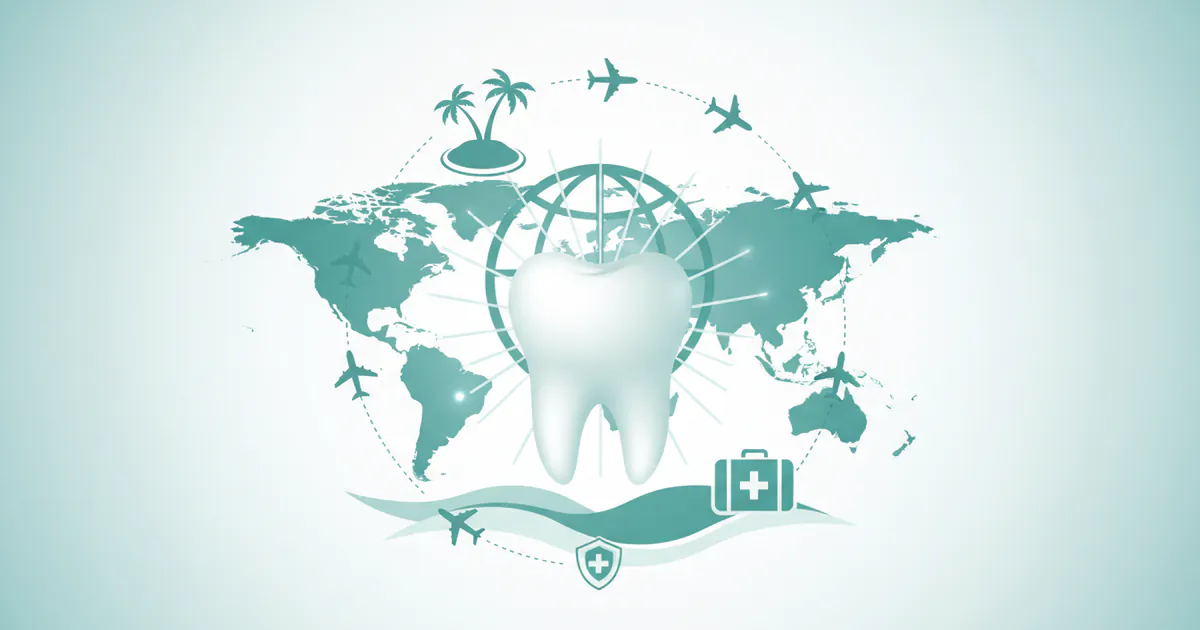
Have you ever received a dental treatment plan that made your jaw drop – not from pain, but from the staggering cost? For millions of Americans, the high price of dental care, especially for extensive procedures like implants, crowns, or full mouth restorations, can be a significant barrier to achieving optimal oral health. In fact, estimates suggest that over 1.2 million Americans travel abroad for medical care annually, with a substantial portion seeking more affordable dental treatments. This growing trend, known as dental tourism, involves traveling to another country for dental work, often combining it with a vacation.

But is dental tourism a safe, effective, and truly cost-saving option, or does it carry hidden risks? This comprehensive guide from SmilePedia.net aims to demystify dental tourism, providing you with everything you need to know to make informed decisions about your oral health journey. We'll explore what dental tourism entails, why it's gaining popularity, the types of procedures commonly sought, potential benefits and risks, how to plan your trip, and crucial aftercare considerations, ensuring you're fully equipped to navigate this complex landscape.
Key Takeaways:
- Significant Cost Savings: Dental tourism can offer 50-70% savings on major dental procedures compared to US costs. For example, a single dental implant averaging $3,000-$6,000 in the US might cost $700-$2,000 in popular dental tourism destinations.
- Common Procedures: Implants, crowns, veneers, root canals, and full mouth restorations are frequently sought due to high US prices.
- Primary Motivation: Cost is the overwhelming driver, often coupled with a desire to combine treatment with a vacation or avoid long wait times for specialized care.
- Due Diligence is Crucial: Thorough research into clinics, dentists' qualifications, facility accreditation, and patient reviews is paramount to minimize risks. Look for dentists with international certifications and modern facilities.
- Potential Risks: Include infection, complications requiring follow-up unavailable back home, language barriers, legal recourse difficulties, and variations in quality or materials.
- Planning Time: Allow 3-6 months for comprehensive research, consultations, and travel arrangements, especially for multi-stage treatments like implants.
- Insurance Coverage: Most US dental insurance plans do not cover international dental work, or coverage is severely limited, making it an out-of-pocket expense you need to budget for.
What Is Dental Tourism? An Overview
Dental tourism is a specific subset of medical tourism where individuals cross international borders to receive dental care. This phenomenon has gained immense traction over the past two decades, fueled by escalating healthcare costs in developed nations, particularly in the United States. Patients, often facing exorbitant out-of-pocket expenses or inadequate insurance coverage, seek high-quality, affordable dental work in countries where the cost of living and, consequently, dental services are significantly lower.
The appeal extends beyond just price. Many dental tourists also appreciate the opportunity to combine necessary treatments with a travel experience, transforming a potentially stressful medical procedure into a more pleasant "dental vacation." Popular destinations frequently boast state-of-the-art facilities, highly trained dentists, and a robust tourism infrastructure, making the entire process relatively seamless for international patients. While the core motivation remains economic, the added value of cultural exploration and relaxation often plays a significant role in the decision-making process.
The Rise of a Global Trend
The concept of traveling for medical care is not new, but modern advancements in communication, transportation, and dentistry have propelled dental tourism into a global industry. Websites and agencies now specialize in connecting patients with overseas clinics, streamlining the process of finding providers, arranging travel, and even coordinating accommodation. This accessibility, combined with transparent pricing models offered by many international clinics, has made dental tourism a viable alternative for many Americans seeking solutions to their dental needs without compromising quality.
Types and Variations of Dental Tourism
Dental tourism isn't a one-size-fits-all concept. It encompasses various approaches depending on the patient's needs, budget, and desired travel experience. Understanding these variations can help you tailor your dental tourism journey.
By Procedure Type
The vast majority of dental tourism involves complex, high-cost procedures that offer the most significant savings margin when performed abroad.
- Restorative Dentistry: This is the most common category. It includes:
- Dental Implants: One of the primary drivers of dental tourism due to their high cost in the US (ranging from $3,000 to $6,000+ per implant without a crown). Patients often travel for single implants, multiple implants, or full arch restorations like "All-on-4."
- Dental Crowns and Bridges: Used to restore damaged or missing teeth. US costs for a single crown can be $800-$2,500, while abroad it might be $300-$800.
- Veneers: Cosmetic solutions for aesthetic issues. A single veneer in the US can cost $1,000-$2,500, versus $300-$700 overseas.
- Root Canal Therapy: While sometimes performed as a standalone procedure, it's often combined with a crown or part of a larger treatment plan. US costs are typically $700-$2,000.
- Cosmetic Dentistry: Procedures focused on improving the appearance of teeth.
- Teeth Whitening: Less common for solo dental tourism due to lower cost in the US, but often included as part of a larger cosmetic package.
- Orthodontics: Braces or clear aligners, though less common for tourism due to the need for frequent follow-up adjustments. However, some patients might initiate treatment abroad and continue with a local dentist.
- Oral Surgery: Including wisdom tooth extraction, bone grafts for implants, and other surgical interventions.
By Travel Style
- "Fly-In, Fly-Out" Model: This involves short trips, often just a few days, for single-stage procedures like crowns or veneers, or for initial consultations and impressions for more complex treatments. It minimizes time away from home but requires careful planning for follow-up.
- "Dental Vacation" Model: Patients combine extensive dental work with a longer holiday. This allows for multi-stage procedures (like implants, which require healing time between placement and crown attachment) or simply more time to recover and enjoy the destination.
- Group Travel: Some agencies organize group trips, offering package deals that include flights, accommodation, and dental appointments. This can provide a sense of community and potentially better negotiated rates.
By Destination Type
- Border Towns: Destinations like Tijuana and Nogales in Mexico are popular for US patients due to their proximity, allowing for day trips or short stays.
- Regional Hubs: Major cities in countries known for dental tourism, such as San José (Costa Rica), Bogotá (Colombia), Budapest (Hungary), or Istanbul (Turkey), offer a wider range of clinics, specialists, and amenities.
- Luxury Clinics: Some overseas clinics cater to a high-end clientele, offering premium services, luxury accommodations, and concierge services, often at a fraction of the cost of similar luxury care in the US.
Why It Happens: The Driving Forces Behind Dental Tourism
The primary motivations for engaging in dental tourism are clear and compelling for many Americans. These factors create a significant incentive to look beyond national borders for dental solutions.
Cost Savings
The most significant factor driving dental tourism is the dramatic difference in price for dental procedures. Dental care costs in the United States are among the highest in the world. This disparity is due to several reasons, including higher overhead costs for practices, increased insurance premiums for providers, a more complex regulatory environment, and higher malpractice insurance. Patients can often achieve savings of 50% to 70% on major procedures by traveling abroad, even when factoring in travel and accommodation expenses. For extensive work like a full set of dental implants, these savings can amount to tens of thousands of dollars.
Lack of Insurance Coverage or High Deductibles
Many Americans lack comprehensive dental insurance, or their plans come with high deductibles, low annual maximums (often around $1,000-$1,500), and limited coverage for major procedures. This leaves individuals bearing a large portion of the cost out-of-pocket, making overseas options financially attractive. Dental insurance often categorizes procedures into preventative, basic, and major, with major procedures receiving the lowest percentage of coverage, if any.
Immediate Access to Care
In some regions, or for highly specialized procedures, there can be significant wait times to see a dentist or specialist. Traveling abroad can offer quicker appointment availability, allowing patients to receive necessary treatment without prolonged delays. This is particularly appealing for those in pain or needing urgent, yet complex, procedures.
High Quality of Care and Advanced Technology
Many popular dental tourism destinations have invested heavily in modern dental infrastructure. Clinics often feature state-of-the-art technology, including 3D imaging (CBCT scans), CAD/CAM (computer-aided design/manufacturing) for same-day crowns, and advanced sterilization protocols. Dentists in these countries are frequently educated at internationally recognized universities and pursue continuous professional development, often holding certifications from US or European dental associations. Some clinics even employ dentists trained in the US or Europe, ensuring familiarity with Western standards.
Combining Treatment with a Vacation
The allure of turning a necessary medical trip into an enjoyable holiday is a powerful draw. Patients can recover from procedures while exploring a new culture, relaxing on a beach, or visiting historical sites. This "dental vacation" aspect can reduce the stress associated with dental work and enhance the overall experience.

Specialized Treatment Availability
For some rare or highly specialized dental conditions, finding an expert locally might be challenging or require extensive travel within the US. Certain international clinics or university hospitals might specialize in specific complex cases, offering an alternative for patients seeking niche expertise.
Signs You Might Benefit from Considering Dental Tourism
While dental tourism isn't for everyone, certain scenarios or "signs" might indicate it's a viable option for you to explore. These are not medical symptoms but rather financial or logistical indicators.
- You've Received a High Treatment Quote: If your local dentist has presented a treatment plan for a major procedure (e.g., multiple implants, full mouth reconstruction) with an out-of-pocket cost exceeding $5,000-$10,000, it's a strong signal to investigate international alternatives.
- Limited or No Dental Insurance: If your current dental insurance plan has a low annual maximum, high deductibles, or does not cover the extensive procedures you need, you're essentially paying full price domestically, making international savings very attractive.
- You Require Extensive Work: Patients needing multiple crowns, several implants, or full mouth restorations are often the ones who stand to save the most through dental tourism. The greater the cost of the domestic treatment, the larger the potential savings overseas.
- You Have Flexible Time and a Desire to Travel: If you have the ability to take extended time off work (a week or more, especially for multi-stage procedures) and are open to international travel, the logistical hurdles are less impactful.
- You've Researched and Understood the Risks: A willingness to thoroughly research, vet clinics, and accept the inherent risks associated with international travel and medical care is essential. If you're comfortable with due diligence, it's a positive sign.
- You're Seeking Immediate Care for Non-Emergency Issues: If you're facing a long wait for a specialist appointment in the US for a non-urgent but necessary procedure, and you want to expedite treatment, dental tourism can offer quicker access.
Pro Tip: Always obtain a detailed, itemized treatment plan and cost estimate from your local US dentist before seeking quotes abroad. This provides a baseline for comparison and ensures you are comparing "apples to apples" when reviewing international offers.
Treatment Options Commonly Sought Through Dental Tourism
As mentioned, certain procedures lend themselves particularly well to dental tourism due to their high cost in the US and the significant savings potential abroad.
Dental Implants
- Description: A surgical procedure where a titanium post is placed into the jawbone to replace the root of a missing tooth, serving as an anchor for a crown, bridge, or denture.
- Pros of Abroad: Substantial cost savings (50-70% reduction), access to immediate surgical appointments, often high-quality materials (e.g., Nobel Biocare, Straumann).
- Cons of Abroad: Requires multiple visits or extended stays (initial implant placement, healing period of 3-6 months, then abutment/crown placement). Potential for complications requiring follow-up care that may be difficult to obtain locally.
- Average Cost (US): $3,000 - $6,000+ per implant (post only), not including abutment and crown.
- Average Cost (Abroad): $700 - $2,000 per implant (post only).
Dental Crowns and Bridges
- Description: Crowns are tooth-shaped caps placed over a damaged tooth to restore its shape, size, strength, and appearance. Bridges replace one or more missing teeth by joining crowns to adjacent teeth or implants.
- Pros of Abroad: Significant cost savings (40-60% reduction), many clinics offer CAD/CAM technology for same-day crowns, quick turnaround times.
- Cons of Abroad: Quality of materials can vary; ensuring proper fit and occlusion may be challenging with limited follow-up if issues arise back home.
- Average Cost (US): $800 - $2,500 per crown.
- Average Cost (Abroad): $300 - $800 per crown.
Dental Veneers
- Description: Thin, custom-made shells of tooth-colored materials (porcelain or composite) designed to cover the front surface of teeth to improve appearance.
- Pros of Abroad: Major cost savings for cosmetic enhancements, opportunity to combine with a "smile makeover" vacation.
- Cons of Abroad: Highly aesthetic procedure requiring skilled artistry; potential for irreversible tooth reduction if not done correctly; future repairs might be difficult locally.
- Average Cost (US): $1,000 - $2,500 per veneer.
- Average Cost (Abroad): $300 - $700 per veneer.
Full Mouth Reconstruction / All-on-4®
- Description: Comprehensive treatment involving multiple procedures (implants, crowns, bridges, bone grafts, gum surgery) to restore all teeth in the upper, lower, or both arches. All-on-4® is a specific technique using four implants per arch to support a full set of fixed teeth.
- Pros of Abroad: Massive cost savings for extensive work (often $20,000-$50,000+ in savings compared to US prices). Clinics often specialize in these complex cases.
- Cons of Abroad: Requires significant time abroad (often 1-2 weeks for initial phase, then a return trip 3-6 months later). Complexity increases risk of complications and the need for meticulous follow-up.
- Average Cost (US): $25,000 - $50,000+ per arch for All-on-4.
- Average Cost (Abroad): $8,000 - $18,000 per arch for All-on-4.
The Step-by-Step Process of Dental Tourism
Undertaking dental tourism requires careful planning and a systematic approach to ensure a safe and successful outcome. Here’s what you can generally expect:
Step 1: Initial Research and Consultation (3-6 Months Prior)
- Local Assessment: Start by visiting your local US dentist. Get a thorough examination, including X-rays, and ask for a detailed, itemized treatment plan and cost estimate for the work you need. This serves as your benchmark.
- Destination Research: Identify potential dental tourism destinations. Popular choices include Mexico (especially border towns like Tijuana for proximity, or Cancun for vacation), Costa Rica, Colombia, Hungary, Turkey, and Thailand. Research their dental regulations, quality standards, and common practices.
- Clinic and Dentist Vetting: This is the most crucial step.
- Look for clinics that are accredited by international organizations (e.g., Joint Commission International - JCI) or local dental boards.
- Verify the qualifications, experience, and specialization of the dentists. Look for degrees from reputable universities, certifications from recognized dental associations (e.g., ADA equivalent), and extensive experience with your specific procedure.
- Read patient reviews and testimonials (both positive and negative) on independent platforms.
- Request "before and after" photos of similar cases performed by the dentist.
- Inquire about the materials they use (e.g., implant brands, crown materials) and ask if they adhere to ADA or international standards for sterilization and infection control.
- Remote Consultations: Most reputable clinics abroad offer free or low-cost remote consultations via email, video call, or through a patient coordinator. Send them your US dentist's X-rays, treatment plan, and photos. Request a detailed, itemized quote that includes all stages of treatment, potential lab fees, and follow-up care.
Step 2: Planning Your Trip (1-3 Months Prior)
- Compare Quotes: Thoroughly compare the treatment plans, costs, proposed materials, and estimated timelines from several international clinics against your local US estimate.
- Budgeting: Factor in not just the dental work, but also flights, accommodation, local transportation, food, potential translator services, and travel insurance. Remember to include buffer funds for unforeseen expenses.
- Logistics and Travel:
- Book flights and accommodation. Many clinics have partnerships with local hotels or offer assistance with arrangements.
- Ensure your passport is valid and check visa requirements for your chosen destination.
- Consider travel insurance that specifically covers medical emergencies and trip interruptions.
- Medical History & Communication:
- Gather your complete medical history, including current medications, allergies, and pre-existing conditions.
- Clarify communication channels with the clinic. Do they have English-speaking staff? Will a translator be available during your appointments?
Step 3: Travel and Treatment (During Your Trip)
- Arrival and Initial Consultation: Upon arrival, you'll typically have an in-person consultation, often including new X-rays, scans, and a physical examination to confirm the treatment plan. This is your chance to ask any last-minute questions and ensure you're comfortable with the proposed work.
- Treatment Procedures: Undergo your dental procedures as scheduled. Ensure you understand all post-procedure instructions.
- Recovery Time: Allow for adequate recovery time in the destination country, especially for surgical procedures. Avoid rushing back home immediately after extensive work.
Step 4: Recovery and Aftercare (Upon Return Home)
- Post-Treatment Instructions: Follow all aftercare instructions provided by your overseas dentist meticulously. This may include medication, diet restrictions, and oral hygiene practices.
- Follow-Up: For multi-stage procedures (like implants), you will need to plan a return trip. For single-stage procedures, clarify if and how remote follow-up or addressing potential issues will occur.
- Local Dentist Awareness: Inform your local US dentist about the work you had done. Provide them with copies of your treatment records, X-rays, and any medical information from your overseas clinic. This is crucial for seamless long-term care and addressing any future issues.
- Monitoring: Pay close attention to any signs of complications (pain, swelling, infection) and seek prompt local dental or medical attention if needed.

Pro Tip: Choose a clinic that offers a warranty on their work. Understand the terms of the warranty, including what it covers, for how long, and what actions are required if a problem arises (e.g., requiring you to travel back).
Costs and Insurance Considerations in Dental Tourism
Understanding the financial landscape is critical for successful dental tourism. While savings are the primary driver, it’s essential to have a realistic grasp of all associated costs and insurance limitations.
Cost Breakdown: US vs. Popular Dental Tourism Destinations
Here’s a comparative look at average costs for common procedures. These are ranges and can vary widely based on the complexity of the case, the dentist's experience, the clinic's location, and materials used.
| Procedure (Per Unit) | Average Cost in US | Average Cost in Mexico / Costa Rica | Average Cost in Hungary / Turkey | Potential Savings |
|---|---|---|---|---|
| Single Dental Implant | $3,000 - $6,000+ | $700 - $2,000 | $800 - $2,200 | 50-70% |
| Dental Crown (Porcelain) | $800 - $2,500 | $300 - $800 | $400 - $900 | 40-60% |
| Porcelain Veneer | $1,000 - $2,500 | $300 - $700 | $400 - $800 | 50-70% |
| Root Canal Treatment | $700 - $2,000 | $200 - $600 | $250 - $700 | 60-70% |
| All-on-4® (Per Arch) | $25,000 - $50,000+ | $8,000 - $18,000 | $10,000 - $20,000 | 50-70%+ |
| Wisdom Tooth Extraction | $200 - $800 (per tooth) | $70 - $250 | $80 - $300 | 50-70% |
Note: These ranges typically do not include flights, accommodation, or other travel expenses.
Additional Costs to Consider
When budgeting, remember to account for:
- Flights: Round-trip airfare can range from $300-$1,000+ depending on destination and timing.
- Accommodation: Hotels, Airbnb, or serviced apartments. Budget $50-$200+ per night.
- Local Transportation: Taxis, rideshares, public transit.
- Food and Drink: Daily expenses.
- Travel Insurance: Essential for medical emergencies or trip cancellations, typically $50-$200.
- Passport/Visa Fees: If applicable.
- Translator Services: If not provided by the clinic.
- Lost Wages: Time off work.
- Follow-up Care in the US: Potential costs for local dentists to examine or manage complications.
Insurance Coverage Details
- US Dental Insurance: The vast majority of US dental insurance plans do not cover treatments received outside the United States. Even if they do, coverage is usually very limited, often requiring pre-authorization and adherence to specific network rules that overseas providers won't meet. You should assume all overseas dental work will be an out-of-pocket expense.
- Medical Travel Insurance: This is highly recommended. Standard travel insurance may cover emergency medical care, but verify if it specifically covers complications arising from planned medical procedures performed abroad. Some specialized medical tourism insurance plans do exist, offering more comprehensive coverage for unexpected issues related to your dental treatment.
- HSA/FSA: You may be able to use funds from your Health Savings Account (HSA) or Flexible Spending Account (FSA) for dental treatment and potentially for travel expenses directly related to receiving medical care. Consult with your plan administrator for specific eligibility.
Recovery and Aftercare After Dental Tourism
Post-treatment care is a critical component of successful dental tourism, impacting both the immediate outcome and the long-term prognosis of your dental work.
Immediate Post-Treatment Care Abroad
- Follow Instructions Meticulously: Your overseas dentist will provide detailed instructions for aftercare, including medication (painkillers, antibiotics), diet restrictions (soft foods, avoiding hot/cold extremes), and oral hygiene practices (gentle brushing, salt water rinses). Adhere to these precisely.
- Monitor for Complications: While still abroad, be vigilant for signs of complications such as excessive pain, swelling, bleeding, fever, or pus. Report any concerns immediately to your treating dentist.
- Allow for Adequate Recovery: Do not rush your return home, especially after surgical procedures. Allow a few days for initial healing and to ensure no immediate complications arise.
Long-Term Aftercare Upon Returning Home
- Communicate with Your Local Dentist: This is paramount. Schedule a follow-up appointment with your regular US dentist. Provide them with all records, X-rays, and treatment details from your international clinic. This allows them to monitor your oral health and seamlessly integrate the new work into your existing dental history.
- Regular Check-ups: Continue with your routine dental check-ups and cleanings with your local dentist. They can assess the longevity and health of your overseas dental work.
- Oral Hygiene: Maintain impeccable oral hygiene practices, including brushing twice daily, flossing, and using mouthwash as recommended. This is essential for the longevity of any dental work, regardless of where it was performed.
- Address Issues Promptly: If you experience any pain, discomfort, swelling, or changes in your bite after returning home, contact your local dentist immediately. Do not delay seeking care, as minor issues can escalate if left untreated.
Pro Tip: Before you leave the overseas clinic, ask for a "dental passport" or a comprehensive report detailing all procedures performed, materials used (e.g., implant brand and size, crown material), and contact information for follow-up. This documentation is invaluable for your local dentist.
Prevention: Minimizing Risks and Ensuring Success in Dental Tourism
While "prevention" in the traditional dental sense refers to avoiding cavities or gum disease, in the context of dental tourism, it refers to preventing negative outcomes and ensuring a positive experience. This involves meticulous preparation and due diligence.
1. Comprehensive Research and Vetting
- Accreditation: Prioritize clinics accredited by international bodies like the Joint Commission International (JCI) or reputable national dental associations. This indicates adherence to rigorous quality and safety standards.
- Dentist Credentials: Verify the dentist's education, specialization, years of experience, and professional affiliations. Look for dentists with advanced training and continuous education, especially in the specific procedures you need.
- Technology and Facilities: Choose clinics that utilize modern technology (digital X-rays, CBCT scans, CAD/CAM) and maintain high standards of cleanliness and sterilization, adhering to guidelines similar to those published by the ADA.
- Patient Reviews: Read a wide range of patient testimonials and reviews from independent sources. Pay attention to comments about communication, follow-up, and resolution of issues.
- Transparent Pricing: Ensure the clinic provides a detailed, itemized quote with no hidden fees. Clarify what's included and what's extra.
2. Clear Communication and Expectations
- Language Barrier: Ensure there are English-speaking staff or readily available professional translators throughout your treatment process. Miscommunication can lead to misunderstandings and errors.
- Treatment Plan Clarity: Before starting, ensure you fully understand the proposed treatment plan, the materials to be used, the timeline, and the expected outcomes. Don't hesitate to ask questions until you are completely satisfied.
- Realistic Expectations: Understand that even the best dental work can have complications. Be realistic about what can be achieved and the potential for needing follow-up care.
3. Legal and Ethical Considerations
- Informed Consent: Ensure you receive and understand a comprehensive informed consent document outlining the procedure, risks, benefits, and alternatives before any treatment begins.
- Legal Recourse: Be aware that your legal recourse options might be limited or complex if a dispute or malpractice issue arises in another country. Research the legal framework of the destination country.
- Ethical Standards: Confirm the clinic adheres to high ethical standards regarding patient privacy and professional conduct.
4. Financial Safeguards
- Payment Plans: Inquire about payment schedules. Avoid clinics that demand full upfront payment before treatment begins.
- Warranty: Choose clinics that offer a warranty on their work (e.g., 5-year warranty on implants, 1-2 years on crowns). Understand the conditions of the warranty, including whether you would need to return to the clinic for repairs.
- Travel Insurance: Invest in comprehensive travel insurance that includes medical coverage for complications arising from your dental procedures.

5. Health and Safety Precautions
- Pre-existing Conditions: Fully disclose all your medical history and current medications to the overseas dentist. Ensure they are aware of any conditions that might impact your treatment or recovery.
- Vaccinations: Check with your doctor about any recommended vaccinations for your destination country.
- Local Health Advice: Be aware of local health and safety advice for travelers in your chosen destination.
By meticulously following these preventative steps, you significantly increase your chances of a successful and positive dental tourism experience, mitigating many of the common risks associated with seeking care abroad.
Risks and Complications Associated with Dental Tourism
While dental tourism offers significant benefits, it's crucial to be aware of the potential risks and complications. Being informed helps you make responsible choices and take precautions.
1. Quality of Care and Materials
- Substandard Work: Despite stringent vetting, there's always a risk of receiving dental work that doesn't meet the expected quality or professional standards. This can lead to functional problems, aesthetic disappointments, or premature failure of restorations.
- Inferior Materials: Some clinics, aiming to cut costs, might use lower-quality materials for implants, crowns, or fillings that are not as durable or biocompatible as those used in highly regulated markets like the US. It is important to ask about the specific brands and origins of materials used. The ADA consistently advocates for quality and safety standards for dental materials.
2. Infection Control and Sterilization
- Increased Risk of Infection: While many international clinics adhere to high standards, there is a potential for varied infection control practices. Inadequate sterilization of instruments or poor hygiene protocols can lead to serious infections, including hepatitis, HIV, or local oral infections, which can have severe health consequences. Always verify the clinic's sterilization procedures and look for modern equipment.
3. Communication Barriers
- Misunderstandings: Language differences, even with translators, can lead to miscommunication regarding treatment plans, consent, aftercare instructions, or explaining symptoms, potentially compromising patient safety and satisfaction.
4. Difficulty with Follow-up and Warranty Issues
- Limited Recourse for Complications: If a complication arises after you return home, seeking redress or warranty service can be challenging and expensive. Traveling back for corrective work often negates the initial cost savings.
- Lack of Local Support: Your local US dentist might be hesitant to take responsibility for or perform follow-up work on procedures done abroad, especially if unfamiliar with the materials or techniques used.
5. Legal and Ethical Challenges
- Limited Legal Recourse: If you experience malpractice or a serious adverse event, pursuing legal action in a foreign country can be complex, costly, and often futile due to differing legal systems and jurisdictional challenges.
- Ethical Oversight: While many countries have dental boards, the enforcement of ethical guidelines and patient protections may vary significantly compared to the rigorous standards upheld by the ADA.
6. Travel-Related Risks
- Travel Complications: Flight delays, cancellations, lost luggage, or unexpected health issues during travel can disrupt treatment plans, add stress, and increase costs.
- Security Concerns: Some destinations might have higher crime rates or political instability, posing personal safety risks. Research travel advisories from the US State Department.
- Medical Emergencies: In case of a severe medical emergency unrelated to your dental work, navigating a foreign healthcare system can be daunting.
By understanding these risks and asking targeted questions during your research phase, you can proactively minimize potential problems and make a more informed decision about whether dental tourism is right for you.
Comparison Tables
To help visualize the decisions involved, here are two comparison tables.
Table 1: Pros and Cons of Dental Tourism
| Aspect | Pros of Dental Tourism | Cons of Dental Tourism |
|---|---|---|
| Cost Savings | Substantial savings (50-70%) on major procedures. | Total cost (incl. travel) may negate savings for minor work. |
| Access/Wait | Quicker appointments, immediate access to specialists. | Requires time off for travel & recovery. |
| Quality | High-tech clinics, skilled dentists, modern materials. | Risk of substandard care, inferior materials, varied standards. |
| Experience | Combine treatment with a vacation; cultural exploration. | Stress of travel, unfamiliar environment, potential language barriers. |
| Follow-up | Often good initial care, remote follow-ups available. | Difficult, costly, or impossible for in-person follow-up post-return. |
| Recourse | Some clinics offer warranties. | Limited legal or warranty recourse if issues arise abroad. |
| Insurance | Not needed, as most US plans don't cover it. | US insurance typically won't cover international treatment. |
Table 2: Cost Comparison for Major Procedures (US vs. Popular Destinations)
This table focuses on the dental procedure cost only for the specific countries and does not include travel, accommodation, or other related expenses.
| Procedure (Per Unit) | Average Cost in US | Average Cost in Mexico | Average Cost in Costa Rica | Average Cost in Hungary | Average Cost in Turkey |
|---|---|---|---|---|---|
| Single Dental Implant | $3,000 - $6,000+ | $700 - $1,800 | $900 - $2,000 | $800 - $1,900 | $700 - $1,700 |
| Zirconia Crown | $1,000 - $2,500 | $400 - $800 | $500 - $900 | $450 - $850 | $350 - $750 |
| Porcelain Veneer | $1,000 - $2,500 | $350 - $700 | $400 - $800 | $400 - $750 | $300 - $650 |
| Root Canal (Molar) | $900 - $2,000 | $250 - $600 | $300 - $700 | $280 - $650 | $200 - $550 |
| All-on-4® (per arch) | $25,000 - $50,000+ | $8,000 - $16,000 | $10,000 - $18,000 | $11,000 - $19,000 | $9,000 - $17,000 |
Note: These are average ranges and can fluctuate based on specific clinic, city, material, and complexity.
Children / Pediatric Considerations for Dental Tourism
Generally, dental tourism is not recommended or common for pediatric dental care. There are several compelling reasons for this:

- Complexity of Pediatric Care: Children often require specialized care that caters to their developing dentition, unique psychological needs, and potential anxiety. Pediatric dentists are trained in child behavior management, sedation techniques appropriate for children, and understanding growth and development.
- Parental Presence: While parents accompany children on any trip, the additional stress of navigating a foreign country, language barriers, and an unfamiliar medical system can be overwhelming for both the child and the parents during a potentially anxiety-inducing dental procedure.
- Need for Consistent Follow-up: Many pediatric dental treatments, especially orthodontic work, require regular follow-up appointments. Traveling internationally for these frequent visits would be impractical and extremely costly. Even restorative work may require monitoring as primary teeth exfoliate and permanent teeth erupt.
- Emergency Protocols: Children are more prone to unexpected dental emergencies or rapid onset of complications. Having an established local pediatric dental relationship is crucial for immediate, familiar care.
- Cost Savings are Less Significant: The cost savings for typical pediatric procedures (fillings, fluoride treatments, sealants) are generally not substantial enough to justify the travel expenses and logistical complexities of dental tourism. More complex pediatric oral surgery procedures are less common than adult restorative work.
- Trust and Familiarity: Building trust with a pediatric dentist is vital for a child's positive dental experience. This bond is difficult to establish during a short visit to an unfamiliar overseas clinic.
For these reasons, SmilePedia.net strongly advises against dental tourism for children. It is always best to seek pediatric dental care from a qualified and trusted local provider who can offer continuous, age-appropriate care.
Frequently Asked Questions
What is the safest country for dental tourism?
There isn't one single "safest" country, as safety depends on individual clinics and dentists. However, countries like Costa Rica, Mexico, and Hungary are often cited for their established dental tourism infrastructure, qualified professionals, and modern facilities. Safety is less about the country and more about your thorough research of individual providers and adherence to ADA-equivalent standards for sterilization and quality.
How much can I really save with dental tourism?
You can typically save 50% to 70% on major dental procedures like implants, crowns, and veneers compared to US prices. For example, a single implant that costs $3,000-$6,000 in the US might cost $700-$2,000 abroad. These savings are often substantial enough to cover travel and accommodation costs, especially for extensive treatment plans.
Are the dentists abroad as qualified as US dentists?
Many dentists in popular dental tourism destinations are highly qualified, trained at reputable universities, and some even have advanced training from the US or Europe. It is crucial to verify their credentials, experience, and professional affiliations. Look for international certifications and clinics that adhere to recognized quality standards similar to those in the US.
What if I have a complication after returning home?
This is a significant risk. If a complication arises, your first step should be to contact your overseas clinic for advice. For immediate or urgent issues, you will likely need to see a local US dentist, which will incur additional costs and may complicate warranty claims. Comprehensive medical travel insurance can help cover unexpected medical expenses.
How do I ensure quality when choosing an overseas dental clinic?
Look for clinics with international accreditations (e.g., JCI), extensive positive patient reviews, clear communication in English, transparent pricing, and dentists with verifiable qualifications and specialized experience. Ask about the brands of materials used (e.g., implant systems, crown materials) and their sterilization protocols.
Does US dental insurance cover international dental work?
Almost all US dental insurance plans do not cover international dental work. Any coverage is typically minimal and requires prior authorization. You should budget for dental tourism as an out-of-pocket expense, though you may be able to use HSA/FSA funds for eligible costs.
How long do I need to stay for dental procedures?
The duration depends on the complexity of the procedure. Simple crowns or veneers might require a 3-5 day trip. Dental implants usually require two trips: an initial 5-7 day visit for placement, followed by a 3-6 month healing period, and then a second 5-7 day trip for abutment and crown placement. Full mouth reconstructions can take 1-2 weeks for the initial phase.
Is dental tourism painful?
Like any dental procedure, there can be discomfort, but modern dentistry abroad utilizes local anesthesia, and sometimes sedation, to manage pain during treatment. Post-procedure pain is managed with prescribed medications. Reputable clinics prioritize patient comfort.
Are there alternatives to dental tourism if I can't afford US prices?
Yes, alternatives include negotiating payment plans with your local dentist, seeking care at dental schools (often lower cost), exploring community dental clinics, or applying for dental grants/charitable programs. Consider if a phased treatment plan in the US is more manageable financially.
What kind of follow-up care should I expect from an overseas dentist?
Reputable overseas clinics will provide detailed post-treatment instructions and typically offer remote follow-up options via phone or email. For multi-stage procedures, they will schedule your return visit. However, long-term, in-person follow-up care will largely fall to your local US dentist.
When to See a Dentist (Local Care is Paramount)
While dental tourism can be an excellent option for planned, non-urgent procedures, it is crucial to understand when immediate local dental care is necessary and when delaying treatment for a trip abroad is not advisable.
Red Flags: Seek Immediate Local Dental Attention If:
- Severe, persistent pain: Especially if accompanied by swelling, fever, or difficulty swallowing. This could indicate a serious infection (e.g., abscess) that requires urgent intervention.
- Facial swelling: Swelling around your mouth, jaw, or neck can be a sign of a rapidly spreading infection.
- Trauma to the mouth or teeth: A knocked-out tooth, fractured tooth, or severe soft tissue injury needs immediate assessment by a local dentist or emergency room. Time is often critical for saving teeth.
- Uncontrolled bleeding: After an extraction or injury, if bleeding doesn't stop with pressure, seek prompt care.
- Signs of active infection: Pus, foul taste, or spreading redness around a tooth or gum area.
Never delay seeking urgent dental care for an emergency with the intention of having it addressed during a planned dental tourism trip. These situations require immediate professional attention to prevent further complications, preserve oral health, and potentially save your life.
When to Consult Your Local Dentist Before Dental Tourism:
- For a Baseline Assessment: Always start with a comprehensive examination and treatment plan from your trusted local US dentist. This provides crucial information for comparing international options and ensures continuity of care.
- If You Have Complex Medical Conditions: Discuss any significant health issues (e.g., heart conditions, diabetes, autoimmune disorders) with your local dentist and physician before considering international dental work, as these can impact your suitability for travel and certain procedures.
- For Pre-Travel Guidance: Your local dentist can offer advice on the feasibility of your proposed overseas treatment and help you understand potential risks based on your specific oral health needs.
Your local dentist is your primary partner in maintaining long-term oral health. While dental tourism offers unique advantages, it should always be considered within a framework of responsible planning and prioritized local care for emergencies and ongoing maintenance.
Frequently Asked Questions
Medically Reviewed Content
This article was written by our dental health editorial team and reviewed for medical accuracy. Our content follows strict editorial guidelines for reliability and trustworthiness.
Medical Disclaimer
This article is for informational purposes only and does not constitute medical advice. Always consult with a qualified dental professional for diagnosis and treatment. Do not delay seeking professional advice because of something you read on this website.