Denture Cleaner: Complete Guide
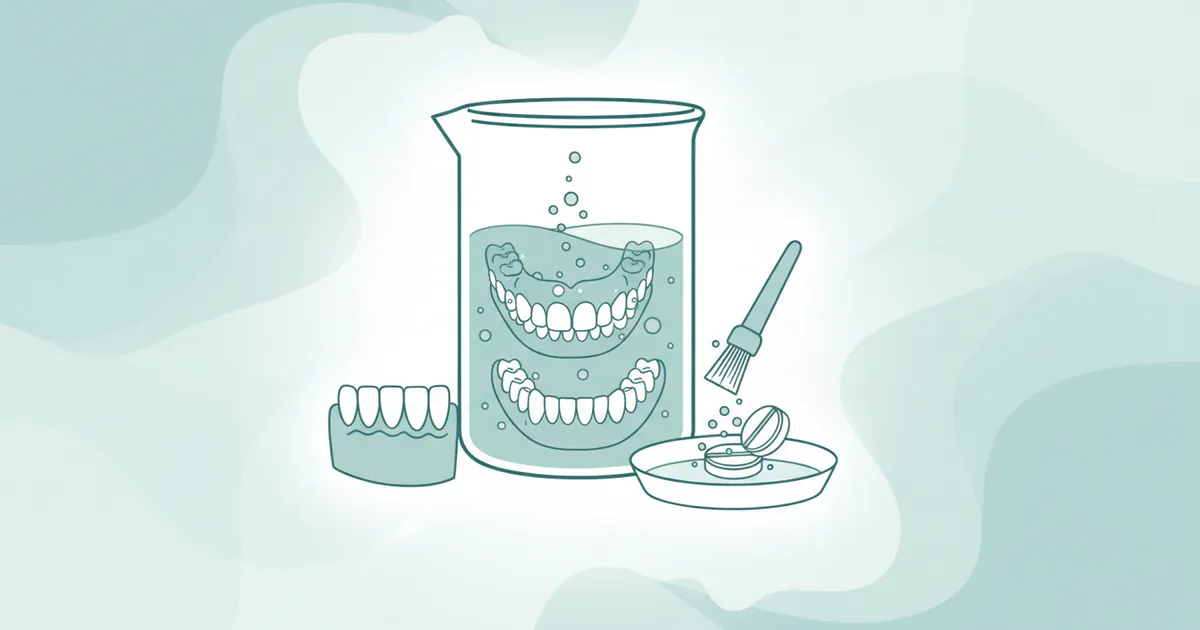
Key Takeaways
- For millions of Americans, dentures offer a pathway to renewed confidence, improved chewing ability, and a healthier smile. In fact, estimates suggest that over 40 million Americans wear some form of denture, whether it’s a full set or a partial denture. While dentures restore function and aesth
Denture Cleaner: Complete Guide
For millions of Americans, dentures offer a pathway to renewed confidence, improved chewing ability, and a healthier smile. In fact, estimates suggest that over 40 million Americans wear some form of denture, whether it’s a full set or a partial denture. While dentures restore function and aesthetics, their longevity and the oral health of the wearer critically depend on one fundamental practice: consistent, effective cleaning. The right denture cleaner isn't just about aesthetics; it's a cornerstone of preventing infections, maintaining oral hygiene, and safeguarding your overall health.
Navigating the world of denture care can seem daunting, with numerous products and conflicting advice available. However, understanding the science behind denture hygiene and the proper use of cleaning agents is crucial. This comprehensive guide will demystify denture cleaners, exploring the different types available, the vital role they play in preventing oral health issues, and how they contribute to the lifespan of your prosthetic. We'll delve into step-by-step cleaning routines, discuss associated costs, and address common concerns to empower you with the knowledge needed to keep your dentures, and your mouth, in pristine condition.
Key Takeaways:
- Daily Cleaning is Non-Negotiable: Dentures require daily brushing with a non-abrasive cleaner and soaking in a specialized denture cleaning solution to prevent plaque, stains, and odor.
- Variety of Cleaners: Options include effervescent tablets (most common), gels, liquids, and ultrasonic devices, each with specific benefits and considerations for different denture materials.
- Prevents Health Issues: Proper cleaning significantly reduces the risk of denture stomatitis, angular cheilitis, halitosis, and potentially more serious systemic infections linked to poor oral hygiene.
- Cost-Effective Care: At-home denture cleaners typically cost $5 to $25 per month, a small investment compared to the significant cost of dentures themselves, which can range from $1,500 to $8,000 per arch for conventional full dentures.
- Professional Oversight: Regular dental check-ups (at least annually) are vital for professional denture cleaning, adjustments, and oral health screenings, costing typically $50-$200 per visit for cleaning components.
- Avoid Abrasives: Never use regular toothpaste, harsh household cleaners, or very hot water, as these can damage denture materials, leading to irreversible scratching, discoloration, or warping.
- Partial Dentures Need Special Care: Cleaning partial dentures requires attention to both the prosthetic and any remaining natural teeth, often involving dual cleaning routines and specific non-corrosive solutions.
What is a Denture Cleaner and Why is it Essential?
A denture cleaner is any substance or device specifically designed to remove food particles, plaque, stains, and odor-causing bacteria from dental prosthetics. Unlike regular toothpastes or mouthwashes designed for natural teeth, denture cleaners are formulated to be effective on prosthetic materials (typically acrylic or a combination of acrylic and metal for partial denture frameworks) without causing damage. Their essential role stems from the fact that dentures, like natural teeth, are susceptible to plaque accumulation. This sticky, colorless film, primarily composed of bacteria, quickly forms on all oral surfaces, including dentures.
If left undisturbed, plaque can harden into tartar (calculus), absorb stains from food and drinks, and harbor pathogenic bacteria and fungi. This leads to a host of problems:
- Denture Stomatitis: An inflammation of the tissues beneath the denture, often caused by Candida albicans (yeast) overgrowth, appearing as redness, soreness, and sometimes small lesions.
- Bad Breath (Halitosis): Bacteria trapped on dentures produce foul-smelling compounds.
- Staining: Accumulation of pigments from coffee, tea, red wine, and tobacco.
- Damage to Remaining Teeth (for partial dentures): Plaque on a partial denture can transfer to natural teeth, increasing their risk of decay and gum disease.
- Systemic Health Risks: Poor denture hygiene has been linked to increased risks of aspiration pneumonia, especially in elderly and immunocompromised individuals, and may even have implications for cardiovascular health.
Therefore, a denture cleaner is not merely a cosmetic tool; it is a critical component of daily oral hygiene that directly impacts the wearer's comfort, oral health, and overall well-being.
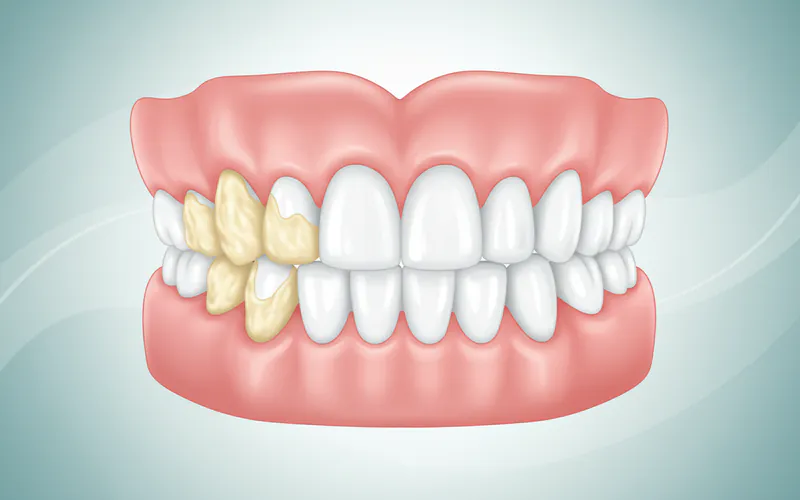
![An illustration showing a close-up of a full upper denture, with half of it visibly covered in plaque(/glossary/glossary-plaque) and stains, and the other half sparkling clean after using a denture cleaner.]
Types of Denture Cleaners: Variations and Approaches
The market offers a diverse range of denture cleaner products, each utilizing different mechanisms to achieve cleanliness. Understanding these types allows you to choose the most suitable option for your specific denture material and lifestyle.
1. Chemical Denture Cleaners
These are the most common and widely recommended type, designed for soaking dentures. They typically contain active ingredients that chemically break down plaque, stains, and bacteria without requiring abrasive scrubbing.
-
Effervescent Tablets (Soaking Tablets):
- Mechanism: When dropped into water, these tablets fizz, releasing oxygen bubbles and active chemical agents. Common ingredients include sodium perborate, sodium bicarbonate, citric acid, and enzymes. Sodium perborate releases oxygen, which helps lift debris and disinfect.
- Pros: Easy to use, widely available, effective at removing stains and killing bacteria, gentle on most denture materials (acrylic, metal, flexible). Many brands are ADA-approved.
- Cons: May not fully remove stubborn, hardened plaque; requires soaking time (usually 15-30 minutes, or overnight); some solutions may discolor certain denture resins if used excessively or if the denture material is very old/porous.
- Pro Tip: Always follow the manufacturer's instructions for soaking time. Over-soaking in some solutions, especially those containing hypochlorite (bleach), can potentially degrade acrylic over time or corrode metal components of a partial denture.
-
Alkaline Hypochlorite (Bleach-Based) Solutions:
- Mechanism: Contain a dilute form of household bleach (sodium hypochlorite) blended with other ingredients. These are highly effective disinfectants and stain removers.
- Pros: Very potent against bacteria, fungi (like Candida), and stubborn stains. Excellent for deep cleaning.
- Cons: Can be corrosive to metal components (e.g., clasps on a partial denture), potentially leading to discoloration or damage. Can also whiten or bleach the pink acrylic base if used too concentrated or too frequently. Not suitable for flexible dentures.
- Pro Tip: If using a hypochlorite-based solution, ensure it's specifically formulated for dentures and follow dilution instructions carefully. Avoid using it on dentures with metal parts or flexible dentures. Limit use to once or twice a week for deep cleaning.
-
Alkaline Peroxide Solutions:
- Mechanism: Similar to effervescent tablets, these often come as powders or concentrated liquids that are mixed with water. They release oxygen radicals to clean and disinfect.
- Pros: Generally safe for most denture materials, good for daily soaking, effective against a range of microorganisms.
- Cons: Can be less aggressive on very tough stains compared to hypochlorite.
-
Enzyme Cleaners:
- Mechanism: Contain enzymes (e.g., proteases) that break down protein-based food residues and bacterial biofilms.
- Pros: Gentle, effective at dissolving organic matter, good for regular maintenance.
- Cons: May require longer soaking times, can be less effective on very deep or old stains.
2. Mechanical Denture Cleaners
Mechanical cleaning involves physical action to remove debris.
-
Denture Brushes:
- Mechanism: Specifically designed brushes with varying bristle stiffness and head shapes to effectively clean all surfaces of a denture. Typically feature a large, flat brush for the outer surfaces and a smaller, tapered brush for hard-to-reach areas and the inner surface that contacts the gums.
- Pros: Essential for removing loose food particles and mechanically disrupting plaque before soaking. No chemical residue.
- Cons: Requires manual effort; if misused (too firm a brush or abrasive cleaner), it can scratch the denture surface, creating micro-grooves where bacteria can hide.
- Pro Tip: Always use a soft-bristled denture brush and a non-abrasive denture paste or mild hand soap/dish soap (rinse thoroughly!) for brushing. Never use regular toothpaste, which contains abrasive particles that can scratch acrylic dentures.
-
Ultrasonic Cleaners:
- Mechanism: These devices use high-frequency sound waves to create microscopic bubbles in a cleaning solution. As these bubbles collapse (cavitation), they generate tiny jets that dislodge particles and debris from denture surfaces.
- Pros: Very effective at dislodging debris from intricate areas that a brush might miss, provides a deeper clean than manual brushing alone, ideal for both full and partial denture cleaning.
- Cons: Can be an initial investment (typically $20 - $100 for a home unit); usually requires a specialized cleaning solution or plain water with an effervescent tablet for optimal results.
- Pro Tip: Ultrasonic cleaners are excellent for enhancing the efficacy of chemical denture cleaners, but they do not replace the need for daily manual brushing to remove loosely adhering particles.
3. Natural or DIY Cleaners (Use with Caution)
While some natural solutions are proposed, they often come with significant caveats and are generally not recommended by dental professionals for routine denture care due to potential risks.
-
Vinegar (Acetic Acid):
- Mechanism: Mild acid, thought to help dissolve mineral deposits and some bacteria.
- Pros: Readily available, inexpensive.
- Cons: Not an ADA-approved method. Can be too acidic for prolonged use, potentially dulling the acrylic surface or affecting metal components. Not as effective against Candida as chemical cleaners. Leaves a vinegar odor.
- Pro Tip: If considering vinegar, use a very dilute solution (e.g., 1 part white vinegar to 2 parts water) for short soaks (10-15 minutes) and rinse thoroughly. Consult your dentist first, especially if you have a partial denture with metal.
-
Baking Soda (Sodium Bicarbonate):
- Mechanism: Mild abrasive and alkaline agent.
- Pros: Can help remove mild stains and neutralize odors.
- Cons: As an abrasive, it can scratch acrylic surfaces if rubbed too vigorously. Not a strong disinfectant.
- Pro Tip: Can be used as a paste for very light scrubbing with a soft denture brush, but gentle handling is crucial to avoid scratching.
Comparison Table: Types of Denture Cleaners
| Cleaner Type | Key Ingredients/Mechanism | Pros | Cons | Best For | Cost (per month) |
|---|---|---|---|---|---|
| Effervescent Tablets | Peroxides, enzymes, bicarbonates | Easy, convenient, good for daily stains & bacteria, ADA-approved. | May not remove very stubborn plaque; requires soaking. | Daily maintenance for most dentures. | $5 - $20 |
| Hypochlorite (Bleach) | Sodium Hypochlorite | Excellent for disinfection & deep stains. | Can corrode metal, bleach acrylic; not for flexible dentures. | Occasional deep cleaning (non-metal dentures). | $5 - $15 |
| Denture Brushes | Mechanical bristles | Essential for physical removal of debris & plaque. | Requires manual effort; can scratch if abrasive cleaner is used. | Daily initial cleaning, alongside soaking. | $1 - $5 |
| Ultrasonic Cleaners | High-frequency sound waves (cavitation) | Deeper clean, reaches intricate areas, enhances chemical cleaners. | Initial investment cost; doesn't replace brushing. | Enhanced daily cleaning; deep cleaning. | $0 (device only) |
| Vinegar/Baking Soda | Acetic acid/Sodium bicarbonate | Natural, inexpensive. | Not ADA-approved, potential damage, less effective disinfection. | Generally not recommended for routine care. | Minimal |
Why Denture Cleaning is Crucial: Understanding the "Causes" of Poor Hygiene Issues
The need for rigorous denture cleaning isn't just about aesthetics; it's about preventing the accumulation of harmful substances and microorganisms. The "causes" here refer to why issues arise when dentures are not cleaned properly.
- Biofilm Formation: Within minutes of insertion, a thin layer of saliva proteins (pellicle) coats the denture. This layer quickly becomes colonized by bacteria, fungi, and other microorganisms, forming a robust biofilm (plaque). This biofilm is the primary culprit behind most denture-related issues.
- Microbial Growth (Especially Candida Albicans): The warm, moist environment under a denture, combined with the presence of a biofilm, creates an ideal breeding ground for microorganisms, particularly the yeast Candida albicans. This fungus is the leading cause of denture stomatitis, an inflammation of the oral mucosa.
- Stain Absorption: Denture materials, especially acrylic, are porous. They readily absorb pigments from common foods and beverages like coffee, tea, red wine, and berries, as well as from tobacco products. Over time, these stains become deeply embedded and difficult to remove.
- Calculus (Tartar) Formation: If plaque isn't regularly removed, it mineralizes due to calcium and phosphate in saliva, forming hard deposits known as calculus or tartar. This rough surface further encourages plaque accumulation and is very difficult to remove without professional intervention.
- Odor Production: Bacteria in the plaque biofilm metabolize food particles and proteins, releasing volatile sulfur compounds (VSCs) and other byproducts that cause persistent bad breath (halitosis).
- Impact on Remaining Tissues/Teeth: For those wearing a partial denture, the plaque on the prosthetic can extend to the natural teeth it abuts, increasing the risk of cavities and periodontal disease in the remaining dentition. Furthermore, direct contact of unclean dentures with oral tissues can cause irritation and inflammation.
Signs and Symptoms of Poorly Cleaned Dentures
Recognizing the signs of inadequate denture hygiene is key to addressing problems promptly.
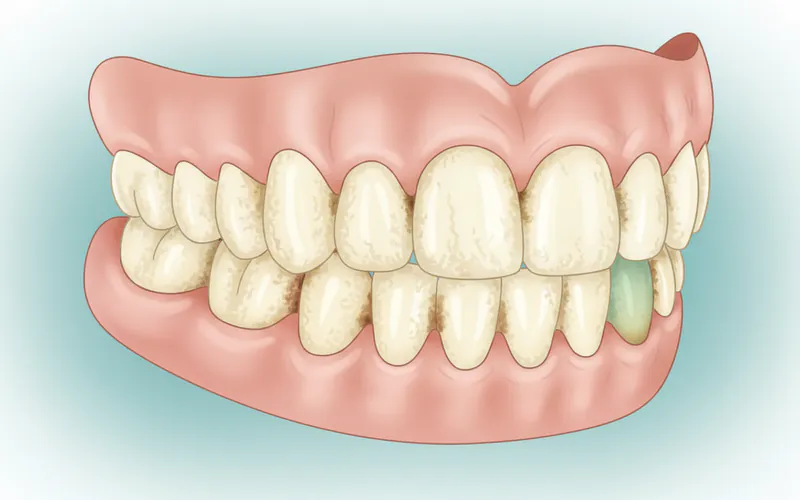
- Visible Plaque and Stains: A yellowish, whitish, or brownish film on the denture surface. Darker stains from coffee, tea, or tobacco.
- Unpleasant Odor (Halitosis): A persistent foul smell emanating from the mouth or the dentures themselves, even shortly after rinsing.
- Red, Inflamed Oral Tissues (Denture Stomatitis): The gum tissue under the denture (palate, alveolar ridges) appears uniformly red, swollen, and sometimes shiny. There may be tiny red spots or a velvety texture.
- Sore Spots or Ulcers: Persistent localized pain or open sores on the gums where the denture makes contact, often due to irritation from plaque buildup or trapped debris.
- Angular Cheilitis: Redness, cracking, and soreness at the corners of the mouth, often associated with Candida infection originating from unhygienic dentures.
- Changes in Denture Fit: While not directly a "symptom" of cleaning, persistent inflammation of the underlying tissues due to poor hygiene can temporarily alter the fit of the denture, making it feel less stable or comfortable.
- Rough or Slimy Feel: The denture surface feels less smooth, indicating biofilm accumulation.
Step-by-Step Denture Cleaning Process
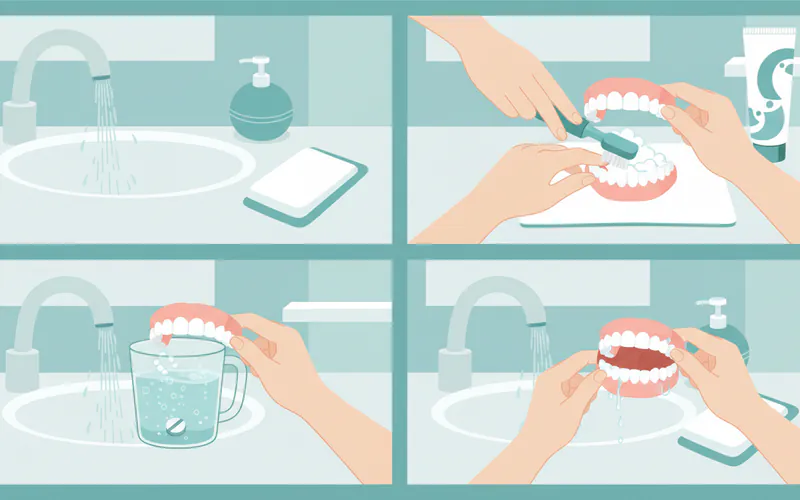
A consistent daily routine is paramount for maintaining denture hygiene. The American Dental Association (ADA) recommends both mechanical and chemical cleaning daily.
Daily Denture Cleaning Routine:
-
Remove and Rinse:
- Carefully remove your dentures from your mouth.
- Hold them over a basin of water or a folded towel to prevent breakage if accidentally dropped.
- Rinse them thoroughly under cool or lukewarm running water to remove loose food particles.
-
Brush Your Dentures:
- Apply a specialized non-abrasive denture paste, liquid denture cleaner, or even mild, unscented hand soap/dish soap (ensure it contains no harsh chemicals or moisturizers) to a soft-bristled denture brush.
- Brush all surfaces of the denture gently but thoroughly: the outer polished surfaces, the inner fitting surface that rests against your gums, and especially any clasps on a partial denture.
- Focus on areas where food and plaque tend to accumulate.
-
Clean Your Mouth:
- Gently brush your gums, tongue, and the roof of your mouth with a soft toothbrush or gauze to remove any remaining food particles and stimulate blood circulation. If you wear a partial denture, brush your remaining natural teeth with fluoride toothpaste.
- Rinse your mouth with warm water or an antimicrobial mouthwash if recommended by your dentist.
-
Soak Your Dentures:
- Place your dentures in a cup or denture bath filled with water or an ADA-approved denture cleaner solution (e.g., an effervescent tablet dissolved in water).
- Follow the manufacturer's instructions for soaking time (usually 15-30 minutes, or overnight).
- Pro Tip: Never use hot water for soaking, as it can warp the acrylic base of the denture, leading to a poor fit and costly repairs or replacements (contributing to the overall cost of dentures).
-
Rinse Again Before Reinsertion:
- Before placing the dentures back in your mouth, rinse them thoroughly under running water to remove any residual cleaning solution. This is crucial to prevent irritation from chemical residues.
Overnight Care:
- Most dental professionals recommend removing dentures overnight to give your oral tissues a rest and prevent microbial growth.
- Store them in water or a soaking solution to prevent them from drying out, which can cause them to warp.
Weekly Deep Clean:
- Consider a once-a-week deep soak in a stronger, specialized solution (e.g., a hypochlorite-based cleaner, if suitable for your denture material) or using an ultrasonic cleaner with an appropriate solution. Again, ensure the cleaner is safe for your specific denture materials, especially if you have a partial denture with metal components.
Recovery and Aftercare: Sustaining Denture Health
"Recovery" in the context of denture cleaning refers to the resolution of issues caused by poor hygiene once a proper routine is established. "Aftercare" encompasses ongoing maintenance and care.
- Resolution of Symptoms: With consistent and correct cleaning, symptoms like denture stomatitis, halitosis, and sore spots usually resolve within a few days to a couple of weeks. If symptoms persist, it indicates a need for professional evaluation.
- Regular Dental Check-ups: Even without natural teeth, regular dental visits are vital. Your dentist or hygienist will:
- Examine your oral tissues for signs of infection, inflammation, or abnormal changes.
- Assess the fit and condition of your dentures, recommending relining or rebase if needed (relines typically cost $250-$500).
- Perform professional deep cleaning of your dentures, removing hardened calculus that cannot be removed at home.
- Conduct oral cancer screenings.
- These check-ups are typically recommended annually, and sometimes more frequently, depending on your oral health status.
- Proper Handling: Always handle dentures with care. Drop them on a hard surface, and you could face significant repair costs or even the cost of new dentures. Store them safely when not in use.
- Avoid Self-Repair: Never attempt to repair broken or ill-fitting dentures yourself with super glue or other household adhesives. This can cause irreparable damage and make professional repair impossible. Always consult your dentist.
Prevention: The Best Strategy for Denture Longevity and Health
Prevention in denture care is synonymous with consistent and correct daily cleaning.
- Adhere to a Daily Cleaning Routine: This is the single most important preventive measure. As detailed above, daily brushing and soaking are non-negotiable.
- Choose ADA-Approved Products: Look for denture cleaners with the American Dental Association (ADA) Seal of Acceptance, which indicates they have been evaluated for safety and effectiveness.
- Clean Oral Tissues: Regularly clean your gums, tongue, and palate to maintain a healthy oral environment, even without natural teeth. For partial denture wearers, meticulous cleaning of remaining natural teeth is crucial.
- Avoid Damaging Practices:
- Do not use abrasive toothpastes or stiff brushes.
- Do not use harsh household cleaners (e.g., undiluted bleach).
- Do not use excessively hot water.
- Do not chew on hard objects (ice, hard candies) or clench/grind, as this can stress dentures.
- Regular Professional Care: Annual dental check-ups are essential for early detection and prevention of problems that home care alone cannot address.
Risks and Complications of Inadequate Denture Cleaning
Failing to properly clean dentures can lead to a cascade of oral and systemic health problems:
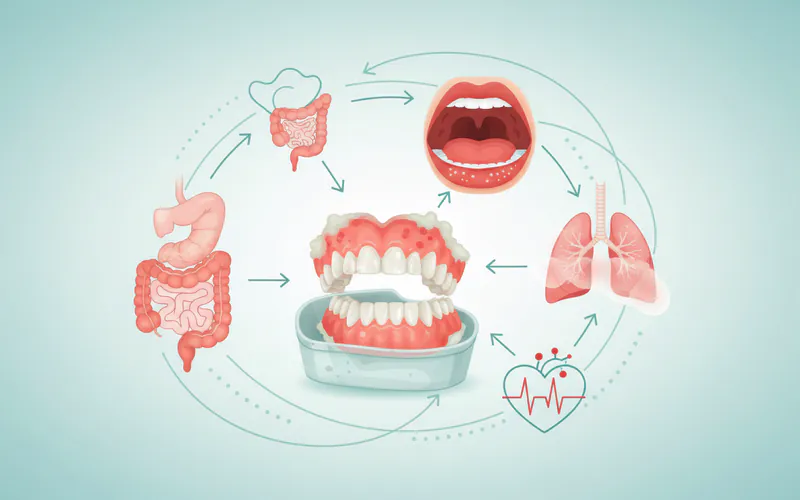
- Denture Stomatitis: As discussed, this common fungal infection (Candida albicans) causes redness, inflammation, and soreness of the tissues under the denture.
- Angular Cheilitis: Fungal or bacterial infection at the corners of the mouth, often linked to reduced vertical dimension (worn dentures) and a persistent moisture from salivary pooling, exacerbated by poor denture hygiene.
- Halitosis (Bad Breath): Persistent and severe bad breath due to bacterial overgrowth on the dentures.
- Accelerated Bone Loss: While dentures don't stop bone loss, chronic inflammation from poor hygiene can potentially contribute to compromised tissue health, which may indirectly influence the underlying bone.
- Damage to Remaining Natural Teeth (for partial dentures): Increased risk of cavities and gum disease in abutment teeth due to plaque transfer from unclean partial denture clasps and bases.
- Systemic Infections: Poor oral hygiene has been implicated in an increased risk of aspiration pneumonia, especially in hospitalized or elderly individuals. Bacteria from the oral cavity, including those on unclean dentures, can be inhaled into the lungs. There is also ongoing research into links between oral health and conditions like endocarditis and uncontrolled diabetes.
- Denture Discomfort and Instability: Inflammation of oral tissues can lead to discomfort and a feeling that the denture doesn't fit well, often preceding the need for professional adjustments or relines.
- Unesthetic Appearance: Stains and calculus buildup can make dentures look old, dirty, and detract from your smile.
Cost and Insurance for Denture Cleaners and Related Services
Understanding the financial aspects of denture care is important. While the cost of dentures themselves can be substantial, the ongoing cost of maintenance, including cleaners and professional care, is generally manageable.
1. Cost of Denture Cleaners (At-Home Products):
- Effervescent Tablets: A monthly supply (30-90 tablets) typically costs $5 to $25, depending on the brand and quantity.
- Denture Pastes/Gels: A tube can range from $4 to $15 and may last for several months.
- Denture Brushes: A quality denture brush typically costs $3 to $10 and should be replaced every 3-6 months, similar to a regular toothbrush.
- Ultrasonic Cleaners (Device): Initial investment ranges from $20 to $100 for a home unit.
- Specialized Ultrasonic Cleaning Solutions: These are usually small bottles, costing $10 to $25 and lasting for several months, depending on frequency of use.
2. Cost of Professional Denture Cleaning and Maintenance:
Professional denture cleaning is often part of a regular dental check-up.
- Dental Exam and Oral Health Check-up: A routine check-up with a dentist, which includes an examination of your oral tissues and dentures, typically costs $50 to $150.
- Professional Denture Cleaning (Deep Clean): If your dentures have significant calculus buildup or require special attention, your dentist or hygienist may perform a dedicated deep clean. This can range from $50 to $200, depending on the complexity and local rates. This is sometimes billed as part of a general prophylaxis (cleaning).
- Denture Relining: Over time, the fit of dentures can change due to natural bone resorption. A soft or hard reline improves fit and comfort. Costs range from $250 to $500 per arch.
- Denture Rebase: A more extensive procedure where the entire pink acrylic base is replaced, but the teeth are retained. This can cost $500 to $1,000 per arch.
- Denture Repair: Depending on the damage (e.g., a crack, a broken tooth, a broken clasp on a partial denture), repairs can range from $75 to $300.
3. Insurance Coverage:
- At-Home Cleaners: Dental insurance generally does not cover the cost of over-the-counter denture cleaning products, brushes, or home ultrasonic devices. These are considered personal hygiene expenses.
- Professional Services: Most dental insurance plans will cover a portion of routine dental exams and professional cleanings (e.g., 80-100% for preventative care). If professional denture cleaning is part of your regular hygiene visit, it will likely be covered.
- Denture Relines, Rebases, and Repairs: Coverage varies significantly by plan. Many plans offer partial coverage (e.g., 50-80%) for these procedures, especially if they are deemed medically necessary to maintain function.
- Cost of Dentures: The initial cost of dentures (full or partial denture) is often covered at a lower percentage (e.g., 50%) by dental insurance, and there are typically waiting periods and annual maximums to consider. For example, a conventional full denture might cost $1,500 - $4,000 per arch without insurance, but with coverage, your out-of-pocket might be $750 - $2,000 if your plan covers 50% and you haven't hit your annual maximum.
Comparison Table: At-Home vs. Professional Denture Cleaning
| Feature | At-Home Denture Cleaning | Professional Denture Cleaning (Dentist/Hygienist) |
|---|---|---|
| Frequency | Daily | Annually or bi-annually (as part of regular check-ups) |
| Methods Used | Brushing, soaking (chemical cleaners, ultrasonic device) | Ultrasonic deep cleaning, specialized solutions, manual scaling |
| Removes | Plaque, food debris, mild stains, some bacteria/fungi | Stubborn calculus (tartar), deep stains, thorough disinfection |
| Benefits | Prevents daily buildup, maintains freshness, comfort | Removes calcified deposits, identifies issues, oral health check |
| Cost | $5-$25/month for products | $50-$200 per visit (often part of general hygiene) |
| Insurance | Generally not covered | Often covered as preventive care |
| Limitations | Cannot remove hardened calculus or fix deep damage | Not a substitute for daily home care; less frequent |
Children / Pediatric Considerations
While full dentures are exceedingly rare in children, pediatric patients may sometimes require partial prosthetics for various reasons, such as:
- Space Maintainers: After premature loss of a primary (baby) tooth, a partial denture-like appliance might be used to hold space for the permanent tooth, preventing adjacent teeth from drifting.
- Pediatric Partial Dentures: In cases of genetic conditions (e.g., anodontia, hypodontia where teeth are missing) or trauma, a small partial denture might be fabricated to restore aesthetics and function.
The cleaning principles for these pediatric prosthetics remain largely the same:
- Gentle Daily Cleaning: Parents should gently brush the appliance with a soft brush and water or a very mild, non-abrasive soap. Specialized pediatric denture cleaners are not common, so guidance from the pediatric dentist is crucial.
- Oral Hygiene for Natural Teeth: Meticulous care of any remaining natural teeth is even more important in children, as their enamel is more susceptible to decay.
- Regular Dental Visits: Children with prosthetics require frequent monitoring by a pediatric dentist to ensure the appliance fits correctly, is being cleaned effectively, and does not impede growth or development.
It's important to note that the vast majority of discussions regarding "denture cleaner" refer to adult applications for full or partial denture maintenance.
Cost Breakdown: A Deeper Look
Beyond the individual product and service costs, let's look at the broader financial landscape for denture care in the US.
Average US Costs:
- Low End (Budget-conscious):
- Basic effervescent tablets: ~$5-$10/month
- Basic denture brush: ~$3-$5 (annually)
- Total annual for home care: ~$60-$120
- Routine dental exam (no professional cleaning): ~$50-$75 (annually)
- Mid-Range (Standard Care):
- Reputable brand effervescent tablets/liquid cleaner: ~$15-$20/month
- Quality denture brush: ~$5-$8 (annually)
- Home ultrasonic cleaner: ~$40-$70 (one-time investment, lasts years)
- Total annual for home care (excluding ultrasonic amortized): ~$180-$240
- Routine dental exam & professional cleaning: ~$100-$200 (annually)
- High End (Premium Care/Specific Needs):
- Premium cleaners (e.g., specialized solutions for ultrasonic): ~$20-$25/month
- High-end home ultrasonic cleaner: ~$80-$100
- Total annual for home care (excluding ultrasonic amortized): ~$240-$300
- Comprehensive dental exam, professional denture cleaning, potential minor adjustments: ~$150-$300 (annually)
With vs. Without Insurance:
- Without Insurance: You will pay the full cash price for all dental services. For example, an annual check-up with professional cleaning could be $150-$300 out-of-pocket. Any relines or repairs would also be at full cost. The initial cost of dentures is a significant investment.
- With Insurance: As mentioned, preventive care (exams, cleanings) is often covered at a high percentage (e.g., 80-100%). Other services like relines or repairs may be covered at 50-80%. Crucially, insurance helps mitigate the high cost of dentures themselves. For example, a partial denture costing $900-$2,500 per arch could be half that out-of-pocket with good insurance.
Payment Plans and Financing Options:
If you are facing significant dental expenses, especially the initial cost of dentures or extensive repairs/relines, consider these options:
- In-Office Payment Plans: Many dental offices offer interest-free payment plans, allowing you to pay in installments over several months.
- Third-Party Financing (e.g., CareCredit, LendingClub): These companies specialize in healthcare financing, offering various payment plans, including interest-free options for a limited period or low-interest plans for longer terms.
- Dental Schools: University dental schools often provide services at a reduced rate, as treatments are performed by students under the supervision of experienced faculty. This can significantly reduce the cost of dentures and other procedures.
- Health Savings Accounts (HSAs) or Flexible Spending Accounts (FSAs): If you have an HSA or FSA through your employer, you can use these tax-advantaged accounts to pay for qualified dental expenses, including dentures, exams, and professional cleaning.
Cost-Saving Tips:
- Preventative Care: The best cost-saving tip is diligent daily denture cleaning and regular dental check-ups. Preventing issues like severe denture stomatitis, tissue irritation, or calculus buildup can save you money on extensive treatments down the line.
- Shop Around for Cleaners: Compare prices for denture cleaning tablets and brushes at different pharmacies and online retailers. Generic brands are often just as effective as name brands.
- Protect Your Dentures: Avoid dropping them, chewing hard foods, or using abrasive cleaners. Preventing damage saves you repair or replacement costs.
- Utilize Insurance Benefits: Understand your dental insurance plan's coverage, deductibles, and annual maximums. Schedule preventive care to maximize benefits.
- Ask About Cash Discounts: Some dental offices offer a discount for patients who pay in full at the time of service, particularly if they do not have insurance.
Frequently Asked Questions
Can I use regular toothpaste to clean my dentures?
No, you should never use regular toothpaste on your dentures. Most toothpastes contain abrasive ingredients like silica, which are designed to polish natural tooth enamel. These abrasives can scratch the softer acrylic material of dentures, creating microscopic grooves where bacteria can accumulate more easily, leading to stains and odor. Always use a specialized non-abrasive denture cleaner or mild soap.
How often should I clean my dentures?
Dentures should be cleaned daily. This includes manually brushing them with a denture brush and non-abrasive cleaner, followed by soaking in an ADA-approved denture cleaning solution. This daily routine is essential to remove plaque, food debris, and prevent the growth of bacteria and fungi.
Is it okay to sleep with my dentures in?
While some people do, most dental professionals recommend removing dentures overnight. Removing them allows your oral tissues to rest, promotes saliva flow to clean your mouth, and reduces the risk of denture stomatitis and other infections. Always store them in water or a denture soaking solution to prevent drying out and warping.
Are partial dentures cleaned differently than full dentures?
The core principles are the same: daily brushing and soaking. However, partial denture wearers must pay extra attention to cleaning around the metal clasps and the areas that contact natural teeth. Additionally, ensure the denture cleaner you choose is safe for metal components if your partial denture has a metal framework, as some bleach-based cleaners can cause corrosion. Meticulous cleaning of your remaining natural teeth is also crucial.
Do I really need professional denture cleaning if I clean them every day?
Yes, professional cleaning is still recommended, usually during your annual dental check-up. While daily home cleaning removes most plaque and stains, only a dentist or hygienist can effectively remove hardened calculus (tartar) and deeply embedded stains. They also check the fit of your dentures, inspect your oral tissues for issues, and screen for oral cancer.
What should I do if my dentures smell even after cleaning?
A persistent odor usually indicates a bacterial or fungal infection, often deep within the denture's porous surface or affecting your oral tissues. If diligent daily cleaning with an effective denture cleaner doesn't resolve the odor, schedule an appointment with your dentist. They can diagnose the underlying cause, professionally deep clean your dentures, and prescribe antifungal medications if a Candida infection is present.
Are natural or DIY denture cleaners effective and safe?
Natural options like vinegar or baking soda are generally not recommended as primary or routine denture cleaners by dental professionals. While they have some cleaning properties, they are not as effective at disinfecting as commercial products and can potentially harm denture materials (e.g., acidity of vinegar dulling acrylic or corroding metal, abrasiveness of baking soda scratching). It's always best to use ADA-approved commercial denture cleaner products.
How much does a good denture cleaner cost per month?
The monthly cost of denture cleaner products typically ranges from $5 to $25. This usually covers effervescent tablets, denture paste, or liquid cleaners. This is a relatively small investment for maintaining oral health and extending the life of your dentures.
How long should dentures last with proper cleaning and care?
With diligent daily cleaning, regular dental check-ups, and professional care, a well-made conventional full or partial denture can last between 5 to 10 years. However, due to natural changes in your oral tissues (bone resorption), dentures often require relines or rebases every few years to maintain a proper fit, regardless of how well they are cleaned.
When to See a Dentist
While routine home care is essential, there are specific situations where you should seek professional dental attention:
- Persistent Sore Spots or Pain: If you experience sore spots, redness, or discomfort under your dentures that doesn't resolve within a few days of improved cleaning and removing dentures overnight. This could indicate denture stomatitis, an ill-fitting denture, or other oral lesions.
- Foul Odor or Persistent Stains: If your dentures continue to smell bad or show heavy staining despite consistent and proper cleaning with an effective denture cleaner.
- Changes in Denture Fit: If your dentures suddenly feel loose, uncomfortable, or cause difficulty speaking or chewing. This could mean your oral tissues have changed, and a reline or rebase is necessary.
- Denture Damage: Any chips, cracks, broken teeth, or broken clasps on a partial denture require immediate professional attention. Do not attempt to repair them yourself.
- Signs of Oral Infection: Red, swollen gums, white patches (thrush), or persistent lesions in your mouth.
- Bleeding Gums or Tissues: While dentures don't cause bleeding directly, irritated or infected tissues can bleed, requiring evaluation.
- Annual Check-ups: Even if you feel no problems, schedule regular annual dental check-ups. These visits are crucial for oral cancer screenings, professional denture assessment, and removal of calculus that home cleaning cannot manage.
Your dentist is your partner in maintaining not just your dentures, but your entire oral and often, your systemic health. Don't hesitate to reach out with any concerns.
Frequently Asked Questions
Medically Reviewed Content
This article was written by our dental health editorial team and reviewed for medical accuracy. Our content follows strict editorial guidelines for reliability and trustworthiness.
Medical Disclaimer
This article is for informational purposes only and does not constitute medical advice. Always consult with a qualified dental professional for diagnosis and treatment. Do not delay seeking professional advice because of something you read on this website.
Related Articles
Cheap Dentures: Complete Guide
Facing the prospect of tooth loss can be daunting, and the thought of replacing missing teeth often brings financial concerns to the forefront. Did you know that an estimated 36 million Americans are completely edentulous (missing all their teeth), and another 120 million are missing at leas
February 23, 2026
Full Mouth Reconstruction Near Me: Complete Guide
You've been living with dental pain, difficulty eating, or a smile you're too embarrassed to share. Perhaps years of neglect, trauma, or disease have taken a toll on your oral health, leaving you wondering if there's any hope for a complete restoration. You're not alone. **Millions of Americans face
February 23, 2026
$99 Dentures Near Me: Complete Guide
Losing teeth can significantly impact your quality of life, affecting everything from your ability to chew and speak to your self-confidence. For many, the high cost of dental care can feel like an insurmountable barrier to regaining a healthy smile. This often leads people to search for "affordable
February 23, 2026
Snap-in Dentures Cost Near Me: Complete Price Guide 2026
For many Americans navigating the challenges of significant tooth loss, the search for a stable, comfortable, and aesthetically pleasing dental solution often leads to implant-supported dentures. Unlike traditional dentures that rely on suction and adhesives, snap-in dentures offer a remarkable impr
February 23, 2026