Mouthguard
5,183 words · 17 min read
Quick Definition
A protective device worn over the teeth to prevent injury during sports or physical activities. Custom-fitted mouthguards provide the best protection and comfort.
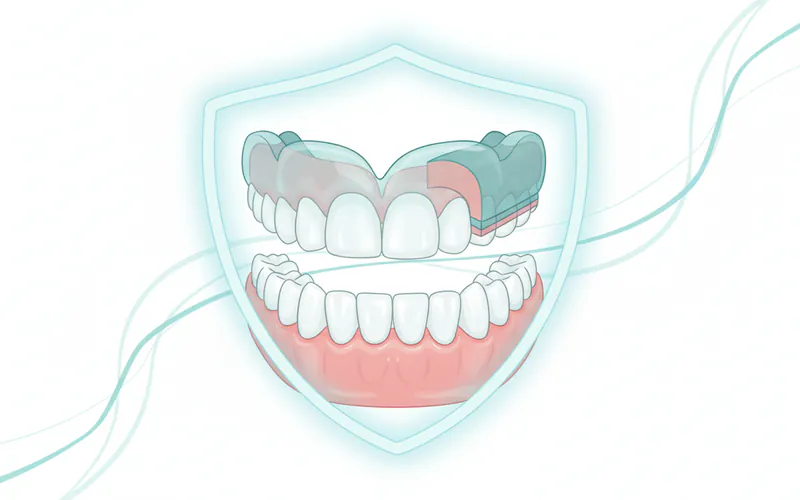
A mouthguard is a custom-fitted, protective device worn over the teeth during physical activities, particularly sports, to prevent injuries to the teeth, gums, lips, and jaws. It acts as a shock absorber, distributing the force of an impact across a larger area and reducing the severity of potential trauma. While often associated with professional athletes, mouthguards are an essential piece of protective equipment for anyone participating in a wide range of sports and recreational activities, significantly safeguarding their oral health.
The importance of mouthguards for dental health cannot be overstated. Dental injuries can be painful, disfiguring, and expensive to treat, often requiring extensive procedures like root canals, crowns, bridges, or even dental implants. A single knocked-out tooth can cost thousands of dollars and multiple dental visits to restore. By providing a cushioned barrier between the upper and lower teeth, and between the teeth and the soft tissues of the mouth, a mouthguard dramatically reduces the risk of such injuries. It protects against chipped or fractured teeth, tooth loss, root damage, lacerations to the lips, cheeks, and tongue, and even helps prevent jaw fractures and dislocations.
Dental trauma from sports is alarmingly common among those who do not wear proper protection. According to the National Youth Sports Safety Foundation (NYSSF), athletes are 60 times more likely to suffer dental injuries when not wearing a mouthguard. Approximately 15 million Americans suffer sport-related dental injuries annually, with many of these being preventable. The American Dental Association (ADA) recommends mouthguards for participants in 29 different sports, highlighting the widespread need for this vital dental appliance. Whether you're a child playing recreational soccer or an adult engaged in high-contact martial arts, understanding what a mouthguard is, its benefits, and the different types available is crucial for protecting your smile.
Key Takeaways:
- Mouthguards are essential protective devices worn over teeth during sports to prevent dental and oral injuries.
- They act as shock absorbers, reducing the impact of blows to the mouth and jaw.
- Custom-fitted mouthguards offer the best protection, comfort, and fit.
- The American Dental Association (ADA) recommends mouthguards for 29 different sports, including both contact and non-contact activities.
- Wearing a mouthguard can prevent costly and painful dental injuries such as chipped teeth, tooth loss, and soft tissue lacerations.
- Regular cleaning and proper storage are crucial for maintaining hygiene and extending the life of your mouthguard.
Detailed Explanation
A mouthguard is more than just a piece of plastic; it's a critical investment in your long-term dental health. Its design and material are specifically engineered to absorb and dissipate forces that could otherwise lead to severe oral trauma. Understanding the nuances of mouthguards, from their various types to how they are fitted and cared for, empowers individuals to make informed decisions about their dental protection.
Types and Classifications of Mouthguards
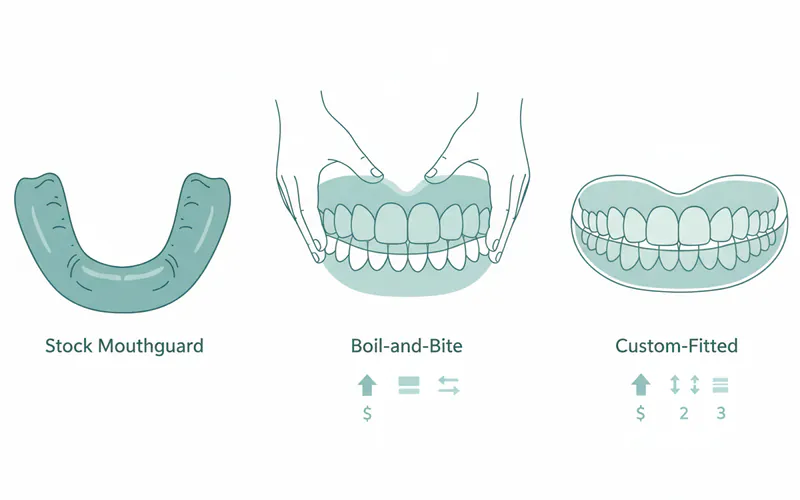
Mouthguards primarily fall into three main categories, each offering different levels of protection, comfort, and cost. It's important to distinguish these from a nightguard, which is specifically designed to protect teeth from grinding (bruxism) and clenching, rather than impact. While both cover the teeth, their purpose and material density differ significantly.
-
Stock Mouthguards:
- Description: These are pre-formed and ready to wear straight out of the package. They are typically made from a rigid, non-moldable material.
- Pros: Very inexpensive and readily available at most sporting goods stores and pharmacies.
- Cons: They offer the least amount of protection because they are not designed to fit an individual's specific mouth. They tend to be bulky, can make breathing and speaking difficult, and often require the wearer to clench their jaw to keep them in place, which can worsen impact. Their poor fit means they offer minimal cushioning and can even become dislodged during activity.
- Cost: Typically range from $5 to $25.
-
Boil-and-Bite Mouthguards:
- Description: These mouthguards are made from a thermoplastic material (most commonly ethylene vinyl acetate, or EVA) that becomes pliable when heated in hot water. Once softened, the wearer places it in their mouth and bites down, using finger and tongue pressure to mold it around their teeth and gums.
- Pros: They offer a better, more customized fit than stock mouthguards, enhancing comfort and protection. They are also relatively affordable and widely available.
- Cons: While better than stock, the fit is still not perfect. Over time, the material can lose its shape, or the fit can become compromised, reducing its protective capabilities. They can still be somewhat bulky, and if not molded correctly, they may interfere with speech or breathing. The thickness can also be inconsistent, leaving some areas less protected.
- Cost: Generally range from $25 to $100.
-
Custom-Fitted Mouthguards:
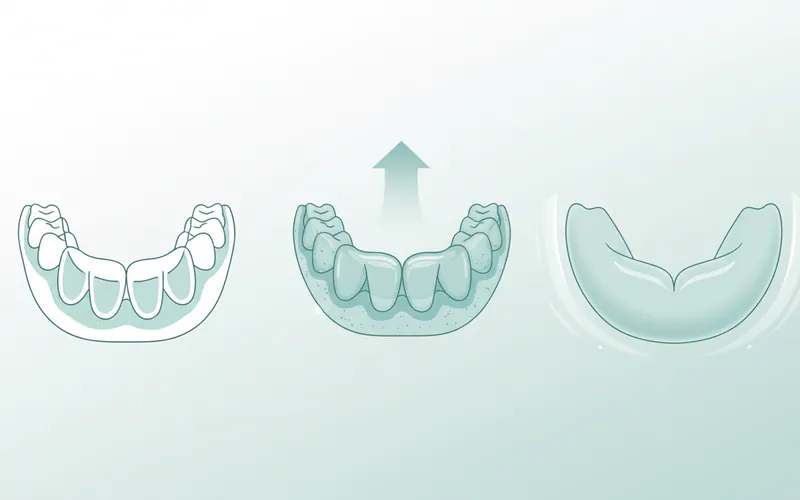
- Description: These are considered the gold standard for dental protection. They are custom-made by a dentist in a professional dental lab based on a precise impression of the patient's teeth. The dentist takes a mold (impression) of the patient's upper arch, which is then used to fabricate a mouthguard that perfectly matches the contours of their mouth.
- Pros:
- Superior Fit and Comfort: Custom mouthguards offer an exact fit, ensuring maximum retention and comfort. They are not bulky and allow for normal speech and breathing.
- Optimal Protection: The precise fit and often multi-layered material (laminated EVA) provide the highest level of shock absorption and protection against concussions, fractured teeth, and soft tissue injuries. The material can be adjusted for specific sports (e.g., thicker for high-impact sports).
- Durability: Made from high-quality, dense materials, custom mouthguards are highly durable and resistant to tearing.
- Hygiene: Their smooth, non-porous surface is easier to clean and less likely to harbor bacteria.
- Cons: They are the most expensive option and require an appointment with a dentist for impressions and fitting.
- Cost: Typically range from $150 to $500+.
Causes and Risk Factors for Needing a Mouthguard
The primary "cause" for needing a mouthguard is participation in activities that carry a risk of impact to the mouth or jaw. This includes a vast array of sports and recreational pursuits.
- Contact Sports: This category represents the most obvious need for mouthguards. Sports like football, ice hockey, rugby, boxing, wrestling, martial arts, and lacrosse involve direct physical contact and a high potential for blows to the face and head. In these sports, mouthguards are often mandatory at both professional and amateur levels.
- Non-Contact Sports with High Impact Risk: Many non-contact sports also pose a significant risk of dental injury due to falls, collisions with equipment or other players, or accidental impacts. Examples include basketball, soccer, volleyball, baseball (especially for catchers and infielders), softball, skateboarding, cycling, rollerblading, gymnastics, and even competitive cheerleading. A sudden fall on hard surfaces or an accidental elbow during a game can cause severe dental trauma.
- Individual Sports with Fall Risk: Activities like mountain biking, skiing, snowboarding, and equestrian sports, while not involving direct contact with other players, carry a high risk of falls that can result in facial or dental injuries.
- Braces or Fixed Dental Appliances: Individuals wearing orthodontic braces, bridges, or other fixed dental work are at an even higher risk of injury without a mouthguard. Not only can the braces themselves be damaged, leading to costly repairs, but they can also cause severe lacerations to the soft tissues of the mouth upon impact. Specialized mouthguards are available for those with braces.
- Previous Dental Injuries: If an individual has a history of dental trauma, wearing a mouthguard becomes even more critical to protect vulnerable teeth and existing dental restorations.
It's important to differentiate the need for a mouthguard from the need for a nightguard. While a mouthguard protects against external impact, a nightguard is used to protect teeth from internal forces, specifically the involuntary grinding and clenching of teeth, a condition known as bruxism. Bruxism can lead to tooth wear, fractures, jaw pain, and headaches. While some people might informally use a sports mouthguard for mild bruxism, it is not designed for that purpose and a custom-fitted nightguard provides superior protection and comfort for bruxism sufferers.
Signs and Symptoms to Watch For (Indicating a Need or Lack of Protection)
While a mouthguard is preventative, understanding the signs and symptoms of dental trauma can underscore the importance of consistent use. These are the injuries a mouthguard aims to prevent:
- Chipped, Fractured, or Cracked Teeth: Visible damage to the tooth enamel or deeper structures, often accompanied by pain or sensitivity.
- Avulsed (Knocked-Out) Teeth: A tooth completely dislodged from its socket. This is a dental emergency.
- Luxated Teeth: A tooth that has been displaced (pushed in, out, or to the side) but remains in its socket.
- Root Fractures: Cracks in the tooth's root, which may not be immediately visible but can cause pain and eventually lead to tooth loss.
- Lacerations to Soft Tissues: Cuts or tears to the lips, cheeks, tongue, or gums. The mouthguard creates a barrier, preventing teeth from cutting into these tissues during impact.
- Jaw Fractures or Dislocations: Severe impacts can fracture the upper or lower jawbone, or dislocate the temporomandibular joint (TMJ). While mouthguards primarily protect teeth, they can help stabilize the jaw and absorb some of the force that might otherwise contribute to jaw injuries.
- Bruising and Swelling: Around the mouth, lips, or jaw.
- Pain and Sensitivity: Any new or increased pain in the teeth or jaw, especially after an impact, should be evaluated.
These injuries can lead to significant pain, infection, extensive dental procedures, and permanent cosmetic changes. Many of these conditions are preventable with the correct use of a properly fitted mouthguard.
Diagnosis Process — What Your Dentist Does
For stock and boil-and-bite mouthguards, there isn't a formal "diagnosis process" by a dentist, as these are self-selected. However, for a custom-fitted mouthguard, a dentist plays a crucial role. The process involves:
- Comprehensive Oral Examination: The dentist will first conduct a thorough examination of your teeth, gums, and overall oral health. This helps identify any pre-existing conditions (like cavities or gum disease) that need to be addressed before a mouthguard is made, and assess the alignment of your bite.
- Discussion of Activities and Needs: The dentist will ask about the specific sports or activities you participate in, their intensity, and any history of dental injuries. This information helps determine the appropriate thickness and design for your custom mouthguard. For instance, a boxer might need a thicker, more robust mouthguard than a basketball player.
- Taking Dental Impressions: This is the most critical step for a custom mouthguard. The dentist will take precise impressions (molds) of your upper (and sometimes lower) teeth using a soft, putty-like material (often alginate). These impressions capture the exact contours of your teeth and gums, ensuring a perfect fit.
- Bite Registration: In some cases, especially if your bite alignment is a concern, the dentist may also take a bite registration to ensure the mouthguard maintains a correct jaw position.
- Selection of Material and Color: You may have options for the material thickness and even color of your mouthguard, depending on your sport and personal preference.
- Lab Fabrication: The impressions are then sent to a professional dental lab where skilled technicians use them to fabricate your custom mouthguard. This typically involves a vacuum-forming process using multiple layers of EVA material.
- Fitting Appointment: Once the mouthguard is ready, you'll return for a fitting appointment. The dentist will ensure the mouthguard fits snugly and comfortably, does not impede breathing or speech, and covers all necessary teeth without irritating soft tissues. Any necessary minor adjustments will be made at this time.
Treatment Options (Mouthguard Types) with Pros, Cons, and Costs
As discussed in "Types and Classifications," the "treatment options" for preventing dental sports injuries boil down to the choice of mouthguard. Each comes with its own set of advantages, disadvantages, and associated costs.
-
Stock Mouthguards:
- Pros: Extremely affordable, immediately available off-the-shelf.
- Cons: Bulky, poor fit, minimal protection, can obstruct breathing and speech, requires clenching to keep in place.
- Cost in US: $5 - $25.
- Recommendation: Generally not recommended for serious protection due to their inherent limitations.
-
Boil-and-Bite Mouthguards:
- Pros: More affordable than custom, offers a moderate level of customization and better fit than stock, readily available.
- Cons: Fit can still be imperfect or degrade, can be bulky, may not offer uniform protection, can be chewed through more easily than custom.
- Cost in US: $25 - $100.
- Recommendation: A better option than stock for recreational sports, but still a compromise on protection and comfort compared to custom-fitted.
-
Custom-Fitted Mouthguards:
- Pros: Superior fit, comfort, and protection. Allows for natural breathing and speaking. Highly durable. Specifically designed for individual needs and sport intensity. Reduces risk of lacerations and concussions.
- Cons: Highest cost, requires dental appointments for impressions and fitting.
- Cost in US: $150 - $500+.
- Recommendation: The best option for anyone participating in sports, especially contact sports or those at high risk of facial impact. Highly recommended by dental professionals.
Comparison Table: Mouthguard Options
| Feature | Stock Mouthguard | Boil-and-Bite Mouthguard | Custom-Fitted Mouthguard |
|---|---|---|---|
| Cost Range (US) | $5 - $25 | $25 - $100 | $150 - $500+ |
| Fit & Comfort | Poor, bulky, loose, requires clenching | Fair to Good, can be bulky, may interfere with speech | Excellent, snug, low-profile, allows natural speech/breath |
| Protection Level | Minimal; basic barrier, but poor shock absorption | Moderate; better shock absorption than stock, but inconsistent | Superior; optimal shock absorption, tailored thickness |
| Durability | Low; prone to tearing and rapid wear | Moderate; can deform or degrade over time | High; made from multi-layered, resilient materials |
| Availability | Sporting goods stores, pharmacies | Sporting goods stores, pharmacies | Dental office (prescription and fabrication) |
| Dentist Involvement | None | None (self-molded) | Required for impressions, fabrication, and fitting |
Step-by-Step: What to Expect During Treatment (for Custom Mouthguard)
Getting a custom-fitted mouthguard is a straightforward process, typically involving two dental appointments:
-
Initial Consultation and Impressions (Appointment 1):
- Discussion: Your dentist will first discuss your sports activities, level of intensity, and any specific concerns or history of dental injuries. This helps them determine the best design and material thickness for your mouthguard.
- Oral Exam: A quick check of your oral health to ensure there are no immediate issues (like active cavities) that need addressing.
- Taking Impressions: The dental assistant or dentist will use a soft, pliable material, usually alginate, placed in a tray to take a precise mold (impression) of your upper arch (and sometimes lower, if needed). This process is quick and generally comfortable, though some people may experience a mild gag reflex.
- Bite Registration: Sometimes, a separate bite registration may be taken to capture how your upper and lower teeth meet, ensuring the mouthguard doesn't alter your natural bite.
- Color Selection (Optional): You might be able to choose a color for your mouthguard, including team colors.
- Lab Fabrication: The impressions are then sent to a specialized dental laboratory, where technicians will create your custom mouthguard using various materials and techniques, often involving vacuum-forming multiple layers of EVA. This process usually takes about 1-2 weeks.
-
Fitting and Adjustment (Appointment 2):
- Initial Fit: Once your custom mouthguard arrives from the lab, you'll return for a second appointment. The dentist will try the mouthguard in your mouth to ensure it fits perfectly over your teeth without feeling bulky or loose.
- Check for Comfort and Function: The dentist will assess how it affects your bite, speech, and breathing. You'll be asked to speak, bite down, and move your jaw to ensure it feels natural and comfortable.
- Minor Adjustments: If there are any tight spots or areas causing irritation, the dentist can easily trim and smooth the edges using specialized tools. These adjustments are usually minor and quick.
- Care Instructions: You'll receive detailed instructions on how to properly clean, store, and care for your new mouthguard to maximize its lifespan and maintain hygiene.
Recovery Timeline and Aftercare
There is no "recovery timeline" in the traditional sense, as getting a mouthguard is a preventative measure, not a treatment for an existing condition. However, there's an adjustment period and ongoing aftercare:
- Adjustment Period: When you first start wearing a custom mouthguard, it might feel a little different or take a few hours or days to get used to. It should not be painful, but the sensation of having a new appliance in your mouth is normal. This period is typically very short with a well-fitted custom guard.
- Cleaning and Hygiene (Aftercare):
- Rinse After Each Use: Immediately after removal, rinse your mouthguard thoroughly under cool water to remove saliva and debris.
- Brush Gently: Clean your mouthguard with a soft-bristle toothbrush and mild soap or non-abrasive toothpaste. Avoid harsh chemicals or abrasive cleaners, which can damage the material.
- Soak Occasionally: Some dentists recommend soaking your mouthguard in an antibacterial denture cleaner or a specialized mouthguard cleaning solution once a week or as directed.
- Rinse Before Use: Always rinse your mouthguard with water before placing it back in your mouth.
- Storage: Store your mouthguard in a sturdy, ventilated case when not in use. This protects it from physical damage, allows it to air dry, and prevents bacterial growth. Avoid storing it in airtight containers, which can promote bacterial proliferation.
- Keep Away From Heat: Never expose your mouthguard to hot water, direct sunlight, or leave it in a hot car. High temperatures can warp the material and alter its custom fit.
- Pets: Keep your mouthguard out of reach of pets, as they often view them as chew toys.
- Regular Dental Check-ups: Bring your mouthguard with you to your regular dental check-ups. Your dentist can inspect it for wear and tear, ensuring it still provides adequate protection and fits correctly.
- Replacement: Mouthguards do not last forever. They should be replaced:
- Annually: For children and adolescents, due to ongoing growth and eruption of new teeth, as well as general wear and tear from use.
- Every 1-3 Years: For adults, depending on the frequency of use, intensity of the sport, and the degree of wear.
- Immediately: If it becomes damaged, torn, loose, or uncomfortable. A compromised mouthguard offers compromised protection.
Prevention Strategies
The most effective prevention strategy for sports-related dental injuries is the consistent and correct use of a mouthguard.
- Wear It Consistently: Always wear your mouthguard during any sporting activity where there's a risk of impact. This applies to practices, games, and even casual play.
- Choose the Right Type: Opt for a custom-fitted mouthguard for superior protection and comfort. If a custom guard is not immediately feasible, a properly molded boil-and-bite guard is a reasonable alternative, but stock mouthguards offer minimal protection.
- Ensure Proper Fit: A mouthguard should fit snugly, not move around, and not require you to clench your jaw to keep it in place. It should cover all your upper teeth (or lower teeth if specified by your dentist) and not impede breathing or speaking.
- Educate and Advocate: For parents, coaches, and athletes, understanding the risks and the benefits of mouthguards is key. Encourage mandatory mouthguard use in youth sports leagues.
- Maintain Oral Hygiene: Good overall oral health makes teeth stronger and more resilient to minor impacts, though a mouthguard is still necessary for significant protection.
- Regular Dental Visits: Regular check-ups help ensure your mouthguard fits properly and is in good condition, and allows your dentist to monitor your oral health.
Cost Ranges in the US (with/without insurance)
The cost of a mouthguard in the US varies significantly based on its type and whether you have dental insurance.
- Stock Mouthguards:
- Cost: $5 - $25.
- Insurance Coverage: Almost never covered by dental insurance, as they are over-the-counter products.
- Boil-and-Bite Mouthguards:
- Cost: $25 - $100.
- Insurance Coverage: Very rarely covered by dental insurance.
- Custom-Fitted Mouthguards:
- Cost: $150 - $500+. This range accounts for variations in dental practices, geographic location, and specific materials or designs.
- Insurance Coverage: This is where insurance can sometimes play a role.
- Typically Not Covered for Routine Sports Use: Many dental insurance plans do not cover custom mouthguards if their sole purpose is for general sports protection, classifying them as a "non-essential" or "cosmetic" item.
- Potential Coverage for Specific Conditions/High Risk: Some plans may offer partial coverage if the mouthguard is deemed medically necessary due to certain pre-existing conditions (e.g., severe malocclusion, previous extensive dental work, high-risk competitive sports, or if prescribed to protect teeth during general anesthesia). It's crucial to check with your specific insurance provider for their policy on sports mouthguards. You may need a specific code or a letter of medical necessity from your dentist.
- Health Savings Accounts (HSAs) and Flexible Spending Accounts (FSAs): Custom mouthguards are typically considered eligible expenses for HSA and FSA funds, allowing you to use pre-tax dollars to cover the cost.
Given the potential for high out-of-pocket costs for custom mouthguards, it's always advisable to contact your dental insurance provider directly before starting the process to understand your benefits and any potential coverage. The long-term cost of treating dental injuries far outweighs the initial investment in a quality mouthguard.
For Parents / Pediatric Considerations
For children and adolescents, mouthguards are even more critical. Their active lifestyles, participation in multiple sports, and developing dentition make them particularly vulnerable to dental trauma.
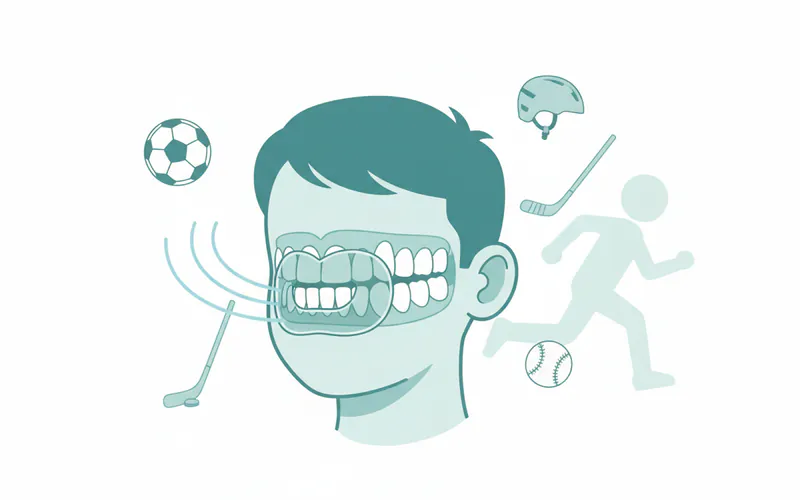
- Vulnerability of Developing Teeth: Children's teeth, especially newly erupted permanent teeth, have larger pulp chambers and are not as fully developed or anchored as adult teeth, making them more susceptible to fractures or avulsion. Their developing jawbones are also more vulnerable.
- High Incidence of Sports Participation: Millions of children participate in organized sports in the US, many of which carry a risk of dental injury.
- Mandatory Use: Many youth sports leagues have made mouthguards mandatory, reflecting the recognition of their importance. Parents should always ensure their child complies with these rules. The American Dental Association (ADA) recommends mouthguards for 29 different sports and recreational activities, underscoring the broad application for children.
- Growth and Development: Children's mouths are constantly growing and changing. This means their mouthguards will need to be replaced more frequently than an adult's. A mouthguard that fit perfectly a year ago might now be too tight, too loose, or not cover newly erupted teeth, rendering it ineffective. Generally, children's mouthguards should be replaced annually, or sooner if damaged or if significant dental changes occur (e.g., new teeth erupting, braces adjusted).
- Mouthguards with Braces: Children undergoing orthodontic treatment (braces) absolutely require a mouthguard for sports. The braces themselves can cause painful lacerations to the lips and cheeks upon impact, in addition to the risk of damage to the teeth and orthodontic appliances. Dentists can create custom mouthguards designed to fit over braces, or specialized "orthodontic mouthguards" are available that provide more space for brackets and wires.
- Instilling Good Habits: Teaching children to consistently wear a mouthguard from a young age instills a lifelong habit of protecting their oral health, much like wearing a helmet for cycling.
- Communication with Dentists: Regular dental check-ups are essential to ensure the child's mouthguard fits correctly, especially as they grow. The dentist can also advise on the best type of mouthguard given the child's age, dental development, and sports activities.
Frequently Asked Questions
How much does a mouthguard cost?
The cost of a mouthguard varies significantly based on its type. Stock mouthguards are the cheapest, ranging from $5 to $25. Boil-and-bite mouthguards typically cost between $25 and $100. The most effective option, a custom-fitted mouthguard made by your dentist, ranges from $150 to $500+. This higher cost reflects the superior protection, comfort, and durability of a personalized device.
Is it painful to wear a mouthguard?
No, wearing a properly fitted mouthguard should not be painful. While there might be a brief adjustment period to the sensation of having an appliance in your mouth, especially with a custom-fitted one, it should feel comfortable and secure. Poorly fitting stock or boil-and-bite mouthguards can be bulky, cause gagging, or irritate gums, which can be uncomfortable. A custom-fitted mouthguard is designed for optimal comfort and should allow for natural breathing and speech with minimal interference.
How long do mouthguards last?
The lifespan of a mouthguard depends on its type, how frequently it's used, and how well it's cared for.
- Stock and boil-and-bite mouthguards are less durable and may only last a few months to a year, especially with regular use.
- Custom-fitted mouthguards are made from more resilient materials and can last 1 to 3 years for adults.
- For children and adolescents, mouthguards typically need to be replaced annually or even sooner. This is due to their ongoing growth, changes in their bite, and the eruption of new permanent teeth, which can alter the fit of the mouthguard. Always replace a mouthguard immediately if it shows signs of damage, becomes loose, or is uncomfortable.
Can I use a boil-and-bite mouthguard instead of a custom one?
While a boil-and-bite mouthguard offers better protection than a stock mouthguard, it is generally not as effective or comfortable as a custom-fitted one. Boil-and-bites provide moderate protection and are a more affordable option for recreational sports. However, they can still be bulky, and their fit may not be as precise or as durable as a custom guard, potentially compromising both comfort and the level of protection. If you participate in high-impact sports or have significant existing dental work, a custom-fitted mouthguard is always the superior choice recommended by dental professionals.
Does dental insurance cover mouthguards?
Dental insurance coverage for mouthguards varies widely. Stock and boil-and-bite mouthguards are rarely covered, as they are over-the-counter products. For custom-fitted mouthguards, many standard dental insurance plans do not cover them if their primary purpose is for general sports protection. However, some plans may offer partial coverage if the mouthguard is deemed medically necessary due to specific high-risk sports participation, existing dental conditions, or if it's considered a protective device following extensive dental work. It's always best to contact your insurance provider directly to inquire about your specific plan's benefits for "athletic mouthguards" or "oral appliances." Additionally, Health Savings Accounts (HSAs) and Flexible Spending Accounts (FSAs) typically consider custom mouthguards as eligible expenses.
What's the difference between a mouthguard and a nightguard?
The terms "mouthguard" and "nightguard" are often used interchangeably, but they serve distinct purposes.
- A mouthguard (also known as a sports mouthguard) is primarily designed to protect teeth, gums, and jaws from external impact during sports and physical activities. It acts as a shock absorber.
- A nightguard (or occlusal guard) is specifically designed to protect teeth from the internal forces of grinding and clenching, a condition known as bruxism, typically occurring during sleep. Nightguards are often made from different materials (harder acrylics or dual-layered materials) to withstand prolonged grinding forces and help alleviate jaw pain associated with bruxism. While a sports mouthguard might offer some protection against light grinding, it is generally too soft and bulky for effective, long-term bruxism management, and can even be chewed through quickly. A custom nightguard is the appropriate solution for bruxism.
Can I wear a mouthguard if I have braces?
Yes, absolutely! It is even more critical to wear a mouthguard if you have braces, as the brackets and wires can cause severe lacerations to your lips and cheeks upon impact, in addition to the risk of damage to your teeth and orthodontic appliances. Specialized mouthguards are available that are designed to fit over braces, providing extra space for the brackets and wires. Your dentist or orthodontist can recommend or provide a custom-fitted mouthguard that accommodates your braces and adjusts as your teeth move throughout your orthodontic treatment.
How do I clean and care for my mouthguard?
Proper cleaning and care are essential to maintain the hygiene and extend the life of your mouthguard. After each use, rinse your mouthguard thoroughly under cool water. Gently brush it with a soft-bristle toothbrush and mild soap or non-abrasive toothpaste. Avoid hot water, which can warp the material. Occasionally, you can soak it in a dental appliance cleaner. Always store your mouthguard in a sturdy, ventilated case when not in use to allow it to air dry and prevent bacterial growth. Keep it away from direct sunlight or hot environments, and out of reach of pets. Bring your mouthguard to your dental check-ups for professional inspection.
When to See a Dentist
While mouthguards are preventative tools, there are specific situations when a dental visit is warranted, both for routine care and potential emergencies.
Routine Care:
- For Custom Mouthguard Fabrication: Schedule an appointment if you participate in sports and want the best protection and comfort offered by a custom-fitted mouthguard.
- Annual Check-ups: Bring your mouthguard to your regular dental check-ups so your dentist can assess its fit, condition, and determine if it needs replacement, especially for growing children.
- If Mouthguard Becomes Loose or Uncomfortable: A mouthguard that no longer fits well offers compromised protection and should be evaluated.
- If You're Getting Braces: Consult your dentist or orthodontist about appropriate mouthguard options to accommodate your orthodontic appliances.
Emergency Signs (Seek immediate dental attention):
- After Any Significant Impact: Even if you were wearing a mouthguard, if you experience a hard blow to the mouth, face, or jaw, it's crucial to see a dentist to check for hidden injuries like root fractures, jaw fractures, or concussions.
- Knocked-Out Tooth (Avulsed Tooth): This is a dental emergency. If a permanent tooth is knocked out, try to gently reinsert it into the socket or place it in a container of milk or saliva and get to a dentist within 30-60 minutes.
- Severe Tooth Fracture: If a large portion of a tooth breaks off, causing significant pain or exposing the inner pulp.
- Displaced Tooth: If a tooth is pushed out of alignment, pushed into the gum, or feels loose after an impact.
- Persistent Bleeding: Uncontrolled bleeding from the gums, lips, or tongue after an injury.
- Suspected Jaw Fracture or Dislocation: Signs include severe pain, difficulty opening or closing your mouth, swelling, or a visibly misaligned jaw.
- Difficulty Breathing or Swallowing: This could indicate swelling or a more serious injury.
Early intervention for dental injuries can significantly improve the prognosis and reduce long-term complications. Never hesitate to contact your dentist immediately if you suspect a dental emergency.
Medical Disclaimer
This article is for informational purposes only and does not constitute medical advice. Always consult with a qualified dental professional for diagnosis and treatment. Do not delay seeking professional advice because of something you read on this website.