Signs of Mouth Cancer: Complete Guide
Key Takeaways
- Oral cancer is a serious and potentially life-threatening disease, yet it often goes undiagnosed until it has reached an advanced stage. According to the Oral Cancer Foundation, close to 54,000 Americans are diagnosed with oral or oropharyngeal cancer each year, with approximately 11,500 deaths annu
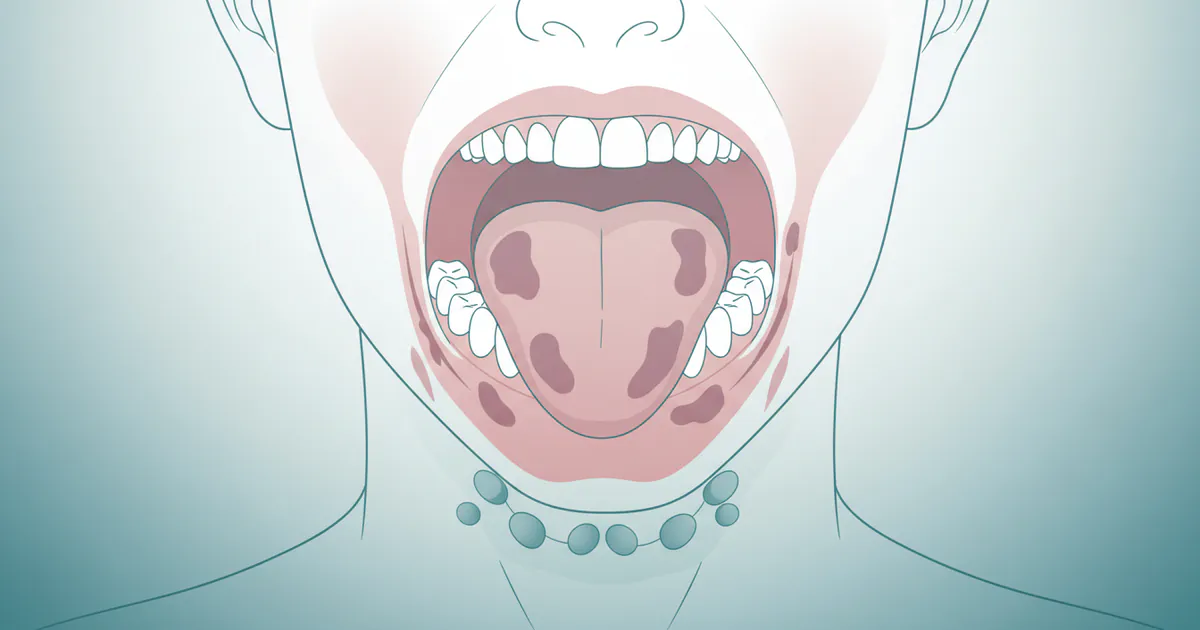
Oral cancer is a serious and potentially life-threatening disease, yet it often goes undiagnosed until it has reached an advanced stage. According to the Oral Cancer Foundation, close to 54,000 Americans are diagnosed with oral or oropharyngeal cancer each year, with approximately 11,500 deaths annually. This stark reality underscores the critical importance of early detection. Recognizing the signs of mouth cancer is not just beneficial, it's a matter of life and death, significantly improving treatment outcomes and survival rates. Many of these cancers are initially subtle, making regular self-examinations and professional dental check-ups indispensable. This comprehensive guide from SmilePedia.net will equip you with the knowledge to identify potential warning signs, understand the various forms of the disease, explore treatment options, and learn crucial prevention strategies, empowering you to take proactive steps towards safeguarding your oral health. We'll delve into everything from the earliest indicators, including precancerous mouth cancer lesions, to advanced symptoms and what to expect during diagnosis and treatment.
Key Takeaways:
- Early Detection is Crucial: Regular self-exams and professional check-ups can detect oral cancer early, drastically improving survival rates from roughly 50% to over 80-90%.
- Common Signs: Persistent sores, red/white patches, lumps, difficulty swallowing, or unexplained pain lasting more than two weeks warrant immediate dental attention.
- Risk Factors: Tobacco use (all forms), heavy alcohol consumption, HPV infection, and prolonged sun exposure are primary contributors.
- Diagnosis Timeline: Initial screening is quick (minutes); biopsy results typically take 1-2 weeks; full staging and treatment planning can take several weeks.
- Treatment Costs: Oral cancer treatment is expensive, ranging from $25,000 to over $150,000 for complex cases, often covered by medical insurance, though out-of-pocket costs can be substantial.
- Prevention: Quitting tobacco and reducing alcohol intake are paramount. HPV vaccination is recommended to prevent HPV-related oral cancers.
- Monitoring Precancerous Lesions: Lesions like leukoplakia or erythroplakia may require biopsies and ongoing monitoring, with surgical removal costing typically $500 to $2,500 per lesion.
What It Is / Overview
Oral cancer, also known as mouth cancer, refers to any cancerous growth that develops in the tissues of the mouth or throat. It is a subset of head and neck cancers and can occur in various parts of the oral cavity, including the lips, tongue (front two-thirds), floor of the mouth, gums, lining of the cheeks, and the hard palate (roof of the mouth). Oropharyngeal cancer, which affects the back one-third of the tongue, tonsils, and soft palate, is often grouped with oral cancer due to similar risk factors and treatment approaches.
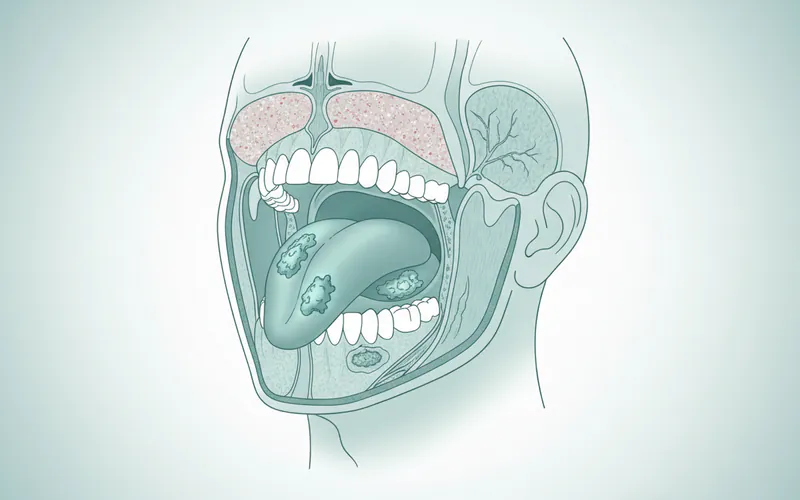
The vast majority of oral cancers, approximately 90%, are squamous cell carcinomas. These cancers develop from the flat, thin cells (squamous cells) that line the mouth and throat. While less common, other types of oral cancers can include salivary gland cancers, lymphomas, and sarcomas. These cancers are characterized by uncontrolled cell growth that can invade surrounding tissues and, if left untreated, metastasize (spread) to other parts of the body, such as the lymph nodes in the neck, lungs, or liver. Early detection is critical because the prognosis significantly improves when oral cancer is found and treated before it has a chance to spread.
Prevalence: Oral cancer is the eighth most common cancer among men and the sixth most common cancer overall globally, although its incidence varies by region. In the US, it affects over 54,000 individuals annually. While historically more common in older men, there has been a notable increase in cases among younger adults, often linked to human papillomavirus (HPV) infection, particularly in the oropharyngeal region.
Types / Variations of Oral Cancer
While squamous cell carcinoma is the most prevalent form, oral cancer encompasses several variations, each with unique characteristics and prognoses. Understanding these types is crucial for accurate diagnosis and tailored treatment.
Squamous Cell Carcinoma (SCC)
As mentioned, SCC accounts for about 90% of all oral cancers. It originates in the squamous cells, which form the superficial lining of the mouth and throat. These cancers can appear as persistent sores, red or white patches (leukoplakia or erythroplakia), or lumps. They are most commonly found on the tongue, floor of the mouth, and lips. The aggressiveness of SCC can vary, but early detection is vital to prevent local invasion and distant metastasis.
Verrucous Carcinoma
A rare, low-grade variant of squamous cell carcinoma, verrucous carcinoma is characterized by a warty, cauliflower-like appearance. It tends to grow slowly and is less likely to metastasize than conventional SCC, but it can be locally destructive, invading underlying tissues. It is strongly associated with tobacco use, particularly smokeless tobacco.
Minor Salivary Gland Cancers
These cancers develop in the small salivary glands located throughout the mouth and throat. While rare, they can occur anywhere minor salivary glands are present, such as the palate, tongue, or buccal mucosa. Types include mucoepidermoid carcinoma and adenoid cystic carcinoma. They often present as a slow-growing, painless lump.
Lymphoma
Oral lymphoma primarily affects the tonsils or the base of the tongue, although it can also appear in other oral sites. It originates from lymphocytes, a type of white blood cell, and is part of the lymphatic system. Non-Hodgkin lymphoma is the more common type seen in the oral cavity. Swelling, pain, and difficulty swallowing are common symptoms.
Melanoma
Oral melanoma is extremely rare but highly aggressive. It arises from melanocytes (pigment-producing cells) and typically appears as a dark brown, black, or bluish lesion, often with irregular borders. It can occur on the palate or gums. Due to its aggressive nature, early diagnosis is paramount.
Other Rare Types
Less common oral cancers include sarcomas (cancers of bone or soft tissue, e.g., osteosarcoma of the jaw), and metastatic cancers (cancers that have spread to the mouth from another primary site in the body).
Causes / Why It Happens
Oral cancer develops when the DNA of cells in the mouth or throat mutates, leading to uncontrolled cell growth. While a single cause is rarely identified, several risk factors significantly increase an individual's likelihood of developing the disease.
Tobacco Use
Tobacco is the leading cause of oral cancer. This includes smoking cigarettes, cigars, pipes, and using smokeless tobacco (chewing tobacco, snuff). The harmful chemicals in tobacco damage the DNA of oral cells, leading to cancerous changes. Smokeless tobacco users are at particularly high risk for cancers of the cheeks, gums, and inner lips where the tobacco is placed.
Alcohol Consumption
Heavy and chronic alcohol use is another major risk factor. Alcohol, especially when combined with tobacco, has a synergistic effect, meaning the risk is much higher than the sum of the individual risks. Alcohol can act as an irritant, and its breakdown products can damage cells and hinder DNA repair.
Human Papillomavirus (HPV) Infection
Certain strains of HPV, particularly HPV-16, are increasingly recognized as a significant cause of oropharyngeal cancer (cancers of the back of the throat, tonsils, and base of the tongue). HPV-related oral cancers tend to affect younger, non-smoking individuals and often respond well to treatment. The Centers for Disease Control and Prevention (CDC) recommends HPV vaccination for adolescents to prevent these types of cancers.
Sun Exposure
Prolonged and unprotected exposure to sunlight is a primary risk factor for lip cancer, especially on the lower lip. This is similar to how sun exposure causes skin cancer elsewhere on the body.
Poor Nutrition
A diet low in fruits and vegetables, which are rich in antioxidants, may increase the risk of oral cancer. Conversely, a diet high in these protective foods can reduce risk.
Weakened Immune System
Individuals with compromised immune systems, such as those with HIV/AIDS or organ transplant recipients on immunosuppressive drugs, have a higher risk of developing various cancers, including oral cancer.
Genetics and Family History
While most oral cancers are not hereditary, a family history of certain cancers may slightly increase an individual's risk. Specific genetic mutations can make some individuals more susceptible.
Certain Medical Conditions
Conditions like Fanconi anemia and dyskeratosis congenita are associated with a higher risk of oral cancer.
Pro Tip: If you use tobacco or regularly consume alcohol, discuss your oral cancer risk with your dentist or doctor during your next visit. They can provide personalized advice and screening recommendations.
Signs and Symptoms
Recognizing the signs of mouth cancer is paramount for early detection and improved prognosis. Many early symptoms are painless and can easily be overlooked or mistaken for less serious conditions. Therefore, knowing what to look for and performing regular self-examinations are critical. If any of these signs persist for more than two weeks, it is crucial to see a dentist or oral surgeon immediately.
Common Early Signs and Symptoms
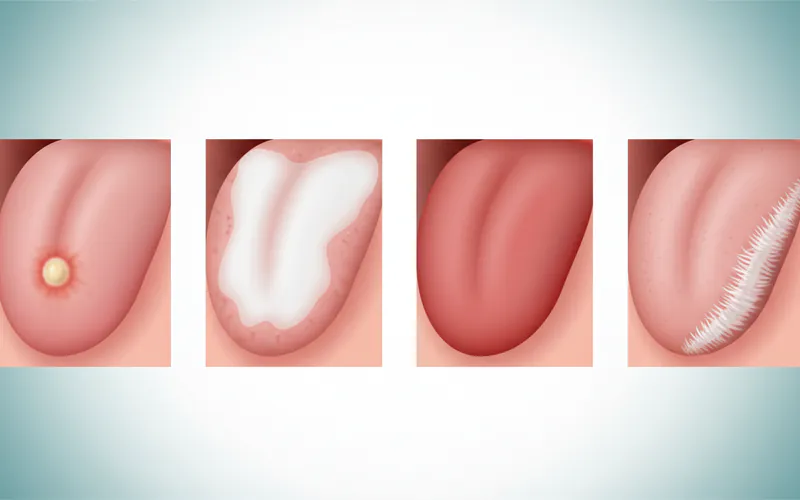
- Persistent Sore or Ulcer: A sore in the mouth, on the lip, or in the throat that does not heal within two weeks is the most common warning sign. Unlike common canker sores or irritations, cancerous sores tend to persist, may or may not be painful, and often have a raised, firm border.
- Red or White Patches (Leukoplakia and Erythroplakia):
- Leukoplakia: These are white or grayish patches that cannot be scraped off. They are often painless and can appear on the tongue, gums, or lining of the cheek. While many leukoplakias are benign, some are precancerous, meaning they have the potential to turn into cancer. Up to 10-20% of leukoplakias are considered precancerous mouth cancer lesions.
- Erythroplakia: These are bright red, velvety patches that often bleed easily. Erythroplakia is much less common than leukoplakia but has a significantly higher potential for malignancy, with over 75% being precancerous or already cancerous. Any red patch in the mouth should be immediately evaluated.
- Lumps, Bumps, or Thickening: A new growth, swelling, or an area of thickened tissue anywhere in the mouth, on the lips, or in the neck should be checked. These may feel firm or hard to the touch.
- Difficulty or Pain with Swallowing (Dysphagia) or Chewing: As a tumor grows, it can interfere with normal swallowing or chewing, leading to persistent discomfort or pain. This can also manifest as a feeling of something caught in the throat.
- Persistent Sore Throat or Hoarseness: A chronic sore throat that doesn't improve with time, or a persistent change in voice quality, such as hoarseness, can be a sign, especially for cancers affecting the back of the tongue or throat.
- Numbness or Pain: Unexplained numbness, tingling, or pain in any area of the mouth, face, or neck. This pain might not be directly at the site of the lesion but can refer to other areas.
- Loose Teeth or Dentures that No Longer Fit: Oral cancer can invade the jawbone, causing teeth to become loose without a clear dental cause (like gum disease). Swelling in the gums or jaw can also cause dentures to fit poorly.
- Weight Loss: Unexplained and significant weight loss can be a symptom of advanced cancer, as the body struggles to cope with the disease.
- Bad Breath (Halitosis): Persistent bad breath that doesn't resolve with good oral hygiene can sometimes be a sign, particularly if there's an ulcerating lesion.
Less Common or Advanced Signs
- Bleeding from the mouth: Unexplained bleeding from a lesion or ulcer.
- Earache: Persistent ear pain, especially if only on one side and not accompanied by an infection, can be referred pain from a tumor in the throat.
- Difficulty moving the jaw or tongue: Tumors can restrict the movement of these structures.
- Swelling in the neck: An enlarged lymph node in the neck can indicate that the cancer has spread.
Oral Hairy Leukoplakia
While not a direct sign of cancer, oral hairy leukoplakia is an important condition to understand, as it can be confused with other white patches. It is a specific type of white patch that typically appears on the sides of the tongue, often with a corrugated or "hairy" surface. Unlike other leukoplakias, oral hairy leukoplakia is almost exclusively seen in individuals with weakened immune systems, particularly those with HIV/AIDS, and is caused by the Epstein-Barr virus (EBV). It is generally considered benign and does not transform into cancer, but its presence signals a compromised immune system and warrants medical investigation for underlying conditions. It's crucial to differentiate it from other forms of leukoplakia that do have malignant potential. A biopsy is often necessary to confirm the diagnosis and rule out other, more serious conditions.
Oral Lesion Comparison Table
| Feature | Canker Sore (Aphthous Ulcer) | Leukoplakia (Precancerous) | Erythroplakia (Highly Precancerous) | Oral Hairy Leukoplakia | Oral Cancer Lesion |
|---|---|---|---|---|---|
| Appearance | Small, round/oval, white/yellow center, red border | White/grayish patch, often flat | Bright red, velvety patch, bleeds easily | White, corrugated, "hairy" patch | Persistent sore, lump, red/white patch, ulcerated |
| Location | Inner lips, cheeks, tongue, soft palate | Tongue, floor of mouth, cheeks, gums | Floor of mouth, soft palate, tongue | Sides of tongue | Any oral cavity site |
| Pain | Often painful, especially when eating | Usually painless | Often painless, may be sensitive | Painless | Can be painless initially, may become painful |
| Duration | Heals within 1-2 weeks | Persistent (weeks, months, years) | Persistent (weeks, months, years) | Persistent | Persistent (>2 weeks) |
| Scrapeable | No | No | No | No | No |
| Malignant Potential | None | Low to moderate (5-20%) | High (75-90%) | None (indicates immunocompromise) | High |
| Associated Factors | Stress, trauma, certain foods | Tobacco, alcohol, irritation | Tobacco, alcohol, irritation | HIV/AIDS, immunosuppression | Tobacco, alcohol, HPV, sun exposure |
Treatment Options
The treatment for oral cancer is highly individualized and depends on several factors, including the type, size, location, and stage of the cancer, as well as the patient's overall health. A multidisciplinary team, often including oral surgeons, oncologists, radiation oncologists, and reconstructive surgeons, plans the best course of action.
1. Surgery
Surgery is often the primary treatment for oral cancer, especially in early stages.
- Excision: The cancerous tumor and a margin of healthy tissue around it are surgically removed. For small lesions, this can be a relatively straightforward procedure.
- Neck Dissection: If there's a risk of cancer spreading to the lymph nodes in the neck (even if they appear normal), or if nodes are already enlarged, these lymph nodes may be removed to prevent or treat metastasis.
- Reconstructive Surgery: For larger tumors, removal may require extensive reconstruction of the mouth, jaw, or tongue using tissue grafts from other parts of the body (e.g., forearm, leg, back) to restore function and appearance.
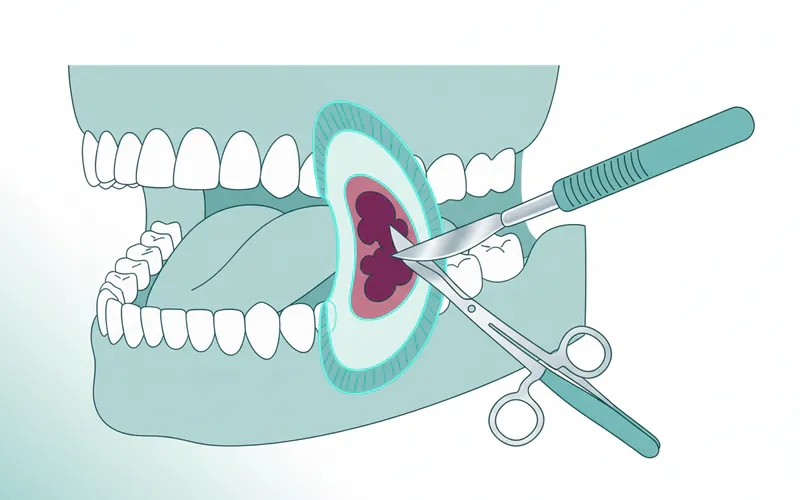
Pros: Often curative for early-stage cancers; immediate removal of cancerous tissue. Cons: Can be disfiguring, may affect speech, swallowing, and eating; potential for complications like infection, bleeding, nerve damage.
2. Radiation Therapy
Radiation therapy uses high-energy beams to kill cancer cells or shrink tumors.
- External Beam Radiation (EBRT): A machine outside the body directs radiation to the cancerous area. It's often used after surgery to kill any remaining cancer cells or as a primary treatment for advanced cancers that cannot be surgically removed, or in combination with chemotherapy.
- Brachytherapy: Radioactive seeds or wires are temporarily or permanently placed directly into or near the tumor. This delivers a high dose of radiation directly to the cancer while minimizing exposure to surrounding healthy tissues.
Pros: Non-invasive (EBRT); can preserve function and appearance; effective for various stages. Cons: Side effects include dry mouth, sore throat, difficulty swallowing, taste changes, skin irritation, jaw stiffness, potential for osteoradionecrosis (bone death).
3. Chemotherapy
Chemotherapy uses drugs to kill cancer cells, either by stopping their growth or by destroying them. It's often used in combination with radiation therapy for more advanced cancers, or to treat cancer that has spread to distant parts of the body.
- Systemic Chemotherapy: Drugs are administered intravenously or orally and travel throughout the body.
- Regional Chemotherapy: Drugs are delivered directly to the area affected by cancer.
Pros: Can shrink tumors and kill cancer cells throughout the body; effective against systemic spread. Cons: Significant side effects including nausea, vomiting, hair loss, fatigue, mouth sores (mucositis), weakened immune system, nerve damage.
4. Targeted Therapy
Targeted drugs focus on specific abnormalities within cancer cells, disrupting their growth and survival signals. These therapies generally have fewer side effects than traditional chemotherapy. For oral cancer, targeted therapy often involves drugs that block epidermal growth factor receptor (EGFR), which is overexpressed in many head and neck cancers.
Pros: More specific action against cancer cells, potentially fewer generalized side effects than chemotherapy. Cons: May cause skin rashes, fatigue, diarrhea; not effective for all patients; can be very expensive.
5. Immunotherapy
Immunotherapy harnesses the body's own immune system to fight cancer. Drugs called checkpoint inhibitors block proteins that prevent the immune system from attacking cancer cells. By removing these "brakes," the immune system can better recognize and destroy tumor cells.
Pros: Can lead to long-lasting responses in some patients, even in advanced stages. Cons: Can cause immune-related side effects (inflammation in various organs), fatigue, skin reactions; not all patients respond.
Step-by-Step Process: From Diagnosis to Treatment
The journey through oral cancer diagnosis and treatment is a multi-step process, often requiring coordination among several medical specialists.
Step 1: Initial Examination and Screening (Dental Office)
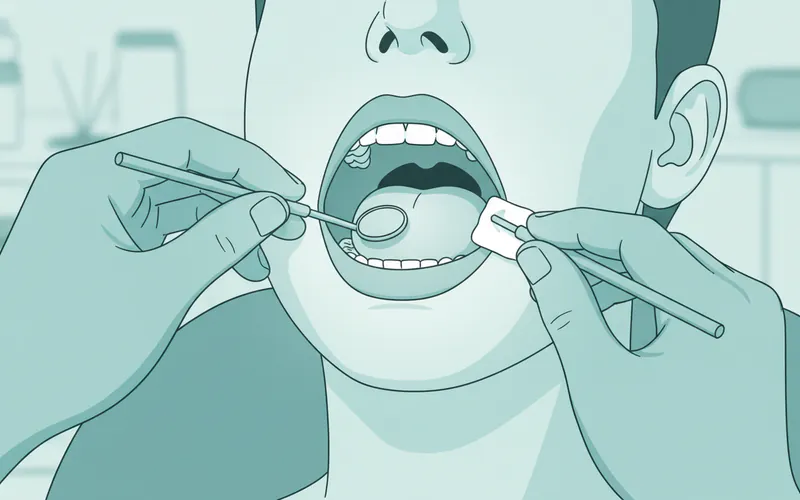
- Visual and Tactile Exam: Your dentist or hygienist will thoroughly examine your mouth, throat, and neck for any suspicious lumps, sores, or discoloration. They will feel for any abnormalities in your neck.
- Patient History: You'll be asked about your medical history, risk factors (tobacco, alcohol, HPV), and any symptoms you've experienced.
- Referral: If anything suspicious is found, you'll be referred to an oral surgeon or an ear, nose, and throat (ENT) specialist for further evaluation.
Step 2: Diagnostic Procedures (Specialist's Office)
- Enhanced Oral Examination: The specialist will conduct a more detailed examination, sometimes using special lights (e.g., VELscope, Identafi) or rinses to highlight abnormal tissues.
- Biopsy: This is the definitive diagnostic step. A small tissue sample from the suspicious area is removed and sent to a pathologist for microscopic examination. This can be an incisional biopsy (part of the lesion), an excisional biopsy (the entire lesion), or a fine needle aspiration (for neck lumps). Biopsy results typically take 1-2 weeks.
- Imaging Scans: If cancer is confirmed, imaging tests are performed to determine the extent of the cancer (staging). This may include:
- CT scan: Provides detailed cross-sectional images.
- MRI scan: Excellent for soft tissue detail, especially nerves and muscles.
- PET scan: Detects metabolically active cancer cells throughout the body, useful for finding distant spread.
- Chest X-ray: To check for lung involvement.
Step 3: Staging and Treatment Planning
- Staging: Based on biopsy and imaging results, the cancer is assigned a stage (I, II, III, IV), which describes its size, extent of local invasion, and whether it has spread to lymph nodes or distant sites.
- Multidisciplinary Tumor Board: A team of specialists (oral surgeon, radiation oncologist, medical oncologist, pathologist, reconstructive surgeon, speech therapist, nutritionist) reviews your case and collectively develops a personalized treatment plan. This process can take 1-3 weeks after initial diagnosis.
Step 4: Treatment Implementation
- Surgery: If surgery is the primary treatment, it's typically scheduled within a few weeks of diagnosis and planning. The duration varies from a few hours for small lesions to over 12-15 hours for complex cases involving reconstruction.
- Radiation Therapy: Usually administered 5 days a week for 5-7 weeks. Each session lasts about 15-30 minutes.
- Chemotherapy/Targeted Therapy/Immunotherapy: Administered in cycles, often spanning several months, either concurrently with radiation or as a standalone treatment.

Cost and Insurance
The cost of oral cancer diagnosis and treatment in the US can be substantial, varying widely based on the cancer's stage, the specific treatments required, the duration of care, and geographic location.
Diagnostic Costs
- Initial Dental Exam: $50 - $200 (often covered by dental insurance).
- Specialist Consultation (Oral Surgeon/ENT): $150 - $500 (medical insurance typically covers part).
- Biopsy (including pathology fees): $500 - $2,500.
- Imaging Scans (CT, MRI, PET): Each scan can range from $1,000 to $5,000 or more without insurance.
Treatment Costs
- Surgery:
- Small lesion excision: $5,000 - $25,000.
- Large tumor removal with neck dissection and reconstruction: $30,000 - $150,000+.
- These costs include surgeon's fees, anesthesia, hospital stay, and operating room charges.
- Radiation Therapy: A full course can range from $25,000 to $75,000.
- Chemotherapy/Targeted Therapy/Immunotherapy: Highly variable. A single cycle of chemotherapy can be $5,000 - $30,000, with full treatment courses potentially reaching $50,000 - $200,000+ over several months to a year.
- Rehabilitation (Speech/Swallowing Therapy): $100 - $300 per session, often ongoing for months.
Total Estimated Costs: For a comprehensive treatment plan including surgery, radiation, and potentially chemotherapy for a moderate to advanced stage oral cancer, the total cost can easily range from $50,000 to $250,000 or more over the entire course of care.
Insurance Coverage
Most oral cancer treatments are covered by medical insurance, not dental insurance.
- Private Insurance: PPOs, HMOs, and EPOs typically cover a significant portion of cancer treatment costs, but patients will be responsible for deductibles, co-pays, and co-insurance. Out-of-pocket maximums vary by plan.
- Medicare: Covers most medically necessary cancer treatments for individuals 65 and older. Medicare Part A covers hospital stays, and Part B covers doctor visits, outpatient services, and some chemotherapy. Part D covers prescription drugs.
- Medicaid: Provides health coverage for low-income individuals and families and will generally cover oral cancer treatment.
- Veterans Affairs (VA): Veterans may receive comprehensive care through the VA system.
Pro Tip: Before starting any treatment, contact your insurance provider to understand your specific coverage, deductibles, co-pays, and out-of-pocket maximums. Many hospitals also have financial counselors who can help navigate insurance and potential financial assistance programs.
Recovery and Aftercare
Recovery from oral cancer treatment can be a long and challenging journey, requiring comprehensive aftercare to manage side effects, restore function, and prevent recurrence.
Immediate Post-Treatment Recovery
- Surgical Recovery: Depending on the extent of surgery, hospital stays can range from a few days to several weeks. Patients may experience pain, swelling, difficulty eating and speaking, and require a feeding tube temporarily. Physical therapy may be needed for neck and shoulder mobility if lymph nodes were removed.
- Radiation/Chemotherapy Side Effects:
- Mucositis: Painful mouth sores making eating and swallowing difficult.
- Dry Mouth (Xerostomia): A common, long-term side effect of radiation, increasing risk of tooth decay and gum disease.
- Taste Changes: Food may taste different or bland.
- Fatigue: Extreme tiredness.
- Skin Reactions: Redness, peeling, or soreness in the treated area.
- Jaw Stiffness (Trismus): Difficulty opening the mouth fully.
- Lymphedema: Swelling in the face or neck.
Long-Term Aftercare and Rehabilitation
- Speech and Swallowing Therapy: Crucial for regaining normal function after surgery or radiation. A speech-language pathologist will teach exercises to improve speech clarity and swallowing ability.
- Nutritional Support: A registered dietitian can help manage diet, recommend supplements, and ensure adequate nutrition, especially if a feeding tube is required long-term.
- Dental Care: Ongoing, specialized dental care is essential due to the high risk of dry mouth complications, tooth decay, and potential for osteoradionecrosis (bone death) after radiation. Regular fluoride treatments, meticulous oral hygiene, and routine check-ups are vital. Avoidance of invasive dental procedures like extractions in irradiated bone is often recommended.
- Psychological Support: Living with and recovering from cancer can be emotionally taxing. Support groups, counseling, and psychological therapy can help patients cope with anxiety, depression, and body image changes.
- Follow-up Appointments: Regular check-ups with the oncology team are critical for monitoring recovery, managing side effects, and detecting any signs of recurrence. These typically start every 1-3 months, gradually extending over several years.
Pro Tip: Communicate openly with your healthcare team about all side effects and challenges you face during recovery. Early intervention can significantly improve quality of life and prevent long-term complications.
Prevention
Preventing oral cancer largely involves modifying lifestyle choices and undergoing regular screenings.
1. Eliminate Tobacco Use
- Quit Smoking/Vaping: Smoking cessation is the single most impactful step you can take.
- Avoid Smokeless Tobacco: Discontinue use of chewing tobacco, snuff, and dip.
- Seek Support: Utilize resources like nicotine replacement therapy, counseling, and support groups.
2. Limit Alcohol Consumption
- Moderate Intake: The American Dental Association (ADA) recommends limiting alcohol to no more than one drink per day for women and two drinks per day for men.
- Avoid Combined Use: Never combine tobacco and heavy alcohol use, as this dramatically increases risk.
3. HPV Vaccination
- Gardasil 9: The HPV vaccine is highly effective in preventing infections with the HPV strains most commonly associated with oropharyngeal cancer (HPV-16 and HPV-18).
- Recommended Age: The CDC recommends routine HPV vaccination for boys and girls at age 11 or 12, and catch-up vaccination until age 26 for those not adequately vaccinated. Some adults aged 27-45 may also be eligible after discussing with their doctor.
4. Protect from Sun Exposure
- Sunscreen for Lips: Use lip balm with an SPF of 30 or higher.
- Protective Gear: Wear wide-brimmed hats when outdoors for prolonged periods.
5. Healthy Diet
- Eat Fruits and Vegetables: A diet rich in fresh fruits, vegetables, and whole grains provides essential vitamins and antioxidants that can protect against cancer.
- Limit Processed Foods: Reduce intake of processed meats, sugary drinks, and unhealthy fats.
6. Regular Dental Check-ups
- Annual Oral Cancer Screenings: Your dentist is often the first line of defense. They perform visual and tactile oral cancer screenings at every routine check-up.
- Early Detection: Regular screenings can detect precancerous lesions or early-stage cancers when they are most treatable.
7. Maintain Good Oral Hygiene
- While not a direct preventative measure against cancer, good oral hygiene promotes overall oral health and allows for easier identification of abnormalities during self-exams.
Risks and Complications
Despite advances in treatment, oral cancer and its therapies carry several potential risks and complications.
1. Treatment-Related Complications
- Surgery:
- Infection, bleeding, nerve damage (leading to numbness, facial weakness).
- Difficulty with speech, swallowing, and chewing due to tissue removal or reconstruction.
- Altered facial appearance, which can impact self-esteem and quality of life.
- Radiation Therapy:
- Xerostomia (dry mouth): Permanent reduction in saliva production, leading to increased risk of cavities, gum disease, and discomfort.
- Osteoradionecrosis (ORN): Death of jawbone tissue due to radiation, which can be extremely painful and difficult to treat, often triggered by dental extractions after radiation.
- Trismus: Permanent jaw stiffness.
- Dysphagia: Chronic swallowing difficulties.
- Taste Alterations: Long-term changes in taste perception.
- Chemotherapy/Targeted Therapy/Immunotherapy:
- Systemic side effects (fatigue, nausea, hair loss, weakened immune system).
- Specific side effects like skin rashes (targeted therapy) or autoimmune reactions (immunotherapy).
2. Recurrence
One of the most significant risks is the recurrence of cancer, either at the original site (local recurrence) or in a nearby area (regional recurrence, e.g., lymph nodes) or distantly (metastasis). This is why vigilant follow-up is critical.
3. Secondary Cancers
Patients treated for one oral cancer are at a higher risk of developing a second primary cancer in the mouth, throat, or other head and neck sites, especially if they continue to use tobacco or alcohol.
4. Functional Impairments
Long-term functional issues are common, including:
- Speech difficulties (dysarthria).
- Chronic swallowing problems (dysphagia), which can lead to aspiration pneumonia and malnutrition.
- Dental problems including rampant decay, gum disease, and difficulty wearing dentures.
- Psychological and Social Impact: Depression, anxiety, social isolation, and difficulties returning to work or social activities due to changes in appearance or function.
5. Lymphedema
Persistent swelling in the face or neck due to damage or removal of lymph nodes, which can be managed with physical therapy and specialized massage.
Children / Pediatric Considerations
Oral cancer is exceedingly rare in children. When it does occur, it often differs in type and risk factors compared to adults.
- Rarity: Pediatric oral cancers account for a tiny fraction of all oral cancer cases.
- Types: While squamous cell carcinoma can occur, lymphomas, rhabdomyosarcomas (a type of soft tissue sarcoma), and other rare tumors are more commonly seen in children.
- Risk Factors: Traditional adult risk factors like tobacco and alcohol are generally not applicable. Genetic predispositions, certain syndromes (e.g., Fanconi anemia), and weakened immune systems (e.g., in transplant recipients) can increase risk.
- Signs: Parents should be vigilant for persistent, unexplained lumps, sores, or patches in their child's mouth that do not resolve within two weeks. Difficulty swallowing or speaking without an obvious cause should also prompt a dental or medical visit.
- Diagnosis and Treatment: Diagnosis involves biopsy and imaging, similar to adults. Treatment is tailored to the child's age, cancer type, and stage, often involving surgery, chemotherapy, and sometimes radiation (used cautiously to minimize developmental impact).
Cost Breakdown
To reiterate and summarize the financial aspect of oral cancer care:
| Category | Low-End Estimate (No Complications) | Mid-Range Estimate (Standard Treatment) | High-End Estimate (Advanced, Complex Case) |
|---|---|---|---|
| Diagnostic Phase | $1,000 | $3,500 | $7,000 |
| Surgery (Excision, Neck Dissection) | $10,000 | $45,000 | $100,000+ |
| Radiation Therapy | $25,000 | $50,000 | $75,000 |
| Chemotherapy / Targeted Therapy | (Not always needed) | $30,000 | $150,000+ (for full course) |
| Reconstructive Surgery | (Not always needed) | $20,000 | $75,000+ |
| Rehabilitation (Therapy) | $2,000 (Short-term) | $8,000 (Ongoing) | $20,000+ (Extensive) |
| Follow-up Care (5 years) | $2,500 | $10,000 | $25,000+ |
| Total Estimated Cost | $40,500 | $136,500 | $452,000+ |
- With Insurance: Most comprehensive medical insurance plans will cover a significant portion, typically 80-90% after deductibles are met. However, patients will still be responsible for deductibles (often $1,000-$10,000+), co-pays ($20-$100 per visit/treatment), and co-insurance (10-20% of covered services) up to their out-of-pocket maximums ($5,000-$15,000+ per year for individuals).
- Without Insurance: The full cost would be borne by the patient, making it financially devastating for most.
Payment Plans and Financing Options
- Hospital Financial Aid: Many hospitals offer financial assistance programs or can help arrange payment plans.
- Patient Assistance Programs: Pharmaceutical companies and non-profit organizations offer programs to help cover drug costs for eligible patients.
- Medical Credit Cards: Options like CareCredit offer financing for healthcare expenses.
- Crowdfunding: Online platforms can help raise funds from the community.
Cost-Saving Tips
- Understand Your Insurance: Thoroughly review your policy.
- Stay In-Network: Use providers and facilities within your insurance network to minimize costs.
- Generic Drugs: Ask if generic alternatives are available for any prescribed medications.
- Negotiate: For uninsured services, negotiate prices directly with providers.
- Seek Social Worker Support: Hospital social workers can guide you to financial resources and support.
Frequently Asked Questions
What are the earliest signs of mouth cancer?
The earliest signs often include a persistent sore, ulcer, or red/white patch (leukoplakia or erythroplakia) in the mouth or on the lips that doesn't heal within two weeks. These lesions may initially be painless, making regular self-examination crucial for detection.
Is oral hairy leukoplakia a sign of cancer?
No, oral hairy leukoplakia is generally not considered cancerous or precancerous. It's typically a benign white patch with a corrugated appearance, usually found on the sides of the tongue, and is a strong indicator of a weakened immune system, often associated with HIV/AIDS or Epstein-Barr virus infection.
How painful is oral cancer?
In its early stages, oral cancer is often painless, which is why it can go unnoticed. As it progresses, it can cause persistent pain in the mouth, throat, jaw, or ear, and make swallowing or speaking difficult and uncomfortable. Pain levels vary significantly among individuals.
How quickly does oral cancer spread?
The rate of spread varies greatly depending on the type, aggressiveness, and location of the cancer. Some oral cancers can grow and spread relatively quickly over a few months, while others may progress more slowly. Early detection before it spreads to lymph nodes or distant sites is critical for better outcomes.
What does precancerous mouth cancer look like?
Precancerous lesions often appear as persistent white patches (leukoplakia) or red, velvety patches (erythroplakia) in the mouth. Leukoplakia is more common, but erythroplakia has a much higher chance of becoming cancerous. They typically don't cause pain or discomfort in their early stages.
Can mouth cancer be cured?
Yes, oral cancer is highly curable, especially when detected and treated in its early stages (Stage I or II), with survival rates exceeding 80-90%. Even at later stages, advancements in treatment offer significant hope, though the treatment may be more aggressive and carry more side effects.
What is the survival rate for oral cancer?
The overall 5-year survival rate for oral and oropharyngeal cancer in the US is approximately 68%. However, this figure is heavily influenced by the stage at diagnosis. Localized disease has a 5-year survival rate of 85%, while regional spread drops to 69%, and distant metastasis falls to 20%.
How often should I get screened for oral cancer?
The ADA recommends that all adults receive an oral cancer screening at every routine dental check-up, typically once or twice a year. Individuals with higher risk factors (tobacco, heavy alcohol, HPV) may benefit from more frequent or specialized screenings.
Are there any at-home tests for oral cancer?
Currently, there are no reliable at-home tests for oral cancer. Regular self-examinations of your mouth are important, but these should always be supplemented with professional screenings by a dentist or oral surgeon, as they are trained to identify subtle changes.
What happens if oral cancer is left untreated?
If left untreated, oral cancer will continue to grow and spread. It can invade surrounding tissues, causing significant pain, disfigurement, and functional impairment (e.g., inability to eat or speak). Eventually, it will metastasize to distant organs, leading to life-threatening complications and ultimately, death.
When to See a Dentist
Given the potentially life-altering consequences of oral cancer, knowing when to seek professional dental attention is paramount.
You should see a dentist immediately (within a few days) if you observe any of the following warning signs:
- Any sore, ulcer, or spot in your mouth or on your lips that does not heal within two weeks. This is the most critical red flag.
- A persistent red or white patch in your mouth (leukoplakia or erythroplakia). These are often precancerous and require urgent evaluation.
- Any new lump, bump, or area of thickening in your mouth, neck, or on your lips that persists.
- Persistent difficulty or pain with swallowing or chewing.
- Unexplained numbness, tingling, or persistent pain in your mouth, face, or neck.
- A persistent sore throat or hoarseness that lasts more than two weeks and is not clearly attributable to a common cold or infection.
- Loose teeth or ill-fitting dentures without a clear dental explanation.
These are not signs for routine care; they are red flags that necessitate an urgent, scheduled appointment for evaluation. If you suspect an emergency, such as uncontrolled bleeding, severe pain, or difficulty breathing, seek immediate medical care at an emergency room. However, for potential oral cancer signs, a prompt visit to your dentist or an oral surgeon is the recommended first step. They can accurately assess the situation and guide you to the appropriate next steps, which may include a biopsy. Do not delay, as early detection is the strongest weapon against oral cancer.
Frequently Asked Questions
Medically Reviewed Content
This article was written by our dental health editorial team and reviewed for medical accuracy. Our content follows strict editorial guidelines for reliability and trustworthiness.
Medical Disclaimer
This article is for informational purposes only and does not constitute medical advice. Always consult with a qualified dental professional for diagnosis and treatment. Do not delay seeking professional advice because of something you read on this website.
Related Articles
Floor of Mouth Cancer: Complete Guide
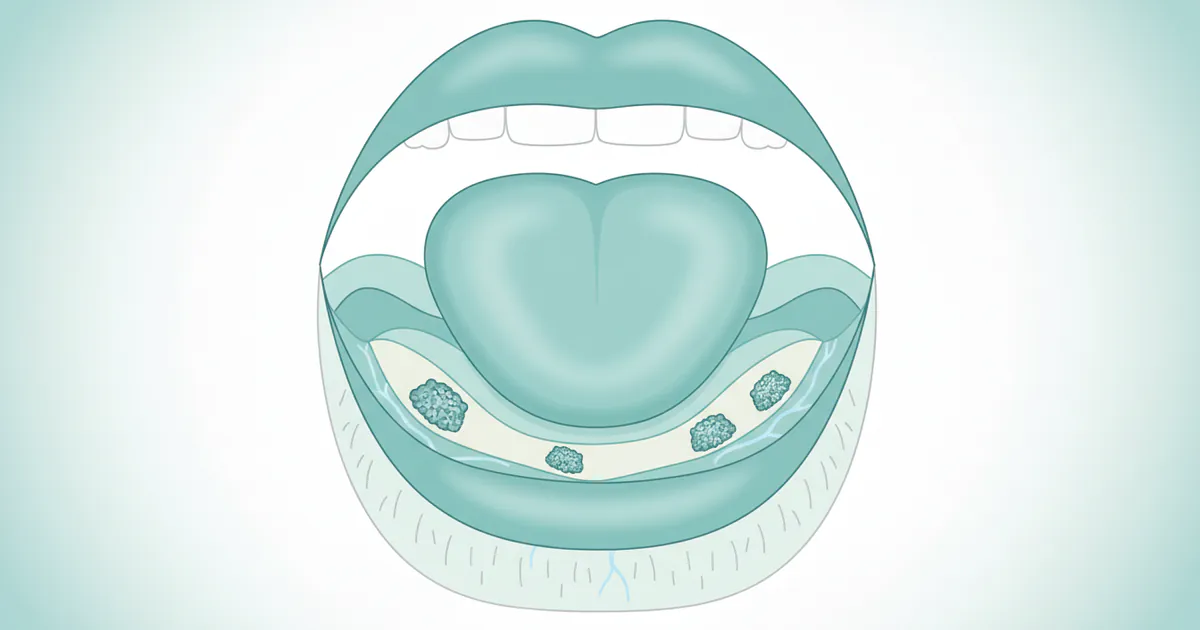
Each year, over 54,000 Americans are diagnosed with oral cavity or oropharyngeal cancer, making it a significant public health concern. While often overlooked, floor of mouth cancer is a particularly aggressive and common form of oral cancer, accounting for a substantial percentage of all oral c
February 23, 2026
Oral Cancer Stages Pictures: Complete Guide
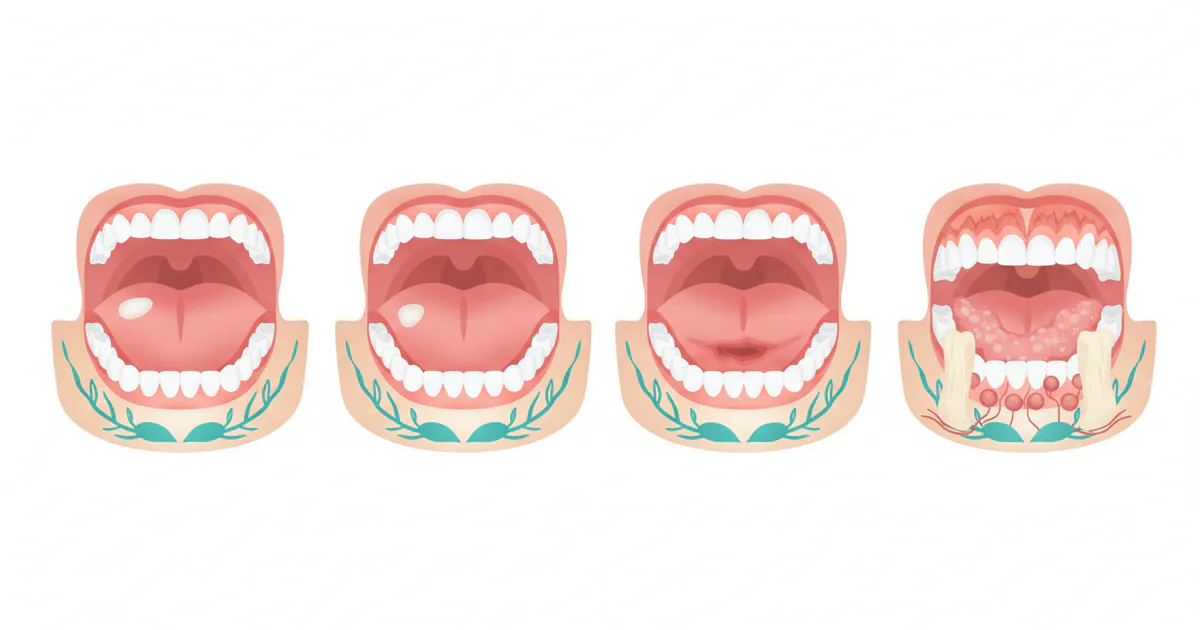
Oral cancer, a serious and potentially life-threatening disease, affects thousands of Americans each year. According to the American Cancer Society, approximately 54,000 new cases of oral cavity or oropharyngeal cancer are diagnosed annually in the United States. While these numbers can be daunt
February 23, 2026
Can You Die From Mouth Cancer
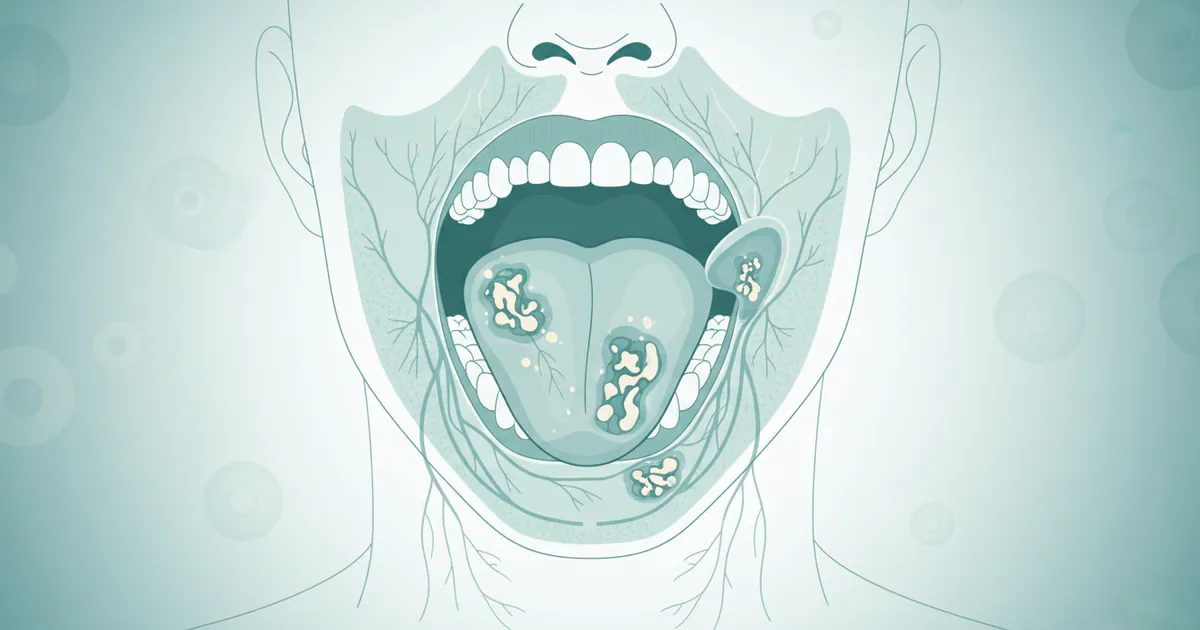
Oral cancer is a formidable disease, often striking with insidious subtlety before revealing its devastating potential. It's a question that weighs heavily on the minds of those who receive a diagnosis or even those simply concerned about unusual oral symptoms: can you die from mouth cancer? The
February 23, 2026
Mouth Cancer Photos: Complete Guide
Oral cancer is a formidable disease that affects tens of thousands of Americans each year, often with devastating consequences if not detected early. According to the Oral Cancer Foundation, approximately 54,000 Americans are diagnosed with oral or oropharyngeal cancer annually, and nearly 11,23
February 23, 2026