Cold Sore on Tongue: Complete Guide
Key Takeaways
- Few experiences are as universally uncomfortable and frustrating as an oral lesion, especially when it appears in an unusual and highly sensitive spot like your tongue. While cold sores are most commonly associated with the lips, an outbreak of a cold sore on tongue can be particularly perplexin
Cold Sore on Tongue: Complete Guide
Few experiences are as universally uncomfortable and frustrating as an oral lesion, especially when it appears in an unusual and highly sensitive spot like your tongue. While cold sores are most commonly associated with the lips, an outbreak of a cold sore on tongue can be particularly perplexing, painful, and disruptive to daily activities like eating and speaking. Affecting an estimated 67% of the global population under 50 with the Herpes Simplex Virus Type 1 (HSV-1) – the primary cause of cold sores – understanding this condition is crucial for effective management and prevention.
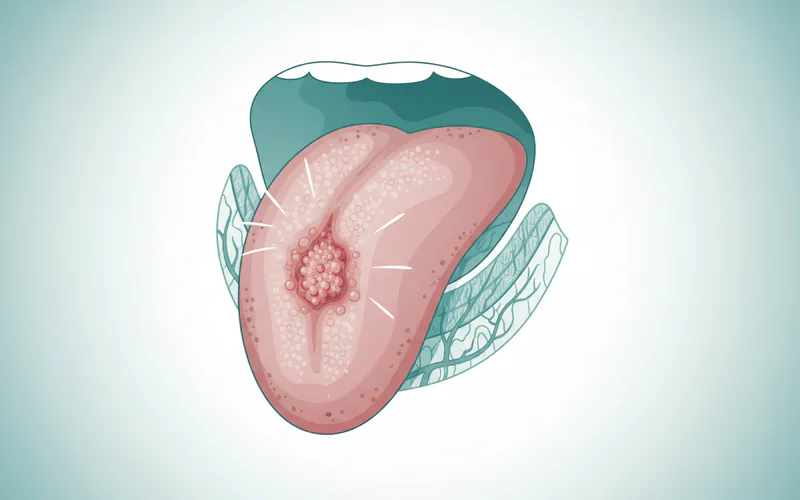
This comprehensive guide from SmilePedia.net aims to demystify cold sores that manifest on the tongue. We'll explore exactly what causes them, the tell-tale signs to look for, the most effective treatment options available, and crucial strategies to prevent future outbreaks. Whether you're experiencing your first cold sore on your tongue or seeking better ways to manage recurrent episodes, this article provides the authoritative, medically accurate information you need to regain comfort and maintain optimal oral health. We’ll delve into everything from specific medications and home remedies to cost considerations, recovery protocols, and when it’s essential to seek professional dental advice.
Key Takeaways:
- Cold sores on the tongue are caused by the Herpes Simplex Virus Type 1 (HSV-1), the same virus responsible for cold sores on the lips.
- Symptoms typically include tingling or itching, followed by small, painful blisters that may rupture, forming ulcers.
- Outbreaks usually last 7-14 days but can be shortened with early treatment, often resolving without scarring.
- Treatment options range from over-the-counter topical creams ($10-$30) to prescription antiviral medications (generic oral antivirals $15-$50 for a course).
- Prevention involves avoiding triggers like stress, sun exposure, and illness, as well as practicing good oral hygiene and avoiding direct contact with infected individuals during an outbreak.
- While typically harmless, complications can occur, especially in immunocompromised individuals, or if the virus spreads to the eyes.
- Dental visits for cold sores on the tongue typically cost $50-$250 without insurance, primarily for diagnosis and prescription.
What It Is / Overview: Understanding Cold Sores on the Tongue
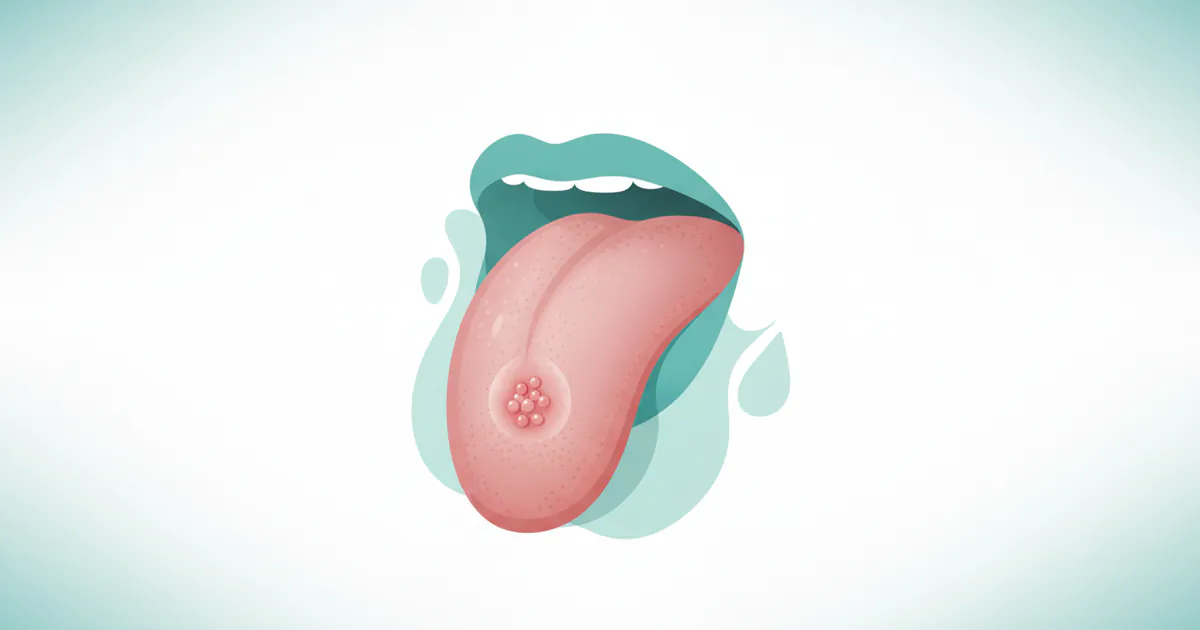
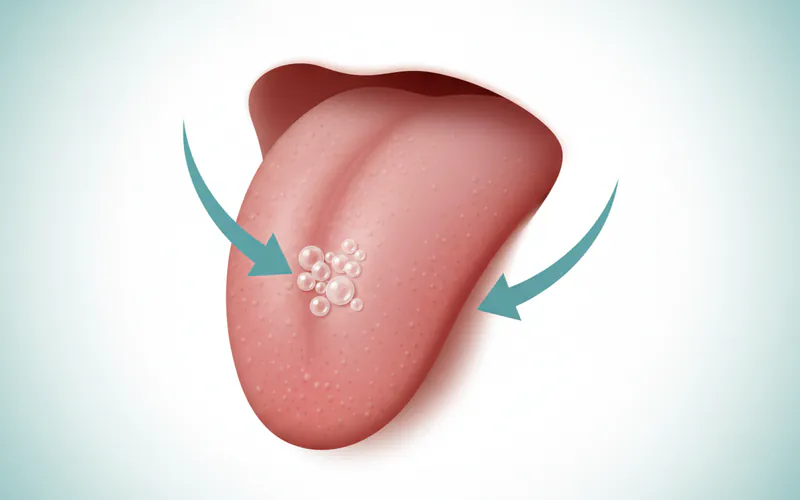
A cold sore on the tongue, medically known as intraoral herpes or herpetic stomatitis when widespread, is an infection caused by the Herpes Simplex Virus Type 1 (HSV-1). While most commonly associated with the lips (herpes labialis), HSV-1 can cause lesions anywhere in and around the mouth, including the gums, palate, inner cheeks, and, less frequently but significantly, the tongue. These lesions are characterized by small, fluid-filled blisters that can be incredibly painful and inconvenient.
Unlike canker sores (aphthous ulcers), which are not viral and typically appear on the movable tissues inside the mouth and have specific causes like trauma or stress, cold sores are highly contagious and are the direct result of a viral infection. Once contracted, HSV-1 remains dormant in nerve cells and can reactivate periodically, leading to recurrent outbreaks. The tongue, with its constant movement during speech and eating, can make these particular cold sores especially disruptive.
Types / Variations: Primary vs. Recurrent Infection
The manifestation of cold sores on the tongue can generally be categorized into two main types:
Primary Herpetic Gingivostomatitis
This is the initial infection with HSV-1, often occurring in childhood. While cold sores on the lips are more common for primary outbreaks, the tongue can also be significantly affected. Primary infections are typically more severe and widespread than recurrent outbreaks.
- Symptoms: This condition involves multiple, painful blisters and ulcers throughout the mouth, including the tongue, gums, and inner cheeks. It's often accompanied by fever, swollen lymph nodes, general malaise, and difficulty eating and drinking due to extreme pain. The gums may also appear red and swollen (gingivitis).
- Duration: Primary outbreaks can last for 10-14 days, or even up to 3 weeks, and require supportive care, including pain management and ensuring adequate hydration, especially in children.
Recurrent Oral Herpes (Secondary Infection)
After the primary infection, HSV-1 retreats to nerve cells, where it remains latent. Various triggers can reactivate the virus, leading to recurrent outbreaks. These are usually less severe and more localized than primary infections.
- Symptoms: Recurrent cold sores on the tongue typically appear as one or a small cluster of blisters in a specific area. While still painful, they are usually not accompanied by systemic symptoms like fever.
- Location: While the lips are the most common site, recurrent lesions can occur on any oral mucosal surface that contains the dormant virus, including the tongue.
- Frequency: The frequency of recurrence varies greatly among individuals, from never recurring to several times a year.
Pro Tip: If you experience widespread mouth sores, fever, and swollen glands, especially if you've never had a cold sore before, it's highly likely to be a primary HSV-1 infection. Seek medical advice for proper diagnosis and management.
Causes / Why It Happens: The HSV-1 Connection and Triggers
The sole cause of a cold sore on the tongue, or anywhere else orally, is an infection with the Herpes Simplex Virus Type 1 (HSV-1).
Transmission of HSV-1
HSV-1 is highly contagious and is primarily transmitted through direct contact with an infected person. This contact often occurs through:
- Kissing: The most common mode of transmission, especially during an active outbreak.
- Sharing Utensils: Eating or drinking from the same cups, forks, or spoons.
- Sharing Personal Items: Razors, towels, lip balm, or toothbrushes.
- Skin-to-Skin Contact: Even non-sexual contact can transmit the virus if there are active lesions.
Once HSV-1 enters the body, it replicates and then travels along nerve pathways to nerve clusters (ganglia) where it remains dormant indefinitely. It's important to note that you can contract the virus even if the infected person has no visible cold sores, as "asymptomatic shedding" can occur.
Triggers for Recurrence
While HSV-1 is the cause, various factors can trigger the dormant virus to reactivate and cause a cold sore outbreak. Understanding these triggers can be crucial for prevention:
- Stress: Emotional or psychological stress is a very common trigger. The body's stress response can weaken the immune system.
- Sunlight Exposure: UV radiation, particularly from direct sun exposure to the lips or face, can trigger an outbreak.
- Fever or Illness: Any condition that taxes the immune system, such as a cold, flu, or other infections, can lead to reactivation. This is why they are called "fever blisters."
- Physical Trauma: Injury to the mouth area, dental work, or even vigorous brushing can sometimes trigger an outbreak.
- Hormonal Changes: Fluctuations during menstruation, pregnancy, or hormone replacement therapy can be triggers for some individuals.
- Weakened Immune System: Conditions like HIV/AIDS, chemotherapy, or organ transplant recipients on immunosuppressants make individuals more prone to frequent and severe outbreaks.
- Fatigue: Lack of sleep or general exhaustion can lower the body's defenses.
- Certain Foods: Highly acidic or spicy foods might not trigger the virus but can irritate existing sores and prolong healing.
Signs and Symptoms: What to Look For
Recognizing the signs and symptoms of a cold sore on the tongue is key to early treatment and faster healing. The progression typically follows distinct stages:
1. Prodromal Stage (12-48 hours before visible lesions)
This is the earliest warning sign, often felt before anything is visible.
- Tingling, itching, or burning: A distinct sensation on or around the area where the sore will develop. For a tongue cold sore, this might feel like an irritation or prickling sensation on a specific part of your tongue.
- Slight numbness or tenderness: The area might feel sensitive to touch.
2. Blister Stage (Day 1-2 of outbreak)
Small, fluid-filled blisters begin to appear.
- Appearance: One or more small, red, raised bumps that quickly turn into tiny, clear or cloudy fluid-filled blisters (vesicles). On the tongue, these might be difficult to see initially but will be very tender.
- Location: Can appear anywhere on the tongue – tip, sides, or even underneath. They often appear in a cluster.
- Pain: Significant localized pain, especially when eating, speaking, or moving the tongue.
- Swelling: The immediate area around the blisters may appear slightly swollen.
3. Ulcer/Weeping Stage (Day 2-4 of outbreak)
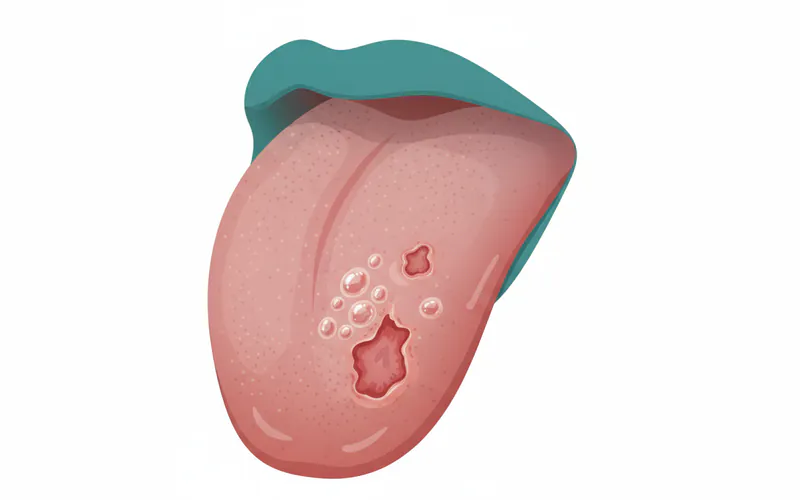
The blisters rupture, forming open sores.
- Rupture: The fragile blisters burst, releasing their fluid. This is the most contagious stage.
- Ulcers: Shallow, reddish ulcers (open sores) form where the blisters were. These are typically very painful and can be quite sensitive to hot, cold, or acidic foods.
- Salivation: Increased salivation due to irritation and pain.
- Difficulty: Eating, drinking, and speaking become very challenging and painful.
4. Crusting/Scabbing Stage (Day 4-7 of outbreak)
The ulcers begin to dry out and heal.
- Crusting: For cold sores on the lips, a yellowish or brownish crust forms. On the moist environment of the tongue, a distinct crust might not form as readily, but the ulcers will start to dry out and flatten, forming a whitish or grayish film as new tissue grows.
- Reduced Pain: The pain gradually lessens as healing progresses.
5. Healing Stage (Day 7-14 of outbreak)
The sores fully resolve.
- Resolution: The crust or film falls off, and new skin forms.
- Scarring: Typically, cold sores do not leave scars unless there was significant secondary infection or picking at the lesion.
- Contagion: The lesion is generally no longer contagious once it has completely healed and there is no visible lesion or weeping.
Differentiating from Other Oral Conditions
It's crucial to distinguish a cold sore on the tongue from other oral lesions:
- Canker Sores (Aphthous Ulcers): These are not contagious, not caused by a virus, and typically appear on the movable soft tissues (inside cheeks, lips, floor of mouth, and often the tongue). They are usually single, round or oval, with a white/yellow center and a red border. They do not start as blisters.
- Traumatic Ulcers: Caused by accidental biting, sharp food, or dental appliances. They usually have a clear cause and will heal once the irritant is removed.
- Oral Thrush (Candidiasis): A fungal infection appearing as creamy white lesions, usually on the tongue and inner cheeks, which can be scraped off.
- Salivary Stones (Sialolithiasis): These are calcified deposits that can block salivary ducts. While they don't usually cause tongue lesions directly, a blocked duct can cause swelling and pain in the gland, and in rare cases, if a stone erodes through tissue, it could cause an ulcer. However, this is distinct from viral cold sores.
- Tonsil Stones (Tonsilloliths): These are calcified collections of bacteria and debris that form in the tonsil crypts. They typically cause bad breath, sore throat, or foreign body sensation in the throat, not lesions on the tongue. The phrase "how to prevent tonsil stones" is focused on oral hygiene, which is also important for general oral health but not directly for preventing cold sores.
Treatment Options: Restoring Comfort and Speeding Healing
While a cold sore on the tongue will eventually heal on its own, various treatment options can significantly reduce pain, speed up healing, and potentially prevent recurrence. Early intervention, ideally during the prodromal stage, yields the best results.
1. Antiviral Medications (Prescription)
These are the most effective treatments for shortening the duration and severity of an outbreak. They work by inhibiting the virus's ability to replicate.
- Oral Antivirals:
- Acyclovir (Zovirax): Often prescribed in doses like 200mg 5 times a day for 5 days.
- Valacyclovir (Valtrex): A prodrug of acyclovir, often taken in a more convenient dosing schedule, such as 2g twice a day for 1 day, or 1g twice a day for 5 days. It's generally more potent and absorbed better.
- Famciclovir (Famvir): Another effective option, often prescribed as a single 1500mg dose or 500mg twice daily for 7 days.
- Pros: Highly effective at shortening healing time, reducing pain, and may reduce the risk of transmission if taken early. Can be used for episodic treatment (during an outbreak) or suppressive therapy (daily to prevent outbreaks).
- Cons: Requires a prescription, can have side effects (nausea, headache, diarrhea), and may be more expensive than OTC options, especially brand names.
- Topical Prescription Antivirals:
- Penciclovir (Denavir): A cream applied directly to the lesion every 2 hours while awake for 4 days.
- Pros: Can speed healing by about a day, reduces pain.
- Cons: Less effective than oral antivirals, requires frequent application.
2. Over-the-Counter (OTC) Topical Treatments
These can help manage symptoms and promote healing, though they do not directly target the virus as effectively as prescription antivirals.
- Docosanol (Abreva): The only FDA-approved non-prescription cold sore cream. It works by preventing the virus from entering healthy cells.
- Application: Apply at the first sign of a tingle, 5 times a day until the sore is healed (up to 10 days).
- Pros: Can shorten healing time by about half a day to a day.
- Cons: Must be applied frequently, may not be as effective for severe outbreaks.
- Pain-Relieving Gels/Creams:
- Benzocaine (Orajel, Anbesol): Numbing gels that temporarily relieve pain.
- Lidocaine: Another topical anesthetic.
- Pros: Provides immediate, temporary pain relief, allowing easier eating and speaking.
- Cons: Does not treat the virus or speed healing, effect is short-lived.
- Other OTC Options: L-Lysine supplements, zinc oxide cream, various lip balms with soothing ingredients (e.g., allantoin, dimethicone). These have mixed evidence for efficacy in speeding healing but can provide symptomatic relief.
3. Home Remedies and Supportive Care
These measures focus on comfort and preventing further irritation.
- Cold Compress: Applying ice packs wrapped in a cloth to the affected area can reduce pain and swelling.
- Soft, Bland Diet: Avoid acidic, spicy, salty, or very hot foods and drinks that can irritate the sores. Opt for soft, cool, and bland foods (yogurt, mashed potatoes, soups, smoothies).
- Hydration: Drink plenty of fluids to prevent dehydration, especially if eating is difficult.
- Oral Hygiene: Continue gentle brushing and flossing, but be careful around the sore. Rinse with cool water or a mild saltwater solution (1/2 teaspoon salt in 8 ounces of warm water) to keep the area clean and reduce irritation.
- Stress Management: Since stress is a trigger, techniques like meditation, deep breathing, or light exercise can be beneficial.
Comparison Table: Cold Sore Treatment Options
| Treatment Type | Examples | Mechanism of Action | Pros | Cons |
|---|---|---|---|---|
| Oral Antivirals | Valacyclovir, Acyclovir | Inhibits viral replication | Most effective for shortening outbreaks, reduces pain, can prevent recurrence | Requires prescription, potential side effects, higher cost |
| Topical Antivirals | Penciclovir | Inhibits viral replication | Speeds healing locally, reduces pain | Less effective than oral, frequent application, prescription needed |
| OTC Antiviral Cream | Docosanol (Abreva) | Blocks viral entry into cells | Available without prescription, can shorten duration | Must be applied very early and frequently, less potent than prescription antivirals |
| OTC Pain Relief | Benzocaine, Lidocaine | Numbing agent | Immediate, temporary pain relief | Does not treat the virus or speed healing, short-lived effect |
| Home Remedies | Cold compress, bland diet | Symptomatic relief, reduces irritation | Accessible, low cost, no side effects | Does not treat the virus, supportive care only |
Step-by-Step Process: What to Expect During Treatment
Managing a cold sore on the tongue involves a multi-pronged approach, focusing on early intervention and symptom management throughout the outbreak.
1. Recognizing the Prodromal Stage
- Action: At the first sign of tingling, itching, or burning on your tongue, begin treatment immediately. This is the critical window for oral antiviral medications and topical creams like Docosanol.
- Goal: To suppress the virus before blisters fully form, potentially preventing the outbreak or significantly reducing its severity and duration.
2. Starting Antiviral Treatment (if prescribed)
- Action: If you have a prescription for an oral antiviral (e.g., Valacyclovir), take it as directed, usually for 1-5 days depending on the dosage.
- Expectation: You should notice a reduction in pain and the blisters may not fully develop or will heal much faster than without medication.
3. Applying Topical Treatments
- Action: For OTC creams like Docosanol, apply them 5 times a day until the sore is healed. If using a prescription topical like Penciclovir, follow your dentist's or doctor's instructions diligently (e.g., every 2 hours while awake).
- Expectation: These can provide local relief and contribute to faster healing, but require consistent application.
4. Pain Management
- Action: Use OTC pain relievers (ibuprofen, acetaminophen) as needed for systemic pain. Apply topical numbing gels (benzocaine, lidocaine) directly to the sore for temporary relief before meals.
- Expectation: This helps manage discomfort, making it easier to eat, drink, and speak during the painful blister and ulcer stages.
5. Dietary Adjustments
- Action: Stick to soft, bland, and cool foods. Avoid anything acidic, spicy, salty, crunchy, or hot that could irritate the lesion.
- Expectation: Prevents further irritation to the sore, reduces pain during eating, and promotes healing.
6. Maintaining Oral Hygiene
- Action: Continue gentle brushing and flossing to prevent secondary infections. Consider using a soft-bristled toothbrush and a mild, alcohol-free mouthwash. Rinsing with a warm saltwater solution a few times a day can also be soothing and keep the area clean.
- Expectation: Good hygiene supports the natural healing process and prevents other oral issues.
7. Preventing Spread
- Action: Avoid kissing, sharing food/drinks, and personal items. Wash hands frequently, especially after touching the sore. Refrain from touching your eyes after touching the lesion.
- Expectation: Reduces the risk of transmitting the virus to others or to other parts of your own body (e.g., eyes, fingers).
8. Monitoring Healing
- Action: Observe the sore for signs of improvement – less pain, drying, and eventual disappearance.
- Expectation: A typical cold sore on the tongue should start to improve within a few days of treatment and heal completely within 7-14 days. If it worsens or doesn't heal, seek dental attention.
Cost and Insurance: Navigating Expenses
The cost of managing a cold sore on the tongue can vary significantly based on whether you opt for over-the-counter remedies, prescription medications, or require a dental/medical consultation.
Average US Costs (Without Insurance)
- Over-the-Counter (OTC) Creams/Gels:
- Docosanol (Abreva): $15 - $30 per tube.
- Benzocaine/Lidocaine (Orajel, Anbesol): $8 - $15 per tube.
- L-Lysine supplements: $10 - $25 for a bottle.
- Prescription Antiviral Medications:
- Generic Acyclovir: $15 - $40 for a typical 5-day course.
- Generic Valacyclovir: $20 - $50 for a typical 1-5 day course.
- Generic Famciclovir: $30 - $70 for a typical course.
- Brand Name Antivirals (e.g., Valtrex, Zovirax): Can be significantly more expensive, ranging from $100 - $300+ without insurance, though generics are widely available and preferred.
- Topical Penciclovir (Denavir): Can be $50 - $150+ per small tube.
- Dental/Medical Office Visit:
- For diagnosis and prescription: $50 - $250. This can vary greatly by region, practitioner, and complexity of the visit. Some urgent care centers might be on the lower end, while a specialist's visit could be higher.
Insurance Coverage Details
- Medical Insurance: Most prescription antiviral medications (oral and topical) are typically covered by medical insurance plans. Your out-of-pocket cost will depend on your plan's formulary, deductible, and co-pay structure. Some plans may require a prior authorization for brand-name drugs.
- Dental Insurance: Generally, dental insurance does not cover the cost of medications or treatments for cold sores, as these are considered medical conditions, not dental procedures. However, if your dentist diagnoses the condition during a routine check-up, the visit itself might be covered under your dental plan, but the medication would fall under medical insurance.
- No Insurance / High Deductible: If you lack insurance or have a high deductible, consider using prescription discount cards (e.g., GoodRx) or patient assistance programs offered by pharmaceutical companies to reduce the cost of prescription antivirals.
Pro Tip: Always check with your insurance provider regarding coverage for specific medications and doctor visits before seeking treatment to understand your potential out-of-pocket expenses.
Recovery and Aftercare: Post-Outbreak Care
Once a cold sore on the tongue begins to heal, the focus shifts to ensuring complete recovery and taking steps to prevent future outbreaks. The typical healing time is 7-14 days from the onset of symptoms, with or without treatment. Treatment can shorten this by a few days.
During Recovery (Crusting/Healing Stage):
- Continue Gentle Oral Hygiene: While the pain subsides, continue to brush gently around the healing area. Maintain your regular flossing routine. A mild, alcohol-free mouthwash can help keep the mouth clean.
- Avoid Picking/Touching: Resist the urge to pick at any developing crust or scabs. This can delay healing, introduce bacteria leading to secondary infection, and potentially cause scarring.
- Hydration and Nutrition: Continue to prioritize adequate hydration and a nutritious diet to support your immune system during recovery.
- Monitor for Secondary Infection: Keep an eye out for signs of bacterial infection, such as increased redness, pus, prolonged pain, or fever, which would warrant a dental or medical visit.
After the Sore Has Healed:
- Replace Your Toothbrush: After a cold sore has completely healed, it's a good practice to replace your toothbrush. While not definitively proven to cause reinfection, it eliminates any theoretical risk of residual viral particles.
- Disinfect Personal Items: If you used any shared items during the outbreak (though ideally, you should avoid this), ensure they are thoroughly disinfected or replaced.
- Identify and Avoid Triggers: This is perhaps the most crucial aftercare step. Reflect on what might have triggered your outbreak (stress, sun exposure, illness, etc.).
- If stress is a trigger, incorporate stress-reducing activities into your routine.
- If sun exposure is a trigger, use lip balm with SPF, even on cloudy days, and limit prolonged sun exposure.
- If illness is a trigger, focus on immune-boosting habits like adequate sleep, nutrition, and exercise.
- Consider Suppressive Therapy: For individuals who experience very frequent or severe outbreaks (e.g., 6 or more per year), your doctor or dentist might recommend daily low-dose oral antiviral medication as suppressive therapy. This can significantly reduce the frequency and severity of recurrences.
Prevention: How to Avert Future Outbreaks
Preventing cold sores on the tongue primarily involves two strategies: avoiding initial infection (if you don't have HSV-1) and preventing recurrence (if you are already infected).
1. Preventing Initial HSV-1 Infection:
- Avoid Direct Contact: Do not kiss individuals who have active cold sores.
- Do Not Share Personal Items: Refrain from sharing eating utensils, drinking glasses, lip balm, razors, or toothbrushes with anyone, especially those with visible cold sores.
- Practice Good Hand Hygiene: Wash your hands frequently, especially after contact with surfaces that might be contaminated.
2. Preventing Recurrent Outbreaks:
- Identify and Manage Triggers: This is the most effective proactive measure.
- Stress Reduction: Engage in stress-reducing activities like yoga, meditation, regular exercise, or hobbies. Ensure you get adequate sleep.
- Sun Protection: Apply lip balm with SPF 30 or higher, even on the lips, and consider wearing a wide-brimmed hat when exposed to strong sunlight, as UV radiation is a common trigger.
- Boost Immune System: Maintain a healthy lifestyle with a balanced diet rich in vitamins and minerals, regular exercise, and sufficient sleep. Address underlying health conditions that might weaken your immune system.
- Avoid Physical Trauma: Be mindful during dental procedures and avoid excessive manipulation of the mouth area if you know it's a trigger.
- Antiviral Prophylaxis (Suppressive Therapy):
- For individuals with frequent or particularly bothersome recurrences, a daily low dose of oral antiviral medication (like acyclovir or valacyclovir) can be prescribed by a healthcare professional to significantly reduce the frequency of outbreaks. This is an ongoing treatment, not just for during an outbreak.
- L-Lysine Supplementation: Some studies suggest that daily L-Lysine supplementation (an amino acid) might help prevent or reduce the frequency of cold sore outbreaks. Lysine is thought to interfere with the replication of HSV-1. Discuss appropriate dosages with your healthcare provider.
- Good Oral Hygiene: While not directly preventing the viral trigger, maintaining excellent oral hygiene prevents secondary infections and supports overall oral health. This includes regular brushing, flossing, and professional dental check-ups, which can also help prevent issues like salivary stones or detect oral lesions early.
Risks and Complications: What Can Go Wrong
While most cold sores resolve without serious issues, especially in healthy individuals, certain risks and complications can arise, particularly if the virus spreads or the immune system is compromised.
- Spread to Other Body Parts (Autoinoculation):
- Ocular Herpes: This is a serious complication where the virus spreads to the eye, potentially causing pain, light sensitivity, blurry vision, and even permanent vision loss if left untreated. Always wash your hands immediately after touching a cold sore.
- Herpetic Whitlow: A painful infection on the fingers or nail beds, usually occurring if the virus is transferred from the mouth to a cut or break in the skin on the hand. Common in healthcare workers who don't wear gloves or children who suck their thumbs during an outbreak.
- Genital Herpes: While HSV-2 is the primary cause of genital herpes, HSV-1 can also be transmitted to the genital area through oral-genital contact.
- Secondary Bacterial Infection: The open sores created by ruptured blisters can become infected with bacteria, leading to increased pain, redness, swelling, and delayed healing. This might require antibiotic treatment.
- Severe Disease in Immunocompromised Individuals: People with weakened immune systems (e.g., HIV/AIDS, cancer patients undergoing chemotherapy, organ transplant recipients) can experience more frequent, widespread, and severe outbreaks. These can lead to:
- Esophagitis: Sores extending down the esophagus.
- Pneumonitis: Lung infection.
- Hepatitis: Liver inflammation.
- Encephalitis/Meningitis: In rare but severe cases, the virus can spread to the brain, causing life-threatening inflammation of the brain (encephalitis) or its surrounding membranes (meningitis).
- Psychological Distress: Recurrent cold sores, especially on visible areas like the lips or the highly sensitive tongue, can cause significant emotional distress, embarrassment, and self-consciousness.
Pro Tip: If you notice any signs of eye involvement (redness, pain, discharge, vision changes), severe symptoms, or if you are immunocompromised and develop a cold sore, seek immediate medical attention.
Children / Pediatric Considerations
Cold sores in children, especially primary infections, can be particularly challenging and require careful management.
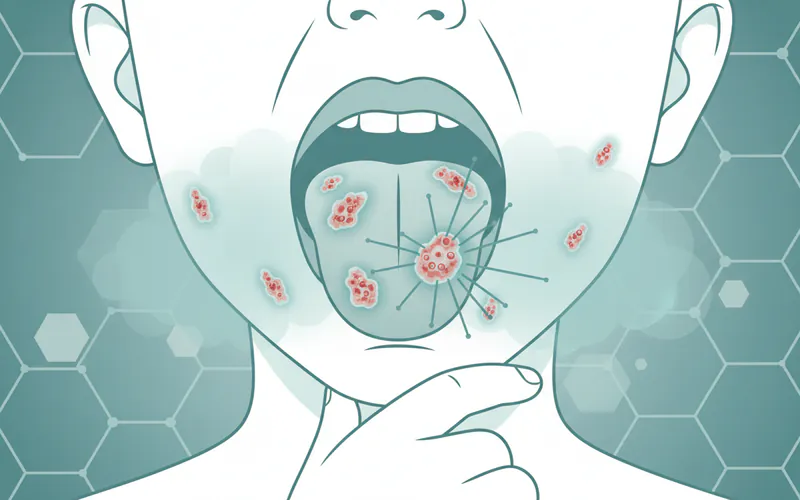
Primary Herpetic Gingivostomatitis in Children
- Commonality: This is the most common manifestation of primary HSV-1 infection in young children, often between 6 months and 5 years old.
- Symptoms: Children typically develop multiple painful blisters and ulcers on the tongue, gums, inside of cheeks, and roof of the mouth. This is often accompanied by:
- High fever (102-104°F / 39-40°C)
- Swollen, red, and bleeding gums (gingivitis)
- Swollen lymph nodes in the neck
- Difficulty eating and drinking: This is the most concerning symptom due to the risk of dehydration. Children may refuse food and liquids due to extreme oral pain.
- Drooling and irritability.
- Duration: Symptoms can last for 10-14 days or longer, with full recovery taking up to three weeks.
Management in Children:
- Pain Relief: Administer age-appropriate doses of acetaminophen (Tylenol) or ibuprofen (Advil, Motrin) to manage fever and pain.
- Hydration is Key: Encourage frequent sips of cool water, diluted juice, popsicles, or oral rehydration solutions. Avoid acidic juices (orange, grapefruit) that can sting.
- Soft, Bland Diet: Offer soft, non-acidic, and cool foods like yogurt, ice cream, mashed potatoes, and pureed fruits.
- Oral Hygiene: Gently clean the mouth with a very soft toothbrush or a cotton swab dipped in antiseptic mouthwash (if age-appropriate) or plain water.
- Antiviral Medications: In severe cases or for very young children, a pediatrician may prescribe oral acyclovir to shorten the course of the infection, especially if started early.
- Preventing Spread: Educate children about not sharing utensils or toys during an outbreak, and emphasize frequent handwashing.
- When to See a Doctor: Always consult a pediatrician if a child develops these symptoms, especially if they are refusing liquids, showing signs of dehydration (decreased urination, lethargy), or if the fever is persistent.
Recurrent cold sores on the tongue in children are less common than primary infections but can still occur. Management is similar to adults, focusing on pain relief and early antiviral treatment if deemed necessary by a healthcare provider.
Cost Breakdown: A Detailed Look at Expenses
Understanding the potential financial implications of a cold sore on the tongue can help you make informed decisions about care.
Average US Costs (Low, Mid, High Estimates)
| Item/Service | Low Estimate (No Insurance) | Mid Estimate (No Insurance) | High Estimate (No Insurance) | With Insurance (Co-pay/Deductible) |
|---|---|---|---|---|
| OTC Topical Cream | $10 (Generic pain relief) | $20 (Docosanol) | $30 (Abreva) | Not typically covered |
| Generic Oral Antiviral | $15 (Acyclovir course) | $30 (Valacyclovir course) | $50 (Famciclovir course) | $10 - $50 (Co-pay after deductible) |
| Prescription Topical | $50 (Generic Penciclovir) | $100 (Denavir) | $150 (Denavir) | $20 - $70 (Co-pay after deductible) |
| Doctor/Dental Visit | $50 (Urgent care consult) | $150 (GP/Dentist consult) | $250 (Specialist consult) | $20 - $75 (Co-pay after deductible, may vary by plan) |
| Suppressive Therapy | $20/month (Generic) | $40/month (Generic) | $150+/month (Brand name) | $10 - $50/month (Co-pay) |
Note: These are average estimates and can vary significantly based on location, pharmacy, specific drug, and individual insurance plans.
With vs. Without Insurance
- With Medical Insurance: For prescription medications and doctor visits, insurance can significantly reduce out-of-pocket costs, typically to a co-pay (e.g., $10-$75) after any deductible is met. It's crucial to check your plan's formulary for specific drug coverage.
- Without Insurance: You will pay the full retail price for medications and consultations. This can be substantial, especially for brand-name antivirals or specialized visits.
Payment Plans and Financing Options
- Pharmacy Discount Programs: Many pharmacies offer loyalty programs or discount cards (e.g., GoodRx, SingleCare) that can substantially lower the cost of generic prescription medications if you're paying out-of-pocket.
- Manufacturer Coupons/Patient Assistance Programs: For brand-name antivirals, pharmaceutical manufacturers sometimes offer coupons or patient assistance programs for eligible individuals to help cover costs.
- Payment Plans with Providers: Some dental or medical offices may offer in-house payment plans for office visits if the cost is a barrier.
Cost-Saving Tips
- Always ask for Generic: Generic versions of antiviral medications are chemically identical and just as effective as their brand-name counterparts but are significantly cheaper.
- Shop Around for Pharmacy Prices: Medication costs can vary considerably between pharmacies. Use online tools or call around to compare prices.
- Utilize Telehealth: For diagnosis and prescription, a telehealth consultation can sometimes be cheaper than an in-person visit and is convenient.
- Early Treatment: Investing in prompt treatment (e.g., a generic antiviral prescription) can shorten the duration and severity of an outbreak, potentially preventing more costly complications or prolonged discomfort.
- Focus on Prevention: The most cost-effective approach is to prevent outbreaks. Managing triggers and considering suppressive therapy (if appropriate) can save money on recurrent treatments.
Frequently Asked Questions
Is a cold sore on the tongue contagious?
Yes, a cold sore on the tongue is highly contagious, especially when blisters are present and weeping. The Herpes Simplex Virus Type 1 (HSV-1) can be easily transmitted through direct contact with the lesion or even saliva, typically until the sore has completely healed and crusted over.
How long does a cold sore on the tongue usually last?
Without treatment, a cold sore on the tongue typically lasts 7 to 14 days. With early intervention using antiviral medications, the duration can be shortened by a few days, often resolving within 5-7 days. Primary infections, especially in children, can last up to 3 weeks.
Can I get a cold sore on my tongue from kissing?
Yes, kissing is one of the most common ways to transmit the Herpes Simplex Virus Type 1 (HSV-1), which causes cold sores. If someone has an active cold sore on their lips or elsewhere orally, kissing them can lead to infection and potentially an outbreak on your tongue or other oral areas.
What is the fastest way to get rid of a cold sore on the tongue?
The fastest way to treat a cold sore on the tongue is to start prescription antiviral medication (like valacyclovir or acyclovir) at the very first sign of symptoms (tingling, itching). These medications inhibit viral replication and can significantly shorten the outbreak duration and severity if taken promptly.
Is it a cold sore or a canker sore on my tongue?
Cold sores are caused by the HSV-1 virus, are contagious, typically start as blisters, and can occur anywhere in or around the mouth, including the tongue. Canker sores (aphthous ulcers) are not viral or contagious, are usually solitary, have a white/yellow center with a red border, and appear on movable tissues like the inside of the cheeks or lips, or sometimes on the tongue, but they don't begin as blisters.
What foods should I avoid with a cold sore on my tongue?
You should avoid acidic foods (citrus fruits, tomatoes), spicy foods, very salty foods, and hot beverages/foods, as these can irritate the cold sore on your tongue, increase pain, and potentially delay healing. Opt for soft, bland, and cool foods like yogurt, mashed potatoes, and smoothies.
Can stress cause a cold sore on the tongue?
Yes, stress is a very common trigger for cold sore outbreaks. Emotional or psychological stress can weaken your immune system, allowing the dormant Herpes Simplex Virus Type 1 (HSV-1) to reactivate and cause a cold sore on your tongue or other oral areas.
Are there any home remedies for cold sores on the tongue?
While home remedies don't cure the virus, they can help manage symptoms. Applying a cold compress can reduce pain and swelling. Rinsing with a mild saltwater solution can keep the area clean and soothe irritation. Eating a soft, bland diet also helps minimize discomfort.
Can a cold sore on the tongue spread to my eye?
Yes, the Herpes Simplex Virus can spread from a cold sore on your tongue (or elsewhere) to your eye if you touch the sore and then rub your eye. This is a serious complication called ocular herpes and can cause pain, vision changes, and potentially permanent vision loss, requiring immediate medical attention.
What if my cold sore on the tongue doesn't heal?
If a cold sore on your tongue does not begin to heal within 7-10 days, or if it appears to be getting worse, spreading, or causing severe pain, you should definitely see a dentist or doctor. Persistent lesions could indicate a secondary infection, an immunocompromised state, or a misdiagnosis requiring professional evaluation.
When to See a Dentist
While most cold sores on the tongue resolve on their own or with over-the-counter treatments, there are specific situations when professional dental or medical attention is warranted. Do not hesitate to seek help if you experience any of the following:
- No Improvement or Worsening: If the cold sore does not show signs of healing within 7-10 days, or if it becomes larger, more painful, or spreads.
- Severe Pain: If the pain is so intense that it significantly interferes with eating, drinking, or speaking, and over-the-counter pain relievers are ineffective.
- Signs of Secondary Infection: Increased redness, significant swelling, pus formation, foul odor, or persistent fever could indicate a bacterial infection requiring antibiotics.
- Widespread Sores: If you have numerous or unusually large cold sores throughout your mouth, especially if accompanied by fever, swollen lymph nodes, or general malaise, this could be a severe primary infection or a sign of a compromised immune system.
- Spread to the Eye: If you notice any redness, irritation, pain, or changes in vision in your eye, it is critical to seek immediate medical attention from an ophthalmologist or emergency room. This is a serious complication called ocular herpes.
- Immunocompromised Individuals: If you have a weakened immune system due to conditions like HIV/AIDS, cancer (chemotherapy/radiation), organ transplantation, or take immunosuppressant medications, you are at higher risk for severe complications. Any cold sore outbreak warrants a doctor's visit.
- Frequent Recurrences: If you experience very frequent cold sore outbreaks on your tongue or elsewhere (e.g., more than 6 times a year), your dentist or doctor may recommend suppressive antiviral therapy.
- Uncertainty of Diagnosis: If you are unsure whether the lesion on your tongue is indeed a cold sore or another type of oral lesion (like a canker sore, traumatic ulcer, or something more serious), a dental professional can provide an accurate diagnosis.
Frequently Asked Questions
Medically Reviewed Content
This article was written by our dental health editorial team and reviewed for medical accuracy. Our content follows strict editorial guidelines for reliability and trustworthiness.
Medical Disclaimer
This article is for informational purposes only and does not constitute medical advice. Always consult with a qualified dental professional for diagnosis and treatment. Do not delay seeking professional advice because of something you read on this website.
Related Articles
Oral Candidiasis Symptoms: Complete Guide
Oral candidiasis, commonly known as oral thrush, is a fungal infection of the mouth caused by an overgrowth of Candida yeast, most often Candida albicans. While Candida is a normal inhabitant of the human mouth in small amounts, an imbalance can lead to uncomfortable and sometimes painful symptoms
February 23, 2026
Are Cold Sores Contagious
In the United States, an estimated 67% of the population under age 50 carries the herpes simplex virus type 1 (HSV-1), the primary cause of cold sores. This means millions of Americans are susceptible to these often painful and highly visible oral lesions. Beyond the discomfort and cosmetic conc
February 23, 2026
How Long Does Hand Foot and Mouth Last
Hand, Foot, and Mouth Disease (HFMD) is a common, often uncomfortable, viral illness that can affect anyone but is particularly prevalent among young children. If you or a loved one has ever experienced the tell-tale rash or painful mouth sores, you've likely wondered: **how long does Hand Foot and
February 23, 2026
Cold Sore vs Pimple on Lip: Complete Comparison Guide
When you notice an unexpected bump or lesion on your lip, your mind might immediately jump to questions of what it is, how long it will last, and most importantly, if it's contagious. The confusion between a cold sore vs pimple on lip is incredibly common, yet the distinction is crucial for prop
February 23, 2026