Complete Guide to Special Needs Dentistry: Everything You Need to Know
Key Takeaways
- For individuals with physical, intellectual, developmental, or sensory disabilities, accessing quality healthcare can present unique challenges. This is especially true for dental care, where the unfamiliar environment, bright lights, loud noises, and invasive procedures can be overwhelming. In the
Complete Guide to Special Needs Dentistry: Everything You Need to Know
For individuals with physical, intellectual, developmental, or sensory disabilities, accessing quality healthcare can present unique challenges. This is especially true for dental care, where the unfamiliar environment, bright lights, loud noises, and invasive procedures can be overwhelming. In the US, it's estimated that over 61 million adults live with a disability, many of whom require specialized dental approaches. This vital field, known as special needs dentistry, addresses these complexities, ensuring that every individual, regardless of their unique circumstances, receives comprehensive, compassionate, and effective oral health care.
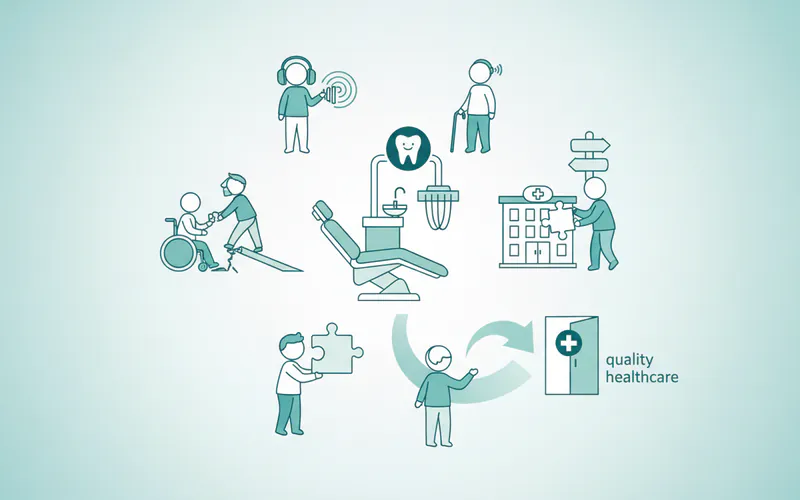
Good oral health is intrinsically linked to overall systemic health, impacting everything from nutrition and speech to self-esteem and quality of life. For individuals with special needs, dental issues can exacerbate existing medical conditions, lead to pain, infection, and significantly hinder daily functioning. This guide will delve deep into the world of special needs dentistry, exploring its nuances, what to expect, available treatments, costs, and how to ensure the best possible outcomes for yourself or your loved one. From understanding the specialized training of these dentists to navigating treatment options and insurance, we aim to provide the most comprehensive resource available, empowering you with the knowledge needed to advocate for exceptional dental care.
Key Takeaways:
- Special needs dentistry provides tailored oral healthcare for individuals with physical, intellectual, developmental, or sensory disabilities.
- Early intervention is crucial, ideally starting dental visits by age one or shortly after the first tooth erupts, to establish a positive routine and prevent complex issues.
- Treatment approaches often include behavioral management techniques, sedation dentistry (nitrous oxide, oral, IV sedation), and general anesthesia to ensure patient safety and comfort.
- The average cost for a routine cleaning at a special needs dental office can range from $150 to $350, potentially higher than a standard practice due to extended appointment times and specialized equipment.
- Complex procedures like fillings or extractions requiring sedation can range from $500 to $5,000+, depending on the type of sedation and the extent of the work. General anesthesia costs can easily exceed $1,500-$10,000+ per session, often performed in a hospital setting.
- Most dental insurance plans, including Medicaid and CHIP, cover special needs dentistry to varying degrees, but often require pre-authorization for sedation or hospital-based procedures.
- Preventive care, including consistent home oral hygiene, regular check-ups (often every 3-4 months), and dietary modifications, is paramount to minimizing the need for complex interventions.
- Finding a board-certified pediatric dentist with experience in special needs or a general dentist who has completed additional training in this area is highly recommended.
What Is Special Needs Dentistry? An Overview
Special needs dentistry, also known as adaptive dentistry or dental care for persons with disabilities (DPD), is a specialized branch of oral healthcare dedicated to meeting the unique dental needs of individuals who, due to physical, medical, developmental, or cognitive conditions, require special considerations and modifications to receive dental treatment. This field recognizes that a one-size-fits-all approach is inadequate for patients who may have challenges with communication, cooperation, sensory processing, or have complex medical histories that impact their oral health and treatment safety.
A special needs dentist possesses advanced training beyond general dental school, often through a general practice residency (GPR) or a specialized residency in pediatric dentistry, which includes extensive experience working with patients with diverse abilities. This training equips them with expertise in:
- Behavioral Management: Using techniques like "tell-show-do," positive reinforcement, distraction, and desensitization to make dental visits less anxiety-provoking.
- Pharmacological Management: Safely administering various forms of sedation (nitrous oxide, oral, intravenous) and general anesthesia when behavioral techniques are insufficient.
- Medical Complexity: Understanding how a patient's underlying medical conditions (e.g., heart conditions, seizure disorders, respiratory issues) affect dental treatment planning and execution.
- Adaptive Techniques: Utilizing specialized equipment, positioning, and modified instruments to accommodate physical limitations.
- Communication: Employing various communication strategies, including visual aids, sign language, or working with caregivers, to effectively interact with patients.
The goal of special needs dentistry is not just to treat existing dental problems but to promote lifelong oral health, prevent disease, and ensure a comfortable and positive experience at every visit. It's about providing dignity, respect, and patient-centered care.
Types of Special Needs Requiring Specialized Dental Care
The spectrum of special needs is vast and varied, each presenting its own set of considerations for dental care. Dentists specializing in this field are equipped to handle patients with:
Intellectual and Developmental Disabilities (IDD)
- Autism Spectrum Disorder (ASD): Patients may exhibit sensory sensitivities (light, sound, texture), difficulty with transitions, communication challenges, and repetitive behaviors. Dental care focuses on desensitization, structured routines, visual schedules, and a calm environment.
- Down Syndrome: Individuals often have unique oral anatomies (smaller upper jaw, larger tongue), increased risk of periodontal disease, malocclusion, and congenital heart defects requiring antibiotic prophylaxis.
- Cerebral Palsy: Characterized by motor control issues, leading to difficulty with oral hygiene, increased gag reflex, involuntary movements, and bruxism. Special positioning and mouth props are often used.
- Fetal Alcohol Spectrum Disorders (FASD): May present with developmental delays, behavioral challenges, and distinct facial features that can impact oral development and cooperation.
Physical Disabilities
- Spinal Cord Injuries/Paralysis: Patients may require transfers to dental chairs, specialized positioning devices, and assistance with oral hygiene due to limited mobility.
- Muscular Dystrophy: Progressive muscle weakness can affect chewing, swallowing, and self-performed oral hygiene. Respiratory compromise may necessitate special precautions with sedation.
- Arthritis (Severe Forms): Limited hand dexterity makes brushing difficult; jaw pain-jaw-disorders-everything-you-need-to-know "Complete Guide to TMJ & Jaw Disorders: Everything You Need to Know") can impact opening the mouth for extended periods.
Medical Conditions
- Epilepsy/Seizure Disorders: Care must be taken to prevent injury during a seizure; certain medications can cause gingival hyperplasia.
- Congenital Heart Defects: Often require antibiotic premedication before dental procedures to prevent infective endocarditis, following ADA and American Heart Association guidelines.
- Diabetes (Type 1 and 2): Increased risk of periodontal disease and slower healing. Blood sugar control is vital, and appointment timing may be adjusted.
- Cancer (Current or History of Treatment): Radiation and chemotherapy can lead to dry mouth, increased caries risk, mucositis, and osteonecrosis of the jaw.
- Bleeding Disorders (e.g., Hemophilia): Requires careful planning and coordination with hematologists to manage bleeding risk during invasive procedures.
Sensory Impairments
- Blindness/Low Vision: Verbal descriptions, tactile exploration of instruments, and consistent communication are key.
- Deafness/Hard of Hearing: Use of sign language interpreters, written communication, and visual aids.
- Severe Anxiety/Phobias (Dental Phobia): While not a "disability," severe dental anxiety often necessitates similar behavioral and pharmacological management techniques as other special needs.
Causes and Contributing Factors to Special Needs
The underlying causes of special needs are diverse and can be congenital (present from birth), genetic, acquired through illness or injury, or idiopathic (unknown origin). Understanding the etiology helps dental professionals anticipate associated health issues and tailor care accordingly.
- Genetic Conditions: Chromosomal abnormalities like Down Syndrome, Fragile X Syndrome, or inherited disorders that affect development and physical capabilities.
- Prenatal Factors: Exposure to toxins (alcohol, drugs) during pregnancy (FASD), certain infections (rubella, toxoplasmosis), or complications during birth (lack of oxygen).
- Perinatal/Neonatal Factors: Premature birth, low birth weight, birth trauma, or severe neonatal infections.
- Acquired Conditions: Traumatic brain injury, spinal cord injury, stroke, progressive neurological diseases (e.g., multiple sclerosis), or certain cancers and their treatments.
- Developmental Anomalies: Conditions that result in atypical development of the brain, nervous system, or physical structures.
These underlying conditions often contribute to a higher prevalence of dental problems in special needs populations due to several factors:
- Dietary Habits: Preference for soft, sugary foods; difficulty chewing fibrous foods; prolonged bottle feeding.
- Medication Side Effects: Many medications cause dry mouth (xerostomia), gingival overgrowth, or increased caries risk.
- Oral Hygiene Challenges: Limited dexterity, lack of cooperation, or sensory issues can make effective brushing and flossing difficult.
- Gastroesophageal Reflux Disease (GERD): Common in some populations (e.g., cerebral palsy), leading to enamel erosion.
- Bruxism/Clenching: Stress, medication, or neurological conditions can lead to excessive teeth grinding, causing wear and fractures.
- Unique Oral Anatomy: Malocclusion, crowded teeth, cleft lip/palate, or delayed tooth eruption.
- Access to Care Barriers: Lack of specialized dentists, transportation issues, or financial constraints.
Signs and Symptoms Indicating a Need for Special Needs Dentistry
It's not always immediately obvious that a standard dental practice cannot meet an individual's needs. Here are signs and symptoms, both dental and behavioral, that indicate specialized care might be beneficial:
Dental Signs:
- Untreated Dental Decay (Cavities): Especially if widespread or rapidly progressing.
- Gum Bleeding/Inflammation: Persistent gingivitis or signs of periodontal disease.
- Broken or Chipped Teeth: Often due to falls, bruxism, or trauma.
- Halitosis (Bad Breath): Can indicate poor oral hygiene, gum disease, or infection.
- Swelling or Redness in the Mouth: Suggests infection or inflammation.
- Difficulty Chewing or Eating: May indicate pain, missing teeth, or malocclusion.
- Excessive Drooling (Sialorrhea): Can contribute to perioral skin irritation and hygiene issues.
- Unusual Tooth Wear: From bruxism or atypical chewing patterns.
- Delayed or Abnormal Tooth Eruption: Common in some developmental disorders.
Behavioral/Interactional Signs:
- Extreme Fear or Anxiety: Panic attacks, crying, screaming, or refusal to cooperate during dental visits.
- Inability to Sit Still: Hyperactivity, involuntary movements, or poor attention span making treatment impossible.
- Communication Difficulties: Inability to understand instructions or express discomfort verbally.
- Sensory Overload: Reacting strongly to lights, sounds, smells, or touch in the dental office.
- Aggressive or Self-Injurious Behavior: In response to perceived threats or discomfort.
- Strong Gag Reflex: Making oral examinations or procedures challenging.
- Resistance to Oral Hygiene at Home: Suggesting underlying sensory issues or learned aversion.
If you observe any of these signs, seeking a consultation with a dentist specializing in special needs is highly recommended.
``
Treatment Options in Special Needs Dentistry
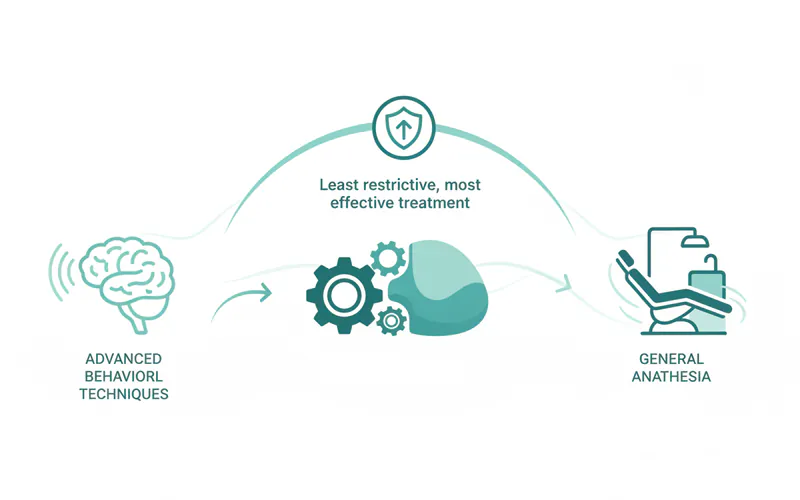
The goal is always to provide the least restrictive, most effective treatment. Options range from advanced behavioral techniques to various levels of sedation.
1. Behavioral Management Techniques
These are the first line of approach, designed to build trust and cooperation.
- Tell-Show-Do: Explaining the procedure verbally, demonstrating it (e.g., on a doll or finger), then performing it.
- Positive Reinforcement: Praising good behavior, offering small rewards (stickers, toys).
- Distraction: Using music, videos, stories, or sensory toys to divert attention.
- Desensitization: Gradual exposure to the dental environment over multiple short visits before actual treatment.
- Voice Control: Using a firm, calm voice to manage behavior.
- Non-Verbal Communication: Utilizing visual aids, picture schedules, or sign language.
- Protective Stabilization (Papoose Board): Used as a last resort for patient safety and to prevent injury during treatment, always with informed consent and careful monitoring.
2. Sedation Dentistry
When behavioral techniques are insufficient, sedation can help manage anxiety and promote cooperation.
- Nitrous Oxide (Laughing Gas):
- Pros: Mildest form of sedation, quickly takes effect and wears off, allows patient to remain conscious and responsive.
- Cons: Not effective for all patients, may cause nausea in some, requires patient to breathe through a nasal mask.
- Cost: Typically an add-on fee of $50-$150 per appointment.
- Oral Sedation:
- Pros: Administered via a pill or liquid, easy to take, generally safe and effective for moderate anxiety.
- Cons: Slower onset (30-60 mins), effects last longer, patient remains conscious but very relaxed ("sleepy"). Requires a responsible adult to transport the patient.
- Cost: Varies significantly, often $200-$600 depending on the medication and monitoring required.
- Intravenous (IV) Sedation (Moderate/Deep Sedation):
- Pros: Deeper level of relaxation, rapid onset, titration allows precise control of sedation level, often administered by an anesthesiologist or specially trained dentist.
- Cons: Requires IV access, patient is less responsive, continuous monitoring is crucial, longer recovery time.
- Cost: Significantly higher, ranging from $500-$1,500+ per hour, as it often involves an anesthesiologist's fee.
3. General Anesthesia (GA)
- Pros: Patient is completely unconscious, allowing complex or extensive treatment to be completed in one session safely, especially for patients who cannot cooperate otherwise.
- Cons: Higher risks than other forms of sedation, requires an anesthesiologist and a hospital or ambulatory surgery center setting, longer recovery time, significant cost.
- Cost: Can range from $1,500 to $10,000+ per session, depending on facility fees, anesthesiologist fees, and duration. This is often covered by medical insurance if deemed medically necessary.
``
4. Adaptive Equipment and Techniques
- Specialized Positioning: Utilizing beanbag chairs, stabilization pillows, or allowing treatment in a wheelchair for comfort and stability.
- Mouth Props: To help keep the mouth open, reducing jaw fatigue.
- Sensory Adaptations: Dimming lights, noise-canceling headphones, weighted blankets, allowing comfort items.
- Picture Exchange Communication System (PECS) / Visual Schedules: To help patients understand the sequence of procedures.
Step-by-Step Process: What to Expect During Special Needs Dental Treatment
Navigating special needs dental care involves a well-structured approach designed to minimize stress and maximize effectiveness.
- Initial Consultation and Health History Review:
- What to Expect: The first visit is often purely consultative. The dentist and team will spend time getting to know the patient and caregiver. You'll complete extensive medical and dental history forms, detailing all medical conditions, medications, allergies, previous dental experiences, and behavioral triggers. This is crucial for understanding the patient's unique needs and risks.
- Pro Tip: Bring a detailed list of all medications, dosages, and prescribing physicians. Also, be prepared to discuss the patient's communication style, preferred comfort items, and any specific anxieties.
- Comprehensive Examination and Diagnostic Imaging:
- What to Expect: If the patient is comfortable, a gentle oral examination will be performed. This may involve quick checks, or it might be broken down into several mini-steps. X-rays (radiographs) may be taken using specialized techniques or adapted equipment.
- Pro Tip: Consider doing a "practice run" at home by pretending to count teeth or look in the mouth to help the patient become accustomed to the sensation.
- Treatment Planning and Discussion:
- What to Expect: Based on the examination, the dentist will formulate a comprehensive treatment plan, often presenting multiple options. They will discuss the pros and cons of different approaches, including behavioral techniques, sedation options, and the sequence of procedures. This is a collaborative process with the caregiver.
- ADA Guidelines: The ADA emphasizes patient autonomy and informed consent. For patients unable to provide consent, the dentist will work closely with legal guardians to ensure all decisions are in the patient's best interest.
- Preparation for Treatment:
- What to Expect: If sedation is planned, specific instructions will be given regarding fasting (no food or drink for a certain period), medication adjustments, and post-procedure care. You'll sign consent forms outlining the risks and benefits.
- Pro Tip: Prepare the patient by using social stories, visual schedules, or role-playing to explain what will happen during the appointment. Bring comfort items like a favorite blanket, toy, or noise-canceling headphones.
- The Dental Appointment:
- What to Expect: The dental team will implement the agreed-upon strategies. This might involve dimming lights, playing soothing music, applying a weighted blanket, or administering sedation. The procedure will be performed with constant monitoring of vital signs.
- Pro Tip: Remain calm and positive. Your demeanor can significantly influence the patient's anxiety levels.
- Recovery and Aftercare Instructions:
- What to Expect: Following sedation or general anesthesia, the patient will be monitored in a recovery area until stable. Detailed post-operative instructions will be provided, covering pain management, dietary restrictions, and signs of potential complications.
- Pro Tip: Ensure you have a responsible adult to drive the patient home after sedation and someone to assist with monitoring and care during the initial recovery period.
``
Cost and Insurance for Special Needs Dentistry
The cost of special needs dentistry can be higher than standard dental care due to several factors: extended appointment times, specialized equipment, increased staffing needs, additional training required for the dental team, and the cost of sedation or general anesthesia.
Average US Price Ranges (Without Insurance):
| Procedure/Service | Standard Practice (Avg.) | Special Needs Dentistry (Avg.) | Notes |
|---|---|---|---|
| New Patient Exam & X-rays | $150 - $350 | $250 - $500 | May include longer consultation and adapted X-ray techniques. |
| Routine Cleaning (Prophy) | $80 - $150 | $150 - $350 | Longer time, specialized instruments. |
| Nitrous Oxide Sedation | $50 - $100 | $50 - $150 per appointment | Add-on to procedure cost. |
| Oral Sedation | $150 - $300 | $200 - $600 per appointment | Add-on to procedure cost. |
| IV Sedation | Not typically offered | $500 - $1,500+ per hour | Requires an anesthesiologist, facility fees. |
| General Anesthesia (Hospital/ASC) | Not applicable | $1,500 - $10,000+ per session | Includes anesthesiologist, facility, and duration. |
| Basic Filling (1 surface) | $150 - $300 | $250 - $500 | Increased time, behavioral management. |
| Extraction (Simple) | $150 - $400 | $250 - $600 | Increased time, behavioral management. |
- Regional Variation: Costs can vary by 10-30% depending on your geographic location (e.g., major metropolitan areas like NYC or LA tend to be higher).
- Facility Fees: If treatment requires an ambulatory surgery center (ASC) or hospital, there will be additional facility fees ranging from hundreds to thousands of dollars.
Insurance Coverage Details:
- Private Dental Insurance: Most private dental PPO/HMO plans offer some coverage for special needs dentistry. However, coverage for sedation (especially IV or GA) is often limited or requires medical necessity pre-authorization. Your plan may cover a percentage (e.g., 50-80%) up to an annual maximum, which can be quickly exhausted by comprehensive treatment.
- Medicaid and CHIP (Children's Health Insurance Program): These government programs often provide robust coverage for special needs dentistry, especially for children under 21. They typically cover preventive care, basic restorative work, and medically necessary sedation (including general anesthesia) if referred by the dentist. Pre-authorization is usually required, and not all special needs dentists accept Medicaid due to lower reimbursement rates.
- Medical Insurance (Health Insurance): If dental treatment requires general anesthesia in a hospital or ambulatory surgery center, the anesthesia and facility fees are often covered by your medical insurance, as it's considered a medical procedure rather than a purely dental one. The dental work itself, however, will likely still fall under your dental insurance or out-of-pocket. It's crucial to verify this with both your dental and medical insurance providers.
- Special Programs/Grants: Some non-profit organizations or state programs offer financial assistance or grants for individuals with special needs to access dental care. Examples include the National Foundation of Dentistry for the Handicapped (NFDH) and state-specific programs.
Pro Tip: Always request a detailed pre-treatment estimate from the dental office and submit it to your insurance provider for a pre-determination of benefits before treatment begins. This will help you understand your out-of-pocket costs.
Recovery and Aftercare
Post-treatment care is critical for healing and maintaining oral health, especially for special needs patients.
- Immediate Post-Sedation Care:
- Monitoring: The patient will be monitored until fully awake and stable.
- Hydration/Diet: Start with clear liquids, then soft, bland foods. Avoid hot, spicy, or crunchy foods for the first 24-48 hours, especially if local anesthesia was used.
- Pain Management: Follow the dentist's instructions for over-the-counter or prescribed pain relievers.
- Rest: Encourage plenty of rest.
- Post-Operative Instructions:
- Oral Hygiene: Gentle brushing and flossing should resume as tolerated, avoiding the treated area if stitches or open wounds are present. The dentist will provide specific instructions.
- Dietary Restrictions: Avoid sticky, hard, or sugary foods that could dislodge fillings or irritate extraction sites.
- Activity Restrictions: Limit strenuous activity for 24-48 hours after sedation.
- Observation: Monitor for signs of complications such as excessive bleeding, swelling, fever, or increased pain. Contact the dental office immediately if concerns arise.
- Long-Term Oral Health Maintenance:
- Consistent Home Care: Work with caregivers to establish a consistent, effective daily oral hygiene routine. This may involve adaptive toothbrushes (electric, large-handled), specialized flossers, or prescription fluoride toothpaste.
- Regular Check-ups: Special needs patients often require more frequent dental visits, typically every 3-4 months, for cleanings, fluoride treatments, and early detection of issues.
- Dietary Modifications: Encourage a balanced diet low in sugar and acidic foods.
- Caregiver Education: Regular education for caregivers on proper techniques and the importance of oral health is ongoing.
Prevention in Special Needs Dentistry
Prevention is the cornerstone of special needs dentistry, aiming to minimize the need for complex and potentially stressful interventions.
- Early Intervention: The American Academy of Pediatric Dentistry (AAPD) recommends a "dental home" for all children, including those with special needs, by age one or upon the eruption of the first tooth. Early visits help desensitize the child to the dental environment and allow for early identification of risk factors.
- Consistent Home Oral Hygiene:
- Brushing: Brush at least twice daily with a fluoride toothpaste. For those with dexterity issues, power toothbrushes, adaptive grips, or caregiver assistance are essential.
- Flossing: Daily flossing or use of interdental cleaners is crucial to remove plaque between teeth.
- Mouth Rinses: Alcohol-free fluoride rinses can be beneficial for older children/adults who can rinse and spit effectively.
- Dietary Guidance: Limit sugary snacks and drinks, especially between meals. Encourage water intake. For patients with GERD or frequent vomiting, discuss strategies to neutralize acids after episodes (e.g., rinse with water, fluoride rinse).
- Regular Dental Check-ups: More frequent recall appointments (every 3-4 months) allow the dentist to monitor oral health closely, apply professional fluoride treatments, and provide preventive sealants.
- Protective Appliances: Custom mouthguards for bruxism or sports participation can prevent dental trauma.
- Medication Review: Regularly discuss all medications with the dentist, as many can cause dry mouth or gum overgrowth. Strategies to mitigate these side effects can be implemented (e.g., saliva substitutes, frequent water sips, specialized oral hygiene).
Risks and Complications
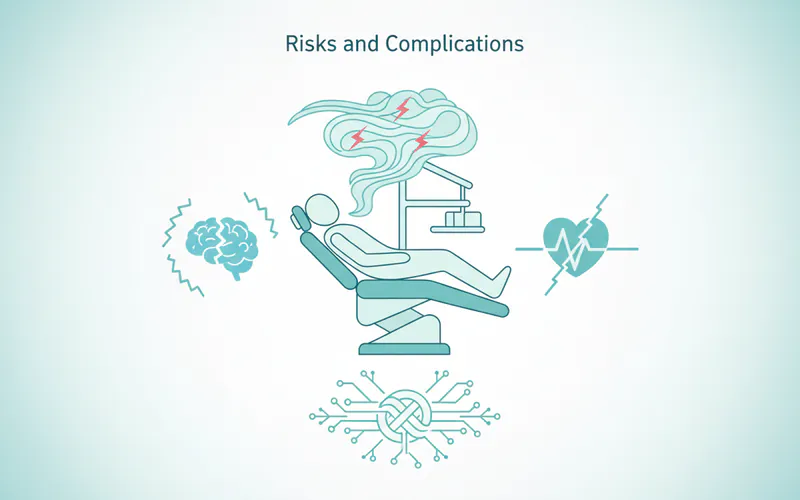
While special needs dentistry is designed for safety, potential risks and complications exist, particularly with sedation and general anesthesia.
- Risks Associated with Sedation/General Anesthesia:
- Respiratory Depression: The most significant risk, where breathing slows or stops. This is minimized by constant monitoring of oxygen saturation, heart rate, and respiration.
- Allergic Reactions: To medications used for sedation.
- Nausea and Vomiting: More common post-procedure, especially with general anesthesia.
- Prolonged Drowsiness: Longer recovery than anticipated.
- Cardiovascular Events: Rare, but can occur in patients with underlying heart conditions.
- Aspiration: Accidental inhalation of stomach contents into the lungs. This is why fasting instructions are critical.
- Risks of Untreated Dental Disease:
- Pain and Infection: Can lead to systemic health issues, hospitalizations, and impact quality of life.
- Difficulty Eating: Affecting nutrition and weight.
- Speech Impairment: Due to missing teeth or oral pain.
- Impact on Overall Health: Oral infections can worsen existing medical conditions (e.g., heart disease, diabetes).
- Behavioral Challenges during Treatment: Despite best efforts, some patients may exhibit uncooperative behavior, increasing the risk of injury to themselves or the dental team. This underscores the need for experienced providers and appropriate sedation.
- Communication Gaps: Misunderstandings can occur, leading to distress or ineffective treatment. Using clear, consistent communication strategies and involving caregivers is vital.
``
Children / Pediatric Considerations in Special Needs Dentistry
Pediatric dentists are uniquely positioned to provide care for children with special needs, as their advanced training specifically includes managing children's growth, development, and behavior, as well as extensive experience with various medical conditions.
- Early Establishment of a Dental Home: It cannot be stressed enough – establish a "dental home" by age one. This allows the pediatric dentist to monitor oral development, assess risk factors, and introduce the child to the dental environment in a positive, non-threatening way.
- Desensitization and Exposure Visits: For children with sensory sensitivities or anxiety, multiple "happy visits" or desensitization appointments may be scheduled. These short visits allow the child to become familiar with the office, staff, and sounds without any actual treatment.
- Parental Involvement: Parents and caregivers are integral to the dental care team. They provide crucial information about the child's behaviors, triggers, and medical history, and are vital for maintaining home oral hygiene.
- Age-Appropriate Communication: Using simple language, visual aids, social stories, and "tell-show-do" techniques tailored to the child's developmental level.
- Specialized Equipment for Children: Smaller instruments, child-friendly décor, and entertainment options are common in pediatric special needs dental offices.
- Growth and Development Monitoring: Pediatric special needs dentists pay close attention to oral growth, eruption patterns, and the development of the jaws, which can be impacted by certain conditions. Orthodontic intervention may be needed earlier or later depending on the specific special need.
- Focus on Prevention: For children with special needs, cavity prevention is paramount. Sealants, fluoride varnishes, and dietary counseling are emphasized. Treating a small cavity is far less invasive than addressing widespread decay requiring extensive sedation.
Cost Breakdown for Special Needs Dentistry (Integrated & Expanded)
While discussed above, let's reiterate and provide a focused breakdown on cost nuances:
What Influences the Cost?
- Type of Special Need: More complex medical conditions or severe behavioral challenges often necessitate deeper sedation or hospital settings, increasing costs.
- Severity of Dental Issues: Extensive decay or multiple extractions will naturally cost more than a simple cleaning.
- Sedation Method: Nitrous oxide is least expensive, followed by oral sedation, then IV sedation, and finally general anesthesia in a hospital.
- Provider & Facility: A board-certified anesthesiologist's fee is separate from the dentist's fee. Hospital or ambulatory surgery center fees are also significant.
- Geographic Location: Costs are typically higher in urban areas and regions with a higher cost of living.
Payment Plans and Financing Options:
- Dental Office Payment Plans: Many offices offer in-house payment plans, allowing you to spread the cost over several months without interest.
- Third-Party Financing (e.g., CareCredit, LendingClub): These companies offer healthcare credit cards with various interest-free promotional periods or low-interest plans.
- Health Savings Accounts (HSAs) and Flexible Spending Accounts (FSAs): These tax-advantaged accounts allow you to save and pay for qualified medical and dental expenses with pre-tax dollars.
- State and Local Programs: Research state dental aid programs or local non-profits that might offer financial assistance for special needs care.
- Negotiation: For large, uninsured costs, some practices may be willing to discuss a discount for upfront cash payment.
Cost-Saving Tips:
- Preventive Care is Key: Regular cleanings, fluoride, and sealants can prevent costly, invasive procedures requiring sedation.
- Max Out Insurance Benefits: Understand your plan's annual maximums and deductibles. Coordinate benefits if you have more than one insurance plan (e.g., both parents have dental insurance).
- Prioritize Treatment: Work with your dentist to prioritize urgent issues while planning for less urgent but still necessary treatments to spread out costs.
- Seek Referrals: Ask for recommendations for dentists who are in-network with your insurance or known for their fair pricing.
- Research Financial Aid: Explore foundations or charities that offer support for dental care for individuals with disabilities.
| Sedation Type | Level of Sedation | Cost Range (Dentist Fee, per session) | Additional Anesthesia/Facility Costs | Recovery Time (Typical) |
|---|---|---|---|---|
| Nitrous Oxide | Mild | $50 - $150 | Minimal | Minutes |
| Oral Sedation | Moderate | $200 - $600 | Minimal | Several hours |
| IV Sedation | Moderate to Deep | $500 - $1,500+ (per hour) | $500 - $2,000 (Anesthesiologist/Facility) | Several hours |
| General Anesthesia | Deep | $500 - $2,000 (Dentist portion) | $1,500 - $10,000+ (Anesthesiologist/Facility) | Full day or longer |
Frequently Asked Questions
What is the difference between a general dentist and a special needs dentist?
A general dentist treats a wide range of common dental issues for the general population. A special needs dentist, often a pediatric dentist with extended training or a general dentist who has sought additional education and experience, specializes in treating individuals with unique physical, medical, developmental, or cognitive conditions, adapting their environment, communication, and techniques to meet those specific needs.
Is special needs dentistry more expensive than regular dental care?
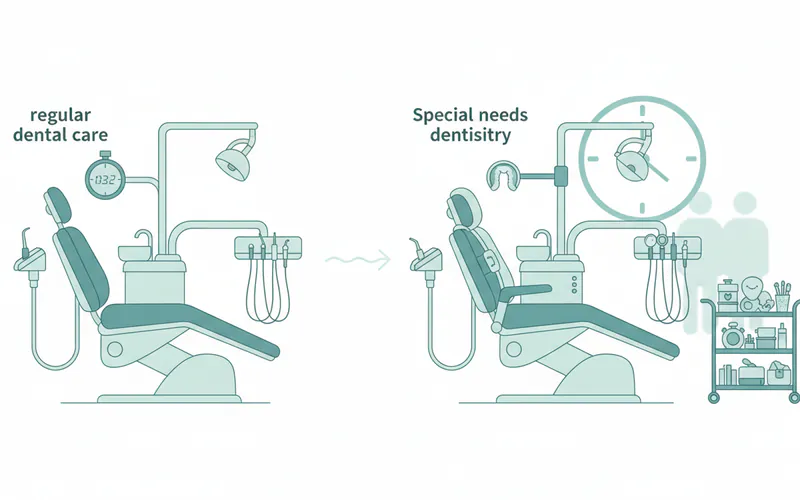
Generally, yes, special needs dentistry can be more expensive. This is due to longer appointment times, specialized equipment, the need for additional staff, extensive training, and the frequent use of sedation or general anesthesia, which adds significant costs. However, the comprehensive and tailored care often prevents more severe, costly issues down the line.
How often should someone with special needs visit the dentist?
Many individuals with special needs benefit from more frequent dental check-ups, often every three to four months, rather than the standard six months. This allows for closer monitoring, early intervention for any developing issues, and consistent reinforcement of preventive care strategies, which are crucial given their higher risk for oral health problems.
What if my child or loved one refuses to cooperate at the dentist?
Special needs dentists are highly trained in various behavioral management techniques, including "tell-show-do," positive reinforcement, and distraction. If these methods are insufficient, they may recommend sedation options such as nitrous oxide, oral sedation, IV sedation, or, as a last resort, general anesthesia, to ensure safe and effective treatment.
Is general anesthesia safe for individuals with special needs?
General anesthesia is a safe and effective option when administered by a board-certified anesthesiologist in a hospital or accredited ambulatory surgery center. While there are inherent risks with any anesthesia, these are minimized by thorough pre-operative assessments, continuous monitoring during the procedure, and careful post-operative care, especially for patients with complex medical histories.
How do I find a qualified special needs dentist near me?
You can search through organizations like the American Academy of Pediatric Dentistry (AAPD) for pediatric dentists with special needs experience, or the Special Care Dentistry Association (SCDA). Your primary care physician, local hospital's disability services, or support groups for specific conditions can also provide recommendations.
Does dental insurance cover sedation or general anesthesia?
Dental insurance coverage for sedation varies. Nitrous oxide is often covered, but oral or IV sedation may have limited coverage or require pre-authorization. General anesthesia, especially when performed in a hospital setting for medically necessary dental work, is frequently covered by medical insurance, not dental insurance, but requires careful verification with both providers.
What alternatives are there to sedation for managing anxiety?
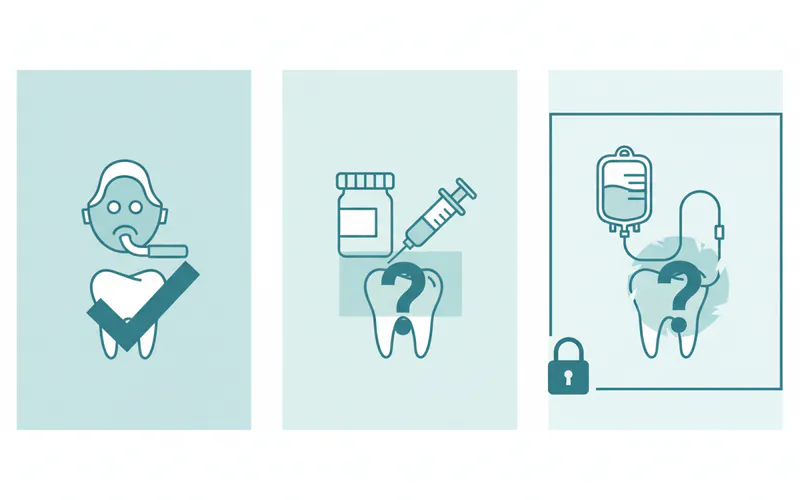
Alternatives to pharmacological sedation include various behavioral management techniques such as "tell-show-do," positive reinforcement, distraction, using comfort items (e.g., weighted blankets, noise-canceling headphones), and gradual desensitization over multiple visits. These methods aim to build trust and comfort without medication.
Can individuals with severe physical disabilities be treated in a regular dental chair?
Often, yes, but with adaptations. Many dental offices are equipped with lifts or ramps, and special needs dentists are skilled in treating patients directly in their wheelchairs using specialized headrests or positioning devices. The goal is always to maximize comfort and safety while accommodating physical limitations.
How can I prepare my loved one with sensory sensitivities for a dental visit?
Preparation is key. This might involve visiting the office beforehand, providing visual schedules or social stories about the appointment, bringing comfort items (favorite blanket, toy, headphones), scheduling appointments during quieter times, and discussing specific sensitivities with the dental team so they can adjust lighting, sounds, and scents.
When to See a Dentist
Given the often-hidden nature of dental pain and the communication challenges some individuals with special needs face, knowing when to seek professional dental care is crucial.
Immediate Attention (Emergency):
- Severe Toothache: Unexplained crying, irritability, refusal to eat, or holding the cheek can indicate severe pain.
- Facial Swelling: Swelling around the jaw, gums, or face could signify a serious infection or abscess requiring immediate antibiotic treatment.
- Trauma to Teeth or Mouth: Chipped, broken, or knocked-out teeth, or significant cuts to the lips, tongue, or gums.
- Signs of Infection: Fever accompanied by oral pain, redness, or swelling.
- Bleeding that Won't Stop: After an injury or if spontaneous.
Red Flags (Schedule a Prompt Appointment):
- Persistent Bad Breath (Halitosis): May indicate gum disease, decay, or other oral issues beyond simple poor hygiene.
- Bleeding Gums During Brushing: A sign of gingivitis or early periodontal disease.
- Visible Cavities or Stains: Dark spots or holes on teeth.
- Difficulty Chewing or Swallowing: May point to pain, loose teeth, or malocclusion.
- Increased Sensitivity to Hot or Cold: Could indicate exposed dentin or decay.
- Changes in Oral Habits: New onset of bruxism (teeth grinding), increased drooling, or mouth breathing.
- Signs of Dry Mouth: Cracked lips, difficulty speaking, or increased thirst, especially if on medications known to cause xerostomia.
Routine Care (Scheduled Appointments):
- Every 3-6 Months: For regular check-ups, cleanings, and fluoride treatments, particularly for those at higher risk of dental problems.
- Establishing a Dental Home: For children, the first visit should occur by age one or when the first tooth erupts, even if no issues are apparent.
- Prior to Medical Procedures: Patients with certain medical conditions (e.g., heart conditions, organ transplants) often require a dental clearance before major medical procedures.
Never underestimate the impact of oral health on overall well-being. Regular, proactive dental care from a qualified special needs dentist is an investment in a better quality of life.
Frequently Asked Questions
Medically Reviewed Content
This article was written by our dental health editorial team and reviewed for medical accuracy. Our content follows strict editorial guidelines for reliability and trustworthiness.
Medical Disclaimer
This article is for informational purposes only and does not constitute medical advice. Always consult with a qualified dental professional for diagnosis and treatment. Do not delay seeking professional advice because of something you read on this website.