How to Cure Bad Breath Permanently
Key Takeaways
- Few things can chip away at your confidence and social comfort quite like persistent bad breath, medically known as halitosis. According to recent dental health statistics, approximately 50% of the adult population experiences halitosis at some point in their lives, with about **25% sufferin
Few things can chip away at your confidence and social comfort quite like persistent bad breath, medically known as halitosis. According to recent dental health statistics, approximately 50% of the adult population experiences halitosis at some point in their lives, with about 25% suffering from chronic bad breath. This pervasive issue isn't just an inconvenience; it can signal underlying health problems and significantly impact your daily interactions, professional life, and personal relationships. If you've ever wondered how to cure bad breath permanently, you're not alone, and you've come to the right place. This comprehensive guide from SmilePedia.net will delve into the multifaceted nature of bad breath, exploring its causes, effective treatments, and preventative measures designed to help you achieve lasting fresh breath. We'll cover everything from the best oral hygiene practices and professional dental interventions to solutions for stomach-related bad breath and when to seek expert help, ensuring you have all the knowledge needed to reclaim your confidence.
Key Takeaways:
- Most Bad Breath Originates Orally: Up to 90% of chronic bad breath stems from bacteria in the mouth, primarily on the tongue, between teeth, or due to gum disease.
- Permanent Cure is Achievable: By identifying and treating the root cause, bad breath can be cured permanently, often through a combination of professional dental care and diligent at-home hygiene.
- Tongue Scraping is Crucial: Daily tongue scraping can reduce bad breath-causing bacteria by over 75%, a simple yet highly effective step often overlooked.
- Costs Vary Widely: Initial dental exams range from $50-$200. Treatments can vary from $15-$50 for specialized mouthwashes to $200-$1,000+ for deep cleanings or cavity fillings, with some insurance plans covering preventive care.
- Stomach-Related Bad Breath Requires Medical Attention: If bad breath originates from the stomach (e.g., GERD, H. pylori), dental treatment alone won't suffice; a physician's diagnosis and medical treatment are necessary.
- Immediate Relief vs. Long-Term Solutions: While best mints for bad breath and sugar-free gums offer temporary masking and saliva stimulation, they do not cure the underlying problem. Focus on addressing the source for lasting freshness.
- Timeline for Improvement: Significant improvement can often be seen within 2-4 weeks of initiating a comprehensive treatment plan, though resolution of complex underlying issues may take longer.
What is Bad Breath (Halitosis)?
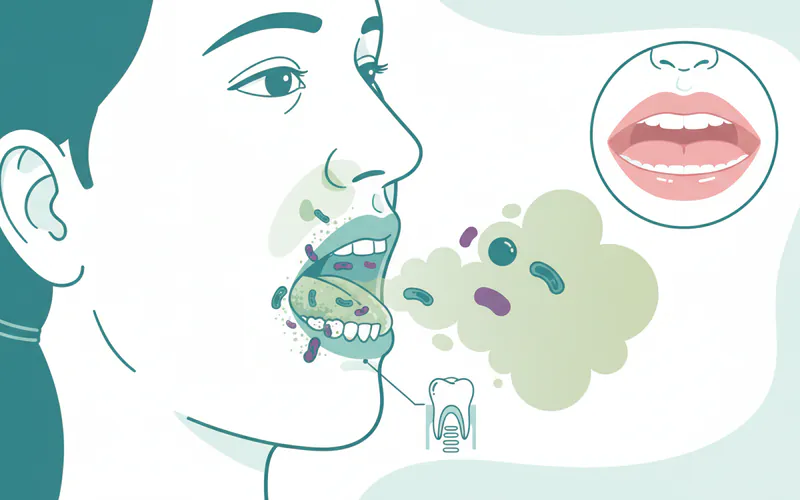
Bad breath, or halitosis, is an unpleasant odor emanating from the mouth. While occasional bad breath after eating certain foods is common, chronic halitosis is a persistent problem that can significantly impact an individual's quality of life. The primary culprits behind most cases of bad breath are volatile sulfur compounds (VSCs), such as hydrogen sulfide, methyl mercaptan, and dimethyl sulfide. These compounds are produced by anaerobic bacteria that thrive in the mouth, particularly in areas with low oxygen like the back of the tongue, between teeth, and in gum pockets.
Halitosis is more than just a dental issue; it's a medical condition that can stem from various oral and systemic sources. Its prevalence underscores the importance of understanding its origins and seeking appropriate treatment. For many, the embarrassment and self-consciousness associated with bad breath can lead to social anxiety and withdrawal, making the pursuit of a permanent solution a priority for both physical and mental well-being.
Types of Bad Breath
Understanding the different types of bad breath is crucial for pinpointing the cause and finding the most effective treatment.
Transient Halitosis
This is temporary bad breath, often caused by certain foods (like garlic or onions), smoking, or morning breath due due to reduced saliva flow overnight. It typically resolves quickly with proper oral hygiene or time.
Chronic Halitosis
Chronic halitosis refers to persistent bad breath that does not go away with routine brushing and flossing. It almost always indicates an underlying issue that needs to be addressed. This is the type of bad breath most people want to cure permanently.
Oral Halitosis (Intra-oral)
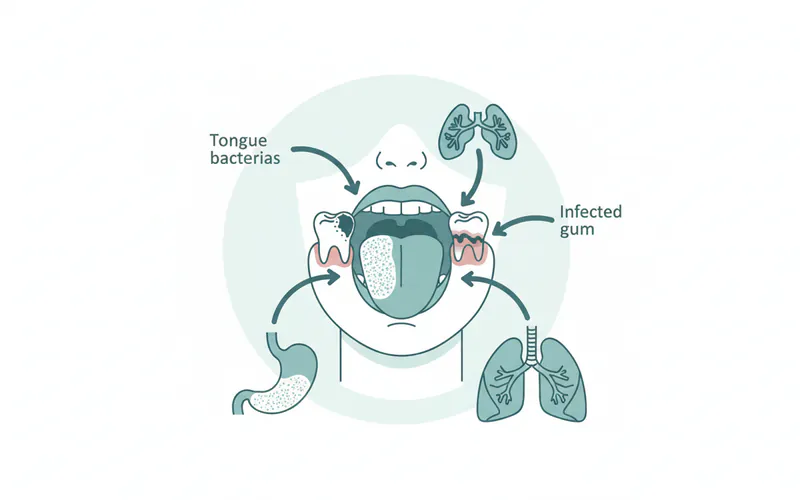
Approximately 90% of all bad breath cases originate within the mouth. These are often referred to as intra-oral causes.
- Tongue Coating: The back of the tongue is a prime breeding ground for anaerobic bacteria that produce VSCs. A white or yellowish coating is a common sign.
- Gum Disease (Gingivitis and Periodontitis): Bacterial infections in the gums create deep pockets where food particles and bacteria accumulate, releasing foul odors.
- Dental Caries (Cavities) and Abscesses: Decaying teeth and pus-filled infections are significant sources of odor.
- Poor Oral Hygiene: Infrequent brushing and flossing allow food particles to decompose and plaque to build up.
- Dry Mouth (Xerostomia): Saliva helps wash away food particles and bacteria. Reduced saliva flow allows bacteria to flourish.
- Faulty Dental Restorations: Old, cracked fillings or crowns can trap food and bacteria.
- Oral Infections: Yeast infections (thrush), oral sores, or tonsil stones (calcified deposits in tonsil crypts) can also cause odor.
Extra-oral Halitosis (Systemic/Non-oral)
When bad breath persists despite excellent oral hygiene and no obvious oral causes, the source may be extra-oral, meaning it originates outside the mouth. These account for about 10% of cases.
- Respiratory Tract Issues: Sinusitis, post-nasal drip, bronchitis, or lung infections can produce odorous discharge or bacteria.
- Gastrointestinal Issues: Conditions like gastroesophageal reflux disease (GERD), hiatal hernia, H. pylori infection, or even infrequent bowel movements can contribute to bad breath. This is where addressing how to neutralize bad breath from stomach becomes critical.
- Systemic Diseases: Certain medical conditions can cause distinctive breath odors:
- Diabetes (Diabetic Ketoacidosis): A fruity, acetone-like smell.
- Kidney Failure: A fishy or ammonia-like smell.
- Liver Disease: A sweet, musty odor (foetor hepaticus).
- Metabolic Disorders: Rare genetic conditions.
- Medications: Some medications can cause dry mouth, which then leads to bad breath. Others can release chemicals that are excreted through the breath.
Pseudohalitosis
In this condition, an individual believes they have bad breath, but objective tests (by a dentist or family member) indicate no significant odor. This is often due to heightened self-awareness or mild, transient odors. Psychological counseling may be beneficial here.
Halitophobia
This is a persistent and irrational fear of having bad breath, even after being reassured that it's not present. It's a form of obsessive-compulsive disorder and requires professional psychological intervention.
The Root Causes of Bad Breath
Understanding the underlying causes is the first step towards a permanent cure. Most cases are linked to oral hygiene, but systemic issues cannot be overlooked.
Oral Causes (Most Common)
- Bacterial Accumulation on the Tongue: The rough surface of the back of the tongue is an ideal habitat for anaerobic bacteria, which break down food particles and dead cells, releasing VSCs. This is the single largest contributor to oral halitosis.
- Periodontal Disease (Gum Disease): Untreated gingivitis can progress to periodontitis, where bacteria cause inflammation and destruction of the gum tissue and bone supporting the teeth. The deep pockets created harbor vast amounts of odor-producing bacteria and decaying tissue. The foul smell is often described as putrid or necrotic.
- Poor Oral Hygiene: Inadequate brushing and flossing allow food debris to remain in the mouth, decompose, and serve as fuel for bacteria. Plaque, a sticky film of bacteria, constantly forms on teeth, releasing acids and VSCs.
- Dry Mouth (Xerostomia): Saliva is a natural mouth cleanser, washing away food particles and neutralizing acids. When saliva flow is reduced (due to medications, medical conditions, or mouth breathing), bacteria proliferate, leading to persistent odor.
- Dental Issues: Untreated cavities create traps for food and bacteria. Leaky or ill-fitting dental fillings, crowns, or bridges can also harbor bacteria. Oral abscesses (pus-filled infections) produce a strong, foul odor.
- Tonsil Stones (Tonsilloliths): These are calcified deposits that form in the crypts (grooves) of the tonsils. They consist of food debris, mucus, and bacteria, and often have a strong, putrid smell.
- Tobacco Products: Smoking and chewing tobacco directly cause bad breath. They also contribute to dry mouth and increase the risk of gum disease, exacerbating the problem.
- Certain Foods: Foods like garlic, onions, coffee, and alcohol contain strong-smelling compounds that are absorbed into the bloodstream and then exhaled through the lungs, causing breath odor.
Non-Oral (Systemic) Causes
- Respiratory Tract Infections: Sinusitis, bronchitis, post-nasal drip, and throat infections can lead to the production of mucus and discharge that contain odor-causing bacteria.
- Gastrointestinal Issues:
- Gastroesophageal Reflux Disease (GERD): Stomach acids and partially digested food can reflux into the esophagus and sometimes reach the mouth, causing sour breath.
- Hiatal Hernia: Similar to GERD, this can facilitate reflux.
- Helicobacter pylori (H. pylori) Infection: This bacterium, known for causing stomach ulcers, has also been linked to bad breath.
- Infrequent Bowel Movements/Constipation: While less direct, some theories suggest that toxins can build up and be expelled through the breath.
- Dietary Factors (from the stomach): Certain foods can produce gases during digestion that are absorbed into the bloodstream and released through the lungs.
- Systemic Diseases: As mentioned earlier, conditions like diabetes, kidney failure, and liver disease produce metabolic byproducts that manifest as distinct breath odors.
- Medications: Over 400 common medications list dry mouth as a side effect, including antihistamines, decongestants, diuretics, antidepressants, and high blood pressure medications.
Signs and Symptoms of Halitosis
Recognizing the signs of bad breath can help you determine if you have it and prompt you to seek treatment.
- Noticeable Foul Odor: The most obvious sign. Others may comment, or you might notice it yourself. A common self-test involves licking your wrist, letting it dry for a few seconds, and then smelling it, or scraping the back of your tongue with a spoon and smelling the residue.
- Dry Mouth (Xerostomia): A persistent feeling of dryness in your mouth.
- White or Yellowish Coating on the Tongue: Particularly towards the back.
- Sour or Bitter Taste: A persistent unpleasant taste in your mouth.
- Post-Nasal Drip: A feeling of mucus dripping down the back of your throat.
- Thick Saliva: Saliva that feels ropey or thick.
- Bleeding Gums: A sign of gum disease, which is often accompanied by bad breath.
Diagnosing the Cause of Bad Breath
Accurate diagnosis is key to a permanent cure. A dentist is usually the first point of contact.
- Dental Examination and Medical History: The dentist will thoroughly examine your mouth for signs of gum disease, cavities, oral infections, and other dental issues. They will also inquire about your medical history, medications, diet, and lifestyle habits.
- Organoleptic Assessment: This involves the dentist smelling your breath directly. They may ask you to exhale through your mouth and then through your nose to distinguish between oral and non-oral sources. This is often done after you've abstained from food, drink, and mouthwash for several hours.
- Halimeter: This device measures the concentration of VSCs in your breath, providing an objective reading of the odor intensity.
- Gas Chromatography: Considered the gold standard, this sophisticated test can identify and quantify specific VSCs, helping to pinpoint the exact compounds causing the odor.
- BANA Test: Detects specific enzymes associated with bacteria linked to gum disease and bad breath.
- Referral to Medical Doctor: If no oral cause is found, your dentist will likely refer you to a physician for further investigation into systemic causes such as GERD, sinusitis, or other underlying medical conditions.
Comprehensive Treatment Options for Permanent Bad Breath Relief
Curing bad breath permanently involves a multi-pronged approach that addresses both the immediate symptoms and the underlying causes.
Professional Dental Treatments
For most cases of chronic bad breath, professional dental care is the cornerstone of a lasting solution.
- Deep Cleaning (Scaling & Root Planing): If gum disease is present, a deep cleaning removes plaque and tartar from below the gum line. This helps eliminate the bacterial reservoirs causing the odor. This procedure can cost anywhere from $200-$1,000, depending on the number of affected quadrants and regional pricing.
- Cavity Fillings and Dental Restorations: Repairing cavities or replacing faulty fillings and crowns removes areas where food and bacteria can accumulate. A standard filling can cost $100-$300, while a crown might range from $800-$2,500.
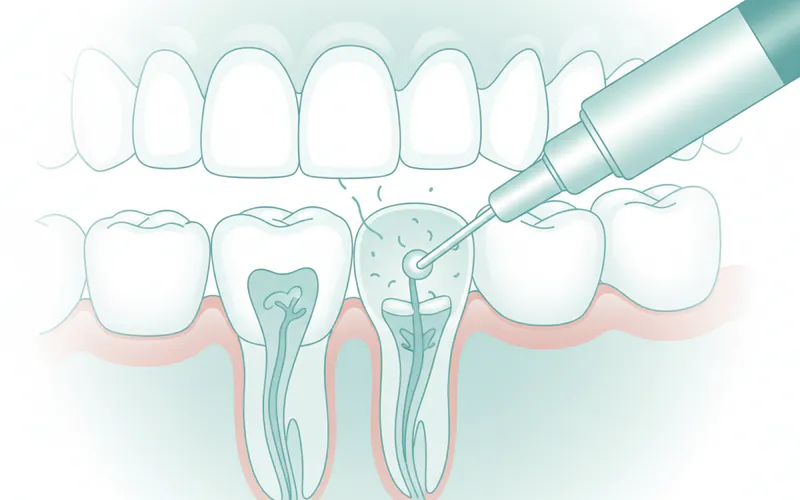
- Abscess Drainage and Root Canal Therapy: If an infection or abscess is present, drainage and root canal therapy will eliminate the source of pus and bacteria. Root canals can range from $700-$2,000.
- Tonsil Stone Removal: Dentists or ENT specialists can remove existing tonsil stones. For recurrent cases, tonsillectomy might be considered, though this is rare solely for bad breath. Manual removal is typically low cost or part of an exam, while surgery can be $3,000-$6,000.
- Orthodontic Correction: In some cases, severely crowded teeth can make thorough cleaning difficult, contributing to bacterial buildup. Orthodontic treatment may be recommended.
At-Home Oral Hygiene Practices
These are essential for both treating and preventing bad breath.
- Brushing: Brush your teeth for at least two minutes, twice a day, using a soft-bristle toothbrush and fluoride toothpaste. Pay attention to all surfaces, including the gum line. Replace your toothbrush every 3-4 months.
- Flossing: Floss at least once a day to remove food particles and plaque from between your teeth and under the gum line, where your toothbrush can't reach. This is critical as many VSC-producing bacteria thrive in these interdental spaces.
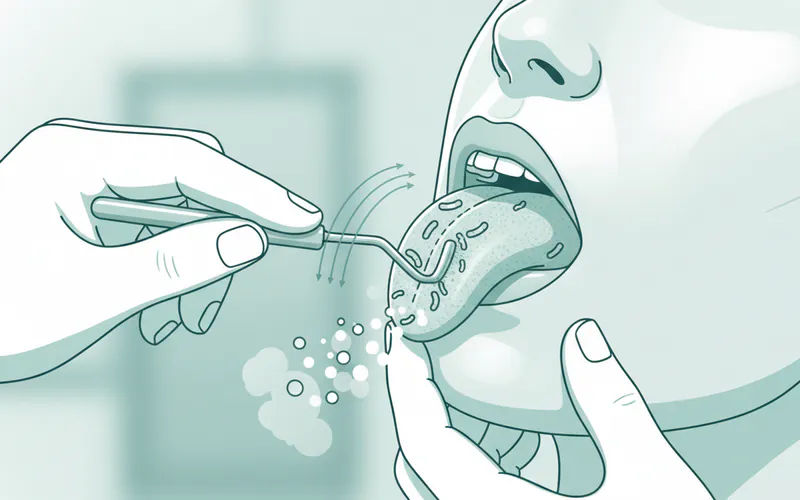
- Tongue Scraping: This is arguably the most effective daily habit for reducing oral halitosis. Use a tongue scraper (not just your toothbrush) to gently scrape the entire surface of your tongue, especially the back, once or twice daily. You'll often see a white or yellow film removed – that's the bacteria.
- Pro Tip: Look for a tongue scraper with a curved design, often made of plastic or stainless steel, for maximum effectiveness and comfort.
- Antiseptic Mouthwash: While temporary, therapeutic mouthwashes can be a valuable adjunct. Look for products containing ingredients like:
- Chlorhexidine Gluconate (CHX): Highly effective against bacteria, often prescribed for gum disease. Use short-term, as long-term use can stain teeth. Cost: $15-$30 for a prescription bottle.
- Cetylpyridinium Chloride (CPC): Over-the-counter mouthwashes often contain CPC.
- Essential Oils (Thymol, Eucalyptol, Methyl Salicylate, Menthol): Found in many commercial mouthwashes, they help kill bacteria and refresh breath.
- Zinc Compounds: Can neutralize VSCs.
- Avoid alcohol-based mouthwashes as they can dry out the mouth, potentially worsening bad breath in the long run.
Managing Dry Mouth
If dry mouth is a factor, several strategies can help:
- Increased Water Intake: Sip water frequently throughout the day to keep your mouth moist.
- Sugar-Free Gum or Mints: Chew sugar-free gum or suck on sugar-free candies containing xylitol to stimulate saliva flow.
- Saliva Substitutes: Over-the-counter gels, sprays, or rinses can temporarily moisten the mouth. Cost: $10-$25 per product.
- Humidifier: Using a humidifier in your bedroom at night can help reduce mouth dryness, especially if you breathe through your mouth.
- Medication Review: Discuss with your doctor if any of your medications are causing dry mouth and if alternatives are available.
Addressing Systemic Causes
When the cause of bad breath is extra-oral, a referral to a medical doctor (e.g., gastroenterologist, ENT specialist, endocrinologist) is necessary.
- Gastrointestinal Issues:
- GERD Treatment: Antacids, H2 blockers, or proton pump inhibitors (PPIs) may be prescribed. Lifestyle changes (dietary modifications, elevating the head of the bed) are also crucial.
- H. pylori Treatment: Antibiotics and acid-reducing medications are typically used to eradicate the infection.
- Dietary Adjustments: Avoiding trigger foods for GERD (spicy foods, caffeine, chocolate, acidic foods) and eating smaller, more frequent meals.
- Probiotics and Digestive Enzymes: Some individuals find relief from digestive issues that contribute to bad breath by incorporating specific probiotics or digestive enzyme supplements, though evidence is less robust than for direct medical treatments. This directly addresses how to neutralize bad breath from stomach by improving digestion and gut health.
- Respiratory Tract Infections: Antibiotics for bacterial infections, decongestants for sinusitis, or other prescribed medications.
- Management of Systemic Diseases: Closely managing conditions like diabetes (blood sugar control), kidney disease, or liver disease is vital.
Specific Solutions for Stomach-Related Bad Breath
For those whose bad breath truly originates from the stomach, the approach must target the digestive system.
- Dietary Modification: Identify and eliminate foods that cause indigestion, gas, or acid reflux. Common culprits include spicy foods, fatty foods, onions, garlic, coffee, alcohol, and carbonated beverages. Smaller, more frequent meals can also help prevent reflux.
- Antacids and Acid Reducers: Over-the-counter antacids provide immediate relief for reflux. H2 blockers (e.g., famotidine) and proton pump inhibitors (e.g., omeprazole) can reduce stomach acid production, treating underlying GERD.
- Treating H. pylori Infection: If diagnosed, a course of antibiotics is typically prescribed by a physician to eradicate the bacteria.
- Probiotics: Introducing beneficial gut bacteria through probiotic supplements or fermented foods (yogurt, kefir, sauerkraut) may help balance the gut microbiome and improve digestion, potentially reducing odor-causing compounds from the gut.
- Digestive Enzymes: Some people find that supplementing with digestive enzymes taken with meals helps break down food more efficiently, reducing fermentation and gas production that could contribute to breath odor.
Best Mints and Chewing Gums for Temporary Relief and Support
While not a permanent cure, certain mints and gums can provide temporary relief and support ongoing treatment. The key is to choose wisely.
- Sugar-Free Products (especially with Xylitol): Sugar feeds bacteria, so sugar-free is paramount. Xylitol is a natural sweetener that inhibits the growth of bacteria associated with cavities and, by extension, some bad breath.
- Mints with Zinc or Essential Oils: Zinc acetate or zinc gluconate can effectively neutralize VSCs. Mints containing essential oils like peppermint or spearmint offer masking properties and stimulate saliva.
- Chewing Gum: Chewing gum stimulates saliva flow, which naturally helps wash away food particles and bacteria. Always opt for sugar-free varieties.
- Pro Tip: Look for the ADA (American Dental Association) Seal of Acceptance on mints and gums. This indicates that the product has been scientifically proven to be safe and effective for its intended use, often including benefits for oral health like stimulating saliva or reducing plaque.
Step-by-Step Guide to Achieving Permanent Fresh Breath
Here’s a practical, step-by-step process to follow for a permanent cure:
- Schedule a Comprehensive Dental Exam: Your first step is to visit your dentist. Be open about your concerns. They will perform a thorough examination, including checking for gum disease, cavities, and other oral issues. This typically costs $50-$200 without insurance.
- Professional Cleaning and Treatment of Oral Issues: If oral causes are identified, your dentist or dental hygienist will perform a professional cleaning. This might include scaling and root planing for gum disease, filling cavities, or repairing faulty restorations. Follow through with all recommended treatments.
- Establish and Maintain a Robust Home Oral Care Routine:
- Brush twice daily for two minutes.
- Floss daily.
- Scrape your tongue daily (this is a game-changer for many).
- Consider an ADA-accepted antiseptic mouthwash as recommended by your dentist.
- Stay well-hydrated.
- Address Systemic Contributors (if any): If your dentist suspects an extra-oral cause, they will refer you to a medical doctor or specialist (e.g., gastroenterologist, ENT). Follow their diagnostic and treatment recommendations diligently. This could involve medication for GERD, antibiotics for H. pylori, or treatment for sinus infections.
- Review Medications and Lifestyle: Discuss with your doctor if any prescribed medications are causing dry mouth. Review your diet for trigger foods. If you use tobacco, cessation is highly recommended.
- Regular Follow-ups: Maintain regular dental check-ups (every six months) and follow any specific instructions from your dentist or physician to monitor your progress and prevent recurrence.
Cost and Insurance Considerations for Bad Breath Treatment
The cost of treating bad breath varies significantly based on its underlying cause and the required interventions. Here's a breakdown of average costs in the US and insurance coverage.
Average US Costs (without insurance)
- Initial Dental Exam & Consultation: $50 - $200
- Routine Dental Cleaning (Prophylaxis): $75 - $200
- Deep Cleaning (Scaling & Root Planing): $200 - $1,000 per quadrant (often 2-4 quadrants are treated).
- Dental Fillings:
- Amalgam (silver): $50 - $150
- Composite (tooth-colored): $100 - $300
- Crowns: $800 - $2,500
- Root Canal Therapy: $700 - $2,000 (depending on the tooth)
- Prescription Mouthwashes (e.g., Chlorhexidine): $15 - $30 per bottle
- Tonsil Stone Removal (manual by dentist): Often included in a cleaning or exam, otherwise $50 - $150. Tonsillectomy for recurrent issues: $3,000 - $6,000+.
- Referral to Medical Specialist (e.g., ENT, Gastroenterologist):
- Initial consultation: $100 - $400
- Diagnostic tests (e.g., endoscopy for GERD, breath test for H. pylori): $500 - $3,000+
- Prescription medications (e.g., for GERD, H. pylori): Varies widely, from $10/month to $100s/month depending on brand and generic availability.
Insurance Coverage Details
Most dental insurance plans in the US categorize treatments into preventive, basic, and major.
- Preventive Care: Routine exams and cleanings are typically covered at 80-100%. This is your first line of defense and often covers the initial diagnosis.
- Basic Procedures: Fillings, simple extractions, and sometimes deep cleanings (scaling and root planing) are often covered at 50-80% after you meet your deductible.
- Major Procedures: Crowns, root canals, and advanced periodontal treatments usually have lower coverage (20-50%) and are subject to your annual maximum benefit.
- Medical Insurance: If the cause is systemic, treatments prescribed by a medical doctor (e.g., medications for GERD, tests for H. pylori, specialist consultations) would fall under your medical insurance plan, subject to its specific deductibles, co-pays, and coverage percentages.
- Orthodontics: If braces are deemed necessary for overall oral health (and thus indirectly for bad breath), some dental plans may offer limited orthodontic coverage, particularly for children.
Payment Plans and Financing Options
- In-Office Payment Plans: Many dental offices offer interest-free payment plans for larger treatments.
- Third-Party Financing: Companies like CareCredit provide specialized healthcare credit cards with deferred interest options.
- Dental Schools: University dental schools often provide treatments at a reduced cost, performed by supervised students.
- Community Dental Clinics: Non-profit clinics may offer sliding scale fees based on income.
Recovery and Aftercare: Maintaining Your Fresh Breath
Once the underlying causes of your bad breath have been addressed, maintaining fresh breath is an ongoing commitment to excellent oral and overall health.
- Consistent Oral Hygiene: This cannot be stressed enough. Continue your routine of brushing twice daily, flossing daily, and tongue scraping every day. These habits prevent the buildup of bacteria and food debris that cause odor.
- Regular Dental Check-ups: Visit your dentist every six months (or as recommended) for professional cleanings and examinations. These visits allow your dentist to monitor your oral health, detect any new issues early, and reinforce good habits.
- Dietary Awareness: Continue to be mindful of foods that can contribute to bad breath, especially those that trigger reflux. Incorporate a balanced diet rich in fruits and vegetables.
- Stay Hydrated: Drink plenty of water throughout the day to encourage saliva production and keep your mouth moist.
- Manage Underlying Health Conditions: If your bad breath was linked to a systemic condition (e.g., diabetes, GERD), diligently follow your physician's treatment plan to keep that condition under control.
- Avoid Tobacco and Limit Alcohol: These habits are detrimental to oral health and contribute significantly to bad breath.
Preventing Recurrence of Bad Breath
Prevention is ultimately the key to a permanent cure. By integrating these practices into your daily life, you can effectively prevent bad breath from returning.
- Daily, Thorough Oral Hygiene: The foundation of prevention is consistent and effective brushing, flossing, and tongue scraping.
- Maintain Excellent Hydration: Water is your best friend for a fresh mouth.
- Regular Dental Visits: Professional cleanings remove plaque and tartar buildup that you can't reach at home.
- Healthy Diet: Limit sugary foods and drinks that feed bacteria. Avoid excessive consumption of strong-smelling foods like garlic and onions, or be prepared to implement immediate oral hygiene afterward.
- Address Dry Mouth: If you suffer from dry mouth, use saliva stimulants or substitutes.
- Quit Smoking and Tobacco Use: This is one of the most significant steps you can take for overall health and fresh breath.
- Promptly Treat Oral Infections: Don't delay in addressing cavities, gum inflammation, or other oral health issues.
- Manage Systemic Health: Work with your doctor to control any medical conditions that can contribute to bad breath.
Risks and Potential Complications
Ignoring persistent bad breath carries several risks, both dental and systemic.
- Progression of Gum Disease: Untreated bad breath often indicates underlying gum disease (gingivitis or periodontitis). If left untreated, this can lead to severe gum recession, bone loss, and eventually tooth loss.
- Masking Serious Health Issues: Relying on temporary fixes like mints can mask a serious underlying medical condition (like diabetes, kidney disease, or cancer) that manifests with bad breath. Delaying diagnosis and treatment for these conditions can have severe health consequences.
- Social and Psychological Impact: Chronic bad breath can lead to significant emotional distress, including embarrassment, low self-esteem, anxiety, and social isolation. It can strain personal and professional relationships.
- Spread of Oral Infections: Untreated dental infections or abscesses can spread to other parts of the body, potentially leading to more severe systemic health problems.
Comparison Tables
Table 1: Common Oral Hygiene Products for Bad Breath
| Product Type | Primary Benefit | Pros | Cons | Average US Cost (Monthly) |
|---|---|---|---|---|
| Toothbrush & Paste | Removes plaque, food debris, surface stains | Essential foundation; fluoride strengthens enamel | Cannot reach between teeth or deep gum pockets; limited tongue cleaning | $5 - $15 |
| Dental Floss | Removes interdental plaque and food | Reaches where brushes can't; prevents cavities & gum disease | Can be difficult to use for some; may cause mild gum bleeding initially | $3 - $10 |
| Tongue Scraper | Removes bacterial coating from tongue | Highly effective for reducing VSCs; simple and quick | Requires consistent daily use; not a standalone solution | $5 - $15 (one-time) |
| Antiseptic Mouthwash | Kills bacteria, freshens breath | Immediate relief; adjunct for reducing bacterial load | Temporary effect; alcohol can dry mouth; some stain teeth (CHX) | $5 - $20 |
| Xylitol Mints/Gum | Stimulates saliva, inhibits bacteria | Convenient; helps combat dry mouth; promotes dental health | Temporary masking; doesn't treat root cause; can be costly if used often | $10 - $30 |
Table 2: Treatment Approaches for Different Bad Breath Causes
| Primary Cause of Bad Breath | Recommended Treatment Approach | Typical Timeline for Improvement | Average US Cost Range (without insurance) |
|---|---|---|---|
| Poor Oral Hygiene | Enhanced brushing, daily flossing, daily tongue scraping, regular dental cleanings | 1-2 weeks (significant improvement) | $75 - $200 (initial cleaning) |
| Gum Disease | Deep cleaning (scaling & root planing), improved home care, possibly antibiotics | 2-4 weeks post-treatment | $200 - $1,000+ per quadrant |
| Cavities/Faulty Restorations | Dental fillings, crowns, root canals | Immediately after treatment | $100 - $2,500+ |
| Dry Mouth (Xerostomia) | Hydration, saliva substitutes, xylitol products, medication review | Varies with cause; ongoing management | $10 - $50/month (products) |
| Tonsil Stones | Manual removal, good oral hygiene, gargling, sometimes tonsillectomy | Immediate (removal); ongoing for prevention | $50 - $150 (removal); $3,000 - $6,000+ (tonsillectomy) |
| Gastrointestinal Issues (e.g., GERD) | Medical diagnosis, prescription medication, dietary changes, lifestyle modification | Weeks to months, ongoing management | $100 - $400 (consultation); $500 - $3,000+ (diagnostics); $10 - $100s/month (meds) |
| Sinus/Respiratory Infections | Medical diagnosis, antibiotics/antivirals, decongestants | 1-4 weeks (with treatment) | $100 - $300 (doctor visit); $10 - $50 (meds) |
| Systemic Diseases (e.g., Diabetes) | Medical management of the underlying condition | Ongoing, as per disease management | Varies greatly based on condition and care |
Children and Pediatric Considerations
Bad breath in children is less common than in adults but can occur. While often temporary, persistent bad breath in a child warrants attention.
- Common Causes in Children:
- Poor Oral Hygiene: Just like adults, insufficient brushing and flossing can lead to food particles and bacteria accumulating in the mouth.
- Dry Mouth: Can be caused by mouth breathing (due to allergies, blocked nasal passages, or enlarged tonsils/adenoids) or certain medications.
- Tonsil Stones: Though more common in adults, children can develop them.
- Sinus Infections/Allergies: Post-nasal drip from these conditions can cause bad breath.
- Foreign Objects: Small children sometimes put foreign objects (e.g., beads, small toys) into their nostrils, leading to infection and odor.
- Enlarged Tonsils/Adenoids: Can cause mouth breathing and contribute to infections.
- Cavities: Untreated tooth decay can harbor bacteria.
- Parental Guidance for Oral Hygiene:
- Supervised Brushing: Ensure children brush twice a day for two minutes, using a pea-sized amount of fluoride toothpaste (fluoride-free for very young children who can't spit).
- Flossing: Help children floss daily once their teeth touch.
- Hydration: Encourage ample water intake.
- Tongue Cleaning: Introduce gentle tongue scraping as appropriate for older children.
- When to See a Pediatric Dentist: If bad breath persists despite good oral hygiene, or if it's accompanied by other symptoms like fever, difficulty swallowing, or nasal discharge, consult a pediatric dentist or pediatrician. They can rule out oral issues or refer to an ENT specialist if tonsils, adenoids, or sinus problems are suspected.
Frequently Asked Questions
Can bad breath truly be cured permanently?
Yes, in many cases, bad breath can be cured permanently by accurately identifying and addressing its root cause. For most people, this involves a combination of professional dental treatment (like deep cleanings or cavity fillings) and consistent, meticulous at-home oral hygiene, especially tongue scraping. If the cause is systemic (e.g., GERD), medical treatment of that underlying condition is essential for a permanent cure.
What are the best products for bad breath?
The best products include fluoride toothpaste, dental floss, and most importantly, a tongue scraper. Therapeutic mouthwashes containing ingredients like chlorhexidine, CPC, or zinc can be helpful adjuncts. For temporary relief, sugar-free mints or gums with xylitol or zinc are effective for stimulating saliva and neutralizing odors, but they are not a permanent cure.
Does stomach issues really cause bad breath, and how to fix it?
Yes, stomach issues like GERD (acid reflux), H. pylori infections, or hiatal hernias can cause bad breath. To fix it, you need a medical diagnosis and treatment from a physician. This often involves prescription medications (e.g., antacids, PPIs, antibiotics), dietary changes (avoiding trigger foods like spicy meals, caffeine, alcohol), and lifestyle modifications (eating smaller meals, not lying down immediately after eating).
Is bad breath a sign of serious illness?
While most bad breath originates in the mouth and is not serious, persistent bad breath that doesn't improve with good oral hygiene can be a sign of a more serious underlying medical condition. These can include uncontrolled diabetes, kidney failure, liver disease, chronic sinus infections, or gastrointestinal disorders. It's crucial to see a dentist first, and then a medical doctor if no oral cause is found.
How long does it take to get rid of bad breath?
For oral causes, you can often see significant improvement within 1-2 weeks of starting a rigorous oral hygiene routine, including daily tongue scraping, and undergoing initial dental treatments like professional cleanings. If underlying gum disease or systemic issues are present, it may take several weeks to months for treatment to fully resolve the issue and for fresh breath to be consistently maintained.
Are natural remedies effective?
Some natural remedies like chewing parsley, cloves, or fennel seeds can offer temporary masking or mild antimicrobial effects. Rinsing with salt water can help soothe gums. However, these are generally not sufficient to cure chronic bad breath, especially if it stems from underlying dental or medical conditions. They should be considered as supportive measures rather than primary treatments.
Will dental insurance cover bad breath treatments?
Dental insurance typically covers treatments that address the causes of bad breath if they fall under general oral health care. This includes preventive services (exams, cleanings) at a high percentage, and basic procedures (fillings, deep cleanings) usually at 50-80%. Major procedures (crowns, root canals) have lower coverage. If the cause is medical, your medical insurance would cover related doctor visits and prescriptions.
Can I get rid of bad breath without seeing a dentist?
While you can significantly improve bad breath by adopting excellent oral hygiene habits (brushing, flossing, tongue scraping) and staying hydrated, you cannot definitively cure underlying causes like cavities, gum disease, or systemic health issues without professional diagnosis and treatment from a dentist or physician. A dental visit is essential to rule out these more serious causes.
What's the difference between regular mouthwash and therapeutic mouthwash?
Regular (cosmetic) mouthwash primarily masks odors and leaves a fresh feeling, often containing alcohol and flavorings. Therapeutic mouthwashes, on the other hand, contain active ingredients like chlorhexidine, CPC, or essential oils that actively kill bacteria, reduce plaque, or neutralize VSCs. Therapeutic mouthwashes often have the ADA Seal of Acceptance and may be prescribed by a dentist.
Why do I still have bad breath after brushing?
If you still have bad breath after brushing, it indicates that brushing alone isn't addressing the root cause. This could be due to not cleaning your tongue thoroughly, untreated gum disease, hidden cavities, dry mouth, or an underlying systemic issue (like sinus infection or GERD). You need a comprehensive dental examination to pinpoint the specific reason.
When to See a Dentist
While occasional bad breath is normal, persistent halitosis is a clear signal that something is amiss and requires professional attention.
You should see a dentist if:
- Your bad breath doesn't improve despite consistent and thorough brushing, flossing, and tongue scraping for several days.
- You experience a sudden onset of bad breath without an obvious dietary cause.
- Your bad breath is accompanied by other symptoms such as bleeding or swollen gums, dry mouth, a persistent sour taste, or pain in your mouth.
- You notice white spots on your tonsils (tonsil stones) or any unusual growths in your mouth.
- You suspect your bad breath might be linked to a medical condition or medication, and your general physician advises a dental check-up.
Don't let embarrassment prevent you from seeking help. Your dentist is equipped to diagnose the cause of your bad breath and provide a clear path towards a permanent solution, helping you regain your confidence and oral health.
Frequently Asked Questions
Medically Reviewed Content
This article was written by our dental health editorial team and reviewed for medical accuracy. Our content follows strict editorial guidelines for reliability and trustworthiness.
Medical Disclaimer
This article is for informational purposes only and does not constitute medical advice. Always consult with a qualified dental professional for diagnosis and treatment. Do not delay seeking professional advice because of something you read on this website.
Related Articles
What Cause Bad Breath
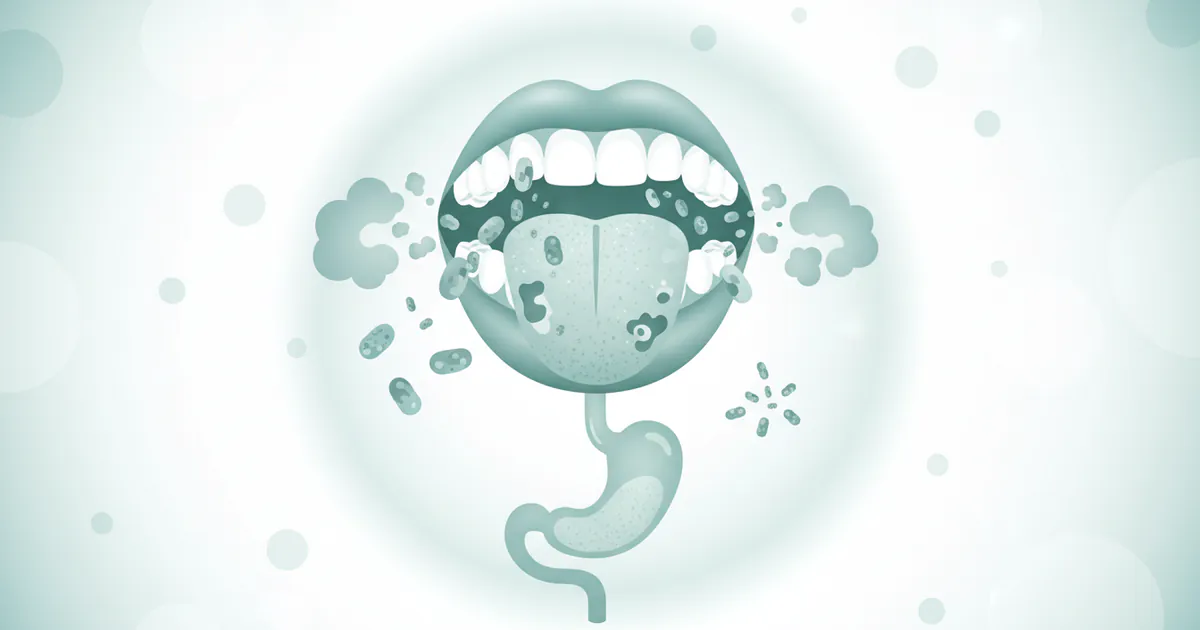
For many, a quick mint or a swig of mouthwash is the go-to solution for an unpleasant taste or odor in the mouth. But what if that bad breath, medically known as halitosis, is a persistent problem that no amount of peppermint can conquer? It’s a far more common issue than you might think, affecting
February 23, 2026
Dogs Bad Breath: Complete Guide
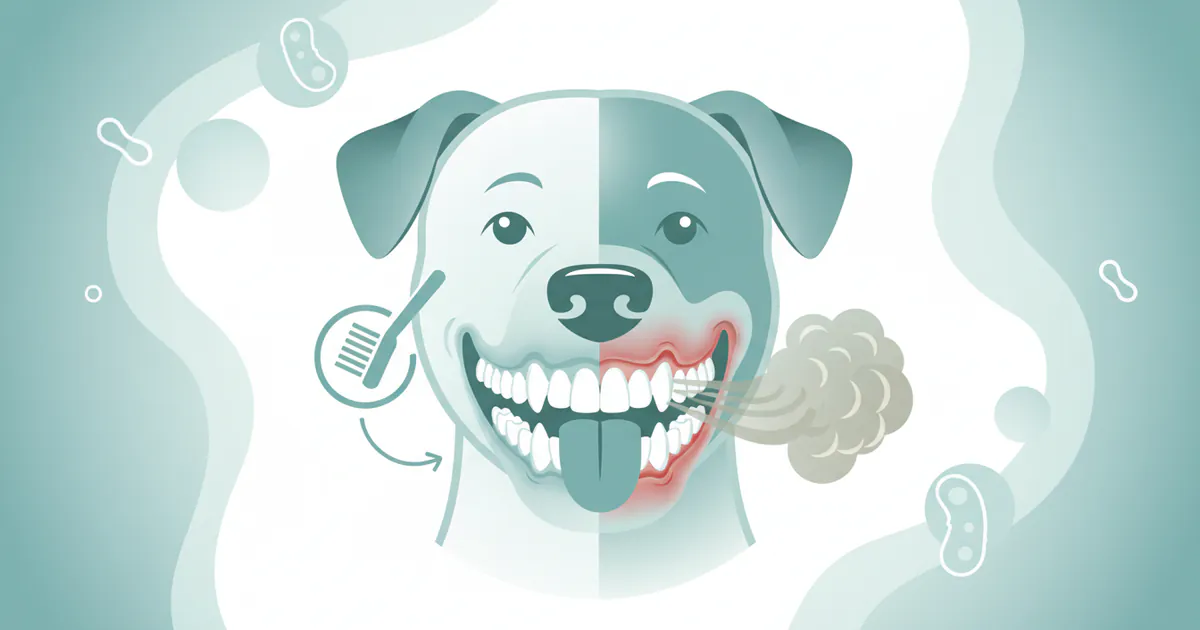
One whiff is all it takes: that distinctly unpleasant odor emanating from your beloved canine companion. If you've ever wondered, "Why does my dog's breath smell so bad?" you're not alone. It's a common concern among pet owners, with over 80% of dogs showing signs of oral disease by age three. W
February 23, 2026
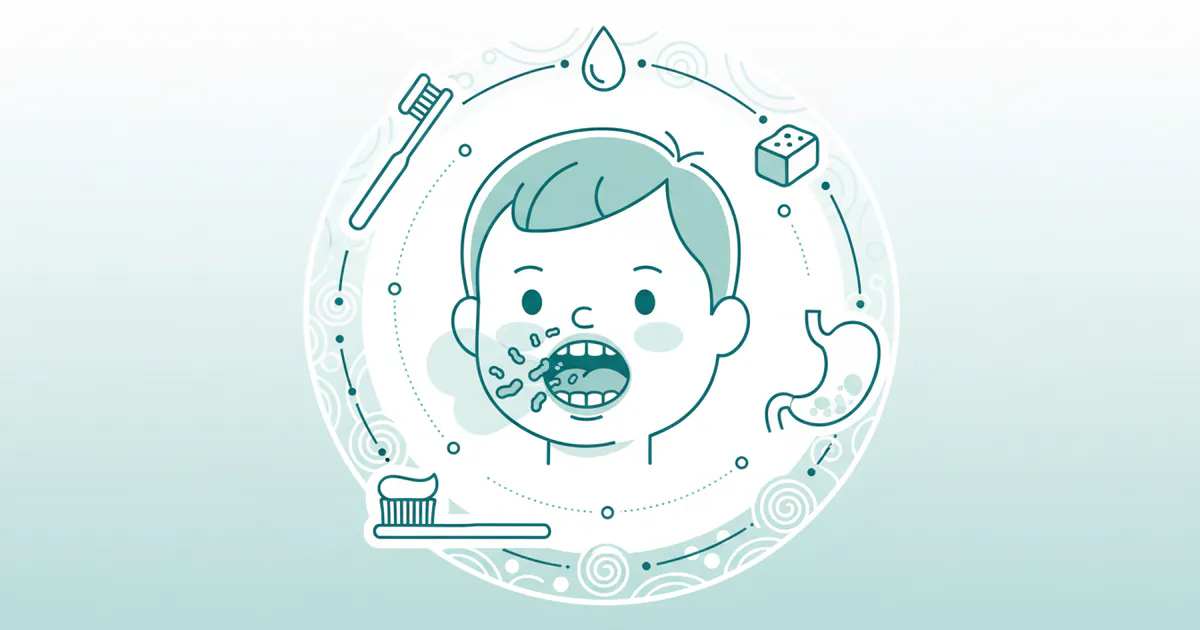
Sudden Bad Breath in Toddlers: Complete Guide
When your toddler, who usually smells sweet and innocent, suddenly develops an unpleasant odor in their breath, it can be an alarming experience for any parent. Sudden bad breath in toddlers, also known as halitosis, is more common than you might think, affecting a significant number of young ch
February 23, 2026
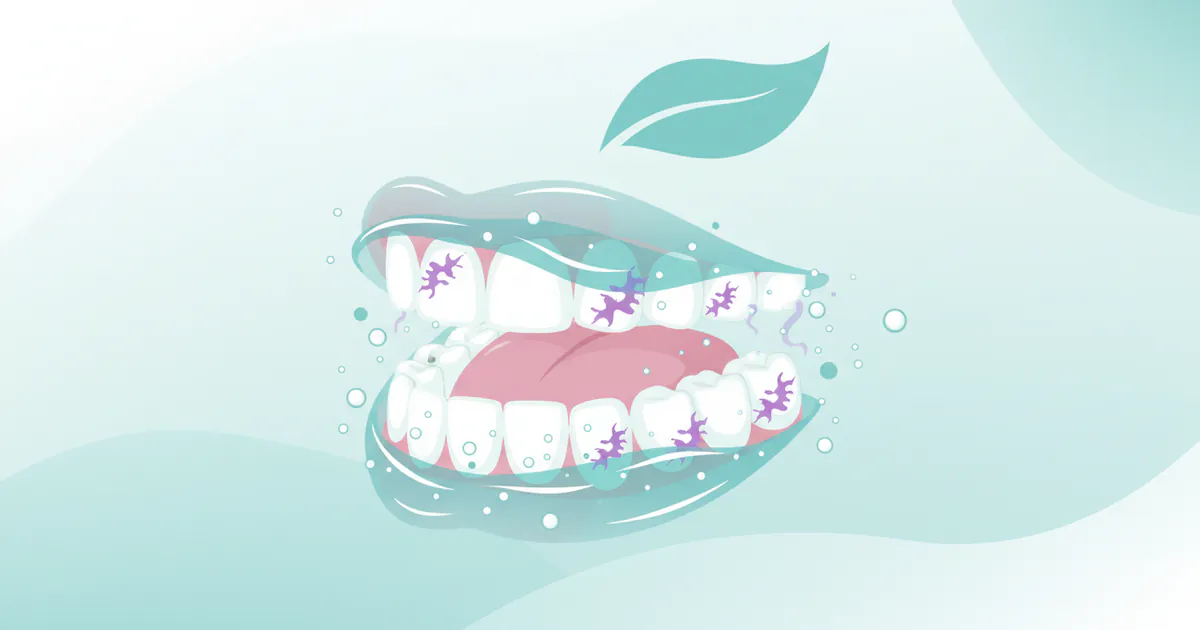
Mouth Wash for Bad Breath: Complete Guide
Bad breath, medically known as halitosis, is an incredibly common and often embarrassing condition that affects a significant portion of the global population. In the United States alone, more than 80 million people suffer from chronic bad breath, impacting social interactions, professional conf
February 23, 2026