Taylor Swift Veneers: Complete Guide
Key Takeaways
- While many aspects of celebrity lives remain shrouded in mystery, one thing is often front and center: their radiant smiles. From the red carpet to magazine covers, stars like Taylor Swift captivate audiences with their seemingly flawless teeth. This widespread admiration frequently leads to questio
While many aspects of celebrity lives remain shrouded in mystery, one thing is often front and center: their radiant smiles. From the red carpet to magazine covers, stars like Taylor Swift captivate audiences with their seemingly flawless teeth. This widespread admiration frequently leads to questions about the secrets behind such dazzling smiles. Are they born with perfectly aligned, sparkling white teeth, or is there a touch of modern cosmetic dentistry at play? For many, the answer lies in dental veneers, a transformative solution that can dramatically enhance a smile. This article, inspired by the enduring allure of a "Taylor Swift veneers" type of smile, will explore everything you need to know about dental veneers – what they are, how they work, their cost, and what to expect throughout the process. Understanding veneers is not just about achieving a celebrity-level smile; it's about making informed decisions for your own dental health and confidence. We'll delve into the science, the artistry, and the practicalities of this popular cosmetic procedure, guiding you through the journey to a brighter, more uniform smile.
Key Takeaways:
- What are Veneers? Thin, custom-made shells of tooth-colored material (porcelain or composite resin) designed to cover the front surface of teeth, improving appearance.
- Cost: Porcelain veneers typically range from $900 to $2,500 per tooth in the US, while composite veneers are more affordable at $250 to $1,500 per tooth. Costs vary by region and complexity.
- Durability: Porcelain veneers can last 10-15 years or more with proper care; composite veneers usually last 5-7 years.
- Process: Traditional porcelain veneers require 2-3 appointments over 2-4 weeks, involving tooth preparation, impressions, temporary veneers, and final bonding.
- Irreversibility: Traditional veneers require a small amount of enamel removal, making the process irreversible. No-prep veneers are a less invasive alternative.
- Insurance Coverage: Dental insurance rarely covers veneers as they are primarily considered a cosmetic procedure.
- Maintenance: Excellent oral hygiene, avoiding hard/sticky foods, and wearing a nightguard (if prone to grinding) are crucial for longevity.
What Are Dental Veneers? A Comprehensive Overview
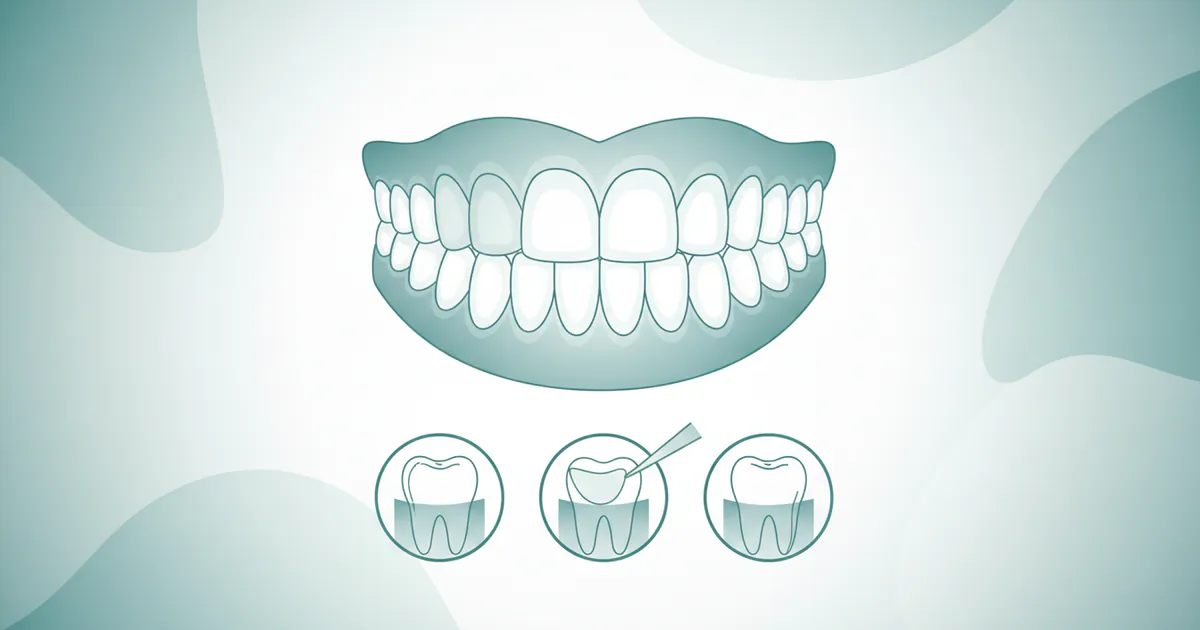
Dental veneers are custom-made, wafer-thin shells of tooth-colored material designed to cover the front surface of teeth, effectively enhancing their appearance. Think of them as custom-fitted masks for your teeth, meticulously crafted to improve their color, shape, size, or length. This popular cosmetic dental procedure has revolutionized smile makeovers, offering a relatively quick and long-lasting solution for a variety of aesthetic concerns.

The primary goal of veneers is to create a uniform, symmetrical, and aesthetically pleasing smile. For individuals whose natural teeth may be discolored, chipped, misaligned, or have unsightly gaps, veneers offer a transformative solution. They are permanently bonded to the front of your teeth, becoming an integral part of your smile. The materials used, typically porcelain or composite resin, are chosen for their durability, natural appearance, and ability to resist staining.
The allure of a "Hollywood smile" – often exemplified by celebrities like Taylor Swift and Miley Cyrus – has significantly boosted the popularity of veneers. While the specifics of celebrity dental work are often private, the noticeable improvements in their smiles often align with what veneers can achieve: brighter, straighter, and more harmonious teeth. This pursuit of a flawless smile has made veneers one of the most sought-after cosmetic dental treatments in the United States, allowing individuals to address imperfections that might otherwise impact their self-confidence.
It's important to understand that veneers are not merely a cosmetic fix; they can also provide a protective layer for teeth that have suffered enamel erosion or minor damage. While they cover the front surface, they are designed to look and feel like natural teeth, blending seamlessly with your existing dentition to create a harmonious and attractive result. The artistry involved in crafting and placing veneers is paramount, requiring a skilled cosmetic dentist to ensure both aesthetic beauty and functional integrity.
Types of Dental Veneers: Choosing Your Perfect Smile
When considering dental veneers, understanding the different types available is crucial. Each type offers distinct advantages in terms of material, cost, durability, and the application process. The choice often depends on your specific aesthetic goals, budget, and the condition of your natural teeth.
Porcelain Veneers (Traditional Veneers)
Porcelain veneers are widely considered the gold standard in cosmetic dentistry due to their exceptional aesthetics and durability. They are made from a strong, high-quality ceramic material that mimics the natural translucency of tooth enamel.
- Material: Crafted from medical-grade ceramic, typically feldspathic porcelain or pressed ceramic.
- Fabrication: These veneers are custom-made in a dental laboratory by skilled ceramists based on precise impressions of your teeth. This off-site fabrication allows for meticulous detailing and perfect color matching.
- Pros:
- Superior Aesthetics: Porcelain closely resembles natural tooth enamel, reflecting light in a similar way, resulting in a very natural and radiant look.
- Exceptional Durability: Highly resistant to chipping, cracking, and staining. With proper care, they can last 10 to 15 years, and sometimes even longer (20+ years).
- Stain Resistance: Porcelain is non-porous, making it highly resistant to stains from coffee, tea, red wine, and other pigmented foods.
- Biocompatibility: Porcelain is well-tolerated by gum tissue.
- Cons:
- Higher Cost: Significantly more expensive than composite veneers due to the material, lab fees, and the specialized skill required for placement.
- Irreversible Procedure: Requires removal of a small amount of enamel (typically 0.3mm to 0.7mm) from the natural tooth surface to accommodate the veneer. This means the process cannot be undone.
- Multiple Appointments: Typically requires at least two appointments: one for preparation and impressions, and a second for bonding.
Composite Veneers (Direct Bonding)
Composite veneers, also known as dental bonding or direct veneers, offer a more affordable and less invasive alternative to porcelain.
- Material: Made from a tooth-colored composite resin, the same material used for dental fillings.
- Fabrication: Applied directly to the tooth surface by the dentist in a single visit (direct bonding). The resin is sculpted and shaped on the tooth, then hardened with a special light, and finally polished.
- Pros:
- More Affordable: Generally significantly less expensive than porcelain veneers.
- Less Invasive/Reversible: Often requires minimal to no enamel removal, preserving more of the natural tooth structure. In some cases, it can be reversible.
- Single Visit: Can often be completed in one appointment, making it a faster solution.
- Easily Repairable: If chipped or damaged, composite veneers can often be repaired directly in the dentist's office without needing to replace the entire veneer.
- Cons:
- Lower Durability: Typically last 5 to 7 years before needing repair or replacement. Less durable than porcelain.
- Prone to Staining: Composite resin is more porous than porcelain and can absorb stains over time, similar to natural teeth.
- Less Aesthetic Precision: While aesthetically pleasing, they may not achieve the same level of natural translucency and perfection as porcelain.
- Skill Dependent: The final aesthetic result heavily depends on the artistic skill of the dentist.
No-Prep Veneers (Lumineers, Vivaneers, DURAthin)
No-prep veneers are a specific category of ultra-thin porcelain veneers that require minimal to no tooth reduction.
- Material: Ultra-thin, high-strength porcelain.
- Fabrication: Also custom-made in a dental lab, but designed to be exceptionally thin (about 0.2mm to 0.3mm), similar to a contact lens.
- Pros:
- Minimally Invasive: Requires little to no removal of tooth enamel, making the procedure potentially reversible in some cases. This is a significant advantage for patients hesitant about permanent tooth alteration.
- No Temporaries Needed: Since there's no significant tooth preparation, temporary veneers are usually not necessary.
- Less Sensitivity: Reduced risk of post-procedure tooth sensitivity due to minimal enamel removal.
- Cons:
- Limited Application: Best suited for minor cosmetic improvements, such as closing small gaps or slightly enhancing tooth shape/color. They may not be suitable for severely misaligned or bulky teeth, as adding material without reduction could make teeth appear too large or "puffy."
- Aesthetic Limitations: While good, they may not achieve the same level of precise aesthetic control as traditional porcelain veneers, especially in cases requiring significant shape or size alteration.
- Cost: Comparable to traditional porcelain veneers.
- Risk of Over-Contouring: If teeth are not prepared at all, the added thickness can sometimes feel bulky at the gum line.
Comparison Table: Types of Dental Veneers
| Feature | Porcelain Veneers | Composite Veneers | No-Prep Veneers |
|---|---|---|---|
| Material | High-quality ceramic (porcelain) | Composite resin | Ultra-thin porcelain |
| Fabrication | Indirect (dental lab) | Direct (dentist's chair) | Indirect (dental lab) |
| Tooth Preparation | Moderate enamel reduction (0.3-0.7mm) | Minimal to no enamel reduction | Minimal to no enamel reduction (0-0.3mm) |
| Longevity | 10-15+ years | 5-7 years | 7-10 years |
| Stain Resistance | Excellent (highly resistant) | Moderate (prone to staining over time) | Excellent (highly resistant) |
| Cost per Tooth | $900 - $2,500 | $250 - $1,500 | $800 - $2,000 |
| Appointments | 2-3 | 1 | 2 |
| Reversibility | Irreversible | Potentially reversible (if no reduction) | Potentially reversible (if no reduction) |
| Best For | Significant aesthetic changes, optimal durability | Minor corrections, budget-friendly, quick fix | Minor aesthetic changes, preserving tooth structure |
Indications for Veneers: Who is a Candidate?
Unlike a disease with "causes" or "symptoms," veneers are an elective cosmetic procedure. People choose veneers to address a range of aesthetic imperfections in their smile. The decision to get veneers is highly personal and driven by the desire for a more confident and attractive appearance. Here are the common reasons why individuals opt for veneers:
- Severe Discoloration: While professional teeth whitening can brighten smiles, some intrinsic stains (caused by tetracycline, excessive fluoride, or trauma) are resistant to traditional whitening methods. Veneers offer a permanent solution to mask deep, stubborn discoloration, creating a uniformly white smile. This is where options like the "best teeth whitening kit" fall short for certain types of stains.
- Chipped or Broken Teeth: Minor chips or fractures, often resulting from accidents or trauma, can be seamlessly repaired with veneers, restoring the tooth's original shape and integrity.
- Gaps (Diastema): Small to moderate gaps between teeth can be effectively closed with veneers, creating a more continuous and harmonious smile without the need for orthodontics.
- Minor Misalignment or Irregular Shape: Teeth that are slightly crooked, uneven, or have an abnormal shape (e.g., pointed or too small) can be corrected with veneers, which reshape and realign the appearance of the smile.
- Worn Down Teeth: Over time, teeth can become worn down due to grinding (bruxism) or aggressive brushing. Veneers can restore the original length and protect the remaining tooth structure.
- Enamel Erosion: While not a treatment for active erosion, veneers can cover teeth whose enamel has thinned or been damaged, providing a new, aesthetically pleasing surface.
- Cosmetic Enhancement: Ultimately, many people choose veneers simply to achieve a more aesthetically pleasing, "perfect" smile, mimicking the flawless grins seen on celebrities.
Who is a Good Candidate for Veneers?
A successful veneer outcome relies on several factors:
- Good Oral Health: You must have healthy gums and teeth, free from active decay or periodontal disease. Any underlying dental issues must be addressed before veneers can be considered.
- Sufficient Enamel: For traditional porcelain veneers, there needs to be enough healthy enamel on the tooth surface for the veneer to bond securely.
- Realistic Expectations: While veneers can dramatically improve a smile, it's important to have a clear understanding of what can be achieved and to discuss your goals thoroughly with your dentist.
- Commitment to Oral Hygiene: Veneers require diligent oral hygiene practices, including regular brushing, flossing, and dental check-ups, to ensure their longevity and the health of the underlying teeth.
- No Severe Bruxism (Teeth Grinding): While not an absolute contraindication, severe teeth grinding can damage veneers. If you grind your teeth, your dentist may recommend a nightguard to protect your investment.
Pro Tip: If you're considering veneers, schedule a consultation with an experienced cosmetic dentist. They can assess your oral health, discuss your aesthetic goals, and determine if veneers are the right solution for you, or if alternative treatments would be more suitable.
Treatment Options: Veneers vs. Alternatives
While veneers are a fantastic solution for many aesthetic dental concerns, they are not the only option. Depending on the specific issue, your budget, and your preferences, several alternative treatments can achieve similar, or sometimes even better, results. Understanding these alternatives is key to making an informed decision.
1. Professional Teeth Whitening
- What it is: A cosmetic procedure that uses bleaching agents (typically hydrogen peroxide or carbamide peroxide) to lighten the color of natural tooth enamel.
- Best for: General tooth discoloration and stains.
- Pros:
- Non-invasive: No alteration to tooth structure.
- Cost-effective: Significantly less expensive than veneers.
- Quick results: Often achieved in one office visit or a few weeks with at-home kits.
- Cons:
- Limited effectiveness: Cannot change the intrinsic color of teeth (e.g., tetracycline stains) or address chips, gaps, or misalignment.
- Temporary: Results fade over time and require touch-ups.
- Sensitivity: Can cause temporary tooth sensitivity.
- Relevance to "best teeth whitening kit": For those with mild to moderate staining and otherwise healthy, well-aligned teeth, a professional in-office whitening treatment or a dentist-prescribed at-home kit is often the first, most conservative step before considering more invasive options like veneers. Over-the-counter kits vary greatly in effectiveness, and a dentist can recommend the "best teeth whitening kit" or method for your specific needs.

2. Dental Bonding (Composite Bonding)
- What it is: Direct application of a tooth-colored composite resin material to the tooth, which is then sculpted, hardened with a light, and polished. This is essentially a composite veneer applied directly by the dentist.
- Best for: Small chips, minor cracks, closing small gaps, and improving the shape of individual teeth.
- Pros:
- Minimally invasive: Little to no enamel removal.
- Cost-effective: More affordable than porcelain veneers.
- Single visit: Often completed in one appointment.
- Repairable: Easily repaired if damaged.
- Cons:
- Less durable: Prone to chipping and staining more easily than porcelain.
- Shorter lifespan: Typically lasts 5-7 years.
- Aesthetic limitations: May not achieve the same translucency and stain resistance as porcelain.
3. Orthodontics (Braces or Clear Aligners)
- What it is: Treatments like traditional metal braces, ceramic braces, or clear aligners (e.g., Invisalign) that gradually move teeth into proper alignment.
- Best for: Correcting crooked teeth, crowded teeth, malocclusion (bite problems), and significant gaps.
- Pros:
- Addresses root cause: Corrects actual tooth position, not just covering it.
- Preserves natural tooth structure: No need for enamel removal.
- Long-term stability: Provides a healthier, more functional bite.
- Cons:
- Time-consuming: Treatment can take anywhere from 6 months to 3 years, depending on complexity.
- Cost: Can be comparable to veneers for comprehensive treatment (e.g., $3,000 to $8,000+ for clear aligners).
- Visibility: Traditional braces are visible, though clear aligners offer a discreet option.
4. Dental Crowns
- What it is: A tooth-shaped cap placed over the entire tooth surface, extending down to the gum line.
- Best for: Severely damaged, decayed, fractured, or weakened teeth; teeth that have undergone root canal therapy; or very large fillings.
- Pros:
- Maximum strength and protection: Encapsulates the entire tooth, providing comprehensive protection.
- Durable: Can last 10-15 years or more.
- Aesthetic improvement: Can restore tooth shape, size, and color.
- Cons:
- More invasive: Requires more significant tooth reduction than veneers.
- Higher cost per tooth: Comparable to or slightly more than porcelain veneers (typically $800 to $3,000+ per tooth).
- Less conservative: When only the front surface needs aesthetic improvement, a veneer is a more conservative choice.
Comparison Table: Veneers vs. Alternatives
| Feature | Porcelain Veneers | Dental Bonding | Orthodontics | Dental Crowns |
|---|---|---|---|---|
| Primary Use | Aesthetic enhancement (color, shape, minor alignment) | Minor chips, gaps, shape correction | Tooth alignment, bite correction | Severely damaged/decayed teeth, post-root canal |
| Tooth Alteration | Moderate enamel reduction | Minimal to no enamel reduction | None (moves existing teeth) | Significant tooth reduction (encapsulates tooth) |
| Longevity | 10-15+ years | 5-7 years | Permanent (with retention) | 10-15+ years |
| Cost (per unit/case) | $900 - $2,500 per tooth | $250 - $1,500 per tooth | $3,000 - $8,000+ per case | $800 - $3,000+ per tooth |
| Treatment Time | 2-3 appointments (2-4 weeks) | 1 appointment | 6 months - 3 years | 2 appointments (1-2 weeks) |
| Stain Resistance | Excellent | Moderate | N/A (applies to natural teeth) | Excellent (if porcelain/ceramic) |
Pro Tip: A comprehensive consultation with your dentist is essential. They can help you weigh the pros and cons of each option based on your oral health, aesthetic goals, budget, and desired timeline. Sometimes, a combination of treatments (e.g., orthodontics followed by minimal bonding) might be the optimal approach.
The Step-by-Step Process for Porcelain Veneers
Undergoing a smile transformation with porcelain veneers is a multi-step process that typically spans a few weeks. This detailed outline will help you understand what to expect during each phase.
Step 1: Initial Consultation and Smile Design
This is the foundational step. You'll meet with your cosmetic dentist to discuss your aesthetic goals, concerns, and expectations.
- Discussion: You'll talk about what you like and dislike about your current smile, and what you hope to achieve. This is a great time to bring photos of smiles you admire (e.g., the bright, uniform appearance of "Taylor Swift veneers").
- Oral Examination: The dentist will conduct a thorough examination of your teeth, gums, and bite to ensure you are a suitable candidate for veneers. This includes checking for any existing decay, gum disease, or other issues that need addressing first.
- X-rays and Photographs: Digital X-rays and high-quality photographs of your current smile will be taken.
- Smile Design: Using digital imaging software or wax-ups (a physical model of your proposed new smile on a replica of your teeth), your dentist will help you visualize the potential outcome. This allows for adjustments to be made to the shape, size, and length of the proposed veneers until you are satisfied with the design.
- Treatment Plan: A detailed treatment plan, including the number of veneers, the type of material, cost, and timeline, will be discussed.
Step 2: Tooth Preparation
Once the smile design is finalized, your teeth will be prepared for the veneers.
- Local Anesthesia: To ensure comfort, a local anesthetic will be administered to numb the teeth and surrounding gums.
- Enamel Removal: A small amount of enamel (typically 0.3mm to 0.7mm, about the thickness of a fingernail) is precisely removed from the front surface of the teeth. This creates space for the veneer, ensuring it doesn't look bulky and blends seamlessly with your other teeth and bite. The amount of enamel removed is carefully controlled to preserve as much natural tooth structure as possible.
- Reshaping: The teeth may also be slightly reshaped to optimize the fit of the veneers.
Step 3: Impressions
After preparation, precise impressions (molds) of your prepared teeth are taken.
- Digital or Traditional Impressions: This can be done using traditional putty impressions or with a more modern digital scanner. These impressions capture the exact dimensions and contours of your prepared teeth.
- Shade Selection: Your dentist will carefully select the veneer shade that best matches your desired level of brightness and complements your skin tone and other facial features. This is a critical step for a natural-looking result.
- Lab Fabrication: The impressions and shade selection details are sent to a specialized dental laboratory, where skilled ceramists will custom-craft your porcelain veneers. This process typically takes 1 to 2 weeks.
Step 4: Temporary Veneers (Optional but Common)
Since your prepared teeth may be slightly sensitive and cosmetically altered, temporary veneers are often placed.
- Protection and Aesthetics: These provisional veneers protect the prepared teeth from sensitivity and allow you to maintain an aesthetically pleasing smile while your permanent veneers are being fabricated.
- Evaluation: Temporaries also give you a preview of your new smile and allow for minor adjustments if needed, which can be communicated to the lab.

Step 5: Veneer Bonding (Placement)
This is the final appointment where your permanent veneers are bonded to your teeth.
- Removal of Temporaries: The temporary veneers are carefully removed.
- Cleaning and Etching: Your prepared teeth are thoroughly cleaned, polished, and then etched with a mild acidic gel. This etching creates microscopic pores on the enamel surface, enhancing the bond strength between the tooth and the veneer.
- Veneer Placement: The dentist will carefully place each veneer on your tooth to check the fit, color, and shape. This "try-in" phase is crucial. You'll have the opportunity to see how they look and feel, and any minor adjustments can be made by the dentist at this stage.
- Bonding: Once you and the dentist are satisfied, a special dental cement (resin adhesive) is applied to the back of the veneer. The veneer is then carefully placed onto the tooth.
- Light Curing: A high-intensity light (curing light) is used to cure the cement, hardening it rapidly and creating a strong, durable bond between the veneer and your natural tooth.
- Final Adjustments: Any excess cement is removed, and the dentist will check your bite to ensure proper occlusion. Final polishing completes the procedure.
Step 6: Follow-Up
A follow-up appointment, usually a week or two after placement, is common.
- Check-up: The dentist will examine your gums and the veneers to ensure they are healthy and well-integrated. Any minor adjustments to your bite or concerns about sensitivity can be addressed.
Cost of Dental Veneers and Insurance Coverage in the US
The investment in dental veneers is significant, reflecting the artistry, materials, and skilled labor involved. Understanding the cost breakdown and insurance realities is crucial for planning your smile makeover.
Average US Costs (Per Tooth)
The price of dental veneers can vary widely based on several factors, including the type of veneer, the dentist's experience and location, the complexity of the case, and the number of veneers being placed.
- Porcelain Veneers:
- Low End: $900 - $1,500 per tooth
- Mid-Range: $1,500 - $2,000 per tooth
- High End: $2,000 - $2,500+ per tooth
- Total for a full smile makeover (e.g., 6-8 front teeth): $7,200 to $20,000+
- Composite Veneers:
- Low End: $250 - $600 per tooth
- Mid-Range: $600 - $1,000 per tooth
- High End: $1,000 - $1,500+ per tooth
- Total for a full smile makeover (e.g., 6-8 front teeth): $1,500 to $12,000+
- No-Prep Veneers (Lumineers, etc.):
- Generally fall in the same range as traditional porcelain veneers, typically $800 - $2,000 per tooth.
Factors Influencing Cost:
- Geographic Location: Costs are generally higher in major metropolitan areas (e.g., New York City, Los Angeles) compared to rural areas or cities with a lower cost of living.
- Dentist's Expertise: Highly experienced cosmetic dentists, often with specialized training and a strong portfolio, may charge more for their services.
- Materials: Porcelain veneers are inherently more expensive due to the lab fabrication process and material quality.
- Number of Veneers: Most patients opt for veneers on their visible "smile zone" teeth, typically the front 6-8 upper teeth. The more veneers you get, the higher the total cost.
- Complexity of Case: If additional procedures are needed (e.g., gum contouring, addressing underlying decay) before veneer placement, this will add to the overall cost.
- Technology Used: Practices that use advanced digital smile design, intraoral scanners, and other cutting-edge technology may have higher fees.
Insurance Coverage: With vs. Without Insurance
The vast majority of dental insurance plans do not cover veneers. Here's why:
- Cosmetic Classification: Veneers are almost always classified as a cosmetic procedure, meaning they are performed to improve appearance rather than to treat a disease or restore function. Dental insurance primarily covers necessary restorative or preventive treatments.
- Exceptions (Rare): In very rare cases, if a veneer is deemed medically necessary – for example, to restore a severely fractured tooth that cannot be adequately repaired by other means, and the fracture impacts the tooth's structural integrity or function – a portion might be covered. However, this is uncommon, and documentation from the dentist linking the need to a medical condition is required. It is always best to check directly with your insurance provider.
What if my veneers are damaged? If a veneer needs to be repaired or replaced due to accidental damage (e.g., from a fall), some plans might offer partial coverage, but this varies greatly. Always consult your insurance policy or contact your provider directly.
Payment Plans and Financing Options
Given that veneers are a significant out-of-pocket expense for most, many dental practices offer various payment and financing options to make them more accessible:
- In-Office Payment Plans: Some dentists offer their own interest-free payment plans, allowing you to spread the cost over several months.
- Dental Credit Cards: Specialized healthcare credit cards (e.g., CareCredit, LendingClub Patient Solutions) allow you to finance the cost of treatment, often with promotional interest-free periods if paid in full within a certain timeframe. Be sure to understand the terms and conditions.
- Personal Loans: You may consider a personal loan from a bank or credit union, though these typically come with interest rates.
- Flexible Spending Accounts (FSAs) / Health Savings Accounts (HSAs): If you have an FSA or HSA through your employer, you can use these tax-advantaged accounts to pay for dental treatments, including cosmetic procedures, as long as they are prescribed by a dentist.
Cost-Saving Tips:
- Consider Composite Veneers: If budget is a major concern, composite veneers are a significantly more affordable alternative to porcelain.
- Phased Treatment: Discuss with your dentist if it's possible to spread your treatment over time, perhaps starting with the most visible teeth first.
- Shop Around (Carefully): While you shouldn't choose a dentist solely on price, getting consultations and quotes from 2-3 reputable cosmetic dentists can help you compare costs and treatment plans. Prioritize expertise and quality.
- Negotiate: Some practices may offer a discount if you pay for the entire treatment up-front in cash.
- Dental Schools: Occasionally, dental schools may offer procedures at a reduced cost, performed by supervised students. However, this usually means longer appointment times.
Recovery and Aftercare: Maintaining Your Veneers
After investing in your new smile, proper recovery and diligent aftercare are essential to ensure the longevity and beauty of your dental veneers.

Immediate Post-Procedure (First Few Days)
- Sensitivity: It's common to experience some temporary tooth sensitivity, especially to hot and cold temperatures, during the first few days or weeks after veneer placement. This is due to the tooth preparation and the bonding process. Over-the-counter pain relievers can help manage discomfort. This sensitivity typically subsides as your teeth adjust.
- Gum Soreness: Your gums may also be slightly sore or tender, which should resolve within a few days.
- Adjustment to Bite: Your bite might feel slightly different initially. Your dentist will ensure proper occlusion during the bonding appointment, but minor adjustments may be needed at your follow-up if your bite doesn't feel comfortable.
- Diet: Avoid extremely hot or cold foods and beverages immediately after the procedure. Also, be mindful of hard or sticky foods that could dislodge or damage the freshly bonded veneers.
Long-Term Aftercare for Veneers
Maintaining your veneers is similar to caring for your natural teeth, but with a few extra precautions. Adhering to these guidelines will maximize the lifespan of your veneers.
-
Excellent Oral Hygiene:
- Brushing: Brush your teeth at least twice a day with a soft-bristled toothbrush and a non-abrasive fluoride toothpaste. Focus on gently cleaning the gum line around the veneers.
- Flossing: Floss daily to remove plaque and food particles from between your teeth and around the veneers. Water flossers can also be a gentle and effective option.
- Avoid Abrasive Products: Do not use abrasive toothpastes, harsh mouthwashes (especially those with alcohol), or stiff toothbrushes, as these can scratch or dull the surface of your veneers.
-
Dietary Considerations:
- Avoid Hard Foods: Do not bite directly into very hard foods like ice, hard candies, nuts, or bones, as this can chip or fracture your veneers. Cut hard fruits (like apples) into smaller pieces.
- Limit Sticky Foods: Extremely sticky foods can potentially dislodge a veneer, though this is rare with proper bonding.
- Be Mindful of Staining Foods/Drinks (Composite Veneers): While porcelain veneers are highly stain-resistant, composite veneers can stain over time. Limit consumption of highly pigmented foods and beverages like coffee, tea, red wine, berries, and soy sauce, or rinse your mouth with water immediately after.
-
Preventive Measures:
- Avoid Non-Food Objects: Do not use your teeth as tools to open packages, bite nails, or chew on pens.
- Mouthguards: If you participate in contact sports, always wear a custom-fitted mouthguard to protect your veneers (and natural teeth) from impact.
- Nightguard for Bruxism: If you grind or clench your teeth (bruxism), your dentist will likely recommend a custom nightguard. This is crucial for protecting your veneers from excessive force, which could lead to chipping or debonding.
-
Regular Dental Check-ups:
- Routine Visits: Continue with your regular dental check-ups and cleanings every six months. Your dentist will examine your veneers, gums, and overall oral health.
- Professional Cleanings: Inform your dental hygienist that you have veneers so they can use appropriate tools and techniques that won't damage the veneer surface. Polishing pastes should be non-abrasive.
Pro Tip: If you notice any chips, cracks, or if a veneer feels loose or comes off, contact your dentist immediately. Do not attempt to re-bond it yourself. Keep the veneer if it comes off and bring it to your appointment.
Risks and Complications of Veneers
While dental veneers are generally safe and highly successful, it's important to be aware of the potential risks and complications before undergoing the procedure. A thorough discussion with your dentist will help you understand and mitigate these possibilities.
-
Tooth Sensitivity:
- Cause: The removal of a thin layer of enamel exposes the underlying dentin, which contains microscopic tubules leading to the nerve. This can lead to increased sensitivity to hot and cold temperatures, especially in the days or weeks following preparation and bonding.
- Management: Sensitivity usually subsides over time. Using desensitizing toothpaste, avoiding extreme temperatures, and over-the-counter pain relievers can help. In rare cases, if sensitivity persists or is severe, further dental intervention might be necessary.
-
Irreversible Procedure (Traditional Veneers):
- Cause: Enamel reduction is permanent. Once enamel is removed, it does not grow back. This means that once you have traditional veneers, you will always need to have them or another form of restoration (like crowns) on those teeth.
- Consideration: This is why choosing an experienced dentist and being absolutely certain about your decision is crucial.
-
Damage to Veneers:
- Chipping or Cracking: While porcelain is strong, veneers are not indestructible. Biting on hard objects (e.g., ice, hard candy, pens) or sustaining trauma can cause them to chip or crack.
- Debonding: Although rare with modern bonding agents, a veneer can occasionally detach from the tooth. This usually happens if the bonding wasn't completely effective, if there was significant trauma, or if the underlying tooth structure was compromised.
- Management: Chipped porcelain veneers often require replacement, though minor chips in composite veneers can sometimes be repaired. A debonded veneer can often be re-bonded if it's intact, or a new one may be needed.
-
Gum Irritation or Recession:
- Cause: If the margins of the veneers (where they meet the gum line) are not perfectly smooth or properly contoured, they can irritate the gum tissue, leading to inflammation (gingivitis) or, in rare cases, gum recession.
- Management: Proper hygiene and precise veneer placement by a skilled dentist are critical to prevent this.
-
Color Mismatch or Unnatural Appearance:
- Cause: Achieving a perfect color match and natural appearance requires significant skill and communication between the dentist, patient, and dental lab. If the shade is off, or the shape/size isn't harmonious with the rest of your face, the results can look unnatural.
- Management: This risk is minimized by thorough smile design, careful shade selection, and the "try-in" phase before final bonding.
-
Decay of the Underlying Tooth:
- Cause: Veneers cover the front surface of the tooth, but the natural tooth structure behind and around the veneer can still be susceptible to decay, especially at the margins. Poor oral hygiene or pre-existing decay can contribute to this.
- Management: Diligent brushing and flossing are paramount. Regular dental check-ups allow your dentist to monitor the health of the underlying teeth and veneers. If decay occurs under a veneer, the veneer may need to be removed to treat the cavity, and a new veneer or crown may be required.
-
Pulpitis (Nerve Inflammation/Damage):
- Cause: Very rarely, the tooth preparation process can cause trauma to the tooth's pulp (nerve), leading to inflammation or even nerve death. This is more likely if significant enamel reduction is required or if the tooth was already compromised.
- Management: Symptoms include severe or prolonged sensitivity/pain. If pulpitis leads to nerve death, root canal therapy might be necessary, potentially requiring removal and replacement of the veneer.
-
Bulky Appearance (No-Prep Veneers):
- Cause: If no enamel is removed for ultra-thin veneers, and the underlying teeth are already slightly prominent, adding even a thin layer can make the teeth appear larger or "puffy."
- Management: Proper case selection and thorough smile design are crucial.
Choosing an experienced and reputable cosmetic dentist who prioritizes conservative tooth preparation and uses high-quality materials significantly reduces the risk of most complications.
Children / Pediatric Considerations
Dental veneers are generally not recommended for children or adolescents. Here's why:
- Developing Dentition: Children's jaws and teeth are still developing and growing. Placing permanent restorations like veneers on teeth that are still shifting and erupting could lead to complications later on.
- Large Pulp Chambers: Young teeth have larger pulp chambers (containing the nerve and blood vessels) compared to adult teeth. The enamel reduction required for traditional veneers could risk exposing or traumatizing the pulp, leading to nerve damage.
- Commitment to Care: Veneers require diligent oral hygiene and care. Children and teenagers may not consistently adhere to the necessary maintenance, increasing the risk of damage or complications.
- Cost and Replacement: Given the lifespan of veneers, a child who receives them would likely need them replaced multiple times throughout their life, incurring significant costs and repeated tooth alteration.
When Might Cosmetic Solutions Be Considered for Children?
For aesthetic concerns in children, dentists typically recommend more conservative and reversible approaches:
- Dental Bonding (Composite): For minor chips or fractures on front teeth, composite bonding is often the preferred solution. It's less invasive, more affordable, and easily repairable/replaceable as the child grows.
- Orthodontics: For misalignment or gaps, orthodontic treatment (braces or clear aligners) is the definitive solution, as it addresses the underlying tooth position.
- Space Maintainers: If a primary tooth is lost prematurely, space maintainers can prevent surrounding teeth from shifting until the permanent tooth erupts.
- Stainless Steel Crowns/Pediatric Zirconia Crowns: For severely decayed primary (baby) teeth, crowns are used for restoration, but these are functional, not typically aesthetic, for front permanent teeth.
In cases of severe trauma or developmental abnormalities affecting a permanent front tooth in an older teenager (e.g., after the teeth have fully erupted and growth is mostly complete), a dentist might consider a more permanent restoration. However, this decision would involve careful evaluation, discussion with parents, and exploration of all conservative alternatives first.
Pro Tip: If your child has a dental aesthetic concern, consult a pediatric dentist or a general dentist experienced in treating children. They can provide age-appropriate advice and recommend the safest and most effective course of action for your child's developing smile.
Frequently Asked Questions
H3: Are Taylor Swift's teeth real or veneers?
The specific details of celebrity dental work are often private. However, many celebrities, including those known for their brilliant smiles like Taylor Swift, opt for cosmetic enhancements such as veneers, dental bonding, or professional whitening to achieve their "red carpet ready" look. Her consistent, flawless smile certainly showcases the transformative potential of modern cosmetic dentistry.
H3: How long do dental veneers last?
The lifespan of veneers depends on the type and how well they are cared for. Porcelain veneers are highly durable and typically last 10 to 15 years, and sometimes even 20 years or more, with proper maintenance. Composite veneers are less durable and generally last 5 to 7 years before needing repair or replacement.
H3: Are veneers painful to get?
The procedure for traditional porcelain veneers involves preparing the tooth, which typically requires a local anesthetic to ensure you don't feel any pain during the process. After the anesthetic wears off, some patients may experience mild to moderate sensitivity, especially to hot and cold, for a few days to a few weeks. This sensitivity usually subsides as the teeth adjust.

H3: Can veneers be whitened?
No, dental veneers, particularly porcelain veneers, are highly stain-resistant and cannot be whitened with traditional teeth whitening products. They are made to a specific shade, which is permanent. If you desire a brighter smile, it's crucial to whiten your natural teeth to your desired shade before the veneers are fabricated, so they can be matched accordingly. Composite veneers can stain but are generally not responsive to whitening gels.
H3: How much do veneers cost in the US?
The cost of veneers in the US varies widely. Porcelain veneers typically range from $900 to $2,500 per tooth. Composite veneers are more affordable, usually costing $250 to $1,500 per tooth. Factors like geographic location, the dentist's experience, and the number of veneers influence the final price.
H3: What's the difference between veneers and crowns?
Veneers cover only the front surface of a tooth, requiring minimal enamel removal, primarily for aesthetic improvements. Crowns, on the other hand, are full caps that cover the entire tooth, requiring more significant tooth reduction. Crowns are used when a tooth has extensive damage, decay, or needs significant structural support, while veneers are largely cosmetic.
H3: Can I get veneers if I have gum disease?
No. Before undergoing any cosmetic dental procedure like veneers, your dentist will ensure your oral health is optimal. Any active gum disease (periodontal disease) or tooth decay must be treated and resolved first. Healthy gums are crucial for the success and longevity of veneers.
H3: Are veneers permanent?
Traditional porcelain veneers are considered a permanent and irreversible procedure because a small amount of tooth enamel is removed to accommodate them. Once this enamel is removed, the tooth will always need to be covered by a veneer or another restoration. No-prep veneers, which involve minimal to no enamel removal, may be considered reversible in some cases.
H3: What are no-prep veneers?
No-prep veneers are a type of ultra-thin porcelain veneer that requires minimal to no removal of tooth enamel. They are bonded directly to the front of the teeth. This makes them a less invasive option, potentially reversible, but they are best suited for minor cosmetic enhancements and may not be suitable for all cases, especially those requiring significant shape or size alteration.
H3: How do I care for my veneers?
Caring for veneers is similar to caring for your natural teeth. You should brush twice a day with a soft-bristled toothbrush and non-abrasive toothpaste, and floss daily. Avoid biting hard objects, and if you grind your teeth, wear a nightguard. Regular dental check-ups and professional cleanings (with a hygienist aware of your veneers) are also essential.
When to See a Dentist
While veneers are an elective cosmetic procedure, knowing when to consult a dental professional – both for initial consideration and post-procedure care – is vital for your oral health and the longevity of your investment.
For Initial Consultation:
- You desire a smile makeover: If you are unhappy with the appearance of your teeth due to discoloration, chips, gaps, or minor misalignment, and are exploring options for a more confident smile.
- Persistent aesthetic concerns: If professional teeth whitening hasn't achieved your desired brightness, or if you have structural imperfections that cannot be corrected by less invasive means.
- Before making a decision: Even if you're just curious about veneers or other cosmetic options, a consultation with a cosmetic dentist is the first step to understand what's possible and what aligns with your oral health and budget.
After Veneer Placement (Red Flags):
- Persistent or severe sensitivity: While some initial sensitivity is normal, if it is severe, doesn't improve, or worsens over time (beyond a few weeks), contact your dentist. This could indicate an underlying issue.
- Pain or discomfort: Any ongoing pain in a veneered tooth or surrounding gums warrants a dental visit.
- Chipped, cracked, or loose veneer: If you notice any damage to your veneers, or if a veneer feels loose or comes off, contact your dentist immediately. Do not attempt to fix it yourself.
- Rough edges or discomfort: If a veneer feels rough to your tongue or causes irritation to your gums, it may need adjustment.
- Changes in your bite: If your bite feels off, uncomfortable, or uneven after the initial adjustment period, your dentist needs to evaluate it.
- Signs of decay: If you notice any discoloration or sensitivity around the margins of your veneers, or suspect decay, get it checked promptly.
Routine Care:
- Regular dental check-ups: It's imperative to maintain your routine dental visits every six months for professional cleanings and examinations. Your dentist will monitor the health of your veneers, your underlying teeth, and your gums.
Ignoring these signs could lead to more serious complications, potentially affecting the health of your natural teeth and the longevity of your veneers. Early intervention is always best.
Frequently Asked Questions
Medically Reviewed Content
This article was written by our dental health editorial team and reviewed for medical accuracy. Our content follows strict editorial guidelines for reliability and trustworthiness.
Medical Disclaimer
This article is for informational purposes only and does not constitute medical advice. Always consult with a qualified dental professional for diagnosis and treatment. Do not delay seeking professional advice because of something you read on this website.
Related Articles
Before and After Dentures: Complete Guide
For many Americans, a vibrant smile isn't just about aesthetics; it's fundamental to speaking clearly, enjoying favorite foods, and maintaining self-confidence. Yet, over 36 million Americans are completely edentulous (have no natural teeth), and millions more suffer from significant tooth loss,
February 22, 2026
Teeth Whitening Cost: Complete Price Guide 2026
Brighter smiles are more than just a fleeting trend; they're a significant confidence booster and a common aesthetic goal for many Americans. In fact, a recent survey indicated that over 80% of adults aged 18-49 believe a beautiful smile is important for success, and teeth whitening remains one
February 22, 2026
Braces Before and After: Complete Guide
For many, the journey to a confident, healthy smile begins with orthodontics. The transformation seen in braces before and after photos isn't just cosmetic; it represents improved oral health, function, and self-esteem. Crooked teeth, misaligned bites, and gaps can lead to a host of problems, fr
February 22, 2026
Natural Teeth Whitening: Complete Guide
A radiant smile is often considered a sign of health and confidence, which is why teeth whitening has become one of the most popular cosmetic dental procedures in the United States. In fact, surveys suggest that a significant majority of Americans, around 80%, desire whiter teeth, and the teeth
February 22, 2026