Teeth Veneers: Complete Guide
Key Takeaways
- More than 70% of Americans believe an attractive smile can improve their quality of life, impacting personal and professional success. If you're one of the millions of individuals considering cosmetic enhancements to achieve that dream smile, you've likely heard of teeth veneers. These custo
More than 70% of Americans believe an attractive smile can improve their quality of life, impacting personal and professional success. If you're one of the millions of individuals considering cosmetic enhancements to achieve that dream smile, you've likely heard of teeth veneers. These custom-made, wafer-thin shells, typically crafted from porcelain or resin composite, are bonded to the front surface of your teeth, offering a dramatic and often life-changing transformation. They effectively conceal a range of imperfections, from severe discoloration unresponsive to a traditional teeth whitening service to chips, cracks, minor misalignments, and gaps.
Understanding the world of veneers can seem daunting, with various types, processes, costs, and maintenance requirements. This comprehensive guide from SmilePedia.net aims to demystify the entire process, providing you with medically accurate information to help you make an informed decision. We’ll delve into what veneers are, the different options available, the step-by-step journey from consultation to placement, associated costs, crucial aftercare, and answer the ever-important question: are veneers permanent? By the end of this article, you'll have a complete understanding of whether veneers are the right solution for achieving your radiant, confident smile.
Key Takeaways:
- Teeth veneers are thin, custom-made shells bonded to the front surface of teeth to improve aesthetics.
- They can correct discoloration, chips, gaps, and minor misalignments, often offering a more dramatic result than a professional teeth whitening service.
- Porcelain veneers are highly durable (10-15+ years), stain-resistant, and cost typically $1,000-$2,500 per tooth.
- Composite veneers are more affordable ($250-$1,500 per tooth) and can be done in one visit but are less durable (5-7 years) and more prone to staining.
- The process usually involves 2-3 visits: consultation, tooth preparation/impressions, and final bonding.
- Veneers are not permanent in the sense of lasting forever, but the preparation process is irreversible, making them a long-term commitment.
- Maintenance involves good oral hygiene, avoiding excessive force (e.g., biting hard objects), and regular dental check-ups.
What It Is / Overview: Understanding Teeth Veneers
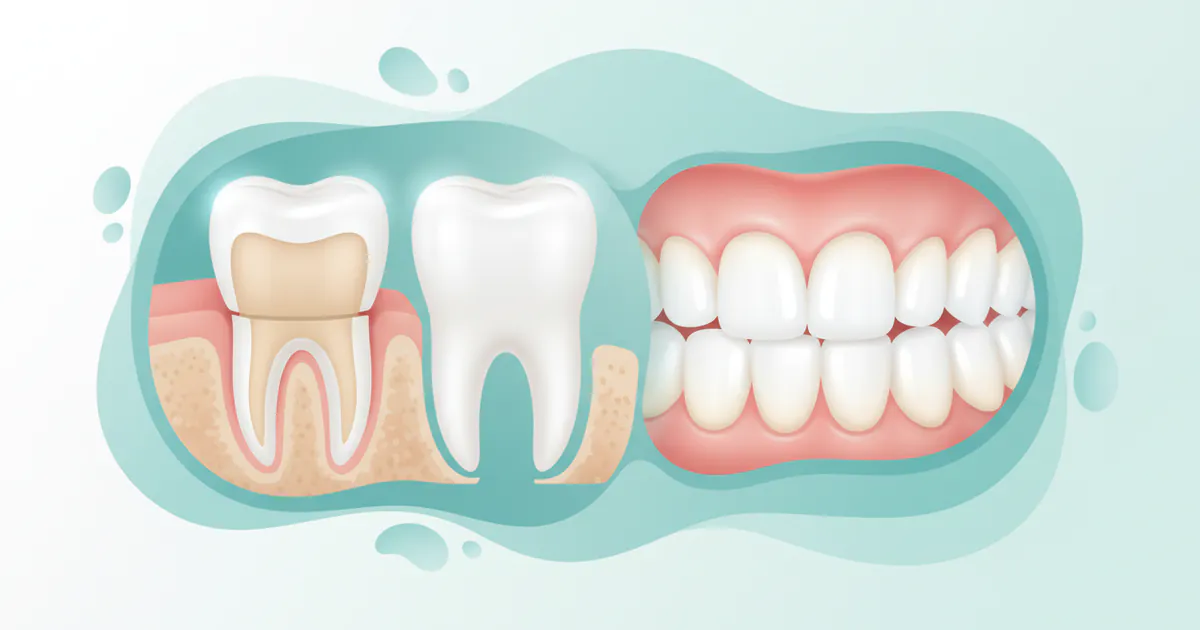
Teeth veneers are a highly sought-after cosmetic dental solution designed to enhance the appearance of your natural teeth. At their core, veneers are meticulously crafted, thin coverings that adhere to the front surface of your existing teeth. Think of them as a custom-fitted façade for your smile, expertly designed to improve tooth color, shape, size, and length.

The primary goal of veneers is aesthetic improvement, addressing a wide array of cosmetic concerns that may not be rectifiable through simpler methods like a teeth whitening service or minor orthodontic adjustments. While they are celebrated for their ability to create a "perfect" smile, it's crucial to understand that they are a significant dental procedure involving alteration of the natural tooth structure, particularly with traditional porcelain veneers.
The material of choice plays a significant role in the characteristics of the veneer. The two most common types are porcelain and composite resin. Porcelain veneers are renowned for their strength, stain resistance, and natural, translucent appearance that mimics tooth enamel. Composite veneers, on the other hand, are a more economical and often quicker solution, applied directly to the tooth and sculpted into shape by the dentist. Both options aim to deliver a beautiful, uniform smile, but they differ significantly in durability, cost, and the application process. Veneers offer a versatile solution for adults seeking a comprehensive smile makeover.
Types / Variations of Teeth Veneers
The world of teeth veneers offers several variations, each with unique characteristics regarding material, application, durability, and cost. Understanding these differences is crucial for selecting the option that best suits your needs and budget.
Porcelain Veneers (Traditional)
Porcelain veneers are the gold standard in cosmetic dentistry, known for their exceptional aesthetics and durability.
- Material: Crafted from medical-grade ceramic, specifically porcelain.
- Process: This typically involves two to three appointments. During the first visit, a small amount of enamel (usually about 0.5-0.7 mm, roughly the thickness of a fingernail) is carefully removed from the front surface of the tooth to create space for the veneer. Impressions are then taken and sent to a dental laboratory, where skilled technicians custom-fabricate the veneers. Temporary veneers may be placed while you wait. On the second visit, the custom porcelain veneers are bonded permanently to your teeth using a strong dental adhesive.
- Aesthetics: Porcelain mimics the translucent quality of natural tooth enamel better than any other material, allowing light to pass through and reflect, creating a very natural-looking result. They are highly resistant to stains from coffee, tea, and red wine.
- Durability: With proper care, porcelain veneers can last 10 to 15 years, and even up to 20 years or more. They are very strong and resistant to chipping and cracking once bonded.
- Cost: Generally the most expensive option, ranging from $1,000 to $2,500 per tooth in the US.
- Pros: Superior aesthetics, highly stain-resistant, very durable, long lifespan.
- Cons: Irreversible (due to enamel removal), higher cost, requires multiple appointments, not easily repairable if chipped.
Composite Veneers (Resin Veneers)
Composite veneers offer a more conservative and often quicker alternative to porcelain.
- Material: Made from a tooth-colored composite resin, similar to the material used for dental fillings.
- Process: Often completed in a single dental visit. The dentist applies the composite resin directly to the tooth, sculpts it into the desired shape, and then hardens it with a special light. Layers can be added and polished to achieve the final aesthetic. Minimal to no tooth reduction is usually required.
- Aesthetics: While aesthetically pleasing, composite veneers may not achieve the same translucent, natural look as porcelain. They are also more prone to staining over time, similar to natural teeth, and may require future polishing or re-shading.
- Durability: Less durable than porcelain, typically lasting 5 to 7 years before needing repair or replacement. They are more susceptible to chipping and fracture.
- Cost: More affordable, ranging from $250 to $1,500 per tooth in the US.
- Pros: More affordable, single-visit procedure, often reversible (minimal tooth alteration), easily repairable.
- Cons: Less durable, more prone to staining, shorter lifespan, may not look as natural as porcelain.
No-Prep Veneers (e.g., Lumineers, Vivaneers)
No-prep veneers are a specific type of porcelain veneer that requires little to no removal of tooth enamel.
- Material: Ultra-thin porcelain.
- Process: Similar to traditional porcelain veneers in that they are custom-made in a lab, but the distinguishing factor is the minimal or non-existent enamel reduction. Impressions are taken, and custom veneers are fabricated and then bonded.
- Aesthetics: Because no enamel is removed, the added thickness can sometimes make the teeth appear slightly bulkier. They share the stain resistance and natural appearance of traditional porcelain veneers.
- Durability: Similar to traditional porcelain veneers, 10-15 years or more.
- Cost: Generally comparable to traditional porcelain veneers, sometimes slightly higher due to specialized materials/labs, ranging from $1,000 to $2,500+ per tooth.
- Pros: Reversible (if no enamel was removed), no temporary veneers needed, less invasive.
- Cons: Not suitable for all cases (e.g., severely misaligned or bulky teeth), can sometimes appear thicker, requires specific tooth conditions for ideal results.
Removable Veneers (Snap-On Veneers / Instant Veneers)
These are not traditional dental veneers but a temporary, non-invasive cosmetic appliance.
- Material: Custom-molded acrylic or resin.
- Process: Impressions of your teeth are taken, and a removable arch of "teeth" is fabricated to snap over your existing teeth. No tooth preparation is involved.
- Aesthetics: Provides an instant, albeit often less natural, smile enhancement. They are primarily for temporary aesthetic improvement for special occasions.
- Durability: Not designed for long-term wear, typically for cosmetic enhancement only. Daily wear is discouraged due to potential impact on speech and chewing.
- Cost: Most affordable, typically $500-$1,500 per arch.
- Pros: Non-invasive, affordable, reversible, instant smile enhancement.
- Cons: Not a permanent solution, can affect speech and eating, may look bulky, requires careful cleaning, not as durable or natural-looking as bonded veneers.
Pro Tip: Always discuss your aesthetic goals, budget, and long-term expectations with your dentist. They can help you understand which type of veneer is most appropriate for your unique dental structure and desired outcome.
Why People Choose Veneers & Dental Issues Veneers Can Address
People choose teeth veneers for a multitude of reasons, primarily to achieve a significant cosmetic enhancement that can transform their smile and boost their self-confidence. While good oral hygiene is fundamental, sometimes natural teeth present aesthetic challenges that even the most diligent care or advanced teeth whitening service cannot fully resolve. Veneers offer a versatile solution for a range of common dental imperfections.
Common Reasons for Choosing Veneers:
- Severe Discoloration or Stains: Many individuals suffer from intrinsic stains (stains within the tooth structure) caused by factors such as tetracycline antibiotics taken during childhood, excessive fluoride intake (fluorosis), or large resin fillings that have discolored. These stains are often resistant to professional teeth whitening service treatments. Veneers can completely mask these severe discolorations, providing a uniformly bright and white smile.
- Chipped or Broken Teeth: Accidents, trauma, or even biting on hard foods can lead to chipped or fractured teeth. While dental bonding can repair minor chips, veneers offer a more durable and comprehensive solution for more significant damage, restoring the tooth's original shape and strength.
- Worn-Down Teeth: Over time, teeth can become worn down due to grinding (bruxism), acid erosion, or simply aging. This can make teeth appear shorter and older. Veneers can restore the teeth's ideal length and rejuvenate the smile.
- Gaps Between Teeth (Diastema): Small gaps or spaces between teeth, particularly the front ones, can be a source of self-consciousness. While orthodontics can close larger gaps, veneers provide a quick and effective way to close smaller gaps without the need for braces or aligners.
- Minor Misalignment or Uneven Teeth: For teeth that are slightly crooked, unevenly shaped, or have minor spacing issues, veneers can create the appearance of a perfectly aligned and symmetrical smile. This is often referred to as "instant orthodontics" because it achieves a straightened look without the time commitment of traditional braces. However, it's crucial to note that veneers do not correct the underlying bite issues that orthodontics addresses.
- Irregularly Shaped or Sized Teeth: Some individuals have teeth that are naturally too small, pointed, or oddly shaped. Veneers can be custom-designed to correct these morphological irregularities, creating a more harmonious and balanced smile.
- Enamel Erosion: Enamel, the protective outer layer of your teeth, can erode due to acidic foods, certain medical conditions, or aggressive brushing. Once enamel is lost, it doesn't grow back. Veneers can serve as a new, durable, and protective layer for these compromised teeth.
Pro Tip: If you're considering veneers to address significant misalignment or bite problems, discuss orthodontic options with your dentist first. While veneers can mask minor issues, treating the underlying problem with orthodontics might be a healthier long-term solution before applying veneers.
Treatment Options (Alternatives to Veneers)
While teeth veneers are an excellent solution for many cosmetic concerns, they are not the only option available. Depending on the specific issue, your budget, and your long-term goals, several alternative treatments can achieve similar or complementary results. Understanding these can help you and your dentist decide on the best course of action.
1. Professional Teeth Whitening Service
- What it is: A dental procedure to lighten the color of natural teeth, typically using a peroxide-based bleaching agent applied to the tooth surface.
- Best for: Intrinsic and extrinsic stains that are not severe, and for overall brightening of the smile.
- Pros: Non-invasive, most affordable cosmetic option, quick results (in-office whitening can take about an hour).
- Cons: Only changes tooth shade, does not alter shape or position; results are temporary and require touch-ups; not effective for all types of discoloration (e.g., tetracycline stains, existing restorations won't whiten).
- Cost: In-office treatments range from $400-$800, at-home kits from $100-$400.
2. Dental Bonding (Composite Bonding)
- What it is: Application of a tooth-colored composite resin directly to the tooth, which is then shaped, hardened with light, and polished.
- Best for: Repairing small chips, cracks, minor gaps, slight discoloration, or changing the shape of a single tooth.
- Pros: Less expensive than veneers, typically done in a single visit, minimal to no enamel removal, reversible.
- Cons: Less durable and stain-resistant than porcelain veneers, shorter lifespan (5-10 years), may require touch-ups or replacement sooner.
- Cost: Typically $250-$1,000 per tooth.

3. Dental Crowns
- What it is: A tooth-shaped cap placed over the entire tooth, restoring its shape, size, strength, and appearance.
- Best for: Severely damaged, decayed, fractured, or weak teeth that require significant structural reinforcement, or for teeth that have had a root canal. They also offer a complete cosmetic overhaul for a single tooth.
- Pros: Highly durable, provides structural integrity to a damaged tooth, excellent aesthetic results (especially porcelain crowns).
- Cons: More invasive than veneers (requires more tooth reduction), higher cost, typically requires two visits.
- Cost: $800-$2,500 per tooth (can vary widely by material and location).
4. Orthodontics (Braces or Clear Aligners)
- What it is: Dental treatments (traditional braces or clear aligner systems like Invisalign) designed to correct misaligned teeth and bite problems.
- Best for: Addressing significant gaps, crowded teeth, overbites, underbites, and other orthodontic issues.
- Pros: Corrects the underlying problem, improves oral health and function, long-lasting results.
- Cons: Longer treatment time (months to years), higher overall cost, requires commitment to wear appliances.
- Cost: Traditional braces: $3,000-$7,000. Clear aligners: $3,500-$8,000.
5. Gum Contouring (Gingivectomy)
- What it is: A minor surgical procedure to reshape the gum line, often used to correct a "gummy smile" or uneven gum lines.
- Best for: Patients whose teeth appear too short due to excessive gum tissue or those with an asymmetrical gum line. Can be performed in conjunction with veneers.
- Pros: Relatively quick procedure, permanent results, can significantly improve smile aesthetics.
- Cons: Surgical procedure, minor recovery time, only addresses gum issues, not tooth structure.
- Cost: $50-$350 per tooth or $1,000-$3,000 for the entire mouth.
| Treatment Option | Primary Concern Addressed | Invasiveness Level | Average Cost (per tooth/treatment) | Durability / Lifespan |
|---|---|---|---|---|
| Teeth Veneers (Porcelain) | Discoloration, chips, gaps, minor misalignment, shape | Moderate | $1,000 - $2,500 | 10-15+ years |
| Teeth Veneers (Composite) | Discoloration, chips, gaps, minor misalignment, shape | Low | $250 - $1,500 | 5-7 years |
| Teeth Whitening Service | Discoloration, stains | None | $100 - $800 (per treatment) | 6 months - 2 years |
| Dental Bonding | Minor chips, cracks, small gaps, minor discoloration | Low | $250 - $1,000 | 5-10 years |
| Dental Crowns | Severe damage, decay, fracture, structural weakness | High | $800 - $2,500 | 10-15+ years |
| Orthodontics | Significant misalignment, bite issues, large gaps | Moderate | $3,000 - $8,000 (full treatment) | Permanent (with retainer) |
Step-by-Step Process: What to Expect During Veneer Treatment
Undergoing teeth veneers treatment is a multi-step process that typically spans several appointments. This detailed guide outlines what you can expect from your initial consultation to the final bonding of your new smile.
Step 1: Initial Consultation and Treatment Planning
- What happens: Your journey begins with a thorough examination by your cosmetic dentist. They will assess your overall oral health, review your medical history, and discuss your aesthetic goals. Digital X-rays and photographs may be taken. This is your opportunity to express what you like and dislike about your smile and what you hope to achieve.
- Discussion points: The dentist will discuss various options (porcelain vs. composite, traditional vs. no-prep), explain the pros and cons of each, and help you visualize potential results using digital smile design software or wax-ups. They will determine if you are a good candidate for veneers, checking for issues like severe gum disease, extensive tooth decay, or significant bite problems, which may need to be addressed first.
- Outcome: A personalized treatment plan outlining the type of veneers, the number of teeth involved, the timeline, and the estimated cost.
Step 2: Tooth Preparation (First Visit)
- What happens: For traditional porcelain veneers, a small amount of enamel (approximately 0.5 to 0.7 millimeters, similar to the thickness of a fingernail) is removed from the front surface of the teeth to be veneered. This crucial step creates space for the veneer, preventing your teeth from looking bulky. Local anesthesia is typically used to ensure your comfort during this process.
- Impressions: After preparation, precise impressions (molds) of your teeth are taken. These impressions, along with detailed instructions on shade and desired shape, are sent to a specialized dental laboratory where your custom veneers will be meticulously fabricated.
- Temporary Veneers (Optional but Common): Since the veneer fabrication process can take 1-3 weeks, temporary veneers may be placed over your prepared teeth. These temporaries protect your teeth, maintain aesthetics, and allow you to get a feel for your future smile. They are usually made from a composite material and are designed to be easily removable.
- For Composite Veneers: If opting for composite veneers, this step is different. The dentist may perform minimal to no enamel reduction. The composite resin will be directly applied and sculpted during the bonding appointment.
Step 3: Veneer Bonding (Second Visit)
-
What happens: This is the exciting final stage where your custom-fabricated veneers are permanently bonded to your teeth.
- Removal of Temporaries: If you received temporary veneers, they are carefully removed.
- Cleaning and Etching: Your natural teeth are thoroughly cleaned, polished, and then etched with a mild acidic gel. Etching creates a microscopic rough surface on the enamel, which helps the bonding agent adhere more strongly.
- Placement and Verification: Each porcelain veneer is carefully placed on the tooth surface to check its fit, shape, and color. Your dentist will ensure that the veneers blend seamlessly with your natural teeth and that your bite is comfortable. Minor adjustments can be made at this stage.
- Bonding: Once the fit and aesthetics are confirmed, a specialized dental cement (bonding agent) is applied to the veneer. The veneer is then carefully positioned onto the tooth.
- Light Curing: A special curing light is used to rapidly harden the dental cement, permanently bonding the veneer to your tooth.
- Finishing Touches: Any excess bonding material is meticulously removed, and the veneers are polished to a high shine. Your bite is re-checked to ensure comfort and proper function.
-
For Composite Veneers (Single Visit): If you chose composite veneers, the dentist directly applies the resin to your teeth, sculpts it to the desired shape, and then hardens it with the curing light. This process is repeated in layers until the desired thickness and aesthetics are achieved. Finally, the veneers are polished to a natural luster.
Step 4: Follow-Up Appointment (Optional but Recommended)
- What happens: A week or two after the bonding, your dentist may schedule a follow-up appointment. This allows them to check your gums' response to the veneers, ensure your bite is still comfortable, and address any questions or minor adjustments you may have after getting accustomed to your new smile. This is also a good opportunity to reinforce aftercare instructions.
Cost and Insurance: Understanding the Investment in Your Smile
The decision to invest in teeth veneers is significant, both cosmetically and financially. Understanding the costs involved and the potential for insurance coverage is crucial for planning your treatment. Prices for veneers vary widely based on several factors, including the type of veneer, the material, the dentist's experience, the geographical location of the practice, and the number of teeth being treated.
Average US Cost Ranges (Per Tooth):
- Porcelain Veneers (Traditional): Generally the most expensive due to laboratory fabrication, material quality, and durability.
- Low End: $1,000 - $1,500 per tooth
- Mid-Range: $1,500 - $2,000 per tooth
- High End: $2,000 - $2,500+ per tooth
- Expect total costs for a full smile makeover (6-8 veneers) to range from $6,000 to $20,000+.

-
Composite Veneers (Direct Bonding): A more budget-friendly option, applied directly by the dentist.
- Low End: $250 - $500 per tooth
- Mid-Range: $500 - $1,000 per tooth
- High End: $1,000 - $1,500 per tooth
- Total costs for multiple composite veneers typically range from $1,500 to $10,000.
-
No-Prep Veneers (e.g., Lumineers): Costs are comparable to traditional porcelain veneers, sometimes slightly higher due to proprietary materials or lab fees.
- Range: $1,000 - $2,500+ per tooth
-
Removable Veneers (Snap-On): Not a permanent solution but an aesthetic appliance.
- Range: $500 - $1,500 per arch (upper or lower).
Factors Influencing Cost:
- Material: Porcelain is more expensive than composite resin.
- Number of Veneers: Most patients opt for 4-8 veneers on their top front teeth for a noticeable smile transformation.
- Location: Dental costs can be higher in major metropolitan areas or certain regions compared to rural areas.
- Dentist's Expertise: Highly experienced cosmetic dentists, especially those with advanced training or accreditation (e.g., from the American Academy of Cosmetic Dentistry), may charge more for their specialized skills.
- Additional Procedures: Any preliminary treatments like gum contouring, orthodontics, or addressing decay will add to the overall cost.
- Technology Used: Practices utilizing advanced technology like digital smile design or CAD/CAM systems may have slightly different pricing structures.
Insurance Coverage for Veneers:
Generally, dental insurance does not cover veneers because they are primarily considered a cosmetic procedure. Most insurance plans focus on restorative treatments (fillings, crowns for damaged teeth, root canals) and preventative care (cleanings, exams).
- Cosmetic vs. Restorative: If veneers are solely for aesthetic improvement (e.g., to whiten teeth or close minor gaps), insurance is highly unlikely to provide coverage.
- Exceptions: In rare cases, if a veneer is deemed medically necessary to restore the function or health of a severely damaged tooth (e.g., extensive fracture due to trauma, where a crown might otherwise be indicated), some portion might be covered. However, this is uncommon and requires detailed documentation from your dentist, often involving an appeal to your insurance provider.
- HSA/FSA Accounts: You can typically use funds from a Health Savings Account (HSA) or Flexible Spending Account (FSA) to pay for veneers, as these funds are pre-tax and designed for healthcare expenses.
Pro Tip: Always clarify costs and insurance coverage with your dental office before beginning treatment. They can provide a detailed quote and help you understand any potential financial assistance or payment plans.
Recovery and Aftercare: Maintaining Your New Smile
Once your teeth veneers are bonded, you'll immediately notice a dramatic improvement in your smile. The recovery period is typically minimal, but proper aftercare is essential to maximize the lifespan of your veneers and protect your oral health.
Immediate Post-Procedure Experience:
- Sensitivity: It's common to experience some temporary sensitivity to hot and cold temperatures, especially with traditional porcelain veneers where enamel was removed. This usually subsides within a few days to a couple of weeks. Over-the-counter pain relievers can help manage any discomfort.
- Gum Irritation: Your gums might be slightly sore or inflamed for a day or two, particularly if there was any minor manipulation during the bonding process. This is temporary.
- Adjustment to Bite: Your bite might feel slightly different initially. Your dentist will ensure it's properly aligned during the bonding appointment, but it can take a few days to fully adjust to the new feel of your teeth.
Long-Term Aftercare for Veneers:
1. Maintain Excellent Oral Hygiene:
- Brushing: Brush your veneered teeth just as you would your natural teeth – at least twice a day using a soft-bristled toothbrush and non-abrasive fluoride toothpaste. Electric toothbrushes are safe and effective.
- Flossing: Floss daily to remove plaque and food particles from between your teeth and around the gum line. This prevents gum disease, which can negatively impact the integrity of your veneers.
- Mouthwash: Use an antiseptic or fluoride mouthwash as recommended by your dentist.
2. Be Mindful of What You Eat and Drink:
- Stain-Causing Foods/Drinks: While porcelain veneers are highly stain-resistant, composite veneers are more susceptible to staining. Minimize consumption of highly pigmented foods and drinks like coffee, tea, red wine, berries, and dark sodas, especially with composite veneers. If you do consume them, rinse your mouth with water afterward.
- Hard Foods: Avoid biting directly into extremely hard foods like ice, hard candies, nuts, or popcorn kernels with your front teeth. This can chip or fracture your veneers, just as it can natural teeth. Cut or break hard foods into smaller, more manageable pieces.
- Sticky Foods: Be cautious with overly sticky candies or foods that could potentially dislodge a veneer, though this is rare with proper bonding.
3. Avoid Damaging Habits:
- Bruxism (Teeth Grinding/Clenching): If you grind or clench your teeth, especially at night, your dentist may recommend a custom-made nightguard. This protective appliance will absorb the force of grinding, preventing damage to your veneers and natural teeth.
- Nail Biting/Pen Chewing: These habits exert undue pressure on your teeth and veneers, increasing the risk of chips or fractures.
- Using Teeth as Tools: Never use your teeth to open packages, bottle caps, or tear tape.
- Smoking: Smoking can stain composite veneers and is detrimental to overall oral and systemic health, increasing the risk of gum disease around your veneers.
4. Regular Dental Check-ups:
- Routine Visits: Continue with your regular dental check-ups and professional cleanings every six months, or as advised by your dentist. Your dentist and hygienist are trained to clean around veneers safely. They will also inspect your veneers for any signs of wear, chips, or debonding, and assess the health of your gums.
Pro Tip: If you have porcelain veneers, remember that while the veneer itself is stain-resistant, the natural tooth structure around the veneer (especially if the gum line recedes) can still stain. Maintaining excellent oral hygiene is key to a uniformly bright smile.
Prevention: Extending the Life of Your Veneers
The term "prevention" for teeth veneers doesn't refer to preventing the need for them, but rather to preventing damage and extending their lifespan once they are in place. Since are veneers permanent is a common question, it's vital to understand they are a long-term investment that requires diligent care to last as long as possible. Adhering to preventative measures can significantly impact how many years you enjoy your beautiful smile.
Strategies to Maximize Veneer Longevity:
-
Commit to Impeccable Oral Hygiene:
- This is the cornerstone of veneer preservation. Brush twice daily with a soft-bristled brush and non-abrasive fluoride toothpaste. Floss daily. These practices prevent gum disease and tooth decay in your natural teeth, which could compromise the foundation supporting your veneers. The ADA recommends at least two minutes of brushing.
- Internal Linking Opportunity: Learn more about proper brushing and flossing techniques on SmilePedia's "Daily Oral Care Guide."
-
Regular Dental Check-ups and Professional Cleanings:
- Schedule routine dental visits every six months, or as recommended by your dentist. Your dentist will monitor the condition of your veneers, check for any issues like decay around the margins, and assess your bite. Dental hygienists are trained to use appropriate tools and techniques to clean around veneers without causing damage.
-
Protect Against Bruxism (Teeth Grinding):
- If you grind or clench your teeth, especially at night (bruxism), the excessive force can chip, crack, or even dislodge your veneers. Your dentist can custom-fit a nightguard (occlusal splint) to protect your veneers and natural teeth from these damaging forces. This is a critical preventative measure.
-
Avoid Destructive Habits:
- Biting Hard Objects: Refrain from biting hard candies, ice cubes, nuts, bones, or popcorn kernels with your veneered teeth. These can easily cause chips or fractures.
- Using Teeth as Tools: Never use your teeth to open packages, tear tape, or cut threads. This puts undue stress on veneers.
- Nail Biting/Pen Chewing: These habits can also exert harmful forces.
-
Be Mindful of Diet:
- Staining (Especially Composite): While porcelain veneers are highly stain-resistant, composite veneers are more susceptible. Limit consumption of highly pigmented foods and drinks (coffee, tea, red wine, dark sodas, berries) or rinse your mouth immediately after consuming them.
- Acidic Foods/Drinks: Excessive consumption of acidic foods and beverages (citrus, sodas) can, over time, erode the natural tooth structure around your veneers and potentially affect the bonding agent.
-
Avoid Extreme Temperature Changes:
- Rapid and extreme temperature changes (e.g., alternating between very hot soup and icy drinks) can sometimes cause microscopic stress fractures over time, though this is less of a concern with modern bonding techniques.
-
Consider Mouthguards for Sports:
- If you participate in contact sports or activities where there's a risk of facial impact, wearing a custom-fitted athletic mouthguard is highly recommended to protect both your natural teeth and your veneers from trauma.
By adopting these preventative measures, you are actively participating in the long-term success and aesthetic appeal of your teeth veneers, ensuring your investment provides a beautiful smile for years to come.
Risks and Complications Associated with Veneers
While teeth veneers are a popular and generally safe cosmetic procedure, it's important to be aware of the potential risks and complications. Understanding these can help you make an informed decision and prepare for any eventuality.
-
Irreversibility (for Traditional Veneers): The most significant risk with traditional porcelain veneers is the irreversible removal of a small amount of tooth enamel. Once enamel is removed, it cannot be replaced. This means that if a veneer is ever damaged or removed, the tooth will always require a new veneer or crown to protect its exposed surface. This is why the question are veneers permanent often leads to the clarification that while they don't last forever, the change to the natural tooth is permanent.
-
Increased Tooth Sensitivity: After tooth preparation, it's common to experience increased sensitivity to hot and cold temperatures. This usually subsides within a few days or weeks, but in some cases, it can persist.
-
Veneer Damage (Chips, Cracks, Debonding):
- While durable, veneers are not indestructible. They can chip, crack, or break, especially porcelain veneers if subjected to excessive force (e.g., biting hard foods, trauma, teeth grinding).
- A veneer can also become debonded (come off) from the tooth. This is usually due to inadequate bonding, trauma, or decay underneath the veneer.
- Repair: Small chips on composite veneers can often be repaired directly by the dentist. Porcelain veneers, however, typically cannot be repaired directly and usually require replacement, which adds to the cost and time.
-
Poor Fit or Aesthetic Issues:
- If the veneers are not perfectly crafted or precisely bonded, they can lead to issues such as:
- Bulky Appearance: If too much enamel isn't removed or the veneers are too thick.
- Gaps: Small spaces between the veneer and the gum line can be aesthetically unpleasing and collect food particles, increasing the risk of decay.
- Unnatural Shade/Shape: If the color or contour doesn't blend well with surrounding teeth.
- Bite Problems: An improper bite can cause discomfort, jaw pain, or premature wear on the veneers.
- If the veneers are not perfectly crafted or precisely bonded, they can lead to issues such as:
-
Tooth Decay Underneath the Veneer:
- Veneers do not protect the underlying tooth from decay. If decay develops at the margin of the veneer or underneath it (often due to poor oral hygiene or an imperfect seal), the veneer may need to be removed, the decay treated, and a new veneer or crown placed.
-
Gum Problems:
- Improperly placed veneers that extend too far below the gum line or have rough margins can irritate the gums, leading to inflammation (gingivitis) or gum recession over time. This can expose the tooth root and the edge of the veneer, affecting aesthetics and potentially leading to sensitivity.
-
Color Mismatch with Natural Teeth:
- If only a few teeth are veneered, it can be challenging to perfectly match the veneer shade to your existing natural teeth, especially if your natural teeth continue to stain over time (whereas porcelain veneers are stain-resistant). A teeth whitening service on adjacent natural teeth before veneer fabrication can help achieve a more uniform overall smile.
-
Pulpitis (Nerve Inflammation):
- In rare cases, the tooth preparation process, even when minimal, can cause trauma to the tooth's pulp (nerve), leading to inflammation or even the need for a root canal. This is more common with aggressive preparation or if the tooth was already compromised.
Pro Tip: Choose an experienced and reputable cosmetic dentist who demonstrates a strong understanding of dental anatomy, aesthetics, and proper bonding techniques to minimize these risks. Always follow post-care instructions meticulously.
Children / Pediatric Considerations for Veneers
Generally, teeth veneers are not recommended for children or adolescents. This is primarily due to several critical factors related to their dental development and growth.
- Pulp Size: Young teeth have larger pulp chambers (the central part of the tooth containing nerves and blood vessels) compared to adult teeth. The preparation required for traditional porcelain veneers, which involves removing a small amount of enamel, carries a higher risk of irritating the pulp and potentially leading to nerve damage or the need for a root canal in a child's tooth.
- Jaw and Tooth Development: Children's jaws and teeth are still developing and growing. Placing permanent veneers on teeth that are still shifting or erupting could lead to an imperfect fit, aesthetic issues, or even damage as the surrounding structures change. The gum line also typically recedes slightly with age, which could expose the margins of veneers prematurely.
- Irreversibility: As discussed, traditional veneers require irreversible enamel reduction. This is a significant commitment for an adult, let alone a growing child. Should a child require a veneer, it would likely need to be replaced multiple times throughout their life as their bite and facial structures mature.
- Responsibility and Care: Maintaining veneers requires diligent oral hygiene and avoiding habits like biting hard objects. Children and teenagers may not consistently adhere to these necessary care instructions, increasing the risk of damaging the expensive restoration.
When Might a Cosmetic Solution Be Considered for a Child?
In very rare and specific circumstances, such as a severe traumatic injury to a front tooth that results in significant chipping or fracture, a dentist might consider a very conservative, temporary solution for a teenager:

- Composite Bonding: This is often the preferred cosmetic treatment for adolescents. It's less invasive, reversible, and more affordable. It can be easily repaired or replaced as the child grows and can be a temporary solution until they are old enough for more permanent options like veneers or crowns.
- Space Maintainers or Orthodontics: If the issue is related to spacing or alignment, orthodontic treatment is almost always the recommended first choice for children and teens, as it addresses the underlying structural problem.
Pro Tip for Parents: If your child has a cosmetic dental concern, discuss it thoroughly with a pediatric dentist or a general dentist experienced in treating children. They can provide age-appropriate, conservative treatment options that prioritize the child's long-term oral health and development over immediate cosmetic perfection.
Cost Breakdown: A Deeper Dive into Your Veneer Investment
Understanding the full financial commitment of teeth veneers goes beyond the per-tooth price. This section provides a more detailed breakdown of average US costs, explores how insurance factors in, and outlines payment and financing options.
Average US Costs (Recap & Expansion):
| Veneer Type | Average Cost (Per Tooth) | Typical Full Mouth (6-8 Teeth) Cost |
|---|---|---|
| Porcelain Veneers | $1,000 - $2,500 | $6,000 - $20,000+ |
| Composite Veneers | $250 - $1,500 | $1,500 - $10,000 |
| No-Prep Veneers | $1,000 - $2,500+ | $6,000 - $20,000+ |
| Removable Veneers | N/A (sold per arch) | $500 - $1,500 (per arch) |
Cost without Insurance: As detailed, the vast majority of veneer procedures are considered cosmetic and are therefore not covered by traditional dental insurance. This means you should prepare to pay the full out-of-pocket cost.
Cost with Insurance (Rare Exceptions): If, in a very specific and documented case, a veneer is deemed medically necessary to restore a severely damaged tooth's function (e.g., extensive fracture, not just cosmetic chipping), your insurance might cover a small percentage (e.g., 20-50%) similar to how they cover a crown. However, this is highly unusual for purely aesthetic teeth veneers. You would need to inquire directly with your provider and have your dentist submit a detailed pre-authorization.
Factors Beyond the Veneer Itself:
Beyond the cost of the veneers, consider these potential additional expenses:
- Initial Consultation & X-rays: $50 - $200 (often covered by insurance for diagnostic purposes).
- Preliminary Treatments: If you need gum contouring, a teeth whitening service for adjacent natural teeth, fillings, or orthodontic work before veneers, these will incur separate costs.
- Teeth Whitening Service: $400 - $800
- Gum Contouring: $50 - $350 per tooth
- Fillings: $100 - $400
- Temporary Veneers: While often included in the overall porcelain veneer cost, some practices might itemize them.
- Nightguard: If you grind your teeth, a custom nightguard is essential for protecting your investment, costing $300 - $800.
- Replacement Costs: Remember that veneers are not permanent. While are veneers permanent is a common question, they will need replacement after 5-15+ years, incurring similar costs again.
Payment Plans and Financing Options:
Since veneers are a significant investment, most dental practices offer or work with third-party financing solutions:
- In-Office Payment Plans: Some practices allow you to pay in installments directly to them, often with an initial down payment. Terms vary widely.
- Dental Credit Cards (e.g., CareCredit, Alphaeon Credit): These specialized healthcare credit cards offer promotional financing options, often with 0% APR for a specific period (e.g., 6, 12, 18, or 24 months) if the balance is paid in full within that time. After the promotional period, standard interest rates apply, which can be high.
- Personal Loans: You can explore personal loans from banks or credit unions, which may offer more favorable interest rates and longer repayment terms than dental credit cards.
- Health Savings Accounts (HSAs) & Flexible Spending Accounts (FSAs): These tax-advantaged accounts allow you to set aside pre-tax money for healthcare expenses. Veneers are generally considered an eligible expense, offering a way to save on the overall cost by reducing your taxable income.
Cost-Saving Tips:
- Shop Around (Carefully): Get consultations and quotes from 2-3 different reputable cosmetic dentists. Be wary of significantly lower prices, as they might indicate lower quality materials or less experienced practitioners.
- Consider Composite Veneers: If porcelain is out of budget, composite veneers offer a good aesthetic improvement at a lower initial cost, though they may require more frequent maintenance or replacement.
- Treat Fewer Teeth: You don't always need a full set of 8-10 veneers. Sometimes, just 4-6 front teeth can make a dramatic difference.
- Utilize HSA/FSA: Plan ahead to contribute to these accounts to cover your dental expenses.
- Dental Schools: University dental schools often offer procedures at a reduced cost, as they are performed by students under the supervision of experienced faculty. The trade-off is often longer appointment times and less flexibility.
Frequently Asked Questions
What are teeth veneers made of?
Teeth veneers are primarily made from two materials: porcelain (a strong, ceramic material custom-fabricated in a dental lab) or composite resin (a tooth-colored, plastic-like material applied directly by the dentist). Porcelain is known for its durability and natural appearance, while composite is more affordable and less invasive.
Are veneers permanent?
No, veneers are not permanent in the sense of lasting forever. Porcelain veneers typically last 10-15 years, and composite veneers last 5-7 years, after which they will need replacement. However, the procedure for traditional porcelain veneers is irreversible because a small amount of tooth enamel is removed, meaning the teeth will always require some form of covering.
How long does the veneer process take?
For porcelain veneers, the process typically takes 2-3 appointments over 2-3 weeks. The first appointment is for consultation and tooth preparation, impressions are sent to a lab, and the second appointment is for final bonding. Composite veneers, on the other hand, can often be completed in a single dental visit.
Is getting veneers painful?
The procedure itself is generally not painful, as local anesthesia is used to numb your teeth and gums during tooth preparation. You might experience some temporary sensitivity to hot and cold or mild gum soreness for a few days after the veneers are placed, which can usually be managed with over-the-counter pain relievers.

How much do teeth veneers cost?
The cost of teeth veneers varies significantly. Porcelain veneers typically range from $1,000 to $2,500 per tooth, while composite veneers are generally $250 to $1,500 per tooth. These costs depend on factors like the material, the dentist's experience, location, and the number of teeth being treated. Insurance rarely covers veneers as they are primarily cosmetic.
Can veneers be whitened like natural teeth?
No, porcelain veneers are highly stain-resistant and will not respond to a teeth whitening service. Composite veneers are more prone to staining, similar to natural teeth, but traditional whitening treatments are usually not effective on them either. If you plan to whiten your natural teeth, it's recommended to do so before getting veneers, so the veneers can be matched to your desired brighter shade.
What are the alternatives to veneers?
Alternatives include professional teeth whitening service for discoloration, dental bonding for minor chips and gaps, dental crowns for severely damaged teeth, and orthodontics (braces or clear aligners) for significant misalignment. Each option has different costs, benefits, and levels of invasiveness, addressing varying dental concerns.
Do veneers require special care?
Veneers do not require special care beyond what you would give your natural teeth. Maintain excellent oral hygiene by brushing twice daily with a soft-bristled brush, flossing daily, and using non-abrasive toothpaste. Avoid biting extremely hard objects, using your teeth as tools, and consider a nightguard if you grind your teeth to prevent damage.
Can veneers fall off?
While securely bonded, it is possible for a veneer to chip, crack, or even come off, especially due to trauma, excessive force (like biting down on something very hard), or if there's decay underneath the veneer. If a veneer debonds, keep it safe and contact your dentist immediately, as it may be possible to re-bond it.
Am I a good candidate for veneers?
You are generally a good candidate if you have healthy gums and teeth, adequate tooth enamel for bonding (for traditional veneers), and realistic expectations. Veneers are ideal for correcting discoloration, chips, minor gaps, and slight misalignments. You may not be a good candidate if you have severe gum disease, extensive tooth decay, significant bite problems, or severe teeth grinding (bruxism) without addressing these issues first.
When to See a Dentist
Regular dental check-ups are always crucial for maintaining oral health, but certain situations warrant a prompt visit to your dentist, especially if you have teeth veneers. Understanding these signs can help protect your investment and ensure your continued oral health.
Routine Care vs. Red Flags:
-
Routine Care:
- Scheduled Check-ups: Continue with your bi-annual (every six months) dental exams and cleanings. Your dentist will monitor your overall oral health, check the integrity of your veneers, and ensure there's no decay around them.
- Minor Sensitivity: If you experience very mild, transient sensitivity to hot or cold for a few days after veneer placement, this is often normal and should resolve on its own.
-
Red Flags (Schedule an appointment promptly):
- Persistent Sensitivity: If tooth sensitivity under your veneers lasts longer than a few weeks, becomes severe, or is accompanied by pain, it could indicate an issue with the veneer, the underlying tooth, or even a nerve problem.
- Visible Damage to Veneer: Any chips, cracks, or fractures in your veneer require immediate attention. Even small cracks can compromise the veneer's integrity and allow bacteria to enter.
- Debonded or Loose Veneer: If a veneer feels loose or completely comes off, contact your dentist right away. Keep the veneer safe, as it might be possible to re-bond it.
- Sharp Edges or Uneven Bite: If you notice a sharp edge on a veneer with your tongue, or if your bite suddenly feels "off" or uncomfortable, it needs to be assessed. This can cause discomfort or lead to further damage.
- Gum Changes Around Veneers: Swelling, redness, bleeding, or recession of the gums around a veneered tooth could indicate gum disease or an ill-fitting veneer that is irritating the gum tissue.
- Dark Spots or Discoloration Under Veneer: This could be a sign of decay developing underneath the veneer, which needs urgent attention to prevent further damage to your natural tooth.
- Allergic Reaction Symptoms: While rare, if you experience any signs of an allergic reaction (e.g., severe swelling, persistent itching) after veneer placement, seek immediate dental or medical attention.
Emergency vs. Scheduled Appointment:
-
Emergency (Contact dentist immediately or seek urgent care):
- Severe, sudden pain that doesn't subside with over-the-counter pain medication.
- Trauma to the mouth that results in severe bleeding, a completely dislodged veneer, or severe tooth fracture.
- Significant swelling in your face or jaw around the veneered teeth.
-
Scheduled Appointment:
- Any of the "red flag" symptoms listed above that are concerning but not causing severe pain or acute emergency. It’s always better to call your dentist’s office for advice on urgency rather than wait.
Your dentist is your best resource for maintaining your teeth veneers and ensuring your overall oral health. Don't hesitate to reach out if you have any concerns.
Frequently Asked Questions
Medically Reviewed Content
This article was written by our dental health editorial team and reviewed for medical accuracy. Our content follows strict editorial guidelines for reliability and trustworthiness.
Medical Disclaimer
This article is for informational purposes only and does not constitute medical advice. Always consult with a qualified dental professional for diagnosis and treatment. Do not delay seeking professional advice because of something you read on this website.
Related Articles
Before and After Dentures: Complete Guide
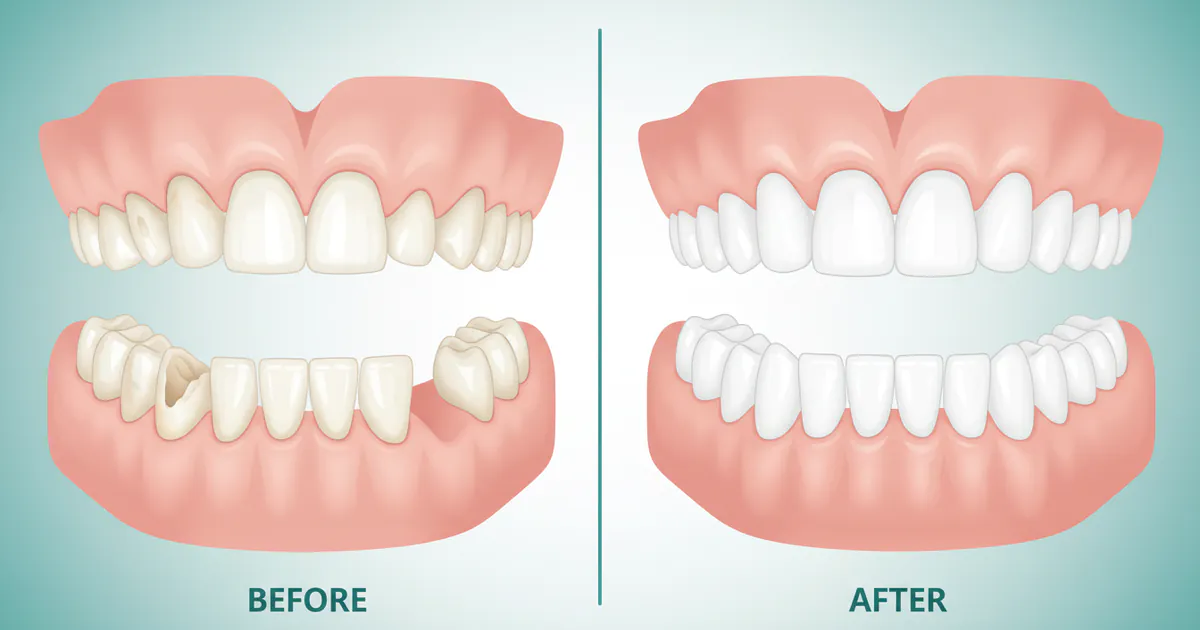
For many Americans, a vibrant smile isn't just about aesthetics; it's fundamental to speaking clearly, enjoying favorite foods, and maintaining self-confidence. Yet, over 36 million Americans are completely edentulous (have no natural teeth), and millions more suffer from significant tooth loss,
February 22, 2026
Teeth Whitening Cost: Complete Price Guide 2026
Brighter smiles are more than just a fleeting trend; they're a significant confidence booster and a common aesthetic goal for many Americans. In fact, a recent survey indicated that over 80% of adults aged 18-49 believe a beautiful smile is important for success, and teeth whitening remains one
February 22, 2026
Braces Before and After: Complete Guide
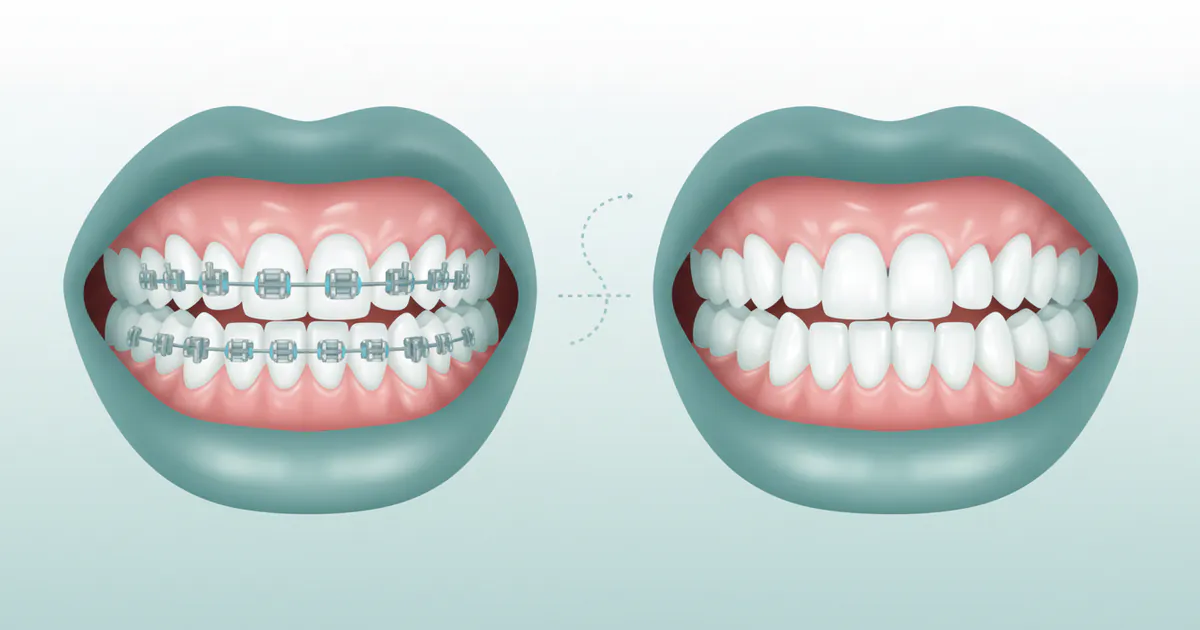
For many, the journey to a confident, healthy smile begins with orthodontics. The transformation seen in braces before and after photos isn't just cosmetic; it represents improved oral health, function, and self-esteem. Crooked teeth, misaligned bites, and gaps can lead to a host of problems, fr
February 22, 2026
Natural Teeth Whitening: Complete Guide
A radiant smile is often considered a sign of health and confidence, which is why teeth whitening has become one of the most popular cosmetic dental procedures in the United States. In fact, surveys suggest that a significant majority of Americans, around 80%, desire whiter teeth, and the teeth
February 22, 2026