Cavity Filling: Complete Guide
Key Takeaways
- Dental cavities are one of the most widespread chronic diseases globally, affecting both children and adults. In the United States alone, the Centers for Disease Control and Prevention (CDC) reports that 26% of adults aged 20–64 have untreated dental caries (cavities). When decay progresses, a t
Dental cavities are one of the most widespread chronic diseases globally, affecting both children and adults. In the United States alone, the Centers for Disease Control and Prevention (CDC) reports that 26% of adults aged 20–64 have untreated dental caries (cavities). When decay progresses, a timely cavity filling becomes crucial not only to restore the tooth's structure but also to prevent further damage, alleviate discomfort, and stop potential complications like a severe tooth infection. Ignoring a cavity can lead to escalating pain, costly treatments, and even tooth loss. This comprehensive guide will walk you through everything you need to know about cavity fillings, from the different types and procedures to costs, aftercare, and prevention strategies, ensuring you have the knowledge to make informed decisions about your oral health.
Key Takeaways:
- What it is: A dental filling repairs a tooth damaged by decay, restoring its shape and function.
- Cost Range: Fillings in the US typically range from $50 to $4,500, depending on material, size, location, and geographic region.
- Types: Common materials include amalgam, composite resin, gold, and ceramic, each with unique pros and cons.
- Procedure: Usually a single visit, involving numbing, decay removal, and material placement.
- Pain Management: Local anesthesia makes the procedure comfortable; post-treatment sensitivity is common but usually temporary.
- Prevention: Excellent oral hygiene, a balanced diet, regular dental check-ups, and fluoride can prevent most cavities.
- When to Act: Seek dental care immediately for persistent pain, sensitivity, or visible holes to prevent progression to a serious tooth infection.
What Is a Cavity Filling? An Overview
A cavity filling is a dental restoration used to repair a tooth that has been damaged by decay (a cavity). When bacteria in your mouth produce acids that erode the hard outer enamel of your teeth, a small hole or lesion forms. If left untreated, this hole can grow deeper, affecting the inner layers of the tooth, including the dentin and pulp, which contains nerves and blood vessels.
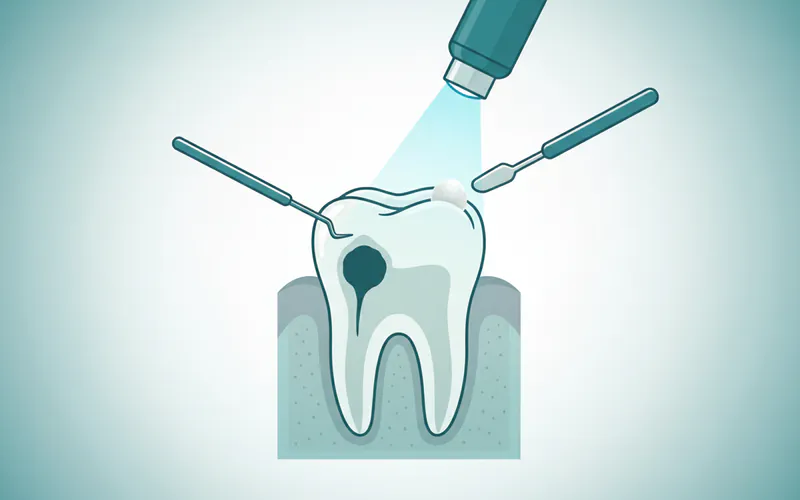
The primary purpose of a cavity filling is twofold:
- To restore the tooth's structure: By removing the decayed portion and filling the space, the filling rebuilds the tooth, preventing further breakdown.
- To prevent further decay: The filling creates a barrier that prevents bacteria and food particles from entering the cleaned-out area, halting the progression of the cavity.
Essentially, a filling acts as a durable, protective shield for your tooth, allowing you to chew and speak comfortably without pain or discomfort. It's a common and highly effective procedure for addressing early to moderate stages of tooth decay.
Types of Cavity Fillings
The choice of filling material is a significant decision, influenced by factors such as the extent of the decay, the tooth's location (front teeth versus back teeth), cost, aesthetic concerns, and your dentist's recommendation. Here are the most common types of cavity filling materials used today:
Amalgam Fillings (Silver Fillings)
- Composition: A mixture of mercury, silver, tin, and copper.
- Pros: Highly durable, long-lasting (10-15 years or more), cost-effective, and strong enough for molars, where chewing pressure is highest.
- Cons: Silver color is highly noticeable, making them less aesthetically pleasing for visible teeth. There's also some public concern about the mercury content, though the ADA and FDA consider them safe. They can expand and contract with temperature changes, potentially leading to tooth cracks over time.
- Cost: Generally the least expensive, ranging from $50 to $150 per filling.
Composite Resin Fillings (Tooth-Colored Fillings)
- Composition: A blend of plastic and finely ground glass particles.
- Pros: Can be matched to your natural tooth color, making them virtually invisible. They bond directly to the tooth structure, providing support and requiring less tooth preparation than amalgam.
- Cons: May not be as durable as amalgam or gold, lasting typically 5-10 years, especially in areas with heavy chewing pressure. Can stain over time from coffee, tea, and tobacco.
- Cost: Moderately expensive, ranging from $150 to $450 per filling.
Gold Fillings
- Composition: Gold alloy (gold, copper, and other metals).
- Pros: Extremely durable, lasting 15-20 years or even longer. Very strong, non-corrosive, and well-tolerated by gum tissue.
- Cons: Most expensive option. Requires multiple dental visits for fabrication. Highly visible.
- Cost: Premium price, ranging from $250 to $4,500 per filling, depending on size and complexity.
Ceramic Fillings (Porcelain Fillings)
- Composition: Primarily porcelain.
- Pros: Highly aesthetic, can be matched to your tooth color, and are more resistant to staining than composite resin. Very durable.
- Cons: Expensive, similar to gold. Can be brittle and may chip under extreme biting forces. Requires multiple visits for fabrication (often made in a lab or with CEREC technology).
- Cost: High, typically $300 to $1,500 per filling.
Glass Ionomer Fillings
- Composition: Acrylic and a specific type of glass material.
- Pros: Releases fluoride, which can help prevent further decay around the filling. Good for fillings below the gum line and in children whose teeth are still developing.
- Cons: Weaker and less durable than other materials, typically lasting 5 years or less. Less resistant to wear and tear.
- Cost: Similar to composite, ranging from $100 to $300 per filling.
``
Comparison Table: Cavity Filling Materials
| Filling Material | Appearance | Durability (Years) | Cost Range (USD) | Pros | Cons |
|---|---|---|---|---|---|
| Amalgam | Silver/Metallic | 10-15+ | $50 - $150 | Strong, durable, cost-effective | Visible, mercury concerns, thermal expansion |
| Composite | Tooth-colored | 5-10 | $150 - $450 | Aesthetic, bonds to tooth, less drilling | Less durable than amalgam/gold, can stain |
| Gold | Gold/Metallic | 15-20+ | $250 - $4,500 | Highly durable, strong, biocompatible | Most expensive, visible, multiple visits |
| Ceramic | Tooth-colored | 10-15 | $300 - $1,500 | Highly aesthetic, stain-resistant | Expensive, brittle, multiple visits |
| Glass Ionomer | Tooth-colored/Translucent | 3-5 | $100 - $300 | Releases fluoride, good for children | Least durable, weaker |
Causes of Cavities: Why They Happen
Cavities, also known as dental caries, are essentially holes in your teeth caused by a process called demineralization. This process is primarily triggered by bacteria in your mouth interacting with sugars and starches in your diet. Understanding the root causes is the first step in preventing them.
1. Oral Bacteria and Plaque
Your mouth is home to hundreds of types of bacteria. Some, particularly Streptococcus mutans, feed on sugars and carbohydrates that remain on your teeth after eating. As these bacteria consume sugars, they produce acids. These acids mix with bacteria, food particles, and saliva to form a sticky film called plaque, which adheres to your teeth.
2. Sugar and Carbohydrates
Sugary and starchy foods and drinks are the main culprits. Every time you consume items like candy, sodas, fruit juices, bread, cereal, or chips, you're providing fuel for acid-producing bacteria. Frequent snacking, especially on these types of foods, means your teeth are constantly exposed to acid attacks, giving them less time to remineralize.
3. Acid Erosion
The acids in plaque slowly erode the hard outer layer of your teeth, the enamel. Enamel is the toughest substance in the human body, but it's vulnerable to acid. As the acid continues to attack, it creates tiny holes, which eventually expand into full-blown cavities.
4. Poor Oral Hygiene
Inadequate brushing and flossing allow plaque to accumulate and harden into tartar (calculus) over time. Plaque and tartar act as a constant source of acid, accelerating decay. Regular and thorough cleaning is essential to remove these harmful deposits.
5. Dry Mouth (Xerostomia)
Saliva plays a crucial role in protecting your teeth. It helps neutralize acids, wash away food particles, and provides minerals like calcium and phosphate to repair early enamel damage (remineralization). A dry mouth, often caused by medications, certain diseases, or radiation therapy, reduces saliva flow, making you much more susceptible to cavities.
6. Tooth Location and Anatomy
Molars and premolars (back teeth) are more prone to cavities because they have deep pits and fissures (grooves) that can trap food particles and plaque. These areas are also harder to clean thoroughly with a toothbrush.
7. Inadequate Fluoride Exposure
Fluoride is a natural mineral that strengthens tooth enamel, making it more resistant to acid attacks. It can also reverse early signs of tooth decay. Insufficient exposure to fluoride (through fluoridated water, toothpaste, or dental treatments) increases cavity risk.
8. Worn Fillings or Dental Devices
Old fillings can chip, crack, or pull away from the tooth, creating gaps where bacteria and food can collect, leading to new decay beneath the old filling. Dental devices like braces, retainers, and partial dentures can also create new areas where food can get trapped and are harder to clean.
Signs and Symptoms of a Cavity
Recognizing the signs of a cavity early can prevent it from progressing and potentially leading to a more severe tooth infection. However, in their initial stages, cavities often present no symptoms, which is why regular dental check-ups are so important. As the decay progresses, you might start to notice:
1. Tooth Sensitivity
One of the most common early signs is sensitivity to hot, cold, or sweet foods and drinks. This happens when the enamel is worn down, exposing the underlying dentin, which contains microscopic tubules leading to the tooth's nerve.
2. Toothache or Pain
This can range from a mild ache to sharp, sudden pain, especially when biting down or consuming certain foods. Persistent pain, especially if it keeps you awake at night, is a strong indicator that the decay has reached the nerve (pulp) and may require immediate attention, potentially indicating a tooth infection. If you experience this, understanding how to stop tooth pain fast becomes a priority, but a dental visit is the only long-term solution.
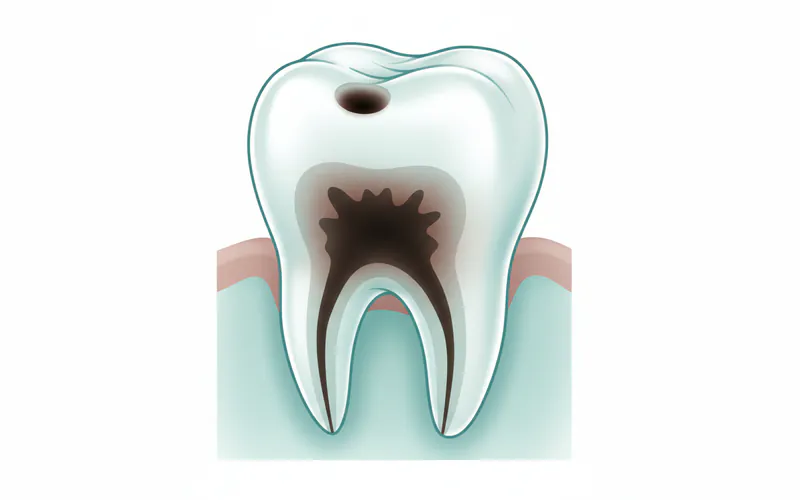
3. Visible Holes or Pits in Your Teeth
As a cavity grows, it can become visible as a small hole or pit on the surface of your tooth. You might even feel it with your tongue.
4. Dark Spots or Staining
Brown, black, or even white stains can appear on the surface of a tooth, especially in pits and fissures. Not all stains indicate a cavity, but any discoloration warrants a dental examination.
5. Pain When Chewing
Discomfort or pain when biting down can indicate a cavity that has weakened the tooth structure or has progressed significantly.
6. Bad Breath or Unpleasant Taste
Food particles trapped in a cavity can decompose, leading to bad breath (halitosis) or a persistent foul taste in your mouth.
7. Swelling Around the Tooth
If the decay has advanced to the point of causing a tooth infection (abscess), you might notice swelling in your gums, cheek, or jaw around the affected tooth. This is a serious symptom requiring emergency dental care.
Pro Tip: If you experience any persistent tooth pain, sensitivity, or notice visible changes to your teeth, don't wait. Early detection and treatment of a cavity can prevent more complex and expensive procedures like root canals or extractions.
Treatment Options for Cavities
While this guide focuses on cavity fillings, it's important to understand that the treatment for tooth decay depends on its severity.
1. Fluoride Treatments (Early Stage Decay)
For very early stages of decay, where the enamel has just begun to demineralize but a full cavity hasn't formed, your dentist might recommend fluoride treatments. These can help remineralize the enamel and potentially reverse the decay process.
2. Dental Fillings (Moderate Decay)
This is the most common treatment for established cavities. As discussed, the decayed material is removed, and the tooth is restored with a chosen filling material.
3. Crowns (Extensive Decay)
If a cavity is too large for a standard filling and has significantly weakened the tooth structure, a dental crown (a cap that covers the entire tooth) may be necessary. Crowns provide full coverage and strength, protecting the remaining tooth structure.
4. Root Canal Therapy (Deep Decay/Infection)
When decay reaches the pulp (the innermost part of the tooth containing nerves and blood vessels), it can lead to severe pain and tooth infection. In this case, a root canal is performed to remove the infected pulp, clean and disinfect the inside of the tooth, and then seal it. A crown is often placed over a root canal-treated tooth for protection.
5. Tooth Extraction (Severe Damage/Infection)
In cases where a tooth is so severely damaged by decay or infection that it cannot be saved with a filling, crown, or root canal, extraction may be the only option. The extracted tooth can then be replaced with an implant, bridge, or partial denture.
Step-by-Step Process of a Cavity Filling
The procedure for getting a cavity filling is straightforward and typically completed in a single dental visit. While there might be slight variations depending on the type of filling material and the dentist's technique, the general steps are as follows:
Step 1: Numbing the Area
The first step is to ensure your comfort. Your dentist will apply a topical anesthetic gel to your gum area, followed by an injection of local anesthetic. This will numb the tooth and surrounding tissues, ensuring you don't feel any pain during the procedure. You might feel a slight pinch or pressure during the injection, but the numbing effect quickly sets in.
Step 2: Removing the Decayed Tooth Material
Once the area is numb, your dentist will use a small drill or laser to carefully remove the decayed portion of the tooth. The goal is to remove all affected enamel and dentin while preserving as much healthy tooth structure as possible. During this stage, you'll hear the sound of the drill and may feel some vibration, but no pain.
Step 3: Preparing the Tooth for the Filling
After all the decay is removed, the dentist will shape the remaining tooth structure to ensure the filling material has a secure and stable surface to bond to. For composite resin fillings, a special etching gel may be applied to the tooth surface to create microscopic pores, enhancing the bond with the resin. For amalgam fillings, the cavity might be slightly undercut to create mechanical retention.
``
Step 4: Applying the Filling Material
- Composite Fillings: The dentist applies the composite resin in layers. Each layer is "cured" or hardened with a special blue light, which causes the material to polymerize and bond to the tooth.
- Amalgam Fillings: The amalgam mixture is packed firmly into the prepared cavity, where it conforms to the shape and then hardens over a few minutes.
- Gold or Ceramic Inlays/Onlays: If you're receiving an indirect filling (made in a lab), the dentist will take an impression of your tooth after decay removal. A temporary filling will be placed, and you'll return for a second appointment to have the custom-made gold or ceramic inlay/onlay bonded into place.
Step 5: Shaping and Polishing the Filling
Once the filling material is in place and hardened, your dentist will carefully shape and trim it to ensure it fits perfectly within your bite and doesn't interfere with the opposing teeth. They will use specialized instruments to remove any excess material and then polish the filling until it's smooth, preventing plaque accumulation and irritation to your tongue or gums. You'll be asked to bite down on articulating paper to check your bite and make any necessary adjustments.
Pro Tip: Don't hesitate to communicate with your dentist during the procedure. If you feel any discomfort or need a break, let them know. Their priority is your comfort and the successful completion of the filling.
Cost and Insurance for Cavity Fillings in the US
The cost of a cavity filling in the United States can vary significantly based on several factors, including the type of material used, the size and location of the cavity, the dentist's fees, and your geographic location (urban centers often have higher costs).
Average Cost Ranges (Without Insurance)
- Amalgam (Silver) Fillings:
- Small (1-surface): $50 - $150
- Medium (2-surface): $100 - $200
- Large (3+ surface): $150 - $300
- Composite (Tooth-Colored) Fillings:
- Small (1-surface): $150 - $300
- Medium (2-surface): $200 - $400
- Large (3+ surface): $300 - $450
- Glass Ionomer Fillings:
- Small to Medium: $100 - $300
- Ceramic (Porcelain) Fillings (Inlays/Onlays):
- Typically larger restorations: $300 - $1,500 per tooth
- Gold Fillings (Inlays/Onlays):
- Premium option: $250 - $4,500 per tooth
Geographic Variations: Costs can be 10-20% higher in major metropolitan areas like New York City or Los Angeles compared to rural or less populous regions.
Dental Insurance Coverage
Most dental insurance plans in the US cover a significant portion of the cost of cavity fillings, especially for basic restorative procedures.
- Preventive Care (e.g., exams, cleanings, X-rays): Typically covered at 80-100%.
- Basic Restorative Care (e.g., fillings, extractions): Usually covered at 70-80% after your deductible is met.
- Major Restorative Care (e.g., crowns, bridges, dentures): Often covered at 50%.
Key Insurance Terms to Understand:
- Deductible: The amount you must pay out-of-pocket before your insurance begins to cover costs (e.g., $50-$100 per year).
- Annual Maximum: The maximum amount your insurance company will pay for your dental care within a benefit year (often $1,000-$2,000).
- Co-payment/Co-insurance: Your share of the cost after your deductible is met. For fillings, if your plan covers 80%, you'll pay the remaining 20%.
Important Considerations:
- Amalgam vs. Composite: Many insurance plans cover amalgam fillings at a higher percentage or consider them the "base" coverage. If you opt for a more expensive composite filling on a back tooth, your plan might only pay the amount it would for an amalgam, leaving you to pay the difference. However, for front teeth, most plans will cover composite fillings fully due to aesthetic necessity.
- PPO vs. HMO: PPO (Preferred Provider Organization) plans offer more flexibility to choose any dentist but might have higher out-of-pocket costs. HMO (Health Maintenance Organization) plans usually require you to choose a dentist within their network but often have lower costs.
- Medicaid and CHIP: Many state Medicaid programs and the Children's Health Insurance Program (CHIP) cover dental care, including fillings, for eligible children and sometimes adults. Coverage varies by state.
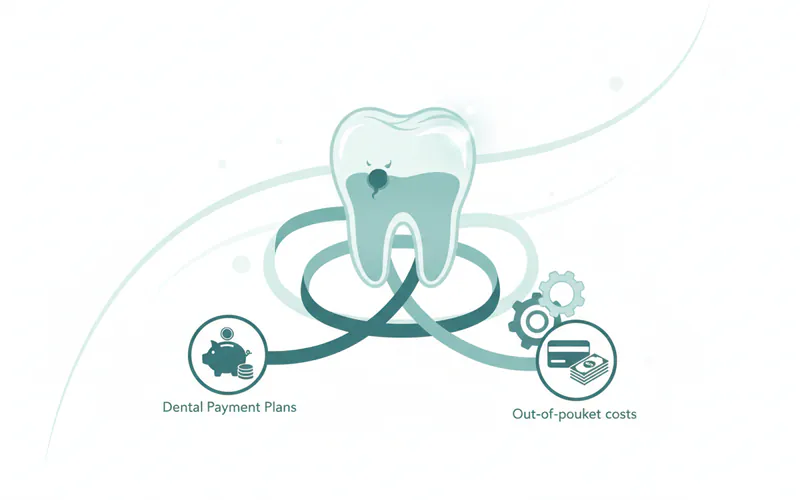
Payment Plans and Financing Options
If you don't have insurance or need to cover out-of-pocket costs:
- Dental Payment Plans: Many dental offices offer in-house payment plans, allowing you to pay for treatment over several months.
- Third-Party Financing: Companies like CareCredit offer healthcare credit cards with deferred interest options if paid within a certain timeframe.
- Dental Schools: University dental schools often provide services at a reduced cost, with treatment performed by students under the supervision of experienced faculty.
- Community Health Centers: Federally Qualified Health Centers (FQHCs) and other community clinics often offer dental care on a sliding scale fee based on income.
Recovery and Aftercare After a Cavity Filling
After receiving a cavity filling, proper aftercare is essential to ensure comfort, prevent complications, and maximize the longevity of your new restoration.
Immediately After the Procedure
- Numbness: The local anesthetic will typically wear off within 1-3 hours. Avoid chewing on the numb side of your mouth until it completely wears off to prevent accidentally biting your tongue or cheek.
- Sensitivity: It's common to experience some temporary sensitivity to hot, cold, or air after a filling, especially with composite fillings. This usually subsides within a few days to a couple of weeks as the tooth adjusts. Over-the-counter pain relievers like ibuprofen or acetaminophen can help manage discomfort.
- Soreness: Your jaw or gums might feel a bit sore from keeping your mouth open during the procedure. This is also temporary.
Eating and Drinking
- Composite Fillings: You can typically eat and drink immediately after a composite filling because the material is hardened with a light during the procedure.
- Amalgam Fillings: Amalgam fillings take time to fully harden (up to 24 hours). Your dentist might advise you to avoid chewing on the treated side for a few hours.
- Sticky/Hard Foods: Avoid excessively sticky, hard, or chewy foods for a few days, regardless of the filling type, to give your tooth and filling time to settle.
Oral Hygiene
- Brush and Floss Gently: Continue your regular oral hygiene routine, but be gentle around the filled tooth for the first day or two. Brushing and flossing are crucial for preventing new decay around the filling.
- Fluoride: Continue using fluoride toothpaste to strengthen surrounding enamel.
What to Watch For (When to Call Your Dentist)
While most fillings heal without issues, contact your dentist if you experience:
- Persistent or Worsening Pain: If the pain doesn't subside after a few days or worsens, it could indicate a deeper issue or an allergic reaction.
- Extreme Sensitivity: If sensitivity to hot or cold becomes severe or lasts longer than a few weeks.
- Allergic Reaction: Though rare, some people can be allergic to materials in fillings (e.g., mercury in amalgam, though very uncommon). Symptoms might include a rash or itching.
- High Spots/Bite Problems: If your bite feels "off" or the filling feels too high, it can cause discomfort and even fracture the tooth. This is easily adjusted by your dentist.
- Loose or Lost Filling: If your filling falls out or feels loose, contact your dentist immediately to prevent food impaction and potential tooth infection.
- Cracked Tooth: New cracks can occur, especially if the filling was large or the tooth was already weakened.
Pro Tip: Your dentist will provide specific post-operative instructions tailored to your filling type. Follow them diligently for the best healing outcome.
Prevention of Cavities
Preventing cavities is far easier and less expensive than treating them. A proactive approach to oral health can significantly reduce your risk of needing a cavity filling.
1. Maintain Excellent Oral Hygiene
- Brush Twice Daily: Brush your teeth for two minutes, twice a day, with a fluoride toothpaste. Ensure you cover all surfaces of your teeth.
- Floss Daily: Floss at least once a day to remove plaque and food particles from between your teeth and under the gum line, where your toothbrush can't reach.
- Use Mouthwash: An antiseptic or fluoride mouthwash can provide additional protection, though it's not a substitute for brushing and flossing.
2. Diet and Nutrition
- Limit Sugary and Starchy Foods: Reduce your consumption of sweets, candies, sodas, fruit juices, and refined carbohydrates. These foods feed the bacteria that produce cavity-causing acids.
- Snack Smart: If you must snack, choose tooth-friendly options like fresh fruits, vegetables, cheese, or nuts.
- Drink Water: Fluoridated water is ideal. It helps wash away food particles, neutralizes acids, and provides beneficial fluoride.
3. Regular Dental Check-ups and Cleanings
- Visit Your Dentist Regularly: Schedule professional cleanings and check-ups at least twice a year, or as recommended by your dentist. These visits allow your dentist to detect early signs of decay before they become painful cavities and to remove hardened plaque (tartar) that you can't remove at home.
- Dental X-rays: Regular X-rays help identify cavities forming between teeth or under existing fillings, which are often invisible to the naked eye.
4. Fluoride Protection
- Fluoridated Water: If your community water supply is fluoridated, drink it regularly.
- Fluoride Toothpaste: Always use a toothpaste containing fluoride.
- Topical Fluoride Treatments: Your dentist may recommend professional fluoride applications, especially if you have a high risk of cavities.
5. Dental Sealants
- For Children (and sometimes Adults): Dental sealants are thin, protective coatings applied to the chewing surfaces of molars and premolars. They fill in the deep pits and fissures, creating a smooth surface that is easier to clean and significantly reducing the risk of cavities in these vulnerable areas. The ADA recommends sealants for children as soon as their permanent molars erupt.
6. Avoid Tobacco Products
Smoking and chewing tobacco significantly increase the risk of gum disease and cavities, as they can cause dry mouth and impair the body's ability to fight infection.
Risks and Complications of Cavity Fillings
While cavity filling procedures are generally safe and effective, like any medical treatment, there are potential risks and complications, though most are rare and manageable.
1. Tooth Sensitivity
- Post-Operative Sensitivity: It's common to experience temporary sensitivity to hot, cold, or pressure after a filling. This usually resolves within a few days or weeks.
- Persistent Sensitivity: If sensitivity lasts longer or worsens, it might indicate that the filling is too high, nerve irritation, or a crack in the tooth.
2. Allergic Reactions
Though rare, some individuals can be allergic to the materials used in fillings, particularly the metals in amalgam or components in composite resin. Symptoms might include a rash, itching, or swelling. If you have known allergies, inform your dentist beforehand.
3. Filling Problems
- Loose or Lost Filling: Fillings can occasionally loosen or fall out due to chewing forces, new decay forming around the filling, or a weak bond. If this happens, the tooth becomes exposed and vulnerable to sensitivity, decay, and tooth infection.
- Chipped or Fractured Filling: Biting on hard objects or excessive chewing pressure can cause a filling to chip or fracture.
- Recurrent Decay: Decay can form beneath or around an existing filling if oral hygiene is poor or if the seal between the filling and the tooth breaks down.
4. Nerve Damage or Pulpitis
If the cavity was very deep, the drilling process to remove decay can sometimes irritate the tooth's nerve (pulp). This can lead to pulpitis, an inflammation of the pulp.
- Reversible Pulpitis: Mild and temporary inflammation, usually resolves on its own.
- Irreversible Pulpitis: Severe and persistent inflammation, often requiring a root canal to save the tooth, as it can otherwise lead to a serious tooth infection.
5. Cracks or Fractures in the Tooth
Large fillings, especially amalgam fillings that expand and contract over time, can put stress on the remaining tooth structure, leading to cracks or fractures. This can be painful and may require a crown to protect the tooth.
6. Galvanic Shock
When two different metal fillings (e.g., amalgam and gold) are in close proximity in the mouth, they can create a small electrical current, causing a mild "shock" sensation. This is rare and usually harmless but can be uncomfortable.
7. Aesthetic Concerns
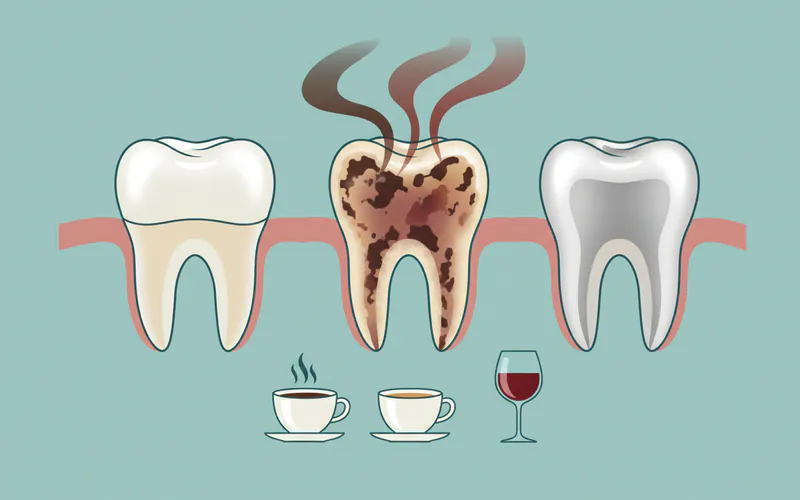
While composite and ceramic fillings are tooth-colored, they can stain over time, especially with consumption of coffee, tea, and red wine. Amalgam fillings are visibly silver.
``
Children / Pediatric Considerations for Cavity Fillings
Cavities are a significant concern for children, with the CDC reporting that nearly 1 in 4 children aged 2-11 have untreated dental caries. Addressing decay in primary (baby) teeth is just as important as in permanent teeth, as untreated cavities can cause pain, difficulty eating, speech problems, and even affect the development of permanent teeth.
Why Children Get Cavities More Often
- Sugary Diets: Children often consume more sugary snacks and drinks.
- Developing Oral Hygiene: Young children may not brush and floss effectively, requiring parental assistance.
- Enamel Thickness: Primary teeth have thinner enamel compared to permanent teeth, making them more susceptible to rapid decay.
- Bottle/Breastfeeding Habits: Prolonged bottle-feeding or breastfeeding, especially at night, can lead to "baby bottle tooth decay" or early childhood caries.
Filling Materials for Children
- Composite Resin: Often preferred for visible teeth due to aesthetics.
- Amalgam: Still used for back teeth due to its durability and cost-effectiveness, especially in public health clinics.
- Glass Ionomer: A popular choice for children because it releases fluoride, which helps protect the tooth from further decay. It's also less moisture-sensitive during placement, which can be advantageous in a child's mouth.
- Stainless Steel Crowns (SSCs): For very large cavities in primary molars that can't be restored with a filling, a pre-fabricated stainless steel crown is often used. These are durable, cover the entire tooth, and are cost-effective, typically staying on until the primary tooth naturally falls out.
The Procedure for Children
The process is similar to adults but often tailored for a child's temperament. Pediatric dentists specialize in making the experience as comfortable and positive as possible, using child-friendly language, distraction techniques, and sometimes nitrous oxide (laughing gas) for anxiety management.
The Importance of Filling Baby Teeth
Some parents wonder if baby teeth need fillings since they will eventually fall out. The answer is a resounding yes:
- Space Maintenance: Primary teeth hold space for permanent teeth. If a baby tooth is lost prematurely due to decay, other teeth can shift, leading to crowding and orthodontic problems later.
- Eating and Speech: Cavities can cause pain, making it difficult for children to eat and obtain proper nutrition. They can also affect speech development.
- Preventing Infection: Untreated cavities can lead to severe pain, abscesses, and tooth infection, which can affect the developing permanent tooth beneath.
- Habit Formation: Establishing good oral hygiene habits early sets the stage for lifelong dental health.
Pro Tip: Dental sealants are a highly effective preventive measure for children, typically applied to the molars as soon as they erupt to protect the deep grooves from decay. The ADA strongly supports their use.
Frequently Asked Questions
1. How long does a cavity filling last?
The longevity of a cavity filling depends heavily on the material used, the size of the filling, your oral hygiene habits, and your chewing patterns. Amalgam and gold fillings can last 10-15 years or more, while composite resins typically last 5-10 years, and glass ionomers about 3-5 years.
2. Is getting a cavity filling painful?
No, the procedure for a cavity filling is generally not painful because your dentist will use a local anesthetic to thoroughly numb the tooth and surrounding area. You might feel a slight pinch or pressure during the injection, and some vibration or pressure during the drilling, but you should not feel any sharp pain.
3. What if I delay getting a cavity filling?
Delaying a cavity filling allows the decay to progress deeper into the tooth, potentially reaching the nerve (pulp). This can lead to severe toothache, increased sensitivity, and eventually a serious tooth infection (abscess). If left untreated, it may require more extensive and costly treatments like a root canal or even tooth extraction.
4. Can I eat and drink normally after a filling?
With composite fillings, you can generally eat and drink immediately. For amalgam fillings, dentists often advise waiting a few hours (typically 24 hours) to allow the filling to fully harden. Regardless of the material, it's wise to avoid very hard, sticky, or chewy foods for the first day or two to prevent dislodging the filling or irritating the treated tooth.
5. What are the alternatives to a traditional filling?
For very early decay, fluoride treatments can remineralize enamel. For extensive decay that a filling cannot repair, alternatives include dental crowns (caps) for structural support, root canal therapy if the pulp is infected, or in severe cases, tooth extraction.
6. Why does my tooth feel sensitive after a filling?
Post-filling sensitivity to hot, cold, or pressure is common and usually temporary. It occurs as the tooth's nerve adjusts to the new filling material and the minor trauma of the procedure. It typically subsides within a few days to a couple of weeks. If sensitivity persists or worsens, contact your dentist.
7. How do I know if my filling needs to be replaced?
Signs that a cavity filling might need replacement include visible cracks or chips, a rough edge that catches floss, discomfort when chewing, persistent sensitivity, a dark spot around the filling (indicating recurrent decay), or if the filling feels loose or falls out entirely. Regular dental check-ups can also detect issues before they become noticeable.
8. Can a filling prevent a tooth infection?
Yes, a timely cavity filling is crucial for preventing a tooth infection. By removing decayed material and sealing the tooth, a filling eliminates the pathway for bacteria to reach the inner pulp of the tooth, where they can cause inflammation and severe infection (abscess).
9. Are mercury amalgam fillings safe?
According to the American Dental Association (ADA) and the U.S. Food and Drug Administration (FDA), dental amalgam fillings are considered safe for adults and children aged six and above. They have been used for over 150 years and have been extensively studied, with no scientific evidence showing that the small amount of mercury released from amalgam fillings causes adverse health effects.
10. Does insurance cover cavity fillings?
Most dental insurance plans cover a significant portion of the cost of cavity fillings, typically 70-80% for basic restorative procedures after your deductible is met. Coverage levels can vary based on the type of filling material and your specific plan details. It's always best to check with your insurance provider directly.
When to See a Dentist
Knowing when to seek dental care is crucial for maintaining your oral health and preventing minor issues from escalating into major problems. For cavity fillings and related concerns, here's a guide:
Routine Care (Schedule a Regular Appointment)
- Yearly Check-ups and Cleanings: The American Dental Association (ADA) recommends regular dental visits at intervals determined by your dentist based on your oral health needs, typically every six months to a year. These visits are essential for early detection of cavities and other issues.
- Minor Sensitivity: If you notice new, mild sensitivity to hot or cold that is intermittent and not painful, it might be an early sign of a cavity or gum recession. Mention it at your next routine appointment.
Prompt Care (Schedule an Appointment Soon)
- Persistent Sensitivity: If sensitivity lasts longer than a few weeks, especially after consuming sweets, it could indicate a growing cavity that needs attention.
- Visible Dark Spots or Small Holes: Any new discoloration or a small pit on a tooth surface warrants a professional evaluation.
- Rough Edges on an Existing Filling: If you feel a rough edge with your tongue or if floss catches on a filling, it might be chipped or breaking down.
- Minor Pain When Chewing: Intermittent discomfort when biting down could suggest a cavity or a minor crack.
Emergency Care (See a Dentist Immediately)
- Severe, Constant Toothache: If you experience intense, throbbing pain that doesn't subside with over-the-counter pain relievers, especially if it wakes you up at night, it could signify a deep cavity affecting the nerve or a tooth infection. This often prompts the need to know how to stop tooth pain fast, but only a dentist can address the root cause.
- Swelling in the Gums, Face, or Jaw: Swelling, particularly accompanied by pain or fever, is a serious sign of an abscess or severe tooth infection that requires immediate dental attention.
- Lost or Broken Filling: If a filling falls out or a significant portion of it breaks, the exposed tooth can be highly sensitive and vulnerable to further damage and infection. Seek care as soon as possible.
- Pus Drainage: Any pus coming from around a tooth or gum is a clear sign of infection and requires urgent treatment.
- Trauma: If you experience a knocked-out, chipped, or fractured tooth due to an accident, seek immediate dental care.
``
Remember, early detection and treatment of cavities save teeth, prevent pain, and avoid more complex and expensive procedures. Don't underestimate the importance of your dental health; it's an integral part of your overall well-being.
Frequently Asked Questions
Medically Reviewed Content
This article was written by our dental health editorial team and reviewed for medical accuracy. Our content follows strict editorial guidelines for reliability and trustworthiness.
Medical Disclaimer
This article is for informational purposes only and does not constitute medical advice. Always consult with a qualified dental professional for diagnosis and treatment. Do not delay seeking professional advice because of something you read on this website.
Related Articles
What Is an Abscess
Imagine a throbbing pain deep within your jaw, a persistent ache that keeps you awake at night and makes even the softest foods unbearable. This isn't just a bad toothache; it could be a sign of something much more serious: a dental abscess. Affecting millions of Americans annually, an abscess is an
February 22, 2026
Cracked Tooth Syndrome: Complete Guide
Cracked Tooth Syndrome: Complete Guide Category: Dental Conditions & Diseases
February 22, 2026
Dentinogenesis Imperfecta: Complete Guide
Imagine a world where your teeth, fundamental to chewing, speaking, and even smiling confidently, are inherently fragile, discolored, and prone to rapid wear from the moment they emerge. For individuals affected by dentinogenesis imperfecta (DI), this is a reality. While relatively rare, affecti
February 22, 2026
Stage 1 Early Cavity: Complete Guide
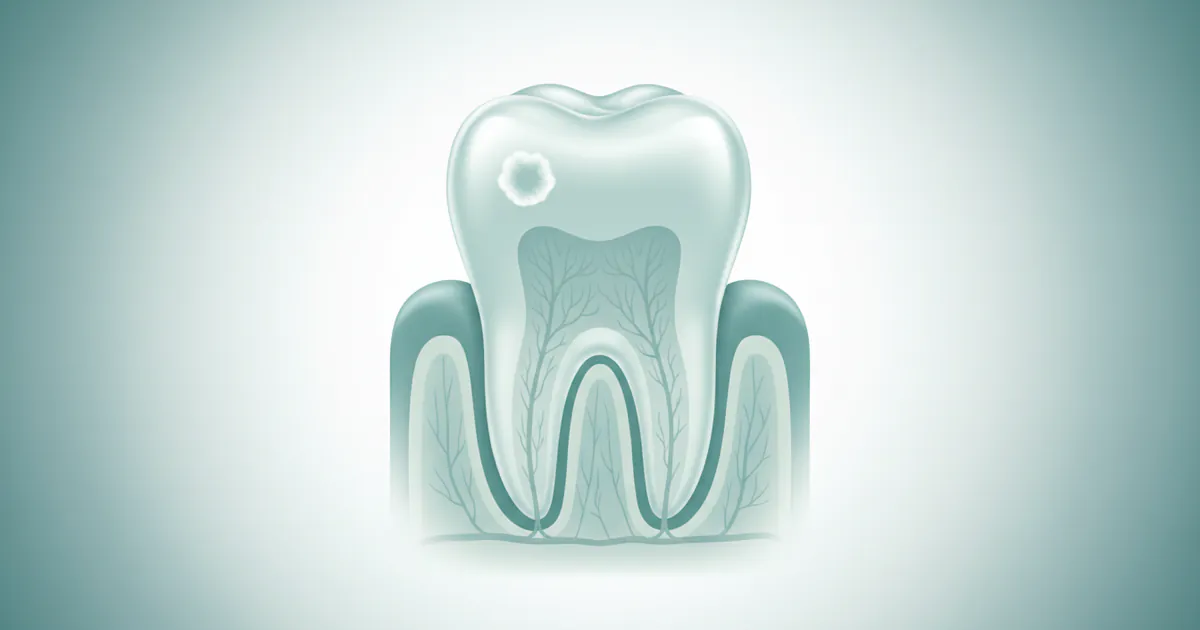
Did you know that dental cavities are one of the most common chronic diseases globally, affecting both children and adults? In the United States, over 90% of adults have had a cavity, and a significant portion of these begin as a stage 1 early cavity. Often invisible and painless in its nasc
February 22, 2026