Reduce Gum Swelling: Complete Guide
Key Takeaways
- Few experiences are as unsettling as waking up to a mouth that feels "off," only to discover your gums are swollen, red, and tender. Gum swelling, medically known as gingival swelling or gingival inflammation, is not just a minor annoyance; it's a critical signal from your body that something is ami
Reduce Gum Swelling: Complete Guide
Few experiences are as unsettling as waking up to a mouth that feels "off," only to discover your gums are swollen, red, and tender. Gum swelling, medically known as gingival swelling or gingival inflammation, is not just a minor annoyance; it's a critical signal from your body that something is amiss with your oral health. Affecting over 47% of adults aged 30 and older in the United States with some form of gum disease, according to the Centers for Disease Control and Prevention (CDC), swollen gums are a widespread concern that demands attention. Learning how to effectively reduce gum swelling is paramount not only for immediate comfort but also for preventing more severe dental and systemic health issues.

This comprehensive guide from SmilePedia.net will equip you with all the knowledge you need to understand, address, and prevent gum swelling. We'll delve into the various causes, from common conditions like gingivitis to more serious infections, explore effective home remedies and professional treatments, discuss associated costs and insurance considerations, and provide actionable steps for recovery and long-term prevention. Your journey to healthier, pain-free gums starts here.
Key Takeaways:
- Primary Cause: Most gum swelling stems from gingivitis, a reversible gum inflammation caused by plaque buildup. Untreated, it can progress to periodontitis.
- Initial Steps: For mild swelling, gentle brushing, flossing, and saltwater rinses (1/2 tsp salt in 8 oz warm water, 2-3 times daily) can offer temporary relief within 24-48 hours.
- Professional Help: Persistent swelling (more than a few days), severe pain, bleeding, or pus warrants immediate dental evaluation. A professional cleaning (scaling and root planing) for gingivitis typically costs $200-$600 per quadrant without insurance.
- Abscess Urgency: Swelling accompanied by a throbbing pain, fever, or a small pimple-like bump on the gum could indicate an abscess, requiring urgent dental drainage. Emergency drainage can cost $150-$500.
- Prevention is Key: Consistent oral hygiene (brushing twice daily, flossing once daily) and regular dental check-ups (every 6 months) are the most effective ways to prevent gum swelling.
- Insurance Coverage: Most dental insurance plans cover a significant portion (50-80%) of diagnostic and preventive care, including cleanings, which are crucial for managing and preventing gum inflammation.
- Long-Term Impact: Ignoring gum swelling can lead to tooth loss, bone damage, and has been linked to systemic conditions like heart disease and diabetes.
What It Is: Understanding Gum Swelling
Gum swelling, or gingival inflammation, refers to the enlargement, redness, and tenderness of the gum tissue that surrounds your teeth. This condition can range from a localized puffiness around a single tooth to a more generalized inflammation affecting large sections of your gums. The gums may appear puffy, shiny, or even stretched, and often bleed easily when brushing or flossing. While it might seem like a minor issue, swollen gums are a primary indicator of underlying oral health problems, with inflammation being the body's natural response to irritation or infection. Early identification and intervention are crucial to reduce gum swelling and protect your overall dental well-being.
Types and Variations of Gum Swelling
Gum swelling isn't a monolithic condition; it can manifest in several ways, each pointing to different underlying causes and requiring specific approaches to make gum swelling go down. Understanding these variations is key to proper diagnosis and treatment.
Localized vs. Generalized Swelling
- Localized Swelling: This affects a specific area of the gums, often around one tooth or a small cluster of teeth.
- Causes: Could be due to food impaction, a dental abscess (periapical or periodontal), an erupting tooth (like a wisdom tooth), trauma from aggressive brushing, or a localized infection.
- Generalized Swelling: This involves widespread inflammation across most or all of the gum tissue in the upper or lower arch, or even throughout the entire mouth.
- Causes: Typically indicative of widespread gum disease (gingivitis or periodontitis), systemic conditions, allergic reactions, or medication side effects.
Acute vs. Chronic Swelling
- Acute Swelling: Appears suddenly and often dramatically, sometimes accompanied by significant pain.
- Causes: Often linked to acute infections (abscess), trauma, or sudden allergic reactions. Requires prompt attention.
- Chronic Swelling: Develops gradually over weeks or months and may not always be painful, making it easier to overlook.
- Causes: Most commonly associated with chronic plaque buildup leading to gingivitis and periodontitis. Can also be a symptom of long-term medication use or systemic diseases.
Other Specific Types
- Papillary Gingivitis: Inflammation primarily affecting the interdental papilla (the triangular gum tissue between teeth).
- Marginal Gingivitis: Inflammation along the gum line, where the gums meet the teeth.
- Diffuse Gingivitis: Inflammation affecting the papilla, marginal gingiva, and attached gingiva (the firmer gum tissue connected to the bone).
- Gingival Abscess: A localized collection of pus within the gum tissue, often due to foreign body impaction or infection.
- Periodontal Abscess: An infection involving the deeper supporting structures of the tooth, often presenting as a swelling on the gum.
- Pericoronitis: Inflammation of the gum tissue surrounding a partially erupted tooth, most commonly wisdom teeth.
Causes: Why Swelling in Gums Happens
Understanding the root causes of swelling in gums is the first step toward effective treatment and prevention. The reasons are diverse, ranging from simple hygiene issues to more complex systemic conditions.
1. Poor Oral Hygiene (Plaque Buildup)
- Gingivitis: This is by far the most common cause of gum swelling. When plaque—a sticky film of bacteria—is not adequately removed from the teeth and gum line through daily brushing and flossing, it irritates the gums. The body's immune response to this bacterial irritation causes the gums to become inflamed, red, swollen, and prone to bleeding. Gingivitis is reversible with proper oral hygiene.
- Periodontitis: If gingivitis is left untreated, it can advance to periodontitis. In this more severe form of gum disease, plaque spreads below the gum line, leading to chronic inflammation, destruction of the bone and tissues supporting the teeth, and eventually tooth loss. Swelling associated with periodontitis is often more severe and persistent.
2. Dental Abscesses
- Periapical Abscess: An infection at the tip of the tooth root, usually resulting from an untreated cavity or trauma that allows bacteria to enter the tooth's pulp. The infection can spread to the surrounding bone and then through the gum tissue, causing a localized, painful swelling, often resembling a "pimple" on the gum.
- Periodontal Abscess: An infection within the gum tissue itself, often due to a deep periodontal pocket (a space between the tooth and gum created by periodontitis) trapping bacteria, or sometimes from food impaction. It presents as a painful, localized swelling.
3. Trauma or Injury
- Aggressive Brushing/Flossing: Brushing too hard or using an incorrect flossing technique can irritate and damage gum tissue, leading to localized swelling.
- Ill-fitting Dental Appliances: Dentures, partials, or retainers that don't fit correctly can rub against the gums, causing irritation and inflammation.
- Dental Procedures: Minor swelling can occur after dental work like fillings, extractions, or deep cleanings, typically resolving within a few days.
- Food Impaction: A piece of food (like popcorn kernels or fibrous meat) lodged between teeth or under the gum line can cause localized inflammation and swelling.
4. Erupting Teeth
- Teething in Infants: As primary teeth emerge, the gums around them can become swollen, red, and tender.
- Wisdom Teeth (Pericoronitis): When wisdom teeth (third molars) partially erupt, a flap of gum tissue (operculum) can cover part of the tooth. Food and bacteria can get trapped under this flap, leading to inflammation and infection, known as pericoronitis, causing significant swelling and pain in the back of the mouth.
5. Nutritional Deficiencies
- Vitamin C Deficiency (Scurvy): While rare in developed countries, severe vitamin C deficiency can lead to widespread gum inflammation, swelling, bleeding, and eventual tooth loss.
- Other Deficiencies: Deficiencies in B vitamins or iron can also compromise gum health, making them more susceptible to inflammation.
6. Hormonal Changes
- Puberty: Hormonal fluctuations can increase blood flow to the gums, making them more sensitive and reactive to plaque, leading to "puberty gingivitis."
- Pregnancy: "Pregnancy gingivitis" is common due to increased hormone levels (estrogen and progesterone), which make gums more sensitive to plaque bacteria. Swelling and bleeding are frequent.
- Menstruation: Some women experience minor gum sensitivity and swelling just before their menstrual period.
- Menopause: Hormonal changes during menopause can contribute to dry mouth and changes in gum tissue, potentially increasing susceptibility to inflammation.
7. Medication Side Effects
Several medications can cause gingival enlargement or overgrowth (gingival hyperplasia), which presents as significant gum swelling.
- Phenytoin (Dilantin): An anti-seizure medication.
- Cyclosporine: An immunosuppressant used after organ transplants.
- Calcium Channel Blockers (e.g., Nifedipine, Amlodipine): Used to treat high blood pressure and heart conditions. If you are on these medications and experience gum swelling, consult your dentist and physician. Do not stop taking medication without medical advice.
8. Allergic Reactions
- Oral Care Products: Allergies to ingredients in toothpaste, mouthwash, or chewing gum can cause contact dermatitis, leading to gum irritation and swelling.
- Dental Materials: Rarely, reactions to certain dental materials (e.g., metals, acrylics) can cause localized gum inflammation.
9. Systemic Diseases
Certain systemic diseases can manifest with gum swelling:
- Crohn's Disease: Can cause "cobblestoning" and diffuse swelling of oral tissues, including the gums.
- Leukemia: In some forms of leukemia, the gums may become severely swollen, red, and bleed easily due to the proliferation of abnormal white blood cells.
- Diabetes: Poorly controlled diabetes can impair the body's ability to fight infection, making individuals more susceptible to gum disease and more pronounced gum swelling.
- Herpetic Gingivostomatitis: A viral infection, often seen in children, causing widespread painful gum swelling, ulcers, and fever.
- Fungal Infections: Thrush (candidiasis) can sometimes cause gum inflammation.
Signs and Symptoms: What to Look For
Recognizing the signs and symptoms of gum swelling early can prompt timely intervention and prevent progression. Pay attention to changes in your gums, as they are often the first indicators of a problem.
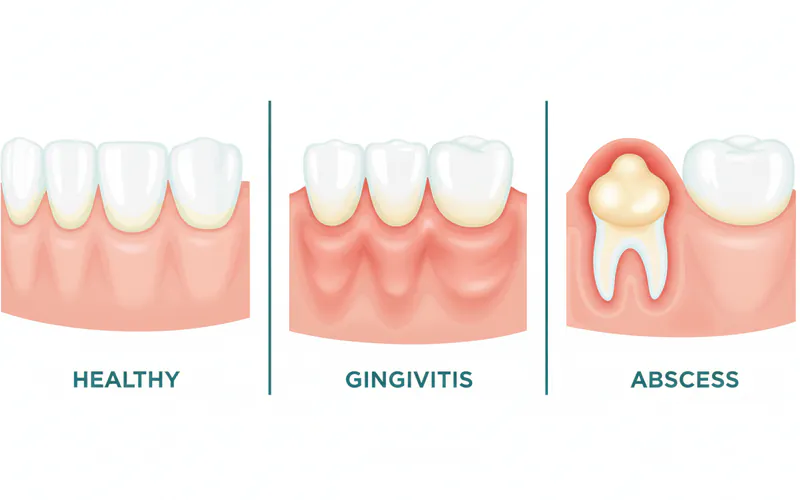
- Redness or Darkening of Gums: Healthy gums are typically pink. Swollen gums often appear bright red, dark red, or purplish.
- Swelling or Puffiness: The gums may look enlarged, puffy, or bulging, sometimes obscuring parts of the teeth.
- Tenderness or Pain: Gums may be sore to the touch, painful when chewing, or experience a throbbing sensation.
- Bleeding Gums: Gums that bleed easily during brushing, flossing, or even spontaneously are a classic sign of inflammation.
- Shiny Appearance: Inflamed gums can sometimes look shiny or stretched due due to fluid retention.
- Receding Gums: In more advanced gum disease (periodontitis), the gums may pull away from the teeth, making teeth appear longer.
- Bad Breath (Halitosis): Bacterial buildup and infection contributing to gum swelling can also cause persistent bad breath.
- Pus: The presence of pus, often visible as a yellowish or whitish discharge, indicates a bacterial infection or abscess. This is a serious symptom requiring immediate dental attention.
- Loose Teeth: In severe, chronic periodontitis, the supporting bone can be destroyed, leading to mobile or loose teeth. This is a late-stage symptom.
- Changes in Bite: Swelling can sometimes alter how your teeth fit together, making chewing uncomfortable.
- Fever and Malaise: If the swelling is due to a severe infection like an abscess, you might also experience systemic symptoms such as fever, fatigue, and swollen lymph nodes.
Treatment Options: Making Gum Swelling Go Down
The approach to reducing gum swelling depends entirely on its underlying cause. A dentist will diagnose the specific issue and recommend the most appropriate course of action. Treatment options range from simple home care to complex surgical procedures.
1. Home Remedies (for Mild Cases and Temporary Relief)
These are primarily for symptomatic relief of mild swelling caused by temporary irritation or early-stage gingivitis. They are not a substitute for professional dental care, especially if swelling persists.
- Saltwater Rinses: Rinse your mouth with a solution of 1/2 teaspoon of salt dissolved in 8 ounces of warm water 2-3 times a day. Saltwater acts as a natural disinfectant, reduces inflammation, and can help draw out infection.
- Pros: Inexpensive, accessible, natural antiseptic.
- Cons: Not a cure for underlying issues, can be drying if overused.
- Cold Compress: Apply a cold compress or ice pack to the outside of your cheek near the swollen area for 15-20 minutes at a time, several times a day. This can help reduce pain and inflammation, particularly if trauma or an abscess is suspected.
- Pros: Quick pain relief, reduces swelling.
- Cons: Only addresses symptoms, not the cause.
- Over-the-Counter (OTC) Pain Relievers: Ibuprofen (Advil, Motrin) or acetaminophen (Tylenol) can help manage pain and reduce inflammation. Follow dosage instructions carefully.
- Pros: Effective for pain and inflammation.
- Cons: Masks symptoms, doesn't treat the cause.
- Aloe Vera: Some studies suggest aloe vera mouthwash can reduce gum inflammation. Use an alcohol-free aloe vera mouthwash.
- Pros: Natural anti-inflammatory.
- Cons: Efficacy varies, not a primary treatment.
- Turmeric Paste: Turmeric has anti-inflammatory properties. A paste made from turmeric powder and a little water can be gently applied to the gums, then rinsed.
- Pros: Natural anti-inflammatory.
- Cons: Can stain teeth temporarily, limited scientific evidence for direct gum treatment.
- Baking Soda Paste: Mix baking soda with a little water to form a paste and gently rub it on the gums, then rinse. Baking soda can help neutralize acids and reduce inflammation.
- Pros: Mild antiseptic, neutralizes acids.
- Cons: Not a primary treatment.
- Pro Tip: Always consult your dentist if home remedies don't provide relief within a few days or if swelling worsens. Self-treatment of serious infections can lead to severe complications.
2. Professional Dental Treatments
For most cases of persistent or significant gum swelling, professional dental intervention is necessary to address the root cause.
- Professional Dental Cleaning (Prophylaxis):
- What it is: A routine cleaning where a dental hygienist or dentist removes plaque and calculus (hardened plaque) from above the gum line.
- For: Mild gingivitis.
- Pros: Removes irritants, reversible, relatively inexpensive.
- Cons: Not sufficient for advanced gum disease.
- Scaling and Root Planing (Deep Cleaning):
- What it is: A non-surgical procedure where plaque and tartar are removed from both above and below the gum line, and the tooth roots are smoothed to remove bacterial toxins and prevent future plaque adherence. Often done under local anesthesia.
- For: Moderate to severe gingivitis and early to moderate periodontitis.
- Pros: Highly effective at arresting gum disease, non-surgical.
- Cons: Can cause temporary sensitivity, may require multiple appointments.
- Antibiotics:
- What it is: Prescribed orally or applied topically to control bacterial infections. Oral antibiotics (e.g., amoxicillin, clindamycin) are used for widespread infections or abscesses. Topical antibiotics (e.g., Arestin, Atridox) can be placed directly into periodontal pockets.
- For: Dental abscesses, severe gum infections, or as an adjunct to deep cleaning for periodontitis.
- Pros: Directly combats bacterial infection.
- Cons: Can have side effects (e.g., stomach upset), risk of antibiotic resistance if overused.
- Abscess Drainage:
- What it is: A dentist will make a small incision in the swollen gum to drain the pus, relieving pressure and removing infection. This is often followed by cleaning the area and sometimes antibiotics.
- For: Dental or periodontal abscesses.
- Pros: Immediate pain relief, addresses acute infection.
- Cons: Invasive, requires follow-up care.
- Gum Surgery (Periodontal Surgery):
- What it is: For advanced periodontitis where non-surgical treatments are insufficient. Procedures include:
- Flap Surgery: Gums are lifted back, tartar is removed from deep pockets, and gums are then re-sutured.
- Gingivectomy: Removal of excess gum tissue, often due to drug-induced gingival enlargement or aesthetic concerns.
- Bone Grafts: To regenerate bone lost due to periodontitis.
- For: Severe periodontitis, gum recession, drug-induced gingival hyperplasia.
- Pros: Can save teeth, regenerates lost tissue/bone.
- Cons: Invasive, longer recovery time, higher cost.
- What it is: For advanced periodontitis where non-surgical treatments are insufficient. Procedures include:
- Addressing Underlying Causes:
- Medication Adjustment: If drug-induced gingival enlargement is the cause, your dentist will communicate with your physician to discuss alternative medications or dosage adjustments.
- Nutritional Counseling: For deficiencies, dietary changes or supplements may be recommended.
- Orthodontic Adjustments: For ill-fitting appliances.
- Extraction: In cases of severely infected or impacted wisdom teeth causing pericoronitis, extraction may be necessary.
Step-by-Step Process: What to Expect During Treatment
Let's walk through what you might expect for two common professional treatments to make gum swelling go down: a professional cleaning (for gingivitis) and scaling and root planing (for periodontitis).
Step-by-Step for a Professional Cleaning (Prophylaxis for Gingivitis):
- Initial Examination: The dentist or hygienist will perform a visual inspection of your gums, checking for redness, swelling, and bleeding.
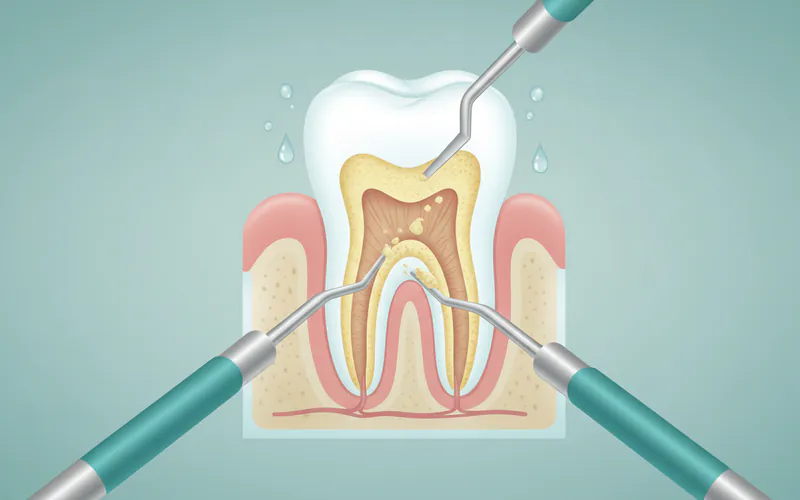
- Plaque and Tartar Removal: Using specialized dental instruments (scalers and ultrasonic devices), they will meticulously remove plaque and hardened tartar (calculus) from the surfaces of your teeth and just below the gum line.
- Polishing: Your teeth will be polished using a high-speed rotating brush and a gritty paste to remove surface stains and any remaining plaque.
- Flossing: A thorough flossing will be performed to clean between teeth and check for any tight spots or issues.
- Rinse and Fluoride (Optional): You'll rinse your mouth, and a fluoride treatment may be applied to strengthen tooth enamel.
- Oral Hygiene Instructions: The hygienist will provide personalized instructions on proper brushing, flossing, and potentially recommend specific mouthwashes to maintain gum health.
- Follow-up: Usually, a follow-up appointment in 6 months is recommended to monitor your oral health.
Step-by-Step for Scaling and Root Planing (Deep Cleaning for Periodontitis):
- Diagnosis and Assessment: The dentist will perform a comprehensive periodontal exam, including measuring pocket depths around your teeth (the space between your tooth and gum) and taking X-rays to assess bone loss.
- Local Anesthesia: To ensure comfort, the dentist will administer local anesthesia to numb the specific areas of your mouth that will be treated. This typically involves injections into the gum tissue.
- Scaling: Using ultrasonic instruments and hand scalers, the hygienist or dentist will meticulously remove all plaque and tartar from above and, critically, below the gum line. This can involve reaching deep into periodontal pockets.
- Root Planing: After scaling, the tooth root surfaces are carefully smoothed. This process removes bacterial toxins and rough spots on the root that harbor bacteria, making it harder for plaque to reattach and easier for gums to reattach to the tooth.
- Irrigation (Optional): Sometimes, an antimicrobial solution or laser might be used to further disinfect the pockets.
- Antibiotic Placement (Optional): In some cases, a slow-release antibiotic medication (like Arestin or Atridox) may be placed directly into deep periodontal pockets to combat lingering bacteria.
- Multiple Appointments: Scaling and root planing is often performed over multiple appointments (e.g., one quadrant of the mouth per visit) to ensure thoroughness and patient comfort.
- Post-Treatment Instructions: You will receive detailed instructions on aftercare, including oral hygiene, pain management, and what to expect during recovery.
- Follow-up (Periodontal Maintenance): A follow-up visit (often 4-6 weeks later) is crucial to assess healing. If successful, you'll enter a periodontal maintenance program, typically with cleanings every 3-4 months, to prevent recurrence.
Cost and Insurance: Navigating Expenses in the US
The cost to reduce gum swelling can vary significantly depending on the cause, the severity, the required treatment, your geographic location, and whether you have dental insurance. All prices listed are average US ranges and can fluctuate.
Average US Cost Ranges Without Insurance:
- Professional Cleaning (Prophylaxis):
- Low: $75
- Mid: $120
- High: $200 (including exam and X-rays)
- Scaling and Root Planing (Per Quadrant):
- Low: $200
- Mid: $350
- High: $600
- Total for full mouth (4 quadrants): $800 - $2,400
- Dental Abscess Drainage (Emergency):
- Low: $150
- Mid: $300
- High: $500 (may not include follow-up root canal or extraction)
- Antibiotics (Prescription):
- Oral: $10 - $60 (generic)
- Topical (e.g., Arestin): $50 - $150 per site
- Gingivectomy (per tooth or site):
- Low: $200
- Mid: $500
- High: $800
- Flap Surgery (per quadrant):
- Low: $700
- Mid: $1,500
- High: $3,000+ (without bone grafts)
- Pericoronitis Treatment (including extraction):
- Simple Extraction: $75 - $300
- Surgical Wisdom Tooth Extraction: $200 - $750+ (per tooth)
Impact of Dental Insurance:
Most dental insurance plans in the US are categorized by coverage levels:
- Preventive Care (e.g., routine cleanings, exams, X-rays): Typically covered at 80-100%. This is crucial for preventing gum swelling.
- Basic Procedures (e.g., fillings, simple extractions): Usually covered at 50-80%.
- Major Procedures (e.g., crowns, bridges, root canals, periodontal surgery): Often covered at 30-50%, or sometimes not at all depending on the plan.
Key Insurance Terms:
- Deductible: The amount you must pay out-of-pocket before your insurance begins to cover costs (e.g., $50-$150 per year).
- Co-pay: A fixed amount you pay for a service at the time of visit (less common for extensive dental work).
- Co-insurance: The percentage of the cost you pay after your deductible is met (e.g., if insurance covers 80%, you pay 20%).
- Annual Maximum: The maximum amount your insurance will pay for dental care in a plan year (e.g., $1,000-$2,000). For extensive periodontal work, you might exceed this.
Example Scenario: If you need scaling and root planing for two quadrants (costing $700 total) and have a $50 deductible and 50% coverage for basic procedures:
- You pay your $50 deductible.
- Remaining cost: $700 - $50 = $650.
- Insurance pays 50% of $650 = $325.
- Your out-of-pocket cost: $50 (deductible) + $325 (co-insurance) = $375.
Comparison Table: Treatment Costs (Without Insurance)
| Treatment Type | Average US Cost Range (No Insurance) | Typical Duration |
|---|---|---|
| Professional Cleaning | $75 - $200 | 30-60 minutes |
| Scaling & Root Planing (per quadrant) | $200 - $600 | 45-90 minutes |
| Abscess Drainage (emergency) | $150 - $500 | 30-60 minutes |
| Oral Antibiotics (prescription) | $10 - $60 | 7-14 days |
| Topical Antibiotics (per site) | $50 - $150 | Single application |
| Gingivectomy (per tooth) | $200 - $800 | 30-90 minutes |
| Flap Surgery (per quadrant) | $700 - $3,000+ | 1-2 hours |
| Surgical Wisdom Tooth Extraction | $200 - $750+ | 45-90 minutes |
Pro Tip: Always get a detailed treatment plan and cost estimate from your dentist before proceeding. Inquire about payment plans or financing options they might offer.
Recovery and Aftercare: Post-Treatment Care
Proper recovery and diligent aftercare are essential to consolidate treatment results and prevent the recurrence of gum swelling.

- Oral Hygiene:
- Gentle Brushing: For the first few days after a deep cleaning or surgery, brush gently with a soft-bristled toothbrush. Your dentist might recommend a specific brushing technique.
- Flossing: Continue flossing daily, but be gentle around treated areas.
- Antimicrobial Mouthwash: Your dentist may prescribe a chlorhexidine gluconate mouthwash (e.g., Peridex) for 1-2 weeks. Use as directed; it's highly effective against bacteria but can stain teeth with prolonged use. Avoid alcohol-based mouthwashes.
- Pain and Discomfort Management:
- OTC Pain Relievers: Ibuprofen or acetaminophen can effectively manage post-procedure soreness.
- Prescription Pain Relievers: For surgical procedures, your dentist might prescribe stronger medication for a short period.
- Sensitivity: You might experience temporary tooth sensitivity to hot or cold after deep cleaning. This usually subsides within a few weeks. Desensitizing toothpaste can help.
- Dietary Adjustments:
- Soft Foods: Stick to soft foods for the first few days, especially after deep cleaning or surgery (e.g., yogurt, mashed potatoes, soup, scrambled eggs).
- Avoid Hard/Crunchy Foods: Steer clear of nuts, seeds, chips, and anything that could irritate the gums or dislodge blood clots (after extractions).
- Avoid Hot/Spicy Foods: These can cause irritation.
- Activity:
- Rest: After extensive procedures like surgery, rest and avoid strenuous activity for 24-48 hours.
- Avoid Smoking and Alcohol: Both can significantly impair healing and increase the risk of complications.
- Follow-up Appointments: Attend all scheduled follow-up visits with your dentist or periodontist. These are crucial for monitoring healing, assessing results, and planning ongoing maintenance.
- Periodontal Maintenance: For individuals treated for periodontitis, regular periodontal maintenance cleanings (typically every 3-4 months) are critical to prevent disease recurrence. These are more extensive than routine cleanings and focus on keeping pockets clean.
Prevention: How to Avoid Swelling in Gums
Preventing gum swelling largely boils down to consistent, effective oral hygiene and regular professional dental care. These practices are the cornerstone of a healthy mouth.
- Practice Excellent Oral Hygiene:
- Brush Twice Daily: Use a soft-bristled toothbrush and fluoride toothpaste. Brush gently for two minutes, ensuring you clean all tooth surfaces and along the gum line. Consider an electric toothbrush for enhanced plaque removal.
- Floss Daily: Flossing removes plaque and food particles from between your teeth and under the gum line, where your toothbrush can't reach. This is non-negotiable for preventing gingivitis.
- Tongue Cleaning: Gently brush or scrape your tongue to remove bacteria that contribute to bad breath and can irritate gums.
- Regular Dental Check-ups and Cleanings:
- Visit your dentist at least twice a year (every 6 months) for professional cleanings and examinations. These visits allow early detection and removal of plaque and tartar before they cause significant gum inflammation.
- Your dentist can also identify other potential causes of swelling, such as ill-fitting restorations or early signs of systemic issues.
- Pro Tip: Don't skip these appointments, even if your gums feel fine. Many gum problems develop silently.
- Maintain a Balanced, Healthy Diet:
- Limit Sugary and Acidic Foods/Drinks: These contribute to plaque formation and enamel erosion, making teeth and gums more vulnerable.
- Eat Nutrient-Rich Foods: A diet rich in fruits, vegetables, and whole grains provides essential vitamins (especially Vitamin C) and minerals that support gum health and immunity.
- Stay Hydrated: Drinking plenty of water helps wash away food particles and bacteria, and promotes saliva production, which is a natural defense mechanism.
- Avoid Tobacco Products:
- Smoking and chewing tobacco are major risk factors for gum disease. They impair gum healing, reduce blood flow, and weaken the immune system, making gums more susceptible to infection and swelling. Quitting dramatically improves gum health.
- Manage Stress:
- Stress can compromise your immune system, potentially making you more vulnerable to infections, including gum disease.
- Be Aware of Medications and Health Conditions:
- Inform your dentist about all medications you are taking and any systemic health conditions you have (e.g., diabetes, heart disease). This allows them to tailor your care and monitor for potential gum-related side effects or complications.
Risks and Complications: What Can Go Wrong
Ignoring persistent gum swelling can lead to a cascade of serious oral and systemic health problems. The initial discomfort is often a warning sign of more significant issues.
- Progression to Periodontitis: Untreated gingivitis (the most common cause of gum swelling) will almost certainly progress to periodontitis. This chronic inflammatory disease damages the soft tissue and bone supporting your teeth, leading to:
- Gum Recession: Gums pull away from the teeth, exposing sensitive root surfaces.
- Bone Loss: The alveolar bone that anchors teeth in place is gradually destroyed.
- Tooth Mobility and Loss: As bone support diminishes, teeth become loose and may eventually fall out or require extraction.
- Dental Abscesses and Spreading Infection: An untreated dental abscess can spread infection to surrounding teeth, bone, and even into the bloodstream, leading to:
- Cellulitis: A serious bacterial skin infection that can spread rapidly.
- Ludwig's Angina: A severe, potentially life-threatening infection of the floor of the mouth and neck.
- Sepsis: A dangerous whole-body response to infection.
- Cavernous Sinus Thrombosis: A rare but very serious condition where a blood clot forms in a large vein at the base of the brain.
- Increased Risk of Systemic Diseases: The chronic inflammation and bacteria associated with gum disease can have far-reaching effects on overall health. Research has linked periodontitis to:
- Cardiovascular Disease: Increased risk of heart attack and stroke.
- Diabetes: Worsens blood sugar control in diabetics and increases the risk of developing type 2 diabetes.
- Respiratory Diseases: Increased risk of pneumonia and chronic obstructive pulmonary disease (COPD).
- Adverse Pregnancy Outcomes: Higher risk of premature birth and low birth weight.
- Dementia: Emerging research suggests a link between gum disease and cognitive decline.
- Impact on Quality of Life: Persistent gum swelling and its complications can lead to:
- Chronic pain and discomfort.
- Difficulty chewing and speaking.
- Dietary restrictions.
- Embarrassment and self-consciousness due to bad breath or visible gum issues.
- Reduced overall quality of life.
Comparison Table: Home Remedies vs. Professional Treatments for Gum Swelling
| Feature | Home Remedies (e.g., Saltwater, Cold Pack) | Professional Treatments (e.g., S&RP, Abscess Drainage) |
|---|---|---|
| Purpose | Symptom relief, temporary reduction of mild inflammation | Address root cause, cure infection, prevent progression |
| Effectiveness | Limited, best for mild irritation or post-treatment aid | Highly effective for gingivitis, periodontitis, and infections |
| Duration of Relief | Short-term (hours to a few days) | Long-term, permanent if underlying cause is treated and maintained |
| Cost | Very low ($0-$10) | Moderate to high ($75 - $3,000+ per procedure) |
| Risk of Complications | Low, but risk of masking serious issues if used instead of professional care | Low if done correctly, some temporary discomfort/sensitivity |
| Requires Dentist? | No, but consultation is recommended if swelling persists | Yes, essential for diagnosis and execution |
| Best For | Mild, temporary irritation; adjunctive therapy | Persistent, severe, or recurring swelling; gum disease; infections |
| Timeline to See Improvement | Hours to 1-2 days | Days to weeks (for full healing); immediate relief for abscess drainage |
Children / Pediatric Considerations
Gum swelling in children is a common occurrence, but the causes and considerations can differ from adults. Parents should be vigilant and understand when to seek professional help.
- Teething: This is the most common cause of gum swelling in infants and toddlers. As primary teeth erupt, the gums become red, swollen, and tender.
- Symptoms: Irritability, drooling, chewing on objects, mild fever.
- Relief: Gentle gum massage with a clean finger, chilled teething rings, sugar-free teething biscuits. OTC pain relievers (acetaminophen) can be used as directed. Avoid topical anesthetic gels with benzocaine for infants as per ADA and FDA warnings due to risk of methemoglobinemia.
- Eruption Gingivitis: As permanent teeth (especially molars and wisdom teeth) erupt, they can cause temporary inflammation of the surrounding gum tissue, similar to pericoronitis in adults. Food can get trapped, leading to localized swelling.
- Poor Oral Hygiene: Just like adults, children can develop gingivitis from inadequate brushing and flossing. Habits established early impact lifelong oral health.
- Trauma: Children are prone to falls and injuries. A blow to the mouth can cause localized gum swelling or even injure erupting or permanent teeth.
- Dental Abscess: Untreated cavities in primary teeth can lead to infections and abscesses, presenting as a localized gum swelling, often with a "pimple" or fistula. These require immediate dental attention to prevent spread of infection and damage to developing permanent teeth.
- Herpetic Gingivostomatitis: A viral infection, often seen in young children, that causes widespread, painful gum swelling, redness, blisters, and ulcers in the mouth, often accompanied by fever. It's usually self-limiting but can be very uncomfortable.
- Orthodontic Appliances: Braces or retainers can sometimes irritate gums, leading to localized swelling. Proper hygiene around appliances is crucial.
- Nutritional Deficiencies: In rare cases, severe vitamin deficiencies can contribute to gum issues in children.
When to See a Pediatric Dentist:
- Gum swelling that lasts more than a few days, especially if accompanied by pain, fever, or pus.
- A localized "pimple" on the gum.
- Swelling after an injury.
- Widespread gum redness and bleeding.
- Difficulty eating or drinking.
Cost Breakdown: A Detailed Look at Expenses
While the "Cost and Insurance" section provides general ranges, this section offers a more granular look, emphasizing the financial aspects to reduce gum swelling.
Average US Costs (Low, Mid, High, No Insurance):
- Routine Exam (D0120): $50 (low) - $150 (high)
- Full Mouth X-rays (D0210): $100 (low) - $200 (high)
- Routine Cleaning (Prophylaxis, D1110): $75 (low) - $150 (high)
- Scaling & Root Planing (per quadrant, D4341/D4342):
- Quadrant 1: $200 - $600
- Quadrant 2: $200 - $600
- Quadrant 3: $200 - $600
- Quadrant 4: $200 - $600
- Periodontal Maintenance (D4910): $100 (low) - $250 (high) (after S&RP)
- Drainage of Abscess (D7510): $150 (low) - $500 (high)
- Prescription Antibiotics: $10 (generic) - $60 (brand)
- Gingivectomy (per tooth, D4210/D4211): $200 - $800
- Osseous Surgery/Flap Surgery (per quadrant, D4260): $700 - $3,000+ (depending on complexity and bone work)
With vs. Without Insurance:
The difference can be substantial. For example, a routine cleaning typically costs $120-$150 out-of-pocket, but with insurance covering 80-100% of preventive care, your cost could be $0-$30. For Scaling and Root Planing for the entire mouth, which could be $800-$2,400 without insurance, a plan covering 50% might reduce your cost to $400-$1,200 (after deductible).
Payment Plans and Financing Options:
- In-Office Payment Plans: Many dental offices offer interest-free payment plans for larger treatments, allowing you to spread the cost over several months.
- Dental Discount Plans: These are not insurance but membership plans that provide a discount (typically 10-60%) on dental services from participating dentists for an annual fee.
- Third-Party Financing (e.g., CareCredit): Medical credit cards like CareCredit offer special financing options, often with deferred interest if paid within a promotional period (e.g., 6, 12, 18 months).
- Health Savings Accounts (HSAs) and Flexible Spending Accounts (FSAs): If you have these employer-sponsored accounts, you can use pre-tax dollars to pay for dental expenses, which can lead to significant savings.
Cost-Saving Tips:
- Preventive Care: The best cost-saving tip is to prevent gum swelling in the first place through diligent home care and regular check-ups. Preventive care is usually highly covered by insurance.
- Compare Dentists: Prices can vary. Call around and ask for fee schedules for common procedures.
- Discuss All Options: Ask your dentist about all viable treatment options and their associated costs.
- Get a Written Estimate: Always request a detailed written estimate of costs before starting any major treatment.
- Understand Your Insurance: Know your plan's deductible, co-insurance, and annual maximum. Call your insurance provider if you're unsure about coverage for specific procedures.
- Dental Schools: University dental schools often provide services at a reduced cost, as treatments are performed by supervised students.
Frequently Asked Questions
How long does it take for gum swelling to go down?
The duration for gum swelling to subside depends entirely on its cause and the treatment initiated. Mild swelling from irritation or early gingivitis might begin to improve within 24-48 hours with diligent home care like saltwater rinses. However, swelling due to an infection or advanced gum disease will likely persist or worsen until professional dental treatment, such as a deep cleaning or abscess drainage, is performed. Complete healing after professional treatment can take days to several weeks.
Can I treat gum swelling at home?
You can effectively manage mild gum swelling at home using remedies like warm saltwater rinses, cold compresses, and over-the-counter pain relievers. These methods can provide temporary relief and reduce inflammation for issues like minor irritation or very early gingivitis. However, home remedies only address symptoms and are not a cure for underlying infections or advanced gum disease. If swelling persists for more than a couple of days, or is accompanied by pain, bleeding, or pus, you must see a dentist.

When is gum swelling serious and when should I see a dentist immediately?
Gum swelling is serious and warrants immediate dental attention if it's accompanied by severe or throbbing pain, pus discharge (a "pimple" on the gum), fever, difficulty swallowing or breathing, rapid spread of swelling, or if the swelling developed after a trauma. These symptoms often indicate an acute infection like an abscess, which can spread rapidly and pose a risk to your overall health. Persistent swelling (lasting more than 2-3 days) even without severe symptoms also requires professional evaluation.
Is gum swelling always painful?
No, gum swelling is not always painful, especially in its early stages. Mild gingivitis often presents with red, slightly swollen gums that bleed easily but may not cause significant pain. Chronic periodontitis can also cause significant gum swelling and bone loss with minimal discomfort, which is why many people delay seeking treatment. However, swelling due to an acute infection, such as a dental abscess or pericoronitis around a wisdom tooth, is typically very painful.
What is the difference between gingivitis and periodontitis swelling?
Gingivitis is the early, reversible stage of gum disease, characterized by inflammation of the gums (gingiva) due to plaque buildup. Swelling in gingivitis is usually confined to the gum tissue around the teeth. Periodontitis is a more advanced, irreversible stage where the infection has spread below the gum line, destroying the bone and tissues that support the teeth. Periodontitis swelling is often more pronounced, can be accompanied by gum recession, deep pockets, and eventually tooth looseness and bone loss.
Can food get stuck in swollen gums and make it worse?
Yes, food can easily get trapped in swollen gums, especially if the swelling creates new spaces or exaggerates existing ones between teeth and gums. This trapped food then acts as an additional irritant, providing more fuel for bacteria and exacerbating the inflammation and swelling, creating a vicious cycle. Thorough and gentle flossing is crucial to remove any lodged food particles.
Are there any natural remedies that dentists recommend for gum swelling?
While dentists primarily rely on evidence-based treatments, they often endorse certain natural approaches as adjuncts to professional care, especially for mild inflammation. Saltwater rinses are highly recommended due to their natural antiseptic and anti-inflammatory properties. Some dentists may also suggest mouthwashes containing ingredients like aloe vera or tea tree oil for their potential soothing effects, but always as a complement to proper brushing, flossing, and professional cleanings.
Can pregnancy cause gum swelling?
Yes, pregnancy can very commonly cause gum swelling, a condition known as "pregnancy gingivitis." Hormonal changes during pregnancy, particularly increased levels of estrogen and progesterone, increase blood flow to the gums and make them more sensitive and reactive to plaque bacteria. This can lead to gums becoming red, swollen, and prone to bleeding. It's crucial for pregnant individuals to maintain excellent oral hygiene and continue regular dental check-ups.
Will antibiotics make my gum swelling go down?
Antibiotics can effectively reduce gum swelling if the swelling is caused by a bacterial infection, such as a dental abscess or a severe gum infection. By targeting and eliminating the bacteria, antibiotics help resolve the infection and reduce the associated inflammation. However, antibiotics alone are often not enough; they typically need to be combined with physical removal of the source of infection (e.g., drainage of an abscess, deep cleaning of periodontal pockets) for a complete and lasting resolution.
How does gum swelling relate to overall health?
Gum swelling, particularly when due to chronic gum disease like periodontitis, has significant implications for overall health. The inflammation and bacteria from infected gums can enter the bloodstream and travel to other parts of the body. This systemic link has been associated with an increased risk of heart disease, stroke, poorly controlled diabetes, respiratory infections, and adverse pregnancy outcomes. Maintaining healthy gums is therefore a vital component of maintaining overall well-being.
When to See a Dentist
Recognizing when to seek professional help for gum swelling is crucial for your oral and overall health. While minor, temporary swelling might resolve with careful home care, certain signs indicate the need for immediate dental attention.
Red Flags Requiring Immediate Attention (Emergency):
- Severe, throbbing, or unbearable pain: Especially if it disrupts sleep or interferes with daily activities.
- Pus discharge: A small, pimple-like bump on the gum (fistula) or visible pus indicates an active infection (abscess) that needs urgent drainage.
- Rapidly spreading swelling: If the swelling quickly increases in size, extends to your face, neck, or below your jaw.
- Swelling accompanied by fever, fatigue, or swollen lymph nodes: These are signs of a more widespread infection.
- Difficulty swallowing or breathing: This is a rare but very serious complication of a spreading infection and requires immediate medical (emergency room) attention.
- Swelling following trauma: Any significant impact to the mouth leading to gum swelling should be evaluated.
When to Schedule a Prompt Appointment (Non-Emergency, but Urgent):
- Persistent swelling: If gum swelling doesn't improve within 2-3 days of diligent home care.
- Gums that bleed easily and frequently: Even without pain, this is a classic sign of gingivitis or early periodontitis.
- Red, tender, or puffy gums: Changes in gum color and texture are warning signs.
- Bad breath that doesn't go away: Persistent halitosis can be a symptom of gum disease.
- Receding gums or loose teeth: These indicate advanced gum disease.
- Any concerns about specific teeth, such as an erupting wisdom tooth causing discomfort.
Don't ignore the warning signs your gums are sending. Early intervention can prevent minor issues from becoming painful, costly, and potentially health-threatening problems. When in doubt, always err on the side of caution and consult your dental professional.
Frequently Asked Questions
Medically Reviewed Content
This article was written by our dental health editorial team and reviewed for medical accuracy. Our content follows strict editorial guidelines for reliability and trustworthiness.
Medical Disclaimer
This article is for informational purposes only and does not constitute medical advice. Always consult with a qualified dental professional for diagnosis and treatment. Do not delay seeking professional advice because of something you read on this website.
Related Articles
How to Relieve Gum Swelling
When your gums are swollen, it can be an alarming and uncomfortable experience, often signaling an underlying issue that requires attention. Statistics from the Centers for Disease Control and Prevention (CDC) reveal that **nearly half of adults aged 30 or older in the United States have some form o
February 23, 2026
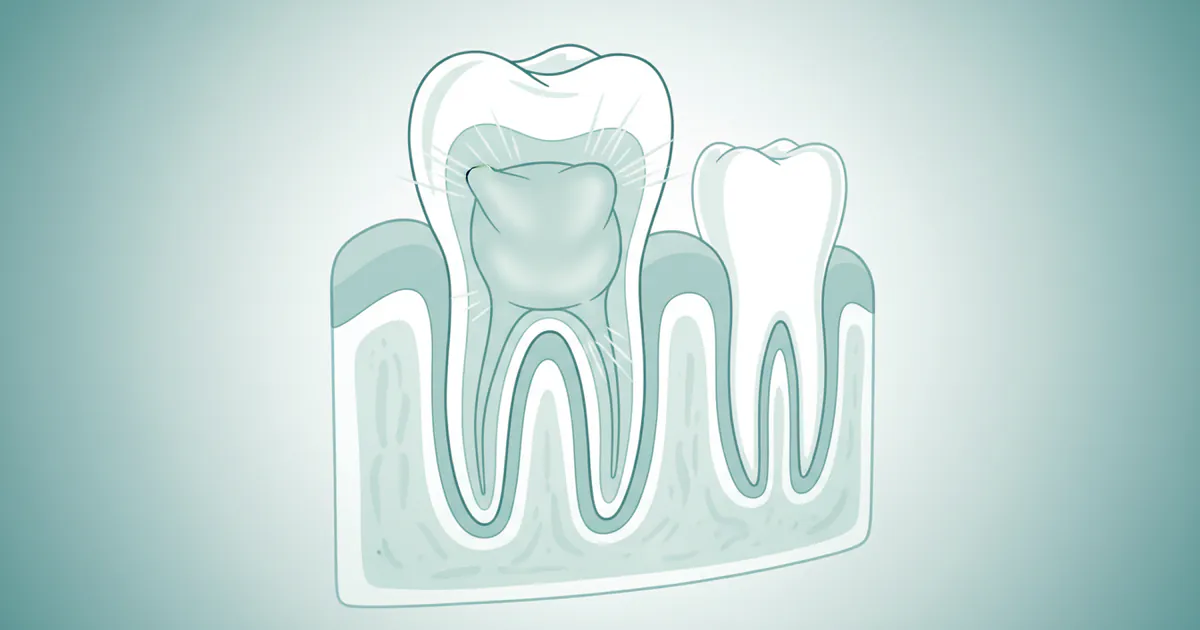
Teeth Swelling: Complete Guide
When you experience teeth swelling, it's more than just a minor discomfort; it's a clear signal from your body that something is amiss within your oral cavity, often indicating an underlying infection or inflammation that requires prompt attention. A recent survey revealed that **over 25% of adu
February 23, 2026
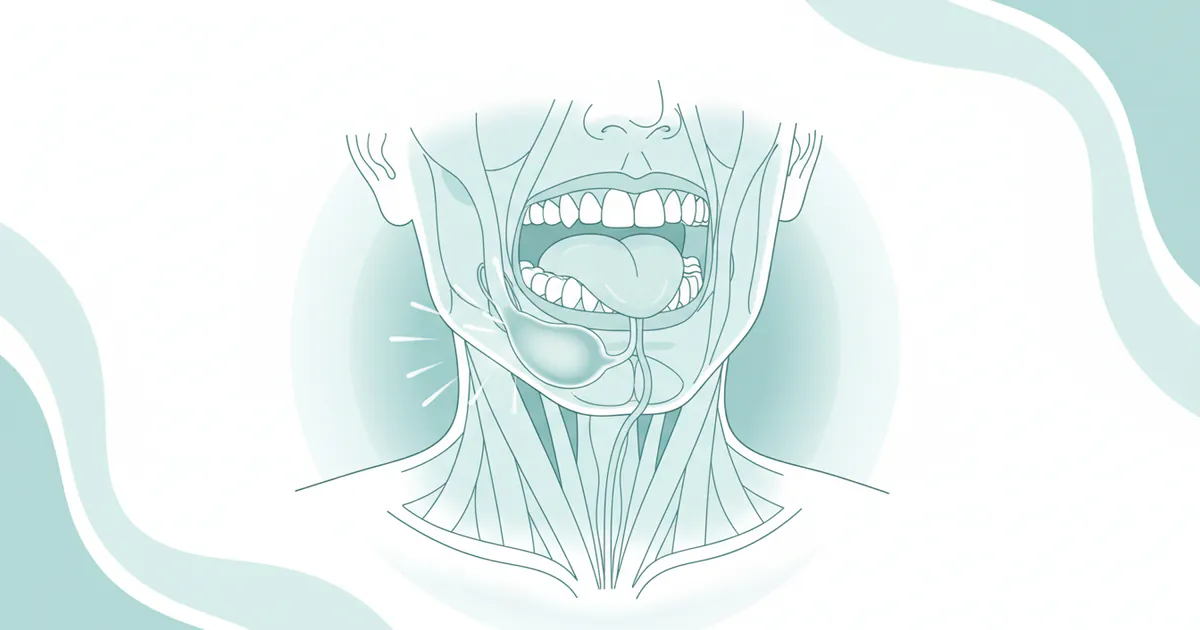
Submandibular Salivary Gland Swelling: Complete Guide
When you notice a peculiar lump or uncomfortable fullness beneath your jaw, it can be an alarming experience. This sensation, often accompanied by pain and difficulty swallowing, could indicate submandibular salivary gland swelling. Affecting an estimated 1 in 10,000 adults annually, conditi
February 23, 2026
What Helps With Gum Swelling
Gum swelling, medically known as gingival swelling or gingivitis, is a common yet often underestimated dental issue affecting millions of Americans. Have you ever woken up with sore, puffy gums that bleed easily when you brush? You're not alone. Research indicates that nearly **half of all a
February 23, 2026