4 Front Teeth Implants Cost: Complete Price Guide 2026
Key Takeaways
- Losing one or more front teeth can be a profoundly impactful experience, affecting not just your ability to eat and speak, but also your self-confidence and overall quality of life. In fact, studies show that missing front teeth significantly impair social interactions and perceived attractiveness f
Losing one or more front teeth can be a profoundly impactful experience, affecting not just your ability to eat and speak, but also your self-confidence and overall quality of life. In fact, studies show that missing front teeth significantly impair social interactions and perceived attractiveness for many individuals. If you're considering solutions for restoring your smile, understanding the 4 front teeth implants cost is crucial. This comprehensive guide from SmilePedia.net will demystify the expenses associated with this advanced dental procedure in 2026, providing a detailed breakdown of what contributes to the price, insurance considerations, and financing options. We'll explore the procedure itself, various types of implants, recovery, and essential cost-saving tips, empowering you to make informed decisions about your oral health investment.
Key Takeaways:
- Average Cost Range: The total cost for 4 front teeth implants, including all components (implants, abutments, crowns, and associated procedures like extractions or bone grafts), typically ranges from $12,000 to $30,000+ in the US, depending on complexity, materials, and location.
- Individual Implant Cost: A single dental implant (post only) can cost $1,500 to $6,000, with the final restoration (crown) adding $1,000 to $3,000 per tooth.
- Factors Influencing Price: Major contributors include the number of implants, need for preliminary procedures (bone grafting, sinus lift), type of crown material, geographical location, and the dentist's experience.
- Insurance Coverage: Most dental insurance plans offer limited coverage (0-15%) for implants, often classifying them as a major restorative procedure. Medical insurance may cover some aspects if tooth loss is due to trauma or disease.
- Payment & Financing: Many clinics offer payment plans, and third-party financing (e.g., CareCredit) is widely available to help manage costs.
- Timeline: The entire implant process, from initial consultation to final crown placement, can take 3 to 12 months or more, especially if bone grafting is required.
- Long-term Value: Despite the initial investment, dental implants are a highly durable and long-lasting solution, often outperforming bridges or dentures in terms of longevity and oral health benefits.
What It Is: Understanding 4 Front Teeth Implants
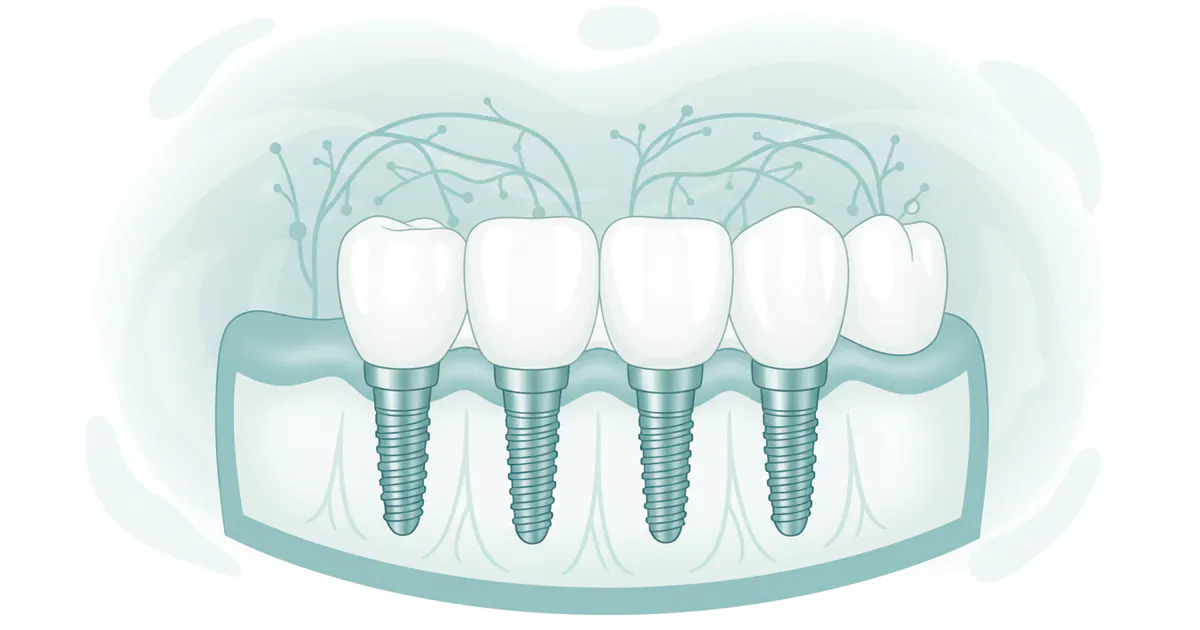
Dental implants are sophisticated, long-term replacements for missing teeth, designed to mimic the natural structure of a tooth, from the root up. When we talk about "4 front teeth implants," we are referring to the restoration of the four incisors – the two central incisors and the two lateral incisors – which are critical for biting, speaking, and maintaining the aesthetic appeal of your smile.
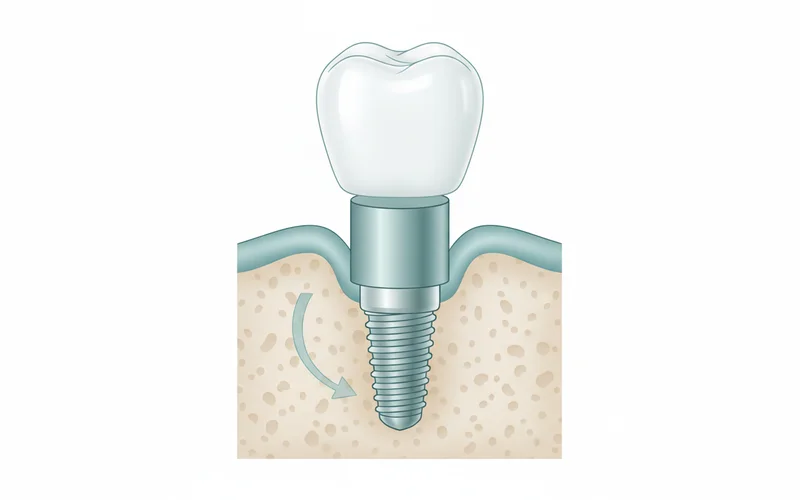
A dental implant consists of three primary components:
- The Implant Post (Fixture): A small, screw-shaped cylinder, typically made of biocompatible titanium, surgically placed into the jawbone. This acts as an artificial tooth root.
- The Abutment: A connector piece that screws into the implant post and extends above the gum line. It serves as the base for the final restoration.
- The Crown (Prosthesis): The visible, tooth-shaped restoration that is attached to the abutment. For front teeth, these are usually made of porcelain, ceramic, or zirconia to closely match the color and translucency of natural teeth.
Unlike traditional bridges that rely on adjacent teeth for support or dentures that sit on the gums, implants integrate directly with your jawbone through a process called osseointegration. This creates a stable, durable foundation that prevents bone loss, preserves facial structure, and allows for comfortable chewing and speaking, making them the closest alternative to natural teeth. The focus on the front four teeth specifically highlights the aesthetic and functional importance of this area of the mouth.
Types and Variations in Front Teeth Implant Solutions
While the basic concept of a dental implant remains consistent, there are several variations and approaches that can impact the procedure and ultimately, the 4 front teeth implants cost.
Single-Tooth Implants
This is the most common approach for replacing individual missing teeth. If you are missing all four front teeth, four separate single-tooth implants would be placed, each receiving its own abutment and crown. This offers maximum independence for each tooth, making cleaning easier and providing superior strength and aesthetics.
Implant-Supported Bridge
If there are two or three adjacent missing front teeth, an implant-supported bridge might be an option. Instead of placing an implant for every missing tooth, two implants are placed (one at each end of the gap), and a bridge consisting of three or four crowns is then secured onto these two implants. While this can sometimes be a more cost-effective option than four individual implants, it may not be suitable for all cases, especially if all four front teeth are missing and there's a desire for maximum individual tooth aesthetics and independent function. For replacing all four front teeth, typically two implants would support a four-unit bridge, or potentially three implants for a four-unit bridge (two on one side, one on the other or a specific configuration).
Immediate Load Implants ("Teeth in a Day")
In certain situations, particularly with front teeth where aesthetics are paramount, it might be possible to place the implant post and attach a temporary crown or bridge on the same day as the extraction (if necessary) and implant placement. This technique, known as immediate loading, bypasses the traditional several-month healing period before placing a provisional restoration. Pros: Immediate aesthetic improvement, faster temporary restoration. Cons: Higher risk of implant failure if not carefully selected patients, requires excellent bone quality and careful patient selection, potentially higher initial cost.
Mini Dental Implants (MDIs)
MDIs are smaller in diameter than conventional implants. While they are sometimes used for stabilizing dentures, they are generally not recommended for replacing single front teeth due to their smaller size and reduced biting force capabilities compared to standard implants. Their application in the anterior aesthetic zone is limited and often only considered for temporary solutions or in cases of severe bone atrophy where conventional implants are not feasible without extensive grafting.
Material Variations
- Titanium Implants: The industry standard due to titanium's exceptional biocompatibility and strength.
- Zirconia Implants: A newer, metal-free alternative that is white in color, potentially offering aesthetic advantages for patients with very thin gum tissue who might otherwise show a grey titanium hue. They are generally more expensive and have a shorter clinical track record than titanium.
Pro Tip: Discuss with your dentist which type of implant and restoration material is best suited for your specific oral health needs, aesthetic goals, and budget. The choice can significantly impact the final 4 front teeth implants cost.
Causes: Why Front Teeth Might Need Implants
The loss of front teeth, necessitating solutions like dental implants, can stem from various causes. Understanding these can sometimes provide context for the complexity and cost of the required implant procedure.
- Trauma and Injury: This is a very common reason for front tooth loss. Accidents such as falls, sports injuries, car crashes, or even biting down on something unexpectedly hard can lead to fractures, avulsions (tooth knocked out), or severe damage requiring extraction.
- Severe Tooth Decay (Cavities): While less common in front teeth due to easier cleaning and less occlusal (biting) force, extensive decay can compromise the tooth's structure beyond repair, leading to extraction. This is particularly true if decay progresses undetected below the gum line.
- Advanced Gum Disease (Periodontitis): Uncontrolled gum disease can destroy the supporting bone and soft tissues around the teeth. As the bone recedes, teeth become loose and eventually fall out or need to be extracted, often affecting front teeth as well. This cause may require preliminary gum treatments and bone grafting before implant placement, adding to the overall 4 front teeth implants cost.
- Failed Root Canals or Previous Restorations: A root canal-treated tooth, especially if it was extensively damaged or not properly restored with a crown, can fracture years later. Old, large fillings or crowns can also fail, leading to irreversible tooth damage.
- Congenital Conditions: Some individuals are born with missing teeth (hypodontia) or teeth that are misshapen or improperly developed, making implants a viable solution once the jaw has fully matured.
- Erosion and Attrition: Severe wear from acid erosion (e.g., GERD, bulimia) or mechanical attrition (e.g., bruxism/teeth grinding) can compromise tooth structure over time, leading to fractures or the need for extraction.
Indications for Front Teeth Implants
While "signs and symptoms" typically refer to an active disease, for dental implants, we discuss the "indications" – the situations where implants are the recommended solution. You might be a candidate for front teeth implants if you experience:
- Missing one or more front teeth: The most obvious indication.
- Loose or severely damaged front teeth: When teeth are beyond repair due to trauma, decay, or periodontal disease and require extraction.
- Difficulty chewing or speaking: Missing front teeth can impair proper articulation and biting efficiency.
- Shifting adjacent teeth: Gaps left by missing teeth can cause neighboring teeth to drift, leading to misalignment and bite problems.
- Concerns about facial aesthetics: Missing front teeth can lead to a sunken appearance of the lips and jawline due to bone loss, impacting overall facial harmony.
- Unsatisfactory traditional restorations: If you have existing removable partial dentures or a fixed bridge that is failing, uncomfortable, or causing issues with adjacent teeth, implants offer a superior alternative.
Treatment Options: Beyond Just Implants
When considering replacing your front teeth, dental implants are often the gold standard, but it's important to be aware of other available treatment options and understand why implants are frequently preferred, despite their higher initial 4 front teeth implants cost.
1. Dental Implants (The Preferred Option)
- Pros:
- Bone Preservation: Implants stimulate the jawbone, preventing the bone loss that occurs after tooth extraction, thereby preserving facial structure.
- Independent: They do not rely on adjacent teeth for support, leaving healthy teeth untouched.
- Durability & Longevity: With proper care, implants can last a lifetime.
- Natural Feel & Function: They look, feel, and function like natural teeth, allowing for normal eating, speaking, and smiling.
- Improved Oral Hygiene: Easy to clean, similar to natural teeth.
- Cons:
- Higher Upfront Cost: Generally the most expensive option initially.
- Surgical Procedure: Requires minor surgery.
- Longer Treatment Time: Osseointegration takes several months.
- Not for Everyone: Requires sufficient bone density and good general health.
2. Fixed Dental Bridge
- A traditional bridge involves cementing a prosthetic tooth (or teeth) to crowns placed on the natural teeth adjacent to the gap. These adjacent teeth must be healthy enough to support the bridge and require preparation (shaping/reduction).
- Pros:
- Faster Treatment: Can be completed in a few weeks.
- Less Invasive: No surgery required.
- Lower Initial Cost: Often less expensive than implants for a few missing teeth.
- Cons:
- Requires Tooth Alteration: Healthy adjacent teeth must be ground down to accommodate crowns, increasing their risk of future problems (e.g., decay, nerve damage).
- No Bone Stimulation: Does not prevent jawbone loss in the missing tooth area.
- Shorter Lifespan: Typically lasts 5-15 years before needing replacement.
- Cleaning Challenges: Difficult to clean under the pontic (false tooth), increasing risk of gum disease and decay on supporting teeth.
3. Removable Partial Denture (RPD)
- A partial denture is a removable appliance with prosthetic teeth that attach to existing natural teeth with clasps.
- Pros:
- Least Expensive: Significantly lower initial cost.
- Non-Invasive: No surgery or alteration of natural teeth.
- Quick Solution: Can be fabricated relatively quickly.
- Cons:
- Removable: Can feel less natural and may shift during eating or speaking.
- Less Stable: Provides less chewing efficiency compared to implants or bridges.
- Potential for Bone Loss: Does not prevent bone atrophy in the missing tooth area.
- Comfort Issues: Can cause irritation to gums and supporting teeth.
- Aesthetic Compromise: Clasps may be visible, especially with front teeth.
Comparison Table: Front Teeth Replacement Options
| Feature | Dental Implants | Fixed Dental Bridge | Removable Partial Denture |
|---|---|---|---|
| Durability | Excellent (20+ years, often lifetime) | Good (5-15 years) | Fair (3-10 years) |
| Bone Preservation | Yes, stimulates jawbone | No, bone loss continues | No, bone loss continues |
| Adjacent Teeth | Not affected, healthy teeth preserved | Requires alteration of adjacent healthy teeth | Relies on adjacent teeth for support (clasps) |
| Feel/Function | Very natural, like own teeth | Good, but not as natural as implants | Can feel bulky, may shift |
| Aesthetics | Excellent, highly natural | Good | Can be noticeable (clasps), less natural |
| Oral Hygiene | Easy to clean, like natural teeth | Requires special cleaning tools | Must be removed and cleaned daily |
| Initial Cost (4 front teeth) | High ($12,000 - $30,000+) | Moderate ($6,000 - $15,000 for a multi-unit bridge) | Low ($1,500 - $3,500) |
| Treatment Time | Long (3-12 months) | Short (2-4 weeks) | Short (2-4 weeks) |
Step-by-Step Implant Procedure
The journey to receiving 4 front teeth implants is a multi-stage process that requires careful planning and execution. While the exact timeline can vary, here's a typical breakdown:
1. Initial Consultation and Treatment Planning
- Comprehensive Examination: Your dentist or oral surgeon will conduct a thorough oral examination, review your medical and dental history, and take X-rays (including 3D cone-beam computed tomography – CBCT scans). This is crucial for assessing bone quality and quantity, identifying nerve pathways, and planning precise implant placement.
- Discussion of Options: The dentist will discuss whether implants are suitable for you, explain the procedure, potential risks, and the estimated 4 front teeth implants cost.
- Digital Planning: Advanced software is often used to digitally plan the optimal position and angulation of each implant.
2. Pre-Surgical Procedures (If Needed)
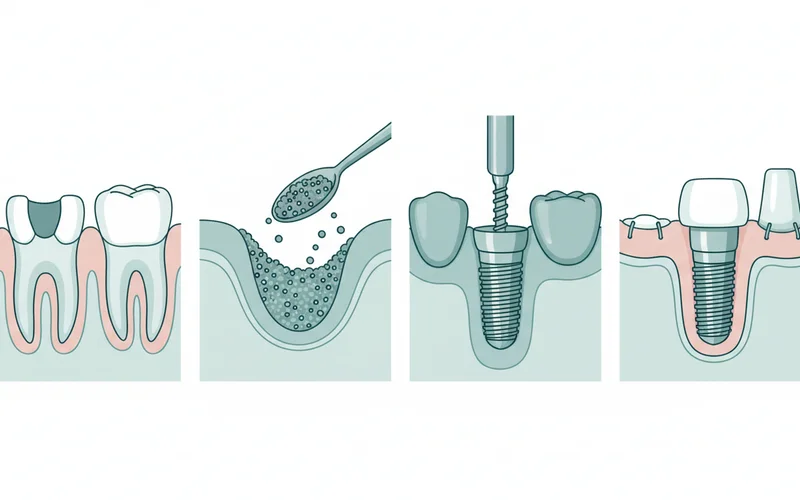
- Tooth Extraction: If the front teeth are still present but non-restorable, they will be carefully extracted.
- Bone Grafting: If the jawbone is insufficient (common after tooth loss or gum disease, especially in the aesthetic front zone), a bone graft may be necessary to create a strong foundation for the implants. This can involve using synthetic bone material, donor bone, or your own bone. Bone grafting can add several months to the overall treatment timeline and significantly impact the 4 front teeth implants cost.
- Sinus Lift: (Less common for front teeth, but possible for upper lateral incisors if bone height is limited due to the maxillary sinus). This procedure lifts the sinus floor and places bone graft material.
- Healing Period: After grafting, a healing period of 3-9 months is often required before implant placement.
3. Implant Placement Surgery
- Anesthesia: Local anesthesia is typically used, often supplemented with sedation (e.g., nitrous oxide, oral conscious sedation, or IV sedation) to ensure comfort.
- Surgical Incision: A small incision is made in the gum tissue to expose the jawbone.
- Pilot Hole: A small pilot hole is carefully drilled into the bone at the precise, pre-planned location.
- Implant Insertion: The titanium implant post is then gently screwed into the prepared bone socket.
- Gum Closure: The gum tissue is typically sutured over the implant, or a healing abutment is placed to allow the gum tissue to heal around it.
4. Osseointegration (Healing Period)
- This critical phase involves the implant fusing with the surrounding jawbone. It typically takes 3 to 6 months. During this time, you may wear a temporary removable partial denture or a temporary bridge to maintain aesthetics and function. It's crucial not to put excessive pressure on the healing implants.
5. Abutment Placement (If Not Placed During Initial Surgery)
- Once osseointegration is complete, a minor surgical procedure might be needed to expose the top of the implant (if it was covered by gum tissue) and attach the abutment. If a healing abutment was placed initially, this step is often skipped or modified.
6. Crown Fabrication and Placement
- Impressions: Digital or traditional impressions of your mouth are taken to create custom-made crowns that match the color, shape, and size of your natural teeth.
- Temporary Crowns: Sometimes, temporary crowns are placed while the permanent ones are being fabricated.
- Final Crown Attachment: Once the custom crowns are ready, they are permanently cemented or screwed onto the abutments. Your dentist will ensure a proper bite and aesthetic fit.
Pro Tip: Adhering strictly to post-operative instructions during each phase is crucial for the success of your implants and minimizing complications. This includes maintaining excellent oral hygiene and avoiding hard or sticky foods.
Cost and Insurance: Breaking Down the Investment in 2026
Understanding the 4 front teeth implants cost requires a breakdown of the individual components and factors that influence the total price. As of 2026, the average total cost for replacing four front teeth with individual dental implants can range significantly, typically between $12,000 and $30,000+ in the United States. This range accounts for all necessary procedures, from initial consultation to final restoration.
Individual Component Costs:
- Dental Implant Post (Fixture) Only: $1,500 - $6,000 per implant. This is just the titanium screw placed into the bone. Factors like implant brand, material (titanium vs. zirconia), and the dentist's fees affect this.
- Abutment Only: $300 - $1,000 per abutment. This connector piece is usually custom-made for optimal aesthetics, especially in the front of the mouth.
- Dental Crown (Prosthesis) Only: $1,000 - $3,000 per crown. Front teeth crowns are often made of high-quality ceramic or zirconia for superior aesthetics. The material, lab fees, and artistic skill required contribute to this cost.
- Total for a Single Implant (Post, Abutment, Crown): Therefore, a single front tooth implant can cost anywhere from $2,800 to $10,000+. Multiplying this by four gives a baseline for the 4 front teeth implants cost.
Additional Procedures That Increase the Cost:
These are crucial factors that can add significantly to the overall expense:
- Initial Consultation & Diagnostics: X-rays, 3D CBCT scans, treatment planning: $150 - $600.
- Tooth Extractions (if needed): $100 - $500 per tooth for simple extractions, potentially more for complex surgical extractions.
- Bone Grafting: Essential if bone density is insufficient. Costs range from $400 - $2,500 per site depending on the type of graft material and complexity (e.g., small socket graft vs. major ridge augmentation).
- Sinus Lift: If applicable for upper jaw implants, this can add $1,500 - $3,000 per side.
- Soft Tissue Grafting: Sometimes needed to improve gum aesthetics or health around implants: $300 - $1,500 per site.
- Temporary Restorations: Provisional crowns or partial dentures used during healing: $300 - $1,500.
- Anesthesia/Sedation: While local anesthesia is often included, IV sedation or general anesthesia can add $200 - $1,000+ per hour.
- Post-Operative Medications: Painkillers, antibiotics: $50 - $200.
Regional Cost Variations (US Averages 2026):
The 4 front teeth implants cost can vary significantly by geographical location, with urban areas and coastal states generally having higher prices.
| Region of US | Estimated Cost Range for 4 Front Teeth Implants (Total) |
|---|---|
| Northeast | $15,000 - $35,000+ |
| West Coast | $14,000 - $33,000+ |
| Midwest | $12,000 - $28,000 |
| Southeast | $13,000 - $30,000 |
| Southwest | $12,500 - $29,000 |
Insurance Coverage Details:
Unfortunately, dental insurance coverage for implants is often limited.
- Dental Insurance: Most traditional dental insurance plans view implants as an elective cosmetic procedure or a "major restorative procedure," offering 0% to 15% coverage of the total cost, if any. Some premium plans might cover up to 50% of the implant post only, but rarely the full restoration. Annual maximums (typically $1,000 - $2,000) are quickly reached, especially with the high 4 front teeth implants cost.
- Medical Insurance: If the tooth loss was due to a traumatic accident or a medical condition (e.g., cancer treatment requiring jaw reconstruction), some parts of the surgical procedure might be covered by your medical insurance. This is rare and requires extensive documentation and pre-authorization.
- Dental Discount Plans: These are not insurance but offer a percentage discount (e.g., 10-20%) on procedures from participating dentists. This can be a viable option for reducing out-of-pocket expenses.
Pro Tip: Always get a detailed, itemized treatment plan and cost estimate from your dentist. Submit a pre-determination to your dental insurance provider to understand your exact coverage before starting treatment.
Recovery and Aftercare for Front Teeth Implants
Proper recovery and diligent aftercare are essential for the long-term success of your 4 front teeth implants.
Immediate Post-Operative Care (First 24-72 hours):
- Bleeding Control: Minor bleeding is normal. Bite gently on gauze pads, changing them every 30-45 minutes until bleeding subsides.
- Pain Management: Take prescribed pain medication as directed before the anesthetic wears off. Over-the-counter pain relievers (like ibuprofen) can also help.
- Swelling Reduction: Apply an ice pack to the outside of your face for 20 minutes on, 20 minutes off, for the first 24-48 hours.
- Diet: Stick to soft, cool foods and liquids for the first few days (e.g., yogurt, soup, mashed potatoes, smoothies). Avoid hot foods, crunchy or sticky items, and using a straw (the suction can dislodge blood clots).
- Oral Hygiene: Avoid rinsing vigorously. After 24 hours, you can gently rinse with warm salt water (1/2 teaspoon salt in 8 ounces of warm water) 2-3 times a day. Brush your other teeth carefully, avoiding the surgical site.
- Rest: Get plenty of rest and avoid strenuous activity for 2-3 days.
- Smoking/Alcohol: Absolutely avoid smoking and alcohol, as they significantly impair healing and increase the risk of implant failure.
During Osseointegration (3-6 months):
- Soft Diet: Continue with a relatively soft diet, especially avoiding biting directly on the implant site if a temporary restoration isn't in place.
- Oral Hygiene: Maintain excellent oral hygiene, brushing and flossing regularly. Your dentist might recommend a special antibacterial mouthwash.
- Regular Check-ups: Attend all scheduled follow-up appointments with your dentist to monitor healing.
- Protect Temporary Restorations: If you have temporary crowns or a temporary bridge, be extremely gentle with them to prevent dislodgement or damage.
Long-Term Aftercare (After Final Crown Placement):
- Excellent Oral Hygiene: Brush twice daily with a soft-bristled toothbrush and floss daily. Special floss designed for implants or water flossers can be very effective for cleaning around implant crowns.
- Regular Dental Check-ups: Continue with routine dental cleanings and examinations (typically every 6 months). Your hygienist will use special instruments designed for cleaning around implants to avoid scratching the titanium.
- Avoid Harmful Habits: Refrain from chewing on ice, hard candies, or using your front teeth to open packages. If you grind your teeth (bruxism), your dentist may recommend a night guard to protect your implants and natural teeth.
- Address Issues Promptly: If you notice any discomfort, looseness, or changes around your implants, contact your dentist immediately.
Pro Tip: Think of your dental implants just like natural teeth. They require consistent, thorough oral hygiene to prevent peri-implantitis, a gum disease specific to implants that can lead to bone loss and implant failure.
Prevention: Maintaining a Healthy Smile
While trauma can be unpredictable, many reasons for losing front teeth are preventable. Protecting your natural teeth can help you avoid the future 4 front teeth implants cost.
- Practice Excellent Oral Hygiene: Brush your teeth thoroughly twice a day for two minutes with fluoride toothpaste. Floss daily to remove plaque and food particles from between teeth and under the gum line.
- Regular Dental Check-ups and Cleanings: Visit your dentist every six months for professional cleanings and examinations. Early detection of cavities or gum disease can prevent severe issues leading to tooth loss.
- Protective Gear for Sports: If you participate in contact sports or activities with a risk of facial injury, wear a custom-fitted mouthguard to protect your front teeth from trauma.
- Avoid Harmful Habits: Do not use your teeth as tools (e.g., opening bottles, tearing packages). Avoid chewing on ice, pens, or other hard objects that can chip or fracture teeth.
- Address Bruxism (Teeth Grinding): If you grind or clench your teeth, especially at night, talk to your dentist about a night guard to protect your enamel and prevent fractures.
- Healthy Diet: Limit sugary and acidic foods and drinks that contribute to tooth decay and erosion.
- Quit Smoking: Smoking significantly increases the risk of gum disease, which is a leading cause of tooth loss. It also impairs healing for any dental procedures.
Risks and Complications of Front Teeth Implants
While dental implants boast a high success rate (generally over 95%), no surgical procedure is without risks. It's important to be aware of potential complications, which can sometimes lead to additional costs or prolonged treatment.
- Infection at the Implant Site: This is a rare but serious complication. Symptoms include pain, swelling, pus, and fever. It may require antibiotics or, in severe cases, implant removal.
- Nerve Damage: During drilling, nerves in the jaw can be damaged, leading to pain, numbness, or tingling in the gums, lips, tongue, or chin. This is more common in the lower jaw but can occur in the upper jaw near the sinuses. Careful pre-surgical planning with CBCT scans minimizes this risk.
- Sinus Issues: If implants are placed in the upper jaw near the maxillary sinuses, they can sometimes protrude into the sinus cavity, leading to pain, infection, or sinusitis. A sinus lift procedure is performed to prevent this.
- Implant Failure (Lack of Osseointegration): The implant may fail to fuse with the bone. This can be due to poor bone quality, infection, smoking, excessive early pressure on the implant, or certain medical conditions. A failed implant needs to be removed, the site allowed to heal, and then a new implant (often with bone grafting) can be attempted, adding to the 4 front teeth implants cost and timeline.
- Peri-Implantitis: A chronic inflammatory condition affecting the gum tissues and bone supporting the implant. It's similar to gum disease in natural teeth and can lead to bone loss around the implant, potentially causing failure if untreated. Poor oral hygiene is a major risk factor.
- Implant Fracture or Loosening: The implant itself can rarely fracture due to trauma or excessive forces. Abutments or crowns can also loosen or break, requiring repair or replacement.
- Aesthetic Complications: Especially with front teeth, achieving perfect aesthetics can be challenging. Issues like a visible implant collar, gum recession revealing the implant, or a crown that doesn't perfectly match adjacent teeth can occur. This requires skilled planning and execution from the dental team.
- Adjacent Tooth Damage: Although rare with proper technique, adjacent teeth can be damaged during implant placement.
- Allergic Reaction: Though extremely rare, some individuals may have a reaction to the titanium or other materials. Zirconia implants can be an alternative for known metal allergies.
Pro Tip: Choose an experienced and reputable dental implant specialist (oral surgeon, periodontist, or prosthodontist) who utilizes 3D imaging and has a proven track record to significantly minimize the risk of complications.
Comparison Table: Root Canal vs. Implant (for a single compromised front tooth)
Sometimes a severely damaged front tooth might present two main treatment paths: saving it with a root canal and crown, or extracting it and replacing it with a dental implant. Understanding the differences is key.
| Feature | Root Canal Treatment + Crown | Single Dental Implant + Crown |
|---|---|---|
| Purpose | Save a natural tooth from extraction | Replace a missing or non-restorable tooth |
| Procedure | Remove infected pulp, fill canals, place crown | Extract tooth, place implant, heal, place crown |
| Bone Preservation | Yes, if tooth is retained | Yes, prevents bone loss |
| Durability | Good (10-20 years for crown, tooth can last longer) | Excellent (20+ years, often lifetime) |
| Surgical Risk | Minimal (local anesthetic) | Minor surgical procedure, higher risks |
| Success Rate | High (85-95%) | Very High (95%+) |
| Adjacent Teeth | Not affected | Not affected |
| Cost (Single Tooth) | $1,500 - $4,500 (Root canal: $700-$2,000; Crown: $800-$2,500) | $2,800 - $10,000+ (Implant, Abutment, Crown) |
| Treatment Time | 1-3 appointments (weeks) | 3-12 months (multiple stages) |
| Future Risk | Re-infection, fracture, loss of tooth | Peri-implantitis, implant failure, nerve damage |
Children / Pediatric Considerations
Dental implants are generally not recommended for children and adolescents for replacing missing front teeth. This is primarily because their jawbones are still developing and growing. Placing an implant in a growing jaw can lead to complications such as the implant becoming "submerged" or out of alignment with the surrounding teeth as the jaw continues to mature.
- Age Restriction: Typically, dental implants are considered only after the jawbone has completed its growth, which is usually around 16-18 years for girls and 18-20 years for boys.
- Temporary Solutions: For children who lose front teeth prematurely due to trauma or other reasons, temporary solutions such as removable partial dentures (flippers), space maintainers, or acid-etched bridges are used to hold the space, maintain aesthetics, and allow for proper speech and chewing until they reach an age suitable for implant placement.
- Orthodontic Consultation: An orthodontist may also be consulted to ensure proper spacing and alignment for future implant placement.
Parents whose children have lost front teeth should discuss all options thoroughly with a pediatric dentist or an oral surgeon specializing in adolescent care. The focus will be on managing the situation until the child's jaw is fully developed, avoiding the premature consideration of the 4 front teeth implants cost.
Cost Breakdown: Navigating Payment and Savings
While we've touched on costs, let's consolidate the payment and cost-saving aspects specifically for the high investment of 4 front teeth implants.
Average US Costs (Recap):
- Low-End Estimate (basic materials, fewer complications): Around $12,000 - $16,000 for all four front teeth.
- Mid-Range Estimate (standard materials, some additional procedures): Around $18,000 - $25,000 for all four front teeth.
- High-End Estimate (premium materials, complex cases, specialized practitioners, high cost of living area): Can reach $26,000 - $35,000+ for all four front teeth.
With vs. Without Insurance:
As discussed, dental insurance coverage for implants is often minimal.
- Without Insurance: You are responsible for the full cost. This is where financing options and cost-saving strategies become critical.
- With Insurance: Even with coverage, expect to pay a significant portion out-of-pocket due to high costs and annual maximums. If your plan covers 10-15% of the implant post, and your annual maximum is $1,500, you might save $1,500 for the year, but the remaining $10,500 - $33,500+ would be your responsibility.
Payment Plans and Financing Options:
Given the substantial 4 front teeth implants cost, most dental practices understand the need for flexible payment solutions.
- In-Office Payment Plans: Many dental clinics offer in-house payment plans, allowing you to pay for treatment in installments over several months, often interest-free or with low interest.
- Third-Party Medical Financing: Services like CareCredit are widely used in dentistry. They offer credit cards specifically for healthcare expenses, often with promotional periods of 0% interest if the balance is paid within a certain timeframe (e.g., 6, 12, 18, or 24 months). Be aware of deferred interest if the balance isn't paid off.
- Personal Loans: Banks or credit unions offer personal loans that can cover dental expenses. Interest rates will vary based on your credit score.
- Health Savings Accounts (HSAs) and Flexible Spending Accounts (FSAs): If you have an HSA or FSA through your employer, you can use pre-tax dollars to pay for dental implant procedures, effectively saving money by reducing your taxable income.
Cost-Saving Tips:
- Shop Around (Carefully): Get consultations and detailed quotes from a few different qualified implant dentists. Don't base your decision solely on price; consider experience, technology, and patient reviews.
- Dental Schools: University dental schools often offer treatments at a reduced cost because they are teaching facilities. The procedures are performed by students under the close supervision of experienced professors. This can be a significant cost-saver, but may involve longer appointment times.
- Travel for Treatment: In some border towns or specific regions, dental work can be less expensive. However, weigh the potential savings against travel costs, time commitment, and the complexities of follow-up care.
- Negotiate: Some practices might be open to slight adjustments or offering package deals, especially if you are paying entirely out-of-pocket.
- Utilize Discount Plans: As mentioned, dental discount plans offer a percentage off services from participating providers for an annual fee.
- Preventive Care: The best cost-saving tip is to prevent the need for implants in the first place by maintaining excellent oral hygiene and regular dental check-ups to protect your remaining natural teeth.
Frequently Asked Questions
What is the average success rate for 4 front teeth implants?
Dental implants have an impressive success rate, generally ranging from 95% to 98% when placed by experienced professionals in suitable candidates. For front teeth, this rate remains high, though aesthetic outcomes require particular skill. Factors like good oral hygiene, not smoking, and sufficient bone density contribute to higher success.
How painful is the implant procedure for front teeth?
The implant placement procedure itself is typically performed under local anesthesia, so you should experience no pain during the surgery. You might feel pressure or vibration. After the anesthesia wears off, you can expect some discomfort, swelling, and mild pain, which can be managed with prescribed pain medication and over-the-counter pain relievers. Most patients report that the discomfort is manageable and less severe than expected.
How long does the entire 4 front teeth implant process take?
The complete process, from initial consultation to final crown placement, typically takes 3 to 12 months, or sometimes longer. This timeline includes any necessary preliminary procedures like bone grafting (which adds several months), the 3-6 month osseointegration period, and the time for custom crown fabrication. Immediate load implants can shorten the temporary restoration phase but the overall osseointegration time is still required.
Are there alternatives to implants for replacing 4 front teeth?
Yes, alternatives include a fixed dental bridge (which requires altering adjacent teeth) or a removable partial denture (a less stable and aesthetic option). While these alternatives are often less expensive initially, they do not offer the same longevity, bone preservation benefits, or natural feel and function as dental implants. Your dentist will discuss all viable options based on your specific case.
Can I get all 4 front teeth implants in one day?
While it's possible to place the implant posts and attach temporary crowns on the same day in select cases (known as "immediate load implants" or "Teeth in a Day"), this isn't suitable for everyone. It requires excellent bone quality and careful planning. The permanent crowns are still placed several months later after the implants have fully integrated with the bone. The entire "4 front teeth implants cost" will also factor in these temporary restorations.
What is the difference between an implant and a root canal?
A root canal is a procedure to save a diseased or damaged natural tooth by removing infected pulp, cleaning the inside, and sealing it. An implant, conversely, replaces a missing tooth by surgically placing an artificial root into the jawbone. An implant is chosen when a tooth cannot be saved by a root canal or other restorative dentistry.
How do I care for my front teeth implants?
Caring for your front teeth implants is similar to caring for natural teeth. You should brush twice daily, floss daily, and use any special cleaning tools (like interdental brushes or water flossers) recommended by your dentist. Regular dental check-ups and professional cleanings (every 6 months) are crucial to monitor their health and prevent peri-implantitis.
Will my 4 front teeth implants look natural?
Yes, especially for front teeth, a primary goal is to achieve highly natural-looking results. Custom-made crowns are carefully designed to match the color, shape, and translucency of your existing natural teeth. Choosing an experienced prosthodontist or aesthetic dentist is key to achieving optimal aesthetic outcomes.
What happens if an implant fails?
If an implant fails to integrate or develops an infection, it will typically need to be removed. The site will then need to heal, possibly with a bone graft, before another implant can be attempted. This adds to the overall treatment time and can incur additional 4 front teeth implants cost. Early detection and proper follow-up care can help prevent complete failure.
Do I need bone grafting for my front teeth implants?
Whether you need bone grafting depends on the condition of your jawbone. If you have been missing front teeth for a while, or if you had severe gum disease or trauma, there might not be enough bone to support the implants. A 3D CBCT scan during your initial consultation will determine if bone grafting is necessary, which will impact your total 4 front teeth implants cost and timeline.
When to See a Dentist
Prompt action is vital when dealing with compromised front teeth or considering their replacement.
See a dentist immediately if you experience:
- Acute trauma to your front teeth: If a tooth is knocked out (avulsed), fractured, or severely loosened, seek emergency dental care within an hour for the best chance of saving the tooth.
- Severe, persistent pain or swelling around your front teeth or gums.
- Signs of infection: Pus, fever, or extreme tenderness around a damaged tooth.
- A suddenly loose or shifting front tooth without apparent cause.
- Bleeding from the gum tissue that doesn't stop after minor pressure.
Schedule a routine appointment if you are:
- Missing one or more front teeth and considering replacement options.
- Have an existing dental restoration (bridge, partial denture) for your front teeth that feels loose, damaged, or uncomfortable.
- Notice gradual changes in your front teeth, such as increased sensitivity, minor chipping, or changes in how your bite feels.
- Unsure about the condition of your front teeth and want a professional opinion on potential future needs for implants or other treatments.
- Planning ahead and want to understand the long-term implications and potential 4 front teeth implants cost for future smile restoration.
Early intervention not only prevents further complications but can also simplify treatment and potentially reduce the overall cost and complexity of restoring your front teeth. Don't delay in consulting a dental professional at SmilePedia.net for personalized advice.
Frequently Asked Questions
Medically Reviewed Content
This article was written by our dental health editorial team and reviewed for medical accuracy. Our content follows strict editorial guidelines for reliability and trustworthiness.
Medical Disclaimer
This article is for informational purposes only and does not constitute medical advice. Always consult with a qualified dental professional for diagnosis and treatment. Do not delay seeking professional advice because of something you read on this website.
Related Articles
Implantologist: Complete Guide
Losing a tooth can be a significant setback, impacting not only your smile but also your ability to speak, chew, and maintain overall oral health. In fact, over 3 million Americans currently have dental implants, and that number is projected to grow significantly as more people seek a durable, n
March 8, 2026
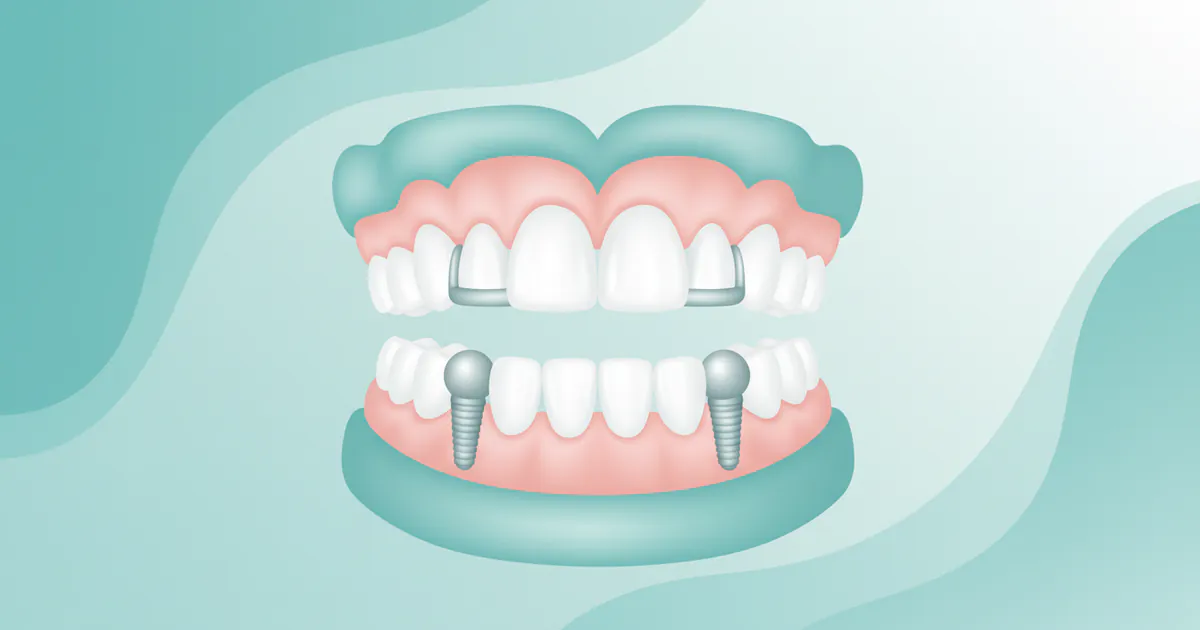
Dentures Over Implants: Complete Guide
Missing multiple teeth or even an entire arch can profoundly impact your life, affecting everything from your ability to chew and speak to your self-confidence. For millions of Americans, traditional removable dentures have long been a solution, but they often come with compromises: slipping, discom
March 8, 2026
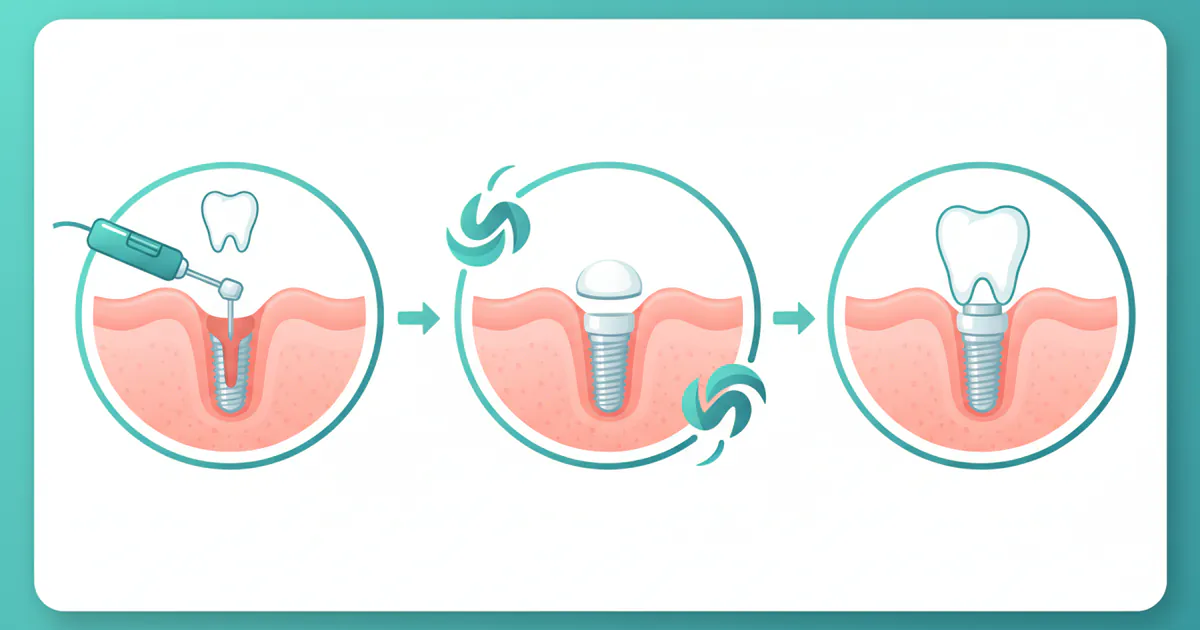
Implants Process: Complete Guide
Missing teeth can impact more than just your smile; they can affect your ability to eat, speak, and even your overall confidence. In fact, over 178 million Americans are missing at least one tooth, and about 40 million are missing all of their teeth. When faced with tooth loss, understanding the
March 8, 2026
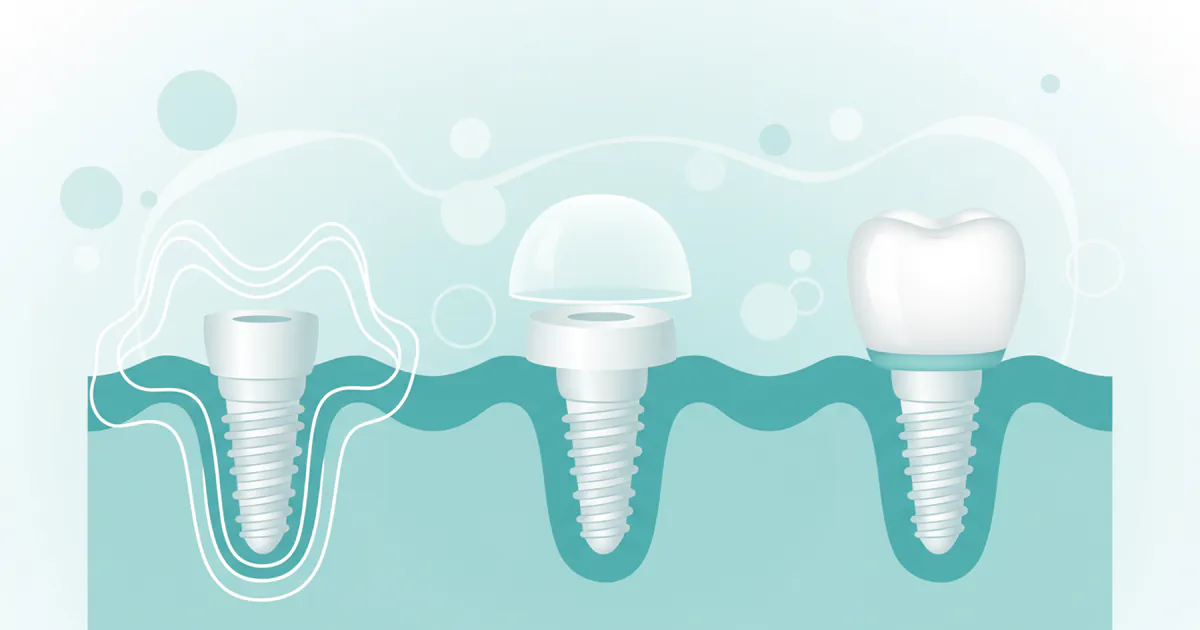
Implants Dentaires: Complete Guide
Missing teeth can dramatically impact not just your smile, but your overall health, confidence, and quality of life. In the United States, an estimated 178 million adults are missing at least one tooth, while approximately 40 million are missing all their teeth. These statistics underscore a
March 8, 2026