Same Day Implants: Complete Guide
Key Takeaways
- Losing a tooth can be a distressing experience, impacting everything from your ability to chew comfortably to your self-confidence when you smile. Traditionally, replacing a missing tooth with a dental implant was a multi-stage process that could span several months, sometimes even a year. However,
Same Day Implants: Complete Guide
Losing a tooth can be a distressing experience, impacting everything from your ability to chew comfortably to your self-confidence when you smile. Traditionally, replacing a missing tooth with a dental implant was a multi-stage process that could span several months, sometimes even a year. However, advancements in dental technology have introduced a revolutionary solution: same day implants. Imagine walking into your dental office with a gap in your smile and leaving just hours later with a functional, aesthetically pleasing provisional tooth firmly anchored in place. This innovative approach, also known as immediate load dental implants or "teeth in a day," has transformed the landscape of restorative dentistry, offering a faster path to a complete smile for suitable candidates. This comprehensive guide will delve into every aspect of this modern tooth implant procedure, from what it is and how it works to its benefits, risks, costs, and essential aftercare, empowering you with the knowledge to make informed decisions about your dental health.
Key Takeaways:
- Same day implants (immediate load implants) allow for the placement of a provisional crown, bridge, or denture immediately after implant surgery, often on the same day.
- The procedure is ideal for suitable candidates with good bone density, excellent oral health, and who are non-smokers.
- Costs for a single same day implant range from $3,000 to $6,500, while full-arch solutions like All-on-4 can cost $20,000 to $50,000+ per arch.
- Recovery involves careful dietary restrictions and meticulous oral hygiene to ensure successful osseointegration, typically taking 3-6 months.
- A significant risk is peri-implantitis, an infection around the implant, which can lead to implant failure if not addressed promptly.
- Insurance coverage for dental implants is often limited; explore financing options and dental savings plans.
What It Is / Overview
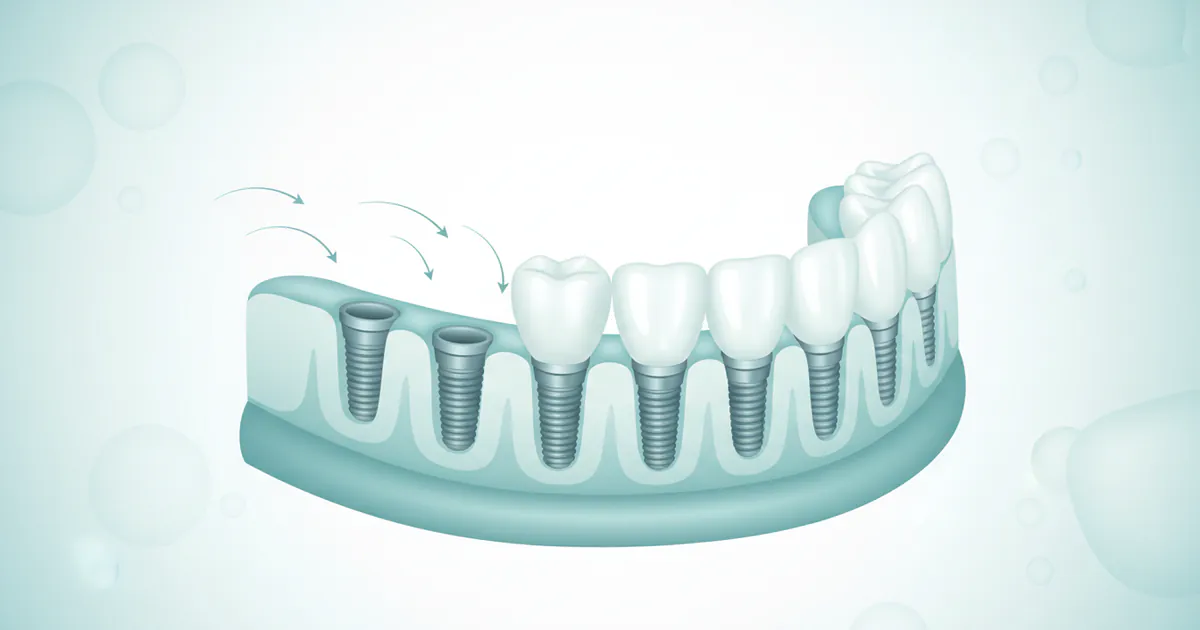
Same day implants, scientifically known as immediate load dental implants, represent a significant leap forward in restorative dentistry. Unlike traditional implant procedures that require a healing period of several months between implant placement and the attachment of a provisional (temporary) restoration, same day implants allow for the provisional crown, bridge, or denture to be attached to the implant post on the very same day of surgery, or within 48 hours.
The core principle behind all dental implants is osseointegration – the biological process where the titanium implant post fuses directly with the jawbone. This fusion creates a stable and durable anchor for your new tooth. With traditional implants, the implant is placed, and then left undisturbed beneath the gum line for 3-6 months to allow for complete osseointegration before any load (like a crown) is placed on it. Same day implants, however, are designed to withstand immediate, carefully controlled loading, thanks to specific surgical techniques and implant designs that provide excellent primary stability upon insertion.
This means that instead of enduring a period with missing teeth or relying on removable temporary solutions, patients can often leave the dental office with a provisional, non-removable tooth or set of teeth. While these provisional restorations are not the final, permanent ones – which are typically placed after full osseointegration – they offer immediate aesthetic and functional improvements, significantly enhancing the patient's quality of life during the healing phase. It's crucial to understand that "same day" refers to the placement of the provisional restoration; the journey to the final, permanent restoration still involves a healing period for osseointegration.
Types / Variations
The concept of same day implants can be applied to various scenarios, depending on the number of teeth being replaced and the patient's specific needs.
Single Tooth Same Day Implant
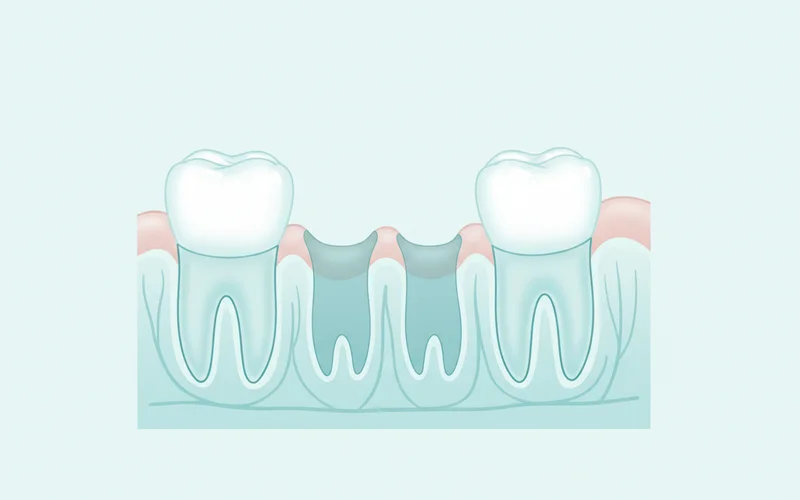
When a single tooth is lost or extracted, a same day implant can be used to immediately replace it. This involves placing a single dental implant into the jawbone and then attaching a custom-made provisional crown on top, all in one appointment. This is particularly beneficial for visible front teeth, offering an immediate aesthetic solution.
Multiple Teeth Same Day Implants
If several adjacent teeth are missing, it may be possible to place multiple individual implants, each receiving its own provisional crown, or to use fewer implants to support a multi-tooth provisional bridge. The feasibility depends on the health and density of the surrounding jawbone.
Full Arch Same Day Implants (All-on-4® / All-on-6™)
One of the most popular applications of same day implant technology is the replacement of an entire arch of teeth (upper or lower, or both). This is often referred to by trademarked names such as All-on-4® or All-on-6™, depending on the number of implants used to support the full-arch provisional denture.
- All-on-4®: This technique involves strategically placing four dental implants in the jawbone to support a full arch of provisional teeth. The posterior implants are typically angled to maximize contact with the available bone, especially in cases where bone density might be an issue. It's a highly efficient solution for patients facing complete tooth loss or who have failing teeth and desire a fixed, non-removable alternative to traditional dentures.
- All-on-6™: Similar to All-on-4, this method uses six implants per arch, providing additional support and stability, particularly in cases with slightly less favorable bone conditions or for patients seeking maximum stability.
In both All-on-4 and All-on-6 procedures, the provisional denture is securely attached to the implants on the day of surgery, allowing patients to leave with a full set of fixed, functional teeth.
Pro Tip: While "same day" refers to the provisional restoration, the final, permanent crown or bridge is placed after 3-6 months of healing and successful osseointegration. The provisional serves an essential role in guiding gum healing and protecting the implant during integration.
Why Choose Same Day Implants / Indications
The decision to opt for same day implants is often driven by several compelling advantages, though it's crucial to understand that not everyone is a suitable candidate.
Immediate Aesthetic Improvement
For teeth in the smile zone, the most significant benefit is the immediate replacement of a missing tooth. You don't have to live with a visible gap or rely on a removable flipper for months. This can greatly boost self-confidence and alleviate social anxieties associated with tooth loss.
Instant Functionality
While dietary restrictions are necessary during the healing phase, same day implants allow for immediate, albeit careful, chewing capabilities. This means you can often avoid the dietary limitations imposed by soft-tissue healing or removable appliances that can shift and cause discomfort.
Psychological Benefits
The ability to quickly restore your smile and chewing function can have profound positive psychological effects, reducing the stress and inconvenience often associated with traditional, multi-stage dental implant treatments.
Preservation of Jawbone
Similar to traditional implants, same day implants stimulate the jawbone, helping to prevent bone loss that naturally occurs after tooth extraction. By immediately replacing the tooth root, the implant signals to the bone that it still has a purpose, maintaining its density and structure. This can be particularly beneficial in preventing facial collapse often seen with long-term denture wear.
Reduced Treatment Time and Fewer Appointments
While the overall healing period remains the same for osseointegration, the number of visits to the dentist can be significantly reduced compared to traditional implant protocols that involve multiple surgical phases. The initial placement and provisional restoration are completed in a single visit.
Who is an Ideal Candidate?
Not everyone is eligible for same day implants. Ideal candidates typically exhibit:
- Excellent Bone Quality and Quantity: Sufficient bone density is paramount for the implant to achieve high primary stability upon placement, which is critical for immediate loading. A thorough 3D Cone Beam Computed Tomography (CBCT) scan is used to assess this.
- Good Oral Hygiene: Patients must be committed to maintaining meticulous oral hygiene to prevent infection and promote successful healing.
- Overall Good Health: Chronic conditions like uncontrolled diabetes or certain autoimmune diseases can impair healing and are often contraindications.
- Non-Smoker Status: Smoking severely compromises blood flow and healing, significantly increasing the risk of implant failure.
- Absence of Active Gum Disease: Any existing periodontal disease must be treated and under control before implant placement.
- Minimal Bruxism (Teeth Grinding): Excessive grinding or clenching can place undue stress on the immediately loaded implant, potentially leading to failure.
Patients with significant bone loss may first require bone grafting procedures, which would typically preclude them from immediate loading until the graft has fully healed and integrated, making a traditional approach more suitable.
Step-by-Step Process: What to Expect
The same day implant procedure is a meticulously planned and executed process that typically involves several key stages, from initial consultation to the placement of the final restoration.
1. Initial Consultation and Treatment Planning
This is the foundational step. Your dentist, oral surgeon, or periodontist will conduct a thorough examination of your oral health, including a review of your medical history. This will involve:
- Comprehensive Oral Exam: Checking existing teeth, gums, and overall oral hygiene.
- Diagnostic Imaging: Crucially, a 3D Cone Beam Computed Tomography (CBCT) scan will be taken. This advanced imaging provides detailed, cross-sectional views of your jawbone, nerve pathways, and sinus cavities, allowing the dental team to assess bone density, quality, and precise anatomical structures. It's vital for planning the exact placement, angle, and depth of the implant(s).
- Digital Impressions: Often, digital scans are taken to create highly accurate models of your mouth, used for planning the provisional and final restorations.
- Treatment Discussion: The dentist will discuss whether you are a suitable candidate for same day implants, explain the procedure, potential risks, expected outcomes, and associated costs.
2. Tooth Extraction (if necessary)
If the failing tooth is still present, it will be carefully extracted during the same appointment as the implant placement. The site is then prepared for the implant. This immediate extraction and implant placement is often referred to as "immediate implant placement" and is a common approach in same day procedures.
3. Implant Placement
Under local anesthesia (and often sedation for comfort), the oral surgeon or periodontist will precisely place the titanium dental implant(s) into the jawbone. Guided by the detailed 3D planning, a small pilot hole is drilled, which is then gradually widened to accommodate the implant. The goal is to achieve excellent primary stability – meaning the implant is firmly seated in the bone immediately after placement. This stability is critical for the success of immediate loading.
4. Abutment Placement
Once the implant is securely in place, an abutment – a small connector post – is attached to the implant. This abutment will protrude through the gum line and serve as the anchor for the provisional restoration.
5. Provisional Restoration Attachment
Immediately after abutment placement, a custom-designed provisional crown, bridge, or full-arch denture is attached to the abutment(s). This temporary restoration is meticulously crafted to fit your bite and provide immediate aesthetic and functional benefits. It's often made from a durable resin material. While it looks and feels like a natural tooth or teeth, it's designed to be slightly out of occlusion (not bear full biting force) to protect the implant during the crucial osseointegration period.
6. Healing and Osseointegration (3-6 Months)
This phase, though largely out of the dental chair, is critical. The implant will gradually fuse with your jawbone in a process called osseointegration. During this time, you will adhere to specific dietary restrictions (soft foods initially, gradually progressing) and maintain impeccable oral hygiene. Regular follow-up appointments will monitor the healing process.
7. Placement of the Final Restoration
Once osseointegration is complete and stable, typically after 3 to 6 months, you will return for the placement of your permanent restoration. New impressions will be taken to ensure the final crown, bridge, or denture fits perfectly. These final restorations are usually made from highly durable and aesthetic materials like porcelain, zirconia, or metal alloys, offering superior longevity and natural appearance compared to the provisional.
Recovery and Aftercare
Successful recovery after a same day implant procedure is crucial for the long-term success of the implant. Following your post-operative instructions diligently will minimize complications and promote optimal healing.
Immediate Post-Operative Care (First 24-72 Hours)
- Bleeding: Some light bleeding or oozing is normal. Bite gently on gauze pads as instructed.
- Swelling: Apply ice packs to the outside of your face for 20 minutes on, 20 minutes off, for the first 24-48 hours to minimize swelling.
- Pain Management: Take prescribed pain medication or over-the-counter pain relievers as directed by your dentist.
- Diet: Stick to a strictly soft, lukewarm diet. Avoid hot liquids, crunchy, hard, or chewy foods that could dislodge the blood clot or put undue pressure on the new implant. Examples include yogurt, smoothies, mashed potatoes, soft pasta, and pureed soups.
- Oral Hygiene: Do not rinse your mouth vigorously for the first 24 hours. After that, gentle salt water rinses (1/2 teaspoon salt in 8 oz warm water) can help keep the area clean. Avoid brushing directly over the surgical site for the first few days; use a soft-bristle brush gently around other teeth. Your dentist may prescribe an antimicrobial mouthwash.
- Activity: Avoid strenuous physical activity for at least 48-72 hours. Rest is important for healing.
- Smoking/Alcohol: Absolutely avoid smoking and alcohol for at least two weeks, preferably longer. Smoking significantly impairs healing and increases the risk of implant failure.
During Osseointegration (Weeks to Months)
- Dietary Restrictions: Continue to adhere to a modified diet. While you can gradually introduce more solid foods, you must avoid extremely hard, sticky, or crunchy items directly on the provisional implant area. The provisional restoration is not designed for heavy biting forces.
- Oral Hygiene: Maintain excellent oral hygiene with regular, gentle brushing (using a soft brush) and flossing (or interdental brushes) around your provisional restoration and other teeth. Cleanliness is paramount to prevent infection.
- Regular Check-ups: Attend all scheduled follow-up appointments. Your dentist will monitor the healing process, check the stability of the implant, and ensure the provisional restoration is functioning correctly.
- Avoid Trauma: Be cautious to avoid any impact or trauma to the implant site.
Pro Tip: Even though you have a "tooth in a day," remember it's still a healing process. Treat your provisional restoration gently. It's a placeholder, not yet your permanent chewing tooth.
Long-Term Care (After Final Restoration)
Once your permanent crown, bridge, or denture is placed:
- Meticulous Oral Hygiene: Continue to brush twice daily with a soft-bristle brush, floss daily, and consider using an interdental brush or water flosser specifically designed for implants.
- Regular Dental Check-ups: Visit your dentist for professional cleanings and examinations at least twice a year. These appointments are crucial for checking the health of your implants, gums, and remaining natural teeth.
- Avoid Harmful Habits: Refrain from biting on ice, hard candies, or using your teeth as tools. If you clench or grind your teeth (bruxism), a nightguard will be recommended to protect your implants and natural teeth.
Costs and Insurance
The cost of dental implant procedures, especially same day implants, can vary significantly depending on several factors, including the number of implants, the complexity of the case, geographic location, the experience of the dental professional, and the materials used for the provisional and final restorations.
Average US Cost Ranges for Same Day Implants
- Single Same Day Implant: A single immediate load implant, including the implant post, abutment, and provisional crown, can range from $3,000 to $6,500. This does not typically include the cost of the final permanent crown, which can add another $1,000 to $2,500. If tooth extraction or bone grafting is required, these costs are additional.
- Multiple Same Day Implants: For multiple individual implants, costs accumulate per implant.
- Full Arch Same Day Implants (All-on-4 / All-on-6): This is a more extensive procedure and therefore more expensive. The cost for one full arch (upper or lower) with a provisional denture can range from $20,000 to $35,000. If bone grafting or sinus lifts are needed, or if a higher-end material is chosen for the final permanent arch, the cost can extend to $40,000 - $50,000+ per arch. This typically includes the provisional and final fixed denture.
Cost Influencing Factors:
- Geographic Location: Costs tend to be higher in major metropolitan areas compared to rural regions.
- Dentist's Expertise: Highly experienced oral surgeons, periodontists, or prosthodontists specializing in implantology may charge higher fees.
- Anesthesia/Sedation: The type of anesthesia chosen (local, oral sedation, IV sedation, general anesthesia) will add to the overall cost.
- Ancillary Procedures: Costs for tooth extraction, bone grafting, sinus lifts, or gum grafting are separate and can add hundreds to thousands of dollars.
- Materials: The quality and type of materials used for the implant, abutment, and provisional/final restoration can impact the price. Zirconia implants or high-grade ceramic crowns will be more expensive than standard options.
Insurance Coverage
Dental insurance typically offers limited coverage for dental implants. Many traditional plans classify implants as a major restorative procedure and may only cover a small percentage (e.g., 10-50%) of the total cost, or they might have annual maximums (often $1,000-$2,000) that are quickly exhausted by implant costs.
- Medical Insurance: In some specific cases, if tooth loss is due to a traumatic injury or a medical condition, your medical insurance might cover a portion of the surgical component of the implant. This is rare and requires specific documentation.
- Dental Savings Plans: These plans offer discounts on dental procedures from participating providers, often ranging from 10-60% off, for an annual membership fee. They are not insurance but can offer significant savings.
Payment Plans and Financing Options
Given the significant investment, many dental offices offer various payment solutions:
- In-Office Payment Plans: Some practices allow patients to make interest-free payments over a set period.
- Third-Party Financing: Companies like CareCredit or LendingClub offer specialized healthcare financing with various interest rates and payment terms.
- Flexible Spending Accounts (FSAs) / Health Savings Accounts (HSAs): If you have an FSA or HSA through your employer, you can use pre-tax dollars to pay for dental implant procedures, which offers tax savings.
Pro Tip: Always get a detailed, itemized cost estimate from your dentist before starting treatment. Inquire about all associated fees, including consultations, scans, extractions, grafting, implant placement, provisional restoration, and final restoration.
Comparison Table: Same Day vs. Traditional Dental Implants
| Feature | Same Day Implants (Immediate Load) | Traditional Dental Implants |
|---|---|---|
| Timeline | Provisional crown/bridge placed immediately (same day to 48 hrs). Final restoration 3-6 months later. | Implant placed, then 3-6 months healing. Abutment placed, then 1-2 weeks healing. Final crown placed. |
| Number of Visits | Fewer overall visits (implant placement & provisional in one). | More visits over a longer period. |
| Immediate Aesthetics | Yes, provisional tooth/teeth provide immediate aesthetic improvement. | No, temporary removable restoration or gap for months. |
| Immediate Functionality | Limited functionality (soft diet initially, careful chewing). | No functionality on implant until final crown. |
| Primary Stability | Requires excellent primary stability (firm seating) in bone. | Does not require as high primary stability for initial healing. |
| Patient Selection | Strict criteria: good bone, non-smoker, good oral hygiene, no severe bruxism. | More flexible, can accommodate some bone issues with grafting. |
| Cost | Generally comparable or slightly higher due to complexity and immediate provisional. | Often slightly lower per single implant, but overall can be similar. |
| Success Rate | High, but slightly more technique-sensitive due to immediate loading requirements. | Very high (95-98%+), well-established protocol. |
Risks and Complications
While same day implants boast a high success rate, like any surgical procedure, they carry potential risks and complications. Understanding these can help you weigh your options and prepare for potential challenges.
1. Implant Failure
The most significant risk is that the implant fails to osseointegrate with the jawbone. This can happen if:
- Poor Primary Stability: If the implant doesn't achieve sufficient stability upon placement, it's more prone to movement during healing, hindering fusion.
- Infection: Bacterial infection at the implant site can prevent osseointegration.
- Insufficient Bone: Inadequate bone density or quality that wasn't properly assessed or managed can lead to failure.
- Excessive Force: Chewing too hard on the provisional restoration before proper healing can disrupt osseointegration.
- Smoking/Medical Conditions: Smoking or uncontrolled systemic diseases (e.g., diabetes) severely compromise healing.
If an implant fails, it may need to be removed, the site allowed to heal, and then a new implant placed, possibly after bone grafting.
2. Peri-Implantitis (Target Keyword)
Peri-implantitis is an inflammatory condition affecting the soft and hard tissues surrounding an osseointegrated dental implant, leading to progressive bone loss around the implant. It's essentially the implant equivalent of periodontal (gum) disease.
- Causes: Primarily caused by bacterial infection, often due to poor oral hygiene. Other contributing factors include smoking, uncontrolled diabetes, excessive forces on the implant, and residual cement from crown placement.
- Signs and Symptoms:
- Bleeding gums around the implant: Especially during brushing or flossing.
- Red, swollen, or tender gums: Inflammation around the implant site.
- Pus discharge: From the gum tissue surrounding the implant.
- Deepening of peri-implant pockets: Gums pulling away from the implant.
- Radiographic bone loss: Visible on X-rays.
- Loosening of the implant: In advanced stages, indicating significant bone loss.
- Pain or discomfort: Though often painless until advanced stages.
- Treatment: Early diagnosis is key. Treatment ranges from non-surgical approaches (professional cleaning, antimicrobial therapy) to surgical interventions (debridement, bone grafting to regenerate lost bone, or even implant removal in severe cases).
- Prevention: The best defense against peri-implantitis is meticulous oral hygiene, regular dental check-ups, professional cleanings, and avoiding risk factors like smoking.
3. Nerve Damage
Though rare, there is a risk of damaging nerves, particularly in the lower jaw (inferior alveolar nerve). This can lead to numbness, tingling, or altered sensation in the lip, chin, or tongue, which can be temporary or, in very rare cases, permanent. Meticulous pre-surgical planning using CBCT scans significantly minimizes this risk.
4. Sinus Perforation
For upper jaw implants, there's a risk of perforating the maxillary sinus membrane. This is usually managed during surgery, sometimes requiring a sinus lift procedure. If not properly addressed, it can lead to sinus infections.
5. Provisional Restoration Complications
The provisional crown or bridge can sometimes chip, fracture, or debond (come loose). This usually requires an immediate visit to the dentist for repair or replacement.
6. Aesthetic Compromises
While same day implants offer immediate aesthetics, achieving the perfect gum line and natural emergence profile can be challenging. Sometimes, minor gum recession around the implant can occur, exposing a small part of the metal, or the final restoration might not perfectly match adjacent teeth if not meticulously planned.
7. Allergic Reactions
Although rare, some individuals may have an allergic reaction to titanium, the primary material for most implants. Alternative materials like zirconia implants are available for such cases.
Prevention (Maintaining Same Day Implants)
Preventing complications and ensuring the longevity of your same day implants is largely within your control, focusing on consistent oral hygiene and regular professional care.
1. Meticulous Oral Hygiene
This is the single most important factor.
- Brush Twice Daily: Use a soft-bristle toothbrush and non-abrasive toothpaste. Brush gently around the implant and all natural teeth.
- Floss Daily: Use dental floss, interdental brushes, or a water flosser specifically designed for cleaning around implants. Pay close attention to the area where the implant meets the gum line to remove plaque and food debris.
- Antimicrobial Mouthwash: Your dentist may recommend a chlorhexidine-based mouthwash for a short period post-surgery, or a daily therapeutic mouthwash for long-term use.
2. Regular Dental Check-ups and Professional Cleanings
- Bi-annual Visits: Schedule appointments with your general dentist and hygienist at least twice a year, or more frequently if recommended.
- Specialized Cleaning: Dental hygienists trained in implant care will use special instruments (plastic or graphite scalers, not metal) to clean around implants, preventing damage to the implant surface. They will also assess the health of your gums and bone around the implant.
3. Avoid Harmful Habits
- No Smoking: Smoking is a major risk factor for implant failure and peri-implantitis. Quitting smoking is paramount for implant success.
- Manage Bruxism: If you clench or grind your teeth (bruxism), inform your dentist. They will likely recommend a custom nightguard to protect your implants and natural teeth from excessive forces.
- Avoid Hard Foods: After your final restoration, still exercise caution with extremely hard or sticky foods to prevent damage to the crown or implant. Never use your teeth as tools to open packages or crack nuts.
4. Address Issues Promptly
- Don't Ignore Symptoms: If you notice any signs of peri-implantitis (bleeding, swelling, pain around the implant, pus, loose restoration), contact your dentist immediately. Early intervention is critical for successful treatment.
- Provisional Restoration Care: If your provisional restoration cracks, chips, or feels loose, contact your dentist immediately. It needs to be intact to protect the healing implant.
Cost Breakdown: A Detailed Look
Understanding the various components of same day implant costs can help patients budget and plan for their investment in oral health.
Average US Costs (Ranges)
As mentioned, costs vary widely. Here's a summary:
| Procedure Component | Average US Cost (Range) | Notes |
|---|---|---|
| Initial Consultation & Diagnostics | $100 - $350 | Includes exam, X-rays. CBCT scan usually $200 - $600 extra. |
| Single Implant Placement (Surgical Fee) | $1,500 - $3,500 | For the implant fixture itself and its surgical insertion. |
| Abutment | $500 - $1,000 | Connector piece between implant and crown. |
| Provisional Crown (Same Day) | $800 - $2,000 | Temporary crown placed on the day of surgery. |
| Final Permanent Crown | $1,000 - $2,500 | Placed after osseointegration (3-6 months). |
| Tooth Extraction (if needed) | $75 - $300 (simple) / $200 - $600 (surgical) | Per tooth. |
| Bone Grafting | $300 - $1,200 (minor) / $2,000 - $3,000+ (major) | Per site, often needed if bone loss is present. |
| Sinus Lift | $1,500 - $2,500 (per sinus) | For upper jaw, to increase bone height for implant. |
| Full Arch (All-on-4/6) Provisional | $10,000 - $20,000 (per arch) | Includes implants, abutments, and a fixed temporary denture. |
| Full Arch (All-on-4/6) Permanent | $10,000 - $30,000 (per arch) | Final fixed denture, often high-grade acrylic or zirconia. |
| Sedation (Oral/IV) | $300 - $1,000+ | Varies by type and duration. |
With vs. Without Insurance
- Without Insurance: You will be responsible for the full cost of the procedure. Negotiating a cash discount or exploring financing options becomes more crucial.
- With Insurance: As previously discussed, most dental insurance plans cover a relatively small portion of implant costs, if any.
- "Major Services" Clause: Implants are usually categorized under "major services," with typical coverage ranging from 0% to 50%.
- Annual Maximums: Most plans have an annual maximum benefit, often $1,000 - $2,000, which is quickly met by implant costs.
- Missing Tooth Clause: Some older policies have a "missing tooth clause" that excludes coverage for teeth lost before the policy's effective date.
Pro Tip: Always contact your insurance provider directly and request a pre-treatment estimate or confirmation of benefits specifically for dental implants. Provide them with the ADA codes for the procedures your dentist plans.
Frequently Asked Questions
Is a same day implant painful?
While the procedure itself is performed under local anesthesia, so you won't feel pain during surgery, some discomfort, swelling, and bruising are common after the anesthesia wears off. This is typically managed with prescribed pain medication and over-the-counter pain relievers. Most patients report the discomfort is manageable and comparable to that of a tooth extraction.
How long do same day implants last?
With proper care, same day implants have a high success rate and can last for many decades, often a lifetime. The titanium implant post itself is extremely durable. The provisional crown or bridge is temporary, designed to last 3-6 months. The final permanent crown or bridge, typically made of porcelain or zirconia, can last 10-20 years or more before needing replacement due to wear and tear.
Can same day implants fail?
Yes, like any medical procedure, there's a risk of failure. The most common reasons for failure include poor osseointegration, infection (like peri-implantitis), excessive force on the implant during healing, or poor overall health factors such as uncontrolled diabetes or smoking. However, the success rate for immediate load implants is still very high, often exceeding 95% in suitable candidates.
What foods can I eat after same day implant surgery?
Immediately after surgery, you must stick to a strictly soft, lukewarm diet for several days to a week. This includes foods like yogurt, smoothies (without a straw), mashed potatoes, pureed soups, and soft-cooked pasta. Gradually, you can reintroduce slightly firmer, but still soft, foods as recommended by your dentist. Avoid anything hard, crunchy, sticky, or chewy until the final restoration is placed and the implant has fully integrated.
What are the alternatives to same day implants?
Alternatives to same day implants for missing teeth include traditional dental implants (which involve a longer healing period before a crown is placed), dental bridges (which require altering adjacent healthy teeth), and removable partial or full dentures (which sit on the gums and are less stable). Each option has its own pros, cons, and suitability depending on your specific needs and oral health.
Why are same day implants more expensive than traditional implants?
Same day implants are not necessarily significantly more expensive than traditional implants overall, as the core components (implant, abutment, final crown) are similar. However, the initial cost may seem higher because it often includes the provisional restoration and sometimes more complex surgical planning due to the immediate loading requirement. The "value" comes from the immediate aesthetic and functional benefits.
Will my provisional crown look natural?
Yes, your provisional crown or bridge is custom-made to match the general appearance of your natural teeth. While it is temporary and typically made of resin, your dentist will strive for an aesthetic result that allows you to smile and speak confidently immediately after the procedure. The final restoration, placed after healing, will offer superior aesthetics and durability.
Can I smoke after getting same day implants?
No. Smoking is one of the most significant risk factors for dental implant failure and developing peri-implantitis. It severely impairs blood flow and healing. Your dentist will strongly advise you to quit smoking completely before undergoing the procedure and for the long term to ensure the success and longevity of your implants.
How long does the same day implant procedure take?
The surgical placement of a single implant and its provisional crown can take anywhere from 1 to 2 hours. For full-arch cases like All-on-4 or All-on-6, the surgery itself can take 2-4 hours, followed by several hours in the lab (often on-site) for the fabrication and fitting of the provisional denture. The entire process from arrival to leaving with your new provisional teeth can span a full day.
Do I need bone grafting for same day implants?
If you have insufficient bone density or quality, bone grafting may be necessary. However, if significant grafting is required, it often means you are not a candidate for immediate loading, as the graft itself needs time to heal and integrate before an implant can be placed. In such cases, a traditional implant approach would be recommended after the bone graft has fully matured.
When to See a Dentist
It's crucial to maintain open communication with your dental team and know when to seek their professional advice, especially after a same day implant procedure.
Immediate Attention (Emergency)
Contact your dentist or oral surgeon immediately if you experience any of the following:
- Severe or worsening pain: Pain that is not controlled by prescribed medication or increases significantly.
- Excessive bleeding: Bleeding that doesn't stop after applying pressure with gauze, or that is unusually heavy.
- Significant swelling or pus: Rapidly increasing swelling in your face or jaw, or the presence of pus around the implant site, indicates a potential infection.
- Fever or Chills: These are signs of systemic infection.
- Numbness or altered sensation: Persistent numbness or tingling in your lip, chin, or tongue beyond the expected duration of local anesthesia.
- Dislodged, fractured, or loose provisional restoration: Your temporary crown or bridge comes off, breaks, or feels unstable. This needs immediate attention to protect the healing implant.
- Allergic reaction symptoms: Rash, hives, difficulty breathing.
Routine Concerns (Scheduled Appointment)
While not an immediate emergency, these issues should prompt you to call your dentist for advice or to schedule an appointment:
- Persistent mild discomfort: If mild discomfort or sensitivity continues for longer than expected.
- Minor aesthetic concerns: If the provisional or final restoration doesn't feel quite right or you have minor aesthetic issues that aren't urgent.
- Signs of early peri-implantitis: Such as persistent redness, mild tenderness, or occasional bleeding around the implant when brushing, even if there's no severe pain. Early intervention for peri-implantitis is key to preventing major complications.
- Changes in bite: If your bite feels off or uncomfortable.
Remember, your dental health team is there to support you throughout your implant journey. Do not hesitate to contact them if you have any concerns, no matter how minor they may seem. Early detection and treatment of potential issues can make a significant difference in the long-term success of your same day implants.
Frequently Asked Questions
Medically Reviewed Content
This article was written by our dental health editorial team and reviewed for medical accuracy. Our content follows strict editorial guidelines for reliability and trustworthiness.
Medical Disclaimer
This article is for informational purposes only and does not constitute medical advice. Always consult with a qualified dental professional for diagnosis and treatment. Do not delay seeking professional advice because of something you read on this website.
Related Articles
Implantologist: Complete Guide
Losing a tooth can be a significant setback, impacting not only your smile but also your ability to speak, chew, and maintain overall oral health. In fact, over 3 million Americans currently have dental implants, and that number is projected to grow significantly as more people seek a durable, n
March 8, 2026
Dentures Over Implants: Complete Guide
Missing multiple teeth or even an entire arch can profoundly impact your life, affecting everything from your ability to chew and speak to your self-confidence. For millions of Americans, traditional removable dentures have long been a solution, but they often come with compromises: slipping, discom
March 8, 2026
Implants Process: Complete Guide
Missing teeth can impact more than just your smile; they can affect your ability to eat, speak, and even your overall confidence. In fact, over 178 million Americans are missing at least one tooth, and about 40 million are missing all of their teeth. When faced with tooth loss, understanding the
March 8, 2026
Implants Dentaires: Complete Guide
Missing teeth can dramatically impact not just your smile, but your overall health, confidence, and quality of life. In the United States, an estimated 178 million adults are missing at least one tooth, while approximately 40 million are missing all their teeth. These statistics underscore a
March 8, 2026