Tooth Implant Pain: Complete Guide
Key Takeaways
- Missing teeth can significantly impact your quality of life, affecting everything from your ability to chew and speak to your self-confidence. For many, dental implants offer a revolutionary solution, providing a durable, natural-looking replacement. In fact, over **5 million dental implants are pla
Tooth Implant Pain: Complete Guide
Missing teeth can significantly impact your quality of life, affecting everything from your ability to chew and speak to your self-confidence. For many, dental implants offer a revolutionary solution, providing a durable, natural-looking replacement. In fact, over 5 million dental implants are placed annually in the United States, boasting a success rate of over 95%. However, a common concern for individuals considering or undergoing this procedure is the prospect of tooth implant pain. While some discomfort is a normal part of the healing process, persistent or severe pain can signal a complication that requires immediate attention. Understanding the nuances of dental implant pain—from the expected post-surgical soreness to the red flags of potential issues—is crucial for a smooth recovery and the long-term success of your implant. This comprehensive guide will explore the various types of dental implants, the causes of pain, critical signs and symptoms to watch for, available treatment options, detailed cost breakdowns, and essential prevention strategies, empowering you to navigate your implant journey with confidence.
Key Takeaways:
- Normal vs. Concerning Pain: Mild to moderate pain, swelling, and bruising for 3-7 days post-surgery are normal. Persistent, severe, or worsening pain, especially accompanied by fever, pus, or implant mobility, is a red flag.
- Primary Causes: Pain can stem from normal surgical recovery, infection (peri-implantitis), nerve damage, implant failure (lack of osseointegration), or mechanical issues like a loose crown.
- Cost & Timeline: A single dental implant typically costs $3,000-$6,000 (excluding related procedures like bone grafts, which add $200-$3,000+). The total process, from surgery to crown placement, can take 3-9 months.
- Peri-implantitis: The most common late complication, affecting up to 20% of implants, is an infection of the gum and bone around the implant, often presenting with pain, swelling, and bone loss.
- Immediate Dental Attention: Seek your dentist immediately if you experience severe pain, spreading infection, persistent numbness, or a visibly loose implant, as early intervention is key to successful treatment.
- Prevention is Key: Meticulous oral hygiene, regular dental check-ups, avoiding smoking, and addressing underlying health conditions are vital for preventing implant-related pain and complications.
- Insurance Coverage: Most dental insurance plans provide limited coverage for implants, often categorizing them as a major procedure, typically covering 10-50% of the cost or a fixed annual maximum.
What It Is / Overview: Understanding Dental Implants
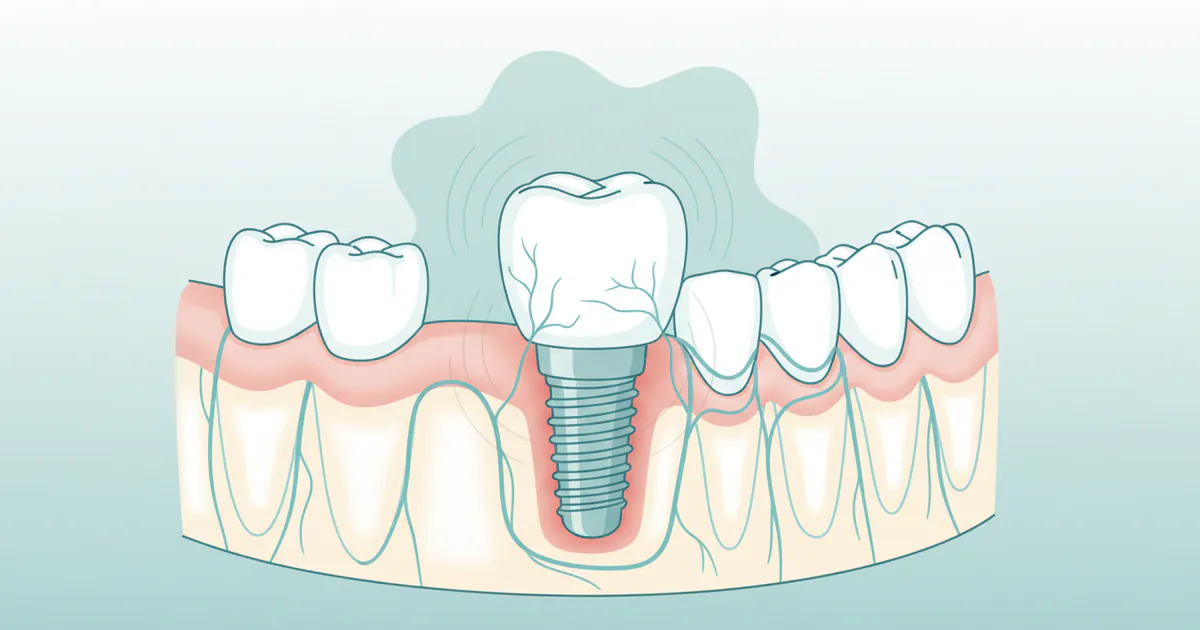
A dental implant is a sophisticated prosthetic device designed to replace missing tooth roots. It provides a strong foundation for fixed or removable replacement teeth that are made to match your natural teeth. The core of a dental implant system typically consists of three main components:
- The Implant Post (Fixture): This is a small, screw-shaped titanium post that is surgically placed into the jawbone beneath the gum line. Titanium is biocompatible, meaning it can safely fuse with human bone, a process called osseointegration. This fusion creates a stable and long-lasting anchor.
- The Abutment: Once the implant post has successfully integrated with the bone, a small connector piece called an abutment is attached to it. This piece extends through the gum line and serves as the support for the prosthetic tooth.
- The Prosthetic Tooth (Crown, Bridge, or Denture): This is the visible part of the tooth replacement, custom-made to match the color, shape, and size of your existing teeth. It is securely attached to the abutment.
Dental implants are widely regarded as the gold standard for tooth replacement due to their numerous benefits, including:
- Improved Appearance: Implants look and feel like your natural teeth.
- Enhanced Speech: Unlike dentures that can slip, implants allow you to speak without worry.
- Easier Eating: Implants function like your own teeth, allowing you to chew with confidence.
- Improved Self-Esteem: A complete smile can boost your confidence.
- Better Oral Health: Implants don't require reducing adjacent teeth, preserving more of your natural tooth structure. They also prevent bone loss that typically occurs when teeth are missing.
- Durability: With proper care, implants can last a lifetime, making them a cost-effective long-term solution.
Types / Variations of Dental Implants and Their Pain Considerations
The type of dental implant chosen depends on several factors, including the patient's bone density, general health, and the number of teeth being replaced. Each type can have slightly different implications for initial surgical pain and recovery.
Endosteal Implants
- Description: These are the most common type of dental implant. They are typically titanium, screw-shaped, and are surgically placed directly into the jawbone.
- Use Cases: Suitable for most patients with healthy jawbone.
- Pain Considerations: The pain associated with endosteal implants is primarily related to the surgical procedure of embedding the post into the bone. The pain profile is generally well-understood and managed with medication during the initial recovery phase (3-7 days).
Subperiosteal Implants
- Description: These implants consist of a metal framework that fits on top of the jawbone, just under the gum tissue. They are rarely used today.
- Use Cases: Historically used for patients who cannot wear conventional dentures and have minimal bone height.
- Pain Considerations: While less invasive in terms of bone drilling, the extensive gum flap surgery and potential for long-term irritation due to the framework resting on the bone surface can lead to unique pain patterns and discomfort, sometimes persisting longer than endosteal implants.
Mini Dental Implants (MDIs)
- Description: MDIs are smaller in diameter than traditional implants. They are often used for stabilizing lower dentures or for replacing smaller teeth in areas with limited bone.
- Use Cases: Primarily for denture stabilization, or in narrow bone ridges where conventional implants are not feasible.
- Pain Considerations: Due to their smaller size and less invasive placement procedure, MDIs generally involve less initial surgical pain and a quicker recovery period compared to traditional implants.
Single Dental Implants
- Description: This involves replacing one missing tooth with a single implant, abutment, and crown.
- Pain Considerations: Pain is localized to the single surgical site. Recovery is usually straightforward, assuming no complications.
Multiple Dental Implants (Partial Implants)
- Description: When several adjacent teeth are missing, multiple implants can be placed to support a multi-unit bridge. For example, two implants might support a three or four-unit bridge. This is often referred to as "partial implants" because they replace a section of missing teeth, not an entire arch.
- Pain Considerations: The level of pain can be slightly higher due to multiple surgical sites, but it's typically managed similarly to single implants. The recovery period might be marginally longer if many implants are placed simultaneously.
Full Arch Dental Implants (All-on-4®, All-on-6®, Zygoma Implants)
- Description: These techniques involve replacing an entire arch of missing teeth (upper or lower) using a reduced number of implants (typically 4-6) to support a full set of fixed prosthetic teeth. Zygoma implants are used in the upper jaw for patients with extreme bone loss, anchoring into the cheekbone.
- Pain Considerations: Full arch implant procedures are more extensive surgeries. Consequently, patients can expect more significant initial pain, swelling, and bruising, requiring stronger pain management post-operatively. However, the advanced planning and immediate loading protocols (in some cases) are designed to minimize discomfort and expedite functional recovery.
Pro Tip: Discuss the specifics of your chosen implant type with your dental surgeon. They can provide a personalized pain management plan based on the complexity of your procedure.
Causes of Tooth Implant Pain: Why It Happens
Understanding the source of tooth implant pain is crucial for appropriate management and treatment. Pain can range from normal, expected post-surgical discomfort to a sign of serious complications.
Normal Post-Surgical Discomfort
Immediately after implant surgery, it is normal to experience some level of pain and discomfort. This is the body's natural response to trauma and healing.
- Inflammation and Swelling: The surgical site will naturally become inflamed and swell as part of the healing process. This pressure contributes to discomfort.
- Bruising: Some bruising on the gums, cheek, or even externally on the face is common.
- Minor Bleeding: Oozing or slight bleeding from the surgical site is expected for the first 24-48 hours.
- Jaw Soreness: Holding the mouth open during surgery can cause temporary jaw stiffness or soreness.
- Nerve Irritation: The soft tissues and nerves around the surgical site may be temporarily irritated, leading to localized tenderness.
Typically, this normal post-surgical pain peaks within the first 24-48 hours and gradually subsides over 3-7 days. Over-the-counter pain relievers or mild prescription medications are usually sufficient for management.
Early Complications (Within Weeks to Months Post-Surgery)
Pain that is severe, persistent beyond a week, worsening, or accompanied by other concerning symptoms may indicate an early complication.
- Infection (Acute Peri-implantitis): This is a serious concern. Bacteria can enter the surgical site during or after the procedure. Signs include persistent throbbing pain, redness, severe swelling, pus discharge, fever, and a bad taste in the mouth.
- Implant Failure / Lack of Osseointegration: If the implant doesn't successfully fuse with the jawbone, it can become loose or fail. This may cause pain, especially when chewing, or simply a lack of stability where the implant feels wiggly. The body may reject the implant, leading to inflammation and discomfort.
- Nerve Damage: In rare cases, especially with lower jaw implants, the implant can be placed too close to or directly injure the inferior alveolar nerve, which runs through the jawbone. This can cause persistent numbness, tingling (paresthesia), or even sharp, shooting pain in the lip, chin, or tongue.
- Sinus Perforation: For implants placed in the upper jaw, especially the posterior region, there's a risk of perforating the maxillary sinus. This can lead to pain, pressure, sinus congestion, and nasal discharge. A sinus lift procedure is often performed to prevent this.
- Allergic Reaction: While extremely rare due to titanium's biocompatibility, some individuals can have an allergic reaction to titanium or other implant materials, causing inflammation, pain, and itching.
- Overloading the Implant: Placing a crown on the implant too soon before full osseointegration, or placing excessive chewing forces on the newly placed implant, can disrupt healing and cause pain.
- Trauma to Adjacent Structures: Accidental damage to adjacent teeth, blood vessels, or soft tissues during surgery can lead to localized pain and other issues.
Late Complications (Months to Years After Implant Placement)
Even after successful osseointegration and years of function, dental implants can develop issues leading to pain.
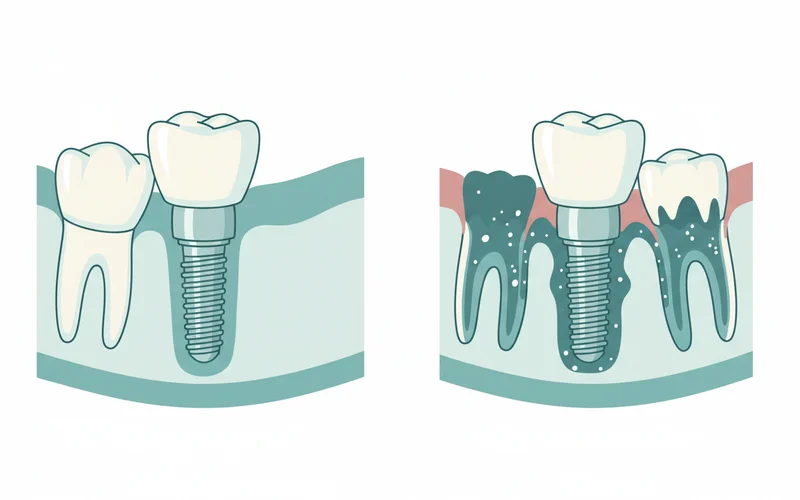
- Peri-implantitis (Chronic Infection): This is the most common late complication, a chronic inflammatory disease affecting the soft and hard tissues surrounding an osseointegrated dental implant. It's akin to periodontal disease for natural teeth. Causes include poor oral hygiene, smoking, uncontrolled diabetes, and excessive forces on the implant. Symptoms include deep probing depths around the implant, bleeding on probing, pus, redness, swelling, bone loss visible on X-rays, and pain, especially when chewing or touching the area.
- Fractured Implant or Component: The implant post, abutment, or prosthetic crown can fracture due to excessive biting forces, trauma, or material fatigue over time. A fracture often leads to sudden, sharp pain, especially when biting.
- Loose Abutment or Crown: The screw connecting the abutment to the implant, or the crown to the abutment, can become loose. This typically results in a feeling of instability, clicking sounds, and discomfort or mild pain when chewing.
- Occlusal Trauma / Improper Bite: If the implant crown is not perfectly aligned with your bite, it can experience excessive force during chewing, leading to inflammation of the surrounding bone and soft tissues, causing pain. This can also contribute to peri-implantitis or component fracture.
- Referred Pain: Pain perceived around the implant might originate from an adjacent natural tooth (e.g., cavity, crack, gum disease), temporomandibular joint (TMJ) dysfunction, or even sinus issues unrelated to the implant.
- Bone Loss (Non-Infectious): While infection is the primary cause of bone loss around implants, some bone resorption can occur due to systemic factors or improper implant placement, leading to mobility and discomfort.
Pro Tip: Any pain that deviates from the expected post-surgical discomfort—especially if it's severe, worsening, or accompanied by other symptoms—warrants immediate contact with your dental professional. Don't wait for it to get worse.
Signs and Symptoms of Concerning Implant Pain
Distinguishing between normal post-operative soreness and a problem requiring professional attention is critical. Pay close attention to these signs and symptoms:
- Persistent or Worsening Pain: If your pain doesn't gradually decrease after the first few days, or if it intensifies after initial improvement, it's a red flag.
- Severe Throbbing Pain: Intense, throbbing pain, especially if it keeps you awake at night or is unresponsive to over-the-counter pain medication, can indicate infection or nerve involvement.
- Excessive or Persistent Swelling: While some swelling is normal, swelling that dramatically increases after 3-4 days, or is accompanied by redness and warmth, points towards infection.
- Pus or Discharge: Any yellow, white, or greenish discharge around the implant site is a definitive sign of infection and requires immediate dental care.
- Fever or Chills: Systemic symptoms like fever or chills, coupled with localized pain, suggest a spreading infection.
- Implant Mobility: A feeling that the implant itself or the crown is loose or wobbly is a serious sign of implant failure or a loose component. This should be addressed immediately.
- Persistent Numbness or Tingling (Paresthesia): If numbness in the lip, chin, or tongue persists for more than 24-48 hours after the anesthesia wears off, it could indicate nerve damage.
- Difficulty Chewing or Biting: Pain when attempting to chew or a feeling of an uneven bite can signify occlusal trauma, a loose component, or implant instability.
- Bad Taste or Odor: A persistent foul taste or smell emanating from the implant area is often a symptom of bacterial infection (peri-implantitis).
- Receding Gums Around the Implant: If the gum tissue around the implant appears to be pulling away, exposing more of the implant post, it can indicate bone loss or peri-implantitis.
- Bleeding Gums: While some post-surgical bleeding is normal, persistent or spontaneous bleeding around the implant after the initial healing period could be a sign of inflammation or infection.
Diagnosis of Tooth Implant Pain
When you present with concerns about implant pain, your dental professional will undertake a systematic diagnostic process to pinpoint the cause.
- Clinical Examination: The dentist will visually inspect the implant site, surrounding gums, and adjacent teeth. They will check for redness, swelling, pus, gum recession, and tenderness. They will also assess your bite.
- Probing Depths: A periodontal probe will be gently used to measure the depth of the gum pocket around the implant. Increased probing depths (over 3-4mm) and bleeding on probing are key indicators of peri-implantitis.
- Mobility Testing: The dentist will carefully check for any movement of the implant, abutment, or crown. Even slight mobility of the implant post itself is a critical sign of failure.
- Radiographic Evaluation (X-rays):
- Periapical X-rays: These highly detailed X-rays show the bone level immediately surrounding the implant, helping to detect bone loss (a hallmark of peri-implantitis or implant failure).
- Panoramic X-rays: Provide a broader view of the entire jaw, helping to identify larger areas of bone loss, sinus issues, or nerve proximity.
- Cone Beam Computed Tomography (CBCT): A 3D imaging technique that offers highly detailed cross-sectional views of the bone, nerves, and sinuses. This is invaluable for diagnosing nerve damage, precise bone loss patterns, or complicated infections.
- Bite Analysis (Occlusal Assessment): Articulating paper will be used to check how your upper and lower teeth meet, identifying any points of premature or excessive contact on the implant crown that could be causing trauma.
- Vitality Testing of Adjacent Teeth: To rule out referred pain, adjacent natural teeth might be tested for vitality (nerve response) to check for issues like cracks or decay.
- Medical History Review: A thorough review of your medical history, including any systemic diseases (e.g., diabetes, autoimmune conditions) and medications, is essential as these can influence implant health.
Treatment Options for Tooth Implant Pain
Treatment for tooth implant pain is highly dependent on its underlying cause. Early diagnosis and intervention are critical for successful outcomes.
For Normal Post-Surgical Pain
- Over-the-Counter (OTC) Pain Relievers: Non-steroidal anti-inflammatory drugs (NSAIDs) like ibuprofen (Advil, Motrin) or acetaminophen (Tylenol) are effective for mild to moderate pain and inflammation. Follow dosage instructions.
- Prescription Pain Medication: Your surgeon may prescribe stronger pain medication (e.g., opioid analgesics for a few days) for more severe initial post-operative discomfort.
- Cold Compresses: Applying an ice pack to the outside of your cheek near the surgical site for 15-20 minutes on, 20 minutes off for the first 24-48 hours helps reduce swelling and numb the area.
- Soft Diet: Stick to soft, non-chewy foods for the first few days to avoid irritating the surgical site.
- Gentle Oral Hygiene: Rinse gently with warm salt water (1/2 teaspoon salt in 8 ounces warm water) or a prescribed antimicrobial mouthwash after 24 hours to keep the area clean. Avoid brushing the surgical site directly for a few days.
For Early Complications
- Antibiotics: For infections (e.g., acute peri-implantitis), a course of antibiotics will be prescribed to eliminate bacteria.
- Debridement: The surgical site may need to be cleaned of any infected or necrotic tissue.
- Surgical Removal of Implant (Explant): If the implant fails to integrate or an infection is severe and untreatable, the implant may need to be surgically removed. After a healing period, a new implant can often be placed.
- Nerve Repair: In rare cases of significant nerve damage causing persistent pain or numbness, a neurosurgeon specializing in nerve repair may be consulted.
- Sinus Lift Revision: If sinus perforation is the cause of pain, further surgical intervention might be needed to repair the sinus membrane and potentially graft more bone.
For Late Complications
- Peri-implantitis Treatment:
- Non-surgical: Initial treatment involves thorough cleaning (debridement) of the implant surface, often using specialized instruments or lasers, to remove bacterial plaque and calculus. Antimicrobial rinses or local antibiotic delivery might also be used.
- Surgical: If non-surgical methods fail or bone loss is extensive, surgical intervention is needed. This can involve surgically exposing the implant, decontaminating its surface, removing diseased tissue, and potentially performing guided bone regeneration (bone grafting) to rebuild lost bone around the implant. In severe cases, implantoplasty (smoothing the exposed implant surface) or explant may be necessary.
- Loose Abutment or Crown: The most common fix is simply to tighten the screw connecting the abutment to the implant, or the crown to the abutment. If the screw is stripped or broken, it will need to be replaced.
- Fractured Components:
- Crown: A fractured crown can usually be replaced without affecting the implant itself.
- Abutment: A fractured abutment can often be replaced.
- Implant Post: A fractured implant post is a serious complication and typically requires surgical removal (explant) of the entire implant.
- Occlusal Adjustment: If an improper bite is causing pain, the implant crown will be carefully adjusted to ensure even biting forces, alleviating trauma.
- Explant (Implant Removal): As a last resort, if an implant is irreversibly failed, severely infected, or causing intractable pain, it will be surgically removed. Once the site heals, options for re-implantation or alternative tooth replacement can be discussed.
Pro Tip: Never ignore persistent tooth implant pain. Early intervention drastically improves the chances of saving the implant and preventing more serious health issues. The American Dental Association (ADA) emphasizes the importance of regular follow-ups and prompt reporting of any concerns.
Step-by-Step Process of Dental Implant Placement (and associated pain points)
Understanding the typical stages of dental implant placement can help you anticipate discomfort and manage expectations for tooth implant pain. The entire process, from initial surgery to final crown placement, can take anywhere from 3 to 9 months, sometimes longer if extensive grafting is required.
1. Initial Consultation and Planning
- What happens: Your dentist or oral surgeon conducts a comprehensive examination, including X-rays and often a 3D CBCT scan, to assess your bone density, gum health, and overall suitability for implants. A detailed treatment plan is developed.
- Pain Point: Minimal to no pain. You might experience some discomfort from the imaging procedures or a quick oral exam.
2. Tooth Extraction (if necessary)
- What happens: If the damaged tooth is still present, it must be extracted first.
- Pain Point: Local anesthesia is used, so the procedure itself is pain-free. Post-extraction pain is common for a few days, managed with OTC pain relievers.
- Recovery: 1-2 weeks.
3. Bone Grafting (if necessary)
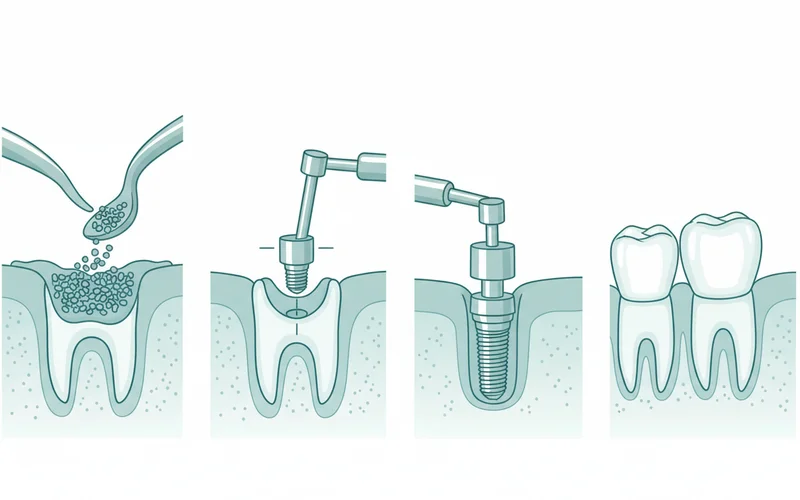
- What happens: If your jawbone is not thick or dense enough to support an implant, bone grafting is performed. This involves adding bone material (from your own body, a donor, or synthetic) to the deficient area. Common types include socket preservation, sinus lift, or ridge augmentation.
- Pain Point: This is a surgical procedure, so there will be pain, swelling, and bruising similar to or slightly more intense than a tooth extraction. Pain typically peaks at 24-48 hours and subsides over 5-10 days. Stronger pain medication may be prescribed.
- Recovery: This is the longest healing phase, taking 3-9 months for the graft to integrate with your natural bone. The implant cannot be placed until sufficient bone is regenerated.
4. Implant Placement Surgery
- What happens: Under local anesthesia and often sedation, the gum tissue is opened to expose the jawbone. A small pilot hole is drilled, which is then gradually widened to precisely fit the titanium implant post. The implant is carefully screwed into place, and the gum tissue is closed over it, sometimes with a healing abutment already in place (single-stage) or covered completely (two-stage).
- Pain Point: The procedure itself is pain-free due to anesthesia. Post-operative tooth implant pain is expected. You will likely experience mild to moderate pain, swelling, and bruising for 3-7 days. Pain is generally manageable with prescribed medication and OTC pain relievers.
- Recovery: This crucial phase, called osseointegration, takes 3-6 months. During this time, the implant fuses with the jawbone. Minimal to no pain is expected during this period, though occasional mild aches can occur.
5. Abutment Placement (if not placed during initial surgery)
- What happens: If the implant was fully covered in the first stage, a minor surgical procedure is needed to expose the implant. A healing abutment (a small metal collar) is then attached to the implant to guide gum tissue healing around it.
- Pain Point: This is a much less invasive procedure than the initial implant placement. You might experience mild discomfort or soreness for 1-3 days, easily managed with OTC pain relievers.
- Recovery: The gums heal around the abutment in about 1-2 weeks.
6. Crown Placement
- What happens: Once the gums have healed and osseointegration is complete, impressions are taken of your mouth and the abutment. A custom-made crown, bridge, or denture is then fabricated and permanently attached to the abutment.
- Pain Point: There is usually no pain associated with crown placement, although you might feel some pressure or minor sensitivity as the new restoration is seated and adjusted to your bite.
- Recovery: Immediate. You can usually use your new tooth right away, though it may take a few days to fully adjust to the feel of it.
Cost of Dental Implants and Insurance Coverage
The cost of dental implants in the US can vary significantly based on several factors, including the number of implants, the specific type of implant, the geographic location of the practice, the surgeon's expertise, and any additional procedures required (like bone grafts or extractions).
Average US Cost Ranges for Dental Implants
- Single Dental Implant:
- Low: $3,000 (often for the implant post only, not including abutment/crown)
- Average: $4,000 - $6,000 (including implant post, abutment, and crown)
- High: $8,000+ (for complex cases, premium materials, or highly specialized surgeons)
- Multiple Dental Implants (Partial Implants):
- The cost per implant often decreases when multiple implants are placed.
- A 3-unit bridge on 2 implants might range from $7,000 - $15,000.
- Full Arch Dental Implants (All-on-4® or similar):
- Per Arch: $20,000 - $50,000+ (can reach $60,000-$90,000 for highly complex cases or immediate loading with premium materials and advanced prosthetics). This typically includes 4-6 implants, abutments, and a full arch prosthetic.
Factors Influencing Cost:
- Geographic Location: Major metropolitan areas often have higher costs than rural areas.
- Provider Experience: Highly experienced oral surgeons or periodontists may charge more.
- Material Quality: Premium implant brands and crown materials can increase costs.
- Associated Procedures:
- Tooth Extraction: $75 - $600 per tooth (simple to surgical).
- Bone Grafting: $200 - $1,200 (for minor grafts like socket preservation) to $2,000 - $3,000+ (for major grafts like sinus lifts or extensive ridge augmentation).
- CBCT Scan: $200 - $500.
- Sedation: $300 - $1,000+ per hour (IV sedation).
Insurance Coverage Details:
Most traditional dental insurance plans offer limited coverage for dental implants.
- Often Categorized as "Major Procedure": This typically means the plan might cover 10-50% of the cost after a deductible, up to an annual maximum (which is often $1,000-$2,000).
- Pre-Existing Conditions: Some older plans may exclude coverage for missing teeth that existed before you enrolled.
- Medical Insurance: If the implant surgery is deemed medically necessary (e.g., due to trauma or cancer), or if complications arise, your medical insurance might cover a portion of the surgical costs, but rarely the implant itself or the crown.
- Components Breakdown: Insurance might cover the initial extraction, bone graft, and even the crown, but specifically exclude the implant post itself.
- Increasing Coverage: Some newer, higher-tier dental insurance plans are starting to offer better coverage for implants, but always check your individual policy thoroughly.
Pro Tip: Request a detailed, itemized treatment plan from your dental provider. Submit this pre-authorization to your insurance company to understand your exact out-of-pocket costs before beginning treatment.
Table 1: Average Cost Ranges for Dental Implant Components & Procedures (US Dollars)
| Procedure/Component | Average Low Range | Average High Range | Notes |
|---|---|---|---|
| Single Implant (Full pkg) | $3,000 | $6,000 | Includes post, abutment, and crown. |
| Implant Post Only | $1,500 | $2,500 | Excludes abutment and crown. |
| Abutment | $500 | $1,000 | Connector piece between implant and crown. |
| Crown (on implant) | $1,000 | $2,000 | Custom-made prosthetic tooth. |
| Full Arch (e.g., All-on-4) | $20,000 (per arch) | $50,000+ (per arch) | Includes 4-6 implants, abutments, and full arch prosthetic. |
| Tooth Extraction | $75 | $600 | Varies by complexity (simple vs. surgical). |
| Socket Preservation | $200 | $500 | Minor bone graft after extraction. |
| Sinus Lift (minor) | $1,500 | $2,500 | Lift sinus floor to add bone for upper jaw implants. |
| Sinus Lift (major) | $2,500 | $3,500 | For more significant bone augmentation. |
| Ridge Augmentation | $800 | $2,500 | Adds bone to widen or heighten the jawbone. |
| CBCT Scan | $200 | $500 | 3D diagnostic imaging. |
| IV Sedation (per hour) | $300 | $1,000 | Anesthesia administered intravenously. |
Table 2: Comparison of Dental Implant Coverage by Insurance Type
| Insurance Type | Typical Coverage | Notes |
|---|---|---|
| Traditional PPO Dental | 10-50% | Often categorizes implants as "major procedures." May cover individual components (e.g., crown, extraction) but exclude implant post. Subject to annual maximums ($1,000-$2,000). |
| HMO Dental | Limited/None | Typically requires selection from a network of providers, often with very limited or no implant coverage, or significant co-pays. |
| Medical Insurance | Rare | Only covers implants if deemed medically necessary due to injury, disease, or birth defect. May cover surgical portion for complications. |
| Discount Dental Plans | 15-60% Discount | Not insurance, but a membership that provides reduced fees from participating dentists. Can significantly lower out-of-pocket costs without annual maximums. |
| Dental Financing | N/A | Not coverage, but payment plans (e.g., CareCredit) that allow spreading costs over time, sometimes with interest-free periods. |
Recovery and Aftercare to Minimize Pain
Proper recovery and diligent aftercare are essential not only for successful osseointegration but also for minimizing tooth implant pain and preventing complications.
Immediate Post-Operative Care (First 24-72 hours)
- Pain Management: Take prescribed pain medication as directed, even if you don't feel severe pain initially, to stay ahead of discomfort. Over-the-counter NSAIDs like ibuprofen can help reduce both pain and swelling.
- Swelling Reduction: Apply an ice pack to the outside of your cheek for 15-20 minutes on, 20 minutes off, during the first 24-48 hours. This constricts blood vessels and minimizes swelling.
- Control Bleeding: Bite gently on the gauze pads placed over the surgical site for 30-60 minutes. Replace pads as needed. A small amount of oozing is normal; heavy bleeding is not.
- Diet: Stick to a soft or liquid diet for the first few days. Avoid hot foods or drinks, spicy foods, crunchy foods, or anything that requires heavy chewing. Foods like yogurt, smoothies, mashed potatoes, and soups are ideal.
- Oral Hygiene (Gentle): Do NOT rinse your mouth, spit forcefully, or use a straw for the first 24 hours, as this can dislodge the blood clot and cause dry socket. After 24 hours, rinse gently with warm salt water (1/2 teaspoon salt in 8 ounces warm water) 2-3 times a day. You can brush your other teeth carefully, avoiding the surgical site.
- Activity Restrictions: Avoid strenuous physical activity for at least 48-72 hours, as this can increase bleeding and swelling. Rest is crucial for healing.
- Avoid Smoking and Alcohol: Smoking severely impairs healing and significantly increases the risk of implant failure and peri-implantitis. Alcohol can thin the blood and interfere with medication. Avoid both for at least a week, ideally longer.
Long-Term Aftercare (Weeks, Months, Years)
- Excellent Oral Hygiene: This is the most critical factor for long-term implant success and preventing peri-implantitis. Brush your teeth (and implant crown) at least twice a day with a soft-bristled brush. Floss daily, including around the implant. Interdental brushes or water flossers can be very effective for cleaning around implants.
- Regular Dental Check-ups and Professional Cleanings: Visit your dentist or periodontist every 3-6 months for professional cleanings and examinations. They will monitor the health of your implant, gums, and bone, and can detect early signs of problems. Special instruments are used to clean implants to avoid scratching the titanium surface.
- Manage Bruxism (Teeth Grinding): If you grind or clench your teeth, your dentist may recommend a custom-made night guard. Excessive forces from bruxism can stress the implant and contribute to complications or component fracture.
- Avoid Hard, Sticky Foods: While implants are strong, avoid chewing on extremely hard foods (ice, hard candies) or using your teeth as tools, as this can damage the crown or even the implant.
- Address Systemic Health Conditions: Manage conditions like diabetes, which can impact healing and increase the risk of infection.
- Report Any Concerns: If you experience any persistent pain, swelling, tenderness, looseness, or a bad taste around your implant, contact your dentist immediately.
Pro Tip: Adhere strictly to all post-operative instructions provided by your dental surgeon. Your diligence in aftercare is a primary determinant of your implant's success and your long-term comfort.
Prevention of Implant Pain and Complications
Preventing tooth implant pain often boils down to preventing the complications that cause it. A proactive approach significantly increases the chances of a successful, pain-free outcome.
- Thorough Pre-Surgical Assessment: Ensure your dental professional performs a comprehensive evaluation, including 3D imaging (CBCT), to assess bone quality, nerve location, and sinus anatomy. This minimizes risks like nerve damage or sinus perforation.
- Choose an Experienced Practitioner: Select a qualified oral surgeon, periodontist, or prosthodontist with extensive experience in implant dentistry. Their expertise in surgical technique and case planning is paramount.
- Discuss Your Full Medical History: Be transparent with your dentist about all medical conditions (e.g., diabetes, heart disease, autoimmune disorders) and medications you take. These can impact healing and implant success.
- Follow Pre-Operative Instructions: Adhere to any instructions regarding antibiotics, diet, or activity restrictions before surgery.
- Quit Smoking: Smoking is a leading risk factor for implant failure and peri-implantitis, drastically impairing blood flow and healing. Quitting before surgery and maintaining abstinence long-term is critical.
- Strict Adherence to Post-Operative Instructions: This cannot be overstressed. Follow all guidance on pain medication, diet, oral hygiene, activity levels, and avoiding smoking/alcohol.
- Meticulous Long-Term Oral Hygiene: This is the cornerstone of implant longevity. Brush twice daily, floss daily, and use interdental brushes or a water flosser specifically around your implants. Implants are susceptible to peri-implantitis without proper cleaning.
- Regular Dental Check-ups and Professional Cleanings: Schedule visits every 3-6 months. Your dentist will monitor your implant health, remove plaque and calculus using implant-safe instruments, and adjust your bite if necessary.
- Manage Bruxism/Clenching: If you grind or clench your teeth, a custom night guard can protect your implants (and natural teeth) from excessive forces that could lead to pain, component fracture, or bone loss.
- Maintain a Healthy Diet: A balanced diet supports overall health and healing.
- Address Underlying Health Conditions: Keep systemic diseases, especially diabetes, well-controlled, as they can significantly impact bone and gum health around implants.
- Promptly Report Any Unusual Symptoms: Don't delay in contacting your dentist if you notice any new or worsening pain, swelling, redness, pus, or if your implant feels loose. Early detection of complications often leads to easier and more successful treatment.
Risks and Complications Associated with Dental Implants
While dental implants boast a high success rate, like any surgical procedure, they carry potential risks and complications that can lead to tooth implant pain and other issues.
- Infection (Peri-Implantitis): This is arguably the most common and significant complication. It's an inflammatory disease affecting the soft and hard tissues surrounding the implant, leading to bone loss. It can occur early or years after placement. Symptoms include pain, swelling, redness, pus, and eventually implant mobility.
- Nerve Damage: During lower jaw implant placement, there's a risk of injuring the inferior alveolar nerve. This can lead to numbness, tingling (paresthesia), or even chronic pain in the lip, chin, or tongue. While often temporary, it can be permanent in severe cases.
- Sinus Problems: For implants in the upper jaw, particularly the back teeth, the implant can penetrate the maxillary sinus. This can cause pain, sinusitis, and in some cases, require removal of the implant or additional surgical repair.
- Implant Failure (Lack of Osseointegration): The implant may not fuse with the jawbone successfully. This can be due to poor bone quality, infection, smoking, certain medical conditions, or early loading of the implant. A failed implant will often feel loose and may cause pain.
- Damage to Adjacent Structures: During surgery, there's a risk of damaging adjacent teeth, blood vessels, or other anatomical structures.
- Loose or Fractured Components: The crown, abutment, or even the implant screw can become loose or fracture over time due to biting forces, poor fit, or material fatigue. This can cause discomfort, pain, and functional issues.
- Allergic Reactions: Although rare, some individuals might have an allergic reaction to titanium or other implant materials, causing inflammation, pain, and discomfort.
- Excessive Bleeding or Swelling: While some post-operative bleeding and swelling are normal, excessive or prolonged instances can indicate a problem.
- Hematoma or Bruising: Blood accumulation under the skin (hematoma) or significant bruising can occur, leading to discomfort and discoloration.
- Post-Operative Discomfort: While not a complication, sometimes the normal post-surgical pain can be more intense or prolonged than anticipated, requiring closer monitoring.
Understanding these risks allows you to have an informed discussion with your dental professional and take necessary preventive measures.
Children / Pediatric Considerations
Dental implants are generally not recommended for children and adolescents whose jawbones are still growing and developing. Placing an implant in a growing jaw can lead to problems such as:
- Submerged Implant: As the surrounding bone and teeth continue to erupt and mature, the implant (which is fused and cannot move) can appear "submerged" relative to the natural dentition, impacting aesthetics and bite.
- Misalignment: The implant might end up out of alignment with other teeth or the opposing jaw.
- Bone Growth Inhibition: The implant could potentially interfere with the natural growth patterns of the jawbone.
When Might Implants Be Considered for Adolescents?
- Congenital Tooth Absence: In cases where permanent teeth never developed (e.g., anodontia, hypodontia), implants might be considered.
- Traumatic Tooth Loss: If a permanent tooth is lost due to injury.
In these specific scenarios, dental professionals will typically wait until jaw growth is complete, usually in the late teens or early twenties (around 18-21 years old), before considering implant placement. Girls generally reach skeletal maturity earlier than boys.
Alternatives for Children and Adolescents
While waiting for skeletal maturity, several temporary or interim solutions can be used to address missing teeth in children and adolescents:
- Space Maintainers: To prevent adjacent teeth from drifting into the gap, preserving space for a future implant or other restoration.
- Removable Partial Dentures (Flippers): A temporary, removable acrylic tooth replacement for aesthetics and function.
- Bonded Bridges: A fixed temporary solution where a prosthetic tooth is bonded to adjacent natural teeth without significant tooth preparation.
- Orthodontic Treatment: To close spaces or prepare the arch for future prosthetic solutions.
The decision to place an implant in a young adult is made carefully after a thorough assessment of skeletal maturity, often involving wrist radiographs or serial cephalometric X-rays to confirm growth cessation.
Cost Breakdown (Detailed)
Beyond the average ranges, a detailed cost breakdown helps patients understand where their money goes and plan for expenses related to dental implant pain solutions.
Average US Costs:
- Single Implant: As stated, $3,000-$6,000 is a good baseline for the full package (implant post, abutment, and crown).
- Low End ($3,000): Often found in dental schools, general dentists with less overhead, or for simpler cases using basic materials. May not include all follow-up care or require additional fees.
- Mid-Range ($4,000-$5,000): Typical for a qualified general dentist or specialist in a medium-cost-of-living area, using reputable materials.
- High End ($6,000+): Common in high-cost-of-living areas, with highly specialized surgeons (oral surgeons, periodontists, prosthodontists), or for complex cases requiring premium materials or advanced techniques.
- Full Arch Implants (e.g., All-on-4):
- Low End ($20,000 per arch): For basic, immediate-load temporary prosthetics, potentially at a dental school or through specific promotions.
- Mid-Range ($25,000-$40,000 per arch): Most common for a fixed, durable prosthetic (acrylic or zirconia) from a specialist.
- High End ($40,000-$50,000+ per arch): For advanced materials (e.g., full zirconia arches), highly complex cases, or for top-tier specialists.
Costs With vs. Without Insurance:
- Without Insurance: You will be responsible for 100% of the cost.
- With Insurance: As previously discussed, most dental insurance offers limited coverage (10-50%) for implants, subject to deductibles and annual maximums (often $1,000-$2,000). For a $4,000 implant with a $1,500 annual maximum and 50% coverage after a $100 deductible:
- You pay the $100 deductible.
- Insurance covers 50% of the remaining $3,900 ($1,950).
- However, due to the $1,500 annual maximum, insurance will only pay $1,500.
- Your out-of-pocket cost would be $100 (deductible) + ($4,000 - $1,500) = $2,600.
- Always verify with your specific plan.
Payment Plans and Financing Options:
- In-Office Payment Plans: Many dental practices offer internal payment plans, allowing you to pay for treatment in installments over time.
- Dental Credit Cards (e.g., CareCredit, LendingClub): These are specialized credit lines for healthcare expenses. They often offer promotional periods with 0% interest if the balance is paid within a specified timeframe (e.g., 6, 12, 18, or 24 months). Be mindful of high-interest rates if the balance isn't paid off within the promotional period.
- Personal Loans: Banks or credit unions offer personal loans that can be used for dental expenses, often with lower interest rates than credit cards.
- Flexible Spending Accounts (FSAs) and Health Savings Accounts (HSAs): If you have an FSA or HSA through your employer or individually, you can use these tax-advantaged accounts to pay for dental implants.
Cost-Saving Tips:
- Shop Around: Get quotes from multiple qualified dentists and specialists.
- Dental Schools: University dental schools often offer services at a reduced rate, performed by students under the supervision of experienced faculty. This can involve longer appointment times.
- Discount Dental Plans: These are not insurance but membership programs that provide a percentage off services from participating dentists.
- Travel for Treatment: Some patients consider traveling to other countries where dental implant costs may be significantly lower, though this requires careful research into quality of care and follow-up treatment.
- Ask About Package Deals: For multiple implants or full arch solutions, some practices offer package pricing that might be more cost-effective than individual component pricing.
- Maximize Insurance: Understand your annual maximums and deductible. If you need extensive treatment, you might be able to split the treatment over two calendar years to utilize two annual maximums.
Frequently Asked Questions
How long does "normal" tooth implant pain last after surgery?
Normal post-surgical tooth implant pain typically peaks within the first 24-48 hours and then gradually subsides. Most patients find that discomfort is significantly reduced or resolved within 3-7 days. If pain persists beyond a week or worsens, contact your dentist.
What does implant failure or lack of osseointegration feel like?
If an implant fails to integrate with the bone, you might feel a persistent dull ache, tenderness when touching the implant site, or a sensation that the implant or crown is slightly loose. Pain upon chewing or a complete lack of stability are strong indicators of failure.
Can a dental implant be replaced if it fails?
Yes, in most cases, a failed dental implant can be removed (explanted). After the site heals, which may involve bone grafting, a new implant can often be placed successfully. The success rate for re-implantation is generally high.
Are dental implants worth the cost, especially considering potential pain?
For most patients, dental implants are absolutely worth the investment. They offer superior aesthetics, function, and longevity compared to alternatives, preventing bone loss and maintaining oral health. While initial pain is expected, modern techniques and pain management protocols make it manageable, and long-term discomfort is rare with proper care.
What are the alternatives to dental implants?
Alternatives include traditional fixed bridges (which require grinding down adjacent healthy teeth), removable partial dentures (less stable, can affect speech/eating), and full dentures. While these are less invasive and often less costly initially, they don't prevent bone loss and typically have a shorter lifespan.
How do I know if my dental implant is infected (peri-implantitis)?
Signs of peri-implantitis include persistent pain, swelling, redness, and tenderness around the implant. You might also notice pus discharge, a bad taste in your mouth, gum recession exposing the implant, or a feeling of looseness. If you experience these symptoms, contact your dentist immediately.
Can "partial implants" (e.g., replacing a few teeth) hurt more than a single implant?
Pain from partial implants, which involve placing multiple implants for a bridge, might be slightly more extensive due to more surgical sites. However, the pain management protocols are similar to single implants, and the discomfort is usually well-controlled and resolves within the expected timeframe. The key is proper surgical technique and post-operative care for all implants, whether single or multiple.
What should I do if I experience persistent numbness or tingling after implant surgery?
Persistent numbness or tingling in the lip, chin, or tongue (paresthesia) beyond 24-48 hours after anesthesia wears off could indicate nerve irritation or damage. Contact your oral surgeon or dentist immediately. Early intervention is crucial for potential nerve recovery.
What is the success rate of dental implants?
Dental implants have a remarkably high success rate, generally ranging from 95% to 98% over 10 years, and often last a lifetime with proper care. Success rates are slightly lower in the upper jaw due to softer bone and can be impacted by factors like smoking, uncontrolled diabetes, and poor oral hygiene.
Is "teeth diamond implant faq thprmte" a specific type of implant related to pain?
The term "teeth diamond implant faq thprmte" is not a recognized or standard medical term in implant dentistry. It appears to be a string of words or a potential typo. Generally, the material (titanium or zirconia) and quality of an implant are factors, but there isn't a specific "diamond implant" type known to affect pain differently. Pain levels are more related to the surgical complexity, individual healing, and presence of complications rather than unique implant materials that are not standard.
When to See a Dentist
Knowing when to seek professional dental attention for tooth implant pain is crucial for preventing minor issues from escalating into serious complications.
Urgent / Emergency Situations (See Dentist IMMEDIATELY)
Contact your dental professional or seek emergency dental care if you experience any of the following:
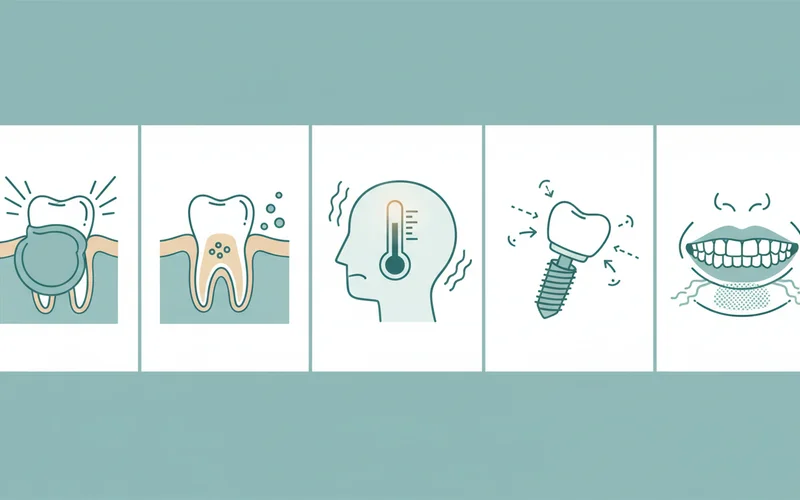
- Severe, Excruciating Pain: Pain that is unmanageable with prescribed medication, constantly worsening, or keeps you from sleeping.
- Signs of Spreading Infection: This includes fever, chills, persistent or dramatic swelling that spreads to your neck or eye, difficulty swallowing or breathing.
- Pus or Foul Discharge: Any yellow, white, or greenish discharge from the implant site.
- Excessive Bleeding: Bleeding that saturates gauze quickly for more than an hour or cannot be controlled with pressure.
- Implant Mobility: If the implant itself, the abutment, or the crown feels loose or wobbly.
- Persistent Numbness or Paresthesia: Numbness, tingling, or altered sensation in your lip, chin, or tongue that lasts for more than 24-48 hours after surgery.
- Sudden Trauma to the Implant Area: Any significant impact or injury to the implant.
Routine / Scheduled Appointment Situations (Contact Dentist for Advice)
While not immediate emergencies, these signs warrant contacting your dentist for advice and scheduling an appointment:
- Persistent Mild Pain: If mild discomfort or a dull ache persists beyond the expected 7-day post-surgical recovery period, even if it's manageable.
- Minor Swelling or Redness: If slight swelling or redness around the implant lasts longer than a week, or if you notice slight gum recession.
- Bad Taste or Odor: A persistent unpleasant taste or smell around the implant site, even without severe pain.
- Sensitivity to Hot/Cold: If the implant crown (not the surrounding natural teeth) becomes sensitive.
- Minor Changes in Bite: If your bite feels slightly off or uncomfortable after the crown is placed.
- Concerns about Oral Hygiene: If you're struggling to clean around your implant effectively.
Pro Tip: When in doubt, always err on the side of caution and contact your dental professional. They are best equipped to assess your symptoms and guide you on the appropriate course of action. Your long-term oral health depends on it.
Frequently Asked Questions
Medically Reviewed Content
This article was written by our dental health editorial team and reviewed for medical accuracy. Our content follows strict editorial guidelines for reliability and trustworthiness.
Medical Disclaimer
This article is for informational purposes only and does not constitute medical advice. Always consult with a qualified dental professional for diagnosis and treatment. Do not delay seeking professional advice because of something you read on this website.
Related Articles
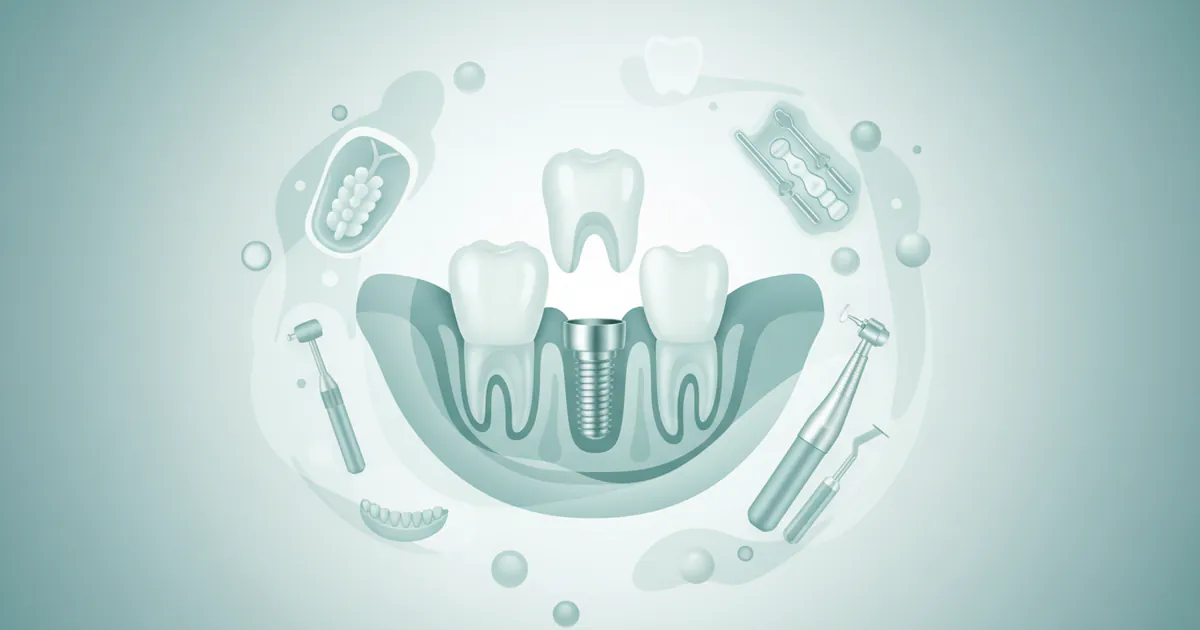
Implantologist: Complete Guide
Losing a tooth can be a significant setback, impacting not only your smile but also your ability to speak, chew, and maintain overall oral health. In fact, over 3 million Americans currently have dental implants, and that number is projected to grow significantly as more people seek a durable, n
March 8, 2026
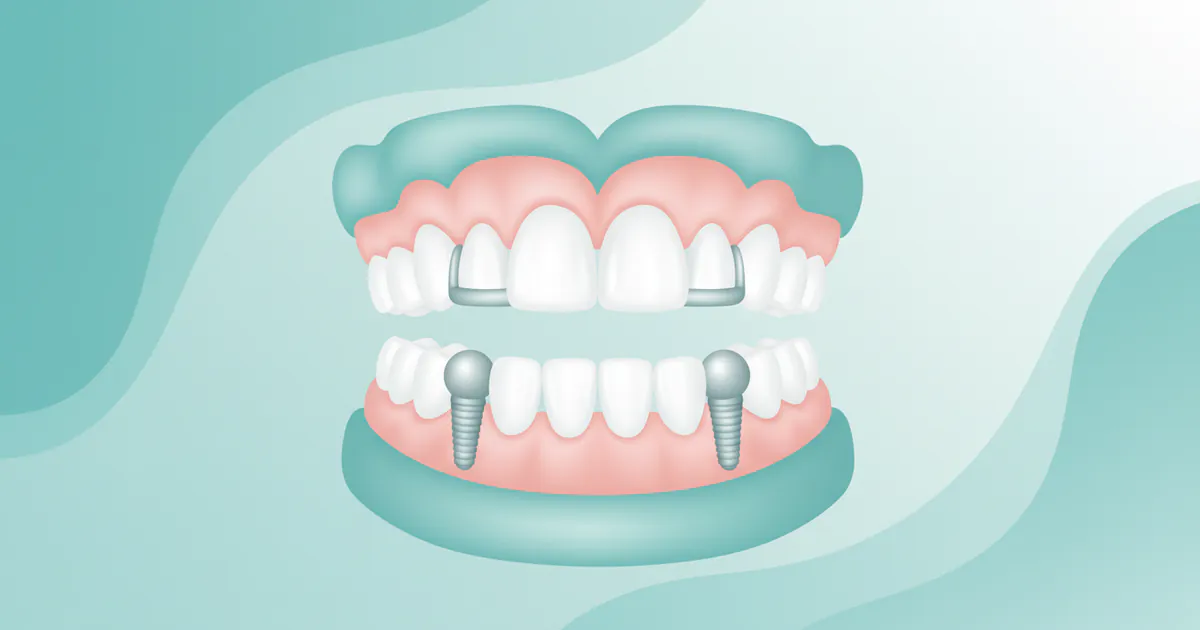
Dentures Over Implants: Complete Guide
Missing multiple teeth or even an entire arch can profoundly impact your life, affecting everything from your ability to chew and speak to your self-confidence. For millions of Americans, traditional removable dentures have long been a solution, but they often come with compromises: slipping, discom
March 8, 2026
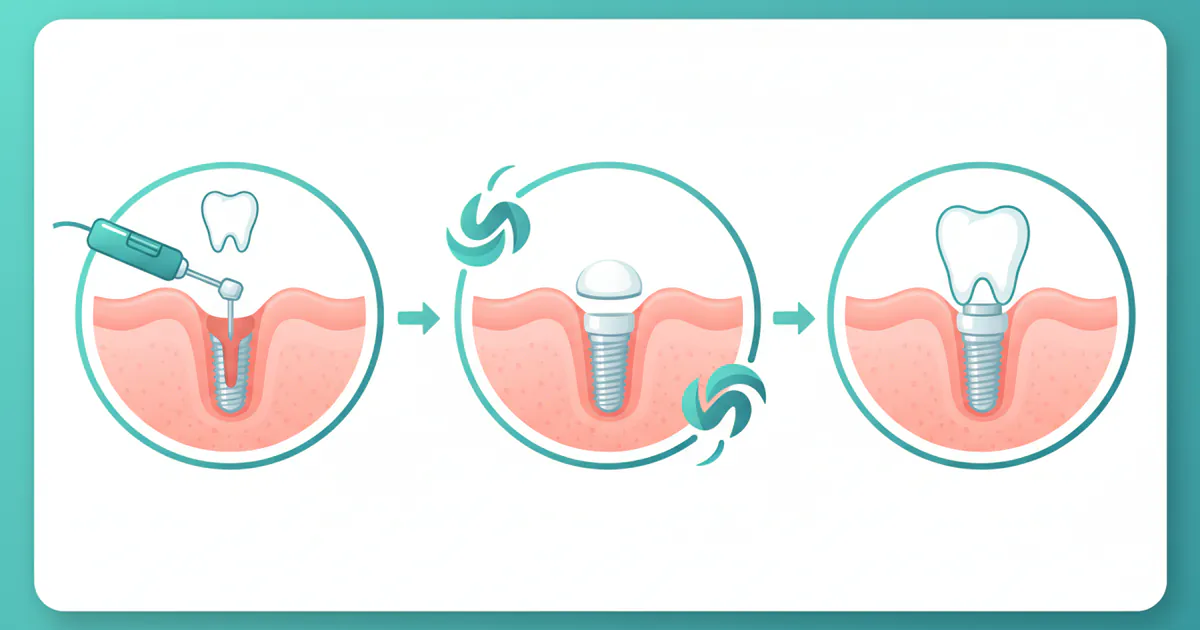
Implants Process: Complete Guide
Missing teeth can impact more than just your smile; they can affect your ability to eat, speak, and even your overall confidence. In fact, over 178 million Americans are missing at least one tooth, and about 40 million are missing all of their teeth. When faced with tooth loss, understanding the
March 8, 2026
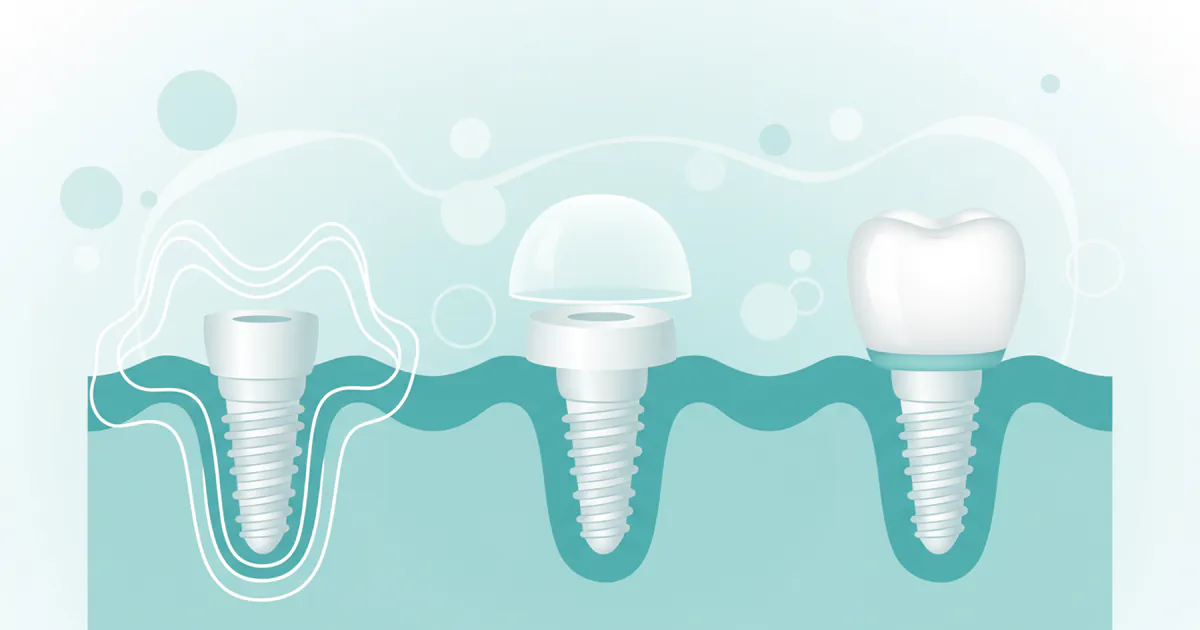
Implants Dentaires: Complete Guide
Missing teeth can dramatically impact not just your smile, but your overall health, confidence, and quality of life. In the United States, an estimated 178 million adults are missing at least one tooth, while approximately 40 million are missing all their teeth. These statistics underscore a
March 8, 2026