Cushion Grip for Dentures: Complete Guide
Key Takeaways
- Cushion Grip for Dentures: Complete Guide
Cushion Grip for Dentures: Complete Guide
Introduction
Imagine the discomfort of ill-fitting shoes, but on a much more sensitive part of your body: your gums. For many of the over 40 million Americans who wear dentures, this analogy is a daily reality. A poorly fitting denture can lead to constant irritation, painful sores, difficulty eating, and even changes in speech, profoundly impacting quality of life. In fact, studies show that a significant percentage of denture wearers experience some form of discomfort, often stemming from an imperfect fit. This is where solutions like cushion grip for dentures come into play, offering a temporary but effective way to improve comfort and stability.

Cushion grip products, often available over-the-counter, provide a soft, pliable layer between your denture and your gum tissues. Unlike traditional denture adhesives that primarily focus on holding the denture in place, cushion grips are designed to absorb pressure, reduce friction, and create a more comfortable experience. While they can offer immediate relief, it's crucial to understand their role as a temporary solution rather than a permanent fix for underlying fit issues. Prolonged use without professional assessment can mask serious problems and potentially lead to more severe complications.
This comprehensive guide from SmilePedia.net will delve deep into everything you need to know about cushion grip for dentures. We'll explore its various types, how it works, when it's appropriate to use, and crucial insights into its application. Furthermore, we'll examine the broader landscape of denture care, including professional relines, types of dentures and cost, and the role of temporary dentures. Our aim is to equip you with the knowledge to make informed decisions about your denture health, ensuring comfort, confidence, and a radiant smile.
Key Takeaways:
- Cushion grip for dentures is a thermoplastic polymer or soft material that provides a pliable layer between dentures and gums, enhancing comfort and stability by reducing pressure points.
- It offers immediate, temporary relief from sore spots and minor looseness but is not a permanent solution for ill-fitting dentures.
- Types of professional soft relines (chairside and lab-processed) offer more durable and precise cushioning than over-the-counter options, lasting from a few months to several years.
- Average costs range from $10-$25 for OTC cushion grip, $150-$400 for a chairside soft reline, and $300-$700 for a lab-processed soft reline. New dentures can range from $600 to $6,000+ per arch, and temporary dentures typically cost $800-$2,500.
- Denture fit changes primarily due to alveolar bone resorption, a natural process after tooth loss, requiring periodic relines or new dentures.
- Signs of a poor fit include persistent pain, sores, clicking, difficulty eating, and increased food trapping.
- Always consult a dentist if discomfort persists for more than a few weeks, as prolonged self-treatment can mask serious oral health issues.
What It Is / Overview
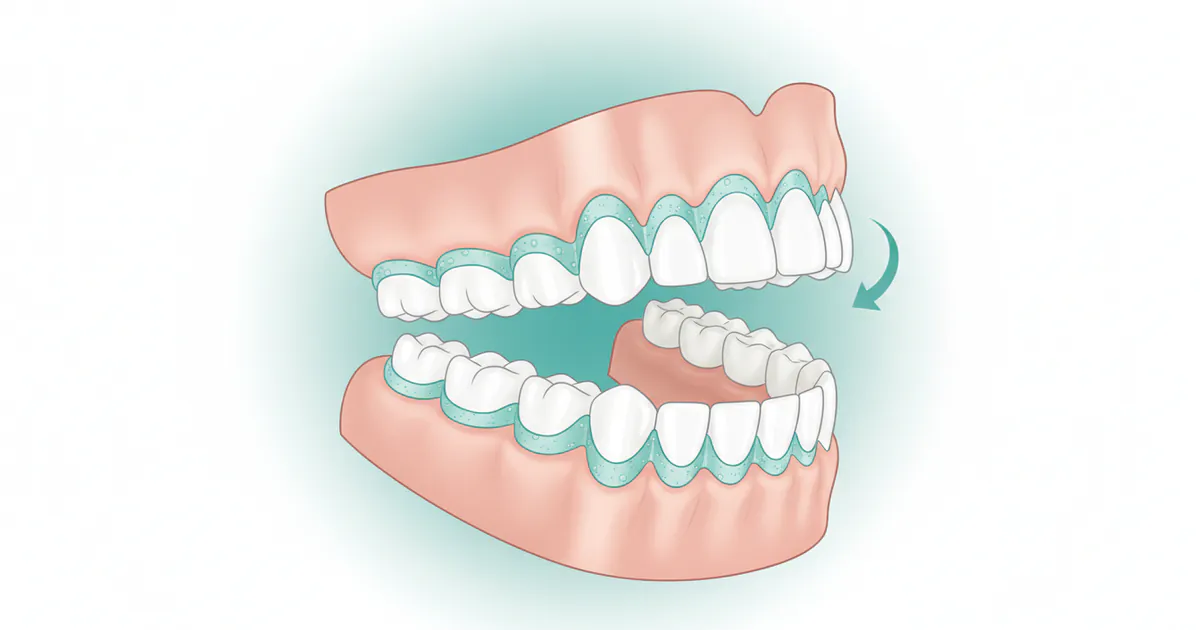
At its core, a cushion grip for dentures is a product designed to enhance the comfort and fit of dentures by creating a soft, pliable layer between the denture base and the gum tissues. Unlike traditional denture adhesives, which primarily function to bond the denture to the gums and prevent movement, cushion grips focus on providing a shock-absorbing, cushioning effect.
Most over-the-counter (OTC) cushion grip products are made from a thermoplastic polymer, a material that becomes soft and moldable when exposed to warm temperatures (such as from a warm water bath or the warmth of the mouth) and then retains its shape as it cools. When applied to the denture, this material conforms precisely to the contours of your oral tissues, creating a custom-like fit that distributes pressure more evenly across the gums.
The main benefits of using a cushion grip include:
- Enhanced Comfort: By cushioning the impact of chewing and reducing friction, cushion grips can alleviate sore spots, irritation, and the general discomfort associated with dentures rubbing against delicate gum tissues.
- Improved Stability: While not a primary adhesive, the close, custom fit created by a cushion grip can improve the suction and stability of the denture, reducing wobbling and slippage during speech and eating.
- Reduced Food Trapping: A better-sealed interface between the denture and gums can minimize the spaces where food particles might get trapped, leading to better hygiene and less irritation.
- Temporary Solution: For those experiencing minor discomfort or waiting for a professional reline appointment, cushion grip offers immediate, temporary relief.
It's important to differentiate cushion grip from a "soft reline." While cushion grip provides a similar cushioning effect, it is typically an at-home, short-term solution. A professional soft reline, whether done chairside or in a lab, involves a dentist applying or creating a durable, long-lasting soft material to the denture base, offering a more stable and medically appropriate solution for chronic comfort issues.
Types / Variations
The term "cushion grip" can refer to both over-the-counter products and professional dental treatments known as soft relines. Understanding the differences is crucial for choosing the right solution for your denture needs.
Over-the-Counter (OTC) Cushion Grips
These are products readily available at pharmacies and supermarkets, designed for self-application at home. They are typically made from thermoplastic polymers that soften with warmth and mold to your gums.
- Description: Brands like Cushion Grip (which lends its name to the general category) come in tubes or strips. They form a soft, temporary liner that adheres to the denture and cushions the gums.
- How They Work: You apply the pliable material to the clean, dry denture, often after warming it in water. As you seat the denture in your mouth, the material conforms to your oral tissues, providing a snug, cushioned fit. It then hardens slightly as it cools, maintaining its shape.
- Pros:
- Immediate Relief: Provides quick comfort for minor sore spots or slightly loose dentures.
- Cost-Effective: Very affordable compared to professional treatments, typically ranging from $10 to $25 per tube or pack.
- Accessible: Easily purchased without a prescription.
- Self-Applicable: Can be applied at home without a dental visit.
- Cons:
- Temporary: The cushioning effect and adhesion can degrade, requiring reapplication every few days to a week.
- Doesn't Fix Underlying Issues: Masks the symptoms of an ill-fitting denture rather than correcting the cause. Prolonged use can delay necessary professional care, potentially leading to worse problems.
- Hygiene Concerns: If not cleaned meticulously and regularly, the material can harbor bacteria and fungi, leading to oral infections like candidiasis.
- Messy Application: Some users find the application process difficult or messy.
- Variable Fit: The quality of the fit depends heavily on proper application by the user.
Professional Soft Relines
Professional soft relines are performed by a dentist and involve applying a softer, more pliable material to the denture base. These are far more durable and effective than OTC options. There are two main types:
1. Chairside Soft Reline (Temporary Professional Reline)
- Description: This procedure is performed in the dental office during a single visit. The dentist applies a soft, pliable acrylic-based material directly to your existing denture.
- Purpose: Often used as an interim solution for patients with extremely tender gums, new extractions (during the healing phase before a permanent reline), or as a diagnostic tool to assess how a patient adapts to a soft liner. It’s also common for temporary dentures during the initial healing period.
- How It Works: The dentist cleans and primes the denture surface. A soft reline material (often self-curing acrylic) is mixed and applied to the denture. The denture is then inserted into your mouth, and you bite down gently to allow the material to conform to your gum tissues. After a few minutes, the denture is removed, trimmed, and polished.
- Pros:
- Immediate Improvement: Provides significantly better comfort and fit than OTC options, with results seen in one appointment.
- Professional Application: Ensures proper technique and fit.
- More Durable: Lasts longer than OTC products, typically 3 to 12 months.
- Addresses Minor Issues: Can correct minor fit discrepancies and reduce pressure points effectively.
- Cons:
- Still Temporary: The material is porous and can harden over time, requiring replacement.
- Cost: More expensive than OTC options, ranging from $150 to $400 per arch.
- Staining and Hygiene: The material can absorb odors and stain more easily than the hard denture base, requiring diligent cleaning.
2. Laboratory Processed Soft Reline (Permanent Soft Reline)
- Description: This is the most durable and highest quality soft reline. It involves taking an impression of your mouth, and then a dental laboratory processes a custom soft liner into your existing denture base.
- Purpose: Recommended for patients with chronic pain due to sharp or sensitive alveolar ridges, very flat lower ridges, or those who wear implant-supported overdentures where a soft cushion is beneficial around the abutments.
- How It Works: The dentist takes an accurate impression of your oral tissues with the denture in place. This impression and the denture are then sent to a dental laboratory. The lab technicians replace a portion of the hard acrylic base with a high-quality, long-lasting soft reline material (e.g., silicone-based). This process typically takes 1-2 weeks, during which you may be without your denture or wear a temporary solution.
- Pros:
- Superior Durability: Made from denser, less porous materials (like silicone), these relines can last for 1 to 5 years or even longer with proper care.
- Exceptional Comfort: Provides the best long-term cushioning and fit, significantly improving comfort for chronic conditions.
- Better Hygiene: Less porous than chairside materials, making them easier to clean and less prone to staining or odor absorption.
- Precise Fit: Laboratory processing ensures a highly accurate and stable fit.
- Cons:
- Higher Cost: The most expensive reline option, typically ranging from $300 to $700 per arch.
- Multiple Appointments: Requires at least two dental visits (impression, then delivery), and a period without your denture.
- Not All Dentures Are Candidates: Requires a structurally sound denture to begin with.
Hard Reline
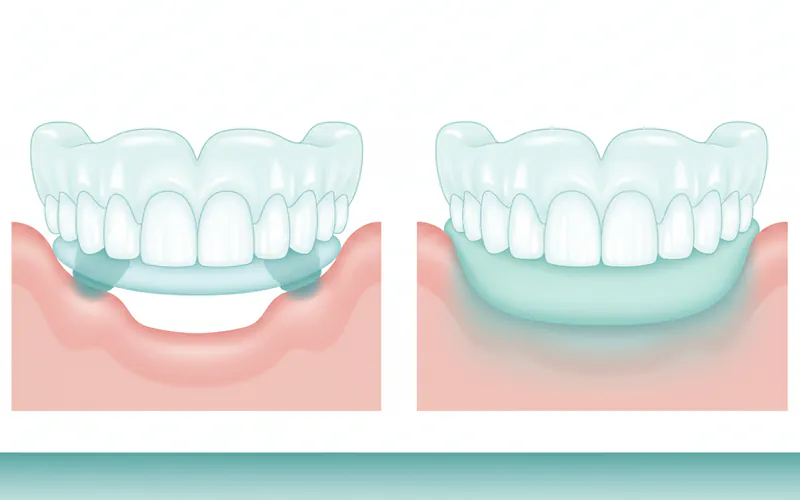
While not a "cushion grip," it's important to mention hard relines for context. A hard reline also reshapes the denture base but uses a hard acrylic material. It's suitable for dentures that are too loose due to bone resorption but where the vertical dimension and occlusion are still acceptable. It's a permanent solution for improved fit and stability, but it does not provide the soft cushioning effect of a soft reline or cushion grip.
Causes / Why Denture Fit Changes
The fit of dentures is not static; it changes over time due to several physiological and lifestyle factors. Understanding these causes is key to knowing when a cushion grip or a professional reline might be necessary.
-
Alveolar Bone Resorption (The Primary Cause):
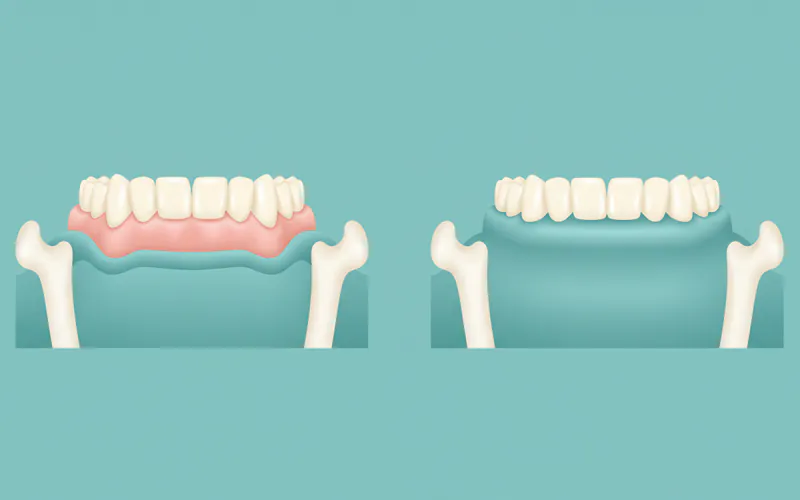
- When natural teeth are extracted, the alveolar bone (the jawbone that supported the teeth) is no longer stimulated by chewing forces.
- This lack of stimulation leads to a process called bone resorption, where the bone gradually shrinks and recedes. This is the most significant reason dentures become loose over time.
- The ridge where the denture rests becomes flatter and narrower, altering the contours of your mouth.
- Bone resorption is a continuous process, meaning your jawbone will always be changing, albeit at a slower rate after the initial healing period following extractions.
-
Tissue Changes:
- The soft tissues (gums) under your dentures can also change. They can shrink, swell, or simply alter in texture and elasticity due to aging, systemic health conditions, or even improper denture care.
- Over time, gums can become less resilient, contributing to discomfort even with a seemingly well-fitting denture.
-
Weight Fluctuations:
- Significant weight gain or loss can alter the shape of your face and jaw, including the bone and soft tissue structures that support dentures. This can lead to a noticeable change in denture fit.
-
Aging:
- Beyond bone resorption, the natural aging process itself can affect the oral cavity. Skin and mucous membranes become thinner and less elastic, which can impact denture comfort and retention.
- Decreased salivary flow (xerostomia or dry mouth), common with aging or certain medications, can also reduce the natural suction that helps hold dentures in place.
-
Disease and Medications:
- Certain medical conditions (e.g., diabetes, osteoporosis) and medications (e.g., those for high blood pressure, allergies, depression) can affect bone density, gum health, and saliva production, all of which influence denture fit and comfort.
- Oral infections or inflammation can also temporarily or permanently alter tissue contours.
-
Original Poor Fit or Denture Damage:
- Sometimes, dentures are not perfectly fabricated from the start, leading to initial discomfort.
- Over time, dentures can also warp, crack, or break due to accidents or improper handling, directly affecting their fit.
- Worn-down denture teeth can also impact bite alignment, affecting the stability of the denture base.
Pro Tip: The ADA (American Dental Association) recommends that denture wearers have their dentures checked annually by a dentist. This allows for early detection of fit issues and the initiation of appropriate treatment, such as a reline, before significant discomfort or damage occurs.
Signs and Symptoms of Poor Denture Fit
Recognizing the signs of ill-fitting dentures is critical. Ignoring these signals and solely relying on temporary solutions like cushion grip can lead to more severe oral health problems.
- Persistent Sore Spots and Irritation: This is often the most common complaint. If your dentures constantly rub or press unevenly on your gums, it can create red, inflamed areas, raw spots, or even painful blisters.
- Difficulty Chewing: You might find it hard to bite or chew certain foods, especially tough or sticky ones. Food might get dislodged from under the denture, or the denture itself might move excessively during chewing, making eating a challenge and sometimes embarrassing.
- Loose or Wobbling Dentures: The most obvious sign is when your dentures feel unstable. They may lift, shift, or even fall out when you talk, laugh, sneeze, or cough. This lack of retention can be a major source of anxiety and self-consciousness.
- Clicking or Popping Sounds: If your dentures make clicking or popping noises while you're talking or eating, it's a clear indication that they are not fitting securely and are moving too much.
- Food Trapping: If food particles consistently get trapped underneath your dentures, it suggests gaps between the denture base and your gums. This is not only annoying but also creates an environment for bacterial growth, leading to bad breath and potential infections.
- Difficulty Speaking Clearly: A denture that shifts or doesn't fit correctly can interfere with your articulation, causing you to lisp, mumble, or struggle with certain sounds.
- Denture Breath (Halitosis): Poorly fitting dentures can trap food debris and bacteria, leading to an unpleasant odor. This is often exacerbated by areas of chronic irritation or infection under the denture.
- Changes in Facial Appearance: Over time, significant bone loss due to ill-fitting dentures can cause your facial features to change, leading to a "sunken" appearance around the mouth and chin, or increased wrinkles around the lips.
- Fungal Infections (Denture Stomatitis): Chronic irritation and poor hygiene associated with loose dentures can lead to fungal infections (Candida) under the denture, manifesting as redness, soreness, and sometimes a burning sensation.
If you experience any of these symptoms, especially if they persist after using a temporary cushion grip product, it's a strong indication that you need a professional dental evaluation.
Treatment Options for Denture Discomfort (Beyond Cushion Grip)
While cushion grip offers valuable temporary relief, it's crucial to understand the full spectrum of solutions available for denture discomfort. These range from simple adjustments to complete replacements or advanced implant technology.
1. Denture Adhesives (Creams, Powders, Strips)
- What it is: These products are designed to create a seal between the denture and the gums, enhancing retention and preventing slippage. They come in various forms (creams, powders, adhesive strips).
- Pros: Easy to use, readily available, provides immediate (though temporary) hold, relatively inexpensive ($5-$15 per tube/pack).
- Cons: Not a fix for ill-fitting dentures; primarily for hold, not cushioning. Can be messy, may not last all day, and can mask worsening fit issues. Can lead to improper hygiene if not cleaned thoroughly daily.
- Key Difference from Cushion Grip: Adhesives prioritize hold, while cushion grips prioritize comfort and pressure distribution, though some cushion grips also have adhesive properties.
2. Professional Reline (Hard or Soft)
Relining involves resurfacing the tissue-fitting surface of your denture to match the current contours of your gums.
- Hard Reline:
- What it is: The dentist adds new acrylic material to the inside surface of the denture, creating a precise, snug fit. The material is hard, similar to the original denture base.
- Pros: A more permanent solution for loose dentures where the vertical dimension and bite are still good. Restores stability and prevents food trapping.
- Cons: Doesn't provide cushioning. If gums are very sensitive, a hard reline might still cause discomfort. Requires dental visits and potentially a lab period.
- Cost: Typically $200-$500 per arch.
- Soft Reline (Chairside or Lab Processed):
- What it is: As discussed in "Types / Variations," a soft, pliable material is applied to the denture base.
- Pros: Excellent for chronic sore spots, sensitive gums, or patients with sharp bony ridges. Offers superior comfort compared to hard relines.
- Cons: Chairside soft relines are temporary and can stain. Lab-processed soft relines are more durable but more expensive and involve lab time.
- Cost: Chairside: $150-$400 per arch. Lab Processed: $300-$700 per arch.
3. Denture Repair
- What it is: For minor cracks, chips, or broken denture teeth, a dentist or dental lab can often repair the existing denture.
- Pros: Saves the cost of a new denture, quick turnaround for minor repairs.
- Cons: Not suitable for major damage or fit issues; repairs may not be as strong as the original.
- Cost: $50-$300 depending on the repair complexity.
4. New Dentures
- What it is: If dentures are old, severely ill-fitting, or extensively damaged, a new set might be the best option. This involves taking new impressions and fabricating custom dentures from scratch.
- Pros: Provides a completely fresh start with optimal fit, aesthetics, and function. Addresses all underlying fit issues.
- Cons: Significant investment of time and money.
- Cost (Types of Dentures and Cost):
- Economy/Conventional Dentures: Basic, functional, often prefabricated teeth. $600-$1,500 per arch.
- Mid-Range Dentures: Better quality materials, more customization, improved aesthetics. $1,500-$3,000 per arch.
- Premium Dentures: High-quality materials, extensive customization for natural appearance, durable teeth. $3,000-$6,000+ per arch.
- Temporary Dentures (Immediate Dentures): Placed immediately after tooth extraction. $800-$2,500 per arch (often includes extractions). These often require multiple relines as gums heal.
5. Implant-Supported Dentures
- What it is: Dental implants (small titanium posts surgically placed into the jawbone) are used to anchor dentures, providing superior stability and retention. This can range from "overdentures" (removable dentures snapping onto implants) to "fixed hybrid dentures" (permanently screwed onto implants, like All-on-4).
- Pros: Gold standard for denture stability, significantly improves chewing efficiency, prevents further bone loss, enhances confidence and quality of life.
- Cons: Most expensive option, requires surgery, longer treatment timeline. Not all patients are candidates (requires sufficient bone density).
- Cost:
- Implant-Retained Overdenture (2-4 implants per arch): $5,000-$15,000 per arch.
- Implant-Supported Fixed Hybrid Denture (e.g., All-on-4, 4-6 implants per arch): $15,000-$30,000+ per arch.

Step-by-Step Process for Applying OTC Cushion Grip
For those opting for a temporary, over-the-counter cushion grip solution, proper application is key to achieving maximum comfort and fit. Always refer to the specific instructions provided with your product, as brands may vary slightly. Here’s a general guide:
-
Clean Your Dentures Thoroughly:
- Before applying any product, ensure your dentures are spotlessly clean. Brush them with a soft-bristled denture brush and a non-abrasive denture cleanser.
- Rinse them thoroughly under running water to remove all cleanser residue and food particles.
- Why it matters: Applying cushion grip to dirty dentures can trap bacteria and food, leading to odors and infections.
-
Dry Your Dentures Completely:
- Use a clean towel to thoroughly dry the inside surface (the part that touches your gums) of your denture.
- Why it matters: Most cushion grips adhere best to a dry surface. Excess moisture can compromise the bond.
-
Prepare the Cushion Grip Product:
- If using a thermoplastic product (like original Cushion Grip), you'll often need to warm the tube or a small piece of the material.
- Method 1 (Tube): Submerge the unopened tube in a cup of very warm (not boiling) water for 5-10 minutes until the product inside becomes soft and pliable.
- Method 2 (Small Piece): Squeeze out a small amount (e.g., pea-sized for minor areas, a bead for full arch) and knead it between your fingers or warm it slightly with a hairdryer (briefly) to make it more workable.
- Pro Tip: Start with less material than you think you'll need. You can always add more if necessary. Too much will cause excess to ooze out, making it messy.
-
Apply the Cushion Grip to Your Denture:
- Squeeze or place a thin, even layer of the softened cushion grip material onto the clean, dry, tissue-fitting surface of your denture.
- Ensure coverage: Apply it to all areas that come into contact with your gums, especially where you experience sore spots or looseness.
- Avoid the edges: Don't apply it too close to the very edges of the denture that extend into your cheek or tongue areas, as this can make trimming difficult and cause irritation.
-
Seat the Denture in Your Mouth:
- Carefully insert the denture into your mouth, positioning it as you normally would.
- Bite down gently: Close your mouth and bite down firmly but gently for a few minutes. This allows the cushion grip to conform precisely to the contours of your gums and palate under natural pressure.
- Suck gently: Some products suggest creating a gentle suction with your tongue and lips to help form a tighter seal.
-
Remove and Trim Excess (If Needed):
- Carefully remove the denture from your mouth. You may see some excess cushion grip material that has squeezed out from under the edges.
- Use a small, sharp pair of scissors or a plastic trimming tool (if provided) to carefully trim away any excess material that extends beyond the denture's borders. Ensure the edges are smooth and comfortable, not sharp or irritating.
- Pro Tip: Look in a mirror as you trim to ensure you don't cut into the denture base itself.
-
Rinse and Reinsert:
- Rinse the denture briefly under cool water to help the material set and remove any loose trimmings.
- Reinsert the denture. It should now feel more secure and comfortable.
Cost and Insurance
Understanding the costs associated with denture care, including cushion grip products and professional treatments, is essential for budgeting and planning. Prices can vary significantly based on geographic location, the complexity of the case, and the dental provider.
Average US Costs for Denture-Related Services:
- Over-the-Counter (OTC) Cushion Grip:
- Cost: $10 - $25 per tube/pack. This is the most affordable option, offering temporary relief for minor issues.
- Professional Denture Relines:
- Chairside Soft Reline: $150 - $400 per arch. A quicker, in-office solution for temporary comfort, lasting a few months to a year.
- Laboratory Processed Soft Reline: $300 - $700 per arch. A more durable, lab-fabricated solution for long-term comfort, lasting 1-5 years.
- Hard Reline: $200 - $500 per arch. For improving the fit of a loose denture with hard acrylic, lasting several years.
- New Dentures (Types of Dentures and Cost):
- Economy/Basic Dentures: $600 - $1,500 per arch. Standard materials, limited customization.
- Mid-Range/Custom Dentures: $1,500 - $3,000 per arch. Better quality materials, improved aesthetics and fit.
- Premium/High-End Dentures: $3,000 - $6,000+ per arch. Top-tier materials, extensive customization, highly natural appearance, exceptional durability.
- Temporary Dentures (Immediate Dentures):
- Cost: $800 - $2,500 per arch. This cost often includes the initial extractions and several follow-up adjustments/relines as your gums heal and shrink.
- Denture Repair:
- Minor Repair (e.g., small crack, single tooth reattachment): $50 - $150.
- Major Repair (e.g., multiple teeth, base fracture): $150 - $300.
- Implant-Supported Dentures:
- Implant-Retained Overdenture (2-4 implants per arch): $5,000 - $15,000 per arch. This includes the implants, abutments, and the specially designed denture.
- Implant-Supported Fixed Hybrid Denture (e.g., All-on-4): $15,000 - $30,000+ per arch. This is a complete arch replacement, fixed in place.
Insurance Coverage Details:
Dental insurance coverage for denture-related services can vary widely.
- OTC Cushion Grip: Generally not covered by dental insurance as it's an over-the-counter product. You would pay for these out-of-pocket.
- Professional Relines (Hard and Soft):
- Many dental insurance plans (especially PPO plans) offer partial coverage for relines, typically covering 50-80% of the cost after your deductible is met.
- There may be limitations on how often a reline is covered (e.g., once every 1-3 years).
- New Dentures:
- Most dental insurance plans provide partial coverage for conventional full or partial dentures, often covering 50% or more.
- Coverage for new dentures usually has a waiting period (e.g., 6-12 months after enrolling) and frequency limitations (e.g., one new denture set every 5-7 years).
- Temporary Dentures (Immediate Dentures):
- Coverage is similar to new conventional dentures. The cost of extractions needed prior to immediate denture placement is often covered separately under surgical benefits.
- Implant-Supported Dentures:
- This is where coverage becomes most complex. Many standard dental insurance plans offer limited or no coverage for dental implants or the implant-supported components of dentures, often considering them cosmetic or too advanced.
- Some premium plans or medical insurance (if there's a medical necessity component) might cover a portion of the implant surgery. The denture portion may be covered under prosthetic benefits.
- It's critical to check with your insurance provider for specific details regarding implant coverage.
Without Insurance / Payment Plans: For those without dental insurance, or for services with limited coverage:
- Payment Plans: Many dental offices offer in-house payment plans or partner with third-party financing companies (e.g., CareCredit) that allow you to pay for treatment over time with low or no interest options.
- Dental Discount Plans: These are membership programs where you pay an annual fee and get reduced rates on dental services from participating dentists.
- Community Dental Clinics/Dental Schools: These often offer services at a lower cost, performed by students under supervision.
Pro Tip: Always get a detailed written estimate from your dentist before proceeding with treatment, and thoroughly review your dental insurance policy to understand your benefits, deductibles, co-pays, and annual maximums.
Recovery and Aftercare
Proper care for your dentures and oral tissues is essential, especially after a reline or when using a cushion grip. Good aftercare ensures comfort, prolongs the life of your dentures, and maintains your oral health.
After Professional Reline (Soft or Hard):
-
Immediate Post-Reline Care:
- Adjusting to the new fit: Your mouth will need a few days to adjust to the new, snugger fit. You might experience some initial soreness or pressure, which should subside.
- Bite Adjustment: Your dentist will likely check your bite after the reline. If it feels off or you experience pain when biting, contact your dentist for an adjustment.
- Eating: Start with soft foods and gradually reintroduce harder foods as you become comfortable.
-
Denture Hygiene with Reline Materials:
- Brush Daily: Clean your dentures daily with a soft-bristled denture brush and a non-abrasive denture cleanser or mild soap. Pay special attention to the relined surface.
- Soaking: Most dentures (and reline materials) can be soaked in a denture cleaning solution. However, check with your dentist if your specific soft reline material is compatible with certain cleansers, as some can degrade soft materials. Avoid hot water, which can warp dentures.
- Rinse Thoroughly: Always rinse your dentures thoroughly before placing them back in your mouth to remove any cleaning solution residue.
- Oral Tissue Care: Gently brush your gums, tongue, and palate with a soft toothbrush every morning before inserting your dentures to stimulate circulation and remove bacteria.
-
Regular Follow-ups:
- Your dentist will likely schedule a follow-up appointment a week or two after a professional reline to check the fit and make any necessary adjustments. This is crucial for long-term comfort and health.
When Using OTC Cushion Grip:
-
Daily Cleaning and Reapplication:
- Remove and Clean Daily: Cushion grip materials, especially OTC ones, can harbor bacteria. Remove your dentures and thoroughly clean both the denture and any remaining cushion grip material daily.
- Clean the Cushion Grip: If the cushion grip is meant to last for several days, clean it gently with a soft brush and water. If it's a single-day application, remove and replace it daily.
- Thorough Mouth Rinse: Rinse your mouth thoroughly with water or an antimicrobial mouthwash to keep your gums clean.
-
Monitor for Irritation:
- Even with cushion grip, keep an eye on your gums. If new sore spots develop or existing ones worsen, discontinue use and see your dentist.
- Pro Tip: Never use superglue or other household adhesives to repair dentures or secure cushion grip. These are toxic and can cause serious harm.
General Denture Aftercare for All Wearers:
- Remove Dentures Overnight: Unless specifically instructed otherwise by your dentist, remove your dentures for at least 6-8 hours daily (typically overnight) to allow your gums to rest and recover. Store them in water or a denture cleaning solution to prevent drying and warping.
- Handle with Care: Dentures are fragile. Always handle them over a towel or basin of water to prevent breakage if dropped.
- Diet: A well-fitting denture allows you to eat a wider variety of foods. However, still be cautious with extremely hard, sticky, or chewy foods that could dislodge or damage your dentures.
- Regular Dental Check-ups: Visit your dentist annually for a comprehensive oral examination, even if you have no natural teeth. Your dentist will check the fit of your dentures, assess the health of your oral tissues, and screen for oral cancer. The ADA emphasizes these regular visits for all denture wearers.
Prevention
While some changes in denture fit are inevitable due to bone resorption, proactive measures can significantly prevent discomfort and prolong the life of your dentures, reducing the need for constant reliance on cushion grip.
-
Regular Dental Check-ups:
- Importance: This is the most critical preventive measure. Visit your dentist at least once a year (or as recommended) for a comprehensive oral examination.
- What they check: Your dentist will assess the fit of your dentures, examine your oral tissues for any signs of irritation, infection, or oral cancer, and evaluate the overall health of your mouth.
- Early Intervention: Early detection of bone loss or fit issues allows for timely interventions like adjustments or relines, preventing minor problems from escalating into major discomfort.
-
Maintain Excellent Oral and Denture Hygiene:
- Daily Cleaning: Brush your dentures daily with a non-abrasive denture cleanser and a soft-bristled brush. This removes food debris, plaque, and prevents the buildup of bacteria and fungi that can cause infections and odors.
- Clean Your Mouth: Gently brush your gums, tongue, and palate every day to stimulate circulation and remove bacteria.
- Overnight Removal: Remove your dentures for at least 6-8 hours daily to allow your oral tissues to rest and recover. Store them in water or a denture cleaning solution.
- Why it helps: Good hygiene prevents infections (like candidiasis or denture stomatitis) and inflammation, which can exacerbate discomfort and worsen denture fit.
-
Address Fit Issues Promptly:
- If you notice your dentures are starting to feel loose, cause persistent sore spots, or make clicking noises, don't ignore these signs.
- Avoid Prolonged Self-Treatment: While OTC cushion grip can provide temporary relief, relying on it for an extended period (more than a few weeks) without professional evaluation can mask underlying problems and lead to more severe issues.
- Seek Professional Advice: Promptly schedule an appointment with your dentist to have the fit evaluated.
-
Consider Annual Reline/Rebase Checks:
- Even if your dentures feel "okay," bone resorption is ongoing. Your dentist can assess if a reline is needed to maintain optimal fit and health, especially if you have had your dentures for more than a year or two.
- The ADA recommends that dentures should be relined every 1-2 years on average.
-
Maintain a Healthy Lifestyle:
- Balanced Diet: A nutritious diet supports overall health, including bone density and gum tissue health.
- Avoid Smoking: Smoking negatively impacts gum health, bone density, and healing, potentially accelerating bone loss.
- Manage Systemic Diseases: Conditions like diabetes can affect oral health; good management of these conditions is crucial.
-
Proper Denture Storage and Handling:
- Store dentures properly when not in use to prevent warping or damage.
- Handle them carefully to avoid dropping and breakage.
By adhering to these preventive measures, you can significantly enhance your comfort, extend the life of your dentures, and maintain excellent oral health, minimizing the need for constant temporary fixes.
Risks and Complications
While cushion grip can provide comfort, misusing it or delaying professional care for an ill-fitting denture carries significant risks and can lead to serious oral health complications.
Risks Associated with Ill-Fitting Dentures (Masked by Cushion Grip):
- Chronic Oral Sores and Inflammation:
- Continual rubbing and uneven pressure from loose dentures can lead to persistent sores, ulcers, and inflammation (stomatitis) on the gums, palate, and inner cheeks. These can be very painful and interfere with eating and speaking.
- Fungal and Bacterial Infections:
- Spaces under ill-fitting dentures or porous cushion grip material can trap food debris, plaque, and moisture, creating an ideal breeding ground for bacteria and fungi (especially Candida albicans). This can lead to conditions like denture stomatitis (red, inflamed tissues under the denture) or angular cheilitis (cracked, inflamed corners of the mouth).
- Accelerated Bone Loss (Alveolar Bone Resorption):
- An ill-fitting denture can exert excessive, uneven pressure on certain areas of the jawbone, paradoxically accelerating the very bone resorption it's meant to compensate for. This further worsens the fit and can lead to significant changes in facial structure over time.
- Impact on Nutrition:
- Difficulty chewing properly due to loose or painful dentures can lead to a limited diet, affecting nutritional intake and overall health. Many denture wearers report avoiding certain healthy foods, which can lead to deficiencies.
- Speech Difficulties:
- A denture that shifts or doesn't fit correctly can affect articulation, leading to slurred speech, lisps, or difficulty pronouncing certain words, impacting social confidence.
- Gag Reflex and Nausea:
- For some, a loose upper denture that encroaches too far back on the palate can trigger a gag reflex or feelings of nausea.
- Allergic Reactions:
- While rare, some individuals may develop an allergic reaction to the materials used in dentures or the cushion grip, leading to redness, itching, and swelling.
Risks Specific to Misuse of OTC Cushion Grip:
- Delaying Professional Care: This is the most significant risk. Relying on cushion grip for too long can mask worsening fit issues that require a professional reline or new dentures. Delaying proper treatment can lead to more extensive and costly problems down the line.
- Poor Hygiene and Infections: If the cushion grip material is not thoroughly cleaned and replaced regularly (often daily or every few days for OTC products), it can become a haven for bacteria and fungi, leading to severe oral infections.
- Damage to Dentures: Aggressive removal of stubborn cushion grip residue can potentially damage the denture base.
- False Sense of Security: While cushioning, OTC products don't provide the same stable, sealed fit as a professional reline, which might lead users to think their dentures are more secure than they are, potentially leading to accidental dislodgement.
Pro Tip: If you're using an OTC cushion grip for more than a few weeks, it's a clear sign that you need a professional dental evaluation to determine the root cause of your denture discomfort.
Comparison Tables
Table 1: OTC Cushion Grip vs. Professional Soft Reline
| Feature | Over-the-Counter (OTC) Cushion Grip | Chairside Soft Reline (Professional) | Lab-Processed Soft Reline (Professional) |
|---|---|---|---|
| Purpose | Temporary comfort, minor cushioning, pressure relief | Interim comfort, improved fit for tender gums, temporary solution | Long-term comfort, precise fit for chronic tenderness, permanent solution |
| Material | Thermoplastic polymer (e.g., silicone-like substance) | Self-curing acrylic/resin | High-quality silicone or resilient acrylic |
| Application | Self-applied at home | Applied by dentist in-office | Impression taken by dentist, processed by dental lab |
| Duration | 2-7 days per application, then needs removal/replacement/reapplication | 3-12 months, then needs replacement | 1-5 years or more, very durable |
| Cost (per arch) | $10 - $25 | $150 - $400 | $300 - $700 |
| Pros | Immediate relief, very affordable, easily accessible | Quick (single visit), better fit than OTC, professional application | Most durable, best comfort, excellent long-term fit, less porous |
| Cons | Very temporary, doesn't fix issues, can be messy, hygiene risks if not maintained | Still temporary, can stain/harden over time, requires dental visit | Higher cost, multiple appointments, temporary denture might be needed during lab time |
| Ideal For | Urgent, temporary relief, waiting for dental appointment | Healing after extractions, diagnostic purposes, sensitive gums (interim) | Chronic sensitive gums, sharp ridges, long-term comfort and stability |

Table 2: Types of Dentures & Average US Costs
| Denture Type | Description | Average US Cost (per arch) | Best For | Key Considerations |
|---|---|---|---|---|
| Economy/Conventional | Basic materials, stock teeth, minimal customization. | $600 - $1,500 | Budget-conscious, first-time full denture wearers. | Least natural appearance, may require more adjustments initially. |
| Mid-Range/Custom | Better quality materials, more tooth shade/shape options, improved fit. | $1,500 - $3,000 | Patients seeking a balance of aesthetics, comfort, and durability. | Good appearance and function, but not fully customized. |
| Premium/High-End | Highest quality materials, extensive customization, natural aesthetics. | $3,000 - $6,000+ | Patients prioritizing natural look, superior comfort, and durability. | Most natural appearance, best fit, often made with stronger materials. |
| Temporary/Immediate | Placed immediately after natural teeth extraction. | $800 - $2,500 | Patients who do not want to be without teeth during healing. | Requires multiple relines as gums heal and shrink; temporary until permanent denture. |
| Partial Denture | Replaces one or more missing teeth, retained by remaining natural teeth. | $700 - $1,800 | Patients with some healthy natural teeth remaining. | Can be removable (acrylic/metal base) or fixed (implant-supported). |
| Implant-Retained Overdenture | Removable denture that snaps onto 2-4 dental implants for stability. | $5,000 - $15,000 | Patients wanting improved stability over conventional dentures without full implant costs. | Offers excellent retention but is still removable; prevents bone loss. |
| Implant-Supported Fixed Hybrid Denture (e.g., All-on-4) | Permanent denture fixed to 4-6 implants; not removable by patient. | $15,000 - $30,000+ | Patients seeking the highest level of stability, function, and aesthetics. | Acts like natural teeth, prevents bone loss, high initial cost, surgical procedure. |
Frequently Asked Questions
How long does Cushion Grip last?
Over-the-counter cushion grip products typically last for 2-7 days before needing to be cleaned, removed, and reapplied. Professional chairside soft relines usually last 3-12 months, while lab-processed soft relines are the most durable, often lasting 1-5 years or more with proper care.
Is Cushion Grip safe to use?
Yes, when used as directed, over-the-counter cushion grip is generally safe for temporary relief. However, it's crucial to maintain meticulous hygiene to prevent bacterial buildup. Prolonged use without dental supervision is not recommended, as it can mask serious underlying issues that require professional attention.
Can Cushion Grip fix severely loose dentures?
No, cushion grip is designed for minor looseness and discomfort. It provides a temporary cushion and improved seal, but it cannot structurally fix a severely ill-fitting denture. If your dentures are very loose, constantly falling out, or causing significant pain, you need a professional reline or new dentures.
What are the alternatives to Cushion Grip?
Alternatives include other over-the-counter denture adhesives (creams, powders, strips), professional hard or soft relines performed by a dentist, denture repairs, or ultimately, new conventional dentures or implant-supported dentures for a more permanent and stable solution.
How do I remove Cushion Grip from my dentures?
Most over-the-counter cushion grip products can be peeled off the denture surface. Soaking the denture in warm water can sometimes help soften the material for easier removal. Always follow the specific instructions provided by the product manufacturer for the best and safest removal method.
Can I eat and drink normally with Cushion Grip?
Cushion grip can improve denture stability and comfort, allowing for more confident eating and drinking. However, it's not a substitute for a perfectly fitting denture. Be mindful of extremely sticky or hard foods that could still dislodge your dentures or the cushion grip material.
Does Cushion Grip prevent food from getting under dentures?
By creating a better seal between the denture and the gums, cushion grip can help reduce the amount of food particles that get trapped underneath. However, it may not eliminate it entirely, especially if the denture has significant underlying fit problems.
How often should I reapply Cushion Grip?
Most over-the-counter cushion grip products recommend reapplication every 2 to 7 days, depending on the brand and how long the effect lasts for you. It's essential to clean the denture and remove old material before applying new cushion grip to maintain hygiene.
Will using Cushion Grip delay the need for a professional reline?
Yes, this is a significant risk. While cushion grip provides comfort, it can mask the symptoms of progressive bone loss and ill-fitting dentures. Delaying a professional reline or new dentures can lead to accelerated bone resorption, chronic sores, and infections, making future treatment more complex and costly.
What is the average cost of a denture reline?
The average cost of a chairside soft reline in the US is $150-$400 per arch, while a lab-processed soft reline costs $300-$700 per arch. A hard reline typically ranges from $200-$500 per arch.
When to See a Dentist
While over-the-counter cushion grip can provide temporary relief, it's critical to know when your denture discomfort signals a need for professional dental intervention. Relying solely on temporary solutions can mask serious underlying issues and lead to more severe oral health problems.
Schedule an appointment with your dentist if you experience any of the following:
- Persistent Pain or Sore Spots: If you have chronic red spots, ulcers, or pain on your gums that lasts for more than a few days, especially if it doesn't improve with cushion grip use. This could indicate a significant pressure point or an emerging infection.
- Significantly Loose Dentures: If your dentures are constantly shifting, falling out, making clicking noises, or making it very difficult to speak or eat, they are severely ill-fitting and require professional assessment.
- Difficulty Eating or Speaking: If you struggle to chew food effectively or your speech is consistently impaired due to denture movement, your dentures are not functioning properly.
- Signs of Infection: Look for symptoms like redness, swelling, burning sensation under your dentures, white patches (which could indicate a fungal infection like candidiasis), or persistent bad breath that doesn't resolve with cleaning.
- Changes in Facial Structure: If you notice your face appears "sunken" or your jawline has changed, it could be a sign of significant bone loss requiring new dentures or more advanced solutions.
- Denture Damage: Any cracks, chips, or broken teeth on your dentures warrant a dental visit for repair or replacement.
- Extended Use of OTC Cushion Grip: If you find yourself using over-the-counter cushion grip or adhesives daily for more than two to three weeks, it's a clear indication that your dentures need professional evaluation and likely a reline or replacement. These products are temporary solutions, not a substitute for proper denture fit.
- Annual Check-up: Even if you feel no discomfort, the ADA recommends annual dental check-ups for all denture wearers. Your dentist can detect subtle changes in bone structure or gum tissue that you might not notice, preventing problems before they start.
Emergency vs. Scheduled Appointment Guidance:
- Emergency (Call immediately): Severe, acute pain; uncontrolled bleeding; swelling in your mouth or face; a completely fractured denture that makes eating or speaking impossible and causes sharp edges.
- Scheduled Appointment: Persistent but manageable pain, minor looseness, minor discomfort, a denture that feels "off" but is still functional, any of the issues listed above that are not immediately life-threatening but require attention.
By being vigilant and seeking professional dental care when needed, you can ensure your dentures provide optimal comfort, function, and support for your long-term oral health.
Frequently Asked Questions
Medically Reviewed Content
This article was written by our dental health editorial team and reviewed for medical accuracy. Our content follows strict editorial guidelines for reliability and trustworthiness.
Medical Disclaimer
This article is for informational purposes only and does not constitute medical advice. Always consult with a qualified dental professional for diagnosis and treatment. Do not delay seeking professional advice because of something you read on this website.
Related Articles
Cheap Dentures: Complete Guide
Facing the prospect of tooth loss can be daunting, and the thought of replacing missing teeth often brings financial concerns to the forefront. Did you know that an estimated 36 million Americans are completely edentulous (missing all their teeth), and another 120 million are missing at leas
February 23, 2026
Full Mouth Reconstruction Near Me: Complete Guide
You've been living with dental pain, difficulty eating, or a smile you're too embarrassed to share. Perhaps years of neglect, trauma, or disease have taken a toll on your oral health, leaving you wondering if there's any hope for a complete restoration. You're not alone. **Millions of Americans face
February 23, 2026
$99 Dentures Near Me: Complete Guide
Losing teeth can significantly impact your quality of life, affecting everything from your ability to chew and speak to your self-confidence. For many, the high cost of dental care can feel like an insurmountable barrier to regaining a healthy smile. This often leads people to search for "affordable
February 23, 2026
Snap-in Dentures Cost Near Me: Complete Price Guide 2026
For many Americans navigating the challenges of significant tooth loss, the search for a stable, comfortable, and aesthetically pleasing dental solution often leads to implant-supported dentures. Unlike traditional dentures that rely on suction and adhesives, snap-in dentures offer a remarkable impr
February 23, 2026