Fluoride
3,976 words · 13 min read
Quick Definition
A naturally occurring mineral that strengthens tooth enamel and helps prevent tooth decay. It is found in many water supplies, toothpastes, and professional dental treatments.
Fluoride
Short Definition: A naturally occurring mineral that strengthens tooth enamel and helps prevent tooth decay-conditions-diseases-everything-you-need-to-know "Complete Guide to Dental Conditions & Diseases: Everything You Need to Know"). It is found in many water supplies, toothpastes, and professional dental treatments.
Introduction
Fluoride is a remarkable naturally occurring mineral that plays a pivotal role in maintaining optimal oral health, particularly in preventing tooth decay, also known as caries. For decades, it has been recognized by leading health organizations worldwide as a safe and effective agent in strengthening tooth enamel, the hard, protective outer layer of your teeth. Its widespread availability in community water supplies, everyday dental products, and professional dental treatments makes it a cornerstone of modern preventive dentistry in the United States and globally.
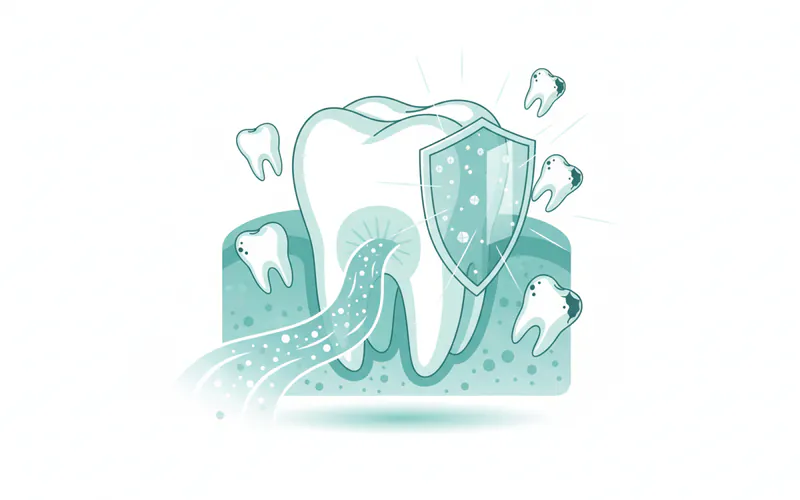
Understanding "what is fluoride" and its profound impact on your dental well-being is essential for everyone. Dental caries remain a common chronic disease, affecting an estimated 90% of US adults and over 45% of children and adolescents, according to the Centers for Disease Control and Prevention (CDC). Fluoride intervention is a key strategy in reducing these staggering numbers, offering a simple yet powerful defense against the constant threat of tooth decay. This comprehensive guide, crafted for SmilePedia.net, will delve into every facet of fluoride, equipping you with the knowledge to harness its protective benefits for a healthier, brighter smile.
Key Takeaways:
- Fluoride is a natural mineral essential for strong teeth.
- It works by strengthening tooth enamel and making it more resistant to acid attacks that cause caries.
- Fluoride is delivered systemically (ingested) and topically (applied to teeth).
- Community water fluoridation is recognized as one of the top 10 public health achievements of the 20th century.
- Both adults and children benefit significantly from appropriate fluoride exposure.
- While generally safe, excessive fluoride intake during tooth development can lead to dental fluorosis.
Detailed Explanation
Types and Classifications of Fluoride
Fluoride can be broadly classified by its method of delivery:
-
Systemic Fluoride: This type of fluoride is ingested, entering the bloodstream and becoming incorporated into the developing enamel of permanent teeth before they erupt. It also provides some topical benefits by bathing the teeth in saliva.
- Community Water Fluoridation: Considered a public health success story, this involves adjusting the fluoride concentration in public water supplies to an optimal level (typically 0.7 parts per million (ppm) in the US). It's a cost-effective and equitable way to deliver fluoride to entire communities.
- Dietary Fluoride Supplements: Available by prescription from a dentist or physician, these come in tablet, drop, or lozenge form. They are primarily recommended for children aged 6 months to 16 years living in areas with non-fluoridated water or naturally low fluoride levels, based on age and existing fluoride exposure.
-
Topical Fluoride: This type of fluoride is applied directly to the surface of erupted teeth, where it strengthens existing enamel and helps reverse early signs of decay.
- Fluoride Toothpaste: The most common source of topical fluoride, nearly all toothpastes sold in the US contain fluoride (typically 1,000 to 1,500 ppm). Brushing twice daily delivers fluoride directly to the tooth surfaces.
- Fluoride Mouth Rinses: Over-the-counter (OTC) mouth rinses typically contain lower concentrations of fluoride than toothpaste and are recommended for daily or weekly use, often for individuals with a higher risk of caries. Prescription-strength rinses are also available.
- Professional Fluoride Treatments: Applied by a dentist or dental hygienist during a routine check-up, these are highly concentrated forms of fluoride designed for maximum benefit. They come in several forms:
- Fluoride Varnish: A sticky, resin-based film applied to the tooth surface that hardens and slowly releases fluoride over several hours. It's often preferred for children and those at high risk of caries.
- Fluoride Gels and Foams: Applied in trays held over the teeth for a few minutes. These are less commonly used now due to the superior patient acceptance and efficacy of varnishes.
Specific fluoride compounds you might encounter include:
- Sodium Fluoride (NaF): Commonly found in toothpastes, mouth rinses, and professional varnishes.
- Stannous Fluoride (SnF2): Found in some toothpastes and rinses, known for its anti-bacterial properties in addition to fluoride's benefits. It can sometimes cause temporary tooth staining.
- Acidulated Phosphate Fluoride (APF): Used in some professional gels and foams, known for its rapid uptake into enamel.
How Fluoride Works
Fluoride's mechanism of action is multifaceted and highly effective in combating caries:
- Remineralization: This is the process by which minerals are redeposited into tooth enamel that has been demineralized by acids produced by oral bacteria. Fluoride enhances this process by attracting calcium and phosphate ions to the tooth surface, helping to repair microscopic lesions before they become full-blown cavities. It can even reverse very early stages of caries.
- Strengthens Enamel: When fluoride is present during tooth development or applied topically to erupted teeth, it gets incorporated into the crystalline structure of the enamel, forming fluorapatite. Fluorapatite is significantly stronger and more resistant to acid attacks than the natural hydroxyapatite that makes up most of the enamel. This increased acid resistance is crucial in protecting teeth from the daily assault of dietary acids and bacterial byproducts.
- Inhibits Bacterial Metabolism: Fluoride can also interfere with the ability of harmful oral bacteria (like Streptococcus mutans) to metabolize sugars and produce acids, thus reducing the overall acidic environment in the mouth that leads to demineralization.
Causes and Risk Factors (Related to Fluoride Levels)
The "causes" and "risk factors" related to fluoride are primarily centered around either insufficient fluoride exposure, leading to higher caries risk, or excessive fluoride exposure, leading to a condition called dental fluorosis.
Risk Factors for Insufficient Fluoride Exposure (leading to increased Caries Risk):
- Living in a non-fluoridated community: About 25% of the US population still does not have access to optimally fluoridated community water.
- Low socioeconomic status: Often associated with limited access to dental care, fluoridated products, and nutritious diets.
- Poor oral hygiene: Irregular or ineffective brushing with fluoridated toothpaste reduces topical fluoride benefits.
- Frequent consumption of sugary foods and drinks: Increases acid production, overwhelming fluoride's protective effects.
- Certain medical conditions/medications: Conditions causing dry mouth (xerostomia) significantly increase caries risk, as saliva plays a role in fluoride distribution and remineralization.
- Lack of regular dental visits: Missed opportunities for professional fluoride applications and early detection of caries.
Causes/Risk Factors for Excessive Fluoride Exposure (leading to Dental Fluorosis):
- Ingesting too much fluoride during tooth development (ages ~0-8 years): This is the primary cause of dental fluorosis.
- Swallowing fluoridated toothpaste: Children, especially toddlers, may swallow toothpaste due to its taste. Using too much toothpaste or not supervising brushing can lead to this.
- Inappropriate fluoride supplement dosage: Giving supplements when they are not needed, or at too high a dose, especially if the child already receives fluoride from water or other sources.
- Naturally high fluoride levels in well water: Some private well water supplies can have naturally occurring fluoride levels significantly above the optimal 0.7 ppm, leading to fluorosis if consumed regularly during critical developmental years.
- Infant formula reconstituted with fluoridated water: While generally safe, some experts suggest alternating between fluoridated and non-fluoridated water for formula preparation to minimize total fluoride intake.
Signs and Symptoms to Watch For
The signs and symptoms depend on whether there's too little or too much fluoride.
Signs of Insufficient Fluoride Exposure (leading to Caries):
- White Spot Lesions: Early signs of demineralization, appearing as chalky white areas on the tooth enamel, often near the gumline. These are reversible with adequate fluoride.
- Tooth Sensitivity: As enamel thins or small cavities form, teeth may become sensitive to hot, cold, or sweet stimuli.
- Visible Cavities: Dark spots, pits, or holes in the tooth surface, indicating advanced caries.
- Pain while chewing: A sign that caries has progressed to affect the inner layers of the tooth.
Signs and Symptoms of Excessive Fluoride Exposure (Dental Fluorosis):
Dental fluorosis is a cosmetic condition that affects the appearance of tooth enamel and only occurs during tooth development. Once teeth have erupted, they cannot develop fluorosis.
- Mild Fluorosis: Appears as very faint, white streaks or lacy patterns on the tooth surface. It is often barely noticeable and does not affect tooth function. This is the most common form.
- Moderate Fluorosis: More noticeable white spots or cloudy areas, and sometimes faint brown stains or pitting.
- Severe Fluorosis: Widespread pitting, significant brown or black stains, and rough enamel. In severe cases, the tooth structure can be compromised, but this is extremely rare in the US due to regulated water fluoridation.
(/glossary/glossary-anterior-teeth)]
Diagnosis Process — What Your Dentist Does
Diagnosing issues related to fluoride primarily involves assessing the risk of caries and identifying dental fluorosis.
-
Routine Dental Exam: During a standard prophylaxis (cleaning) and check-up, your dentist will:
- Visually inspect your teeth: For signs of demineralization (white spots), existing caries, and any indicators of fluorosis.
- Probe teeth: To check for soft spots or sticky areas indicative of decay.
- Take X-rays: To detect caries between teeth or under existing fillings, which are not visible to the naked eye.
- Assess risk factors: Your dentist will inquire about your diet, oral hygiene habits, medical history, and fluoride exposure (e.g., whether your community water is fluoridated, use of fluoridated toothpaste, or any supplements). This helps determine your individual caries risk level.
-
Fluoride Assessment for Children: For children, special attention is paid to:
- Fluoride intake history: Questions about local water supply fluoride levels, use of fluoride toothpaste (how much, supervision), and any fluoride supplements.
- Developmental stage of teeth: To determine susceptibility to fluorosis or the need for systemic fluoride.
If fluorosis is suspected, the diagnosis is typically made through visual inspection. The dentist can classify the severity of fluorosis based on established indices.
Treatment Options with Pros, Cons, and Costs
Treatment options related to fluoride involve either applying fluoride to prevent or reverse early caries, or addressing the cosmetic concerns of dental fluorosis.
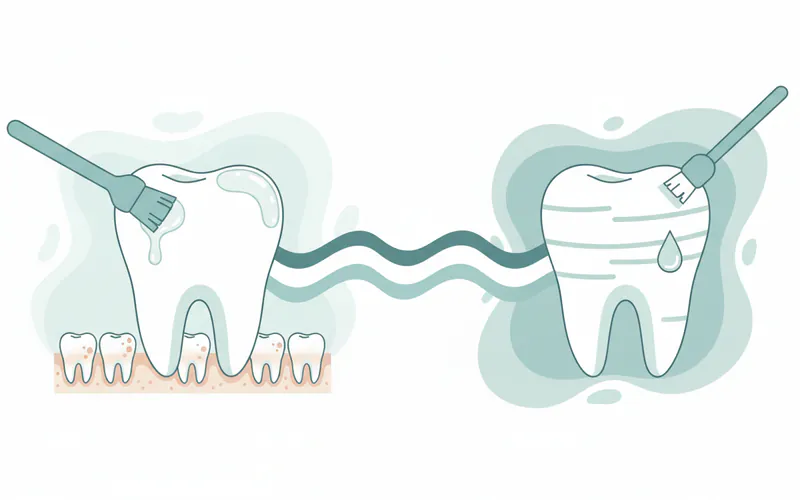
1. Fluoride Application (for Prevention/Early Caries)
| Treatment Option | Description | Pros | Cons | Estimated Cost (US) |
|---|---|---|---|---|
| Professional Fluoride Varnish | Applied by dentist/hygienist; sticky resin that sets quickly, slowly releases fluoride. | Highly effective, well-tolerated (especially by children), minimal ingestion, long-lasting benefit. | Temporary sticky feeling, teeth may appear dull for a few hours, requires avoidance of certain foods/drinks immediately after application. | $25 - $75 |
| Professional Fluoride Gel/Foam | Applied in trays for 1-4 minutes. | Rapid fluoride uptake, effective. | Risk of ingestion (especially for children), may cause temporary nausea if swallowed, less commonly used now than varnish. | $25 - $75 |
| Prescription Fluoride Toothpaste | Higher concentration fluoride (e.g., 5,000 ppm) than OTC paste. | Very effective for high caries risk patients, delivers daily topical fluoride. | Requires prescription, higher cost than OTC, risk of fluorosis if ingested by children (should not be used by young children). | $10 - $20 |
| Fluoride Supplements (Prescription) | Tablets/drops for children in non-fluoridated areas. | Effective systemic protection for developing teeth. | Requires strict adherence to dosage, risk of fluorosis if taken unnecessarily or incorrectly. | $10 - $25/month |
2. Cosmetic Treatment for Dental Fluorosis
These treatments are typically not covered by dental insurance as they are cosmetic.
- Mild Fluorosis: Often requires no treatment. Sometimes, professional teeth whitening (bleaching) can help to blend the white spots with the surrounding enamel, making them less noticeable.
- Cost for Whitening: $300 - $800 (in-office), $50 - $200 (at-home kits from dentist).
- Moderate Fluorosis:
- Enamel Microabrasion: A minimally invasive procedure where a dentist uses a mild acid and abrasive pumice to remove a very thin layer of stained enamel, improving appearance.
- Cost: $100 - $300 per tooth
- Dental Bonding: A tooth-colored resin material is applied to the tooth and hardened with a special light, effectively covering the fluorosis spots.
- Cost: $150 - $600 per tooth
- Enamel Microabrasion: A minimally invasive procedure where a dentist uses a mild acid and abrasive pumice to remove a very thin layer of stained enamel, improving appearance.
- Severe Fluorosis:
- Veneers or Crowns: For the most severe cases where tooth structure is significantly affected or discolored, custom-made porcelain veneers or crowns can be placed over the affected teeth to completely change their appearance.
- Cost: $800 - $2,500 per tooth (veneers), $800 - $3,000 per tooth (crowns).
- Veneers or Crowns: For the most severe cases where tooth structure is significantly affected or discolored, custom-made porcelain veneers or crowns can be placed over the affected teeth to completely change their appearance.
Step-by-Step: What to Expect During Professional Fluoride Treatment
A professional fluoride treatment, often performed after a prophylaxis (dental cleaning), is typically quick and painless.
- Preparation: Your dental hygienist will ensure your teeth are clean and relatively dry.
- Application (Varnish): For fluoride varnish, the hygienist will paint a thin layer directly onto the surfaces of your teeth using a small brush. The varnish has a slightly sticky texture but quickly dries upon contact with saliva.
- Application (Gel/Foam - less common): If using a gel or foam, the hygienist will fill small, disposable trays with the fluoride material. You will then be asked to bite down on these trays for 1 to 4 minutes. A suction tool may be used to minimize swallowing.
- Post-Treatment Instructions:
- Varnish: You'll be instructed to avoid eating or drinking for at least 30 minutes, and sometimes up to 4-6 hours, to allow the fluoride to fully absorb. You may also be advised to avoid hot liquids, crunchy foods, alcohol, and brushing your teeth until the next morning. Your teeth might feel a bit rough or dull temporarily.
- Gel/Foam: You'll be asked to spit out any excess fluoride and refrain from eating, drinking, or rinsing for at least 30 minutes.
Recovery Timeline and Aftercare
For professional fluoride treatments:
- Immediate Aftercare: Follow your dental professional's specific instructions regarding eating, drinking, and brushing. This typically means avoiding food and drink for 30 minutes to an hour, and for varnishes, often delaying brushing until the next morning.
- Short-Term: The benefits of professional fluoride treatments begin immediately as the fluoride is absorbed into the enamel. There is no "recovery" in the sense of pain or downtime.
- Long-Term: To maximize the benefits of fluoride, maintain excellent oral hygiene at home using fluoridated toothpaste, and attend regular dental check-ups for continued professional fluoride applications as recommended by your dentist.
For cosmetic treatments for fluorosis, recovery depends on the procedure:
- Microabrasion/Bonding: Minimal to no downtime, might experience temporary sensitivity.
- Veneers/Crowns: Involves multiple appointments, temporary restorations, and potential for mild discomfort or sensitivity after preparation.
Prevention Strategies
Preventing caries with fluoride is multifaceted and highly effective:
- Community Water Fluoridation: Advocate for and support fluoridated water in your community. If your water isn't fluoridated, discuss alternatives with your dentist.
- Fluoridated Toothpaste: Brush your teeth twice a day for two minutes each time with a pea-sized amount of ADA-accepted fluoridated toothpaste. For children under 3 years old, use a "smear" or rice-grain sized amount.
- Fluoride Mouth Rinses: Use an OTC fluoride mouth rinse as directed if you're at moderate risk for caries, but only for children over 6 years old who can reliably spit it out.
- Professional Fluoride Treatments: Ensure you receive professional fluoride applications during your routine dental prophylaxis (cleanings), especially if you are identified as being at higher risk for caries.
- Fluoride Supplements (Prescription): If you or your child live in an area without fluoridated water and have inadequate fluoride exposure, consult your dentist about prescription fluoride supplements. Always adhere strictly to the prescribed dosage.
- Diet and Oral Hygiene: Reduce consumption of sugary and acidic foods and drinks. Maintain a consistent and effective oral hygiene routine.
- Dental Sealants: While not fluoride, sealants are a complementary preventive measure often applied to the chewing surfaces of molars to protect them from caries, particularly in children. Combining sealants with fluoride provides enhanced protection.
- Regular Dental Check-ups: Visit your dentist for routine exams and prophylaxis (cleanings) at least twice a year, or more frequently if recommended.
Cost Ranges in the US (with/without insurance)
The costs associated with fluoride vary depending on the type of treatment and insurance coverage.
- Professional Fluoride Treatment (Varnish/Gel/Foam):
- Without insurance: Typically ranges from $25 to $75 per application.
- With insurance: Many dental insurance plans, especially those for children, cover professional fluoride treatments at 100%, considering it a preventive service. Adults may have partial coverage or it may be grouped with other preventive benefits.
- Prescription Fluoride Toothpaste:
- Without insurance: Around $10 to $20 per tube.
- With insurance: Usually not covered, but sometimes may be partially covered if prescribed for a specific medical condition (e.g., radiation-induced dry mouth).
- Fluoride Supplements:
- Without insurance: Approximately $10 to $25 per month's supply.
- With insurance: Medical insurance might cover it with a prescription, but dental insurance typically does not.
- Cosmetic Treatments for Fluorosis:
- As noted above, these are largely considered cosmetic and usually not covered by dental insurance. Patients typically pay out-of-pocket, with costs ranging from $100-$600 per tooth for microabrasion/bonding to $800-$3,000 per tooth for veneers/crowns.
It's always recommended to check with your specific dental insurance provider about your plan's coverage for fluoride treatments and related services.
For Parents / Pediatric Considerations
Fluoride is particularly critical for children's developing teeth, but its use requires careful supervision to ensure benefit without the risk of fluorosis.
- Early Exposure is Key: From the eruption of the first tooth, fluoride helps strengthen enamel and prevent caries. The American Academy of Pediatric Dentistry (AAPD) recommends professional fluoride varnish applications for infants and children at high risk for caries as soon as the first tooth erupts, and every 3-6 months thereafter.
- Toothpaste Quantity:
- For children under 3 years old, use a "smear" of fluoridated toothpaste (about the size of a grain of rice) twice daily.
- For children 3-6 years old, use a pea-sized amount of fluoridated toothpaste twice daily.
- Always supervise children's brushing to ensure they spit out the toothpaste rather than swallowing it.
- Fluoride Supplements: If your child lives in an area without optimally fluoridated water, your pediatric dentist or physician may prescribe fluoride supplements. It's crucial to follow the prescribed dosage precisely and inform all healthcare providers about your child's total fluoride exposure from all sources.
- Risk of Fluorosis: Dental fluorosis occurs when children ingest too much fluoride during the years of tooth development (roughly up to age 8). While mild fluorosis is often harmless, parents should be vigilant about proper toothpaste usage and supplement administration to prevent moderate to severe forms.
- Fluoridated Water for Formula: For infants, while preparing formula with fluoridated water is generally safe, parents concerned about potential fluorosis can consider using low-fluoride bottled water for some formula preparation to reduce total intake. Discuss this with your pediatrician.
- Regular Dental Visits: Begin dental visits for your child by their first birthday or within 6 months of the first tooth erupting. These visits are crucial for assessing fluoride needs, providing professional fluoride treatments, and offering guidance on oral hygiene.
Frequently Asked Questions
Is fluoride safe?
Yes, when used appropriately, fluoride is safe and highly effective. Decades of extensive research and use, including in community water fluoridation, have consistently shown that fluoride at optimal levels provides significant dental health benefits with minimal risks. Dental fluorosis is the primary concern with excessive intake, but this is largely cosmetic at mild levels.
What are the alternatives to fluoride for preventing cavities?
While fluoride is the gold standard for caries prevention, other strategies are important complements:
- Excellent Oral Hygiene: Regular and thorough brushing and flossing to remove plaque and food debris.
- Healthy Diet: Limiting sugary and acidic foods and drinks.
- Xylitol: A natural sweetener found in some gums and candies that can reduce harmful bacteria.
- Dental Sealants: Protective coatings applied to the chewing surfaces of molars to prevent caries.
- Regular Dental Check-ups: For early detection and professional cleaning (prophylaxis).
How often should I get a professional fluoride treatment?
For most adults and children with a low risk of caries, a professional fluoride treatment is recommended once or twice a year during routine dental check-ups. However, if you have a higher risk of caries (e.g., dry mouth, gum recession, frequent cavities), your dentist may recommend more frequent applications (e.g., every 3-6 months).
Does dental insurance cover fluoride treatments?
Many dental insurance plans, particularly for children, cover professional fluoride treatments at 100% as a preventive benefit. For adults, coverage may vary, with some plans offering partial coverage or limiting the number of treatments per year. Always check with your specific insurance provider for details on your plan's coverage.
Can adults benefit from fluoride, or is it just for kids?
Absolutely! While fluoride is crucial for developing teeth in children, adults continue to benefit significantly. Fluoride strengthens adult enamel, helps reverse early caries, and is especially beneficial for those with receding gums (exposing root surfaces to decay), dry mouth, or a history of multiple fillings or crowns.
What is fluorosis, and is it harmful?
Fluorosis is a cosmetic condition caused by excessive fluoride intake during tooth development (before teeth erupt). It appears as white streaks, spots, or, in severe rare cases, pitting or brown discoloration on the enamel. Most cases are mild and harmless, primarily affecting aesthetics. Severe fluorosis, which is very rare in the US, can affect tooth structure but is not typically a health threat.
Can I get too much fluoride?
Yes, it is possible to get too much fluoride.
- Acute Fluoride Toxicity: Ingesting a very large amount of fluoride at once (e.g., swallowing an entire tube of toothpaste) can cause acute toxicity, leading to nausea, vomiting, abdominal pain, and in extremely rare and severe cases, more serious health issues. This is why children should always be supervised during brushing.
- Chronic Excessive Intake: Long-term, excessive intake during tooth formation (typically under age 8) can lead to dental fluorosis. Chronic excessive intake in adults, particularly at very high doses, can potentially lead to skeletal fluorosis, but this is exceedingly rare in the US and usually associated with extremely high natural fluoride levels in water or industrial exposure.
When to See a Dentist
Regular dental visits are key to harnessing the benefits of fluoride and maintaining overall oral health.
Routine Care:
- Annual or Semi-Annual Check-ups: It's recommended to see your dentist for a routine exam and prophylaxis (cleaning) at least once or twice a year. During these visits, your dentist can assess your caries risk, apply professional fluoride treatments if needed, and discuss your home fluoride regimen.
- Children's First Visit: Schedule your child's first dental visit by their first birthday or when their first tooth erupts to establish good oral hygiene habits and assess fluoride needs.
When to Seek Immediate Attention (Emergency Signs):
- Sudden or Severe Toothache: Could indicate advanced caries requiring urgent attention.
- Signs of Infection: Swelling, fever, or pus around a tooth.
- Trauma to a Tooth: If a tooth is chipped, fractured, or knocked out.
When to Schedule an Appointment:
- Tooth Sensitivity: Persistent sensitivity to hot, cold, or sweet.
- Visible Spots or Holes: Any new white spots, dark spots, or cavities on your teeth.
- Concerns about Tooth Appearance: If you notice unusual discoloration or markings on your child's teeth (which could indicate fluorosis), or if you are interested in cosmetic options for existing fluorosis.
- Questions about Fluoride Use: If you are unsure about the right amount of fluoride toothpaste for your child, whether you need supplements, or have questions about your water supply's fluoride levels. Your dentist can provide personalized recommendations based on your individual needs and risk factors.
Medical Disclaimer
This article is for informational purposes only and does not constitute medical advice. Always consult with a qualified dental professional for diagnosis and treatment. Do not delay seeking professional advice because of something you read on this website.