Prophylaxis
4,140 words · 14 min read
Quick Definition
A professional dental cleaning procedure that removes plaque, calculus, and stains from the teeth to prevent tooth decay and gum disease.
Prophylaxis: Your Definitive Guide to Professional Dental Cleanings
Introduction
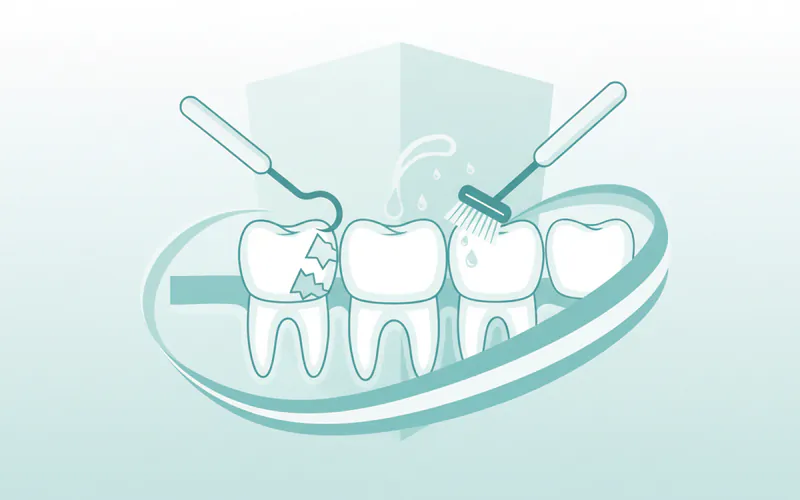
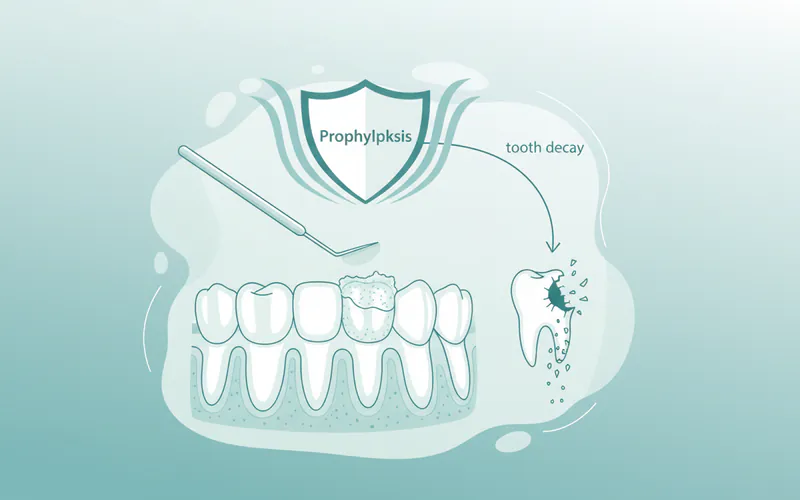
In the journey towards optimal oral health, few procedures are as foundational and impactful as prophylaxis. Derived from the Greek word meaning "to guard against beforehand," dental prophylaxis is precisely that: a preventive professional cleaning procedure meticulously designed to remove plaque, calculus (tartar), and stains from your teeth. Its primary purpose is to safeguard against the onset and progression of common oral diseases, notably tooth decay (cavities) and gum disease, including gingivitis.
Regular dental prophylaxis is not just about a brighter smile; it's a crucial cornerstone of your overall well-being. By routinely eliminating harmful bacterial deposits, it prevents the chronic inflammation and infection that can lead to more serious systemic health issues. In the United States, approximately 65% of adults aged 18-64 report visiting the dentist within the past year for a check-up or cleaning, highlighting its widespread importance. Despite this, a significant portion of the population still battles preventable oral health conditions, often due to irregular preventive care. Understanding and prioritizing prophylaxis is a proactive step everyone can take to ensure a lifetime of healthy teeth and gums.
Key Takeaways:
- Prophylaxis is a professional dental cleaning that prevents tooth decay and gum disease.
- It specifically targets the removal of plaque, calculus (tartar), and surface stains.
- Regular prophylaxis dental appointments, typically every six months, are crucial for maintaining oral health.
- The procedure is generally non-invasive and often covered by most dental insurance plans as a preventive benefit.
- It helps prevent gingivitis, bad breath, and can lead to early detection of other dental issues.
- Prophylaxis is distinct from a "deep cleaning" (scaling and root planing), which treats active gum disease.
Detailed Explanation
Types and Classifications
When most people refer to a "dental cleaning," they are typically thinking of routine prophylaxis. However, it's important to understand that not all cleanings are the same, particularly when active gum disease is present.
-
Standard Prophylaxis (D1110 for adults, D1120 for children): This is the most common type of cleaning and the focus of this article. It's recommended for individuals with healthy gums or those with mild gingivitis (early gum inflammation without bone loss). The procedure involves cleaning the crown (visible part) of the teeth, both above and slightly below the gum line. It's a preventive measure aimed at removing irritants before they cause significant damage.
-
Debridement (D4355): Sometimes, if there is an excessive amount of calculus and plaque buildup, a dentist or hygienist might recommend a full mouth debridement first. This is a preliminary cleaning to remove gross deposits, allowing for a thorough examination and diagnosis. After debridement, the patient may then receive a standard prophylaxis or, if gum disease is identified, a deeper cleaning.
-
Scaling and Root Planing (SRP) / "Deep Cleaning" (D4341, D4342): This is a therapeutic procedure, not a preventive one. It's prescribed for patients diagnosed with periodontitis, a more advanced form of gum disease characterized by bone loss and deep pockets around the teeth. SRP involves meticulously cleaning the tooth roots beneath the gum line to remove plaque, calculus, and bacterial toxins. It's a more involved procedure, often requiring local anesthesia, and is performed in quadrants of the mouth over multiple appointments. It’s crucial to understand that standard prophylaxis is for preventing gum disease, while SRP is for treating it.
Causes and Risk Factors (Leading to Plaque and Calculus Buildup)
The need for regular prophylaxis arises from the continuous battle against oral bacteria and their byproducts. Several factors contribute to the buildup of plaque and subsequent calculus:
- Poor Oral Hygiene: Inadequate or infrequent brushing and flossing are the primary culprits. When plaque, a sticky film of bacteria, isn't removed regularly, it hardens into calculus.
- Diet: Frequent consumption of sugary and starchy foods and drinks feeds the bacteria in your mouth, accelerating plaque formation and acid production that leads to tooth decay.
- Smoking and Tobacco Use: Tobacco products significantly increase the risk of plplaque and calculus buildup, stain teeth, and impair the immune system, making gums more susceptible to infection and slower to heal.
- Dry Mouth (Xerostomia): Saliva plays a crucial role in washing away food particles and neutralizing acids. Medications, medical conditions, or aging can reduce saliva flow, leading to increased plaque accumulation.
- Genetics: Some individuals are genetically predisposed to developing more plaque and calculus or have a heightened inflammatory response to bacteria, making them more susceptible to gum disease.
- Crowded or Misaligned Teeth: Teeth that are difficult to clean effectively due to their position can harbor more plaque and are harder to maintain with routine brushing and flossing.
- Medical Conditions and Medications: Certain systemic conditions like diabetes can affect gum health, while some medications can cause dry mouth or gum overgrowth, complicating oral hygiene.
- Infrequent Dental Visits: Skipping professional cleanings allows plaque and calculus to accumulate beyond what can be removed at home, creating a breeding ground for bacteria.
Signs and Symptoms to Watch For (Indicating a Need for Cleaning)
While regular check-ups every six months are key, your mouth might be sending you signals that it's time for a cleaning sooner. Be vigilant for these signs:
- Bad Breath (Halitosis): Persistent bad breath, even after brushing, can be a sign of bacterial accumulation and calculus buildup.
- Bleeding Gums: Gums that bleed during brushing, flossing, or even spontaneously are a hallmark sign of gingivitis, the earliest stage of gum disease, primarily caused by plaque.
- Red, Swollen, or Tender Gums: Healthy gums are firm and pink. If yours appear red, puffy, or are sensitive to the touch, it indicates inflammation.
- Visible Plaque or Calculus: You might see a yellowish or brownish hard deposit on your teeth, especially near the gum line or between teeth. This is calculus and cannot be removed by brushing alone.
- "Fuzzy" Feeling on Teeth: If your teeth don't feel smooth and clean even after brushing, it suggests a persistent layer of plaque.
- Tooth Sensitivity: While many factors cause sensitivity, accumulated plaque and calculus near the gum line can expose root surfaces or create areas where decay can begin, leading to sensitivity.
Diagnosis Process — What Your Dentist Does
A professional cleaning appointment typically begins with a thorough examination by either a dentist or a dental hygienist. This diagnostic phase is crucial for determining the current state of your oral health and whether a standard prophylaxis is the appropriate treatment.
- Medical History Review: The dental team will update your medical history, asking about any new medications, health conditions, or changes that could impact your oral health or the cleaning procedure.
- Visual Examination: Using a small mirror and an explorer (a pointed instrument), the dentist or hygienist will carefully inspect your teeth and gums for visible signs of decay, chips, cracks, and the presence of plaque and calculus. They will also check your tongue, cheeks, palate, and lymph nodes for any abnormalities.
- Periodontal Probing: A specialized probe is used to gently measure the depth of the sulcus (the shallow space between your tooth and gum). Healthy pockets are typically 1-3 millimeters deep. Deeper pockets (4mm or more) can indicate gum disease and might necessitate a deeper cleaning (scaling and root planing) rather than a standard prophylaxis. Bleeding upon probing is also noted as a sign of inflammation.
- X-rays (Radiographs): Dental X-rays, usually taken annually or biennially, provide valuable insights into areas not visible to the naked eye. They can reveal interproximal decay (between teeth), bone loss around the roots (a sign of periodontitis), and the presence of subgingival calculus (below the gum line).
- Treatment Planning: Based on the comprehensive assessment, the dental professional will discuss their findings with you. If your gums are healthy or show only mild gingivitis without bone loss, a standard prophylaxis will be recommended. If signs of periodontitis are present, they will discuss a "deep cleaning" (scaling and root planing) and potentially referral to a periodontist.
Treatment Options (Pros, Cons, and Costs)
As discussed, for routine preventive care, the primary "treatment option" is standard prophylaxis. There aren't "options" for prophylaxis itself, but rather a determination of whether prophylaxis is the correct treatment versus a deeper cleaning.
Standard Prophylaxis:
- Pros:
- Prevents Disease: The most significant benefit is the prevention of tooth decay, gingivitis, and progression to more severe gum disease.
- Removes Buildup: Effectively eliminates plaque, calculus, and superficial stains that home care cannot remove.
- Freshens Breath: Addresses a common cause of halitosis by removing odor-causing bacteria.
- Early Detection: Provides an opportunity for the dentist to detect and address other oral health issues (cavities, chipped teeth, oral cancer) early.
- Polished Feel: Leaves teeth feeling incredibly smooth and clean.
- Boosts Confidence: Contributes to a brighter, healthier-looking smile.
- Cons:
- Minor Discomfort: Some individuals may experience mild sensitivity during or immediately after the cleaning, especially if significant buildup was present or if they have sensitive gums.
- Time Commitment: Requires a dedicated appointment, typically 30-60 minutes.
- Not a Cure for Advanced Gum Disease: It’s a preventive measure; it cannot reverse bone loss or treat deep periodontal pockets.
Cost: (Detailed in a later section) Generally affordable, especially with insurance.
Step-by-Step: What to Expect During Treatment
Understanding the process can help alleviate any anxiety you might have about your prophylaxis dental appointment. Here’s a typical step-by-step guide:
- Initial Exam (by Dentist/Hygienist): As mentioned in the "Diagnosis Process," the appointment usually begins with a thorough check of your teeth and gums to identify any areas of concern. This ensures that prophylaxis is the appropriate treatment for your current oral health status.
- Plaque and Calculus Removal (Scaling):
- Ultrasonic Scaler: Many hygienists begin with an ultrasonic scaler. This device uses high-frequency vibrations and a fine mist of water to break down and wash away larger deposits of plaque and calculus from tooth surfaces and just below the gum line. The water also helps to cool the tip and flush away debris. It often produces a "whirring" sound and a sensation of vibration, but it's generally not painful.
- Hand Scalers (Curettes and Sickle Scalers): After the ultrasonic scaler, the hygienist will use specialized hand instruments to meticulously remove any remaining smaller deposits of calculus and plaque from each tooth surface, above and below the gum line. These instruments are designed to access tight spaces and provide a thorough cleaning that is impossible with a toothbrush.
- What is Plaque? A soft, sticky, colorless or pale yellow film that constantly forms on your teeth. It consists of bacteria, food particles, and saliva. If not removed daily, it leads to tooth decay and gum disease.
- What is Calculus? Also known as tartar, calculus is hardened plaque. When plaque isn't removed, minerals from your saliva cause it to calcify and harden onto your tooth surfaces. It's rough, porous, and provides an ideal surface for more plaque to accumulate, and it cannot be removed by brushing or flossing alone.
- Polishing: Once all plaque and calculus have been removed, the hygienist will use a small, soft rubber cup attached to a motorized handpiece and a gritty prophylactic paste (like a professional toothpaste) to polish your teeth. This step removes any remaining surface stains (from coffee, tea, red wine, etc.) and smooths the tooth surfaces, making it harder for plaque to adhere. You'll often get to choose a flavor for the paste!
- Flossing: A thorough flossing is performed to remove any debris between your teeth that might have been dislodged during scaling and polishing. It also helps to assess the tightness of your contacts and reinforces good flossing habits.
- Rinsing: You'll be asked to rinse your mouth thoroughly, usually with a fluoridated mouthwash, to wash away any remaining paste or debris.
- Optional Fluoride Treatment: Many prophylaxis appointments conclude with a fluoride treatment. Fluoride is a natural mineral that helps strengthen tooth enamel, making it more resistant to acid attacks from bacteria and reducing the risk of cavities. It can be applied as a gel, foam, or varnish. The hygienist will apply it directly to your teeth for a few minutes, often advising you not to eat or drink for about 30 minutes afterward to allow the fluoride to absorb.
- Oral Hygiene Instructions and Discussion: Before you leave, the hygienist or dentist will often provide personalized advice on improving your home oral care routine, demonstrating proper brushing and flossing techniques, and recommending specific products if needed. They will also discuss their findings and recommend your next recall appointment.
``
Recovery Timeline and Aftercare
The great news about prophylaxis is that there is virtually no recovery time.
- Immediately After: Your teeth will feel incredibly clean and smooth. Your breath will be fresh. You can typically resume all normal activities, including eating and drinking, right away.
- Minor Sensitivity: Some individuals might experience temporary gum tenderness or minor tooth sensitivity for a few hours or a day, especially if they had significant calculus buildup or mild gingivitis. This usually subsides quickly. If sensitivity persists, mention it at your next appointment.
- Aftercare: The most important aftercare is to maintain the excellent oral hygiene habits discussed with your hygienist. This includes:
- Brushing your teeth twice a day for two minutes each time with a fluoridated toothpaste.
- Flossing daily to clean between your teeth and below the gum line.
- Using an antimicrobial mouthwash if recommended by your dentist.
- Avoiding excessive sugary snacks and drinks.
- And, most importantly, scheduling your next prophylaxis dental appointment typically six months out.
Prevention Strategies
While prophylaxis is a preventive procedure in itself, your daily habits are the first line of defense against the need for more intensive dental interventions.
- Brush Twice Daily: Use a soft-bristled toothbrush and fluoridated toothpaste. Brush for at least two minutes each time, covering all surfaces of your teeth and gently cleaning along the gum line. Consider an electric toothbrush for enhanced plaque removal.
- Floss Daily: Flossing removes plaque and food particles from between your teeth and under the gum line where your toothbrush can't reach. This is critical for preventing interproximal cavities and gingivitis.
- Use Fluoridated Products: Ensure your toothpaste contains fluoride. If recommended, use a fluoridated mouthwash or consider professional fluoride treatments.
- Limit Sugary and Acidic Foods/Drinks: Reduce your intake of soda, fruit juices, candies, and highly processed snacks. These contribute to acid production in your mouth, which erodes enamel and promotes decay.
- Stay Hydrated: Drink plenty of water throughout the day. Water helps wash away food particles and maintains saliva flow.
- Avoid Tobacco Products: Quitting smoking or using smokeless tobacco is one of the best things you can do for your oral and overall health.
- Regular Dental Check-ups: Adhere to your dentist's recommended schedule for prophylaxis dental appointments, usually every six months. These visits are vital for catching problems early and maintaining professional cleanliness.
Cost Ranges in the US (with/without Insurance)
The cost of dental prophylaxis in the United States can vary based on location (urban vs. rural), the specific dental practice, and any additional services required (like X-rays or fluoride application).
- Without Insurance: A standard dental prophylaxis (ADA code D1110 for adults) typically ranges from $75 to $200. This fee usually includes the cleaning and a basic exam. However, if X-rays are taken, or a fluoride treatment is administered, these will incur separate charges, potentially bringing the total for a complete preventive visit to $150-$400.
- With Insurance: Most dental insurance plans consider prophylaxis a preventive service and cover it at a very high percentage, often 100%, with no deductible or co-pay, for two visits per year (every six months). This is a strong incentive for individuals to prioritize their regular cleanings, as the out-of-pocket cost is often minimal or zero. It's always advisable to check with your specific insurance provider for exact coverage details.
Comparison Table: Prophylaxis vs. Scaling and Root Planing (SRP)
It is common to confuse a standard prophylaxis with a "deep cleaning" or Scaling and Root Planing (SRP). Understanding the key differences is crucial for appropriate treatment.
| Feature | Standard Prophylaxis (Routine Cleaning) | Scaling and Root Planing (Deep Cleaning) |
|---|---|---|
| Condition Treated | Healthy gums or mild gingivitis (gum inflammation without bone loss). | Periodontitis (active gum disease with bone loss and deep pockets). |
| Goal | Prevention of gum disease and tooth decay. Maintenance of oral health. | Treatment of existing gum disease to halt its progression and promote healing. |
| Procedure | Removes plaque, calculus, and stains from above and slightly below the gum line. | Removes plaque, calculus, and bacterial toxins from tooth root surfaces deep within gum pockets. |
| Depth of Cleaning | Coronal (crown of tooth) and shallow subgingival (just below gum line). | Deep subgingival (deep into gum pockets, onto root surfaces). |
| Anesthesia | Usually not required; some minor sensitivity possible. | Often required (local anesthetic) due to deeper cleaning and sensitivity. |
| Instrumentation | Ultrasonic scalers and hand scalers. Polishing cup. | Ultrasonic scalers and specialized hand curettes (thinner and longer) to reach deep pockets. |
| Number of Visits | Typically one visit. | Usually 2-4 visits, performed by quadrant (e.g., upper right, lower left). |
| Cost (without Ins.) | $75 - $200 per visit (often 100% covered by insurance). | $200 - $500 per quadrant (often 50-80% covered by insurance after deductible). |
| Follow-up | Routine recall every 6 months. | Periodontal maintenance (D4910) every 3-4 months after initial SRP. |
| Primary Benefit | Keeps gums healthy, prevents disease, fresh breath. | Reduces inflammation, stops bone loss, reattaches gums to roots. |
``
For Parents / Pediatric Considerations
Prophylaxis is just as, if not more, important for children. Establishing good oral hygiene habits and regular dental visits early in life sets the foundation for a lifetime of healthy smiles.
- First Dental Visit: The American Academy of Pediatric Dentistry recommends a child's first dental visit by their first birthday or within six months of their first tooth erupting. This initial visit is usually a "well-baby" check-up focusing on education for parents and identifying any early issues.
- Pediatric Prophylaxis: Once a child has several teeth, they will begin receiving regular cleanings. Pediatric prophylaxis is similar to adult cleanings but is often shorter in duration and more focused on educating the child and parent about proper brushing and flossing techniques.
- Fluoride Treatments: Children are particularly susceptible to cavities, so fluoride treatments are a standard and highly recommended part of most pediatric prophylaxis appointments. Fluoride helps strengthen developing enamel.
- Dental Sealants: Around the age of 6 (when permanent molars erupt) and again around 12 (for second molars), dentists may recommend dental sealants. These are thin, protective plastic coatings applied to the chewing surfaces of back teeth, where food particles and bacteria often get trapped in grooves, significantly reducing the risk of cavities. Sealants are a crucial preventive measure alongside cleanings.
- Frequency: Like adults, most children benefit from prophylaxis dental every six months. For children with a high risk of decay, more frequent visits might be recommended.
Frequently Asked Questions
Is prophylaxis painful?
For most people, a standard prophylaxis is not painful. You might experience some pressure, scraping sensations, or a tickling feeling from the ultrasonic scaler and hand instruments. If you have sensitive teeth or gums (perhaps due to gingivitis), you might feel some mild discomfort or temporary sensitivity. Communicate any discomfort to your hygienist, who can adjust their technique or even apply a topical numbing gel if needed. Unlike a deep cleaning (SRP), local anesthesia is rarely required for a standard prophylaxis.
How long does a prophylaxis appointment take?
A typical prophylaxis appointment, including the initial examination by the dentist, the cleaning by the hygienist, and an optional fluoride treatment, usually takes between 30 to 60 minutes. The exact duration can vary depending on the amount of plaque and calculus buildup, the patient's individual needs, and whether X-rays are also being taken.
How often should I get a prophylaxis?
The standard recommendation for most healthy adults and children is to receive a prophylaxis dental every six months (twice a year). This frequency allows your dental team to remove buildup before it causes significant problems and to monitor your oral health. However, if you have certain risk factors (e.g., history of gum disease, dry mouth, smoking, diabetes) or specific oral health concerns, your dentist might recommend more frequent cleanings, perhaps every three or four months.
What is the difference between prophylaxis and deep cleaning?
This is a common and important distinction. A standard prophylaxis is a preventive cleaning for healthy gums or mild gingivitis, removing plaque and calculus from the visible surfaces of teeth and just below the gum line. A "deep cleaning," officially called scaling and root planing (SRP), is a therapeutic treatment for active gum disease (periodontitis). It involves cleaning deeply into periodontal pockets, removing bacterial toxins and hardened calculus from the root surfaces of teeth beneath inflamed gums. SRP is more invasive, often requires local anesthesia, and aims to halt the progression of gum disease and re-establish gum health.
Will insurance cover prophylaxis?
Yes, almost all dental insurance plans consider prophylaxis a preventive service and cover it significantly, often at 100%, for two visits per year (every six months). This coverage usually kicks in without requiring you to meet a deductible or pay a co-pay. It's one of the most covered dental procedures because insurance companies understand that preventing problems upfront saves money on more expensive treatments down the road. Always verify your specific coverage with your insurance provider.
Are there alternatives to prophylaxis?
No, there are no direct alternatives to professional dental prophylaxis for removing hardened calculus and thoroughly cleaning areas inaccessible to home care. While diligent daily brushing and flossing (along with a healthy diet) are essential for preventing plaque buildup and are complementary to prophylaxis, they cannot remove established calculus. Prophylaxis provides a level of cleaning that simply cannot be achieved at home, making it an indispensable part of maintaining long-term oral health.
Why do my gums bleed after prophylaxis?
If your gums bleed during or immediately after a prophylaxis, it's typically a sign of gingivitis (inflamed gums) caused by accumulated plaque and calculus. The cleaning process irritates these already inflamed tissues, causing them to bleed. This bleeding usually subsides within a day or two as your gums begin to heal after the irritants have been removed. If your gums are healthy, bleeding should be minimal or absent. Consistent daily flossing and brushing will help strengthen your gums and reduce future bleeding.
Can prophylaxis whiten my teeth?
A prophylaxis can make your teeth appear whiter, but it's important to understand it's not a true whitening treatment. Prophylaxis removes extrinsic (surface) stains caused by coffee, tea, red wine, tobacco, and certain foods. By eliminating these stains, your teeth will return to their natural shade, which can often be noticeably brighter. However, prophylaxis does not change the intrinsic color of your tooth enamel; for that, professional teeth whitening procedures are required.
When to See a Dentist
- Routine Care: Schedule your prophylaxis dental appointment every six months, as recommended by your dentist. This is the cornerstone of preventive care.
- Urgent Care (Don't Wait):
- Persistent Bleeding Gums: If your gums bleed consistently when you brush, floss, or even spontaneously, it's a clear sign of inflammation and requires evaluation.
- Severe Toothache or Sensitivity: Sharp, throbbing, or persistent pain could indicate a cavity, infection, or other serious issue.
- Swelling in Gums, Face, or Jaw: This can point to an infection or abscess requiring immediate attention.
- Loose Teeth: A concerning sign of advanced gum disease (periodontitis).
- Bad Breath (Halitosis) That Doesn't Go Away: While cleanings help, persistent bad breath despite good home care might signal an underlying problem.
- Pain or Difficulty Chewing: Can indicate numerous issues, from a cracked tooth to a bite problem.
- Any Oral Lesion or Sore That Doesn't Heal: Any white or red patch, lump, or sore in your mouth that persists for more than two weeks should be examined by a dentist to rule out oral cancer.
Your dental team at SmilePedia.net is dedicated to helping you maintain a healthy, beautiful smile through comprehensive preventive care, with prophylaxis at its core. Regular professional cleanings, combined with diligent home care, are your best defense against oral disease.
``
Medical Disclaimer
This article is for informational purposes only and does not constitute medical advice. Always consult with a qualified dental professional for diagnosis and treatment. Do not delay seeking professional advice because of something you read on this website.