Tooth Decay
3,969 words · 13 min read
Quick Definition
The progressive destruction of tooth structure caused by acids produced by bacteria in dental plaque, leading to cavities. Also known as dental caries.
Tooth Decay
Tooth decay, clinically known as dental caries, is a progressive disease that results in the destruction of tooth structure. It occurs when bacteria in the mouth produce acids that erode the hard outer layers of the teeth, leading to the formation of small holes or "cavities." If left untreated, these cavities can grow larger, causing pain, infection, and eventually tooth loss.
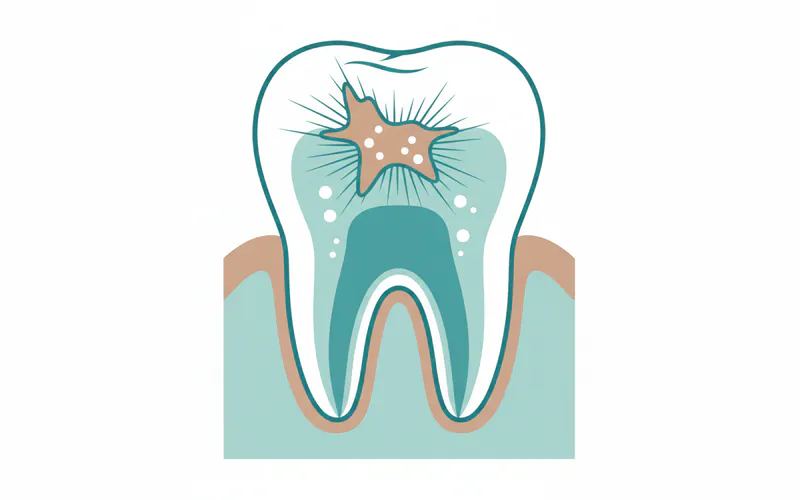
This pervasive condition is one of the most common chronic diseases globally, affecting people of all ages. In the United States, tooth decay is a significant public health concern. According to the Centers for Disease Control and Prevention (CDC), over 90% of adults aged 20-64 have had some form of tooth decay, and one in four adults currently has untreated tooth decay. Among children, more than half of 6- to 8-year-olds have had a cavity in their primary (baby) teeth, and more than half of adolescents aged 12-19 have had a cavity in their permanent teeth. Understanding what tooth decay is, how it develops, and how to prevent and treat it is crucial for maintaining optimal oral and overall health.
Key Takeaways:
- Tooth decay (dental caries) is the destruction of tooth structure by bacterial acids.
- It affects over 90% of US adults and more than half of children and adolescents.
- Sugar and starches fuel the acid-producing bacteria in dental plaque.
- Early tooth decay can be reversed with fluoride; advanced decay requires professional treatment.
- Untreated decay can lead to pain, infection, tooth loss, and systemic health issues.
- Prevention is highly effective through good oral hygiene, a balanced diet, and regular dental visits.
Detailed Explanation
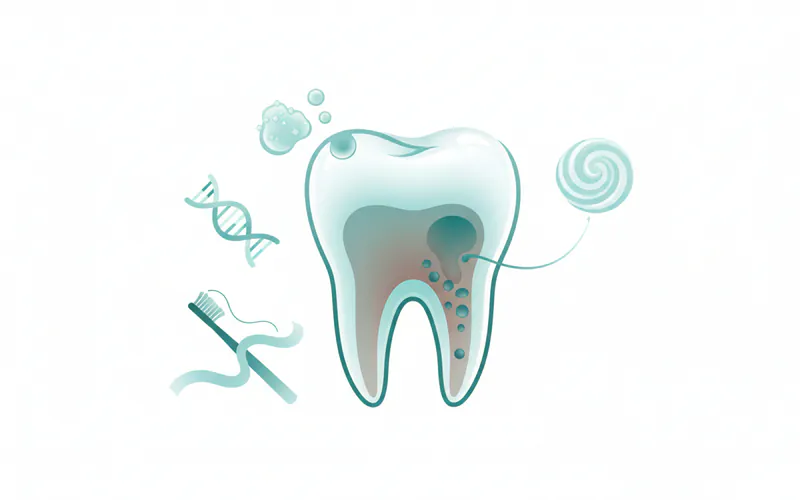
Tooth decay is a complex process influenced by diet, oral hygiene, genetics, and saliva. It's not merely a "hole" in your tooth but a dynamic process of demineralization and remineralization that, when out of balance, leads to irreversible damage.
Types and Classifications
Tooth decay can manifest in several forms and locations:
- Coronal Caries: The most common type, affecting the chewing surfaces or in-between areas of the teeth. These are particularly prevalent in children and adults.
- Root Caries: As we age, gums can recede, exposing the tooth roots. Roots are not covered by enamel (the hardest substance in the body) but by a softer material called cementum, making them more vulnerable to acid attack.
- Recurrent (Secondary) Caries: Decay that forms around existing fillings or crowns. This often occurs when a restoration develops a leak, allowing bacteria and food particles to accumulate underneath.
Dentists often classify cavities using the G.V. Black classification system, which describes the location of the decay:
- Class I: Cavities on the biting surfaces of back teeth or in pits and fissures of front teeth.
- Class II: Cavities on the proximal (side) surfaces of back teeth, usually detected with X-rays.
- Class III: Cavities on the proximal surfaces of front teeth that do not involve the biting edge.
- Class IV: Cavities on the proximal surfaces of front teeth that do involve the biting edge.
- Class V: Cavities on the gumline surface of any tooth.
- Class VI: Cavities on the tips of cusps (the pointed parts of the biting surface) of back teeth.
Causes and Risk Factors
The fundamental cause of tooth decay is the interaction between specific bacteria in your mouth, fermentable carbohydrates (sugars and starches), and tooth structure, over time.
- Bacteria and Plaque: Your mouth is home to hundreds of types of bacteria. Certain strains, primarily Streptococcus mutans and Lactobacillus, are particularly adept at consuming sugars and producing acids. These bacteria, along with food particles and saliva, form a sticky, colorless film on your teeth called dental plaque. If plaque is not regularly removed through brushing and flossing, these acids begin to dissolve the minerals in your tooth enamel, a process called demineralization.
- Sugary and Starchy Foods and Drinks: Frequent consumption of sugary drinks (soda, juice, sports drinks), candies, pastries, and starchy snacks provides a constant fuel source for acid-producing bacteria. The more often teeth are exposed to these foods, the greater the risk of decay.
- Poor Oral Hygiene: Inadequate brushing and flossing allow plaque to accumulate and acids to attack the tooth surface uninterrupted.
- Dry Mouth (Xerostomia): Saliva plays a crucial role in oral health. It helps neutralize acids, wash away food particles, and contains minerals like calcium and phosphate that help repair (remineralize) enamel. Conditions that reduce saliva flow, such as certain medications (antihistamines, decongestants, painkillers, diuretics, antidepressants), medical conditions (Sjögren's syndrome, diabetes), or radiation therapy to the head and neck, significantly increase the risk of decay.
- Lack of Fluoride: Fluoride is a natural mineral that strengthens enamel, making it more resistant to acid attacks. It can also help reverse early decay. Insufficient exposure to fluoride through fluoridated water, toothpaste, or professional treatments is a major risk factor.
- Age: While tooth decay can occur at any age, older adults are more prone to root decay due to gum recession and potentially increased medication use leading to dry mouth.
- Genetics: Some individuals may be genetically predisposed to weaker enamel or a more acidic oral environment.
- Medical Conditions and Treatments: Conditions like gastroesophageal reflux disease (GERD) can expose teeth to stomach acid, eroding enamel. Chemotherapy and radiation can also impact salivary glands.
- Eating Disorders: Anorexia and bulimia can lead to enamel erosion due to frequent vomiting and nutritional deficiencies.
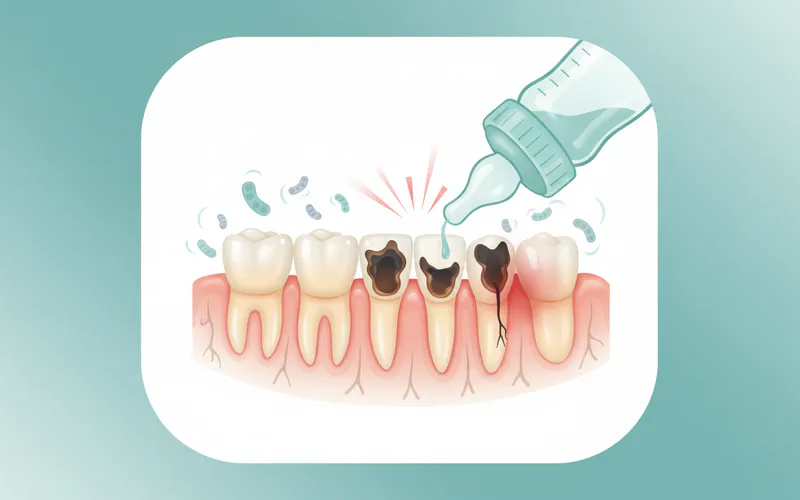
- Infant Feeding Practices: Putting babies to bed with bottles containing milk, formula, or juice can lead to "baby bottle tooth decay" or early childhood caries, particularly affecting upper front teeth.
Signs and Symptoms to Watch For
The early stages of tooth decay often have no noticeable symptoms, which is why regular dental check-ups are so important. As decay progresses, however, signs and symptoms may include:
- White Spots: The very first sign of demineralization is often a chalky white spot on the tooth surface, indicating mineral loss. This stage is potentially reversible.
- Tooth Sensitivity: A mild, fleeting sensitivity to hot, cold, sweet, or acidic foods and drinks. This occurs when the decay has penetrated the enamel and reached the underlying layer called dentin, which contains microscopic tubules leading to the nerve.
- Mild to Sharp Pain: Pain when biting down, chewing, or even spontaneously, particularly if the decay has reached the pulp (the innermost part of the tooth containing nerves and blood vessels).
- Visible Pits, Holes, or Dark Spots: As decay progresses, a visible cavity, pit, or brown/black discoloration may appear on the tooth surface.
- Bad Breath (Halitosis): Accumulated food particles and bacteria within a cavity can contribute to unpleasant breath.
- Pus Around the Tooth or Gum Swelling: In advanced cases, if bacteria reach the pulp and cause infection, an abscess may form, leading to swelling, tenderness, and pus.
Diagnosis Process — What Your Dentist Does
Diagnosing tooth decay involves a combination of methods:
- Visual Examination: Your dentist will carefully inspect all surfaces of your teeth for visible signs of decay, such as discoloration, pits, or holes. They use a small mirror and a dental explorer (a thin, metal tool) to gently probe for soft or sticky spots on the enamel, which can indicate demineralization or a developing cavity.
- Dental X-rays: Bitewing X-rays are particularly effective for detecting decay between teeth (proximal decay) that cannot be seen visually. Periapical X-rays may be used to assess decay closer to the tooth root or signs of infection. Digital X-rays offer lower radiation exposure and instant results.
- Cavity Detection Dyes: In some cases, a special dye may be applied to the tooth to highlight decayed areas, making them more visible.
- Laser Fluorescence Devices: Tools like the DIAGNOdent use a laser to detect changes in tooth structure, helping to identify decay, especially in the pits and fissures, even before it's visually apparent.
- Transillumination: Shining a bright light through the tooth can sometimes reveal shadows indicative of decay, particularly between front teeth.
Treatment Options with Pros, Cons, and Costs
Treatment for tooth decay depends entirely on the severity and extent of the damage.
-
Fluoride Treatments (for very early decay/white spots)
- Description: Professional application of high-concentration fluoride varnish, gel, or foam. This can help remineralize enamel and reverse very early decay before a cavity forms.
- Pros: Non-invasive, can prevent cavity formation, strengthens enamel.
- Cons: Only effective for initial demineralization; cannot treat established cavities.
- Cost (without insurance): $25 - $75 per application.
- Cost (with insurance): Often covered as preventive care.
-
Dental Fillings (for established cavities)
- Description: The most common treatment. The decayed portion of the tooth is removed, and the remaining space is filled with a restorative material.
- Types:
- Amalgam (Silver) Fillings:
- Pros: Durable, strong, less expensive.
- Cons: Silver color (not aesthetic), mercury content (though considered safe by ADA, some prefer avoiding), requires more tooth structure removal than composites.
- Cost (without insurance): $100 - $250 per filling.
- Composite (Tooth-Colored) Fillings:
- Pros: Aesthetic (matches natural tooth color), bonds directly to the tooth, often requires less tooth structure removal.
- Cons: Can be less durable than amalgam for large restorations in back teeth, may stain over time, more expensive.
- Cost (without insurance): $150 - $450 per filling.
- Glass Ionomer Fillings:
- Pros: Releases fluoride, good for root decay and primary teeth, bonds well, less invasive.
- Cons: Weaker than composite or amalgam, less aesthetic, not suitable for biting surfaces of permanent molars.
- Cost (without insurance): $120 - $300 per filling.
- Porcelain/Ceramic or Gold Fillings (Inlays/Onlays):
- Pros: Highly durable, aesthetic (porcelain), custom-made in a lab, strong.
- Cons: Most expensive, requires two appointments, more invasive than direct fillings.
- Cost (without insurance): $600 - $1,500+ per inlay/onlay.
- Amalgam (Silver) Fillings:
- Cost (with insurance): A percentage is typically covered (e.g., 50-80%), with a deductible.
-
Dental Crowns (for extensive decay)
- Description: If decay is too extensive for a filling but the tooth structure is salvageable, a crown (a cap) is placed over the entire tooth after the decayed and weakened portions are removed.
- Pros: Restores strength and function, protects the remaining tooth, improves aesthetics.
- Cons: More expensive, requires significant tooth reduction, typically two appointments.
- Cost (without insurance): $800 - $2,500+ per crown (material dependent: porcelain, ceramic, metal, zirconia).
- Cost (with insurance): Often 50% covered after deductible.
-
Root Canal Treatment (when decay reaches the pulp)
- Description: If decay has reached the pulp and caused inflammation or infection, a root canal procedure is performed. The infected pulp is removed, the root canals are cleaned and disinfected, and then filled and sealed. A crown is almost always recommended afterward.
- Pros: Saves the natural tooth, prevents extraction.
- Cons: Can be costly, requires follow-up with a crown.
- Cost (without insurance): $700 - $1,500 for front teeth, $900 - $2,000+ for molars (plus the cost of a crown).
- Cost (with insurance): Often 50% covered after deductible.
-
Tooth Extraction (last resort)
- Description: If the tooth is too severely damaged to be restored, it may need to be removed.
- Pros: Eliminates the source of infection/pain immediately.
- Cons: Leads to tooth loss, can cause shifting of adjacent teeth, requires replacement options (implant, bridge) to prevent further issues, which adds cost.
- Cost (without insurance): $75 - $250 for simple extraction, $150 - $650+ for surgical extraction.
- Cost (with insurance): Often 50-80% covered.
Step-by-Step: What to Expect During Treatment (Focus on a Filling)
Let's walk through what typically happens during a dental filling procedure:
- Numbing: Your dentist will administer a local anesthetic to numb the tooth and surrounding gum tissue, ensuring you feel no pain during the procedure.
- Decay Removal: Using a dental drill, the dentist will carefully remove all decayed tooth material. The goal is to preserve as much healthy tooth structure as possible.
- Preparation: The tooth is then prepared for the filling material. For composite fillings, a bonding agent is applied, which helps the material adhere to the tooth.
- Filling Application: The chosen filling material is applied in layers (for composite), shaped to match the tooth's anatomy, and hardened with a special light. For amalgam, it's packed into place.
- Finishing and Polishing: Once the filling is in place, your dentist will check your bite to ensure it's comfortable and make any necessary adjustments. The filling is then polished smooth.
Recovery Timeline and Aftercare
Recovery varies slightly depending on the treatment:
- Fillings:
- Timeline: Numbness typically wears off within 1-3 hours. You can usually eat and drink normally after the numbness subsides.
- Aftercare: Avoid chewing directly on the new filling for the first few hours if possible. Some sensitivity to hot, cold, or pressure is normal for a few days to a few weeks, especially with deeper fillings. Practice good oral hygiene.
- Crowns:
- Timeline: Sensitivity is common after the preparation appointment. The permanent crown is usually placed 1-2 weeks later. Mild discomfort or sensitivity can persist for a few weeks after the permanent crown is cemented.
- Aftercare: Avoid sticky or hard foods initially. Continue regular brushing and flossing, paying attention to the crown margin.
- Root Canal:
- Timeline: Significant pain should subside within a few days. The tooth may be sensitive for a few weeks. The permanent filling and crown are usually placed within a few weeks after the root canal.
- Aftercare: Avoid chewing on the treated tooth until the crown is placed. Take prescribed pain relievers as needed. Maintain excellent oral hygiene.
In all cases, maintaining excellent oral hygiene, avoiding excessive sugary or acidic foods, and regular dental check-ups are paramount for the longevity of your dental work and to prevent new decay.
Prevention Strategies
Preventing tooth decay is far easier and less expensive than treating it.
- Brush Twice Daily with Fluoride Toothpaste: Brush for at least two minutes in the morning and before bed. Fluoride toothpaste strengthens enamel and helps remineralize early decay.
- Floss Daily: Flossing removes plaque and food particles from between teeth and under the gumline, areas your toothbrush can't reach.
- Limit Sugary and Starchy Foods and Drinks: Reduce frequency and quantity of snacks, sodas, juices, and candies. If you do consume them, try to do so with meals or rinse your mouth with water afterward.
- Drink Fluoridated Water: Many community water systems are fluoridated, providing continuous, low-level fluoride exposure that significantly reduces decay rates.
- Regular Dental Check-ups and Cleanings: Visit your dentist every six months for professional cleanings and examinations. This allows for early detection and intervention, often before symptoms appear.
- Dental Sealants: For children and adolescents, sealants are plastic coatings applied to the chewing surfaces of back teeth (molars and premolars) to fill in pits and fissures, creating a smooth surface that is easier to clean and less prone to decay. Sealants can reduce the risk of decay in molars by 80%.
- Professional Fluoride Applications: Your dentist may recommend in-office fluoride varnishes or gels, especially if you have a high risk of decay.
- Chew Sugar-Free Gum: Chewing gum stimulates saliva flow, which helps neutralize acids and wash away food particles. Xylitol-containing gum can also inhibit certain decay-causing bacteria.
- Avoid Tobacco Products: Smoking and chewing tobacco increase the risk of gum disease, dry mouth, and can compromise oral health.
Cost Ranges in the US (with/without insurance)
Understanding the financial aspect of tooth decay treatment is crucial. Prices vary significantly based on location, dentist's fees, and complexity.
| Treatment Type | Estimated Cost (Without Insurance) | Estimated Cost (With Insurance) |
|---|---|---|
| Fluoride Varnish | $25 - $75 | Often 100% covered (preventive) |
| Amalgam Filling | $100 - $250 | 50-80% covered after deductible (e.g., you pay $20 - $125) |
| Composite Filling | $150 - $450 | 50-80% covered after deductible (e.g., you pay $30 - $225) |
| Glass Ionomer Filling | $120 - $300 | 50-80% covered after deductible (e.g., you pay $24 - $150) |
| Inlay/Onlay (Porcelain) | $600 - $1,500+ | 20-50% covered after deductible (e.g., you pay $300 - $1,200) |
| Dental Crown | $800 - $2,500+ | 20-50% covered after deductible (e.g., you pay $400 - $2,000) |
| Root Canal (front tooth) | $700 - $1,500 | 20-50% covered after deductible (e.g., you pay $350 - $1,200) (Plus crown cost) |
| Root Canal (molar) | $900 - $2,000+ | 20-50% covered after deductible (e.g., you pay $450 - $1,800) (Plus crown cost) |
| Simple Extraction | $75 - $250 | 50-80% covered after deductible (e.g., you pay $15 - $125) |
| Surgical Extraction | $150 - $650+ | 50-80% covered after deductible (e.g., you pay $30 - $325) |
Note: These are general estimates. Always consult your dental provider for an accurate quote based on your specific needs and insurance plan.
Comparison Table: Common Filling Materials
| Feature | Amalgam (Silver) | Composite (Tooth-Colored) | Glass Ionomer |
|---|---|---|---|
| Material | Metal alloy (mercury, silver, tin, copper) | Resin (plastic & glass particles) | Acrylic & fluoroaluminosilicate glass |
| Aesthetics | Not aesthetic (silver color) | Very aesthetic (matches tooth) | Less aesthetic (translucent/opaque) |
| Durability | Very strong, lasts 10-15+ years | Good, lasts 5-10+ years (can vary) | Moderate, lasts 5-7 years |
| Cost | Less expensive | More expensive | Mid-range |
| Bonding | Mechanical retention (wedge into tooth) | Bonds chemically to tooth | Bonds chemically to tooth, releases fluoride |
| Tooth Prep | Requires more tooth structure removal | Less tooth structure removal | Least invasive, good for small lesions |
| Best Use | Large restorations on back teeth | Front teeth, small-medium cavities | Root decay, primary teeth, temporary fillings |
For Parents / Pediatric Considerations
Tooth decay in children, often called Early Childhood Caries (ECC) or baby bottle tooth decay, is a significant concern. It can lead to pain, infection, problems with eating and speech, and affect the development of permanent teeth.
- Infant Oral Care: Start cleaning your baby's gums with a soft cloth even before teeth erupt. Brush primary teeth twice daily with a tiny smear of fluoride toothpaste (rice-grain size) once the first tooth appears. For children 3-6 years old, use a pea-sized amount.
- Avoid Bedtime Bottles with Sugary Liquids: Only water should be given in a bottle at bedtime.
- Limit Sugary Snacks and Drinks: Encourage healthy eating habits early.
- Dental Sealants: Highly recommended for children's permanent molars as soon as they erupt (typically around age 6 and 12).
- Fluoride Varnish: Pediatric dentists frequently apply fluoride varnish to children's teeth to strengthen enamel and prevent decay.
- First Dental Visit: The American Academy of Pediatric Dentistry recommends a child's first dental visit by their first birthday or within six months of the first tooth erupting.
Frequently Asked Questions
Q1: How much does tooth decay treatment cost?
A1: The cost varies widely based on the severity of the decay and the chosen treatment. A simple filling can range from $100 to $450 without insurance, while a root canal plus a crown could easily cost $1,600 to $4,500+. Dental insurance typically covers a percentage of these costs (e.g., 50-80%) after a deductible.
Q2: Is tooth decay treatment painful?
A2: With modern dental techniques and local anesthesia, treatment for tooth decay should not be painful. You might feel some pressure or vibration during the procedure, but pain is minimized. Afterward, some sensitivity or mild discomfort is normal for a few days to weeks, depending on the extent of the treatment.
Q3: How long does tooth decay treatment take?
A3: A simple filling can often be completed in a single appointment, lasting 30-60 minutes. More complex procedures like crowns typically require two appointments (first for preparation, second for placement), each lasting 60-90 minutes. Root canals also often take one or two longer appointments.
Q4: Are there alternatives to fillings for cavities?
A4: For very early decay (white spots), fluoride treatments can sometimes reverse the demineralization before a cavity fully forms. For small cavities, minimally invasive techniques like ICON resin infiltration can sometimes be used to fill porous enamel without drilling. However, once a distinct cavity has formed into the dentin, a filling or other restorative treatment is usually necessary. There are no at-home alternatives to professionally treat an established cavity.
Q5: Does insurance cover tooth decay treatment?
A5: Most dental insurance plans cover a significant portion of tooth decay treatments. Preventive care like fluoride applications is often 100% covered. Basic restorative services (fillings) are typically covered at 50-80%, while major services (crowns, root canals, extractions) may be covered at 20-50%, usually after you've met your annual deductible. It's essential to check your specific policy details.
Q6: Can tooth decay reverse itself?
A6: Only in its very earliest stage, when it appears as a white spot lesion on the enamel, can decay potentially reverse itself through remineralization. This happens when fluoride, calcium, and phosphate in saliva or applied treatments strengthen the enamel. Once a cavity has penetrated through the enamel and created a hole, it requires professional intervention to be treated.
Q7: What happens if tooth decay is left untreated?
A7: If left untreated, tooth decay will progress, causing:
- Increasing pain and sensitivity.
- Infection of the tooth pulp, leading to a dental abscess.
- Spread of infection to surrounding bone and tissues, potentially leading to systemic health issues (e.g., cellulitis, sepsis).
- Loss of the tooth, requiring extraction.
- Difficulty eating, speaking, and impact on overall quality of life.
Q8: Can I get a cavity filled without a drill?
A8: In some limited cases, yes. For very small, incipient lesions, particularly on smooth surfaces, a procedure called resin infiltration (e.g., ICON) can be used. This involves applying a liquid resin that penetrates and hardens within the porous, demineralized enamel, effectively "filling" the early decay without needing to drill away tooth structure. However, this is not suitable for larger or deeper cavities that have progressed beyond the enamel.
When to See a Dentist
Routine Care:
- You should see your dentist every six months for a regular check-up and professional cleaning. This allows for early detection of tooth decay before it becomes symptomatic and requires more invasive treatment.
When to See a Dentist Sooner (Non-Emergency):
- Persistent tooth sensitivity to hot, cold, or sweets.
- A dull ache in a tooth.
- Food constantly getting caught in a specific area of your teeth.
- A feeling of roughness or a small catch on your tooth surface.
- Visible white spots, brown, or black discoloration on a tooth.
When to Seek Emergency Dental Care:
- Severe, throbbing tooth pain that doesn't subside or worsens, especially when lying down.
- Swelling in your gums, face, or jaw accompanied by pain, indicating a possible infection or abscess.
- A visible hole or a broken tooth that is causing significant pain or sharp edges.
- Pus or a foul taste in your mouth, which could signal a dental abscess.
- Fever along with tooth pain or swelling.
Prompt attention to signs of tooth decay can prevent more serious complications and help you maintain a healthy, pain-free smile.
Medical Disclaimer
This article is for informational purposes only and does not constitute medical advice. Always consult with a qualified dental professional for diagnosis and treatment. Do not delay seeking professional advice because of something you read on this website.