Oil Pulling for Gums: Complete Guide
Key Takeaways
- Are you seeking natural, holistic approaches to boost your oral health and specifically improve the condition of your gums? While conventional dentistry provides an indispensable foundation for maintaining a healthy smile, many individuals are exploring ancient practices like *oil pulling for gums
Oil Pulling for Gums: Complete Guide
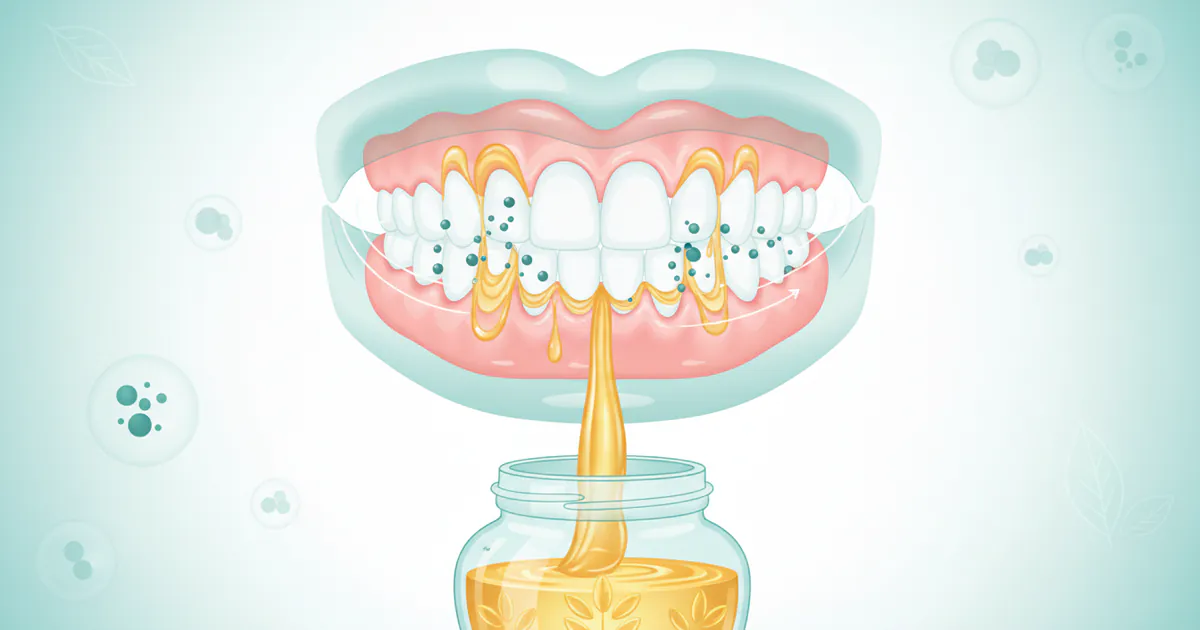
Are you seeking natural, holistic approaches to boost your oral health and specifically improve the condition of your gums? While conventional dentistry provides an indispensable foundation for maintaining a healthy smile, many individuals are exploring ancient practices like oil pulling for gums to complement their routine. An impressive 90% of American adults show some form of gum inflammation, making gum health a critical concern that extends beyond aesthetics to impact overall systemic well-being. This comprehensive guide will delve deep into the world of oil pulling, exploring its potential benefits, the science (or lack thereof) behind it, how to perform it correctly, and what you can realistically expect. We’ll cover everything from its traditional roots and different variations, including the popular "white oil pulling" method, to its potential as a natural teeth whitener, helping you determine if this ancient practice is right for your modern oral hygiene regimen.

Key Takeaways:
- What it is: Oil pulling is an ancient Ayurvedic practice involving swishing a tablespoon of oil (typically coconut, sesame, or sunflower) in the mouth for 15-20 minutes.
- Primary Goal: Traditionally used to detoxify the body, its modern application focuses on improving oral hygiene, particularly gum health, by reducing plaque and harmful bacteria.
- Potential Benefits for Gums: Advocates report reduced gum inflammation, bleeding gums, and plaque accumulation. Some anecdotal evidence also suggests a brighter smile.
- Best Practices: Use organic, unrefined oils. Swish gently, do not gargle or swallow. Perform on an empty stomach, ideally in the morning.
- Cost & Accessibility: Very inexpensive, costing only the price of a bottle of oil (e.g., $5-$20 for a month's supply).
- Timeline for Results: While some users report feeling cleaner gums within days, noticeable improvements in gum health may take several weeks to a few months of consistent practice.
- Important Caveat: Oil pulling is a complementary therapy and should never replace daily brushing, flossing, or regular professional dental cleanings recommended by the American Dental Association (ADA). It is not a standalone treatment for active gum disease.
What It Is / Overview
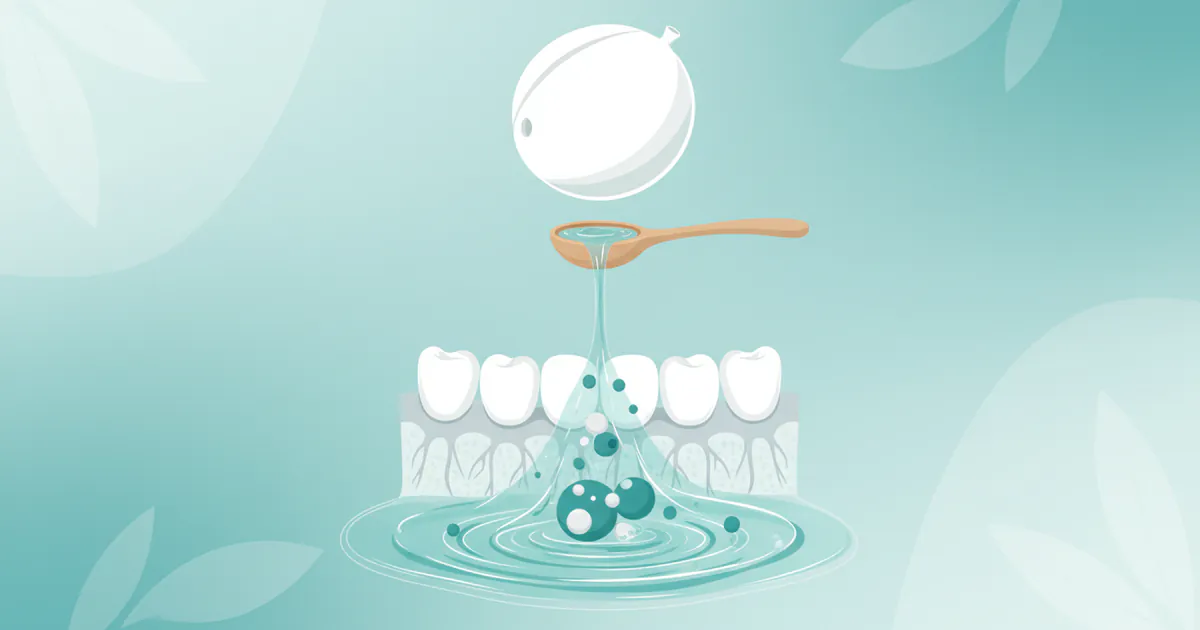
Oil pulling is an age-old Ayurvedic folk remedy that dates back thousands of years, first referenced in ancient Indian texts like the Charaka Samhita. The practice involves swishing a tablespoon of edible oil in your mouth, much like a mouthwash, for a period of time, typically 15 to 20 minutes. The term "pulling" refers to the belief that the oil "pulls" toxins, bacteria, and debris from the oral cavity.
The proposed mechanism behind oil pulling is multifaceted. When swished around the mouth, the oil is thought to act as a solvent, emulsifying and dissolving lipid-soluble toxins and bacteria. Many oral bacteria have cell membranes composed of lipids, which the oil can penetrate and bind to. This binding action, combined with the physical act of swishing, effectively "pulls" these microorganisms and their byproducts from the surfaces of teeth, gums, and tongue. The oil also creates a soapy solution (saponification) that helps to cleanse the mouth.
Beyond the physical removal of bacteria, some oils, particularly virgin coconut oil, contain specific fatty acids like lauric acid, which exhibit proven antimicrobial and anti-inflammatory properties. Lauric acid, for instance, can react with saliva to form a soap-like substance that further aids in cleaning and has shown efficacy against Streptococcus mutans, a primary bacterium responsible for tooth decay and gum disease.
While proponents laud its natural benefits, it's crucial to understand that Western scientific research on oil pulling, particularly its long-term effects and superiority over conventional methods, is still limited but growing. The ADA acknowledges that some studies suggest potential benefits for reducing plaque and gingivitis, but emphasizes that there is insufficient evidence to recommend it as a primary or substitute oral hygiene practice.

Types / Variations
While the core principle of oil pulling remains consistent, variations primarily revolve around the type of oil used and slight differences in technique or frequency.
Different Oils for Oil Pulling
The choice of oil is crucial, as each offers slightly different properties that may appeal to individuals seeking specific benefits.
- Coconut Oil: This is arguably the most popular choice for oil pulling today, often associated with "white oil pulling." Virgin coconut oil is rich in lauric acid, a medium-chain fatty acid known for its potent antimicrobial and anti-inflammatory properties. Studies have shown lauric acid to be effective against Streptococcus mutans, a key bacterium in tooth decay. Its pleasant taste and widely recognized health benefits make it a preferred option. Many people who use coconut oil for pulling report a sensation of cleaner, smoother teeth and anecdotal evidence of improved gum health and a brighter smile.
- Sesame Oil: Traditionally, sesame oil was the primary oil used in Ayurvedic oil pulling. It is known for its anti-inflammatory and antioxidant properties. Sesame oil contains sesame lignans (sesamin, sesamolin) and vitamin E, which contribute to its therapeutic effects. Research suggests that sesame oil pulling can reduce plaque-induced gingivitis and decrease the number of Streptococcus mutans in plaque and saliva. Its taste is more distinct than coconut oil, which some find less palatable.
- Sunflower Oil: Another popular choice in some regions, sunflower oil is rich in linoleic acid and vitamin E. It's believed to have detoxification properties and may help reduce inflammation. Studies comparing sunflower oil with chlorhexidine mouthwash have shown comparable reductions in bacterial counts in individuals with gingivitis.
- Other Oils: While less common, olive oil, grapeseed oil, and even specific herbal oils designed for oral health are sometimes used. However, their efficacy in oil pulling is less studied compared to coconut or sesame oil.
"White Oil Pulling" Explained
The term "white oil pulling" isn't a distinct method but rather a descriptive phrase often used in popular culture, primarily referring to the perceived whitening benefits of oil pulling, especially with coconut oil. While oil pulling is not a conventional teeth whitener like hydrogen peroxide or carbamide peroxide-based products, proponents suggest that its ability to lift extrinsic stains and thoroughly clean the tooth surface can lead to a brighter, whiter appearance over time.
The "whitening" effect is thought to occur because the oil effectively removes plaque and surface stains that accumulate from coffee, tea, and other foods. By reducing this buildup, the natural color of the teeth can be revealed. However, it's important to set realistic expectations: oil pulling will not change the intrinsic color of your teeth, nor will it lighten shades like chemical whitening treatments. It primarily enhances the natural brightness by thoroughly cleaning.
Variations in Technique and Frequency
- Duration: The recommended duration is typically 15-20 minutes. Some beginners start with 5-10 minutes and gradually increase. Swishing for too short a period may not allow sufficient time for the oil to bind with bacteria, while swishing for too long (e.g., 30+ minutes) could potentially lead to reabsorption of toxins, though this is largely theoretical and not clinically proven.
- Frequency: Most practitioners suggest daily oil pulling, ideally once in the morning on an empty stomach. Some individuals may opt for 3-4 times a week, especially when starting out. Consistency is key for any potential benefits.
- Additives: Some individuals experiment with adding a drop of essential oils (e.g., peppermint, clove, tea tree) known for their antimicrobial properties. However, this should be done with extreme caution, as essential oils are potent and must be food-grade and used in very small, diluted amounts to avoid irritation or toxicity. Consult with a dental professional before adding essential oils.
Causes / Why People Seek Oil Pulling for Gum Issues
People turn to oil pulling primarily to address common gum issues and improve their overall oral hygiene, often seeking a natural, less abrasive alternative or complement to conventional methods. The underlying "causes" that lead individuals to seek such remedies are usually related to the accumulation of plaque and the subsequent development of gum inflammation.
Plaque and Bacterial Biofilm Formation
The primary culprit behind most gum problems is dental plaque, a sticky, colorless film of bacteria that constantly forms on your teeth. If plaque is not removed daily through brushing and flossing, it hardens into tartar (calculus), which can only be removed by a dental professional.
- Bacterial Accumulation: The oral cavity is home to hundreds of species of bacteria. While many are harmless, certain types, particularly anaerobic bacteria, contribute to gum disease. These bacteria metabolize sugars from food, producing acids that erode tooth enamel and toxins that irritate gum tissues.
- Biofilm Formation: Plaque is a complex biofilm where bacteria adhere to each other and to tooth surfaces. This biofilm provides a protective environment for bacteria, making them more resistant to antimicrobial agents and the body's immune defenses.
- Inflammation: The toxins released by bacteria in plaque trigger an inflammatory response in the gums, leading to conditions like gingivitis and, if left untreated, periodontitis.
Gum Issues People Try to Address with Oil Pulling
Individuals often explore oil pulling to combat the early signs of gum disease and related symptoms:
- Gingivitis: This is the mildest form of gum disease, characterized by red, swollen, tender gums that may bleed easily, especially during brushing or flossing. It is caused by plaque buildup along the gumline. Oil pulling is often sought to reduce the bacterial load and subsequent inflammation associated with gingivitis.
- Mild Periodontitis: If gingivitis is left untreated, it can advance to periodontitis, where the inflammation spreads below the gumline, forming pockets between the teeth and gums. This can lead to bone loss. While oil pulling cannot reverse bone loss, some hope it can help manage bacterial levels in these pockets and slow progression. It is not a cure for periodontitis.
- Bad Breath (Halitosis): A common symptom of poor oral hygiene and gum issues. The bacteria accumulating on the tongue and around the gums produce volatile sulfur compounds (VSCs), which cause unpleasant odors. Oil pulling is believed to pull these bacteria and VSCs from the mouth, leading to fresher breath.
- Plaque Buildup: Regular plaque accumulation leads to tartar formation and creates a rough surface where more bacteria can adhere. Oil pulling is hoped to disrupt this process and reduce the overall bacterial load.
- Overall Oral Cleanliness: Many users simply report a feeling of a cleaner mouth, fresher breath, and smoother teeth, which contributes to their perception of improved gum health.
It's vital to reiterate that while oil pulling may offer supportive benefits for these conditions, it is not a substitute for professional dental care, diagnosis, or treatment of active gum disease.
Signs and Symptoms of Gum Issues Addressed by Oil Pulling
Recognizing the signs and symptoms of gum issues is the first step toward effective management, whether through conventional dentistry or complementary practices like oil pulling. Many of these symptoms indicate the presence of gingivitis or early-stage periodontitis.
- Bleeding Gums: One of the earliest and most common signs of gingivitis. If your gums bleed when you brush, floss, or even eat hard foods, it's a strong indicator of inflammation and irritation due to plaque buildup. Healthy gums should not bleed.
- Red, Swollen, or Tender Gums: Healthy gums are typically pale pink, firm, and fit snugly around the teeth. If your gums appear bright red, purplish, puffy, or feel tender to the touch, it signifies inflammation.
- Persistent Bad Breath (Halitosis): Bacteria in plaque and on the tongue produce foul-smelling gases. If you have chronic bad breath that doesn't improve with regular brushing and flossing, it could be a sign of gum disease.
- Receding Gums: Gums that pull away or "recede" from the teeth make your teeth look longer. This exposes the tooth roots, which are more susceptible to decay and sensitivity. Gum recession can be a sign of advancing gum disease or aggressive brushing.
- Pus Between Teeth and Gums: This is a more serious symptom, indicating an active infection. The presence of pus suggests that bacteria are deeply embedded in the gum pockets.
- Changes in Bite or Loose Teeth: In more advanced stages of periodontitis, the bone supporting the teeth can be damaged, leading to teeth shifting, feeling loose, or changes in how your teeth fit together when you bite. If you experience this, immediate professional dental attention is critical, as oil pulling will not resolve these severe issues.
- Increased Sensitivity: Exposed tooth roots due to gum recession can lead to increased sensitivity to hot, cold, or sweet foods and drinks.
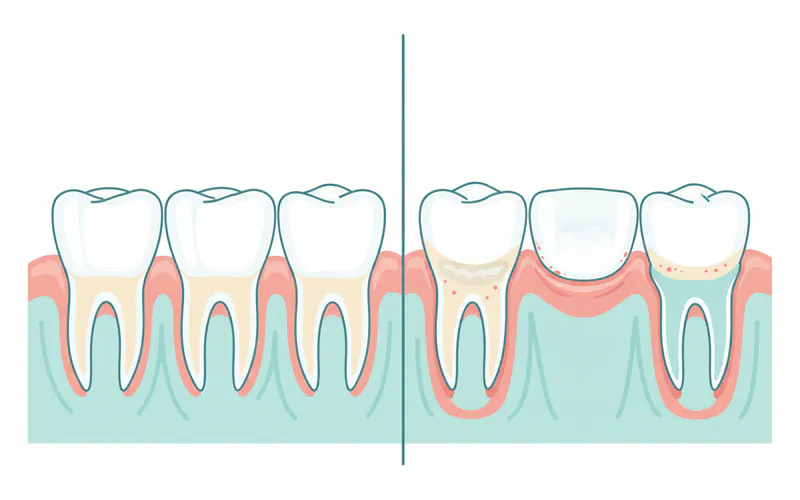
If you observe any of these signs, particularly persistent bleeding or swelling, it's imperative to consult a dental professional. They can accurately diagnose the condition and recommend the appropriate course of action, which may or may not include oil pulling as a supplemental therapy.
Treatment Options
When it comes to addressing gum health, it's crucial to understand the distinct roles of conventional dental treatments and complementary practices like oil pulling. Oil pulling is generally considered a supportive measure rather than a standalone treatment for active gum disease.
Oil Pulling (as a Complementary Therapy)
How it Works: As discussed, oil pulling aims to reduce oral bacteria, plaque, and inflammation through the physical act of swishing oil and the antimicrobial properties of certain oils. Pros:
- Natural and Inexpensive: Uses common edible oils, making it accessible and affordable.
- Minimal Side Effects: Generally safe when performed correctly, with few reported adverse effects.
- Anecdotal Benefits: Many users report fresher breath, cleaner teeth, reduced gum bleeding, and a feeling of overall oral cleanliness.
- Gentle: Non-abrasive, suitable for individuals seeking natural oral care.
- Potential for Whitening: May help remove extrinsic surface stains, contributing to a brighter smile (natural teeth whitener). Cons:
- Lack of Strong Scientific Evidence: While some studies show promising results, large-scale, long-term clinical trials are still needed to definitively prove its efficacy and mechanisms compared to conventional methods. The ADA does not endorse it as a primary treatment.
- Not a Substitute for Conventional Care: Oil pulling cannot remove calcified plaque (tartar), fill cavities, or reverse advanced gum disease. It is meant to complement, not replace, brushing, flossing, and professional dental cleanings.
- Time-Consuming: Requires 15-20 minutes daily, which may be a barrier for some individuals.
- Risk of Aspiration: If swallowed accidentally, especially for children or those with gag reflex issues, there's a small risk of oil entering the lungs.
Conventional Dental Treatments for Gum Disease
These are the gold standard for treating gum disease and are backed by extensive scientific research and professional guidelines from organizations like the ADA.
-
Regular Dental Cleanings (Prophylaxis):
- What it is: Routine cleaning by a dental hygienist to remove plaque and tartar from above the gum line.
- Pros: Essential for preventing gingivitis and maintaining oral health. Quick, generally painless.
- Cons: Not sufficient for treating advanced gum disease or subgingival (below gum line) plaque.
- Cost: Typically $75-$200 without insurance, often covered by dental plans.
-
Scaling and Root Planing (Deep Cleaning):
- What it is: A non-surgical procedure for mild to moderate periodontitis. It involves scaling (removing plaque and tartar from above and below the gum line) and root planing (smoothing the root surfaces to prevent bacteria from reattaching).
- Pros: Highly effective in reducing bacterial load, inflammation, and gum pocket depth. Can often stop the progression of gum disease.
- Cons: May require local anesthetic. Gums can be sensitive, sore, or bleed for a few days post-procedure. Does not reverse bone loss.
- Cost: Varies significantly by region, often $200-$600 per quadrant, totaling $800-$2400 for a full mouth. Insurance typically covers 50-80% after deductible.
-
Antibiotics (Oral or Topical):
- What it is: Used in conjunction with scaling and root planing to control bacterial infection. Can be prescribed as oral pills or applied directly to gum pockets as gels, chips, or rinses.
- Pros: Directly targets specific bacteria responsible for periodontitis.
- Cons: Oral antibiotics can have systemic side effects (digestive upset, allergic reactions). Topical antibiotics may not reach all affected areas. Risk of antibiotic resistance with overuse.
- Cost: Varies by drug and dosage, typically $10-$100 for a course.
-
Gum Surgery (Periodontal Surgery):
- What it is: For advanced periodontitis that doesn't respond to non-surgical treatments. Includes flap surgery (gums lifted back to allow deeper cleaning), gum grafts (to cover exposed roots), and bone grafts (to regenerate lost bone).
- Pros: Can halt severe bone loss, regenerate lost tissue, reduce pocket depths, and save teeth that might otherwise be lost.
- Cons: More invasive, involves recovery time, potential for pain, swelling, and temporary sensitivity. Significant cost.
- Cost: Highly variable, from $500-$10,000+ per procedure or per tooth, depending on complexity and extent. Insurance coverage varies greatly, often 50% for major procedures.
-
Laser Therapy:
- What it is: Utilizes lasers to remove diseased tissue and kill bacteria. Can be used in conjunction with scaling and root planing.
- Pros: Less invasive than traditional surgery, may result in less bleeding and discomfort.
- Cons: Not universally adopted by all dentists; long-term effectiveness compared to traditional surgery is still under evaluation. Can be more expensive.
- Cost: $500-$2,000+ per quadrant, often not fully covered by insurance.
Pro Tip: Always discuss any alternative or complementary therapies like oil pulling with your dentist. They can assess your specific oral health needs and guide you on the most effective and safe regimen.
Comparison Table: Oil Pulling vs. Conventional Gum Disease Treatments
| Feature | Oil Pulling (Complementary) | Conventional Dental Treatments (e.g., SRP) |
|---|---|---|
| Primary Goal | Reduce bacteria, plaque, inflammation; oral detoxification; improve breath | Remove plaque/tartar, halt disease progression, restore gum health |
| Effectiveness | Supportive for mild gingivitis, plaque reduction, breath. Limited evidence for serious disease. | Highly effective for gingivitis & periodontitis. Gold standard for removing tartar & deep infection. |
| Cost | Very Low ($5-$20/month for oil) | Moderate to High ($75 - $10,000+ per procedure, depending on severity). |
| Insurance Coverage | None | Often covered (partially or fully) by dental insurance. |
| Side Effects/Risks | Minor (e.g., digestive upset if swallowed), aspiration risk (rare). Not a substitute for care. | Temporary sensitivity, swelling, bleeding, discomfort. More invasive procedures have higher risks. |
| Mechanism | Emulsifies/binds toxins & bacteria, antimicrobial properties (e.g., lauric acid in coconut oil). | Mechanical removal of plaque/tartar; sometimes antibiotics; surgical repair/regeneration. |
| Scientific Evidence | Growing but limited; mostly short-term studies, anecdotal. Not ADA-endorsed as primary therapy. | Extensive, well-established, and ADA-approved. |
| Required Time | 15-20 minutes daily | Varies: 30-60 min for cleaning, 1-2 hours for SRP, multiple hours for surgery. Periodic appointments. |
Step-by-Step Process for Oil Pulling
Performing oil pulling correctly is essential to maximize its potential benefits and minimize any risks. Here's a clear, step-by-step guide:
-
Choose Your Oil: Select a high-quality, organic, unrefined edible oil. Virgin coconut oil, sesame oil, or sunflower oil are the most commonly recommended. Coconut oil is often favored for its pleasant taste and antimicrobial properties, particularly for those interested in "white oil pulling." Pro Tip: If using coconut oil, it may be solid at room temperature. You can scoop out a tablespoon and it will melt quickly in your mouth.
-
Measure the Oil: Take approximately one tablespoon of your chosen oil. For beginners or those with a sensitive gag reflex, start with a smaller amount (e.g., one teaspoon) and gradually increase as you get comfortable.
-
Optimal Timing: The best time to oil pull is first thing in the morning, on an empty stomach, before you've eaten or even consumed water. This ensures your mouth is relatively free of food particles and the oil can interact directly with bacteria.
-
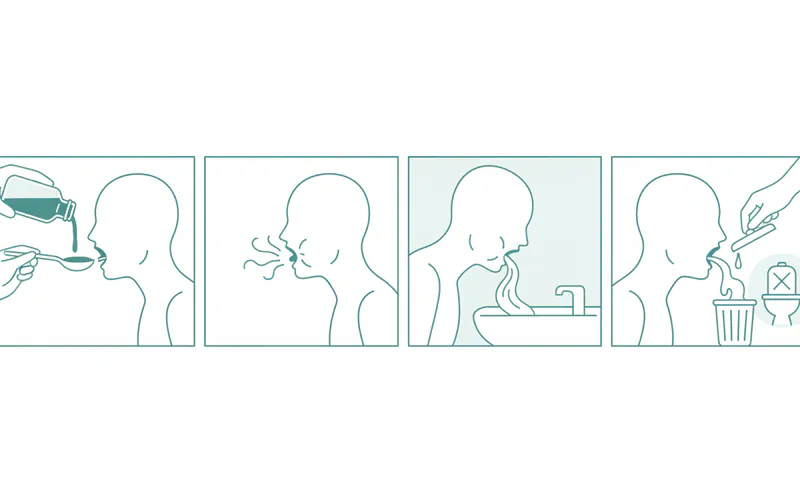
Start Swishing: Place the oil in your mouth. Do not swallow it. Gently swish, suck, and pull the oil through your teeth and around your gums. The action should be gentle and relaxed, not vigorous like using a mouthwash. Imagine you're "pulling" the oil between your teeth. Important: Do NOT gargle the oil, as you risk aspirating it. The process is specifically for the oral cavity.
-
Maintain Duration: Continue swishing for 15 to 20 minutes. For first-timers, this might feel long. If 20 minutes is too challenging, aim for 5-10 minutes and gradually extend the time each day. The oil will mix with your saliva, turning milky white and thinning as it collects bacteria and debris.
-
Dispose Properly: When the time is up, or if your jaw starts to ache, spit the oil into a trash can. Do NOT spit it into a sink or toilet. The oil, especially coconut oil, can solidify and clog pipes over time. The oil will likely appear milky or foamy due to the emulsification process and the "pulled" substances.
-
Rinse Thoroughly: After spitting, rinse your mouth thoroughly with warm water. Many suggest rinsing several times to ensure all oil and detached toxins are gone. You can also use a saltwater rinse.
-
Resume Oral Hygiene: Immediately after rinsing, brush your teeth as you normally would, and then floss. This ensures any remaining oil or bacteria are completely removed and allows your toothbrush and toothpaste to cleanse the teeth effectively.
Pro Tip: If you struggle with the taste or texture of the oil, try a different type of oil or add a tiny drop of food-grade peppermint essential oil (ensure it's safe for internal use and use sparingly).
Cost and Insurance
The financial aspect of any health practice is an important consideration. When it comes to oil pulling versus conventional dental treatments for gum health, the cost difference is substantial.
Cost of Oil Pulling
Oil pulling is an exceptionally low-cost practice. Your primary expense is the oil itself.
- Oil Cost:
- A large jar of organic, unrefined coconut oil (e.g., 30-50 oz) typically costs between $15 and $30 in the US. This amount can last for 1-3 months of daily oil pulling, depending on the size and your usage.
- Smaller bottles of sesame or sunflower oil are similarly affordable, often ranging from $5 to $20.
- Monthly Cost: On average, you can expect to spend around $5-$10 per month on oil for daily pulling.
- No Insurance Coverage: Dental insurance providers do not cover oil pulling, as it is considered an alternative health practice and not a recognized medical treatment by the American Dental Association (ADA) for billing purposes.
Cost of Conventional Dental Treatments (US Averages)
The cost of conventional dental treatments for gum disease varies widely based on the severity of the condition, the specific procedure, the geographic location (urban centers often have higher costs), and the dental professional's fees.
-
Routine Dental Cleaning (Prophylaxis):
- Without insurance: $75 - $200
- With insurance: Often 100% covered by most dental plans after a small co-pay or deductible.
-
Scaling and Root Planing (SRP) / Deep Cleaning:
- Without insurance: $200 - $600 per quadrant. A full mouth (four quadrants) can range from $800 - $2,400.
- With insurance: Many dental plans cover 50-80% of major restorative procedures like SRP after you've met your deductible (typically $50-$150 per year). You would still be responsible for the remaining 20-50%, potentially $160 - $1,200+ out-of-pocket for a full mouth.
-
Antibiotics (Oral/Topical):
- Without insurance: $10 - $100 for a course, depending on the type and quantity.
- With insurance: Often covered at a low co-pay, similar to other prescription medications.
-
Gum Surgery (e.g., Flap Surgery, Bone Graft, Gum Graft):
- Without insurance: This is where costs can escalate significantly.
- Basic flap surgery per quadrant: $500 - $2,000
- Bone graft (per site): $400 - $1,200
- Gum graft (per tooth): $600 - $1,500
- Comprehensive periodontal surgery for multiple teeth/areas can easily reach $5,000 - $10,000+.
- With insurance: Major procedures like gum surgery are typically covered at 50%, meaning your out-of-pocket expenses could still be substantial, often in the thousands of dollars, even with a good plan. Many plans also have an annual maximum benefit (e.g., $1,000-$2,000), which you might exceed with extensive surgical work.
- Without insurance: This is where costs can escalate significantly.
Payment Plans and Financing Options
For costly dental procedures, many dental offices offer or partner with financing options:
- In-house Payment Plans: Some offices allow patients to pay in installments over several months.
- Third-Party Financing: Companies like CareCredit or LendingClub offer specialized dental and healthcare financing with various interest rates and repayment terms, including interest-free periods for eligible patients.
- Dental Schools: University dental schools often provide services at a reduced cost, performed by supervised students.
- Community Dental Clinics: Non-profit or government-funded clinics may offer sliding scale fees based on income.
Cost-Saving Tips:
- Preventive Care: The best way to save money on gum disease treatment is to prevent it. Consistent daily oral hygiene (brushing, flossing) and regular dental check-ups are paramount.
- Utilize Insurance: Understand your dental insurance plan's benefits, deductibles, co-pays, and annual maximums.
- Get Multiple Quotes: For expensive procedures, get estimates from a few different dentists.
- Health Savings Accounts (HSAs) or Flexible Spending Accounts (FSAs): Use pre-tax dollars for eligible dental expenses.
Recovery and Aftercare
The "recovery and aftercare" for oil pulling is straightforward: consistency in practice and continuation of your regular oral hygiene. However, for conventional gum treatments, recovery can be a more involved process.
After Oil Pulling
- No Recovery Time: Oil pulling requires no specific recovery period. You simply resume your normal activities immediately after spitting out the oil and rinsing.
- Consistent Practice: For potential benefits, consistency is key. Incorporate it into your daily routine, preferably every morning.
- Continued Oral Hygiene: Always follow oil pulling with brushing and flossing. Oil pulling is a supplement, not a replacement.
After Conventional Gum Treatments
Recovery from conventional gum disease treatments depends on the invasiveness of the procedure.
-
After Routine Cleaning (Prophylaxis):
- Recovery: None. You can immediately resume normal activities and eating.
- Aftercare: Maintain excellent daily oral hygiene (brushing twice daily, flossing once daily). Continue with regular six-month check-ups. Some temporary minor gum sensitivity or bleeding might occur if significant plaque was present.
-
After Scaling and Root Planing (Deep Cleaning):
- Recovery: Gums may be sore, tender, and sensitive for a few days to a week. You might experience some bleeding. Sensitivity to hot/cold can increase temporarily.
- Aftercare:
- Pain Management: Over-the-counter pain relievers (e.g., ibuprofen, acetaminophen) can manage discomfort. Your dentist might prescribe stronger medication if needed.
- Diet: Stick to soft foods for 1-3 days to avoid irritating sensitive gums. Avoid extremely hot, cold, spicy, or acidic foods.
- Oral Hygiene: Continue brushing gently, especially around the treated areas. Your dentist might recommend a specialized antiseptic mouthwash (e.g., chlorhexidine) for a short period to aid healing and kill bacteria. Avoid vigorous rinsing for 24 hours.
- Smoking/Alcohol: Avoid smoking and alcohol, as they can impede healing.
- Follow-up: Adhere to your dentist's recommended follow-up schedule, often more frequent initially (e.g., 3-month cleanings) to monitor healing and prevent recurrence.
-
After Gum Surgery (e.g., Flap Surgery, Grafts):
- Recovery: This is the most involved recovery. Expect swelling, bruising, discomfort, and some bleeding for several days to weeks. Stitches may be present and either dissolve or need to be removed by your dentist.
- Aftercare:
- Pain & Swelling: Prescribed pain medication and anti-inflammatories are common. Apply ice packs intermittently for the first 24-48 hours to reduce swelling.
- Bleeding: Minor oozing is normal; apply gentle pressure with gauze if needed.
- Diet: A soft or liquid diet will be necessary for several days to weeks to protect the surgical site. Avoid chewing on the treated side.
- Oral Hygiene: You'll receive specific instructions. This usually involves avoiding brushing the surgical site directly for a period, using a prescription antiseptic mouthwash, and gentle cleaning techniques for other areas.
- Activity: Avoid strenuous activity for the first few days to a week.
- Smoking: Absolutely avoid smoking, as it severely impairs healing and can lead to graft failure.
- Follow-up: Multiple follow-up appointments are crucial to monitor healing, remove stitches, and receive further instructions.
- Long-Term: Strict oral hygiene and regular professional cleanings (often more frequent than every six months) are vital to maintain the results of surgery and prevent future issues.
Prevention
Preventing gum issues is always preferable to treating them. While oil pulling can be a supplementary measure, the foundation of prevention rests on consistent, evidence-based oral hygiene practices.
Core Pillars of Gum Disease Prevention (ADA Guidelines)
-
Brush Your Teeth Twice a Day:
- Use a soft-bristled toothbrush and fluoride toothpaste.
- Brush for at least two minutes each time.
- Angle the brush at 45 degrees to the gum line, gently sweeping away from the gums.
- Don't forget to brush your tongue to remove bacteria that cause bad breath.
- Pro Tip: Consider an electric toothbrush, which can be more effective at removing plaque than manual brushing.
-
Floss Daily:
- Flossing is critical for removing plaque and food particles from between your teeth and under the gum line, where a toothbrush can't reach.
- Use about 18 inches of floss, winding most of it around your middle fingers.
- Gently guide the floss between your teeth, curving it into a C-shape against one tooth and sliding it up and down, then repeat for the adjacent tooth.
- ADA Recommendation: Flossing before brushing can help loosen particles for brushing to sweep away.
-
Regular Dental Check-ups and Professional Cleanings:
- Visit your dentist at least twice a year (every six months) for a comprehensive exam and professional cleaning.
- These appointments allow your dentist to detect early signs of gum disease, remove hardened plaque (tartar) that you can't remove at home, and provide personalized oral hygiene advice.
- For individuals with a history of gum disease, your dentist may recommend more frequent "periodontal maintenance" cleanings, perhaps every 3-4 months.
-
Maintain a Healthy Diet:
- Limit sugary foods and drinks, as sugar feeds the bacteria that cause plaque and decay.
- Eat a balanced diet rich in fruits, vegetables, and whole grains to provide essential vitamins and minerals for gum health. Vitamin C and calcium are particularly important.
-
Avoid Tobacco Products:
- Smoking and chewing tobacco are major risk factors for developing severe gum disease. They weaken the immune system, making it harder for your body to fight off gum infections, and they also impair healing. Quitting tobacco is one of the most impactful steps you can take for gum health.
-
Manage Systemic Health Conditions:
- Conditions like diabetes, heart disease, and autoimmune disorders can influence gum health. Work with your physician to manage these conditions effectively.
- Certain medications can also affect oral health (e.g., causing dry mouth), so discuss your medication list with your dentist.
Oil Pulling as an Additional Preventative Measure
Once the core pillars of oral hygiene are firmly in place, oil pulling can be considered as an additional preventative step. Its potential benefits for prevention include:
- Reduced Plaque Formation: By reducing the overall bacterial load, especially Streptococcus mutans, oil pulling may help slow down plaque accumulation.
- Decreased Gum Inflammation: The anti-inflammatory properties of certain oils (like coconut oil's lauric acid) may help keep gums healthier and less prone to gingivitis.
- Fresher Breath: Consistent removal of odor-causing bacteria contributes to better breath.
- Enhanced Oral Cleanliness: Many users feel their mouth is simply cleaner and fresher after oil pulling, which can motivate continued excellent oral hygiene.
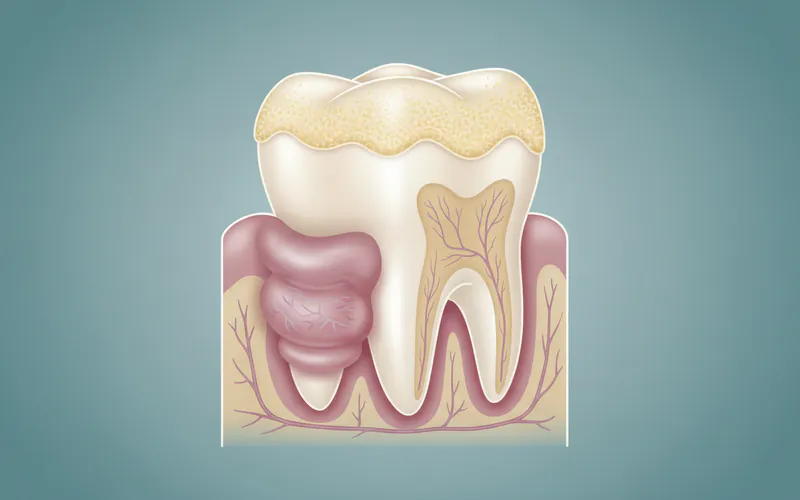
It is crucial to remember that oil pulling is a complementary practice. It does not replace the mechanical action of brushing and flossing, nor the professional removal of tartar. It should be seen as an extra tool in your comprehensive oral health arsenal.
Risks and Complications
While oil pulling is generally considered safe for most healthy adults, it's not without potential risks and should always be approached with awareness and caution. It's also important to understand the risks associated with conventional treatments if you choose those routes.
Risks and Complications of Oil Pulling
- Not a Substitute for Professional Care: This is the most significant "risk." Believing that oil pulling can replace brushing, flossing, or professional dental cleanings can lead to severe and irreversible damage to teeth and gums. Oil pulling cannot remove tartar, cure periodontitis, or treat existing cavities. Delaying professional treatment by relying solely on oil pulling can worsen oral health issues.
- Aspiration/Choking Risk: If oil is accidentally inhaled into the lungs (aspirated), it can lead to respiratory issues, including a rare but serious condition called lipoid pneumonia. This risk is particularly high for young children, individuals with impaired gag reflexes, or those with neurological conditions that affect swallowing. This is why oil pulling is not recommended for children under 5-7 years old.
- Digestive Upset/Diarrhea: Accidentally swallowing large amounts of the oil, especially if it contains accumulated bacteria and toxins, can cause an upset stomach, nausea, or diarrhea.
- Allergic Reactions: While rare, some individuals may have an allergy or sensitivity to specific oils (e.g., coconut oil, sesame oil). Symptoms can include irritation, swelling, or redness in the mouth. Discontinue use if any allergic reaction occurs.
- Jaw Pain/TMJ Issues: Swishing vigorously for prolonged periods can strain the jaw muscles, potentially exacerbating or leading to temporomandibular joint (TMJ) issues. It's important to swish gently.
- Contamination if Reused: Never reuse the oil. The oil binds with bacteria and debris, so it must be spat out and disposed of after each use.
- Pipe Clogging: Spitting oil into a sink or toilet can lead to clogged pipes over time, especially with coconut oil which solidifies at cooler temperatures. Always dispose of used oil in a trash can.
Risks and Complications of Conventional Gum Treatments
While highly effective, conventional dental treatments also carry some potential risks and side effects, though generally well-managed by dental professionals.
- Sensitivity: Post-treatment sensitivity to hot and cold is common after scaling and root planing or gum surgery, especially if tooth roots become more exposed. This usually subsides but can be persistent.
- Discomfort/Pain: Mild to moderate pain and discomfort are expected after deep cleanings or surgery, managed with pain medication.
- Bleeding and Swelling: Gums may bleed and swell for several days after procedures, particularly surgery.
- Gum Recession: Deep cleaning or surgery can sometimes result in minor gum recession, exposing more of the tooth root.
- Infection: Though uncommon with proper post-operative care, infection is a risk with any surgical procedure.
- Nerve Damage: A rare complication, particularly with extensive surgical procedures, though usually temporary.
- Allergic Reaction to Anesthesia: A rare but serious risk associated with local anesthetics used during procedures.
- Flap Surgery Complications: Includes potential for stitches coming loose, delayed healing, or aesthetic changes.
- Bone Graft Failure: While successful, grafts can sometimes fail to integrate with existing bone.
Understanding these risks is crucial for making informed decisions about your oral health care. Always consult with your dental professional about any concerns or questions.
Children / Pediatric Considerations
When considering oil pulling for children, special caution and an understanding of age-appropriate oral hygiene are paramount. The American Dental Association (ADA) strongly recommends that children's oral health focus on established, evidence-based practices.
General Recommendations for Children's Oral Health
- Infants (0-12 months): Clean gums with a soft cloth or infant toothbrush daily. Start brushing with a tiny smear of fluoride toothpaste (rice-grain size) when the first tooth erupts.
- Toddlers (1-3 years): Continue brushing twice daily with a rice-grain size of fluoride toothpaste. Introduce flossing once daily once two teeth touch.
- Preschoolers (3-6 years): Brush twice daily with a pea-sized amount of fluoride toothpaste. Continue flossing. Supervise brushing to ensure proper technique and that they spit out toothpaste.
- School-Aged Children (6+ years): Continue brushing twice daily with a pea-sized amount of fluoride toothpaste, flossing daily. They can generally brush and floss more independently but still benefit from occasional supervision.
Oil Pulling and Children: Specific Guidance
Oil pulling is generally NOT recommended for young children, especially those under 5-7 years old, due to a significant risk of aspiration (inhaling the oil into the lungs). Young children may struggle with the concept of not swallowing and effectively swishing for a prolonged period.
- Aspiration Risk: Children's swallowing reflexes are not fully developed, and they may accidentally swallow or aspirate the oil, leading to serious respiratory complications like lipoid pneumonia.
- Swallowing Risk: Even if not aspirated, swallowing oil that contains bacteria and toxins can cause stomach upset, nausea, or diarrhea.
- Developmental Considerations: The ability to understand and consistently perform the 15-20 minute swishing action without swallowing is typically not present until middle childhood or later.
For Older Children and Teenagers (typically 12+ years):
If an older child or teenager expresses interest in oil pulling and can reliably follow all instructions (not swallowing, swishing gently for the full duration, proper disposal), it may be considered only under parental supervision and after consultation with their pediatric dentist.
- Consult a Pediatric Dentist: Always discuss any alternative oral health practices with your child's dentist first. They can assess your child's oral health needs, maturity level, and ability to safely perform the practice.
- Emphasis on Core Hygiene: Reinforce that oil pulling is not a replacement for brushing, flossing, or regular dental check-ups. It is an optional, supplementary practice.
- Start Small: If approved, start with a very small amount of oil (e.g., ½ teaspoon) and a shorter duration (e.g., 5 minutes) to ensure they can manage it safely.
- Watch for Adverse Reactions: Monitor for any signs of discomfort, allergic reactions, or difficulty with the process. Discontinue immediately if any issues arise.
Pro Tip for Parents: Focus on establishing excellent foundational oral hygiene habits (proper brushing, daily flossing, and regular dental visits) as these are the most proven and essential ways to prevent gum disease and cavities in children.
Frequently Asked Questions
Is oil pulling really effective for gums?
Some studies suggest oil pulling, particularly with coconut or sesame oil, can help reduce plaque, gingivitis (gum inflammation), and the bacterial load in the mouth. However, research is still limited, and it's most effectively used as a complementary practice to traditional oral hygiene, not a standalone treatment for gum disease.
How long until I see results from oil pulling?
Many users report feeling a cleaner mouth and fresher breath within a few days or weeks. Noticeable improvements in gum inflammation or reduced bleeding gums may take several weeks to a few months of consistent daily practice. Individual results can vary widely.
Can oil pulling whiten teeth?
Oil pulling is not a chemical teeth whitener. However, it can act as a natural teeth whitener by effectively removing extrinsic surface stains caused by food, drinks (like coffee and tea), and tobacco, thereby revealing the natural color of your teeth and making them appear brighter. It will not change the intrinsic shade of your teeth.
What kind of oil is best for oil pulling?
Organic, unrefined virgin coconut oil is the most popular choice due to its pleasant taste and lauric acid content, known for antimicrobial properties. Sesame oil (traditional Ayurvedic choice) and sunflower oil are also commonly used and have demonstrated benefits in some studies.
Can I oil pull with braces, fillings, or crowns?
Yes, oil pulling is generally safe with braces, fillings, and crowns. The oil does not typically interact adversely with dental materials. In fact, by keeping the mouth cleaner, it might even indirectly benefit hygiene around these dental restorations.
What happens if I swallow oil pulling oil?
Accidentally swallowing a small amount of oil is generally not harmful, though it may cause mild digestive upset. However, swallowing large amounts, especially if the oil has "pulled" bacteria and toxins, can lead to nausea, stomach ache, or diarrhea. Always spit the oil out.
How often should I oil pull?
For best potential results, most practitioners recommend oil pulling daily, ideally in the morning on an empty stomach. If daily is too much, 3-4 times a week might also offer some benefits, but consistency is key.
Is oil pulling safe for everyone?
Oil pulling is generally safe for most healthy adults. However, it's not recommended for young children (due to aspiration risk), individuals with impaired gag reflexes, or those with certain medical conditions without consulting a dentist or doctor. Always start gently and be aware of any sensitivities.
Can oil pulling replace brushing and flossing?
Absolutely NOT. Oil pulling is a complementary oral hygiene practice and must never replace daily brushing with fluoride toothpaste, flossing, or regular professional dental check-ups and cleanings. These conventional methods are essential for removing plaque, tartar, and preventing cavities and gum disease.
Are there any side effects from oil pulling?
The most common "side effects" include jaw soreness from vigorous swishing, gagging, or mild nausea if the oil is swallowed. Allergic reactions to specific oils are rare but possible. Serious complications like lipoid pneumonia from aspiration are extremely rare but can occur if the oil enters the lungs.
When to See a Dentist
While exploring complementary practices like oil pulling for gum health is a positive step, it's crucial to understand when professional dental intervention is not just recommended, but absolutely necessary. Delaying professional care for serious gum issues can lead to irreversible damage and impact your overall health.
You should see a dentist immediately if you experience any of the following warning signs:
- Persistent Bleeding Gums: If your gums bleed consistently when brushing, flossing, or even without provocation, it's a primary indicator of gum disease that requires professional evaluation.
- Severe Gum Pain or Tenderness: Acute, throbbing, or unbearable pain in your gums, especially if accompanied by swelling or pus, indicates an active infection that needs urgent attention.
- Visible Pus: The presence of pus oozing from between your teeth and gums is a clear sign of a significant infection or abscess.
- Loose or Shifting Teeth: If any of your teeth feel loose, have moved, or if you notice changes in your bite, this is a symptom of advanced periodontitis and potential bone loss. This requires immediate intervention to save the affected teeth.
- Receding Gums with Exposed Roots: While mild recession can occur naturally, significant or rapidly progressing gum recession that exposes large portions of your tooth roots requires evaluation to prevent sensitivity, decay, and further tissue loss.
- Persistent Bad Breath or Bad Taste: If chronic bad breath or a metallic/foul taste in your mouth doesn't improve with diligent brushing, flossing, and even oil pulling, it could be a sign of underlying gum disease or infection.
- Swelling in the Face or Jaw: Swelling that extends beyond the gums to your face or jaw can indicate a severe infection that could spread and become life-threatening. This constitutes a dental emergency.
Red Flags vs. Routine Care Guidance:
- Routine Care: Regular dental check-ups every six months are for preventive care, professional cleanings, and early detection of issues. Even if your gums feel healthy, these visits are non-negotiable for maintaining oral health.
- Red Flags: The symptoms listed above are red flags that suggest an existing problem that oil pulling or routine care cannot address. These require a diagnostic appointment to determine the cause and appropriate treatment plan.
Emergency vs. Scheduled Appointment Guidance:
- Emergency Appointment: If you have severe pain, significant swelling (especially facial), pus, or rapidly loosening teeth, call your dentist's office immediately or seek emergency dental care. These issues can escalate quickly.
- Scheduled Appointment: For persistent but non-acute symptoms like chronic bleeding, mild tenderness, or concerns about gum recession without severe pain, schedule an appointment to have your gums evaluated.
Remember, oil pulling is a supportive measure, not a diagnostic tool or a cure for active disease. Your dentist is the ultimate authority on your oral health.
Frequently Asked Questions
Medically Reviewed Content
This article was written by our dental health editorial team and reviewed for medical accuracy. Our content follows strict editorial guidelines for reliability and trustworthiness.
Medical Disclaimer
This article is for informational purposes only and does not constitute medical advice. Always consult with a qualified dental professional for diagnosis and treatment. Do not delay seeking professional advice because of something you read on this website.
Related Articles
What Coconut Oil to Use for Oil Pulling
For centuries, across various cultures, people have sought natural remedies to maintain oral health and enhance their smiles. One practice that has gained significant traction in the modern wellness landscape is oil pulling. While many are curious about its potential benefits, a common question aris
February 23, 2026

What Are the Benefits of Oil Pulling
More than 80% of American adults experience some form of periodontal (gum) disease, and a significant number struggle with issues like chronic bad breath or sensitivity. In the pursuit of optimal oral health, many people explore various practices beyond routine brushing and flossing. One such an
February 23, 2026

How Long to Do Oil Pulling
More than half of all American adults suffer from some form of periodontal disease, a condition that can lead to tooth loss and impact overall health. For those seeking complementary approaches to traditional oral care, ancient practices like oil pulling have garnered significant attention. But
February 23, 2026

Does Oil Pulling Actually Work
Imagine a simple, ancient practice capable of transforming your oral health – reducing bad breath, whitening teeth, and even preventing cavities, all with a spoonful of oil. This is the promise of oil pulling, an age-old tradition that has seen a significant resurgence in popularity across the Unite
February 23, 2026