Fake Braces: Complete Guide
Key Takeaways
- Welcome to SmilePedia.net, your trusted resource for comprehensive dental health information. Today, we're diving into a topic that has gained alarming traction, especially among young people: fake braces. While the allure of perfectly aligned teeth or a unique fashion statement can be strong, t
Welcome to SmilePedia.net, your trusted resource for comprehensive dental health information. Today, we're diving into a topic that has gained alarming traction, especially among young people: fake braces. While the allure of perfectly aligned teeth or a unique fashion statement can be strong, the risks associated with non-professional orthodontic devices are severe and can lead to permanent damage. This guide will thoroughly explore what fake braces are, why they are so dangerous, the types of harm they can inflict, and what safe, legitimate options exist for achieving a beautiful, healthy smile. Understanding the profound dangers of these unregulated products is crucial for protecting your oral health and preventing costly, irreversible damage.
Key Takeaways:
- Fake braces are non-professional, unregulated devices intended to mimic or illegally attempt to move teeth, often leading to severe, irreversible dental damage.
- Risks are extensive: Common complications include gum infections, tooth decay, enamel erosion, root resorption, tooth loss, and systemic infections.
- DIY methods are particularly dangerous: Using items like rubber bands, paper clips, or super glue to attempt tooth movement can cause rapid, uncontrolled tooth loss and severe soft tissue trauma.
- Costly Consequences: Repairing damage from fake braces can range from $500 to $5,000+ per tooth for restorative work (fillings, crowns, root canals) and potentially $3,000 to $8,000+ for legitimate orthodontic treatment to correct bite issues caused by improper movement.
- Legitimate Alternatives Exist: For those seeking to straighten their teeth or achieve a specific aesthetic, professional orthodontists offer safe, effective, and often affordable options, including traditional metal braces, clear braces, lingual braces, and clear aligners like Invisalign, with treatment timelines typically ranging from 12 to 24 months.
- Regulation and Legality: In the United States, providing orthodontic treatment is restricted to licensed dental professionals. Selling or applying fake braces for the purpose of tooth movement is illegal and incredibly unsafe.
- Prevention is Key: Education about the dangers and promoting access to professional dental care are the best ways to prevent the use of fake braces.
What Are Fake Braces? An Overview
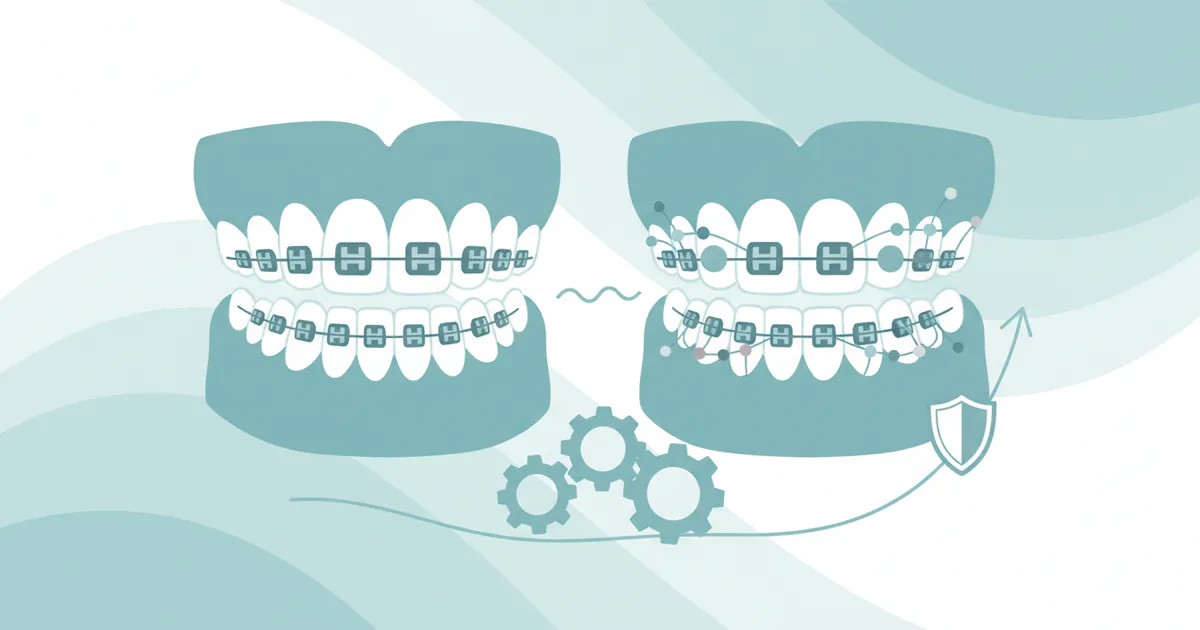
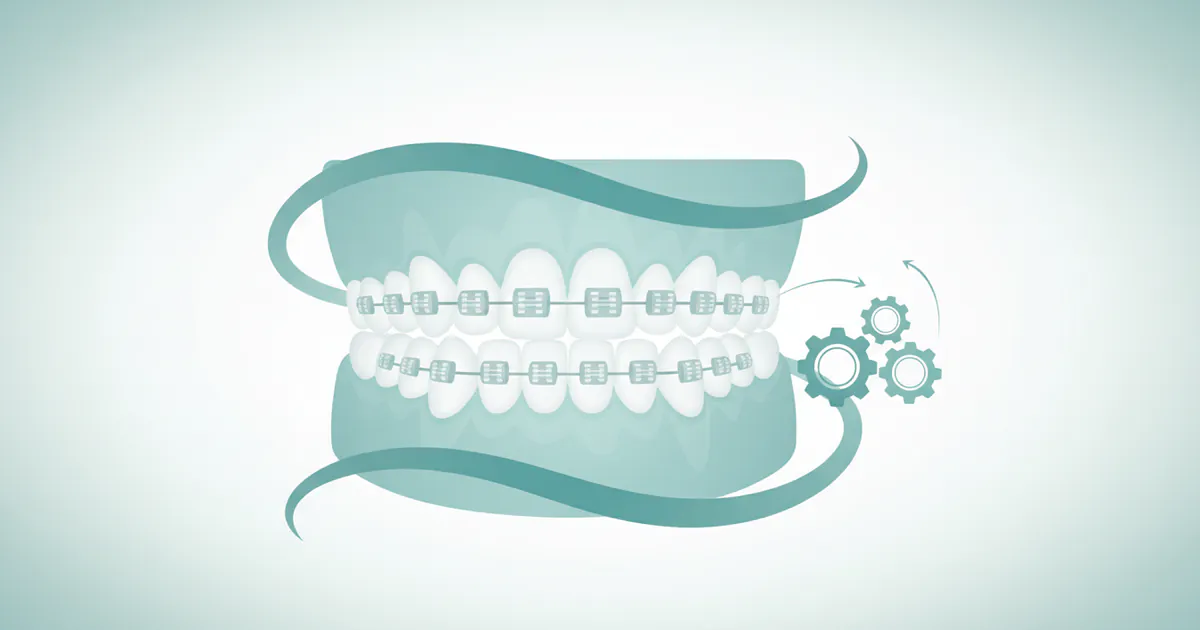
Fake braces refer to any non-professional, unregulated device or method used to mimic the appearance of orthodontic braces or, more dangerously, to attempt to move teeth without the supervision of a licensed orthodontist. These devices are typically not purchased through legitimate dental suppliers or applied by trained professionals. Instead, they are often bought online from unregulated sellers, in novelty stores, or even created through dangerous do-it-yourself (DIY) methods using household items.

The primary motivations behind the use of fake braces often fall into two categories:
- Cosmetic/Fashion: Some individuals seek the aesthetic of braces as a fashion statement, influenced by trends, social media, or celebrity culture. This often involves non-functional devices designed solely for temporary appearance.
- Illicit Tooth Movement: More alarmingly, some individuals attempt to use these fake devices to self-diagnose and "correct" perceived orthodontic issues, believing they can achieve straight teeth without the significant cost or time commitment of professional treatment. This is where the most severe risks lie, as untrained manipulation of teeth can have devastating consequences.
Unlike genuine orthodontic treatment, which involves precise, controlled forces applied over time by a specialist to safely reshape the bite and align teeth, fake braces apply uncontrolled, often excessive, and damaging forces. Real braces are custom-designed for each patient, monitored regularly, and adjusted to prevent harm while achieving desired results. Fake braces lack all these critical safety and efficacy measures.
Types and Variations of Fake Braces
The world of fake braces encompasses a disturbing range of approaches, from purely cosmetic accessories to incredibly dangerous DIY methods aimed at manipulating tooth position. Understanding these variations is crucial for recognizing the different levels of risk involved.
1. DIY (Do-It-Yourself) Fake Braces
These methods are by far the most hazardous, as they involve individuals attempting to move their teeth using common household items, often without any understanding of dental anatomy, biomechanics, or infection control.
- Rubber Bands/Hair Elastics: One of the most common and dangerous DIY methods involves wrapping small rubber bands (like those used for hair or office supplies) around teeth, particularly between gapped front teeth. The intent is to close the gap by applying continuous pressure.
- Dangers: These bands can easily slip under the gum line, cutting off blood supply to the tooth, leading to severe gum infection, bone loss, and ultimately, permanent tooth loss within weeks or months. The uncontrolled force can also cause root resorption (the dissolving of the tooth root) and damage to adjacent teeth.
- Paper Clips/Wire: Some individuals attempt to fashion makeshift "brackets and wires" using bent paper clips, jewelry wire, or even electrical wire. These are often secured with super glue or other adhesives.
- Dangers: Metals can corrode in the mouth, releasing toxic substances. The sharp edges can cut gums and cheeks, leading to lacerations and infections. Super glue is toxic and can cause chemical burns to oral tissues and permanent bonding to tooth enamel, making removal difficult and damaging. Unsterile materials introduce bacteria directly into the mouth.
- Dental Floss/String: Tying dental floss or other types of string around teeth is another attempt at applying pressure to move them.
- Dangers: Similar to rubber bands, floss can cut into the gums, causing deep infections, periodontal disease, and potentially strangulating the tooth's blood supply.
- Earring Backs/Beads: Sometimes, small objects like earring backs or beads are used as "brackets" and connected by string or wire.
- Dangers: These items can become dislodged and swallowed or aspirated, posing choking hazards. They also introduce foreign materials and bacteria into the mouth, contributing to infection and irritation.
2. Cosmetic/Fashion Fake Braces
These devices are designed to mimic the appearance of braces but are not intended to move teeth. While less immediately destructive than DIY methods, they still pose significant risks due to unregulated materials, improper fit, and potential for harm.
- Snap-on Veneers/Grills with Brace-like Designs: These are typically custom-made (though often poorly so) or "one-size-fits-all" acrylic or metal devices that fit over the natural teeth, featuring decorative elements that resemble brackets and wires. They are usually removable.
- Dangers: Poorly fitting snap-on devices can trap food particles, leading to plaque buildup, cavities, and gum inflammation. The materials may be non-biocompatible or contain allergens. They can also cause discomfort, alter speech, and potentially damage existing tooth structure or dental work if they rub or exert pressure incorrectly.
- Novelty/Costume Braces: These are temporary, non-functional devices sold for costume parties, Halloween, or as novelty items. They are typically made of plastic or soft silicone.
- Dangers: While often only worn for short periods, cheap materials can cause irritation or allergic reactions. They are also choking hazards, especially for children. Prolonged or improper use can still lead to gum irritation and food trapping.
- Pre-manufactured Decorative Brackets and Wires: These are often sold online or in non-dental shops, marketed as "fashion braces." They include decorative brackets (often in black braces or pink braces colors, or with charms) and wires that are glued onto the teeth by the user or by untrained individuals in non-clinical settings (e.g., beauty salons, street vendors).
- Dangers: The adhesives used are typically not dental-grade and can damage enamel upon application or removal. The non-sterile environment and untrained application increase the risk of infection. The "wires" can cut soft tissues, and even if not intended for tooth movement, they can exert accidental, uncontrolled forces leading to damage. Materials may not be safe for oral use.
3. Illicit Professional-Looking Fake Braces
In some regions, particularly those with less stringent health regulations or where access to legitimate dental care is limited, individuals pose as "dentists" or "orthodontists" and offer to apply what look like real braces. These are often cheaper, unregulated versions of actual orthodontic components.
- Dangers: This is a grave danger as it combines the illusion of professional care with utterly unprofessional and unsafe practices. These "practitioners" lack the necessary training, sterile environment, proper diagnostic tools, and ongoing supervision required for safe orthodontics. Patients risk severe infections, irreversible tooth damage, systemic health problems from unsterilized instruments, and misdiagnosis. The materials used may be substandard and pose further health risks.
Why It Happens: Causes and Contributing Factors
The phenomenon of fake braces is driven by a complex interplay of aesthetic desires, economic factors, social pressures, and a lack of understanding about oral health.
1. Aesthetic Trends and Social Media Influence
- "Braces as a Fashion Statement": In certain cultural contexts or online communities, braces have transitioned from a medical necessity to a fashion accessory. Influencers, celebrities, or peers may showcase decorative black braces or pink braces (even if real, their portrayal normalizes the aesthetic), leading some to believe fake versions are acceptable.
- Desire for a "Perfect Smile": The pervasive influence of social media platforms often creates unrealistic beauty standards. Many individuals, particularly adolescents and young adults, feel pressured to achieve a "perfect" or "trendy" smile, sometimes overlooking the safe, professional path to do so.
- Misinformation: The internet is rife with misinformation, including DIY "hacks" for dental care that can appear harmless or even effective to an uninformed audience.
2. Perceived Cost and Access Barriers
- High Cost of Legitimate Orthodontics: Real orthodontic treatment, such as traditional braces or clear aligners, can be a significant financial investment, often ranging from $3,000 to $8,000 or more in the US. For individuals and families without dental insurance or adequate financial resources, this cost can seem prohibitive.
- Lack of Insurance Coverage: While some dental insurance plans cover a portion of orthodontic treatment, many have limitations, age restrictions, or don't cover cosmetic-only procedures.
- Limited Access to Care: In rural areas or underserved communities, access to specialized orthodontic care might be limited, forcing individuals to seek cheaper, albeit dangerous, alternatives.
- Economic Disparity: Socioeconomic factors can play a role, where individuals in lower-income brackets might feel forced to seek "affordable" but unsafe solutions.
3. Lack of Education and Understanding
- Ignorance of Risks: Many users of fake braces are simply unaware of the severe and irreversible damage they can inflict. They might believe that "small" adjustments are harmless or that household items can mimic dental tools safely.
- Misconceptions about Tooth Movement: There's a fundamental misunderstanding that teeth are static and can be moved easily with simple pressure. In reality, tooth movement is a delicate biological process involving bone remodeling that must be carefully controlled to prevent damage to roots, bone, and supporting structures.
- Underestimation of Professional Expertise: The years of education, training, and experience required for orthodontists to safely and effectively straighten teeth are often underestimated or unknown.
4. Psychological and Social Factors
- Peer Pressure: Adolescents, in particular, can be highly susceptible to peer influence, where having a certain look or participating in a trend overrides caution.
- Instant Gratification: The desire for immediate results, bypassing the typically lengthy process of legitimate orthodontic treatment, can drive individuals towards quick-fix, dangerous solutions.
- Body Image Issues: Underlying insecurities about dental appearance can push individuals to desperate measures.
Signs and Symptoms of Problems from Fake Braces
If you or someone you know has used fake braces, it's critical to be aware of the warning signs that indicate immediate dental damage or health complications. Ignoring these symptoms can lead to irreversible harm.
General Oral Discomfort and Pain
- Persistent Toothache: Unlike the mild, temporary discomfort experienced with professional braces adjustments, pain from fake braces is often constant, severe, and may indicate nerve damage or infection.
- Gum Pain and Sensitivity: Gums may feel tender, sore, or painful to the touch, especially around the areas where fake devices were applied.
- Increased Tooth Sensitivity: Pain or discomfort when consuming hot, cold, sweet, or acidic foods and drinks, signaling potential enamel damage or nerve irritation.
Visible Signs of Damage and Infection
- Red, Swollen, or Bleeding Gums: These are classic signs of gingivitis or periodontitis, often caused by chronic irritation, bacteria trapping, and direct trauma from fake braces.
- Receding Gums: The gums may pull away from the teeth, exposing the tooth roots, often a result of inflammation, infection, or direct trauma from materials like rubber bands cutting into the gum line.
- Loose Teeth: This is one of the most alarming signs, indicating severe damage to the periodontal ligaments and supporting bone structure. Teeth may wiggle excessively when touched or during chewing.
- Changes in Tooth Color: Discoloration (darkening or greyish hue) can indicate a dying tooth nerve (pulp necrosis) due to excessive pressure or trauma.
- Abscesses or Pustules: Pockets of pus on the gums or around the tooth roots, signaling a serious bacterial infection that can spread.
- Ulcers or Sores: Open sores on the cheeks, lips, or tongue from rubbing, sharp edges, or chemical irritation from fake brace materials.
- Bad Breath (Halitosis): Persistent bad breath often accompanies infections, decaying food trapped under devices, or gum disease.
- Difficulty Eating or Speaking: Pain or discomfort can make chewing and talking challenging. An altered bite can also interfere with these functions.
Less Obvious but Serious Complications
- Changes in Bite (Malocclusion): Uncontrolled tooth movement can worsen existing bite problems or create new ones, leading to jaw pain, headaches, and difficulty chewing properly.
- Enamel Damage: Scratches, chips, or erosion of tooth enamel from abrasive materials or toxic adhesives. This can increase cavity risk.
- Root Resorption: The roots of the teeth can begin to dissolve, weakening the tooth's anchor in the jawbone and potentially leading to tooth loss. This is often only detectable via X-rays.
- Numbness or Tingling: In rare severe cases, nerve damage can manifest as numbness or altered sensation in parts of the mouth or face.
- Systemic Infection: Untreated oral infections can spread to other parts of the body, potentially leading to serious conditions like cellulitis, sinusitis, or even endocarditis (heart infection).

Pro Tip: If you notice any of these signs after using or attempting to use fake braces, do NOT attempt to fix it yourself. Seek immediate professional dental attention. Early intervention can sometimes prevent more severe, irreversible damage.
Treatment Options for Damage Caused by Fake Braces
The "treatment" for fake braces is not about enhancing their appearance or function, but rather about addressing and repairing the often severe damage they inflict. This can be a complex and multi-disciplinary process, involving various dental specialists.
1. Emergency Dental Care
For acute pain, severe infection, uncontrolled bleeding, or a loose tooth that feels like it might fall out, immediate emergency dental care is paramount.
- Goal: Alleviate pain, control infection, and stabilize the immediate oral health crisis.
- Procedures:
- Antibiotics: To combat bacterial infections (e.g., abscesses, severe gum inflammation).
- Pain Management: Prescription pain relievers to manage severe discomfort.
- Drainage of Abscesses: Surgical incision and drainage of pus pockets to relieve pressure and facilitate healing.
- Removal of Foreign Objects: Careful removal of any fake brace components, adhesives, or trapped materials.
- Temporary Restorations: To protect exposed tooth structure or stabilize a damaged tooth.
- Cost: Emergency visits can range from $150 to $500 for examination and basic procedures, excluding the cost of extensive treatment.
2. Comprehensive Dental Assessment and Diagnostic Imaging
After the immediate crisis is addressed, a thorough examination by a general dentist, and often an orthodontist or periodontist, is essential to assess the full extent of the damage.
- Goal: Understand the damage to teeth, gums, bone, and bite.
- Procedures:
- Clinical Examination: Visual inspection of teeth, gums, and oral tissues.
- Dental X-rays (Radiographs): Crucial for detecting underlying issues like bone loss, root resorption, tooth fractures, and nerve damage that are not visible to the naked eye. This may include panoramic X-rays, periapical X-rays, and potentially 3D cone-beam computed tomography (CBCT) scans for detailed bone and root assessment.
- Periodontal Probing: Measuring gum pocket depths to assess the severity of gum disease.
- Bite Analysis: Evaluating how the upper and lower teeth meet.
- Cost: X-rays typically range from $25 to $200, a comprehensive exam from $50 to $150.
3. Restorative Dentistry
Damage to tooth structure often requires restorative interventions.
- Goal: Repair cavities, strengthen compromised teeth, and restore tooth integrity.
- Procedures:
- Fillings: To repair cavities caused by plaque buildup or enamel damage. (Cost: $50-$250 per filling).
- Dental Crowns: If a tooth is significantly fractured, weakened, or has extensive decay, a crown (cap) may be needed to protect and restore its function and appearance. (Cost: $800-$3,000 per crown).
- Root Canal Therapy: If the tooth's pulp (nerve and blood vessels) becomes infected or irreversibly damaged due to trauma or deep decay, a root canal is performed to save the tooth. (Cost: $700-$2,000 per tooth).
- Extractions: In severe cases where a tooth is beyond repair due to extreme bone loss, root damage, or fracture, extraction may be the only option. (Cost: $75-$600 per extraction, depending on complexity).
- Dental Implants, Bridges, or Dentures: If a tooth is lost, these are options for replacement. (Dental Implant: $3,000-$6,000 per tooth; Dental Bridge: $2,000-$5,000 for a 3-unit bridge; Dentures: $1,500-$4,000 per arch).
4. Periodontal Treatment
Damage to the gums and supporting bone often requires specialized care from a periodontist.
- Goal: Treat gum disease, restore gum health, and address bone loss.
- Procedures:
- Scaling and Root Planing (Deep Cleaning): To remove plaque and tartar from below the gum line and smooth root surfaces. (Cost: $200-$500 per quadrant).
- Gum Grafting: If significant gum recession has occurred, healthy gum tissue can be transplanted to cover exposed roots. (Cost: $600-$1,200 per graft).
- Bone Grafting: In cases of severe bone loss, bone material can be added to help regenerate support for the teeth. (Cost: $400-$1,200 per site).
- Antibiotics/Antimicrobial Rinses: To manage bacterial infections in the gums.
5. Legitimate Orthodontic Treatment
Once the immediate damage is repaired and the mouth is healthy, an orthodontist can assess if professional orthodontic treatment is needed to correct the bite issues or misalignments that either existed beforehand or were caused by the fake braces.
- Goal: Safely and effectively align teeth and correct the bite.
- Options:
- Traditional Metal Braces: Metal brackets and wires. (Cost: $3,000-$7,000).
- Ceramic Braces: Clear or tooth-colored brackets. (Cost: $3,500-$8,000).
- Lingual Braces: Brackets placed on the inside of teeth. (Cost: $8,000-$10,000+).
- Clear Aligners (e.g., Invisalign): Removable, clear plastic trays. (Cost: $4,000-$9,000).
- Important Note: Legitimate orthodontic treatment can only begin after all damage from fake braces has been treated and the oral health is stable. This adds significantly to the overall cost and timeline.
Step-by-Step Process for Addressing Fake Braces Damage
When dealing with the aftermath of fake braces, the process is not linear but rather a sequence of critical steps focused on triage, repair, and potential long-term correction.
Step 1: Immediate Professional Consultation
- Action: As soon as any symptoms (pain, swelling, loose teeth) appear, or if you suspect damage, schedule an immediate appointment with a licensed dentist. For severe symptoms, an emergency dental visit is crucial.
- What to Expect: The dentist will perform an initial visual examination, discuss your symptoms, and take X-rays to assess the underlying bone and root health. If fake brace materials are still present, they will be carefully removed.
- Goal: Stop the progression of damage, relieve acute pain, and diagnose the full scope of the problem.
Step 2: Diagnosis and Comprehensive Treatment Planning
- Action: Following the initial assessment, the dentist will develop a detailed treatment plan. This may involve referrals to specialists like an orthodontist, periodontist (gum specialist), or endodontist (root canal specialist).
- What to Expect: You will undergo a comprehensive oral examination, including periodontal probing, bite assessment, and potentially more advanced imaging (like CBCT scans). The dental team will outline the necessary procedures, their sequence, estimated costs, and potential timelines.
- Goal: Establish a roadmap for repairing all damage and restoring oral health.
Step 3: Urgent Interventions (If Required)
- Action: Any life-threatening or tooth-threatening conditions are addressed first.
- What to Expect: This could involve antibiotic prescriptions for severe infections, drainage of abscesses, immediate extractions of teeth beyond salvage, or temporary stabilization of severely loose teeth.
- Goal: Eliminate infection, stabilize acute conditions, and prevent further immediate deterioration.
Step 4: Restorative and Periodontal Treatment
- Action: Once acute issues are managed, the focus shifts to repairing damaged teeth and gums.
- What to Expect: This phase might include:
- Deep Cleanings (Scaling and Root Planing): To treat gum disease.
- Fillings: For cavities.
- Crowns: To restore fractured or weakened teeth.
- Root Canal Therapy: For teeth with infected or traumatized pulp.
- Gum or Bone Grafting: To repair tissue loss.
- Pro Tip: This phase can be extensive and may require multiple appointments over several weeks or months, depending on the severity of the damage.
Step 5: Long-Term Orthodontic Correction (If Applicable)
- Action: Once the mouth is healthy, free of infection, and all damage is repaired, an orthodontist can then evaluate if legitimate orthodontic treatment is appropriate.
- What to Expect: The orthodontist will create a precise treatment plan using real braces (metal, ceramic, lingual) or clear aligners (like Invisalign). This process is carefully monitored with regular adjustments and check-ups.
- Goal: Safely and effectively achieve proper tooth alignment and bite function, correcting any issues that were present before or caused by fake braces.
- Timeline: This phase alone can take 12 to 36 months, depending on the complexity of the case.
Step 6: Retention and Maintenance
- Action: After orthodontic treatment, retainers (fixed or removable) are essential to maintain the corrected tooth positions.
- What to Expect: Lifelong retainer wear is typically recommended to prevent relapse. Regular dental check-ups and cleanings are crucial for ongoing oral health maintenance.
- Goal: Preserve the health and alignment achieved through treatment.

Cost and Insurance Considerations for Repairing Fake Braces Damage
The financial burden of repairing damage from fake braces can be substantial, often far exceeding the perceived "savings" of avoiding legitimate orthodontic treatment. Costs vary widely based on the severity of the damage, the specific treatments needed, the geographic location within the US, and the expertise of the dental professionals involved.
Costs for Repairing Damage (without insurance)
Here's a breakdown of common procedures and their average cost ranges in the US:
| Procedure | Average US Cost Range (per tooth/area) | Notes |
|---|---|---|
| Emergency Dental Visit | $150 - $500 | For initial assessment, pain relief, and possibly antibiotic prescription. Excludes follow-up treatment. |
| Dental Exam & X-rays | $75 - $250 | Comprehensive exam, full mouth X-rays (panoramic) or periapical X-rays. |
| Scaling & Root Planing (Deep Cleaning) | $200 - $500 per quadrant | Often required for gum infections/disease. Most mouths have 4 quadrants, totaling $800 - $2,000. |
| Dental Filling | $50 - $250 | For cavities caused by plaque trapping. Amalgam (silver) is cheaper; composite (tooth-colored) is more expensive. |
| Dental Crown | $800 - $3,000 | For significantly damaged, fractured, or weakened teeth. Cost varies by material (porcelain, ceramic, metal). |
| Root Canal Therapy | $700 - $2,000 | Needed for infected or traumatized tooth pulp. Front teeth are less expensive than molars. |
| Tooth Extraction | $75 - $600 | Simple extraction (visible, easily removed) vs. surgical extraction (impacted, fractured, or difficult access). |
| Gum Grafting | $600 - $1,200 per site | To cover exposed roots due to gum recession. |
| Bone Grafting | $400 - $1,200 per site | To regenerate bone lost due to infection or trauma, often a prerequisite for implants. |
| Dental Implant (single tooth) | $3,000 - $6,000 | If a tooth is lost and requires replacement with an implant, including implant post, abutment, and crown. |
Total potential cost for repairing damage from fake braces can easily range from $500 to $10,000+ depending on the number of teeth affected and the extent of the damage. In severe cases involving multiple teeth and extensive bone loss, costs could even exceed $20,000.
Costs for Legitimate Orthodontic Treatment (without insurance)
Once damage is repaired, professional orthodontics may be necessary:
- Traditional Metal Braces: $3,000 - $7,000
- Ceramic Braces: $3,500 - $8,000
- Clear Aligners (e.g., Invisalign): $4,000 - $9,000
- Lingual Braces: $8,000 - $10,000+
Insurance Coverage Details
- Dental Insurance: Most standard dental insurance plans offer some coverage for restorative procedures (fillings, crowns, extractions, root canals) under categories like "basic" or "major" services, typically covering 50-80% of the cost after deductibles are met. However, there are usually annual maximums (e.g., $1,000-$2,000).
- Orthodontic Coverage: Coverage for orthodontics varies widely:
- Many plans offer no orthodontic coverage for adults.
- Some plans cover a percentage (e.g., 25-50%) of orthodontic treatment for children and adolescents (typically under 18 or 19).
- Very few plans cover orthodontics for adults unless deemed medically necessary (e.g., for severe bite issues affecting chewing or speech, not just aesthetics).
- There is often a lifetime maximum for orthodontic benefits (e.g., $1,500-$3,000).
- Medical Necessity: If the damage from fake braces leads to conditions that compromise overall health (e.g., severe infection spreading systemically), some medical insurance might cover parts of the treatment, but this is rare and highly dependent on the specific policy.
Pro Tip: Always contact your insurance provider directly to understand your specific benefits, deductibles, co-pays, and annual/lifetime maximums before starting any treatment.
Recovery and Aftercare for Damage from Fake Braces
The recovery and aftercare process for dental damage caused by fake braces is highly dependent on the type and extent of treatment received. However, general principles apply to ensure proper healing and prevent further complications.
1. Following Post-Procedure Instructions
- Medication Adherence: Take any prescribed antibiotics completely to prevent recurring infection. Use pain relievers as directed for discomfort.
- Oral Hygiene Modifications: Your dentist will provide specific instructions for brushing and flossing around treated areas. This might include using a soft-bristled toothbrush, avoiding certain areas initially, or using special interdental cleaners. Gentle rinsing with a prescribed antimicrobial mouthwash or warm salt water can help reduce inflammation and promote healing.
- Dietary Adjustments:
- Immediately Post-Treatment: Stick to soft foods for several days (e.g., soups, yogurt, mashed potatoes, smoothies).
- During Healing: Avoid hard, crunchy, sticky, or chewy foods that could dislodge fillings, crowns, or irritate healing gums. Avoid extremely hot or cold foods if sensitivity is present.
- For Long-Term: Maintain a balanced diet, limiting sugary and acidic foods that contribute to decay.
2. Managing Pain and Swelling
- Cold Compresses: For swelling, apply a cold pack to the outside of the face in 20-minute intervals during the first 24-48 hours.
- Over-the-Counter Pain Relievers: Ibuprofen (Advil, Motrin) or Acetaminophen (Tylenol) can help manage mild to moderate pain, in addition to any prescription medications.
- Rest: Allow your body time to heal, especially after extensive procedures like extractions or root canals.
3. Maintaining Meticulous Oral Hygiene
- Consistent Brushing and Flossing: Once safe to do so, resume regular brushing twice a day and flossing daily. This is crucial to prevent new cavities and gum disease, especially in areas that may have been compromised.
- Regular Dental Check-ups and Cleanings: Schedule and attend all follow-up appointments with your dentist and any specialists (orthodontist, periodontist). These visits are essential to monitor healing, assess the success of treatment, and identify any new issues early.
- Pro Tip: If you received legitimate orthodontic treatment after the damage was repaired, strict adherence to orthodontic hygiene protocols (brushing around braces, using specialized tools) and diligent retainer wear are critical to maintain your results. Relapse is a common issue if retainers are not worn as prescribed.
4. Lifestyle Adjustments
- Avoid Smoking and Alcohol: Both can significantly impair healing and increase the risk of infection and complications.
- Stay Hydrated: Drinking plenty of water helps cleanse the mouth and aids in overall healing.
- Monitor for Complications: Be vigilant for signs of new infection (fever, increased swelling, pus), persistent severe pain, or any unexpected changes. Contact your dentist immediately if these occur.
Prevention of Using Fake Braces
Preventing the use of fake braces hinges on education, addressing accessibility barriers to legitimate care, and fostering a realistic understanding of dental health.
1. Education and Awareness Campaigns
- Highlight the Dangers: Emphasize the severe, irreversible, and costly damage caused by fake braces through clear, graphic examples. Use platforms popular with younger demographics (e.g., TikTok, Instagram, YouTube) to disseminate accurate information.
- Explain Proper Orthodontic Mechanics: Educate the public on how legitimate orthodontics work—controlled forces, biological processes, and the need for professional supervision—to demystify the process and highlight why DIY methods are ineffective and dangerous.
- Promote ADA Guidelines: Reference the American Dental Association (ADA) and American Association of Orthodontists (AAO) guidelines which unequivocally state that orthodontic treatment must be performed by a licensed professional.
- Debunk Myths: Actively counter misinformation and dangerous "DIY hacks" found online regarding tooth straightening.
2. Addressing Cost and Access Barriers
- Promote Affordable Orthodontic Options: Inform the public about various financing options, payment plans offered by orthodontic offices, and the availability of dental schools or community dental clinics that offer reduced-cost treatment.
- Highlight Insurance Benefits: Encourage individuals to understand their dental insurance benefits and to inquire about orthodontic coverage.
- Government and Non-profit Programs: Support and promote government-funded programs (e.g., Medicaid, CHIP) and non-profit organizations that help low-income families access dental and orthodontic care.
- Initial Consultation Value: Emphasize that most orthodontists offer free or low-cost initial consultations, allowing individuals to explore professional options without immediate financial commitment.
3. Fostering Healthy Body Image and Self-Esteem
- Challenge Unrealistic Beauty Standards: Encourage critical thinking about social media trends and the pursuit of "perfection."
- Promote Oral Health as Holistic Health: Shift focus from purely aesthetic concerns to overall oral health and its link to general well-being. A healthy smile is more important than a "trendy" one.

4. Parental and Guardian Involvement
- Open Communication: Parents should talk to their children about the dangers of fake braces and the importance of professional dental care.
- Monitoring Online Activity: Be aware of what children are viewing online regarding dental "hacks" and intervene with accurate information.
- Regular Dental Visits: Ensure children have regular dental check-ups, which can include early orthodontic assessments, to address concerns before they escalate.
Pro Tip: If you or someone you know is considering fake braces due to cost concerns, schedule a consultation with an orthodontist first. Many clinics are willing to work with patients on flexible payment plans or provide information on assistance programs. Don't let perceived financial barriers lead you to irreversible harm.
Risks and Complications of Fake Braces
The allure of quick, cheap cosmetic enhancements through fake braces is overshadowed by a frightening array of risks and complications, many of which are permanent and severely damaging. These dangers stem from uncontrolled forces, unsanitary conditions, non-biocompatible materials, and a complete lack of professional oversight.
1. Irreversible Tooth Damage
- Tooth Loss: This is perhaps the most devastating and common outcome, especially with DIY methods like rubber bands. The bands can slip under the gum line, strangling the tooth's blood supply and causing bone loss, leading to the tooth literally falling out within weeks or months.
- Root Resorption: The roots of teeth can dissolve due to uncontrolled, excessive forces. This weakens the tooth's anchorage in the jawbone and can lead to eventual tooth loss. This damage is often irreversible.
- Enamel Damage: Adhesives used to attach fake brackets can damage enamel upon application or removal. Abrasive materials can scratch and erode the protective outer layer of teeth, making them more susceptible to cavities and sensitivity.
- Tooth Fractures/Chips: Excessive force or sharp components can cause teeth to chip or fracture, requiring costly restorative work like fillings or crowns.
- Dental Decay (Cavities): Fake braces create countless nooks and crannies where food particles and plaque can accumulate, making proper oral hygiene impossible. This dramatically increases the risk of cavities, especially around the edges of fake brackets.
2. Severe Gum and Periodontal Disease
- Gum Infections (Gingivitis & Periodontitis): Unsterile materials, trapped food, and irritation from fake devices create a perfect breeding ground for bacteria, leading to inflamed, bleeding, and painful gums. Untreated gingivitis progresses to periodontitis, which destroys the bone supporting the teeth.
- Gum Recession: Fake devices, particularly rubber bands, can cut into and permanently damage gum tissue, causing the gums to pull away from the tooth roots, leading to sensitivity and increasing the risk of root decay and bone loss.
- Abscesses: Pockets of pus can form in the gums or jawbone due to severe bacterial infection, causing intense pain and swelling, and potentially spreading the infection to other parts of the body.
3. Bite and Jaw Problems
- Worsening Malocclusion: Instead of correcting tooth alignment, uncontrolled forces from fake braces often move teeth into worse positions, creating new bite problems (malocclusion) or exacerbating existing ones. This can lead to difficulty chewing, speaking, and an imbalance in jaw muscles.
- TMJ (Temporomandibular Joint) Disorders: Changes in bite can place undue stress on the jaw joints, leading to pain, clicking, popping, and limited jaw movement.
4. Systemic Health Risks
- Spread of Infection: Oral infections, particularly abscesses and severe periodontal disease, can spread beyond the mouth, leading to serious systemic conditions like cellulitis (skin infection), sinusitis, or even endocarditis (a potentially life-threatening infection of the heart lining).
- Allergic Reactions: Unregulated materials used in fake braces can contain allergens (e.g., nickel in cheap metals, certain plastics) that can cause allergic reactions in the mouth or systemically.
- Toxicity: Some materials, particularly those used in DIY methods (e.g., super glue, non-dental wires), can be toxic if ingested or in prolonged contact with oral tissues, causing chemical burns or systemic poisoning.
5. Other Complications
- Choking Hazards: Loose components of fake braces (beads, wires, plastic parts) can become dislodged and be swallowed or aspirated, especially by children, posing a significant choking risk.
- Speech Impediments: The presence of ill-fitting fake devices can interfere with normal speech patterns, causing lisping or difficulty enunciating certain sounds.
- Psychological Distress: Dealing with severe dental damage, tooth loss, and the subsequent extensive, costly treatments can lead to significant emotional and psychological distress.
Comparison Table: Fake Braces vs. Real Braces
| Feature | Fake Braces (DIY/Unregulated) | Real Braces (Professional Orthodontics) |
|---|---|---|
| Purpose | Cosmetic mimicry, or dangerous, uncontrolled tooth movement | Safe, controlled tooth movement to correct bite and alignment issues, supervised by a licensed orthodontist. |
| Safety | Extremely Hazardous. High risk of irreversible damage, infection, tooth loss. | Safe and Effective. Minimal risks when performed by a professional. |
| Effectiveness | Ineffective for safe tooth movement; often worsens alignment. | Highly effective for achieving proper tooth alignment and bite correction. |
| Materials | Unregulated, non-biocompatible (e.g., rubber bands, paper clips, toxic glues, cheap metals) | Biocompatible, medical-grade materials (e.g., stainless steel, nickel-titanium, ceramic, clear plastic). |
| Application | Self-applied or by untrained individuals in unsterile environments | Applied by a licensed orthodontist in a sterile dental clinic, using specialized tools and adhesives. |
| Monitoring | None | Regular appointments with orthodontist for adjustments and progress monitoring. |
| Cost | Low initial cost (or free for DIY) but very high cost for damage repair. | $3,000 - $10,000+ for complete treatment, potentially covered by insurance. Includes all appointments. |
| Legality | Illegal to market or apply for tooth movement by unlicensed individuals in the US. | Legal, regulated, and performed by licensed professionals only. |
Children / Pediatric Considerations
Children and adolescents are particularly vulnerable to the allure and dangers of fake braces due to a combination of factors, including peer pressure, developing judgment, and limited understanding of complex health risks. Parents and guardians play a crucial role in prevention and intervention.
Unique Vulnerabilities of Children and Teens
- Peer Pressure and Social Media Influence: Children and teenagers are highly susceptible to trends seen on social media or among their friends. The desire to fit in, emulate influencers, or achieve an "ideal" aesthetic can override caution.
- Developing Judgment: Adolescents' brains are still developing, impacting their ability to fully comprehend long-term consequences and assess risks accurately. A "cheap fix" might seem appealing without understanding the profound, lasting harm.
- Inexperience with Dental Issues: Children may not recognize early signs of damage (like gum irritation or subtle tooth sensitivity) or understand the severity of conditions like infection or bone loss.
- Growth and Development: A child's jawbones and teeth are still developing. Any uncontrolled force or damage can interfere with natural growth patterns, leading to more complex and difficult-to-treat orthodontic problems later in life.
- Choking Hazards: Small components of fake braces (beads, broken wires) pose a greater choking risk for younger children.
Parental Role in Prevention and Intervention
- Open Communication: Talk to your children openly and honestly about the dangers of fake braces. Explain why they are harmful, using clear, age-appropriate language, rather than just forbidding them. Share stories of negative outcomes if appropriate.
- Monitor Online Activity: Be aware of the content your children are consuming online, particularly "DIY" beauty or health trends. Discuss healthy skepticism and critical thinking about online information.
- Educate on Legitimate Orthodontics: Explain that real braces are a medical treatment provided by trained doctors to improve health and function, not just appearance. Discuss the process, what to expect, and the benefits of professional care.
- Address Aesthetic Concerns Safely: If your child expresses concerns about their smile, validate their feelings and explore legitimate, safe options with an orthodontist. Many orthodontists offer early intervention (Phase 1) that can correct problems before they become severe, often making later treatment simpler and sometimes less expensive.
- Regular Dental Check-ups: Ensure your child attends regular dental check-ups. Dentists can spot early signs of orthodontic issues and recommend timely professional evaluation. They can also identify if a child is attempting to use fake braces.
- Financial Planning: Discuss the costs of legitimate orthodontic treatment and explore payment plans, insurance options, or community programs. Let children know that financial barriers can often be overcome safely, not through dangerous shortcuts.
- Spotting Fake Braces: Be vigilant for signs of fake braces in your child's mouth, such as unusual wires, rubber bands around teeth, red/swollen gums, or unexplained oral discomfort.
Pro Tip for Parents: If you discover your child has been using fake braces, remain calm. Your immediate priority is to remove the devices carefully (if safe to do so) and then seek immediate professional dental care. Focus on addressing the damage and educating your child, rather than purely punishment.
Cost Breakdown of Addressing Fake Braces Damage and Legitimate Treatment
Understanding the full financial implications of fake braces requires looking at two distinct cost categories: the cost of repairing damage, and the cost of subsequent legitimate orthodontic treatment (if needed).
Average US Costs: Low, Mid, and High Estimates
The ranges provided are estimates and can vary significantly based on geographic location (e.g., urban vs. rural, coast vs. Midwest), the specific dental professional's fees, and the complexity of the individual case.
| Cost Category | Low End (USD) | Mid Range (USD) | High End (USD) | Notes |
|---|---|---|---|---|
| Repairing Damage (Per Tooth/Area) | ||||
| Initial Exam & X-rays | $75 | $150 | $250 | Required for diagnosis. |
| Emergency Visit | $150 | $300 | $500 | For acute pain/infection, non-inclusive of full treatment. |
| Deep Cleaning (per quadrant) | $200 | $350 | $500 | A full mouth could range from $800-$2000. |
| Filling (composite) | $100 | $175 | $250 | If multiple teeth have cavities. |
| Crown | $800 | $1,500 | $3,000 | For severely damaged/fractured teeth. |
| Root Canal | $700 | $1,300 | $2,000 | For infected pulp. A crown is often needed afterwards, adding $800-$3,000. |
| Tooth Extraction (surgical) | $200 | $400 | $600 | If a tooth is beyond saving. |
| Gum Grafting (per site) | $600 | $900 | $1,200 | If significant gum recession. |
| Total Damage Repair (Estimated for moderate to severe cases involving multiple teeth) | $2,000 | $7,500 | $20,000+ | This can be spread across multiple treatments and specialists. The high end accounts for multiple extractions, implants, extensive restorative work, and periodontal treatments. |
| Legitimate Orthodontic Treatment (If Needed After Repair) | ||||
| Traditional Metal Braces | $3,000 | $5,000 | $7,000 | |
| Clear Aligners (e.g., Invisalign) | $4,000 | $6,500 | $9,000 | |
| Ceramic Braces | $3,500 | $5,750 | $8,000 | |
| Lingual Braces | $8,000 | $9,000 | $10,000+ |
With vs. Without Insurance
- Without Insurance: All costs are out-of-pocket, as detailed in the table above. This is the scenario that often drives individuals to consider fake braces, but the resulting repair costs are often far higher than the initial cost of legitimate care.
- With Insurance:
- Restorative Work: Most dental insurance plans cover 50-80% of restorative procedures (fillings, crowns, root canals, extractions) after a deductible is met. However, there are annual maximums (typically $1,000-$2,000). Once the maximum is reached, you pay 100% of remaining costs until the next plan year.
- Periodontal Treatment: Deep cleanings and gum grafts are often covered similarly to restorative work, with varying percentages.
- Orthodontic Treatment: This is the most variable. Many adult plans offer no coverage. Some plans for children/teens may cover 25-50% up to a lifetime maximum (e.g., $1,500-$3,000). Rarely will a plan cover 100%.

Example Scenario: A teen uses fake braces, resulting in 2 loose teeth needing extraction, 3 cavities, and severe gum infection requiring deep cleaning and a gum graft. After healing, they need real braces.
- Damage Repair:
- Emergency + Exam/X-rays: $400
- Deep Cleaning (4 quadrants): $1,400
- 3 Fillings: $450
- 2 Surgical Extractions: $800
- 1 Gum Graft: $900
- Subtotal Repair: $3,950
- Legitimate Orthodontics:
- Traditional Braces: $5,000
- Total Out-of-Pocket (before insurance): $8,950
With moderate insurance (70% coverage for restorative, $1500 lifetime ortho max):
- Repair costs: $3,950. Insurance pays approx. $2,000 (after deductible, up to annual max). Your cost: $1,950
- Orthodontic costs: $5,000. Insurance pays approx. $1,500 (lifetime max). Your cost: $3,500
- Total Out-of-Pocket (with insurance): $5,450
Even with insurance, the costs are substantial.
Payment Plans and Financing Options
Dental and orthodontic practices understand the financial challenges and often offer solutions:
- In-house Payment Plans: Many offices offer interest-free monthly payment plans, allowing patients to spread the cost over the course of treatment.
- Third-Party Financing: Companies like CareCredit or LendingClub offer specialized healthcare credit cards or loans with various interest rates and payment terms, often including interest-free periods if paid in full within a certain timeframe.
- Dental Schools: Dental schools often offer significantly reduced fees for treatment, as procedures are performed by students under the close supervision of experienced faculty. Quality of care is generally excellent.
- Community Dental Clinics: Some non-profit or government-supported clinics offer care on a sliding scale based on income.
Cost-Saving Tips
- Early Intervention: Addressing orthodontic needs early can sometimes prevent more complex, costly treatments later.
- Preventive Care: Regular dental check-ups and cleanings can prevent cavities and gum disease, reducing the need for expensive restorative work.
- Consult Multiple Providers: Get quotes from a few different orthodontists or dentists to compare pricing, but always prioritize reputation and experience over cost alone.
- Ask About Discounts: Some practices offer discounts for upfront payment or for multiple family members.
- Utilize HSAs/FSAs: If you have a Health Savings Account (HSA) or Flexible Spending Account (FSA) through your employer, you can use pre-tax dollars for dental expenses.
Frequently Asked Questions
Are fake braces illegal?
Yes, in the United States, it is illegal for any individual who is not a licensed dental professional (dentist or orthodontist) to perform orthodontic procedures, including applying any device intended to move teeth. Selling or applying fake braces for this purpose by unlicensed individuals can lead to severe penalties, including fines and imprisonment, in addition to the serious harm caused to patients.
Can fake braces really move my teeth?
Fake braces can indeed move teeth, but this movement is uncontrolled, often rapid, and highly damaging. Unlike legitimate orthodontics which use precise, gradual forces to safely reposition teeth and bone, fake braces apply indiscriminate pressure that can lead to irreversible issues like root damage, bone loss, gum recession, and ultimately, tooth loss, rather than healthy alignment.
Do black braces or pink braces exist for real?
Yes, black braces and pink braces (along with many other colors) are real and common color choices for the elastic bands (ligatures) that hold the archwire to the brackets in traditional metal or ceramic braces. These colored bands are entirely safe and are changed by your orthodontist at each adjustment appointment, allowing for personalized style without any dental risk.
What happens if I try DIY braces with rubber bands?
Using rubber bands as DIY braces is one of the most dangerous methods. The rubber band can slip under the gum line, cutting off the blood supply to the tooth. This leads to severe gum infection, bone loss around the tooth, and within weeks or months, the tooth can become so loose that it falls out permanently. It can also cause root resorption and damage adjacent teeth.
How much does it cost to fix teeth damaged by fake braces?
The cost to fix teeth damaged by fake braces varies widely depending on the severity and type of damage. It can range from $500 to over $20,000, encompassing treatments like fillings ($50-$250), crowns ($800-$3,000), root canals ($700-$2,000), extractions ($75-$600), gum grafts ($600-$1,200 per site), and potentially dental implants ($3,000-$6,000 per tooth) if teeth are lost. This doesn't include subsequent legitimate orthodontic treatment.
Are there any safe alternatives to fake braces for aesthetic purposes?
Yes, if you're seeking a unique aesthetic without needing orthodontic correction, safe alternatives exist. These include cosmetic tooth jewelry (applied by a dentist), temporary dental veneers for special occasions (professionally fitted), or even clip-on veneers that are custom-made by a dental lab to ensure proper fit and material safety. Always consult a dentist for any cosmetic modification.
How long does it take to repair damage from fake braces?
The timeline for repairing damage from fake braces can range from a few weeks for minor issues (like superficial cavities) to several months or even over a year for extensive damage (such as treating severe infections, multiple root canals, extractions, bone grafting, or gum surgery). This entire repair process must be completed before any legitimate orthodontic treatment can begin.
Will my insurance cover the cost of repairing damage from fake braces?
Most dental insurance plans will cover a percentage of necessary restorative procedures (like fillings, crowns, root canals, extractions) after deductibles, up to annual maximums (typically $1,000-$2,000). However, if the damage is very extensive, you will likely exceed your annual maximums quickly, leaving you responsible for a significant portion of the cost out-of-pocket. Orthodontic treatment to correct bite issues is often not covered for adults.
What are the immediate dangers if someone uses fake braces?
The immediate dangers include severe pain, swelling, acute infections (which can lead to abscesses), bleeding gums, and cuts or lacerations to the soft tissues of the mouth. There's also an immediate risk of choking if parts of the fake braces become dislodged and swallowed or aspirated. Uncontrolled tooth movement can cause a tooth to become severely loose very quickly.
I can't afford real braces. What should I do?
If you can't afford real braces, do not resort to fake ones. Instead, schedule a consultation with a licensed orthodontist. Many practices offer flexible, interest-free payment plans tailored to your budget. You can also inquire about third-party financing options (like CareCredit), explore community dental clinics that offer reduced-cost care, or investigate dental schools in your area, which provide treatment at lower rates under expert supervision. Your oral health is too important to risk.
When to See a Dentist
Recognizing when to seek professional dental attention is critical, especially if you or someone you know has used fake braces. Ignoring warning signs can lead to irreversible and costly damage.
Immediate Emergency Dental Attention (Red Flags)
Contact your dentist or an emergency dental clinic immediately if you experience any of the following:
- Severe, Unrelenting Pain: Pain that is intense, throbbing, or doesn't subside with over-the-counter pain relievers, especially if accompanied by swelling.
- Facial or Oral Swelling: Rapidly developing swelling in your gums, cheek, jaw, or face, which can indicate a serious infection or abscess. Swelling that makes it difficult to breathe or swallow is a medical emergency requiring immediate attention at an emergency room.
- Loose or Wobbly Teeth: Any tooth that feels significantly loose, shifting, or feels like it might fall out, particularly after attempting to move it with fake braces. This is a critical sign of bone loss or root damage.
- Pus or Foul Discharge: The presence of pus, a bad taste in your mouth, or a persistent foul odor, which signals a serious infection.
- Uncontrolled Bleeding: Bleeding from the gums or other oral tissues that doesn't stop after applying gentle pressure.
- Difficulty Breathing or Swallowing: This is a sign that an infection or swelling is spreading and impacting your airway, requiring immediate medical attention.
- Broken or Embedded Fake Brace Components: If any part of a fake brace breaks, cuts your mouth, or becomes embedded in your gums or cheek.
- Fever with Oral Symptoms: A fever combined with severe toothache, swelling, or other oral symptoms suggests a spreading infection.
Scheduled Dental Appointment (Routine Care or Suspected Damage)
Schedule an appointment with your dentist as soon as possible (within a few days to a week) if you notice:
- Persistent Mild-to-Moderate Pain or Sensitivity: Ongoing tooth sensitivity to hot/cold, or general discomfort in your teeth or gums that is not severe but doesn't resolve.
- Red, Swollen, or Bleeding Gums: Gums that are consistently inflamed, tender, or bleed when brushing or flossing, even without severe pain. This can indicate early gum disease.
- Changes in Tooth Color: Any tooth that appears darker, greyish, or discolored without an obvious external stain.
- Noticeable Changes in Your Bite: If your teeth don't fit together as they used to, or you feel new discomfort when chewing.
- Foreign Objects or Adhesives: If you have used fake braces and there are residual materials (glue, fragments) on your teeth or gums, even without immediate pain.
- Concern for Overall Oral Health: If you have used fake braces in the past and are worried about potential long-term, asymptomatic damage (like root resorption or bone loss, which often don't cause pain initially).
Pro Tip: Do not wait for pain to become unbearable. Many serious dental problems, especially those caused by fake braces, can progress silently. Early intervention by a licensed dental professional is always the best course of action to prevent permanent damage and higher treatment costs.
Frequently Asked Questions
Medically Reviewed Content
This article was written by our dental health editorial team and reviewed for medical accuracy. Our content follows strict editorial guidelines for reliability and trustworthiness.
Medical Disclaimer
This article is for informational purposes only and does not constitute medical advice. Always consult with a qualified dental professional for diagnosis and treatment. Do not delay seeking professional advice because of something you read on this website.
Related Articles
Retainer Fee: Complete Guide
The journey to a perfectly aligned smile doesn't end when your braces come off or your last clear aligner tray is discarded. In fact, a crucial phase, often overlooked but absolutely essential for maintaining your results, begins: retention. For many, the idea of a retainer fee can be an unexpec
February 22, 2026
Braces for Adults: Complete Guide
Braces for Adults: Complete Guide Category: Orthodontics
February 22, 2026
Invisalign Braces: Complete Guide
A radiant, perfectly aligned smile is more than just aesthetically pleasing; it's a gateway to improved oral health, enhanced confidence, and even better overall well-being. For millions of Americans seeking to correct misaligned teeth, the thought of traditional metal braces can be daunting, often
February 22, 2026
Adult Braces: Complete Guide
Adult Braces: Complete Guide
February 22, 2026