Root Canal After Care: Complete Guide
Key Takeaways
- A root canal procedure can be a tooth-saving treatment, offering relief from pain and preventing further infection. However, the success and longevity of this crucial dental intervention heavily rely on diligent root canal after care. Neglecting post-treatment instructions can lead to complicati
A root canal procedure can be a tooth-saving treatment, offering relief from pain and preventing further infection. However, the success and longevity of this crucial dental intervention heavily rely on diligent root canal after care. Neglecting post-treatment instructions can lead to complications, discomfort, or even the need for further procedures. This comprehensive guide from SmilePedia.net aims to provide you with all the essential information needed to navigate the recovery phase confidently, ensuring your treated tooth heals properly and remains a healthy part of your smile for years to come. We’ll delve into immediate post-procedure care, long-term maintenance, potential complications like a failed root canal, and important financial considerations such as how much is a root canal with insurance. Understanding these aspects is paramount for optimal outcomes and preserving your oral health.
Key Takeaways:
- Immediate Aftercare is Crucial: Avoid eating until numbness subsides, chew on the opposite side, and maintain excellent oral hygiene.
- Pain Management: Expect mild to moderate discomfort for a few days, managed with OTC pain relievers (ibuprofen, acetaminophen) or prescribed medication.
- Temporary Filling Care: Be gentle with the temporary filling; it protects the tooth until a permanent restoration (crown) is placed, typically within 2-4 weeks.
- Permanent Restoration is Essential: A dental crown or permanent filling is vital to protect the treated tooth from fracture and re-infection. Delaying this can lead to a
failed root canal.- Cost & Insurance: Root canal costs in the US range from $700 to $2,000 for front teeth and $1,000 to $2,500 for molars, often with 50-80% coverage from dental insurance plans.
- Signs of Complication: Persistent severe pain, swelling, fever, or an uneven bite require immediate dental attention.
- Long-Term Success: With proper
root canal after careand a permanent restoration, a treated tooth can last a lifetime.
What is a Root Canal and Why is Aftercare Important?
Root canal therapy, formally known as endodontic treatment, is a common dental procedure designed to save a tooth that has become infected or severely damaged. Inside each of your teeth, beneath the hard enamel and dentin layers, lies a soft tissue called the pulp. This pulp contains nerves, blood vessels, and connective tissue, extending from the crown of the tooth down to the root tips. When the pulp becomes inflamed or infected – often due to deep decay, repeated dental procedures on the tooth, cracks, or trauma – it can cause severe pain and, if left untreated, lead to an abscess, bone loss, and eventually tooth loss.
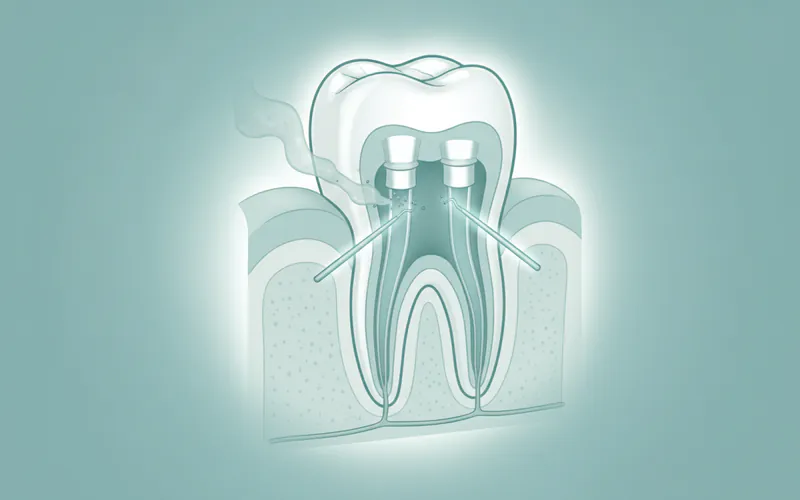
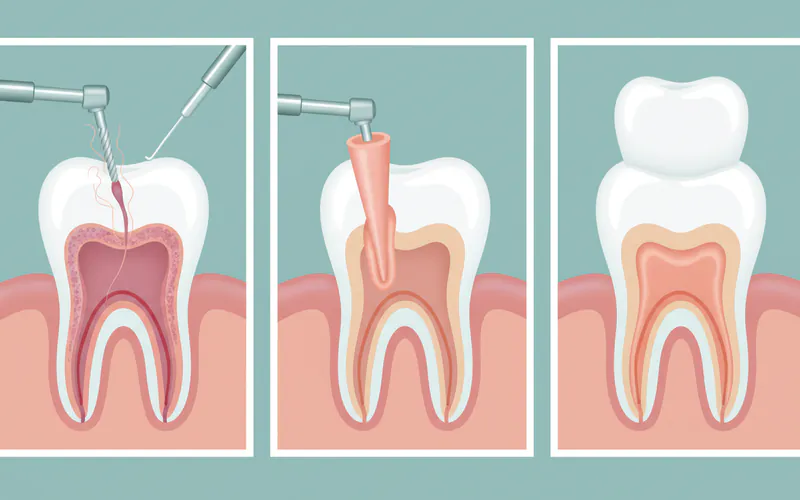
During a root canal procedure, the inflamed or infected pulp is carefully removed. The inside of the tooth is then meticulously cleaned, disinfected, shaped, and filled with a rubber-like material called gutta-percha. Finally, the tooth is sealed with a temporary filling. The goal is to eliminate the infection, alleviate pain, and prevent future complications, allowing the natural tooth to be preserved.
The importance of root canal after care cannot be overstated. While the procedure itself removes the source of infection, the tooth and surrounding tissues need time to heal. Proper aftercare ensures this healing process is smooth and successful, minimizing discomfort, preventing re-infection, and protecting the newly treated tooth from damage. Without adequate care, the tooth remains vulnerable, and the investment in saving it could be compromised.
![A cross-section of a tooth showing the infected pulp being removed, followed by the tooth being cleaned and filled with gutta-percha, and finally capped with a crown(/restorative-dentistry/how-long-do-fillings-take).]
Why Your Treated Tooth Needs Special Attention
Even though the nerves are removed during a root canal, the tooth remains a vital part of your oral structure. The surrounding ligaments and bone are still alive and can transmit sensations. Moreover, the tooth, especially a molar, can become more brittle after a root canal due to the removal of pulp and preparation for the filling. This makes it more susceptible to fractures, particularly before a permanent restoration (like a dental crown) is placed. Proper root canal after care provides the necessary protection and environment for complete healing.
Causes: When is a Root Canal Needed?
Understanding why a root canal is performed helps appreciate the necessity of proper aftercare. The primary reasons for needing root canal therapy include:
- Deep Decay: When a cavity progresses extensively, it can penetrate the enamel and dentin, reaching the pulp chamber and infecting the pulp tissue.
- Repeated Dental Procedures: Multiple fillings or repairs on the same tooth can stress the pulp, leading to inflammation or infection over time.
- Cracked or Chipped Tooth: A crack or chip that extends into the pulp can expose the delicate tissue to bacteria, causing infection.
- Trauma to the Tooth: A severe blow to the tooth, even without visible external damage, can injure the pulp. This can sometimes manifest years after the initial injury.
- Gum Disease: Advanced periodontal disease can sometimes affect the health of the pulp through accessory canals.
In all these scenarios, the pulp becomes compromised, leading to pain and potential infection that spreads to the surrounding bone. Root canal therapy is the treatment of choice to remove the diseased tissue and save the tooth.
Signs and Symptoms Indicating a Need for Root Canal
Recognizing the signs that you might need a root canal is important, as timely intervention can prevent more severe complications. Symptoms often include:
- Severe Toothache Pain: Especially when chewing or applying pressure.
- Prolonged Sensitivity: To hot or cold temperatures, even after the source of the temperature has been removed.
- Discoloration of the Tooth: The tooth may darken due to internal bleeding or dying pulp tissue.
- Swelling and Tenderness: In the surrounding gums, face, or neck.
- Pimple-Like Bump (Abscess): On the gums near the infected tooth, indicating pus drainage.
If you experience any of these symptoms, it's crucial to see a dentist immediately. Ignoring these signs can lead to worsening infection, increased pain, and the potential loss of the tooth.
Treatment Options: Root Canal vs. Alternatives
When faced with an infected or severely damaged tooth, your dentist will present you with options.
Root Canal Therapy (Endodontic Treatment)
- Pros: Saves your natural tooth, maintains natural chewing, prevents shifting of adjacent teeth, preserves the aesthetic of your smile. It's often more cost-effective in the long run compared to extraction and replacement.
- Cons: Requires multiple appointments (though many can be done in one visit), can be uncomfortable during the procedure (though modern techniques and anesthesia minimize pain), requires a permanent restoration (crown) afterward, which adds to the overall cost.
Extraction
- Pros: Immediate removal of the source of pain and infection.
- Cons: Leaves a gap, requiring subsequent restorative work (dental implant, bridge, or partial denture) to prevent shifting of remaining teeth, maintain chewing function, and preserve bone structure. These replacement options are often more expensive and time-consuming than a root canal and crown.
Comparison Table: Root Canal vs. Extraction
| Feature | Root Canal Therapy | Tooth Extraction |
|---|---|---|
| Goal | Save the natural tooth | Remove the infected/damaged tooth |
| Procedure | Removes infected pulp, cleans, fills, seals the tooth | Removes the entire tooth from its socket |
| Follow-up | Requires permanent restoration (crown) | Requires replacement (implant, bridge, denture) to avoid complications |
| Chewing Function | Preserved with natural tooth | Impaired without replacement; restored with prosthetics |
| Bone Preservation | Helps preserve jawbone | Can lead to bone loss over time if not replaced |
| Typical Cost (US) | $700 - $2,500 (plus crown: $800 - $3,000) | $150 - $600 (surgical extraction higher) |
| Long-Term Cost | Often lower than extraction + replacement | Higher due to implant/bridge costs ($3,000 - $8,000+) |
| Appearance | Natural tooth retained | Gap or prosthetic tooth |
| Healing Time | Days to weeks for tenderness to subside, then crown | Days for soft tissue, months for bone; replacement process follows |
Step-by-Step Process of a Root Canal
Understanding the procedure itself can help clarify why certain aftercare steps are so important. A typical root canal involves several steps:
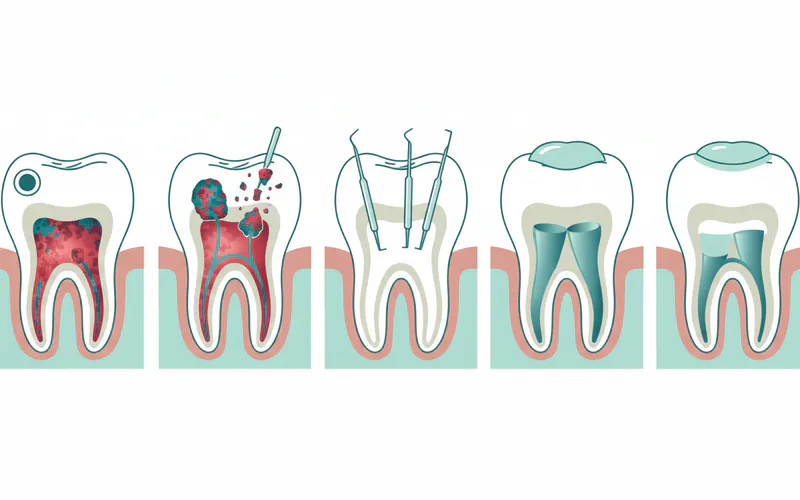
- Diagnosis and Anesthesia: The dentist takes X-rays and performs tests to confirm the infection. Local anesthesia is administered to numb the tooth and surrounding area, ensuring you feel no pain during the procedure.
- Isolation: A rubber dam is placed around the tooth. This small sheet isolates the tooth, keeping it dry and free from saliva and bacteria during treatment.
- Access Hole: A small opening is made in the crown of the tooth to access the pulp chamber and root canals.
- Cleaning and Shaping: Tiny instruments, called files, are used to remove the infected pulp, bacteria, and decayed nerve tissue from the pulp chamber and root canals. The canals are also shaped to prepare them for filling. The area is regularly flushed with an antiseptic solution to disinfect it thoroughly.
- Filling the Canals: Once cleaned and shaped, the canals are filled with a biocompatible, rubber-like material called gutta-percha, usually sealed with an adhesive cement. This prevents re-infection.
- Temporary Filling: A temporary filling is placed in the access hole to seal the tooth until a permanent restoration (like a dental crown) can be placed.
- Permanent Restoration: This is a crucial
root canal after carestep. After a few weeks of healing, you'll return to your dentist to have a permanent crown or filling placed. This protects the treated tooth from fracture and restores its full function.
Root Canal After Care: Your Complete Recovery Guide
Proper root canal after care is paramount to the success and longevity of your treatment. This section provides detailed guidance for immediate, short-term, and long-term recovery.
Immediate Aftercare (First 24-48 Hours)
The first day or two after your root canal are critical for setting the stage for good healing.
- Avoid Eating Until Numbness Wears Off: The local anesthesia will keep your mouth numb for several hours. Chewing while numb can lead to accidentally biting your tongue or inner cheek, causing injury. Wait until you have full sensation back before attempting to eat.
- Chew on the Opposite Side: For the first few days, and especially until your permanent crown is placed, try to avoid chewing directly on the treated tooth. The temporary filling is not as strong as a permanent one, and the tooth is still vulnerable to fracture.
- Manage Discomfort: It's normal to experience some mild to moderate pain or sensitivity after the anesthesia wears off, especially when chewing or biting. This is often due to inflammation of the surrounding ligaments and tissues, not a
failed root canal.- Over-the-Counter Pain Relievers: Most people find relief with ibuprofen (Advil, Motrin) or acetaminophen (Tylenol). Follow dosage instructions carefully. Ibuprofen is often recommended due to its anti-inflammatory properties.
- Prescription Pain Relievers: If your dentist prescribes stronger pain medication, take it as directed. Do not exceed the prescribed dosage.
- Maintain Oral Hygiene: Continue brushing and flossing regularly, but be gentle around the treated tooth.
- Avoid Hard, Chewy, or Sticky Foods: Until the permanent crown is placed, sticky foods can dislodge the temporary filling, and hard or chewy foods can put excessive pressure on the vulnerable tooth, potentially causing it to crack.
- Avoid Alcohol and Tobacco: Alcohol can interact with pain medications and potentially delay healing. Tobacco products can impair healing and increase the risk of complications.
Short-Term Aftercare (First Few Weeks)
The period between the root canal and permanent restoration is crucial.
- Protect the Temporary Filling: The temporary filling seals the access hole and protects the interior of the tooth from bacteria. It's not designed to withstand normal chewing forces long-term.
- If the temporary filling comes out or chips significantly, contact your dentist immediately. The tooth is exposed and susceptible to re-infection.
- Attend Your Follow-up Appointment for a Permanent Restoration: This is arguably the most vital
root canal after carestep. A permanent crown or a high-quality permanent filling is essential.- Why a Crown is Often Necessary: A tooth that has undergone a root canal can become more brittle because it no longer has the internal blood supply and hydration from the pulp. A crown encapsulates the entire tooth, providing strength and protection against fracture, which is a common reason for a
failed root canal. - Timeline: Most dentists recommend placing the permanent restoration within 2-4 weeks after the root canal. Delaying this step significantly increases the risk of tooth fracture or re-infection, potentially leading to the loss of the tooth.
- Why a Crown is Often Necessary: A tooth that has undergone a root canal can become more brittle because it no longer has the internal blood supply and hydration from the pulp. A crown encapsulates the entire tooth, providing strength and protection against fracture, which is a common reason for a
Pro Tip: Mark your calendar immediately for your permanent restoration appointment. Prioritize this, as it's the final piece of your root canal treatment and safeguards your investment.
Long-Term Aftercare and Maintenance
Once your permanent restoration is in place, the long-term success of your root canal depends on ongoing excellent oral hygiene.
- Practice Excellent Oral Hygiene: Brush twice a day with fluoride toothpaste and floss daily. This prevents decay in other teeth and maintains gum health, which is crucial for the overall health of your treated tooth.
- Regular Dental Check-ups: Continue with your routine dental exams and cleanings (typically every six months). Your dentist will monitor the treated tooth for any signs of complications and check the integrity of your permanent restoration.
- Healthy Diet: Limit sugary and acidic foods and drinks to prevent new cavities.
- Avoid Chewing Hard Objects: Don't chew on ice, popcorn kernels, or use your teeth to open packages, as this can damage any tooth, including a crowned one.
- Wear a Nightguard if Needed: If you clench or grind your teeth (bruxism), a custom nightguard can protect your teeth, including the one with the root canal and crown, from excessive forces that could lead to fracture.
Cost and Insurance: How Much is a Root Canal?
The cost of a root canal procedure in the United States can vary significantly based on several factors, including:
- Location of the Tooth: Front teeth (incisors and canines) typically have one root canal and are less complex, making them less expensive. Premolars usually have one or two canals, while molars often have three or more, making them more challenging and thus more costly.
- Complexity of the Case: Severely curved canals, calcified canals, or teeth requiring retreatment can increase the time and expertise required, pushing up the price.
- Geographic Location: Dental fees vary by state, city, and even neighborhood. Major metropolitan areas tend to have higher costs.
- Dentist vs. Specialist (Endodontist): While general dentists can perform root canals, complex cases are often referred to an endodontist, a specialist in root canal therapy, whose fees may be slightly higher due to their advanced training and specialized equipment.
- Associated Costs: The quoted price for a root canal typically covers the procedure itself. It does not include the cost of the diagnostic X-rays, the initial exam, or, most importantly, the permanent restoration (dental crown or filling) which is almost always necessary afterward.
Average US Root Canal Costs (Without Insurance)
| Tooth Type | General Dentist Range | Endodontist Range |
|---|---|---|
| Front Tooth | $700 - $1,200 | $800 - $1,500 |
| Premolar | $800 - $1,500 | $900 - $1,800 |
| Molar | $1,000 - $2,000 | $1,200 - $2,500 |
| Root Canal Retreatment | Varies widely, often higher due to complexity: $1,000 - $3,000+ | |
| Dental Crown | $800 - $3,000 (depending on material: porcelain, PFM, zirconia) |
Therefore, the total out-of-pocket cost for a molar root canal and crown could easily range from $1,800 to $5,500+ without insurance.
How Much is a Root Canal With Insurance?
Most dental insurance plans in the US classify root canal therapy as a major procedure. Coverage typically falls into tiers:
- Preventive Care: (e.g., cleanings, X-rays) - usually 80-100% coverage
- Basic Procedures: (e.g., fillings, extractions) - usually 70-80% coverage
- Major Procedures: (e.g., root canals, crowns, bridges, dentures) - usually 50-70% coverage
Here's what to expect with insurance:
- Deductible: Most plans have an annual deductible (e.g., $50-$100) that you must pay out-of-pocket before your insurance starts covering costs.
- Coinsurance: After your deductible is met, your insurance will cover a percentage of the "Allowable Amount," and you'll pay the remaining percentage (your coinsurance). For a major procedure like a root canal, coinsurance is often 30-50%.
- Annual Maximum: Dental insurance plans typically have an annual maximum benefit (e.g., $1,000 - $2,000). Once your claims reach this cap, you are responsible for 100% of any further costs for that plan year.
Example Scenario: Molar Root Canal with Insurance
- Total Cost (Procedure + Crown): Let's assume a molar root canal is $1,500 and a porcelain crown is $1,500 for a total of $3,000.
- Deductible: You have a $100 deductible. You pay this first.
- Remaining Cost: $3,000 - $100 = $2,900
- Insurance Coverage (50% for major procedures): Insurance covers 50% of the $2,900 = $1,450.
- Your Coinsurance: You pay the remaining 50% = $1,450.
- Total Out-of-Pocket: $100 (deductible) + $1,450 (coinsurance) = $1,550.
- Annual Maximum Impact: If your plan has a $1,500 annual maximum, after the insurance pays $1,450, you'll have only $50 remaining on your annual limit for other procedures in that year. If the total bill was $3,000, and insurance covers 50% up to $1,500, then you would pay $1,500 plus your deductible.
Pro Tip: Always contact your dental insurance provider directly or ask your dental office to run a pre-treatment estimate. This will give you an accurate understanding of your specific out-of-pocket costs for the root canal and crown, considering your deductible, coinsurance, and annual maximum.
Payment Plans and Financing Options
For those without insurance or with significant out-of-pocket expenses, several options can help manage the cost:
- Dental Payment Plans: Many dental offices offer in-house payment plans, allowing you to pay for treatment in installments.
- Third-Party Financing: Companies like CareCredit offer special healthcare credit cards with deferred interest or low-interest payment plans for medical and dental expenses.
- Dental Schools: Dental schools often provide treatment at a reduced cost, performed by students under the supervision of experienced faculty.
- Community Dental Clinics: Some non-profit organizations or public health departments offer reduced-cost dental services.
Risks and Complications: Understanding a Failed Root Canal
While root canal therapy has a high success rate (over 95% when performed correctly and followed by a permanent restoration), complications can occur. Understanding these risks, especially what constitutes a failed root canal, is crucial for proper root canal after care and knowing when to seek further treatment.
What is a Failed Root Canal?
A root canal is considered "failed" when the treated tooth does not heal as expected, or when new problems arise weeks, months, or even years after the initial procedure. This can lead to persistent pain, swelling, or the re-development of an infection.
Common Reasons for a Failed Root Canal:
- Incomplete Cleaning of Canals:
- Cause: Complex canal anatomy (curved, narrow, branching canals) can make it difficult to thoroughly clean and seal all infected tissue. Accessory canals or missed canals are common culprits.
- Effect: Remaining bacteria can multiply and cause re-infection.
- Leaky Filling or Crown:
- Cause: A poorly sealed temporary filling, a delayed permanent crown, or a crown that becomes loose or cracked can allow new bacteria to seep into the treated tooth.
- Effect: Re-infection of the root canal system. This highlights the importance of timely permanent restoration in
root canal after care.
- Fracture of the Tooth or Root:
- Cause: A tooth that has undergone a root canal is more brittle. Without a protective crown, chewing forces can cause the tooth to crack or fracture, especially if the fracture extends to the root.
- Effect: Bacterial contamination through the fracture, leading to infection and often requiring extraction.
- New Decay:
- Cause: New cavities developing around the edges of the crown or filling can compromise the seal and allow bacteria to enter the tooth.
- Effect: Re-infection.
- Coronal Leakage:
- Cause: When the outer restoration (filling or crown) fails or is delayed, bacteria from the mouth can seep down into the root canal system.
- Effect: Contamination and re-infection.
- Root Perforation:
- Cause: During the root canal procedure, a tiny hole might accidentally be created in the side of the root, allowing bacteria to escape into the surrounding bone.
- Effect: Persistent infection or inflammation in the bone.
Signs of a Failed Root Canal:
- Persistent Pain: Lingering pain, sensitivity, or discomfort, especially when chewing, that doesn't resolve after the initial recovery period.
- Swelling: Swelling around the gum line of the treated tooth or in the face.
- Tenderness to Touch or Pressure: The tooth feels sensitive even to light pressure.
- Pimple-like Bump (Fistula): On the gums near the treated tooth, indicating an ongoing infection attempting to drain.
- Darkening of the Tooth: While some discoloration can occur with a successful root canal, a sudden or progressive darkening can signal a new problem.
Treatment Options for a Failed Root Canal:
- Root Canal Retreatment:
- Process: The existing crown/filling is removed, the gutta-percha filling is taken out, and the canals are re-cleaned, re-shaped, and re-filled. This is often performed by an endodontist.
- Pros: Can save the tooth and eliminate infection.
- Cons: More complex and often more expensive than the initial root canal. Not always successful if the issue is a deep, untreatable crack.
- Apicoectomy (Root-End Resection):
- Process: A surgical procedure where the gum tissue is opened, the infected tissue at the tip of the root is removed, and a small filling is placed to seal the end of the root. This is typically done by an endodontist.
- Pros: Targets infection directly at the root tip without disturbing the crown or existing root canal filling.
- Cons: Surgical procedure, may not be suitable for all cases.
- Extraction:
- Process: If retreatment or apicoectomy are not viable or have failed, extraction of the tooth may be the only option.
- Cons: Requires subsequent replacement (implant, bridge, denture) to avoid further dental problems.
Prevention: How to Avoid Needing a Root Canal
While some causes of root canals (like trauma) are unavoidable, many can be prevented through good oral hygiene and regular dental care.
- Brush and Floss Regularly: Brush at least twice a day with fluoride toothpaste and floss daily to remove plaque and food particles, preventing cavities.
- Regular Dental Check-ups and Cleanings: Visit your dentist every six months for professional cleanings and examinations. Early detection of small cavities can prevent them from becoming deep enough to infect the pulp.
- Limit Sugary and Acidic Foods and Drinks: These contribute to tooth decay.
- Wear a Mouthguard: If you participate in contact sports, a mouthguard can protect your teeth from trauma. If you grind or clench your teeth, a nightguard can prevent excessive wear and potential cracks.
- Address Dental Issues Promptly: Don't ignore tooth pain or sensitivity. See your dentist at the first sign of a problem to prevent it from escalating to a root canal.
Children / Pediatric Considerations for Root Canals
Children can also experience deep decay or trauma that affects the pulp of their primary (baby) teeth. In these cases, a procedure similar to a root canal, often called a pulpotomy or pulpectomy, may be performed by a pediatric dentist.
- Pulpotomy: If only the crown portion of the pulp is infected, the dentist removes just that part, medicates the remaining healthy pulp, and places a filling or stainless steel crown. This allows the root to remain vital and resorb naturally as the permanent tooth erupts.
- Pulpectomy: If the entire pulp, including the root canals, is infected in a primary tooth, the entire pulp tissue is removed, the canals are cleaned, and then filled with a resorbable material. This also aims to save the tooth until it naturally falls out.
Aftercare for Children's Pulp Treatment:
- Similar to Adults: Children will also experience some numbness and discomfort. Encourage soft foods, avoid chewing on the treated side, and use age-appropriate pain relief as recommended by the pediatric dentist.
- Monitoring: Parents should monitor for signs of pain, swelling, or discomfort. Ensure the child avoids hard or sticky foods that could dislodge a temporary filling or crown.
- Importance of Saving Baby Teeth: Saving primary teeth is crucial because they serve as guides for erupting permanent teeth, hold space in the jaw, and are essential for proper chewing and speech development. Premature loss of a baby tooth can lead to orthodontic problems later on.
When to See a Dentist: Red Flags and Routine Care
Knowing when to seek immediate dental attention versus scheduling a routine appointment is vital for your oral health, especially after a root canal.
Emergency Dental Care (Immediate Attention Needed):
- Severe, Unmanageable Pain: If you experience intense, throbbing pain that doesn't subside with over-the-counter pain medication, or if the pain suddenly worsens significantly after a root canal.
- Significant Swelling: Swelling in the face, jaw, or around the treated tooth, especially if it's accompanied by difficulty breathing or swallowing, indicates a serious infection.
- Fever: A fever following a root canal could signal a spreading infection.
- Dislodged Permanent Crown or Filling: If a permanent crown or large filling comes off the treated tooth, it leaves the tooth vulnerable and needs immediate re-cementing or replacement to prevent fracture or re-infection.
- Broken or Fractured Tooth: If the treated tooth breaks or cracks, especially if it's painful or exposes the inside of the tooth.
- Abscess Formation: A persistent, pus-filled pimple on the gums near the treated tooth is a sign of an ongoing infection.
Call your dentist or an emergency dental clinic immediately if you experience any of these symptoms. Do not delay, as some infections can spread rapidly and become life-threatening.
Scheduled Dental Care (Routine or Non-Urgent):
- Lost Temporary Filling: If your temporary filling comes out but you have no pain or swelling, contact your dentist for an appointment as soon as possible, ideally within a few days. The tooth is exposed and needs to be sealed.
- Mild Sensitivity: Some mild sensitivity to hot/cold or chewing after a root canal is normal for a few days or weeks. If it gradually subsides, it's usually not a concern. If it persists or worsens, mention it at your next routine check-up or call for advice.
- Dental Check-ups and Cleanings: Continue with your regular six-month check-ups. Your dentist will monitor the health of your treated tooth and ensure your overall oral health.
- Annual X-rays: Your dentist will periodically take X-rays to check the bone around the treated tooth for signs of healing or re-infection, especially in the years following a root canal.
Remember, early detection and intervention are key to successfully managing any dental issue, including potential complications from root canal therapy. Your dentist is your best resource for guidance and treatment.
Medically Reviewed Content
This article was written by our dental health editorial team and reviewed for medical accuracy. Our content follows strict editorial guidelines for reliability and trustworthiness.
Medical Disclaimer
This article is for informational purposes only and does not constitute medical advice. Always consult with a qualified dental professional for diagnosis and treatment. Do not delay seeking professional advice because of something you read on this website.
Related Articles
How to Stop Throbbing Pain After Root Canal
Undergoing a root canal procedure is often a necessary step to save a tooth severely damaged by decay or infection, preventing further complications and excruciating pain. While the procedure itself is performed under local anesthesia to ensure comfort, it's common for patients to experience some le
February 22, 2026
Can You Drive After a Root Canal
Undergoing a root canal procedure can understandably bring up a host of questions and concerns, from understanding the process itself to managing recovery. One of the most common and practical inquiries people have is: can you drive after a root canal? The answer isn't always a simple yes or no,
February 22, 2026
Is a Root Canal Painful
When facing the prospect of a root canal, one of the most common and immediate questions that comes to mind is: is a root canal painful? It's a valid concern, stemming from outdated perceptions and anecdotal stories. However, modern root canal therapy is a highly effective and generally comforta
February 22, 2026
How Much Are Root Canals
Experiencing a persistent toothache can be one of the most unsettling dental issues, often signaling a problem deep within the tooth’s core. For many, this leads to the dreaded question: "Do I need a root canal?" And immediately following that, how much are root canals going to cost me? It's a v
February 22, 2026