Teeth Clenching Guard: Complete Guide
Key Takeaways
- When persistent jaw pain, headaches, or noticeably worn teeth become a daily reality, you might be experiencing bruxism – a common condition involving the clenching or grinding of teeth. Affecting an estimated 10-15% of adults in the United States, bruxism can lead to significant dental and over
When persistent jaw pain, headaches, or noticeably worn teeth become a daily reality, you might be experiencing bruxism – a common condition involving the clenching or grinding of teeth. Affecting an estimated 10-15% of adults in the United States, bruxism can lead to significant dental and overall health issues if left unaddressed. Fortunately, a teeth clenching guard, often referred to as a nightguard or occlusal splint, stands as one of the most effective and widely recommended solutions. This comprehensive guide from SmilePedia.net will delve into every aspect of teeth clenching guards, explaining their various types, benefits, costs, and how they can protect your smile from the damaging effects of teeth grinding damage. We’ll cover everything from diagnosis and treatment options to prevention and what to expect during your journey to a pain-free, healthy mouth.
Key Takeaways:
- Teeth clenching guards (nightguards) are the primary defense against bruxism, protecting teeth from wear and preventing jaw pain.
- Types range from affordable OTC options ($20-$100) to professional custom-made guards ($300-$800), and even advanced designs ($1,000-$2,000+ for specialized TMD splints).
- Custom-fitted guards offer superior protection, comfort, and longevity (1-5 years lifespan) compared to over-the-counter alternatives.
- Signs of bruxism include chronic jaw pain, headaches, sensitive teeth, flattened or chipped teeth, and facial muscle soreness.
- Dental insurance often covers a portion of custom nightguards, typically 20-80% after deductibles, classifying them as a "preventive" or "major" restorative service.
- Pain from teeth grinding can last days to weeks if left untreated, but significant relief is often felt within a few days to a few weeks of consistent guard use.
- Proper cleaning and storage are crucial for guard longevity and preventing bacterial growth.
What is a Teeth Clenching Guard? An Overview
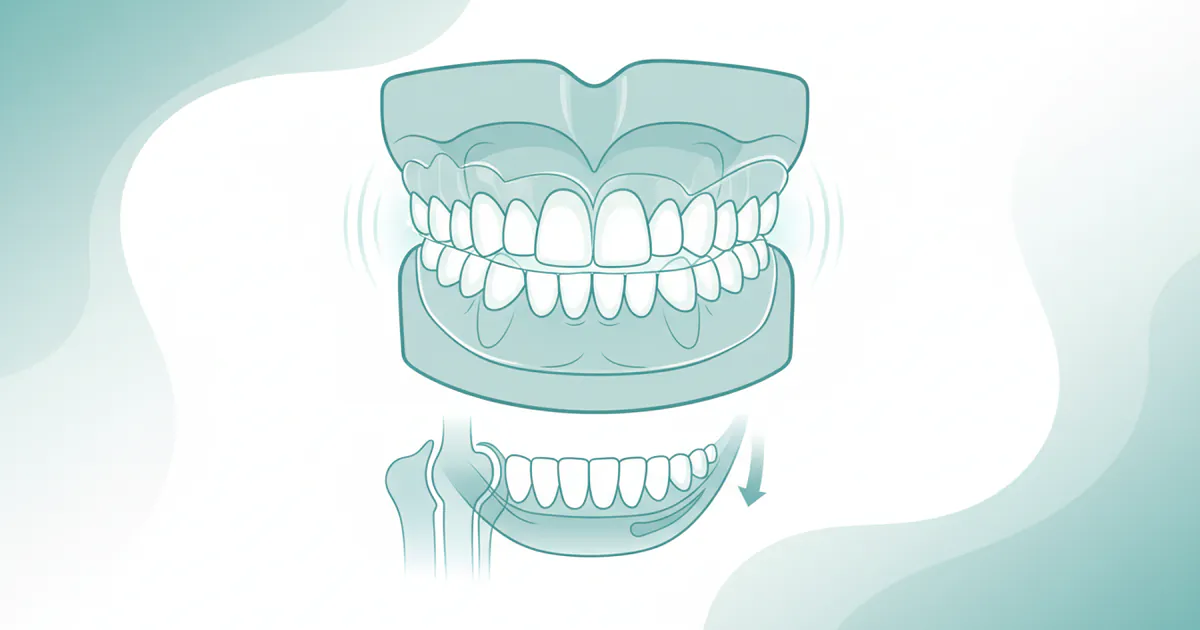
A teeth clenching guard, also commonly known as a nightguard, occlusal splint, or bite splint, is a custom-fitted dental appliance worn over the teeth, typically during sleep, to protect them from the forces of bruxism. Bruxism encompasses both teeth clenching (tightening the jaw muscles, often without movement) and teeth grinding (rubbing the upper and lower teeth together). Both actions exert tremendous pressure on the teeth, jaw joints (temporomandibular joints, or TMJ), and surrounding muscles, leading to a host of uncomfortable and damaging symptoms.
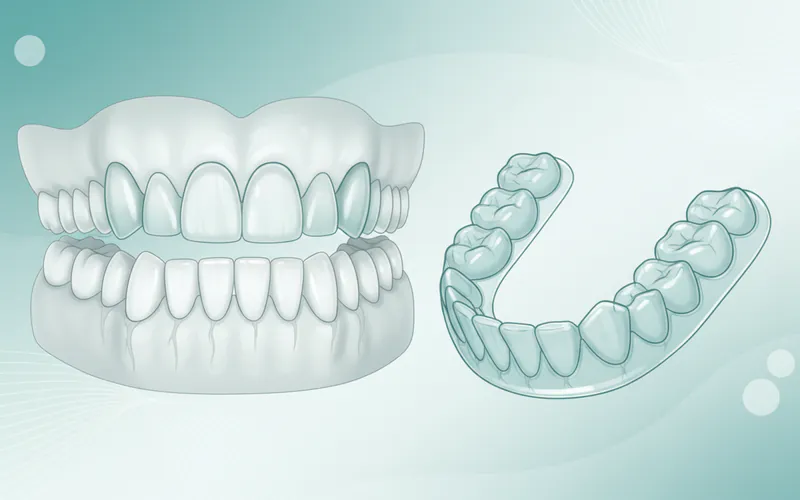
The primary function of a teeth clenching guard is to create a physical barrier between your upper and lower teeth. This barrier prevents direct tooth-on-tooth contact, thereby absorbing the impact and distributing the pressure evenly across the dental arches. By doing so, it mitigates the wear and tear on enamel, reduces stress on the jaw joints, and alleviates the strain on facial muscles. Think of it as a protective shield for your smile, preventing the long-term consequences of teeth grinding damage.
The Science Behind the Protection
When you clench or grind, the forces generated can be immense—up to 250 pounds per square inch, far exceeding the pressure used for normal chewing. Without a guard, this force directly grinds away tooth structure, leading to flattening, chipping, and even fracturing of teeth. It also overworks the temporomandibular joints (TMJs) at either side of your head, which connect your jawbone to your skull, contributing to conditions like temporomandibular joint disorder (TMD).
A properly designed guard works by:
- Cushioning Impact: The material of the guard acts as a shock absorber.
- Redistributing Pressure: Instead of concentrating forces on a few teeth, the guard spreads it across the entire arch, reducing localized stress.
- Creating Space: It slightly separates the upper and lower jaws, allowing jaw muscles to relax.
- Preventing Direct Contact: Eliminates the destructive grinding of enamel against enamel.
Types of Teeth Clenching Guards
Not all teeth clenching guards are created equal. They vary significantly in material, fit, cost, and effectiveness. Understanding the different types is crucial for making an informed decision with your dentist.
1. Over-the-Counter (OTC) Guards
These are the most accessible and least expensive options, readily available at drugstores and online. They come in three main sub-types:
- Stock Guards:
- Description: Pre-formed, one-size-fits-all guards. You simply place them in your mouth.
- Pros: Very inexpensive (typically $20-$50), immediately available.
- Cons: Poor fit, bulky, uncomfortable, can interfere with speech and breathing, often fall out, offer minimal protection, and may even shift teeth if used improperly long-term. Not recommended by dentists for regular use due to potential issues.
- Boil-and-Bite Guards:
- Description: Made from thermoplastic material. You soften them in hot water and then bite into them to create a semi-custom impression of your teeth.
- Pros: More comfortable than stock guards, relatively inexpensive (typically $30-$100), better retention than stock guards.
- Cons: Still not a precise fit, can be bulky, may not protect effectively against severe grinding, material can degrade quickly, and repeated heating can compromise durability. ADA generally advises against long-term use as they can sometimes exacerbate jaw problems if not fitted correctly.
- Moldable/Instant Fit Guards:
- Description: Similar to boil-and-bite but might involve a different molding process, sometimes softer material that conforms without heat.
- Pros: Easy to use, slightly better fit than stock.
- Cons: Similar limitations to boil-and-bite, often less durable.
When to consider OTC guards: Very short-term, temporary relief while waiting for a dental appointment, or if recommended by your dentist for very mild, infrequent clenching. They are generally not a long-term solution for significant bruxism.
2. Custom-Made Professional Guards
These are fabricated by a dental lab based on precise impressions of your teeth, taken by your dentist. They offer the highest level of protection, comfort, and durability.
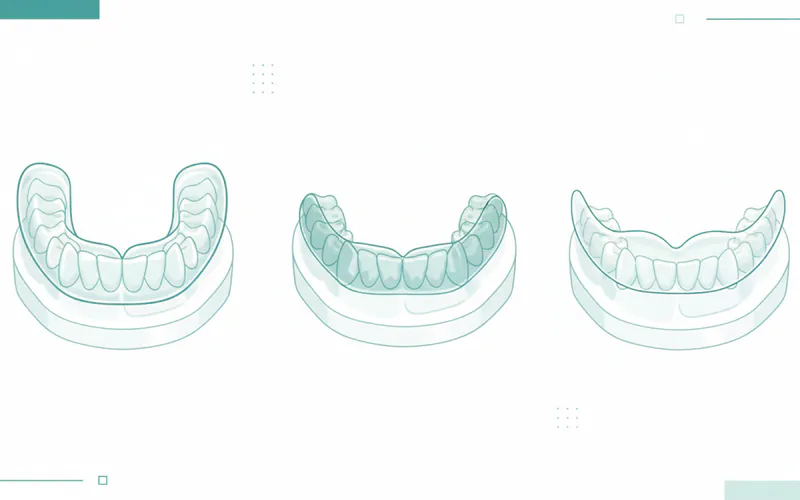
- Soft Nightguards:
- Description: Made from a flexible, rubbery material (e.g., vinyl). They are thin and comfortable, often recommended for light clenchers or those with a history of jaw pain.
- Pros: Most comfortable option for many, easy to adjust to, good for mild clenching, relatively quick to fabricate.
- Cons: Not ideal for severe grinders as they can be "chewed through" over time, offering less resistance to heavy forces. Durability is moderate (typically 1-2 years).
- Cost: Generally $300-$500.
- Hard Nightguards:
- Description: Made from a rigid acrylic material, designed for maximum durability and protection. These are often recommended for moderate to severe grinders and clenchers, or those with TMD symptoms.
- Pros: Highly durable, excellent protection against heavy grinding, helps stabilize the jaw, can last for many years (3-5+ years).
- Cons: Can feel less comfortable initially due to rigidity, requires a longer adjustment period for some.
- Cost: Typically $500-$800.
- Dual-Laminate (Hybrid) Nightguards:
- Description: Combine the best features of soft and hard guards. They have a soft inner layer for comfort against the teeth and a hard outer layer for durability and resistance against grinding.
- Pros: Excellent comfort and durability, ideal for moderate to severe bruxism, often a good balance for patients who find hard guards too rigid.
- Cons: Can be slightly thicker than soft guards, potentially higher cost than pure soft guards.
- Cost: Generally $600-$900.
- Specialized Occlusal Splints (e.g., NTI-tss device, Tanner appliance):
- Description: These are highly specialized guards designed for specific therapeutic purposes, such as deprogramming jaw muscles or treating complex TMD cases. The NTI-tss device, for example, only covers the front teeth to prevent molar contact and reduce muscle activity.
- Pros: Very effective for specific indications, can provide significant relief for severe TMD or tension headaches.
- Cons: More expensive, require specific training from the dentist, may not be suitable for all patients.
- Cost: Can range from $1,000 to $2,000+.
Causes of Teeth Clenching and Grinding
Understanding why you clench or grind your teeth is the first step towards effective management. While the exact causes can be multifactorial, several key factors are commonly identified:
1. Stress and Anxiety
This is by far the most common culprit for awake bruxism and often exacerbates sleep bruxism. Daily pressures, emotional tension, anger, and frustration can all manifest as jaw clenching, often unconsciously. The body's "fight or flight" response can lead to muscle tension, including in the jaw.
2. Sleep Disorders
- Sleep Apnea: Research indicates a strong link between sleep bruxism and obstructive sleep apnea (OSA). Individuals with OSA frequently clench or grind their teeth as their body attempts to open the airway during apneic events. Treating sleep apnea often reduces bruxism.
- Other Sleep Disturbances: Any condition that disrupts normal sleep cycles can contribute to bruxism, including restless leg syndrome.
3. Malocclusion (Improper Bite)
When your teeth don't align properly (e.g., overbite, underbite, crossbite), your jaw may try to find a comfortable resting position by clenching or grinding. High spots on fillings or crowns can also cause an uneven bite, triggering clenching.
4. Medications
Certain medications can have bruxism as a side effect. These include:
- Antidepressants: Particularly selective serotonin reuptake inhibitors (SSRIs) like fluoxetine (Prozac), paroxetine (Paxil), and sertraline (Zoloft).
- Stimulants: Often prescribed for ADHD, such as amphetamines (Adderall) and methylphenidate (Ritalin).
- Antipsychotics: Some medications used for mental health conditions.
5. Lifestyle Factors
- Caffeine and Alcohol: Excessive consumption of caffeine, especially close to bedtime, and alcohol can disrupt sleep patterns and increase muscle activity, contributing to bruxism.
- Smoking: Nicotine is a stimulant that can impact sleep and muscle function.
- Recreational Drugs: Amphetamines and ecstasy are well-known for causing severe bruxism.
6. Other Medical Conditions
Certain neurological conditions (e.g., Parkinson's disease, Huntington's disease), gastroesophageal reflux disease (GERD), and even some nutritional deficiencies can be associated with bruxism.
7. Age
While bruxism can affect people of all ages, it is most common in young children and young adults, often decreasing with age.
Signs and Symptoms of Bruxism
Recognizing the signs of bruxism is crucial for early intervention and preventing significant teeth grinding damage. Many people are unaware they clench or grind their teeth, especially during sleep, until symptoms become noticeable.
Common Signs and Symptoms:
- Jaw Pain and Soreness: Aching in the jaw muscles, especially upon waking. This can radiate to the ears, face, and neck.
- Headaches: Often tension headaches originating in the temples, forehead, or behind the eyes. These are common upon waking.
- Teeth Sensitivity: Increased sensitivity to hot, cold, or sweet foods due to worn enamel exposing the dentin layer.
- Worn, Flattened, or Chipped Teeth: Visible signs of erosion on the chewing surfaces of teeth. In severe cases, teeth may appear significantly shorter.
- Cracked or Fractured Teeth: The immense forces can lead to cracks, especially in molars, which can be painful and require restorative treatment.
- Loose Teeth: Persistent heavy forces can weaken the periodontal ligaments holding teeth in place.
- Gum Recession: Grinding can put stress on the gums, contributing to recession.
- TMJ Disorders (TMD): Pain, clicking, popping, or locking in the jaw joint. Difficulty opening or closing the mouth fully.
- Facial Muscle Fatigue: A tired feeling in the jaw muscles, particularly after sleep.
- Earache: Referred pain from the jaw muscles can mimic an earache, though the ear itself is healthy.
- Sleep Disruption: While the person grinding may not be aware, a partner might notice grinding noises during sleep.
- Indentations on the Tongue or Cheeks: Scalloped edges on the tongue or white lines on the inside of the cheeks (linea alba) can indicate clenching or pressing.
Pro Tip: If you experience any combination of these symptoms, especially chronic headaches or jaw pain, schedule an appointment with your dentist for a thorough examination. They can often spot signs of bruxism that you might miss.
Treatment Options for Bruxism
While a teeth clenching guard is a primary treatment, it's essential to understand that bruxism management often involves a multi-faceted approach addressing the underlying causes.
1. Dental Guards (Occlusal Splints)
- Role: The most common and effective immediate solution. They protect teeth from wear, reduce muscle strain, and cushion the jaw joints.
- Pros: Non-invasive, highly effective for preventing teeth grinding damage, provides immediate relief for many symptoms.
- Cons: Doesn't cure the underlying cause, requires consistent use, can be an investment (for custom guards).
2. Stress and Anxiety Management
- Role: Addressing the root cause for many bruxism sufferers.
- Options: Counseling, psychotherapy, biofeedback, meditation, yoga, regular exercise, setting aside "worry time," improving work-life balance.
- Pros: Can significantly reduce the frequency and intensity of bruxism, improves overall well-being.
- Cons: Requires commitment and may take time to see results.
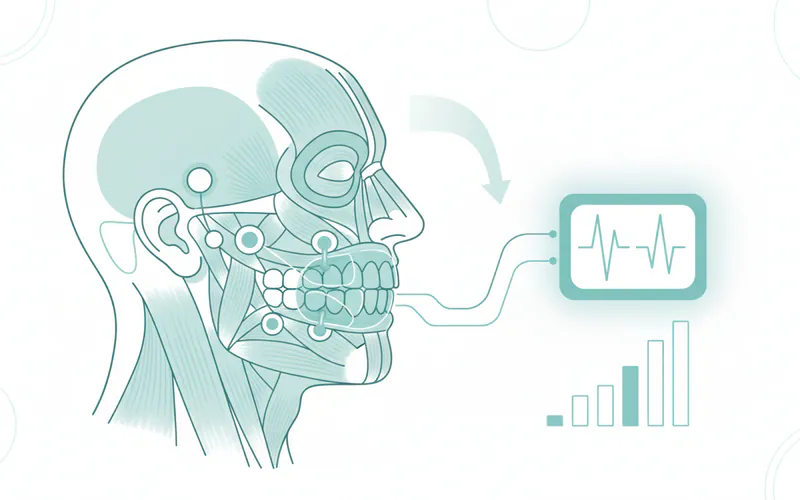
3. Biofeedback
- Role: Training individuals to become aware of and control physiological responses, such as muscle tension.
- Options: Devices can provide real-time feedback (e.g., sound or vibration) when clenching occurs, helping to break the habit during wakefulness.
- Pros: Can be effective for awake bruxism, promotes self-awareness.
- Cons: Requires specialized equipment and training, less effective for sleep bruxism without continuous monitoring.
4. Medications
- Role: Used in specific cases, primarily to manage symptoms or underlying conditions.
- Options:
- Muscle Relaxants: Prescribed short-term to relieve severe jaw muscle pain and spasms.
- Botulinum Toxin (Botox): Injections into the masseter muscles (jaw muscles) can temporarily weaken them, reducing the force of clenching and grinding. This can be effective for severe, refractory cases of bruxism or TMD. Cost: $500-$1,500+ per treatment, lasts 3-6 months.
- Anxiety/Sleep Medications: In some cases, low doses might be prescribed to help with sleep or anxiety, but these are typically a last resort due to potential side effects and dependency.
- Pros: Can provide quick symptom relief for severe cases.
- Cons: Temporary effects, potential side effects, often not a long-term solution.
5. Dental Corrections
- Role: Addressing underlying dental issues that contribute to bruxism.
- Options:
- Orthodontics: Braces or clear aligners can correct malocclusion (bad bite), which sometimes contributes to clenching.
- Restorative Dentistry: Reshaping teeth, replacing missing teeth, or adjusting high spots on fillings/crowns can create a more balanced bite.
- Crowns/Veneers: For severely worn or damaged teeth, restorative procedures may be necessary to rebuild tooth structure after bruxism has been managed.
- Pros: Can eliminate some root causes of bruxism, restores dental health and aesthetics.
- Cons: Can be expensive and time-consuming, requires a commitment to treatment.
6. Lifestyle Adjustments
- Role: Simple changes that can significantly reduce bruxism frequency and severity.
- Options: Reducing caffeine and alcohol intake, especially before bed; quitting smoking; practicing good sleep hygiene (consistent sleep schedule, dark/quiet/cool room, avoiding screens before bed).
- Pros: Inexpensive, improves overall health.
- Cons: Requires discipline and habit change.
Table: Comparison of Bruxism Treatment Options
| Treatment Option | Primary Goal | Average Cost (US) | Pros | Cons | Duration of Effect |
|---|---|---|---|---|---|
| Custom Teeth Clenching Guard | Protect teeth, reduce muscle strain, cushion joints | $300 - $900 | Highly effective, non-invasive, immediate protection | Doesn't cure cause, requires consistent use, initial cost | 1-5+ years (guard lifespan) |
| Stress/Anxiety Management | Address underlying emotional triggers | Varies (therapy $75-$200/session) | Addresses root cause, improves overall well-being | Requires commitment, results take time, ongoing effort | Long-term |
| Biofeedback | Train awareness, reduce muscle activity | $100 - $500 (device + training) | Effective for awake bruxism, self-empowering | Less effective for sleep bruxism, requires specific equipment | Varies, can be long-term |
| Botox Injections | Temporarily weaken jaw muscles | $500 - $1,500+ per session | Quick relief for severe cases, reduces clenching force | Temporary (3-6 months), expensive, potential side effects | 3-6 months |
| Dental Corrections | Improve bite, restore tooth structure | $500 - $10,000+ (highly variable) | Can eliminate structural causes, restores dental health | Expensive, time-consuming, may require multiple procedures | Long-term |
| Lifestyle Adjustments | Reduce triggers, improve sleep quality | Minimal (cost of consumables) | Inexpensive, improves overall health | Requires discipline, habit changes | Ongoing |
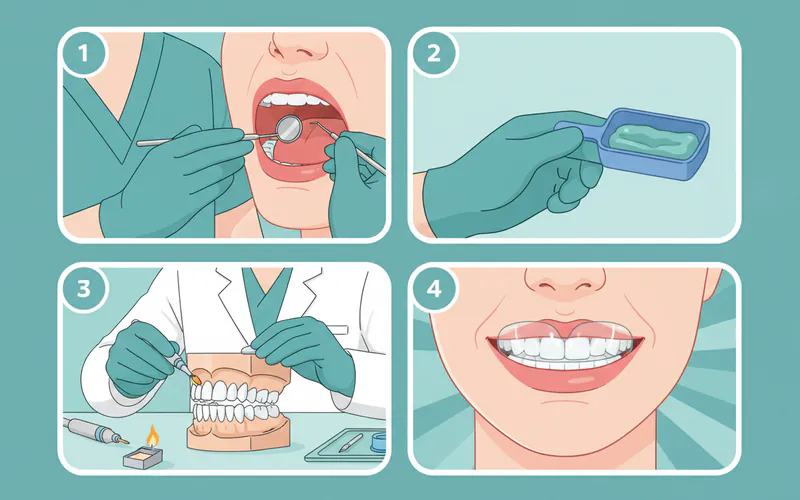
The Step-by-Step Process for Getting a Custom Teeth Clenching Guard
Opting for a custom-made teeth clenching guard involves a straightforward process, typically spanning two appointments.
1. Initial Consultation and Diagnosis
- Your Role: Describe your symptoms (jaw pain, headaches, tooth sensitivity, clenching habits). Inform your dentist about any related medical conditions or medications you are taking.
- Dentist's Role: Your dentist will perform a comprehensive oral examination. They will look for signs of bruxism such as:
- Worn or flattened tooth surfaces: Characteristic signs of teeth grinding damage.
- Receding gums or bone loss: Can be exacerbated by grinding.
- Tooth fractures or chips.
- Enlarged jaw muscles (masseters): A sign of overuse.
- Tenderness in your jaw joints (TMJ) and muscles.
- Clicking or popping sounds in your jaw.
- Discussion: Your dentist will discuss the potential causes of your bruxism and recommend the most suitable type of nightguard (soft, hard, hybrid) based on your specific needs and the severity of your condition.
2. Taking Impressions
- Process: If a custom guard is recommended, your dentist or a dental assistant will take precise impressions (molds) of your upper and/or lower teeth. This typically involves placing a tray filled with a soft, putty-like material into your mouth for a few minutes. Digital impressions using an intraoral scanner are also becoming common, offering greater comfort and precision.
- Purpose: These impressions are sent to a specialized dental laboratory, where skilled technicians will fabricate your custom guard to fit your unique dental anatomy perfectly. This ensures maximum comfort, effectiveness, and retention.
3. Fabrication at the Dental Lab
- Timeline: This step usually takes 1-2 weeks. The lab uses the impressions to create a model of your teeth and then meticulously constructs the guard from the chosen material (acrylic, vinyl, etc.).
4. Fitting Appointment
- Process: Once your custom guard is ready, you'll return for a second appointment. Your dentist will try the guard in your mouth, checking for:
- Comfort: It should fit snugly but not feel tight or painful.
- Retention: It should stay securely in place without feeling loose.
- Bite: They will check that your bite feels even and comfortable with the guard in place. Minor adjustments may be made on the spot using specialized tools to ensure an optimal fit and prevent any uneven pressure points.
- Instructions: Your dentist will provide detailed instructions on how to properly wear, clean, and store your new teeth clenching guard, as well as what to expect during the initial adjustment period.
5. Adjustment Period
- What to Expect: It's normal for your mouth to feel a little different with the guard in initially. You might experience increased salivation, a slight speech impediment, or a feeling of bulkiness. These sensations typically subside within a few days to a couple of weeks as you adjust.
- Follow-up: If you experience persistent discomfort, pain, or if the guard feels loose after the initial adjustment period, contact your dentist for a follow-up appointment. They can make further adjustments to ensure it's working optimally.
Cost and Insurance Coverage for Teeth Clenching Guards
The cost of a teeth clenching guard can vary significantly depending on the type, material, and geographic location. Understanding these costs and potential insurance coverage is important.
Average US Costs (Without Insurance)
- Over-the-Counter (OTC) Guards:
- Stock guards: $20 - $50
- Boil-and-bite guards: $30 - $100
- Custom-Made Professional Guards:
- Soft Nightguards: $300 - $500
- Hard Nightguards: $500 - $800
- Dual-Laminate (Hybrid) Nightguards: $600 - $900
- Specialized Occlusal Splints (e.g., for severe TMD): $1,000 - $2,000+
Regional Variations: Costs can be higher in major metropolitan areas or regions with a higher cost of living (e.g., New York, California) and potentially lower in rural areas.
Insurance Coverage Details
Most dental insurance plans in the US recognize the medical necessity of custom teeth clenching guards due to the severe teeth grinding damage they prevent.
- Coverage Levels:
- Many plans classify nightguards as a "preventive" or "minor restorative" service, which typically means a higher percentage of coverage (50-80%) after your deductible is met.
- Some plans may classify them as a "major restorative" service, which might have a lower coverage percentage (e.g., 20-50%).
- Deductibles and Co-pays: You will generally need to pay your annual deductible first (typically $50-$150) before insurance kicks in. A co-pay (a fixed amount) or coinsurance (a percentage of the cost) will then apply.
- Maximums: Be aware of your annual maximum benefit (e.g., $1,000-$2,000), as this is the total amount your insurance will pay for dental work in a year.
- Medical Insurance vs. Dental Insurance: In some cases, if your bruxism is linked to a medical condition like sleep apnea or severe TMD, your medical insurance might offer some coverage, especially for the diagnostic phase or highly specialized splints. This is less common but worth investigating if standard dental coverage is limited.
- Pre-authorization: It's always advisable to have your dentist submit a pre-authorization to your insurance company before starting treatment. This will give you a clear understanding of what will be covered and your out-of-pocket expenses.
Table: Estimated Costs and Insurance Coverage for Custom Nightguards
| Nightguard Type | Average Out-of-Pocket Cost (No Insurance) | Estimated Cost with Insurance (50% coverage, $100 deductible) |
|---|---|---|
| Soft Nightguard | $300 - $500 | $200 - $350 |
| Hard Nightguard | $500 - $800 | $300 - $450 |
| Hybrid Nightguard | $600 - $900 | $350 - $500 |
Note: These are estimates. Actual costs and coverage will vary based on your specific insurance plan, deductible, coinsurance, and geographic location.
Payment Plans and Financing Options
If the out-of-pocket cost is a concern, many dental offices offer:
- In-house payment plans: Spreading the cost over several months.
- Third-party financing: Companies like CareCredit offer low-interest or interest-free payment plans for healthcare expenses.
- Health Savings Accounts (HSAs) or Flexible Spending Accounts (FSAs): These tax-advantaged accounts can be used to pay for qualified medical and dental expenses, including nightguards.
Recovery and Aftercare for Your Teeth Clenching Guard
Once you have your custom teeth clenching guard, proper care is essential to ensure its longevity and maintain oral hygiene.
Initial Adjustment Period
- Temporary Discomfort: It's normal to feel some initial discomfort, increased salivation, or a slight change in speech for the first few days to a couple of weeks. Your mouth and jaw muscles need time to adjust to the new appliance.
- Consistency is Key: Wear your guard every night, as instructed by your dentist, to allow your jaw to adapt and for the guard to be effective in preventing teeth grinding damage.
- How Long Does Teeth Grinding Pain Last? If you've been experiencing significant pain from teeth grinding, you might start feeling relief within a few days of consistent guard use. For chronic or severe cases, it could take a few weeks for muscle soreness and jaw pain to subside completely. Continued use is vital to maintain this relief.
Cleaning and Maintenance
- Daily Cleaning: Immediately after waking, rinse your guard with cold water. Brush it gently with a soft-bristled toothbrush and a non-abrasive soap (like hand soap or dish soap) or a non-abrasive toothpaste. Avoid abrasive toothpastes as they can scratch the material, creating surfaces for bacteria to adhere to.
- Rinse Thoroughly: Ensure all soap residue is rinsed off before placing it back in your mouth.
- Deep Cleaning (Weekly/Bi-weekly): Your dentist may recommend using a denture or nightguard cleaning tablet (e.g., Retainer Brite, Polident for retainers) once or twice a week. Follow the product instructions for soaking time.
- Storage: Always store your guard in its protective case when not in use. This prevents damage, keeps it clean, and reduces bacterial exposure. Ensure the guard is completely dry before storing to prevent bacterial growth.
- Avoid Heat: Never expose your guard to hot water, direct sunlight, or extreme heat (e.g., leaving it in a hot car). This can cause the material to warp and permanently alter its fit.
Lifespan and Replacement
- Durability: Custom nightguards are designed to be durable, but they will eventually show signs of wear. The lifespan typically ranges from 1 to 5 years, depending on the material, the severity of your grinding, and how well you care for it. Harder acrylic guards generally last longer.
- Signs of Wear: Look for cracks, holes, thinning areas, or significant indentations where your teeth bite down.
- Regular Check-ups: Bring your nightguard to all your dental check-ups. Your dentist will inspect its condition and check the fit. If it's worn out or no longer fits properly due to changes in your bite or dental work, it will need to be replaced. Continuing to use a worn-out or ill-fitting guard can be ineffective and potentially harmful.
Prevention of Teeth Clenching and Grinding
While a teeth clenching guard protects your teeth from damage, addressing the underlying causes can help reduce the frequency and intensity of bruxism itself.
- Stress Management: Implement relaxation techniques like meditation, deep breathing exercises, yoga, or progressive muscle relaxation. Consider counseling or therapy if stress or anxiety is overwhelming.
- Improve Sleep Hygiene:
- Establish a consistent sleep schedule (go to bed and wake up at the same time daily, even on weekends).
- Create a relaxing bedtime routine (warm bath, reading, gentle stretching).
- Ensure your bedroom is dark, quiet, and cool.
- Avoid screens (phones, tablets, TV) for at least an hour before bed.
- Dietary Adjustments:
- Limit caffeine and alcohol, especially in the hours leading up to bedtime.
- Avoid sugary drinks and foods late at night.
- Avoid Stimulants: Reduce or eliminate nicotine (smoking) and recreational drugs, which are potent stimulants that can trigger bruxism.
- Mindful Awareness: If you primarily clench during the day (awake bruxism), consciously remind yourself to relax your jaw. Try positioning your tongue on the roof of your mouth, with your teeth slightly apart, to encourage jaw muscle relaxation. Use sticky notes or phone reminders to prompt you.
- Regular Dental Check-ups: Your dentist can identify early signs of bruxism and monitor the condition of your teeth and jaw. They can also address any bite issues (malocclusion) that might be contributing.
Pro Tip: If you suspect sleep apnea (loud snoring, gasping for air, daytime fatigue), discuss it with your dentist or physician. Treating sleep apnea can often significantly reduce sleep bruxism.
Risks and Complications Associated with Teeth Clenching Guards
While generally safe and highly beneficial, there are some potential risks and complications, especially with improper use or type of guard.
- Improperly Fitted OTC Guards:
- Can exacerbate TMD: A poorly fitting guard can put uneven pressure on the jaw joints, worsening TMD symptoms rather than alleviating them.
- Can shift teeth: Over-the-counter guards can sometimes put pressure on certain teeth, potentially leading to unintended tooth movement over time.
- Choking hazard: Loose or ill-fitting guards, especially for children, can pose a choking risk if dislodged during sleep.
- Bacterial growth: Bulky or poorly cleaned guards can harbor bacteria, leading to oral infections or bad breath.
- Speech and Salivation Issues: Initially, any type of guard can affect speech or increase saliva production. These are usually temporary and resolve as you adjust.
- Discomfort/Soreness: While custom guards aim for comfort, some individuals may experience initial soreness in teeth or jaw muscles. This usually subsides, but persistent pain warrants a dentist visit for adjustment.
- Allergic Reactions: Rarely, individuals may have an allergic reaction to the materials used in the guard (e.g., acrylic). Symptoms may include irritation, redness, or swelling.
- Damage to Restorations: If the guard is not properly fitted or adjusted, it could potentially put undue pressure on existing crowns, bridges, or veneers, leading to damage.
- Cost and Compliance: The investment in a custom guard can be a barrier, and consistent nightly use is crucial for its effectiveness. Lack of compliance renders the guard useless.
- Does not cure bruxism: A guard is a protective device, not a cure. It manages the symptoms and prevents damage but doesn't eliminate the underlying causes of clenching or grinding.
It's paramount to get a professional diagnosis and a custom-fitted guard from your dentist to minimize these risks and ensure the most effective treatment for your bruxism.
Children / Pediatric Considerations
Bruxism is common in children, affecting an estimated 2-3 out of 10 children, particularly between the ages of 3 and 10. While often outgrown, it's still important for parents to be aware of the signs and potential implications.
Causes in Children
- Stress and Anxiety: School, family issues, or even changes in routine can cause stress.
- Malocclusion: Uneven bites or erupting teeth can sometimes trigger grinding.
- Allergies: Congestion and difficulty breathing through the nose can sometimes lead to grinding.
- Sleep Disorders: Similar to adults, sleep apnea can be a factor.
- Developmental Factors: Often, grinding is simply a phase as primary teeth erupt or permanent teeth emerge.
Signs and Symptoms in Children
- Grinding noises during sleep.
- Jaw pain, especially upon waking.
- Headaches.
- Visible wear on primary or permanent teeth.
- Tooth sensitivity (though children may not articulate this well).
When to Intervene with a Guard for Children
Most pediatric bruxism is mild and resolves on its own by the time permanent teeth are fully erupted. However, a dentist may recommend intervention if:
- The child is experiencing significant pain (jaw, head, earache).
- There is noticeable and progressive teeth grinding damage (e.g., severe wear, chipping, fractures).
- The grinding is disrupting sleep or leading to other health issues.
Pediatric Teeth Clenching Guards
- Custom-Made: Similar to adults, custom guards are the preferred choice for children when needed. They are carefully designed to accommodate erupting teeth and jaw growth.
- Material: Often softer materials are used for comfort and to allow for dental development.
- Cost: Generally similar to adult custom guards, but may need more frequent replacement due to growth.
- Compliance: Getting a child to wear a nightguard consistently can be challenging. Parental encouragement and positive reinforcement are key.
Pro Tip: If you hear your child grinding their teeth, mention it to their pediatric dentist. They can monitor the situation and advise if a guard or other interventions are necessary. Don't use adult OTC guards for children, as they can be ill-fitting and dangerous.
Frequently Asked Questions
Q1: How long does teeth grinding pain last after I start using a guard?
Pain from teeth grinding, such as jaw soreness and headaches, typically begins to subside within a few days to a couple of weeks of consistently wearing a custom teeth clenching guard. Significant relief is often felt quickly because the guard immediately protects your teeth from grinding forces and allows your jaw muscles to relax, but complete resolution of chronic pain may take longer as muscles recover.
Q2: Can a teeth clenching guard fix my bite?
No, a teeth clenching guard is primarily a protective device. It creates a temporary barrier to prevent teeth grinding damage and reduce muscle strain, but it does not permanently alter your bite or tooth alignment. If your bruxism is caused by a malocclusion (improper bite), your dentist may recommend additional treatments like orthodontics or restorative dentistry to address the underlying issue.
Q3: How often do I need to replace my custom nightguard?
The lifespan of a custom nightguard typically ranges from 1 to 5 years, depending on the material (harder acrylic lasts longer) and the severity of your grinding. Your dentist will evaluate its condition during your regular check-ups and advise you when it shows significant wear, cracks, or no longer fits properly, indicating it's time for a replacement.
Q4: Are there any alternatives to a teeth clenching guard?
Yes, while guards are highly effective for protecting teeth, other treatments address the underlying causes of bruxism. These include stress management techniques (e.g., therapy, meditation), biofeedback, lifestyle changes (reducing caffeine/alcohol), medications (e.g., muscle relaxants, Botox for severe cases), and dental corrections (e.g., orthodontics, adjusting fillings). A combination of treatments is often most effective.
Q5: Will my dental insurance cover the cost of a custom nightguard?
Most dental insurance plans do offer coverage for custom teeth clenching guards, often classifying them as a "preventive" or "minor/major restorative" service. Coverage typically ranges from 20% to 80% after your deductible is met, up to your annual maximum. It's best to get a pre-authorization from your dentist's office to confirm your specific plan's coverage and estimated out-of-pocket costs.
Q6: Can I use an over-the-counter nightguard instead of a custom one?
Over-the-counter (OTC) nightguards (stock or boil-and-bite) are significantly less expensive ($20-$100) but are generally not recommended for long-term use. They often fit poorly, are bulky, uncomfortable, offer inadequate protection against severe teeth grinding damage, and can potentially exacerbate jaw problems or even shift teeth. Custom guards provide superior comfort, protection, and durability.
Q7: How do I clean and care for my teeth clenching guard?
After each use, rinse your guard with cold water. Brush it gently with a soft-bristled toothbrush and a non-abrasive soap or toothpaste. Rinse thoroughly and store it in its protective case, ensuring it's completely dry to prevent bacterial growth. Avoid hot water, as it can warp the material. Weekly deep cleaning with a specialized tablet is also recommended.
Q8: What happens if I stop wearing my teeth clenching guard?
If you stop wearing your teeth clenching guard, especially if you have chronic bruxism, your symptoms are likely to return. You may experience renewed jaw pain, headaches, and increased sensitivity. More importantly, your teeth will once again be exposed to the destructive forces of clenching and grinding, leading to further teeth grinding damage like wear, chips, and fractures.
Q9: Can a teeth clenching guard cause side effects?
Minor, temporary side effects are common during the adjustment period, such as increased salivation, slight speech changes, or initial jaw discomfort. These typically subside within a few days to weeks. Persistent pain or discomfort, a feeling of an altered bite, or any signs of an allergic reaction (rare) should prompt a visit back to your dentist for adjustments or evaluation.
Q10: How do I know if I'm clenching or grinding my teeth at night?
Many people are unaware they clench or grind at night. Common signs include waking up with jaw pain, headaches (especially tension headaches), or facial soreness. Your dental partner might tell you they hear grinding noises. Your dentist is often the first to diagnose bruxism by observing teeth grinding damage like worn enamel, chips, or enlarged jaw muscles during a routine exam.
When to See a Dentist
Recognizing when to seek professional dental care for bruxism is vital to prevent long-term complications and manage pain.
Schedule an appointment with your dentist if you experience any of the following:
- Persistent jaw pain, soreness, or fatigue: If you frequently wake up with a tired, aching jaw, or experience chronic pain around your TMJ (temporomandibular joint).
- Regular headaches or earaches: Especially if they are tension headaches located in the temples or generalized headaches upon waking, or earaches where no ear infection is present.
- Noticeable changes in your teeth: If you observe that your teeth are becoming flattened, chipped, fractured, or excessively sensitive to hot or cold. These are clear signs of teeth grinding damage.
- Clicking, popping, or locking in your jaw joint: These can be indicators of TMD (temporomandibular joint disorder), often exacerbated by bruxism.
- Your partner hears you grinding: If a family member or partner informs you that they hear grinding noises while you sleep.
- Difficulty opening or closing your mouth: If you experience limited jaw movement or your jaw gets "stuck."
- Ineffectiveness of over-the-counter guards: If you've tried an OTC guard and it hasn't provided relief or feels uncomfortable.
Red Flags (Seek prompt attention):
- Severe, acute jaw pain that interferes with eating or speaking.
- A sudden inability to close your mouth or open it fully.
- Signs of a tooth infection (swelling, severe pain with pressure) that might be secondary to a fractured tooth from grinding.
While not always an emergency, ignoring chronic bruxism can lead to severe and irreversible teeth grinding damage, requiring extensive and costly restorative dental work down the line. Early intervention with a teeth clenching guard and addressing underlying causes can save you pain, discomfort, and significant expense. Your dentist can accurately diagnose your condition and recommend the most appropriate course of action, ensuring the longevity of your smile and overall oral health.
Frequently Asked Questions
Medically Reviewed Content
This article was written by our dental health editorial team and reviewed for medical accuracy. Our content follows strict editorial guidelines for reliability and trustworthiness.
Medical Disclaimer
This article is for informational purposes only and does not constitute medical advice. Always consult with a qualified dental professional for diagnosis and treatment. Do not delay seeking professional advice because of something you read on this website.
Related Articles
What Causes Teeth Grinding in Sleep
More than one in ten adults—and even more children—clench or grind their teeth during sleep, a condition known medically as sleep bruxism. For many, it's an unconscious habit that goes unnoticed until significant damage or discomfort arises. Waking up with a dull, constant headache, jaw pain, or
February 23, 2026
How to Not Grind Teeth at Night
More than one in ten adults and a significant percentage of children experience teeth grinding, medically known as bruxism, a condition that often goes unnoticed, especially when it occurs during sleep. If you've woken up with a sore jaw, a dull headache, or noticed your teeth becoming unusually
February 23, 2026
What Is Jaw Clenching
Do you often wake up with a dull headache, a sore jaw, or unexplained tooth sensitivity? You're not alone. Approximately 1 in 10 adults and up to 3 in 10 children experience some form of bruxism, a condition characterized by grinding, gnashing, or clenching your teeth. At the heart of this wides
February 23, 2026
Severe Bruxism Molars: Complete Guide
When the quiet of the night is shattered by a grinding, grating sound, or when you wake up with an aching jaw and teeth that feel oddly sensitive, it’s often a sign of bruxism. But what happens when this condition intensifies, leading to significant damage, especially to your back teeth? This is the
February 23, 2026