Night Guard for Teeth Grinding: Complete Guide
Key Takeaways
- A night guard for teeth grinding can be a life-changing solution for millions of Americans who suffer from bruxism, a common condition characterized by involuntary clenching or grinding of teeth, especially during sleep. Studies by the American Dental Association (ADA) indicate that **around 10-15%
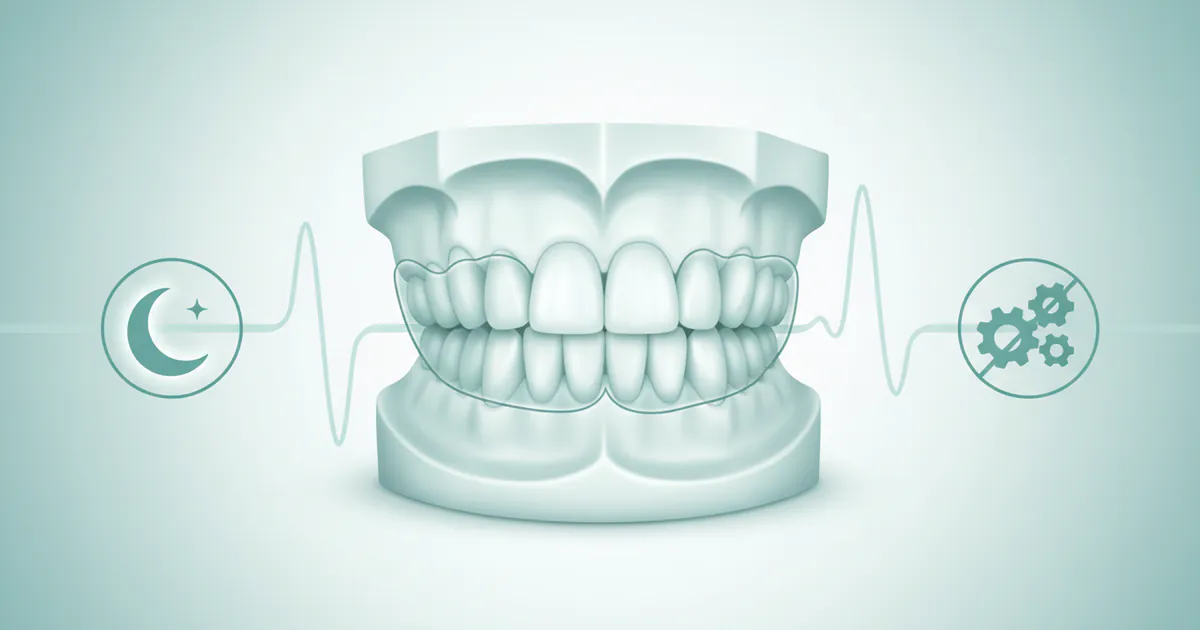
A night guard for teeth grinding can be a life-changing solution for millions of Americans who suffer from bruxism, a common condition characterized by involuntary clenching or grinding of teeth, especially during sleep. Studies by the American Dental Association (ADA) indicate that around 10-15% of adults and up to 30% of children experience some form of bruxism. Left untreated, chronic teeth grinding can lead to severe dental damage, persistent jaw pain, headaches, and even contribute to temporomandibular joint (TMJ) disorders. This comprehensive guide will explore everything you need to know about night guards, including the different types, causes of bruxism, treatment options, costs, and how to choose the best night guard for teeth grinding to protect your oral health and improve your quality of life. We'll also delve into understanding how to fix TMJ issues that often accompany bruxism.
Key Takeaways:
- What is it? A night guard (occlusal splint) is a custom-fitted or over-the-counter dental appliance worn during sleep to prevent teeth grinding (bruxism) and clenching.
- Cost Range: Over-the-counter (OTC) night guards cost $15-$100. Custom-fitted night guards from a dentist typically range from $300-$800, but can sometimes reach $1,500 depending on materials and complexity.
- Insurance Coverage: Dental insurance often covers a portion of custom night guards, usually 50-80%, if bruxism is diagnosed. OTC options are rarely covered.
- Effectiveness: Custom-fitted night guards offer superior protection, comfort, and durability compared to OTC options, effectively reducing symptoms in over 80% of users.
- Lifespan: Custom night guards last 3-10 years, while OTC guards may need replacement every 3-6 months.
- TMJ Connection: Night guards primarily treat bruxism, but can significantly alleviate TMJ pain by reducing muscle strain and jaw joint pressure. For complex TMJ, additional treatments may be necessary.
- Actionable Advice: Seek a dentist's diagnosis for persistent jaw pain or teeth wear. A custom night guard is generally recommended for chronic bruxism to ensure proper fit and long-term effectiveness.
What is a Night Guard for Teeth Grinding?
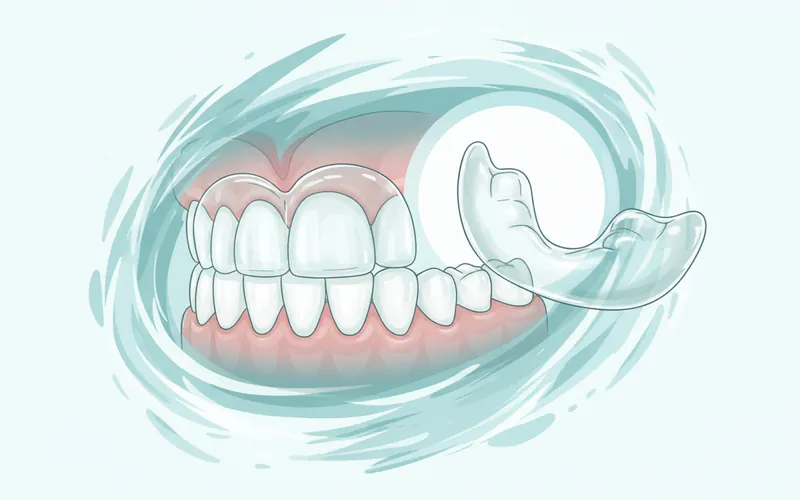
A night guard, also known as an occlusal splint, bite splint, or dental guard, is a removable dental appliance custom-made or pre-formed to fit over your upper or lower teeth. Its primary purpose is to create a physical barrier between your teeth, preventing them from grinding and clenching together. This protective layer absorbs the forces of bruxism, shielding your tooth enamel from wear, fractures, and damage, while also reducing strain on your jaw muscles and temporomandibular joints (TMJs). By providing a cushion and slightly altering your bite alignment, a night guard helps relax the jaw, alleviate pain, and mitigate the associated symptoms of bruxism. It's a non-invasive, reversible, and highly effective treatment for managing the effects of teeth grinding and clenching.
Types of Night Guards for Teeth Grinding
Night guards are not a one-size-fits-all solution. They vary significantly in their fit, material, and method of acquisition. Understanding the different types is crucial for choosing the best night guard for teeth grinding for your specific needs.
1. Over-the-Counter (OTC) Night Guards
These are readily available at pharmacies, drugstores, and online retailers. They offer a temporary and inexpensive solution.
- Boil-and-Bite Night Guards: These are the most common type of OTC night guard. Made from thermoplastic material, you soften them in hot water and then bite into them to create a semi-custom impression of your teeth.
- Pros: Inexpensive (typically $15-$35), immediate availability, can offer some immediate relief.
- Cons: Often bulky and less comfortable, fit is rarely precise, can shift during sleep, less durable (lasting only 3-6 months), and may exacerbate TMJ issues if the bite is not properly aligned.
- Pre-Formed Night Guards: These are ready to wear, non-moldable guards that come in a few standard sizes.
- Pros: Very inexpensive (as low as $10), immediate use.
- Cons: Poor fit, extremely bulky, uncomfortable, can interfere with breathing, and offer minimal protection. Generally not recommended for consistent use.
2. Custom-Fitted Night Guards
These are prescribed and fabricated by a dentist, tailored precisely to your unique dental anatomy. They are widely considered the most effective option.
- Soft Night Guards: Made from a soft, flexible rubberized material, typically acrylic.
- Pros: Comfortable for many users, particularly those with mild clenching or occasional grinding. Good for initial adaptation.
- Cons: Less durable for severe grinders (can be chewed through quickly), may encourage some patients to clench more due to the soft, "chewy" texture.
- Typical Cost: $300-$600
- Hard Night Guards: Constructed from rigid acrylic, these are the most durable and effective for severe bruxism.
- Pros: Highly durable, excellent protection against heavy grinding and clenching, precise fit ensures stability, helps prevent tooth movement. Often recommended for moderate to severe bruxism and for patients with TMJ disorders.
- Cons: Can feel less comfortable initially due to their rigidity, takes some getting used to.
- Typical Cost: $400-$800 (can go up to $1,500 for complex cases or specific materials)
- Dual Laminate (Hybrid) Night Guards: These combine the best features of soft and hard guards. They have a soft inner layer for comfort and a hard acrylic outer layer for durability and protection.
- Pros: Offer a balance of comfort and durability, highly effective for moderate to severe bruxism, better patient compliance than purely hard guards.
- Cons: Generally more expensive than soft guards, may still require an adjustment period.
- Typical Cost: $500-$1,000
Pro Tip: While OTC night guards are tempting due to their low cost, they are rarely a long-term solution. For chronic bruxism or jaw pain, a professional diagnosis and a custom-fitted night guard are almost always recommended by dental professionals to ensure proper function and avoid further complications.
Causes of Teeth Grinding (Bruxism) and Why It Happens
Understanding the underlying causes of bruxism is essential for effective management and potentially identifying additional treatment strategies. Bruxism is often multifactorial, meaning several factors can contribute to its development.
Primary Causes:
- Stress and Anxiety: This is arguably the most common culprit. High levels of stress, anxiety, frustration, and tension can lead to unconscious clenching and grinding, especially during sleep. The body's "fight or flight" response can manifest physically in jaw muscle tension.
- Sleep Disorders: Bruxism is highly associated with other sleep disorders.
- Sleep Apnea: Individuals with obstructive sleep apnea (OSA) often grind their teeth as their body tries to open the airway.
- Snoring: Loud snoring can also be a precursor or accompanying symptom.
- Restless Leg Syndrome: Some studies suggest a link between bruxism and other movement disorders during sleep.
- Occlusion (Bite Issues): While less emphasized by modern dentistry as a sole cause, a misaligned bite (malocclusion) or missing teeth can sometimes contribute to bruxism, as the jaw muscles might work harder to find a comfortable resting position.
- Medications: Certain medications can have bruxism as a side effect.
- Antidepressants: Especially Selective Serotonin Reuptake Inhibitors (SSRIs) like Prozac, Zoloft, and Paxil, are known to induce or worsen bruxism in some individuals.
- Amphetamines: Stimulants used for ADHD can also increase grinding.
- Lifestyle Factors:
- Caffeine and Alcohol: Excessive consumption, especially close to bedtime, can disrupt sleep and increase muscle activity, potentially worsening bruxism.
- Tobacco Use: Nicotine is a stimulant that can interfere with sleep patterns and muscle relaxation.
- Recreational Drugs: Stimulant drugs like ecstasy or cocaine are strongly linked to severe bruxism.
Secondary Causes / Contributing Factors:
- Genetics: There may be a genetic predisposition, as bruxism sometimes runs in families.
- Age: While common in children, bruxism typically lessens with age but can persist into adulthood.
- Other Medical Conditions: Certain neurological conditions (e.g., Parkinson's disease, Huntington's disease) or psychological disorders can be associated with bruxism.
- Dental Factors: New fillings, crowns, or orthodontic appliances that alter the bite can sometimes trigger bruxism initially.
Understanding these causes is critical, as addressing the root issue (e.g., stress management, treating sleep apnea, reviewing medications) can complement the use of a night guard and provide more comprehensive relief.
Signs and Symptoms of Teeth Grinding (Bruxism)
Bruxism can manifest in various ways, often subtly at first. Many people don't even realize they grind their teeth until a dentist points out the wear, or a partner notices the grinding sounds. Recognizing these signs and symptoms early is key to preventing severe damage.
Dental Symptoms:
- Worn-down, flattened, or fractured teeth: This is often the most tell-tale sign, especially visible on the biting surfaces.
- Chipped or cracked tooth enamel: Grinding can cause small chips or lines in the enamel.
- Increased tooth sensitivity: Due to enamel erosion, teeth become more sensitive to hot, cold, or sweets.
- Loose teeth: Chronic, heavy grinding can put excessive stress on the periodontal ligaments, leading to tooth mobility.
- Receding gums: Aggressive clenching can contribute to gum recession and expose tooth roots.
- Indentations on the tongue: Scalloped edges on the tongue can indicate habitual clenching against the tongue.
- Cheek biting: Lacerations or raised areas on the inside of the cheeks from biting due to clenching or an unstable bite.
- Enlarged jaw muscles: Chronic overuse can cause the masseter muscles (in the jaw) to become visibly larger and feel harder.
Head and Neck Symptoms:
- Dull headaches: Especially common in the temples upon waking.
- Jaw pain or soreness: Often felt around the TMJ area, particularly in the morning.
- Earache (often referred pain): Pain originating from the jaw joints and muscles can be perceived as an earache, even when the ear itself is healthy.
- Facial pain: Generalized discomfort or fatigue in the facial muscles.
- Neck and shoulder pain: Muscle tension can extend beyond the jaw into the neck and shoulders.
Temporomandibular Joint (TMJ) Symptoms:
- TMJ disorders (TMD): Bruxism is a major contributing factor to TMD, which affects the jaw joints and surrounding muscles.
- Clicking, popping, or grating sounds in the jaw joint: These sounds may occur when opening or closing your mouth.
- Difficulty opening or closing the mouth fully: A "locked" jaw can be a severe symptom of TMJ dysfunction.
- Pain or tenderness around the jaw joints: Especially noticeable when chewing or talking.
If you experience any combination of these symptoms, it's crucial to consult a dentist. They can properly diagnose bruxism and assess any damage, recommending appropriate treatment, such as a night guard for teeth grinding.
Treatment Options for Teeth Grinding and TMJ Disorders
While a night guard is a cornerstone for managing bruxism, it's often part of a broader treatment plan, especially if TMJ disorders are present. Addressing the underlying causes and symptoms holistically can provide the best outcomes.
1. Night Guards (Occlusal Splints)
As discussed, night guards are the primary non-invasive treatment for bruxism. They act as a physical barrier to protect teeth and relieve jaw muscle strain.
- Pros: Highly effective for protecting teeth, reduces muscle tension and pain, non-invasive, reversible, generally well-tolerated. Can significantly improve symptoms of bruxism and associated TMJ pain.
- Cons: Requires consistent use, initial adjustment period, custom guards can be costly, doesn't address the root cause of bruxism (e.g., stress).
2. Behavioral Therapies and Stress Management
Since stress and anxiety are major triggers for bruxism, behavioral interventions are crucial.
- Stress Reduction Techniques: Yoga, meditation, deep breathing exercises, mindfulness, and regular physical activity can help manage daily stress.
- Biofeedback: Special equipment helps you become aware of jaw muscle activity so you can learn to control it.
- Cognitive Behavioral Therapy (CBT): A therapist can help identify and change thought patterns that contribute to stress and anxiety, or develop coping mechanisms.
- Awareness Training: Learning to recognize when you're clenching or grinding during the day and consciously relaxing your jaw. This includes avoiding hard, chewy foods and practicing good posture.
3. Medications
Medications are typically used for short-term relief or in conjunction with other therapies.
- Muscle Relaxants: Prescribed for a limited period to relax jaw muscles and reduce clenching, often taken before bed.
- Botox (Botulinum Toxin Injections): Injections into the masseter muscles can temporarily paralyze them, significantly reducing the force of grinding and clenching for 3-6 months. This is an effective option for severe bruxism and related TMJ pain when other treatments haven't worked, but it is not a permanent solution.
- Pain Relievers: Over-the-counter anti-inflammatories (NSAIDs) like ibuprofen can help manage pain and inflammation associated with jaw soreness.
- Sleep Medications: In rare cases, if bruxism is severely disrupting sleep, a doctor might prescribe a short course of sleep aids, but this is generally not a long-term solution.
4. Physical Therapy
A physical therapist specializing in craniomandibular disorders can offer targeted exercises and techniques.
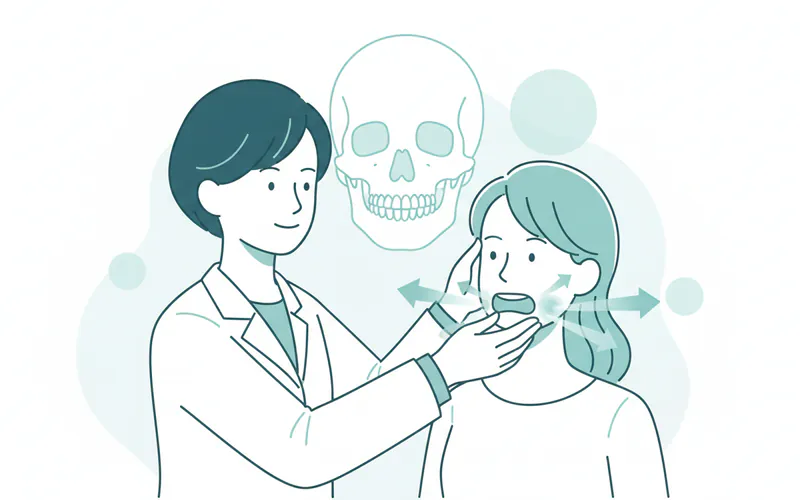
- Jaw Exercises: Specific stretches and strengthening exercises to improve jaw mobility and reduce muscle tension.
- Manual Therapy: Techniques like massage, trigger point release, and mobilization of the jaw joints.
- Heat/Cold Therapy: Applying heat or cold packs to the jaw can help relieve pain and inflammation.
5. Dental and Orthodontic Interventions
While not always directly treating bruxism, these can address contributing factors or repair damage.
- Restorative Dentistry: Repairing damaged teeth (fillings, crowns, veneers) caused by grinding.
- Orthodontics: In cases where a significant malocclusion is contributing to bruxism or TMJ issues, braces or clear aligners might be considered to realign the bite. This is a complex decision and usually a last resort for bruxism alone.
- Occlusal Adjustments: In very specific cases, minor reshaping of tooth surfaces can help balance the bite, though this is controversial and carefully considered by dentists.
6. Surgery (for TMJ Disorders)
Surgery is a rare and typically last-resort option for severe, debilitating TMJ disorders that haven't responded to extensive non-invasive treatments.
- Arthrocentesis: A minimally invasive procedure involving flushing the joint with sterile fluid.
- Arthroscopy: Similar to arthrocentesis but uses a small camera to examine and treat the joint.
- Open-joint Surgery: More invasive, used to repair or replace the joint in severe structural problems.
Pro Tip: For chronic bruxism and accompanying jaw pain, always start with a professional dental diagnosis. A combination of a custom night guard and stress management techniques is often the most effective initial approach.
Step-by-Step Process: Getting a Custom Night Guard
Opting for a custom night guard involves a few straightforward steps with your dentist. Here’s what you can expect:
1. Initial Consultation and Diagnosis
- Examination: Your dentist will conduct a thorough oral examination, checking for signs of bruxism such as worn tooth surfaces, fractured teeth, receding gums, and muscle tenderness in your jaw and face.
- Discussion of Symptoms: You'll discuss any symptoms you're experiencing, such as jaw pain, headaches, clicking jaw, or difficulty opening your mouth.
- Diagnosis: Based on the examination and your symptoms, the dentist will diagnose bruxism and/or assess for temporomandibular joint (TMJ) disorders. They will discuss whether a night guard is the appropriate treatment for you.
- Treatment Plan: Your dentist will explain the different types of custom night guards available (soft, hard, hybrid) and recommend the best option for your specific case and the severity of your grinding.
2. Impressions and Measurements
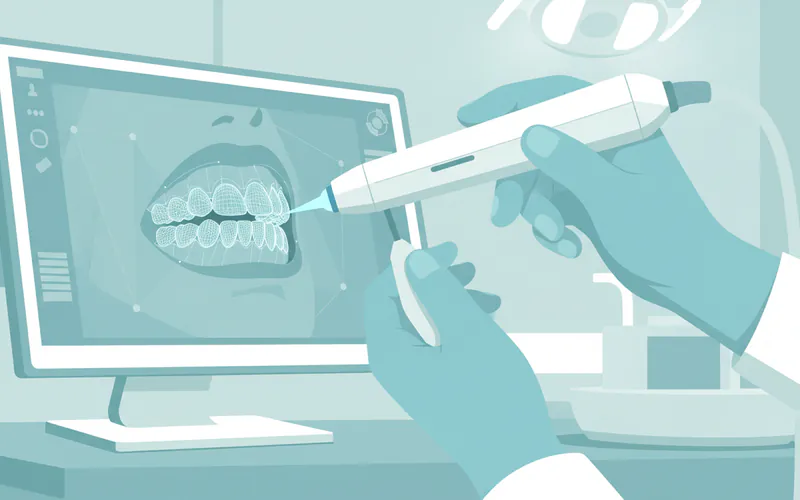
- Dental Impressions: If a custom night guard is recommended, the dental assistant or dentist will take precise impressions of your teeth, usually of both your upper and lower arches. This is typically done using a putty-like material that sets around your teeth to create a mold. Some modern dental offices may use digital scanners for a mess-free and highly accurate 3D impression.
- Bite Registration: The dentist will also take a "bite registration" to record how your upper and lower teeth meet. This ensures the night guard is fabricated to place your jaw in a comfortable and neutral position, preventing an improper bite from forming.
3. Fabrication of the Night Guard
- Lab Work: The impressions and bite registration are sent to a specialized dental laboratory.
- Crafting the Guard: Skilled technicians use these molds to custom-fabricate your night guard from durable, biocompatible acrylic or other materials. This process ensures the guard fits perfectly, without causing discomfort or altering your bite in an unfavorable way. This stage typically takes 1-3 weeks.
4. Fitting and Adjustments
- Initial Fitting: Once your custom night guard arrives back at the dental office, you'll return for a fitting appointment. The dentist will ensure it fits snugly and comfortably over your teeth, without causing pressure points.
- Bite Check: The dentist will check your bite with the guard in place, making sure it doesn't interfere with your natural jaw movements or create an imbalance.
- Adjustments: Minor adjustments are often necessary during this appointment to achieve optimal comfort and function. This might involve trimming small edges or polishing surfaces.
- Usage and Care Instructions: You'll receive detailed instructions on how to properly insert and remove your night guard, how to clean it, and how often to wear it. Your dentist will likely recommend wearing it every night.
5. Follow-up and Maintenance
- Follow-up Appointment: A follow-up appointment may be scheduled a few weeks after you start wearing the night guard to assess its effectiveness, address any lingering discomfort, and make further adjustments if needed.
- Regular Check-ups: Your dentist will continue to monitor your night guard's condition and your oral health during your regular dental check-ups, typically every 6 months. Over time, the guard may show signs of wear and might need replacement after several years (3-10 years depending on material and grinding severity).
This meticulous process ensures that your custom night guard is not only effective in protecting your teeth but also comfortable and contributes to overall jaw health.
Cost and Insurance for Night Guards in the US
The cost of a night guard for teeth grinding varies significantly depending on whether you choose an over-the-counter option or a custom-fitted appliance from your dentist. Insurance coverage also plays a crucial role.
Over-the-Counter (OTC) Night Guards:
- Boil-and-Bite: Generally range from $15 to $35.
- Pre-Formed: Can be as low as $10.
- Online Custom Kits: Some companies offer "at-home impression" kits that send you a custom-made guard. These typically range from $100 to $200. While marketed as "custom," they lack the professional assessment and fitting of a dentist, which can lead to improper fit and potential jaw issues.
- Insurance: OTC night guards are almost never covered by dental or medical insurance.
Custom-Fitted Night Guards (from a Dentist):
The price for a custom night guard reflects the professional expertise, material quality, and lab fees involved.
- Soft Night Guards: Average cost is $300-$600.
- Hard Acrylic Night Guards: Average cost is $400-$800. For premium materials or complex cases, this can extend up to $1,500.
- Dual Laminate (Hybrid) Night Guards: Average cost is $500-$1,000.
Regional Cost Variation: Prices can fluctuate based on your geographic location within the US. Major metropolitan areas tend to have higher costs compared to rural areas. For example, a custom night guard might cost $600-$900 in New York City or Los Angeles, but $400-$700 in a smaller Midwestern town.
Insurance Coverage Details:
- Dental Insurance: Many dental insurance plans do cover a portion of the cost for custom night guards, especially if bruxism is diagnosed and deemed medically necessary.
- Coverage Levels: Typically, plans cover 50-80% of the cost after your deductible has been met.
- Deductibles and Co-pays: You will likely be responsible for your annual deductible (e.g., $50-$100) and a co-pay percentage.
- CDT Codes: Dentists use specific Current Dental Terminology (CDT) codes when submitting claims. Common codes for night guards include D9940 (occlusal guard, hard appliance, full arch) or D9944 (occlusal guard, soft appliance, full arch).
- Pre-authorization: It's often advisable to get pre-authorization from your insurance company to understand your exact out-of-pocket costs before proceeding with the treatment.
- Medical Insurance: In some cases, if your bruxism is severe and clearly linked to a diagnosed TMJ disorder (TMD) or a systemic medical condition (like sleep apnea), your medical insurance might cover a portion of the cost. This is less common and often requires extensive documentation from your dentist and possibly a physician.
- HSA/FSA: You can typically use funds from a Health Savings Account (HSA) or Flexible Spending Account (FSA) to pay for both custom and certain OTC night guards, as they are considered medical expenses.
Pro Tip: Always check with your dental insurance provider directly to understand your specific benefits, coverage limits, and any pre-authorization requirements for a night guard. Don't assume coverage without verifying.
Cost Comparison Table: OTC vs. Custom Night Guards
| Feature | Over-the-Counter (Boil-and-Bite) | Custom-Fitted (from Dentist) |
|---|---|---|
| Cost Range (US$) | $15 - $35 | $300 - $1,500 |
| Fit | Generic, semi-custom, often bulky | Precise, comfortable, custom-designed to your teeth and bite |
| Protection | Basic, limited shock absorption, can be chewed through | Superior, durable materials, excellent shock absorption |
| Effectiveness | Moderate for mild bruxism, often ineffective for severe grinding | Highly effective for mild to severe bruxism and TMJ relief |
| Durability | Low (3-6 months), prone to cracking/wearing out | High (3-10 years), designed for longevity |
| Comfort | Often uncomfortable, can cause gagging, can shift during sleep | Excellent, allows normal speech and breathing, stays in place |
| Insurance | Rarely covered | Often covered 50-80% by dental insurance |
| Process | DIY boil-and-bite at home | Dentist consultation, impressions, lab fabrication, professional fitting |
| Potential Risks | May exacerbate TMJ, inadequate protection, potential for bite changes | Minimal risks, mostly initial discomfort (easily adjusted) |
Recovery and Aftercare for Your Night Guard
Once you receive your custom night guard, proper care and attention are essential to ensure its longevity and continued effectiveness.
Initial Adjustment Period:
- Feeling "Strange": It's completely normal for a new night guard to feel a bit strange or bulky in your mouth for the first few nights. You might experience increased salivation initially, or a slight change in speech. This usually subsides within a few days to a week as your mouth adapts.
- Minor Discomfort: Some minor jaw tenderness or sensitivity can occur as your muscles adjust to the new bite position. If discomfort persists or is severe, contact your dentist for an adjustment.
- Consistency is Key: Wear your night guard every single night, as instructed by your dentist, even if your symptoms seem to improve. Consistent use is crucial for retraining jaw muscles and protecting your teeth.
Daily Cleaning and Maintenance:
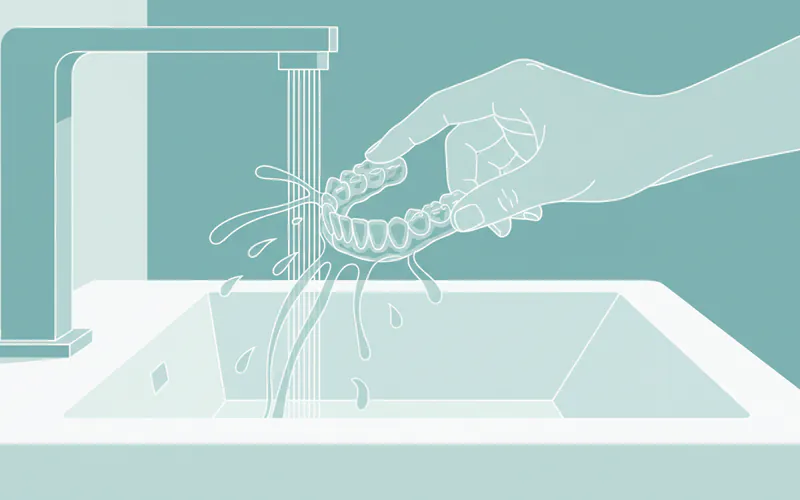
- Rinse Immediately: As soon as you remove your night guard in the morning, rinse it thoroughly under cool (never hot) water to remove saliva and plaque.
- Brush Gently: Using a soft-bristled toothbrush and non-abrasive soap (like mild hand soap or dish soap) or a specialized night guard cleaner, gently brush all surfaces of the guard. Avoid toothpaste, as it can be abrasive and scratch the acrylic, creating surfaces where bacteria can accumulate.
- Soak Occasionally: For a deeper clean and to prevent bacterial buildup, soak your night guard periodically (e.g., once a week) in a denture or night guard cleaning solution, following the product's instructions.
- Rinse Thoroughly After Soaking: Always rinse the guard thoroughly with cool water before reinserting it into your mouth after soaking.
Storage:
- Keep it Dry (After Cleaning): After cleaning, ensure your night guard is dry before storing it.
- Ventilated Case: Store your night guard in the provided hard, ventilated case. This protects it from damage, keeps it clean, and allows it to air dry fully, preventing bacterial growth and odors.
- Avoid Heat: Never leave your night guard in direct sunlight, in a hot car, or near heat sources, as high temperatures can warp the material and ruin its fit.
- Keep Away from Pets: Dogs and other pets are notoriously attracted to night guards and can easily chew them up, leading to an expensive replacement.
When to Replace Your Night Guard:
- Visible Wear: Over time, your night guard will show signs of wear, such as thinning material, cracks, or holes, especially in areas where you grind heavily.
- Loose Fit: If the guard no longer fits snugly or feels loose, it may be due to wear or changes in your teeth.
- Discomfort or Pain: If the guard becomes consistently uncomfortable or causes new jaw pain, it's time for an assessment.
- Dentist's Recommendation: Your dentist will inspect your night guard during your regular check-ups and advise you when a replacement is needed. Custom guards typically last 3 to 10 years, depending on the severity of your bruxism and the material.
Proper recovery and diligent aftercare are vital for maximizing the effectiveness and lifespan of your night guard, ensuring it continues to protect your teeth and jaw for years to come.
Prevention of Teeth Grinding and TMJ Issues
While a night guard effectively treats the symptoms and protects against damage, preventing bruxism and associated TMJ issues often involves addressing the root causes and adopting healthier lifestyle habits.
- Stress Management: Since stress is a primary trigger, incorporating stress-reduction techniques into your daily routine is crucial.
- Mindfulness and Meditation: Practice daily meditation or mindfulness exercises.
- Regular Exercise: Physical activity is a proven stress reliever.
- Adequate Sleep: Aim for 7-9 hours of quality sleep per night. Establish a consistent sleep schedule.
- Relaxation Techniques: Try deep breathing, progressive muscle relaxation, or warm baths before bedtime.
- Limit Stimulants:
- Caffeine: Reduce or eliminate caffeine intake, especially in the afternoon and evening.
- Alcohol: Limit alcohol consumption, as it can disrupt sleep patterns and worsen grinding.
- Nicotine: Avoid tobacco products, as nicotine is a stimulant.
- Avoid Chewing Gum and Hard Foods: Excessive chewing throughout the day can overwork your jaw muscles, making them more prone to clenching at night. Avoid gum, hard candies, and very chewy foods.
- Practice Jaw Awareness: During the day, be mindful of your jaw's position. Consciously keep your teeth apart and your jaw relaxed. Your tongue should gently rest on the roof of your mouth, with your teeth not touching.
- Good Sleep Hygiene:
- Consistent Schedule: Go to bed and wake up at roughly the same time each day, even on weekends.
- Dark, Quiet, Cool Environment: Optimize your bedroom for sleep.
- Avoid Screens: Limit screen time (phones, tablets, computers) for at least an hour before bed.
- Address Sleep Disorders: If you suspect you have sleep apnea or another sleep disorder, consult a physician. Treating these conditions can significantly reduce or eliminate bruxism.
- Regular Dental Check-ups: Your dentist can monitor for early signs of bruxism or wear and offer proactive advice.
- Evaluate Medications: If you're taking medications known to cause bruxism, discuss alternatives or dosage adjustments with your doctor. Do not stop medication without medical advice.
Implementing these preventive strategies can not only help minimize or eliminate bruxism but also improve your overall health and well-being.
Risks and Complications of Night Guards
While night guards are generally safe and highly effective, there are potential risks and complications, especially with improper use or ill-fitting devices.
1. Improper Fit (Especially with OTC Guards):
- Bite Changes: An ill-fitting night guard can inadvertently shift your bite over time, leading to new jaw pain, discomfort, or even permanent changes to your occlusion.
- TMJ Exacerbation: A poorly fitted guard can put uneven pressure on your temporomandibular joints, potentially worsening existing TMJ disorders or creating new ones.
- Discomfort and Gagging: Bulky or poorly molded OTC guards can be very uncomfortable, cause gagging, interfere with breathing, and lead to poor compliance.
2. Hygiene Issues:
- Bacterial Growth: If not cleaned properly, night guards can become breeding grounds for bacteria, fungi, and yeast, leading to oral infections, bad breath, or even systemic health issues.
- Gum Inflammation: Poor hygiene can contribute to gingivitis or periodontitis around the teeth covered by the guard.
3. Damage to the Guard:
- Breakage: Even custom-made guards can wear out or break over time, especially with severe grinding. Worn guards lose their protective efficacy.
- Swallowing Fragments: While rare with custom guards, a severely broken OTC guard could potentially lead to swallowing small plastic fragments.
4. Jaw Muscle Dependence/Adaptation:
- Muscle Fatigue: While rare, some individuals, especially with very soft night guards, might find themselves clenching more on the soft material, leading to increased muscle fatigue rather than relaxation. This is why harder materials are often preferred for severe bruxism.
5. Allergic Reactions:
- Though uncommon, some individuals might have an allergic reaction to the materials used in night guards (e.g., certain acrylics). Dentists are usually aware of common allergens and can select appropriate materials.
Pro Tip: To minimize risks, always consult a dentist for a proper diagnosis of bruxism and a recommendation for a custom-fitted night guard. Avoid prolonged use of ill-fitting OTC guards without professional guidance. Regular cleaning and dental check-ups are paramount.
Children / Pediatric Considerations for Teeth Grinding
Bruxism is surprisingly common in children, affecting up to 30% of kids, according to the American Academy of Pediatric Dentistry. While often outgrown, it’s important for parents to be aware of the signs and when to seek dental attention.
Why Children Grind Their Teeth:
- Developmental Stages: Many children grind their teeth as their jaws and teeth develop. This can happen when baby teeth are erupting, when permanent teeth are coming in, or when there are changes in their bite.
- Stress and Anxiety: Similar to adults, stress from school, family issues, or even minor changes in routine can manifest as bruxism in children.
- Allergies: Some theories suggest a link between bruxism and allergies or congestion, as children might grind to clear their airways.
- Medical Conditions: Certain medical conditions like cerebral palsy or specific medications can also contribute to bruxism.
- Malocclusion: Bite problems or misaligned teeth can sometimes be a factor.
Signs and Symptoms in Children:
- Grinding noises during sleep (often noticed by parents).
- Worn-down tooth enamel, sometimes exposing the inner dentin.
- Complaints of jaw pain or soreness in the morning.
- Headaches upon waking.
- Facial muscle pain.
- Increased tooth sensitivity.
When to Intervene:
- Often Harmless: In most cases, pediatric bruxism is temporary and does not cause lasting damage. Many children stop grinding once their permanent teeth fully erupt or as they outgrow stressful periods.
- Dental Monitoring: Your pediatric dentist will monitor your child's teeth for signs of excessive wear during regular check-ups.
- When Treatment is Needed: If the grinding is causing significant tooth wear, pain, or affecting sleep, the dentist might recommend intervention.
Treatment for Pediatric Bruxism:
- Addressing Stress: Help children manage stress through relaxation techniques, establishing a consistent bedtime routine, and talking about their concerns.
- Behavioral Adjustments: Encourage a balanced diet and limit sugary drinks, especially before bed. Ensure they get enough sleep.
- Night Guards (Rarely for Young Children): Custom night guards are generally not the first line of treatment for young children due to their constantly changing dental arches.
- They might be considered for older children (usually adolescents) with severe, persistent grinding causing significant damage or pain, especially if permanent teeth are mostly erupted.
- The guard would need frequent replacement due to growth.
- Correction of Bite Issues: In some cases, if a significant malocclusion is identified as a primary contributor, orthodontic intervention might be discussed.
Pro Tip for Parents: Don't panic if your child grinds their teeth. Schedule a visit with a pediatric dentist. They can assess the severity, monitor for damage, and advise on whether intervention is necessary, typically starting with non-invasive approaches first.
Cost Breakdown: Night Guards and Related Treatments
While we covered costs in a previous section, let's consolidate and expand on financing options and cost-saving tips specifically.
Average US Costs for Custom Night Guards (without insurance):
- Low End (Soft): $300-$500
- Mid-Range (Soft/Hybrid): $500-$800
- High End (Hard/Complex Cases): $800-$1,500
With vs. Without Insurance:
- Without Insurance: You will pay the full amount out-of-pocket, as listed above.
- With Dental Insurance: Assuming a typical 50-80% coverage after a $50-$100 deductible, your out-of-pocket cost could be significantly reduced.
- Example (Mid-range $600 guard, 70% coverage, $50 deductible):
- You pay deductible: $50
- Remaining balance: $550
- Insurance covers 70% of $550: $385
- Your remaining out-of-pocket: $550 - $385 = $165
- Total out-of-pocket: $50 (deductible) + $165 (co-pay) = $215
- Example (Mid-range $600 guard, 70% coverage, $50 deductible):
Payment Plans and Financing Options:
- Dental Office Payment Plans: Many dental offices offer in-house payment plans, allowing you to pay for the night guard in monthly installments, often interest-free for a certain period.
- Third-Party Financing (e.g., CareCredit, LendingClub): These companies specialize in healthcare financing and offer various payment plans, including deferred interest options or low-interest loans, depending on your credit.
- HSA/FSA: Utilize your Health Savings Account or Flexible Spending Account funds, which are pre-tax dollars specifically for healthcare expenses, making your purchase effectively cheaper.
Cost-Saving Tips:
- Compare Dentists: Costs can vary between dental practices. Call around and ask for quotes for a custom night guard.
- Ask for Discounts: Some dentists offer discounts for uninsured patients, seniors, or upfront cash payments.
- Verify Insurance Benefits: Always contact your dental insurance provider before your appointment to confirm coverage details, deductible status, and any pre-authorization requirements.
- Utilize HSA/FSA: Maximize your pre-tax savings by using these accounts for eligible dental expenses.
- Don't Postpone Treatment: Delaying treatment for bruxism can lead to more extensive and costly dental repairs (e.g., crowns, root canals, extractions) down the line. An initial investment in a night guard is often a cost-saving measure in the long run.
- Care for Your Night Guard: Proper cleaning and storage will extend the life of your custom night guard, reducing the frequency and cost of replacement.
Frequently Asked Questions
What is the best night guard for teeth grinding?
The best night guard for teeth grinding is almost always a custom-fitted one made by a dentist. These are precisely molded to your teeth, ensuring optimal comfort, effective protection against grinding forces, and proper jaw alignment. While over-the-counter options offer temporary relief, they lack the precision and durability of custom guards and can sometimes exacerbate jaw issues.
How long does it take to get used to a night guard?
Most people take a few nights to a week to fully adjust to wearing a night guard. You might experience increased salivation or a feeling of bulkiness initially. If discomfort or jaw pain persists beyond a week, or if the guard feels like it's causing new issues, contact your dentist for an adjustment.
Can a night guard fix TMJ pain?
A night guard can significantly alleviate TMJ pain and symptoms by reducing muscle strain, absorbing grinding forces, and helping to position your jaw in a more relaxed state. While it primarily treats bruxism, which is a major contributor to TMJ disorders, it may not "fix" all underlying TMJ issues. For complex TMJ, your dentist may recommend additional treatments like physical therapy or medication.
How long do night guards last?
The lifespan of a night guard depends on its type and the severity of your grinding. Over-the-counter boil-and-bite guards typically last only 3-6 months. Custom-fitted soft guards may last 1-3 years, while hard acrylic or dual laminate custom guards can last 3-10 years or even longer with proper care and maintenance.
Is teeth grinding a sign of something serious?
Teeth grinding (bruxism) is often linked to stress, anxiety, or certain sleep disorders like sleep apnea. While the grinding itself can lead to serious dental damage (fractured teeth, worn enamel, TMJ disorders), it can also be a symptom of an underlying health issue. If you suspect sleep apnea or other medical conditions, it's important to consult your dentist and physician.
Are there alternatives to wearing a night guard?
Yes, alternatives or complementary treatments exist. These include stress management techniques (meditation, exercise), behavioral therapy, biofeedback, physical therapy for jaw muscles, Botox injections to relax jaw muscles, and in some cases, medication. Addressing underlying sleep disorders is also crucial. However, for direct tooth protection, a night guard remains the most common and effective solution.
Can a night guard change your bite?
A properly fitted custom night guard, designed by a dentist, should not permanently change your bite. Its purpose is to protect your teeth and stabilize your jaw. However, an ill-fitting over-the-counter guard or a custom guard that hasn't been properly adjusted by a dentist can potentially lead to undesirable bite changes or exacerbate existing jaw problems.
What should I do if my night guard is uncomfortable?
If your night guard is uncomfortable, bulky, or causes pain, contact your dentist. Custom night guards can often be adjusted to improve fit and comfort. For OTC guards, discomfort usually indicates a poor fit, and it might be advisable to consult a dentist for a professional assessment and potentially a custom guard.
Does dental insurance cover night guards?
Many dental insurance plans cover a portion of the cost for custom-fitted night guards, typically 50-80% after your deductible is met, especially when bruxism is diagnosed. However, coverage varies widely, and it's essential to check with your specific insurance provider for details and pre-authorization requirements. Over-the-counter night guards are rarely covered.
Can I get a night guard for my child?
Night guards are generally not recommended for very young children due to their developing jaws and changing dentition. For older children or adolescents with severe, persistent bruxism causing significant tooth damage or pain, a custom night guard might be considered, but it would require frequent replacement as they grow. Pediatric dentists usually prioritize stress management and monitoring for children.
When to See a Dentist
Recognizing the signs and knowing when to seek professional dental attention is crucial for preventing long-term damage and managing discomfort associated with teeth grinding and TMJ disorders.
You should schedule a routine appointment with your dentist if you experience any of the following:
- Persistent jaw pain or soreness: Especially if it's worse in the morning.
- Dull headaches: Particularly around your temples, upon waking.
- Noticeable tooth sensitivity: To hot, cold, or sweet foods.
- Clicking, popping, or grating sounds in your jaw: When you open or close your mouth.
- If your partner or family member notices you grinding your teeth at night.
- Visible wear or flattening of your teeth: This is a clear indicator of bruxism.
- Receding gums or loose teeth: These can be consequences of chronic grinding.
- Indentations on your tongue or inner cheeks: From clenching.
You should seek more immediate attention (within a few days) if you experience:
- Severe, debilitating jaw pain: That interferes with eating, speaking, or opening your mouth.
- A "locked" jaw: Where your mouth gets stuck open or closed.
- Sudden changes in your bite: Where your teeth no longer fit together comfortably.
- A broken or fractured tooth: Especially if it's causing sharp pain.
Red Flags / Emergency Guidance:
- If you experience excruciating pain, difficulty breathing or swallowing, or severe facial swelling in conjunction with jaw issues, this could indicate a more serious problem. While rare, these symptoms warrant urgent medical or dental attention. Contact your dentist's emergency line or seek care at an urgent care center or emergency room if your dentist is unavailable.
Early diagnosis and intervention are key to managing bruxism and TMJ disorders effectively. Your dentist can accurately assess your condition, determine the root causes, and recommend the most appropriate treatment plan, which often includes a custom night guard for teeth grinding.
Frequently Asked Questions
Medically Reviewed Content
This article was written by our dental health editorial team and reviewed for medical accuracy. Our content follows strict editorial guidelines for reliability and trustworthiness.
Medical Disclaimer
This article is for informational purposes only and does not constitute medical advice. Always consult with a qualified dental professional for diagnosis and treatment. Do not delay seeking professional advice because of something you read on this website.
Related Articles
Tmj Massage Near Me: Complete Guide
Temporomandibular joint disorder, commonly known as TMJD, affects millions of Americans, causing debilitating pain, discomfort, and significantly impacting quality of life. If you're experiencing jaw pain, clicking, or difficulty chewing, you're not alone. Up to 15% of American adults experience
February 23, 2026
Tmd Treatment: Complete Guide
Experiencing persistent jaw pain, clicking sounds when you chew, or debilitating headaches that seem to originate from your face? You're not alone. Temporomandibular joint (TMJ) disorders, often referred to collectively as TMD, affect an estimated 10 million Americans, with women disproportionat
February 23, 2026
Tmj Nerve Damage Symptoms: Complete Guide
Experiencing persistent facial pain, numbness, or tingling can be distressing, especially when the source is unclear. While many people are familiar with general jaw pain associated with temporomandibular joint (TMJ) disorders, the less commonly understood aspect of tmj nerve damage symptoms can
February 23, 2026
Remi Night Guard: Complete Guide
Remi Night Guard: Complete Guide
February 23, 2026