Remi Night Guard: Complete Guide
Key Takeaways
- Remi Night Guard: Complete Guide
Remi Night Guard: Complete Guide
Do you often wake up with a dull headache, a sore jaw, or unexplained tooth sensitivity? You're not alone. Millions of Americans suffer from bruxism – the unconscious clenching or grinding of teeth – often during sleep. This seemingly innocuous habit can lead to significant dental damage, chronic pain, and even contribute to temporomandibular joint (TMJ) disorders. The good news is that effective solutions exist, and one increasingly popular option is the Remi night guard. This comprehensive guide will delve into everything you need to know about Remi night guards, from how they work and their benefits to cost, care, and how they stack up against other options, ensuring you have all the information to protect your smile and alleviate discomfort.
Key Takeaways:
- What it is: A custom-fit dental appliance made from professional-grade materials, designed to protect teeth from grinding (bruxism) and alleviate TMJ symptoms.
- The Remi Difference: Remi offers a convenient, at-home impression kit that allows you to get a custom-fit night guard made in a professional lab, often at a significantly lower cost than a traditional dental office.
- Cost Savings: Remi night guards typically range from $100-$200 per guard, making them substantially more affordable than dental office custom guards (which can cost $300-$800 per arch or more) while offering superior fit and durability compared to over-the-counter boil-and-bite options ($20-$50).
- Process Timeline: Expect to receive your impression kit within a few days, and after sending back your impressions, your custom guard usually arrives within 1-2 weeks.
- Effectiveness: Custom-fit night guards like Remi are highly effective in preventing tooth damage, reducing jaw pain, headaches, and other symptoms associated with bruxism and mild to moderate TMJ disorders.
- Maintenance: Daily cleaning with a soft brush and non-abrasive cleaner, along with proper storage, is crucial for extending the lifespan of your guard, which typically lasts 6 months to several years depending on bruxism severity.
- Insurance: While not always covered directly like a dental office visit, some dental or medical plans may offer partial reimbursement if you have a diagnosis code for bruxism or TMD; it’s essential to check with your provider.
What is a Remi Night Guard?
A Remi night guard is a custom-fabricated oral appliance designed to create a protective barrier between your upper and lower teeth, preventing the damaging effects of teeth grinding (bruxism) and clenching. Unlike generic, one-size-fits-all options available at drugstores, Remi guards are made from professional-grade materials based on precise impressions of your unique dental anatomy. This ensures a snug, comfortable, and effective fit, which is crucial for both comfort and treatment efficacy.
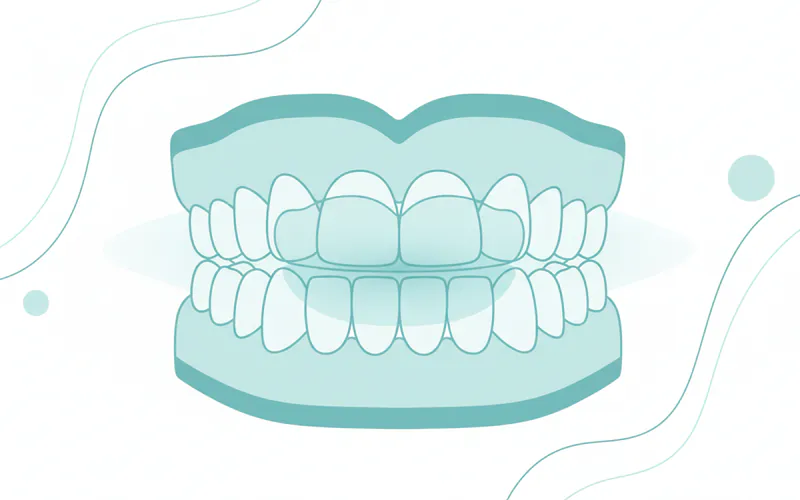
The core concept behind Remi is to democratize access to high-quality, custom night guards. Traditionally, these appliances required multiple visits to a dental office, including impressions taken by a dentist, and often came with a hefty price tag. Remi streamlines this process by sending you an easy-to-use impression kit to complete at home. Once you send your impressions back, Remi’s professional dental lab uses them to craft a guard specifically for your mouth, utilizing the same materials and techniques employed by many dental practices.
The primary purpose of a Remi night guard is twofold:
- Protect Teeth: It prevents direct contact between your upper and lower teeth, shielding them from the destructive forces of grinding and clenching, which can lead to chips, cracks, excessive wear, and sensitivity.
- Alleviate Jaw Strain: By providing a cushion and slightly repositioning the jaw, it reduces stress on the temporomandibular joints (TMJ) and surrounding muscles, alleviating pain, headaches, and other symptoms associated with bruxism and TMJ disorders.
The Problem: Bruxism and TMJ Disorders
Understanding the underlying issues that a Remi night guard addresses is key to appreciating its value. Bruxism and TMJ disorders are widespread conditions that can significantly impact your oral health and overall quality of life.
Understanding Bruxism
Bruxism is the medical term for involuntary grinding, clenching, or gnashing of teeth. It can occur while you're awake (awake bruxism) or, more commonly, during sleep (sleep bruxism). While occasional teeth grinding might not be harmful, chronic bruxism can lead to a host of problems.
Prevalence: The American Academy of Sleep Medicine estimates that approximately 10% of adults and up to 15% of children experience sleep bruxism. Awake bruxism can be even more prevalent, especially during stressful periods.
Causes of Bruxism:
- Stress and Anxiety: This is often cited as the leading cause. Daily stressors, work pressure, or generalized anxiety can manifest as clenching or grinding.
- Sleep Disorders: Sleep apnea, a condition where breathing repeatedly stops and starts during sleep, is strongly linked to sleep bruxism. Other sleep disorders can also play a role.
- Malocclusion (Misaligned Bite): An improper alignment of teeth or jaws can sometimes trigger grinding as the body tries to find a comfortable resting position.
- Certain Medications: Antidepressants (especially SSRIs), antipsychotics, and some stimulant medications can have bruxism as a side effect.
- Lifestyle Factors: Excessive consumption of caffeine, alcohol, or recreational drugs, as well as smoking, can increase the risk of bruxism.
- Neurological Conditions: Rare cases may be linked to conditions like Parkinson's disease or Huntington's disease.
Signs and Symptoms of Bruxism:
- Worn-down, Chipped, or Fractured Teeth: This is a classic sign, as the grinding action erodes enamel and can cause structural damage.
- Increased Tooth Sensitivity: Exposure of dentin due to enamel wear can make teeth sensitive to hot, cold, or sweets.
- Jaw Pain or Soreness: Muscles in the jaw become overworked, leading to tenderness, stiffness, or pain, especially upon waking.
- Headaches: Often described as a dull, constant ache in the temples, this is a common symptom of muscle tension from clenching.
- Earaches (without infection): Jaw muscle tension can be referred to the ears, mimicking an earache.
- Facial Pain: General soreness or fatigue in the facial muscles.
- Clicking or Popping Sound in the Jaw: While not exclusively from bruxism, it can indicate strain on the TMJ.
- Indentations on the Tongue or Cheek: You might notice imprints from clenching or biting your cheeks.
Understanding TMJ Disorders (TMD)
The temporomandibular joint (TMJ) acts like a sliding hinge, connecting your jawbone to your skull. You have two TMJs, one on each side of your jaw. TMJ disorders (TMD) refer to problems with these joints and the surrounding muscles and ligaments. These conditions can cause significant pain and dysfunction.
Causes of TMJ Disorders:
- Bruxism: Chronic teeth grinding and clenching can place excessive stress on the TMJs, leading to inflammation and damage to the joint structures.
- Trauma or Injury: A direct blow to the jaw, whiplash, or other injuries can damage the joint.
- Arthritis: Various forms of arthritis (osteoarthritis, rheumatoid arthritis) can affect the TMJ, leading to pain and limited movement.
- Disc Displacement: The soft disc that cushions the joint can become displaced, causing clicking, popping, and limited motion.
- Stress: Similar to bruxism, emotional stress can lead to muscle tension in the jaw and exacerbate TMD symptoms.
- Malocclusion: While less commonly a direct cause, severe bite problems can contribute to TMJ strain.
Signs and Symptoms of TMJ Disorders:
- Jaw Pain or Tenderness: Often localized around the joint, in front of the ear, or radiating through the face.
- Pain in One or Both Temporomandibular Joints: Directly at the joint itself.
- Aching Pain in and Around Your Ear: This is a very common symptom of TMD. It’s important to distinguish this from an actual ear infection. While an ear infection can cause jaw pain due to inflammation and pressure radiating to surrounding areas, if your ear pain is accompanied by jaw clicking, limited opening, or muscle soreness, it's more likely related to your TMJ. A dentist or doctor can help differentiate the cause.
- Difficulty or Pain While Chewing: The act of chewing can put strain on an already inflamed joint.
- Clicking, Popping, or Grating Sounds: These sounds can occur when you open or close your mouth, sometimes accompanied by pain.
- Limited Jaw Movement or "Locking": The jaw might get stuck in an open or closed position, making it difficult to move.
- Facial Swelling: Sometimes localized swelling around the jaw area.
- Headaches (often resembling tension headaches or migraines).
- Neck and Shoulder Pain.
- Changes in the Way Your Upper and Lower Teeth Fit Together.
Types of Night Guards: Where Remi Fits In
When considering a night guard, you generally have three main categories, each with its own advantages and disadvantages. Understanding these differences will help you see why a Remi night guard often provides an excellent balance of quality, convenience, and cost.
Over-the-Counter (Boil-and-Bite) Night Guards
These are the most readily available and inexpensive options, found at pharmacies and sporting goods stores. They are designed to be molded at home by boiling them in water and then biting into the softened material to create a semi-custom fit.
- Pros:
- Affordable: Typically range from $20 to $50.
- Immediate Availability: Can be purchased and used the same day.
- Temporary Relief: Can offer some protection against direct tooth-on-tooth contact in the short term.
- Cons:
- Poor Fit: Rarely fit precisely, leading to bulkiness, discomfort, and often falling out during sleep.
- Less Durable: Made from softer, less resilient materials that wear down quickly, requiring frequent replacement.
- Potential for Worsening Issues: An ill-fitting guard can sometimes exacerbate TMJ problems by altering your bite in an unhelpful way, or even stimulating more clenching as your jaw tries to find a comfortable position.
- Less Effective: Provides minimal cushioning and shock absorption compared to custom options.
Custom-Fit Dental Office Night Guards
These are considered the gold standard for bruxism and TMJ treatment. Your dentist takes detailed impressions of your teeth, which are then sent to a professional dental lab to create a guard made from high-quality acrylic or other specialized materials.
- Pros:
- Superior Fit and Comfort: Precisely molded to your teeth, ensuring maximum comfort, retention, and effectiveness.
- Exceptional Durability: Made from robust materials, designed to withstand significant grinding forces for years.
- Optimal Protection: Provides the best protection for teeth and significant relief for jaw muscles and TMJ.
- Professional Guidance: Your dentist can monitor your progress and make adjustments as needed.
- Cons:
- High Cost: The most expensive option, often ranging from $300-$800 per arch, or $500-$1,000+ for a full custom mouthguard.
- Multiple Dental Visits: Requires at least two appointments – one for impressions and another for fitting and adjustments.
- Time Commitment: The fabrication process takes time.
At-Home Impression Custom Night Guards (The Remi Model)
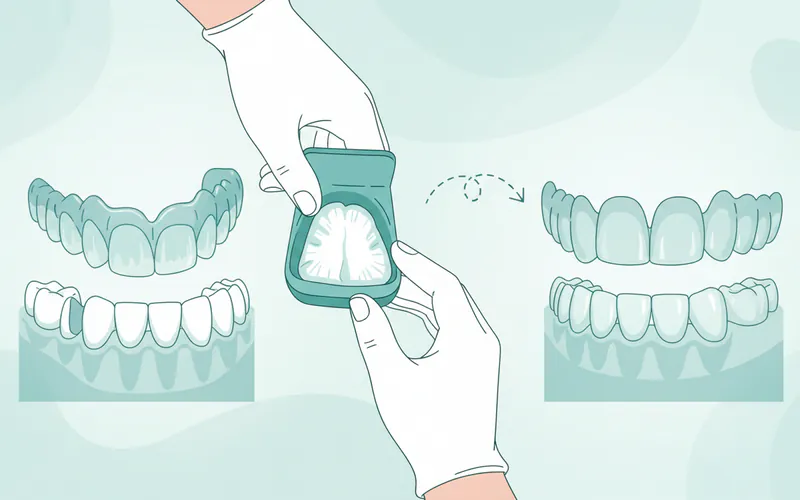
This category, exemplified by Remi, aims to bridge the gap between the affordability and convenience of OTC guards and the superior quality and fit of dental office guards. You receive an impression kit, take your own dental impressions, and send them back to a professional lab for custom fabrication.
- Pros:
- Custom Fit: Provides a precise, comfortable fit, far superior to boil-and-bite options.
- Professional Quality Materials: Often uses the same high-grade materials (e.g., dual-layer, hard acrylic) as dental office guards.
- Significantly More Affordable: Typically costs $100-$200 per guard, making professional-grade protection accessible.
- Convenience: No dental appointments required for impressions; the process is done from home.
- Effective: Offers excellent protection against bruxism and relief for mild to moderate TMJ symptoms.
- Cons:
- Relies on Self-Impression: Requires you to accurately take your own dental impressions, which can be tricky for some (though Remi provides clear instructions and support).
- Not for All Severe Cases: For very complex TMJ disorders, severe malocclusion, or cases requiring significant bite adjustment, direct consultation and management by a dentist remain essential.
- Insurance Reimbursement: May require you to submit claims yourself, and coverage can vary more than for a direct dental office visit.
Comparison Table: Night Guard Types
| Feature | Over-the-Counter (Boil-and-Bite) | At-Home Custom (e.g., Remi) | Dental Office Custom |
|---|---|---|---|
| Fit Quality | Poor to Fair, often bulky | Excellent, precise custom fit | Excellent, most precise custom fit |
| Average Cost (US) | $20 - $50 | $100 - $200 | $300 - $800+ per arch |
| Durability | Low (soft plastic, wears quickly) | High (professional-grade acrylic/dual-layer) | Very High (hard acrylic, most durable) |
| Effectiveness | Limited, temporary protection | High, excellent protection and symptom relief | Very High, superior protection and symptom relief |
| Process | Boil & bite at home | At-home impression kit, lab fabrication | Dental impressions by dentist, lab fabrication |
| Convenience | High | High (from home) | Low (multiple dental visits) |
| Insurance Coverage Potential | Very Low | Moderate (can submit claims directly) | High (often direct billing with diagnosis) |
The Remi Night Guard Process: From Impression to Protection
One of the key advantages of a Remi night guard is the convenient, professional-grade process. Here's what you can expect, step-by-step:
Step 1: Ordering Your Impression Kit
Your journey begins by visiting Remi's website. You'll choose the type of night guard you need based on your grinding severity (e.g., soft for light grinding, hard for heavy grinding, or dual-layer for a balance of comfort and durability) and whether you need an upper or lower guard. Once ordered, Remi ships an impression kit directly to your doorstep. The kit typically includes impression trays (in different sizes to ensure a good fit), impression putty, and detailed, easy-to-follow instructions.
Step 2: Taking Accurate Impressions at Home
This is the most crucial step in the Remi process. You'll use the provided materials to create accurate molds of your upper and/or lower teeth.
- Preparation: Read the instructions thoroughly and watch any instructional videos provided by Remi. Ensure your hands are clean.
- Mixing the Putty: You'll mix two different colored putties together until they form a uniform color. This activates the putty and begins the setting process.
- Loading the Tray: Quickly roll the mixed putty into a sausage shape and place it evenly into one of the impression trays.
- Taking the Impression: Carefully insert the loaded tray into your mouth, centering it over your teeth. Gently but firmly push the tray up (for upper teeth) or down (for lower teeth) until your teeth are fully submerged in the putty, but without touching the bottom of the tray. Maintain firm, even pressure for the recommended time (usually a few minutes) until the putty sets.
- Removing the Tray: Carefully remove the tray by wiggling it gently. Inspect the impression – it should be clear, show all your teeth, and capture your gum line. If it’s not perfect, you usually have enough material for a second attempt.
- Pro Tip: Take your time with the impression. A high-quality impression is essential for a perfectly fitting night guard. Don't be afraid to redo it if you're unsure. Remi often includes extra putty, or you can request a new kit if needed. Avoid talking or moving your jaw excessively while the putty is setting.
Step 3: Sending Back and Lab Fabrication
Once you've successfully taken your impressions, you'll pack them securely in the provided return packaging and send them back to Remi. Upon receipt, your impressions are meticulously reviewed by trained dental technicians. If there are any issues with the impressions, Remi's team will contact you. Assuming they are good, your custom night guard will then be fabricated in a professional dental lab using the same high-quality materials and processes typically used for guards made in a dental office. The fabrication process usually takes 1-2 weeks.
Step 4: Receiving and Adjusting Your Remi Guard
After fabrication, your completed Remi night guard is shipped back to you. When you receive it, try it on immediately. It should fit snugly and comfortably, but it might feel a little strange at first.
- Initial Fit: The guard should snap into place and feel secure without being too tight or too loose.
- Acclimation Period: It's normal to experience some initial discomfort, increased salivation, or a slight lisp for the first few nights or weeks. Your mouth and jaw muscles need time to adjust.
- Minor Adjustments: If there are any minor pressure points or rough edges, you can usually use a fine emery board or nail file to gently smooth them. Remi also provides guidance on this.
- What if it doesn't fit well? If your guard feels significantly uncomfortable, too loose, or too tight after the initial adjustment period, contact Remi's customer service. They typically have a guarantee and will work with you to ensure a proper fit, which may involve sending new impression materials or fabricating a replacement.
Effectiveness and Benefits of Using a Remi Night Guard
Investing in a custom-fit night guard like Remi offers a multitude of benefits for individuals struggling with bruxism and TMJ symptoms.
- Protects Teeth from Damage: This is the primary and most critical benefit. A night guard acts as a physical barrier, absorbing the forces of grinding and clenching. This prevents:
- Excessive wear and tear on tooth enamel.
- Chips, cracks, and fractures of teeth, fillings, and crowns.
- Loosening of teeth.
- Exacerbation of gum recession.
- Over time, this saves you from costly dental repairs and preserves your natural dentition.
- Reduces Jaw Pain and Muscle Soreness: By providing a cushion and allowing your jaw muscles to relax, a night guard significantly reduces the strain placed on them during sleep. This alleviates the chronic jaw pain, stiffness, and tenderness often associated with bruxism.
- Alleviates Headaches and Facial Pain: Many bruxism-related headaches (especially tension headaches in the temples) and generalized facial pain are a direct result of overworked jaw muscles. A night guard helps these muscles relax, leading to a noticeable reduction in headache frequency and intensity.
- Improves Sleep Quality: While the night guard itself doesn't treat sleep disorders, by alleviating the physical discomfort of grinding and clenching, it can contribute to a more restful night's sleep, both for the wearer and their sleeping partner (as grinding noises are reduced).
- Manages TMJ Symptoms: For many individuals with mild to moderate TMJ disorders, a night guard can be an effective non-invasive treatment. By reducing pressure on the temporomandibular joints and helping to stabilize the bite, it can decrease clicking, popping, pain, and improve overall jaw function.
- Long-Term Dental Health Preservation: Regular use of a night guard is a proactive measure that safeguards your oral health. It helps prevent irreversible damage to your teeth and jaw, contributing to a healthier smile for years to come.
Pro Tip: Consistency is key for optimal results. To truly experience the benefits, make wearing your Remi night guard every night a non-negotiable part of your bedtime routine, even if your symptoms seem to temporarily subside.
Cost of Remi Night Guards and Insurance Coverage
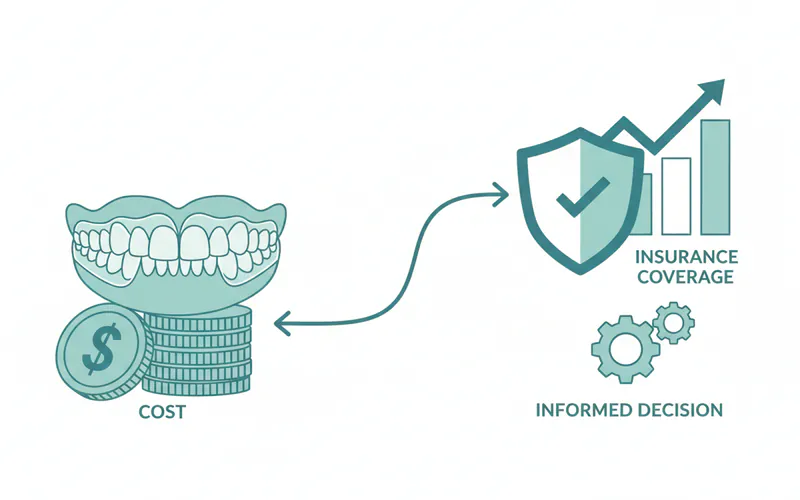
Understanding the financial aspect is crucial for making an informed decision about a night guard. Remi offers a compelling value proposition in terms of cost.
Remi Night Guard Specific Pricing
Remi night guards typically fall within a price range of $100 to $200 per guard. This price can vary slightly depending on current promotions, the specific type of guard chosen (e.g., hard, soft, dual-layer), and whether you opt for additional features like replacement plans. This represents a substantial saving compared to traditional dental office custom guards, which can cost anywhere from $300 to $800+ per arch (upper or lower), making a full set potentially over $1,000. Over-the-counter boil-and-bite guards remain the cheapest at $20 to $50, but their limitations in fit, comfort, and durability often lead to more cost in the long run due to frequent replacement and potential dental issues.
Insurance Coverage for Night Guards
Navigating insurance coverage for night guards can be complex, as it often depends on your specific dental and/or medical plan and the diagnosis.
- Dental Insurance: Many dental insurance plans may cover a portion of the cost of a custom night guard, especially if you have a diagnosis of bruxism (often coded as D9940 or D9944, depending on the type of appliance) or a TMJ disorder (coded often under medical benefits). However, because Remi is a direct-to-consumer service, you will likely need to pay upfront and then submit a claim for reimbursement yourself.
- Submitting a Claim: Remi usually provides an itemized receipt with the necessary codes (CDT codes for dental procedures) that you can submit to your dental insurance provider. Contact your insurance company before purchasing to understand their specific requirements for reimbursement for out-of-network or direct-purchase appliances. Ask about your deductible, co-insurance, and annual maximums.
- Medical Insurance: In some cases, if your bruxism or TMD is severe and diagnosed by a physician or dentist as a medical condition, some medical insurance plans might offer coverage, particularly for diagnostic evaluations or if the night guard is deemed medically necessary to treat a broader condition like sleep apnea (though a night guard is not a primary treatment for sleep apnea itself, it can be part of comprehensive management).
- FSA/HSA Eligibility: The good news is that night guards are typically considered eligible for Flexible Spending Accounts (FSA) and Health Savings Accounts (HSA). You can often use your FSA/HSA card directly on the Remi website or submit the receipt for reimbursement. This can be a great way to use pre-tax dollars for your dental health.
ADA Guidelines: The American Dental Association (ADA) recognizes custom-fitted oral appliances as an effective treatment for bruxism and certain TMJ disorders. While they advocate for professional dental supervision, the principle of custom-fit remains paramount for efficacy and safety.
Payment Plans and Financing Options
While Remi night guards are already budget-friendly, some customers might still benefit from payment flexibility. Remi itself may offer installment plans or partner with third-party financing services (like Affirm or Afterpay). Additionally, you can explore general healthcare financing options like CareCredit, which offers promotional financing for healthcare expenses, including dental.
Cost-Saving Tips
- Check for Promotions: Remi frequently runs sales and discounts on their website, especially around holidays or for first-time customers.
- Utilize FSA/HSA: As mentioned, using pre-tax funds can effectively reduce your out-of-pocket cost.
- Inquire About Multi-Guard Discounts: If you need both an upper and lower guard, or a spare, some companies offer discounts for purchasing multiple guards.
- Verify Insurance Coverage First: Contact your insurance provider directly before purchasing to understand your specific benefits and reimbursement process.
Cost Comparison Table: Night Guards (Average US Costs)
| Night Guard Type | Average Cost Range (US) | Insurance Coverage Potential | Fit Quality | Durability |
|---|---|---|---|---|
| Over-the-Counter | $20 - $50 | Very Low | Poor | Low |
| Remi Custom-Fit | $100 - $200 | Moderate (self-submission) | Excellent | High |
| Dental Office Custom | $300 - $800+ per arch | High (often direct billing) | Superior | Very High |
Living with Your Remi Night Guard: Care and Maintenance
Proper care and maintenance are vital to ensure the longevity and hygiene of your Remi night guard. A clean guard is a healthy guard.
Daily Cleaning Routine
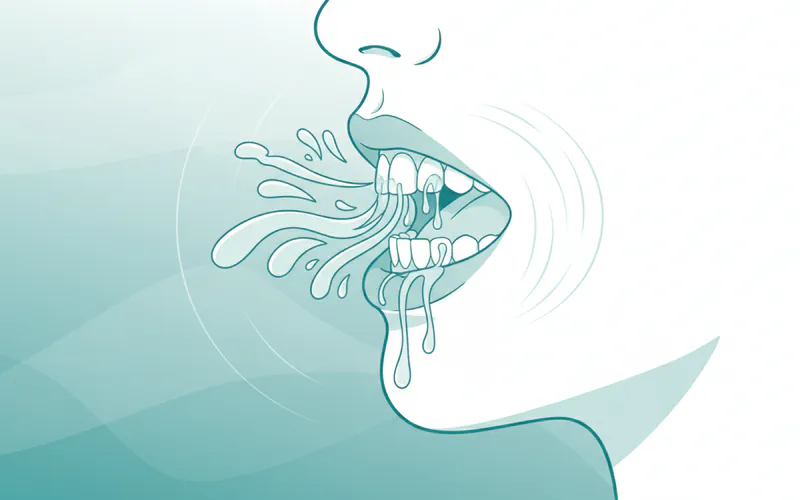
- Rinse Immediately: As soon as you remove your night guard in the morning, rinse it thoroughly with cool (not hot) water. This helps remove saliva and any debris before it dries and hardens.
- Brush Gently: Use a soft-bristled toothbrush and a non-abrasive soap (like mild hand soap) or a specialized night guard cleaner. Gently brush all surfaces of the guard, paying attention to crevices.
- Pro Tip: Avoid using regular toothpaste! Toothpaste is abrasive and can scratch the surface of your guard, creating tiny etches where bacteria can accumulate and making the guard appear cloudy.
- Soaking (Optional but Recommended): Periodically (daily or a few times a week), you can soak your night guard in a specialized dental appliance cleaning tablet solution (available at pharmacies) for the recommended time. This helps to kill bacteria, remove stains, and keep it fresh. Always rinse thoroughly after soaking.
Storage
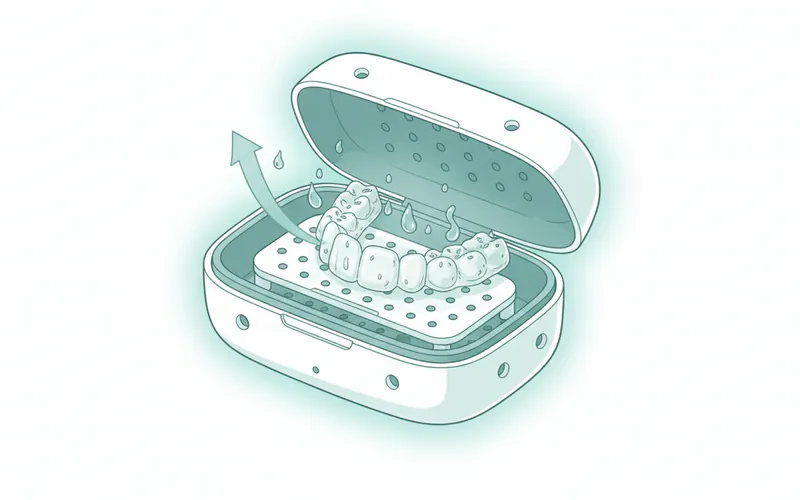
- Always Store in Its Case: After cleaning, ensure your night guard is completely dry before placing it back into its provided ventilated storage case. Storing it wet can promote bacterial and fungal growth.
- Avoid Heat: Keep the case away from direct sunlight, hot water, and heat sources (e.g., car dashboards, near heaters). Heat can distort the plastic, ruining the custom fit.
- Keep Out of Reach: Store it safely away from pets, especially dogs, who are notoriously attracted to mouthguards!
Longevity
The lifespan of your Remi night guard depends on several factors:
- Severity of Bruxism: Heavy grinders will wear through guards faster than light grinders.
- Material: Harder acrylic guards generally last longer than softer or dual-layer options, though dual-layer guards offer good durability with added comfort.
- Care and Maintenance: Proper cleaning and storage significantly extend the life of your guard.
- Average Lifespan: A well-cared-for Remi night guard can last anywhere from 6 months to several years. You'll know it's time for a replacement when you notice significant thinning, cracks, holes, or if it no longer fits securely.
Regular Dental Check-ups
Even with a night guard, regular dental check-ups are essential. Your dentist can monitor your teeth for signs of wear, assess the condition of your night guard, and check for any changes in your bite or TMJ symptoms. They can also provide professional cleaning and ensure your overall oral health is on track.
Potential Risks and Complications
While Remi night guards are generally safe and effective, it's important to be aware of potential risks and complications, especially with any oral appliance.
- Improper Fit: This is the most common potential issue. An ill-fitting night guard, whether due to an inaccurate impression or a manufacturing defect, can lead to:
- Discomfort or Pain: Pressure points, soreness in the gums or teeth.
- Shifting Teeth: If the guard puts uneven pressure on teeth, it could potentially alter their position over time.
- Worsening TMJ Symptoms: A poorly fitting guard can sometimes aggravate jaw joints or muscles by forcing the jaw into an unnatural position.
- Increased Clenching: A bulky or uncomfortable guard can make some individuals clench more as their jaw tries to find a comfortable position.
- Allergic Reactions: Although rare, some individuals might experience an allergic reaction to the materials used in the night guard (e.g., acrylics). Symptoms might include redness, swelling, or irritation of the gums or oral tissues. If this occurs, discontinue use and consult a dentist.
- Initial Discomfort or Increased Salivation: When you first start wearing a night guard, it's very common to feel some initial strangeness, increased drooling, or a slight lisp. These symptoms typically resolve as your mouth adjusts over a few days to a few weeks.
- Inadequate Treatment for Severe Cases: While Remi guards are highly effective for most bruxism and mild to moderate TMJ issues, they may not be sufficient for very severe or complex cases of TMD, sleep apnea (which requires specialized oral appliances or CPAP), or significant bite discrepancies that need orthodontic or prosthodontic intervention. Always consult a dentist for a proper diagnosis if your symptoms are severe or persistent.
- Delaying Professional Diagnosis: Relying solely on a direct-to-consumer night guard without consulting a dentist can delay the diagnosis of underlying dental issues (like cavities or gum disease) or more serious medical conditions (like sleep apnea). It's always best to have a dental professional evaluate your condition first.
- Poor Hygiene: Neglecting to clean your night guard can lead to bacterial buildup, unpleasant odors, and even oral infections.
If you experience persistent discomfort, worsening symptoms, or any new issues after starting to use your Remi night guard, it's crucial to consult with a dental professional.
Prevention: Beyond the Night Guard
While a Remi night guard is an excellent protective and symptomatic treatment, addressing the root causes of bruxism and TMJ disorders can lead to long-term relief and improved overall health.
- Stress Management Techniques: Since stress and anxiety are major contributors to bruxism, incorporating stress-reducing practices into your daily routine can be highly beneficial. This includes:
- Meditation and Mindfulness: Even 10-15 minutes a day can make a difference.
- Yoga or Tai Chi: Combines physical movement with relaxation.
- Deep Breathing Exercises: Calms the nervous system.
- Regular Exercise: A great way to release tension.
- Adequate Sleep: Prioritize 7-9 hours of quality sleep per night.
- Biofeedback: This technique uses electronic sensors to monitor muscle activity. It can help you become more aware of when you are clenching and learn to relax those muscles.
- Avoid Stimulants Before Bed: Limit caffeine, alcohol, and nicotine, especially in the hours leading up to bedtime, as these can disrupt sleep patterns and exacerbate bruxism.
- Good Sleep Hygiene: Establish a consistent sleep schedule, create a dark, quiet, and cool bedroom environment, and avoid screens before bed.
- Jaw Relaxation Exercises: Simple exercises can help relax jaw muscles:
- Warm Compress: Apply a warm, moist cloth to your jaw for 10-15 minutes to relax muscles.
- Gentle Stretching: Slowly open your mouth as wide as comfortable, hold for a few seconds, then close. Repeat several times.
- Massage: Gently massage the muscles around your jaw and temples.
- Regular Dental Check-ups: Consistent visits to your dentist allow them to monitor your oral health, detect early signs of bruxism, and provide guidance on preventive strategies. They can also identify and treat any contributing factors like malocclusion.
- Stay Hydrated: Dehydration can sometimes contribute to muscle cramps and tension, including in the jaw.
Children and Night Guards: Pediatric Considerations
Bruxism is common in children, affecting an estimated 6% to 49% of children during sleep. Many parents become concerned when they hear their child grinding their teeth at night.
Why Children Grind Their Teeth:
- Stress and Anxiety: Just like adults, children can experience stress from school, friends, or family changes.
- Growing Pains: As their jaws and teeth develop, children may grind as their bite adjusts.
- Misaligned Teeth: Malocclusion (bite issues) can sometimes lead to grinding.
- Allergies or Congestion: Children with stuffy noses or enlarged tonsils/adenoids may grind more.
- Other Conditions: In some cases, grinding can be associated with conditions like cerebral palsy or certain medications.
When is it a Concern? Most childhood bruxism is temporary and harmless, often resolving on its own as permanent teeth emerge. However, in some cases, it can lead to:
- Significant tooth wear.
- Jaw pain or headaches.
- Damage to permanent teeth.
- Sleep disturbances.
Treatment Approach for Children:
- Observation: Often, the first step is simply observation, especially if no pain or damage is present.
- Addressing Underlying Causes: If stress is a factor, help your child manage it. If allergies or congestion are an issue, consult a pediatrician.
- Night Guards for Children: Custom night guards may be recommended for children with severe grinding that is causing pain or damaging permanent teeth. These are typically fabricated by a pediatric dentist who can ensure proper fit and monitor growth and development.
- Is Remi Suitable for Children? Generally, direct-to-consumer custom night guards like Remi are designed for adults with fully developed dentition. Most companies, including Remi, will have age restrictions (e.g., 18 years or older) because a child's jaw and dental arch are constantly growing and changing. A custom night guard made for a growing child would quickly become ill-fitting and could potentially interfere with proper dental development. For children, it's always best to consult with a pediatric dentist who can provide age-appropriate diagnosis and treatment, which might include specific types of custom-made appliances if deemed necessary.
Frequently Asked Questions
Q: How long does it take to get used to a Remi night guard?
A: Most individuals experience an adjustment period of a few days to two weeks. During this time, it's common to notice increased salivation, a slight lisp, or mild jaw soreness as your mouth and muscles adapt to the new appliance. Consistency in wearing it every night helps shorten this acclimation phase.
Q: Can a night guard worsen my TMJ?
A: A properly fitted custom night guard is designed to alleviate TMJ symptoms. However, an ill-fitting or poorly designed guard (especially boil-and-bite types) can potentially worsen TMJ pain or even shift your bite. If your Remi guard feels uncomfortable or exacerbates your symptoms after the initial adjustment, contact their support or consult your dentist.
Q: How long do Remi night guards last?
A: The lifespan of a Remi night guard varies based on your grinding severity and care. Typically, they last from 6 months for very heavy grinders to several years for lighter grinders. Hard acrylic guards tend to be the most durable. Proper daily cleaning and storage will significantly extend its life.
Q: Is a Remi night guard the same as a sports mouthguard?
A: No, they are designed for different purposes. Sports mouthguards primarily protect against impact injuries during athletic activities. Night guards, like Remi, are designed to protect against the forces of grinding and clenching and to position the jaw for relief, often thinner and made for specific occlusal contact, not impact.
Q: Can I wear a Remi night guard if I have braces or retainers?
A: Remi night guards are generally not compatible with active braces or other orthodontic appliances that move teeth. The guard would interfere with treatment and become ill-fitting as your teeth shift. If you have a permanent retainer (bonded to the back of your teeth), you might be able to wear a night guard over it, but it's crucial to verify with Remi's support and your orthodontist first to ensure it won't cause issues.
Q: What if my Remi night guard doesn't fit?
A: Remi aims for a perfect fit, but if your guard feels significantly uncomfortable, too loose, or too tight after following their adjustment tips, you should contact Remi customer service. Most reputable custom night guard companies have a guarantee and will work with you to resolve fit issues, which may include remaking the guard from new impressions.
Q: Can an ear infection cause jaw pain?
A: Yes, an ear infection can absolutely cause referred pain that feels like jaw pain. The ear and jaw share nerve pathways, and inflammation from an ear infection can radiate to the jaw area, causing soreness, tenderness, or a dull ache. However, if your jaw pain is accompanied by clicking, limited opening, or muscle stiffness, it's more likely related to your TMJ or bruxism. A medical professional can help differentiate between the two.
Q: Are there different types of Remi night guards for upper vs. lower teeth?
A: Remi offers night guards for both upper and lower teeth. The choice often comes down to personal preference or specific dental needs. Some prefer an upper guard as it's less noticeable, while others find a lower guard more comfortable. It's best to discuss with a dentist if you have a strong preference or specific bite issues that would favor one over the other.
Q: How often should I clean my night guard?
A: You should clean your night guard every single day immediately after removing it. Rinse it with cool water, then gently brush it with a soft-bristled toothbrush and non-abrasive soap or a specialized night guard cleaner. Occasional soaking in a denture cleaner can also help keep it fresh and free of bacteria.
Q: What's the difference between a soft and a hard night guard?
A: Remi, like many providers, offers different material options. Soft night guards are typically made of a flexible, rubbery material, best for light grinders or those who prefer maximum comfort. Hard night guards are made of rigid acrylic, ideal for heavy grinders as they are more durable and provide more stability. Dual-layer guards combine a soft inner layer for comfort with a hard outer layer for durability and protection.
When to See a Dentist
While a Remi night guard can be an excellent solution for many, it's crucial to know when professional dental or medical intervention is needed.
You should see a dentist if you experience any of the following:
- Persistent or Worsening Pain: If your jaw pain, headaches, or facial pain continue to worsen or don't improve with consistent night guard use after a few weeks.
- Difficulty Opening or Closing Your Mouth: If your jaw locks, clicks loudly, or you have significantly limited range of motion. This could indicate a more severe TMJ disorder.
- New Pain or Discomfort: If the night guard itself is causing new pain, shifting teeth, or creating uncomfortable pressure points that you can't resolve with minor adjustments.
- Suspected Infection or Inflammation: If you notice swelling, redness, or tenderness in your gums or jaw joint area, or suspect an ear infection is causing your jaw pain, a professional diagnosis is essential.
- Signs of Significant Tooth Damage: If you notice new chips, cracks, or severe wear on your teeth despite using a night guard.
- Concerns About Sleep Apnea: If your bruxism is accompanied by loud snoring, gasping for air during sleep, daytime fatigue, or morning headaches, you should be evaluated for sleep apnea, which requires specific diagnosis and treatment beyond a night guard.
- Changes in Your Bite: If you feel your bite has changed or your teeth no longer meet correctly.
- Regular Check-ups: Even if you're using a night guard, regular dental check-ups (typically every 6 months) are vital. Your dentist can monitor your oral health, assess the effectiveness and wear of your night guard, and address any potential issues early.
Don't hesitate to seek professional advice. Your dentist is your primary resource for maintaining optimal oral health and addressing complex dental and jaw conditions.
Frequently Asked Questions
Medically Reviewed Content
This article was written by our dental health editorial team and reviewed for medical accuracy. Our content follows strict editorial guidelines for reliability and trustworthiness.
Medical Disclaimer
This article is for informational purposes only and does not constitute medical advice. Always consult with a qualified dental professional for diagnosis and treatment. Do not delay seeking professional advice because of something you read on this website.
Related Articles
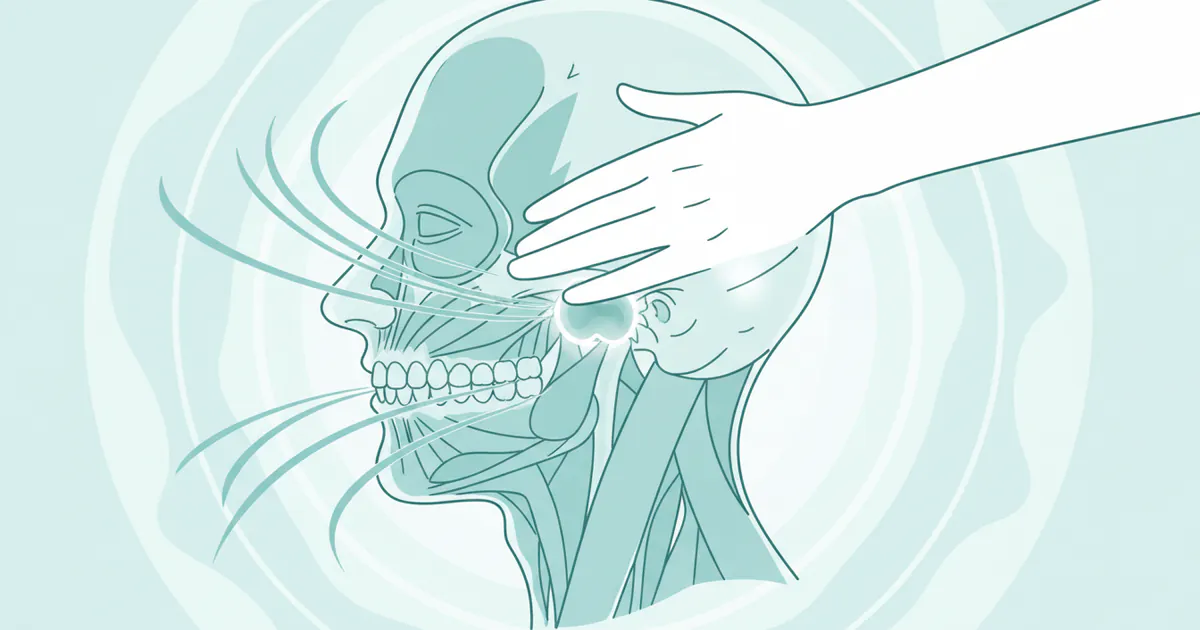
Tmj Massage Near Me: Complete Guide
Temporomandibular joint disorder, commonly known as TMJD, affects millions of Americans, causing debilitating pain, discomfort, and significantly impacting quality of life. If you're experiencing jaw pain, clicking, or difficulty chewing, you're not alone. Up to 15% of American adults experience
February 23, 2026
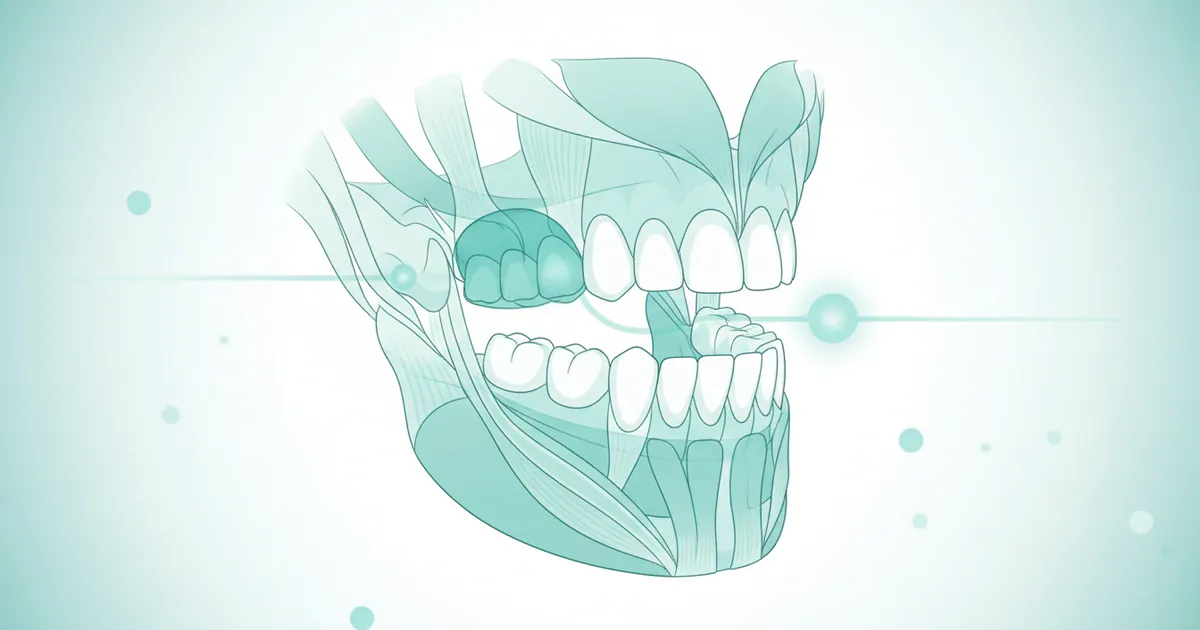
Tmd Treatment: Complete Guide
Experiencing persistent jaw pain, clicking sounds when you chew, or debilitating headaches that seem to originate from your face? You're not alone. Temporomandibular joint (TMJ) disorders, often referred to collectively as TMD, affect an estimated 10 million Americans, with women disproportionat
February 23, 2026
Tmj Nerve Damage Symptoms: Complete Guide
Experiencing persistent facial pain, numbness, or tingling can be distressing, especially when the source is unclear. While many people are familiar with general jaw pain associated with temporomandibular joint (TMJ) disorders, the less commonly understood aspect of tmj nerve damage symptoms can
February 23, 2026
Tmj vs Normal Jaw: Complete Comparison Guide
Experiencing persistent jaw pain, clicking sounds, or difficulty chewing can be frustrating and disruptive to daily life. While many people occasionally feel a stiff jaw, when these symptoms become chronic, they often signal an underlying issue with the temporomandibular joint (TMJ). Understanding t
February 23, 2026