All Types of Teeth: Complete Guide
Key Takeaways
- Imagine a life without your teeth – no crunchy apples, no clear conversations, no confident smiles. Your teeth are more than just tools for eating; they are fundamental to your overall health, speech, and self-esteem. In fact, **a healthy set of teeth is often a direct indicator of overall well-bein
All Types of Teeth: Complete Guide
Imagine a life without your teeth – no crunchy apples, no clear conversations, no confident smiles. Your teeth are more than just tools for eating; they are fundamental to your overall health, speech, and self-esteem. In fact, a healthy set of teeth is often a direct indicator of overall well-being, impacting everything from nutrition to mental health. Understanding all types of teeth – their unique roles, development, and common issues – is the first step toward safeguarding your oral health for a lifetime.
This comprehensive guide from SmilePedia.net will explore the intricate world of human dentition, from the first tiny baby tooth to the mighty molars in the back of your mouth. We'll delve into the distinct characteristics and functions of each tooth type, demystify the eruption process, address common concerns like a "tooth eruption cyst skin tag on gums baby," and provide essential guidance on care, prevention, and when to seek professional dental help. Prepare to embark on a fascinating journey that will empower you with the knowledge to maintain a healthier, happier smile.
Key Takeaways:
- Humans develop two sets of teeth: 20 deciduous (baby) teeth and 32 permanent teeth.
- Each tooth type – incisors, canines, premolars, and molars – serves a specific function in biting, tearing, and grinding food.
- Tooth eruption timelines vary but typically involve incisors first for babies (around 6-10 months) and molars last for adults.
- Common issues like tooth decay, gum disease, and impaction can affect any tooth type and often require professional intervention.
- Regular dental check-ups (typically every 6 months) and a robust home care routine are crucial for preventing most dental problems, with average cleaning costs ranging from $75 to $200 without insurance.
- Pediatric dental care is essential, with early intervention often preventing more complex and costly issues later, where a simple filling for a child can range from $90 to $250.
- Addressing concerns like a "tooth eruption cyst" in infants is typically simple, often requiring no treatment or minor observation, costing little to nothing during a regular pediatric dental visit.
Understanding Human Dentition: An Overview
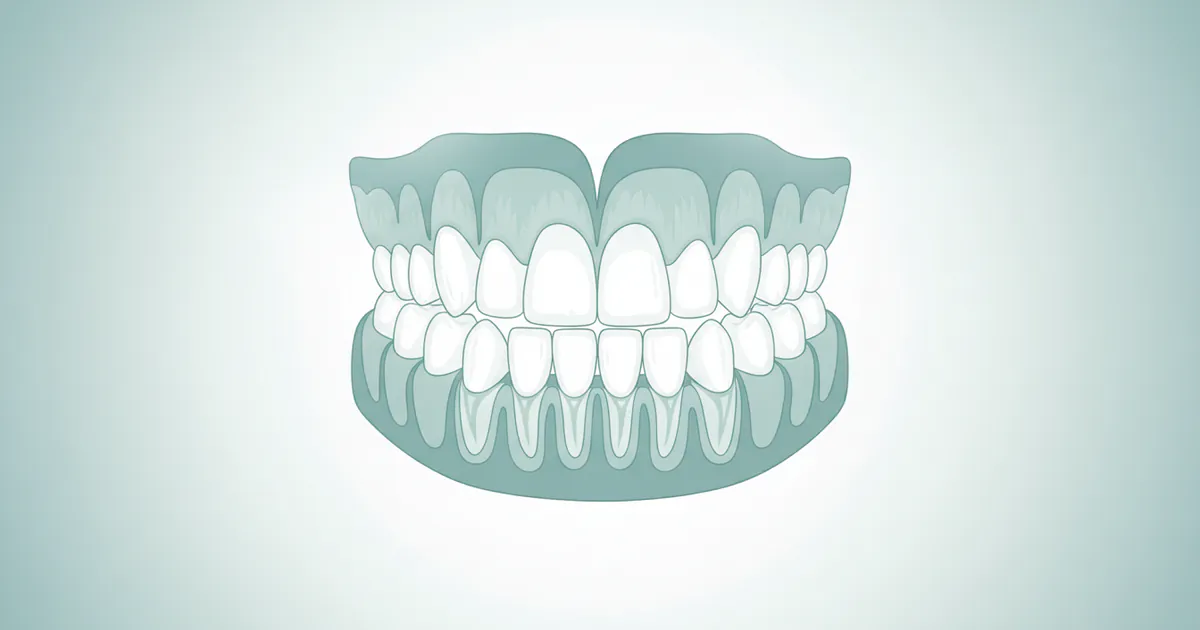
Human dentition refers to the development and arrangement of teeth in the mouth. We are diphyodonts, meaning we develop two successive sets of teeth throughout our lives. This evolutionary design ensures we have appropriate teeth for different stages of development and dietary needs.
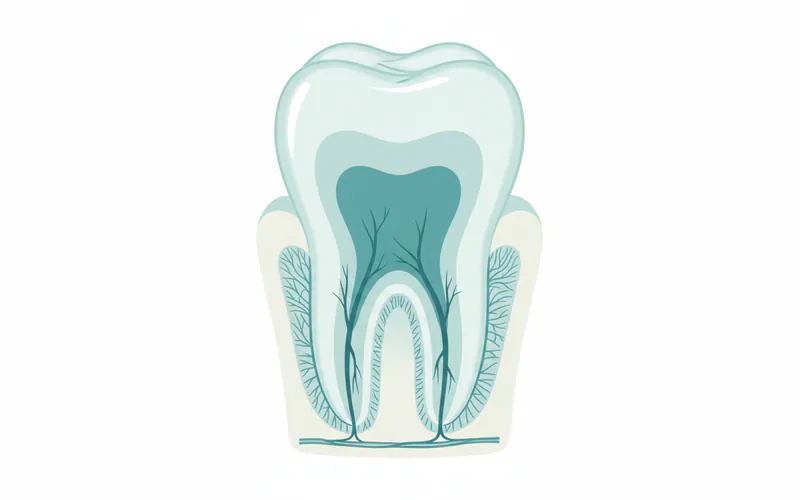
Our teeth are incredibly strong, made primarily of dentin and covered by enamel, the hardest substance in the human body. Each tooth is securely anchored in the jawbone by its roots and protected by the gums. Beyond their mechanical role in digestion, teeth play a vital part in articulation (speech), maintaining facial structure, and contributing significantly to our aesthetic appearance. Misalignment or loss of teeth can lead to a cascade of problems, from difficulty chewing and speaking to changes in facial appearance and self-confidence.
![A diagram showing the anatomy of a single tooth, clearly labeling enamel, dentin, pulp, root canal, cementum, periodontal(/gum-disease/what-is-gingivitis) ligament, and alveolar bone.]
Deciduous vs. Permanent Teeth: Two Sets for Life
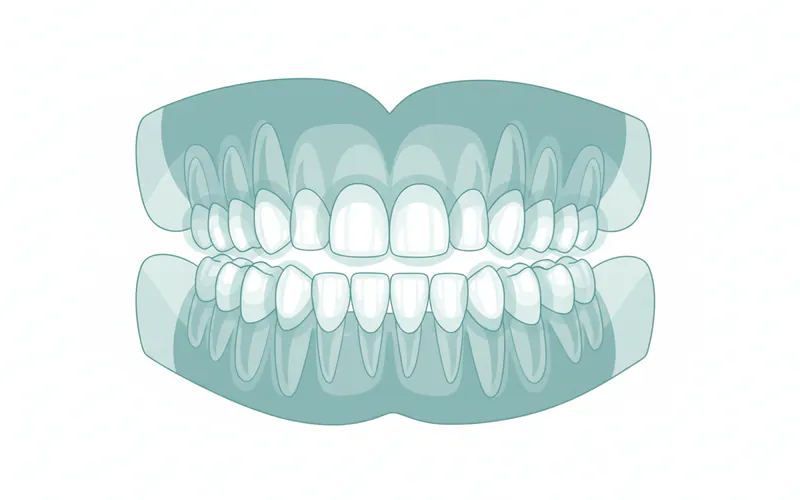
The journey of human teeth begins even before birth, with tooth buds forming in the jawbones during fetal development. This process leads to two distinct sets of teeth:
Deciduous Teeth (Primary, Milk, or Baby Teeth)
There are 20 deciduous teeth in total: 10 in the upper jaw and 10 in the lower jaw. They typically begin to erupt around 6 months of age and are usually all present by 2.5 to 3 years old.
- Function: Deciduous teeth are crucial for a child's early chewing, speech development, and maintaining space for the permanent teeth that will follow. They guide the eruption of permanent teeth into their correct positions.
- Structure: While structurally similar to permanent teeth, deciduous teeth are generally smaller, whiter, and have thinner enamel and dentin layers. Their roots are also shorter and diverge more widely to accommodate the developing permanent tooth buds beneath them.
- Significance: Many parents mistakenly believe that baby teeth aren't important because they eventually fall out. However, neglecting the care of deciduous teeth can lead to early decay, pain, infection, and premature tooth loss, which can negatively impact the alignment and health of the permanent teeth. If a baby tooth is lost too early, adjacent teeth can drift into the empty space, leaving insufficient room for the permanent tooth to erupt properly.
Permanent Teeth (Secondary Teeth)
The deciduous teeth are gradually replaced by 32 permanent teeth, starting around age 6 and continuing into the early twenties for wisdom teeth.
- Function: Permanent teeth are designed to last a lifetime, providing efficient chewing, maintaining facial structure, and enabling clear speech.
- Structure: They are larger, stronger, and have thicker enamel and dentin than deciduous teeth, built to withstand the forces of chewing over many decades.
- Significance: Once erupted, permanent teeth are meant to be preserved for life. Proper oral hygiene and regular dental check-ups are paramount to prevent decay, gum disease, and other issues that can lead to their loss.
The Four Main Types of Permanent Teeth and Their Roles
Regardless of whether they are deciduous or permanent, teeth are categorized into four main types, each with a specialized shape and function crucial for digestion and overall oral health.
1. Incisors
- What It Is: These are the eight front teeth, four on the top and four on the bottom. They are the first teeth to make contact with food.
- Location: Central incisors are the very front teeth, flanked by lateral incisors.
- Function: Incisors have sharp, chisel-like edges perfectly designed for biting into and cutting food, like an apple or a sandwich. They also play a significant role in pronouncing certain sounds (e.g., 't,' 'd,' 's,' 'z') and are highly visible when you smile, greatly impacting aesthetics.
- Structure: Single-rooted with a relatively thin crown.
- Common Issues:
- Fractures/Chips: Due to their front-line position, incisors are susceptible to trauma from falls, sports injuries, or biting on hard objects.
- Diastema: Gaps between incisors (most commonly between the two central upper incisors).
- Decay: Like any tooth, incisors can develop cavities, especially if oral hygiene is neglected.
- Treatment Options: Chipped incisors can often be repaired with dental bonding, veneers, or crowns. Diastema can be addressed with orthodontic treatment (braces/aligners) or cosmetic bonding/veneers.
- Pro Tip: If you chip a front tooth, rinse your mouth with warm water and apply a cold compress to reduce swelling. Collect any broken tooth fragments and see your dentist immediately.
2. Canines (Cuspids)
- What It Is: Positioned next to the lateral incisors, these are the four pointed teeth, two on the top and two on the bottom.
- Location: The "cornerstone" teeth of the dental arch.
- Function: Canines have a single, sharp, pointed cusp, ideal for tearing and shredding tough foods, such as meat or fibrous vegetables. They also help guide the jaw during chewing and support the lips, maintaining facial contours.
- Structure: They have the longest roots of any tooth, making them extremely stable and durable.
- Common Issues:
- Impaction: Upper canines are the second most common teeth to become impacted (unable to erupt fully) after wisdom teeth. This can lead to crowding or misalignment.
- Wear: Excessive grinding or clenching (bruxism) can cause wear on the pointed cusps.
- Treatment Options: Impacted canines may require surgical exposure and orthodontic guidance to bring them into proper position. Severe wear might be treated with nightguards or restorative procedures like crowns.
- Pro Tip: If you notice a child's permanent canine isn't erupting on schedule, consult an orthodontist. Early detection of impaction can simplify treatment.
3. Premolars (Bicuspids)
- What It Is: Located behind the canines, there are eight premolars in permanent dentition (two on each side of both upper and lower jaws). Deciduous dentition does not include premolars; they are replaced by permanent molars.
- Location: Transition zone between the tearing teeth (canines) and the grinding teeth (molars).
- Function: Premolars have two cusps (hence "bicuspids") and a flatter surface, making them well-suited for crushing and grinding food into smaller pieces before it reaches the molars. They combine features of both canines and molars.
- Structure: Most premolars have one or two roots.
- Common Issues:
- Decay: Their slightly grooved surfaces can trap food particles and plaque, making them prone to cavities.
- Fractures: Can fracture due to trauma or excessive biting forces.
- Treatment Options: Cavities are treated with fillings. Fractured premolars might require crowns or, in severe cases, extraction.
- Pro Tip: Dental sealants can be highly effective in preventing decay on the chewing surfaces of premolars, especially in children and adolescents.
4. Molars
- What It Is: The largest and strongest teeth, located at the very back of the mouth. There are 12 molars in permanent dentition (three on each side of both upper and lower jaws), including wisdom teeth. Deciduous dentition has 8 molars.
- Location: The posterior region of the mouth.
- Function: Molars have broad, flat chewing surfaces with multiple cusps, designed for the final stages of mastication: grinding food into a pulp suitable for swallowing. They bear the brunt of the chewing forces.
- Structure: Upper molars typically have three roots, while lower molars usually have two roots, providing immense stability.
- Common Issues:
- Deep Fissures: Their complex anatomy with deep grooves and pits makes them highly susceptible to decay, as food and bacteria can easily get trapped.
- Impaction (Wisdom Teeth): The third molars, commonly known as wisdom teeth, are notoriously prone to impaction, leading to pain, infection, and damage to adjacent teeth.
- Bruxism: Molars often show significant wear from chronic teeth grinding.
- Treatment Options: Cavities in molars are often treated with fillings or crowns. Severely decayed or impacted wisdom teeth frequently require extraction. Root canal therapy may be necessary for deep infections.
- Pro Tip: Practice excellent oral hygiene, paying special attention to cleaning the back molars, which are often missed. Consider regular dental sealants, particularly for children's new molars, as recommended by the American Dental Association (ADA).
Tooth Eruption: A Step-by-Step Timeline
The process of teeth emerging through the gums is known as eruption. It follows a general pattern, though individual timelines can vary.
Deciduous Tooth Eruption Chart (Baby Teeth)
This chart provides average timelines for when baby teeth typically emerge.
| Tooth Type | Average Eruption Time (Upper Jaw) | Average Eruption Time (Lower Jaw) |
|---|---|---|
| Central Incisors | 8-12 months | 6-10 months |
| Lateral Incisors | 9-13 months | 10-16 months |
| Canines | 16-22 months | 17-23 months |
| First Molars | 13-19 months | 14-18 months |
| Second Molars | 25-33 months | 23-31 months |
Total Deciduous Teeth: 20 (usually all present by age 3)
Permanent Tooth Eruption Chart (Adult Teeth)
This chart outlines the typical eruption schedule for permanent teeth.
| Tooth Type | Average Eruption Time (Upper Jaw) | Average Eruption Time (Lower Jaw) |
|---|---|---|
| Central Incisors | 7-8 years | 6-7 years |
| Lateral Incisors | 8-9 years | 7-8 years |
| Canines | 11-12 years | 9-10 years |
| First Premolars | 10-11 years | 10-12 years |
| Second Premolars | 10-12 years | 11-12 years |
| First Molars | 6-7 years | 6-7 years |
| Second Molars | 12-13 years | 11-13 years |
| Third Molars (Wisdom) | 17-21 years | 17-21 years |
Total Permanent Teeth: 32 (including wisdom teeth)
Children / Pediatric Considerations: Navigating Tooth Eruption
For parents, understanding the nuances of a child's developing dentition is crucial. Teething can be a challenging time, and certain conditions can arise.
Signs and Symptoms of Teething
When a baby's teeth begin to erupt, you might observe:
- Irritability or fussiness
- Increased drooling
- Swollen, tender gums
- A desire to chew on objects
- Slight increase in temperature (fever is generally not a direct symptom of teething and warrants a doctor's visit)
- Difficulty sleeping
Managing Teething Discomfort
- Gentle Massage: Rubbing your baby's gums with a clean finger or a damp gauze pad can provide relief.
- Teething Rings: Offer firm rubber teething rings (avoid liquid-filled ones that could break) or a cold washcloth. Always supervise your child.
- Cold Foods: For older babies, cold pureed fruits or yogurt can be soothing.
- Pain Relievers: If your baby is very uncomfortable, discuss infant acetaminophen (Tylenol) or ibuprofen (Advil, Motrin) with your pediatrician or dentist. Avoid topical numbing gels containing benzocaine, as they can be harmful to infants.
Tooth Eruption Cyst, Skin Tag on Gums (Baby): What to Know
One common concern parents might notice during tooth eruption is the appearance of a tooth eruption cyst (also known as an eruption hematoma or eruption gingivitis) or what might appear as a "skin tag on gums baby."
- What It Is: An eruption cyst is a harmless, fluid-filled sac that forms over a tooth that is about to erupt. It often appears as a bluish-purple, clear, or sometimes brownish swelling on the gum tissue. If there's blood mixed in, it's called an eruption hematoma. It's simply the tooth pushing through the tissue, causing some fluid or blood to accumulate.
- Causes: The primary cause is the tooth's crown pushing through the gum tissue. It's a natural part of the eruption process.
- Signs and Symptoms: A soft, often dome-shaped swelling on the gums where a tooth is expected to erupt. It's usually not painful unless it's infected or the child is chewing on it.
- Treatment Options: In most cases, an eruption cyst or hematoma requires no treatment. The cyst typically ruptures on its own as the tooth erupts through it. Dental intervention is rarely needed unless the cyst becomes very large, interferes with feeding, or shows signs of infection.
- Risks and Complications: Very rare. Infection is possible but uncommon.
- Pro Tip: If you notice a "skin tag on gums baby" or a discolored swelling, observe it. Most resolve spontaneously. However, always mention it to your pediatrician or pediatric dentist during your next visit to ensure it's benign. A pediatric dentist can confirm the diagnosis and offer reassurance. The average cost for a consultation regarding an eruption cyst would typically be part of a standard check-up, ranging from $50-$150 if not covered by insurance.
Common Dental Problems Affecting All Types of Teeth
While specific issues may be more common for certain tooth types, many dental problems can affect any tooth in your mouth.
1. Tooth Decay (Cavities)
- Causes: Occurs when bacteria in plaque produce acids that erode tooth enamel. This is primarily caused by poor oral hygiene and frequent consumption of sugary foods and drinks.
- Signs and Symptoms: White spots on teeth, sensitivity to hot/cold/sweet, visible holes or pits, pain when chewing.
- Treatment Options: Fillings (amalgam, composite resin), crowns for larger decay, root canal therapy for deep infections, or extraction for irreparable teeth.
- Prevention: Brushing twice daily, flossing once daily, limiting sugar intake, regular dental check-ups, fluoride treatments, and dental sealants.
2. Gum Disease (Periodontal Disease)
- Causes: Inflammation and infection of the gums and supporting bone, caused by plaque and tartar buildup.
- Signs and Symptoms: Red, swollen, bleeding gums, bad breath, receding gums, loose teeth, changes in bite.
- Treatment Options: Professional dental cleaning (scaling and root planing), antibiotics, gum surgery for advanced cases.
- Prevention: Excellent oral hygiene, regular dental cleanings, avoiding tobacco products.
3. Tooth Sensitivity
- Causes: Exposed dentin (due to receding gums, enamel erosion, or cavities), teeth grinding, cracked teeth.
- Signs and Symptoms: Sharp, sudden pain when teeth are exposed to hot, cold, sweet, or acidic foods/drinks, or even cold air.
- Treatment Options: Desensitizing toothpaste, fluoride applications, dental bonding, gum grafts, root canal (in severe cases).
- Prevention: Using a soft-bristled toothbrush, avoiding aggressive brushing, treating gum recession, using a nightguard for bruxism.
4. Malocclusion (Misalignment)
- Causes: Genetic factors, prolonged thumb-sucking or pacifier use, premature loss of baby teeth, impacted teeth.
- Signs and Symptoms: Crooked teeth, overbite, underbite, crossbite, open bite, difficulty chewing or speaking, jaw pain.
- Treatment Options: Orthodontic treatment (braces, clear aligners), retainers, sometimes tooth extraction or jaw surgery.
- Prevention: Early orthodontic evaluation, discouraging prolonged oral habits in children.
Treatment Options and Step-by-Step Processes (General Dental Care)
Understanding common dental treatments related to maintaining all types of teeth is crucial.
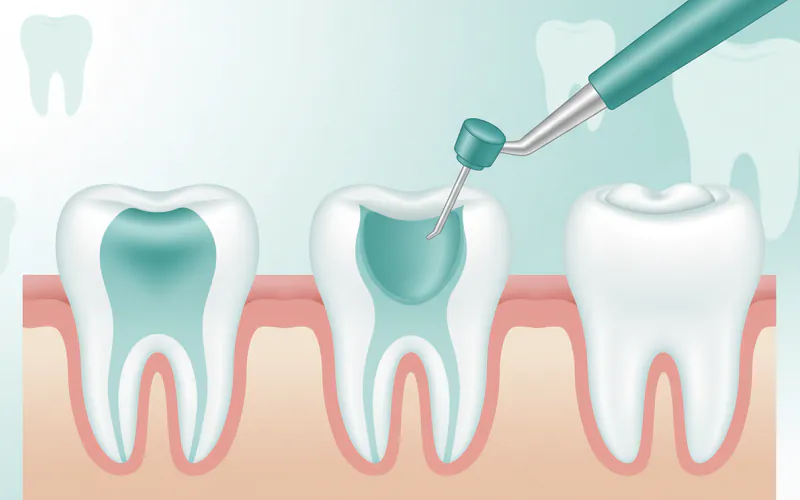
Dental Fillings
- Purpose: To restore teeth affected by decay.
- Process:
- Diagnosis: Dentist identifies decay with X-rays and visual examination.
- Anesthesia: Local anesthetic numbs the area.
- Removal of Decay: Dentist uses a drill to remove decayed tooth material.
- Preparation: The cavity is shaped and cleaned.
- Filling Material: Composite resin (tooth-colored), amalgam (silver), or other materials are applied and hardened.
- Finishing: The filling is shaped and polished to match your bite.
- Cost (US): Composite fillings range from $90 - $250 per tooth; Amalgam fillings range from $75 - $200 per tooth. Costs vary by tooth size, location, and material.
- Recovery: Minor sensitivity for a few days. Avoid sticky or hard foods for a day if recommended.
Dental Crowns
- Purpose: To cover and protect a damaged tooth, restore its shape, size, strength, and improve appearance. Used for large fillings, cracked teeth, after root canals, or for cosmetic reasons.
- Process:
- Preparation: Tooth is reshaped by removing some enamel.
- Impressions: Molds are taken of your teeth.
- Temporary Crown: A temporary crown is placed while the permanent one is made (1-2 weeks).
- Placement: Temporary crown is removed, and the permanent crown (porcelain, ceramic, metal, or zirconia) is cemented.
- Cost (US): Dental crowns typically range from $800 - $2,500 per tooth, depending on material and location.
- Recovery: Mild sensitivity or soreness for a few days. Avoid hard/sticky foods initially.
Tooth Extraction
- Purpose: Removal of a tooth that is severely damaged, decayed beyond repair, impacted (like wisdom teeth), or causing crowding.
- Process:
- Anesthesia: Local anesthetic or sedation (for surgical extractions) is administered.
- Extraction: Simple extraction involves loosening the tooth with an elevator and removing it with forceps. Surgical extraction involves making an incision in the gum and sometimes removing bone.
- Aftercare: Gauze placed to stop bleeding, stitches may be used.
- Cost (US): Simple extraction: $75 - $300. Surgical extraction (including impacted wisdom teeth): $200 - $800 per tooth, potentially more for complex cases or general anesthesia.
- Recovery: Strict adherence to post-extraction instructions (avoid smoking, straws, strenuous activity). Pain medication and antibiotics may be prescribed. Swelling and discomfort common for several days.
Cost Breakdown: US Dental Procedures
The cost of dental care in the United States can vary significantly based on location, dentist's fees, type of procedure, and whether you have dental insurance.
| Procedure | Average Cost (Without Insurance) Low | Average Cost (Without Insurance) Mid | Average Cost (Without Insurance) High |
|---|---|---|---|
| Routine Check-up & Cleaning | $75 | $120 | $200 |
| X-rays (Full Mouth) | $100 | $150 | $250 |
| Composite Filling (1 surface) | $90 | $150 | $250 |
| Amalgam Filling (1 surface) | $75 | $120 | $200 |
| Dental Crown (Porcelain) | $800 | $1,500 | $2,500 |
| Simple Tooth Extraction | $75 | $150 | $300 |
| Surgical Extraction (Impacted) | $200 | $400 | $800 |
| Root Canal (Molar) | $700 | $1,000 | $1,500 |
| Dental Sealant (per tooth) | $30 | $50 | $80 |
Insurance Coverage
Most dental insurance plans cover a percentage of costs, often following a "100-80-50" structure:
- 100% Coverage: Preventive care (check-ups, cleanings, X-rays).
- 80% Coverage: Basic restorative care (fillings, simple extractions).
- 50% Coverage: Major restorative care (crowns, bridges, dentures, root canals, surgical extractions).
Self-pay patients will pay the full cost out-of-pocket. It's essential to understand your policy's annual maximums, deductibles, and waiting periods.
Payment Plans and Financing Options
- In-house Payment Plans: Many dental offices offer interest-free payment plans for larger treatments.
- Third-Party Financing: Services like CareCredit or LendingClub offer specialized healthcare credit cards with various repayment terms, including interest-free periods.
- Dental Schools: May offer reduced-cost treatment performed by students under supervision.
- Community Clinics: Provide low-cost dental services to underserved populations.
Cost-Saving Tips
- Preventive Care: The best way to save money is to prevent problems. Regular check-ups and good home care minimize the need for expensive treatments.
- Compare Prices: Don't hesitate to call different dental offices for estimates, especially for major procedures.
- Dental Savings Plans: These are not insurance but membership plans offering discounted rates at participating dentists.
- Maintain Your Insurance: Utilize your benefits, especially for preventive services, before they expire at the end of the year.
Recovery and Aftercare for General Dental Procedures
Proper aftercare is crucial for successful healing and preventing complications following any dental procedure.
- Fillings:
- Avoid chewing on the treated tooth until the anesthesia wears off to prevent biting your tongue or cheek.
- Composite fillings harden instantly; amalgam fillings require a few hours to set.
- Report persistent sensitivity or discomfort after a few days.
- Crowns:
- Avoid sticky or hard foods during the temporary crown phase.
- Be gentle when flossing around the temporary crown.
- After permanent crown placement, mild sensitivity is normal.
- Maintain excellent oral hygiene around the crown.
- Extractions:
- Bleeding: Bite firmly on the gauze pad for 30-45 minutes; replace as needed. Some oozing is normal for up to 24 hours.
- Swelling: Apply an ice pack to the face for 10-20 minutes at a time, for the first 24 hours.
- Pain: Take prescribed pain medication or over-the-counter pain relievers as directed.
- Diet: Stick to soft foods for a few days. Avoid hot liquids, alcohol, and carbonated beverages.
- Avoid Straws, Smoking, Spitting: These actions can dislodge the blood clot and lead to a painful "dry socket."
- Rinsing: Gently rinse with warm salt water after 24 hours (a teaspoon of salt in 8 ounces of warm water).
- Oral Hygiene: Brush other teeth carefully, but avoid the extraction site for the first day.
- General Aftercare: Follow all specific instructions provided by your dentist. Report any excessive bleeding, severe pain, fever, or swelling immediately.
Prevention: Maintaining a Lifetime of Healthy Teeth
Preventing dental problems is far more effective and less costly than treating them. The ADA strongly advocates for preventive care.
- Brush Twice Daily: Use a soft-bristled toothbrush and fluoride toothpaste for at least two minutes each time.
- Floss Daily: Clean between your teeth and under the gumline where your toothbrush can't reach to remove plaque and food particles.
- Limit Sugary and Acidic Foods/Drinks: Sugars feed bacteria that produce enamel-eroding acids. Acidic foods and drinks (like sodas, citrus, sports drinks) directly erode enamel.
- Regular Dental Check-ups and Cleanings: Visit your dentist every six months, or as recommended. Professional cleanings remove tartar buildup, and check-ups can detect problems early.
- Fluoride: Strengthens enamel and makes teeth more resistant to decay. Found in most tap water, toothpaste, and mouthwashes. Your dentist may also recommend professional fluoride treatments.
- Dental Sealants: Thin, protective coatings applied to the chewing surfaces of molars and premolars to prevent decay in the deep grooves. Highly recommended for children and adolescents.
- Mouthguards: Wear a mouthguard during sports to protect against traumatic injuries to your teeth.
- Nightguards: If you grind or clench your teeth (bruxism) at night, a custom-fitted nightguard can protect your teeth from excessive wear and fracture.
- Avoid Tobacco Products: Smoking and chewing tobacco significantly increase the risk of gum disease, tooth decay, and oral cancers.
Risks and Complications of Neglecting Oral Health
Ignoring the health of all types of teeth can lead to severe and potentially life-threatening complications.
- Spread of Infection: Untreated tooth decay or gum disease can lead to abscesses. If these infections spread, they can affect surrounding bone, facial tissues, or even enter the bloodstream, potentially leading to systemic infections like sepsis or endocarditis (heart infection).
- Tooth Loss: Advanced decay, severe gum disease, or untreated trauma can result in tooth extraction or spontaneous tooth loss. Missing teeth can lead to bone loss in the jaw, shifting of remaining teeth, and difficulties with eating and speech.
- Chronic Pain: Persistent toothaches, jaw pain, and headaches can severely impact quality of life.
- Systemic Health Issues: Oral health is intrinsically linked to overall health. Poor oral hygiene is associated with an increased risk of heart disease, stroke, diabetes complications, respiratory infections, and adverse pregnancy outcomes.
- Malnutrition: Inability to chew properly due to missing or painful teeth can lead to dietary restrictions and nutritional deficiencies.
- Speech Impediments: Missing teeth or severe malocclusion can affect articulation and clarity of speech.
- Impact on Mental Health: Aesthetic concerns from damaged or missing teeth can lead to embarrassment, reduced self-esteem, social anxiety, and depression.
Frequently Asked Questions
### 1. How many teeth do adults have in total?
Adults typically have 32 permanent teeth, including four wisdom teeth (third molars). However, many individuals have their wisdom teeth extracted due to impaction or other issues, so they may have fewer than 32 teeth. This number includes 8 incisors, 4 canines, 8 premolars, and 12 molars.
### 2. What are wisdom teeth, and why are they often removed?
Wisdom teeth are the third and final set of molars to erupt, usually between the ages of 17 and 25. They are often removed because the jaw often doesn't have enough space for them to erupt properly, leading to impaction (being stuck), pain, infection, damage to adjacent teeth, or cysts.
### 3. Can baby teeth get cavities?
Yes, baby teeth can absolutely get cavities, and it's a common issue known as "early childhood caries." Although they eventually fall out, neglecting cavities in baby teeth can lead to pain, infection, premature tooth loss, and can negatively impact the development and alignment of permanent teeth.
### 4. How can I tell if my child's tooth eruption is normal?
Normal tooth eruption varies, but generally follows a predictable sequence. If a tooth is significantly late (more than 6-12 months past average eruption time), if there are large gaps, or if you notice unusual swelling like a "tooth eruption cyst skin tag on gums baby" that doesn't resolve, it's wise to consult a pediatric dentist.
### 5. What is the typical cost of a routine dental cleaning in the US?
A routine dental cleaning and check-up in the US typically ranges from $75 to $200 without insurance. With dental insurance, preventive care is often covered at 100%, meaning you may pay little to nothing out-of-pocket for these essential visits.
### 6. Is it painful when a baby's teeth erupt?
Teething can cause discomfort, soreness, and mild pain as teeth push through the gums. Babies may show signs of fussiness, increased drooling, and a desire to chew. However, severe pain or high fever is usually not directly caused by teething and warrants a consultation with a pediatrician or dentist.
### 7. What is the difference between a premolar and a molar?
Premolars (bicuspids) are located between the canines and molars, typically having two cusps and a slightly flatter surface for crushing food. Molars are the largest teeth at the very back of the mouth, with broad, flat chewing surfaces and multiple cusps (typically 4 or 5), designed for the heavy grinding of food.
### 8. How long does a dental filling last?
The lifespan of a dental filling depends on the material, its size, your oral hygiene habits, and chewing forces. Amalgam fillings can last 10-15 years or longer, while composite (tooth-colored) fillings typically last 5-7 years, but can last longer with good care. Regular check-ups allow your dentist to monitor their condition.
### 9. What should I do if I chip one of my front teeth?
If you chip a front tooth, rinse your mouth immediately with warm water and apply a cold compress to the outside of your mouth to reduce swelling. Try to find any broken tooth fragments and store them in milk or saliva. Contact your dentist as soon as possible, as prompt treatment can often save the tooth or allow for effective cosmetic repair.
### 10. Does insurance cover orthodontic treatment for misaligned teeth?
Coverage for orthodontic treatment (braces, aligners) varies significantly by insurance plan. Many plans offer partial coverage, especially for children under 18 if the malocclusion is considered medically necessary rather than purely cosmetic. Adult orthodontic coverage is less common or has higher out-of-pocket costs. Always check your specific policy details.
When to See a Dentist
Regular dental check-ups every six months are essential for maintaining oral health and detecting problems early. However, certain symptoms warrant immediate attention:
- Sudden, Severe Tooth Pain: Especially if it's constant, throbbing, or worsens with pressure or temperature changes. This could indicate a severe cavity, infection, or cracked tooth.
- Facial Swelling: Swelling around your jaw, cheek, or eye can be a sign of a spreading infection, which needs urgent medical and dental care.
- Bleeding that Won't Stop: After an extraction or injury, if bleeding persists excessively despite applying pressure, seek immediate help.
- Trauma to Teeth or Gums: Knocked-out teeth, severe chips, or deep cuts to the gums require immediate dental assessment to maximize the chances of saving the tooth and preventing infection.
- Signs of Infection: Fever, pus around a tooth or gum, or severe tenderness that indicates an abscess.
- Difficulty Swallowing or Breathing: If a dental infection leads to swelling that compromises your airway, go to an emergency room immediately.
- Lumps or Sores in the Mouth: Any persistent, unusual lumps, white or red patches, or sores in your mouth that don't heal within two weeks should be evaluated for oral cancer.
For non-emergency concerns like persistent sensitivity, chronic bad breath, or a developing "tooth eruption cyst skin tag on gums baby" that you're worried about, schedule an appointment with your dentist or a pediatric dentist at your earliest convenience. Early intervention almost always leads to better outcomes and less extensive, less costly treatment.
Frequently Asked Questions
Medically Reviewed Content
This article was written by our dental health editorial team and reviewed for medical accuracy. Our content follows strict editorial guidelines for reliability and trustworthiness.
Medical Disclaimer
This article is for informational purposes only and does not constitute medical advice. Always consult with a qualified dental professional for diagnosis and treatment. Do not delay seeking professional advice because of something you read on this website.
Related Articles
Tooth Eruption Order: Complete Guide
The journey of human teeth, from their initial emergence in infancy to the arrival of wisdom teeth in young adulthood, is a fascinating and crucial aspect of our overall health. Understanding the tooth eruption order is not just a matter of curiosity; it's a vital piece of knowledge that empower
February 23, 2026
Primary Tooth Eruption Sequence: Complete Guide
Did you know that by their third birthday, most children will have a full set of 20 primary teeth? The journey of these first teeth, from their initial appearance to their eventual replacement by permanent teeth, is a remarkable and often challenging milestone for both infants and parents. Understan
February 23, 2026
Canine Tooth Eruption: Complete Guide
Have you ever wondered about the complex process that brings your teeth into alignment, especially the prominent, pointed teeth known as canines? While often overshadowed by discussions of wisdom teeth or incisors, the canine tooth eruption process is a critical stage in your oral development, d
February 23, 2026
Permanent Tooth Eruption Sequence: Complete Guide
Welcome to SmilePedia.net, your trusted resource for comprehensive dental health information. The journey of your permanent teeth emerging into your mouth, known as the permanent tooth eruption sequence, is a fundamental aspect of oral development. Did you know that while primary (baby) teeth ty
February 23, 2026