Types of Teeth Diagram: Complete Guide
Key Takeaways
- Imagine a life without the ability to chew your favorite foods, articulate words clearly, or flash a confident smile. Our teeth, often taken for granted, are complex biological tools vital for digestion, speech, and facial aesthetics. Understanding the intricate types of teeth diagram and the ro
Types of Teeth Diagram: Complete Guide
Imagine a life without the ability to chew your favorite foods, articulate words clearly, or flash a confident smile. Our teeth, often taken for granted, are complex biological tools vital for digestion, speech, and facial aesthetics. Understanding the intricate types of teeth diagram and the roles each tooth plays is not just fascinating—it's foundational to maintaining optimal oral health throughout your life. Did you know that the average adult has 32 permanent teeth, each uniquely designed for a specific function, yet nearly half of American adults aged 30 or older show signs of gum disease, often impacting the very foundation of these essential structures?
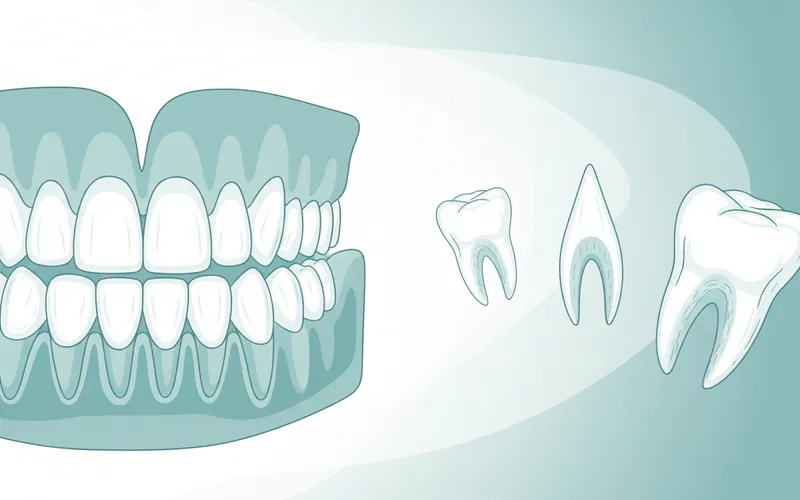
This comprehensive guide will demystify your dental anatomy, exploring everything from the first baby teeth to the wisdom teeth. We'll delve into the distinct characteristics and functions of incisors, canines, premolars, and molars, supported by clear explanations. Furthermore, we'll uncover the hidden world beneath the gumline, examining the internal structure of a tooth, including the vital pulp chamber tooth, and address common developmental issues like the tooth eruption cyst. By the end of this article, you'll have a deeper appreciation for your smile and the knowledge to protect it.
Key Takeaways:
- Two Sets of Teeth: Humans have primary (deciduous) teeth, which are 20 in total and typically erupt between 6 months and 3 years, followed by permanent teeth, which are 32 in total (including wisdom teeth) and erupt from age 6 to 21.
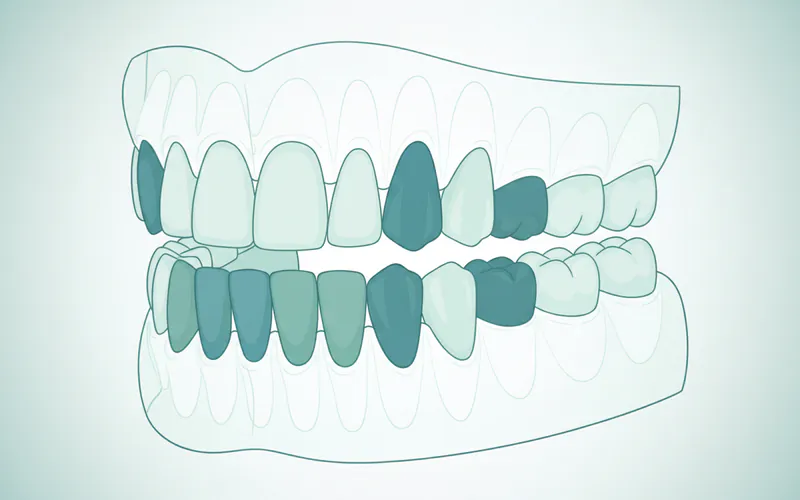
- Four Main Types: Permanent teeth are categorized into Incisors (cutting), Canines (tearing), Premolars (grinding/crushing), and Molars (heavy grinding). Each type has distinct shapes and functions crucial for digestion.
- Internal Anatomy is Key: Beyond the visible crown, a tooth comprises enamel, dentin, cementum, and the vital pulp chamber tooth, which contains nerves and blood vessels. Damage to this internal structure often requires professional dental intervention.
- Eruption Timelines: Primary teeth typically emerge by age 3, while permanent teeth begin around age 6 and continue into early adulthood. Deviations or complications, such as a tooth eruption cyst, should be monitored by a dentist.
- Common Procedure Costs: A standard filling can range from $50 to $250 per tooth (without insurance), while a root canal, often necessary for an infected pulp chamber tooth, can cost between $700 and $2,000, excluding the crown.
- Preventive Care is Paramount: Regular brushing (twice daily), flossing (once daily), and professional dental check-ups (every 6 months) are essential for maintaining the health and integrity of all tooth types and preventing common issues.
- When to Seek Care: Persistent tooth pain, swelling, sensitivity, or unusual growths (like a suspected tooth eruption cyst) warrant immediate dental consultation to prevent further complications and preserve oral health.
Understanding Your Dental Anatomy: A Comprehensive Types of Teeth Diagram Guide
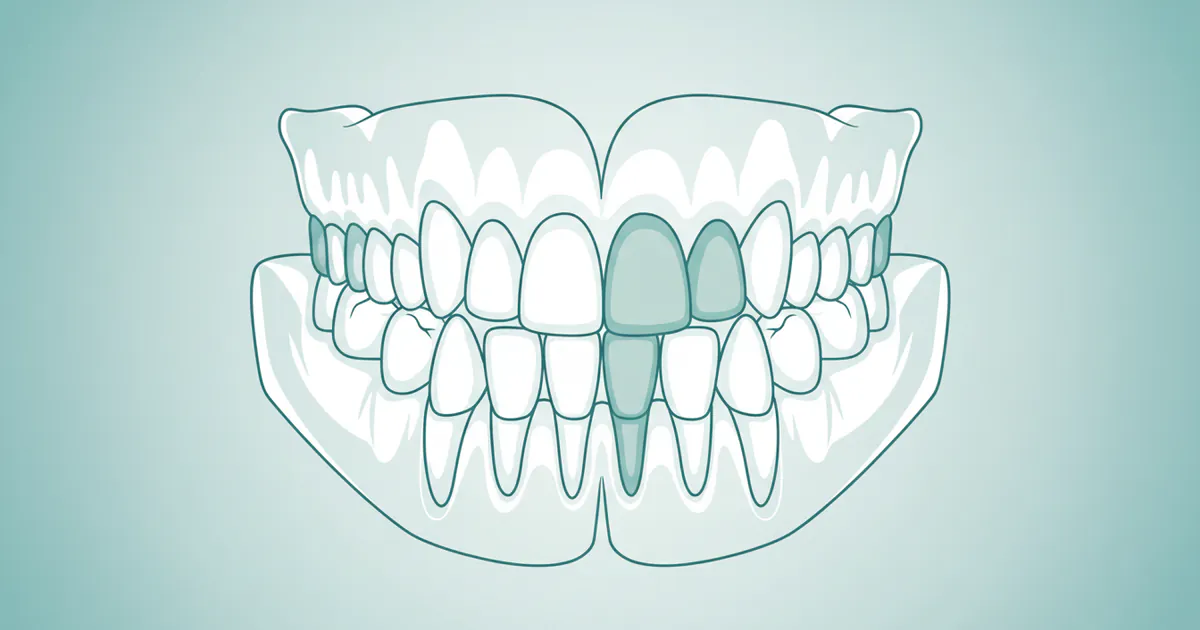
Our mouth is a marvel of biological engineering, and at its core are our teeth—hard, bone-like structures anchored in the jaws. A detailed types of teeth diagram illustrates not just the sheer number of teeth, but their incredible diversity in shape, size, and function. Each tooth type plays a specific role in the complex process of mastication (chewing), speech articulation, and maintaining facial structure. Neglecting this intricate system can lead to a cascade of health issues, from digestive problems to infections that impact overall well-being.
What Are Teeth and Why Are They Important?
Teeth are specialized organs designed primarily for breaking down food into smaller, more manageable pieces—the first step in the digestive process. Beyond this crucial digestive role, teeth are fundamental for clear speech, allowing us to form various sounds and words. They also play a significant aesthetic role, contributing to the structure of our face and enhancing our smile. Without healthy teeth, our quality of life would be profoundly impacted. The American Dental Association (ADA) consistently emphasizes the link between oral health and systemic health, underscoring the importance of maintaining strong, functional teeth.
The Journey of Tooth Development: From Bud to Bite
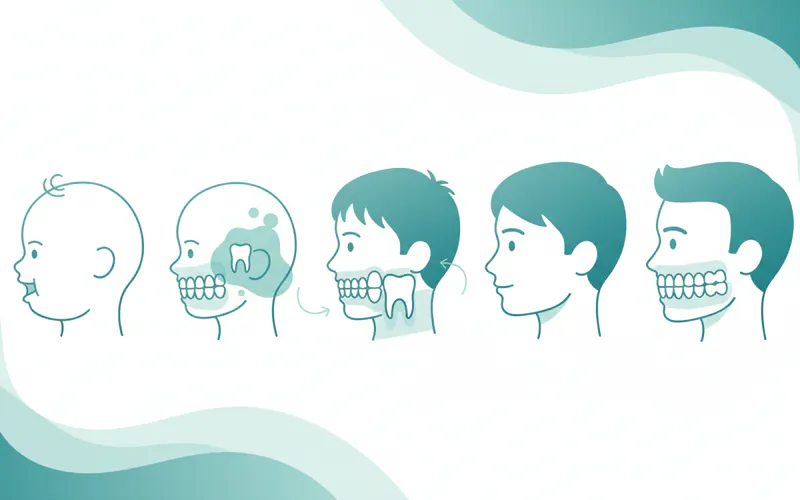
The development of teeth, known as odontogenesis, is a complex biological process that begins long before birth. It starts with the formation of dental laminae and buds, which are the earliest signs of tooth development within the jawbones. This process continues through distinct stages: bud, cap, bell, and apposition (dentin and enamel formation), culminating in eruption.
- Bud Stage: The initial formation of the tooth bud from the dental lamina.
- Cap Stage: The tooth bud grows into a cap shape, forming the future enamel organ and dental papilla.
- Bell Stage: The enamel organ takes on a bell shape, and differentiation of cells leads to the formation of enamel and dentin. This is where the outline of the crown is defined.
- Apposition and Maturation: Enamel and dentin layers are laid down, and the tooth crown takes its final shape, followed by root formation.
This intricate dance of cellular growth and mineralization determines the shape, size, and strength of each tooth, setting the stage for a lifetime of use. Any disruption during these developmental stages can lead to anomalies in tooth structure, number, or eruption pattern.
The Two Sets of Teeth: Primary vs. Permanent
Humans are diphyodonts, meaning we develop two sets of teeth during our lifetime: a primary (deciduous or "baby") set and a permanent (adult) set. Each set serves a unique purpose and has distinct characteristics.
Primary (Deciduous) Teeth: Your Child's First Smile
Primary teeth are a child's first set of teeth, crucial for chewing, speech development, and maintaining space for the permanent teeth to erupt correctly. There are 20 primary teeth in total: 10 in the upper jaw and 10 in the lower jaw. They typically begin to erupt around 6 months of age and are usually all in place by age 2.5 to 3 years.
- Characteristics: Smaller in size, whiter in color, and have thinner enamel compared to permanent teeth. Their roots are also shorter and more splayed to accommodate the developing permanent tooth buds beneath them.
- Composition:
- 8 Incisors: (4 central, 4 lateral) for biting and cutting food.
- 4 Canines: for tearing food.
- 8 Molars: (first and second molars) for grinding food. (Note: Primary teeth do not have premolars).
Permanent (Adult) Teeth: Designed for a Lifetime
The permanent dentition gradually replaces the primary teeth, beginning around age 6 and continuing into early adulthood, often with the eruption of wisdom teeth around ages 17-21. There are typically 32 permanent teeth in total (including wisdom teeth), though some individuals may have fewer if wisdom teeth are congenitally missing or extracted.
- Characteristics: Larger, stronger, and more yellow-tinged than primary teeth due to thicker enamel and dentin. They are designed to withstand the forces of chewing throughout adulthood.
- Composition:
- 8 Incisors: (4 central, 4 lateral)
- 4 Canines:
- 8 Premolars (Bicuspids): (first and second premolars)
- 12 Molars: (first, second, and third molars, with third molars being wisdom teeth)
Decoding the Types of Permanent Teeth
Each type of permanent tooth has a unique morphology (shape and structure) that dictates its specific function in the chewing process. Understanding these differences is key to appreciating your dental anatomy.
Incisors: The Cutting Edge
- Number: 8 (4 central, 4 lateral)
- Location: The front teeth, four on the top jaw and four on the bottom jaw.
- Function: Primarily for biting and cutting food, like an apple or a sandwich. Their sharp, chisel-like edges are perfect for this initial food preparation. They also play a crucial role in speech and supporting the lips.
- Appearance: Single, flat, blade-like root; a thin, sharp incisal edge for cutting.
Canines (Cuspids): The Tearing Powerhouses
- Number: 4
- Location: Flanking the incisors, one in each quadrant of the mouth.
- Function: Designed for tearing and piercing food. Their pointed, cone-shaped crowns are ideal for ripping fibrous foods like meat. Canines are often the longest teeth in the mouth and are very stable.
- Appearance: A single, long, strong root; a prominent, pointed cusp.
Premolars (Bicuspids): The Grinders-in-Training
- Number: 8 (first and second premolars)
- Location: Situated between the canines and molars. These are the first permanent teeth to replace primary molars.
- Function: A hybrid function, combining aspects of both canines and molars. They have pointed cusps for tearing and broad surfaces for crushing and grinding food, helping to prepare it for the molars.
- Appearance: Typically have two cusps (hence "bicuspids," though some mandibular second premolars can have three) and one or two roots.
Molars: The Ultimate Chewing Machines
- Number: 12 (first, second, and third molars, including wisdom teeth)
- Location: The very back of the mouth.
- Function: The largest and strongest teeth, designed for heavy grinding and crushing of food into a paste suitable for swallowing. They bear the brunt of masticatory forces.
- Appearance: Broad, flat surfaces with multiple cusps (typically 4-5) and multiple roots (usually 2-3 in the lower jaw, 3-4 in the upper jaw) for strong anchorage.
Wisdom Teeth (Third Molars): Late Arrivals
- Number: 0-4 (many people have them extracted or don't develop all four)
- Location: The very last molars, at the back of the mouth.
- Function: When properly erupted and functional, they assist in grinding food. However, they are often impacted or only partially erupt, leading to problems.
- Appearance: Similar to other molars but often more variable in shape and size.
Anatomy of a Single Tooth: Beyond the Surface
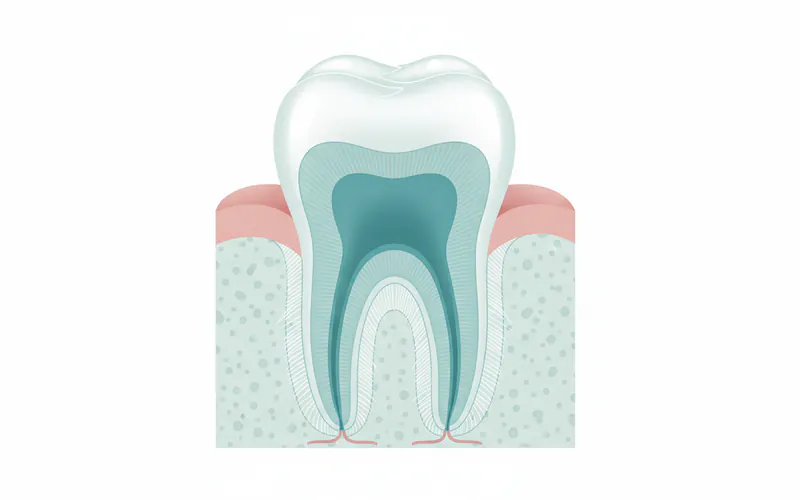
To truly understand how teeth function and why certain dental problems occur, it's essential to look beyond the visible crown and explore the intricate internal anatomy of a tooth. This internal structure, particularly the pulp chamber tooth, is critical for the tooth's vitality.
The Crown: Above the Gumline
The crown is the visible portion of the tooth, covered by enamel. Its shape varies significantly depending on the type of tooth, optimized for its specific function (cutting, tearing, grinding). The crown is what we brush and is exposed to the oral environment.
The Root: Anchoring Your Smile
The root is the portion of the tooth embedded within the jawbone, below the gumline. Roots anchor the tooth firmly in place and are typically much longer than the crown. The number and shape of roots vary by tooth type (e.g., incisors typically have one root, molars have multiple).
Enamel: The Hardest Substance
Enamel is the outermost layer of the crown, the hardest substance in the human body. Composed primarily of hydroxyapatite crystals, enamel protects the underlying dentin and pulp from bacteria, temperature changes, and physical forces. Despite its hardness, enamel is susceptible to acid erosion from bacteria and sugary foods, leading to cavities.
Dentin: The Bulk of the Tooth
Beneath the enamel lies dentin, a yellowish, calcified tissue that makes up the bulk of the tooth. Dentin is softer than enamel but harder than bone. It contains microscopic tubules that connect to the pulp chamber, making it sensitive to stimuli like cold, heat, and pressure if the enamel layer is compromised. Dentin provides the tooth's resilience and supports the enamel.
Pulp Chamber Tooth: The Living Core
The pulp chamber tooth is the innermost part of the tooth, a hollow space within the crown and root that houses the dental pulp. The pulp is a soft tissue containing nerves, blood vessels, and connective tissue. It is responsible for forming dentin during tooth development (odontoblasts), providing nourishment to the dentin, and transmitting sensory information (like pain or temperature) to the brain. When this pulp becomes infected or inflamed, often due to deep decay or trauma, it can lead to severe pain and necessitate a root canal procedure to save the tooth. The pulp chamber extends down into the roots as root canals.
Cementum and Periodontal Ligament: The Support System
- Cementum: A bone-like tissue that covers the tooth root, providing an attachment surface for the periodontal ligament. It's softer than enamel and dentin.
- Periodontal Ligament (PDL): A specialized connective tissue that surrounds the tooth root and connects it to the alveolar bone (jawbone). The PDL acts as a shock absorber, distributes chewing forces, and contains nerves and blood vessels vital for tooth support and sensation.
Common Dental Issues Related to Tooth Types and Development
Understanding the different types of teeth and their anatomy also helps us understand why certain dental issues arise. Problems can stem from congenital factors, developmental anomalies, or daily wear and tear.
Dental Caries (Cavities): A Universal Threat
Cavities, or dental caries, are holes in the teeth caused by acid produced by bacteria feeding on sugars. While any tooth can develop a cavity, molars and premolars are often more susceptible due to their complex chewing surfaces (pits and fissures) that can trap food particles and bacteria more easily. Incisors and canines, with their smoother surfaces, are less prone to cavities unless hygiene is poor. Untreated cavities can progress, eventually reaching the pulp chamber tooth, leading to infection and severe pain.
Periodontal Disease: Gum Health Matters
Periodontal disease, or gum disease, is an infection of the tissues that support the teeth, including the gums, periodontal ligament, and alveolar bone. It's a leading cause of tooth loss in adults. While it affects the supporting structures rather than the tooth itself, severe periodontal disease can compromise the anchorage of any tooth type, from incisors to molars. Poor oral hygiene is the primary cause, allowing plaque and tartar buildup.
Malocclusion: When Bites Don't Align
Malocclusion refers to any misalignment of teeth or an incorrect bite. This can involve crowded teeth, crooked teeth, overbites, underbites, or crossbites. Malocclusion can affect any or all tooth types, making chewing inefficient, impacting speech, and increasing the risk of cavities and gum disease due to difficulty in cleaning. Orthodontic treatment is often necessary to correct these issues.
Impaction: Wisdom Tooth Woes
Impaction occurs when a tooth is unable to fully erupt through the gumline, often because there isn't enough space in the jaw. Wisdom teeth (third molars) are the most common teeth to become impacted, affecting up to 75% of young adults. Impacted wisdom teeth can cause pain, infection (pericoronitis), damage to adjacent teeth, and contribute to crowding. While less common, other tooth types, such as canines, can also be impacted.
Tooth Eruption Cyst: Understanding Developmental Anomalies
A tooth eruption cyst, also known as an eruption hematoma if it contains blood, is a benign, fluid-filled sac that forms over an erupting tooth. It appears as a soft, often bluish or translucent swelling on the gum where a tooth is about to emerge.
- Causes: It forms when fluid accumulates within the follicular space around the crown of an erupting tooth, just before it breaks through the gingiva. Trauma to the gum in the area of eruption can also contribute.
- Signs and Symptoms: A visible, soft, often compressible swelling on the gum. It's usually painless, though some discomfort might be present due to the erupting tooth. If it's a hematoma, it will have a purplish or bluish tint due to blood.
- Treatment: In most cases, a tooth eruption cyst requires no specific treatment. It typically ruptures naturally as the tooth erupts, and the fluid drains. If it's very large, painful, or hindering eruption, a dentist may opt for a minor surgical procedure called an operculectomy or marsupialization, where a small incision is made to release the fluid and allow the tooth to emerge.
- Prevalence: Most commonly seen in children aged 6-9, corresponding with the eruption of permanent incisors and first molars, but can occur with any erupting tooth.
Maintaining Your Teeth: Prevention and Care
Preventive care is the cornerstone of maintaining the health of all your tooth types, from the sharp incisors to the powerful molars.
Daily Oral Hygiene: The Foundation
- Brushing: Brush your teeth twice a day for two minutes each time with fluoride toothpaste. Use a soft-bristled brush and proper technique to clean all tooth surfaces, including the chewing surfaces of your molars and the backs of your incisors.
- Flossing: Floss daily to remove plaque and food particles from between teeth and under the gumline, areas your toothbrush can't reach. This is especially important for preventing interproximal cavities and gum disease.
- Mouthwash: Therapeutic mouthwashes can complement brushing and flossing by reducing plaque, gingivitis, and bad breath.
Regular Dental Check-ups: Your First Line of Defense
Visit your dentist for check-ups and professional cleanings every six months, or as recommended. These appointments allow your dentist to:
- Detect and treat cavities early, before they reach the pulp chamber tooth.
- Identify and manage signs of gum disease.
- Monitor tooth eruption patterns, especially in children, and address concerns like a tooth eruption cyst.
- Perform oral cancer screenings.
- Provide personalized oral hygiene advice.
- ADA guidelines recommend regular dental visits for optimal oral health.
Protecting Your Teeth: Mouthguards and More
- Sports Mouthguards: If you or your child participate in contact sports, a custom-fitted mouthguard is essential to protect teeth from trauma, which can lead to fractures or avulsion (tooth knockout).
- Nightguards: For those who grind or clench their teeth (bruxism), a nightguard can prevent excessive wear and tear on all tooth types, protect existing restorations, and alleviate jaw pain.
Dietary Choices: Fueling Oral Health
What you eat directly impacts your dental health.
- Limit Sugary Foods and Drinks: Sugar feeds the bacteria that produce cavity-causing acids. Reduce consumption of sodas, candies, and sugary snacks.
- Choose Nutrient-Rich Foods: A balanced diet rich in fruits, vegetables, lean proteins, and dairy products (for calcium) supports strong teeth and healthy gums.
- Hydration: Drink plenty of water, especially fluoridated water, which helps strengthen enamel.
When Professional Intervention is Needed: Treatment Overview
Despite the best preventive efforts, dental issues can arise. Fortunately, modern dentistry offers numerous solutions to restore and maintain your oral health.
Fillings and Crowns: Restoring Damaged Teeth
- Fillings: Used to treat cavities. After removing the decayed portion of the tooth, the dentist fills the space with a restorative material like amalgam (silver), composite resin (tooth-colored), or sometimes ceramic or gold. The choice of material depends on the size of the cavity, its location (e.g., molars requiring stronger material), and cosmetic considerations.
- Crowns: A dental crown, or "cap," covers the entire visible surface of a damaged or weakened tooth. Crowns are used when a filling is insufficient, such as for a cracked tooth, a tooth with a very large cavity, or after root canal therapy to protect the treated tooth. Crowns can be made from porcelain, ceramic, metal, or a combination.
Root Canal Therapy: Saving a Pulp Chamber Tooth
When decay or trauma reaches the pulp chamber tooth, causing infection, inflammation, or nerve damage, a root canal procedure is often necessary to save the tooth.
- Process: The dentist removes the infected or damaged pulp from the pulp chamber and root canals, thoroughly cleans and disinfects the internal spaces, and then fills and seals them with a biocompatible material (gutta-percha). A crown is typically placed over the treated tooth to protect it and restore its function. This procedure is highly effective in alleviating pain and preventing tooth loss.
Extractions: When a Tooth Can't Be Saved
Tooth extraction is the removal of a tooth. This may be necessary for several reasons:
- Severe Decay: If a cavity is too large or deep to be restored with a filling or crown.
- Advanced Periodontal Disease: When the supporting bone is too severely damaged to hold the tooth.
- Impaction: Commonly, wisdom teeth are extracted due to impaction or lack of space.
- Orthodontic Reasons: To create space for other teeth to align properly.
Extractions can be simple (for visible teeth) or surgical (for impacted or broken teeth).
Orthodontics: Straightening Your Smile
Orthodontic treatment corrects malocclusion, addressing issues like crooked teeth, crowded teeth, overbites, and underbites.
- Methods: Traditional braces (metal or ceramic brackets and wires), clear aligners (like Invisalign), or sometimes specialized appliances.
- Benefits: Improves chewing function, enhances speech, makes oral hygiene easier, and boosts aesthetics. The duration of treatment varies but typically ranges from 18 to 36 months.
Children / Pediatric Considerations: Guiding Young Smiles
The development and health of primary teeth are paramount for a child's overall well-being. Pediatric dentistry focuses on the unique needs of infants, children, and adolescents, taking into account their developing anatomy.
Eruption Timelines for Primary Teeth
Primary teeth follow a generally predictable eruption pattern. While variations exist, parents should be aware of typical timelines:
- Central Incisors: 6-12 months (lower usually first)
- Lateral Incisors: 9-16 months
- First Molars: 13-19 months
- Canines: 16-23 months
- Second Molars: 23-33 months
By age 3, most children have all 20 primary teeth.
Managing Teething Discomfort
Teething can cause discomfort, irritability, drooling, and mild fever. Parents can help by:
- Gently rubbing the gums with a clean finger.
- Offering a cool (not frozen) teething ring or cloth.
- Consulting with a pediatrician or pediatric dentist for over-the-counter pain relievers if needed.
Tooth Eruption Cyst in Children
As mentioned earlier, tooth eruption cysts are most commonly observed in children during the eruption of primary or permanent teeth. Parents often notice a bluish bump on the gums. While usually harmless and self-resolving, a pediatric dentist should evaluate it to confirm diagnosis and ensure it's not interfering with eruption or causing significant discomfort. Rarely, a small incision might be needed.
The Importance of Primary Teeth
It's a common misconception that primary teeth are less important because they will eventually be lost. However, they serve critical roles:
- Chewing and Nutrition: Allow children to chew a variety of foods for proper nutrition.
- Speech Development: Aid in the articulation of sounds and words.
- Space Maintenance: Hold space for the permanent teeth developing beneath them. Early loss of primary teeth can lead to crowding and misalignment of permanent teeth.
- Facial Development: Contribute to the normal development of the jawbones and facial muscles.
When Primary Teeth Are Lost Prematurely
If a primary tooth is lost too early due to decay or trauma, a pediatric dentist might recommend a "space maintainer." This appliance prevents adjacent teeth from drifting into the vacant space, ensuring proper room for the underlying permanent tooth to erupt.
Guiding Permanent Teeth Eruption
As children transition to permanent dentition (around age 6-12), dentists monitor the eruption sequence and identify potential issues like overcrowding or impaction early on. Early orthodontic intervention (Phase 1 orthodontics) can sometimes guide jaw growth and tooth eruption to prevent more complex problems later.
Understanding Dental Costs: A Financial Guide
Dental care costs in the US can vary widely based on location, the complexity of the procedure, and the dentist's fees. Understanding these costs and your insurance coverage is essential.
Average Costs for Common Dental Procedures
These are general ranges and can be higher or lower depending on your specific circumstances and geographic location (e.g., urban centers often have higher costs).
| Procedure Type | Average Cost (without insurance) | Average Cost (with insurance, patient share) | Description |
|---|---|---|---|
| Routine Check-up & Cleaning | $75 - $200 | $0 - $50 | Includes examination, X-rays (every 1-3 years), and professional cleaning. Essential for monitoring all tooth types. |
| Amalgam Filling | $50 - $250 | $20 - $100 | For smaller cavities, often in molars. Cost varies by size and number of surfaces. |
| Composite Filling | $90 - $450 | $30 - $150 | Tooth-colored filling, often preferred for visible teeth (incisors, canines, premolars). Cost varies by size and number of surfaces. |
| Simple Extraction | $75 - $300 | $30 - $150 | For easily accessible teeth. |
| Surgical Extraction (e.g., Impacted Wisdom Tooth) | $200 - $750+ | $50 - $300+ | More complex, often involving bone removal or sutures. |
| Root Canal Therapy | $700 - $2,000 | $200 - $800+ | For an infected pulp chamber tooth. Front teeth generally cost less than molars due to fewer canals. This is often followed by a crown. |
| Dental Crown (porcelain/ceramic) | $800 - $2,500 | $250 - $1,200 | Used to protect a root-canaled tooth or severely damaged tooth. Cost varies by material and lab fees. |
| Orthodontics (Braces/Aligners) | $3,000 - $8,000+ | $1,000 - $4,000+ | Varies greatly by case complexity, duration, and type of appliance. Many plans cover a portion, especially for medical necessity. |
| Operculectomy (for Eruption Cyst) | $100 - $300 | $30 - $100 | Minor procedure to help an erupting tooth, often covered under routine pediatric dental benefits. |
Dental Insurance Coverage: What to Expect
Most dental insurance plans follow a "100-80-50" coverage model:
- 100% Coverage: For preventive care (exams, cleanings, X-rays). This is why regular check-ups are cost-effective.
- 80% Coverage: For basic procedures (fillings, simple extractions, sometimes root canals for front teeth).
- 50% Coverage: For major procedures (crowns, bridges, dentures, root canals for molars, oral surgery like wisdom tooth extraction).
Pro Tip: Always understand your plan's annual maximum, deductible, and waiting periods before undergoing significant procedures. Many plans have a $1,000 - $2,000 annual maximum benefit, meaning once your insurance has paid that amount, you are responsible for the rest of the costs for the year.
Navigating Payment Plans and Financing
- In-Office Payment Plans: Many dental offices offer interest-free payment plans for larger treatments, allowing you to spread costs over several months.
- Third-Party Financing: Companies like CareCredit or LendingClub offer specialized healthcare credit cards with low or no-interest promotional periods for qualified applicants.
- Dental Schools: University dental schools often provide high-quality care at a reduced cost, as procedures are performed by students under the supervision of experienced faculty.
Cost-Saving Tips
- Prioritize Prevention: The single best way to save money on dental care is consistent daily hygiene and regular preventive check-ups. Preventing a cavity is far cheaper than treating one that has progressed to the pulp chamber tooth.
- Dental Discount Plans: These are not insurance but offer reduced fees for services from participating dentists. They can be a good option for those without traditional insurance.
- HSA/FSA: Use Health Savings Accounts (HSAs) or Flexible Spending Accounts (FSAs) to pay for dental care with pre-tax dollars.
[TABLE: Comparison of Dental Insurance Coverage Levels for Different Procedures]
| Procedure Category | Typical Insurance Coverage | Patient Out-of-Pocket Share | Notes |
|---|---|---|---|
| Preventive Care | 80-100% | 0-20% | Cleanings, exams, X-rays, fluoride. Often no deductible. |
| Basic Procedures | 50-80% | 20-50% | Fillings, simple extractions, root canals (front teeth). Deductible may apply. |
| Major Procedures | 0-50% | 50-100% | Crowns, bridges, dentures, oral surgery (e.g., wisdom teeth). High deductible may apply. |
| Orthodontics | 0-50% | 50-100% | Some plans include a lifetime maximum for ortho. Often for medical necessity only. |
| Cosmetic Procedures | Rarely covered | 100% | Whitening, veneers are typically not covered by insurance. |
Frequently Asked Questions
What are the main types of teeth in an adult human?
Adult humans typically have 32 permanent teeth, which are categorized into four main types: incisors (8), canines (4), premolars (8), and molars (12, including wisdom teeth). Each type has a unique shape and function tailored for different stages of the chewing process.
Why do some people have wisdom teeth removed?
Wisdom teeth, or third molars, are often removed because they are impacted (don't have enough room to erupt properly), causing pain, infection, damage to adjacent teeth, or contributing to overcrowding. Their late eruption makes them prone to these issues.
What is the pulp chamber tooth and why is it important?
The pulp chamber tooth is the innermost part of the tooth, containing the dental pulp—a soft tissue with nerves, blood vessels, and connective tissue. It's vital because it provides sensation, nourishes the dentin, and helps form new dentin. Damage or infection to the pulp chamber tooth can lead to severe pain and often requires root canal therapy to save the tooth.
How many teeth do children have, and when do they lose them?
Children have 20 primary (deciduous or "baby") teeth, which typically finish erupting by age 3. They begin to lose these primary teeth around age 6, and the process continues until around age 12, making way for the permanent teeth.
What is a tooth eruption cyst, and should I be concerned?
A tooth eruption cyst is a fluid-filled sac that forms over an erupting tooth, often appearing as a bluish or clear bump on the gum. While generally harmless and usually ruptures on its own as the tooth emerges, it's always wise to have a dentist evaluate it to confirm diagnosis and ensure proper tooth eruption.
Can all types of teeth get cavities?
Yes, all types of teeth can get cavities. However, molars and premolars are often more susceptible due to their complex chewing surfaces, which can trap food and bacteria more easily. Incisors and canines, with their smoother surfaces, are generally less prone to cavities unless oral hygiene is poor.
How can I protect my tooth enamel?
You can protect your tooth enamel by brushing twice daily with fluoride toothpaste, flossing daily, limiting sugary and acidic foods/drinks, and wearing a mouthguard during sports or if you grind your teeth at night. Regular dental check-ups also help detect early signs of erosion or decay.
What is the difference between an incisor and a canine?
Incisors are the front, flat, chisel-shaped teeth used for biting and cutting food. Canines are the pointed, fang-like teeth located next to the incisors, designed for tearing and piercing food. Canines typically have longer and stronger roots than incisors.
Do root canals hurt, and how much do they cost?
Modern root canal procedures are performed under local anesthesia and are designed to relieve pain, not cause it. The discomfort is usually comparable to a routine filling. Costs range from $700 to $2,000 without insurance, depending on the tooth's location (front teeth are less expensive than molars) and complexity, not including the cost of a crown afterward.
What is the best way to clean my teeth for all tooth types?
The best way is to use a soft-bristled toothbrush and fluoride toothpaste, brushing gently for two minutes twice a day, ensuring you reach all surfaces, including the back of your molars and incisors. Daily flossing is crucial to clean between teeth and under the gumline, where toothbrushes cannot reach, complementing the cleaning of all tooth types.
When to See a Dentist
Understanding your dental anatomy empowers you to be proactive about your oral health. Knowing when to seek professional dental care can prevent minor issues from becoming major problems and even save your teeth.
Immediate Attention (Emergency): You should see a dentist or emergency dental service as soon as possible if you experience any of the following:
- Severe, persistent toothache: Especially if it's sharp, throbbing, or wakes you up at night, as this could indicate a deep cavity or an infected pulp chamber tooth.
- Swelling in your gums, face, or jaw: This could be a sign of a serious infection or abscess that needs immediate drainage and antibiotics.
- Trauma to a tooth: If a tooth is knocked out, chipped, cracked, or loosened due to an accident, seek immediate care. Time is often critical for saving the tooth.
- Bleeding that doesn't stop: After an injury or extraction, prolonged bleeding warrants a dentist's visit.
- Signs of an infected tooth eruption cyst: While usually harmless, if a tooth eruption cyst becomes very painful, appears inflamed, or is severely delaying tooth eruption, it needs professional assessment.
Scheduled Appointment (Routine or Urgent Care): Schedule an appointment with your dentist if you notice:
- Persistent tooth sensitivity: To hot, cold, or sweet foods/drinks, which could indicate early decay, gum recession, or a failing filling.
- Bleeding or tender gums: These are early signs of gingivitis or periodontal disease.
- Bad breath that doesn't go away: Could be a symptom of gum disease or infection.
- A visible hole or dark spot on your tooth: Classic signs of a cavity.
- Loose or missing fillings, crowns, or other restorations: These need to be repaired or replaced to protect the tooth.
- Clicking, popping, or pain in your jaw: May indicate a temporomandibular joint (TMJ) disorder.
- Any unusual bumps, lesions, or changes in your mouth that don't go away after two weeks: This includes monitoring an unruptured tooth eruption cyst or any other oral growths.
- Difficulty chewing or changes in your bite: Can indicate malocclusion or other issues requiring attention.
Regular check-ups every six months, as recommended by the ADA, are your best defense against developing serious dental problems. Your dentist can identify issues like early decay in your molars or monitor the eruption of your wisdom teeth, long before they become painful or require emergency intervention. Don't wait for pain to be your only guide; proactive care is the key to a lifetime of healthy smiles.
Frequently Asked Questions
Medically Reviewed Content
This article was written by our dental health editorial team and reviewed for medical accuracy. Our content follows strict editorial guidelines for reliability and trustworthiness.
Medical Disclaimer
This article is for informational purposes only and does not constitute medical advice. Always consult with a qualified dental professional for diagnosis and treatment. Do not delay seeking professional advice because of something you read on this website.
Related Articles
Tooth Eruption Order: Complete Guide
The journey of human teeth, from their initial emergence in infancy to the arrival of wisdom teeth in young adulthood, is a fascinating and crucial aspect of our overall health. Understanding the tooth eruption order is not just a matter of curiosity; it's a vital piece of knowledge that empower
February 23, 2026
Primary Tooth Eruption Sequence: Complete Guide
Did you know that by their third birthday, most children will have a full set of 20 primary teeth? The journey of these first teeth, from their initial appearance to their eventual replacement by permanent teeth, is a remarkable and often challenging milestone for both infants and parents. Understan
February 23, 2026
Canine Tooth Eruption: Complete Guide
Have you ever wondered about the complex process that brings your teeth into alignment, especially the prominent, pointed teeth known as canines? While often overshadowed by discussions of wisdom teeth or incisors, the canine tooth eruption process is a critical stage in your oral development, d
February 23, 2026
Permanent Tooth Eruption Sequence: Complete Guide
Welcome to SmilePedia.net, your trusted resource for comprehensive dental health information. The journey of your permanent teeth emerging into your mouth, known as the permanent tooth eruption sequence, is a fundamental aspect of oral development. Did you know that while primary (baby) teeth ty
February 23, 2026