Thoracic Cavity: Complete Guide
Key Takeaways
- Imagine your body as a meticulously designed house. While your mouth and teeth might be the highly visible entrance, essential "rooms" deeper within house vital systems that directly impact the health and stability of the entire structure, including your oral foundation. One of the most critical of
Thoracic Cavity: Complete Guide
Imagine your body as a meticulously designed house. While your mouth and teeth might be the highly visible entrance, essential "rooms" deeper within house vital systems that directly impact the health and stability of the entire structure, including your oral foundation. One of the most critical of these internal spaces is the thoracic cavity. This vital region, housing organs like your heart and lungs, is not merely a distant anatomical concept; its health profoundly influences your systemic well-being, which in turn, has significant, often overlooked, implications for your dental health. For example, conditions originating in the thoracic cavity, such as severe gastroesophageal reflux disease (GERD), can silently erode your tooth enamel, leading to irreversible damage. Understanding the thoracic cavity, therefore, isn't just for medical specialists; it's crucial for every individual committed to comprehensive health, including maintaining a healthy smile. This guide will explore the thoracic cavity in detail, illuminate its complex relationship with oral health, discuss common conditions that bridge these two critical areas, and empower you with knowledge to protect both your systemic and dental well-being.

Key Takeaways:
- The thoracic cavity is a vital body compartment housing the heart, lungs, and esophagus, crucial for circulation, respiration, and digestion.
- Conditions within the thoracic cavity, like GERD, asthma, and cardiovascular disease, have direct and indirect impacts on oral health, including enamel erosion and increased risk for dental complications.
- Oral infections, if left untreated, can potentially spread to the thoracic cavity, leading to severe conditions like mediastinitis.
- Managing dental care for individuals with thoracic conditions often requires interdisciplinary collaboration between dentists and medical doctors, potentially influencing treatment plans and medication choices.
- The cost for managing dental issues stemming from thoracic conditions can vary widely, from $200-$1,500 for routine care to $3,000-$15,000+ for extensive restorative work (e.g., crowns, veneers for severe enamel erosion) or complex dental procedures in medically compromised patients.
- While anecdotal evidence exists for what is the strongest natural antibiotic for tooth infection, professional medical and dental evaluation is paramount; natural remedies should never replace prescribed antibiotics for active infections due to the risk of severe complications, including spread to the thoracic cavity.
- Preventive measures, including good oral hygiene and managing systemic conditions, are key to protecting both thoracic and oral health.
What It Is / Overview
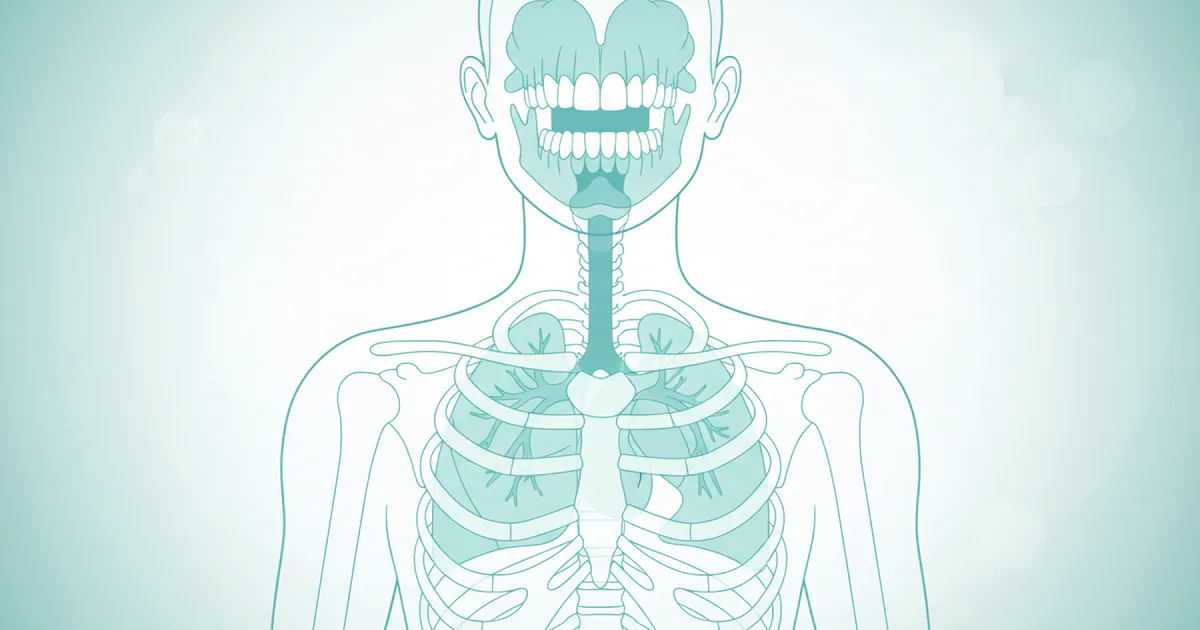
The thoracic cavity, often simply called the chest cavity, is a crucial anatomical space in the human body, positioned superior to the abdominal cavity and inferior to the neck. It is a robust, bony, and muscular cage that plays a protective role for some of the body's most vital organs. This cone-shaped chamber is enclosed by the thoracic wall, which consists of the sternum (breastbone) anteriorly, the vertebral column (spine) posteriorly, and the ribs laterally. Its inferior boundary is the diaphragm, a dome-shaped muscle essential for respiration, which separates it from the abdominal cavity.
Inside the thoracic cavity, a central compartment known as the mediastinum divides it into two lateral pleural cavities.
- Mediastinum: This central partition contains the heart, major blood vessels (aorta, vena cavae), trachea (windpipe), esophagus, thymus gland, and various nerves and lymphatic vessels. It is further subdivided into superior, anterior, middle, and posterior sections.
- Pleural Cavities: These are the two spaces, one on each side of the mediastinum, that house the lungs. Each lung is enveloped by a double-layered membrane called the pleura, which reduces friction during breathing.
The primary functions of the thoracic cavity and its contents are:
- Respiration: The lungs facilitate the exchange of oxygen and carbon dioxide, a process vital for cellular metabolism. The diaphragm and intercostal muscles enable breathing by changing the volume of the thoracic cavity.
- Circulation: The heart pumps blood throughout the body, delivering oxygen and nutrients and removing waste products. The major blood vessels within the mediastinum ensure efficient blood flow.
- Digestion: The esophagus, a muscular tube, transports food from the pharynx to the stomach, passing through the thoracic cavity.
- Protection: The bony cage of the rib cage, sternum, and spine provides physical protection for these delicate and essential organs from external trauma.
Understanding the anatomy and function of the thoracic cavity is foundational to comprehending how systemic health influences oral health, and vice-versa. Disturbances within this vital region can initiate a cascade of effects that reach even the furthest parts of the body, including the oral cavity.
``
Types / Variations
While the basic anatomical structure of the thoracic cavity is consistent across individuals, there are various aspects that can be considered "types" or "variations" from a medical and functional perspective, especially as they relate to dental health. These aren't distinct anatomical types of the cavity itself, but rather categories of conditions or functional states within it that bear relevance.
Anatomical Variations
Minor anatomical variations can occur but rarely have direct dental implications unless they predispose an individual to certain conditions. For instance, skeletal abnormalities of the rib cage or spine might impact respiratory function, which could indirectly influence dental care (e.g., patient positioning, sedation considerations).
Functional and Pathological Categories
The more relevant "types" pertain to the conditions affecting the organs within the thoracic cavity, which then influence oral health:
- Cardiovascular Conditions: Diseases affecting the heart and major blood vessels (e.g., coronary artery disease, heart failure, arrhythmias, valvular heart disease).
- Dental Relevance: These conditions often require medications (like anticoagulants) that impact dental procedures, particularly those involving bleeding risk (extractions, periodontal surgery). They also elevate the risk of complications like infective endocarditis from bacteremia following dental procedures, necessitating prophylactic antibiotics in specific cases as per American Dental Association (ADA) and American Heart Association (AHA) guidelines.
- Respiratory Conditions: Diseases affecting the lungs and airways (e.g., asthma, chronic obstructive pulmonary disease (COPD), cystic fibrosis).
- Dental Relevance: Patients may experience dry mouth due to medications (e.g., bronchodilators, inhaled corticosteroids), increasing the risk of dental caries and gum disease. Breathing difficulties can affect patient comfort and safety during dental procedures, especially when lying flat or under sedation.
- Gastroesophageal Conditions (Esophageal component): Primarily Gastroesophageal Reflux Disease (GERD). While the stomach is in the abdominal cavity, the esophagus traverses the thoracic cavity, and its dysfunction directly affects oral health.
- Dental Relevance: Chronic acid reflux from GERD exposes teeth to stomach acid, leading to significant enamel erosion, sensitivity, and increased risk of decay. This is one of the most direct and significant links between thoracic cavity health (specifically esophageal function) and dental health.
- Infectious Conditions: Infections originating within the thoracic cavity (e.g., pneumonia, tuberculosis) or, critically, infections that have spread to the thoracic cavity from other areas, including the oral cavity.
- Dental Relevance: A severe dental infection (e.g., Ludwig's angina, a life-threatening cellulitis of the floor of the mouth) can spread rapidly down the fascial planes of the neck into the mediastinum, causing mediastinitis, a highly fatal condition. This highlights the critical importance of promptly treating dental infections to prevent systemic spread.
- Neoplastic Conditions: Cancers affecting thoracic organs (e.g., lung cancer, esophageal cancer).
- Dental Relevance: Cancer treatments (chemotherapy, radiation to the head and neck region for related cancers) can cause severe oral side effects like mucositis, dry mouth (xerostomia), radiation caries, and osteonecrosis of the jaw, profoundly impacting dental health and requiring specialized dental care.
Causes / Why It Happens (Dental Implications of Thoracic Issues)
The causes of various thoracic conditions are diverse, ranging from genetic predispositions and lifestyle choices to environmental exposures and infections. However, for the purpose of a dental health guide, it's more pertinent to understand why and how these thoracic conditions contribute to dental problems or complicate dental care.
1. Gastroesophageal Reflux Disease (GERD) and Enamel Erosion
GERD is arguably the most common thoracic-related condition with a direct and devastating impact on dental health. It occurs when stomach acid frequently flows back into the esophagus.
- Mechanism: When acid reflux reaches the oral cavity, it lowers the pH environment, causing a chemical dissolution of tooth enamel. This process is known as dental erosion. The lingual (tongue side) surfaces of the maxillary (upper) anterior teeth and the occlusal (biting) surfaces of posterior teeth are particularly susceptible, though all teeth can be affected.
- Contributing Factors: Severity and frequency of reflux, regurgitation, vomiting, lifestyle factors (diet, smoking, alcohol), and certain medications.
2. Cardiovascular Diseases and Dental Treatment Risks
Heart conditions affect dental care primarily through two mechanisms:
- Medication Interactions: Many heart patients take anticoagulants (blood thinners) like warfarin or novel oral anticoagulants (NOACs). These medications increase bleeding risk, which must be carefully managed during dental procedures like extractions, deep cleanings (scaling and root planing), or surgery. Dentists must consult with the patient's physician to determine if medication adjustment or specific hemostatic measures are needed.
- Risk of Infective Endocarditis: Certain cardiac conditions (e.g., prosthetic heart valves, history of infective endocarditis, specific congenital heart defects) put patients at a higher risk of developing infective endocarditis, a severe infection of the heart's inner lining. Bacteremia (bacteria in the bloodstream) can occur after invasive dental procedures. For high-risk patients, prophylactic antibiotics are prescribed before these procedures to prevent bacteria from colonizing the heart valves, adhering to ADA and AHA guidelines.
3. Respiratory Conditions and Oral Health Complications
Conditions like asthma and COPD, or the medications used to treat them, can create a challenging oral environment.
- Dry Mouth (Xerostomia): Many respiratory medications, especially inhaled corticosteroids and bronchodilators, have anticholinergic effects that reduce salivary flow. Chronic dry mouth significantly increases the risk of dental caries (cavities), periodontal disease, oral candidiasis (fungal infections), and discomfort.
- Oral Candidiasis: Inhaled corticosteroids, particularly if not rinsed thoroughly after use, can suppress local immunity in the mouth, leading to oral thrush.
- Breathing Difficulties: Patients with severe respiratory issues may struggle with lying flat in the dental chair or tolerating prolonged procedures, requiring modified positioning or shorter appointments.
4. Spread of Oral Infections to the Thoracic Cavity
This is a critical, though less common, "why it happens." Severe dental infections, particularly those involving the posterior mandibular (lower jaw) teeth, can extend beyond the oral cavity.
- Mechanism: Infections can track along fascial planes in the head and neck. Deep neck space infections, such as Ludwig's angina (a rapidly progressive cellulitis of the submandibular, sublingual, and submental spaces), can descend into the mediastinum, leading to a life-threatening condition called mediastinitis. This occurs because the fascial spaces of the neck communicate directly with the mediastinum, providing a pathway for bacteria and pus.
- Contributing Factors: Delayed or inadequate treatment of dental abscesses, poor immune status, and aggressive bacterial strains.
5. Cancer Therapies Affecting Oral Health
While cancer itself may originate in the thoracic cavity (e.g., lung cancer), the treatments for various cancers, especially those involving the head and neck, have profound oral implications.
- Chemotherapy and Radiation: These treatments can cause mucositis (inflammation and ulceration of oral lining), xerostomia, oral infections, taste changes, and increased risk of dental decay. Radiation to the head and neck can also lead to osteonecrosis of the jaw, a serious bone complication.
In summary, the intricate connections mean that maintaining optimal thoracic health is a component of overall wellness, directly impacting dental health and the safety of dental treatments.
Signs and Symptoms (Oral Manifestations of Thoracic Issues)
Recognizing the oral signs and symptoms that may indicate an underlying thoracic cavity issue is crucial for both patients and dental professionals. Early detection can lead to timely diagnosis and intervention, improving both dental and systemic prognoses.
1. Signs of Enamel Erosion (Often from GERD)
- Appearance: Teeth may appear dull, thin, or translucent, particularly along the biting edges or on the tongue-facing surfaces of upper front teeth. Cupping (indentations) on the biting surfaces of back teeth can also be a sign.
- Sensitivity: Increased tooth sensitivity to hot, cold, sweet, or acidic foods and drinks due to exposed dentin beneath the eroded enamel.
- Tooth Fractures: Severely eroded teeth are weaker and more prone to chipping or fracture.
- Change in Bite: As enamel wears down, the height of the teeth decreases, which can alter your bite (occlusion) and may lead to jaw joint issues.
- Restoration Discrepancy: Existing fillings may appear "raised" above the tooth surface, as the surrounding tooth structure erodes away.
2. Oral Manifestations of Respiratory Conditions
- Dry Mouth (Xerostomia): A persistent feeling of dryness in the mouth, difficulty swallowing dry foods, altered taste, and a sticky or rough sensation on the tongue. This significantly increases the risk of cavities and gum disease.
- Oral Candidiasis (Thrush): White, creamy lesions on the tongue, inner cheeks, roof of the mouth, or throat, which can be wiped away to reveal red, tender areas. Often associated with inhaled steroid use.
- Halitosis (Bad Breath): Can be exacerbated by dry mouth or respiratory infections.
- Increased Caries and Periodontal Disease: Due to reduced salivary protection and changes in oral microflora.
3. Signs of Systemic Illness Affecting Oral Health (Cardiovascular/Other Thoracic Conditions)
- Pale or Cyanotic Mucosa: Bluish or pale gums and oral tissues can indicate poor circulation or oxygenation, sometimes linked to severe heart or lung conditions.
- Swollen Gums/Bleeding: While primarily a sign of gum disease, exacerbated bleeding can be a concern for patients on anticoagulants.
- Delayed Healing: Poor systemic health, including cardiovascular compromise, can impair wound healing after dental procedures.
- Referred Pain: Rarely, cardiac pain (angina, heart attack) can be referred to the jaw or teeth, mimicking a toothache. This is a critical distinction to make. Conversely, a severe tooth infection can cause systemic symptoms.
- Difficulty Breathing/Tolerance: Shortness of breath, wheezing, or discomfort when lying flat in the dental chair can indicate underlying respiratory or cardiac compromise.

4. Signs of Spreading Dental Infection (Potential Threat to Thoracic Cavity)
These are severe, rapidly progressing symptoms requiring immediate medical attention.
- Rapid Swelling: Swelling of the floor of the mouth, under the chin, or in the neck that is firm, tender, and rapidly increasing.
- Difficulty Swallowing (Dysphagia) or Breathing (Dyspnea): Due to swelling compressing the airway or esophagus.
- Fever and Chills: Systemic signs of severe infection.
- Pain: Intense, worsening pain.
- Trismus: Difficulty opening the mouth due to muscle spasm.
- Change in Voice: Hoarseness or a "hot potato" voice.
Pro Tip: If you experience unexplained tooth sensitivity, changes in tooth appearance, persistent dry mouth, or any rapid swelling accompanied by difficulty swallowing or breathing, seek professional dental and medical evaluation immediately. These could be subtle indicators of a significant underlying issue.
Treatment Options
Treatment for dental issues arising from thoracic conditions, or for severe dental infections threatening the thoracic cavity, often requires a multidisciplinary approach involving dentists, physicians, and specialists.
A. Managing Dental Erosion from GERD
- Addressing the Underlying Cause:
- Medical Management: This is paramount. Patients need to consult a gastroenterologist to manage their GERD with lifestyle changes (diet modification, weight loss, avoiding trigger foods, elevating the head of the bed), and medications (proton pump inhibitors, H2 blockers, antacids). Without controlling the acid reflux, any dental treatment will be temporary.
- Dental Restoration and Protection:
- Fluoride Therapy: High-concentration fluoride varnishes or prescription fluoride toothpastes/rinses can help remineralize weakened enamel and reduce sensitivity.
- Bonding/Fillings: Composite resin fillings can restore eroded areas, protect dentin, and alleviate sensitivity. Costs typically range from $150-$400 per tooth.
- Crowns/Veneers: For severe enamel loss, especially on front teeth, custom crowns or porcelain veneers may be necessary to restore function, aesthetics, and protect the remaining tooth structure. These are more extensive and costly, ranging from $800-$3,000 per tooth for crowns and $900-$2,500 per tooth for veneers.
- Nightguards: A custom-fitted nightguard can protect teeth from grinding (bruxism) and further erosion, especially if reflux occurs during sleep. Costs range from $300-$700.
- Dietary Counseling: Advise patients to rinse their mouth with water or a fluoride rinse immediately after reflux episodes (not brush, as this can abrade softened enamel) and avoid acidic foods/drinks.
B. Dental Care for Patients with Cardiovascular or Respiratory Conditions
- Medical Consultation:
- Physician Clearance: Before any invasive dental procedure, the dentist must consult with the patient's physician to assess their medical stability, current medications, and any specific precautions.
- Antibiotic Prophylaxis: For patients at high risk of infective endocarditis, prophylactic antibiotics are administered prior to certain dental procedures (e.g., extractions, deep cleaning) as per ADA/AHA guidelines. The antibiotic regimen and timing are specific.
- Anticoagulant Management: The physician may advise on temporary cessation or adjustment of anticoagulants for specific procedures, or the dentist may employ local hemostatic measures (e.g., sutures, hemostatic agents, pressure packs) to manage bleeding.
- Procedural Modifications:
- Chair Position: Patients with respiratory or cardiac issues may need to be treated in a semi-supine or upright position to aid breathing.
- Sedation: Anxiolysis or light sedation may be considered to reduce stress, but must be carefully selected and monitored, especially in patients with respiratory compromise. Nitrous oxide can be safe for many, but others may require deeper sedation with an anesthesiologist.
- Local Anesthetics: Epinephrine in local anesthetics can be a concern for some cardiac patients, but the very small doses used in dentistry are generally safe for most, though individual assessment is key.
- Managing Oral Side Effects of Medications:
- Dry Mouth: Prescribe or recommend salivary substitutes, fluoride rinses, sugar-free gum/candies with xylitol. Regular recall appointments and diligent oral hygiene are essential.
- Oral Candidiasis: Antifungal medications (e.g., Nystatin, Clotrimazole) are prescribed. Emphasize rinsing after using inhaled steroids.
C. Treatment for Severe Dental Infections (Preventing Spread to Thoracic Cavity)
This is an emergency situation requiring immediate, aggressive intervention.
- Drainage: Surgical incision and drainage of the abscess or cellulitis is critical to remove pus and reduce pressure.
- Antibiotic Therapy: High-dose, broad-spectrum antibiotics are immediately prescribed, often intravenously in a hospital setting, to combat the infection. It is crucial to understand that natural remedies are NOT a substitute for conventional antibiotics in severe, spreading infections.
- What is the strongest natural antibiotic for tooth infection? There is no natural antibiotic that is strong enough or reliably effective to treat a severe, spreading dental infection with the potential to reach the thoracic cavity. Natural remedies like oil pulling, clove oil, or garlic may offer some temporary symptomatic relief or mild antimicrobial effects for very minor issues, but they lack the potency, systemic reach, and scientific evidence to resolve established bacterial infections. Relying on them for a severe infection can be life-threatening. The "strongest" and only truly effective treatment for serious bacterial tooth infections is prescription antibiotics, often coupled with professional dental intervention (root canal, extraction, drainage).
- Removal of Source of Infection: This typically involves:
- Root Canal Treatment (Endodontics): To remove infected pulp from a tooth, costing typically $700-$2,000 depending on the tooth and complexity.
- Tooth Extraction: If the tooth is unsalvageable or the infection is too widespread, extraction is necessary, costing $150-$500 for a simple extraction, or $250-$800+ for surgical extraction.
- Hospitalization and Monitoring: Patients with severe infections at risk of spreading to the deep neck spaces or mediastinum require hospitalization, sometimes in an ICU, for intravenous antibiotics, airway management, and constant monitoring.
- Surgical Debridement: In cases of mediastinitis, emergency surgery may be required to drain the infection and debride necrotic tissue from the chest cavity. This is a major, life-saving procedure.
``
Comparison Table: Common Dental Treatments for Thoracic-Related Issues
| Condition & Oral Impact | Primary Dental Treatment | Estimated US Cost Range (Without Insurance) | Recovery Time | Pros | Cons |
|---|---|---|---|---|---|
| GERD: Enamel Erosion | Composite Fillings/Bonding (minor to moderate) | $150 - $400 per tooth | Same day | Restores aesthetics & function; protects exposed dentin. | May not be durable enough for severe erosion; limited aesthetic longevity compared to veneers. |
| Porcelain Veneers (moderate to severe anterior erosion) | $900 - $2,500 per tooth | 2-3 visits over 2-3 weeks | Highly aesthetic, durable, protects entire facial surface. | Requires removal of some tooth structure; higher cost; irreversible. | |
| Crowns (severe erosion, posterior teeth) | $800 - $3,000 per tooth | 2-3 visits over 2-3 weeks | Provides full coverage and strength; highly durable. | Requires significant tooth reduction; higher cost; irreversible. | |
| Cardiac Risk: Need for Prophylaxis | Prescribing Antibiotics (e.g., Amoxicillin) | $10 - $50 (prescription cost) | N/A (taken pre-procedure) | Prevents infective endocarditis in high-risk patients. | Risk of antibiotic resistance; side effects (nausea, diarrhea); allergic reactions possible. |
| Anticoagulant Use: Bleeding Risk | Local Hemostatic Measures (e.g., sutures, gels) | Included in procedure cost | Immediate | Reduces bleeding without altering medication. | May not be sufficient for all patients/procedures; requires skilled application. |
| Respiratory Issues: Dry Mouth | Prescription Fluoride/Salivary Stimulants | $20 - $100 per product | Ongoing usage | Alleviates symptoms, reduces caries risk. | Requires consistent use; may not fully resolve severe dry mouth; prescription may be needed. |
| Severe Dental Infection: Spread to Thorax | Emergency Drainage & IV Antibiotics | $5,000 - $20,000+ (hospitalization) | Weeks to months (hospital stay + recovery) | Life-saving; resolves severe infection, prevents mediastinitis. | Extremely high cost, often requiring hospitalization; significant recovery period; potential for severe morbidity/mortality if delayed. |
| Tooth Extraction / Root Canal (source removal) | $150 - $2,000 (depending on procedure) | 1 day to 1 week | Eliminates the source of the infection. | Extraction results in tooth loss; root canal requires subsequent restoration; both may be complex in severe infection cases. |
Step-by-Step Process (Addressing Enamel Erosion from GERD)
Given the frequent and direct impact of GERD on enamel, let's outline a typical step-by-step process for managing dental erosion caused by this thoracic-related condition.
Step 1: Initial Comprehensive Dental Examination (First Appointment)
- Assessment: Your dentist will conduct a thorough oral examination, looking for signs of enamel erosion (cupping, dullness, transparency, sensitivity). They will also ask about your medical history, specifically inquiring about GERD diagnosis, frequency of reflux, medications, and lifestyle habits.
- Imaging: X-rays may be taken to assess the extent of any decay and the health of the underlying tooth structure.
- Diagnosis: The dentist will diagnose the extent of erosion and rule out other causes of tooth wear (e.g., aggressive brushing, bruxism).
Step 2: Medical Consultation and Management (Often Concurrent)
- Referral: If you haven't already, your dentist will strongly recommend or refer you to a gastroenterologist or your primary care physician to diagnose and manage your GERD. Effective medical management of acid reflux is the foundation of preventing further dental erosion.
- Medication/Lifestyle: This typically involves prescription medications (e.g., PPIs) and lifestyle modifications (dietary changes, elevating the head of your bed, avoiding late-night meals).
Step 3: Immediate Protective and Desensitizing Measures (During/After Initial Visit)
- Fluoride Application: A high-concentration fluoride varnish or gel will likely be applied to your teeth to strengthen enamel and reduce sensitivity.
- At-Home Care Instructions: You'll receive specific instructions:
- Use a soft-bristled toothbrush and non-abrasive fluoride toothpaste.
- Avoid brushing immediately after a reflux episode or consuming acidic foods/drinks; instead, rinse with water or a fluoride mouthrinse.
- Consider a prescription fluoride toothpaste if sensitivity or erosion is severe.
Step 4: Restorative Treatment Planning (After GERD Management is Underway)
- Discussion of Options: Based on the severity of erosion, your dentist will discuss appropriate restorative options:
- Composite Bonding/Fillings: For minor to moderate localized erosion.
- Dental Veneers: For moderate to severe erosion on front teeth, especially for aesthetic concerns.
- Crowns: For severe erosion affecting the entire tooth structure, particularly on back teeth where strength is paramount.
- Custom Treatment Plan: A personalized plan will be developed, outlining the sequence of treatments and associated costs.
Step 5: Implementation of Restorative Treatment (Scheduled Appointments)
- Preparation: Depending on the chosen restoration, the affected teeth may need to be prepared (shaped). This could involve removing some tooth structure for veneers or crowns.
- Impressions: For veneers or crowns, impressions (molds) of your teeth will be taken and sent to a dental lab for custom fabrication. Temporary restorations may be placed.
- Placement: Once the custom restorations (veneers, crowns) are ready, you will return for their precise placement and bonding to your teeth. For fillings/bonding, this is typically completed in one visit.
Step 6: Ongoing Maintenance and Monitoring
- Regular Dental Check-ups: Consistent follow-up appointments (e.g., every 3-6 months) are vital to monitor the effectiveness of GERD management, detect any new erosion, and maintain the restorations.
- Continued GERD Management: Adherence to your physician's recommendations for GERD control is crucial to prevent recurrence of erosion.
- Home Care: Continue diligent oral hygiene and fluoride use.
``
Cost and Insurance
The costs associated with managing dental conditions related to the thoracic cavity can vary significantly depending on the specific condition, its severity, geographic location in the US, the type of treatment required, and whether you have dental insurance.

Average US Price Ranges (Without Insurance)
- Initial Consultation & Exam: $50 - $200
- X-rays: $25 - $250 (depending on type and number)
- Fluoride Varnish/Treatment: $30 - $70 per application
- Composite Fillings (for erosion/decay): $150 - $400 per tooth
- Porcelain Veneers (for extensive erosion): $900 - $2,500 per tooth
- Dental Crowns (for severe erosion/fracture): $800 - $3,000 per tooth (material dependent)
- Custom Nightguard (for bruxism/reflux protection): $300 - $700
- Prescription Fluoride Toothpaste: $10 - $30 per tube
- Root Canal Treatment (for infected tooth): $700 - $2,000 (varies by tooth)
- Tooth Extraction (simple): $150 - $500
- Surgical Extraction: $250 - $800+
- IV Sedation (for medically complex patients): $500 - $1,500+ (per hour)
- Emergency Hospitalization (for spreading infection): $5,000 - $20,000+ (can be much higher)
Insurance Coverage Details
- Dental Insurance: Most standard dental insurance plans typically cover a portion of preventive care (exams, X-rays, cleanings) at 80-100%. Basic restorative procedures like fillings are often covered at 50-80%. Major procedures like crowns and veneers usually have 30-50% coverage, and often come with a waiting period and an annual maximum (e.g., $1,000 - $2,000). Cosmetic procedures like veneers for purely aesthetic reasons may not be covered at all, but if used to restore form and function due to erosion, they might be partially covered.
- Medical Insurance: Treatment for the underlying thoracic condition (e.g., GERD medications, cardiovascular specialist visits) is covered by medical insurance. Crucially, if a dental infection leads to a medical emergency requiring hospitalization (like mediastinitis), the hospital stay, IV antibiotics, and surgical intervention would fall under medical insurance, although deductibles and co-pays would apply.
- Coordination of Benefits: For medically complex patients, there might be situations where both medical and dental insurance plans need to be coordinated. For instance, antibiotic prophylaxis for a cardiac patient is a dental expense, but the medical rationale comes from the physician.
Payment Plans and Financing Options
- In-Office Payment Plans: Many dental offices offer flexible payment plans, allowing you to pay in installments.
- Third-Party Financing: Companies like CareCredit or LendingClub provide healthcare-specific credit lines with various interest-free or low-interest options for qualifying patients.
- Health Savings Accounts (HSAs) & Flexible Spending Accounts (FSAs): These tax-advantaged accounts can be used to pay for qualified dental and medical expenses.
Cost-Saving Tips
- Preventive Care: Regular dental check-ups and cleanings, coupled with diligent home care, are the most effective ways to prevent serious issues and their associated high costs.
- Address Underlying Conditions: Effectively managing your thoracic condition (e.g., GERD) will directly reduce the severity and cost of associated dental problems.
- Shop Around: Prices for dental procedures can vary between practices, even within the same geographic region. Get multiple estimates if possible.
- Dental Schools: University dental schools often provide treatment at a reduced cost, as procedures are performed by students under the supervision of experienced faculty.
- Community Dental Clinics: Some non-profit or community health centers offer sliding scale fees based on income.
Recovery and Aftercare
Recovery and aftercare instructions will vary significantly based on the specific dental treatment received and the underlying thoracic condition. However, general principles apply to ensure optimal healing and long-term oral health.
For Enamel Erosion Treatment (Fillings, Veneers, Crowns)
- Immediate Post-Procedure:
- Sensitivity: It's common to experience some sensitivity to hot and cold after fillings or crown preparation. This usually subsides within a few days to weeks. Use desensitizing toothpaste if needed.
- Bite Adjustment: If your bite feels "off" after a filling or crown, contact your dentist for an adjustment to prevent jaw pain or damage to the restoration.
- Temporary Restorations: If you have temporary crowns or veneers, be gentle with them. Avoid sticky or hard foods and floss carefully to avoid dislodging them.
- Long-Term Aftercare:
- Continued GERD Management: This is paramount. Adhere strictly to your physician's recommendations for controlling acid reflux to prevent further erosion of adjacent teeth or future damage to your restorations.
- Oral Hygiene: Brush twice daily with a soft-bristled toothbrush and fluoride toothpaste. Floss daily.
- Rinsing: Rinse your mouth with water or a fluoride mouthwash immediately after reflux episodes or consuming acidic foods/drinks.
- Regular Dental Check-ups: Maintain your recall schedule (e.g., every 3-6 months) for professional cleanings and to monitor the restorations and your overall oral health.
For Patients with Cardiovascular/Respiratory Conditions After Dental Procedures
- Medication Adherence: Continue all prescribed medications as directed by your physician and dentist. Do not stop blood thinners or other vital medications without explicit medical advice.
- Monitor for Complications:
- Bleeding: For extractions or surgery, follow all post-operative instructions to control bleeding (e.g., biting on gauze, avoiding strenuous activity). Contact your dentist if bleeding is excessive or persistent.
- Infection: Watch for signs of infection (increased pain, swelling, fever, pus). If you received prophylactic antibiotics, complete the full course.
- Systemic Symptoms: Report any new or worsening systemic symptoms (e.g., chest pain, shortness of breath, unusual fatigue) to your medical doctor immediately.
- Modified Oral Hygiene: Be gentle around surgical sites. Your dentist will provide specific instructions for cleaning the area.
For Severe Dental Infection (Post-Treatment)
- Complete Antibiotic Course: It is absolutely critical to finish the entire course of prescribed antibiotics, even if symptoms improve, to eradicate the infection fully.
- Pain Management: Take prescribed pain medication as directed.
- Swelling Reduction: Apply cold packs to the external jaw/face for the first 24-48 hours, then switch to warm compresses if swelling persists.
- Soft Diet: Stick to soft foods initially, gradually returning to a normal diet as comfort allows.
- Oral Hygiene: Gently clean your mouth, avoiding the surgical site initially. Follow your dentist's specific instructions for oral rinses or brushing.
- Follow-up Appointments: Attend all scheduled follow-up appointments to ensure proper healing and monitor for any complications.
- Lifestyle Changes: Adopt healthy lifestyle habits, including good nutrition, hydration, and avoiding smoking, to support healing and overall health.
Pro Tip: Your commitment to aftercare, both for your dental health and your underlying thoracic condition, directly impacts the success and longevity of any dental treatment. Communication between your dentist and physician is key for complex cases.
Prevention
Prevention is the cornerstone of avoiding dental problems linked to thoracic cavity conditions and preventing dental infections from spreading systemically.
1. For GERD and Enamel Erosion:
- Medical Management: The most crucial preventive measure is effective management of GERD. This involves:
- Dietary Modifications: Avoiding trigger foods (spicy, fatty, acidic foods, caffeine, chocolate, alcohol).
- Lifestyle Changes: Eating smaller meals, not eating 2-3 hours before bed, elevating the head of your bed, maintaining a healthy weight, and quitting smoking.
- Medication Adherence: Taking prescribed GERD medications as directed by your physician.
- Oral Hygiene Practices:
- Gentle Brushing: Use a soft-bristled toothbrush and non-abrasive fluoride toothpaste.
- Rinse, Don't Brush: After a reflux episode or consuming acidic foods/drinks, rinse your mouth immediately with water or a fluoride mouthwash. Wait at least 30 minutes before brushing to allow enamel to re-harden.
- Fluoride: Regular use of fluoride toothpaste; consider prescription-strength fluoride for higher risk.
- Regular Dental Check-ups: Allows for early detection and intervention of any erosion or related issues.
2. For Cardiovascular and Respiratory Conditions:
- Maintain Excellent Oral Hygiene: This reduces the overall bacterial load in your mouth, which is beneficial for systemic health and reduces the risk of bacteremia during dental procedures. Brush twice daily, floss daily.
- Inform Your Dentist: Always provide your dentist with a complete and updated medical history, including all medications, diagnoses, and any recent changes in your health. This allows them to plan treatment safely.
- Physician Consultation: Ensure your dentist consults with your physician regarding any necessary precautions (e.g., antibiotic prophylaxis, anticoagulant management) before invasive procedures.
- Regular Dental Visits: Adhere to your recall schedule for professional cleanings and examinations to prevent gum disease and cavities, which could otherwise exacerbate systemic issues.
- Manage Dry Mouth: If you take medications that cause dry mouth, use strategies like sugar-free gum with xylitol, salivary substitutes, and increased water intake.
3. Preventing the Spread of Dental Infections to the Thoracic Cavity:
- Prompt Treatment of Dental Infections: Do NOT ignore tooth pain, swelling, or abscesses. Seek dental care immediately for any signs of infection. Early intervention (root canal, extraction, drainage) is vital to contain the infection.
- Routine Dental Check-ups: Regular visits allow dentists to identify and treat potential sources of infection (e.g., deep decay, cracked teeth, gum disease) before they become severe.
- Good Oral Hygiene: Prevents the development of dental caries and periodontal disease, which are the primary sources of oral infections.
Pro Tip: Consider your mouth an integral part of your entire body. What affects your thoracic cavity can affect your teeth, and vice-versa. Proactive prevention through diligent oral hygiene, regular dental care, and effective management of systemic health conditions is your best defense. The ADA strongly advocates for the integration of oral health into overall health care.
Risks and Complications
Understanding the potential risks and complications associated with both thoracic conditions and their dental implications is essential for informed decision-making and prompt action.
1. Risks Associated with Thoracic Conditions Affecting Oral Health:
- For GERD:
- Severe Enamel Loss: Can lead to widespread tooth sensitivity, increased risk of cavities, tooth fractures, aesthetic concerns, and eventually necessitate complex, expensive restorative treatments like crowns or veneers.
- Dentin Exposure: If enamel is completely eroded, the softer dentin layer is exposed, making teeth more vulnerable to rapid wear and decay.
- Compromised Chewing Function: Severe erosion can alter the bite and make chewing difficult.
- For Cardiovascular Disease:
- Bleeding Complications: Patients on anticoagulants are at increased risk of post-operative bleeding after dental procedures, potentially leading to significant blood loss or hematoma formation if not managed properly.
- Infective Endocarditis: For susceptible individuals, inadequate antibiotic prophylaxis before invasive dental procedures can lead to a severe, life-threatening heart valve infection requiring prolonged hospitalization and aggressive treatment.
- Cardiac Events: Stress during dental procedures can potentially trigger angina or other cardiac events in patients with unstable heart conditions.
- For Respiratory Conditions:
- Increased Caries & Periodontal Disease: From chronic dry mouth, leading to tooth loss.
- Oral Infections: Higher susceptibility to fungal infections (oral candidiasis) from inhaled steroid use.
- Respiratory Distress: Patients with severe breathing issues may experience discomfort or distress when lying flat in the dental chair, potentially compromising oxygen saturation or triggering an asthma attack.

2. Risks of Dental Issues Spreading to the Thoracic Cavity:
- Deep Neck Space Infections: Untreated severe dental infections can spread rapidly to the deep fascial spaces of the neck, leading to life-threatening conditions like Ludwig's angina (cellulitis of the floor of the mouth).
- Mediastinitis: This is the most severe and potentially fatal complication. From deep neck infections, bacteria and pus can track directly into the mediastinum (the central compartment of the thoracic cavity), causing inflammation and infection of the structures surrounding the heart and lungs. Symptoms include severe chest pain, fever, shortness of breath, and difficulty swallowing. It requires emergency surgical drainage and aggressive intravenous antibiotic therapy, with high mortality rates even with treatment.
- Sepsis: Any severe, untreated infection, including dental infections, can lead to sepsis, a life-threatening complication where the body's response to infection damages its own tissues and organs.
3. Risks of Dental Treatments in Medically Compromised Patients:
- Medication Interactions: Certain dental medications (e.g., some antibiotics, pain relievers) can interact negatively with a patient's systemic medications.
- Anesthetic Complications: While generally safe, local anesthetics (especially those with epinephrine) need to be used cautiously in patients with certain cardiac conditions. Sedation must be carefully administered and monitored in patients with respiratory or cardiac compromise.
Pro Tip: Early diagnosis and proactive management, along with open communication between you, your dentist, and your medical doctor, are crucial in minimizing these risks and complications. Never underestimate a persistent toothache or swelling.
Comparison Table: Risks & Complications of Thoracic-Oral Connections
| Issue (Thoracic Origin) | Dental Complication | Systemic Complication (if untreated/mismanaged) | Preventative/Mitigative Strategy |
|---|---|---|---|
| GERD | Severe enamel erosion, sensitivity, cavities, fractures | Barrett's esophagus, esophageal cancer | Medical management of GERD, gentle oral hygiene, fluoride use, rinse after reflux, regular dental check-ups. |
| Cardiovascular Disease | Post-op bleeding, infective endocarditis risk | Stroke, heart attack, worsening heart failure | Medical consultation prior to dental procedures, antibiotic prophylaxis (if indicated), careful management of anticoagulants, stress reduction during dental visits. |
| Respiratory Disease | Dry mouth, increased caries/gum disease, oral candidiasis | Acute exacerbations, pneumonia, respiratory failure | Hydration, salivary substitutes, prescription fluoride, meticulous oral hygiene, rinsing after inhaled steroids, proper positioning in dental chair. |
| Dental Infection | Abscess, severe pain, tooth loss | Ludwig's angina, mediastinitis, sepsis, death | Prompt dental treatment for all infections (root canal, extraction, drainage), good oral hygiene, regular dental check-ups, completion of prescribed antibiotics. |
| Cancer Treatment | Mucositis, xerostomia, radiation caries, osteonecrosis | Impaired nutrition, secondary infections | Pre-treatment dental evaluation, fluoride trays, diligent oral hygiene, salivary substitutes, soft diet, regular follow-up with oncology and dentistry. |
Children / Pediatric Considerations
Children are uniquely susceptible to certain oral complications arising from thoracic conditions, and their developing oral structures require specific considerations.
1. Pediatric GERD and Enamel Erosion:
- Prevalence: GERD can affect infants and children, manifesting as frequent spitting up, vomiting, irritability, or poor weight gain.
- Dental Impact: Similar to adults, chronic reflux in children can lead to enamel erosion, particularly on newly erupted permanent teeth. This is especially concerning because primary (baby) teeth have thinner enamel, making them more vulnerable.
- Signs to Watch For: Parents should be vigilant for signs of unexplained tooth sensitivity, changes in tooth color or shape, and frequent cavities, especially on the inside surfaces of upper front teeth, which may point to underlying reflux.
- Management: Pediatric dentists work closely with pediatricians or pediatric gastroenterologists to manage GERD. Dental treatment focuses on fluoride applications, dietary counseling (avoiding acidic foods/drinks), early restorative care, and potentially protective sealants on molars.
2. Congenital Heart Disease (CHD) and Dental Care:
- High-Risk Group: Children with certain types of congenital heart disease (e.g., unrepaired cyanotic CHD, prosthetic heart valves, history of infective endocarditis) are at high risk for infective endocarditis from bacteremia associated with dental procedures.
- Antibiotic Prophylaxis: Strict adherence to antibiotic prophylaxis guidelines (from the American Heart Association and ADA) before invasive dental procedures is critical for these children. Parents must ensure their child receives the correct antibiotic dosage and timing.
- Comprehensive Dental Home: Establishing a "dental home" early in life (by age 1) for children with CHD is vital for preventive care and minimizing the need for invasive procedures. Regular fluoride treatments, meticulous oral hygiene education for parents, and early intervention for cavities are key.
3. Asthma and Oral Health in Children:
- Medication Effects: Children with asthma often use inhaled corticosteroids, which can cause dry mouth and increase the risk of oral candidiasis and dental caries.
- Prevention: Parents should ensure children rinse their mouths with water after using inhalers. Regular dental check-ups and fluoride treatments are important.
- Dental Anxiety: Children with asthma may experience anxiety during dental visits, which can exacerbate their respiratory symptoms. Dentists should create a calm environment, use short appointments, and consider sedation options carefully.
4. Spreading Infections:
- While less common, severe dental infections in children can also spread rapidly. Parents should never ignore toothaches, swelling, or fever in a child, as these could indicate a serious infection that requires immediate attention to prevent life-threatening complications.
Pro Tip for Parents: If your child has a thoracic cavity condition, inform your pediatric dentist immediately. Close collaboration between your child's pediatrician and pediatric dentist is essential for safe and effective comprehensive care.
Cost Breakdown
A specific cost breakdown was included in the main "Cost and Insurance" section with comparison tables, addressing both "with insurance" and "without insurance" scenarios, as well as payment plans. To avoid redundancy, this section will elaborate on payment plans and cost-saving tips, and summarize the average costs.
Average US Costs (Low, Mid, High Estimates)
Based on a combination of factors, typical cost ranges (without insurance) for treatments related to thoracic-oral health:
- Preventive/Minor Care (e.g., exam, X-rays, fluoride): $80 (low) - $400 (high)
- Basic Restorative (e.g., composite filling): $150 (low) - $400 (high) per tooth
- Major Restorative (e.g., crown, veneer): $800 (low) - $3,000 (high) per tooth
- Emergency Dental Infection Treatment (office-based): $150 (extraction) - $2,000 (root canal + filling)
- Hospitalization for Severe Infection: $5,000 (low) - $20,000+ (high), potentially much higher for prolonged ICU stays.
With vs. Without Insurance
- With Dental Insurance:
- Preventive: Often 80-100% covered.
- Basic Restorative: Typically 50-80% covered.
- Major Restorative: Usually 30-50% covered, subject to annual maximums (e.g., $1,000-$2,000) and deductibles.
- Without Dental Insurance: You are responsible for 100% of the costs. This highlights the importance of cost-saving strategies and payment planning.
Payment Plans and Financing Options
Many dental practices understand the financial burden of extensive dental work and offer solutions:
- In-Office Payment Plans: Directly through the dental office, often interest-free for shorter periods.
- Third-Party Medical Financing: Services like CareCredit, Alphaeon Credit, or LendingClub provide specialized healthcare credit cards. They often feature promotional 0% interest periods if the balance is paid within a specified timeframe (e.g., 6, 12, or 18 months). Beyond this, interest rates can be higher than conventional credit cards.
- Health Savings Accounts (HSAs) and Flexible Spending Accounts (FSAs): These are excellent tools for managing healthcare costs. Contributions are tax-deductible (HSA) or pre-tax (FSA), and funds can be used for qualified medical and dental expenses. An HSA is linked to a high-deductible health plan, while an FSA is typically employer-sponsored.
- Personal Loans: Banks or credit unions may offer personal loans for larger expenses, though interest rates vary based on creditworthiness.
Cost-Saving Tips
- Prioritize Prevention: The adage "an ounce of prevention is worth a pound of cure" is particularly true in dentistry. Regular check-ups, good oral hygiene, and addressing minor issues early prevent them from becoming costly major problems.
- Discuss Payment Options Early: Before starting extensive treatment, have a clear discussion with your dental office about costs, insurance coverage, and available payment plans.
- Seek Multiple Opinions (for major work): For large restorative cases like multiple crowns or veneers, obtaining estimates from a couple of different reputable dentists can sometimes reveal significant price differences.
- Dental Discount Plans: These are not insurance but offer a percentage discount on services from participating dentists for an annual fee. They can be beneficial for those without traditional dental insurance.
- Negotiate: Sometimes, especially for out-of-pocket costs, there may be some room for negotiation or a cash discount if paying upfront.
Frequently Asked Questions
What is the thoracic cavity and why is it important for dental health?
The thoracic cavity is your chest cavity, housing vital organs like the heart, lungs, and esophagus. It's important for dental health because conditions originating here, such as GERD, can directly damage teeth (e.g., enamel erosion). Conversely, severe dental infections can spread to the thoracic cavity, leading to life-threatening complications like mediastinitis, highlighting the interconnectedness of systemic and oral health.

How can GERD affect my teeth?
Gastroesophageal Reflux Disease (GERD) causes stomach acid to repeatedly flow into the esophagus and sometimes into the mouth. This acidic exposure chemically dissolves tooth enamel, leading to dental erosion. This can cause increased tooth sensitivity, a dull or translucent appearance of teeth, cupping on chewing surfaces, and a higher risk of cavities and fractures.
What are the signs of enamel erosion, and can it be reversed?
Signs of enamel erosion include increased tooth sensitivity to hot/cold, teeth appearing dull, thin, or translucent, especially on the tongue-side of upper front teeth, and indentations or "cupping" on chewing surfaces. Once enamel is lost, it cannot be naturally regrown or reversed. However, professional fluoride treatments can strengthen remaining enamel, and dental restorations (fillings, veneers, crowns) can repair and protect eroded teeth.
What is the strongest natural antibiotic for tooth infection?
It's crucial to understand that there is no natural antibiotic that is strong enough or reliably effective to treat a serious bacterial tooth infection. While some natural remedies (like clove oil or garlic) have mild antimicrobial properties, they are not a substitute for prescription antibiotics or professional dental treatment (like root canal or extraction) for an active, spreading infection. Relying on natural remedies for a severe tooth infection can lead to life-threatening complications, including the infection spreading to the thoracic cavity.
Can a tooth infection spread to my heart or lungs?
Yes, a severe, untreated tooth infection can spread beyond the oral cavity. Infections can track down the fascial planes of the neck into the mediastinum (the central compartment of the thoracic cavity), potentially causing mediastinitis, a dangerous inflammation of the chest cavity structures. This can lead to life-threatening complications affecting the heart and lungs, requiring immediate hospital intervention.
How do cardiovascular conditions impact my dental care?
Cardiovascular conditions require special considerations in dentistry. Patients often take blood thinners, which increase bleeding risk during procedures. Also, certain heart conditions necessitate prophylactic antibiotics before invasive dental treatments to prevent infective endocarditis. Your dentist must consult with your medical doctor to ensure safe and appropriate care.
What should I tell my dentist about my medical history?
Always provide your dentist with a complete and updated medical history, including all existing medical conditions (especially those related to your heart, lungs, or digestive system like GERD), all medications you are currently taking (prescription, over-the-counter, supplements), and any allergies. This information is vital for your dentist to provide safe and effective treatment tailored to your systemic health.
How much does it cost to treat dental erosion or related issues?
The cost varies based on severity and treatment. Minor erosion might be treated with fluoride applications ($30-$70) or composite fillings ($150-$400 per tooth). Severe erosion requiring porcelain veneers ($900-$2,500 per tooth) or crowns ($800-$3,000 per tooth) is more expensive. Dental insurance typically covers a portion, but annual maximums apply.
What are the risks of ignoring a tooth infection?
Ignoring a tooth infection carries severe risks, including persistent pain, further tooth decay, tooth loss, and the spread of infection to other parts of the body. This spread can lead to dangerous conditions such as deep neck space infections, bone infections (osteomyelitis), brain abscesses, and critically, life-threatening mediastinitis in the thoracic cavity, or even sepsis.
What kind of dental care is needed if I have a chronic respiratory condition like asthma?
If you have a chronic respiratory condition, your dental care might involve managing dry mouth (a common side effect of medications), which increases the risk of cavities and gum disease. Your dentist might recommend special fluoride treatments or salivary substitutes. It's also important to inform your dentist about your condition so they can adjust chair positioning or sedation if needed for your comfort and safety.
When to See a Dentist
Knowing when to seek dental care is crucial, especially when conditions within the thoracic cavity can have oral manifestations or when dental issues could impact systemic health.
Immediate Attention (Emergency Situations - Red Flags):
- Rapidly Spreading Swelling: Swelling in the face, under the chin, or in the neck that is firm, painful, and growing quickly, especially if accompanied by difficulty swallowing, breathing, or speaking (e.g., "hot potato voice"). This could indicate a severe infection like Ludwig's angina, potentially spreading towards the thoracic cavity.
- Severe, Uncontrolled Pain: A sudden onset of excruciating tooth pain that doesn't subside with over-the-counter pain relievers, or pain accompanied by fever and chills.
- Difficulty Breathing or Swallowing: This is a critical medical emergency. If a dental infection causes swelling that compromises your airway or ability to swallow, seek immediate medical attention at an emergency room.
- Trauma: A fractured or knocked-out tooth after an injury, or significant soft tissue lacerations.
Prompt Attention (Within a Few Days to a Week):
- Persistent Tooth Sensitivity: Unexplained sensitivity to hot, cold, or sweets that lasts for more than a few days, especially if accompanied by changes in tooth appearance, which could indicate enamel erosion from GERD.
- Chronic Dry Mouth: If you regularly experience a dry, sticky feeling in your mouth, difficulty swallowing, or notice an increase in cavities, especially if you take medications for a thoracic condition (e.g., asthma).
- Oral Lesions/White Patches: Any persistent white or red patches in your mouth, especially if you use inhaled steroids. These could be oral candidiasis or other concerns.
- Bleeding Gums: While often a sign of gum disease, persistent or excessive bleeding, especially if you are on blood thinners for a heart condition, warrants evaluation.
Routine Care (Scheduled Appointments):
- Regular Dental Check-ups and Cleanings: The American Dental Association (ADA) recommends at least annual check-ups, and often semi-annual (every six months) for most individuals. This is essential for preventing problems, early detection of issues like enamel erosion or small cavities, and maintaining overall oral health.
- If You Have a Chronic Thoracic Condition: Even if you feel fine, regular dialogue with your dentist about your systemic health is critical for proactive management and safe dental care.
Pro Tip: Never hesitate to contact your dentist if you have concerns about your oral health, especially if you have a known thoracic cavity condition. Your dental team is an important part of your overall healthcare network.
Frequently Asked Questions
Medically Reviewed Content
This article was written by our dental health editorial team and reviewed for medical accuracy. Our content follows strict editorial guidelines for reliability and trustworthiness.
Medical Disclaimer
This article is for informational purposes only and does not constitute medical advice. Always consult with a qualified dental professional for diagnosis and treatment. Do not delay seeking professional advice because of something you read on this website.
Related Articles
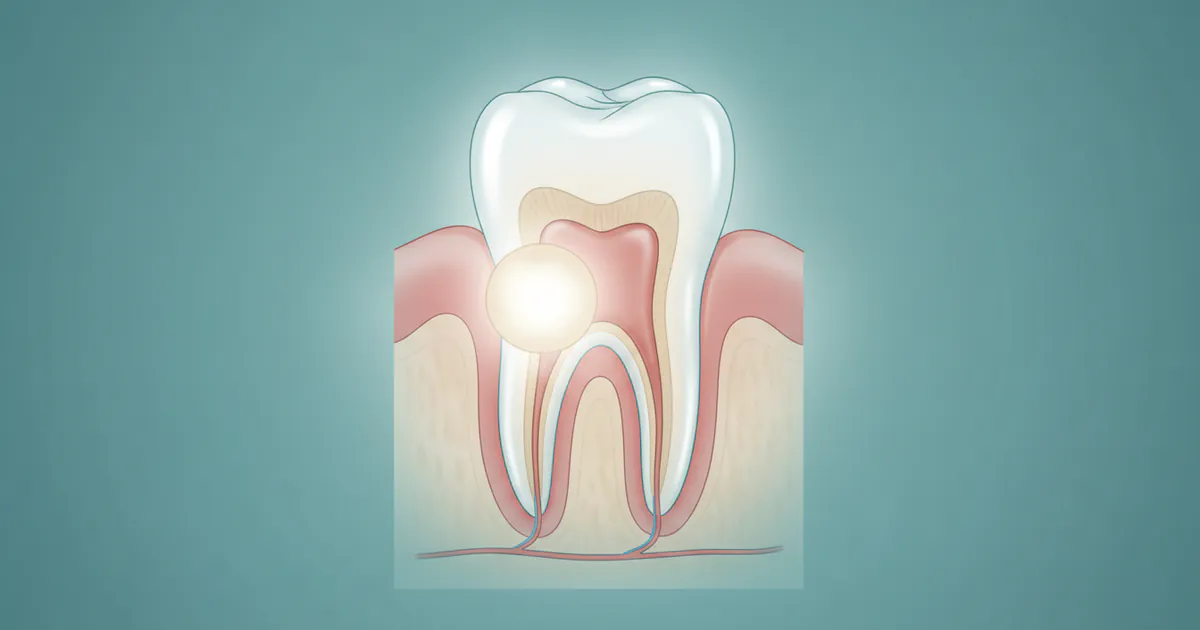
What Is an Abscess
Imagine a throbbing pain deep within your jaw, a persistent ache that keeps you awake at night and makes even the softest foods unbearable. This isn't just a bad toothache; it could be a sign of something much more serious: a dental abscess. Affecting millions of Americans annually, an abscess is an
February 22, 2026
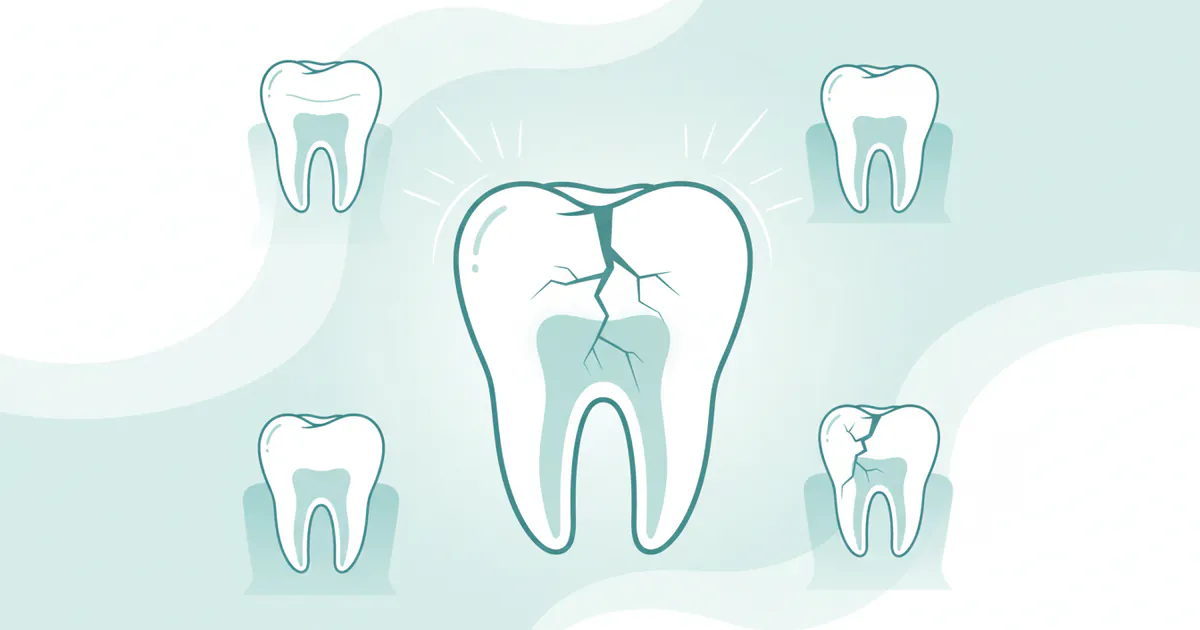
Cracked Tooth Syndrome: Complete Guide
Cracked Tooth Syndrome: Complete Guide Category: Dental Conditions & Diseases
February 22, 2026
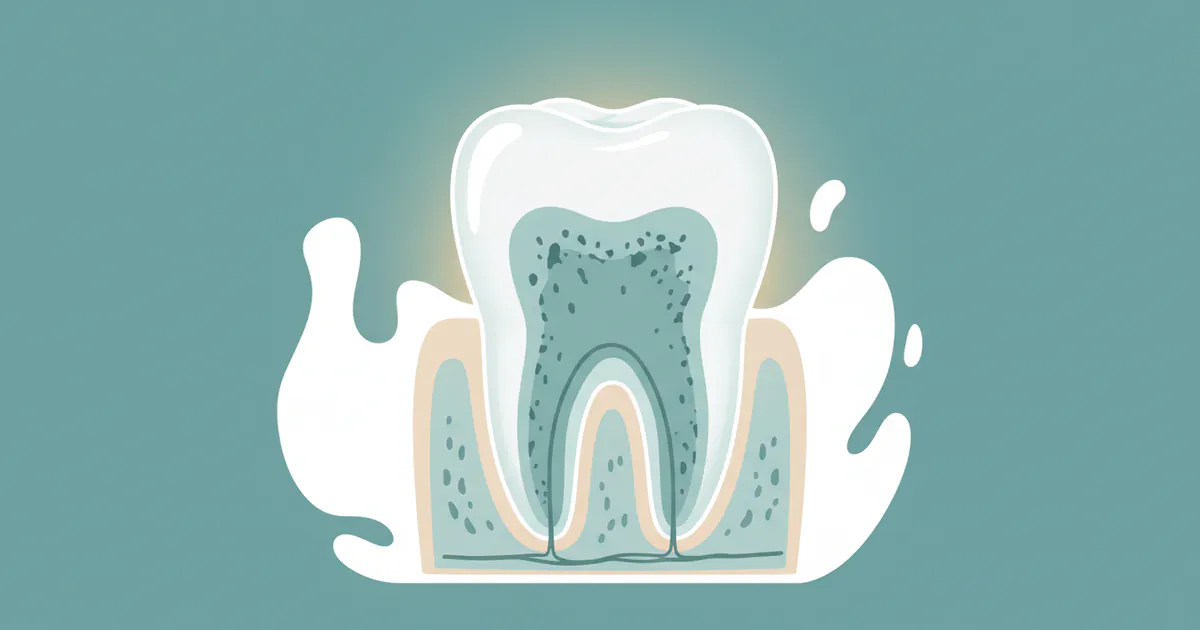
Dentinogenesis Imperfecta: Complete Guide
Imagine a world where your teeth, fundamental to chewing, speaking, and even smiling confidently, are inherently fragile, discolored, and prone to rapid wear from the moment they emerge. For individuals affected by dentinogenesis imperfecta (DI), this is a reality. While relatively rare, affecti
February 22, 2026
Stage 1 Early Cavity: Complete Guide
Did you know that dental cavities are one of the most common chronic diseases globally, affecting both children and adults? In the United States, over 90% of adults have had a cavity, and a significant portion of these begin as a stage 1 early cavity. Often invisible and painless in its nasc
February 22, 2026