How Much Does It Cost to Get Teeth Whitened
Key Takeaways
- A dazzling, bright smile is often seen as a sign of health, confidence, and youth. It's no wonder that teeth whitening remains one of the most popular cosmetic dental procedures in the United States, with millions of Americans seeking to enhance their smiles each year. But as you consider brightenin
How Much Does It Cost to Get Teeth Whitened?
A dazzling, bright smile is often seen as a sign of health, confidence, and youth. It's no wonder that teeth whitening remains one of the most popular cosmetic dental procedures in the United States, with millions of Americans seeking to enhance their smiles each year. But as you consider brightening your pearly whites, a primary question often arises: how much does it cost to get teeth whitened? Understanding the financial investment involved is crucial for making an informed decision about the best approach for you. The cost can vary significantly depending on the method chosen – from professional in-office treatments performed by a dentist to take-home kits prescribed by your dental provider, or even readily available over-the-counter products. This article will provide a comprehensive breakdown of the various teeth whitening options, their associated costs, what factors influence pricing, and what you can expect during and after the process, empowering you to achieve your dream smile without breaking the bank.
Key Takeaways:
- Professional In-Office Whitening: Costs typically range from $400 to $1,000, with some advanced laser options reaching $1,500 or more. It offers the fastest, most dramatic results under dental supervision.
- Professional Take-Home Whitening Kits: Generally cost $200 to $600, including custom-fitted trays and professional-strength whitening gel. Results are achieved gradually over 1-2 weeks.
- Over-the-Counter Products: Prices range from $20 to $100 for whitening strips, gels, and toothpastes. These are the most affordable but offer less dramatic or predictable results.
- Insurance Coverage: Teeth whitening is almost exclusively considered a cosmetic procedure and is rarely covered by dental insurance.
- Factors Affecting Cost: The severity of stains, the type of whitening system, the geographic location of the dental practice, and the need for prior dental work (e.g., fillings, cleanings) all influence the final price.
- Maintenance & Longevity: Results can last from 6 months to 3 years, depending on the method, your oral hygiene, and lifestyle habits. Ongoing maintenance may incur additional costs.
- Consultation is Key: Always consult with a dental professional to determine the most suitable and safest whitening method for your specific needs and to get an accurate cost estimate.
What Is Teeth Whitening? An Overview
Teeth whitening, also known as teeth bleaching, is a cosmetic dental procedure designed to lighten the natural color of teeth without removing any of the tooth surface. It involves the use of peroxide-based bleaching agents (typically hydrogen peroxide or carbamide peroxide) that penetrate the tooth enamel to break down stain compounds. These agents essentially perform an oxidation reaction, breaking the chemical bonds of discolored molecules into smaller, less visible ones, making your teeth appear brighter.
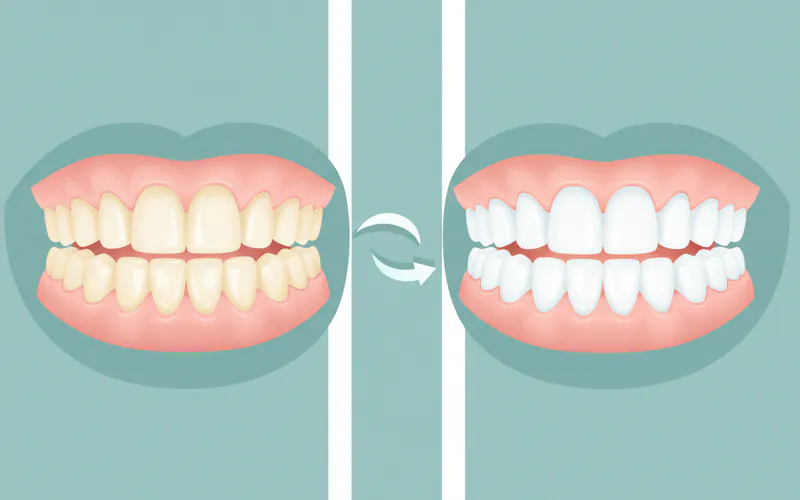
The process is highly effective for reducing extrinsic stains (surface stains caused by food, drink, and tobacco) and can also improve the appearance of some intrinsic stains (deeper stains within the tooth structure, often caused by age, trauma, or certain medications). While many people associate "whitening" with a stark, artificial white, the goal is typically to achieve a natural, brighter shade that complements your complexion. The degree of whitening can vary based on the initial shade of your teeth, the type of staining, and the concentration and application method of the whitening agent.
Types of Teeth Whitening / Variations
The market offers a wide spectrum of teeth whitening options, ranging from professional dental treatments to various at-home products. Each comes with its own set of advantages, disadvantages, and cost implications.
Professional Teeth Whitening
Professional whitening is performed or prescribed by a dentist and offers the most reliable, effective, and safest results.
1. In-Office Professional Whitening (Chairside Whitening)
This is the fastest and most controlled method. During an in-office treatment, a high-concentration peroxide gel is applied directly to the teeth by a dental professional. Often, a special light, laser, or heat source is used to accelerate the chemical reaction of the whitening agent, though studies show the light's primary role is often for marketing rather than significant efficacy enhancement, as per ADA guidelines.
- Pros: Fastest results (often noticeable after just one session), highest concentration of whitening agent, performed under strict dental supervision minimizing risks, customized treatment.
- Cons: Most expensive option, potential for temporary tooth sensitivity, requires a dental visit.
- Ideal for: Individuals seeking immediate, dramatic results, or those with significant discoloration.
2. Professional Take-Home Whitening Kits
Your dentist can provide a professional take-home kit that offers a balance between convenience and effectiveness. This involves custom-fitted whitening trays made from impressions of your teeth, along with a professional-strength whitening gel (usually carbamide peroxide, which slowly releases hydrogen peroxide).
- Pros: More affordable than in-office treatment, custom trays ensure even application and minimize gum irritation, professional-grade gel is more effective than OTC products, results are gradual and can be controlled.
- Cons: Requires consistent daily use for 1-2 weeks, results are not immediate, potential for mild sensitivity if not used correctly.
- Ideal for: Those who prefer to whiten at their own pace, want more control over the whitening process, or for maintenance after in-office treatment.
Over-the-Counter (OTC) Teeth Whitening Products
These products are readily available at pharmacies and supermarkets and are generally much less expensive than professional options. They contain lower concentrations of bleaching agents and may not be as effective for severe staining.
1. Whitening Strips
Thin, flexible plastic strips coated with a peroxide-based whitening gel. They are applied directly to the teeth for a specified period each day.
- Pros: Inexpensive, easy to use, widely available.
- Cons: Less effective for severe stains, may not whiten evenly, can cause gum irritation, not customized to tooth anatomy.
- Ideal for: Mild surface stains, touch-ups, or those on a budget.
2. Whitening Gels
Peroxide-based gels applied directly to teeth with a brush or a generic tray.
- Pros: Relatively inexpensive, flexible application.
- Cons: Less effective than strips or professional gels, can be messy, potential for gum irritation if applied improperly.
- Ideal for: Small touch-ups or specific stained areas.
3. Whitening Toothpastes
Contain mild abrasives and/or low concentrations of hydrogen peroxide or carbamide peroxide to remove surface stains.
- Pros: Easiest to incorporate into daily routine, very inexpensive, improves overall oral hygiene.
- Cons: Only removes surface stains, does not change the intrinsic color of teeth, results are minimal.
- Ideal for: Maintaining brightness after other whitening treatments, very mild stain removal.
4. Whitening Rinses
Similar to whitening toothpastes, these contain a low concentration of hydrogen peroxide that helps remove some surface stains over time.
- Pros: Easy to use, freshens breath.
- Cons: Least effective whitening method, minimal results.
- Ideal for: Complementing other whitening methods, very minor stain reduction.
Causes of Teeth Discoloration / Why It Happens
Understanding the root causes of tooth discoloration is crucial because it influences the effectiveness of different whitening treatments. Teeth typically discolor due to extrinsic or intrinsic factors.
Extrinsic Stains (External Stains)
These stains affect the enamel, the outermost layer of your teeth, and are primarily caused by diet and lifestyle choices. They are generally easier to treat with whitening products.
- Foods and Beverages: Coffee, tea, red wine, dark sodas, berries, soy sauce, and highly pigmented foods can leave behind chromogens (color-producing compounds) that adhere to tooth enamel.
- Tobacco Use: Smoking and chewing tobacco are major culprits, leading to stubborn yellow-brown stains due to tar and nicotine.
- Poor Oral Hygiene: Inadequate brushing and flossing allow plaque and tartar to build up, which can absorb stains.
Intrinsic Stains (Internal Stains)
These stains are deeper within the tooth structure (dentin) and are more challenging to remove.
- Aging: Over time, the enamel naturally thins, revealing more of the yellowish dentin beneath. Dentin also yellows with age.
- Trauma: An injury to a tooth can cause internal bleeding and discoloration, leading to a grayish or brownish hue.
- Medications:
- Tetracycline Antibiotics: When taken during tooth development (in childhood or during pregnancy), tetracycline can cause permanent gray-brown or blue-gray banding.
- Minocycline: A derivative of tetracycline, can cause adult teeth to darken.
- Antihistamines, Antipsychotics, and Blood Pressure Medications: Some of these can cause tooth discoloration.
- Excessive Fluoride (Fluorosis): High fluoride intake during tooth development can lead to white spots or brown streaks.
- Dental Materials: Silver amalgam fillings can cast a gray shadow on teeth.
- Genetics: Some people naturally have brighter or yellower teeth.
- Dental Procedures: In rare cases, some dental treatments can lead to internal discoloration.
Signs and Symptoms of Tooth Discoloration
The primary "sign" of tooth discoloration is, quite simply, that your teeth don't appear as white or bright as you'd like. This can manifest as:
- Overall Yellowing: A general dullness or yellow hue across most teeth, often due to aging or diet.
- Brown or Grayish Tints: More severe staining, often linked to tobacco, red wine, or certain medications.
- Specific Spots or Streaks: Localized discoloration, which might indicate fluorosis, trauma, or specific types of stain buildup.
- Uneven Coloration: Variations in shade between teeth, or between different parts of the same tooth.
If you notice any of these changes, and they bother you aesthetically, it's a good indication that you might be a candidate for teeth whitening. However, a dental consultation is essential to determine the cause of the discoloration and ensure that whitening is the appropriate and safe solution.
Treatment Options: A Detailed Look
Let's delve deeper into the available treatment options, focusing on their mechanisms, efficacy, and typical application.
Professional In-Office Whitening
Process:
- Initial Consultation: Your dentist will examine your oral health, discuss your goals, identify the cause of staining, and determine if you're a good candidate. Existing dental work (fillings, crowns) will be noted as they won't whiten. A professional cleaning is usually recommended beforehand.
- Preparation: Your gums and soft tissues are carefully protected with a barrier (e.g., liquid dam, rubber dam, retractors) to prevent irritation from the high-concentration bleaching gel.
- Gel Application: A highly concentrated hydrogen peroxide gel (typically 15-40%) is applied to the tooth surfaces.
- Activation (Optional): A special light (LED, halogen, UV, or laser) may be used to enhance the whitening process, though its necessity is debated. The gel is left on for 15-20 minutes.
- Rinse and Reapply: The gel is suctioned off, and a fresh layer is applied. This cycle is typically repeated 2-3 times during a single 60-90 minute session.
- Post-Treatment: After the final application, the protective barriers are removed, and teeth are rinsed. A fluoride treatment may be applied to help reduce sensitivity.
Pros & Cons:
- Pros: Immediate, dramatic results; highest level of safety due to professional supervision; ideal for stubborn stains.
- Cons: Higher cost; potential for significant, though temporary, tooth sensitivity and gum irritation; results can fade without proper maintenance.
Professional Take-Home Whitening Kits
Process:
- Impression & Tray Creation: During an initial visit, your dentist takes impressions of your teeth to create custom-fitted plastic whitening trays. This ensures the gel stays on your teeth and off your gums.
- Gel Dispensing & Instructions: You'll receive the custom trays, professional-strength whitening gel (typically 10-35% carbamide peroxide), and detailed instructions on how to apply the gel and wear the trays.
- At-Home Application: You'll typically wear the trays for 30 minutes to a few hours per day, or overnight, for 1-2 weeks, depending on the concentration of the gel and your dentist's recommendations.
- Follow-Up: A follow-up appointment may be scheduled to assess results and address any concerns.
Pros & Cons:
- Pros: More affordable than in-office; custom trays provide better results and safety than OTC products; control over the pace of whitening; ideal for maintenance.
- Cons: Slower results; requires discipline and consistent daily use; still carries a risk of sensitivity if misused.
Over-the-Counter Whitening Products
While less potent, OTC options can be suitable for minor staining or maintenance.
- Whitening Strips: Apply sticky strips coated with gel to teeth for 30 minutes, once or twice daily, for 1-2 weeks.
- Whitening Gels (brush-on): Apply a thin layer of gel directly to teeth with a brush applicator, usually twice daily.
- Whitening Toothpastes/Rinses: Use as part of your daily oral hygiene routine. Results are minimal, primarily superficial stain removal.
Pros & Cons (for most OTC products):
- Pros: Most affordable; convenient; easily accessible.
- Cons: Less effective, especially for intrinsic stains; can cause uneven whitening; ill-fitting trays/strips can lead to gum irritation; higher risk of misuse without professional guidance.
Step-by-Step Process: What to Expect
Let's walk through the typical experience for a popular professional whitening option: in-office treatment.
Before Your Whitening Appointment:
- Initial Dental Consultation: This is crucial. Your dentist will assess your oral health, check for cavities, gum disease, or cracked teeth, as these issues must be addressed before whitening. They'll also discuss your expectations, explain the process, and determine if whitening is suitable for your specific type of staining. If you have existing crowns, veneers, or fillings, remember they will not whiten, potentially leading to uneven results.
- Professional Cleaning: A thorough dental cleaning is highly recommended, if not required, before whitening. Removing plaque and tartar ensures the whitening agent can effectively contact the tooth surface.
During Your In-Office Whitening Appointment (approx. 60-90 minutes):
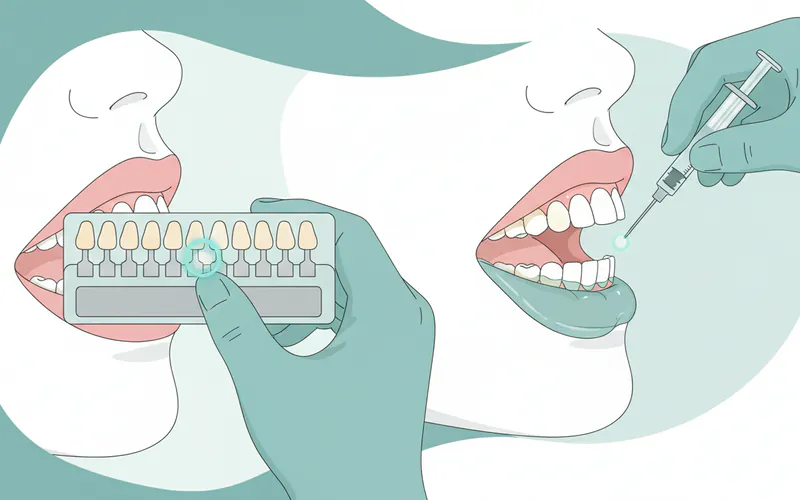
- Shade Assessment: The dentist will first record the current shade of your teeth using a shade guide. This helps track progress.
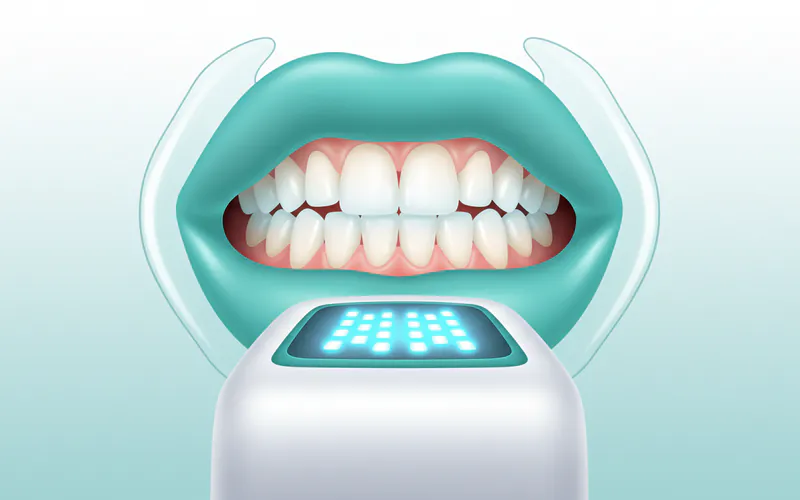
- Isolation: A retractor will be placed in your mouth to keep your lips and cheeks away from your teeth. A protective barrier (often a liquid dam or resin barrier) will then be carefully applied to your gums to shield them from the strong whitening gel. This step is critical to prevent chemical burns or irritation.
- Gel Application: The high-concentration peroxide whitening gel is meticulously applied to the front surfaces of your teeth.
- Activation (If Used): A specialized light (LED, UV, or laser) may be positioned over your teeth for a set period (e.g., 15-20 minutes) to accelerate the whitening process. You might feel a slight warming sensation.
- Rinse and Reapply: After the specified time, the gel is suctioned off, and the process is repeated typically two or three more times within the same appointment.
- Final Rinse and Fluoride: Once the desired shade is achieved, or the maximum number of cycles is complete, all protective barriers are removed, and your mouth is thoroughly rinsed. A fluoride gel might be applied to your teeth to help reduce post-treatment sensitivity.
- Post-Whitening Shade Assessment: The dentist will show you your new, brighter shade, comparing it to your initial shade.
Cost and Insurance: Breaking Down the Investment
Understanding how much does it cost to get teeth whitened is often the primary concern for most individuals. The price varies significantly based on the method, location, and specific dental practice.
Average US Price Ranges for Teeth Whitening
| Whitening Method | Average US Cost Range | Notes |
|---|---|---|
| Professional In-Office Whitening | $400 - $1,000 | For a single 60-90 minute session. Advanced laser/Zoom! whitening can reach $1,500+. |
| Professional Take-Home Kit | $200 - $600 | Includes custom trays and professional-strength gel for 1-2 weeks of treatment. |
| Over-the-Counter Whitening Strips | $20 - $60 | Per box/kit, providing several days to weeks of treatment. |
| Over-the-Counter Whitening Gels | $20 - $50 | Per tube/applicator. |
| Whitening Toothpastes/Rinses | $5 - $20 | Per tube/bottle, usually for maintenance or very mild stain removal. |
Factors Influencing Cost:
- Geographic Location: Dental costs, including cosmetic procedures, can vary by state, city, and even neighborhood. Major metropolitan areas tend to have higher prices than rural ones. For example, a treatment in New York City or Los Angeles might be at the higher end of the scale compared to a smaller town.
- Type of Whitening System: Branded systems (e.g., Zoom!, Philips NiteWhite/DayWhite, Opalescence) might have specific pricing structures. Laser whitening often comes with a higher price tag.
- Dentist's Experience & Reputation: Highly experienced cosmetic dentists or practices in high-demand areas may charge more for their expertise.
- Severity of Stains: For very severe or intrinsic stains, more intensive treatments or multiple sessions might be required, increasing the overall cost.
- Additional Procedures: A mandatory professional cleaning before whitening will add to the total cost (typically $75 - $200, depending on insurance). Any necessary fillings or gum treatments must also be addressed first.
- Number of Sessions: While most in-office treatments aim for significant results in one session, some cases may require a follow-up session or touch-ups, which might be included in a package price or charged separately.
Insurance Coverage Details
Teeth whitening is almost universally considered a cosmetic dental procedure. This means that dental insurance plans typically do NOT cover the cost of any form of teeth whitening, whether in-office or take-home. Insurance companies generally classify procedures as "cosmetic" if they are performed solely to improve appearance rather than to treat a dental disease or restore function.
- No Coverage for Whitening: Do not expect your traditional dental insurance (HMO, PPO) to pay for any portion of teeth whitening.
- Possible Coverage for Related Procedures: If your dentist recommends a professional cleaning prior to whitening, that cleaning might be covered by your insurance, depending on your plan's preventive care benefits. Similarly, if you have underlying dental issues (cavities, gum disease) that need to be treated before whitening, those treatments may be covered.
- Flexible Spending Accounts (FSAs) & Health Savings Accounts (HSAs): In some cases, you might be able to use funds from an FSA or HSA to pay for teeth whitening, as these accounts are designed for qualified medical and dental expenses. However, it's always best to check with your plan administrator or the IRS guidelines, as rules can vary and cosmetic procedures are often excluded unless deemed medically necessary.
Pro Tip: Always clarify the total cost with your dental office before proceeding. Ask for a detailed estimate that includes all potential fees.
Recovery and Aftercare
After your teeth whitening procedure, proper aftercare is essential to minimize sensitivity, maintain your results, and ensure your oral health.
Managing Post-Whitening Sensitivity
It's very common to experience temporary tooth sensitivity to hot, cold, or pressure after whitening, especially with in-office treatments. This typically subsides within 24-48 hours.
- Desensitizing Toothpaste: Your dentist might recommend a toothpaste designed for sensitive teeth (e.g., containing potassium nitrate or strontium chloride) for a few days before and after your treatment.
- Avoid Extreme Temperatures: For the first day or two, try to avoid very hot or cold foods and beverages.
- Pain Relievers: Over-the-counter pain relievers like ibuprofen or acetaminophen can help manage discomfort.
- Fluoride Treatments: Professional fluoride application or prescription-strength fluoride gels can help remineralize enamel and reduce sensitivity.
The "White Diet"
For the first 24-48 hours after professional whitening, your teeth are more porous and susceptible to re-staining. This period is often referred to as the "white diet."
- Avoid Dark-Colored Foods and Drinks: Steer clear of coffee, tea, red wine, dark sodas, berries, dark sauces (soy sauce, ketchup, mustard), chocolate, and tobacco.
- Opt for Light-Colored Foods: Stick to foods like chicken, turkey, fish, white rice, pasta with white sauce, potatoes, bananas, milk, water, and clear sodas.
- Rinse After Eating: If you must consume something that could stain, rinse your mouth thoroughly with water immediately afterward.
Long-Term Maintenance for a Bright Smile
The longevity of your whitening results depends heavily on your habits.
- Excellent Oral Hygiene: Brush twice a day, floss daily, and use an antiseptic mouthwash to prevent plaque and stain buildup.
- Regular Dental Cleanings: Schedule professional cleanings every six months to remove surface stains and tartar.
- Limit Staining Foods/Drinks: Reduce consumption of coffee, tea, red wine, and other highly pigmented items. When you do consume them, consider using a straw to minimize contact with your front teeth.
- Quit Smoking/Tobacco: This is one of the most significant steps you can take to prevent future staining.
- Touch-Up Treatments: Many people opt for touch-up treatments using their professional take-home trays (if they have them) or a quick in-office session every 6-12 months to maintain their desired shade.
Prevention of Future Stains
Preventing stains from forming in the first place is the best way to maintain your whitened smile and reduce the need for frequent touch-ups.
- Diligent Oral Hygiene: Brush your teeth at least twice a day with fluoride toothpaste and floss daily. This removes plaque and food particles that can absorb stains.
- Regular Dental Check-ups and Cleanings: Professional cleanings remove tartar and extrinsic stains that regular brushing can miss.
- Dietary Awareness:
- Limit consumption of highly pigmented foods and beverages (coffee, tea, red wine, dark berries, dark sodas, artificial food colorings).
- If you do consume them, try to rinse your mouth with water immediately afterward.
- Consider using a straw for colored drinks to minimize contact with your front teeth.
- Avoid Tobacco Products: Smoking and chewing tobacco are major causes of severe tooth discoloration. Quitting is the most effective preventative measure.
- Maintain Hydration: Drinking plenty of water helps rinse away food particles and acids throughout the day.
Risks and Complications
While teeth whitening is generally safe when performed correctly, there are potential risks and complications to be aware of.
- Tooth Sensitivity: The most common side effect. The peroxide agents can temporarily dehydrate the tooth and expose the dentinal tubules, leading to sensitivity. This usually resolves within a few days.
- Gum Irritation (Gingival Irritation): If the whitening gel comes into contact with the gums, it can cause temporary inflammation, redness, or burning sensation. This is more common with ill-fitting over-the-counter trays or improper application.
- Uneven Whitening: If you have existing dental restorations like crowns, veneers, or composite fillings, these materials will not whiten. This can result in a mismatch between your natural teeth and the restorations, requiring replacement of the restorations if you want a uniform shade.
- Over-Whitening / "Chalky" Appearance: While rare with professional supervision, excessive whitening can sometimes lead to a translucent or unnatural "chalky" white appearance.
- Irreversible Tooth Damage: This is extremely rare with professional treatments but can occur with prolonged or improper use of high-concentration whitening agents, especially with unsupervised DIY methods. This could potentially damage enamel or pulp.
- Unrealistic Expectations: Not all stains respond equally to whitening. Tetracycline stains, for instance, are notoriously difficult to lighten, and sometimes other cosmetic solutions like veneers are more appropriate. It's important to have a realistic discussion with your dentist about expected results.
- Effect on Existing Dental Work: Whitening agents can temporarily soften composite restorations. It's generally recommended to wait at least two weeks after whitening before having new composite fillings or bonding placed, to ensure the shade is stable and the bonding strength is optimal.
Comparison Tables
To help visualize the differences between popular whitening options, here are two comparison tables.
Table 1: Comparison of Teeth Whitening Methods
| Feature | Professional In-Office Whitening | Professional Take-Home Kits | Over-the-Counter Strips/Gels |
|---|---|---|---|
| Cost Range (US) | $400 - $1,000+ | $200 - $600 | $20 - $100 |
| Speed of Results | Fastest (1-2 hours) | Moderate (1-2 weeks) | Slowest (2-4 weeks or more) |
| Effectiveness | Most dramatic, significant change | Very effective, noticeable change | Mild to moderate change |
| Safety | Highest (dentist supervision) | High (dentist-prescribed, custom trays) | Lower (risk of gum irritation) |
| Concentration | High (15-40% H₂O₂) | Moderate (10-35% Carbamide Peroxide) | Low (3-10% H₂O₂) |
| Customization | Yes (tailored to needs) | Yes (custom trays) | No (one-size-fits-all) |
| Stain Type | Extrinsic & some Intrinsic | Extrinsic & some Intrinsic | Mostly Extrinsic |
| Longevity | 6 months - 3 years (with upkeep) | 6 months - 2 years (with upkeep) | 3 months - 1 year (with upkeep) |
Table 2: Factors Affecting Teeth Whitening Cost and Effectiveness
| Factor | Impact on Cost | Impact on Effectiveness |
|---|---|---|
| Severity of Stains | More severe = potentially higher cost | Severe stains harder to treat, may need multiple sessions |
| Type of Stains | Intrinsic stains may require stronger/more expensive methods | Extrinsic stains respond best, intrinsic less predictable |
| Whitening Method Chosen | Varies widely (see Table 1) | Professional > OTC |
| Geographic Location | Urban areas generally higher | No direct impact |
| Dentist's Expertise | Highly experienced may charge more | Can lead to better, safer results |
| Prior Dental Work | Necessary pre-treatment adds cost | Essential for optimal and safe whitening |
| Maintenance Routine | Touch-up kits add to long-term cost | Critical for maintaining results |
| Tooth Sensitivity | May require desensitizing products/treatments, adding minor cost | High sensitivity might limit treatment duration/intensity |
Children / Pediatric Considerations for Teeth Whitening
Generally, teeth whitening is not recommended for children or adolescents. There are several reasons for this:
- Developing Teeth: Children's teeth (both primary/baby teeth and newly erupted permanent teeth) have larger pulp chambers and thinner enamel compared to adult teeth. This makes them more susceptible to sensitivity and potential damage from whitening agents.
- Pulp Health: The pulp (nerve) of a child's tooth is more vulnerable. Strong whitening agents could potentially irritate or harm the developing pulp.
- Inconsistent Tooth Shades: As children lose baby teeth and gain permanent teeth, there will naturally be shade differences between them. Whitening baby teeth is usually unnecessary and temporary, and whitening permanent teeth before they are fully mature isn't advisable.
- Risk of Misuse: Children and teenagers may not follow instructions meticulously, increasing the risk of gum irritation or improper use of whitening products.
- Addressing the Cause: If a child has discolored teeth, it's crucial to identify the underlying cause first. This could be due to trauma, medication, fluorosis, or simply normal development. A pediatric dentist can diagnose the issue and recommend appropriate, safe solutions, which may include treatments other than whitening (e.g., microabrasion for fluorosis, or addressing underlying dental issues).
- Orthodontic Treatment: For teenagers undergoing orthodontic treatment, whitening should typically wait until braces are removed to ensure even results.
In rare cases, if a child has significant discoloration due to a specific cause, a pediatric dentist might consider very mild, professionally supervised interventions. However, the general consensus, aligning with American Dental Association (ADA) recommendations, is to wait until all permanent teeth have erupted and the dental pulp is fully mature, typically in the late teens or early adulthood. Parents should always consult a pediatric dentist regarding any concerns about their child's tooth color.
Cost Breakdown: A Deeper Dive
Beyond the general ranges, let's explore typical cost scenarios, insurance impact, and payment options for those wondering how much does it cost to get teeth whitened.
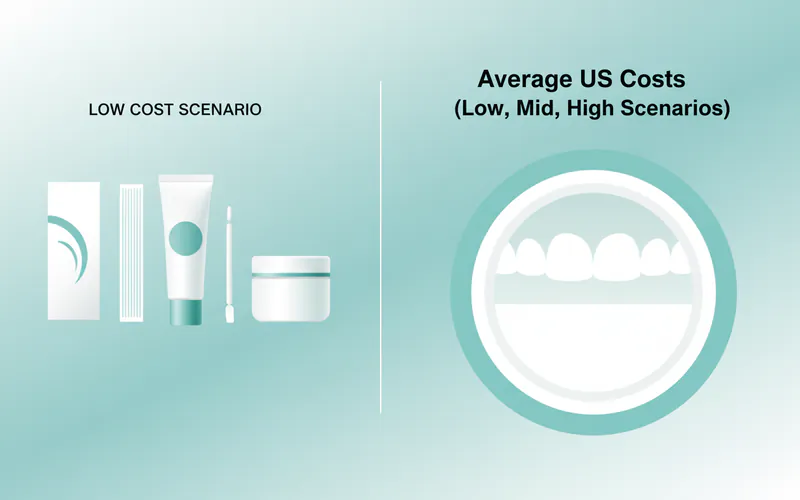
Average US Costs (Low, Mid, High Scenarios)
- Low Cost Scenario (~$20 - $100): This category primarily includes over-the-counter options like whitening strips, brush-on gels, or whitening toothpastes. These are great for very mild stains or maintenance but won't deliver dramatic results. You might buy a couple of boxes of strips per year.
- Mid-Range Cost Scenario (~$200 - $600): This is typically for professional take-home whitening kits provided by your dentist. This includes the cost of custom trays and professional-grade gel. While a higher initial investment, the results are significantly better and safer than OTC products, offering good value for money.
- High Cost Scenario (~$400 - $1,500+): This encompasses professional in-office whitening procedures. The price varies depending on the specific technology used (e.g., standard gel application, LED light, laser activation like Zoom!). If multiple sessions are required for very stubborn stains, the cost can lean towards the higher end of this range.
With vs. Without Insurance
As established, dental insurance generally does not cover teeth whitening because it's considered an elective cosmetic procedure.
- Without Insurance: You will be responsible for 100% of the cost of any teeth whitening procedure. This is why understanding the various price points and options is so critical.
- With Insurance (Indirect Benefits): While insurance won't cover the whitening itself, it might cover necessary preliminary steps, such as your routine dental cleaning (often 80-100% covered) or addressing any underlying dental issues (like fillings or gum disease) that need to be treated before whitening. So, having insurance can help mitigate some indirect costs associated with preparing for whitening.
Pro Tip: Always confirm with your dental office about any preliminary costs that might be covered by insurance before committing to the whitening procedure itself.
Payment Plans and Financing Options
For more expensive professional whitening treatments, many dental practices offer flexible payment solutions:
- In-House Payment Plans: Some dentists offer their own installment plans, allowing you to pay the cost over several months without interest, especially if you're a long-standing patient.
- Third-Party Financing (e.g., CareCredit, LendingClub): These are healthcare credit cards or loan programs specifically designed for medical and dental expenses. They often offer deferred interest or low-interest payment plans for periods ranging from 6 to 24 months, depending on the amount and your creditworthiness.
- Credit Cards: You can, of course, use a standard credit card. Be mindful of interest rates if you don't pay off the balance quickly.
- Flexible Spending Accounts (FSAs) and Health Savings Accounts (HSAs): As mentioned previously, these employer-sponsored accounts allow you to set aside pre-tax money for qualified healthcare expenses. Check with your plan administrator if teeth whitening is considered a qualified expense under your specific plan.
Cost-Saving Tips
- Start with a Consultation: Don't jump straight to the most expensive option. A dentist can advise on the most effective and cost-efficient method for your specific needs. Sometimes, a professional take-home kit is sufficient.
- Compare Dentists: Get quotes from a few different dental practices in your area. Prices can vary.
- Look for Promotions: Dentists often run specials on teeth whitening, especially during certain seasons (e.g., before holidays or wedding season).
- Maintain Results: Invest in good oral hygiene and follow aftercare instructions diligently. This prolongs your results and reduces the need for frequent, costly touch-ups.
- Consider Dental Schools: Dental schools often offer treatments at a reduced cost, as procedures are performed by students under the supervision of experienced faculty.
- Target Keywords Integration: Speaking of dental costs generally, while we're discussing how much does it cost to get teeth whitened, it's worth noting that other common dental questions related to expenses often include queries like how much does dog teeth cleaning cost (which, of course, is for veterinary care and unrelated to human dentistry, but shows a general concern for pet health costs) or how much does a gold tooth cost (a highly specialized and much less common procedure today, but historically a significant dental investment). These vastly different procedures underscore the wide range of costs in both human and animal dentistry, emphasizing the need for specific consultations for any planned treatment.
Frequently Asked Questions
How long does teeth whitening last?
The effects of teeth whitening typically last from 6 months to 3 years. Professional in-office treatments tend to last longer, usually 1-2 years, while over-the-counter options might only last a few months. Longevity depends heavily on your lifestyle habits, such as consumption of staining foods/drinks, tobacco use, and diligent oral hygiene. Regular touch-ups can significantly extend the results.
Is teeth whitening painful?
Most people experience little to no pain during the actual whitening procedure. However, temporary tooth sensitivity to cold, heat, or air is a common side effect, especially after professional in-office treatments. This sensitivity usually subsides within 24-48 hours. Your dentist can recommend desensitizing products to help manage any discomfort.
What are the alternatives to teeth whitening?
For individuals whose teeth don't respond well to whitening (e.g., severe intrinsic stains, tetracycline stains) or who have other cosmetic concerns, alternatives include dental veneers (thin shells bonded to the front of teeth), dental bonding (a tooth-colored resin applied and hardened), or crowns. These options can dramatically change the shade, shape, and alignment of teeth but are significantly more expensive and invasive than whitening.
Who is a good candidate for teeth whitening?
Good candidates generally have healthy teeth and gums, free from cavities or gum disease. Individuals with extrinsic (surface) stains from food, drink, or tobacco typically see the best results. Those with intrinsic stains (due to age or some medications) may also see improvement, though results can be less dramatic. A dental consultation is crucial to determine if you are a suitable candidate.
Does teeth whitening damage tooth enamel?
When performed correctly by a dental professional or with ADA-approved products used as directed, teeth whitening is safe and does not damage tooth enamel. The active ingredients temporarily open pores in the enamel to lift stains. However, improper use, overuse, or highly abrasive DIY methods could potentially cause harm.
Can I whiten my teeth if I have fillings, crowns, or veneers?
Yes, you can still whiten your natural teeth. However, it's important to understand that existing dental restorations (fillings, crowns, veneers, bridges) will not whiten with bleaching agents. They will remain their original color. This means that after whitening your natural teeth, there might be a noticeable color difference between your natural teeth and your restorations. If this occurs, you may need to consider replacing your restorations to match your new tooth shade, which adds to the overall cost.
How many shades lighter can my teeth get?
The degree of whitening varies significantly based on the starting shade, the type of stains, and the whitening method used. Professional in-office treatments can often lighten teeth by 5-10 shades in a single session. Take-home kits offer gradual lightening over 1-2 weeks. Over-the-counter products usually offer more modest results. Your dentist can provide a realistic expectation during your consultation.
What should I avoid eating/drinking after teeth whitening?
For the first 24-48 hours after professional whitening, your teeth are more susceptible to re-staining. It's recommended to avoid dark-colored foods and beverages such as coffee, tea, red wine, dark sodas, berries, dark sauces (e.g., soy sauce, ketchup), and tobacco. Stick to a "white diet" consisting of light-colored foods and clear liquids.
Can pregnant or breastfeeding women whiten their teeth?
There is limited research on the safety of teeth whitening agents for pregnant or breastfeeding women. Due to the lack of definitive studies and out of an abundance of caution, most dental professionals advise against teeth whitening during pregnancy and breastfeeding. It's best to wait until after this period to consider whitening treatments.
How often should I get my teeth whitened?
The frequency of whitening depends on the method used, the longevity of your results, and your personal preference for maintenance. For professional treatments, touch-ups every 6-12 months are common. Over-the-counter products might be used more frequently, but always adhere to the product instructions to avoid overuse and potential side effects. Always consult your dentist for personalized advice on maintenance.
When to See a Dentist
While many over-the-counter whitening options exist, there are specific situations when a professional dental consultation is not just recommended, but essential.
See a dentist before whitening if:
- You have existing dental problems: Cavities, gum disease, cracked teeth, exposed roots, or worn enamel must be addressed before whitening. Applying whitening agents to unhealthy teeth can cause severe pain or further damage.
- You have sensitive teeth or gums: A dentist can assess the cause of sensitivity and recommend appropriate desensitizing treatments or a whitening method that minimizes discomfort.
- You have dental restorations: If you have fillings, crowns, veneers, or bonding on your front teeth, they will not whiten. Your dentist can explain how this will affect the overall appearance of your smile and discuss options like replacing restorations to match your new tooth shade.
- You have very dark or stubborn stains: Some stains (like those from tetracycline medication or trauma) are very difficult to remove with standard whitening and may require stronger professional treatments or alternative cosmetic solutions.
- You are unsure about the cause of your discoloration: A dentist can accurately diagnose the type of stain (extrinsic vs. intrinsic) and recommend the most effective treatment.
- You are pregnant or breastfeeding: As mentioned, whitening is generally not recommended during these periods.
- You are a child or adolescent: Teeth whitening is not typically recommended for developing teeth.
- You experience pain or severe sensitivity: If you try an over-the-counter product and experience significant or prolonged pain, gum irritation, or sensitivity, stop using it immediately and contact your dentist.
Red Flags (Seek immediate dental attention):
- Sharp, shooting pain that persists for more than a day or two after whitening.
- Blistering, burning, or white spots on your gums or other soft tissues in your mouth.
- Any signs of an allergic reaction to the whitening product.
Regular dental check-ups are key to maintaining overall oral health and determining the best path for a bright, healthy smile. A professional opinion ensures that your journey to whiter teeth is both effective and safe.
Frequently Asked Questions
Medically Reviewed Content
This article was written by our dental health editorial team and reviewed for medical accuracy. Our content follows strict editorial guidelines for reliability and trustworthiness.
Medical Disclaimer
This article is for informational purposes only and does not constitute medical advice. Always consult with a qualified dental professional for diagnosis and treatment. Do not delay seeking professional advice because of something you read on this website.
Related Articles
How Much Does Tooth Bonding Cost
Imagine looking in the mirror and seeing a smile that doesn't quite reflect your inner confidence – maybe a small chip from an unexpected accident, an annoying gap between your front teeth, or a stain that just won't budge. For many Americans, these minor imperfections can significantly impact self-
February 22, 2026
How Much Are Gold Grillz for Teeth
When considering a unique blend of personal style and dental aesthetics, many individuals find themselves drawn to the allure of gold grillz. But beyond the flashy appearance and cultural significance, a practical question often arises: how much are gold grillz for teeth? This isn't just a simpl
February 22, 2026
How Much Are Tooth Gems
In an age where personal expression extends to every facet of our lives, it's no surprise that cosmetic dentistry has evolved beyond mere functionality to embrace aesthetic adornment. From subtle enhancements to bold statements, teeth have become a new canvas for individuality. One increasingly popu
February 22, 2026
How Much Does a Dog Xray Cost
As a premier dental health portal, SmilePedia.net is dedicated to illuminating all facets of oral health and related medical costs for our valued readers across the US. While our primary focus remains squarely on human dentistry – from routine cleanings to complex restorative procedures – we underst
February 22, 2026