How Much Does It Cost to Remove a Tooth

Key Takeaways
- Navigating dental procedures can often feel overwhelming, especially when it comes to understanding the associated costs. One of the most common dental interventions, tooth extraction, is no exception. Perhaps you've been experiencing persistent pain, noticed a loose tooth, or your dentist has recom
Navigating dental procedures can often feel overwhelming, especially when it comes to understanding the associated costs. One of the most common dental interventions, tooth extraction, is no exception. Perhaps you've been experiencing persistent pain, noticed a loose tooth, or your dentist has recommended removal due to decay or overcrowding. Whatever the reason, a crucial question that quickly arises is: how much does it cost to remove a tooth? This isn't a simple question with a single answer, as the price can fluctuate significantly based on various factors, including the tooth's location, the complexity of the extraction, the type of dental professional performing the procedure, and your insurance coverage. Understanding these nuances is essential for effective financial planning and making informed decisions about your oral health. This comprehensive guide from SmilePedia.net will delve deep into the costs, types, processes, and recovery associated with tooth extractions, equipping you with the knowledge needed to confidently address your dental needs.
Key Takeaways:
- Simple Extractions: Typically cost $75 to $450 without insurance, often performed by a general dentist.
- Surgical Extractions: Range from $150 to $650 for a single tooth, required for impacted or fractured teeth, usually by an oral surgeon.
- Wisdom Tooth Extractions: Can cost $200 to $750 per tooth for impacted wisdom teeth, or $75 to $200 per tooth for erupted ones. General anesthesia adds significantly to the cost.
- Insurance Coverage: Most dental insurance plans cover 50-80% of extraction costs after deductibles are met, but annual maximums apply.
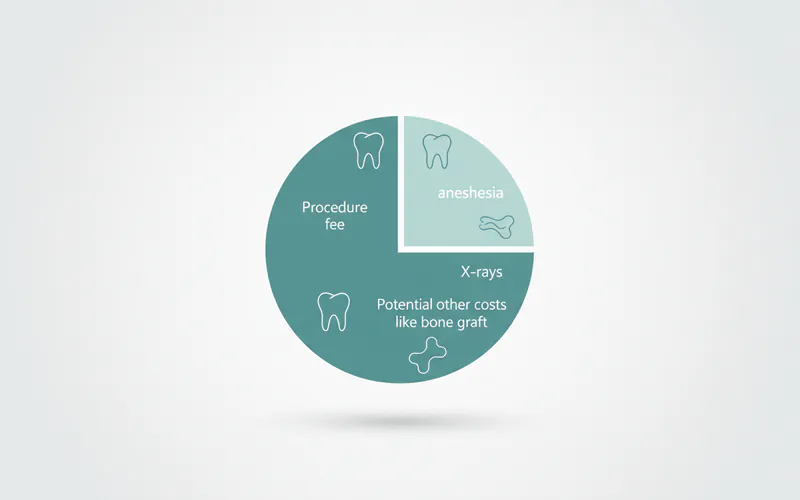
- Factors Affecting Cost: Complexity, anesthesia type, dentist's fees, geographic location, and additional procedures (X-rays, bone grafting).
- Recovery: Varies from a few days for simple extractions to 1-2 weeks for surgical removals, with strict aftercare essential to prevent complications like dry socket.
- Payment Options: Dental financing (CareCredit), dental savings plans, and payment plans with your dental office can help manage costs.
What It Is: An Overview of Tooth Extraction
Tooth extraction, medically known as exodontia, is the removal of a tooth from its socket in the bone. While dentists prioritize saving natural teeth whenever possible through treatments like fillings, crowns, or root canals, there are situations where extraction becomes the most viable, or only, option to preserve overall oral health and prevent more serious complications. It's a common procedure performed daily in dental offices across the United States.

The goal of a tooth extraction is to alleviate pain, eliminate infection, prevent further damage to adjacent teeth, or prepare the mouth for other dental treatments such as orthodontics or dentures. Though the idea of having a tooth removed can sound daunting, modern dental techniques, effective local anesthesia, and sedation options ensure that the procedure is as comfortable and pain-free as possible for the patient.
Types of Tooth Extractions
Tooth extractions are primarily categorized into two main types, distinguished by their complexity and the method required for removal. The specific type of extraction significantly influences the cost, the recovery process, and the dental professional who performs it.
Simple Extraction
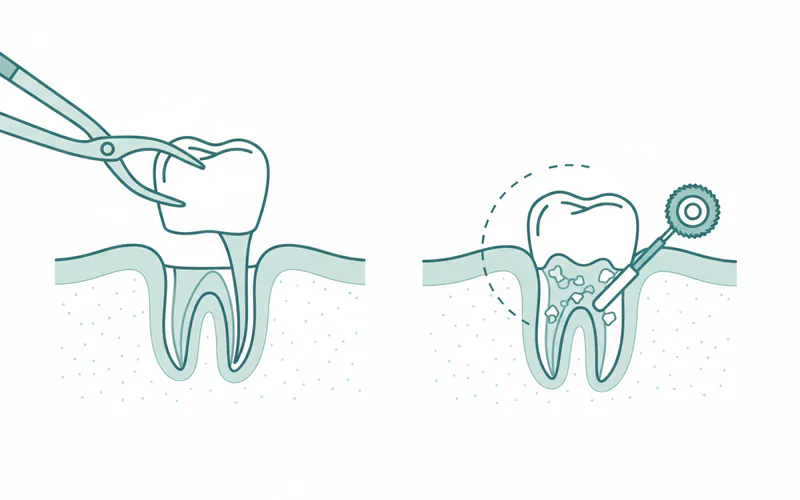
A simple extraction is performed on a tooth that is fully visible in the mouth, erupted above the gum line, and can be removed in one piece using specialized instruments. This is the less complex of the two types.
- Procedure: After numbing the area with a local anesthetic, the dentist uses an instrument called an elevator to loosen the tooth from its socket. Once sufficiently loose, forceps are used to gently grasp the tooth and remove it. Stitches are usually not required, but sometimes a small amount of gauze is placed to aid in clot formation.
- Who performs it: Typically a general dentist.
- Cost Range (without insurance): Generally ranges from $75 to $450 per tooth.
- Recovery: Usually straightforward, with discomfort subsiding within a few days.
Surgical Extraction
A surgical extraction is necessary when a tooth cannot be easily accessed or removed. This commonly occurs with teeth that are impacted (trapped beneath the gum line or bone), broken off at the gum line, or have complex root structures.
- Procedure: A surgical extraction often involves making a small incision in the gum tissue to gain access to the tooth. In some cases, a small amount of bone surrounding the tooth may need to be removed to free it. The tooth might also need to be sectioned (cut into smaller pieces) before removal. After the tooth is extracted, the gum tissue is typically sutured (stitched) closed.
- Who performs it: Usually performed by an oral surgeon (an oral and maxillofacial surgeon), who specializes in complex extractions and other surgical procedures of the mouth and jaw. Some general dentists with advanced training may also perform surgical extractions.
- Cost Range (without insurance): Can range from $150 to $650 per tooth, but can go much higher for severely impacted wisdom teeth or those requiring extensive bone removal, potentially reaching $1,000 to $3,000+ if performed under general anesthesia in an outpatient surgical center.
- Recovery: More involved than a simple extraction, often requiring more time for healing and potentially greater post-operative discomfort.
Wisdom Tooth Extraction
Wisdom teeth, also known as third molars, are a special category of extraction because they frequently become impacted. Most people have four wisdom teeth, two on the top and two on the bottom, that typically emerge between the ages of 17 and 25.
- Erupted Wisdom Teeth: If wisdom teeth fully erupt and are properly aligned, their removal might be similar to a simple extraction.
- Impacted Wisdom Teeth: This is the most common scenario. An impacted wisdom tooth is one that doesn't have enough room to erupt properly and remains partially or completely trapped within the jawbone or under the gum tissue. Impaction can lead to pain, infection, damage to adjacent teeth, or the development of cysts. The severity of impaction (e.g., soft tissue impaction, partial bony impaction, full bony impaction) directly affects the complexity and cost of removal.
- Cost Range (without insurance) for Wisdom Teeth:
- Erupted (simple): $75 - $200 per tooth
- Soft Tissue Impaction: $200 - $350 per tooth
- Partial Bony Impaction: $300 - $500 per tooth
- Full Bony Impaction: $400 - $750 per tooth
- These costs can increase significantly if all four wisdom teeth are removed simultaneously, especially under IV sedation or general anesthesia, potentially leading to total costs of $1,500 to $4,000+.
Causes: Why a Tooth Needs to Be Removed
Tooth extraction is a last resort, but it becomes necessary for several critical reasons, primarily when the tooth poses a risk to overall oral health or cannot be salvaged.
- Severe Tooth Decay: When a cavity is so extensive that it has destroyed a large portion of the tooth structure, extending below the gum line or compromising the tooth's integrity, it may be beyond repair by a filling, crown, or even a root canal.
- Advanced Periodontal (Gum) Disease: Chronic gum disease can lead to the destruction of the bone and supporting tissues around a tooth. If the bone loss is severe enough, the tooth becomes very loose and cannot be stabilized, necessitating extraction.
- Infection: If a tooth infection (abscess) is severe and has not responded to root canal treatment or antibiotics, or if the tooth is too damaged for a root canal, extraction is required to prevent the infection from spreading.
- Trauma or Injury: A tooth that has sustained severe damage due to an accident, fall, or sports injury (e.g., fractured root, shattered crown) might be impossible to restore and may need to be removed.
- Crowding (Orthodontic Reasons): Sometimes, teeth are extracted to create space in the mouth, allowing other teeth to be properly aligned during orthodontic treatment (braces). This is common when there isn't enough room for all permanent teeth to erupt correctly.
- Impacted Teeth: As discussed with wisdom teeth, when a tooth cannot fully erupt due to obstruction by other teeth, bone, or soft tissue, it is considered impacted. Impacted teeth can cause pain, infection, or damage to adjacent teeth and often require surgical removal.
- Risk of Infection (Immunocompromised Patients): For individuals with compromised immune systems (e.g., undergoing chemotherapy, organ transplant recipients), a severely decayed or infected tooth might be extracted to eliminate a potential source of serious systemic infection.
Signs and Symptoms That May Indicate a Need for Extraction
Recognizing the signs and symptoms that might indicate a tooth needs removal is crucial for timely intervention and preventing further complications. While these symptoms can also point to other dental issues, they warrant an immediate visit to your dentist.
- Persistent Toothache: A severe, throbbing, or constant toothache that doesn't subside with over-the-counter pain relievers can be a sign of deep decay or infection.
- Swelling: Swelling around the gum line, jaw, or even the face can indicate an infection or abscess, often accompanied by pain.
- Redness and Inflammation: Gums around a particular tooth that appear red, inflamed, or are tender to the touch could signify advanced gum disease or infection.
- Sensitivity to Hot or Cold: While common for minor issues, extreme or lingering sensitivity, especially when biting down, might signal a deep cavity or nerve damage.
- Looseness of a Tooth: A tooth that feels noticeably loose, particularly without a recent injury, could be a symptom of severe bone loss due to periodontal disease.
- Difficulty Chewing: Pain or discomfort when chewing or biting down can be a sign of a cracked tooth, deep decay, or an infection.
- Bad Breath or Bad Taste in Mouth: Persistent bad breath or a foul taste, especially if accompanied by pus discharge, indicates an active infection.
- Cyst or Fistula: The presence of a small pimple-like bump (fistula) on the gums near a tooth, which may intermittently drain pus, is a clear sign of infection.
- Visible Damage: A tooth that is visibly broken, chipped significantly, or appears dark due to extensive decay may require extraction.
If you experience any of these symptoms, do not delay seeking professional dental advice. Early diagnosis can sometimes allow for less invasive treatments, potentially saving the tooth.
Treatment Options: Extraction vs. Alternatives
When a tooth is compromised, extraction is one treatment option, but it's important to understand that dentists always explore alternatives first. The decision to extract is made only when other restorative or reparative treatments are not feasible or would have a poor prognosis.
Alternatives to Extraction:
- Fillings: For small to moderate cavities, a dental filling restores the tooth structure.
- Dental Crowns: If a tooth has extensive decay, a large filling, or is fractured, a crown (cap) can cover and protect the entire visible portion of the tooth.
- Root Canal Therapy (Endodontics): When the pulp (nerve and blood vessels) inside a tooth becomes infected or inflamed, a root canal removes the diseased pulp, cleans and shapes the root canals, and then fills and seals them. The tooth is typically then restored with a crown. This is often the primary alternative to extraction for an infected tooth.
- Gum Disease Treatment: For early to moderate periodontal disease, treatments like scaling and root planing (deep cleaning), antibiotics, or gum surgery can sometimes stabilize loose teeth and prevent further bone loss.
- Orthodontics: For crowding issues, sometimes orthodontics alone can resolve the problem without the need for extractions, especially with advancements like clear aligners.
Pros and Cons of Tooth Extraction:
| Aspect | Pros of Tooth Extraction | Cons of Tooth Extraction |
|---|---|---|
| Pain Relief | Immediate relief from pain and infection source. | Post-operative pain and discomfort during healing. |
| Cost | Often less expensive upfront than a root canal and crown. | Requires replacement (implant, bridge, denture), which adds significant long-term cost. |
| Simplicity | A relatively straightforward procedure compared to complex restorative work. | Permanent loss of a natural tooth. |
| Infection | Eliminates the source of infection, preventing spread. | Potential for post-operative complications (dry socket, infection). |
| Time | Generally a single appointment (for simple extraction). | Requires subsequent treatment for tooth replacement. |
| Oral Health | Prevents damage to adjacent teeth and overall oral health. | Can lead to bone loss in the jaw, shifting of adjacent teeth, and altered bite. |
Choosing extraction is a significant decision. Your dentist will discuss all available options, their pros and cons, and the long-term implications for your oral health.
Step-by-Step Process of Tooth Removal
Understanding what happens during a tooth extraction can help ease any anxiety you might have. While slight variations exist depending on the type of extraction, the general steps remain consistent.
1. Initial Consultation and Diagnosis
- Your journey begins with a thorough dental examination. Your dentist will review your medical history, including any medications you are taking (especially blood thinners), and discuss your symptoms.
- X-rays: Crucial for diagnosis, X-rays reveal the tooth's position, root structure, surrounding bone, and any signs of infection or impaction. For complex cases or wisdom teeth, a 3D CBCT scan might be taken.
- Based on the examination and X-rays, the dentist will determine if extraction is necessary and what type of extraction it will be. They will also discuss pain management and sedation options.
2. Anesthesia and Sedation
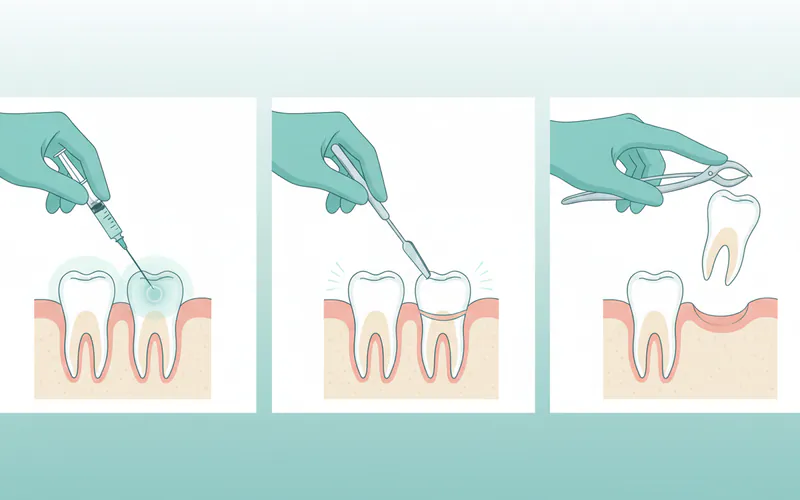
- Local Anesthesia: The most common form of anesthesia. A local anesthetic (like Lidocaine) is injected near the extraction site to numb the tooth, gums, and surrounding bone. You'll be awake and aware, but won't feel pain, only pressure.
- Sedation Options:
- Nitrous Oxide (Laughing Gas): Inhaled through a mask, it helps you relax and feel detached. You'll remain conscious.
- Oral Sedation: A pill taken before the appointment (e.g., a benzodiazepine) helps you relax. You might feel drowsy.
- IV Sedation (Conscious Sedation): Administered intravenously, this provides a deeper level of relaxation, often making you feel like you slept through the procedure, though you remain technically conscious and able to respond. This is common for surgical extractions, especially wisdom teeth.
- General Anesthesia: You are completely unconscious during the procedure. This is typically reserved for very complex surgical extractions, multiple extractions, or for patients with extreme anxiety or special medical needs, and is usually administered in an oral surgeon's office or a hospital setting.
3. The Extraction Procedure
- For Simple Extractions:
- Loosening the Tooth: The dentist uses an instrument called an elevator to gently wiggle and loosen the tooth from its socket, separating the tooth from the periodontal ligament that holds it in place.
- Removing the Tooth: Once the tooth is sufficiently loose, dental forceps are used to grasp the tooth firmly and gently rock it back and forth until it comes out of the socket.
- For Surgical Extractions (e.g., impacted wisdom teeth):
- Incision: The oral surgeon makes a small incision in the gum tissue to expose the tooth and surrounding bone.
- Bone Removal (if necessary): If the tooth is impacted in bone, a small amount of bone may be carefully removed with a dental drill to create a clear path for extraction.
- Sectioning the Tooth (if necessary): The tooth may be cut into smaller pieces to facilitate easier and less traumatic removal.
- Removal: The tooth or its sections are then carefully removed from the socket.
4. Post-Extraction Care (Immediate)
- Socket Cleaning: The dentist will clean the empty socket to ensure no debris or infection remains.
- Gauze Pad: A sterile gauze pad is placed over the extraction site. You'll be instructed to bite down firmly on it for 30-60 minutes to promote blood clot formation, which is vital for healing.
- Sutures (Stitches): For surgical extractions, absorbable sutures may be placed to help the gum tissue heal and protect the blood clot. Non-absorbable sutures will need to be removed by the dentist in about a week.
The entire procedure for a simple extraction usually takes 20-30 minutes, while a complex surgical extraction, especially for multiple impacted wisdom teeth, can take 45 minutes to a few hours.
Cost and Insurance: How Much Does It Cost to Remove a Tooth?
The cost of tooth removal in the United States can vary widely, influenced by numerous factors. Understanding these elements is key to estimating your potential out-of-pocket expenses.
Average US Costs Without Insurance:
- Simple Extraction: For a tooth that is fully erupted and easily accessible.
- Cost: $75 - $450 per tooth.
- This usually includes the examination and X-ray. It's often performed by a general dentist.
- Surgical Extraction: For an impacted tooth, a broken tooth below the gum line, or a tooth requiring bone removal.
- Cost: $150 - $650 per tooth.
- More complex cases, particularly with fully bony impacted wisdom teeth requiring general anesthesia, can range from $400 to $750 per tooth, and even up to $1,000 - $3,000+ if multiple teeth are extracted with advanced sedation in a surgical setting.
- Wisdom Tooth Extraction (per tooth):
- Erupted (simple): $75 - $200
- Soft Tissue Impaction: $200 - $350
- Partial Bony Impaction: $300 - $500
- Full Bony Impaction: $400 - $750
- Anesthesia Costs: The type of anesthesia chosen significantly impacts the total cost.
- Local Anesthesia: Often included in the extraction fee.
- Nitrous Oxide (Laughing Gas): $50 - $150 per appointment.
- Oral Sedation: $100 - $300 per appointment.
- IV Sedation: $250 - $750+ per hour, often ranging from $500 - $1,500+ for a typical procedure.
- General Anesthesia: Can range from $700 - $2,500+ depending on duration and facility.
Pro Tip: Always get a detailed breakdown of all expected costs from your dental office, including the extraction, X-rays, anesthesia, and any follow-up appointments.
Factors Influencing the Cost:
- Complexity of the Extraction: Simple extractions are less expensive than surgical ones. Impacted teeth, especially those fully embedded in bone, are the most costly.
- Type of Tooth: Molars generally cost more to extract than incisors or canines due to their larger size and multiple roots, and their posterior location makes them harder to access. Wisdom teeth have their own cost structure due to frequent impaction.
- Anesthesia Method: Local anesthesia is cheapest; IV sedation and general anesthesia significantly increase the price due to the need for an anesthesiologist and specialized equipment.
- Geographic Location: Dental costs vary by region. Major metropolitan areas and coastal cities (e.g., New York, Los Angeles) typically have higher prices than rural areas or states with a lower cost of living.
- Type of Dental Professional: A general dentist usually charges less for a simple extraction than an oral surgeon would for the same procedure. However, oral surgeons are necessary for complex surgical extractions and have higher fees reflecting their specialized training and equipment.
- Additional Procedures:
- X-rays/3D Scans: Initial diagnostic imaging costs $25 - $200+.
- Bone Grafting: If you plan on a dental implant, bone grafting may be recommended immediately after extraction to preserve the bone, costing $300 - $1,500+.
- Follow-up Visits: May or may not be included in the initial fee.
- Prescriptions: Medications like antibiotics or stronger pain relievers will be an additional pharmacy cost.
Dental Insurance Coverage:
Most standard dental insurance plans offer some level of coverage for tooth extractions, as they are considered a basic restorative procedure.
- Coverage Levels: Typically, dental insurance will cover 50% to 80% of the cost of extractions after your deductible has been met.
- Simple extractions often fall under "basic" procedures, covered at a higher percentage (e.g., 70-80%).
- Surgical extractions, including impacted wisdom teeth, might be considered "major" procedures, with slightly lower coverage (e.g., 50-70%).
- Deductibles: This is the amount you must pay out-of-pocket before your insurance begins to cover costs. Common deductibles range from $50 to $150 per year.
- Co-pays: Some plans require a fixed co-payment for certain procedures.
- Annual Maximums: Most dental insurance plans have an annual maximum benefit, typically ranging from $1,000 to $2,000. Once you reach this limit, you are responsible for 100% of any further dental costs for that year. If you need multiple complex extractions, you might exceed your annual maximum.
- Waiting Periods: Many dental insurance plans have waiting periods (e.g., 3-6 months) before they will cover "basic" procedures like extractions, and longer periods (e.g., 6-12 months) for "major" procedures.
- Medical Insurance (for Wisdom Teeth): In some specific cases, especially if wisdom teeth are severely impacted, causing significant pathology, or require general anesthesia in a hospital setting, your medical insurance might cover a portion of the oral surgeon's fees and anesthesia costs. It's crucial to check with both your dental and medical insurance providers.
Pro Tip: Contact your dental insurance provider before your appointment. Ask for a pre-determination of benefits for the specific extraction procedure (using the ADA codes provided by your dentist's office). This will give you a clear estimate of your out-of-pocket expenses.
Recovery and Aftercare After Tooth Extraction
Proper aftercare is paramount for a smooth recovery and to prevent complications like dry socket or infection. The healing process typically takes a few days for simple extractions and 1-2 weeks for surgical ones, though full bone healing can take months.
Immediately After the Procedure (First 24 Hours):
- Bleeding Control: Keep the gauze pad firmly in place for 30-60 minutes after the extraction to promote blood clot formation. Change the gauze every 20-30 minutes if bleeding continues, but do not spit or rinse excessively.
- Pain Management: Take prescribed pain medication or over-the-counter pain relievers (e.g., ibuprofen, acetaminophen) as directed before the anesthesia wears off.
- Swelling: Apply an ice pack to the outside of your face, over the extraction site, for 10-20 minutes on, 10-20 minutes off, during the first 24 hours. This helps reduce swelling and bruising.
- Rest: Rest quietly for the remainder of the day. Avoid strenuous activity, bending over, or heavy lifting.
- Diet: Stick to soft foods and liquids. Avoid hot liquids, alcohol, and using straws.
- Oral Hygiene: Do NOT rinse your mouth, spit forcefully, or brush the extraction site for the first 24 hours. This can dislodge the crucial blood clot.
Days 2-7 and Beyond:
- Rinsing: After the first 24 hours, you can gently rinse your mouth with a warm salt water solution (1/2 teaspoon salt in 8 ounces of warm water) 2-3 times a day, especially after meals. This helps keep the area clean.
- Brushing: Carefully brush your teeth, avoiding the extraction site directly for several days. Continue to brush and floss other teeth normally.
- Diet: Gradually reintroduce soft, non-chewy foods. Avoid crunchy, hard, or sticky foods that could irritate the site or get stuck in the socket.
- Activity: You can gradually resume normal activities, but avoid vigorous exercise for at least 3-5 days for simple extractions, and 1-2 weeks for surgical extractions.
- Smoking: Absolutely avoid smoking. Smoking significantly increases the risk of dry socket and delays healing.
- Alcohol: Avoid alcohol for at least 24-48 hours, or longer if you're taking prescription pain medication.
- Stitches: If you have non-dissolvable stitches, you'll need to return to your dentist or oral surgeon to have them removed, usually within a week.
Pro Tip: The most critical complication to avoid is dry socket (alveolar osteitis). This occurs when the blood clot in the socket dislodges or dissolves prematurely, exposing the underlying bone and nerves, causing intense pain. Follow all aftercare instructions diligently to prevent it. If you suspect dry socket (severe pain, bad taste/odor), contact your dentist immediately.
Prevention: How to Avoid Tooth Extraction
While sometimes unavoidable, many tooth extractions can be prevented with good oral hygiene practices and regular dental care.
- Maintain Excellent Oral Hygiene:
- Brush: Brush your teeth at least twice a day for two minutes each time, using fluoride toothpaste.
- Floss: Floss daily to remove plaque and food particles from between teeth and under the gum line, where toothbrushes can't reach.
- Regular Dental Check-ups and Cleanings:
- Visit your dentist every six months (or as recommended) for professional cleanings and examinations. Early detection of cavities, gum disease, or other issues can prevent them from escalating to the point of needing extraction.
- Healthy Diet:
- Limit sugary foods and drinks, which feed bacteria that cause decay.
- Eat a balanced diet rich in fruits, vegetables, and whole grains for overall health, including strong teeth and gums.
- Fluoride: Use fluoride toothpaste, and ask your dentist about fluoride treatments or rinses if you're prone to cavities.
- Wear a Mouthguard:
- If you play contact sports, wear a custom-fitted mouthguard to protect your teeth from trauma and fractures.
- If you grind or clench your teeth (bruxism), a nightguard can prevent excessive wear and potential cracks.
- Address Issues Promptly: Don't ignore dental pain or symptoms. The sooner a problem is addressed, the less likely it is to require an extraction.
- Consider Orthodontics: If you have severe crowding, discuss orthodontic treatment with your dentist. Aligning your teeth can improve cleaning effectiveness and prevent future decay or impaction issues.
Risks and Complications of Tooth Extraction
While generally safe, like any surgical procedure, tooth extraction carries potential risks and complications. Your dental professional will discuss these with you before the procedure.

- Dry Socket (Alveolar Osteitis): This is the most common complication, occurring when the blood clot dislodges or fails to form properly in the socket, leaving the bone and nerves exposed. It causes severe pain, usually 2-5 days after extraction, and sometimes a foul odor or taste. It's treated by your dentist with medicated dressings.
- Infection: Although rare, bacteria can enter the extraction site, especially if proper aftercare isn't followed or if you have a compromised immune system. Symptoms include increased pain, swelling, fever, and pus. Antibiotics are usually prescribed.
- Nerve Damage: Particularly a risk with lower wisdom tooth extractions, damage to the inferior alveolar nerve (which provides sensation to the lower lip and chin) or the lingual nerve (sensation to the tongue) can occur. This can result in temporary or, in very rare cases, permanent numbness, tingling, or altered sensation in the lip, chin, or tongue.
- Excessive Bleeding: While some bleeding is normal, persistent heavy bleeding (soaking through gauze pads quickly after the initial hour) should be reported to your dentist.
- Damage to Adjacent Teeth: During the extraction, there's a small risk of chipping, fracturing, or loosening adjacent teeth or existing dental restorations (fillings, crowns).
- Sinus Perforation: When extracting upper molars, especially those with roots close to the maxillary sinuses, there's a risk of creating an opening between the mouth and the sinus cavity. This is usually small and heals on its, but can sometimes require a surgical repair. Symptoms include air or liquid passing between the mouth and nose.
- Fractured Jaw: An extremely rare complication, usually associated with very difficult extractions of impacted teeth or in patients with weakened jawbones.
- Trismus (Difficulty Opening Mouth): Swelling and muscle soreness can temporarily limit your ability to open your mouth wide. This usually resolves within a few days to a week.
- Delayed Healing: Factors like smoking, poor nutrition, or underlying medical conditions can slow down the healing process.
Comparison Tables
To help you visualize the differences between extraction types and factors affecting costs, here are two comparison tables:
Table 1: Simple vs. Surgical Tooth Extraction
| Feature | Simple Extraction | Surgical Extraction |
|---|---|---|
| Tooth Condition | Fully erupted, visible, relatively intact. | Impacted, broken below gum line, complex roots, fractured, or decayed to gum line. |
| Procedure Steps | Loosening with elevator, removal with forceps. | Incision in gum, bone removal, sectioning tooth, removal, suturing. |
| Anesthesia Common | Local anesthesia. | Local anesthesia, often combined with IV sedation or general anesthesia. |
| Dental Provider | General Dentist. | Oral Surgeon (or general dentist with advanced training). |
| Typical Cost Range (without insurance) | $75 - $450 per tooth. | $150 - $650 per tooth (can be much higher with sedation/impaction). |
| Recovery Time | Few days (2-3 days). | 1-2 weeks for initial healing; full healing months. |
| Pain Level | Mild to moderate post-operative pain. | Moderate to severe post-operative pain. |
| Complications Risk | Lower risk of complications (e.g., dry socket). | Higher risk of complications (e.g., dry socket, nerve damage). |
Table 2: Factors Affecting Tooth Extraction Cost
| Factor | Impact on Cost | Explanation |
|---|---|---|
| Tooth Type/Location | Higher for molars & wisdom teeth, lower for incisors. | Molars are larger, have more roots, and are harder to access. Wisdom teeth often impacted. |
| Complexity | Higher for surgical/impacted, lower for simple. | Surgical procedures require more time, skill, and resources (bone removal, sectioning). |
| Anesthesia Type | Significantly higher for IV sedation/general anesthesia. | Requires additional medical professional (anesthesiologist) and specialized equipment/monitoring. |
| Dental Provider | Higher for Oral Surgeons, lower for General Dentists. | Oral surgeons have specialized training, equipment, and facility costs for complex cases. |
| Geographic Region | Higher in major cities/high cost of living areas. | Reflects overhead costs (rent, salaries) in different regions. |
| Additional Services | Adds cost for X-rays, 3D scans, bone grafts, follow-ups. | These are separate procedures that contribute to the overall bill. |
| Insurance Coverage | Lowers out-of-pocket costs (but limited by deductibles/maximums). | Insurance covers a percentage after deductible, up to annual maximum. |
Children / Pediatric Considerations for Tooth Extractions
Tooth extractions in children often carry unique considerations compared to adults, primarily due to the presence of primary (baby) teeth and the developing permanent dentition.
- Primary Tooth Extraction:
- Reasons: Decay too extensive for a filling or pulp therapy, severe infection, trauma that damages the tooth beyond repair, or to facilitate the eruption of permanent teeth (orthodontic purposes if a baby tooth is retained too long).
- Anesthesia: Local anesthesia is standard. Nitrous oxide (laughing gas) is frequently used for anxious children to help them relax. Oral sedation might also be an option for more apprehensive children.
- Space Maintainers: If a primary molar is extracted prematurely (before its permanent successor is ready to erupt), a space maintainer might be recommended. This appliance prevents adjacent teeth from shifting into the empty space, which could block the permanent tooth from erupting correctly and lead to orthodontic problems later. The cost of a space maintainer is typically $150 - $400.
- Permanent Tooth Extraction in Adolescents:
- Reasons: Severe decay, trauma, or most commonly, for orthodontic reasons to create space for alignment or to extract wisdom teeth as they begin to develop or become impacted.
- Wisdom Teeth: Adolescence is the typical time when wisdom teeth begin to develop and often become symptomatic. Pediatric dentists or oral surgeons evaluate their development and recommend removal if impaction or other issues are anticipated.
- Emotional Support: Children can be more anxious about dental procedures. Pediatric dental offices are designed to be child-friendly, and staff are trained to use techniques like "tell-show-do" to explain procedures in an age-appropriate way, helping to reduce fear.
- Aftercare: Parents play a crucial role in ensuring children follow aftercare instructions, especially regarding diet and activity restrictions, to prevent complications.
Pro Tip: Discuss all concerns about your child's dental needs with your pediatric dentist. They specialize in children's oral health and can provide the best guidance.
Cost Breakdown: Navigating Payment for Your Tooth Extraction
Understanding the full financial picture of a tooth extraction means looking beyond just the procedure cost.
Average US Costs (Recap):
- Simple Extraction: $75 - $450
- Surgical Extraction: $150 - $650 (can be up to $3,000+ for complex wisdom teeth with general anesthesia)
- Total Cost with X-rays, Anesthesia (without insurance):
- For a straightforward simple extraction: $100 - $600
- For a surgical extraction with IV sedation: $700 - $2,000+
- For multiple impacted wisdom teeth with general anesthesia: $1,500 - $4,500+
With vs. Without Insurance:
- Without Insurance (Self-Pay): You will be responsible for 100% of all costs. Many dentists offer a discount for upfront cash payment (e.g., 5-10%). Always ask about this.
- With Insurance:
- Your payment will depend on your plan's deductible, co-insurance percentage (e.g., 20-50% for extractions), and how much of your annual maximum benefit you have remaining.
- Example: For a $300 simple extraction, if your deductible is met and your plan covers 80%, you'd pay $60. If you still have a $50 deductible, you'd pay $50 (deductible) + $50 (20% of remaining $250) = $100.
Payment Plans and Financing Options:
If the out-of-pocket cost is significant, several options can help make it more manageable:
- Dental Office Payment Plans: Many dental offices offer in-house payment plans, allowing you to pay the total cost in installments, often without interest, over a few months. Ask your dental office about their specific policies.
- Dental Savings Plans (Discount Plans): These are not insurance. For an annual fee (typically $100-$200), you receive a percentage discount (e.g., 10-60%) on dental procedures from participating dentists. This can be a good option if you don't have insurance or have reached your annual maximum.
- Third-Party Financing (e.g., CareCredit, LendingClub): These are healthcare credit cards that offer special financing options, often with deferred interest for a set period (e.g., 6, 12, 18, or 24 months). If you pay the full amount before the promotional period ends, you pay no interest. If not, interest can be retroactive. Always read the terms carefully.
- Personal Loan: Banks or credit unions offer personal loans that can be used for dental expenses.
- Health Savings Accounts (HSAs) or Flexible Spending Accounts (FSAs): If you have an HSA or FSA through your employer, you can use these tax-advantaged accounts to pay for qualified dental expenses.
Cost-Saving Tips:
- Preventive Care: The best way to save money is to prevent the need for extractions altogether through excellent oral hygiene and regular check-ups.
- Shop Around: For non-emergency extractions, you can call different dental offices or oral surgeons in your area to inquire about their fees. Prices can vary significantly.
- Dental Schools: University dental schools often provide services at a reduced cost, as procedures are performed by students under the supervision of experienced faculty.
- Community Dental Clinics: Some non-profit or government-funded clinics offer low-cost or sliding-scale dental services based on income.
- Discuss Alternatives: Always ask your dentist if there are any less expensive alternatives to extraction that could still save your tooth.
Frequently Asked Questions
Is tooth extraction painful?
No, tooth extraction itself should not be painful. Your dentist or oral surgeon will use local anesthesia to numb the area completely, ensuring you only feel pressure, not sharp pain. If you choose sedation, you'll be even more relaxed and may have little to no memory of the procedure. Post-operative pain is managed with prescribed or over-the-counter pain relievers.
How long does a tooth extraction take?
A simple tooth extraction usually takes 20-30 minutes. More complex surgical extractions, especially for impacted wisdom teeth, can take 45 minutes to over an hour per tooth, sometimes longer if multiple teeth are being removed under deep sedation or general anesthesia.
What are the alternatives to tooth extraction?
Alternatives depend on the issue. For decay or damage, options include fillings, dental crowns, or root canal therapy. For gum disease, deep cleanings and gum surgery might be considered. For crowding, orthodontic treatment can sometimes realign teeth without extraction. Your dentist will discuss which, if any, alternatives are suitable for your specific situation.
Can I eat normally after a tooth extraction?
No, you should stick to soft foods and liquids for the first few days after extraction. Avoid hot liquids, alcohol, crunchy, hard, or sticky foods, and using straws for at least 48-72 hours. Gradually reintroduce normal foods as comfort allows, chewing on the opposite side of your mouth.
How long does it take for the hole to close after tooth extraction?
The initial blood clot forms within hours. The gum tissue usually closes over the socket within 1-2 weeks for simple extractions and 2-4 weeks for surgical extractions. However, complete bone healing and regeneration can take several months (typically 3-6 months).
What should I do if I think I have a dry socket?
If you experience severe, throbbing pain, often radiating to your ear, temple, or neck, 2-5 days after extraction, and potentially a foul taste or odor, you might have a dry socket. Contact your dentist or oral surgeon immediately. They will clean the socket and pack it with a medicated dressing to relieve pain and promote healing.
Will my insurance cover wisdom tooth removal?
Most dental insurance plans will cover a portion of wisdom tooth removal, typically 50-80% after you meet your deductible. However, coverage often depends on whether it's classified as a basic or major procedure and if your annual maximum benefit covers the full cost. For severely impacted wisdom teeth, especially those requiring general anesthesia in a hospital, medical insurance might also cover some costs.
What is the average cost of wisdom tooth removal?
The average cost without insurance ranges from $75 - $200 per tooth for erupted wisdom teeth, and $200 - $750 per tooth for impacted ones, depending on the severity of impaction (soft tissue vs. full bony). The total cost for all four impacted wisdom teeth, including sedation, can be $1,500 - $4,500+.
When can I exercise after tooth extraction?
It's generally recommended to avoid strenuous exercise for at least 3-5 days after a simple extraction and 1-2 weeks after a surgical extraction. Increased blood pressure from physical activity can dislodge the blood clot, leading to bleeding or dry socket. Gradually ease back into your routine.
What is the average cost of a simple tooth extraction without insurance?
Without insurance, a simple tooth extraction in the US typically costs between $75 and $450 per tooth. This usually includes the examination and local anesthesia, but can vary based on location and the dentist's fees.
When to See a Dentist
Knowing when to seek professional dental attention is crucial for maintaining your oral health and preventing minor issues from becoming major problems.
Routine Care vs. Warning Signs:
- Routine Care: Schedule regular dental check-ups and cleanings every six months. This allows your dentist to identify and address issues like small cavities or early gum disease before they become severe enough to require extraction.
- Warning Signs for Scheduled Appointment: If you experience persistent mild tooth sensitivity, occasional discomfort when chewing, or notice a small chip or crack in a tooth, schedule an appointment as soon as possible. Addressing these issues early can prevent the need for an extraction.
Red Flags Requiring Immediate Attention (Emergency):
- Severe, Unrelenting Pain: A sharp, throbbing, or constant toothache that doesn't respond to over-the-counter pain medication. This could indicate a severe infection or abscess.
- Significant Swelling: Swelling in your gums, jaw, or face, especially if accompanied by difficulty swallowing or breathing, is a medical emergency and could indicate a spreading infection.
- Visible Pus or Fistula: A pimple-like bump on your gums that drains pus, or any noticeable pus around a tooth, is a clear sign of infection requiring immediate dental care.
- Trauma: A tooth that has been knocked out, severely loosened, or fractured due to an injury requires immediate assessment.
- Signs of Dry Socket (Post-Extraction): If, a few days after extraction, you experience sudden, intense pain that radiates, accompanied by a bad taste or odor, contact your dentist or oral surgeon immediately.
Do not ignore severe dental symptoms. Prompt evaluation by a dental professional can often prevent the need for an extraction or mitigate severe complications. If you're unsure whether a symptom warrants immediate attention, it's always best to call your dental office for guidance.
Frequently Asked Questions
Medically Reviewed Content
This article was written by our dental health editorial team and reviewed for medical accuracy. Our content follows strict editorial guidelines for reliability and trustworthiness.
Medical Disclaimer
This article is for informational purposes only and does not constitute medical advice. Always consult with a qualified dental professional for diagnosis and treatment. Do not delay seeking professional advice because of something you read on this website.
Related Articles
How Much Does Tooth Bonding Cost
Imagine looking in the mirror and seeing a smile that doesn't quite reflect your inner confidence – maybe a small chip from an unexpected accident, an annoying gap between your front teeth, or a stain that just won't budge. For many Americans, these minor imperfections can significantly impact self-
February 22, 2026
How Much Are Gold Grillz for Teeth
When considering a unique blend of personal style and dental aesthetics, many individuals find themselves drawn to the allure of gold grillz. But beyond the flashy appearance and cultural significance, a practical question often arises: how much are gold grillz for teeth? This isn't just a simpl
February 22, 2026

How Much Are Tooth Gems
In an age where personal expression extends to every facet of our lives, it's no surprise that cosmetic dentistry has evolved beyond mere functionality to embrace aesthetic adornment. From subtle enhancements to bold statements, teeth have become a new canvas for individuality. One increasingly popu
February 22, 2026

How Much Does a Dog Xray Cost
As a premier dental health portal, SmilePedia.net is dedicated to illuminating all facets of oral health and related medical costs for our valued readers across the US. While our primary focus remains squarely on human dentistry – from routine cleanings to complex restorative procedures – we underst
February 22, 2026