How Much Does It Cost to Whiten Teeth
Key Takeaways
- Brightening your smile is a common aspiration, with countless Americans seeking ways to achieve whiter teeth. Indeed, surveys consistently show that a significant majority of adults believe an attractive smile boosts confidence and impacts social interactions. But for many, the dazzling smile they e
Brightening your smile is a common aspiration, with countless Americans seeking ways to achieve whiter teeth. Indeed, surveys consistently show that a significant majority of adults believe an attractive smile boosts confidence and impacts social interactions. But for many, the dazzling smile they envision comes with a crucial question: how much does it cost to whiten teeth? Understanding the financial investment required for various whitening methods is essential for making an informed decision that aligns with your budget and desired results. This comprehensive guide from SmilePedia.net will explore the full spectrum of teeth whitening options, detailing their costs, effectiveness, and what you can expect from each process, ensuring you have all the information needed to illuminate your smile confidently. We'll delve into everything from over-the-counter solutions to professional dental treatments, discuss insurance implications, explore financing options, and provide valuable tips for maintaining your bright new smile.
Key Takeaways:
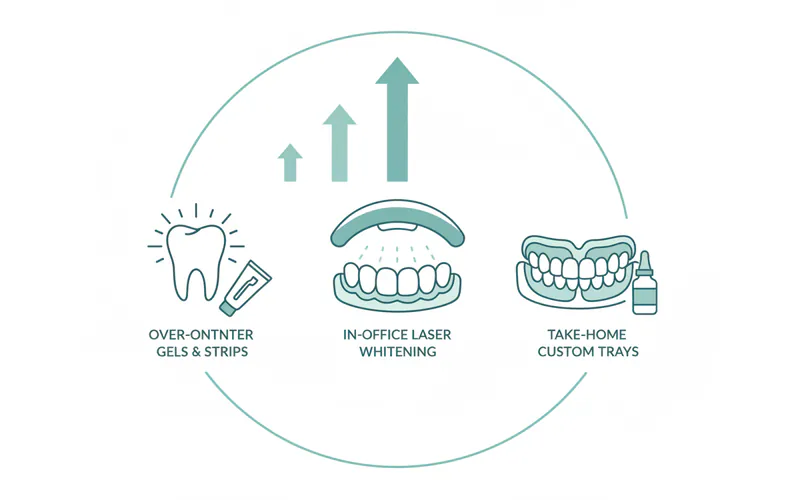
- Cost Varies Widely: Professional in-office whitening typically ranges from $400 to $1,500 per session, while custom take-home trays from a dentist cost $200 to $600. Over-the-counter (OTC) products are the most affordable, ranging from $20 to $100.
- Insurance Rarely Covers: Teeth whitening is primarily considered a cosmetic procedure, meaning most dental insurance plans do not provide coverage. You will likely pay out-of-pocket.
- Effectiveness and Speed: Professional treatments offer the fastest and most dramatic results, often achieving several shades lighter in a single visit. OTC products provide more gradual, subtle changes over weeks.
- Longevity: Whitening results can last from 6 months to 3 years, depending on the method, your oral hygiene, and dietary habits. Touch-ups are often required to maintain brightness.
- Sensitivity is Common: Temporary tooth sensitivity and gum irritation are common side effects, especially with stronger whitening agents. Your dentist can recommend desensitizing products.
- Not for Everyone: Whitening is most effective on natural tooth enamel and will not change the color of crowns, veneers, or fillings. A dental consultation is crucial to determine suitability.
- Budgeting for Dental Health: While whitening is cosmetic, understanding broader dental costs like a teeth cleaning (typically $75-$200 without insurance) or even how much to pull a tooth without insurance ($75-$600+) helps put cosmetic expenses into perspective for your overall oral health budget.
What It Is: Understanding Teeth Whitening
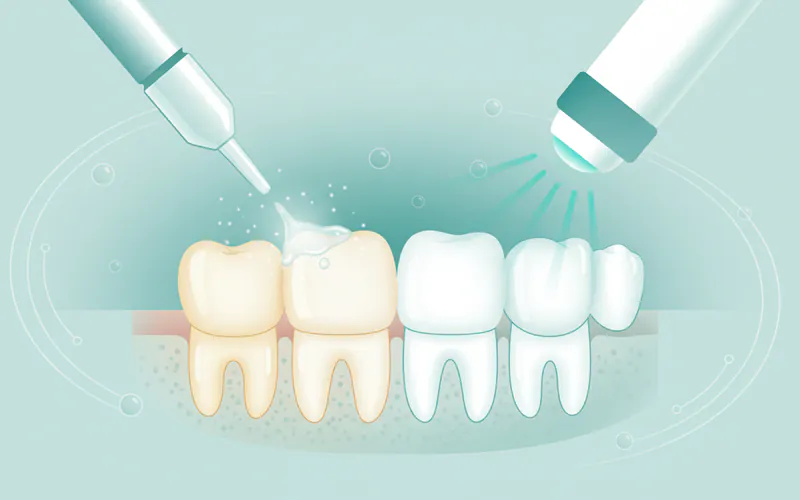
Teeth whitening, also known as teeth bleaching, is a popular cosmetic dental procedure that lightens the color of teeth and helps to remove stains and discoloration. It involves using bleaching agents, typically hydrogen peroxide or carbamide peroxide, to break down stains on the tooth surface and within the enamel. These agents penetrate the porous outer layer of the tooth (enamel) to reach the dentin underneath, where the stains reside. As the peroxide breaks down, oxygen enters the enamel and dentin, bleaching the colored substances while the structure of the tooth remains unchanged.
The process is generally safe when performed under dental supervision or using approved over-the-counter products as directed. It can significantly improve the appearance of your smile, leading to increased self-confidence and a more youthful look.
Types of Teeth Whitening
The market offers a wide array of teeth whitening options, ranging in cost, effectiveness, and convenience. These can be broadly categorized into professional treatments administered by a dentist and at-home solutions, which can either be prescribed by a dentist or purchased over-the-counter.
Professional In-Office Whitening
This is the fastest and most effective method for achieving significant whitening results. Performed entirely in a dental office, it uses a high concentration of peroxide gel that is applied directly to the teeth.
- Process: After protecting your gums and soft tissues with a barrier, the dentist applies a potent whitening gel to your teeth. Often, a special light, such as a LED light, laser, or UV light (though the effectiveness of light activation is debated by some dental professionals, the ADA recognizes various systems), is used to accelerate the chemical reaction of the whitening agent. The process typically involves multiple applications over a single 45-90 minute session.
- Pros: Delivers dramatic results in a short amount of time (often 5-8 shades lighter in one visit). Administered by a professional, ensuring safety and optimal application.
- Cons: Highest cost. Potential for temporary tooth sensitivity and gum irritation due to the high concentration of bleaching agents.
- Cost Range: $400 to $1,500 per session, depending on location, dentist's fees, and the specific system used (e.g., Zoom!, Philips NiteWhite/DayWhite). Some patients may require multiple sessions for desired results, increasing the overall cost.
Professional Take-Home Whitening Kits
These kits are provided by your dentist and include custom-fitted trays and professional-strength whitening gel.
- Process: Your dentist will take impressions of your teeth to create custom-made whitening trays that fit snugly over your teeth. You will be given a supply of professional-grade whitening gel (typically 10-22% carbamide peroxide or 6-9% hydrogen peroxide) to apply to the trays. You wear these trays for a specified period each day, usually for 30 minutes to a few hours, or overnight, for 10-14 days.
- Pros: More effective and safer than most over-the-counter products due to custom trays ensuring even gel distribution and less gum irritation. Dentist provides guidance and monitors progress. More convenient than in-office treatment as it's done at home.
- Cons: Takes longer to achieve desired results than in-office whitening. Higher cost than OTC options.
- Cost Range: $200 to $600 for the custom trays and initial gel supply. Refill gels typically cost $30 to $70 per syringe.
Over-the-Counter (OTC) Whitening Products
These are widely available at pharmacies and supermarkets and include a variety of options.
- Whitening Strips: Thin, flexible plastic strips coated with a peroxide-based whitening gel.
- Process: Applied directly to the teeth for a specified time each day, typically for 30 minutes, over a period of 7-14 days.
- Pros: Convenient, easy to use, and very affordable.
- Cons: Less effective than professional options, results are more subtle and may be uneven. Can cause gum irritation if not applied properly. Strips may not reach all tooth surfaces, especially between teeth or on irregular surfaces.
- Cost Range: $20 to $60 per kit.
- Whitening Gels (Brush-on): Peroxide-based gels applied directly to the teeth with a brush.
- Process: Applied to teeth once or twice a day, typically for 10-30 minutes, allowed to dry, and then rinsed or left on.
- Pros: Relatively inexpensive and easy to apply.
- Cons: Can be messy, inconsistent application may lead to uneven results, and saliva can dilute the gel, reducing effectiveness.
- Cost Range: $20 to $50 per tube.
- Whitening Toothpastes: Contain mild abrasives and/or low concentrations of hydrogen peroxide or carbamide peroxide.
- Process: Used like regular toothpaste, usually twice a day.
- Pros: Extremely convenient, helps remove surface stains, and maintains brightness.
- Cons: Primarily removes surface stains and provides minimal actual bleaching. Results are very subtle and take a long time to show.
- Cost Range: $5 to $20 (slightly more than regular toothpaste).
- Whitening Mouthwashes: Contain low concentrations of hydrogen peroxide.
- Process: Used after brushing, typically once or twice a day for a minute or two.
- Pros: Easy to incorporate into daily routine.
- Cons: Very low concentration of active ingredients means very subtle results, primarily removing surface stains and freshening breath. Contact time with teeth is minimal.
- Cost Range: $8 to $15.
Causes of Tooth Discoloration
Understanding why teeth become discolored is crucial for effective whitening and preventing future stains. Tooth discoloration can be broadly categorized into extrinsic and intrinsic stains.
Extrinsic Stains
These are surface stains that accumulate on the enamel, the outermost layer of your teeth. They are typically caused by:
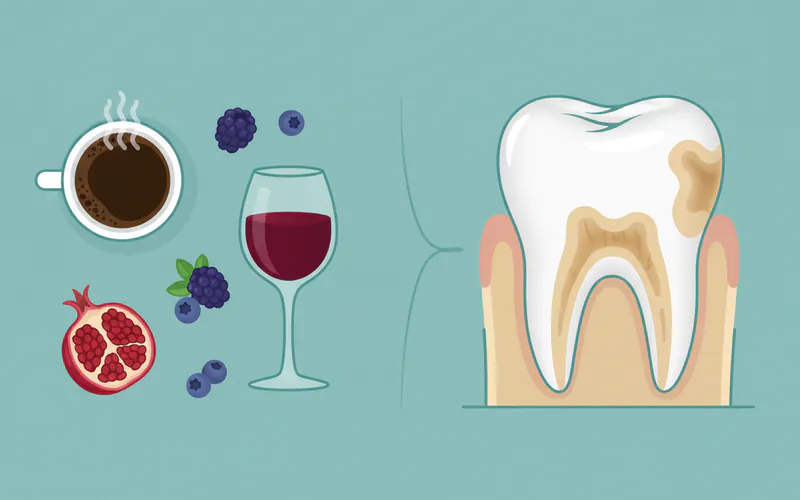
- Foods and Drinks: Coffee, tea, red wine, dark sodas, berries, soy sauce, and highly pigmented foods contain chromogens (pigment-producing substances) that can adhere to tooth enamel.
- Tobacco Use: Nicotine and tar in cigarettes, cigars, and chewing tobacco create stubborn brown or yellow stains.
- Poor Oral Hygiene: Inadequate brushing and flossing allow plaque and tartar to build up, creating a sticky surface where stains can easily accumulate.
- Certain Medications: Chlorhexidine mouthwash, used for gum disease, can cause temporary surface staining.
Intrinsic Stains
These stains occur within the tooth structure, specifically in the dentin (the layer beneath the enamel). They are often more challenging to remove than extrinsic stains.
- Aging: As we age, the enamel on our teeth naturally thins, revealing more of the yellowish dentin underneath. The dentin itself can also darken over time.
- Trauma: A blow to a tooth can cause internal bleeding and discoloration, making the tooth appear darker.
- Medications During Tooth Development:
- Tetracycline Antibiotics: If taken by pregnant women or young children whose permanent teeth are still developing, tetracycline can cause permanent gray or brownish-blue intrinsic stains.
- Excessive Fluoride (Fluorosis): Overexposure to fluoride during tooth formation can lead to white spots or brown streaks on the enamel.
- Dental Restorations: Old amalgam (silver) fillings can sometimes leach metallic ions into the tooth structure, causing a grayish hue. Composite (white) fillings, crowns, and veneers do not whiten and may need to be replaced if you undergo whitening.
- Genetics: Some individuals naturally have brighter or darker tooth enamel than others.
- Certain Medical Conditions: Rare medical conditions and treatments (e.g., chemotherapy, radiation) can sometimes affect tooth color.
Signs and Symptoms: When to Consider Whitening
The primary "sign" for considering teeth whitening is simply dissatisfaction with the color of your teeth. This can manifest as:
- Yellowish or brownish discoloration: The most common reasons people seek whitening.
- General dullness: Teeth may lack their youthful brightness.
- Noticeable stains: Especially after consuming staining foods/drinks or using tobacco.
- Desire for a brighter smile: For aesthetic reasons, boosting self-confidence for personal or professional events.
Important Consideration: While the desire for whiter teeth is the "symptom," it's crucial to have a dental check-up before starting any whitening treatment. A dentist can determine the cause of your discoloration, identify if whitening is appropriate for you, and ensure there are no underlying dental issues (like cavities or gum disease) that need to be addressed first. Whitening on unhealthy teeth can exacerbate problems like sensitivity or pain.
Treatment Options and Their Processes
Let's look at the typical step-by-step processes for the most popular and effective whitening methods.
Professional In-Office Whitening Process (e.g., Zoom! Whitening)
- Initial Consultation & Examination: Your dentist will examine your oral health, discuss your goals, determine the cause of your stains, and confirm you are a suitable candidate for whitening. This includes checking for cavities, gum disease, and existing restorations. A shade guide will be used to record your current tooth color.
- Preparation: Your lips and gums will be covered with a protective barrier (a rubber dam or liquid dam material) to prevent the high-concentration bleaching gel from irritating soft tissues.
- Gel Application: The dentist carefully applies the professional-strength hydrogen peroxide gel to the front surfaces of your teeth.
- Light Activation (Optional but Common): If using a light-activated system, a special light is positioned over your teeth for 15-20 minutes to enhance the whitening process.
- Rinse & Reapply: After the specified time, the gel is suctioned off, your mouth is rinsed, and fresh gel is applied. This cycle is typically repeated 2-3 times within the single appointment.
- Final Rinse & Post-Treatment Care: After the final application, the protective barriers are removed, your teeth are thoroughly rinsed, and your new shade is compared to the initial shade. Your dentist will provide aftercare instructions, including advice on managing sensitivity and avoiding staining foods.
Professional Take-Home Whitening Kit Process
- Initial Consultation & Impressions: Similar to in-office, your dentist will assess your oral health. Then, impressions of your upper and lower teeth are taken to create custom-fitted plastic trays.
- Tray Fabrication: Dental lab technicians (or in-office staff) fabricate the trays, which usually takes a few days.
- Tray Delivery & Instructions: You return to the dental office to pick up your custom trays. Your dentist will ensure the trays fit properly and instruct you on how to apply the whitening gel, how much to use, how long to wear the trays each day, and for how many days. You'll also receive guidance on proper oral hygiene and managing potential sensitivity.
- At-Home Application: At home, you will dispense a small amount of the professional-strength carbamide or hydrogen peroxide gel into each tooth compartment of the tray. You'll wear the trays as instructed (e.g., 30 minutes twice a day, or overnight) for the prescribed duration, typically 10-14 days.
- Follow-up (Optional but Recommended): Some dentists schedule a follow-up appointment to check your progress and address any concerns.
Over-the-Counter Whitening Strips Process
- Read Instructions: Carefully read and follow the manufacturer's instructions, as application times and frequencies vary by brand.
- Prepare Teeth: Brush your teeth gently and rinse to ensure they are clean.
- Apply Strips: Peel a strip from its backing. Apply the gel side to your upper teeth, aligning the strip with your gum line and pressing gently to ensure good contact. Fold the excess strip behind your teeth. Repeat for the lower teeth.
- Wear Time: Leave the strips on for the recommended duration (e.g., 30 minutes). Avoid eating or drinking during this time.
- Remove & Rinse: After the time is up, peel off the strips and discard them. Rinse your mouth to remove any residual gel.
- Repeat: Use daily for the recommended duration of the kit, typically 7-14 days.
Pro Tip: Regardless of the method, always consult your dentist before starting any teeth whitening treatment. They can help you choose the safest and most effective option for your specific needs and avoid potential complications.
Cost and Insurance
The cost of teeth whitening is a primary concern for many patients. It's important to understand the significant price variations across different methods and what factors influence these costs.
US Price Ranges by Whitening Method
| Whitening Method | Average Cost Range (USD) | Factors Influencing Cost |
|---|---|---|
| Professional In-Office | $400 - $1,500 | Dentist's experience, geographic location (major cities typically higher), number of sessions, specific technology used. |
| Professional Take-Home Kit | $200 - $600 | Dentist's fees, number of custom trays (upper/lower), initial gel supply, complexity of dental impressions. |
| Over-the-Counter Strips/Gels | $20 - $100 | Brand, amount of product, peroxide concentration, marketing. |
| Whitening Toothpastes/Mouthwashes | $5 - $20 | Brand, active ingredients. |
Factors Influencing Cost
- Geographic Location: Dental services, like most professional services, tend to be more expensive in metropolitan areas and regions with a higher cost of living (e.g., New York, California) compared to rural areas or the Midwest.
- Dentist's Fees: The experience and reputation of the dentist, as well as the overhead costs of their practice, can influence pricing.
- Number of Sessions: While in-office whitening often yields significant results in one session, some severe stains may require additional appointments, increasing the total cost.
- Type of Whitening System: Different professional systems (e.g., Zoom!, Opalescence Boost) have varying costs for the dentist, which can be reflected in the patient's fee.
- Pre-Treatment Needs: If you require a dental cleaning, cavity fillings, or gum treatment before whitening, these additional procedures will add to your overall dental expense.
Insurance Coverage Details
It is a common misconception that dental insurance covers teeth whitening. However, the vast majority of dental insurance plans do not cover cosmetic procedures, and teeth whitening falls squarely into this category.
- Why it's not covered: Insurance companies typically classify procedures as either "medically necessary" (to treat a disease, injury, or defect) or "cosmetic" (to improve appearance). Since teeth whitening is performed purely for aesthetic enhancement and is not considered essential for oral health, it is almost universally an out-of-pocket expense.
- Exceptions (Rare): In extremely rare cases, if severe discoloration is directly linked to a specific medical condition or trauma that impairs quality of life or causes significant psychological distress, some plans might offer partial coverage. However, this is highly unusual and requires extensive documentation and pre-authorization.
- HSA/FSA Eligibility: While not covered by insurance, professional teeth whitening may be eligible for reimbursement through a Health Savings Account (HSA) or Flexible Spending Account (FSA) if prescribed by a dentist for a medical reason (e.g., to treat discolored teeth resulting from a specific medical condition or medication side effect). However, purely cosmetic whitening is generally not an eligible expense. Always check with your plan administrator.
Pro Tip: Before committing to any professional whitening treatment, always ask your dental office for a detailed cost estimate. They can also explain any payment plans or financing options they offer.
Recovery and Aftercare
After teeth whitening, proper aftercare is crucial to minimize sensitivity and prolong your dazzling results.
Managing Sensitivity
Temporary tooth sensitivity is the most common side effect of teeth whitening, especially after professional in-office treatments.
- Duration: Sensitivity usually peaks in the first 24-48 hours and subsides within a few days.
- What to do:
- Avoid hot and cold foods/drinks: For the first 24-48 hours, stick to lukewarm or room-temperature items.
- Use desensitizing toothpaste: Many toothpastes containing ingredients like potassium nitrate or strontium chloride can help block nerve signals that cause sensitivity. Start using one a few weeks before whitening if you anticipate sensitivity.
- Fluoride rinse/gel: Your dentist may recommend a fluoride rinse or a prescription-strength fluoride gel to help remineralize enamel and reduce sensitivity.
- Pain relievers: Over-the-counter pain relievers like ibuprofen can help manage discomfort.
Diet and Lifestyle Adjustments (The "White Diet")
For the first 24-48 hours after professional whitening, your teeth are particularly porous and susceptible to re-staining.
- Avoid "staining" foods and drinks: This includes coffee, tea, red wine, dark sodas, berries, dark juices, soy sauce, tomato sauce, chocolate, and any highly pigmented foods. Think of anything that would stain a white shirt – avoid it!
- Stick to "white" or light-colored foods: Examples include water, milk, white chicken, turkey, fish, white rice, pasta with white sauce, bananas, potatoes (peeled), and light-colored cheeses.
- Avoid tobacco: Smoking or chewing tobacco immediately after whitening will quickly re-stain your teeth and should ideally be avoided altogether for lasting results.
- Use a straw: If you must consume a lightly staining beverage, use a straw to minimize contact with your front teeth.
Maintaining Your Whitened Smile
- Excellent Oral Hygiene: Brush twice a day with a soft-bristled toothbrush and fluoride toothpaste. Floss daily to remove plaque and food debris, which can harbor stains.
- Regular Dental Cleanings: Schedule professional dental cleanings every six months. Your hygienist can remove new surface stains before they become set.
- Touch-Up Treatments: The brightness of your whitened teeth will gradually fade over time due to diet and lifestyle. Your dentist may provide a take-home kit for occasional touch-ups (e.g., a few days every 6-12 months) to maintain your desired shade.
- Limit Staining Habits: Reduce consumption of highly staining foods and drinks, or rinse your mouth with water immediately after consuming them. If you use tobacco, consider quitting.
Prevention of Stains
Preventing tooth discoloration is an ongoing effort that complements any whitening treatment.
- Maintain Excellent Oral Hygiene: Brush your teeth at least twice a day for two minutes with a fluoride toothpaste and floss daily. This removes plaque and food particles that can absorb stains.
- Regular Dental Check-ups and Cleanings: Professional cleanings every six months remove plaque, tartar, and extrinsic stains before they become deeply set.
- Dietary Awareness:
- Limit Staining Foods and Drinks: Reduce your consumption of coffee, tea, red wine, dark sodas, berries, and highly pigmented sauces.
- Rinse with Water: After consuming staining foods or drinks, rinse your mouth thoroughly with water to wash away residue.
- Use a Straw: When drinking staining beverages, use a straw to minimize contact with your front teeth.
- Quit Tobacco Products: Smoking and chewing tobacco are major contributors to severe tooth discoloration. Quitting is the most effective way to prevent these stubborn stains.
- Address Intrinsic Stain Causes: If your discoloration is due to medications or medical conditions, discuss options with your dentist and physician to manage or mitigate the effects on your teeth.
- Consider Whitening Toothpastes (for maintenance): While not strong enough for significant whitening, these can help remove surface stains and maintain brightness between professional treatments.
Risks and Complications
While teeth whitening is generally safe, it's not without potential risks and complications, especially if not supervised by a dental professional.
- Tooth Sensitivity: This is the most common side effect. The peroxide agents can temporarily penetrate the enamel and irritate the tooth's nerve. It usually subsides within 24-48 hours but can be uncomfortable.
- Gum Irritation: If the whitening gel comes into prolonged contact with gum tissue, it can cause temporary irritation, burning, or blanching (turning white). Custom trays from a dentist minimize this risk.
- Uneven Whitening: This can occur if teeth are not uniformly exposed to the whitening agent, or if you have existing crowns, veneers, or fillings, as these materials will not whiten, leading to a mismatched appearance. Intrinsic stains (like those from tetracycline) may also whiten unevenly or not at all.
- Damage to Restorations: Whitening agents can sometimes weaken the bond of existing restorations, potentially leading to their dislodgment or damage. It's crucial to consult your dentist if you have any fillings, crowns, or veneers.
- Over-Whitening ("Chalky" or "Too White" Look): While rare with professional supervision, excessive or prolonged whitening, especially with very strong agents, can sometimes result in an unnatural, translucent, or chalky appearance.
- Ineffectiveness: Whitening is not effective on all types of stains. Intrinsic stains, particularly from tetracycline, can be very resistant to bleaching.
- Allergic Reactions: Although rare, some individuals may have an allergic reaction to the peroxide or other ingredients in the whitening gel.
- Relapse: The effects of whitening are not permanent. Without proper aftercare and touch-ups, teeth will gradually darken again over time.
Comparison Table: Whitening Options
| Feature | Professional In-Office Whitening | Professional Take-Home Kit | Over-the-Counter Strips/Gels | Whitening Toothpastes/Mouthwashes |
|---|---|---|---|---|
| Cost Range (USD) | $400 - $1,500 per session | $200 - $600 for trays & initial gel | $20 - $100 per kit | $5 - $20 (per tube/bottle, slightly more than regular) |
| Effectiveness | Highest (multiple shades lighter in 1-2 hours) | High (several shades lighter over 10-14 days) | Moderate (1-3 shades lighter over 1-2 weeks) | Lowest (removes surface stains, minimal actual bleaching) |
| Speed of Results | Fastest (immediate, dramatic results) | Moderate (results visible within a few days, full effect in 1-2 weeks) | Slow (gradual over 1-2 weeks) | Very Slow (weeks to months for subtle surface stain removal) |
| Safety/Supervision | Highest (dentist monitors, protects gums) | High (dentist provides custom trays, instructions, checks suitability) | Moderate (no professional oversight, potential for gum irritation if misused) | Highest (generally very safe for daily use) |
| Longevity | 6 months - 3 years (with proper care/touch-ups) | 6 months - 2 years (with proper care/touch-ups) | 3 months - 1 year (results fade faster) | Very short (no lasting bleaching effect) |
| Customization | None (standard procedure) | High (custom trays ensure even application, minimize gum contact) | Low (one-size-fits-all strips, trays) | None |
| Side Effects | Highest risk of temporary sensitivity & gum irritation (due to high concentration) | Moderate risk of temporary sensitivity & gum irritation | Low-moderate risk of sensitivity & gum irritation | Very low risk |
Children / Pediatric Considerations
Teeth whitening is generally not recommended for children or adolescents. There are several important reasons for this:
- Developing Teeth: Children's teeth, both primary (baby) and newly erupted permanent teeth, have larger pulp chambers and thinner enamel compared to adult teeth. This makes them more susceptible to sensitivity and potential damage from whitening agents.
- Unpredictable Results: Permanent teeth continue to develop and mature over several years. Whitening young permanent teeth might lead to uneven or unpredictable results as the tooth structure changes.
- Cause of Stains: Often, discoloration in children is due to extrinsic stains (diet, poor hygiene) which can be addressed with improved brushing, flossing, and professional dental cleanings. In cases of intrinsic staining (like fluorosis or tetracycline stains), whitening may not be effective, and other cosmetic treatments might be considered later in life when the child is older and their teeth are fully developed.
- Pulp Health: There is a concern that whitening agents could potentially impact the health of the dental pulp in developing teeth, though long-term studies are limited. The American Dental Association (ADA) generally advises against cosmetic whitening for individuals under the age of 16.
- Informed Consent and Compliance: Young children may not fully understand the process or be able to comply with the instructions for at-home kits, increasing the risk of misuse and complications.
If a parent is concerned about a child's tooth discoloration, the first step should always be a consultation with a pediatric dentist. The dentist can diagnose the cause of the staining and recommend the safest and most appropriate course of action, which rarely involves cosmetic whitening for young patients.
Cost Breakdown: Deeper Dive into Expenses
Beyond the initial ranges, let's explore the nuances of dental whitening costs, how they compare to other common dental procedures, and strategies for managing the expense.
Average US Costs: Low, Mid, High
- Low-End Whitening (OTC): You can expect to spend $20 - $100 for a decent quality over-the-counter kit (strips, brush-on gels). These offer the most budget-friendly entry point but with less dramatic and slower results.
- Mid-Range Whitening (Professional Take-Home): Investing $200 - $600 will get you custom-fitted trays and professional-strength gel from your dentist. This is a popular choice for its balance of effectiveness and convenience.
- High-End Whitening (Professional In-Office): For the fastest and most dramatic results, prepare for $400 - $1,500 per session. This premium option offers significant shade improvement in a single visit under professional supervision.
Pro Tip: Some dental offices offer package deals that include an in-office treatment followed by a take-home kit for maintenance, which can sometimes be more cost-effective than purchasing them separately.
With vs. Without Insurance
As mentioned, dental insurance typically does NOT cover teeth whitening, as it is categorized as a purely cosmetic procedure. This means you will almost certainly pay the full cost out-of-pocket, whether you have insurance or not.
However, it's important to differentiate cosmetic costs from essential dental care that is covered by insurance:
- How much does teeth cleaning cost? A routine professional dental cleaning (prophylaxis) is considered preventative care and is usually covered by most dental insurance plans, often at 100% or with a small co-pay. Without insurance, a standard teeth cleaning typically costs between $75 and $200. This essential procedure helps prevent stains and maintain overall oral health, which can positively impact the longevity of any whitening treatment.
- How much to pull a tooth without insurance? Tooth extraction, especially for a problematic tooth, is a medically necessary procedure. The cost for an extraction can vary significantly depending on its complexity:
- Simple extraction (visible tooth, no complications): $75 - $300 without insurance.
- Surgical extraction (impacted tooth, requires incision): $150 - $600+ per tooth, potentially higher for wisdom teeth with extensive complications. Dental insurance usually covers a portion of extraction costs, but if you're without insurance, these can be substantial. Understanding such costs puts the elective nature of whitening into perspective against necessary care.
Payment Plans and Financing Options
Since whitening is an out-of-pocket expense, many dental offices offer various payment solutions:
- In-Office Payment Plans: Some dentists allow patients to pay for their treatment in installments over a few months, often without interest.
- Dental Financing Companies: Third-party companies like CareCredit or LendingClub provide specialized healthcare credit cards or loans with low or no interest for a set period. These can be particularly useful for larger cosmetic treatments or for combining multiple procedures.
- Discount Dental Plans: These are not insurance but membership plans where you pay an annual fee and receive discounts (typically 10-60%) on dental services from participating dentists. While primarily focused on necessary care, some plans may offer discounts on cosmetic procedures like whitening.
- Using HSA/FSA: If your teeth whitening is deemed medically necessary by your dentist (e.g., severe discoloration affecting self-esteem due to a medical condition), you may be able to use funds from a Health Savings Account (HSA) or Flexible Spending Account (FSA). However, purely cosmetic whitening is typically not eligible. Always confirm with your plan administrator.
Cost-Saving Tips
- Compare Dentists: Get quotes from a few different dental offices in your area. Prices for professional services can vary.
- Inquire About Specials: Dentists often run seasonal promotions or new patient specials that might include discounted whitening treatments.
- Choose Professional Take-Home Kits: If in-office whitening is too expensive, a custom take-home kit from your dentist provides professional results at a lower cost than in-office.
- Maintain Results: Invest in good oral hygiene and follow aftercare instructions diligently. This prolongs the life of your whitening treatment, reducing the frequency and cost of touch-ups.
- Consider OTC for Minor Stains: If your discoloration is mild and primarily extrinsic, an over-the-counter option might be sufficient for your needs without a significant financial outlay.
Frequently Asked Questions
Is teeth whitening safe?
Yes, when performed under the supervision of a dental professional or used as directed for over-the-counter products, teeth whitening is generally safe. The primary risks are temporary tooth sensitivity and gum irritation, which usually subside shortly after treatment. Your dentist will assess your oral health to ensure you are a suitable candidate.
How long does teeth whitening last?
The longevity of teeth whitening results varies depending on the method used, your diet, oral hygiene habits, and lifestyle (e.g., smoking). Professional in-office whitening can last from 6 months to 3 years, while at-home professional kits typically last 6 months to 2 years. OTC products may only last a few months. Regular touch-ups and good oral hygiene can extend the results.
Does insurance cover teeth whitening?
No, dental insurance almost universally considers teeth whitening a cosmetic procedure and therefore does not cover the cost. You should expect to pay for the treatment entirely out-of-pocket. Some exceptions might apply if the discoloration is directly linked to a specific medical condition and deemed medically necessary, but this is rare.
Is teeth whitening painful?
Most people experience little to no pain during the whitening process itself. However, temporary tooth sensitivity to hot, cold, or pressure is a common side effect, especially in the 24-48 hours following treatment. Your dentist can recommend desensitizing toothpastes or gels to help manage this discomfort.
Can I whiten crowns, veneers, or fillings?
No, teeth whitening agents only work on natural tooth enamel. They will not change the color of existing crowns, veneers, dental bonding, or fillings. If you have these restorations, they may appear mismatched after whitening your natural teeth, and you might need to replace them to match your new brighter smile, adding to the overall cost.
What are the alternatives to teeth whitening?
If whitening isn't suitable or doesn't achieve desired results, alternatives include:
- Dental bonding: A tooth-colored resin applied to cover stains.
- Veneers: Thin, custom-made shells placed over the front surface of teeth to change their color, shape, or size.
- Crowns: A full cap over the tooth for significant aesthetic and structural changes.
- Internal bleaching: For a single tooth discolored by a root canal.
How often can I whiten my teeth?
The frequency depends on the method. Professional in-office whitening is typically done once or twice a year if needed. Take-home kits are used for periodic touch-ups (e.g., a few days every 6-12 months). Over-the-counter products should be used strictly according to package directions, typically for a few weeks every few months. Overuse can lead to increased sensitivity and potential enamel erosion.
Is there an age limit for teeth whitening?
Most dental professionals, including the American Dental Association, advise against cosmetic teeth whitening for individuals under the age of 16. This is because their teeth are still developing, with larger pulp chambers and thinner enamel, making them more vulnerable to sensitivity and potential damage.
How much does professional teeth whitening cost?
Professional teeth whitening costs typically range from $400 to $1,500 for in-office treatments and $200 to $600 for custom take-home kits from your dentist. The exact cost depends on your geographic location, the specific dental practice, and the type of whitening system used.
Why do some teeth whiten better than others?
The effectiveness of whitening can depend on the cause and type of stain. Yellowish-brown stains (extrinsic and age-related) generally respond very well. Grayish or bluish stains, often caused by tetracycline antibiotics, are much more resistant and may not whiten significantly. Individual tooth structure and enamel thickness also play a role.
When to See a Dentist
While many over-the-counter whitening options are available, a consultation with your dentist is almost always the best first step when considering teeth whitening.
See a Dentist Before Whitening If You Have:
- Sensitive teeth or receding gums: Whitening agents can exacerbate these conditions.
- Existing dental restorations: Crowns, veneers, fillings, or bonding will not whiten and may need replacement to match newly whitened teeth.
- Cavities or gum disease: These issues must be treated before whitening to prevent pain or further complications.
- Intrinsic stains: Discoloration from trauma, medications (like tetracycline), or excessive fluoride (fluorosis) may not respond well to traditional whitening, and your dentist can recommend appropriate alternatives.
- Unexplained tooth pain or persistent discoloration: Your dentist can diagnose the underlying cause, which could be more serious than simple staining.
- Are under 16 years old: As discussed, whitening is generally not recommended for children or adolescents.
See a Dentist Immediately If You Experience (after whitening):
- Severe or prolonged tooth sensitivity: If sensitivity is extreme or lasts for more than a few days, contact your dentist.
- Significant gum irritation, burning, or pain: This could indicate improper application of the whitening agent or an allergic reaction.
- Uneven whitening results that are concerning.
- Any other unusual or persistent discomfort or changes in your oral health.
Your dentist can provide a thorough examination, determine the cause of your discoloration, discuss all suitable treatment options, and recommend the safest and most effective whitening method for your specific needs, ensuring your journey to a brighter smile is both successful and healthy.
Frequently Asked Questions
Medically Reviewed Content
This article was written by our dental health editorial team and reviewed for medical accuracy. Our content follows strict editorial guidelines for reliability and trustworthiness.
Medical Disclaimer
This article is for informational purposes only and does not constitute medical advice. Always consult with a qualified dental professional for diagnosis and treatment. Do not delay seeking professional advice because of something you read on this website.
Related Articles
How Much Does Tooth Bonding Cost
Imagine looking in the mirror and seeing a smile that doesn't quite reflect your inner confidence – maybe a small chip from an unexpected accident, an annoying gap between your front teeth, or a stain that just won't budge. For many Americans, these minor imperfections can significantly impact self-
February 22, 2026
How Much Are Gold Grillz for Teeth
When considering a unique blend of personal style and dental aesthetics, many individuals find themselves drawn to the allure of gold grillz. But beyond the flashy appearance and cultural significance, a practical question often arises: how much are gold grillz for teeth? This isn't just a simpl
February 22, 2026
How Much Are Tooth Gems
In an age where personal expression extends to every facet of our lives, it's no surprise that cosmetic dentistry has evolved beyond mere functionality to embrace aesthetic adornment. From subtle enhancements to bold statements, teeth have become a new canvas for individuality. One increasingly popu
February 22, 2026
How Much Does a Dog Xray Cost
As a premier dental health portal, SmilePedia.net is dedicated to illuminating all facets of oral health and related medical costs for our valued readers across the US. While our primary focus remains squarely on human dentistry – from routine cleanings to complex restorative procedures – we underst
February 22, 2026