How Much to Get Teeth Whitened
Key Takeaways
- A dazzling, confident smile is often considered a universal symbol of health and vitality. It's no wonder that in the United States, teeth whitening remains one of the most popular cosmetic dental procedures. According to recent surveys, a significant portion of adults expresses dissatisfaction with
How Much to Get Teeth Whitened: A Comprehensive Guide to Achieving a Brighter Smile
A dazzling, confident smile is often considered a universal symbol of health and vitality. It's no wonder that in the United States, teeth whitening remains one of the most popular cosmetic dental procedures. According to recent surveys, a significant portion of adults expresses dissatisfaction with the color of their teeth, leading many to wonder, how much to get teeth whitened? While the desire for a brighter smile is widespread, the array of options and their associated costs can be confusing. Understanding the various methods, what they entail, and their financial implications is the first step toward making an informed decision about enhancing your smile.

This comprehensive guide from SmilePedia.net will delve deep into the world of teeth whitening, breaking down everything from the science behind it to the specific costs you can expect across different treatments. We'll explore professional in-office procedures, custom take-home kits, over-the-counter solutions, and even address related cosmetic inquiries like "how much is a flipper tooth" and "how much do fake teeth cost." By the end of this article, you'll have a clear understanding of what to expect, helping you budget effectively and choose the best path to your radiant new smile.
Key Takeaways:
- Professional in-office teeth whitening typically costs $400 to $1,500 per session, offering immediate and dramatic results.
- Professional take-home whitening kits with custom trays range from $200 to $600, providing gradual, dentist-supervised brightening.
- Over-the-counter whitening products like strips and gels are the most affordable, ranging from $20 to $100, but offer less dramatic and consistent results.
- Dental insurance generally does not cover teeth whitening, as it's considered a cosmetic procedure.
- Sensitivity and gum irritation are common temporary side effects, especially with professional treatments.
- Results can last from 6 months to 2-3 years with proper maintenance and good oral hygiene.
- Flippers and other "fake teeth" (dental prosthetics) are entirely different procedures from whitening, costing significantly more (e.g., $300-$5,000+ per tooth).
What is Teeth Whitening and How Does It Work?
Teeth whitening, also known as teeth bleaching, is a cosmetic dental procedure designed to lighten the natural color of your teeth. It achieves this by removing stains and discoloration from the tooth enamel, revealing a brighter shade underneath. The primary active ingredients used in most whitening products are carbamide peroxide or hydrogen peroxide.
When these peroxides come into contact with the tooth surface, they break down into oxygen molecules. These oxygen molecules penetrate the enamel and dentin (the layer beneath the enamel), reaching the discolored molecules within the tooth structure. They then break apart these chromogens (stain molecules), effectively dispersing them and making them less concentrated, which lightens the tooth's appearance. It's important to understand that teeth whitening doesn't change the intrinsic color of your teeth, but rather lifts and removes accumulated stains, restoring them to their original, brighter shade or even slightly beyond.
Causes: Why Do Teeth Stain?
Understanding the causes of tooth discoloration is crucial for both prevention and selecting the most effective whitening treatment. Tooth stains generally fall into two categories:
Extrinsic Stains (External)
These stains occur on the outer surface of the tooth enamel and are typically caused by exposure to pigmented foods and beverages, as well as tobacco. They are usually easier to remove with professional cleaning and whitening.
- Foods and Beverages: Coffee, tea, red wine, dark sodas, berries, dark sauces (like soy sauce or tomato sauce) contain chromogens that can attach to enamel.
- Tobacco Use: Nicotine and tar in cigarettes and other tobacco products cause stubborn yellowish-brown stains that penetrate deep into the enamel.
- Poor Oral Hygiene: Inadequate brushing and flossing can allow plaque and tartar to build up, which can absorb stains more readily.
Intrinsic Stains (Internal)
These stains develop within the tooth structure, specifically in the dentin, and are often more challenging to treat.
- Aging: As we age, the outer enamel layer thins, revealing more of the yellowish dentin underneath. The dentin itself also darkens over time.
- Genetics: Some individuals naturally have brighter or more yellowish teeth due to their genetic makeup and enamel thickness.
- Trauma: An injury to a tooth can cause internal bleeding and discoloration, often appearing as a grayish or brownish hue.
- Medications: Certain medications, especially during tooth development, can cause intrinsic staining.
- Tetracycline Antibiotics: If taken by pregnant women or young children whose teeth are still developing, tetracycline can cause permanent dark gray or brownish bands on the teeth.
- Chlorhexidine: An antiseptic mouth rinse, if used long-term, can cause brown stains.
- Minocycline: A tetracycline derivative used to treat acne, can also cause tooth discoloration in adults.
- Excessive Fluoride (Fluorosis): Overexposure to fluoride during tooth development can result in white spots, streaks, or even brown pitting on the enamel.
- Dental Materials: Silver amalgam fillings can cast a gray shadow on the tooth over time.
Types of Teeth Whitening: Exploring Your Options
There are several ways to whiten your teeth, ranging from professional dental procedures to at-home remedies. Each option varies in effectiveness, cost, and convenience.
1. Professional In-Office Teeth Whitening
This is the fastest and often most effective method, performed by a dentist or trained dental professional.
- What it is: A high concentration of hydrogen peroxide gel (typically 25-40%) is applied directly to the teeth. Often, a special light, such as a LED or UV lamp, is used to accelerate the chemical reaction, though its necessity is debated among experts. Brands like Zoom! and Opalescence Boost are popular.
- Pros:
- Dramatic, immediate results: Teeth can lighten by several shades in just one session.
- Dentist supervision: Ensures safety and addresses any concerns like sensitivity immediately.
- Customized treatment: The dentist can tailor the treatment to your specific needs and shade goals.
- Maximum efficacy: Uses the strongest whitening agents available.
- Cons:
- Highest cost: Due to the professional expertise and specialized materials.
- Increased sensitivity: Higher concentration gels can lead to more post-treatment tooth sensitivity.
- Time commitment: A single session typically lasts 60-90 minutes.
2. Professional Take-Home Whitening Kits
Provided by your dentist, these kits combine professional-grade whitening gel with custom-fitted trays.
- What it is: Your dentist takes impressions of your teeth to create custom-made plastic trays that fit perfectly over your dental arches. You are then given a supply of professional whitening gel (typically 10-22% carbamide peroxide or 6-9% hydrogen peroxide) to apply to the trays and wear for a specified period each day, usually for 30 minutes to a few hours, over 1-2 weeks.
- Pros:
- Effective and safe: Still uses professional-grade gels under dental guidance.
- Custom fit: Trays ensure even gel distribution and minimize gum irritation.
- More gradual results: Can be beneficial for those prone to sensitivity.
- Convenience: You whiten in the comfort of your own home.
- More affordable than in-office whitening.
- Cons:
- Slower results: Takes days or weeks to achieve desired shade.
- Requires discipline: Consistent daily use is necessary for optimal results.
- Potential for sensitivity: Though generally less intense than in-office.
3. Over-the-Counter (OTC) Whitening Products
Widely available at pharmacies, supermarkets, and online, these products are the most accessible and affordable.
- What it is: These include whitening strips, gels applied with brushes, whitening pens, toothpastes, and mouthwashes. They contain lower concentrations of hydrogen or carbamide peroxide compared to professional options.
- Whitening Strips: Thin, flexible plastic strips coated with a peroxide-based gel that adhere to the teeth.
- Whitening Gels/Pens: Peroxide gels applied directly to the tooth surface with a brush or pen.
- Whitening Toothpastes: Contain mild abrasives or chemical agents (like blue covarine) to remove surface stains, but do not change tooth color intrinsically. The ADA (American Dental Association) Council on Scientific Affairs evaluates whitening toothpastes, and those with the ADA Seal are deemed safe and effective for removing surface stains.
- Whitening Mouthwashes: Often contain low concentrations of hydrogen peroxide, offering minimal whitening effect over long-term use.
- Pros:
- Most affordable: Significantly cheaper than professional options.
- Convenient: Easily purchased and used at home.
- Mild results: Can improve minor surface stains.
- Cons:
- Less effective: Lower peroxide concentrations mean less dramatic and often inconsistent results.
- Not custom-fitted: Trays/strips may not fit perfectly, leading to uneven whitening or gum irritation.
- Risk of overuse: Without professional supervision, overuse can damage enamel or gums.
- Not suitable for intrinsic stains: Primarily targets surface stains.
4. "Natural" and DIY Whitening Remedies
Many anecdotal home remedies exist, but their efficacy and safety are often questionable.
- What it is: Methods like baking soda and lemon juice, activated charcoal, or oil pulling.
- Pros:
- Inexpensive.
- Easily accessible.
- Cons:
- Not scientifically proven: Many lack evidence of effectiveness.
- Potential for harm: Abrasive substances like baking soda and charcoal can erode enamel over time, leading to increased sensitivity and vulnerability to stains. Acidic substances like lemon juice can also damage enamel.
- No professional oversight: Increased risk of improper use and complications.
Pro Tip: Always consult with your dentist before attempting any at-home whitening, especially if you have existing dental conditions, sensitive teeth, or restorations. Your dentist can assess your oral health and recommend the safest and most effective option for you.
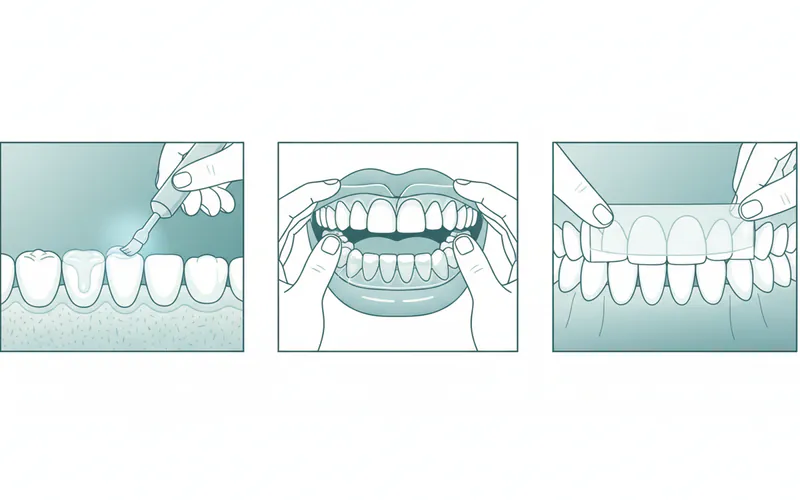
Step-by-Step Process: What to Expect
The process for teeth whitening varies significantly depending on the method chosen. Here’s a general overview:
Professional In-Office Whitening Process:
- Consultation & Examination: Your dentist will first examine your teeth and gums to ensure you're a suitable candidate for whitening. They'll look for cavities, gum disease, and existing restorations (crowns, veneers, fillings), as whitening gel does not affect these materials. They will also discuss your expectations and assess your current tooth shade.
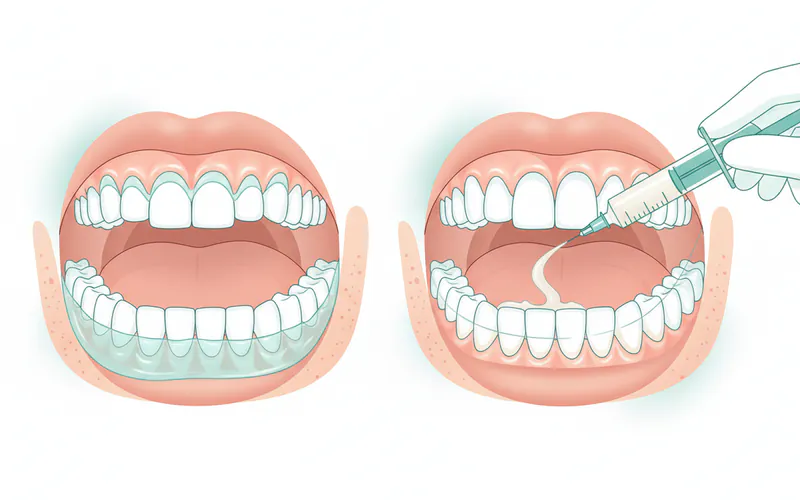
- Preparation: Your lips and gums will be protected with a barrier (e.g., a liquid dam or rubber shield) to prevent the whitening gel from irritating soft tissues. A retractor is often used to keep your mouth open.
- Gel Application: The high-concentration hydrogen peroxide gel is carefully applied to the front surfaces of your teeth.
- Activation (Optional): Many systems use a special light (LED or UV) to purportedly accelerate the whitening process. The gel is typically left on for 15-20 minutes.
- Rinse & Reapply: The gel is then suctioned off, your mouth is rinsed, and the process is repeated 2-3 more times in the same appointment.
- Final Rinse & Fluoride: After the final application, all barriers are removed, your teeth are rinsed thoroughly, and often a fluoride treatment or desensitizing gel is applied to minimize sensitivity.
- Results & Aftercare: You'll see immediate results. Your dentist will provide instructions for managing sensitivity and maintaining your new shade.
Professional Take-Home Whitening Process:
- Initial Consultation & Impressions: Similar to in-office, your dentist will ensure you're a good candidate. They will then take precise impressions of your upper and lower teeth.
- Tray Fabrication: Using the impressions, a dental lab (or the dental office) will create custom-fitted, clear plastic whitening trays. This usually takes a few days to a week.
- Tray & Gel Dispensing: You'll return to the office to pick up your trays and a supply of professional-strength whitening gel. Your dentist or hygienist will demonstrate exactly how to apply the gel to the trays and how to wear them.
- At-Home Application: You will wear the filled trays for a specified duration each day (e.g., 30 minutes to a few hours, or overnight) for about 1-2 weeks, depending on the concentration of the gel and desired results.
- Follow-up (Optional): Your dentist may schedule a follow-up appointment to check your progress and address any concerns.
Cost and Insurance: How Much to Get Teeth Whitened in the US
The cost of teeth whitening can vary significantly based on the method you choose, your geographic location, the dentist's experience, and the brand of product used. Here's a detailed breakdown of average US costs:
Professional Teeth Whitening Costs:
-
In-Office Whitening:
- Average Cost: $400 - $1,500 per session.
- Low End: $400 - $600 (often in promotional offers or less expensive areas).
- Mid-Range: $600 - $1,000 (most common price point for popular brands like Zoom! or Opalescence Boost).
- High End: $1,000 - $1,500+ (in major metropolitan areas or with premium services).
- Factors affecting cost: Number of sessions needed (though often one is sufficient for dramatic results), specific brand of whitening system, geographic location (e.g., New York City or Los Angeles will be higher), dentist's overhead and expertise.
- Pro Tip: Some dentists offer a package deal that includes both an in-office session and a take-home kit for maintenance, which can be more cost-effective than purchasing separately.
-
Professional Take-Home Kits with Custom Trays:
- Average Cost: $200 - $600.
- Low End: $200 - $350.
- Mid-Range: $350 - $500.
- High End: $500 - $600+.
- Factors affecting cost: Cost of impressions and custom tray fabrication, brand of whitening gel, quantity of gel provided, and geographic location.
Over-the-Counter (OTC) Whitening Product Costs:
- Whitening Strips:
- Average Cost: $20 - $60 per kit (typically a 1-2 week supply).
- Premium brands like Crest 3D White Professional Effects can be $40-$60.
- Basic brands can be as low as $15-$25.
- Whitening Gels and Pens:
- Average Cost: $20 - $50 per product.
- Whitening Toothpastes and Mouthwashes:
- Average Cost: $5 - $15 (similar to regular oral hygiene products, but specifically formulated for whitening).
Dental Insurance and Whitening
It's crucial to understand that dental insurance typically does not cover teeth whitening. This is because teeth whitening is overwhelmingly considered a cosmetic procedure, meaning it is performed solely to improve appearance rather than to treat a disease or restore function. Most dental insurance plans are designed to cover preventive care (cleanings, exams), basic restorative procedures (fillings, extractions), and sometimes major restorative work (crowns, bridges, dentures).
- Check with your provider: While highly unlikely, it's always wise to confirm with your specific dental insurance provider. However, prepare to pay for whitening out-of-pocket.
- FSAs/HSAs: You may be able to use funds from a Flexible Spending Account (FSA) or Health Savings Account (HSA) for professional teeth whitening if it's deemed medically necessary (e.g., for severe fluorosis or tetracycline staining, though this is rare and requires a doctor's note). For purely cosmetic purposes, it's usually not eligible.
Payment Plans and Financing Options
Since insurance doesn't cover whitening, many dental offices offer various payment solutions to make it more accessible:
- In-house payment plans: Some offices allow you to pay in installments directly to the practice.
- Third-party financing: Companies like CareCredit or LendingClub provide low-interest or interest-free financing options for healthcare procedures, often allowing you to spread the cost over several months or years.
- Dental discount plans: These are not insurance but membership programs where you pay an annual fee for discounts on dental services. They might offer a percentage off whitening procedures.
Beyond Whitening: Understanding "Fake Teeth" Costs
While this article primarily focuses on how much to get teeth whitened, it's common for individuals seeking smile enhancements to also inquire about more extensive cosmetic and restorative options. The keywords "how much is a flipper tooth" and "how much do fake teeth cost" point to solutions for missing or severely damaged teeth, which are entirely different from whitening and come with significantly higher price tags.
How Much is a Flipper Tooth?
A flipper tooth, also known as a removable partial denture, is a temporary, removable acrylic tooth (or teeth) used to fill a gap left by a missing tooth. It's often used while a patient awaits a more permanent solution like a dental implant or bridge.
- Purpose: Primarily aesthetic, to fill a visible gap temporarily. It's not designed for heavy chewing.
- Cost: In the US, a flipper tooth typically costs between $300 and $600 per tooth. This price can vary based on the number of teeth being replaced, the complexity of the design, and the materials used.
- Insurance: Sometimes partially covered by insurance if it's deemed necessary for chewing function or to maintain space, but often considered a temporary solution.
How Much Do Fake Teeth Cost? (Beyond Flippers)
The term "fake teeth" is broad and can refer to a variety of dental prosthetics and restorations. Here's a breakdown of common options and their costs:
| Type of "Fake Tooth" | Description | Average US Cost (per tooth) | Insurance Coverage Typically |
|---|---|---|---|
| Dental Implant | A titanium post surgically placed into the jawbone, topped with a custom crown. Most permanent solution for a missing tooth. | $3,000 - $6,000 (implant post, abutment, and crown combined) | Limited, often 50% for crown, less for surgical implant |
| Dental Bridge | Replaces one or more missing teeth by anchoring to adjacent natural teeth (requiring them to be prepped). | $2,000 - $5,000 (for a 3-unit bridge, meaning one missing tooth and two anchor crowns) | Varies, often 50% |
| Full Denture (Complete) | Replaces all teeth in an arch (upper or lower). | $1,500 - $8,000 (for a full set, depending on materials and customization) | Varies, often 50% |
| Partial Denture (Removable) | Replaces multiple missing teeth, clasps onto existing natural teeth. | $600 - $2,500 (depending on materials and number of teeth) | Varies, often 50% |
| Dental Crown | A cap placed over a damaged or weakened tooth to restore its shape, size, strength, and appearance. | $800 - $2,500 (material-dependent: porcelain, metal, zirconia) | Varies, often 50% |
| Dental Veneer | Thin, custom-made shells bonded to the front surface of teeth to improve appearance (color, shape, size). | $1,000 - $2,500 (per tooth, usually porcelain) | Generally NOT covered (cosmetic) |
It's clear that while teeth whitening is an aesthetic enhancement, procedures for replacing missing teeth are often restorative and carry a significantly higher financial commitment, although they may offer some insurance coverage.
Recovery and Aftercare: Maintaining Your Bright Smile
After any teeth whitening procedure, proper aftercare is essential to minimize sensitivity and prolong your results.
Immediate Aftercare (First 24-48 hours):
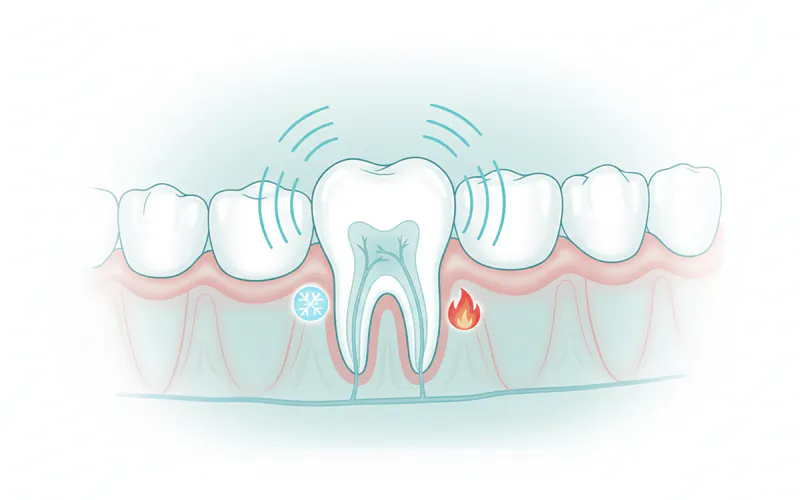
- Sensitivity: It's common to experience temporary tooth sensitivity to hot and cold temperatures, especially after professional in-office treatments. This usually subsides within 24-48 hours. Your dentist may recommend a desensitizing toothpaste, fluoride rinse, or over-the-counter pain relievers.
- "White Diet": For the first 24-48 hours, avoid highly pigmented foods and beverages that could re-stain your newly whitened teeth. This includes coffee, tea, red wine, dark sodas, berries, chocolate, dark sauces, and tobacco. Stick to "white" foods like chicken, fish, rice, pasta (with white sauce), potatoes, milk, and water.
- Avoid Smoking: Tobacco use is one of the leading causes of tooth discoloration and will quickly diminish whitening results.
Long-Term Aftercare and Maintenance:
- Excellent Oral Hygiene: Brush twice a day with a fluoride toothpaste and floss daily. This is fundamental to preventing new stains and maintaining overall oral health.
- Regular Dental Check-ups & Cleanings: Professional cleanings every six months remove plaque and surface stains that accumulate over time.
- Touch-up Treatments: Whitening results are not permanent. Most dentists recommend periodic touch-ups.
- For professional take-home kits, you can use your custom trays with a small amount of gel for a few days every 6-12 months.
- For in-office whitening, a touch-up session might be needed every 1-2 years.
- Limit Stain-Causing Foods & Drinks: While not a "white diet," be mindful of your consumption of coffee, tea, red wine, and other staining agents. When you do consume them, consider using a straw to minimize contact with your teeth, and rinse your mouth with water afterward.
- Quit Tobacco: This is the single most impactful step you can take to prevent future staining and improve your overall health.
Prevention: Keeping Your Teeth Bright
Preventing stains from accumulating in the first place is the best way to maintain a bright smile and extend the life of your whitening treatments.
- Brush and Floss Regularly: Adhere to the ADA recommendation of brushing twice a day for two minutes with fluoride toothpaste and flossing once a day. This removes plaque and food debris before they can cause stains.
- Rinse After Meals/Drinks: If you can't brush immediately after consuming staining foods or drinks, rinse your mouth thoroughly with water to wash away residue.
- Limit Stain-Causing Substances: Reduce your intake of coffee, tea, red wine, dark sodas, and highly pigmented foods.
- Use a Straw: When drinking staining beverages, using a straw can help bypass direct contact with the front surfaces of your teeth.
- Quit Smoking/Tobacco: This is paramount for both oral health and preventing severe discoloration.
- Regular Dental Check-ups: Professional cleanings remove tartar and extrinsic stains that at-home brushing can miss. Your dentist can also identify and address any underlying issues contributing to discoloration.
Risks and Complications of Teeth Whitening
While generally safe when performed correctly, teeth whitening isn't without potential risks and side effects.
- Tooth Sensitivity: This is the most common side effect, ranging from mild to sharp transient pain. It occurs when the peroxide gel temporarily opens dentinal tubules, exposing the nerves to temperature changes. It usually subsides within 1-2 days.
- Gum Irritation: If the whitening gel comes into contact with the gums or other soft tissues, it can cause temporary irritation, redness, or even chemical burns. Custom trays and careful application help minimize this risk with professional kits.
- Uneven Whitening: If teeth have existing restorations (fillings, crowns, veneers), these materials will not whiten. This can lead to a noticeable color mismatch between your natural teeth and your restorations. Similarly, OTC products with poorly fitting strips can cause patchy results.
- Enamel Damage/Erosion: While professional whitening under supervision is considered safe for enamel, overuse or misuse of high-concentration gels (especially with OTC products) can potentially cause enamel erosion, leading to increased sensitivity and susceptibility to decay.
- Relapse: Whitening results are not permanent. Teeth will gradually re-stain over time, especially without proper maintenance.
- Tooth Pain: In rare cases, severe or prolonged sensitivity can lead to tooth pain. If sensitivity persists or worsens, contact your dentist.
Pro Tip: Always follow your dentist's instructions carefully for professional take-home kits. With OTC products, strictly adhere to the manufacturer's guidelines and avoid using them more frequently or for longer durations than recommended.
Comparison Tables
Here are two tables to help you compare your teeth whitening options:
Table 1: Professional vs. Over-the-Counter Whitening
| Feature | Professional In-Office Whitening | Professional Take-Home Kits | Over-the-Counter Products (Strips, Gels) |
|---|---|---|---|
| Cost Range (US) | $400 - $1,500 per session | $200 - $600 per kit | $20 - $100 per kit/product |
| Effectiveness | Most dramatic & fastest results, multiple shades lighter | Very effective, gradual results, several shades lighter | Mild to moderate results, primarily surface stains |
| Speed of Results | 1-2 hours for significant results | 1-2 weeks for full results | 1-3 weeks for noticeable results (if any) |
| Supervision | Always by a dentist/hygienist | Dentist supervision & custom trays | None |
| Gel Strength | High (25-40% hydrogen peroxide) | Moderate (6-22% peroxide) | Low (3-10% peroxide) |
| Customization | Full professional control | Custom-fitted trays for even results | One-size-fits-all, potential for unevenness |
| Sensitivity | Highest risk (due to high concentration) | Moderate risk | Lower risk, but possible with overuse |
| Longevity | 1-3 years (with maintenance) | 6 months - 2 years (with maintenance) | 3-6 months (requires frequent touch-ups) |
Table 2: Factors Affecting Teeth Whitening Cost
| Factor | How It Impacts Cost (Generally) | Example |
|---|---|---|
| Type of Whitening | Professional services are most expensive. | In-office: $800, OTC strips: $40 |
| Geographic Location | Higher cost in major cities, lower in rural areas. | NYC dentist: $1,200, Midwest dentist: $600 |
| Dentist's Experience/Reputation | Highly experienced dentists may charge more. | General practitioner: $700, Cosmetic specialist: $1,000+ |
| Brand of Product | Premium brands often cost more. | Zoom! Whitening: $700+, Generic take-home: $300+ |
| Number of Sessions/Kits | Multiple sessions or larger kits increase cost. | Single in-office session, or multiple take-home gel refills |
| Additional Services | Pre-whitening cleanings, sensitivity treatments. | $100-$200 for a deep cleaning before whitening |
Children / Pediatric Considerations
Teeth whitening is generally not recommended for children or adolescents. The American Dental Association (ADA) advises caution for several reasons:
- Developing Pulp: Young teeth have larger pulp chambers and higher nerve sensitivity. Whitening agents can penetrate more deeply, potentially causing greater sensitivity or even damage to the developing tooth nerve.
- Enamel Permeability: Pediatric enamel is often more permeable than adult enamel, increasing the risk of sensitivity.
- Incomplete Tooth Development: Whitening should ideally be postponed until all permanent teeth have erupted and the tooth development process is complete, typically around age 14-16.
- Temporary Nature of Baby Teeth: Whitening primary (baby) teeth is usually unnecessary as they will eventually be replaced by permanent teeth.
- Identification of Underlying Issues: Discoloration in children's teeth may indicate underlying dental issues such as decay, trauma, or developmental abnormalities that require dental intervention, not just cosmetic whitening.
Guidance for Parents: If you are concerned about your child's tooth color, schedule an appointment with a pediatric dentist. They can identify the cause of the discoloration and recommend appropriate, safe solutions, which may include improved oral hygiene, dietary changes, or addressing specific dental conditions, rather than whitening.
Cost Breakdown: Making Whitening Affordable
To reiterate, since dental insurance rarely covers teeth whitening, understanding the full cost and exploring payment options is key.
Average US Costs (Recap):
- Professional In-Office: $400 - $1,500 per session
- Professional Take-Home with Custom Trays: $200 - $600 per kit
- Over-the-Counter Products: $20 - $100 per kit/product
Cost-Saving Tips:
- Start with Professional Take-Home Kits: If your budget is tighter, these offer a great balance of effectiveness and cost, especially if you get them through your dentist. The custom trays can also be reused for future touch-ups, saving money on subsequent gel refills.
- Look for Dental Promotions: Many dental offices offer seasonal specials or discounts on whitening treatments, especially for new patients or during specific times of the year (e.g., before holidays or wedding season).
- Combine with Other Procedures: Sometimes, dentists offer package deals if you're getting other cosmetic work done (like veneers or bonding).
- Maintain Results: The better you maintain your whitening results through good oral hygiene and avoiding staining foods, the less frequently you'll need touch-ups, saving you money in the long run.
- Consider OTC for Maintenance, Not Primary Whitening: After a professional treatment, you might use an ADA-approved whitening toothpaste or strips periodically to maintain your shade, rather than immediately investing in another professional touch-up.
Frequently Asked Questions
### Is teeth whitening painful?
While the procedure itself isn't painful, temporary tooth sensitivity is the most common side effect. This sensitivity can range from mild discomfort to sharp pangs, especially with cold or hot stimuli. It usually subsides within 24-48 hours after treatment. Your dentist may provide a desensitizing gel or recommend specific toothpastes to help manage this.
### How long does teeth whitening last?
The duration of results varies depending on the method used, your lifestyle, and your oral hygiene habits. Professional in-office whitening can last from 1 to 3 years with proper maintenance, while professional take-home kits typically last 6 months to 2 years. Over-the-counter products often yield shorter-lived results, typically a few months. Regular touch-ups and excellent oral hygiene are crucial for longevity.
### How many shades lighter can my teeth get?
With professional in-office whitening, it's possible to lighten your teeth by 5 to 10 shades in a single session. Professional take-home kits can achieve similar results over a 1-2 week period. Over-the-counter products usually offer less dramatic results, typically 1 to 3 shades lighter, mainly by removing surface stains.
### Does teeth whitening damage enamel?
When performed correctly under professional supervision, teeth whitening is safe and does not damage tooth enamel. The active ingredients temporarily open the pores of the enamel to remove stains. However, overuse or misuse of high-concentration gels, especially without professional guidance, can potentially lead to enamel erosion or increased sensitivity.
### Can I whiten crowns, veneers, or fillings?
No, teeth whitening agents only work on natural tooth enamel. Existing dental restorations such as crowns, veneers, bonding, or fillings will not change color. If you have these restorations, they may appear darker or lighter than your newly whitened natural teeth, creating a noticeable color mismatch. If you're considering whitening and have restorations in visible areas, discuss this with your dentist, as you might need to replace them after whitening to match your new tooth shade.
### What are the best alternatives to teeth whitening?
If whitening isn't suitable or doesn't achieve desired results, alternatives include dental bonding (using tooth-colored resin to cover stains), veneers (thin porcelain shells bonded to the front of teeth for a complete smile makeover), or crowns (for severely discolored or damaged teeth). These are more invasive and significantly more expensive but can offer permanent and dramatic aesthetic improvements.
### Why do my teeth feel rough after whitening?
It's common for teeth to feel slightly rough or chalky immediately after a whitening treatment. This sensation is temporary and is due to the pores in the enamel being open. Your saliva will naturally remineralize your teeth and the smooth texture will return within a few hours to a day.
### Is whitening safe for sensitive teeth?
If you already have sensitive teeth, you should discuss this with your dentist before whitening. They can recommend strategies to minimize sensitivity, such as using a desensitizing toothpaste for a few weeks before treatment, reducing the concentration of the whitening gel, or opting for professional take-home kits which offer a more gradual approach than in-office treatments.
### Can pregnant or breastfeeding women whiten their teeth?
There is limited research on the effects of whitening agents on pregnant or breastfeeding women. Due to the lack of conclusive safety data, most dentists and the ADA advise against teeth whitening during pregnancy and breastfeeding as a precautionary measure.
### How soon after whitening can I eat and drink normally?
For the first 24-48 hours after a professional whitening treatment, it's highly recommended to stick to a "white diet" and avoid highly pigmented foods and beverages to prevent re-staining. After this initial period, you can gradually resume your normal diet, but continued moderation of staining foods and good oral hygiene will help maintain your results.
When to See a Dentist
While many over-the-counter whitening products are available, there are specific situations when professional dental consultation is essential or highly recommended:
- Before Any Whitening Treatment: Always consult your dentist before starting any whitening regimen, especially if you have existing dental conditions, sensitive teeth, or restorations. A professional examination ensures you're a suitable candidate and helps prevent potential complications.
- Deep or Intrinsic Stains: If your teeth have deep, dark, or intrinsic stains (e.g., from tetracycline or trauma), OTC products are unlikely to be effective. A dentist can assess the type of stain and recommend the most appropriate professional treatment or alternative cosmetic solutions.
- Existing Dental Issues: If you have cavities, gum disease, exposed root surfaces, worn enamel, or chipped teeth, whitening can exacerbate these problems, causing pain or further damage. These issues must be addressed before whitening.
- Persistent Sensitivity or Pain: If you experience severe or prolonged tooth sensitivity, gum irritation, or any unusual pain during or after whitening, stop the treatment immediately and contact your dentist.
- Uneven Whitening Results: If your teeth are whitening unevenly or if your existing restorations are now mismatched with your natural teeth, your dentist can offer solutions and guidance.
- Unclear Cause of Discoloration: If you're unsure why your teeth are discolored, a dentist can diagnose the underlying cause and rule out more serious issues that might require treatment beyond simple whitening.
Red Flags vs. Routine Care: While a desire for a brighter smile is a common cosmetic goal, any accompanying symptoms like sharp pain, bleeding gums, or severe discoloration that appeared suddenly warrant immediate dental attention. These could be signs of underlying health issues requiring more than just whitening. For routine aesthetic goals, a scheduled consultation is appropriate. Your dentist is your best resource for achieving a safe, effective, and lasting bright smile.
Frequently Asked Questions
Medically Reviewed Content
This article was written by our dental health editorial team and reviewed for medical accuracy. Our content follows strict editorial guidelines for reliability and trustworthiness.
Medical Disclaimer
This article is for informational purposes only and does not constitute medical advice. Always consult with a qualified dental professional for diagnosis and treatment. Do not delay seeking professional advice because of something you read on this website.
Related Articles
How Much Does Tooth Bonding Cost
Imagine looking in the mirror and seeing a smile that doesn't quite reflect your inner confidence – maybe a small chip from an unexpected accident, an annoying gap between your front teeth, or a stain that just won't budge. For many Americans, these minor imperfections can significantly impact self-
February 22, 2026
How Much Are Gold Grillz for Teeth
When considering a unique blend of personal style and dental aesthetics, many individuals find themselves drawn to the allure of gold grillz. But beyond the flashy appearance and cultural significance, a practical question often arises: how much are gold grillz for teeth? This isn't just a simpl
February 22, 2026
How Much Are Tooth Gems
In an age where personal expression extends to every facet of our lives, it's no surprise that cosmetic dentistry has evolved beyond mere functionality to embrace aesthetic adornment. From subtle enhancements to bold statements, teeth have become a new canvas for individuality. One increasingly popu
February 22, 2026
How Much Does a Dog Xray Cost
As a premier dental health portal, SmilePedia.net is dedicated to illuminating all facets of oral health and related medical costs for our valued readers across the US. While our primary focus remains squarely on human dentistry – from routine cleanings to complex restorative procedures – we underst
February 22, 2026