Denture
4,701 words · 16 min read
Quick Definition
A removable dental prosthesis that replaces missing teeth and surrounding gum tissue. Dentures can be complete (replacing all teeth) or partial (replacing some teeth).
Denture: A Comprehensive Guide to Replacing Missing Teeth
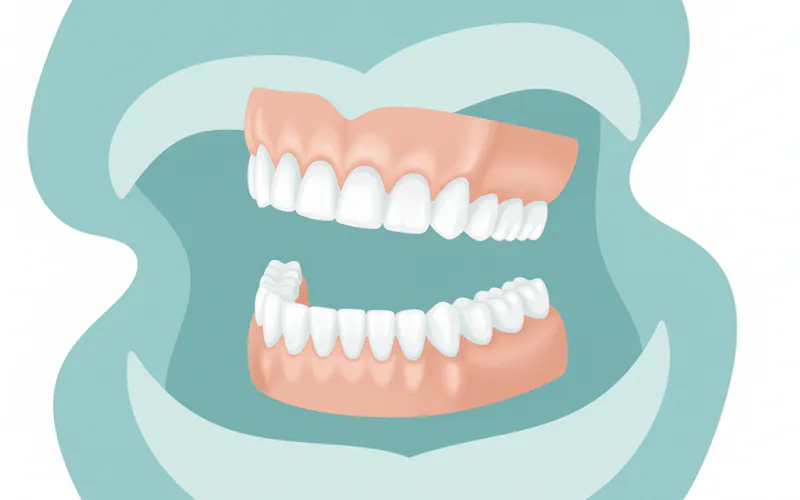
A denture is a removable dental prosthesis designed to replace missing teeth and the surrounding gum tissue. It's a vital solution for individuals who have lost some or all of their natural teeth, restoring not just the ability to chew and speak, but also contributing significantly to facial aesthetics and overall confidence. For millions across the United States, dentures offer a pathway back to a healthier, more functional smile.
Tooth loss is a prevalent issue, affecting a substantial portion of the adult population. According to the Centers for Disease Control and Prevention (CDC), one in four adults aged 65 or older has lost all of their teeth. Furthermore, the American College of Prosthodontists estimates that 178 million Americans are missing at least one tooth, and 35 million are missing all their teeth in one or both arches. Dentures stand as a time-tested and often cost-effective solution to address these challenges, preventing further oral health complications, maintaining facial structure, and improving quality of life. Understanding what dentures are, how they work, and what options are available is crucial for anyone considering this restorative dental treatment.
Key Takeaways:
- Dentures are removable dental appliances that replace missing teeth and gum tissue, crucial for restoring oral function and aesthetics.
- They come in various forms, including complete (full arch) and partial (some teeth), and can be supported by natural tissues or dental implants.
- The process involves multiple steps, from impressions to final adjustments, ensuring a custom, comfortable fit.
- Proper daily cleaning and regular dental check-ups are essential for the longevity and hygiene of dentures and oral health.
- While generally more affordable than dental implants, costs vary significantly based on type, materials, and geographic location.
- Modern dentures are designed for improved comfort, appearance, and function, but often require an adjustment period.
Detailed Explanation
Types and Classifications of Dentures
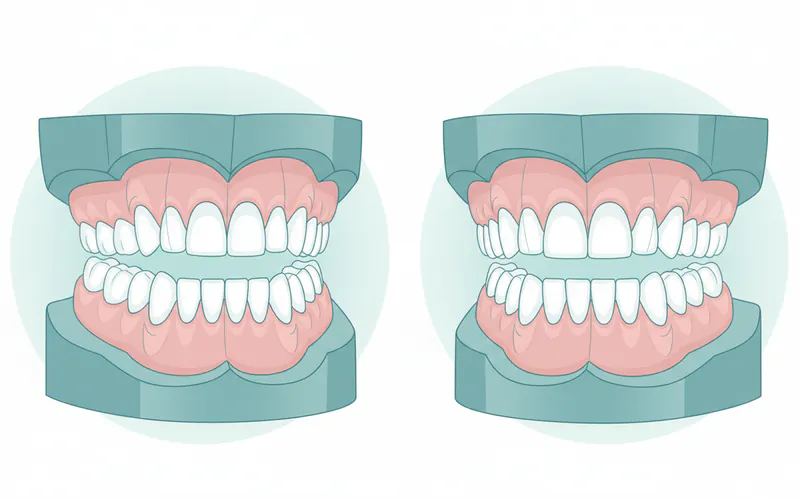
Dentures are not a one-size-fits-all solution; they are highly customized to meet individual patient needs. They are broadly categorized into complete and partial dentures-dentures-everything-you-need-to-know "Complete Guide to Prosthodontics & Dentures: Everything You Need to Know"), with further sub-classifications based on their design and method of support.
-
Complete Dentures: These replace all the teeth in either the upper or lower jaw, or both. They rest directly on the gums and underlying bone.
- Conventional Full Denture: This type is made after all remaining teeth have been extracted and the gum tissues have healed completely, which can take several months. Once healing is complete, the denture is fabricated and fitted. This approach allows for optimal fit and comfort, but the patient must go without teeth during the healing period.
- Immediate Full Denture: Unlike conventional dentures, immediate dentures are fabricated in advance and inserted immediately after the removal of the remaining teeth. This prevents the patient from being without teeth during the healing process. However, as the gums and bone heal and shrink, immediate dentures will require relining or even replacement after a few months to ensure a proper fit.
- Overdenture: An overdenture is a type of complete denture that fits over a small number of remaining natural teeth or dental implants. The retained teeth or implants provide stability and support for the denture, helping to preserve the underlying bone and offering a more secure fit than conventional dentures. This can be a significant advantage in terms of comfort and chewing efficiency.
-
Partial Dentures: These are used when one or more natural teeth remain in the upper or lower jaw. A partial denture fills the gaps created by missing teeth and prevents other teeth from shifting out of position.
- Removable Partial Dentures (RPDs): These typically consist of replacement teeth attached to a gum-colored plastic base, which is connected by a metal framework. The framework often includes clasps that attach to your natural teeth, holding the denture in place.
- Cast Metal Partial Dentures: Considered the most durable and stable type of RPD, they feature a lightweight, strong metal framework (usually cobalt-chromium or titanium) that provides excellent retention and support. The teeth and gum-colored acrylic are attached to this framework.
- Acrylic Partial Dentures (Flippers): These are less expensive and often used as a temporary solution. They are thicker and more prone to breaking than cast metal partials and are less comfortable due to their bulk.
- Flexible Partial Dentures: Made from a thermoplastic material (like nylon), these are lightweight, very comfortable, and virtually invisible because they don't use metal clasps. They are a good option for patients who are allergic to acrylic or metal, though they can be more difficult to reline or repair.
- Dental Bridges: While not strictly a denture as they are typically fixed, a bridge is another common option for replacing one or more missing teeth. It uses adjacent natural teeth as anchors to support a replacement tooth, called a pontic. Bridges are permanently cemented in place, offering a more stable solution than a removable partial denture, but they require healthy adjacent teeth to be prepared (ground down) to fit crowns.
- Removable Partial Dentures (RPDs): These typically consist of replacement teeth attached to a gum-colored plastic base, which is connected by a metal framework. The framework often includes clasps that attach to your natural teeth, holding the denture in place.
-
Implant-Supported Dentures: These combine the benefits of dental implants with the functionality of dentures. Small titanium posts (dental implants) are surgically placed into the jawbone, acting as artificial tooth roots. The denture then attaches securely to these implants, providing superior stability, retention, and comfort compared to traditional dentures.
- Fixed Implant-Supported Dentures ("All-on-4" or similar concepts): These dentures are permanently attached to a few strategically placed implants and can only be removed by a dentist. They offer the highest level of stability and feel most like natural teeth.
- Removable Implant-Supported Overdentures: These dentures snap onto a bar or ball attachments on the implants, providing excellent retention but allowing the patient to remove them for cleaning. This offers a middle ground between traditional dentures and fully fixed solutions.
Causes and Risk Factors for Tooth Loss Leading to Dentures
The need for dentures typically arises from significant tooth loss. Understanding the underlying causes can help in prevention.
- Periodontal Disease (Gum Disease): This is the leading cause of tooth loss in adults. It's an infection of the gums and supporting bone structures that, if left untreated, can lead to the destruction of the bone that holds teeth in place, causing them to loosen and eventually fall out.
- Dental Caries (Tooth Decay/Cavities): Extensive, untreated tooth decay can severely damage teeth, making them unrestorable and necessitating extraction. Over time, multiple severely decayed teeth can lead to the need for partial or complete dentures.
- Trauma or Injury: Accidents, sports injuries, or falls can result in the loss of one or more teeth, creating an immediate need for replacement.
- Age: While not a direct cause, the risk of tooth loss increases with age due to accumulated wear and tear, and the longer exposure to risk factors like gum disease and decay.
- Poor Oral Hygiene: Inadequate brushing and flossing allow plaque and tartar to build up, fostering both decay and gum disease.
- Smoking and Tobacco Use: Tobacco significantly increases the risk and severity of periodontal disease and can hinder the healing process after dental procedures.
- Certain Medical Conditions: Diseases like diabetes, osteoporosis, and some autoimmune disorders can affect oral health and contribute to tooth loss.
- Medications: Some medications can cause dry mouth (xerostomia), which reduces saliva's protective effects and increases the risk of decay and gum disease.
- Genetics: Genetic predispositions can play a role in susceptibility to certain oral health issues, including gum disease.
Signs and Symptoms Indicating a Need for Dentures
Recognizing the signs that you might need dentures is the first step toward restoring your oral health.
- Multiple Missing Teeth: This is the most obvious sign. If you have several gaps in your smile, dentures might be necessary.
- Difficulty Chewing and Eating: If you find yourself avoiding certain foods or struggling to chew properly, it could be due to missing teeth or severely damaged teeth. This can lead to nutritional deficiencies.
- Changes in Speech: Missing teeth, especially front teeth, can affect your ability to pronounce certain words clearly.
- Shifting of Remaining Teeth: When teeth are lost, adjacent teeth can drift into the empty spaces, leading to misalignment, bite problems, and further tooth loss.
- Facial Sagging or Changes in Facial Appearance: Teeth provide support for your facial muscles. When many teeth are lost, especially in the back, the facial muscles can sag, leading to a sunken appearance, particularly around the mouth and cheeks. This is often accompanied by a shortening of the distance between the nose and chin.
- Chronic Toothaches or Gum Pain: Persistent pain, infection, or severe sensitivity in multiple teeth can indicate extensive decay or gum disease that may lead to extractions.
- Loose or Mobile Teeth: If your teeth feel wobbly or are visibly moving, it's a strong indicator of advanced periodontal disease or bone loss.
Diagnosis Process — What Your Dentist Does
If you experience any of the signs above, your dentist will conduct a thorough examination to determine if dentures are the right solution for you.
- Comprehensive Oral Examination: Your dentist will visually inspect your mouth, gums, and any remaining teeth, looking for signs of decay, gum disease, and bone loss.
- X-rays:
- Panoramic X-ray: Provides a broad view of your entire mouth, including all teeth, jawbones, and surrounding structures. This helps assess bone density and identify any underlying pathology.
- Periapical X-rays: Close-up images of individual teeth and their roots, if applicable.
- 3D Cone Beam CT Scans: In cases where implants are considered (for implant-supported dentures), a more detailed 3D scan may be taken to precisely assess bone volume and nerve locations.
- Medical and Dental History Review: Your dentist will ask about your overall health, medications you take, and any previous dental treatments or conditions. This helps ensure that you are a suitable candidate for dentures and identifies any potential complications.
- Impressions and Molds: Accurate molds of your mouth (both upper and lower arches) are essential. These impressions will be sent to a dental lab, where skilled technicians will use them to create custom dentures that fit precisely.
- Discussion of Goals and Expectations: Your dentist will talk with you about your desired outcome, lifestyle, and budget to recommend the most appropriate type of denture or alternative treatment. They will explain the pros and cons of each option and answer any questions you may have.
Treatment Options with Pros, Cons, and Costs
While this article focuses on dentures, it's crucial to understand them in context with other tooth replacement options.
1. Dentures (Removable Prosthesis)
- Pros:
- Cost-Effective: Generally the most affordable option for replacing multiple or all teeth.
- Non-Invasive: Does not require surgery (unless extractions are needed).
- Relatively Quick Process: Traditional dentures can be fabricated within a few weeks to months after healing. Immediate dentures are placed on the same day as extractions.
- Restores Appearance: Significantly improves smile aesthetics and supports facial structure.
- Cons:
- Less Stable: Can shift or become loose, especially without implant support.
- Bone Resorption: Does not stimulate the jawbone, leading to continued bone loss over time, which can cause dentures to become ill-fitting.
- Adjustment Period: Requires time to adapt to eating and speaking.
- Regular Maintenance: Needs daily cleaning and periodic relining or replacement.
- Potential for Sore Spots: Can cause irritation or sore spots if not fitted properly or during the initial adjustment phase.
- May Affect Taste: The upper denture base can cover the palate, potentially affecting taste perception for some individuals.
2. Dental Implants (Fixed Prosthesis)
- Pros:
- Superior Stability and Comfort: Function and feel most like natural teeth.
- Preserves Bone: Stimulates the jawbone, preventing bone loss and maintaining facial structure.
- Long-Lasting: With proper care, implants can last a lifetime.
- Independent: Does not affect adjacent teeth.
- Cons:
- High Cost: Significantly more expensive than dentures.
- Invasive Surgery: Requires surgical placement of titanium posts.
- Longer Treatment Time: Can take several months for the implants to fuse with the bone (osseointegration).
- Not Suitable for Everyone: Requires sufficient bone density and good general health.
3. Dental Bridges (Fixed Prosthesis)
- Pros:
- Fixed Solution: Permanently cemented, offering good stability.
- Good Aesthetics: Can blend seamlessly with natural teeth.
- Less Invasive than Implants: Does not require surgery into the bone.
- Cons:
- Requires Alteration of Healthy Teeth: Adjacent teeth must be ground down to support the crowns.
- Does Not Prevent Bone Loss: The area under the pontic can still experience bone resorption.
- Limited Lifespan: Typically lasts 5-15 years before needing replacement.
- Can Put Stress on Adjacent Teeth: The anchor teeth bear extra load.
Step-by-Step: What to Expect During Denture Treatment
The process of getting dentures is a collaborative effort between you, your dentist, and a dental lab, typically involving several appointments.
- Initial Consultation and Examination: Your journey begins with a comprehensive dental exam, X-rays, and a discussion of your medical history and treatment goals. Your dentist will determine if dentures are the best option for you and which type.
- Extractions (If Necessary): If you have remaining unhealthy teeth that need to be removed, these extractions will be performed. For conventional dentures, there will be a healing period (typically 6-8 weeks, up to 6 months) before the final impressions are taken. For immediate dentures, impressions are taken before extractions, and the dentures are placed immediately after.
- Impressions and Molds: Highly accurate impressions of your jaw and existing teeth (if applicable) are taken. These molds are then sent to a dental laboratory.
- Wax Rims and Bite Registration: The dental lab creates wax "bite blocks" based on your impressions. During this appointment, your dentist will use these blocks to determine the correct vertical dimension (how far apart your jaws should be when closed) and bite alignment. You might also choose the shape, size, and shade of your new teeth at this stage.
- Wax Try-In: A wax model of your future denture, with the selected artificial teeth set in wax, is created by the lab. You'll try this in to ensure the fit, appearance, and comfort are satisfactory. This is a critical step where you can provide feedback on aesthetics, phonetics (speech), and fit. Adjustments can still be made at this stage.
- Denture Fabrication: Once you and your dentist are satisfied with the wax try-in, the dental lab will complete the fabrication of your permanent dentures using the chosen acrylic and other materials. This usually takes a week or two.
- Denture Insertion: Your new dentures are inserted. Your dentist will check the fit, bite, and make any final minor adjustments to ensure comfort. They will also provide detailed instructions on how to wear and care for your new dentures.
- Follow-Up Adjustments: Expect to return for a few follow-up appointments during the first few weeks. It's common to experience sore spots as your mouth adjusts to the new appliance, and your dentist will make necessary adjustments to relieve pressure points and optimize the fit.
Recovery Timeline and Aftercare for New Dentures
Adapting to new dentures takes time and patience. The recovery and adjustment period can vary significantly for each individual.
- Initial Adjustment (First Few Days/Weeks):
- Soreness: It's normal to experience some gum soreness, especially if extractions were performed or if you're adapting to a new appliance. Your dentist may prescribe pain relievers or recommend over-the-counter options.
- Speech Changes: You might lisp or struggle with certain sounds initially. Practice reading aloud and speaking to help your tongue and lips adjust.
- Eating Difficulties: Start with soft foods cut into small pieces. Gradually introduce more solid foods as you become comfortable. Avoid sticky or hard foods initially. Chew slowly and on both sides of your mouth to prevent tipping.
- Increased Saliva: Your mouth may produce more saliva as it reacts to the foreign object. This usually subsides with time.
- Feeling of Fullness: The dentures may feel bulky or unnatural at first. This sensation will diminish as your mouth adapts.
- Ongoing Aftercare and Maintenance:
- Daily Cleaning: Dentures should be cleaned daily, just like natural teeth. Remove them after eating and rinse them thoroughly. Brush them with a soft-bristled denture brush and a non-abrasive denture cleanser (never use regular toothpaste, which can be too abrasive).
- Soaking: Most dentures need to stay moist to retain their shape. Place them in a denture-cleansing solution or plain water overnight.
- Oral Hygiene: Even with complete dentures, it's crucial to brush your gums, tongue, and the roof of your mouth daily with a soft toothbrush to remove plaque and stimulate circulation.
- Handling: Always handle dentures over a soft towel or a basin of water to prevent breakage if dropped.
- Regular Dental Check-ups: Continue to see your dentist regularly (typically at least once a year) for professional cleanings and examinations of your oral tissues, and to check the fit of your dentures.
- Relining and Rebase: Over time, your jawbone and gums naturally shrink. This can cause dentures to become loose. A reline (resurfacing the underside of the denture) or rebase (replacing the entire base) may be necessary every 1-2 years to ensure a snug fit.
- Repairs: If your denture breaks, cracks, or a tooth comes loose, see your dentist immediately for professional repair. Do not attempt to fix it yourself with household glues.
Prevention Strategies (to Avoid Needing Dentures)
While dentures are an excellent solution for tooth loss, preventing the need for them is always the best approach.
- Maintain Excellent Oral Hygiene: Brush your teeth twice a day with fluoride toothpaste and floss daily to remove plaque and food debris.
- Regular Dental Check-ups and Professional Cleanings: Visit your dentist at least twice a year for check-ups and cleanings. Early detection and treatment of cavities and gum disease are crucial.
- Healthy Diet: Limit sugary and acidic foods and drinks that contribute to tooth decay. Emphasize a diet rich in fruits, vegetables, and lean proteins.
- Avoid Tobacco Products: Smoking and chewing tobacco significantly increase the risk of gum disease and oral cancers, both of which can lead to tooth loss.
- Wear a Mouthguard: If you play contact sports or grind your teeth at night (bruxism), a custom-fitted mouthguard can protect your teeth from trauma and excessive wear.
- Address Dental Problems Promptly: Don't ignore tooth pain, bleeding gums, or sensitivity. Seek dental care immediately to prevent minor issues from becoming major problems requiring extraction.
- Manage Systemic Health Conditions: Conditions like diabetes can impact oral health. Work with your doctor to manage these conditions effectively.
Cost Ranges for Dentures in the US (with/without insurance)
The cost of dentures can vary significantly based on the type of denture, materials used, the complexity of your case, the need for extractions, the geographic location of the dental practice, and the dentist's fees.
- Conventional Complete Dentures (Upper and/or Lower):
- Economy (Basic): $300 - $600 per arch (lower quality materials, less customization, prone to breakage)
- Standard (Mid-Range): $600 - $1,500 per arch (better materials, more natural appearance, moderate durability)
- Premium (High-Quality): $2,000 - $4,000+ per arch (top-quality materials, highly customized for aesthetics and fit, most durable)
- Average for a full set (upper and lower): $1,500 - $5,000
- Partial Dentures:
- Acrylic (Flipper): $300 - $1,000 (often temporary)
- Cast Metal Framework: $900 - $2,500+
- Flexible Partial Dentures: $1,000 - $3,000+
- Immediate Dentures:
- Typically similar to conventional dentures, but may incur additional costs for extractions and multiple relines during the healing phase. Expect a range of $1,000 - $5,000 per arch.
- Implant-Supported Dentures:
- These are significantly more expensive due to the cost of the implants themselves.
- Implants (per post): $1,500 - $6,000+
- Implant-Supported Denture (removable, e.g., "All-on-2" or "All-on-4"): $10,000 - $30,000+ per arch (includes implants, abutments, and the denture).
- Additional Costs to Consider:
- Tooth Extractions: $75 - $400 per tooth (simple extraction), $200 - $600+ per tooth (surgical extraction).
- Bone Grafting: If needed for implants, $200 - $1,200+.
- Relines: $200 - $400 (hard reline), $100 - $200 (soft reline).
- Repairs: $50 - $300.
Dental Insurance Coverage: Many dental insurance plans provide some coverage for dentures, as they are considered a major restorative procedure. Typically, insurance might cover 30% to 50% of the cost after your deductible has been met. However, plan specifics vary greatly:
- Some plans have waiting periods for major procedures.
- There's usually an annual maximum benefit, often ranging from $1,000 to $2,000.
- Cosmetic upgrades or premium materials may not be fully covered. It's always essential to check with your specific insurance provider for exact coverage details. If you don't have insurance, many dental offices offer payment plans or financing options.
Comparison Table: Dentures vs. Implants vs. Bridges
| Feature | Removable Dentures (Complete/Partial) | Dental Implants (with Crowns/Bridges) | Dental Bridges |
|---|---|---|---|
| Cost (US Est.) | $300 - $5,000 per arch (removable) | $3,000 - $6,000 per tooth (implant+crown) / $10,000 - $30,000+ per arch (fixed implant denture) | $1,500 - $5,000 per bridge (3-unit) |
| Stability | Good (partial) to Moderate (complete) | Excellent, feels like natural teeth | Very Good, fixed |
| Bone Preservation | Poor (bone loss continues) | Excellent (stimulates jawbone) | Poor (bone loss continues beneath pontic) |
| Invasiveness | Minimal (extractions if needed) | Surgical placement of posts | Requires preparation (grinding) of adjacent teeth |
| Lifespan | 5-10 years (with relines) | 15-25+ years, often lifetime | 5-15 years |
| Maintenance | Daily cleaning, soaking, professional relines | Regular brushing/flossing, professional cleanings | Regular brushing/flossing, specialized cleaning for under pontic |
| Feel | Can feel bulky, some movement | Most natural, very comfortable | Natural feel, but can exert pressure on anchor teeth |
| Speech/Eating | Requires adjustment period | Immediate improvement, very natural | Good improvement, natural feel |
| Removability | Yes, removed daily | No (fixed) | No (fixed) |
For Parents / Pediatric Considerations
While traditional dentures are typically associated with adults, there are extremely rare instances where children or adolescents might require prosthetic teeth. This could be due to:
- Anodontia or Hypodontia: Congenital conditions where some or all teeth fail to develop.
- Severe Trauma: Loss of permanent teeth due to accidents.
- Extensive Decay: Early childhood severe decay that leads to multiple extractions of permanent teeth.
- Ectodermal Dysplasia: A genetic disorder that affects the development of teeth, hair, and other ectodermal structures.
In such cases, partial or complete dentures, or even temporary solutions, might be fabricated to help with speech, eating, and the development of the jaw and facial structures. These "pediatric dentures" are often adjusted or replaced frequently as the child grows. However, the primary focus in pediatric dentistry is always on preventing tooth loss through good oral hygiene, fluoride treatments, sealants, and prompt treatment of cavities. Early intervention and regular dental visits are crucial for children's lifelong oral health.
Frequently Asked Questions
How much do dentures cost?
The cost of dentures varies widely, from $300 for a basic single arch economy denture to $4,000+ for premium complete dentures per arch. Implant-supported dentures are significantly more expensive, ranging from $10,000 to $30,000+ per arch. Factors include the type of denture, materials, number of extractions needed, and geographic location.
Are dentures painful?
Initially, you may experience some discomfort, soreness, and irritation as your mouth adjusts to the new appliance, especially if you've had extractions. This is normal and usually subsides within a few weeks. Your dentist will make adjustments to relieve pressure points. With a proper fit, modern dentures should not be chronically painful, though they may never feel exactly like natural teeth.
How long do dentures last?
Most conventional dentures have a lifespan of 5 to 10 years. Over time, your jawbone and gums naturally change, causing dentures to become loose and ill-fitting. Regular relines (every 1-2 years) can extend their life, but eventually, they will need to be replaced. Implant-supported dentures can last longer, often 15-20+ years, due to their stability and bone preservation benefits.
What are the alternatives to dentures?
The main alternatives to removable dentures are dental implants and dental bridges. Dental implants involve surgically placed titanium posts that act as artificial tooth roots, providing superior stability. Dental bridges are fixed prostheses that use adjacent natural teeth to support replacement teeth. Each option has different pros, cons, costs, and suitability based on individual circumstances.
Does dental insurance cover dentures?
Most dental insurance plans do offer some coverage for dentures, classifying them as a major restorative procedure. Coverage typically ranges from 30% to 50% after your deductible is met, up to your annual maximum benefit. However, coverage specifics vary greatly between plans, so it's essential to consult your insurance provider directly for details.
Can I eat normally with dentures?
You will need an adjustment period to learn how to eat with new dentures. Start with soft foods cut into small pieces and chew slowly on both sides of your mouth to stabilize the denture. Gradually introduce a wider variety of foods. Some foods, like sticky candies, very hard nuts, or tough meats, may always be challenging or should be avoided to prevent denture damage or dislodgement.
Do dentures change your face?
Yes, well-fitting dentures can significantly improve your facial appearance. When teeth are lost, the jawbone can shrink, leading to a sunken look, especially around the mouth and cheeks. Dentures provide support for these facial muscles, restoring a more natural facial contour and improving the aesthetics of your smile. Poorly fitting or old dentures, however, can sometimes cause an unnatural appearance.
How do I clean my dentures?
Dentures should be cleaned daily. Remove them from your mouth and rinse thoroughly to remove loose food particles. Brush them with a soft-bristled denture brush and a non-abrasive denture cleanser or mild soap. Never use regular toothpaste, as it can scratch the denture surface. Most dentures should be soaked overnight in water or a denture cleaning solution to keep them moist and disinfected. Always brush your gums and tongue too.
When to See a Dentist
Regular dental check-ups are essential whether you have dentures or not. However, there are specific situations when you should see your dentist regarding your dentures or oral health:
- Routine Check-ups: Schedule annual check-ups to assess the fit of your dentures, inspect your oral tissues for any abnormalities, and perform necessary cleanings if you have remaining natural teeth.
- Loose or Ill-Fitting Dentures: If your dentures start to feel loose, slip frequently, click when you talk, or cause difficulty eating, it's a sign that they may need a reline or adjustment. Loose dentures can lead to irritation and bone loss.
- Sore Spots or Persistent Pain: If you develop persistent sore spots, ulcers, or pain on your gums or in your mouth from your dentures, see your dentist immediately. This indicates pressure points that need adjustment.
- Broken or Damaged Dentures: Never attempt to repair a broken, cracked, or chipped denture yourself. Contact your dentist for professional repair, as improper fixes can cause further damage or harm your mouth.
- Difficulty Chewing or Speaking: If you continue to struggle significantly with these functions beyond the initial adjustment period, your dentures may need to be re-evaluated for fit or design.
- Changes in Oral Tissues: Any persistent red spots, white patches, lumps, or sores in your mouth (with or without dentures) should be checked by a dentist to rule out serious conditions.
- Signs of Gum Disease (with Partial Dentures): If you have a partial denture and notice bleeding gums, swelling, or loosening of your remaining natural teeth, seek prompt dental care.
Medical Disclaimer
This article is for informational purposes only and does not constitute medical advice. Always consult with a qualified dental professional for diagnosis and treatment. Do not delay seeking professional advice because of something you read on this website.