Retainer
4,181 words · 14 min read
Quick Definition
A custom-made orthodontic device worn after braces or aligners to maintain teeth in their new positions and prevent relapse.
What is a Retainer: Your Definitive Guide to Maintaining Your Perfect Smile
A perfectly aligned smile is a significant investment, not just of time and effort but also financial resources. After undergoing orthodontic treatment with braces or clear aligners, the journey to a beautiful, healthy smile isn't quite over. This crucial final step involves a custom-made orthodontic device known as a retainer. Far from being an optional accessory, a retainer is the cornerstone of maintaining the results of your orthodontic treatment, preventing your teeth from shifting back to their original positions.
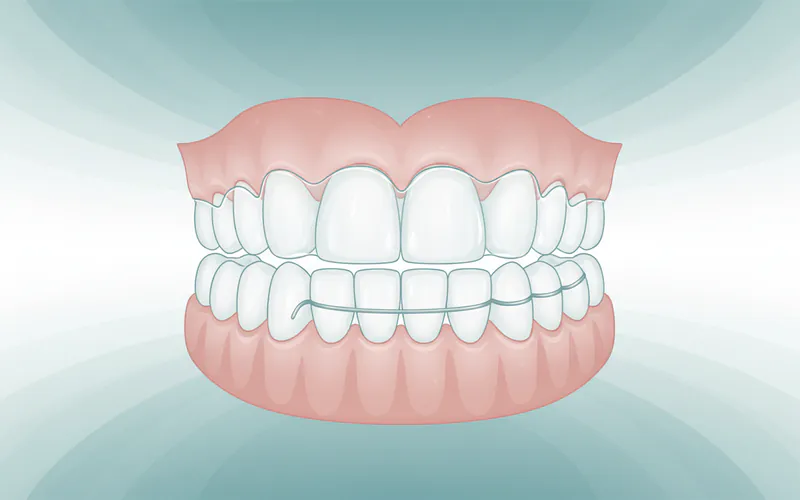
Orthodontic relapse – the tendency for teeth to move after braces are removed – is a well-documented phenomenon. Statistics show that without proper retention, a significant percentage of patients experience some degree of tooth movement. Studies suggest that up to 70% of orthodontic patients could experience some form of relapse if they don't consistently wear their retainers as prescribed. This guide will delve deep into everything you need to know about retainers, from their fundamental purpose to the various types, care instructions, and what to expect on your journey to lifelong smile stability.
Key Takeaways:
Key Takeaways:
- A retainer is an essential custom-made device worn after orthodontic treatment (braces or aligners) to hold teeth in their newly corrected positions.
- Without consistent retainer wear, teeth are highly likely to shift back towards their original misalignment, a process known as orthodontic relapse.
- There are generally three main types of retainers: Hawley (removable wire and acrylic), Essix/Clear (removable clear plastic), and Fixed/Bonded (permanent wire).
- Retainer wear is often a lifelong commitment, though the initial full-time wear period transitions to nighttime-only use for most patients.
- Proper cleaning and care of your retainer are crucial to maintain oral hygiene and the longevity of the device.
- The cost of retainers in the US typically ranges from $300 to $1,000 per arch and may be partially covered by dental insurance.
Detailed Explanation: The Science and Practice of Retention
Types and Classifications of Retainers
Retainers come in various forms, each designed to suit different needs, patient preferences, and orthodontic outcomes. The choice of retainer is typically made by your orthodontist, taking into account the specifics of your bite, the extent of the tooth movement corrected, and your lifestyle.
1. Removable Retainers
These retainers can be taken out for eating, brushing, and flossing. They offer flexibility but require discipline to ensure consistent wear.
-
Hawley Retainers:
- Description: The traditional Hawley retainer consists of a custom-molded acrylic base that fits against the roof of your mouth (for upper retainers) or along the tongue-side of your lower teeth, connected by a metal wire that wraps around the front of your teeth. The wire holds the teeth in place, while the acrylic provides stability.
- Pros:
- Adjustable: The wire can be adjusted by an orthodontist to make minor tooth movements if necessary or to improve fit.
- Durable: Made from sturdy materials, Hawley retainers are quite resilient to everyday wear and tear.
- Allows teeth to settle: The design allows for some natural settling of the bite over time.
- Easy to clean: Simple brushing and rinsing keep it hygienic.
- Cons:
- Visibility: The metal wire across the front teeth can be noticeable.
- Speech impact: Some patients experience a temporary lisp or speech impediment initially.
- Comfort: The acrylic base can sometimes feel bulky.
- Compliance-dependent: Must be worn consistently to be effective; easily lost or misplaced when removed.
- Cost: Typically ranges from $300 to $700 per arch.
-
Essix Retainers (Clear Retainers or Vivera Retainers):
- Description: These are clear, thin, plastic retainers that fit snugly over the entire arch of your teeth, similar in appearance to Invisalign aligners. They are custom-made from a mold of your teeth. "Vivera" is a specific brand of clear retainer often associated with Invisalign treatment.
- Pros:
- Virtually invisible: Their clear design makes them very discreet, a popular choice for adults and appearance-conscious teenagers.
- Comfortable: Generally smooth and less bulky than Hawley retainers, leading to quicker adaptation.
- Full arch coverage: They provide complete contact with all teeth, offering excellent retention.
- Cons:
- Less durable: The plastic can crack, warp, or wear down over time, often requiring replacement every 1-5 years.
- Not adjustable: If significant tooth movement occurs or the retainer is damaged, a new one must be made.
- Can trap heat: Some patients report feeling more heat in their mouth.
- Can stain: Beverages like coffee, tea, and red wine can stain the plastic if consumed while wearing the retainer.
- Compliance-dependent: Like Hawley retainers, they must be worn as prescribed and are easily lost.
- Cost: Generally ranges from $400 to $800 per arch.
2. Fixed Retainers (Bonded or Permanent Retainers)
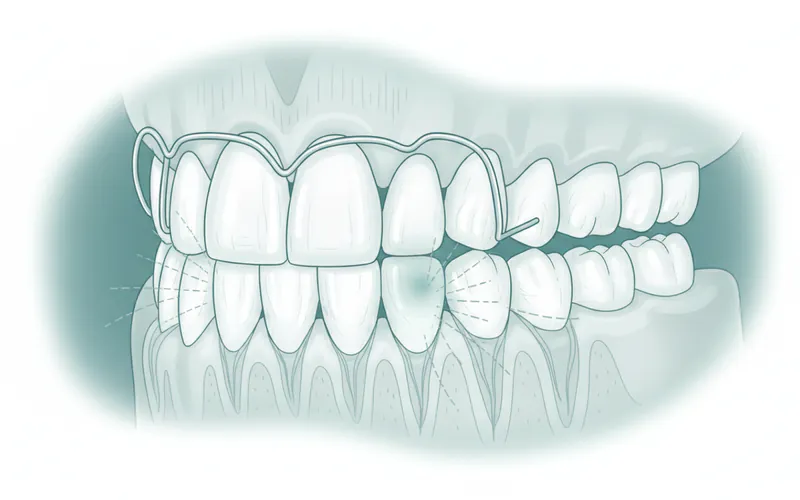
- Description: A fixed retainer consists of a thin, braided wire custom-fitted to the unique contours of the tongue-side of your front teeth (usually canine to canine) and permanently bonded in place with dental composite. They are typically used on the lower teeth but can also be placed on the upper arch in certain cases.
- Pros:
- Excellent compliance: Since it's bonded to your teeth, there's no need to remember to put it in or take it out, ensuring continuous retention.
- Invisible: Located on the back of your teeth, it's completely out of sight.
- Continuous retention: Provides constant pressure to prevent teeth from shifting.
- Durable: With proper care, they can last for many years.
- Cons:
- Oral hygiene challenges: Flossing around a fixed retainer requires special tools (like a floss threader or water flosser) and more effort, increasing the risk of plaque buildup, tartar, and gum inflammation if not cleaned properly.
- Potential for breakage: The bond can break, or the wire can bend or detach, especially if biting into hard foods. This requires a visit to the orthodontist for repair.
- Maintenance: Regular dental check-ups are essential to monitor the retainer's integrity and gum health.
- Not suitable for everyone: May not be an option for patients with certain bite issues or those prone to severe clenching/grinding.
- Cost: Installation typically ranges from $500 to $1,000 per arch. Repairs or re-bonding can incur additional costs.
Causes and Risk Factors for Orthodontic Relapse
The primary "cause" for needing a retainer is the natural tendency of teeth to return to their original positions after orthodontic treatment. This phenomenon, known as relapse, is influenced by several factors:
- Periodontal Ligament Memory: The fibers of the periodontal ligament, which hold teeth in their sockets, have a "memory" and tend to pull teeth back to their pre-treatment positions.
- Growth and Aging: Jawbones continue to grow and change throughout life, especially during adolescence, which can lead to tooth movement. Even in adulthood, minor shifts naturally occur as part of the aging process.
- Occlusal Forces: The way your upper and lower teeth meet when you bite and chew exerts forces that can influence tooth positioning over time.
- Tongue Thrust and Oral Habits: Persistent habits like tongue thrusting, thumb sucking (in children), or even nail biting can exert pressure on teeth and contribute to relapse.
- Wisdom Teeth: While not always the direct cause of front tooth crowding, erupting wisdom teeth can sometimes contribute to pressure and minor shifts in existing alignment, though their impact is often overestimated.
- Lack of Compliance: The most significant risk factor for relapse is inconsistent or insufficient wear of the prescribed retainer.
Signs and Symptoms to Watch For
It's crucial to be vigilant for signs that your retainer isn't fitting correctly or that your teeth are starting to shift. Early detection can prevent significant relapse.
- Retainer feels tight: If your removable retainer feels unusually tight or difficult to put in after not wearing it for a short period, it's a strong indicator that your teeth have already moved.
- Visible tooth movement: You might notice small gaps reappearing, slight rotations, or crowding returning, particularly in the front teeth.
- Discomfort or pressure: Persistent discomfort when wearing your removable retainer, beyond initial adjustment, could mean it no longer fits well.
- Damage to retainer: Cracks, breaks, or bends in your removable retainer, or a detached wire on a fixed retainer, mean it's no longer effectively holding your teeth.
- Changes in your bite: If your teeth don't seem to fit together as they used to, it could signal underlying shifts.
Diagnosis Process: What Your Dentist Does
The "diagnosis" phase for retainers typically occurs at the end of active orthodontic treatment or if a patient suspects relapse.
- Assessment of Alignment: Your orthodontist will carefully examine your teeth and bite to confirm that they are in the desired final position.
- Discussion of Retention Needs: Based on your original malocclusion, the type of treatment you received (Braces, Invisalign), and your lifestyle, your orthodontist will recommend the most suitable type(s) of retainer.
- Impressions or Scans: To create a custom-fitted retainer, precise molds of your teeth are necessary. This is done either through traditional dental impressions (using a soft, putty-like material) or increasingly, with a digital intraoral scanner that creates a 3D model of your mouth.
- Fabrication: The impressions or digital scans are sent to a dental lab where your custom retainer is fabricated according to the orthodontist's specifications.
- Fitting Appointment: Once the retainer is ready, you'll return for a fitting appointment. Your orthodontist will ensure the retainer fits comfortably and securely, make any necessary minor adjustments, and provide detailed instructions on wear and care.
- Review of Oral Hygiene: For fixed retainers, the orthodontist will also review proper cleaning techniques to navigate around the wire.
Treatment Options: Choosing Your Retainer
As discussed under "Types and Classifications," the "treatment options" for retention refer to the different kinds of retainers available. The decision involves a careful consideration of:
- Original Malocclusion Severity: Some complex cases might benefit more from the continuous hold of a fixed retainer.
- Patient Compliance: For those who might struggle with remembering to wear a removable device, a fixed retainer offers peace of mind.
- Aesthetics: Clear retainers are often preferred for their invisibility.
- Oral Hygiene Habits: Patients with excellent oral hygiene might manage a fixed retainer well, while others might prefer the ease of cleaning with a removable one.
- Cost: Initial cost and potential replacement costs are always a factor.
Your orthodontist will guide you through this decision, ensuring you understand the pros, cons, and costs associated with each option.
Step-by-Step: What to Expect During Retainer Treatment
The "treatment" with a retainer is a process of maintenance, not active tooth movement. Here’s what you can expect:
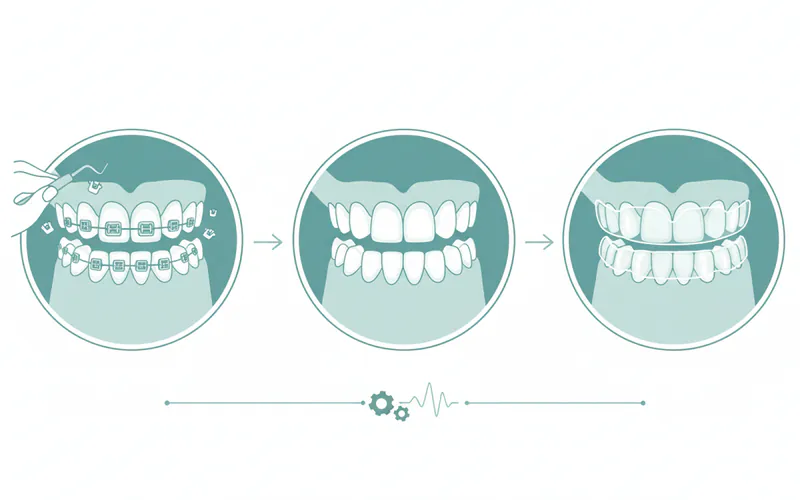
- Removal of Braces/Completion of Aligners: Your active orthodontic treatment concludes.
- Impressions/Scans: As mentioned, your orthodontist will take molds of your newly straightened teeth. This typically happens immediately after braces are removed or at your final aligner appointment.
- Retainer Fabrication: Your custom retainers are made in a dental lab. This usually takes 1-2 weeks. During this time, your orthodontist might provide a temporary retainer or advise you on minimal wear of your last aligner tray to prevent immediate shifts.
- Retainer Fitting Appointment:
- Your orthodontist will place the retainer(s) in your mouth, checking for comfort and proper fit.
- For fixed retainers, the wire will be carefully bonded to the back of your teeth using a dental adhesive.
- You will receive detailed instructions on how to insert and remove removable retainers, how often to wear them, and how to clean them properly.
- Expect some initial speech changes with removable retainers (especially Hawleys), which usually resolve within a few days or weeks as your tongue adapts.
- You might experience slight pressure or soreness initially as your teeth adjust to the retainer.
- Initial Wear Phase (Full-Time): Most orthodontists prescribe full-time wear for a specific period, typically 3-6 months, only removing the retainers for eating, brushing, and flossing. This critical phase allows the periodontal ligaments and surrounding bone to stabilize around the new tooth positions.
- Transition to Nighttime Wear: After the initial full-time period, your orthodontist will likely transition you to nighttime-only wear. This means wearing your removable retainers every night while you sleep.
- Long-Term/Lifetime Wear: Many orthodontists now recommend lifelong retainer wear, often a few nights a week or every other night, to guarantee lasting results. Teeth can shift at any age, even years after orthodontic treatment.
Recovery Timeline and Aftercare
There isn't a "recovery timeline" in the traditional sense, as retainers are about maintenance. However, there's an adaptation and ongoing care timeline:
- First Few Days/Weeks:
- Speech: Expect a slight lisp or difficulty with certain sounds, especially with Hawley retainers. Practice reading aloud to adapt faster.
- Saliva: Increased saliva production is common initially.
- Soreness: Mild tenderness in teeth is normal as they settle into their final positions.
- Ongoing Aftercare for Removable Retainers:
- Cleaning: Clean your retainer every time you remove it using a toothbrush and cool water, or a non-abrasive cleanser recommended by your orthodontist. Avoid hot water, which can warp plastic retainers. Retainer cleaning tablets can also be used weekly.
- Storage: Always store your retainer in its protective case when not in your mouth. This prevents damage, loss, and keeps it hygienic.
- Handling: Handle retainers carefully; they can break if dropped or stepped on. Keep them away from pets, as they are often attracted to the smell.
- Ongoing Aftercare for Fixed Retainers:
- Flossing: This is the most challenging aspect. Use a floss threader, Super Floss, or an interdental brush to clean thoroughly under and around the wire. A water flosser can also be very effective.
- Brushing: Brush normally around the retainer, paying extra attention to the areas where the wire is bonded to prevent plaque buildup.
- Regular Dental Check-ups: Ensure your general dentist and orthodontist regularly check the integrity of your fixed retainer and the health of the surrounding gums.
Prevention Strategies (Relapse)
The ultimate prevention strategy for orthodontic relapse is straightforward: wear your retainer exactly as prescribed by your orthodontist.
- Consistent Wear: Adhere strictly to the recommended wearing schedule, especially during the initial full-time phase.
- Don't "Test" Your Teeth: Avoid the temptation to leave your retainer out for extended periods to see if your teeth will shift. They likely will.
- Replace Damaged/Lost Retainers Promptly: If your retainer breaks or is lost, contact your orthodontist immediately. The longer you wait, the more your teeth can shift, potentially requiring a new retainer or even re-treatment.
- Maintain Good Oral Hygiene: Keeping your retainers clean and your mouth healthy contributes to the longevity of your retainer and overall oral health.
- Attend Follow-Up Appointments: Regular check-ups allow your orthodontist to monitor your retention and make any necessary adjustments.
Cost Ranges in the US (with/without insurance)
The cost of retainers in the United States varies significantly based on the type of retainer, the orthodontist's fees, geographic location, and whether the cost is included in your overall orthodontic treatment package.
-
Cost per Arch (without insurance):
- Hawley Retainers: Typically $300 - $700 per arch.
- Essix/Clear Retainers: Generally $400 - $800 per arch.
- Fixed/Bonded Retainers: Ranges from $500 - $1,000 per arch for initial placement.
- Full Mouth (Upper and Lower): For most cases, you will need both upper and lower retainers, so double the per-arch cost for a total range of $600 - $2,000.
-
Included in Orthodontic Treatment: Often, the cost of one set of retainers (upper and lower) is included in the total fee for your braces or Invisalign treatment. It's crucial to confirm this with your orthodontist's office before starting treatment.
-
Replacement Costs: If you lose or break a retainer, replacing it will incur a separate charge, usually similar to the initial per-arch cost.
-
Insurance Coverage:
- Dental Insurance: Some dental insurance plans may offer partial coverage for retainers, especially if they are considered part of the "post-orthodontic treatment" phase. Coverage can range from 25% to 50%, but this varies widely. Many plans have a lifetime maximum for orthodontic benefits, and retainers might fall under this.
- FSA/HSA: Flexible Spending Accounts (FSA) and Health Savings Accounts (HSA) can typically be used to pay for retainers, as they are qualified medical expenses.
Always get a detailed cost breakdown from your orthodontist's office and check with your insurance provider to understand your specific benefits.
Retainer Comparison Table
| Feature | Hawley Retainer | Essix / Clear Retainer | Fixed / Bonded Retainer |
|---|---|---|---|
| Type | Removable (Acrylic base, metal wire) | Removable (Clear thermoplastic) | Permanent (Thin wire bonded to teeth) |
| Visibility | Visible wire across front teeth | Virtually invisible | Completely invisible (on tongue-side of teeth) |
| Comfort | Can feel bulky, initial speech changes | Smooth, less bulky, quick adaptation | Not felt once accustomed, can interfere with flossing |
| Durability | Very durable, often lasts many years | Less durable, prone to cracking, replacement often needed | Durable if cared for, bond can break |
| Adjustability | Can be adjusted by orthodontist | Not adjustable, requires replacement if teeth shift | Can be repaired/re-bonded if detached |
| Maintenance | Easy to clean with brush/water | Easy to clean with brush/water, avoid hot water/staining | Requires special tools (floss threader, water flosser) |
| Compliance Required | High (must remember to wear) | High (must remember to wear) | None (always in place) |
| Cost (per arch) | $300 - $700 | $400 - $800 | $500 - $1,000 |
| Common Use Cases | General retention, minor adjustments, bite settling | General retention, cosmetic preference, post-Invisalign | Highly prone to relapse, lower anterior teeth stability |
For Parents / Pediatric Considerations
For parents, ensuring a child's or teenager's compliance with retainer wear can be one of the most challenging aspects of post-orthodontic care.
- Emphasis on Lifelong Habits: From the outset, stress to your child that retainer wear is as important as brushing teeth. It's a non-negotiable part of maintaining their beautiful smile.
- Consistency is Key: Help establish a routine, especially during the full-time wear phase. Set reminders, check that they are wearing it, and store it safely when removed.
- Consequences of Non-Compliance: Explain that neglecting retainer wear can lead to teeth shifting, potentially requiring costly and time-consuming re-treatment (like wearing Braces or Invisalign again).
- Lost Retainers: Lost retainers are common among children and teens. Emphasize the importance of using the retainer case and keeping it in a safe, consistent place. The cost of replacement can be a strong motivator for carefulness.
- Growth Spurts: Children's jaws are still developing. Orthodontists will consider future growth when planning retention, and a fixed retainer might be an excellent option for preventing lower front teeth crowding.
- Early Intervention: Sometimes, even before full orthodontic treatment, retainers (or space maintainers) might be used in pediatric orthodontics to guide erupting teeth or hold space for permanent teeth.
- Involve Them in the Choice: If appropriate, let your child have some input on the type of retainer (e.g., clear vs. wire) if both are viable options. This can increase their sense of ownership and compliance.
Frequently Asked Questions
How long do I have to wear my retainer?
Most orthodontists recommend an initial period of full-time wear (around 3-6 months), followed by nighttime wear for a lifetime. This is not an exaggeration. Teeth have a natural tendency to shift throughout life due to various factors, including aging and daily forces. Consistent nighttime wear, even if it's just a few nights a week after several years, is the best way to ensure your smile remains perfectly aligned.
Is wearing a retainer painful?
Initially, you might experience some mild discomfort or pressure as your teeth adjust to the retainer. This is usually more of a feeling of tightness than pain and typically subsides within a few days. If your removable retainer causes sharp pain or significant soreness, or if a fixed retainer feels loose or is poking your cheek/tongue, contact your orthodontist, as it might need an adjustment.
Can I eat or drink with my retainer in?
For removable retainers (Hawley or Essix), you should always remove them for eating to prevent damage and maintain hygiene. For drinking, it's generally recommended to remove them for anything other than plain water. Sugary or acidic drinks can get trapped under the retainer, promoting tooth decay, and dark-colored beverages can stain clear retainers. Fixed retainers are always in your mouth, so you eat and drink normally, but you should avoid extremely hard or sticky foods that could damage the wire or break the bond.
Are there alternatives to wearing a retainer?
No, there are no effective alternatives to wearing a retainer after orthodontic treatment if you wish to maintain your results. Retainers are a mandatory part of the orthodontic process. Without retention, your teeth will almost certainly shift, leading to orthodontic relapse. If relapse is significant, the only "alternative" is to undergo re-treatment with braces or Invisalign again, which is more costly and time-consuming than simply wearing your retainer.
What happens if I stop wearing my retainer?
If you stop wearing your retainer, your teeth will begin to shift back towards their original positions. This process, known as relapse, can happen quickly or gradually over months or years. You might notice small gaps reappearing, crowding returning, or your bite feeling "off." If the shifting is minor, you might be able to get a new retainer. However, if the relapse is significant, you may need additional orthodontic treatment (e.g., a short course of Invisalign or braces) to correct the alignment again.
How do I clean my retainer properly?
- Removable Retainers: Brush them gently with a toothbrush and cool water (avoid hot water) every time you take them out. You can use a small amount of non-abrasive soap or a retainer cleaning tablet weekly for a deeper clean. Rinse thoroughly.
- Fixed Retainers: Flossing is crucial. Use a floss threader or a water flosser to clean thoroughly under and around the wire daily. Brush your teeth as usual, paying extra attention to the areas around the bonded wire to prevent plaque and tartar buildup.
How often should I get my retainer checked?
Your orthodontist will typically schedule follow-up appointments after your braces are removed to check the fit and condition of your retainers, often a few weeks or months after placement. Beyond that, it's a good practice to have your general dentist check your fixed retainer during your regular dental cleanings and check-ups. If you have removable retainers, bring them to your dental appointments so your dentist can assess their condition. Any issues with your retainers (breakage, poor fit) warrant an immediate call to your orthodontist.
When to See a Dentist
While retainers are generally maintenance devices, certain situations require prompt attention from your orthodontist or general dentist:
Emergency Signs (Contact your orthodontist immediately):
- Broken or severely bent fixed retainer: If the wire on your permanent retainer breaks, detaches, or pokes your gums/tongue, it needs immediate repair to prevent tooth movement and discomfort.
- Lost or severely damaged removable retainer: The longer you go without your retainer, the more your teeth can shift. Contact your orthodontist right away to discuss replacement options.
- Removable retainer no longer fits: If your retainer feels excruciatingly tight, you struggle to get it in, or it doesn't seat properly, it means your teeth have already moved. Your orthodontist needs to assess the situation to determine if a new retainer or minor re-treatment is necessary.
- Sharp pain or irritation from retainer: While initial soreness is normal, persistent sharp pain, sores, or cuts caused by your retainer should be addressed.
Routine Care (Schedule a regular appointment):
- Annual check-up for fixed retainers: Your general dentist should check the integrity of your fixed retainer and the surrounding gum health during your routine cleanings.
- Concerns about hygiene around a fixed retainer: If you're struggling to keep your fixed retainer clean or notice excessive plaque or gum inflammation, discuss it with your dentist or hygienist. They can offer tips or specialized cleaning tools.
- General questions about retainer wear: If you have ongoing questions about your wear schedule, cleaning, or general retainer maintenance, bring them up at your next scheduled dental or orthodontic appointment.
Remember, your retainer is your insurance policy for the smile you worked so hard to achieve. Consistent wear and proper care are crucial for a lifetime of straight teeth.
Medical Disclaimer
This article is for informational purposes only and does not constitute medical advice. Always consult with a qualified dental professional for diagnosis and treatment. Do not delay seeking professional advice because of something you read on this website.