Invisalign
4,442 words · 15 min read
Quick Definition
A brand of clear, removable plastic aligners used as an alternative to traditional braces for straightening teeth. The aligners are custom-made and changed every 1-2 weeks.
Invisalign: Your Definitive Guide to Clear Aligner Orthodontics
Welcome to SmilePedia.net, your trusted resource for in-depth dental health information. Today, we're diving deep into Invisalign, a revolutionary orthodontic treatment that has transformed how millions of people achieve straighter, healthier smiles. For anyone searching "what is invisalign" or "invisalign dental," this comprehensive guide is designed to be your go-to resource.
Invisalign is a brand of innovative clear, removable plastic aligners meticulously designed to straighten teeth without the need for traditional metal braces. These custom-made aligners gently guide your teeth into their correct positions over time, offering a discreet and often more comfortable alternative to conventional orthodontics. Each set of aligners is worn for 1-2 weeks before progressing to the next, gradually shifting your teeth until your desired smile is achieved.
Why does Invisalign matter for your dental health? Beyond the aesthetic appeal of a straight smile, properly aligned teeth are easier to clean, reducing the risk of plaque buildup, gum disease (periodontal disease), and tooth decay. Correcting malocclusion – the misalignment of teeth and jaws – can also improve chewing function, alleviate jaw pain, and prevent uneven wear of tooth enamel. Invisalign has made orthodontic treatment accessible and appealing to a wider demographic, particularly adults who may have hesitated to pursue treatment due to the visibility of traditional braces.
Malocclusion is a common condition, affecting a significant portion of the population. According to the American Association of Orthodontists, approximately 4 million Americans are undergoing orthodontic treatment at any given time, and about 25% of these patients are adults. The global clear aligner market, largely driven by Invisalign, was valued at $3.32 billion in 2023 and is projected to grow significantly, underscoring its increasing popularity and effectiveness as a modern solution for a wide range of dental alignment issues.
Key Takeaways:
- Invisalign uses clear, removable plastic aligners to straighten teeth.
- It's a discreet alternative to traditional braces, favored for its near-invisibility.
- Aligners are custom-made for your mouth and changed every 1-2 weeks.
- Effective for treating various forms of malocclusion, from mild to complex cases.
- Requires diligent wear (20-22 hours per day) to achieve optimal results.
- The treatment process culminates in lifelong retainer wear to maintain your new smile.
Detailed Explanation
Types and Classifications of Invisalign
The Invisalign system has evolved to address a broad spectrum of orthodontic needs, from simple cosmetic adjustments to more complex malocclusion cases. Understanding the different types can help you discuss the best option with your orthodontist:
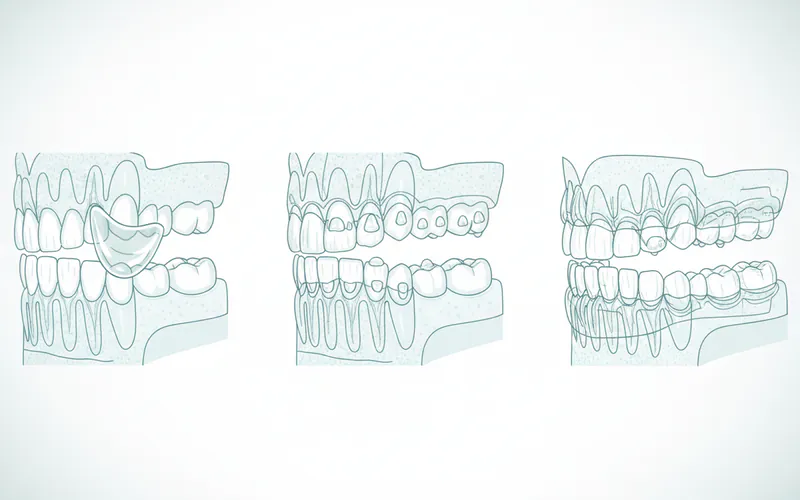
- Invisalign Comprehensive (Full): This is the most common and robust treatment option, designed for individuals with moderate to severe malocclusion. It offers an unlimited number of aligners and an extended treatment period, ensuring even complex cases can be effectively managed. It typically covers issues like significant crowding, spacing, and bite problems (overbite, underbite, crossbite).
- Invisalign Lite: Geared towards patients with mild to moderate malocclusion, such as minor crowding, spacing issues, or relapse after previous orthodontic treatment. It involves a limited number of aligners (usually up to 14 sets) and a shorter treatment duration, making it a quicker and potentially more affordable option for less complex cases.
- Invisalign Express: The shortest and most limited option, typically for very minor dental adjustments, often used for touch-ups or to correct very slight alignment issues. It usually involves 5-7 aligner sets and has the quickest treatment time.
- Invisalign Teen: Specifically designed with teenagers in mind. It incorporates unique features like compliance indicators (a small blue dot that fades with wear time, helping parents and orthodontists monitor usage), eruption tabs to accommodate developing molars, and up to six free replacement aligners, acknowledging that teens can be prone to misplacing them.
- Invisalign First: This innovative option is designed for younger children (typically ages 6-10) who are still developing their permanent teeth. It falls under the umbrella of Phase 1 orthodontics, aiming to intercept developing malocclusion, create space for erupting permanent teeth, and guide jaw growth to prevent more severe problems later on.
Regardless of the specific type, the underlying principle of Invisalign remains the same: each aligner set applies precise, controlled forces to gradually shift teeth into their predetermined positions according to a meticulously planned sequence.
Causes and Risk Factors for Malocclusion (The Condition Invisalign Corrects)
Malocclusion, or a "bad bite," refers to the improper alignment of teeth and/or jaws. While Invisalign is the treatment, understanding the causes of malocclusion is crucial:
- Genetics: This is the most common factor. If your parents or grandparents had crooked teeth or jaw misalignments, you are more likely to inherit similar issues. Jaw size discrepancies (e.g., a small jaw with large teeth, leading to crowding) are often genetic.
- Oral Habits: Certain childhood habits can significantly influence jaw development and tooth alignment. These include prolonged thumb-sucking, pacifier use beyond age 3-4, tongue thrusting (where the tongue pushes against the front teeth), and mouth breathing.
- Early or Late Loss of Primary (Baby) Teeth: Losing baby teeth too early due to decay or injury can cause adjacent teeth to drift into the empty space, leaving insufficient room for the permanent tooth to erupt correctly. Conversely, holding onto baby teeth for too long can block the path of erupting permanent teeth.
- Accidents and Trauma: Injuries to the face or jaw can displace teeth, damage developing tooth buds, or alter jaw growth, leading to malocclusion.
- Dental Disease: Conditions like advanced gum disease can weaken the bone and ligaments supporting teeth, causing them to shift. Large fillings or dental restorations that alter the bite can also contribute.
- Poor Nutrition: During critical growth periods, inadequate nutrition can affect bone and tooth development.
- Impacted or Missing Teeth: Sometimes, permanent teeth fail to erupt (impacted) or are congenitally missing, creating spacing issues or causing other teeth to shift.
Signs and Symptoms to Watch For (Indicating the Need for Orthodontic Treatment)
Many individuals seek orthodontic treatment for aesthetic reasons, but there are also important functional signs that may indicate the need for Invisalign or braces:
- Crooked or Crowded Teeth: Teeth that overlap, are twisted, or do not fit properly in the dental arch.
- Gaps or Spaces Between Teeth: Excess space between teeth, often due to missing teeth or a jaw that is too large for the teeth.
- Overbite: When the upper front teeth significantly overlap the lower front teeth.
- Underbite: When the lower front teeth protrude beyond the upper front teeth.
- Crossbite: When some upper teeth sit inside the lower teeth when the mouth is closed, either on one side or both.
- Open Bite: When the front upper and lower teeth don't meet when the mouth is closed.
- Difficulty Chewing or Biting: Misaligned teeth can make it hard to bite into food properly or chew efficiently, leading to digestive issues.
- Speech Difficulties: Certain malocclusions can affect speech patterns, leading to lisps or other pronunciation issues.
- Jaw Pain or Discomfort: A misaligned bite can put undue stress on the temporomandibular joints (TMJ), leading to headaches, jaw clicking, or pain.
- Uneven Wear of Tooth Enamel: When teeth don't meet correctly, some teeth may experience excessive wear, leading to sensitivity or structural damage.
- Mouth Breathing: Chronic mouth breathing can impact jaw development and lead to an elongated face shape and other dental issues.
Diagnosis Process — What Your Dentist Does
The journey to an Invisalign smile begins with a thorough diagnostic process, typically conducted by a qualified orthodontist:
- Initial Consultation: Your orthodontist will discuss your concerns, orthodontic goals, and medical/dental history. They'll perform a visual examination of your teeth, gums, and bite.
- Comprehensive Oral Examination: This includes assessing the health of your teeth and gums, identifying any existing dental work, and evaluating your overall oral structure.
- Diagnostic Records:
- X-rays: Panoramic X-rays provide a broad view of your entire mouth, showing all teeth (erupted and unerupted), jawbones, and sinuses. Cephalometric X-rays capture a side-profile view of your head, revealing the relationship between your teeth and jawbones, which is crucial for bite correction.
- Digital Scans or Impressions: Instead of messy traditional plaster impressions, most orthodontists now use advanced digital scanners, such as the iTero Element® scanner, to create a highly accurate, 3D digital model of your teeth and gums. This process is quick, comfortable, and provides immediate visual feedback.
- Photographs: Intraoral (inside the mouth) and extraoral (facial) photographs are taken to document your starting position and track progress.
- ClinCheck® Software Treatment Planning: The digital 3D model of your teeth is then used with Invisalign's proprietary ClinCheck® software. This advanced program allows the orthodontist to meticulously plan each stage of your tooth movement, from the initial position to the final desired alignment. You can even see a virtual representation of your projected smile before treatment begins.
- Discussion and Treatment Plan Presentation: Your orthodontist will present the proposed treatment plan, explaining the expected duration, the number of aligners, potential challenges, and answering all your questions. This is where you'll gain a clear understanding of your Invisalign journey.
Treatment Options with Pros, Cons, and Costs
While Invisalign is a treatment option for malocclusion, it's important to understand its place among other orthodontic solutions. Here, we'll focus primarily on Invisalign's specifics, but a comparison to traditional braces will follow.
Invisalign
- Pros:
- Aesthetics: Nearly invisible, making it a popular choice for adults and self-conscious teens.
- Removability: Aligners can be removed for eating, drinking, brushing, and flossing, allowing for easier oral hygiene and no dietary restrictions.
- Comfort: Made from smooth, patented SmartTrack® material, aligners are generally more comfortable than metal braces, with less irritation to gums and cheeks.
- Predictability: The ClinCheck® software allows for precise planning and visualizes the treatment outcome, giving patients a clear expectation.
- Fewer Office Visits: Typically requires fewer, shorter check-ups compared to braces adjustments.
- Improved Oral Hygiene: The ability to remove aligners means you can maintain your regular brushing and flossing routine, reducing the risk of cavities and gum disease during treatment.
- Cons:
- Requires Discipline: Must be worn 20-22 hours per day for effective results. Forgetting to wear them, or removing them too often, can delay treatment.
- Can Be Misplaced: Since they are removable, aligners can be lost, leading to potential delays and replacement costs.
- Not Suitable for All Cases: While effective for most malocclusions, very complex cases (e.g., severe jaw discrepancies, extreme rotations) might still be better suited for traditional braces.
- Potential for Temporary Discomfort: New aligners can cause a feeling of pressure or mild soreness for the first 1-2 days as teeth begin to shift.
- Speech Alterations: Some patients experience a temporary lisp or slight change in speech for the first few days of wearing new aligners.
- Attachments: Small, tooth-colored "attachments" (composite resin dots) are often bonded to teeth to help the aligners grip and apply specific forces. While discreet, they are visible up close.
- Cost: The cost of Invisalign in the US typically ranges from $3,000 to $8,000 or more. This wide range depends on several factors, including:
- Complexity of your case: More severe malocclusion requires longer treatment and more aligners, increasing costs.
- Treatment duration: Longer treatments generally cost more.
- Your orthodontist's fees: Fees can vary based on experience, location (urban vs. rural), and the specific practice.
- Invisalign product type: Invisalign Lite or Express are less expensive than Invisalign Comprehensive.
Step-by-Step: What to Expect During Invisalign Treatment
- Initial Consultation and Diagnosis: As outlined above, this first step involves evaluation, diagnostic records (scans, X-rays), and treatment planning.
- Aligner Fabrication: Once your orthodontist finalizes your ClinCheck® plan, Invisalign manufactures a series of custom-made aligners using their advanced SmartTrack® material.
- First Aligner Fitting and Attachments: You'll receive your first set of aligners. Your orthodontist may bond small, tooth-colored composite resin "attachments" to specific teeth. These are tiny bumps that act as anchors, helping the aligners grip your teeth and exert the necessary force for complex movements. They are designed to blend with your natural tooth color.
- Wearing Your Aligners: You'll be instructed to wear your aligners for 20-22 hours per day, removing them only for eating, drinking anything other than plain water, brushing, and flossing.
- Changing Aligners: You'll typically switch to a new set of aligners every 1-2 weeks, as directed by your orthodontist. Each new set will feel slightly snug as it continues to shift your teeth.
- Regular Check-ups: You'll have periodic check-up appointments, usually every 6-8 weeks, to monitor your progress, ensure your treatment is on track, and address any concerns.
- IPR (Interproximal Reduction): In some cases, your orthodontist may perform interproximal reduction (IPR), also known as "filing between teeth." This is a minor, pain-free procedure that involves gently removing a tiny amount of enamel between specific teeth to create space, facilitating tooth movement and preventing black triangles between teeth.
- Refinements (If Needed): Towards the end of your initial treatment, if your teeth haven't moved exactly as planned or if you desire further adjustments, your orthodontist may recommend "refinements." This involves taking new scans and creating additional sets of aligners to fine-tune your results.
- Completion and Retainer Phase: Once your teeth have reached their final positions, your active Invisalign treatment is complete. The crucial next step is the retainer phase.
Recovery Timeline and Aftercare
There isn't a traditional "recovery" period with Invisalign as there would be with surgery, but there's certainly an adjustment phase:
- Initial Adjustment: When you switch to a new set of aligners, you'll likely feel some pressure or mild discomfort for the first 1-2 days. This is normal and a sign that your teeth are moving. Over-the-counter pain relievers (like ibuprofen) can help manage any soreness.
- Oral Hygiene: Maintaining excellent oral hygiene is paramount. Remove your aligners before eating and drinking (except water). After every meal or snack, brush your teeth and floss thoroughly before re-inserting your aligners. Clean your aligners daily with a soft toothbrush and mild soap or Invisalign cleaning crystals to prevent bacteria buildup and discoloration.
- Retainer Use: This is perhaps the most critical aspect of aftercare. Once your active Invisalign treatment is complete, you will transition to wearing a retainer. Your orthodontist may recommend a brand like Vivera® retainers (made by Invisalign) or traditional clear plastic retainers, or a fixed retainer (a thin wire bonded to the back of your front teeth). Initially, you'll wear your retainer full-time (except when eating/brushing) for several months, then typically transition to nightly wear, for life. This lifelong commitment prevents your teeth from gradually shifting back to their original positions (a phenomenon called "relapse").
Prevention Strategies (Maintaining Your Aligned Smile)
The primary prevention strategy after Invisalign is diligent retainer wear, but other practices contribute to a lasting smile:
- Consistent Retainer Wear: As mentioned, this is non-negotiable. Your teeth have a "memory" and will try to revert without consistent retainer pressure.
- Good Oral Hygiene: Continue brushing twice a day and flossing daily. This not only keeps your teeth healthy but also extends the life of your retainer.
- Regular Dental Check-ups: Continue seeing your general dentist for routine cleanings and check-ups at least twice a year.
- Avoid Harmful Habits: Refrain from habits like nail-biting, pen-chewing, or using your teeth as tools, as these can chip teeth or subtly shift them over time.
- Address Dental Issues Promptly: If you experience any new dental concerns, such as a lost filling or new pain, consult your dentist immediately.
Cost Ranges in the US (with/without insurance)
The cost of Invisalign treatment in the United States generally ranges from $3,000 to $8,000, with an average often falling between $4,500 and $6,500. This figure can fluctuate based on:
- Geographic Location: Costs tend to be higher in major metropolitan areas compared to smaller towns.
- Complexity and Duration: More extensive treatments requiring a greater number of aligners and longer overall time will naturally be more expensive.
- Orthodontist's Fees: The experience and reputation of your orthodontist, as well as the overhead of their practice, can influence pricing.
With Dental Insurance: Many dental insurance plans that include orthodontic coverage will contribute to the cost of Invisalign, as it's considered a legitimate orthodontic treatment.
- Coverage Amount: Insurance typically covers a percentage of the total cost, often ranging from 10% to 50%, up to a lifetime maximum.
- Lifetime Maximums: Common lifetime maximums for orthodontic benefits are typically between $1,000 and $3,000.
- Checking Your Plan: It is crucial to contact your insurance provider directly to understand your specific orthodontic benefits, including deductibles, co-pays, and lifetime maximums for adult and child orthodontics. Your orthodontist's office staff can often assist with this process.
Without Dental Insurance / Payment Options: For those without orthodontic insurance coverage, or for amounts not covered by insurance, several payment options are available:
- Payment Plans: Most orthodontic offices offer flexible in-house payment plans, allowing you to pay for treatment in monthly installments over the course of your treatment.
- Flexible Spending Accounts (FSA) and Health Savings Accounts (HSA): These employer-sponsored accounts allow you to set aside pre-tax money for healthcare expenses, including orthodontic treatment.
- Third-Party Financing: Companies like CareCredit offer healthcare credit cards with special financing options, often with interest-free periods if paid in full within a certain timeframe.
Comparison Table: Invisalign vs. Traditional Braces
To help you make an informed decision, here's a side-by-side comparison of Invisalign and traditional braces:
| Feature | Invisalign | Traditional Braces |
|---|---|---|
| Appearance | Nearly invisible clear plastic aligners. | Visible metal or ceramic brackets and wires. |
| Removability | Removable for eating, drinking, brushing, and flossing. | Fixed to teeth for the entire treatment duration. |
| Comfort | Generally smoother, less irritation to cheeks and gums. | Can cause mouth sores from brackets and wires; periodic adjustments can be uncomfortable. |
| Oral Hygiene | Easier to maintain; brush and floss normally after removing aligners. | More challenging to clean around brackets and wires; requires special tools. |
| Dietary Limits | None (aligners are removed for meals). | Restrictions on hard, sticky, chewy foods to prevent damage. |
| Treatment Time | Varies, typically 12-18 months (can range from 6 months to 2 years). | Varies, typically 18-24 months (can be longer for complex cases). |
| Cost | Generally $3,000 - $8,000+. | Generally $3,000 - $7,000+. |
| Complexity | Effective for most cases, including mild to severe malocclusion. | Effective for virtually all complexities, including the most severe. |
| Discipline | High discipline required (must wear 20-22 hours/day). | Lower discipline required (always on, no removal needed). |
| Follow-up Visits | Typically every 6-8 weeks. | Typically every 4-6 weeks for adjustments. |
| Emergencies | Less common; primarily lost aligners or detached attachments. | Broken wires, loose brackets can cause discomfort or emergencies. |
| Speech Impact | Potential temporary lisp during initial adjustment. | Potential temporary lisp or speech changes. |
For Parents / Pediatric Considerations
Invisalign has expanded its reach to include younger patients, offering tailored solutions for growing smiles:
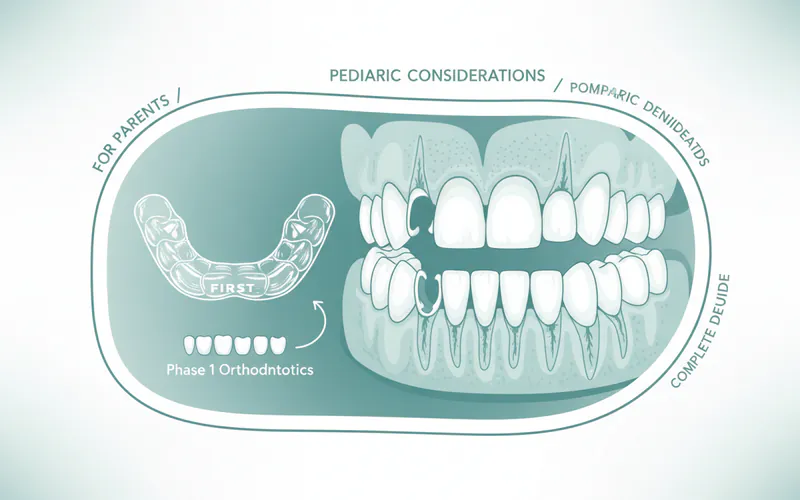
- Invisalign First (Phase 1 Orthodontics): This early intervention treatment is designed for children typically between the ages of 6 and 10 who still have a mix of primary and permanent teeth. Invisalign First aims to:
- Address developing malocclusions early, such as crossbites, crowding, or narrow arches.
- Guide jaw growth and create adequate space for the eruption of permanent teeth.
- Potentially reduce the need for more extensive orthodontic treatment (like extractions) in the future.
- Improve speech, prevent abnormal wear of teeth, and guide erupting permanent teeth into better positions.
- Invisalign Teen: As mentioned earlier, this version caters specifically to teenagers. Beyond the visible benefits of clear aligners, it addresses specific teen concerns:
- Self-Consciousness: Many teenagers are highly sensitive about their appearance, making the discreet nature of Invisalign highly appealing.
- Activities: The removability of aligners allows teens to participate in sports, play musical instruments, and eat all their favorite foods without the restrictions or risks associated with traditional braces.
- Compliance Indicators: The small blue dots on Invisalign Teen aligners fade with consistent wear, providing a visual cue for parents and orthodontists to monitor compliance.
- Replacement Aligners: The inclusion of up to six free replacement aligners acknowledges that teenagers might occasionally lose or damage an aligner.
For both Invisalign First and Invisalign Teen, parental supervision and encouragement are crucial. While the aligners offer convenience, consistent wear time (20-22 hours per day) is non-negotiable for successful outcomes. Parents play a vital role in ensuring their children adhere to the treatment plan and maintain proper oral hygiene.
Frequently Asked Questions
How much does Invisalign cost?
The cost of Invisalign in the US typically ranges from $3,000 to $8,000. The final price depends on the complexity of your malocclusion, the length of your treatment, your geographic location, and the specific orthodontist's fees. Many dental insurance plans offer some orthodontic coverage, often contributing $1,000 to $3,000 towards the total cost. Most orthodontic offices also provide flexible payment plans, and you can use FSA/HSA funds.
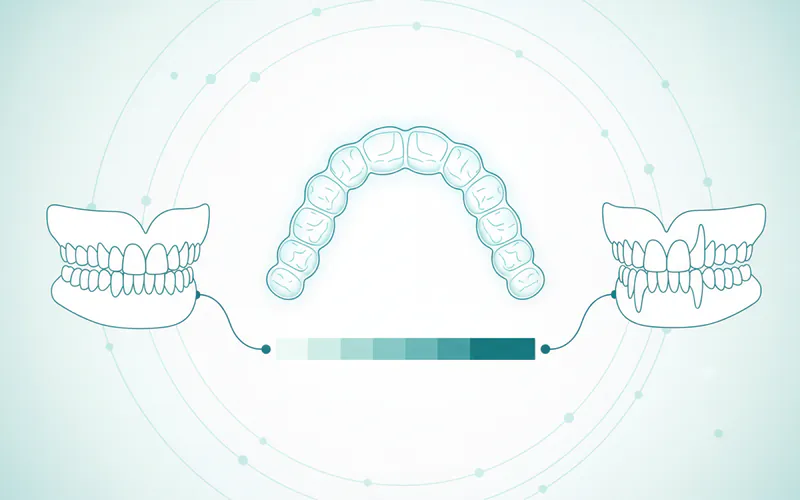
Is Invisalign painful?
While "painful" might be too strong a word, you will experience some pressure and mild discomfort, especially when you switch to a new set of aligners. This sensation usually lasts for the first 1-2 days as your teeth begin to shift. It's a sign that the aligners are working. Most people describe it as a feeling of tightness or soreness, which can typically be managed with over-the-counter pain relievers like ibuprofen. It's generally considered less uncomfortable than the adjustments often associated with traditional braces.
How long does Invisalign treatment take?
The duration of Invisalign treatment varies significantly depending on the complexity of your case. For minor adjustments, treatment might be as short as 6 months. However, most comprehensive cases last between 12 to 18 months. More severe malocclusions could require up to 2 years or longer. Your orthodontist will provide a personalized timeline during your initial consultation using the ClinCheck® software. Remember, the active treatment is followed by a lifelong retainer phase to maintain your results.
What are the alternatives to Invisalign?
The primary alternatives to Invisalign are other forms of orthodontic treatment:
- Traditional Metal Braces: The most common and effective option for all types of malocclusion, involving metal brackets and wires.
- Ceramic Braces: Similar to traditional braces but use clear or tooth-colored ceramic brackets for a less noticeable appearance.
- Lingual Braces: Placed on the inside (tongue side) of your teeth, making them completely invisible from the outside. They are custom-made but can be more expensive and sometimes affect speech initially.
- At-Home or Mail-Order Clear Aligners: These typically involve taking your own impressions at home and receiving aligners by mail. While often cheaper, they lack direct orthodontist supervision, which can lead to inadequate diagnosis, improper treatment, and potentially irreversible damage to your teeth and bite. SmilePedia.net strongly advises against unsupervised orthodontic treatment.
Does dental insurance cover Invisalign?
Yes, many dental insurance plans that include orthodontic coverage will cover a portion of Invisalign treatment. It's typically treated the same way as traditional braces coverage. Most plans have a lifetime maximum for orthodontic benefits, often ranging from $1,000 to $3,000. It's essential to contact your insurance provider directly or have your orthodontist's office verify your specific benefits to understand what your plan will cover.
Can I eat and drink normally with Invisalign?
Yes, you can eat and drink normally, but you must remove your aligners before consuming anything other than plain water. Eating or drinking with aligners in place can stain them, trap food particles against your teeth (increasing cavity risk), and potentially damage the aligners. After eating or drinking, always brush your teeth and floss thoroughly before re-inserting your aligners to maintain oral hygiene and prevent staining.
What are those "attachments" on my teeth?
Invisalign "attachments" (also known as SmartForce® attachments) are small, tooth-colored composite resin bumps that your orthodontist temporarily bonds to specific teeth. They serve as anchors, helping the aligners grip the teeth more effectively and apply precise forces for complex tooth movements, such as rotations or extrusions. While they may be slightly noticeable up close, they are designed to blend with your natural tooth color and are removed easily at the end of your treatment.
Do I still need a retainer after Invisalign?
Absolutely. Wearing a retainer after Invisalign treatment is crucial and lifelong. Without a retainer, your teeth will gradually shift back towards their original positions (a phenomenon called "relapse"), undoing all the time, effort, and investment of your Invisalign treatment. Your orthodontist will typically prescribe either removable clear retainers (like Vivera® retainers) or a fixed retainer (a thin wire bonded to the back of your front teeth), often recommending full-time wear initially, followed by nightly wear indefinitely.
When to See a Dentist
For Initial Consultation: If you notice any of the signs of malocclusion – such as crooked, crowded, or gapped teeth, an overbite, underbite, or crossbite, or if you experience jaw pain or difficulty chewing – it's an excellent time to schedule a consultation with a general dentist or, ideally, an orthodontist. They can assess your unique situation and determine if Invisalign or another orthodontic treatment is right for you. Early intervention can often prevent more severe problems down the line.
During Invisalign Treatment (Non-Emergency): Contact your orthodontist's office if you experience:
- A lost or broken aligner.
- An attachment coming off a tooth.
- Discomfort that is severe or persists beyond the initial 1-2 day adjustment period.
- Difficulty removing or inserting your aligners.
- Any concerns about your treatment progress.
Emergency Signs (Seek Immediate Dental Care): While Invisalign treatments rarely involve emergencies common with traditional braces, certain situations warrant immediate attention:
- Severe, persistent pain: Especially if accompanied by swelling or fever.
- Trauma to teeth or gums: Any impact or injury to your mouth.
- Signs of infection: Redness, swelling, pus, or fever related to your gums or teeth.
- A broken aligner that is causing injury to your mouth.
Always prioritize your dental health and contact your dental professional if you have any concerns.
Medical Disclaimer
This article is for informational purposes only and does not constitute medical advice. Always consult with a qualified dental professional for diagnosis and treatment. Do not delay seeking professional advice because of something you read on this website.